Revestimiento de burbujas de aluminio para comercio electrónico: Un marco de cinco decisiones
A revestimiento de burbujas de aluminio El comercio electrónico debe elegirse a través de cinco decisiones interconectadas.: qué debe evitar el producto, lo que el canal de entrega puede imponer, Cómo gestiona el calor el paquete completo, ¿Qué evidencia se necesita?, y que pasa después de desempaquetar. Este orden importa. Comenzar con una muestra del soporte o un precio por pieza anima a los equipos a tratar el embalaje como un accesorio aislado.. Comenzar con el envío revela si un revestimiento reflectante flexible es apropiado, qué otros componentes necesita, y donde un recinto diferente sería más seguro.
El siguiente marco está diseñado para comerciantes., ingenieros de embalaje, equipos de adquisiciones, líderes de cumplimiento, gerentes de calidad, y especialistas en sostenibilidad. No se asume que cada envío sea farmacéutico o que cada paquete requiera refrigeración activa.. Tampoco supone que una apariencia reflectante demuestre el rendimiento.. El objetivo es convertir una amplia categoría de envases en un sistema de comercio electrónico controlado que pueda ponerse a prueba., mesurado, y mejorado.
Decisión uno: Defina los límites del producto antes de seleccionar el embalaje
Cada diseño comienza con una condición que es importante para el producto.. Para un artículo, el calor breve solo puede afectar la textura. por otro, la congelación puede dañar una emulsión. Un producto de diagnóstico puede tener un rango etiquetado definido, mientras que un cosmético de lujo puede necesitar protección contra deformaciones visibles en lugar de una banda de temperatura regulada. Estos son problemas diferentes incluso si las cajas parecen similares..
Escriba un breve límite de producto para cada familia de SKU. Debe indicar la condición aceptable., la duración prevista de la entrega, El caso del retraso creíble, condición inicial del producto, temporada de destino prevista, y consecuencia del fracaso. Evite lenguaje como "mantente fresco" a menos que la empresa lo haya traducido en una regla de aceptación mensurable. Un objetivo vago no puede producir un paquete defendible.
La masa y la geometría del producto son parte del límite.. Un paquete múltiple denso transporta más masa térmica que un vial pequeño. Una caja casi llena intercambia calor de manera diferente a un recinto grande con un artículo pequeño.. Vaso, bolsas, bandejas, y los frascos también imponen diferentes necesidades de protección física. Por lo tanto, el historial de pedidos debe agruparse en perfiles repetibles en lugar de promediarse en un pedido típico imaginario..
Pregunte si el producto puede tocar un componente frío.. El contacto directo con un paquete congelado puede crear un punto frío local incluso cuando el promedio del cartón parece aceptable.. un divisor, refrigerante acondicionado, o puede ser necesario material de cambio de fase, dependiendo del requisito del producto. La respuesta proviene del producto y del plan de pruebas., no de la categoría de transatlántico.
Luego defina la consecuencia de la decisión.. Si una falla crea solo una queja cosmética, la empresa puede tolerar más riesgos que cuando la seguridad, eficacia, u obligaciones legales están involucradas. Los productos de grandes consecuencias necesitan una propiedad de calidad, evidencia documentada, controles de liberación, y procedimientos de desviación. Un revestimiento reflectante aún puede formar parte de la solución., pero no puede reemplazar esos controles.
Decisión dos: Mapee el canal real de comercio electrónico
La ruta comienza antes de la recogida por parte del transportista.. El producto puede esperar en almacenamiento refrigerado., pasar a un banco de embalaje cálido, sentarse en una jaula de ensayo, cargar en un remolque, pasar por centros, viajar en un vehículo de reparto, y permanecer en una puerta. El punto más caliente o más frío puede ocurrir durante cualquiera de estas etapas.. Al mapear únicamente la promesa de tránsito publicada se pierde la permanencia operativa.
Construya el mapa de canales a partir de marcas de tiempo y observaciones.. Corte de orden de registro, elegir tiempo, tiempo de empacar, habitar en el muelle, levantar, movimiento del cubo, ventana de entrega, exposición de fin de semana, y recuperación de clientes. Identificar si el servicio es mensajería local, paquetería nacional, cumplimiento del mercado, cumplimiento del minorista, entrega de suscripción, o una red mixta. Cada canal puede justificar un perfil separado.
El clima debe ir acompañado de la estación y el manejo.. Un promedio diario al aire libre no describe un vehículo cerrado a la luz del sol., y un mínimo de invierno no describe la temperatura dentro de una instalación con calefacción. Utilice datos de carril medidos cuando estén disponibles. cuando no es, elegir un perfil de prueba justificado e indicar qué incertidumbre queda.
La ruta también impone peligros mecánicos.. Caída de cajas, vibrar, comprimir, inclinación, abrazo, y encontrar objetos vecinos afilados. Una prueba solo térmica no puede mostrar si una costura se abre después de una vibración o si un paquete congelado daña el revestimiento después de impactos repetidos.. ISTA separa los procedimientos de desarrollo térmico de las pruebas de distribución física por una buena razón: las preguntas están relacionadas, pero no son lo mismo.
Una promesa de pago no es una condición de prueba. "dia siguiente" pueden convertirse en dos días debido a un corte omitido o a una interrupción del tiempo. Los equipos de diseño deben incluir un caso de retraso que refleje el riesgo empresarial.. El objetivo no es reclamar protección para cada evento imaginable.. Es definir una ventana operativa útil y decidir qué sucede más allá de ella..
Utilice una matriz de carriles en lugar de un supuesto global
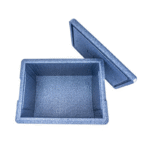
Una pequeña matriz de carriles puede revelar dónde pertenece un revestimiento flexible. Clasificar rutas por duración, exposición estacional, traspaso, control de entrega, clase de carga útil, y consecuencia. Un paquete puede adaptarse a pedidos urbanos cortos con recuperación el mismo día. Otro puede combinar el revestimiento con medios de almacenamiento térmico acondicionados para el servicio de paquetería.. Largo, incierto, o las rutas de altas consecuencias pueden requerir un enfoque más sólido. caja aislada.
Mantener las excepciones visibles. códigos postales remotos, pedidos de fin de semana, olas de calor, resfriado severo, y las cestas mixtas grandes se pueden enviar a otro paquete o suspender temporalmente. Una regla de excepción es una señal de control., no es una debilidad en el producto.
Decisión tres: Construya el sistema térmico funcional más pequeño
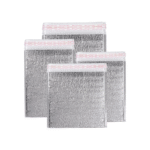
Una vez conocidos el producto y canal, diseñar el conjunto completo. Un revestimiento de burbujas de aluminio suele ser un laminado flexible con una cara reflectante de baja emisión y una estructura de burbujas o celdas cerradas.. Materiales de capa exactos, espesores, costuras, y la construcción de la superficie varía. Los compradores deben evaluar la construcción especificada en lugar de confiar en el nombre de la categoría..
El calor llega a la carga útil por conducción., convección, y radiación. La estructura de la burbuja y el aire encerrado pueden resistir cierta transferencia conductiva y convectiva.. Una superficie de baja emisión puede reducir el intercambio radiante cuando se enfrenta a un espacio aéreo adyacente.. A NOSOTROS. La guía del Departamento de Energía explica este principio para el aislamiento reflectante y las barreras radiantes en edificios.. También señala el punto esencial de que se necesita un espacio aéreo adyacente.. en un paquete, ese principio es relevante, pero la guía de construcción no es una calificación de desempeño de la parcela.
Esta distinción afecta el embalaje.. Aplastando las células, envolviendo la cara reflectante firmemente contra otra capa sólida, dejando las costuras abiertas, o crear grandes puentes conductores puede cambiar el comportamiento previsto. Una superficie brillante por sí sola no determina cuánto tiempo permanecerá un envío dentro de su objetivo..
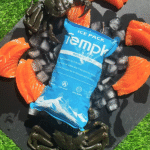
refrigerante, cuando hace falta, es parte del balance energético. paquetes de gel, bolsas de hielo a base de agua, o materiales de cambio de fase absorben calor a medida que cambia su temperatura y, para componentes de cambio de fase, mientras hacen la transición. Su cantidad, rango de cambio de fase, método de acondicionamiento, colocación, y el contacto con el producto influyen en los resultados. Más refrigerante no es automáticamente mejor porque el exceso de masa congelada puede provocar daños por frío., aumentar el flete, y reducir el volumen utilizable.
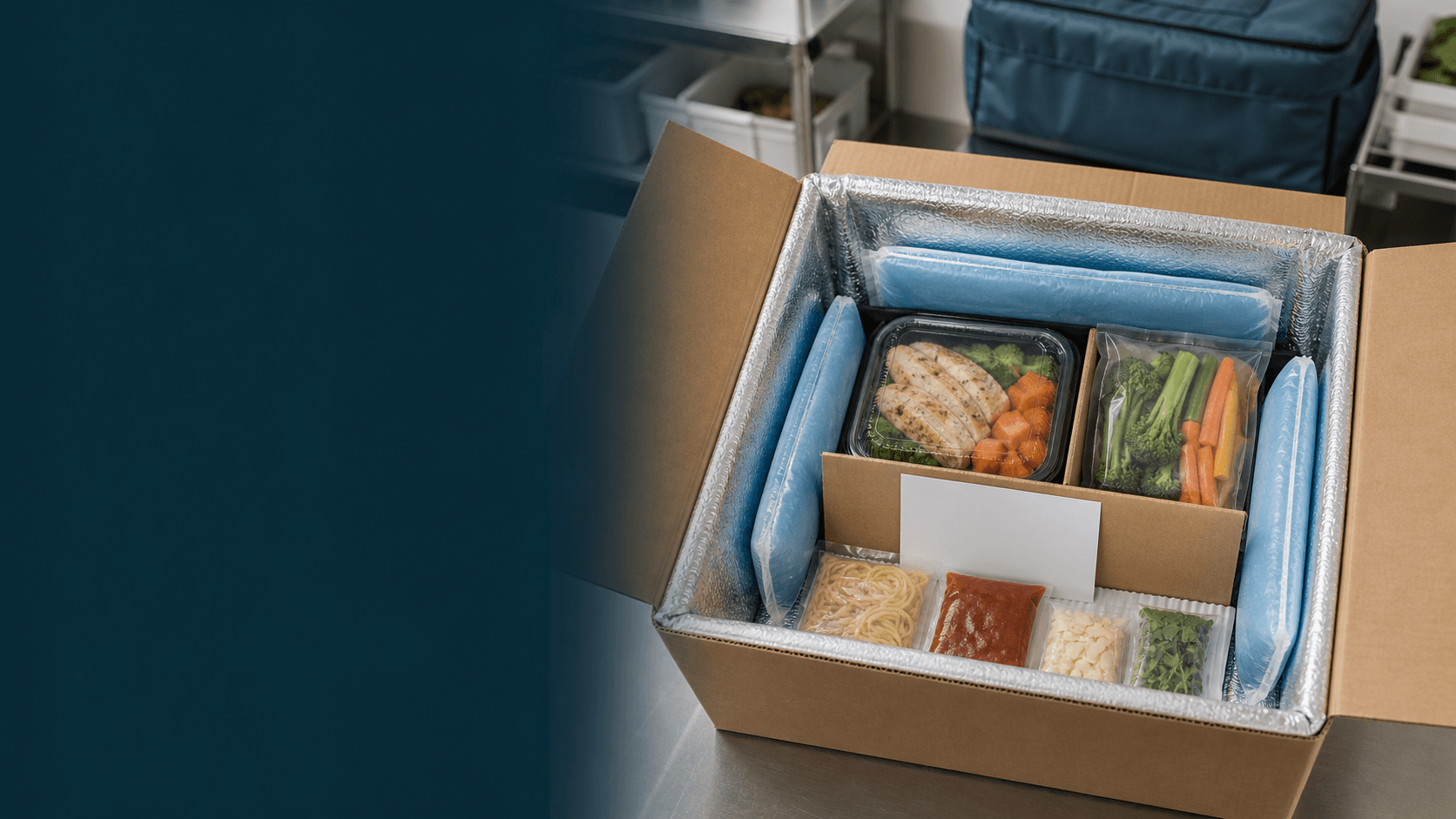
El tamaño correcto es un ejercicio de sistema. La caja debe encajar en el revestimiento., producto, refrigerante, divisores, absorbente, y cierre sin aplastar componentes ni dejar volumen innecesario. Los pliegues del revestimiento consumen espacio. El refrigerante necesita una colocación repetible. La parte superior debe cerrarse sin volver a abrirse.. Una dimensión nominal de la caja no es lo mismo que el espacio interno utilizable.
Utilice la siguiente matriz durante las primeras revisiones de diseño. No selecciona un producto por sí solo.; muestra lo que debe decidirse y verificarse.
| Señal de decisión | Probable dirección de diseño | Pruebas para recoger | Error común a evitar |
|---|---|---|---|
| Corto, ruta local controlada con consecuencias moderadas para el producto | Caja y revestimiento del tamaño adecuado; agregar almacenamiento térmico solo si las pruebas demuestran que es necesario | Duración del carril, tiempo de puesta en escena, datos de temperatura piloto, resultados de daños | Suponiendo que cada orden local experimente la misma permanencia |
| Ruta de paquetería estacional con exposición variable | Revestimiento más un refrigerante definido y un plan de colocación | Caliente- y perfiles de estación fría, caso de retraso, prueba de distribución física | Tratar la cantidad de refrigerante como la única variable de diseño |
| Pequeña carga útil en una caja estándar grande | Desarrollar un paquete más pequeño o una cartera de tamaño gobernado | Datos de orden dimensional, volumen utilizable, prueba de tiempo de paquete | Llenar el volumen evitable con material suelto |
| Producto sensible a la congelación | Utilice componentes acondicionados y separación según corresponda. | Límite de producto, colocación de sensores locales, prueba de caso sin resolver | Colocar paquetes congelados directamente contra el producto. |
| Envío de grandes consecuencias o de larga incertidumbre | Considere un recinto aislado más resistente y controles de calidad formales. | Protocolo calificado, repite, desviaciones, criterios de liberación | Ampliar un reclamo piloto de bajo riesgo a un envío crítico |
| Ruta de suscripción con recuperación confiable | Explore una configuración retornable con reglas de inspección y retiro | Tasa de retorno, rotaciones, limpieza, daño, impacto de la logística inversa | Llamar a un artículo reutilizable sin operar un bucle de retorno |
| El destino del cliente carece de una ruta verificada de recuperación del laminado | Dar componente específico, guía de eliminación con reconocimiento de ubicación | Declaración de material y aceptación del coleccionista local. | Utilizar un símbolo de reciclaje como prueba de recogida |
Reducir el volumen sin eliminar la protección necesaria
El paquete más pequeño no es automáticamente el mejor paquete. El espacio necesario puede separar un producto de paquetes fríos, proporcionar amortiguación, permitir el cierre del revestimiento, o acomodar el movimiento permitido del producto. Eliminar el vacío evitable, protección no funcional.
Las normas de embalaje de la Unión Europea hacen que esta distinción sea importante para los vendedores que colocan embalajes en ese mercado.. Regulación 2025/40 introduce disposiciones para la minimización del embalaje por etapas y una futura relación máxima de espacio vacío para los envases agrupados., transporte, y embalajes para comercio electrónico. Los materiales de relleno se cuentan en el cálculo del espacio vacío.. La ley también preserva la funcionalidad del embalaje y la protección del producto., y su método detallado y las fechas relevantes deben seguirse a medida que entren en vigor..
Se trata de un marco jurídico específico de la UE., no es una fórmula de cartón global. Los equipos no deben aplicar un porcentaje recordado sin confirmar su aplicabilidad., momento, metodología, y deberes del operador. La práctica de la ingeniería de sonido es más amplia.: documentar por qué existe cada componente y espacio, luego reduzca lo que no sea necesario.
Decisión cuatro: Exija pruebas que coincidan con el reclamo
Un útil informe térmico describe un paquete completo. Identifica la construcción del cartón y del revestimiento., carga útil, refrigerante, acondicionamiento de componentes, temperaturas iniciales, perfil ambiental, posiciones de los sensores, duración, repeticiones, límites de aceptación, y desviaciones. Si falta alguno de estos, Se vuelve difícil determinar si el resultado se aplica a una orden en vivo..
La ubicación del sensor merece una atención especial. Una sola sonda en el centro de la caja puede pasar por alto una pared caliente, un lugar frío al lado de un paquete congelado, o variación entre productos. El plan de medición debe reflejar el riesgo y la geometría del producto.. Los instrumentos deben ser adecuados para el rango y usarse bajo los controles de calibración de la organización..
ISTA Standard 7E proporciona perfiles estandarizados de exposición a temperaturas externas para envíos de sistemas de entrega de paquetes y puede respaldar el desarrollo y la comparación.. Otros procedimientos de ISTA abordan diferentes contextos de comercio electrónico y distribución física.. La selección de un procedimiento con nombre debe seguir el canal de distribución y el objetivo.. Pasar una exposición térmica no establece resistencia a caídas o vibraciones., y pasar una prueba física no prueba la duración térmica.
Herramientas útiles para tomar decisiones
Comprueba los detalles antes de elegir el embalaje.
Estas herramientas rápidas pueden ayudarle a comparar el riesgo de la ruta, necesidades de dimensionamiento, opciones de refrigerante, y detalles del embalaje antes de solicitar una cotización.
Calculadora de bolsa de hielo
Estimación de la cantidad de bolsas de hielo en gel para envíos refrigerados y planificación práctica de rutas.
Estimar las bolsas de hieloSelector de embalaje
Compare las opciones de embalaje aislado por producto, ruta, y necesidad de temperatura.
encontrar embalajerefrigerante & Referencia PCM
Compare las opciones de refrigerante y PCM cuando una ruta necesite soporte de temperatura adicional.
Comparar opcionesA veces se menciona la norma ASTM C1224 en torno a materiales reflectantes.. Su alcance oficial se refiere al aislamiento reflectante utilizado en aplicaciones de construcción., con superficies de bajas emisiones orientadas a espacios de aire cerrados. Puede ayudar a un lector técnico a comprender las especificaciones de los productos de construcción., pero no es una certificación de paquetería de comercio electrónico. Un proveedor no debe usarlo para dar a entender que se ha validado una configuración de envío..
La evidencia también debe sobrevivir a la producción.. Registre la pila de material aprobada., dimensiones, diseño de costura, cierre, y criterios de mano de obra. Inspeccione varias unidades en un lote en lugar de una muestra de presentación. Definir qué cambios requieren notificación y nueva prueba, como una película reflectante, geometría de burbuja, adhesivo, costura, tamaño, caja de cartón, refrigerante, o revisión del paquete.
Ejecutar un piloto que pruebe tanto a personas como a materiales.
El trabajo de laboratorio muestra lo que sucede en condiciones controladas. Un piloto de cumplimiento muestra si las personas pueden reproducir el paquete. Ofrezca a los empacadores capacitados instrucciones visuales claras, luego observe la selección de tamaño, orientación del revestimiento, acondicionamiento del refrigerante, colocación, cierre, etiquetado, y puesta en escena. Registre el tiempo y los errores sin culpar a las personas; Los errores recurrentes generalmente revelan un problema de diseño o instrucción..
Incluir variación ordinaria. Pruebe las cargas útiles mínimas y máximas, no sólo el cartón completo más fácil. Utilice cajas y etiquetas de producción.. Incluya una permanencia y un traspaso realistas en el banco de carga. Si la trampilla superior se abre repetidamente o el refrigerante se desliza hacia un lado, resolver eso antes del lanzamiento del volumen.
Establecer puertas de lanzamiento con antelación. Las posibles puertas incluyen la aceptación de la temperatura del producto., integridad física, éxito del cierre, tasa de daño, precisión del paquete, tiempo de ciclo, uso de materiales, y comprensión de las instrucciones del cliente. Los umbrales exactos son específicos del negocio.. Escribirlos antes de los resultados impide que el equipo redefina el éxito después de una prueba conveniente..
Decisión cinco: Planifique la experiencia del cliente y la recuperación
El paquete sigue siendo parte de la marca después de que llega el producto.. El destinatario debe poder abrirlo sin dañar la mercancía., entender qué componentes se separan, y saber que hacer con cada uno. Si esas acciones no están claras, una idea de recuperación técnicamente prometedora fracasará en el umbral.
Comience con un mapa de materiales. Listar la caja, transatlántico, bolsa de refrigerante y contenido, divisor, absorbente, cinta, etiqueta, y cualquier accesorio. para cada, registrar su identidad material, si se separa limpiamente, preocupaciones de contaminación, ruta de recogida prevista, y las instrucciones presentadas al cliente. Una afirmación general sobre el paquete completo rara vez es precisa cuando los componentes siguen caminos diferentes..
Los laminados de burbujas reflectantes necesitan una redacción cuidadosa. La capa reflectante puede ser papel de aluminio o una película metalizada.; el núcleo y los selladores pueden ser polímeros; Los adhesivos pueden hacer que la separación sea poco práctica.. La reciclabilidad de una materia prima individual no prueba que el revestimiento acabado adherido sea aceptado.. Solicite una declaración de construcción., luego verifique la ruta real de recolección y procesamiento.
En los Estados Unidos, La guía de la Agencia de Protección Ambiental enfatiza que los programas de reciclaje varían localmente. Bolsas de plastico, envolturas, y las películas a menudo requieren una recolección separada en un almacén o entrega en lugar de un contenedor doméstico en la acera. Incluso estos programas pueden aceptar sólo limpieza especificada, películas secas. Por lo tanto, Un vendedor no debe indicar a los clientes que coloquen un laminado reflectante en un contenedor de película hasta que el coleccionista confirme que la estructura exacta es elegible..
Para envases comercializados en el mercado de la Unión Europea., Regulación 2025/40 crea requisitos de reciclabilidad por etapas. Los criterios de diseño para el reciclaje y las evaluaciones posteriores de reciclado a escala dependen de fechas futuras, actos delegados, y metodos. Una descripción actual del material puede ayudar en la preparación., pero no debe convertirse en una promesa sin fundamento sobre un futuro grado de reciclabilidad.. Las responsabilidades aplicables deben revisarse según la función y el mercado exactos del vendedor..
La reutilización merece la misma disciplina de evidencia. Un revestimiento de aspecto duradero sólo funciona como embalaje reutilizable cuando un sistema operativo lo devuelve, lo comprueba, lo prepara para otro ciclo, y registra la jubilación. Definir quién es el propietario del componente, cómo lo devuelve el cliente, cómo se limpia y se seca si corresponde, ¿Qué daño causa el rechazo?, y cuantas rotaciones exitosas ocurren. Compara el beneficio con el transporte y materiales utilizados por la logística inversa.
Las devoluciones de productos son un riesgo aparte.. Un cliente puede omitir el refrigerante, dejar un paquete en un punto de entrega, o utilizar un servicio más lento. No implica que la validación de salida original cubre este retorno incontrolado.. Brinde instrucciones claras sobre la disposición e involucre al personal de calidad cuando la condición del producto sea importante..
Gobernar el embalaje como un producto vivo
Un buen paquete de comercio electrónico cambia con evidencia, pero no debe flotar en silencio. Asignar un propietario y un número de revisión. Almacenar la lista de materiales., instrucción de embalaje, registro de entrenamiento, evidencia de prueba aprobada, declaración del proveedor, reglas de carril, y orientación al cliente juntos. Cuando un componente o ruta cambia, el propietario puede evaluar el efecto en todo el sistema.
La adquisición debe contratar según la especificación aprobada en lugar de una frase genérica.. Dimensiones, construcción, hechura, cantidad del paquete, y la notificación de cambio se puede discutir con el proveedor, pero los requisitos finales deben coincidir con lo que el comprador ha probado. MOQ actual, plazo de entrega, personalización, y los términos comerciales deben ser confirmados en una cotización.; nunca deben inferirse de una página de categoría.
Los datos de cumplimiento proporcionan alertas tempranas. Seguimiento de selecciones de tamaño incorrecto, cierres incompletos, errores de acondicionamiento del refrigerante, células trituradas, cajas dañadas, tiempo de empacar, y retrasos en la puesta en escena. El servicio de atención al cliente añade señales sobre llegadas cálidas, condensación, fugas, instrucciones de eliminación confusas, y embalaje excesivo. Los datos de calidad añaden excursiones y desviaciones. Los datos de sostenibilidad añaden masa de embalaje, volumen, participación en la recuperación, y motivos de jubilación.
Revise estas medidas por perfil de paquete, no sólo en conjunto. Una alta tasa de éxito general puede ocultar un carril remoto o una pequeña carga útil que funciona mal. En cambio, Una excepción difícil no debería forzar la entrada de materiales innecesarios en cada ruta corta.. La evidencia a nivel de segmento respalda la corrección dirigida.
La revisión estacional es esencial. Una configuración de verano puede enfriar demasiado un producto sensible al congelamiento en invierno. Redes de operadores, ubicaciones de cumplimiento, y las combinaciones de pedidos también cambian. Revisar los supuestos de carriles antes de las temporadas altas y después de cambios operativos significativos..
El programa debe incluir una respuesta controlada a las excursiones.. Definir quién recibe la alerta, cómo se recuperan los registros de envío, quien evalúa la disposición del producto, lo que se les dice a los clientes, y cuando el paquete está en pausa. El embalaje es sólo un control dentro de un proceso más amplio de calidad y servicio..
Preguntas frecuentes
¿Funciona un revestimiento reflectante sin refrigerante??
Puede retardar cierta transferencia de calor., pero si eso es suficiente depende de la frontera del producto, condición inicial, carga útil, ruta, exposición ambiental, cierre, y duración permitida. un corto, La ruta de bajo riesgo puede no necesitar almacenamiento térmico., mientras que otro envío puede necesitar paquetes de gel acondicionados, bolsas de hielo de agua, material de cambio de fase, o un recinto aislado más fuerte. Pruebe el paquete completo con el estuche previsto.
Siempre es mejor más espesor de burbuja?
Ninguna dimensión demuestra el rendimiento del envío. Geometría celular, aire cerrado, superficies reflectantes, capas de material, costuras, adaptar, compresión, cierre, refrigerante, carga útil, y ruta todos interactúan. Una muestra más espesa aún puede funcionar mal si se tritura, mal equipado, o utilizado con un embalaje inadecuado. Compare construcciones específicas en una prueba controlada.
¿Puede la referencia ASTM C1224 de un proveedor calificar un envío de comercio electrónico??
No. ASTM C1224 aborda el aislamiento reflectante en aplicaciones de construcción. No califica un paquete, plan de refrigerante, carga útil, o carril de entrega. Utilice procedimientos físicos y térmicos relevantes para el embalaje., con condiciones que representan el sistema de distribución previsto.
¿Qué debería provocar una nueva prueba??
Se debe considerar volver a realizar la prueba cuando un cambio pueda afectar el resultado.. Los ejemplos incluyen la pila de material de revestimiento., estructura de burbuja, costura, tamaño, caja de cartón, tipo o cantidad de refrigerante, acondicionamiento, carga de producto, orientación del paquete, sitio de cumplimiento, canal portador, duración de la ruta, perfil estacional, o proceso de embalaje. Una evaluación de cambios documentada debe determinar el alcance requerido en lugar de asumir la equivalencia..
¿Cómo puede un vendedor hacer declaraciones medioambientales creíbles??
Describir el material y el programa reales., indicar el alcance geográfico, verificar la colección local, y medir cualquier sistema de retorno. Evite tratar la reciclabilidad técnica como prueba de aceptación en la acera, o reutilización potencial como evidencia de uso repetido. Para ventas en la UE, distinguir los deberes actuales de los requisitos futuros programados y monitorear los métodos oficiales que completan el marco regulatorio.
Conclusión: Toma cinco decisiones, Luego apruebe el sistema
La mejor decisión sobre el revestimiento no comienza con la reflectividad., espesor, o precio unitario. Comienza con unos límites de producto definidos y un canal de comercio electrónico realista.. De eso, el equipo puede construir el sistema térmico funcional más pequeño, Exigir pruebas que coincidan con la afirmación., y diseñar una experiencia de cliente y recuperación que pueda operar en el mercado de destino.
Esta secuencia de cinco decisiones mantiene en perspectiva las características materiales atractivas. Las superficies reflectantes pueden reducir el intercambio radiante cuando el conjunto preserva un espacio de aire adyacente.. Las estructuras de burbujas pueden contribuir a la resistencia térmica.. El refrigerante puede agregar capacidad térmica. Sin embargo, sólo la combinación probada de carga útil, recinto, componentes, proceso de embalaje, ruta, y los controles operativos establecen la idoneidad. Aprobar ese sistema, monitorearlo por perfil, y revisarlo cuando la evidencia cambie.
Acerca de Tempk
Tempk, una marca de Shanghai Tempk Industrial Co., Limitado., presenta B2B embalaje con temperatura controlada categorías para productos farmacéuticos, alimento, y compradores de cadena de frío. Sus categorías incluyen revestimientos aislados, bolsas y cajas, bolsas de hielo en gel o agua, y materiales de cambio de fase. Los compradores pueden comparar el aislamiento flexible., recintos más sustanciales, y componentes de almacenamiento térmico. Cualquier configuración propuesta debe evaluarse en función de los límites de producto del comprador., canal de paquetería, evidencia de embalaje, controles de cumplimiento, reglas de destino, y vía de recuperación del cliente.
CTA: Enviar a Tempk un perfil SKU definido, su carril de entrega, límite de temperatura, y retrasar el caso para comenzar una comparación de paquetes enfocados y una discusión piloto.