Gel Brick Eco-Friendly Claims in cadena de frío Packaging: Una guía práctica de selección
A gel brick eco-friendly should be selected as part of a packout, no como una promesa independiente. El comprador necesita saber qué contiene el ladrillo., como esta sellado, cómo se congelará o acondicionará, dónde se encuentra en el contenedor aislado, y qué pruebas se necesitan antes de escalar al uso masivo. Esta guía optimizada combina educación sobre productos., límites técnicos, y asesoramiento de compras a nivel de ruta para que pueda tomar una decisión de abastecimiento más justificable. Mantiene las afirmaciones de rendimiento vinculadas a la carga útil real., carril, y proceso de embalaje.
Comida práctica para llevar: escriba primero la ruta y el requisito de carga útil, then select gel brick eco-friendly as a cooling component that can be tested, lleno, inspeccionado, y escalado sin crear nuevos riesgos de manipulación.
Empezar con el trabajo, no el nombre del producto
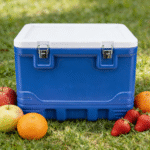
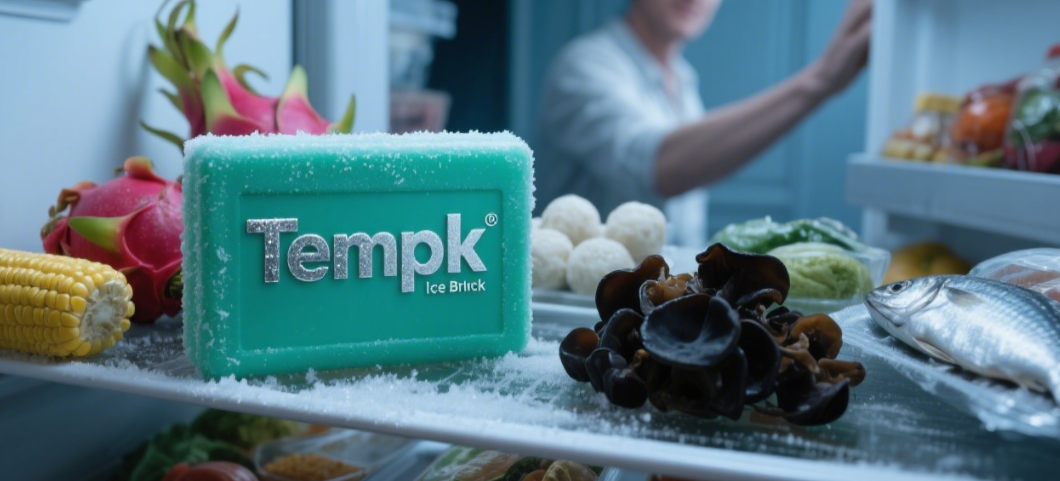
Un ladrillo de gel es una fuente de frío rígida o semirrígida que se utiliza dentro de un contenedor aislado., caja más fresca, totalizador, o bolsa de entrega. Dependiendo del diseño, el relleno puede ser un gel a base de agua, una formulación PCM, u otra mezcla de refrigerante. La forma rígida facilita el conteo, colocación, y manipulación repetida más fácil que muchos paquetes blandos, mientras que el relleno proporciona masa térmica que absorbe el calor a medida que se calienta o se derrite. Ese es el aporte útil: El ladrillo frena la ganancia de calor dentro del contenedor.. No crea un envío calificado por sí solo..
Para compradores, La primera decisión no es si el nombre del producto suena fuerte.. It is whether the brick supports shipments where packaging waste, customer unboxing, instrucciones de eliminación, and material transparency affect purchasing decisions. Si la ruta es corta, el contenedor aislado es eficiente, y el producto puede tolerar amplias condiciones de frío., un bloque de gel estándar puede ser suficiente después de probar la muestra. Si el producto es sensible a la congelación o el rango aceptado es estrecho, el comprador puede necesitar un ladrillo PCM, capas de separación, precondicionamiento controlado, un plan de registro, y revisión de calidad. Por tanto, un mismo formato físico puede tener finalidades muy diferentes según su uso..
Compare los formatos de refrigerante antes de bloquear la especificación
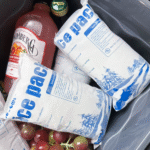
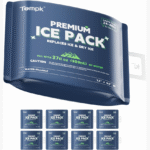
Muchos errores de compra comienzan cuando los equipos usan los nombres de los productos de manera vaga. Un paquete de gel suave puede ser fácil de envolver alrededor de las esquinas del producto., mientras que un ladrillo de gel rígido es más fácil de contar, pila, limpio, y colocarlo en un mapa de carga repetible. Un bloque de hielo lleno de agua puede ser rentable cuando es aceptable un enfriamiento amplio. Un paquete PCM puede ser mejor cuando el envío necesita un comportamiento de temperatura más definido. Ninguno de estos formatos es automáticamente superior.; la elección correcta depende del requisito de temperatura, diseño de contenedores, ruta, proceso laboral, y presupuesto.
For gel brick eco-friendly, la comparación debe centrarse en lo que el comprador quiere controlar. Si la prioridad es el simple soporte frío, un gel estándar o un ladrillo a base de agua puede ser práctico. Si la prioridad es la gestión del riesgo de congelación o un rango objetivo más estrecho, Puede que valga la pena evaluar un formato PCM.. Si la prioridad es la sostenibilidad, La cuestión no es sólo si el ladrillo es reutilizable., pero si regresa de manera confiable y permanece limpio e intacto. Si la prioridad es el trato brusco, un formato rígido de alta resistencia puede reducir el riesgo de pinchazos pero también puede ocupar más espacio de carga útil.
| situación del comprador | Dirección del medio de enfriamiento | Qué verificar antes de realizar el pedido |
|---|---|---|
| Alimentos o comestibles refrigerados de rutina. | Ladrillo de gel o ladrillo de hielo a base de agua | Ajuste de caja, condensación, separación de productos, capacidad de congelación, y condición de llegada |
| Carga útil refrigerada para atención médica o laboratorio | Ladrillo de gel acondicionado, ladrillo PCM, o paquete híbrido | Gama de etiquetas de productos, riesgo de congelación, plan registrador, perfil de ruta, y aprobación de calidad |
| Ruta local repetida | Ladrillo rígido reutilizable | Proceso de devolución, limpieza, inspección de daños, control de perdidas, y respuesta del congelador |
| Ruta más larga o más calurosa | Mayor masa térmica, PCM, o diseño híbrido | Perfil ambiental, carga útil, aislamiento, diseño del paquete, y prueba de evidencia |
| Geometría de caja personalizada | Ladrillo de tamaño personalizado o formato moldeado | Dimensiones internas, despacho de producto, aprobación de muestra, y tolerancia de producción |
Utilice la tabla como filtro de abastecimiento, no como una regla universal. Ayuda al equipo de adquisiciones a hacer preguntas más precisas antes de realizar las muestras.. La decisión final aún necesita una prueba utilizando el producto real o un simulador de carga útil justificado., el contenedor aislado previsto, y el proceso de embalaje que el personal del almacén puede repetir.
Traducir las características del producto en instrucciones de funcionamiento
El punto débil más común no es sólo el ladrillo; es la brecha entre la especificación del producto y el comportamiento del almacén. A gel brick eco-friendly must be frozen or conditioned in a defined way, colocado en la caja consistentemente, Separado de productos que no deben tocar una superficie congelada., e inspeccionado antes de su uso. Si los operadores empacan por memoria, cambiar la cantidad de ladrillos durante los períodos de mayor actividad, o cargue ladrillos calientes porque el espacio en el congelador es limitado, la especificación del producto en la orden de compra no protegerá el envío.
Una instrucción práctica de embalaje debe indicarle al operador dónde va cada ladrillo., ¿Qué condición inicial es aceptable?, cómo manejar la condensación, ¿Qué barrera o divisor se necesita?, y cuando un ladrillo debe ser rechazado debido a una fuga, deformación, contaminación, o esquinas rotas. También debería definir qué sucede al recibir. Un equipo de recepción que sólo comprueba si la mercancía llegó fría puede pasar por alto pruebas de congelación por contacto., refrigerante descongelado, o un retraso en la ruta que el equipo de calidad necesita revisar.
For shipments where packaging waste, customer unboxing, instrucciones de eliminación, and material transparency affect purchasing decisions, El mapa de carga es especialmente importante porque la superficie más fría puede ser el propio ladrillo.. El contacto directo puede ser útil para algunos productos y riesgoso para otros. Los productos alimenticios pueden necesitar una barrera sanitaria. Los productos farmacéuticos pueden requerir separación documentada y control de temperatura.. Los frágiles envases minoristas pueden necesitar espacio para evitar aplastamientos. Estos no son pequeños detalles; Son la diferencia entre un componente de enfriamiento y un proceso repetible de cadena de frío..
Este artículo utiliza un lenguaje cauteloso en torno a los requisitos de la cadena de frío.. Muchas rutas farmacéuticas y de vacunas se planifican en función de condiciones de almacenamiento especificadas o etiquetadas., y algunos envíos refrigerados de atención médica utilizan rangos como 2 grados C a 8 grados C. Eso no significa que todos los medicamentos, muestra, o producto alimenticio comparte el mismo requisito. Los compradores deben confirmar la etiqueta del producto., acuerdo de calidad, perfil de ruta, y reglas locales. Estándares y prácticas como los perfiles térmicos ISTA., Procedimientos de carga sensibles a la temperatura de la IATA, Normas de la FDA sobre contacto con alimentos, y la guía de almacenamiento de vacunas de los CDC son referencias útiles, pero no reemplazan la calificación del comprador ni la documentación del proveedor..
Qué confirmar antes de la aprobación de la muestra y la producción a granel
Before ordering gel brick eco-friendly in bulk, Haga preguntas que conecten el producto con su ruta.. The useful supplier conversation should cover material disclosure, plan de reutilización, manipulación no peligrosa, instrucciones de eliminación, reducción de embalaje, and supplier claim discipline. Si el proveedor no puede explicar cómo se debe acondicionar el ladrillo, cómo se controla el peso de llenado, cómo se manejan las fugas, o qué controles de muestra son realistas, el comprador debería reducir la velocidad. Un precio unitario bajo puede resultar caro si el producto no cabe en el envase, tarda demasiado en congelarse, o crea disputas de calidad después de la entrega.
Ask the supplier to define exactly what eco-friendly means for the product: reutilizable, reciclable, reduced packaging, safer gel contents, or a documented claim. Pregunte también si el proveedor puede mantener alineadas la muestra y las especificaciones de producción en masa.. Una muestra que funciona porque fue preparada cuidadosamente puede no representar una producción de rutina si las dimensiones, relleno, diseño de sello, embalaje de cartón, o las instrucciones de acondicionamiento cambian más tarde.
Los equipos de adquisiciones pueden utilizar las siguientes preguntas durante la selección de proveedores:
- ¿Qué hay exactamente dentro del ladrillo?, y hay una SDS o una declaración de materiales disponible?
- ¿El uso indicado se refiere a un ladrillo independiente o a un paquete probado con aislamiento y carga útil??
- ¿Cómo se debe congelar el ladrillo?, acondicionado, almacenado, cargado, e inspeccionado antes de su uso?
- ¿Cuál es la diferencia entre las dimensiones externas?, espacio de embalaje utilizable, y el espacio restante para el producto?
- ¿Qué evidencia respalda cualquier declaración de desempeño?, y ¿coincide con la ruta prevista??
- ¿Cómo están dañados?, goteando, hinchado, o unidades contaminadas identificadas y eliminadas?
- Para trabajos de tamaño personalizado o de etiqueta privada, ¿Qué pasos de aprobación evitan la deriva de la muestra a la producción??
La respuesta no siempre tiene que ser un paquete de validación formal.. Para entrega de alimentos de bajo riesgo, una prueba de muestra práctica y unas instrucciones de embalaje claras pueden ser suficientes. Para la atención sanitaria, biológicos, diagnóstico, o carriles regulados, El equipo de calidad del comprador puede requerir pruebas más estrictas., monitoreo de temperatura documentado, y aprobación de ruta específica. La clave es hacer coincidir el nivel de evidencia con el nivel de riesgo del envío..
Herramientas útiles para tomar decisiones
Comprueba los detalles antes de elegir el embalaje.
Estas herramientas rápidas pueden ayudarle a comparar el riesgo de la ruta, necesidades de dimensionamiento, opciones de refrigerante, y detalles del embalaje antes de solicitar una cotización.
Evaluador de riesgo de ruta
Revise las condiciones del carril antes de seleccionar el embalaje para requisitos operativos reales..
Comprobar riesgo de rutarefrigerante & Referencia PCM
Compare las opciones de refrigerante y PCM cuando una ruta necesite soporte de temperatura adicional.
Comparar opcionesRevestimiento de caja & Dimensionamiento de la cubierta de paleta
Lógica de tamaño de revestimiento de cajas y cubiertas de paletas para proyectos de embalaje aislado.
Estimar el tamañoSeñales de alerta que hay que detectar antes del primer pedido importante
A ladrillo de enfriamiento puede fallar de maneras que no son visibles en una lista de productos. Puede que sea demasiado grande para la caja., dejando menos espacio para el producto. Puede que haga demasiado frío para una carga útil sensible a la congelación. Puede resultar difícil congelarlo lo suficientemente rápido para las operaciones diarias.. Puede gotear después de una manipulación repetida.. Puede llegar con un relleno inconsistente. Puede colocarse encima de mercancías frágiles porque no existe un mapa de carga.. None of these problems means the idea of gel brick eco-friendly is wrong; significa que la compra no estaba relacionada con la operación real.
El atajo de mayor riesgo es tratar un componente como un sistema.. Un ladrillo de gel, ladrillo PCM, caja aislada, transatlántico, registrador de datos, o la etiqueta tiene un trabajo diferente. El ladrillo proporciona una fuente de frío.. El aislamiento ralentiza el flujo de calor.. El diseño del paquete controla el contacto y el flujo de aire.. El registrador registra lo sucedido.. El proceso de calidad decide si la evidencia es aceptable.. Cuando estos roles se mezclan, Los compradores pueden esperar que el ladrillo realice el trabajo que pertenece al diseño del paquete completo..
Otra señal de alerta es un número de rendimiento sin contexto.. Si un proveedor indica un tiempo de espera, El comprador debe preguntar qué perfil ambiental, carga útil, recipiente, cantidad de refrigerante, condición inicial, y se utilizaron criterios de aceptación. Un resultado de laboratorio puede ser útil., pero no es una promesa para todos los carriles. Si un proveedor no puede proporcionar contexto, Trate el número como una afirmación de marketing hasta que su propia muestra o prueba de ruta lo respalde..
Cómo un comprador puede pasar de la muestra a la producción
A procurement team developing a new insulated box can treat gel brick eco-friendly selection as a staged approval process. Primero, definir la carga útil, rango de temperatura requerido, dimensiones interiores de la caja, duración de la ruta, y probable exposición ambiental. Segundo, solicitar muestras que se ajusten al mapa de carga en lugar de un tamaño genérico. Tercero, ejecutar un paquete piloto con el mismo congelador, operadores, divisores, y recibir cheques que se utilizarán más adelante. Cuatro, comparar los datos y la condición del producto antes de cambiar la especificación.
Este enfoque es más lento que elegir entre una foto de catálogo., pero reduce los cambios evitables después del mecanizado, obra de arte, embalaje de cartón, o las instrucciones del almacén están bloqueadas. También ayuda al proveedor a comprender qué detalles son críticos y cuáles son flexibles.. El resultado es una decisión de compra que facilita las operaciones, calidad, y adquisiciones para defender.
Avoid greenwashing in eco-friendly product language
Eco-friendly is not a technical specification. It should be translated into specific statements that a buyer can verify, such as reusable design, recyclable outer packaging, reduced single-use coolant, non-hazardous handling under intended use, or clearer disposal instructions. The supplier should be willing to define the claim in plain language.
Buyers should also consider the market where the product will be used. Recycling rules, expectativas de contacto con alimentos, and packaging waste requirements can vary by region. A claim that is acceptable for one market may need different wording or documentation in another. En duda, use modest, factual language instead of broad environmental promises.
Para propietarios de marcas, the safest customer-facing message usually explains the action: reuse this brick when possible, inspect it before reuse, keep it out of direct contact with unpackaged food, and dispose of damaged units according to local rules. That is more useful than a label that simply says eco-friendly.
Preguntas frecuentes
Is a gel brick eco-friendly enough to control shipment temperature by itself?
No. A gel brick eco-friendly is a cooling component, no es un sistema completo de temperatura controlada. Debe utilizarse con un recipiente isotérmico adecuado., un diseño de paquete definido, acondicionamiento correcto, e instrucciones de manejo. Para envíos de mayor riesgo, Los compradores también deben revisar el control de temperatura., exposición de ruta, y requisitos de aprobación de calidad antes de utilizar el ladrillo en producción..
¿Cuándo debería considerar PCM en lugar de un bloque de gel estándar??
Considere PCM cuando la carga útil necesite un comportamiento de temperatura más definido, mejor control del riesgo de congelación, o un rango objetivo que un simple bloque de gel congelado no puede soportar de manera confiable. El punto de cambio de fase debe coincidir con los requisitos del producto., y el paquete debe probarse con la carga útil prevista, cargador aislado, y perfil ambiental.
¿Qué debo preguntarle a un proveedor antes de realizar un pedido al por mayor??
Pregunta por el relleno, material de concha o bolsa, integridad del sello, instrucciones de acondicionamiento, consistencia de relleno, embalaje de cartón, y qué evidencia respalda cualquier declaración de desempeño. For gel brick eco-friendly, También pregunte cómo se debe inspeccionar el producto antes de reutilizarlo o empacarlo., y si las muestras coincidirán con las unidades de producción en masa.
¿Qué hace que un ladrillo de gel sea más sostenible o ecológico??
Las afirmaciones más sólidas suelen provenir de factores específicos como la reutilización., embalaje del tamaño adecuado, reducción de residuos de un solo uso, transparencia material, e instrucciones claras de eliminación o devolución.. Una afirmación vaga sobre el medio ambiente es débil a menos que el proveedor pueda definir lo que significa y el comprador pueda operar la ruta de una manera que respalde la afirmación..
Conclusión
A gel brick eco-friendly should be judged by fit, evidencia, y disciplina operativa. La decisión de compra más útil conecta el bloque de enfriamiento con los requisitos del producto., contenedor aislado, exposición de ruta, proceso de acondicionamiento, y rutina de inspección. Si el envío es sencillo, un gel estándar o un ladrillo a base de agua puede funcionar después de pruebas prácticas. Si el envío es sensible, rango estrecho, reutilizable, costumbre, o de alto riesgo, El comprador debe solicitar información material más clara., guía de embalaje, y evidencia que refleje el uso previsto.
El siguiente paso más seguro es convertir su ruta en una especificación.: tipo de producto, rango de temperatura aceptado, dimensiones de la caja, tiempo de tránsito esperado, exposición ambiental, cargando mapa, proceso de devolución, y necesidades de documentación. con esos detalles, gel brick eco-friendly can be compared as part of a real cold-chain system rather than as a catalog item.
Acerca de Tempk
Shanghai Tempk Industrial Co., Limitado. utiliza la marca Tempk para embalaje de cadena de frío productos y soluciones. La información pública de la empresa describe una gama de productos que incluye bolsas de hielo en gel, bolsas de hielo llenas de agua, ladrillos de hielo del congelador, Cajas aisladas de EPP, revestimientos aislados, bolsas aisladas, cubiertas de paletas, y otros materiales de la cadena de frío. Para equipos que comparan ladrillos de gel, Tempk puede respaldar un proceso de selección más fundamentado al analizar la sensibilidad del producto., geometría de la caja, formato de medios de enfriamiento, controles de muestra, y coherencia en los pedidos al por mayor.
Comparte tu carga útil, ruta, tamaño de la caja, and temperature requirement with Tempk to discuss whether gel brick eco-friendly or another cooling-media format is the better starting point for samples and bulk planning.