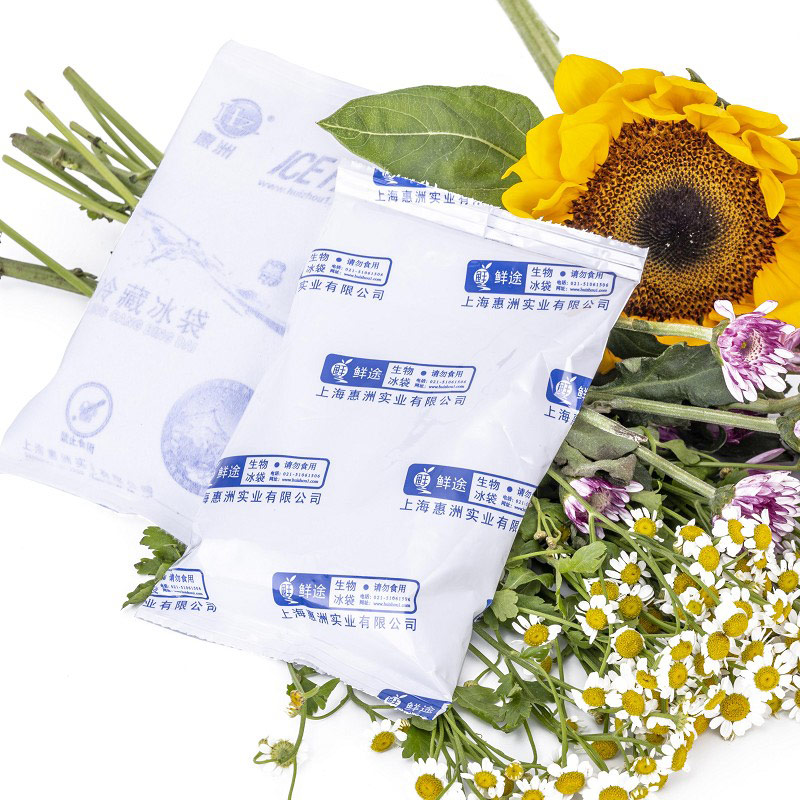
Mayorista de kit de comida con acumulador de frío en gel: Cómo elegir el proveedor y el embalaje adecuados
La mejor respuesta al mayorista de kits de comida con acumulador de frío en gel no es una única especificación de producto. Es una coincidencia entre el acumulador de frío de gel., la carga útil, el paquete aislado, La ruta y las necesidades de documentación del comprador.. Para mayoristas de kits de comida, empacadores de cajas de suscripción, Distribuidores regionales de alimentos y equipos de adquisiciones., Un buen proveedor debería facilitar la revisión de muestras., No ocultar los detalles que afectan el rendimiento.. Esta guía editada se centra en las comprobaciones que son importantes antes de que un comprador pase de la consulta a la repetición del pedido..
respuesta de compra: Seleccione proveedores preseleccionados preguntando cómo se llena el producto., sellado, acondicionado, lleno, probado y documentado. El precio importa, pero la decisión más importante es si la misma calidad de muestra se puede repetir en producción y si el refrigerante se adapta a su carril específico en lugar de una afirmación genérica de cadena de frío..
Para programas de kits de comida, las cargas útiles mixtas crean compensaciones. Proteína, lácteos, Los productos agrícolas y las salsas pueden estar en el mismo cartón., pero es posible que no respondan al contacto directo con el frío de la misma manera. Pruebe el paquete con la mezcla de ingredientes real antes de estandarizar el recuento de paquetes..
La decisión en una frase.
Elija el mayorista de kits de comida con acumulador de frío en gel solo después de que el paquete haya coincidido con el producto, caja de cartón, ruta, proceso de acondicionamiento y necesidades de documentación. El producto debe resolver un problema operativo específico, como la masa de enfriamiento repetible para cajas de alimentos por suscripción y carriles refrigerados cortos., pero no se le debe pedir que haga el trabajo de aislamiento, control de ruta o documentación de cumplimiento por sí mismo.
Esta distinción protege al comprador de dos errores comunes. El primero es la subcompra., donde se espera que un componente de refrigerante barato proteja un envío que realmente necesita un embalaje diferente. El segundo es sobrecomprar., donde se agrega exceso de masa de enfriamiento sin entender si el punto débil está en etapa, aislamiento, geometría o manipulación del cartón. Un buen proveedor ayuda a identificar qué problema estás resolviendo realmente.
El ajuste del producto comienza con la ruta., no es la foto del catalogo
Una imagen de catálogo te puede indicar el formato general de los acumuladores de frío en gel para kits de comida., pero no puede decirle si el producto se ajusta a su ruta. La ruta incluye más que el tiempo de tránsito.. Incluye puesta en escena en cámara frigorífica., carga de camiones, entrega de aduanas o transportista, tiempo de permanencia en el almacén, riesgo de fin de semana, exposición ambiental estacional y cómo los equipos receptores inspeccionan el paquete. Un grupo que funciona bien en un carril puede ser demasiado débil, demasiado pesado o demasiado desordenado en otro.
Comience con la carga útil. Los productos densos responden de manera diferente a la luz., cajas llenas de aire. Un cartón de marisco compacto, una caja de regalo floral, un transportador de muestras de tejido y un kit de terapia al por menor no comparten el mismo comportamiento térmico. Si la carga útil es sensible a la congelación, el paquete puede necesitar un separador o una estrategia diferente de control de temperatura. Si la carga útil está mojada o es sensible a los olores, Las fugas y la compatibilidad de la película se vuelven más importantes.. Si la carga útil está orientada al cliente, La condensación y los daños en las etiquetas pueden afectar la percepción de la marca incluso cuando el producto permanece frío..
Luego revise el patrón de manejo.. ¿Los trabajadores congelan los paquetes planos o apilados?? ¿Se colocan los paquetes a temperatura ambiente antes de cargarlos?? ¿Puede el almacén controlar el recuento de paquetes por tamaño de caja?, ¿O la operación necesita códigos de colores o instrucciones impresas?? ¿Se les paga a los empacadores por la velocidad?, precisión o ambas? Estas pequeñas preguntas operativas a menudo deciden si un componente refrigerante teóricamente bueno ofrece resultados repetibles..
El enfoque más seguro es definir una ventana de aceptación práctica antes de realizar el pedido.. Para envíos de alimentos, muchas operaciones utilizan un límite frío como 40 Para 4 C como parte de un plan de seguridad alimentaria, pero el límite real debe provenir del propietario del producto., ruta y requisitos locales. Para envíos de atención médica o de laboratorio, el rango requerido puede ser más estrecho y debe ser confirmado por el equipo de calidad o el laboratorio receptor.. El proveedor del paquete no debería adivinar esto por usted..
Elecciones de materiales que cambian el rendimiento y el manejo
La formulación del gel afecta la forma en que se congelan los acumuladores de frío en gel para los kits de comida., deshielo, Distribuir masa fría y comportarse después de un uso repetido.. El agua proporciona gran parte de la masa térmica en muchos paquetes., mientras que los espesantes, polímero súper absorbente, Los sistemas tipo CMC u otras estructuras de gel pueden inmovilizar el líquido y reducir el libre movimiento.. Eso es importante porque una mochila con relleno inestable puede abultarse, combarse o crear un contacto desigual dentro de una caja. También es importante para la fabricación., porque la viscosidad afecta la velocidad de llenado, Precisión de dosificación y riesgo de contaminación del sello..
La bolsa o film exterior es tan importante como el gel. Una fórmula en gel fuerte dentro de una bolsa débil sigue siendo un producto débil. Los compradores deben preguntar sobre la estructura de la película., ancho del sello, fuerza del borde, resistencia a la punción, flexibilidad después de la congelación y si la superficie sigue siendo adecuada para la aplicación prevista. Para paquetes de terapia, La comodidad y la sensación de contacto con la piel importan.. Para mariscos, logística de carne o lácteos, Las fugas y la transferencia de olores son preocupaciones prácticas.. Para programas de muestras de tejido, El paquete debe funcionar dentro del método de embalaje de muestras más grandes., no reemplazarlo.
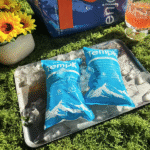
El color es una decisión funcional sólo cuando ayuda a las operaciones.. A paquete de gel azul Puede ser más fácil de identificar en mariscos o envases de alimentos.. Una mochila impresa que no suda puede ayudar a los trabajadores a distinguir los tamaños de las cajas. Una bolsa transparente puede facilitar la inspección de la calidad del llenado. Ninguna de estas opciones cosméticas demuestra el rendimiento térmico.. Apoyan el control de procesos sólo cuando el almacén los utiliza de manera consistente..
Los compradores también deben separar el comportamiento del refrigerante de la calificación del empaque.. Un paquete de gel puede ser reutilizable, flexible, resistente a fugas o diseñado para reducir la condensación, sin embargo, el envío terminado aún necesita la caja aislada adecuada, recuento de paquetes, Disposición de la carga útil y evidencia de prueba.. Esta es la razón por la que las revisiones de adquisiciones serias analizan el refrigerante y el empaquetamiento juntos..
Una lista de verificación práctica para comparar opciones
| Área de decisión | Por que importa | acción del comprador |
|---|---|---|
| Ajuste del producto y la carga útil | El pack debe coincidir con el producto., no solo el cartón | Confirmar rango de temperatura, sensibilidad a la congelación y límites de contacto directo |
| Aislamiento y colocación del paquete. | El refrigerante sólo funciona dentro de un paquete adecuado | Prueba con la caja real., carga útil y método de embalaje |
| Humedad y limpieza. | La condensación y las fugas generan quejas y residuos en la manipulación. | Inspeccionar etiquetas, Cajas de cartón y carga útil después de rutas de muestra. |
| Consistencia de producción | Una buena muestra no es suficiente para el suministro a granel | Pregunte si las unidades a granel utilizan el mismo gel., método de película y sellado |
| Límite de documentación | Las afirmaciones no deben exceder la evidencia disponible | Separe los datos de la hoja de datos de las afirmaciones de rendimiento específicas de la ruta |
Utilice esta tabla como herramienta de discusión durante la revisión de la muestra.. Mantiene la conversación alejada de afirmaciones vagas y hacia hechos observables.. Cuando el proveedor puede responder estos puntos claramente, obtención, Los equipos de operaciones y calidad pueden tomar una decisión más limpia.. Cuando faltan las respuestas, Es más seguro tratar la muestra como incompleta en lugar de pasar directamente a la compra al por mayor..
Preguntas de proveedores que revelan capacidad real
Las conversaciones con proveedores más útiles son específicas. En lugar de preguntar si el acumulador de frío del gel está "buena calidad," Pregunte cómo controla el proveedor las características importantes para su ruta.. ¿Pueden explicar el sistema de gel en términos prácticos?? ¿Pueden describir opciones de películas sin hacer afirmaciones de temperatura no respaldadas?? ¿Pueden proporcionar muestras del mismo proceso de producción que se utilizará para el suministro a granel?? ¿Pueden admitir impresiones o embalajes personalizados solo cuando no interfieran con el rendimiento o las necesidades de cumplimiento??
Pregunte cómo maneja el proveedor el control de cambios.. Si la película de la bolsa, formulación en gel, método de sellado, cambios de colorante o tamaño del paquete después de la aprobación de la muestra, ¿Se informará a los compradores?? En embalaje de cadena de frío, un pequeño cambio de material puede alterar el comportamiento de congelación, flexibilidad, riesgo de condensación o fuga. Para paquetes de terapia, Puede afectar la sensación del usuario y la presentación minorista.. Para logística de alimentos o de laboratorio, Puede afectar el manejo y la documentación..
Pregunte también qué no reclamará el proveedor.. Un proveedor cuidadoso no prometerá un tiempo de espera universal, Cumplimiento en todo el mercado o idoneidad garantizada para cada producto.. Esa moderación es una señal positiva. Significa que el proveedor comprende los límites entre un componente de refrigerante y un sistema de envío calificado.. También protege al comprador de convertir una frase del catálogo en una suposición operativa..
Herramientas útiles para tomar decisiones
Comprueba los detalles antes de elegir el embalaje.
Estas herramientas rápidas pueden ayudarle a comparar el riesgo de la ruta, necesidades de dimensionamiento, opciones de refrigerante, y detalles del embalaje antes de solicitar una cotización.
Evaluador de riesgo de ruta
Revise las condiciones del carril antes de seleccionar el embalaje para requisitos operativos reales..
Comprobar riesgo de rutaCalculadora de acumuladores de frío
Estimación de la cantidad de bolsas de hielo en gel para envíos refrigerados y planificación práctica de rutas.
Estimar las bolsas de hieloGenerador de lista de cumplimiento
Cree una lista de verificación práctica para la revisión del embalaje, envío, y documentación.
Crear lista de verificaciónPara compras al por mayor, el proveedor debería facilitar la comparación. Deberían poder discutir el formato del producto., cantidad de embalaje, paletización, guía de almacenamiento, revisión de muestra, consistencia de la producción y la información necesaria para una cotización. La cantidad mínima de pedido y el tiempo de entrega son importantes, pero deben discutirse después de que el ajuste técnico sea claro.. De lo contrario, el comprador puede conseguir un precio bajo por un producto que no coincide con el carril.
Controles operativos antes de la aprobación de la muestra.
Antes de homologar un acumulador de frío en gel, ejecute la muestra a través del mismo flujo de trabajo que su equipo utilizará después de la compra. Empiece por recibir. ¿Están las cajas claramente etiquetadas?? ¿Las unidades están empacadas consistentemente?? ¿Hay fugas visibles?, daño de la película, relleno desigual o variación de tamaño? Si el paquete es un artículo de terapia minorista, Verifique el paquete exterior y las instrucciones.. Si es un componente de la cadena de frío., comprobar si el paquete se puede almacenar, contado y recogido sin confusión.
Próximo, comprobar congelación y acondicionamiento. Los paquetes deben congelarse o acondicionarse según las instrucciones del proveedor., pero los compradores también deben verificar si esas instrucciones son realistas para sus instalaciones.. Un congelador sobrecargado, abierto con frecuencia o utilizado para múltiples operaciones puede no acondicionar los paquetes de manera uniforme. Apilar demasiados paquetes flexibles puede ralentizar la congelación. Dejar los paquetes en una mesa de embalaje caliente durante demasiado tiempo puede reducir el enfriamiento disponible incluso antes de que la caja salga del muelle..
Luego pruebe la colocación del paquete. Coloque el paquete en la caja prevista con la carga útil prevista.. Busque puntos de presión, riesgo de contacto directo, Problemas de cierre de la tapa y espacios de aire muerto.. El contacto directo puede ser útil para algunos productos y riesgoso para otros. Para comida delicada, materiales florales o de laboratorio, puede ser necesario un separador. Para diseños sin complicaciones, observar si la reducción de humedad aún funciona después de prácticas realistas de congelación y embalaje.
Finalmente, documentar el proceso. Un distribuidor o fabricante debería ayudarle a confirmar el nombre del producto., enfoque por lotes o lotes, tamaño del paquete, peso de relleno si se suministra, instrucción de acondicionamiento, Método de embalaje y cualquier evidencia de prueba disponible.. La documentación no tiene por qué ser complicada para cada envío de alimentos de bajo riesgo., pero la información debe ser lo suficientemente clara como para que su equipo pueda repetir la misma decisión después de la primera compra..
Errores comunes que generan quejas evitables
Un error común es agregar más material de enfriamiento sin arreglar el paquete.. Si la caja tiene demasiado espacio libre, aislamiento deficiente o puesta en escena cálida y prolongada, Los acumuladores de frío de gel adicionales para los kits de comida solo pueden aumentar el peso y el costo.. También puede crear puntos fríos., aplastar cargas útiles delicadas o hacer que la caja sea más difícil de cerrar. Un mejor rendimiento a menudo proviene de un diseño equilibrado en lugar de simplemente aumentar el número de paquetes..
Un segundo error es ignorar la condensación.. La humedad superficial puede debilitar los cartones, desenfocar etiquetas, hacer que el desembalaje sea desagradable y dañe la documentación en papel. Los diseños sin sudor o con condensación reducida pueden ayudar en la aplicación correcta, pero los compradores aún deben probarlos en condiciones ambientales y de congelador realistas.. Un paquete que parece seco en una muestra de oficina puede comportarse de manera diferente en un muelle de carga húmedo.
Un tercer error es aprobar muestras sin involucrar operaciones. Las adquisiciones pueden centrarse en el precio y las condiciones del proveedor., mientras que los equipos del almacén saben si el paquete se puede manipular rápidamente. incluir empacadores, personal de calidad y equipos de recepción en la revisión de la muestra. Sus comentarios a menudo identifican problemas que no aparecen en una hoja de especificaciones..
Un último error es utilizar el mismo pack para cada producto. Sin instrucciones correctas de aislamiento y embalaje., El acumulador puede crear puntos fríos cerca de ingredientes delicados y dejar espacios de aire calientes.. cuando los productos, Los tamaños de las cajas o las rutas cambian., el método de enfriamiento debe revisarse nuevamente. Incluso una mochila familiar puede convertirse en una elección equivocada si se traslada a un rango de temperatura diferente., formato de ruta o carga útil.
Preguntas frecuentes
¿Es suficiente un acumulador de frío en gel para envíos con temperatura controlada??
No. Un acumulador de frío en gel es un componente refrigerante.. Necesita un paquete aislado adecuado., recuento correcto del paquete, acondicionamiento adecuado, protección de carga útil y recepción de cheques. Para mercancías sensibles, Se debe revisar o probar el paquete completo antes del uso rutinario..
¿Qué debo comprobar antes de aprobar una muestra de proveedor??
Compruebe si la muestra coincide con el producto a granel propuesto., si se ajusta a la caja real, si su equipo puede congelarlo y manipularlo, y si el proveedor puede explicar los límites de cualquier reclamo de temperatura o tiempo de espera.
¿Puedo usar el mismo pack para diferentes productos??
A veces, pero sólo después de revisar la sensibilidad del producto, tamaño del cartón, masa de carga útil y exposición de ruta. Un paquete que sirve para un producto frío puede provocar congelación., sudoración o enfriamiento insuficiente en otra aplicación.
¿Cómo debo comparar precios entre proveedores??
Compare el precio con el rendimiento utilizable, riesgo de fuga, tamaño del paquete, consistencia de relleno, cantidad de embalaje, eficiencia de transporte y soporte de documentación. Un precio unitario más bajo puede resultar caro si aumenta las quejas, reembalaje o pérdida de producto.
Conclusión
Elegir el mayorista de kits de comida con acumulador de frío en gel es una decisión de embalaje práctica, no es una simple coincidencia de catálogo. Los proveedores más sólidos le ayudan a definir la necesidad del producto., revisar la ruta, Pruebe el paquete y evite afirmaciones que vayan más allá de la evidencia.. Centrarse en la ruta, carga útil, aislamiento, comportamiento de la humedad, coherencia entre la muestra y la producción y límites de la documentación antes de discutir pedidos de gran volumen.
Para mayoristas de kits de comida, empacadores de cajas de suscripción, Distribuidores regionales de alimentos y equipos de adquisiciones., el siguiente paso es convertir el envío en un resumen claro: qué producto se envía, ¿Qué rango de temperatura o condición de calidad se debe proteger?, ¿Qué cartón se utiliza?, cuanto dura la ruta, dónde ocurren las entregas y qué cheques de recepción se requieren. con esa informacion, un proveedor puede recomendar una opción de producto más realista y un mejor plan de muestra.
Acerca de Tempk
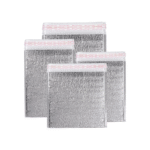
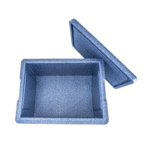
Tempk apoya a los compradores de la cadena de frío con componentes de embalaje como bolsas de hielo en gel, paquetes de hielo seco, ladrillos de hielo, bolsas aisladas, Cajas EPP, cajas de envío frías, revestimientos de cajas aisladas, cubiertas de paletas y materiales relacionados con la cadena de frío. Para una consulta de mayorista de kit de comida con acumulador de frío en gel, Nos centramos en el ajuste práctico.: el producto que se envía, las condiciones de manipulación requeridas, el formato de paquete, la ruta y el plan de compra. Evitamos tratar un paquete de gel como una respuesta universal porque el rendimiento confiable de la cadena de frío depende del paquete completo y del proceso que lo rodea..
Comparte tu tipo de producto, tamaño del cartón, ruta y etapa de compra con Tempk, y solicite una recomendación que sus equipos de adquisiciones y operaciones puedan revisar.