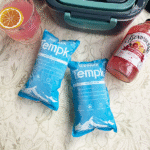
A batería de enfriamiento de gel can help reduce heat gain during flower transport, but floral shipping requires more than making the carton cold. Flower type, condición de cosecha, preenfriamiento, hidratación, sleeve design, condensación, exposición de ruta, and direct contact with the coolant can all influence the arrival condition. The packaging goal is to support floral quality without creating cold injury, daños por agua, or mechanical damage inside the carton.
Start With the Flower and the Process
Temperature management for cut flowers is species dependent. Mississippi State University notes that most cut flowers are commonly refrigerated around 35–40°F, while some tropical flowers are held warmer, and temperatures near freezing can damage plant tissue. These figures are handling context rather than a universal shipment target. A mixed floral box should be evaluated against the most sensitive flowers in the load.
Referencia: Mississippi State University guidance on handling fresh flowers.
Cooling should also begin before the shipper is closed. Oklahoma State University recommends prompt cooling to remove field heat and explains that higher storage temperatures can reduce vase life. A gel battery is most effective when it supports a defined cold-chain process rather than attempting to remove all field heat after flowers are packed.
Herramientas útiles para tomar decisiones
Comprueba los detalles antes de elegir el embalaje.
Estas herramientas rápidas pueden ayudarle a comparar el riesgo de la ruta, necesidades de dimensionamiento, opciones de refrigerante, y detalles del embalaje antes de solicitar una cotización.
Selector de embalaje
Compare las opciones de embalaje aislado por producto, ruta, y necesidad de temperatura.
encontrar embalajeResistencia a la caída del material aislante
Revise la resistencia a caídas y los factores de manipulación antes de elegir materiales aislantes..
Comprobar resistenciaReferencia del material aislante
Compare opciones de materiales aislantes para diferentes necesidades de embalaje de la cadena de frío.
Comparar materialesReferencia: Oklahoma State University guidance on cut flower care and cooling.
Identify the Main Floral Risk
| Riesgo | Packout response | What to inspect after transit |
|---|---|---|
| Warm flowers at packing | Pre-cool before packing and avoid treating the coolant as the only cooling step. | Starting condition and visible heat stress at receipt. |
| Cold sensitive flowers | Use separation and a temperature plan that protects the most sensitive product. | Water-soaked tissue, descoloramiento, and other cold-injury signs. |
| Condensación | Use appropriate barriers, colocación, and moisture-management design. | Wet sleeves, etiquetas dañadas, moisture on blooms, y ablandamiento de cartón. |
| Long narrow cartons | Match coolant geometry and location to the box shape and airflow path. | Temperature variation between the ends of the carton. |
| Mixed species orders | Group or separate flowers when one cooling approach could compromise another. | Appearance and handling outcome for each product group. |
Position the Cooling Battery Carefully
A cooling battery should not be pressed directly against blooms or fragile foliage unless the exact configuration has been evaluated. un forro, divisor, bolsa, or dedicated compartment can help manage local temperature and water. The placement of the coolant changes the heat path: an overhead pack, side pack, and distributed layout can produce different results in the same carton.
Measure the Visual Outcome
A floral test should record more than a temperature trace. Include dehydration, moretones, condensación, condición de la manga, flower opening, and any water-soaked or transparent tissue. Where the process permits, compare vase-life observations after arrival. These details help the team understand whether the coolant arrangement supports product quality rather than simply producing a cold reading.
Use a Trial That Represents Operations
Use the actual flower mix, caja de cartón, manga, transatlántico, cooling-battery format, rutina de acondicionamiento, and order-packing sequence. Record the starting condition, colocación de refrigerante, perfil de ruta, and delivery observations. If the shipment includes a hot-weather lane or a handoff risk, define the additional challenge before the trial begins. The result should be expressed as evidence for that configuration and condition, not as a universal flower-life guarantee.
Practical Checklist
- Confirm the species mix and identify cold-sensitive flowers before choosing a coolant condition.
- Pre-cool flowers and pack them in the intended operating environment.
- Use barriers or dedicated spaces when direct coolant contact could harm blooms or packaging.
- Assess moisture and visual quality alongside temperature data.
- Retest when flower mix, diseño de cartón, disposición del refrigerante, ruta, o cambios de estación.