distribuidor de laboratorio de gel refrescante: Selección práctica de proveedores para compradores de cadena de frío.
Una decisión práctica sobre el distribuidor de laboratorio de gel refrescante comienza con el producto y el carril., no es la foto del catalogo. Laboratorio paquetes de gel refrescante puede ser útil en laboratorio, investigación, y distribución de suministros clínicos, pero sólo cuando el tamaño del paquete, película, llenar, método de acondicionamiento, aislamiento, y el plan de manipulación coinciden con el envío que realmente realiza.
Este artículo se centra en cómo elegir un proveedor., qué verificar antes de realizar pedidos al por mayor, y donde un paquete de gel debe ser reemplazado o respaldado por un diseño de control de temperatura diferente. Un distribuidor de laboratorio debe evaluar un paquete de gel como componente del kit., no es un accesorio suelto.
Respuesta rápida para los compradores.
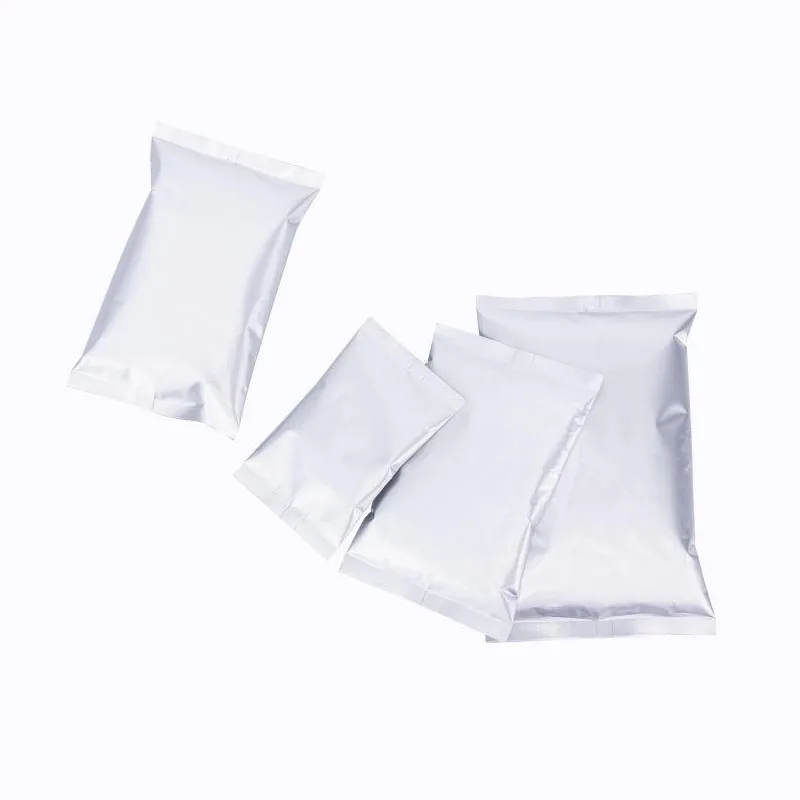
Elija paquetes de gel refrigerante de laboratorio solo después de definir la sensibilidad del producto, exposición de ruta, espacio utilizable, pasos de acondicionamiento, y requisitos de prueba. Un proveedor confiable debería ayudarlo a comparar muestras., confirmar las tolerancias de producción, explicar el control de fugas, y evite prometer demasiado el rendimiento que depende de su transportista y ruta exactos.
Establezca el límite antes de comparar proveedores
Un error común en el abastecimiento es tratar cada artículo frío de la caja como una solución de control de temperatura.. Los paquetes de gel refrigerante para laboratorio proporcionan capacidad de refrigeración, pero no crean un carril calificado por sí solos. El resultado completo proviene de la combinación de refrigerante., aislamiento del cargador, masa del producto, relleno de vacíos, patrón de carga, preacondicionamiento, tiempo de transporte, exposición ambiental, y procedimientos de recepción.
Esa distinción es importante para los distribuidores de laboratorios, equipos de suministros clínicos, equipos de adquisiciones de investigación, y mayoristas que prestan servicios de programas de transporte de muestras.. Si su comprador solo solicita un tamaño de paquete y un precio, la cita puede parecer simple, pero el riesgo operativo permanece oculto. Si su comprador define el caso de uso primero, el proveedor puede recomendar un formato que admita el producto en lugar de simplemente coincidir con una dimensión.
El resumen más seguro describe la categoría del producto., rango objetivo, tiempo de tránsito mínimo y máximo esperado, puntos de entrega, diseño de caja, y cualquier restricción al contacto directo. También debe indicar si el paquete es para entrega en un solo sentido., reutilización de circuito cerrado, montaje del kit, o stock del distribuidor. El gel refrescante para una ruta de laboratorio debe ser parte de un plan de empaque; un paquete congelado colocado directamente contra material sensible a la congelación puede crear riesgo en lugar de protección.
Notas de mercado para programas de distribuidores y mayoristas.
Los programas de distribuidores tienen éxito cuando convierten solicitudes amplias de los clientes en unas pocas configuraciones repetibles.. Un cliente puede solicitar un distribuidor de paquetes de gel, pero la verdadera necesidad puede ser un paquete de entrega de alimentos, un inserto de kit de laboratorio, un ladrillo rígido para un bolso reutilizable, o una bolsa de etiqueta privada para una caja de suscripción.
El distribuidor debe organizar los productos por caso de uso y lógica de empaque., no solo por peso. Esto facilita que los equipos de ventas hagan las preguntas correctas y reduce la posibilidad de que los clientes compren un producto. compresa fría que no pueden resolver su verdadero problema de ruta.
Haga coincidir el paquete de gel con la ruta que realmente opera
Un distribuidor de laboratorio puede vender un kit que incluye tubos., material absorbente, una bolsa secundaria, un paquete de gel, y un sobre aislado; El paquete de gel debe encajar en el kit sin problemas de aplastamiento o contacto directo.. en esa situación, La conversación con los proveedores no debe detenerse en si el paquete de gel es reutilizable o imprimible.. El comprador debe preguntar cómo se asienta la mochila alrededor de la carga útil., si crea puntos de presión, ¿Cuánto espacio interno utilizable queda?, y si el personal del almacén puede repetir el método de preparación durante los períodos pico.
La longitud de la ruta es sólo una parte del panorama. Una ruta corta con una larga espera en el muelle de carga puede ser más riesgosa que una ruta más larga que permanece dentro de vehículos controlados.. El mismo paquete puede comportarse de manera diferente cuando se coloca contra la caja de un producto., separados por un divisor, embalado por encima de la carga útil, o distribuido alrededor de todos los lados del transportista.
Para reactivos, kits de transporte de muestras, consumibles de diagnóstico, materiales de control de calidad, y manipulación refrigerada temporal entre laboratorios o puntos de recogida, El propietario del producto debe definir qué es inaceptable.: calentamiento por encima de un límite, congelación, daño por condensación, pérdida de etiqueta, fuga de bolsa, cajas trituradas, transferencia de olores, o falta de prueba después de la entrega. Una vez que se nombran esos modos de falla, un proveedor puede recomendar un estilo de paquete y un empaque con un propósito mucho más claro.
Lista de verificación del comprador para comparar proveedores
| Que verificar | Por que importa | pregunta del comprador |
|---|---|---|
| Rango de temperatura requerido | El refrigerante debe cumplir con los requisitos del producto., no es un rango frío genérico asumido. | ¿Qué rango de temperatura especifica el propietario del producto?, y qué límites de excursión se aplican? |
| Duración y exposición de la ruta | Retrasos en la entrega, muelles de carga, tiempo de permanencia del mensajero, y los vehículos calientes a menudo crean el riesgo real. | ¿Qué parte de la ruta no está controlada?, ¿Y cuánto tiempo puede esperar el transportista allí?? |
| Carga útil y volumen utilizable | Un refrigerante que parece fuerte sobre el papel puede desplazar demasiada carga útil clínica o vendible. | ¿El paquete todavía se ajusta al producto?, espacio de buffer, y cualquier contención secundaria? |
| Instrucciones de acondicionamiento | La congelación o el acondicionamiento incorrectos pueden provocar un enfriamiento insuficiente, congelación de la superficie, o mal rendimiento térmico. | ¿Puede el personal del almacén repetir el proceso de preparación sin interpretación especial?? |
| Documentación y control de lotes. | Los equipos de calidad pueden necesitar trazabilidad, registros de aprobación de muestra, y comunicación de control de cambios. | ¿Puede el proveedor conservar las especificaciones de muestra?, especificaciones de producción, y etiquetas de envío alineadas? |
| Controles de fugas e higiene. | Una pequeña fuga puede dañar las etiquetas., cajas de cartón, documentos de diagnóstico, o embalaje de consumo. | ¿Qué método de inspección se utiliza?, y cómo se manejan los paquetes no conformes? |
La tabla no pretende reemplazar las pruebas o la revisión de calidad.. Ayuda a los distribuidores de laboratorios, equipos de suministros clínicos, equipos de adquisiciones de investigación, y los mayoristas que ofrecen programas de transporte de muestras convierten una solicitud de abastecimiento amplia en un resumen útil del proveedor.. Si un proveedor no puede responder estas preguntas claramente, el comprador aún puede adquirir un refrigerante de bajo costo, pero el riesgo operativo recaerá en el propietario del envío..
Para pedidos al por mayor, La misma lista de verificación debe usarse nuevamente después de la aprobación de la muestra.. Una unidad de producción debe coincidir con la muestra aprobada en los detalles que afectan el ajuste., congelación, fuga, y manejo del personal. Una pequeña diferencia en el tamaño de la bolsa o del embalaje de cartón puede crear un problema real de carga en la operación final..
La regla de decisión: demostrar el punto débil, no es el punto fácil
Muchas evaluaciones demuestran lo que ya es fácil de demostrar.: el paquete se congela, la bolsa es imprimible, o el precio unitario alcanza el objetivo. La mejor evaluación se centra en el punto débil del envío.. Puede que sea un muelle de carga caliente., un producto sensible a la congelación, un pequeño kit sin espacios vacíos, una ruta reutilizable con mal control de retorno, o un equipo de almacén que no puede acondicionar los paquetes de manera consistente.
Una vez conocido el punto débil, La conversación con los proveedores se vuelve más precisa.. El comprador puede solicitar una geometría de embalaje diferente., una capa de barrera, un ladrillo rígido, una especificación de muestra más estricta, o una recomendación de embalaje más cautelosa. Así es como una simple compra de un paquete de gel se convierte en una decisión de adquisición controlada en la cadena de frío..
Solicite evidencia en el formato que su equipo de calidad pueda usar
Para la atención sanitaria, laboratorio, y envíos de biotecnología, Los compradores deben separar una reclamación del proveedor de una decisión de embalaje documentada.. Los CDC advierten que los paquetes de gel congelados aún pueden crear un riesgo de congelación para el transporte de vacunas refrigeradas, y trata el transporte rutinario de vacunas como un proceso planificado con contenedores adecuados, refrigerantes, escucha, y procedimientos del personal. Ese principio es útil incluso cuando el artículo no trata sobre vacunas.: La elección del refrigerante debe compararse con la sensibilidad real del producto..
Para la distribución de medicamentos en la UE, La guía del PIB enfatiza el mantenimiento de las condiciones de almacenamiento requeridas durante el transporte dentro de los límites descritos por el fabricante o el embalaje exterior.. También indica vehículos y equipos adecuados., evaluación de riesgos de ruta, y monitoreo calibrado donde se requiere control de temperatura. Esto no significa que todos los paquetes de gel necesiten la misma documentación.; significa que el comprador debe saber cuándo un simple refrigerante comercial es insuficiente.
La carga aérea agrega otra capa cuando los envíos de atención médica se reservan como sensibles al tiempo y la temperatura.. La guía de carga sanitaria de la IATA identifica los requisitos de gestión de la temperatura y la etiqueta sensible al tiempo y la temperatura para los envíos aplicables.. El proveedor del embalaje no podrá controlar el proceso de la aerolínea., pero debería entender ese paquete, etiquetado, y las decisiones sobre documentación deben adaptarse a la ruta logística.
Herramientas útiles para tomar decisiones
Comprueba los detalles antes de elegir el embalaje.
Estas herramientas rápidas pueden ayudarle a comparar el riesgo de la ruta, necesidades de dimensionamiento, opciones de refrigerante, y detalles del embalaje antes de solicitar una cotización.
Evaluador de riesgo de ruta
Revise las condiciones del carril antes de seleccionar el embalaje para requisitos operativos reales..
Comprobar riesgo de rutaSelector de embalaje
Compare las opciones de embalaje aislado por producto, ruta, y necesidad de temperatura.
encontrar embalajerefrigerante & Referencia PCM
Compare las opciones de refrigerante y PCM cuando una ruta necesite soporte de temperatura adicional.
Comparar opcionesLas referencias de pruebas térmicas como ISTA 7E pueden ayudar a comparar contenedores de transporte aislados bajo perfiles estandarizados. No deben describirse como una garantía de que un paquete funcione en cada ruta.. Utilícelos como parte de un paquete de evidencia práctica junto con los requisitos del producto., exposición de carril, diseño de carga útil, y criterios de aceptación.
Qué confirmar antes de pasar de una muestra a un pedido al por mayor
Una discusión útil sobre proveedores para el distribuidor de laboratorio de gel refrigerante comienza con notas de aplicación, no solo precio unitario. Pregunte si el proveedor puede mantener las dimensiones aprobadas., llenar, película, color, impresión, embalaje de cartón, y etiquetado consistente. Pregunte qué sucede si un material, estructura de la bolsa, o cambios en el método de embalaje después de la aprobación. Para kit de ajuste, inspección de fugas, instrucciones del personal, tiempo de acondicionamiento, compatibilidad con absorbentes y embalajes secundarios, y documentación para lotes recurrentes, La comunicación del cambio es parte de la calidad del producto..
Las muestras deben revisarse en el paquete final., no solo en un escritorio. Congele o acondicione el paquete como lo haría el personal del almacén.. Cárguelo con la carga útil real o con una carga ficticia representativa. Compruebe si la caja cierra correctamente, si la carga útil se desplaza, si las etiquetas permanecen secas, y si la manada crea presión local. Si se utiliza un registrador de temperatura durante una prueba, Colóquelo en un lugar que su equipo de calidad pueda explicarle más adelante..
La cotización masiva debe definir lo que se incluye.. Los compradores suelen comparar precios sin tener en cuenta el coste de impresión., bolsas interiores, cajas maestras, paletización, documentación, requisitos de marca privada, estándares de inspección, o embalaje especial. Una cotización baja que excluya estos detalles puede resultar más cara después de las correcciones., rehacer, o envíos de clientes dañados.
Para programas de distribuidores, La mejor línea de productos no suele ser la que tiene el mayor número de tamaños de envases.. Es el que cubre las rutas más recurrentes de los clientes con menor confusión. La estandarización de tamaños puede mejorar el control de inventario, pero solo cuando esos tamaños se han comparado con las cargas útiles comunes, cajas, y expectativas de temperatura de los clientes del distribuidor.
Errores comunes que se deben eliminar antes de la aprobación de la compra
La mayoría de las fallas no se deben a que la palabra gel sea incorrecta.. Provienen de un desajuste entre los paquetes de gel refrigerante de laboratorio, el paquete, la ruta, y las personas que preparan el envío. Vale la pena revisar los siguientes riesgos antes de que un comprador apruebe un nuevo proveedor o cambie de un formato de paquete a otro..
| Riesgo | Por que sucede | Prevención |
|---|---|---|
| Contacto directo con carga útil sensible a la congelación | El refrigerante congelado puede enfriar demasiado las superficies locales incluso cuando la temperatura promedio de la caja parece aceptable. | Usar separación, prueba de ajuste, acondicionamiento, o un PCM más adecuado cuando sea necesario. |
| Seleccionar solo por peso del paquete | Más refrigerante puede reducir el espacio de carga útil y puede crear puntos fríos sin resolver la exposición a la ruta. | evaluar masa, geometría, aislamiento, y perfil de ruta juntos. |
| Ignorar el embalaje en cajas y palés | Unidades a granel que llegan comprimidas, húmedo, o difíciles de congelar crean problemas de almacén. | Confirmar el diseño de la caja maestra, manipulación de palets, y flujo de aire del congelador. |
| Suponiendo que se aplica el tiempo de espera del catálogo | El tiempo de espera depende del perfil ambiental., carga útil, expedidor, recuento de paquetes, y criterios de aceptación. | Pregunte qué perfil de prueba respalda cualquier afirmación de duración. |
Esta revisión de riesgos es especialmente relevante para los laboratorios., investigación, y distribución de suministros clínicos. El mismo producto puede funcionar bien en una ruta de furgoneta controlada y fallar en una ruta de mensajería con un tiempo de permanencia prolongado.. El comprador debe documentar lo que sabe, que se debe probar, y qué debe tratarse como punto de verificación de proveedores.
Las opciones de sostenibilidad no deberían debilitar el control de la temperatura
Paquetes de gel reutilizables puede soportar una logística interna controlada, mientras que los formatos de un solo uso o de bajo costo pueden adaptarse a programas unidireccionales de muestras de pacientes donde la devolución no es práctica. El punto importante es que la reutilización es un modelo operativo., no sólo una característica del producto. Un paquete reutilizable requiere recogida, inspección, limpieza cuando sea relevante, redacción, almacenamiento, y gestión de pérdidas. Si faltan esos pasos, un paquete reutilizable aún puede convertirse en un artículo de un solo uso con peso y costo adicionales.
Los programas unidireccionales aún pueden mejorar su perfil ambiental ajustando el tamaño del refrigerante, reducir los bienes dañados, evitando el exceso de embalaje innecesario, y seleccionar materiales que se ajusten a la ruta local de recuperación o eliminación. Un paquete más ligero no es automáticamente más sostenible si genera devoluciones, deterioro, o reemplazos de emergencia.
Para distribuidores de laboratorio, equipos de suministros clínicos, equipos de adquisiciones de investigación, y mayoristas que prestan servicios de programas de transporte de muestras., La mejor pregunta sobre sostenibilidad es la práctica.: qué formato protege el envío con el menor desperdicio operativo? Podría ser un ladrillo duradero para un circuito cerrado., una bolsa blanda para cartones premium, un inserto compacto para kits, o un PCM diferente cuando se debe proteger una banda de temperatura más estrecha.
Preguntas frecuentes
¿Es lo mismo un distribuidor de laboratorio de gel refrigerante que un transportista completo de cadena de frío??
No. Los paquetes de gel refrigerante de laboratorio son componentes refrigerantes.. Deben usarse con un caja aislada, totalizador, remitente, u otro sistema de embalaje que coincida con el producto, ruta, y rango de temperatura requerido. Para envíos regulados o sensibles a la calidad, el paquete también puede necesitar procedimientos, escucha, y evidencia térmica de apoyo.
¿Qué debo comprobar antes de pedir muestras??
Comience con la sensibilidad del producto., rango de temperatura objetivo, duración de la ruta, espacio de caja utilizable, y método de manipulación. Luego pregunte al proveedor por las dimensiones., detalles de relleno o concha, instrucciones de acondicionamiento, prácticas de inspección de fugas, embalaje de cartón, y documentación. Las muestras deben analizarse en el paquete previsto en lugar de juzgarse únicamente por su apariencia..
¿Pueden los paquetes de gel congelados dañar los productos refrigerados??
Sí, pueden en algunas situaciones. El contacto directo o la mala separación pueden crear puntos fríos., especialmente para medicamentos sensibles a la congelación, vacunas, reactivos, o ciertos alimentos. Los compradores deben revisar el acondicionamiento., separación, colocación del paquete, y los límites de temperatura del propietario del producto antes de usar paquetes congelados en envíos refrigerados.
¿Cómo debe un distribuidor comparar las cotizaciones de los proveedores??
Comparar más que el precio unitario. Confirma lo que está incluido en la impresión., embalaje interior, cajas maestras, paletización, documentación, revisión de muestra, y cambiar la comunicación. Una cotización que omite detalles importantes de embalaje o calidad puede no ser comparable con una oferta más completa del proveedor..
¿Cuándo debería considerar PCM en lugar de un paquete de gel estándar??
Considere PCM cuando el producto requiera una banda de temperatura más estrecha, mayor protección contra el congelamiento, un punto de cambio de fase definido, o comportamiento térmico más predecible bajo un paquete validado. La decisión debe basarse en el riesgo del producto., perfil de ruta, y requisitos de calidad, no bajo el supuesto general de que PCM siempre es necesario.
Conclusión
El resultado de abastecimiento más sólido para el distribuidor de laboratorio de gel refrescante proviene de definir el envío antes de seleccionar el paquete.. Confirme el rango de temperatura requerido, exposición de ruta, ajuste de carga útil, formato de paquete, instrucciones de acondicionamiento, controles de fugas, y expectativas de documentación. Evite afirmaciones genéricas de que un paquete de gel congelado es seguro para cada reactivo o muestra..
Un paquete de gel puede ser sencillo de comprar, pero no debe tratarse a la ligera cuando protege objetos valiosos., sensible, o bienes regulados. Un comprador que hace mejores preguntas antes de realizar el pedido suele ahorrar tiempo durante las pruebas de muestra., aprobación de producción, y lanzamiento de clientes.
Acerca de Tempk
Como parte de Shanghai Tempk Industrial, Tempk proporciona embalaje de cadena de frío Materiales y soporte de soluciones para productos sensibles a la temperatura.. Para distribuidores de laboratorio, equipos de suministros clínicos, equipos de adquisiciones de investigación, y mayoristas que prestan servicios de programas de transporte de muestras., Podemos ayudar a evaluar si los paquetes de gel refrigerante de laboratorio deben suministrarse como una bolsa flexible., ladrillo rígido, insertar, o parte de un más amplio embalaje aislado colocar. La discusión puede incluir ejemplos de requisitos., ajuste empaquetado, embalaje a granel, e instrucciones prácticas de manejo.
Antes de ampliar, envíale a Tempk tu ruta, sensibilidad del producto, tamaño del listón, y necesidades de personalización para que el formato del refrigerante pueda compararse con la aplicación real.