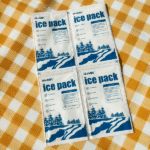
Bloque De Refrigeración De Gel México Al Por Mayor: Lo que los compradores deben saber antes de realizar el pedido
Elegir bien bloque de refrigeración en gel México al por mayor significa responder cuatro preguntas anticipadamente: ¿Qué banda de temperatura necesitas?, ¿Cuánto dura realmente la ruta?, lo que el producto puede tolerar, y qué tan consistente debe ser el proveedor. La mayoría de los compradores de esta categoría intentan conseguir un componente refrigerante que sea práctico de comprar., fácil de implementar, y realista para los carriles que realmente circulan. El componente del embalaje en sí es un bloque de refrigeración de gel.: una masa de refrigerante rectangular más grande diseñada para mantener la temperatura por más tiempo que una bolsa delgada.
Los buenos compradores no se detienen en la definición de los componentes.. Comparan la geometría, acondicionamiento, límites de calificación, y consistencia del proveedor porque compresa fría Una ruta incorrecta puede ser tan problemática como una ruta débil.. El socio mayorista más útil es aquel que puede alinear la producción, reposición, y encaminar la realidad en lugar de cotizar un precio unitario bajo sin amortiguación.
Lo que suele significar este formato en la práctica
Gel Refrigeration Block Mexico Wholesale generalmente describe una necesidad de abastecimiento basada en un formato y varias decisiones operativas.. Los compradores no eligen simplemente una compresa fría. Están eligiendo cómo se comportará ese refrigerante en una caja real, en un carril real, con un verdadero equipo de almacén.
El componente subyacente es un bloque de refrigeración de gel que se utiliza dentro de un remitente pasivo o paquete aislado.. Los bloques suelen funcionar mejor en cajas de cartón aisladas más grandes., cajas de comida, y rutas en las que una bolsa más delgada no proporcionaría suficiente reserva para el perfil de tránsito completo. Un formato a base de gel bien elegido puede simplificar el envasado, Reducir las fugas en comparación con el hielo húmedo., y hacer que el control de temperatura sea más predecible en un sistema pasivo.
La decisión de compra se vuelve mucho más clara una vez que separas tres preguntas: de qué está hecho el paquete, como esta condicionado, y si todo el diseño de envío es adecuado para el producto. Ese marco es más útil que comparar fotografías de archivo o afirmaciones genéricas de retención en frío..
Cómo se comporta este formato durante el tránsito
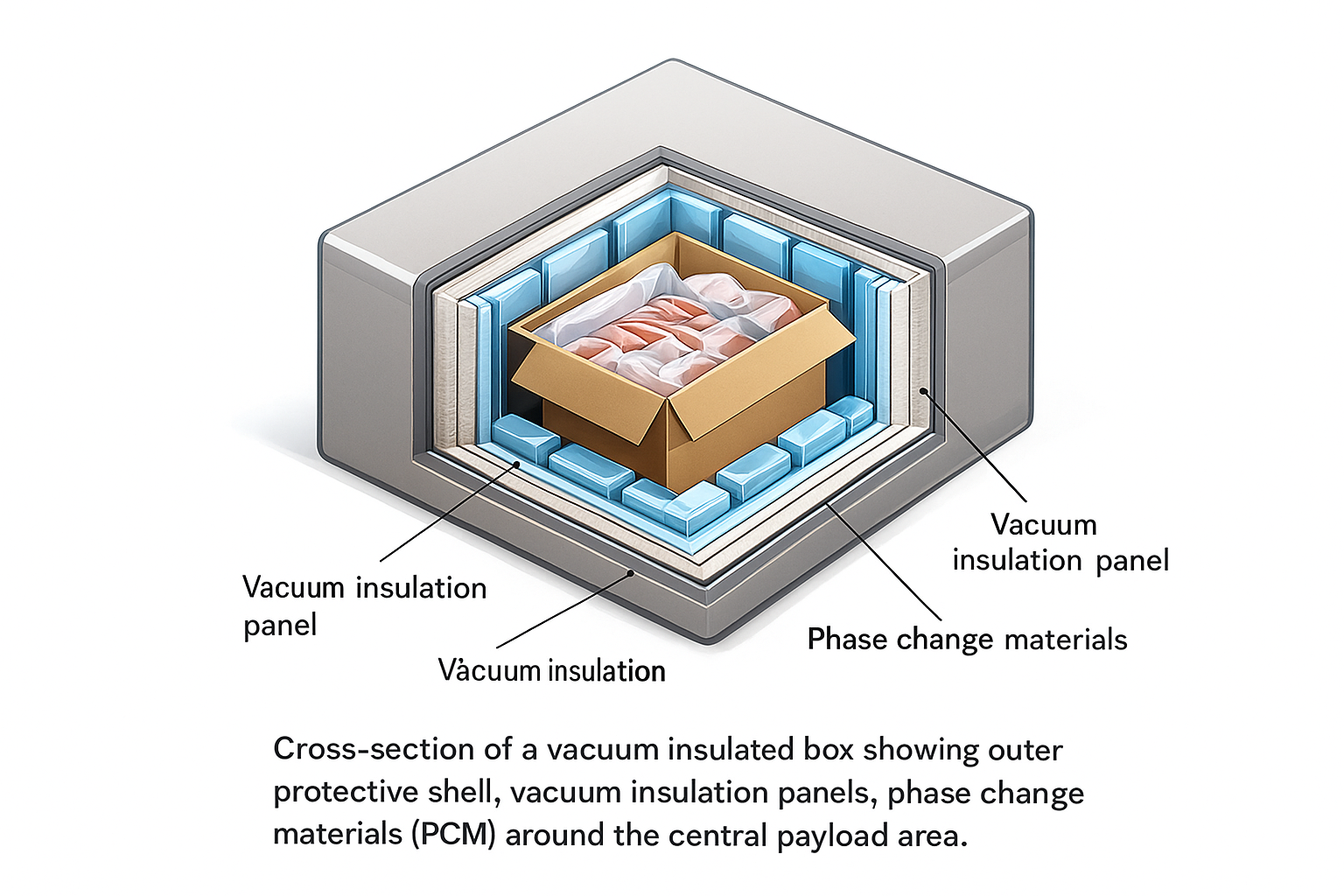
Un bloque de refrigeración de gel protege la temperatura actuando como amortiguador térmico dentro de un sistema pasivo. El aislamiento reduce la tasa de ganancia de calor desde el exterior de la parcela., y el refrigerante absorbe ese calor durante un período limitado después del embalaje.. eso suena simple, pero el rendimiento depende en gran medida del acondicionamiento, colocación, y sensibilidad al producto.
Un paquete delgado le brinda más contacto y puede enfriarse más rápido, mientras que un bloque o ladrillo más pesado suele tener más reserva. Las mantas y almohadas mejoran la cobertura.; los pads crean una interfaz más plana; Los paquetes estándar son versátiles y fáciles de reposicionar.. La geometría correcta es la que soporta su carril sin desperdiciar volumen ni crear un punto frío inseguro..
La práctica actual de la industria continúa tratando paquetes de gel, ladrillos, bolsas, y mantas como refrigerantes dentro de un sistema de embalaje, no como una respuesta de cumplimiento independiente. Todavía hay que combinarlo con el aislamiento., acondicionamiento, y lógica de ruta. De lo contrario, un paquete bien hecho aún puede dar un mal resultado de envío..
Lo que te dice la construcción técnica
Desde el punto de vista de los materiales, la mayoría de los refrigerantes en gel comerciales se construyen alrededor de un gel a base de agua u otra formulación de cambio de fase contenida dentro de una película exterior sellada.. La información pública del fabricante comúnmente apunta a polietileno duradero o películas termoplásticas comparables., costuras termoselladas, y diseños destinados a reducir las fugas durante la manipulación.. Esa construcción básica suena simple., pero pequeñas diferencias en la fuerza de la película., calidad del sello, y el control del peso de llenado puede cambiar significativamente el rendimiento del campo.
Dos propiedades importan más de lo que los compradores a veces esperan. La primera es la masa térmica.: más masa generalmente significa más reserva, pero también agrega peso de carga y consumo de volumen interno.. El segundo es el comportamiento de contacto.: un paquete flexible puede envolverse y enfriarse rápidamente, mientras que una forma rígida puede hacer que la colocación sea más repetible y reducir el movimiento del paquete dentro de la caja. Es por eso que la forma de bloque generalmente le brinda más masa térmica y un perfil de calentamiento más lento que una mochila pequeña y flexible..
También existe un problema de disciplina de datos.. Algunos proveedores publican ratios iniciales aproximados para el envío de alimentos y paquetes, como usar alrededor de una libra de refrigerante en gel por cada dos libras de producto. Esto puede resultar útil como atajo de planificación., pero no es una regla de diseño. Estación, perfil ambiental, aislamiento, espacio vacío de cartón, y la temperatura inicial del producto puede alejar el requisito de cualquier relación genérica.
Casos de uso más adecuados
Una buena adaptación suele comenzar con el producto y la ruta más que con el catálogo de refrigerantes.. La forma de bloque normalmente proporciona más masa térmica y un perfil de calentamiento más lento que una mochila pequeña y flexible.. Cuando el formato coincide bien con el carril, puede reducir el desorden, mejorar la calidad de recepción, y hacer que el trabajo del almacén sea más repetible.
Los compradores generalmente obtienen los mejores resultados cuando el refrigerante encaja naturalmente en el contenedor aislado existente., flujo de trabajo del congelador, y proceso de recepción. Eso es importante porque un grupo técnicamente fuerte sigue siendo una mala elección si los equipos luchan por acondicionarlo., colócalo correctamente, o reponerlo de forma fiable.
En México y vías de cadena de frío transfronterizas, El ajuste más útil es generalmente el que respalda tanto las necesidades térmicas como las realidades operativas locales, como la rotación de inventario., presión de temporada alta, y diversidad de carriles. Un proveedor cercano o regional sólo ayuda cuando esas condiciones reales se reflejan en el diseño..
Puntos de abastecimiento regionales para verificar
México añade una lógica de abastecimiento diferente porque la distribución nacional, rutas de exportación, y los movimientos transfronterizos pueden incluirse dentro del mismo programa. Eso significa que los compradores a menudo necesitan más margen térmico de lo que sugiere el tiempo de tránsito nominal., especialmente cuando la frontera habita, aduanas, o la variabilidad del traspaso es posible.
Un proveedor útil en México debería poder discutir la disponibilidad local., comunicación bilingüe, consistencia de producción, y cómo se comporta el paquete en condiciones regionales cálidas en lugar de citar un número abstracto de retención de frío. El suministro cercano al mercado es valioso sólo si la disciplina y la documentación de reabastecimiento siguen el ritmo..
Factores de selección que importan más que el precio unitario
Comience con la ruta y la tolerancia del producto., luego trabaje hacia atrás hasta el refrigerante. Ese cambio en la secuencia evita muchas compras malas porque te obliga a comparar el paquete con el envío que realmente realizas..
Herramientas útiles para tomar decisiones
Comprueba los detalles antes de elegir el embalaje.
Estas herramientas rápidas pueden ayudarle a comparar el riesgo de la ruta, necesidades de dimensionamiento, opciones de refrigerante, y detalles del embalaje antes de solicitar una cotización.
Calculadora de bolsa de hielo
Estimación de la cantidad de bolsas de hielo en gel para envíos refrigerados y planificación práctica de rutas.
Estimar las bolsas de hieloGenerador de listas de verificación de cumplimiento
Cree una lista de verificación práctica para la revisión del embalaje, envío, y documentación.
Crear lista de verificaciónrefrigerante & Referencia PCM
Compare las opciones de refrigerante y PCM cuando una ruta necesite soporte de temperatura adicional.
Comparar opcionesMedir dimensiones internas, no solo el tamaño del cartón externo. Comprobar volumen utilizable, probable ubicación del paquete, y si el refrigerante creará contacto directo con una carga sensible al congelamiento. Esa masa extra es útil., pero también aumenta el peso y puede consumir un volumen interno valioso si la caja está muy apretada. En muchos programas, la mejor opción es el diseño que se une al carril con el empaque repetible más simple.
También compare el método de acondicionamiento., puesta en escena del congelador, recibir lógica, y tolerancia al retraso. Algunos proveedores ofrecen reglas generales útiles, pero esas sólo deben ser tratadas como señales de planificación hasta que el pack-out haya sido probado en una línea realista.. Una guía para el comprador adquiere valor sólo cuando se convierte en una decisión basada en la ruta.
Por qué la documentación y la cualificación siguen siendo importantes
Una de las distinciones más útiles para los compradores es la línea divisoria entre un componente refrigerante y un sistema de envío calificado.. Guía de la OMS para el tiempo- y productos farmacéuticos sensibles a la temperatura, trata paquetes de gel, ladrillos, botellas, bolsas, y refrigerantes relacionados como medios estabilizadores de temperatura dentro de contenedores pasivos. La carga de calificación se aplica al diseño total., no solo a la compresa fría.
Esto importa incluso fuera del sector farmacéutico porque la misma lógica se aplica operativamente en el sector alimentario., productos cosméticos, laboratorio, y trabajo biotecnológico. Una buena compresa fría aún puede fallar el envío si el carril, aislamiento, o el embalaje está mal.
La calificación del proveedor es parte de este límite.. Si los componentes del embalaje son importantes para su proceso de calidad, pregunta cómo llenar el peso, caza de focas, identificación, y cualquier cambio de diseño futuro se controla y comunica. Eso convierte el cumplimiento de una palabra vaga en una lista de verificación de compras.
Qué deben verificar los compradores antes de realizar un pedido al por mayor
Una lista práctica combina preguntas de ingeniería con preguntas de compra.. No sólo estás comprando una forma de refrigerante. Estas comprando repetibilidad, disciplina de reposición, y una relación de control de cambios. Debes comparar el tamaño del bloque con las dimensiones internas., volumen utilizable, y si el peso adicional todavía tiene sentido para el precio de los paquetes.
- Dimensiones internas versus externas. Pregunte por el ajuste interno exacto con respecto al embalaje o cartón aislado que ya utiliza, no sólo el tamaño nominal del paquete.
- Volumen utilizable y colocación del paquete.. Confirme si el paquete funciona arriba, abajo, al lado de, o alrededor del producto y cuánto espacio vendible consume.
- Detalles de material y resina.. Pregunte qué estructura de película se utiliza., como se hacen las costuras, y si el paquete es lo suficientemente resistente a fugas para sus condiciones de manipulación.
- Protocolo de acondicionamiento. Aclarar si el paquete debe congelarse completamente., refrigerado, o templado antes de su uso, y cuánto tiempo lleva el preacondicionamiento en un congelador de almacén normal.
- Apilabilidad y eficiencia de retorno. Para programas más grandes, preguntar si el paquete de la caja, patrón de paleta, y el posible modelo de reutilización mejoran la eficiencia del almacenamiento y la logística inversa.
- Etiquetado y trazabilidad. Comprobar si hay lotes, códigos de fecha, o los identificadores personalizados se pueden aplicar de manera consistente para el trabajo de recepción e investigación..
- Coherencia entre la muestra y la producción. Exigir al proveedor que explique cómo se obtiene una muestra validada., lote piloto, y la producción en masa se mantienen alineadas a lo largo del tiempo.
- Cantidad mínima de pedido, plazo de entrega, y opciones personalizadas. Compare la disponibilidad de existencias con la verdadera capacidad personalizada para no aprobar un formato que no se puede reponer cuando aumenta la demanda..
- Pregunte si el proveedor admite stock local., comunicación bilingüe, y documentación para programas transfronterizos.
- Compruebe si el tamaño del bloque coincide con el transportador aislado que ya utiliza en lugar de forzar un rediseño de la caja..
- Confirmar cómo maneja el proveedor los picos de demanda del verano, cambios de plazo de entrega, y coherencia desde pedidos piloto hasta ejecuciones masivas repetidas.
Los buenos proveedores responden claramente a estos puntos antes del primer pedido importante.. Esa disciplina temprana ahorra tiempo más adelante, cuando aumentan los volúmenes o cambian las rutas..
¿Qué está cambiando en el mercado?
Las expectativas actuales de los compradores van en una dirección clara. Las empresas quieren componentes refrigerantes que respalden el diseño de rutas específicas, reducir los residuos de envases evitables, y crear menos desorden al empacar y recibir. Ésa es una de las razones por las que los formatos de transporte reutilizables o más duraderos siguen atrayendo la atención en las operaciones de la cadena de frío..
El material de la industria y las asociaciones sobre los envases de transporte reutilizables destaca la misma lógica empresarial: Los envases diseñados para viajes múltiples pueden reducir el costo por viaje y disminuir la carga ambiental cuando el circuito de retorno es real y está bien gestionado.. No todos los programas pueden soportar la reutilización, pero la conversación sobre abastecimiento incluye cada vez más la retornabilidad, Reciclabalidad, y la eficiencia general del material en lugar de mirar únicamente el precio por pieza.
Los compradores de cadena de frío de México valoran cada vez más la disponibilidad cercana al mercado y el apoyo práctico para la logística transfronteriza.. Los bloques de refrigeración densos siguen siendo atractivos cuando la incertidumbre de la ruta requiere más masa térmica de la que puede proporcionar una bolsa pequeña.. Para compradores, La conclusión práctica es que la selección de proveedores ahora incluye inteligencia operativa.: ¿Quién puede ayudarte a simplificar el carril?, mejorar la repetibilidad del embalaje, y reducir el desperdicio sin poner en riesgo el rendimiento de la temperatura.
Errores frecuentes de abastecimiento
La mayoría de los problemas de compra no provienen de defectos de fabricación catastróficos.. Provienen de discrepancias silenciosas entre la manada., la caja, y el carril. Un comprador aprueba una muestra prometedora, entonces el almacén utiliza un método de acondicionamiento diferente, o el cuadro personalizado cambia, o la ruta de verano es más dura que el carril piloto.
- Elegir solo por precio unitario e ignorar el peso del flete, impacto dimensional, y mano de obra de embalaje.
- Usar un formato de refrigerante que se ajusta a la foto del catálogo pero desperdicia volumen interno en la caja real.
- Tratar un paquete sólido congelado como universalmente seguro incluso cuando el producto es sensible a la congelación.
- Asumir un adelantamiento en un carril corto demuestra el diseño para cada destino y temporada..
- Saltarse la trazabilidad del lote y luego luchar para investigar las fugas, variación de relleno, o quejas de campo.
- Realizar pedidos de cantidades al por mayor antes de confirmar que los lotes de producción coinciden con la muestra aprobada.
Cuando es posible el tiempo de permanencia en la aduana o en la frontera, El margen de tiempo de retención se vuelve más importante que un reclamo nominal de "permanencia fría". La solución suele ser realizar pruebas disciplinadas., diseño consciente de la ruta, y una comunicación más sólida con los proveedores, no necesariamente un paquete más caro.
Preguntas que suelen hacer los compradores
¿Un proveedor regional siempre supera a un proveedor offshore??
No siempre, pero el abastecimiento regional puede reducir el tiempo de reabastecimiento, simplificar la comunicación, y reducir el riesgo de lagunas en el inventario para formatos personalizados.
es un paquete de gel, almohada, ladrillo, o cubrir una solución completa de cadena de frío?
No. Es un componente refrigerante dentro de un diseño de envío pasivo que aún depende del aislamiento., acondicionamiento, y lógica de embalaje específica de ruta.
¿Qué debería probar antes de ampliar??
Pruebe el patrón de paquete real, carga de producto, método de acondicionamiento, y el carril realista más cálido que esperas correr, no sólo una ruta corta e ideal.
Lo más importante antes de realizar un pedido
Un mejor resultado de compra generalmente proviene de hacer coincidir el refrigerante con la ruta y el equipo de operaciones, no seleccionando la opción más fría o más barata de forma aislada.. Antes de escalar una compra, confirmar la geometría del paquete, método de acondicionamiento, conjunto de aislamiento, y disciplina del proveedor bajo las mismas condiciones que su operación realmente enfrentará.
Acerca de Tempk
Y Tempk, nos centramos en embalaje con temperatura controlada para envío en cadena de frío, incluido bolsas de hielo, bolsas aisladas, cajas más frescas, y cubiertas térmicas para palets. También ofrecemos soluciones de embalaje personalizadas basadas en la duración del transporte., objetivos de temperatura, tamaño, y necesidades de manejo. Para equipos que evalúan refrigerantes de cadena de frío, Nuestro punto fuerte práctico es combinar los componentes del embalaje con un pensamiento a nivel de sistema para que la solución coincida con la ruta en lugar de depender de un reclamo genérico en frío..
Siguiente paso
Si necesita un mejor ajuste para su rango de temperatura, tiempo de tránsito, o programa de pedidos al por mayor, Solicite una recomendación de embalaje adaptada a su carril actual.. Para proyectos personalizados o mayoristas, empezar con la caja, la ruta, y la sensibilidad del producto – luego elija el refrigerante.