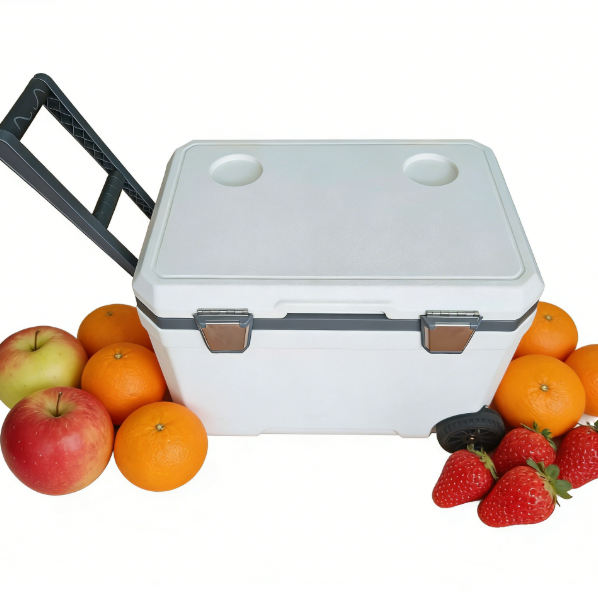
Especificación de un aislante térmico Caja de aislamiento EPP Eso funciona en la práctica
La aprobación de una caja aislante de EPP termoaislante debería responder a una pregunta práctica: ¿Se puede empaquetar esta configuración exacta?, emocionado, recibió, recuperado, y respaldado por evidencia bajo las condiciones que pretende utilizar? El EPP aporta un aislamiento útil, bajo peso, resiliencia, y protección moldeada. No suministra refrigeración, definir el requisito de temperatura del producto, o calificar un carril por sí solo. Una buena decisión conecta el material y el diseño de la caja con el refrigerante, carga útil utilizable, exposición de ruta, acciones del personal, pruebas, y propiedad del ciclo de vida. El marco siguiente convierte esas conexiones en un registro de decisiones que la adquisición, operaciones, ingeniería, y la calidad todos pueden revisar.
Decida qué puede demostrar la caja
Las discusiones sobre la cadena de frío se vuelven poco confiables cuando cuatro niveles diferentes de evidencia se fusionan en una sola afirmación.. Manténgalos separados de la primera conversación con el proveedor..
La evidencia material describe el grado del EPP. El polipropileno expandido es una espuma de perlas moldeada con una estructura principalmente de células cerradas.. Los proveedores de materiales establecidos describen el EPP como ligero, aislante térmico, resistente después del impacto, químicamente resistente, y reciclable. Los datos de grado pueden incluir densidad., comportamiento térmico, respuesta mecánica, o composición. Estos valores se miden en muestras definidas.; no prevén un envío completo sin ayuda.
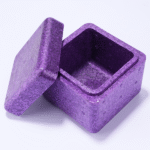
La evidencia del contenedor terminado describe la caja moldeada.. Dimensiones, secciones de pared, fusión de cuentas, ajuste de la tapa, bisagras, manijas, inserciones, parte masa, y la mano de obra pertenecen aquí. Una buena resina no descarta una mala unión o un moldeado inconsistente. Asimismo, la baja absorción de agua en la espuma no demuestra que la costura de la tapa sea estanca.
La evidencia del embalaje describe la caja más el contenido necesario para controlar la temperatura.. Esa configuración incluye el tipo de refrigerante y el acondicionamiento., posición del refrigerante, espaciadores, carga útil, embalaje secundario, espacio vacío, colocación del registrador, cierre, y a menudo una caja exterior. Un informe térmico solo respalda la configuración y las condiciones de desafío que realmente cubre.
La evidencia del envío registra lo que sucedió en un movimiento.. Controles de envío, datos del registrador, eventos del transportista, condición del sello, hora de recepción, y la revisión de desviaciones puede respaldar un proceso de liberación o investigación. Un registrador mide las condiciones en su ubicación.; no es un refrigerante y no constituye una protección adecuada para el embalaje..
Esta vista de cuatro niveles evita varios errores comunes. El “EPP reciclable” no es prueba de que un destino pueda recuperar una caja contaminada. “Polipropileno en contacto con alimentos” no es una declaración para cada artículo terminado y condición de uso.. El “embalaje probado” no califica para una nueva carga útil o ruta. "No hay alarma en el registrador" no es prueba de que todos los puntos de la carga permanecieron uniformes.
Establecer el nivel de evidencia requerido según el riesgo del producto. Un contenedor de catering retornable y un transportista farmacéutico pasivo pueden compartir un material pero exigen controles muy diferentes.. El equipo de calidad responsable del producto debe definir cuándo se realizará la calificación formal., escucha, y se necesita un manejo documentado de las desviaciones.
Escriba un resumen de empaque de seis líneas antes de mirar los modelos
Un proveedor puede dar una respuesta más útil cuando la solicitud describe el trabajo en lugar de pedir “un refrigerador grande” o “el tiempo de espera más largo”. El resumen puede caber en una página.. Cada línea debe indicar un requisito conocido., identificar al propietario de esa información, y dejar incógnitas visibles para realizar pruebas.
| Campo breve | Una respuesta lista para tomar decisiones incluye | señal de advertencia |
|---|---|---|
| Condiciones del producto | Condiciones requeridas de transporte y almacenamiento., sensibilidad a la congelación o al calor, orientación, humedad, choque, y evidencia necesaria al recibir | Un rango de temperatura genérico copiado de otro producto. |
| Carga útil empaquetada | Contar, masa, dimensiones, embalaje primario y secundario, patrón de carga, y contacto permitido con el refrigerante | Volumen nominal de la caja utilizado como sustituto de un diseño. |
| Viaje | Puesta en escena, modo, transferencias, retrasos, áreas no acondicionadas, aberturas de la tapa, desembalaje final, y exposición a contingencias | Sólo el tiempo de tránsito programado del transportista |
| Componentes térmicos | Tipo de refrigerante, método de acondicionamiento, cantidad, colocación, espaciadores, inserciones, cierre, y monitorear la posición | “Agregue suficientes bolsas de hielo” que quedan para cada empacador |
| Prueba y aceptación | Perfil de prueba, plan de sensores, límites de aceptación, detalle del informe, aprobación de calidad, seguimiento de envíos, y proceso de desviación | Un gráfico o certificado sin contexto de configuración. |
| Propiedad del ciclo de vida | Limpieza, el secado, inspección, trazabilidad, transporte de regreso, pérdida, jubilación, reciclaje, y cambiar notificación | “Reutilizable y reciclable” sin responsable ni propietario ni ruta de destino |
La mesa es deliberadamente compacta. Obliga al comprador a conectar los requisitos técnicos con la propiedad operativa.. Un campo en blanco no es motivo para adivinar.; es una tarea para el propietario del producto, equipo de logística, proveedor, laboratorio de pruebas, o piloto.
El dibujo de carga útil es el puente.
Entre estos campos, el diseño empaquetado a menudo resuelve la mayoría de los malentendidos. Las dimensiones externas determinan el estante., vehículo, y ajuste del paquete. Las dimensiones internas vacías describen la cavidad.. La carga útil útil es lo que queda después del refrigerante., divisores, espaciado protector, y se instalan equipos de monitoreo.
Proporcionar un dibujo o un conjunto físico de los productos empaquetados reales.. Incluir tolerancias y la carga más pesada esperada.. Compruebe que el refrigerante no presione los embalajes frágiles., que un elemento sensible a la congelación no puede migrar al contacto directo, y que el personal pueda cerrar la tapa sin comprimir el producto. Si los patrones de orden varían, definir familias de carga útil aprobadas en lugar de asumir que un paquete funciona en cada nivel de llenado.
El tiempo de ruta no es tiempo de exposición.
Comience el mapeo de exposición cuando comience el empaque o la puesta en escena y finalícelo cuando el producto regrese a su almacenamiento controlado requerido.. Agregar transferencias, aduanas cuando corresponda, entrega perdida, recibo fuera de horario, y aberturas de tapa. El desafío de diseño puede ocurrir durante una parada aparentemente corta en un muelle no acondicionado en lugar de durante el segmento más largo del vehículo..
No fabrique confianza agregando una duración arbitraria a un tiempo de espera cotizado. Generar margen a partir del riesgo del producto, variabilidad de la exposición, y un plan de pruebas basado en evidencia. Si el carril previsto difiere materialmente del informe de un proveedor, decidir si se necesita un perfil específico de ruta o una prueba adicional.
Convierta las ventajas de la caja de aislamiento EPP con aislamiento térmico en controles
El perfil del material del EPP explica por qué a menudo se considera para contenedores aislados reutilizables. Las celdas cerradas impiden el movimiento del calor.. La baja masa ayuda a la logística manual. La resiliencia puede tolerar la manipulación repetida ordinaria mejor que las alternativas frágiles. La moldeabilidad puede crear agarres, características de apilamiento, huecos para etiquetas, y soportes de carga útil. Esas ventajas se vuelven confiables sólo después de que se traducen en atributos de caja mensurables..
Controlar la geometría térmica.
Especificar dimensiones críticas de pared y tapa., pero evite tratar el espesor como un número de rendimiento universal. Una pared comparable más gruesa puede reducir la conducción., al mismo tiempo que consume espacio de carga útil o aumenta el sobre de envío. Área de superficie, esquinas, huecos moldeados, y la junta de la tapa afectan la ruta de calor completa. Solicite resultados sobre la geometría final..
La repetibilidad del cierre merece una verificación funcional. Inspeccione si la tapa se asienta consistentemente cuando la caja está vacía y completamente llena. Definir qué deformación, daño en el borde, suelo, u obstrucción hace que una unidad sea inaceptable. si correas, cintas, sellos, o una caja exterior son parte del cierre probado, deben seguir siendo parte de la configuración controlada.
Controlar la pieza moldeada
Identificar el grado del material aprobado o una especificación equivalente., controles relevantes de densidad o masa parcial, dimensiones críticas, y defectos visibles. El objetivo no es microgestionar el proceso de moldeo.; es para evitar variaciones no revisadas en los atributos de los que depende la lógica térmica y de manejo..
La aprobación de la muestra debe establecer una referencia que la producción pueda igualar.. Pregunte cómo verifica el proveedor la fusión de perlas., ajuste de la tapa, dimensiones, peso parcial, condición de la superficie, inserciones, y trazabilidad. Acordar cómo material, colorante, contenido reciclado, estampación, fábrica, y los cambios de diseño se comunicarán. Una sustitución de proveedor que parezca menor desde el punto de vista comercial puede cambiar los documentos de contacto con alimentos o invalidar una comparación de prueba..
Controlar las reclamaciones de higiene
La baja absorción de agua y la resistencia química del EPP pueden ayudar en flujos de trabajo húmedos o fríos. Ninguna característica define un programa de saneamiento.. Confirme si la carga útil entra en contacto directamente con la caja o permanece en el embalaje primario.. Obtener la documentación del material terminado sobre contacto con alimentos requerida para el mercado previsto y las condiciones de contacto cuando corresponda..
Luego pruebe el proceso de limpieza en la pieza moldeada real y sus etiquetas o inserciones.. Especificar detergente o desinfectante, concentración, tiempo de contacto, Condición de agua, enjuagar, el secado, e inspección. La compatibilidad con un producto químico no establece la compatibilidad con todos los agentes de limpieza.. Separar sucio, en cuarentena, y cajas liberadas para que un programa retornable no introduzca contaminación cruzada.
Herramientas útiles para tomar decisiones
Comprueba los detalles antes de elegir el embalaje.
Estas herramientas rápidas pueden ayudarle a comparar el riesgo de la ruta, necesidades de dimensionamiento, opciones de refrigerante, y detalles del embalaje antes de solicitar una cotización.
refrigerante & Referencia PCM
Compare las opciones de refrigerante y PCM cuando una ruta necesite soporte de temperatura adicional.
Comparar opcionesCalculadora de bolsa de hielo
Estimación de la cantidad de bolsas de hielo en gel para envíos refrigerados y planificación práctica de rutas.
Estimar las bolsas de hieloReferencia del material aislante
Compare opciones de materiales aislantes para diferentes necesidades de embalaje de la cadena de frío.
Comparar materialesControlar la interfaz del refrigerante
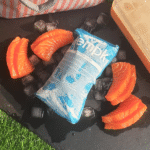
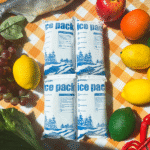
El aislamiento ralentiza la transferencia de calor.; la fuente de frío gestiona la carga térmica. Seleccionar paquetes de gel, ladrillos de hielo, materiales de cambio de fase, u otro refrigerante según los requisitos del producto y el paquete probado. Definir el condicionamiento con suficiente claridad como para que dos turnos preparen el mismo arreglo..
La temperatura del refrigerante por sí sola no es la decisión completa. Posición, contacto superficial, masa, estado al empacar, y la sensibilidad del producto es importante. Los espaciadores pueden reducir la exposición directa al frío, mientras que un inserto moldeado puede evitar que el refrigerante se mueva durante el transporte. hielo seco, donde se usa, introduce una compatibilidad especial con el producto, ventilación, mercancías-peligrosas, calificación, y requisitos del transportista que necesitan una revisión de expertos por separado.
Pruebe el trabajo en el momento del envío y la recepción
Las pruebas en cámara pueden desafiar un paquete en condiciones controladas. Un piloto operativo prueba si las personas pueden reproducir la configuración y tomar las decisiones correctas. ambos son valiosos, y responden diferentes preguntas.
Considere un distribuidor hipotético que prepara reactivos de diagnóstico para entregas recurrentes entre hospitales y laboratorios.. El propietario del producto ha definido las condiciones de transporte., y el equipo técnico compara un packout EPP con otro formato pasivo. En lugar de probar una caja llena de sustitutos convenientes, El equipo utiliza cajas secundarias representativas., el refrigerante propuesto, instrucciones actuales, y el mecanismo de seguimiento previsto.
En el envío, un observador observa donde el proceso duda. ¿Están claramente identificados los estados del refrigerante?? ¿Puede el empacador distinguir el inserto superior del inferior?? ¿Se activa el registrador antes de que desaparezca en el diseño?? ¿Se cierra la tapa sin fuerza?? ¿Se puede leer la etiqueta de envío después de aplicar el cierre o la caja exterior?? Cada vacilación es una cuestión de formación o una oportunidad de diseño..
El piloto de ruta sigue el paquete a través de la puesta en escena., carga de vehículos, Entregar, y llegada. Registra los puntos de permanencia reales y cualquier apertura o reempaque.. Esto no reemplaza una prueba térmica justificada., pero revela si el viaje supuesto se parece al real.
Al recibir, el laboratorio sigue una secuencia predefinida: inspeccionar la condición externa, verificar identidad y cualquier sello, encontrar y detener el monitor, registrar la información del recibo, mover el producto al almacenamiento controlado, y escalar excepciones. El piloto comprueba si esas acciones son intuitivas.. Un registrador escondido debajo del refrigerante o una tapa que requiere herramientas pueden retrasar el producto cuando el tiempo importa.
Las cajas devueltas entran en un flujo de inspección. El personal busca deformaciones., la tapa no coincide, grietas, bordes comprimidos, contaminación, zonas humedas, olor, componentes faltantes, e identificación dañada. La limpieza y el secado se programan como operaciones., no se utiliza para reclamar un resultado de rendimiento. El equipo también comprueba si el transportista devuelve de forma fiable el contenedor vacío y el refrigerante..
El piloto produce cuatro resultados.: una instrucción de embalaje corregida, una lista de verificación del receptor, una regla de inspección de devolución, y una lista de supuestos para el protocolo térmico.. No crea un reclamo de éxito del cliente ni un resultado de ruta universal.. Hace que la próxima prueba y la decisión de adquisición estén mejor definidas..
Para productos de alto riesgo, La calificación térmica formal debe seguir siendo específica de la configuración y bajo una supervisión de calidad adecuada.. ISTA 7E proporciona perfiles de calor y frío reconocidos para embalaje de transporte térmico en sistemas de entrega de paquetes, y estándar ISTA 20 proporciona un proceso estandarizado de diseño y calificación para contenedores de transporte aislados. Estos marcos pueden respaldar un plan, pero no reemplazan el análisis específico de la ruta ni garantizan cada envío.
Apruebe la ampliación con una puerta de evidencia y ciclo de vida
Antes de un pedido al por mayor, Realizar una revisión en la que cada función apruebe la misma revisión.. Adquisiciones confirma la lista comercial de materiales.. Ingeniería confirma dimensiones, adaptar, y diseño controlado. Las operaciones confirman la capacidad de embalaje y manipulación.. La calidad confirma la evidencia y los procedimientos.. El personal de sostenibilidad o cumplimiento confirma que las declaraciones ambientales y las obligaciones del mercado tienen el alcance adecuado..
El archivo de evidencia debe contener el dibujo actual., especificación de materiales, referencia de muestra aprobada, lista de materiales de embalaje, instrucciones de acondicionamiento y montaje, protocolo térmico e informe donde sea necesario, plan de seguimiento, procedimiento de limpieza, recibir y devolver cheques, y acuerdo de notificación de cambios. No todas las solicitudes de bajo riesgo necesitan un expediente de calificación elaborado, pero cada reclamo utilizado para la aprobación debe tener una fuente nombrada y un límite aplicable.
Tratar la declaración de tiempo de espera de un proveedor como condicional. Revisar el perfil ambiental, carga útil, refrigerante, condiciones iniciales, sensores, rango de aceptación, y revisión exacta de la caja. Un perfil reconocido como ISTA 7E mejora la comparabilidad cuando se ajusta a la cuestión de distribución.. No transforma diferentes cargas útiles o carriles en equivalentes.
Para la distribución sanitaria regulada, mantener separadas las responsabilidades de embalaje y proceso. Las normas aplicables sobre medicamentos de los Estados Unidos exigen condiciones de almacenamiento adecuadas y controles de distribución escritos.. Las buenas prácticas europeas de distribución y las orientaciones de la OMS hacen hincapié en la gestión de riesgos para el almacenamiento y el transporte. Los envíos aéreos de atención médica también pueden estar sujetos a las regulaciones vigentes de control de temperatura de la IATA., Reglas del operador, etiquetas, y requisitos del dispositivo de seguimiento. Ninguno de estos marcos aprueba una material aislante para cada uso.
La aprobación medioambiental necesita la misma moderación. El EPP se puede reciclar como material y favorecer la reutilización, pero un programa debe documentar las devoluciones, pérdidas, limpieza, transporte vacío, jubilación, y la ruta de recuperación disponible. Regulación (UE) 2025/40 sobre envases y residuos de envases se aplica generalmente desde 12 Agosto 2026, con obligaciones y plazos posteriores según el actor y la categoría de embalaje. Los compradores que colocan envases en el mercado europeo deben obtener asesoramiento preciso sobre cumplimiento en lugar de asumir que una caja de EPP cumple con la reciclabilidad., reutilizar, etiquetado, o deberes de documentación.
Hay razones legítimas para detener un proyecto del PPE. Un carril de sentido único puede hacer que el regreso sea antieconómico. Una envolvente térmica exigente puede requerir un sistema pasivo o un contenedor activo de mayor rendimiento. Una carga útil puede superar el espacio utilizable una vez instalado el refrigerante. Es posible que un régimen de limpieza no se adapte al diseño terminado.. Es posible que un proveedor no pueda proporcionar controles de producción estables o un contexto de prueba adecuado.. El resultado correcto de un proceso de selección es a veces un formato de embalaje diferente.
Después del lanzamiento, Utilizar información de rutina para mantener la decisión.. Pérdidas de tendencia, daño, fallos de limpieza, errores de embalaje, excursiones de madereros, y quejas del receptor. Revisar nuevas cargas útiles, refrigerantes, rutas, agentes de limpieza, y cambios de proveedores antes de tratarlos como cubiertos. La aprobación debe seguir siendo una vida, justificación controlada en lugar de una firma de muestra única.
Preguntas frecuentes
¿Se pueden utilizar los datos térmicos del proveedor para mi ruta??
Puede admitir la detección cuando el informe identifica una configuración comparable a la suya.. Marque la casilla de revisión, carga útil, refrigerante, acondicionamiento, perfil ambiental, sensores, límites de aceptación, y método de prueba. Si las condiciones importantes difieren, utilizar el informe para diseñar trabajos futuros en lugar de tratar su duración como transferible. La prueba adicional requerida depende del riesgo del producto y de la variabilidad de la ruta..
¿Deberían las compresas frías tocar el producto dentro de una caja de EPP??
Sólo si los requisitos del producto y el embalaje probado lo permiten.. El contacto directo puede crear exposición local al frío incluso cuando la temperatura promedio del aire parece aceptable., Lo que importa para los productos sensibles a la congelación.. Utilice espaciadores, mangas, o posiciones moldeadas cuando sea necesario, y mantener el arreglo fijado en las instrucciones.. El propietario del producto o el equipo de calidad debe aprobar la estrategia de contacto..
¿Qué debería aprender un comprador de la primera muestra de producción??
Confirmar la carga útil real, masa cargada, cierre, ajuste del refrigerante, restricción del producto, manejo, posición de la etiqueta, acceso de limpieza, e inspección de devolución. Compare las dimensiones críticas y la identificación del material con la cotización.. La muestra también es una prueba de flujo de trabajo.: Los empacadores y receptores deben usar instrucciones preliminares e identificar la ambigüedad antes de que la prueba térmica o un pedido más grande las bloquee..
Conclusión: Haga que la aprobación sea reproducible
La solución de caja aislante de EPP con aislamiento térmico más potente es aquella que otro equipo capacitado puede reproducir.. conservar material, recipiente, empacar, y evidencia de envío por separado. Escriba el requisito antes de seleccionar un modelo., probar la carga útil utilizable en lugar del volumen nominal, e incluir el trabajo de despacho y recepción en el piloto. Escale solo cuando el proveedor pueda mantener la configuración aprobada y el operador pueda recuperarla., limpio, inspeccionar, y retirar cajas consistentemente. El EPP es valioso donde su aislamiento, resiliencia, y peso ligero se adaptan a la ruta; no es un sustituto del diseño del refrigerante, calificación, escucha, o juicio de calidad.
Acerca de Tempk
suministros temporales Cajas aisladas de EPP y relacionados embalaje de cadena de frío opción, incluido bolsas de hielo en gel, ladrillos de hielo, bolsas aisladas, revestimiento, y cubiertas de palets. Podemos discutir la caja y la fuente de frío como partes de un paquete propuesto., usando tu carga útil, ruta, manejo, y requisitos de reutilización como resumen inicial. Cualquier duración de temperatura, estado de contacto con alimentos, o aplicación regulada debe verificarse para la configuración seleccionada y el mercado previsto. Donde la ruta apunta a otro formato, el mismo informe puede respaldar una comparación igualitaria.
Comparta su resumen de empaque de seis líneas con Tempk para comparar opciones y definir una muestra enfocada, prueba, y plan de ampliación para su proyecto de caja aislante de EPP termoaislante.