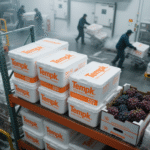
High Density EPP Box Exporter: Boost Cold Chain
Actualizado: Diciembre 24 2025
Introducción: Shipping temperature sensitive goods requires packaging that is both strong and sustainable. A high density expanded polypropylene (PPE) box exporter supplies durable, lightweight containers that maintain consistent temperatures even under extreme conditions. These boxes help you cut waste, meet regulatory standards and reduce costs by replacing single use foam with recyclable, aislamiento reutilizable. In this guide you’ll learn how high density EPP boxes outperform traditional materials, where they are used, and how to select the right exporter for your cold chain operations.
Qué responderá este artículo
¿Qué hace? high density insulated EPP boxes different from standard coolers? Learn how closed cell foam delivers superior thermal protection, resistencia al impacto y reciclabilidad.
How do high density EPP exporters support sustainability and cost control? Discover how reusable packaging reduces waste and pays for itself after a few cycles.
Where can these boxes be used? See the wide range of applications in pharmaceuticals, entrega de comida, e commerce and outdoor leisure.
How do you choose the right EPP box exporter? Follow practical tips on selecting density, size and smart features.
¿Cuáles son las últimas tendencias en 2025? Explore innovations such as IoT monitoring and sustainable materials driving the next generation of cold chain packaging.
What Makes High Density EPP Boxes Unique?
Respuesta directa: High density EPP boxes have a rigid closed cell structure that resists impact, cushions fragile goods and provides exceptional thermal insulation. Unlike brittle polystyrene foam, EPP springs back after multiple compressions and can be reused hundreds of times. Manufacturers can adjust foam density from 15 kg/m³ to 260 kg/m³, tailoring strength and insulation to your payload.
Explicación detallada: Each EPP box is moulded from expanded polypropylene beads into a network of tiny closed cells. These cells trap air, which slows down heat transfer and cushions shocks. Compared with expanded polystyrene (EPS) y polietileno expandido (EPE), EPP maintains its shape after repeated impacts and temperature fluctuations. Grados de alta densidad (40–60 kg/m³) offer greater compressive strength and insulation but weigh slightly more. The material remains stable from −40 °C to +110 °C, making it suitable for frozen goods, chilled vaccines and even hot catering deliveries.
Physical and Thermal Properties of High Density EPP
EPP performance at a glance:
| Propiedad | Rango típico | Exporter insight | Lo que significa para ti |
| Densidad (kg/m³) | 15–100 kg/m³ (personalizado hasta 260 kg/m³) | Higher density increases strength and insulation but adds weight | Match density to payload weight and journey length to balance protection and cost |
| Absorción de energía (kj /) | 20–40 | Measures the foam’s ability to absorb shocks | Protects glass vials, electronics and delicate foods during export |
| Fuerza compresiva (MPa) | 0.3–2.5 | Determines how much weight the box can bear without deforming | Allows secure stacking and palletisation in warehouses |
| Operating temperature (°C) | −40 a +110 | Indicates temperature range for safe use | Suitable for deep frozen vaccines, chilled seafood and hot meal delivery |
| Absorción de agua (%) | < 0.3 | Non porous surface resists moisture | Prevents mould and maintains insulation even in humid environments |
| Reutilizabilidad (ciclos) | Cientos | Number of times the box can be reused | Spreads cost over many shipments and supports sustainability |
Consejos prácticos y sugerencias.
Match density to your payload: Choose 40–60 kg/m³ foam for heavy or long haul shipments; medium densities suit lighter goods and reduce transport costs.
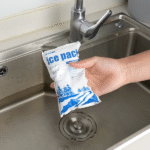
Use appropriate cooling packs: Pair your EPP box with phase change materials (PCM) or gel packs matched to the desired temperature range to extend cooling time.
Ensure secure closures: Select flush or hinged lids with gaskets to minimise air leakage and maintain stable temperatures.
Evite sobrellenar: Leave air space around contents for proper circulation; overpacking can create hot spots.
Ejemplo del mundo real: Durante las campañas de distribución de vacunas, providers replaced disposable EPS coolers with EPP boxes and ice packs. The EPP boxes absorbed impacts during rough handling and maintained target temperatures, reducing product loss and eliminating thousands of single use boxes.
How Do High Density EPP Exporters Enhance Sustainability and Reduce Costs?
Respuesta directa: High density EPP exporters champion sustainability by offering reusable, fully recyclable containers. Unlike single use polystyrene coolers, EPP boxes can be cleaned and reused hundreds of times, reducing waste and lowering your long term packaging costs.
Explicación detallada: EPP foam is a single polymer material that is easy to recycle. Exporters collect used boxes, clean them and remould the foam into new products, closing the loop. Because one EPP box can replace hundreds of disposable containers, landfill volumes and production energy drop significantly. Though the initial cost is higher than EPS, reuse programs often break even after only a few dozen cycles. Environmental benefits include a smaller carbon footprint, reduced demand for virgin materials and improved brand perception.
Sustainability Metrics and Benefits
| Beneficio | Descripción | tu ventaja |
| Reciclaje en circuito cerrado | EPP can be remoulded into new boxes | Cuts demand for raw materials and aligns with corporate sustainability goals |
| Reducción de la generación de residuos | One reusable box can replace hundreds of disposable alternatives | Drastically reduces landfill waste and disposal costs |
| Menor huella de carbono | Reuse reduces manufacturing energy and emissions | Helps meet emissions targets and improves brand image |
| Punto de equilibrio económico | Costs are recouped after several cycles | Long term savings outweigh higher upfront investment |
| Percepción de marca mejorada | El embalaje sostenible indica responsabilidad medioambiental | Appeals to eco conscious partners and consumers |
Consejos prácticos y sugerencias.
Implementar programas de retorno: Encourage customers to send boxes back by offering deposits or incentives. A seafood exporter reclaimed 80 % of boxes and cut packaging waste by 90 %.
Establecer protocolos de limpieza: Clean EPP boxes with mild soap and water; la superficie no porosa previene el crecimiento bacteriano.
Monitorear el desgaste: Inspect boxes for cracks or warping and recycle damaged units.
Combínelo con PCM ecológico: Use biodegradable or recyclable phase change materials to maximise sustainability.
Estudio de caso: A seafood exporter replaced single use EPS coolers with reusable EPP boxes and a deposit system. The company reclaimed most boxes and saved thousands of dollars, demonstrating both environmental and economic benefits.
Where Are High Density EPP Boxes Used?
Respuesta directa: High density EPP boxes serve multiple industries, from pharmaceuticals and food services to e commerce and outdoor leisure. Their ability to maintain consistent temperatures, resist impacts and stay lightweight makes them indispensable for global exports.
Explicación detallada: en salud, EPP containers keep vaccines, biologics and lab samples within narrow temperature ranges such as 2–8 °C or deep freeze conditions. The non porous surface is hygienic and easy to sanitise. Food and catering businesses use EPP boxes to keep meals hot or frozen foods cold, while optional drainage holes prevent leaks. E commerce retailers customise EPP boxes to fit products precisely, Mejorar la eficiencia del espacio y atraer a los consumidores conscientes del medio ambiente.. Outdoor enthusiasts benefit from lightweight coolers that keep food and drinks fresh for hours, and industrial firms use reusable EPP trays to protect instruments and electronics.
Sector specific applications
| Industria | Uso de ejemplo | Benefit for your exports | Ventaja específica |
| Productos farmacéuticos | Vaccine shippers and biologic containers | Maintains strict 2–8 °C or ultra cold ranges | Meets Good Distribution Practice guidelines and prevents spoilage |
| Alimento & abastecimiento | entrega de comida, seafood and frozen foods | Keeps products hot or cold; lightweight for easy handling | Extends shelf life and boosts customer satisfaction |
| comercio electrónico & comestibles | cajas de envío personalizadas | Maximises space efficiency and reduces void fill | Lowers shipping costs and appeals to green consumers |
| Exterior & ocio | Neveras para picnic y camping | Mantiene la comida fresca durante horas. | Mejora las experiencias al aire libre y la visibilidad de la marca. |
| Logística industrial | Bandejas de transporte y estiba reutilizables | Protects electronics and precision parts | Reduces damage rates and supports sustainable supply chains |
Consejos prácticos y sugerencias.
Haga coincidir el tamaño de la caja con la carga útil: Customise dimensions to fit products snugly and improve temperature stability.
Use inserts for pharmaceuticals: Custom inserts hold vials securely and maintain temperature.
Planifique los desafíos de la última milla: Elija cajas con asas ergonómicas y tapas apilables para una entrega eficiente.
Piense más allá del envío: Reuse EPP boxes as storage containers or marketing tools, como neveras portátiles para picnic de marca.
Ejemplo del mundo real: A catering company switched to EPP boxes for banquet events. Entrées stayed hot for more than two hours and salads remained crisp; the company reduced disposable container costs by 60 %.
How to Choose and Customise a High Density EPP Box
Respuesta directa: Selecting the right EPP box starts with your required temperature range, payload size and foam density. Additional options like closure type, manijas, branding and smart sensors can further optimise performance.
Explicación detallada: Determine whether your shipment needs chilled (2–8 ° C), congelado (−20°C) o ultra frio (below −60 °C) capacity and pair the box with appropriate phase change packs. Measure your product to select a box that minimises void space. Higher densities (40–60 kg/m³) provide more insulation and strength but add weight; medium densities balance cost and performance. Closure style matters: Las tapas a ras con juntas minimizan las fugas de aire., while hinged lids allow frequent access. Ergonomic handles, straps and foldable designs simplify handling and return logistics. Branding options, such as molded logos or custom colours, transform packaging into a marketing asset. Para envíos de alto valor, integrate IoT sensors or data loggers to monitor temperature and location in real time.
Key selection factors and guidance
| Factor de selección | Consideraciones | Orientación práctica |
| Rango de temperatura | Enfriado (2–8 ° C), congelado (−20°C) o ultra frio (< −60°C) | Pair boxes with PCM packs or dry ice tailored to the range |
| Dimensiones de carga útil | Measure product size and required clearances | Choose custom boxes to reduce void fill and improve insulation |
| Densidad de la espuma | Higher density increases insulation and strength | Match density to product weight and journey length for cost efficiency |
| Tapa y cierre | Racor empotrado, tapas apilables o con bisagras | Use gaskets for airtight seals and hinged lids for convenience |
| Asas y ergonomía. | Handles or straps for easy carrying | Enhance last mile handling and reduce drop risk |
| Branding and inserts | Bandera, logos and partitions | Turn packaging into a promotional tool and secure contents |
| Escucha & IoT | Sensores y registradores de datos | Ensure compliance with pharmaceutical standards and real time tracking |
Consejos prácticos y sugerencias.
Use size calculators: Interactive calculators help estimate optimal box size and density based on product dimensions and required cooling time.
Integrar monitoreo: Add IoT sensors and data loggers to detect temperature deviations and intervene before product quality is compromised.
Opte por diseños plegables: Foldable high density EPP boxes save up to 60 % de espacio cuando está vacío, reducing return logistics costs.
Incorporate branding: Mould your logo or choose custom colours to enhance brand recognition.
Choose eco friendly PCM: Select biodegradable or recyclable phase change materials to complement the box’s sustainability.
Ejemplo del mundo real: A meal kit startup used a size calculator and designed custom high density EPP boxes. Ingredients stayed safe for 48 horas, and the company cut packaging costs by 30 %.
2025 Innovations and Trends in High Density EPP Packaging
Descripción general de la tendencia: La industria de la cadena de frío está experimentando cambios rápidos. MarketsandMarkets projects the global cold chain market to grow from USD 228.3 mil millones en 2024 a USD 372.0 mil millones por 2029. This growth is fuelled by increased international trade, organised retail and the demand for temperature controlled shipments. High density EPP exporters are responding with smart, soluciones sostenibles.
Últimos desarrollos de un vistazo
Optimización de rutas impulsada por IA: Artificial intelligence adjusts delivery routes based on traffic and weather, reducing fuel use and ensuring on time delivery.
Blockchain para la trazabilidad: Blockchain creates tamper proof records of product journeys, mejorar la transparencia y el cumplimiento de las normas de seguridad alimentaria.
Refrigeración con energía solar: En regiones con electricidad limitada, solar powered refrigeration units reduce food waste and support cold chain expansion.
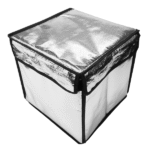
Contenedores de envío inteligentes: Ligero, contenedores aislados equipados con sensores IoT monitorean la temperatura, humedad y ubicación en tiempo real, garantizar la integridad del producto.
Soluciones de embalaje sostenibles: Eco friendly materials and recyclable PCM support regulatory requirements and consumer demand for greener products.
Ideas del mercado: The circular cold chain packaging market is expected to grow from USD 820 millones en 2026 a USD 1,959.1 millones por 2036. Materials such as EPP, polietileno de alta densidad (HDPE) and insulation foams dominate the segment, while reusable insulated boxes and totes account for 45 % del mercado. The report highlights that EPP is preferred for its lightweight nature, impact resistance and insulation properties.
Preguntas frecuentes
Q1: How long can a high density EPP box maintain temperature? When paired with appropriate phase change packs, high density EPP boxes can keep contents within target ranges for several days. Por ejemplo, tests show that hot meals placed in an EPP box at 85 °C remained around 70 °C hasta 5 hours even when the outside temperature was −30 °C. Cooling duration depends on box size, density and coolant type.
Q2: Are EPP boxes safe for food contact and pharmaceuticals? Sí. EPP is a non porous, food grade material that resists water, chemicals and oils. It meets strict hygiene standards and can be sterilised with boiling water.
Q3: How does high density affect performance? Higher density increases insulation and impact resistance but adds weight. Choose density based on payload fragility and transport distance.
Q4: What makes EPP more sustainable than other foams? EPP is recyclable and can be remoulded into new products. It is also more durable than EPS or EPE, Reducir el desperdicio y los costos a largo plazo..
Q5: Can I add technology to my EPP boxes? Absolutamente. sensores de iot, data loggers and even blockchain labels can be integrated to monitor temperature and location in real time, Garantizar el cumplimiento de las normas de seguridad farmacéutica y alimentaria..
Resumen y recomendaciones
Control de llave: High density insulated EPP boxes provide exceptional thermal insulation, impact resistance and reusability, outperforming traditional foams. They support sustainability by reducing waste and delivering closed loop recycling. Applications span pharmaceuticals, alimento, e commerce and leisure. Selecting the right box involves matching temperature range, payload size and density, and considering features like lids, handles and sensors.
Plan de acción: To optimise your cold chain logistics, start by assessing your temperature requirements and product dimensions. Use interactive calculators or consult with an EPP exporter to determine the ideal box size and density. Implement return programmes and cleaning protocols to maximise reuse. Integrate IoT monitoring to maintain temperature integrity and consider foldable designs to reduce return logistics. Finalmente, pair your EPP boxes with eco friendly phase change materials to create a fully sustainable solution.
Acerca de Tempk
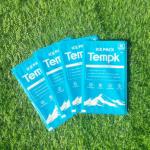
Descripción general del producto de la empresa: Tempk is a leading supplier of high density insulated EPP boxes, ice packs and complete cold chain solutions. Our boxes are engineered for superior thermal insulation, durabilidad y reciclabilidad. We customise dimensions, densidad de la espuma, colour and branding to meet your unique needs. With options for flush fitting lids, ergonomic handles and integrated IoT sensors, our products enhance safety and efficiency across industries.
Llamado a la acción: If you’re looking to upgrade your cold chain packaging, contact Tempk to discuss custom high density EPP solutions. Our experts can help you select the right box, optimise your supply chain and achieve your sustainability goals. Let’s build a resilient and eco friendly cold chain together.