Actualizado: Diciembre 28, 2025
Este artículo responderá:
Qué es distribución de comercio electrónico de cadena de frío? Una descripción general en lenguaje sencillo de la logística con temperatura controlada para productos farmacéuticos y comestibles en línea.
¿Cómo mantiene la entrega de última milla la integridad fría?? Información práctica sobre la innovación del último kilómetro y los camiones inteligentes.
¿Qué tecnologías de embalaje están surgiendo? 2025? Descubre materiales ecológicos, Kits listos para usar y monitoreo inteligente para envíos directos al consumidor..
¿Qué tendencias del mercado dan forma al crecimiento del comercio electrónico de la cadena de frío?? Comprender los impulsores detrás de una industria en rápida expansión, desde kits de comida DTC hasta programas globales de vacunas.
¿Cómo se puede mejorar la sostenibilidad y el cumplimiento?? Consejos prácticos para seleccionar el embalaje, Monitorización de temperatura y optimización de rutas..
¿Qué predicen los expertos? 2025 y más allá? Explora las tendencias futuras, Cambios regulatorios y oportunidades para las empresas..
¿Qué es la distribución del comercio electrónico en cadena de frío y por qué es crucial??
La distribución del comercio electrónico en cadena de frío combina la logística de temperatura controlada con la venta minorista en línea para proteger los productos perecederos desde el almacén hasta la puerta de su casa.. Cuando compras comestibles, medicamentos o alimentos especiales en línea, Esos artículos necesitan ambientes fríos cuidadosamente gestionados para preservar su calidad.. La cadena de frío comienza con el almacenamiento refrigerado, se mueve a través de embalajes aislados y transporte refrigerado., y finaliza con la entrega de última milla. Según Maersk, logística de cadena de frío significa manipulación, almacenar y transportar productos perecederos en condiciones de temperatura controlada para preservar la calidad. Esta definición ahora se extiende al comercio electrónico., donde los consumidores esperan velocidad y conveniencia sin dejar de exigir frescura.
Los distribuidores B2B tradicionales se están expandiendo hacia el directo al consumidor (DTC) mercados. Durante la pandemia, Muchos distribuidores de servicios de alimentos pasaron a vender directamente a los consumidores y tuvieron éxito porque invirtieron en almacenamiento en frío avanzado y entrega con temperatura controlada.. Hoy, Los compradores de comestibles realizan pedidos en línea y esperan que todo, desde productos frescos hasta comidas congeladas, llegue a la temperatura adecuada.. Mientras tanto, Las plataformas de comercio electrónico farmacéutico requieren un control estricto de la temperatura de los productos biológicos., vacunas y medicamentos especializados, impulsando la demanda de infraestructura de frío confiable.
¿Cómo apoya la entrega de la cadena de frío de última milla a los supermercados en línea??
La entrega de última milla es la etapa final y más crítica del comercio electrónico de la cadena de frío. Garantiza que los productos que has pedido lleguen a tu casa sin variaciones de temperatura.. Mantener la integridad del frío en esta etapa afecta directamente la calidad del producto y la satisfacción del cliente.. Los proveedores de logística utilizan embalajes aislantes especializados, vehículos refrigerados y dispositivos habilitados para IoT para monitorear las fluctuaciones de temperatura en tiempo real. Por ejemplo, Las carrocerías de camión compuestas con núcleos aislados de espuma y carcasas de polímero proporcionan una mejor eficiencia térmica y menores demandas de energía en comparación con las carrocerías tradicionales con estructura metálica.. Estos encendedores, Los cuerpos más fuertes permiten a las flotas entregar más bienes y al mismo tiempo reducir el consumo de combustible y las emisiones de gases de efecto invernadero..
El comportamiento del consumidor cambió drásticamente durante y después de la pandemia. Los minoristas que alguna vez se centraron en los compradores en las tiendas construyeron una nueva infraestructura de entrega para productos refrigerados y congelados.. Para marzo 2025 A NOSOTROS. Se alcanzaron las ventas de comestibles. $9.7 mil millones, con $4.2 mil millones gastados sólo en entregas. Los datos de la encuesta muestran que aproximadamente 30 % de los hogares utilizan una combinación de servicios de entrega, opciones de recogida y envío a domicilio. Estas preferencias requieren que los minoristas optimicen la entrega en el último kilómetro e inviertan en vehículos con temperatura controlada., Software de optimización de rutas y seguimiento en tiempo real..
Mesa 1 – El proceso de comercio electrónico de la cadena de frío y su significado práctico.
| Escenario | Componentes clave | Tecnologías típicas | Lo que significa para ti |
| almacenamiento en frío | Almacenes frigoríficos, congeladores rápidos, sensores de temperatura | Los sensores de IoT monitorean las condiciones ambientales y envían alertas | Los productos permanecen frescos antes de empacar., Reducir el deterioro. |
| Embalaje aislado | paquetes de gel, paneles aislados al vacío (VIP), Materiales de cambio de fase | Materiales ecológicos como papel reciclado y paquetes de gel reutilizables. | Los paquetes mantienen el contenido dentro de un rango de temperatura seguro durante el tránsito. |
| Transporte refrigerado | Camiones ligeros con paneles compuestos., remolques frigoríficos | Los paneles compuestos mejoran la eficiencia térmica y reducen el uso de combustible | Más seguro, entrega energéticamente eficiente de productos perecederos. |
| Entrega de última milla | Redes de mensajería, seguimiento en tiempo real, optimización de ruta | Los dispositivos IoT transmiten datos de temperatura y ubicación para predecir retrasos | Recibes alimentos o medicamentos a tiempo y a la temperatura adecuada.. |
| Recepción de clientes | Entrega sin contacto, indicadores de temperatura en el embalaje | Algunos paquetes incluyen indicadores que cambian de color o registradores Bluetooth | Los clientes pueden verificar que su paquete se mantuvo frío y seguro.. |
Consejos y consejos prácticos
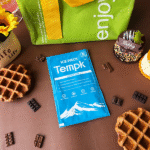
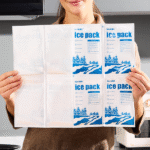
Evalúe el perfil de temperatura de su producto: Determine el rango de temperatura seguro para cada artículo.. Los productos congelados pueden requerir envases más fríos que los lácteos o los productos agrícolas. Utilice materiales de cambio de fase o paquetes de gel diseñados para el rango específico.
Haga coincidir el embalaje con el tiempo de tránsito: Envíos cortos (24–72 horas) Puede confiar en EPS o espuma de poliuretano., mientras que las duraciones más largas pueden necesitar paneles aislados al vacío o aerogeles para un mayor rendimiento térmico..
Utilice herramientas de seguimiento inteligentes: Los sensores de temperatura y los registradores Bluetooth proporcionan datos en tiempo real y alertas inmediatas cuando las temperaturas se desvían. Esta transparencia genera confianza en el cliente y respalda el cumplimiento normativo..
Planifique cuidadosamente las rutas de última milla: Implementar software de optimización de rutas y considerar microcentros logísticos cerca de áreas urbanas para entregas más rápidas.. Las rutas más cortas reducen el riesgo de variaciones de temperatura.
Comunicarse con los clientes: Incluir instrucciones claras para almacenar artículos perecederos a su llegada y utilizar indicadores de embalaje para mostrar que se mantuvieron las condiciones de temperatura..
Ejemplo de caso: Durante la pandemia, un distribuidor de servicios de alimentos adoptó almacenamiento en frío avanzado, vehículos de reparto aislados y kits de comida para pasar de operaciones B2B a DTC. La empresa logró la entrega oportuna con embalajes con temperatura controlada., lo que resulta en una alta satisfacción del cliente y un éxito continuo en el mercado directo al consumidor..
Componentes y tecnologías clave en el comercio electrónico de cadena de frío
Innovaciones en embalaje: materiales ecológicos, kits listos para usar y monitoreo inteligente
Los materiales ecológicos se están volviendo esenciales en 2025. Poliestireno expandido tradicional (EPS) La espuma plantea desafíos de eliminación y enfrenta presión regulatoria.. Las nuevas soluciones incluyen aislamiento a base de papel reciclable., Fibras repulpables y paquetes de gel llenos de fórmulas no tóxicas.. Estos materiales reducen el desperdicio., Reducir los costos de eliminación y mejorar la percepción de la marca entre los consumidores conscientes del medio ambiente..
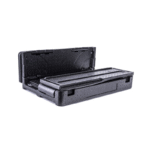
Los kits de embalaje listos para usar simplifican las operaciones. Los contenedores térmicos preensamblados con revestimientos de una sola pieza encajan perfectamente dentro de las cajas de envío.. Minimizan el tiempo de entrenamiento, reduzca los errores de empaquetado y agilice la incorporación de nuevos empleados. Para empresas de comercio electrónico que amplían los envíos de DTC, Estos kits garantizan un rendimiento térmico constante y al mismo tiempo aceleran el cumplimiento..
El monitoreo inteligente de la temperatura ofrece visibilidad en tiempo real. sensores de iot, Los registradores Bluetooth y los paquetes conectados a la nube envían alertas inmediatas si las temperaturas exceden los rangos seguros. También proporcionan datos detallados para la documentación de cumplimiento y generan confianza en el cliente a través de informes transparentes.. El monitoreo de extremo a extremo se está convirtiendo en un estándar para productos de alto valor o alto riesgo y es crucial para envíos farmacéuticos y alimentos gourmet..
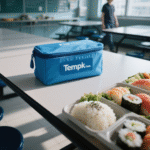
El embalaje térmico de marca mejora la experiencia del cliente. Las empresas invierten cada vez más en bolsas y cajas impresas personalizadas que reflejan su identidad de marca.. La marca en envases funcionales refuerza la calidad, mejora la experiencia de unboxing y diferencia los productos en un mercado abarrotado.
La optimización directa al consumidor impulsa unidades más pequeñas, embalaje más inteligente. El auge de los kits de comida, Los comestibles en línea y los productos farmacéuticos DTC exigen peso ligero., embalaje térmico compacto. La entrega de última milla presenta desafíos únicos: ventanas de entrega extendidas, preocupaciones sobre manipulación y eliminación no especializadas. Las empresas deben equilibrar los costos, Velocidad y protección térmica al mismo tiempo que satisface las expectativas del consumidor..
La planificación basada en datos mejora la eficiencia. Los análisis predictivos ayudan a elegir rutas óptimas según los patrones climáticos., tiempos de tránsito y desempeño del transportista. Los análisis avanzados informan sobre las opciones de empaque y las estrategias estacionales, permitiendo a las empresas reducir costos y mejorar la confiabilidad.
Comparación de materiales y tecnología.
| Material/Tecnología | Rendimiento térmico (aprox.) | Impacto ambiental | Significado práctico |
| EPS / espuma de poliuretano | R ≈ 7 por pulgada; bueno durante 24 a 72 horas | Baja reciclabilidad; enfrentando la eliminación gradual regulatoria | Rentable para kits de comida, producir vacunas estándar. |
| Espumas de alto rendimiento (Mezclas PIR) | Estabilidad mejorada; Valores R superiores a las espumas estándar | Contiene contenido reciclado, apoyando la economía circular | Adecuado para envíos más largos; equilibra el coste y la sostenibilidad. |
| Paneles aislados de vacío (VIP) | Conductividad térmica tan baja como 0.0043 con/(m · k); mantener entre 2 y 8 °C hasta 72 horas | Las paredes delgadas reducen el uso de material, pero la producción requiere mucha energía | Ideal para productos farmacéuticos y envíos de larga distancia donde el espacio y el peso importan. |
| Materiales de cambio de fase (PCM) | Mantenga temperaturas casi constantes en rangos de –75 °C a 151 °C | Reutilizable, no tóxico; Los paquetes a base de agua emiten 39 % menos CO₂ que los paquetes de gel | Esencial para productos farmacéuticos; cuando se combina con VIP, los tiempos de espera se extienden más allá 72 horas. |
| Aislamiento a base de plumas | 15 % menor conductividad térmica que el EPS, mantener temperaturas por debajo de –20 °C durante más de 120 horas | Las plumas recicladas reducen los residuos y la huella de carbono | Adecuado para envíos ultralargos y productos perecederos de alto valor. |
| Bioplásticos de algas | Aislamiento comparable al de la espuma tradicional. | Biodegradable; Se disuelve en agua sin microplásticos. | Ideal para kits de comida y envíos de mariscos; se alinea con los objetivos de sostenibilidad. |
| Revestimientos de fibra de madera y papel. | Proporcionar soluciones reciclables en la acera con un aislamiento decente. | Apoye la economía circular y cumpla con la normativa de la UE | Adecuado para entregas regionales y marcas respetuosas con el medio ambiente. |
Consejos y sugerencias prácticas para el embalaje.
Seleccione materiales según la sensibilidad del producto.: Utilice VIP y PCM para productos farmacéuticos que requieren temperaturas precisas; elija aislamiento de plumas o algas para alimentos de alto valor con tiempos de tránsito más largos.
Adopte kits preensamblados para mayor eficiencia: Los revestimientos listos para usar reducen los errores y aceleran el cumplimiento, Especialmente durante las temporadas pico.
Implementar monitoreo inteligente: Considere el embalaje diseñado para contener indicadores de temperatura o sensores de IoT para realizar un seguimiento de las condiciones sin comprometer el rendimiento térmico..
Invierta en envases de marca: Utilice impresiones personalizadas, colores y mensajes para reforzar su marca y mejorar la experiencia de unboxing.
Aprovechar el análisis para la planificación: Utilice datos para determinar cuándo cambiar de material o alterar rutas según los patrones de temperatura estacionales..
Ejemplo del mundo real: Una empresa de kits de comida adoptó aislamiento de papel reciclable y sensores inteligentes. Los datos de los envíos mostraron que los paquetes mantuvieron la temperatura adecuada durante 48 horas y proporcionó alertas automáticas cuando los retrasos amenazaron la calidad del producto. La empresa redujo los residuos, mejoró la satisfacción del cliente y fortaleció sus credenciales de sostenibilidad.
Tendencias del comercio electrónico y perspectivas del mercado para la distribución en cadena de frío.
Crecimiento del mercado y sus impulsores
La industria de la cadena de frío está experimentando un sólido crecimiento en todo el mundo. Maersk informa que el mercado mundial de logística de cadena de frío se valoró en USD 293.58 mil millones en 2023 y se proyecta que crecerá desde USD 324.85 mil millones en 2024 a USD 862.33 mil millones por 2032, que representa una tasa de crecimiento anual compuesta (Tocón) de 13 %. El propio mercado de envases de cadena de frío se valoraba en torno a los dólares estadounidenses. 28.14 mil millones en 2024 y se espera que alcance los USD 30.88 mil millones en 2025 y USD 64.49 mil millones por 2032. Los analistas estiman CAGR que van desde 6.9 % a 15.6 %, subrayando la rápida expansión.
Los controladores incluyen:
Biológicos y farmacéuticos.: La rápida expansión de los productos biofarmacéuticos y medicamentos especializados significa que más productos requieren un control estricto de la temperatura.. Casi la mitad de los nuevos productos farmacéuticos necesitan envases con temperatura controlada, y las terapias avanzadas exigen condiciones criogénicas.
Demanda de alimentos y bebidas: La urbanización y los cambios en los estilos de vida impulsan un mayor consumo de comidas listas para comer, alimentos congelados, lácteos y productos frescos, impulsando la demanda de envases en frío.
Comercio electrónico y entregas directas al consumidor.: El auge de los kits de comida, pedidos de comestibles en línea y productos farmacéuticos DTC agregan alrededor 1.5 % al crecimiento del mercado y aumenta la demanda de embalajes aislados que puedan soportar la variabilidad de la última milla.
Programas mundiales de vacunas: Las iniciativas que exigen cadenas de frío sólidas para las vacunas de alto riesgo contribuyen al crecimiento del mercado.
Regulatory frameworks: A NOSOTROS. Regulaciones de la FDA (21 CFR 600.15) y el Reglamento de Envases y Residuos de Envases de la UE (Páginas) mandato validado, embalajes reciclables y trazabilidad rápida. La Ley de Modernización de la Seguridad Alimentaria (FSMA) Sección 204 requiere que los manipuladores de alimentos incluidos en la Lista de Trazabilidad de Alimentos proporcionen datos clave dentro 24 horas.
Innovación tecnológica: sensores de iot, El análisis predictivo y el empaquetado inteligente proporcionan monitoreo en tiempo real., mantenimiento predictivo y optimización de rutas.
Objetivos de sostenibilidad y ESG: La presión para eliminar gradualmente los plásticos de un solo uso y reducir la huella de carbono empuja a las empresas hacia materiales reutilizables y reciclables.
Tendencias del comercio electrónico que dan forma a la entrega de última milla
La entrega de última milla está bajo intensa presión para modernizarse. Los minoristas invierten en carrocerías de camiones compuestas y software de optimización de rutas para mejorar la eficiencia térmica y reducir la demanda de energía.. Tecnología de sensores, El seguimiento en tiempo real y el análisis de datos ayudan a mantener la integridad de la temperatura y predecir posibles retrasos.. Los consumidores siguen favoreciendo la comodidad: alrededor 30 % de los hogares utilizan una combinación de servicios de entrega, recogida y envío a domicilio. A NOSOTROS. Se alcanzaron las ventas de comestibles. $9.7 mil millones en marzo 2025, con $4.2 mil millones gastados en entrega. Esto indica una demanda significativa de infraestructura de cadena de frío capaz de manejar grandes volúmenes de productos perecederos..
Cómo las innovaciones de última milla están dando forma a la industria
Vehículos compuestos avanzados: Los camiones frigoríficos tradicionales apenas han cambiado en décadas. La introducción de paneles compuestos con núcleos aislados de espuma crea cuerpos más ligeros y resistentes que mantienen el aire frío en el interior.. Estos vehículos mejoran la eficiencia del combustible y permiten a los transportistas transportar más mercancías sin aumentar las emisiones..
Eficiencia térmica e integridad estructural.: La eliminación de postes metálicos de la construcción de camiones elimina los puentes térmicos y reduce el riesgo de puntos fríos o calientes.. Esto da como resultado temperaturas internas consistentes y menores costos operativos..
Seguimiento y sensores en tiempo real.: Los dispositivos IoT monitorean la temperatura y la ubicación, Proporcionar alertas inmediatas cuando las condiciones se desvían.. El análisis de datos pronostica posibles interrupciones y sugiere ajustes de ruta.
Microcentros logísticos: Para cumplir con plazos de entrega más cortos, empresas construyen o alquilan empresas más pequeñas, Bodegas estratégicamente ubicadas cerca de centros urbanos.. Estas instalaciones reducen el tiempo de tránsito y garantizan que los productos permanezcan dentro de rangos de temperatura seguros..
Retos y soluciones en la distribución del comercio electrónico en cadena de frío
El comercio electrónico añade complejidad a la logística de la cadena de frío. Mantener el control de la temperatura durante la entrega de la última milla Es fundamental porque afecta directamente la calidad del producto.. A continuación se presentan los principales desafíos y estrategias para superarlos.:
Cumplir con plazos de entrega más cortos
Desafío: Los consumidores esperan la entrega de alimentos y medicamentos el mismo día o al día siguiente.. Las ventanas estrechas dejan poco margen para las desviaciones de temperatura.
Solución: Invierta en centros de cumplimiento automatizados, Software de optimización de rutas y comunicación en tiempo real con los conductores.. Utilice microalmacenes locales para reducir la distancia de viaje.
Garantizar la integridad de la temperatura en la última milla
Desafío: Diferentes productos requieren diferentes zonas de temperatura. Un solo camión podrá transportar mercancías congeladas, productos refrigerados y comestibles a temperatura ambiente.
Solución: Utilice vehículos multicompartimentos con zonas ajustables.. Equipar camiones con sensores y paneles compuestos para mantener temperaturas separadas. Proporcionar al personal de entrega pautas para minimizar las aperturas de puertas y mantener la integridad del frío..
Ampliando el alcance global
Desafío: Servir a clientes internacionales presenta complejidades como regulaciones variables, tiempos de tránsito y despacho de aduana más largos.
Solución: Asóciese con transportistas y agentes de aduanas experimentados. Utilice envases que mantengan la temperatura durante períodos prolongados., como VIP combinados con PCM. Considere sistemas de refrigeración activos para viajes extremadamente largos.
Sostenibilidad e impacto ambiental
Desafío: El transporte refrigerado y los envases de un solo uso contribuyen a las emisiones de gases de efecto invernadero y a los residuos.
Solución: Adoptar vehículos propulsados por energías renovables (electrico o hibrido). Utilice materiales ecológicos como papel reciclable., aislamiento de algas o plumas. Implementar programas de envases reutilizables y alentar a los consumidores a reciclar..
Cumplimiento regulatorio
Desafío: Los gobiernos exigen documentación precisa de la temperatura y trazabilidad para alimentos y productos farmacéuticos..
Solución: Utilice dispositivos de monitoreo inteligentes que registren temperaturas y marcas de tiempo.. Implementar blockchain o sistemas de datos seguros para la trazabilidad.. Capacitar al personal sobre los requisitos de FSMA y EU PPWR.
Altos costos operativos
Desafío: Infraestructura especializada, equipo de refrigeración, Los sensores y las medidas de cumplimiento aumentan los costos..
Solución: Optimice el inventario y la logística con análisis de datos. Utilice soluciones de embalaje rentables, como kits listos para usar y materiales reciclados.. Colaborar con logística de terceros (3Por favor) socios para compartir infraestructura.
Ejemplo de caso: Una empresa farmacéutica de comercio electrónico que presta servicios en varios países adoptó paneles aislados al vacío combinados con PCM para envíos de larga distancia., Sensores IoT integrados para monitorear la temperatura., y empleó una red de socios para el despacho de aduanas. Este enfoque redujo el deterioro y garantizó el cumplimiento de las regulaciones internacionales manteniendo tiempos de entrega rápidos..
2025 últimos desarrollos y tendencias futuras
La industria de la cadena de frío evoluciona rápidamente, y 2025 trae nuevas tendencias que dan forma a la distribución del comercio electrónico:
Cambios de mercado e influencia geopolítica.: Los disturbios geopolíticos afectan los tiempos de tránsito y la disponibilidad de capacidad. Pueden surgir ajustes tarifarios, pero la industria demuestra resiliencia y preparación.
Mayor visibilidad e inversión en software: Las empresas continúan invirtiendo en software que mejora la visibilidad en toda la cadena de suministro, permitiendo seguimiento en tiempo real y mantenimiento predictivo.
Nuevos productos y cambios dietéticos.: Alternativas basadas en plantas, Los productos sin gluten y con certificación ecológica ganan protagonismo. El mercado de alimentos de origen vegetal podría representar hasta 7.7 % del mercado mundial de proteínas por 2030. Estos productos suelen proceder de pequeñas y medianas empresas que requieren apoyo logístico experto..
Actualización de instalaciones antiguas: Muchas instalaciones de almacenamiento en frío tienen décadas de antigüedad.. Las inversiones están dirigidas a reemplazar la infraestructura obsoleta por sistemas automatizados., sostenible, instalaciones integradas. Las regulaciones eliminan gradualmente los refrigerantes como los HCFC y los HFC, impulsando tecnologías más ecológicas.
Mejores redes de distribución: Las instalaciones están ubicadas estratégicamente más cerca de los clientes., ya sea cerca de puertos para exportaciones o cerca de granjas y plantas de procesamiento para producción. La automatización y el desarrollo de capacidades respaldan la distribución minorista y los bienes de consumo de rápido movimiento..
Asociaciones integradas: Las empresas apuntan a integrar las cadenas de suministro, asociarse con proveedores de logística para aumentar la resiliencia y la visibilidad.
Innovaciones en embalaje: Nuevos materiales ecológicos como la pluma., Las algas y las fibras de madera proporcionan un mejor aislamiento y sostenibilidad.. Los kits listos para usar y el monitoreo inteligente se convierten en estándar.
Cadenas de frío basadas en datos: El análisis predictivo y la IA guían la toma de decisiones, optimizando rutas, inventario y embalaje.
Conocimientos del mercado y preferencias de los consumidores.
La demanda de los consumidores por alimentos preparados y más saludables continúa impulsando el crecimiento. Se prevé que el mercado de alimentos de origen vegetal alcance más de $162 mil millones por 2030. La urbanización y el aumento de los ingresos aumentan la demanda de alimentos envasados y procesados. Se espera que el sector farmacéutico crezca a un ritmo 4.71 % CAGR de 2024 a 2029, alcanzando un volumen de mercado de 1.454 millones de dólares al 2029. Juntos, Estas tendencias amplían la base de clientes para el comercio electrónico de cadena de frío y resaltan la necesidad de redes de distribución confiables..
Preguntas frecuentes
Q1: ¿Qué significa la distribución del comercio electrónico en cadena de frío??
Se refiere al proceso de almacenamiento de principio a fin., embalaje, Transporte y entrega de productos perecederos bajo temperaturas controladas para pedidos en línea.. Esto incluye almacenes frigoríficos., embalaje aislado y monitoreo en tiempo real.
Q2: ¿Cómo mantiene la entrega de última milla la frescura del producto??
La entrega de última milla utiliza vehículos frigoríficos, Embalajes aislados y sensores IoT para controlar la temperatura.. Las carrocerías de camiones compuestas mejoran la eficiencia térmica y reducen la demanda de energía. El software de optimización de rutas garantiza una entrega oportuna.
Q3: ¿Qué embalaje debo elegir para enviar productos perecederos??
Seleccione el embalaje según la sensibilidad del producto y la duración del tránsito. Para envíos cortos, El EPS o la espuma de poliuretano es rentable. Para duraciones más largas o productos farmacéuticos., combinar paneles aislados al vacío y materiales de cambio de fase. Considere alternativas ecológicas como el papel reciclable, aislamiento de algas o plumas.
Q4: ¿Cómo mejoran los sensores inteligentes la confiabilidad de la cadena de frío??
Los sensores inteligentes proporcionan datos de temperatura y ubicación en tiempo real. Envían alertas si las condiciones se desvían de los rangos seguros, Permitir acciones correctivas y proporcionar documentación para el cumplimiento..
Q5: ¿Por qué es importante la sostenibilidad en la logística de la cadena de frío??
El transporte refrigerado y los envases de un solo uso tienen importantes huellas de carbono. Los materiales sostenibles y los vehículos energéticamente eficientes reducen los residuos y las emisiones.. La presión regulatoria y las preferencias de los consumidores favorecen cada vez más las prácticas ecoamigables.
Q6: ¿Qué regulaciones afectan el comercio electrónico de la cadena de frío??
En los Estados Unidos, la Ley de Modernización de la Seguridad Alimentaria (FSMA) Sección 204 requiere una trazabilidad rápida para los alimentos incluidos en la Lista de Trazabilidad de Alimentos. Los EE. UU.. FDA 21 CFR 600.15 exige envasado en frío validado. El PPWR de la Unión Europea establece requisitos de reciclabilidad. El cumplimiento garantiza la seguridad del producto y evita sanciones legales.
P7: ¿Cuáles son las mayores oportunidades en el comercio electrónico de cadena de frío??
Crecimiento de los kits de comida DTC, Los comestibles en línea y las entregas de productos farmacéuticos crean grandes oportunidades.. Empresas que invierten en monitorización inteligente, El embalaje sostenible y la logística integrada pueden diferenciarse y fidelizar a los clientes..
Resumen y recomendaciones
La distribución del comercio electrónico de cadena de frío integra la logística de temperatura controlada con el comercio minorista en línea. Garantiza que los alimentos frescos, Los biológicos y farmacéuticos llegan al domicilio de los clientes en óptimas condiciones.. La industria está creciendo rápidamente, Se prevé que el mercado de logística de la cadena de frío alcance los USD 862.33 mil millones por 2032. Innovaciones en embalaje, La monitorización inteligente y la planificación basada en datos están redefiniendo el sector.. Las estrategias clave incluyen la selección de materiales apropiados., adopción de kits listos para usar, implementar sensores de IoT e invertir en infraestructura eficiente de última milla.
Para seguir siendo competitivo:
Priorizar la integridad de la temperatura: Utilice aislamiento adecuado y monitoreo en tiempo real para evitar variaciones de temperatura.. Invierta en vehículos con paneles compuestos y compartimentos multizona.
Aprovechar los materiales sostenibles: Adopte aislamientos ecológicos como el papel reciclado, bioplásticos de algas o revestimientos a base de plumas. Alinear las opciones de embalaje con los objetivos ESG corporativos.
Simplifique las operaciones con kits listos para usar: Los revestimientos premontados reducen los errores, acelerar el cumplimiento y mejorar la coherencia.
Aprovechar el análisis de datos: Utilice modelos predictivos para optimizar rutas, embalaje e inventario. Las decisiones basadas en datos mejoran la confiabilidad y reducen los costos.
Adoptar asociaciones integradas: Colabore con proveedores de logística experimentados, invertir en almacenamiento en frío moderno y construir redes cerca de los consumidores.
Acerca de Tempk
Tempk es un proveedor profesional de soluciones de embalaje para la cadena de frío.. Diseñamos cajas isotérmicas, packs de gel y envases térmicos inteligentes para proteger los productos perecederos durante la distribución del comercio electrónico. Nuestra R&El centro D desarrolla materiales ecológicos y soluciones reutilizables para cumplir con los requisitos reglamentarios globales. Con un compromiso con la calidad y la innovación, Ayudamos a las empresas a entregar alimentos frescos., kits de comida, productos biológicos y especiales con confianza. Nuestros productos admiten una amplia gama de rangos de temperatura y duraciones de envío., garantizar una entrega segura y eficiente.
Listos para mejorar tu cadena de frío?
Si quieres asegurar frescura y calidad en tus entregas de comercio electrónico, asociarse con un especialista. Tempk ofrece consultas personalizadas, herramientas prácticas y embalajes innovadores adaptados a sus productos. Contáctenos hoy para explorar soluciones que se adapten a su negocio. Juntos podemos llevar frescura desde nuestro almacenamiento frigorífico a la mesa de sus clientes..