¿Cómo protegen la salud las vacunas de cadena de frío? 2025?
Mantener la potencia de la vacuna no se trata sólo de mantener fríos los biberones, sino de orquestar un ballet de temperatura preciso. En 2025 Hay más en juego que nunca a medida que más productos biológicos requieren rangos de temperatura estrictos y la demanda global se expande.. Vacunas de cadena de frío debe permanecer entre 2 °C – 8 °C (36 °F – 46 °F) en refrigeradores, hasta −50 °C – −15 °C (-58°F – 5 °F) en congeladores y temperaturas tan bajas como −90 °C – −60 °C (−130 °F – −76 °F) for ultracold products. This article uses plain language and realworld examples to help you protect every dose, sin importar en qué parte de la cadena de suministro se encuentre. Actualizado en noviembre 2025, Refleja los últimos estándares e innovaciones de la industria..
Las temperaturas esenciales de almacenamiento de vacunas y por qué son importantes: Aprenderás los rangos recomendados para refrigeradores., freezers and ultracold freezers and why staying within range preserves potency.
Cómo funcionan los dispositivos de vigilancia y los registradores de datos digitales (DDL) mantener las dosis seguras: Describimos las características que diferencian los buenos monitores de los excelentes y mostramos cómo el seguimiento continuo evita el desperdicio..
Desafíos como la variabilidad del equipo, error humano y cambio climático: Descubra los errores comunes que interrumpen la cadena de frío de las vacunas y las soluciones prácticas para evitarlos.
Tecnologías emergentes que transforman la cadena de frío: Entienda cómo los sensores remotos, cadena de bloques, AI, drones and embalaje sostenible are reshaping vaccine logistics.
2025 tendencias y conocimientos del mercado: Vea cómo la automatización, La sostenibilidad y la creciente demanda farmacéutica están impulsando un mercado global de cadena de frío valorado en más de USD. 65 mil millones.
¿Cuáles son los requisitos de temperatura crítica para el almacenamiento de vacunas??
Las vacunas deben mantenerse dentro de rangos de temperatura precisos para seguir siendo efectivas. Según la guía de los CDC para 2024-2025, las vacunas refrigeradas deben permanecer entre 2 °C y 8 °C (36 °F–46 °F), los congeladores deben permanecer −50 °C a −15 °C (−58 °F–5 °F) and ultracold freezers operate at −90 °C a −60 °C (−130 °F–−76 °F). Una vacuna que cae por debajo o supera estos umbrales puede perder potencia de forma permanente. Estos rangos se aplican a la mayoría de las vacunas., pero siempre consulte el prospecto del paquete del fabricante..
Para minimizar las variaciones de temperatura, configurar los termostatos cerca del punto medio (acerca de 5 °C para refrigeradores) y registrar las temperaturas mínimas y máximas al menos dos veces al día. Utilice registradores de datos digitales calibrados en lugar de termómetros domésticos, y evite almacenar las vacunas en las puertas del refrigerador o del congelador donde las temperaturas fluctúan. Nunca congele las vacunas refrigeradas (como la gripe o la triple vírica) and never store ultracold vaccines in a standard freezer; hacerlo puede destruir su potencia.
Elegir el equipo de cadena de frío adecuado
Selecting purposebuilt equipment is your first line of defence. Household “dormitorystyle” fridges often have uneven temperatures and can freeze vaccines unintentionally. En cambio, invest in pharmaceuticalgrade units designed for biologics. La siguiente tabla resume los equipos comunes de la cadena de frío., rangos de temperatura recomendados, vacunas típicas y lo que esto significa para usted.
| Tipo de equipo | Rango de temperatura | Vacunas almacenadas | Lo que esto significa para ti |
| Refrigerador de calidad farmacéutica | 2 °C – 8 °C (36 °F – 46 °F) | La mayoría de las vacunas de rutina. (influenza, DTaP, VPH, MMR) | Proporciona temperaturas estables; use a standalone unit rather than a combined fridge/freezer. Organice los viales en sus cajas originales y mantenga espacio para la circulación del aire.. |
| Congelador de grado médico | −50°C – −15°C (-58°F – 5 °F) | Varicela, algunas vacunas COVID19 (p.ej., Spikevax) | Keep separate from the refrigerator to prevent crosscontamination; planificar descongelaciones manuales periódicas para algunos modelos y registrar el mantenimiento. |
| Congelador ultrafrío | −90°C – −60°C (−130 °F – −76 °F) | Vacunas de ARNm y productos celulares | Requiere monitores especializados y energía de respaldo.; ideal para conservar productos de terapia génica. |
| Congelador criogénico portátil | −80°C – −150°C | Terapias celulares y medicina personalizada | Permite el transporte a zonas remotas.; alarmas integradas y GPS respaldan una entrega segura. |
Consejos y consejos prácticos
Usar pharmaceuticalgrade units en lugar de modelos domésticos para mantener temperaturas estables.
Organizar las vacunas por tipo y fecha de caducidad; keep vials in their original boxes to protect them from light and track beyonduse dates.
Permitir la circulación del aire. evitando el hacinamiento y colocando cajas de vacunas en el centro de los estantes.
Etiquete claramente las secciones de almacenamiento y separe los diluyentes o elementos no relacionados para evitar errores..
Caso real: En 2024 una clínica en el norte del estado de Nueva York evitó la pérdida de peso Dólar estadounidense 20 000 valor de vacunas después de una falla en el congelador porque el personal tenía una unidad de respaldo y procedimientos de emergencia documentados. Su preparación les permitió transferir vacunas rápidamente y mantener la cadena de frío..
¿Cómo protegen los dispositivos de monitoreo y los registradores de datos la integridad de las vacunas??
La monitorización continua es el latido de la cadena de frío de las vacunas. Un registrador de datos digital calibrado (DDL) registra las temperaturas a intervalos regulares y alerta al personal si las lecturas se desvían fuera del rango seguro. Estos dispositivos ofrecen características de las que carecen los termómetros estándar, incluidas sondas tamponadas que imitan las temperaturas de las vacunas, Intervalos de registro programables y datos descargables para auditorías..
Implementación de monitoreo continuo
| Función DDL | Por que importa | Beneficios para su instalación |
| Sonda de temperatura tamponada | Protege el sensor de cambios repentinos de temperatura del aire cuando las puertas se abren o cierran. | Proporciona lecturas que reflejan la temperatura real de la vacuna en lugar del aire ambiente., reducir las falsas alarmas. |
| Alarmas fuera de alcance | Notifica al personal inmediatamente cuando las temperaturas superan los límites seguros | Permite una acción correctiva rápida, evitando el desperdicio y los costos de revacunación. |
| Intervalo de registro programable | Determina la frecuencia con la que se registran las temperaturas. | Detalle de saldos con gestión de datos.; a 30minute interval is recommended for most practices. |
| Certificado de calibración | Verifica que el dispositivo cumple con los estándares nacionales. | Esencial para auditorías y control de calidad.; comprobar los certificados anualmente. |
| Datos descargables & conectividad en la nube | Permite el acceso remoto y el análisis de tendencias a largo plazo. | Admite mantenimiento predictivo y cumplimiento normativo; El personal puede revisar las tendencias desde cualquier ubicación.. |
Sugerencias de implementación
Instale un DDL en cada unidad de almacenamiento, incluyendo contenedores de transporte, y asegúrese de que la sonda mida la temperatura real de la vacuna (use un tampón de glicol o perlas de vidrio).
Descargue y revise los datos al menos cada dos semanas o cada vez que ocurra una excursión; mantener registros durante al menos tres años.
Mantener DDL de respaldo para cada refrigerador y congelador.; Pruébelos periódicamente y reemplace las baterías según las instrucciones del fabricante..
Capacite a todo el personal para interpretar las alarmas DDL y tomar medidas correctivas.; practicar simulacros de emergencia y documentar procedimientos.
Use remote monitoring devices that provide realtime data on temperature, humedad, Ubicación GPS y apertura de puertas.. Estas herramientas permiten detección temprana de problemas y permitir intervenciones rápidas, como desviar envíos o ajustar los controles ambientales.
Caso real: La alarma DDL de una farmacia comunitaria en 6 Me revelan que la puerta de un frigorífico había quedado entreabierta.; El personal registró temperaturas mínimas y máximas. (34 °F y 39 °F) y respondió rápidamente, garantizar que las vacunas sigan siendo viables.
Qué desafíos y soluciones afectan la cadena de frío de las vacunas?
Incluso con el equipo y la supervisión adecuados, Varios factores amenazan la integridad de la cadena de frío.. Variabilidad de los equipos e infraestructura obsoleta siguen siendo problemas comunes: Muchas clínicas todavía utilizan unidades de refrigerador/congelador domésticas o combinadas que causan temperaturas inconsistentes.. Upgrading to medicalgrade, standalone units and planning for regular maintenance (bobinas de limpieza, prueba de termostatos) puede mitigar este riesgo.
Error humano y flujo de trabajo son otro gran desafío. El personal puede dejar las puertas abiertas., unidades sobrepobladas o extravío de vacunas, causando fluctuaciones de temperatura. Implementación de procedimientos operativos estándar (Sops) que asignan responsabilidades para los controles diarios de temperatura, rotación de inventario y acciones de emergencia, junto con etiquetas claras y señales visuales, reduce los errores.
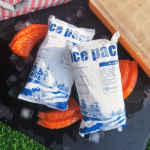
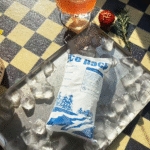
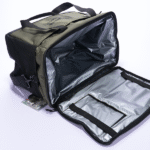
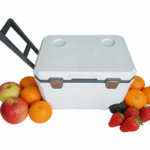
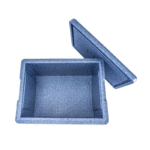
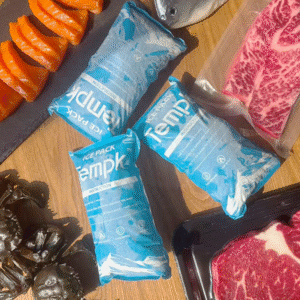
Excursiones de temperatura durante el transporte. puede ocurrir cuando las vacunas se trasladan entre instalaciones o clínicas de extensión. Cada producto requiere materiales de embalaje y temperaturas específicas.. Las soluciones incluyen contenedores aislados con condicionado bolsas de hielo o materiales de cambio de fase, Colocar DDL en cada contenedor de transporte y capacitar al personal para separar productos refrigerados y congelados..
Cambio climático y eficiencia de la cadena de frío
La cadena de frío de las vacunas no funciona en el vacío; El cambio climático está amplificando los desafíos existentes.. Un estudio cualitativo de Nigeria en 2025 informó que El aumento de la variabilidad de la temperatura ambiente dañó el equipo de la cadena de frío e interrumpió la distribución de vacunas., especialmente cuando las carreteras se volvieron intransitables debido al clima impredecible. Los participantes observaron que las temperaturas más altas y la electricidad poco confiable aceleraron el deterioro del equipo y amenazaron la potencia de la vacuna.. Los autores pidieron políticas para reemplazar los recursos dañados., formación continua de trabajadores cualificados y mejoras en los sistemas de seguimiento y vigilancia.
El cambio climático afecta la cadena de suministro en múltiples frentes: aumento de las temperaturas globales (Se prevé que aumente al menos 1.5 °C entre 2030 y 2052) dificultar el mantenimiento de temperaturas de almacenamiento óptimas, mientras que los fenómenos meteorológicos extremos perturban el transporte. En Nigeria y otras regiones con suministro de energía poco confiable, Las cámaras frigoríficas a menudo dependen de refrigeradores solares.. Desafortunadamente, solarpowered units can fail when the energy supply is inconsistent or equipment is damaged by extreme weather.
Herramientas útiles para tomar decisiones
Comprueba los detalles antes de elegir el embalaje.
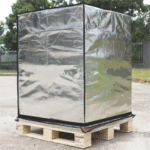
Estas herramientas rápidas pueden ayudarle a comparar el riesgo de la ruta, necesidades de dimensionamiento, opciones de refrigerante, y detalles del embalaje antes de solicitar una cotización.
Resistencia a la caída del material aislante
Revise la resistencia a caídas y los factores de manipulación antes de elegir materiales aislantes..
Comprobar resistenciaCalculadora de hielo seco
Calcule las necesidades de hielo seco para envíos congelados o ultrafríos antes de empacar.
Estimar hielo secoRevestimiento de caja & Dimensionamiento de la cubierta de paleta
Lógica de tamaño de revestimiento de cajas y cubiertas de paletas para proyectos de embalaje aislado.
Estimar el tamañoSolutions to climaterelated challenges incluir la inversión en infraestructura resiliente (p.ej., solarhybrid systems with battery backups), installing realtime monitoring that can alert staff to power failures, y capacitar al personal sobre procedimientos de emergencia. Los gobiernos y las organizaciones también deberían priorizar políticas para el rápido reemplazo de equipos y la capacitación continua..
Llegar a comunidades remotas con drones
Remote or conflictaffected regions present unique challenges. Caminos peligrosos, la falta de infraestructura y las inclemencias del tiempo pueden retrasar o bloquear las entregas de vacunas. Desde tarde 2024 Madagascar ha abordado este problema con drones que entregan vacunas directamente a centros de salud remotos. Financiado por Gavi e implementado por el Ministerio de Salud Pública y ONG asociadas., la iniciativa probó su primer vuelo en 2 Octubre 2024 con 1 030 dosis de vacuna y ahora realiza entregas rutinarias a 12 distritos en tres regiones. Cada dron puede transportar hasta 10 kilos de carga en distancias inferiores 50 kilómetros (5 kg para rutas más largas) y completa el viaje en aproximadamente media hora, evitando caminos peligrosos. Por 2025 el programa sirve 68 basic health centres in AtsimoAndrefana and dozens more across MadagascarSome” >. Las comunidades inicialmente escépticas ante la nueva tecnología ahora se reúnen en las clínicas esperando las entregas con drones., demostrando cómo la innovación puede generar confianza y mejorar el accesoA healthcare” >.
Estas entregas con drones ilustran cómo repensar el transporte puede superar barreras geográficas y de seguridad. Iniciativas similares están en marcha en Ruanda., Ghana y otros países, donde los drones entregan vacunas, productos sanguíneos y medicamentos esenciales a zonas remotas.
¿Cómo están transformando las tecnologías emergentes las cadenas de frío de las vacunas??
La década de 2020 ha visto una revolución digital en la gestión de la cadena de frío.. Monitoreo remoto y redes de sensores. provide realtime insights into temperature, humedad y ubicación. Estos sistemas rastrean continuamente los envíos., identificar rápidamente las desviaciones y permitir intervenciones específicas para evitar el deterioro. Por ejemplo, un dispositivo de monitoreo remoto conectado a una unidad de cadena de frío puede registrar temperaturas internas y externas, registrar aperturas de puertas y enviar coordenadas GPS y niveles de batería a la nube. La detección temprana de fluctuaciones de temperatura permite a los equipos redirigir los envíos, ajustar los controles ambientales o reemplazar el equipo defectuoso, reduciendo drásticamente el desperdicio.
Blockchain and IoT for RealTime Visibility
La tecnología Blockchain está transformando la logística farmacéutica al crear un a prueba de manipulaciones, libro mayor descentralizado que registra cada paso del viaje de un envío. De la fabricación a la administración, cada punto de datos: registros de temperatura, detalles de manejo, puntos de tránsito: se almacena de forma inmutable en una red de computadoras. Esta transparencia evita la manipulación de datos y garantiza la rendición de cuentas de todas las partes interesadas.. Cuando se combina con sensores de IoT, blockchain permite el monitoreo continuo de parámetros críticos como la temperatura y la humedad. El resultado es una cadena de suministro segura, traceable and responsive to realtime conditions.
Inteligencia artificial (AI), robótica e IO también juega un papel fundamental. La IA analiza datos de sensores y envíos históricos para pronosticar la demanda, optimizar rutas y predecir fallas de equipos. La robótica y los sistemas de almacenamiento automatizados reducen los errores humanos y funcionan las 24 horas del día., abordar la escasez de mano de obra. Sólo sobre 20 % de los almacenes utilizan actualmente la automatización, por lo que hay un importante margen de crecimiento.
Otras innovaciones incluyen congeladores criogénicos portátiles capaz de mantener temperaturas tan bajas como −80 °C a −150 °C durante el transporte, y Soluciones de embalaje sostenibles como aislamiento reciclable, Envoltorios biodegradables y reutilizables. paquetes fríos that reduce environmental impact. These ecofriendly options align with sustainability goals while protecting temperaturesensitive products.
Resumen y beneficios de la innovación
| Innovación | Descripción | Beneficios prácticos |
| Dispositivos de monitoreo remoto | Sensores y dispositivos conectados a la nube rastrean la temperatura, humedad y ubicación GPS en tiempo real | Permite la detección temprana de desviaciones y acciones correctivas inmediatas., reducir el deterioro y mejorar la seguridad del paciente. |
| Blockchainenabled virtual ledger | Registra cada paso de un envío, creando una cadena de custodia inmutable | Proporciona transparencia, previene la manipulación y facilita las auditorías regulatorias; combinado con sensores IoT, it offers endtoend visibility. |
| IA y aprendizaje automático | Analizar datos para pronosticar la demanda., optimizar rutas y predecir el mantenimiento de equipos | Agiliza las operaciones, Reduce el tiempo de transporte y minimiza el desperdicio al anticipar los problemas antes de que ocurran.. |
| Congeladores criogénicos portátiles | Ultralow temperature units for onthego storage | Apoya la distribución de terapias emergentes y vacunas de ARNm a áreas remotas; includes realtime temperature tracking and alarms. |
| Embalaje sostenible | Aislamiento reciclable, envolturas biodegradables y compresas frías reutilizables | Reduce la huella de carbono, Cumple con las regulaciones en evolución y mejora la responsabilidad social corporativa.. |
¿Cuáles son los 2025 Tendencias que dan forma a la industria de las vacunas con cadena de frío?
Descripción general de la tendencia
La industria de la cadena de frío está evolucionando rápidamente, impulsado por los avances tecnológicos, Crecimiento del mercado y cambio de expectativas de los consumidores.. Tendencias clave para 2025 incluir:
Automatización y robótica.: Sólo sobre 20 % de los almacenes utilizan actualmente la automatización, dejando un importante potencial de crecimiento para los sistemas automatizados de almacenamiento y recuperación (COMO/RS) y manipuladores robóticos que reducen los errores y funcionan de forma continua.
La sostenibilidad como valor fundamental: La cadena mundial de frío alimentario contribuye aproximadamente 2 % de las emisiones globales de CO₂; Las empresas están invirtiendo en refrigeración energéticamente eficiente., energías renovables y envases ecológicos. Las unidades de almacenamiento en frío alimentadas por energía solar pueden reducir los costos operativos de 13.10 centavos por kilovatio hora hasta tan solo 3.2 - 15.5 centavos.
Visibilidad de extremo a extremo y seguimiento en tiempo real: Los dispositivos y el software de IoT proporcionan información continua sobre la ubicación, temperatura y condición. El segmento de hardware representó 76.4 % del mercado de seguimiento de la cadena de frío en 2022, reflejando una fuerte adopción. El seguimiento en tiempo real permite la optimización de rutas, Reduce el deterioro y mejora la satisfacción del cliente..
Modernizando la infraestructura: Envejecimiento instalaciones de almacenamiento en frío se están actualizando con refrigeración avanzada, Mejores sistemas de aislamiento y energías renovables.. Las inversiones en eficiencia energética y la recopilación moderna de datos reducen la exposición a los costos energéticos volátiles.
IA y análisis predictivo: La IA ayuda a optimizar las rutas, pronosticar la demanda y predecir el mantenimiento del equipo, mitigating risks by analysing historical and realtime data.
Crecimiento en el cadena de frío farmacéutica: Aproximadamente 20 % de nuevas drogas Son terapias genéticas o celulares que requieren un estricto control de la temperatura.. Se prevé que el mercado mundial de la cadena de frío farmacéutica alcance A NOSOTROS $1 454 mil millones por 2029 con una tasa de crecimiento anual compuesta (Tocón) de 4.71 %.
Logística de alimentos y entrega de última milla: Se espera que el mercado de la cadena de frío de alimentos de América del Norte alcance Dólar estadounidense 86.67 mil millones por 2025 due to demand for fresh produce and plantbased alternatives. Growth in directtoconsumer sales requires improved lastmile strategies.
Alianzas estratégicas e integración: Colaboración entre fabricantes, Los proveedores de embalaje y los proveedores de tecnología mejoran la eficiencia.. Por 2025, 74 % de datos logísticos Se espera que esté estandarizado., permitiendo una integración perfecta en toda la cadena de suministro.
Crecimiento y resiliencia del mercado: El mercado mundial de logística de cadena de frío se valoró en Dólar estadounidense 293.58 mil millones en 2023 y se prevé que crezca hasta Dólar estadounidense 862.33 mil millones por 2032, reflejando una CAGR de 13 %. Se espera que sólo el segmento de atención sanitaria alcance Dólar estadounidense 65.14 mil millones en 2025 y Dólar estadounidense 137.13 mil millones por 2034, creciendo en 8.63 % anualmente.
Últimos aspectos destacados del progreso
Adopción de automatización: With only onefifth of warehouses automated, La adopción de robótica y AS/RS está lista para acelerarse.
Energía renovable: Solarpowered units reduce operating costs and emissions.
Integración de IA: AIdriven route optimisation and predictive maintenance reduce delays and prevent product loss.
Iniciativas globales: Programas como el Organismo Nacional de Acreditación para la Gestión de la Cadena de Frío (India) lanzado en febrero 2025 Proporcionar formación estructurada y estándares a las empresas..
Políticas gubernamentales: Las iniciativas logísticas nacionales, como el plan del Primer Ministro Gati Shakti de la India, tienen como objetivo triplicar el mercado de la cadena de frío al 2032.
Ideas del mercado
El mercado de logística de la cadena de frío en el sector sanitario fue Dólar estadounidense 59.97 mil millones en 2024, creció hasta Dólar estadounidense 65.14 mil millones en 2025 y se prevé que alcance Dólar estadounidense 137.13 mil millones por 2034, expandiéndose a una CAGR de 8.63 %. North America dominates due to the high demand for temperaturesensitive pharmaceuticals and biologics, mientras que se espera que la región de Asia y el Pacífico crezca más rápidamente. Se prevé que el segmento de vacunas registre el crecimiento más rápido durante la próxima década.. Estas cifras subrayan la necesidad de contar con empresas resilientes., techenabled cadena de fríos to support expanding immunisation programmes and emerging therapies.
Preguntas frecuentes: preguntas comunes sobre las vacunas de cadena de frío
Q1: ¿Qué sucede si una vacuna refrigerada se congela accidentalmente??
La congelación daña muchas vacunas líquidas al hacer que los ingredientes activos precipiten o se rompan.. Si una vacuna refrigerada ha estado expuesta a temperaturas bajo cero., etiquételo como "No usar,Guárdelo por separado y consulte al fabricante o a su departamento de salud.. Nunca asumas que la potencia permanece; vacunas como la influenza, DTaP y MMR se dañan irreversiblemente por la congelación.
Q2: ¿Cuánto tiempo pueden permanecer las vacunas fuera de su rango de temperatura recomendado??
No hay un período de gracia seguro. Incluso las excursiones breves pueden reducir la potencia., así que tome medidas correctivas inmediatas cuando suene una alarma DDL. Documentar el evento, Separe las dosis afectadas y comuníquese con su programa de vacunación para obtener orientación.. Para evitar excursiones, evitar el hacinamiento, Verifique las temperaturas dos veces al día y use monitores calibrados..
Q3: ¿Son fiables los refrigeradores solares para el almacenamiento de vacunas??
Las unidades alimentadas por energía solar ofrecen una valiosa alternativa en zonas con electricidad limitada, pero su confiabilidad depende de la luz solar constante y del mantenimiento adecuado.. A 2025 Un estudio de Nigeria informó que algunos refrigeradores solares eran ineficaces debido a la interrupción del suministro de energía y daños al equipo.. Los sistemas híbridos que combinan paneles solares con baterías de respaldo o energía de la red pueden mejorar la confiabilidad, pero la inspección regular y la capacitación son esenciales.
Q4: ¿Cómo puedo mantener la integridad de la cadena de frío durante el transporte??
Use insulated containers with conditioned ice packs or phasechange materials, e incluir siempre un registrador de datos digital en cada contenedor. Vacunas refrigeradas y congeladas separadas, registrar los tiempos en que se abren los contenedores y capacitar al personal sobre los procedimientos de embalaje. Para áreas remotas, considere la entrega con drones u otras soluciones logísticas especializadas.
Q5: ¿Por qué el cambio climático es un problema para el almacenamiento de vacunas??
El aumento de las temperaturas y los fenómenos meteorológicos extremos ponen a prueba la infraestructura de la cadena de frío. Las temperaturas ambiente más altas aceleran el deterioro de los equipos y aumentan los cortes de energía, lo que lleva a variaciones de temperatura más frecuentes. Planificación para la resiliencia climática: a través de energías renovables, Infraestructura y capacitación sólidas: ayudan a salvaguardar la potencia de las vacunas en un mundo en calentamiento..
Resumen y recomendaciones
Maintaining a reliable cadena de frío is nonnegotiable for vaccine safety. Control correcto de la temperatura (2 °C–8 °C para frigoríficos, −50 °C–−15 °C for freezers and −90 °C–−60 °C for ultracold units) preserva la potencia de la vacuna. Continuous monitoring through calibrated digital data loggers and realtime sensor networks enables early intervention and reduces waste. Desafíos comunes: equipos obsoletos, human error, excursiones de transporte y cambio climático: se pueden abordar con SOP, capacitación, infraestructura resiliente, energías renovables y soluciones innovadoras como drones. Tecnologías emergentes como blockchain, AI, Los congeladores criogénicos portátiles y los envases sostenibles están remodelando la cadena de frío e impulsando la eficiencia..
Próximos pasos viables: Evaluate your storage equipment and upgrade to purposebuilt units if necessary. Instale registradores de datos digitales calibrados en cada contenedor de almacenamiento y transporte., y revisar los registros de temperatura periódicamente. Desarrollar o actualizar SOP que definan roles., Horarios de seguimiento y procedimientos de emergencia.. Capacitar a todo el personal anualmente y al agregar nuevas vacunas o equipos.. Explorar el monitoreo remoto, blockchain and AI tools to gain realtime visibility and predictive insights. For communities in hardtoreach areas, Considere las entregas con drones y los congeladores criogénicos portátiles.. Finalmente, Manténgase informado sobre las tendencias del mercado y las directrices en evolución: las nuevas terapias y regulaciones seguirán elevando el nivel del rendimiento de la cadena de frío..
Acerca de Tempk
Tempk se especializa en embalaje de cadena de frío y soluciones logísticas para el sector sanitario, sectores alimentario y biotecnológico. Our portfolio includes pharmaceuticalgrade cajas aisladas, bolsas de hielo en gel, vacuuminsulated panels and portable cryogenic freezers designed to maintain temperatures from 2 °C a −150 °C. Operamos un R dedicado&Centro D que desarrolla materiales de embalaje reutilizables y reciclables, Ayudar a los clientes a reducir los residuos y cumplir con las regulaciones ambientales.. Con un compromiso de calidad y servicio al cliente., Ofrecemos soluciones personalizadas que protegen sus productos y simplifican el cumplimiento.. Contáctenos hoy para analizar cómo nuestra experiencia puede respaldar sus necesidades de cadena de frío..