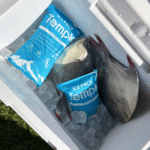
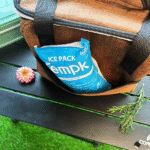
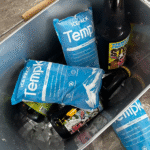
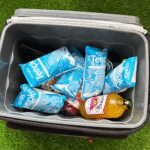
Alguna vez te has preguntado como un bolsa aislante Mantiene tu comida caliente o fría durante horas.? Una bolsa aislante es más que un bolso normal: es un contenedor especialmente diseñado que ralentiza la transferencia de calor para que tus compras, Los medicamentos o el almuerzo permanecen a la temperatura adecuada.. En el primero 50 palabras que aprenderás que un bolsa aislante utiliza múltiples capas y películas reflectantes para crear una barrera contra las temperaturas externas. Al final de esta guía sabrás exactamente cómo funcionan estas bolsas., qué características importan y cómo elegir un modelo que se adapte a sus necesidades 2025.
Esta guía responderá:
¿Cómo funciona una bolsa aislante?? Comprender la ciencia del aislamiento multicapa y las películas reflectantes..
¿Qué características debes buscar en una bolsa aislante?? Explora el aislamiento de alto rendimiento, resistencia a la humedad y durabilidad.
¿Cómo se elige la bolsa aislante adecuada?? Aprende a combinar el tamaño del bolso, rango de temperatura y caso de uso cumpliendo con los estándares regulatorios.
¿Qué innovaciones y tendencias darán forma? bolsas aisladas en 2025? Descubre materiales ecológicos, Monitoreo inteligente y personalización..
¿Cómo se utilizan las bolsas aislantes en las diferentes industrias?? Vea cómo la entrega de comida, La recreación al aire libre y los productos farmacéuticos exigen características específicas..
¿Cómo funciona una bolsa aislante y por qué es importante??
Respuesta: Una bolsa aislante funciona creando una barrera que ralentiza la transferencia de calor entre el contenido y el entorno circundante.. Lo hace mediante capas de espuma aislante., polietileno y películas reflectantes que reducen la conducción de calor y la radiación. Estos sistemas multicapa mantienen los alimentos congelados debajo 0 °C, productos refrigerados entre 1 y 4 °C, o productos a temperatura ambiente estables. Las bolsas aislantes son esenciales porque evitan el deterioro., mantener la potencia del producto y cumplir con los requisitos reglamentarios de temperatura.
Explicación expandida: Piensa en una bolsa aislante como un termo para tus compras. El tejido exterior actúa como una capa., mientras que las capas internas de espuma de polietileno y películas metalizadas reflectantes atrapan bolsas de aire y repelen el calor.. Cuando coloca a cold item inside, la bolsa ralentiza la velocidad a la que penetra el calor externo, mantener su helado congelado en el camino a casa. En cambio, puede mantener calientes las comidas para llevar limitando la pérdida de calor. Diferentes clases de temperatura: congeladas (<0 °C), enfriado (1–4 ºC) y temperatura ambiente: determine cuánto aislamiento y qué agentes refrigerantes (paquetes de gel, hielo seco o materiales de cambio de fase) necesitas. Al preservar la temperatura, una bolsa aislante reduce el desperdicio de alimentos, protege la potencia de la vacuna y evita violaciones de cumplimiento.
Gestión de temperatura: aislamiento multicapa y películas reflectantes
Las bolsas aisladas utilizan una combinación de materiales para controlar la temperatura.:
Polietileno o espuma de celda cerrada: Proporciona bolsas de aire que ralentizan la conducción y mantienen una temperatura interna estable..
Películas metalizadas: reflejan el calor radiante para evitar que penetre el calor externo.
Paneles aislados al vacío (VIP): emergente en refrigeradores premium, Estos paneles ofrecen altos valores R con perfiles delgados..
Materiales de cambio de fase (PCM): en algunas hieleras médicas, Los PCM mantienen temperaturas específicas (p.ej., 2–8 ° C) por períodos prolongados.
| Material | Enfoque de aislamiento | Lo que significa para ti |
| Espuma de polietileno | Crea bolsas de aire que ralentizan la transferencia de calor. | Mantiene los alimentos frescos sin añadir mucho peso. |
| película metalizada | Refleja el calor radiante | Mantiene los artículos fríos y calientes limitando la ganancia o pérdida de calor. |
| Panel aislado al vacío | Utiliza gas de baja presión entre capas rígidas para maximizar el aislamiento. | Proporciona alto rendimiento en diseños delgados, ideal para entregas compactas |
| Material de cambio de fase | Cambia de fase a una temperatura determinada y absorbe calor. | Útil para envíos farmacéuticos donde se deben mantener entre 2 y 8 °C durante 72 h |
Para ayudarle a visualizar cómo se unen estas capas dentro de una bolsa aislante moderna, El siguiente diagrama muestra una sección transversal con espuma., Película reflectante y tejido exterior..
Consejos prácticos
Envíos congelados: Para helado o marisco, combine una bolsa aislante con bolsas de gel o hielo seco y elija una bolsa diseñada para temperaturas bajo cero.
Artículos fríos: Para comestibles o kits de comida, use una bolsa con múltiples capas aislantes y paquetes de gel para mantener entre 1 y 4 °C.
Estabilidad a temperatura ambiente: Al transportar pan o vino, El aislamiento por sí solo puede ser suficiente.; centrarse en un peso ligero, diseño portátil.
Caso del mundo real: La Organización Mundial de la Salud estima que encima 50 % of vaccines are wasted because of cadena de frío failures. Los refrigeradores aislados de alto rendimiento equipados con PCM pueden mantener las vacunas entre 2 y 8 °C durante más de 72 horas, prevenir el deterioro en entregas remotas.
¿Qué características debes buscar en una bolsa isotérmica en 2025?
Respuesta: Las mejores bolsas aislantes en 2025 combinar aislamiento de alto rendimiento, resistencia a la humedad, flexibilidad en el rango de temperatura, durabilidad, y portabilidad. También ofrecen personalización., compatibilidad con agentes refrigerantes y cumplimiento de las regulaciones de la industria. Busque espuma multicapa y forros reflectantes., costuras a prueba de fugas, construcción reutilizable, materiales ligeros, y accesorios opcionales como paquetes de gel o PCM.
Explicación expandida: A medida que se expande el mercado de bolsas aislantes, La calidad de los productos disponibles varía ampliamente.. Las bolsas de alto rendimiento utilizan múltiples capas aislantes para evitar la transferencia de calor.. La resistencia a la humedad y a las fugas evita que la condensación dañe sus productos y evita que los líquidos se filtren en el aislamiento.. La flexibilidad del rango de temperatura le permite elegir una bolsa adaptada para productos congelados., artículos refrigerados o a temperatura ambiente. La durabilidad y la reutilización reducen los costos y los residuos, Fabricación de bolsas con materiales robustos y costuras reforzadas ideales para uso repetido.. El diseño liviano reduce los costos de envío y mejora el manejo. Finalmente, opciones de personalización: logotipos, Diseños de tamaño adecuado e inserciones extraíbles: ayudan a alinear el bolso con los requisitos de su marca y del producto..
Aislamiento de alto rendimiento y flexibilidad en el rango de temperatura
Múltiples capas de aislamiento de polietileno y películas metalizadas son la base de las bolsas aislantes modernas.. Estas capas ralentizan la conducción y reflexión del calor., asegurando que la bolsa pueda mantener la temperatura interna durante horas. La flexibilidad es fundamental porque diferentes productos requieren diferentes zonas de temperatura: bienes congelados (<0 °C), artículos fríos (1–4 ºC) y estabilidad a temperatura ambiente. Para envíos congelados, puedes emparejar la bolsa con hielo seco o PCM; para productos refrigerados, los paquetes de gel son suficientes; y para bienes ambientales, el aislamiento por sí solo puede ser adecuado. Elija una bolsa que especifique su rango de temperatura y espesor de aislamiento para evitar modelos de bajo rendimiento..
Durabilidad, Reutilizabilidad y resistencia a la humedad.
La vida útil de una bolsa aislante depende de su construcción.. Materiales duraderos como tejidos reforzados y costuras resistentes. soportar cargas y transportes repetidos. Los diseños reutilizables suelen incluir cremalleras., manijas y aislamiento multicapa para mantener la efectividad en múltiples ciclos. Resistencia a la humedad y a las fugas es igualmente importante; Los revestimientos resistentes al agua y las costuras selladas evitan que la condensación y los derrames se infiltren en el aislamiento y estropeen otros elementos.. Para empresas que envían alimentos perecederos, La resistencia a la humedad también mantiene la higiene y reduce los riesgos de contaminación cruzada..
Personalización, portabilidad y compatibilidad con agentes refrigerantes
La personalización permite a las empresas alinear sus bolsas isotérmicas con la identidad de marca y las necesidades funcionales.. Las opciones incluyen bolsas personalizadas., divisores removibles, logotipos impresos y sellos a prueba de manipulaciones. La portabilidad es importante para los mensajeros y los consumidores; Los materiales livianos y los mangos ergonómicos reducen la fatiga.. Finalmente, evaluar la compatibilidad con agentes refrigerantes. paquetes de gel, El hielo seco y los PCM tienen diferentes perfiles de temperatura.. Los paquetes de gel se adaptan a envíos cortos refrigerados, El hielo seco es ideal para productos congelados., y los PCM proporcionan un control preciso de la temperatura para productos farmacéuticos y productos sensibles. Elegir una bolsa compatible con su agente refrigerante preferido garantiza un rendimiento óptimo.
| Característica | Por que importa | Beneficio para ti |
| Aislamiento de alto rendimiento | Varias capas reducen la transferencia de calor | Mantiene el contenido a la temperatura objetivo durante horas o días. |
| Humedad & resistencia a fugas | Las costuras selladas y los revestimientos resistentes al agua evitan la condensación y los derrames. | Protege el contenido y mantiene la higiene. |
| Flexibilidad del rango de temperatura | Bolsas a medida para congelados, productos refrigerados o a temperatura ambiente | Cumple con los requisitos específicos de su producto |
| Durabilidad & reutilización | Los materiales robustos y la construcción multicapa prolongan la vida útil | Reduce los costes de embalaje y los residuos. |
| Ligero & portátil | Los materiales de bajo peso facilitan el manejo y reducen los costos de envío | Mejora la eficiencia logística |
| Personalización & herrada | Tamaños personalizados, logotipos e inserciones | Mejora el reconocimiento de marca y la experiencia del usuario. |
| Compatibilidad con agentes refrigerantes | Adecuado para paquetes de gel, hielo seco o PCM | Garantiza un rendimiento térmico óptimo |
Consejos y consejos prácticos
Inspeccionar el espesor del aislamiento antes de la compra; Los diseños multicapa más gruesos ofrecen una mejor protección térmica pero pueden agregar peso..
Revisar sellos y cremalleras para resistencia al agua y durabilidad. Los cierres débiles pueden comprometer el control de temperatura y la protección contra fugas.
Elige bolsas reutilizables con costuras reforzadas si realizas entregas frecuentes; se pagan solos con el tiempo.
Planificar agentes refrigerantes según la duración del envío y los requisitos de temperatura; Los PCM ofrecen un control preciso para productos médicos.
Caso de ejemplo: Una empresa de kits de comida que cambió al aislamiento a base de papel redujo el tamaño de su caja de envío en 25 % manteniendo el espacio interior, lo que resulta en menores costos de flete y menor consumo de material. Esto demuestra que seleccionar el aislamiento adecuado no sólo protege los alimentos sino que también mejora la eficiencia logística..
¿Cómo eliges la bolsa aislante adecuada a tus necesidades??
Respuesta: Elegir la bolsa aislante adecuada implica identificar su caso de uso, definir los requisitos de temperatura y duración, capacidad de cálculo, evaluar el cumplimiento normativo y considerar la sostenibilidad. Alineando estos factores con características de alto rendimiento, usted se asegura de que la bolsa elegida mantenga la seguridad del producto, Reduce costos y cumple con los objetivos de la marca..
Explicación expandida: Empiece por identificar lo que envía: alimentos perecederos., vacunas, muestras o comestibles cotidianos. Cada producto tiene requisitos de temperatura específicos. (congelado, refrigerado o ambiente). Próximo, determinar cuánto tiempo debe permanecer el producto dentro de ese rango. Para entregas de larga distancia o última milla, es posible que necesite PCM o un aislamiento más grueso. Considere la cantidad y el volumen.; La bolsa debe contener sus productos sin empacar demasiado ni dejar espacio excesivo que reduzca la eficiencia del aislamiento.. El cumplimiento normativo es fundamental: los envíos médicos deben cumplir con las directrices del GDP y la FDA.. Finalmente, sopesar la sostenibilidad y los objetivos de la marca: Los materiales ecológicos y los diseños reutilizables reducen el impacto ambiental y atraen a los consumidores conscientes..
Identifique su caso de uso y requisitos de temperatura
Comience por hacer coincidir su producto con la clase de temperatura adecuada. Los artículos congelados requieren temperaturas bajo cero y pueden necesitar hielo seco o PCM para mantener entre 2 y 8 °C los productos médicos.. Los alimentos refrigerados, como las verduras y los platos listos para consumir, necesitan entre 1 y 4 °C., mientras que los productos a temperatura ambiente se pueden transportar en vehículos más ligeros, bolsas monocapa. Comprender sus requisitos de temperatura le ayuda a seleccionar el espesor del aislamiento y los agentes refrigerantes en consecuencia..
Calcular capacidad y duración
Determine cuánto espacio requiere su envío y cuánto tiempo debe permanecer dentro del rango seguro. Las bolsas demasiado grandes desperdician espacio y reducen la eficiencia del aislamiento; demasiado pequeños y es posible que no se adapten a todos los artículos. Si realiza envíos por períodos prolongados (encima 24 horas), busque bolsas con aislamiento más grueso o PCM. Muchos fabricantes proporcionan datos de rendimiento que muestran durante cuánto tiempo sus bolsas mantienen la temperatura..
Evaluar el cumplimiento y la sostenibilidad
El cumplimiento de los estándares de la industria, como las directrices GDP y FDA, garantiza la seguridad y la garantía legal.. Busque bolsas que hayan sido sometidas a pruebas de validación., características de trazabilidad y medidas de esterilidad. La sostenibilidad también es importante; Los materiales reciclables y los diseños reutilizables reducen el desperdicio y pueden mejorar la percepción de la marca.. Algunas marcas incorporan polímeros reciclados o espumas biodegradables.
herramienta de decisión: elige tu bolsa isotérmica
Definir la clase de temperatura: congelado, refrigerado o ambiente.
Determinar la duración del envío: horas o días; seleccione los agentes refrigerantes en consecuencia.
Seleccionar capacidad de bolsa: basado en el volumen y el recuento de productos.
Comprobar aislamiento y sellado.: diseño multicapa y a prueba de fugas.
Evaluar el cumplimiento: asegúrese de que la bolsa cumpla con las regulaciones pertinentes.
Priorizar la sostenibilidad: Elija materiales ecológicos y construcción reutilizable..
Estudio de caso: Un distribuidor farmacéutico necesitaba enviar insulina a través de una ruta de tres días. Seleccionaron una bolsa con paneles aislados al vacío y PCM para mantener entre 2 y 8 °C durante 72 horas. La bolsa cumplía con la normativa GDP, Incluyó un registrador de temperatura y utilizó capas exteriores reciclables., Reducir los residuos y garantizar la seguridad del paciente..
¿Qué innovaciones y tendencias darán forma a las bolsas isotérmicas en 2025?
Respuesta: El panorama de las bolsas aislantes está evolucionando rápidamente con innovaciones en materiales ecológicos., kits de embalaje listos para usar, monitoreo inteligente, embalaje de marca y planificación basada en datos. Los materiales sostenibles como el papel reciclable y las espumas biodegradables reducen el impacto ambiental.. Los kits preensamblados simplifican el embalaje, mientras que los sensores y la tecnología IoT brindan visibilidad de la temperatura en tiempo real. La impresión personalizada y la optimización directa al consumidor mejoran la experiencia de marca. Juntas, estas tendencias mejoran la eficiencia, reducir el desperdicio y aumentar la satisfacción del cliente.
Explicación expandida: The cadena de frío industry is under pressure to reduce waste, Cumplir con regulaciones más estrictas y satisfacer las expectativas de los consumidores en cuanto a conveniencia y sostenibilidad.. Materiales ecológicos están reemplazando la espuma EPS; aislamiento a base de papel reciclable, Los polímeros reciclados y las espumas biodegradables ofrecen un rendimiento comparable y al mismo tiempo facilitan su eliminación.. Kits listos para usar Reduzca la complejidad del almacén al proporcionar productos preensamblados. transportistas térmicos que encaja perfectamente cajas de envío. Monitoreo de temperatura inteligente utiliza sensores, Registradores Bluetooth y conectividad IoT para enviar alertas en tiempo real cuando las temperaturas se desvían de los rangos seguros. Embalaje de marca transforma bolsas en activos de marketing; colores personalizados, Los logotipos y el contenido educativo impresos en la bolsa mejoran la experiencia de desempaquetado.. Optimización directa al consumidor significa más pequeño, paquetes livianos para kits de comida, comestibles y productos farmacéuticos; estas soluciones abordan ventanas de entrega extendidas, Manejo no especializado y preocupaciones ambientales.. Finalmente, planificación basada en datos utiliza análisis para elegir rutas y paquetes óptimos según el clima y los tiempos de tránsito, mejorando la confiabilidad y reduciendo costos.
Herramientas útiles para tomar decisiones
Comprueba los detalles antes de elegir el embalaje.
Estas herramientas rápidas pueden ayudarle a comparar el riesgo de la ruta, necesidades de dimensionamiento, opciones de refrigerante, y detalles del embalaje antes de solicitar una cotización.
Referencia del material aislante
Compare opciones de materiales aislantes para diferentes necesidades de embalaje de la cadena de frío.
Comparar materialesrefrigerante & Referencia PCM
Compare las opciones de refrigerante y PCM cuando una ruta necesite soporte de temperatura adicional.
Comparar opcionesCalculadora de bolsa de hielo
Estimación de la cantidad de bolsas de hielo en gel para envíos refrigerados y planificación práctica de rutas.
Estimar las bolsas de hieloMateriales ecológicos y sostenibles
El impacto ambiental de los envases influye en las decisiones de compra de consumidores y empresas.. La espuma EPS tradicional genera residuos y requiere instalaciones de reciclaje especiales. Las nuevas alternativas incluyen:
Aislamiento a base de papel reciclable: Tiene un rendimiento comparable al de la espuma y es reciclable en la acera..
Aislamiento repulpable: Hecho de productos de papel reciclado que se pueden convertir en papel nuevo..
Paquetes de gel con fórmulas no tóxicas.: reducir los riesgos de eliminación.
Polímeros reciclados y espumas biodegradables.: adoptado por marcas como YETI para alinearse con los objetivos de reducción de carbono. Las espumas de EPS biodegradables se degradan hasta 94 % en cuatro años.
Estos materiales reducen los costos de eliminación., reducir el peso del embalaje y mejorar la percepción de la marca.
Funciones inteligentes y conectadas
Las variaciones de temperatura son una de las mayores causas de deterioro de los productos.. Tecnología de monitoreo inteligente integra sensores de temperatura, Registradores Bluetooth y embalajes habilitados para IoT, proporcionando visibilidad en tiempo real de las condiciones de envío. Las alertas inmediatas permiten a los operadores responder antes de que la mercancía se estropee. Los sistemas portátiles de gestión activa de la temperatura y la energía, como refrigeradores alimentados por baterías y módulos termoeléctricos, están redefiniendo las bolsas aislantes como dispositivos activos en lugar de contenedores pasivos.. Algunos refrigeradores ofrecen carga USB/solar, Luces LED y control basado en aplicaciones, Ofrece una gestión precisa de la temperatura y mejora la comodidad del usuario..
Personalización, branding y entrega directa al consumidor
Las empresas ven cada vez más sus envases como una oportunidad de marca. Impresión personalizada y marca. generar confianza, Reforzar las percepciones de calidad y diferenciar los productos en un mercado abarrotado.. Los clientes se sienten atraídos por los bolsos que reflejan la identidad de la marca a través de los colores., mensajes o contenido educativo impreso directamente en el material. Los kits preensamblados reducen el tiempo de capacitación y la complejidad del inventario, mientras que el empaque optimizado directo al consumidor: liviano, compacto y reciclable: admite entregas de última milla. Estas innovaciones garantizan que la protección térmica no se produzca a costa de la experiencia de la marca o de la responsabilidad medioambiental..
| 2025 tendencia | Descripción | Beneficio del usuario |
| Materiales ecológicos | Aislamiento de papel reciclable, Los polímeros reciclados y las espumas biodegradables reemplazan al EPS. | Menores costos de eliminación, Reducción de la huella de carbono y mejora de la percepción de la marca. |
| Kits listos para usar | Los cargadores preensamblados con dimensiones precisas simplifican el embalaje | Cumplimiento de pedidos más rápido, Error humano reducido y rendimiento térmico constante. |
| Monitoreo inteligente & enfriamiento activo | Sensores, La conectividad IoT y los refrigeradores alimentados por baterías brindan visibilidad de la temperatura en tiempo real y control activo | Previene el deterioro, apoya el cumplimiento normativo y aumenta la confianza del cliente |
| Embalaje de marca & personalización | Colores personalizados, Logotipos y contenido educativo impresos en bolsas. | Mejora la experiencia de unboxing y genera confianza |
| Optimización directa al consumidor | Ligero, diseños compactos diseñados para kits de comida, comestibles y productos farmacéuticos | Reduce los costos de envío, cumple con los objetivos de sostenibilidad y se adapta a diversas condiciones de entrega |
| Planificación basada en datos | Uso de análisis para seleccionar rutas y paquetes en función de factores en tiempo real | Reduce las excursiones de temperatura., mejora la rentabilidad y aumenta la confiabilidad |
Consejos prácticos y escenarios.
Abastecimiento sostenible: Al seleccionar una bolsa aislante, preguntar sobre la composición del material y la reciclabilidad. Elegir un aislamiento a base de papel o reciclado ayuda a alcanzar los objetivos de sostenibilidad.
Invierta en dispositivos inteligentes: Para envíos de alto valor, Invierta en bolsas compatibles con registradores de temperatura o sistemas de enfriamiento activo.. Estos sistemas pueden marcar la diferencia entre entregas conformes y costosos deterioros..
Aprovechar la marca: Trate su bolsa aislante como una extensión de su marketing. La impresión personalizada y el contenido educativo en la bolsa pueden mejorar la experiencia del cliente y diferenciar su negocio..
Ejemplo del mundo real: Una empresa de equipos para actividades al aire libre adoptó, Bolsas aislantes de marca con instrucciones impresas para devolver los revestimientos.. Los kits listos para usar redujeron el tiempo de embalaje en 20 % y mayor fidelidad del cliente gracias a la apariencia profesional.
¿Cómo se utilizan las bolsas aislantes en las diferentes industrias??
Respuesta: Las bolsas aisladas sirven para una amplia gama de aplicaciones, desde el transporte diario de comestibles y la entrega de alimentos hasta el uso recreativo, farmacéutica y logística industrial. En 2025, Los refrigeradores duros dominan 40 % del mercado de refrigeradores aislados debido a su durabilidad y larga retención de hielo., mientras que los refrigeradores blandos afirman 30 % por su portabilidad y colapsabilidad. Las bolsas isotérmicas representan el segmento de gran volumen, Manejo de necesidades del mercado masivo, como transporte de comestibles y kits de comida.. Alimento & el almacenamiento de bebidas representa 35 % del mercado de refrigeradores aislados, La recreación al aire libre y los productos farmacéuticos constituyen gran parte del resto..
Explicación expandida: La versatilidad de las bolsas isotérmicas proviene de su variedad de tamaños., materiales y capacidades de temperatura. Alimento & entrega de bebidas depende de bolsas aislantes para mantener las comidas frescas desde la cocina hasta la puerta de los consumidores. El aumento de los servicios de kits de comida y de entrega de comestibles hace hincapié en el peso ligero, diseños plegables que reducen el volumen y son fáciles de devolver para su reutilización. Uso al aire libre y recreativo. beneficios de duradero, Bolsas portátiles que mantienen el hielo para acampar durante varios días., viajes de pesca o de seguimiento. Los refrigeradores rígidos siguen siendo la opción ideal para estas actividades porque brindan de cinco a siete días de retención de hielo., mientras que las neveras portátiles y las bolsas aislantes son ideales para excursiones de un día y salidas urbanas.. Logística farmacéutica y sanitaria. Depender de bolsas aislantes y refrigeradores validados para mantener entre 2 y 8 °C durante períodos prolongados.. Precalificado cargadores aislados proteger las vacunas, Productos biológicos y muestras de sangre contra excursiones térmicas..
Entrega de alimentos y bebidas. & transporte de comestibles
Kits de comida y comestibles en línea: Los servicios requieren peso ligero, bolsas reciclables para manipular comidas en porciones. El aislamiento a base de papel reduce el tamaño de la caja en 25 % manteniendo la capacidad, Reducir los costos de flete y el uso de materiales..
Restaurante y catering: Bolsas isotérmicas con múltiples compartimentos que permiten el transporte simultáneo de platos fríos y calientes. Los revestimientos resistentes a la humedad evitan derrames y mantienen la higiene..
compras de comestibles: Los consumidores utilizan bolsas aislantes plegables para mantener seguros los alimentos congelados durante el transporte desde la tienda hasta el hogar.; características como inserciones extraíbles permiten flexibilidad para diferentes tamaños de artículos.
Uso al aire libre y recreativo.
acampar y pescar: Los refrigeradores duros con carcasas rotomoldeadas y espuma de celda cerrada ofrecen retención de hielo por hasta siete días.. Los modelos con ruedas mejoran la portabilidad y son el segmento de más rápido crecimiento.
Excursiones de un día y chupar rueda: Las hieleras blandas y las bolsas aislantes proporcionan suficiente aislamiento para varias horas y, al mismo tiempo, son más fáciles de transportar.. Los refrigeradores inteligentes con alimentación USB o parlantes integrados mejoran la experiencia del usuario.
Eventos deportivos: Las mochilas con compartimentos aislados mantienen las bebidas frías y dejan las manos libres..
Logística farmacéutica y sanitaria.
Transporte de vacunas: Las bolsas aisladas de alto rendimiento con PCM mantienen entre 2 y 8 °C durante 72 horas, mitigar los riesgos de interrupciones de energía en la última milla.
Biológicos y diagnóstico.: Las funciones de trazabilidad y validación de temperatura garantizan el cumplimiento de los estándares GDP y FDA.
Atención sanitaria a domicilio: Las bolsas aislantes portátiles permiten a los pacientes transportar insulina y otros medicamentos sensibles a la temperatura de forma segura.
| Industria | Tipo de bolsa recomendada | Consideraciones específicas |
| Alimento & bebida | Neveras portátiles y bolsas aislantes | Ligero, diseños plegables; resistencia a la humedad; marca para kits de comida |
| Recreación al aire libre | Neveras duras y bolsas aislantes de primera calidad | Durabilidad, portabilidad (ruedas/correas de mochila); retención de hielo prolongada |
| Productos farmacéuticos | Refrigeradores aislados validados con PCM | Rango de temperatura 2–8 °C; cumplimiento del PIB/FDA; registro de datos |
| Transporte de comestibles | Bolsas aislantes reutilizables | Facilidad de transporte; acceso rápido; aislamiento moderado |
| Kits industriales/de comida | Kits preensamblados con inserciones personalizadas | Tiempo de embalaje reducido; materiales ecologicos |
Consejos prácticos para diferentes escenarios.
Para proveedores de kits de comida: Elija bolsas con aislamiento reciclable y forros resistentes a la humedad.; Ofrecer programas de devolución para reutilizar revestimientos y reducir el desperdicio..
Para los amantes del aire libre: Invierta en bolsas aislantes con ruedas o estilo mochila con retención de hielo prolongada; considere la energía integrada para viajes prolongados.
Para transportistas médicos: Utilice bolsas validadas con PCM y sensores integrados; garantizar el cumplimiento de las regulaciones.
Ejemplo de caso: Un servicio de kit de comida adoptado ligero, Bolsas aislantes reciclables con inserciones personalizadas para contener ingredientes en porciones.. Este cambio redujo los costos de envío., alineados con los objetivos de sostenibilidad y la mejora de la satisfacción del cliente.
2025 Últimos desarrollos y tendencias en tecnología de bolsas aislantes.
El mercado de bolsas aislantes está experimentando una rápida innovación influenciada por las demandas de sostenibilidad., Integración tecnológica y cambio de comportamiento del consumidor.. El mercado mundial de refrigeradores aislados está valorado en $1.2 mil millones en 2025 y proyectado alcanzar $1.9 mil millones por 2034 con una CAGR de 5.4 %. Los compradores priorizan retención de hielo, durabilidad y portabilidad, Impulsando la innovación en materiales como el polietileno rotomoldeado y las espumas de celda cerrada.. Refrigeradores inteligentes con muchas funciones y alimentación USB, La iluminación LED y el audio Bluetooth están surgiendo. Los refrigeradores con ruedas son el subsegmento de más rápido crecimiento porque reducen la fricción en el transporte.. Los materiales sostenibles como los polímeros reciclados y las espumas biodegradables se están volviendo populares a medida que las empresas responden al endurecimiento de las prohibiciones plásticas y las preferencias de los clientes.. La planificación basada en datos y los kits listos para usar continúan remodelando la logística.
Último progreso de un vistazo
Integración de energía portátil: Los refrigeradores alimentados por baterías con módulos termoeléctricos ofrecen una refrigeración de precisión (±0,1 °C) y apoyar el transporte de larga duración.
Aislamiento biodegradable: Las alternativas de EPS se degradan hasta 94 % en cuatro años manteniendo el rendimiento térmico.
Optimización del kit de comidas: El aislamiento a base de papel reduce el tamaño de la caja de envío en 25 % y apoya la sostenibilidad.
Diseños con ruedas y livianos: Los refrigeradores duros ultraligeros reducen el peso en 30 %, mejorando la portabilidad.
Ideas del mercado: Los refrigeradores duros mantienen 40 % Cuota de mercado gracias a su durabilidad inigualable., mientras que las neveras portátiles y las bolsas aislantes sirven a los segmentos de conveniencia. Alimento & el almacenamiento de bebidas representa 35 % de aplicaciones. La innovación en materiales y portabilidad refleja la demanda de los consumidores de rendimiento durante varios días., sostenibilidad y facilidad de uso.
Preguntas frecuentes
Q1: ¿Cuánto tiempo puede una bolsa aislante mantener fría la comida??
La duración depende del espesor del aislamiento., temperatura ambiente y el tipo de agente refrigerante. Las bolsas aislantes de alta calidad combinadas con paquetes de gel pueden mantener los alimentos fríos durante varias horas; Los modelos que utilizan PCM pueden mantener rangos específicos durante 24 a 72 horas.. Siempre verifique los datos del fabricante para asegurarse de que su bolso cumpla con la duración deseada..
Q2: ¿Cuál es la diferencia entre una bolsa aislante y una hielera??
Técnicamente no hay diferencia: Las bolsas “térmicas” y “aisladas” describen la misma categoría de producto. Ambos reducen la transferencia de calor para mantener la temperatura interna.. Las diferencias surgen de la calidad de la construcción., espesor y características del aislamiento. Los refrigeradores duros proporcionan una retención de hielo más prolongada pero son más pesados; Las neveras portátiles y las bolsas aislantes son más ligeras y portátiles..
Q3: ¿Puedo reutilizar bolsas isotérmicas??
Sí. Durable, Las bolsas aislantes reutilizables utilizan materiales resistentes., costuras reforzadas y cremalleras para soportar múltiples ciclos de envío. Reutilizar bolsas reduce los residuos y reduce los costos a largo plazo. Asegúrese de una limpieza adecuada entre usos e inspeccione si hay daños..
Q4: ¿Qué materiales son mejores para las bolsas aislantes??
Los diseños multicapa que combinan espuma de polietileno y películas metalizadas ofrecen el mejor equilibrio entre rendimiento y costo.. Las opciones más nuevas, como los paneles aislados al vacío, proporcionan un aislamiento superior en perfiles delgados.. Materiales ecológicos: polímeros reciclados, Las espumas biodegradables y los revestimientos a base de papel están ganando terreno en favor de la sostenibilidad..
Q5: ¿Las bolsas isotérmicas cumplen con la normativa alimentaria y farmacéutica??
Pueden hacerlo si se diseñan correctamente. Busque productos validados para mantener los rangos de temperatura requeridos y que presenten medidas de trazabilidad y esterilidad.. Verifique siempre que la bolsa cumpla con las pautas pertinentes, como GDP o FDA..
Resumen y recomendaciones
Las bolsas aislantes modernas son herramientas sofisticadas basadas en la ciencia. Por comprensión cómo funciona una bolsa aislante, Puede seleccionar uno que utilice aislamiento multicapa y películas reflectantes para retardar la transferencia de calor.. Al evaluar productos, priorizar características como la resistencia a la humedad, flexibilidad del rango de temperatura, durabilidad, portabilidad y personalización. Considere su caso de uso, duración del envío, Requisitos de capacidad y cumplimiento normativo.. Manténgase a la vanguardia de las tendencias eligiendo materiales ecológicos, kits de monitoreo inteligente y listos para usar. Las bolsas aisladas sirven a diversas industrias, desde la entrega de alimentos hasta los productos farmacéuticos, y su mercado sigue creciendo. Tomar una decisión informada protege sus productos, reduce el desperdicio y fortalece su marca.
Próximos pasos viables
Evalúe su embalaje actual: Identifique si sus envíos requieren congelados, Controlar la temperatura ambiente o enfriada y evaluar el rendimiento de las soluciones existentes..
Priorizar los requisitos de funciones: Según su caso de uso, decidir qué características no son negociables (p.ej., resistencia a la humedad, diseño reutilizable, PCM para productos farmacéuticos).
Buscar soluciones ecoamigables: Explore las bolsas aislantes que utilizan materiales reciclables o biodegradables para cumplir los objetivos de sostenibilidad.
Invierta en monitoreo inteligente: Para envíos sensibles o de alto valor, integrar sensores de temperatura y registro de datos para garantizar el cumplimiento y reducir el deterioro.
Asóciese con especialistas: Trabaje con fabricantes experimentados que proporcionen datos de validación., opciones de personalización y orientación regulatoria.
Acerca de Tempk
En Tempk, nos especializamos en innovación embalaje de cadena de frío soluciones. Nuestras bolsas aislantes y refrigeradores aprovechan el aislamiento multicapa avanzado y la tecnología reflectante para mantener la estabilidad de la temperatura.. Ofrecemos opciones ecologicas hechos de papel reciclable y polímeros reciclados y proporcionan kits listos para usar que agilizan el embalaje y reducen errores. Nuestros productos son validado para el rendimiento, Garantizar el cumplimiento de las normas farmacéuticas y de seguridad alimentaria.. Combinamos experiencia en la industria con soluciones personalizables para ayudar a su empresa a entregar productos perecederos de forma segura y sostenible..
Llamado a la acción: Contact us today to discover which insulated bag solution fits your needs and how our innovations can enhance your cadena de frío logistics.