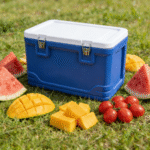
Flores refrigeradas de comercio electrónico. sólo llegarán a usted en perfectas condiciones cuando cada etapa de su viaje esté cuidadosamente controlada. Desde preenfriar las flores en el momento de la cosecha hasta aislarlas dentro de envases con temperatura controlada y enviarlas por aire, tierra o mar, logística de cadena de frío se asegura de que las flores que pide en línea lleguen frescas. Datos recientes muestran que más de 95 % de las flores exportadas viajan por vía aérea, mientras que las temperaturas óptimas de transporte oscilan entre 1–2 ºC. El mercado de flores de comercio electrónico también ha evolucionado con modelos de suscripción y compras móviles que están ganando terreno., Hacer que la frescura y la comodidad sean más importantes que nunca.. Este artículo, actualizado el Diciembre 30 2025, explica cómo las flores refrigeradas del comercio electrónico se mueven a través de los sistemas de cadena de frío, explora las últimas tecnologías y tendencias, examina el crecimiento del mercado y las cuestiones de sostenibilidad, y ofrece consejos prácticos para ayudar a que su negocio prospere.
Elementos esenciales de la cadena de frío para las flores: Por qué el control de la temperatura y el embalaje especializado son vitales, y cómo funciona la cadena de frío desde la granja hasta la puerta.
Innovaciones que dan forma al comercio electrónico floral refrigerado: primeras compras móviles, personalización, suscripciones, Logística impulsada por IA, y blockchain para la transparencia.
Crecimiento del mercado y desafíos: Información sobre el crecimiento del mercado de regalos florales en EE. UU. 5.52 % Tocón, el mercado global de logística de cadena de frío valorado en 436 mil millones de dólares en 2025, y se prevé que el mercado de envases reutilizables para la cadena de frío alcance los 4.970 millones de dólares.
Sostenibilidad y tendencias regulatorias: ¿Cómo son los envases ecológicos?, La reducción de las emisiones de carbono y la evolución de las regulaciones dan forma al futuro..
¿Por qué la logística de la cadena de frío es crucial para el comercio electrónico de flores refrigeradas??
La logística de la cadena de frío mantiene frescas las flores refrigeradas del comercio electrónico manteniéndolas dentro de rangos de temperatura estrechos utilizando embalaje y transporte especializados.. Porque las flores son muy perecederas, cualquier rotura en la cadena de frío puede provocar marchitez, Pérdida de color y reducción de la vida útil del florero.. Lo ideal es transportar las flores recién cortadas a 1–2 ºC. Mantener esta temperatura desde el momento de la cosecha hasta la entrega requiere un enfriamiento previo, embalaje cuidadoso, tránsito rápido y monitoreo continuo. Aproximadamente 95 % de las flores exportadas viajan por vía aérea porque el tránsito aéreo es más rápido, mientras que el transporte marítimo se utiliza para entregas planificadas y ofrece menores costos y huella de carbono.. Transporte terrestre, incluyendo camiones frigoríficos, cierra las brechas entre aeropuertos y centros de distribución, Garantizar que las flores permanezcan dentro de la cadena de frío..
Explicación expandida
Cuando los productores cosechan flores, inmediatamente los preenfrían para eliminar el calor del campo. Luego las flores se empaquetan en cajas de cartón o Paquetes de agua Procona; El embalaje horizontal se adapta a la mayoría de las flores y maximiza el volumen., mientras que el embalaje de agua proporciona hidratación continua pero aumenta el peso y el costo.. Las cajas se colocan en contenedores con temperatura controlada y se envían a través de carga aérea por la velocidad; El transporte marítimo es más barato pero requiere contenedores de atmósfera controlada para mantener la calidad.. A llegado, Las flores se transfieren a instalaciones de almacenamiento en frío y se entregan en camiones frigoríficos a los centros de distribución y a los clientes finales., asegurando un tiempo mínimo fuera de la cadena de frío. Los sistemas de monitoreo en tiempo real rastrean la temperatura y la humedad, permitir a los operadores logísticos intervenir si las condiciones se desvían. Sin estas medidas, las flores llegarían marchitas o estropeadas, lo que lleva a pérdidas financieras y clientes insatisfechos.
Control de temperatura y métodos de envasado para flores recién cortadas
Mantener la temperatura es la clave del éxito de la entrega de flores refrigeradas en el comercio electrónico. Las soluciones de embalaje varían según la distancia y las necesidades del producto.. A continuación se muestra una comparación de tecnologías de aislamiento comunes utilizadas en la logística de la cadena de frío., adaptado para envíos florales.
| Tipo de aislamiento | Rango de temperatura & Duración | Ventajas | Lo que significa para ti |
| Poliestireno expandido (EPS) | Mantenimiento 35–46 ° F (~2-8°C) durante ~24 horas | Asequible, ligero | Adecuado para entregas de comercio electrónico de flores a corta distancia donde el tiempo de tránsito es inferior a un día; reduce los costos de envío. |
| Paneles de poliuretano | Mantiene el contenido en −4 °F a 46 °F (−20°C a 8 °C) durante ~48 horas | Mejor aislamiento que EPS | Ideal para envíos de media distancia o entregas de flores al día siguiente; equilibra el costo y el rendimiento. |
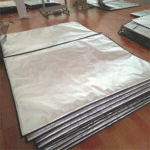
| Paneles aislados al vacío (VIP) | Mantenimiento −60 °F a 46 °F (−51°C a 8 °C) a hasta 120 horas | Máximo rendimiento térmico | Lo mejor para envíos de flores internacionales o de larga distancia que pueden sufrir retrasos; garantiza que las flores lleguen frescas incluso después de varios días. |
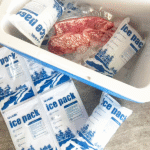
| Materiales de cambio de fase (PCM) | paquetes de gel (0–10 ºC), placas eutécticas (−22°C), hielo seco (−78°C) | Control preciso de la temperatura; reutilizable | Combinado con aislamiento para mantener zonas de temperatura específicas.; útil para flores que requieren hidratación o cuidados especiales. |
Consejos prácticos y recomendaciones
Pre-enfriar inmediatamente: Elimine el calor del campo inmediatamente después de la cosecha y mantenga las flores en 1–2 ºC. El enfriamiento rápido mejora la vida útil del florero y reduce el crecimiento bacteriano..
Elija el embalaje según el tiempo de exposición.: Seleccione el aislamiento según la duración prevista del tránsito en lugar de la distancia. Utilice EPS para entregas el mismo día, poliuretano para envío en dos días, y VIP para viajes más largos.
Combina aislamiento con PCM: Los paquetes de gel o placas eutécticas proporcionan temperaturas estables; asegúrese de que estén acondicionados adecuadamente antes de empacar.
Monitorear y calibrar sensores: Calibre periódicamente los sensores de temperatura y los registradores de datos para detectar posibles puntos cálidos.. El monitoreo en tiempo real puede reducir el deterioro al 30 % y mejorar los tiempos de entrega 15 %.
Capacitar al personal en el manejo.: Educar al personal y a los mensajeros sobre la carga adecuada, escaneo y manipulación para evitar picos de temperatura y daños mecánicos.
Ejemplo de caso: Un importante exportador de flores de Colombia utiliza un viaje de la cadena de frío eso incluye preenfriamiento, empacar flores en contenedores con temperatura controlada, y envío a través del “America Shuttle” de Maersk. A su llegada a puertos estadounidenses como Miami y Jacksonville., Los envíos se inspeccionan y transfieren a instalaciones de almacenamiento en frío antes de su distribución a nivel nacional.. Esta cadena de frío integrada garantiza que millones de flores lleguen frescas para días festivos como el Día de la Madre..
Qué innovaciones y tendencias definen las flores refrigeradas para el comercio electrónico 2025?
Las flores refrigeradas del comercio electrónico ahora están moldeadas por la innovación digital, personalización y sostenibilidad, hacer que la compra de flores en línea sea fluida y atractiva. El ascenso de primer comercio móvil es evidente; encima 70 % de las ventas de comercio electrónico de flores se realizan en teléfonos inteligentes. Los compradores esperan rapidez, experiencias personalizadas, floristas inspiradores que ofrecen crear sus propios ramos, planes de suscripción y opciones de entrega ecológicas. Al mismo tiempo, La IA y la automatización optimizan el inventario y el enrutamiento, mientras que blockchain aporta transparencia a las cadenas de suministro.
Explicación expandida
Modelos de personalización y suscripción.. Los consumidores modernos ya no aceptan ramos únicos para todos. Quieren opciones que reflejen su estilo y ocasión.. Las plataformas de comercio electrónico ahora ofrecen Herramientas para “construir tu propio ramo” y filtros basados en ocasiones. Los servicios de suscripción proporcionan ingresos y comodidad predecibles, permitiendo a los clientes recibir semanalmente, flores mensuales o de temporada. Esta tendencia se alinea con el mercado más amplio de regalos florales de EE. UU., donde los modelos de suscripción están en auge debido a la conveniencia y la sostenibilidad.
Primeras experiencias móviles y pagos flexibles. Porque la mayoría de las compras florales se realizan a través de teléfonos inteligentes, Los floristas deben garantizar sitios optimizados para dispositivos móviles con pago con un solo clic y tiempos de carga rápidos.. Opciones de pago flexibles como comprar ahora y pagar después (BNPL) a través de proveedores como Afterpay o Klarna aumentan la conversión. La velocidad y la comodidad importan, por lo que la entrega el mismo día o al día siguiente combinada con un embalaje ecológico ofrece a los minoristas una ventaja competitiva.
Soporte y logística impulsados por IA. Los compradores esperan respuestas instantáneas. Los chatbots de IA y la gestión automatizada de pedidos brindan atención al cliente receptiva y administran el inventario de manera eficiente. La IA y el aprendizaje automático también permiten pronóstico de demanda y optimización de ruta, reducir el desperdicio y mejorar la velocidad de entrega.
Blockchain y transparencia. Los consumidores quieren saber de dónde proceden sus flores.. La tecnología Blockchain permite la trazabilidad desde la granja hasta el cliente, reducir el fraude y garantizar el abastecimiento ético. Las cadenas de suministro transparentes mejoran la confianza y respaldan las afirmaciones de sostenibilidad.
Invernaderos inteligentes y tecnología sostenible. El cultivo de flores se está volviendo más inteligente con sensores IoT y control climático automatizado. Los invernaderos inteligentes monitorean las condiciones ambientales en tiempo real, Optimización del riego y reducción de residuos.. Estas tecnologías contribuyen a cadenas de suministro ecológicas y a una calidad constante..
Transformación Digital: AI, Automatización y Blockchain en Flower Logistics
La siguiente tabla resume las tendencias tecnológicas clave que dan forma al comercio electrónico de flores refrigeradas en 2025 y explica sus beneficios prácticos.
| Tendencia | Descripción | Beneficiarte para ti |
| Comercio móvil primero | Encima 70 % de las ventas de comercio electrónico de flores se realizan en teléfonos inteligentes. Los sitios deben ser responsivos, rápido y ofrece pago con un clic y billeteras digitales. | Atrae a compradores en movimiento, aumenta las tasas de conversión y reduce el abandono del carrito. |
| Personalización & suscripciones | Construye tus propios ramos, filtros de ocasión y planes de suscripción para entregas semanales o estacionales. | Crea ingresos recurrentes, Profundiza la lealtad del cliente y reduce los costos de marketing.. |
| AI & automatización | Los chatbots de IA responden preguntas al instante; El aprendizaje automático pronostica la demanda y optimiza las rutas.. | Reduce los costos operativos, reduce el desperdicio y garantiza la entrega oportuna. |
| Transparencia de la cadena de bloques | Los libros de contabilidad distribuidos rastrean las flores desde la granja hasta el consumidor. | Genera confianza a través de pruebas de origen y abastecimiento ético.; reduce el fraude. |
| Entrega ecológica | Entrega el mismo día o al día siguiente con mensajería en bicicleta y embalaje con bajo desperdicio; compensaciones de carbono. | Satisface la demanda de los consumidores de sostenibilidad y velocidad., mejorar la reputación de la marca. |
| Invernaderos inteligentes | Sensores IoT y control climático automatizado en el cultivo. | Produce consistente, flores de alta calidad con un uso reducido de recursos. |
Consejos prácticos y recomendaciones
Optimice su sitio móvil: Asegúrese de que su plataforma de comercio electrónico sea responsiva, se carga rápidamente y admite billeteras digitales. Pruebe periódicamente en diferentes dispositivos.
Ofrecer suscripciones y personalización.: Proporciona herramientas para construir tus propios ramos y cajas de suscripción de temporada.. Incluya ventajas como entrega gratuita o diseños exclusivos..
Integre chatbots de IA y software de enrutamiento: Utilice IA para atención al cliente y planificación de rutas predictivas. La optimización de rutas en tiempo real reduce los tiempos de entrega y el consumo de combustible..
Cuenta la historia detrás de tus tallos: Comparta las historias de los productores, Prácticas y certificaciones de sostenibilidad para atraer a los clientes..
Vender donde los clientes se desplazan: Configure tiendas de redes sociales en Instagram y Facebook y comparta publicaciones que se puedan comprar.
Ejemplo de caso: Después de implementar monitoreo de IoT en tiempo real y análisis predictivo en toda su cadena de frío, un proveedor de logística redujo el deterioro 30 % y tiempos de entrega mejorados por 15 %. Combinando indicadores de temperatura., registradores de datos y rastreadores en tiempo real, La empresa respondió rápidamente a las fallas de los equipos y desvió los envíos para proteger la integridad del producto..
¿Cómo está evolucionando el mercado y qué desafíos existen para las flores refrigeradas para el comercio electrónico??
El mercado de flores refrigeradas de comercio electrónico se está expandiendo pero enfrenta desafíos relacionados con la sostenibilidad, costos de energía, y cumplimiento regulatorio. El Mercado de regalos florales de EE. UU. se proyecta que crezca de 12.180 millones de dólares en 2024 a 16.810 millones de dólares por 2030, con un CAGR de 5.52 %. A nivel mundial, el mercado logístico de cadena de frío vale la pena 436 mil millones de dólares en 2025 y se espera que supere 1,3 billones de dólares por 2034. En paralelo, el Mercado de envases reutilizables para cadena de frío. se proyecta alcanzar 4.970 millones de dólares en 2025. A pesar de este crecimiento, arriba a 20 % de productos sensibles a la temperatura todavía se echan a perder debido a fallas en la cadena de frío. Aumento de los costos de la energía, El impacto ambiental y las regulaciones estrictas presentan obstáculos.
Explicación expandida
Crecimiento del mercado y demografía.. Desde 2015, La industria floral estadounidense ha crecido aproximadamente 8.5 % anualmente y es valorado alrededor 5 mil millones de dólares. Los consumidores gastan 1.830 millones de dólares al año en flores, con ocasiones como el día de San Valentín, Navidad y Día de la Madre impulsan las ventas. Los comerciantes de flores en línea están creciendo en 11.8 % anualmente, reflejando el cambio a modelos D2C. Sin embargo, la industria puede experimentar una caída del empleo de 14 % entre 2018 y 2028 debido a la automatización y los turnos en línea. 80 % de las flores frescas estadounidenses son importadas, Hacer que la logística eficiente de la cadena de frío sea esencial.
Logística y centros globales. La logística de las flores depende de centros internacionales como Aeropuerto de Schiphol en Ámsterdam y Aeropuerto Internacional de Miami, que maneja 91 % de las importaciones de flores de EE.UU.. El transporte aéreo es crucial para la frescura pero caro; El transporte marítimo ofrece menores costes y menor huella de carbono.. El transporte terrestre mediante camiones frigoríficos garantiza la distribución local. Los principales países exportadores incluyen Países Bajos (41.9 % participación en las exportaciones mundiales), Colombia (21.3 %) y Ecuador (10.7 %). Los principales importadores incluyen el A NOSOTROS, Alemania y el Reino Unido.
Desafíos: energía, medio ambiente y regulación. Mantener una refrigeración continua exige una cantidad sustancial de energía, hacer que los costos de servicios públicos sean uno de los mayores gastos. Las operaciones de la cadena de frío también generan emisiones de carbono y residuos de envases.. Regulaciones como FSMA 204 (para alimentos de alto riesgo) y PIB/ISO 21973 (para productos farmacéuticos) requieren registros detallados de temperatura y registros de cadena de custodia. El incumplimiento puede dar lugar a sanciones y retiradas de productos.. Para seguir siendo competitivo, las empresas deben invertir en envases sostenibles, energía renovable, trazabilidad digital y formación del personal.
Sostenibilidad y desafíos regulatorios en la logística de flores refrigeradas
La siguiente tabla describe los desafíos clave que enfrenta el comercio electrónico de flores refrigeradas y las estrategias para superarlos..
| Desafío | Detalles | Solución & Beneficio |
| Costos de energía & emisiones | La refrigeración requiere potencia constante.; Las operaciones de la cadena de frío producen importantes emisiones de carbono.. | Invierta en equipos energéticamente eficientes, explorar sistemas solares o híbridos, y elegir el transporte marítimo cuando sea posible para reducir las emisiones (Julio de UNICEF 2025 El envío marítimo reduce los gases de efecto invernadero en 90 % y costos de flete por 50 %). |
| Residuos de embalaje | El aislamiento tradicional de espuma de poliestireno contribuye a los residuos de los vertederos. | Adoptar envases reutilizables o reciclables; Se prevé que el mercado de envases reutilizables para la cadena de frío alcance 4.970 millones de dólares en 2025. Reemplace el poliestireno con cartón forrado con materiales orgánicos como lo practica Island Creek Oysters. |
| Cumplimiento regulatorio | FSMA 204, PIB/ISO 21973 y otros estándares exigen un monitoreo continuo y registros de cadena de custodia. | Automatiza la captura de datos con sensores IoT y blockchain; integrar el monitoreo en los sistemas ERP/WMS. La capacitación del personal sobre documentación garantiza el cumplimiento y reduce el error humano.. |
| Picos estacionales de la demanda | Eventos como el Día de la Madre y el Día de San Valentín provocan aumentos repentinos en la demanda de flores. | Utilice la previsión de demanda de IA para ajustar el inventario y reservar previamente el transporte; implementar estrategias de múltiples proveedores para evitar cuellos de botella. |
| Complejidad de la ruta & entrega de última milla | Los clientes esperan entregas el mismo día o al día siguiente con un impacto ambiental mínimo. | Implementar software de optimización de rutas y embalaje dinámico para reducir la distancia y mantener los presupuestos de temperatura.. Utilice mensajeros en bicicleta o vehículos eléctricos para entregas locales.. |
Consejos prácticos y recomendaciones
Diversificar los modos de transporte: Combine el aire para acelerar con el mar para envíos planificados para equilibrar los costos y la huella de carbono.. Considere el transporte marítimo para pedidos al por mayor y temporadas bajas..
Invierta en envases sostenibles: Transición de plásticos de un solo uso a materiales reutilizables o biodegradables; embalaje de prueba en las peores condiciones.
Mejorar el cumplimiento: Utilice sensores de IoT, trazabilidad digital y blockchain para cumplir con los requisitos de FSMA y GDP.
Plan para picos: Pronostique la demanda utilizando IA y asegure capacidad adicional con anticipación para evitar retrasos durante las vacaciones.
Educar a los clientes: Proporcionar consejos de cuidado e información sobre sostenibilidad para fomentar el manejo adecuado después de la entrega y respaldar opciones ecológicas..
Ejemplo de caso: En julio 2025, UNICEF envió 500,000 dosis de vacuna por mar en lugar de aire, reducir las emisiones de gases de efecto invernadero 90 % y costos de flete por 50 %, manteniendo la integridad de la temperatura. Esto demuestra cómo una planificación cuidadosa de rutas y un embalaje avanzado pueden hacer que los envíos de la cadena de frío sean más sostenibles..
2025 Últimos desarrollos y tendencias en flores refrigeradas para comercio electrónico
Descripción general de la tendencia
El panorama de las flores refrigeradas del comercio electrónico está evolucionando rápidamente en 2025. A continuación se muestran algunos de los últimos desarrollos y tendencias.:
Crecimiento de la logística de la cadena de frío: El mercado mundial de la logística de la cadena de frío vale la pena 436 mil millones de dólares en 2025 y se prevé que supere 1,3 billones de dólares por 2034. Este crecimiento está impulsado por los productos farmacéuticos., Industrias alimentarias y florales que buscan un control de temperatura fiable..
Auge de los envases reutilizables: Se espera que el mercado de envases reutilizables para la cadena de frío alcance 4.970 millones de dólares en 2025, reflejando la demanda de contenedores sostenibles. Las empresas están optando por el cartón reciclable y los soportes compostables.
IoT y análisis predictivo: Monitoreo en tiempo real mediante sensores IoT, La IA y el enrutamiento predictivo reducen el deterioro al 30 % y mejora los tiempos de entrega al 15 %. Combinando indicadores de temperatura, Los registradores de datos y rastreadores en tiempo real crean una estrategia de monitoreo en capas..
Dominio de los dispositivos móviles y de suscripción: Encima 70 % de las ventas de comercio electrónico de flores se realizan en teléfonos inteligentes. Los servicios de suscripción y productos personalizados siguen creciendo.
Invernaderos inteligentes y cultivo con IA: Los productores están adoptando invernaderos habilitados para IoT y control climático impulsado por IA para reducir el desperdicio y garantizar una calidad constante..
Adopción de cadena de bloques: Blockchain garantiza la trazabilidad y reduce el fraude en las cadenas de suministro florales, proporcionar prueba de origen y abastecimiento ético.
Últimos avances de un vistazo
Monitoreo en tiempo real: La implementación de sensores de IoT y algoritmos de IA ha reducido el deterioro en 30 % y tiempos de entrega mejorados por 15 %.
Embalaje sostenible: Las empresas que adoptan envases reutilizables han observado menores emisiones de carbono y una mejor percepción de la marca..
Popularidad de suscripción: Los modelos de suscripción están en auge en el mercado de regalos florales de EE. UU. debido a su conveniencia, personalización y sostenibilidad.
Ideas del mercado
El crecimiento del mercado de regalos florales de EE. UU. 16.810 millones de dólares por 2030, combinado con el mercado de logística de cadena de frío en expansión, señala una fuerte demanda de flores refrigeradas para el comercio electrónico. Redes de logística y entrega mejoradas, incluyendo rutas optimizadas y seguimiento en tiempo real, son claves para satisfacer las expectativas del consumidor. Innovaciones en los mercados digitales, IA y cadena de bloques, y las prácticas ecológicas son diferenciadores para los futuros líderes.
Preguntas frecuentes
Q1: ¿Cuánto tiempo pueden durar en tránsito las flores refrigeradas de comercio electrónico??
Con una adecuada gestión de la cadena de frío, flores transportadas en 1–2 ºC puede permanecer fresco durante varios días. Los envases con VIP pueden mantener temperaturas de hasta 120 horas. Elija siempre un embalaje adecuado al tiempo de tránsito.
Q2: ¿Qué embalaje es mejor para enviar flores??
Para la mayoría de las entregas de comercio electrónico, Cajas aisladas de EPS o poliuretano combinado con paquetes de gel proporciona protección suficiente durante 24 a 48 horas. Para viajes más largos o flores premium, paneles aislados al vacío Ofrece control de temperatura extendido..
Q3: ¿Cómo garantizan la sostenibilidad los floristas de comercio electrónico??
Los minoristas reducen su huella de carbono mediante el uso envases reutilizables o reciclables, optimizando rutas, y asociarnos con mensajeros ecológicos. Servicios de suscripción centrados en temporada., Las flores de origen local también promueven la sostenibilidad..
Q4: ¿Por qué son importantes los modelos de suscripción para el comercio electrónico floral??
Las suscripciones proporcionan ingresos predecibles, Fomentar la fidelidad de los clientes y reducir el desperdicio al permitir a los productores planificar la producción.. También se alinean con las tendencias hacia la comodidad y las experiencias personalizadas..
Sugerencia
Control de llave: Las flores refrigeradas de comercio electrónico dependen de un meticuloso logística de cadena de frío para preservar la frescura, con transporte aéreo y rangos de temperatura de 1 a 2 °C que forman la columna vertebral. La industria está evolucionando a través de primeras compras móviles, personalización, suscripciones y Logística impulsada por IA. El crecimiento del mercado sigue siendo fuerte, Se prevé que el mercado de regalos florales de EE. UU. alcance 16.810 millones de dólares por 2030 y el mercado global de logística de cadena de frío valorado en 436 mil millones de dólares en 2025. La sostenibilidad y el cumplimiento normativo se están convirtiendo en diferenciadores cruciales; Los envases reutilizables y el monitoreo habilitado por IoT ayudan a reducir los residuos y cumplir con los estándares..
Próximos pasos viables:
Audita tu cadena de frío: Mapee cada etapa desde la cosecha hasta la entrega, Identificar riesgos de temperatura y mejorar el aislamiento cuando sea necesario..
Invierta en herramientas digitales: Adopte la previsión de la demanda impulsada por la IA, optimización de rutas y chatbots para mejorar la eficiencia y la satisfacción del cliente.
Mejorar la sostenibilidad: Haga la transición a envases reutilizables o reciclables y explore el transporte marítimo para entregas planificadas para reducir las emisiones..
Ampliar suscripciones: Ofrezca planes de suscripción personalizados y experiencias de compra optimizadas para dispositivos móviles para asegurar ingresos recurrentes..
Mantente cumpliendo: Implementar monitoreo de IoT y mantener registros de cadena de custodia digital para cumplir con FSMA 204 y requisitos del PIB.
Acerca de Tempk
Descripción general de la empresa: Tempk es un proveedor líder de soluciones logísticas y de embalaje para la cadena de frío.. Diseñamos cajas isotérmicas, paquetes de gel, Paneles VIP y materiales de cambio de fase que mantienen seguros los productos sensibles a la temperatura durante el tránsito. Nuestra R&El centro D desarrolla envases ecológicos elaborados con materiales reciclables, y nuestras soluciones están certificadas según estrictos estándares farmacéuticos y alimentarios.. Con un enfoque en la innovación y la sostenibilidad, Ayudamos a empresas como floristas de comercio electrónico a entregar productos perecederos frescos y a tiempo..
Llamado a la acción: Listo para optimizar las entregas de flores refrigeradas de su comercio electrónico? Póngase en contacto con Tempk para analizar soluciones personalizadas de cadena de frío, Del embalaje sostenible al monitoreo habilitado por IoT. Nuestros expertos le ayudarán a elegir el aislamiento adecuado., Mejorar la planificación de rutas y lograr el cumplimiento mientras se mejora la satisfacción del cliente..