Actualizado en diciembre 30, 2025
Probablemente esté disfrutando de una comida congelada con más frecuencia que hace unos años.. Pero, ¿alguna vez te has preguntado cómo esa comida se mantiene segura y sabrosa desde la fábrica hasta tu cocina?? La respuesta está en la cadena de suministro de alimentos congelados: un sistema de cadena de frío estrictamente controlado que protege la calidad y la seguridad.. En 2025 lo que está en juego es más alto que nunca: La logística global de la cadena de frío se valoró en alrededor de Dólar estadounidense 436 mil millones en 2025 y se prevé que superen Dólar estadounidense 1.36 billones por 2034. A medida que los servicios de comidas preparadas y kits de comida aumentan en popularidad, Comprender este sistema le ayuda a tomar decisiones informadas., mejorar las operaciones y reducir el desperdicio.
Este artículo responde:
¿Qué cadena de suministro de alimentos congelados Qué es y por qué el control de la temperatura es fundamental – incluidos rangos de temperatura y componentes clave.
Cómo está evolucionando el mercado de los platos preparados – tamaño del mercado, Impulsores del crecimiento y preferencias de los consumidores..
¿Qué tecnologías están transformando la logística de la cadena de frío? – desde la monitorización de IA e IoT hasta el embalaje sostenible.
Tendencias regionales y futuras para 2025 y más allá – incluido el crecimiento de Asia y el Pacífico, Demanda de América del Norte e innovación global en sabores.
Consejos prácticos para que las empresas y los consumidores mantengan la integridad de la cadena de frío y elijan servicios de comida preparada de calidad.
Preguntas frecuentes sobre alimentos congelados, Desafíos de la cadena de frío y sostenibilidad..
¿Qué es la cadena de suministro de alimentos congelados y por qué es importante el control de la temperatura??
Respuesta directa
La cadena de suministro de alimentos congelados es un proceso continuo., Red de temperatura controlada que preserva los productos perecederos desde la producción hasta el consumo.. Los productos congelados como la carne o los platos listos para calentar deben almacenarse a –20 °C o menos durante el envío y el almacenamiento. Según las directrices de la industria, comida mantenida en 0 °F (≈ –17,8 °C) Se puede almacenar indefinidamente sin pérdida de calidad.. Los alimentos refrigerados, como los lácteos frescos o las ensaladas, deben permanecer entre 0 °C y 5 °C, mientras que los productos con ambiente controlado (15 °C-25 °C) incluyen productos farmacéuticos sensibles al calor. Mantener estos rangos minimiza el deterioro., protege la salud del consumidor y cumple con estrictas normas de seguridad.
Cifra 1: La logística de la cadena de frío garantiza que los platos preparados se mantengan dentro de rangos de temperatura seguros durante toda la producción., transporte, almacenamiento y entrega.
explicación en profundidad
Puedes pensar en la cadena de frío como una carrera de relevos donde el testigo es la temperatura.. Cada traspaso: del productor al almacén, al operador de transporte, minorista y finalmente su congelador: debe mantener el producto dentro de su rango de temperatura seguro. Una ruptura en la cadena no sólo es un inconveniente; puede causar crecimiento bacteriano o quemaduras por congelación, que conduce al desperdicio o a la enfermedad. La quemadura por congelación ocurre cuando se forman cristales de hielo en la superficie de los alimentos debido a las fluctuaciones de temperatura., textura y sabor degradantes. Los alimentos refrigerados se echan a perder aún más rápido si las temperaturas superan 5 °C por mucho tiempo, a medida que las bacterias se multiplican rápidamente y la vida útil se desploma. Al comprender estos umbrales, fabricantes, Los distribuidores e incluso los consumidores pueden tomar medidas para proteger la calidad de los alimentos..
Componentes clave de una red de cadena de frío
| Componente | Descripción | Datos/cuota de mercado | Lo que significa para ti |
| Almacenes frigoríficos | Instalaciones que mantienen productos a temperaturas establecidas durante días o semanas.. | capturado 61.8 % de los ingresos por logística de la cadena de frío en 2024. | Proporcionar existencias de reserva y permitir la rotación del inventario sin exponer los productos al calor.. Útil si necesita almacenar inventario o gestionar la demanda estacional. |
| Transporte refrigerado | Camiones, Contenedores y vagones diseñados para mantener las mercancías frías durante el tránsito.. | Sostuvo 38.2 % del mercado en 2024. | Esencial para mover artículos perecederos rápidamente a largas distancias; Los controles avanzados evitan el deterioro.. |
| Instalaciones de preenfriamiento | Plantas que enfrían productos inmediatamente después de la cosecha o producción.. | Valer Dólar estadounidense 204.4 mil millones en 2024. | Elimine el calor del campo y extienda la vida útil; fundamental para los proveedores de frutas y verduras. |
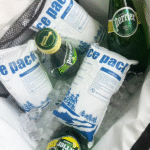
| hielo seco & paquetes de gel | Medios refrigerantes que absorben el calor.. El hielo seco se sublima sin dejar humedad; Los paquetes de gel son reutilizables. | El segmento de hielo seco lideró el mercado debido a su capacidad de temperatura ultrabaja. | El hielo seco mantiene temperaturas por debajo de –78 °C para productos farmacéuticos y alimentos congelados; Los paquetes de gel se adaptan a envíos pequeños donde no hay energía disponible.. |
| Escucha & dispositivos de iot | Los sensores registran la temperatura, humedad y vibraciones; La telemática proporciona ubicación y alertas en tiempo real.. | Se prevé que el segmento de IoT crezca a un ritmo de 15 % Tocón. | Los datos en tiempo real le permiten intervenir inmediatamente si las temperaturas cambian, reducir el deterioro y la responsabilidad. |
Consejos prácticos y sugerencias.
Utilice sensores calibrados y registradores de datos. El monitoreo en tiempo real lo ayuda a detectar fluctuaciones de temperatura de manera temprana y tomar medidas correctivas..
Implementar redundancia. Energía de respaldo y materiales de aislamiento. (como hielo seco o materiales de cambio de fase) mantener los productos seguros durante fallas o retrasos en el equipo.
Capacitar al personal. Los conductores y el personal del almacén deben comprender la importancia de la integridad de la temperatura y saber cómo manejar alarmas o averías..
Planifica las rutas con cuidado. Evitar congestiones y climas extremos; La optimización de rutas impulsada por IA reduce el tiempo de tránsito y el consumo de combustible.
Auditar periódicamente. Verifique periódicamente que las temperaturas se mantengan dentro del rango; compartir registros de cumplimiento con socios para generar confianza.
Caso real: En abril 2025, Lanzamiento del SCGC CHILLOX, una tecnología de almacenamiento en frío energéticamente eficiente que mantiene temperaturas estables en el almacén y proporciona refrigeración de respaldo durante situaciones anormales. Esta innovación ayuda a los proveedores de logística a preservar la calidad del producto y reducir los costos de energía., mostrando cómo las nuevas soluciones de refrigeración pueden aumentar la resiliencia operativa.
¿Cómo está evolucionando el mercado de comidas preparadas congeladas??
Tamaño y crecimiento del mercado
El mercado mundial de comidas preparadas congeladas se ha convertido en una parte importante del panorama de los alimentos congelados.. Valió USD 40.13 mil millones en 2024 y se prevé que alcance los USD 42.04 mil millones en 2025, subiendo a Dólar estadounidense 62.75 mil millones por 2034 con una tasa de crecimiento anual compuesta (Tocón) de 4.55 %. Cerca de 65 % de los millennials y 62 % de hogares con doble ingreso informan que dependen de las comidas preparadas congeladas por conveniencia. Acerca de 55 % de las compras se realizan a través de supermercados y 20 % a través de plataformas en línea, señalando una penetración minorista diversa.
En los Estados Unidos, El mercado de platos preparados congelados sigue expandiéndose: 68 % de los hogares trabajadores dependen de comidas congeladas, con más de 45 % de familias que citan la asequibilidad y 52 % de los consumidores más jóvenes prefieren opciones congeladas más saludables. El mercado norteamericano de alimentos congelados en su conjunto crecerá desde A NOSOTROS $103.45 mil millones en 2024 a nosotros $145.34 mil millones por 2033, con la comodidad y la innovación impulsando el aumento. En Europa y Asia, la demanda también está creciendo rápidamente: El mercado logístico de la cadena de frío de Asia y el Pacífico (incluidas las comidas preparadas) fue aproximadamente Dólar estadounidense 192.2 mil millones en 2025 y se prevé que alcance Dólar estadounidense 663.62 mil millones por 2034 con un 14.76 % Tocón.
Impulsores y desafíos
Los agitados estilos de vida de los consumidores y la deseo de conveniencia son motores clave de crecimiento. la poblacion trabajadora, especialmente los millennials y los hogares de doble ingreso, valora las comidas que ahorran tiempo y se pueden preparar rápidamente. Asequibilidad también es importante; alrededor 45 % de familias citan el control de costos y porciones como razones para elegir comidas preparadas. Creciente conciencia de salud ha impulsado la demanda de productos bajos en sodio, opciones orgánicas y vegetarianas; acerca de 32 % del consumo de comida preparada es vegetariana, 28 % es organico y 30 % utiliza embalaje ecológico, mientras 48 % de consumidores más jóvenes Prefiera comidas congeladas bajas en calorías..
Sin embargo, Los desafíos persisten. Preocupaciones de salud por los conservantes y el sodio sigue siendo una de las principales razones de vacilación; aproximadamente 42 % de los consumidores se preocupan por los aditivos, 35 % Evite las comidas altas en sodio. y 28 % Prefiero alternativas frescas. Altos costos de la cadena de frío son otra barrera: el almacenamiento en frío y el transporte representan más de 40 % de gastos operativos totales en la industria de alimentos congelados, y 38 % de pequeñas y medianas empresas enfrentan dificultades para gestionar estos costos.
Consejos prácticos y sugerencias.
Elija comidas con etiquetas limpias. Busque productos que incluyan ingredientes simples y menos conservantes.. Las opciones orgánicas o de origen vegetal pueden ayudar a minimizar los aditivos.
Consulte las instrucciones de almacenamiento. Los platos preparados deben conservarse a la temperatura recomendada. (alrededor –18 ºC para productos congelados y 4 °C para artículos refrigerados).
Considere el tamaño de las porciones. Las comidas individuales reducen el desperdicio y ayudan a controlar las calorías.. Las tendencias recientes incluyen platos principales con porciones controladas inspirados en productos farmacéuticos para bajar de peso como GLP 1., como se señala en los informes del mercado norteamericano.
Utilice servicios de planes de alimentación que prioricen la sostenibilidad. Algunos proveedores, como Fresh N Lean, Utilice aislamiento compostable y embalajes reciclables para envíos a nivel nacional..
Caso real: Un estudio de la Universidad Estatal de Carolina del Norte encontró que más de 76 % de las entregas de kits de comida contenían al menos uno de los elementos anteriores 40 °F. Esto resalta la importancia de elegir servicios con control de temperatura confiable y de refrigerar rápidamente sus comidas al momento de la entrega..
¿Qué tecnologías están transformando la logística de la cadena de frío??
Los avances tecnológicos están redefiniendo el funcionamiento de las cadenas de frío. Inteligencia artificial (AI) y el Internet de las cosas (IoT) automatizar tareas rutinarias, Optimice rutas y analice grandes conjuntos de datos para predecir retrasos y fallas de equipos.. Los sensores de IoT transmiten información en tiempo real sobre la temperatura, humedad y golpes, mientras que los sistemas telemáticos integrados brindan visibilidad de extremo a extremo en todo el almacenamiento., transporte y entrega de última milla. Estas herramientas ofrecen varios beneficios.:
Seguimiento y alertas en tiempo real.. Los clientes y transportistas saben exactamente dónde están las mercancías y si se encuentran dentro del rango de temperatura seguro..
Mantenimiento predictivo. Los algoritmos de aprendizaje automático analizan los datos de los sensores para predecir fallas en los equipos de refrigeración, reduciendo el tiempo de inactividad.
Carga y enrutamiento optimizados. La IA equilibra las prioridades de entrega, reduce la congestión y reduce el consumo de combustible eligiendo las rutas más cortas y seguras.
Monitoreo de cumplimiento y gemelos digitales. La auditoría y el análisis de datos automatizados simplifican los informes regulatorios y permiten a las empresas simular escenarios logísticos para la planificación..
Segmentos tecnológicos y sus beneficios.
| Tecnología | Cuota de mercado/Crecimiento | Beneficios prácticos |
| Enfriamiento con hielo seco | Dominó el mercado debido a su capacidad para mantener temperaturas por debajo de –78 °C.. | Ideal para productos farmacéuticos, alimentos congelados y muestras de laboratorio; sin residuos de humedad. |
| paquetes de gel | Segmento de más rápido crecimiento entre 2025 y 2034. | Reutilizable y ecológico; Proporcionar refrigeración fiable para muestras médicas y alimentos frescos donde no se requiere frío extremo.. |
| Vehículos frigoríficos | Sostuvo 38.5 % cuota de mercado en 2024. | Ofrecer tamaños variados (pequeño, medio, grande) para adaptarse a diferentes volúmenes de productos; controles avanzados para evitar el deterioro. |
| Telemática & Soluciones de IoT | CAGR esperado de 15 %. | Habilitar visibilidad de extremo a extremo, Reduzca el desperdicio y mejore el cumplimiento a través de modelos de gemelos digitales.. |
| Visibilidad basada en la nube & RFID | Rápida adopción observada en los últimos años. | Automatizar el seguimiento de inventario, acelerar la inspección y reducir las pérdidas. |
Estrategias tecnológicas centradas en el usuario.
Comience con un proyecto piloto. Implemente sensores en algunas rutas para ver cómo los datos en tiempo real reducen el deterioro; luego ampliar.
Invierta en plataformas habilitadas para IA. Elija software que integre la optimización de rutas, informes de cumplimiento y mantenimiento predictivo.
Colaborar con socios. Trabajar con transportistas y proveedores de almacenamiento que comparten datos; Los sistemas integrados reducen los puntos ciegos..
Mantente ágil. La tecnología evoluciona rápidamente; construir sistemas que permitan actualizaciones sin interrumpir las operaciones.
Tendencias regionales y perspectivas futuras
Patrones regionales
El crecimiento de la cadena de frío y de los alimentos congelados varía según la región. Asia-Pacífico lidera el crecimiento: su mercado de logística de cadena de frío rondaba Dólar estadounidense 192.2 mil millones en 2025 y se prevé que alcance Dólar estadounidense 663.62 mil millones por 2034 en un 14.76 % Tocón. Inversiones en infraestructura, El aumento del consumo de alimentos procesados y la inversión extranjera impulsan esta expansión.. Porcelanael mercado, valorado en Dólar estadounidense 89.1 mil millones en 2024, está previsto que crezca a 14.1 % Tocón, Impulsado por una clase media en crecimiento y la demanda de entregas de comestibles en línea.. Estados Unidos El mercado de la cadena de frío fue Dólar estadounidense 109.5 mil millones en 2024, con un 14.9 % Tocón esperado; demanda de comidas congeladas premium, Los productos farmacéuticos y las estrictas normas de seguridad alimentaria respaldan la inversión..
Europa enfatiza el cumplimiento normativo y la sostenibilidad: Se alcanza el mercado de la cadena de frío en Alemania Dólar estadounidense 12.3 mil millones en 2024 y está creciendo a aproximadamente 9.2 %. América Latina y África Son mercados emergentes con una inversión cada vez mayor en almacenamiento en frío y un consumo creciente de comidas preparadas..
Tendencias futuras para 2025 y más allá
Varios acontecimientos darán forma a la cadena de suministro de alimentos congelados durante la próxima década:
Innovaciones para el ahorro de energía. Tecnologías como CHILLOX Ofrece refrigeración de respaldo y temperaturas constantes., reducir el uso de energía.
Transporte sostenible. Asociaciones como Contenedores SeaCube y Greense proporcionar informes de emisiones de CO₂ impulsados por IA, Mejorar la sostenibilidad en el transporte frigorífico..
Auge del comercio electrónico de comestibles. Los almacenes hiperlocales y las redes de última milla se están expandiendo, acortar los tiempos de entrega y mantener los productos a temperaturas seguras. Se espera que las plataformas de comestibles en línea crezcan a 15.7 % Tocón, acercar el almacenamiento a los consumidores.
Gobierno & inversión privada. Se está construyendo una nueva infraestructura de cadena de frío en todo el mundo: Por ejemplo, En Mayo 2025 DP World abrió un 110 000Almacén de cadena de frío sostenible de pies cuadrados en Navi Mumbai, India, y en julio 2025 Maersk inauguró un nuevo centro de embalaje y logística en Olmos, Perú.
Auge del gran comercio minorista. Minoristas internacionales como Walmart y Spar se están expandiendo en los países en desarrollo; Walmart opera más de 10 526 salidas a través 24 países, impulsando la demanda de almacenamiento y transporte refrigerados.
Renacimiento de los alimentos congelados en EE. UU.
El sector de alimentos congelados de EE. UU. está atravesando una rápida transformación, proyectado a duplicar su valor desde USD 79.6 mil millones en 2024 a más de USD 150 mil millones en la próxima década, con una CAGR de 8.91 %. Los cambios en la era de la pandemia aceleraron la demanda de comidas listas para comer y provocaron un aumento en las compras de congeladores: 2.3 millones de unidades se vendieron en 2023, arriba de 1.5 millones en 2019. Cuatro fuerzas sustentan la expansión:
Comidas que ahorran tiempo. Los consumidores ocupados buscan comodidad.
Comercio electrónico y logística.. Una mayor penetración online y los avances en el envasado de la cadena de frío mejoran el acceso y el atractivo del producto.
Diversificación de cartera. Los productores ofrecen hortalizas premium, ingredientes funcionales, y sabores globales.
Productos farmacéuticos para bajar de peso. Adopción de Medicamentos para la obesidad basados en GLP 1 impulsa la demanda de porciones controladas, comidas congeladas nutricionalmente equilibradas.
Los consumidores ven los alimentos congelados no sólo como alternativas baratas sino como herramientas estratégicas para el bienestar y la planificación de comidas.. El costo sigue siendo el principal factor 78 % de americanos. Más que 83 % de consumidores dicen que los productos congelados ayudan a reducir el estrés a la hora de comer y mejorar la planificación. Los consumidores más jóvenes gravitan hacia sabores globales y perfiles picantes.; “dulce” (dulce + picante) Los postres helados van en aumento.
Innovaciones en sostenibilidad y embalaje
Por qué es importante el embalaje sostenible
El embalaje es el héroe anónimo de la logística de la cadena de frío. Las cajas aisladas con embalaje sellado al vacío o en atmósfera modificada reducen el oxígeno y evitan el deterioro.. paquetes de gel Proporcionar un enfriamiento constante sin los peligros del hielo seco., que puede evaporarse rápidamente y está sujeto a regulaciones de envío. Sin embargo, los paquetes de gel no son infalibles; un estudio encontró que 93 % de las entregas que utilizaron paquetes de gel tenían al menos un producto por encima del umbral de seguridad. Cantidad, La ubicación y el tiempo de tránsito afectan el rendimiento.. Los servicios premium utilizan revestimientos en capas y múltiples refrigerantes para gestionar viajes más largos.
Las iniciativas de sostenibilidad están impulsando un cambio hacia envases reciclables y compostables, reducir la dependencia de los plásticos de un solo uso. A los proveedores les gusta Fresco y magro enviar comidas a todo el país con aislamiento compostable y embalaje reciclable. A medida que crece la conciencia del consumidor, Las empresas están explorando materiales aislantes de origen vegetal., Paquetes de gel a base de agua y envasado al vacío a base de papel.. Los envases sostenibles no solo reducen el impacto ambiental sino que también respaldan la reputación de la marca y el cumplimiento de las regulaciones..
Consejos prácticos
Elija servicios que utilicen aislamiento reciclable o biodegradable.. Busque certificaciones o información clara sobre materiales de embalaje..
Opte por empresas que ofrezcan programas de devolución. Algunos proveedores de kits de comida recogen paquetes de gel y aislamientos usados para reciclarlos..
Minimizar las emisiones de última milla. Consolidar las entregas y elegir servicios locales cuando sea posible para reducir la huella de carbono..
2025 Últimos desarrollos y tendencias
La tecnología y las preferencias de los consumidores están evolucionando rápidamente. Aquí hay una instantánea del último progreso.:
Planificación de rutas impulsada por IA. Los principales proveedores de logística utilizan el aprendizaje automático para predecir patrones climáticos y de tráfico, Ajustar las rutas de entrega para mantener los productos dentro de rangos de temperatura seguros..
Descubrimiento digital e influencia social. La mitad de los consumidores de la Generación Z buscan inspiración para recetas en TikTok, y hasta 36 % dicen que el contenido en línea da forma a sus elecciones de alimentos congelados. Las marcas aprovechan las colaboraciones de personas influyentes y celebridades, por ejemplo, El chef respalda el ramen congelado: para conectar con el público más joven.
Centros hiperlocales. Las plataformas de comercio electrónico de comestibles están construyendo pequeñas, Almacenes con temperatura controlada en zonas urbanas para acortar los tiempos de entrega de última milla. Este cambio reduce las fluctuaciones de temperatura y el consumo de energía relacionados con el tránsito..
Premiumización y sabores “swicy”. Los alimentos congelados se vuelven gourmet: Los productores están introduciendo platos principales conscientes de las calorías., mejor para ti postres, probióticos e ingredientes ricos en fibra.. Las combinaciones dulces y picantes, como los postres con sabor a gochujang, están ganando popularidad..
Diversidad global de sabores. Los pasillos de congeladores de EE. UU. ahora exhiben productos indios, Platos japoneses y cajún.; Los productos inspirados en la comida callejera están en auge.. Suben los formatos mini y los productos snack 31 % año tras año, con bocados de mariscos subiendo 50 %.
Preguntas frecuentes
Q1: ¿Cuánto tiempo se pueden almacenar de forma segura los platos preparados congelados??
Las comidas congeladas se mantienen continuamente a 0 °F (≈ –17,8 °C) se puede almacenar indefinidamente sin preocupaciones de seguridad. Sin embargo, la calidad puede disminuir con el tiempo. Para un sabor y textura óptimos, consumir comidas preparadas dentro de 3 a 6 meses.
Q2: ¿Las comidas congeladas son menos saludables que las frescas??
No necesariamente. Los avances en congelación y envasado preservan los nutrientes, y muchos productores ofrecen bajo en sodio, opciones orgánicas y basadas en plantas. Tenga cuidado con el sodio y los conservantes añadidos.; leer las etiquetas te ayuda a elegir opciones más saludables.
Q3: ¿Por qué algunas entregas de comida congelada llegan descongeladas??
Interrupciones en la cadena de frío, como por ejemplo, falta de refrigerante, tiempos de tránsito prolongados o altas temperaturas exteriores: pueden causar descongelación. Un estudio encontró 76 % de las entregas de kits de comida contenían uno de los elementos anteriores 40 °F. Elija servicios con controles de temperatura sólidos y almacene las entregas con prontitud.
Q4: ¿Cuál es la diferencia entre hielo seco y paquetes de gel??
El hielo seco se sublima de sólido a gas a –78 °C y es ideal para temperaturas ultrabajas, pero puede ser peligroso y está sujeto a restricciones de envío.. Las bolsas de gel son reutilizables y más ecológicas, pero es posible que no mantengan temperaturas muy bajas.; su eficacia depende de la cantidad y la colocación.
Q5: ¿Cómo la tecnología hace que la entrega de alimentos congelados sea más confiable??
Las tecnologías de IA e IoT proporcionan monitoreo de temperatura en tiempo real, mantenimiento predictivo y optimización de rutas. Estas herramientas reducen el deterioro., Garantizar el cumplimiento de las normas de seguridad alimentaria y reducir el consumo de combustible..
Resumen y recomendaciones
La cadena de suministro de alimentos congelados en 2025 es un sistema sofisticado que equilibra la conveniencia, seguridad y sostenibilidad. Las conclusiones clave incluyen:
El control estricto de la temperatura es esencial. Las comidas congeladas deben permanecer a –20 °C o menos., mientras que los artículos refrigerados necesitan 0 °C-5 °C.
El crecimiento del mercado es sólido. El mercado mundial de comidas preparadas congeladas crecerá desde USD 40.13 mil millones en 2024 a USD 62.75 mil millones por 2034; El mercado de América del Norte alcanzará el dólar 145.34 mil millones por 2033.
La tecnología está transformando la cadena de frío. AI, IoT y la telemática permiten el monitoreo en tiempo real, mantenimiento predictivo y enrutamiento eficiente.
Las preferencias de los consumidores están cambiando. Los millennials y los hogares con doble ingreso impulsan la demanda de servicios convenientes, comidas congeladas saludables; Los sabores premium y las cocinas globales están ganando popularidad..
La sostenibilidad importa. Los envases ecológicos y las innovaciones que ahorran energía como CHILLOX mejoran la eficiencia y la confianza del consumidor.
Próximos pasos para empresas y consumidores
Productores y proveedores de logística: Invertir en monitoreo habilitado por IoT y optimización de rutas impulsada por IA para reducir el deterioro y los costos de energía. Explore materiales de embalaje sostenibles y asóciese con especialistas acreditados en la cadena de frío.
Minoristas y plataformas de servicio de comidas: Ofrecer una variedad de porciones controladas., comidas orientadas a la salud. Educar a los clientes sobre el almacenamiento adecuado y utilizar el marketing digital para resaltar las etiquetas limpias y las prácticas de sostenibilidad..
Consumidores: Elija platos preparados de marcas que utilicen envases reciclables y proporcionen listas claras de ingredientes.. Refrigere rápidamente las entregas y siga las instrucciones de almacenamiento para preservar la calidad..
Llamado a la acción: Quiere evaluar la preparación de su cadena de frío? Utilice nuestra herramienta interactiva de evaluación de la cadena de frío para probar la integridad de la temperatura de su operación y recibir consejos de mejora personalizados..
Acerca de Tempk
Somos expertos en soluciones logísticas y de embalaje para cadena de frío.. Tempk desarrolla cajas isotérmicas, paquetes de gel y sistemas de monitoreo habilitados para IoT diseñados para mantener los alimentos, Productos farmacéuticos y otros productos sensibles seguros durante el transporte.. Nuestros productos cumplen con estrictos estándares de la industria., y priorizamos materiales eco amigables para reducir el impacto ambiental. Con una red global de socios y R interno&D, Ayudamos a las empresas a optimizar sus operaciones de cadena de frío y generar confianza en los consumidores..
Listo para mejorar el rendimiento de su cadena de frío? Póngase en contacto con nuestros especialistas hoy para una consulta personalizada y descubra cómo Tempk puede ayudarlo a brindar frescura y seguridad a cada cliente.