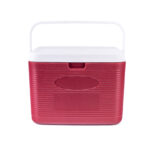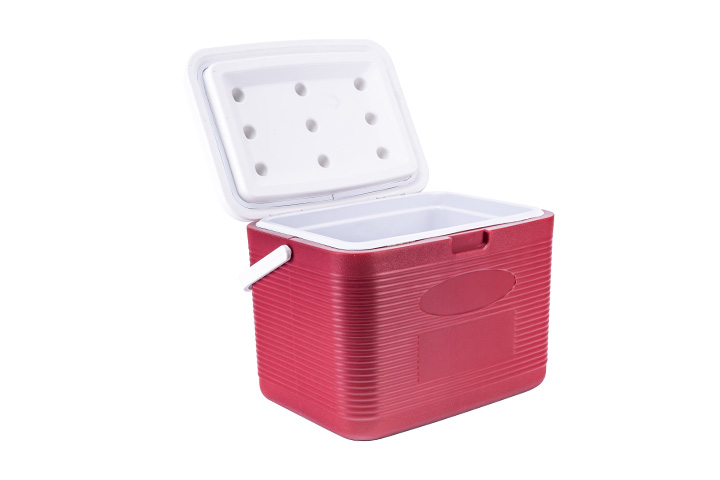
The best nestable plastic bin for logistics packaging is the one that performs across the real handling loop, not just on a product sheet. A nestable plastic bin is built with tapered geometry so empty units fit inside one another, which helps when return freight, espacio de almacenamiento, and handling efficiency matter as much as loaded performance. For logistics packaging, that means checking usable volume, estabilidad de la pila, return ratio, soporte de etiquetas, and compatibility with pallets, transportadores, and warehouse routines before you commit to a standard container family.
What the Right Solution Has to Do
Reusable logistics containers usually make sense when you want repeatable handling, less packaging waste, and better control of storage and return cycles than disposable packaging allows. The basic decision is whether to favor loaded performance, eficiencia de retorno vacío, or a compromise between the two. Straight-wall formats maximize usable cube and often work better with custom dunnage or automation. Nestable, stack-and-nest, plegable, or collapsible formats lower the cost of storing and returning empties. The best logistics container programs therefore start with the route map and the handling loop, not with a nominal volume figure.
The Design Choices That Matter Most
In logistics packaging, the design choice is usually between cube efficiency, loaded stability, and return efficiency. Tapered walls save space when empty, but they reduce straight-wall interior volume and can complicate the use of rigid inserts or dense rectangular payloads. Straight-wall formats preserve usable volume and often pair better with inserts or automated storage. Tapered or collapsible formats save empty space but may reduce internal packing density or add moving parts. Por esa razón, buyers should compare internal dimensions, dimensiones externas, usable height, and return ratio together instead of relying on nominal volume alone.
Common use cases for reusable logistics packaging include cross-docking, store delivery, line-side supply, split-case order picking, parts distribution, and closed-loop movement between fixed facilities. en cada caso, the packaging choice affects labor, espacio de almacenamiento, trailer cube, y riesgo de daños. A nestable or foldable unit often wins when empty returns are expensive. A straight-wall or heavily stackable unit often wins when internal cube, automatización, or rigid dunnage matters more. The correct choice comes from studying the flow, not from choosing the container style that happens to be most popular in another industry.
Every reusable container format has a trade-off. Tapered designs lose some cubic efficiency. Straight-wall designs waste return cube. Foldable packs introduce moving parts. Lidded designs can improve security but slow access and cleaning. The practical limitation is that the best container on a test bench may still fail operationally if workers find it awkward, labels do not stay attached, or the return loop is too weak to recover empties consistently.
How to Match the Container to the Real Route
A reusable logistics container should be evaluated against the full operating loop: cosecha, internal transport, cargando, entrega, empty return, limpieza, almacenamiento, y redistribución. Many projects fail because they optimize one stage at the expense of another. A straight-wall tote may improve picking density but create expensive returns. A foldable unit may save empty space but slow the loading line. Good route-fit analysis weighs every touchpoint and then compares designs on total performance, not isolated features.
Common Buying Mistakes to Avoid
A frequent mistake is to treat the supplier’s catalog dimensions as the working dimensions for your payload, when usable volume may be shaped by tapers, radii, bisagras, or lid hardware. Another is to ignore the return loop and discover later that empties cost more to move than expected. Buyers also underestimate labeling, trazabilidad, and sample-to-production consistency. Containers fail projects as often through small operational mismatches as through dramatic breakage.
Pruebas, Trazabilidad, and Quality Control
Even when the application is not highly regulated, quality control still matters. Reusable packaging suppliers should be able to discuss dimensional consistency, resin control, load testing, and how they verify distribution performance. Traceability standards from GS1 have become increasingly relevant because buyers want barcodes, serials, or digital identifiers that survive repeated handling and washing. Where packaging failure would be costly, testing against distribution environments through standards such as ASTM D4169 or ISTA protocols can be more useful than relying on generic static load figures alone.
Think in Cost per Trip, Not Piece Price
El precio unitario importa, but reusable packaging projects usually succeed or fail on cost per trip. Buyers should estimate service life, costo de limpieza, eficiencia de retorno, pérdida de activos, espacio de almacenamiento, labor at touchpoints, and damage reduction before they compare quotations. A more expensive container can be the lower-cost option if it reduces product loss, speeds handling, survives more cycles, or cuts empty-return cube significantly. The opposite is also true. A low-cost design becomes expensive when latches fail, labels fall off, or the container shape wastes transport space on the reverse leg. Good supplier evaluations therefore include a simple operating model: how many turns are realistic, what percentage of units are lost, how much labor does the design add or remove, and what does one full cycle really cost? Buyers who do that work usually make calmer, mejores decisiones.
What Buyers Should Ask Suppliers Before Ordering in Bulk
- Confirm internal and external dimensions separately, and ask for usable internal volume rather than relying on nominal size alone.
- Ask whether the design favors loaded cube or empty-return efficiency and how that choice affects your real cost per trip.
- Confirm lid options, label areas, barcode or RFID support, and compatibility with pallets, dollies, bastidores, transportadores, or ASRS equipment.
- Review durability data, consistencia de muestra a producción, and the supplier’s process for design changes after approval.
- Check stackability, nesting or folding ratio, manejo de la ergonomía, and whether the product remains stable after repeated use and cleaning.
- Preguntar por MOQ, estampación, color or logo options, lead-time variability, and what happens if you need sample revisions before production.
- Request clarity on quality control, resin traceability, and change-notification procedures so sample approval matches production reality.
Sample Approval, Change Control, and Production Consistency
Production consistency is one of the most overlooked parts of reusable packaging procurement. A buyer may spend weeks comparing samples, then move directly to bulk ordering without documenting what made the sample acceptable. eso es arriesgado. Ask how the supplier controls resin source, wall-thickness variation, hinge or latch components, mold changes, and printing or label placement. Request a clear process for notifying you if any of those variables change. The more operationally important the container becomes, the more valuable disciplined change control becomes as a guard against surprise costs later.
Public Reference Points Buyers Can Use
Across reusable transport packaging, standard footprints such as 600 incógnita 400 mm y 400 incógnita 300 mm are common because they palletize efficiently and work well in standardized handling systems. Commercial stack-and-nest and foldable lines on the market frequently advertise around 80 percent space reduction when empty, which shows how strongly reverse-logistics economics can depend on format choice.
Short FAQ
que importa mas, usable volume or nominal volume?
Usable volume matters more because tapers, radii, lid geometry, and inserts can reduce the space that the payload can actually use.
When do foldable or nestable formats pay back?
They usually pay back when empty storage and return freight are significant cost drivers and when the return loop is disciplined enough to recover assets consistently.
Why ask about change control on a simple container?
Because small design or resin changes can alter fit, durabilidad, cleaning behavior, and automation performance after approval.
Final Recommendation
A good purchase decision for nestable plastic bin for logistics packaging comes from matching the container to the product, la ruta, and the operating discipline behind it. When those three elements line up, reusable plastic packaging can reduce damage, simplificar el manejo, and improve repeatability. cuando no lo hacen, even a strong container becomes expensive friction.
Additional Practical Notes
One more practical point: sample approval should reflect real operations. Ask the supplier to send samples that use the final resin family, diseño de pared, lid or latch option, and labeling method you expect in production. A visually similar sample can hide important differences in stiffness, adaptar, y durabilidad.
How to Validate the Design Before Full Rollout
Before standardizing any reusable container, run a small pilot that mirrors the real workflow as closely as possible. Include loading, transporte, descarga, devolver, reetiquetado, y almacenamiento. Measure handling time, tasa de daño, eficiencia de retorno vacío, and any problems that appear when users interact with the container repeatedly. A short pilot often reveals issues with labels, ergonomía, adaptar, or cleaning that are not visible in a desk review. Those insights are what justify a confident rollout.
What to Measure During a Trial
Useful trial metrics are usually simple. Track damage or leakage events, estabilidad de la pila, time per handling touch, storage footprint for empties, label readability after the trip, and loss or non-return rate. In temperature-sensitive work, add temperature data and receiving-condition checks. In food and hygiene-sensitive work, add wash time and cleanliness observations. These practical measures help teams compare designs on operating reality instead of on brochure language. They also make supplier discussions more concrete because they connect packaging choice to labor, espacio, calidad del producto, y costo total.
A Better Decision Framework
When several suppliers look acceptable, choose the one that leaves you with the fewest uncontrolled variables. That usually means clear dimensional data, a believable explanation of material choice, transparent change-control discipline, realistic advice on route fit, and willingness to support sampling or pilot work. El precio todavía importa, but a small packaging savings can disappear quickly if the design adds labor, creates product loss, or fails after a few turns. The strongest purchase decisions are the ones that keep operations simple, quality predictable, and supplier accountability easy to understand.
Supplier Red Flags Buyers Should Notice Early
Be cautious when a supplier cannot explain usable dimensions clearly, offers only generic material claims, avoids discussion of change control, or answers every performance question with a catalog load rating. Other warning signs include vague statements about food grade or temperature control, no clear sample-to-production plan, and no interest in your actual route or handling process. A good supplier does not have to know your operation better than you do, but they should be able to ask intelligent questions, describe trade-offs honestly, and tell you where the proposed design may not fit. That transparency is often more valuable than an aggressive first quotation.
What a Useful Specification Sheet Should Include
Even for general logistics packaging, a one-page specification saves time and avoids drift. It should list internal and external dimensions, volumen utilizable, stacking or nesting logic, elección de materiales, expected load condition, label areas, and the workflow the pack is meant to support. If inserts, tapas, divisores, or tracking labels are part of the solution, document them too. That level of detail is enough to make sample review objective and to check whether later quotations still match the approved concept. También ofrece adquisiciones., warehouse teams, and suppliers a shared reference point when questions come up after the first order.
Acerca de Tempk
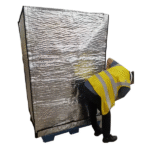
Y tempk, we specialise in temperature-control packaging rather than generic industrial handling packs alone. Our public product range includes gel packs, bolsas aisladas, EPP and VIP or VPU-style insulated boxes, cubiertas de paletas, and custom cold-chain packaging for food and healthcare logistics. That makes us most relevant when a reusable outer tote, crate, or box also has to support a chilled, congelado, or controlled-room-temperature shipping lane.
Siguiente paso
If your project also includes temperature-sensitive transport, ask for help matching the outer handling container with the right insulated system and coolant format.