Última actualización: Enero 19, 2026
Elegir un inserto de hielo en gel El fabricante de comestibles no se limita a comprar «paquetes fríos.» Estás tratando de mantener fríos los alimentos, mantener las cajas secas, y mantener los costos predecibles, al mismo tiempo.
Muchos materiales sobre seguridad alimentaria describen una «zona de peligro» de temperatura. (a menudo citado entre 41°F y 135°F, con alguna orientación usando 40°F–140°F).
Tu objetivo es estable, Rendimiento repetible en frío que sobrevive a los retrasos., apilado, y manejo áspero.
Este artículo te ayudará:
- Compare cualquier fabricante de comestibles con insertos de hielo en gel utilizando un cuadro de mando basado en pruebas (no marketing)
- Elija tamaños de insertos de hielo en gel personalizados que reduzcan los rincones calientes y los errores de embalaje
- Construya un sistema de inserción de hielo en gel a prueba de fugas utilizando un método simple de «cartón seco»
- Validar los paquetes de comestibles mediante pruebas a nivel de caja (ISTA 3A + Pensamiento ASTM D4169)
- Escriba especificaciones OEM que eviten la "derivación de especificaciones" después de escalar
- Entender 2026 tendencias: presión de documentación, tamaño correcto, y trazabilidad
¿Qué ofrece un fabricante de comestibles con insertos de hielo en gel??
Respuesta directa: Un fabricante de comestibles con insertos de hielo en gel debe ofrecer insertos que se comporten igual en cada nuevo pedido: peso de llenado constante, sellado consistente, comportamiento de congelación constante, y dimensiones consistentes, para que su embalaje siga siendo repetible a escala.
Estás comprando previsibilidad tanto como estás comprando frío.
Explicación expandida: Piensa en tu caja aislada como impermeable y el inserto de gel como paraguas. El impermeable frena el calor, pero el paraguas hace el trabajo de absorber el calor. Si las inserciones varían de un lote a otro, tu «tiempo frío» se vuelve aleatorio. Si los sellos son débiles, un pinchazo puede convertirse en una caja empapada y un reembolso.
¿Qué formatos de insertos de hielo en gel debería ofrecer su fabricante de comestibles??
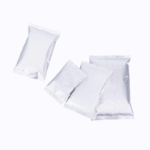
Un fabricante de comestibles con insertos de hielo en gel fuerte generalmente admite múltiples formatos porque las cajas de comestibles y las cargas útiles varían.
| Insertar formato | Mejor uso en comestibles | Fortaleza | Cuidado | Significado práctico para ti |
|---|---|---|---|---|
| Inserto de hielo de gel plano | kits de comida, comestibles de varios artículos | fácil de apilar | puede crear «paredes» frías | embalaje rápido, necesita disciplina de colocación |
| Inserto de botella/ladrillo | lácteos, bebidas, paquetes densos | posición estable | diseño menos flexible | enfriamiento constante alrededor de artículos pesados |
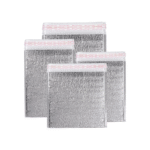
| Inserto estilo forro | paquetes de alimentos frescos | contacto de gran superficie | Se necesita manejo de la humedad. | reduce los puntos calientes si se diseña bien |
Consejos prácticos y recomendaciones.
Si envía comestibles mixtos: Comience con inserciones planas y un mapa de ubicación fija para reducir los errores de embalaje..
Si envía productos lácteos pesados: las inserciones de ladrillo a menudo permanecen en su sitio y se enfrían de manera predecible.
Si envía carriles con alta humedad: priorizar la planificación del control de la humedad con antelación.
Caso práctico: Muchos programas reducen los reembolsos por "cajas húmedas" cuando tratan los encartes como un sistema controlado: diseño, colocación, acondicionamiento, y control de calidad, en lugar de comprar "más hielo".
¿Qué tan frías deben estar tus envíos de comestibles en la vida real??
Respuesta directa: Su objetivo de "lo suficientemente frío" depende de la categoría de comestibles, pero la regla práctica es minimizar el tiempo en rangos de temperatura inseguros durante condiciones reales de entrega..
Un fabricante confiable de comestibles con insertos de hielo en gel lo ayuda a diseñar para su peor día realista, no es tu día normal.
Explicación expandida: La entrega de comestibles no es un laboratorio. Incluye muelles de carga, furgonetas calientes, el porche espera, y cambios de ruta.
Si construyes para condiciones promedio, su tasa de fracaso aumenta en días calurosos o retrasados. si te enfrías demasiado, puedes congelar artículos sensibles (verduras de hoja verde, ciertas texturas lácteas, alimentos frescos preparados).
Generador de perfiles de carril (herramienta interactiva)
Complete esto una vez. Compártalo con todos los fabricantes de comestibles con insertos de hielo en gel antes de comparar cotizaciones..
- Promesa de entrega: el mismo día / 24h / 48h / 72h+
- Peor exposición: tiempo de camión caliente, hora del porche, riesgo de retraso del fin de semana
- Tamaños de caja: dimensiones internas + peso de carga útil típico
- Sensibilidad a la congelación: ninguno / alguno / muchos artículos
- Historial de fracasos: cálido, húmedo, triturado, mal etiquetado
| factor de carril | Bajo riesgo | Riesgo medio | Alto riesgo | Lo que cambia para ti |
|---|---|---|---|---|
| Tiempo de tránsito | el mismo día | 24-48h | 48h+ | planificación de tiempo de espera más largo |
| Exposición de verano | leve | mezclado | caliente | el tamaño correcto importa más |
| Sensibilidad a la congelación | ninguno | alguno | muchos | Evite las paredes frías y el contacto directo. |
Consejos prácticos y recomendaciones.
Si haces envíos a apartamentos: plan para recogida retrasada y calefacción en el pasillo.
Si una esquina se calienta: ajustar la ubicación primero, no insertar química.
Si las cajas se sienten blandas: agregue una barrera contra la humedad antes de agregar más inserciones.
Caso práctico: Un minorista redujo los incidentes con las cajas húmedas al estandarizar un revestimiento de barrera y controles de sellado más estrictos., no agregando refrigerante adicional.
Insertos de hielo en gel frente a PCM: ¿Qué debería recomendar su fabricante??
Respuesta directa: Un fabricante de comestibles con insertos de hielo en gel debe recomendar insertos de gel estándar o estilo PCM según el riesgo de congelación y la estabilidad de la temperatura.. El gel estándar es rentable pero puede congelar demasiado los alimentos sensibles si se coloca incorrectamente. Los insertos estilo PCM pueden soportar un comportamiento "refrigerado" más estricto cuando se debe evitar la congelación..
Explicación expandida: No es necesario convertirse en ingeniero térmico.. Necesita un proveedor que le explique las opciones como si estuviera capacitando a un nuevo compañero de almacén.
La mejor recomendación es por carriles.: cuantos insertos, donde colocarlos, y cómo acondicionarlos para que los resultados sean repetibles.
Autoprueba de riesgo de congelación (herramienta de decisión rápida)
Responde estas en menos de un minuto:
- ¿Algún artículo se daña por congelación?? (si/no)
- ¿Su promesa de entrega es 24h? / 48h / 72h+?
- ¿Es baja la exposición en verano? / medio / alto?
- ¿La caja es pequeña? / medio / grande?
- ¿Se permiten devoluciones o reutilización?? (si/no)
Si respondió «sí» al riesgo de congelación, su texto recomienda preguntar sobre una opción de fusión controlada (a menudo descrito como un enfoque PCM).
| Opción | Cuando cabe la tienda de comestibles. | lo que ganas | Lo que intercambias | Significado práctico |
|---|---|---|---|---|
| Inserto de hielo en gel estándar | kits de comestibles más refrigerados | simple, bajo costo | riesgo de congelación si se usa mal | necesita disciplina de colocación |
| Inserto estilo PCM | artículos sensibles a la congelación | banda de temperatura estable | mayor costo | Menos quejas sobre «ensaladas congeladas» |
Consejos prácticos y recomendaciones.
Si envía cajas con muchos productos agrícolas: priorice el espaciado para que las inserciones no toquen elementos sensibles.
Si envía kits de alto valor: considere la estabilidad primero, luego optimizar el costo unitario más tarde.
¿Cómo se pueden evitar las cajas mojadas con el fabricante de comestibles con inserto de hielo en gel??
Respuesta directa: Evite que las cajas se mojen exigiendo una resistencia mensurable a las fugas y creando un embalaje que tenga en cuenta la humedad. Los clientes no separan la condensación de las fugas: ven una caja mojada y lo culpan.
La solución es un sistema.: películas más fuertes, mejores sellos, y pruebas de manipulación a nivel de caja.
Explicación expandida: El corrugado húmedo pierde resistencia y las esquinas colapsan más rápido. El inserto en sí importa, pero el embalaje importa más: barrera, espaciado, y estructura.
Un fabricante confiable de comestibles con insertos de hielo en gel analizará las comprobaciones de sellado, tasas de fracaso, y trazabilidad, porque los cambios silenciosos pueden crear picos repentinos.
El modelo «Cartón Seco» (entrenable en un turno)
- Barrera: mantener la humedad alejada del cartón corrugado
- Espaciado: Evitar pinchazos y contacto directo.
- Estructura: mantener las esquinas fuertes bajo compresión
| Gatillo de caja húmeda | ¿Qué lo causa? | solución rápida | Qué solicitar al fabricante |
|---|---|---|---|
| Microfugas | sellos débiles / poros | película más fuerte + controles de sello | detección de fugas basada en lotes |
| pinchazos | frotando en las esquinas | divisores o mangas | opción de refuerzo de esquina |
| Ablandamiento de cartón | remojo de condensación | revestimiento de barrera | recomendación de barrera contra la humedad |
| Esquinas colapsadas | apilar cargas | estructura más fuerte | embalaje consciente de la compresión |
Consejos prácticos y recomendaciones.
Artículos pesados (leche, bebidas): priorizar la resistencia a la perforación y el refuerzo de las esquinas.
Alta humedad: agregue una capa de barrera contra la humedad antes de agregar "más hielo".
Fallos aleatorios: Pregunte por trazabilidad de lotes y control de cambios..
Caso práctico: Muchos transportistas de comestibles reducen más los reembolsos por caja húmeda mejorando la calidad del sello y agregando un revestimiento de barrera que agregando refrigerante adicional..
¿Qué pruebas debe admitir un fabricante de comestibles con insertos de hielo en gel??
Respuesta directa: Un fabricante calificado de comestibles con insertos de hielo en gel debe respaldar pruebas a nivel de caja que reflejen los peligros reales de distribución.. ASTM D4169 es una práctica estructurada para evaluar unidades de envío a niveles representativos de la distribución real., e ISTA 3A es un enfoque de sistema de paquetería común (150 lb / 70 kilos o menos).
Explicación expandida: Probar los insertos por sí solo no es suficiente. Los fallos suelen ocurrir después del embalaje, cuando se apilan las cajas., abandonó, vibró, y comprimido.
Las mejores pruebas son simples controles de aprobación/rechazo vinculados a sus riesgos reales.: fugas, colapso de la esquina, y deriva del rendimiento.
Herramientas útiles para tomar decisiones
Comprueba los detalles antes de elegir el embalaje.
Estas herramientas rápidas pueden ayudarle a comparar el riesgo de la ruta, necesidades de dimensionamiento, opciones de refrigerante, y detalles del embalaje antes de solicitar una cotización.
Referencia del material aislante
Compare opciones de materiales aislantes para diferentes necesidades de embalaje de la cadena de frío.
Comparar materialesRevestimiento de caja & Dimensionamiento de la cubierta de paleta
Lógica de tamaño de revestimiento de cajas y cubiertas de paletas para proyectos de embalaje aislado.
Estimar el tamañoComprobador de riesgos de ruta
Revise las condiciones del carril antes de seleccionar el embalaje para requisitos operativos reales..
Comprobar riesgo de rutaConjunto de prueba mínimo a nivel de caja (amigable para el piloto)
| Prueba | lo que atrapa | Regla de pase simple | Por que importa |
|---|---|---|---|
| Detección de fugas | poros, sellos débiles | sin fugas visibles | evita que los cartones se empapen |
| Gota + vibración | manejo de choques | sin rotura en la caja empaquetada | coincide con la realidad del paquete |
| Compresión | cargas apiladas | sin falla del sello bajo carga | previene el colapso de las esquinas |
| Controles de tolerancia de peso | deriva de relleno | dentro de la ventana de tolerancia | estabiliza la retención en frío |
| Auditoría de embalaje | variación humana | coincide con la foto aprobada | reduce los errores en el embalaje |
Consejos prácticos y recomendaciones.
Pruebe la caja empaquetada, no solo el inserto.
Vuelva a realizar la prueba después de cualquier cambio: película, fórmula en gel, tamaño de inserción, o tamaño de caja.
Mantenga las reglas de aceptación simples: Pasar/fallar supera el lenguaje de laboratorio confuso.
Caso práctico: Los programas de comestibles a menudo reducen las tasas de incidentes después de agregar un paso de compresión que refleja las cargas apiladas de las camionetas., no solo pruebas de caída.
Cómo ajustar el tamaño de los insertos con un fabricante de comestibles con insertos de hielo en gel?
Respuesta directa: El tamaño correcto con un fabricante de comestibles con inserto de hielo en gel significa diseñar para lograr cobertura y consistencia., no sólo "más gel". Se recomienda dimensionar según la geometría de la caja y la cobertura de la superficie., porque los insertos más pequeños pueden reducir las esquinas calientes, mientras que los insertos de gran tamaño pueden crear paredes frías y daños sensibles al congelamiento..
Explicación expandida: Piense en el calor como la luz del sol. Si sombreas solo un punto, el resto todavía se calienta. Las inserciones deben «sombrear» la carga útil desde múltiples direcciones..
La estandarización por tamaño de caja también reduce los errores de embalaje y hace que el rendimiento sea repetible en todos los turnos..
Reglas de colocación que reducen las fallas en los supermercados.
- Evite «todas las inserciones en la parte superior».
- Evite el contacto directo con productos sensibles a la congelación.; use un espaciador o divisor.
- Rodear la carga útil cuando sea posible; la colocación lateral reduce los puntos calientes.
- Utilice un estándar fotográfico de embalaje: una foto por tamaño de caja, publicado en la línea.
| Tipo de caja | Insertar estrategia | Riesgo si se hace mal | Beneficio práctico |
|---|---|---|---|
| Pequeña caja de comestibles | 2 inserciones laterales | esquina inferior cálida | menos reclamos cálidos |
| Kit mixto mediano | 2 lados + 1 arriba | efecto de pared fría | temperatura estable |
| caja grande | inserciones distribuidas | esquinas desiguales | resultados consistentes |
Consejos prácticos y recomendaciones.
Utilice inserciones más pequeñas en carriles de alto riesgo; reduce los puntos calientes de las esquinas.
Mantenga los insertos fuera de las etiquetas; la condensación puede arruinar el escaneo y las devoluciones.
Estandarizar por tamaño de caja; Menos diseños significan menos errores de embalaje..
Caso práctico: Los equipos a menudo eliminan las quejas de la esquina cálida después de cambiar a inserciones distribuidas en lugar de una sola inserción grande..
Cómo calificar a un fabricante de comestibles con insertos de hielo en gel en 30 minutos?
Respuesta directa: Califique a un fabricante de comestibles con insertos de hielo en gel con preguntas basadas en pruebas que exigen claridad: tolerancias, muestreo de control de calidad, control de cambios, y apoyo piloto. Si las respuestas son vagas, el riesgo es alto. Si las respuestas incluyen límites y registros mensurables, caídas de riesgo.
Explicación expandida: Las muestras pueden inducir a error porque se elaboran bajo la «mejor atención». Su riesgo real comienza a escala, cuando llegan nuevos lotes de películas o cambios en la velocidad de la línea.
Un fabricante confiable de comestibles con insertos de hielo en gel espera que usted solicite pruebas y debe estar preparado con documentación sencilla..
Cuadro de mando de proveedores (autoprueba interactiva)
Puntuación de cada elemento: Sí = 2, Parcial = 1, No = 0.
- Proporciona tolerancias de peso y dimensiones.
- Explica los controles de sellos. (con qué frecuencia, como se mide)
- Realiza un seguimiento de lotes y puede rastrear defectos rápidamente
- Tiene reglas escritas de control de cambios.
- Admite un lote piloto antes de escalar
- Proporciona una guía de ubicación por tamaño de caja.
- Admite la validación de manipulación a nivel de caja
- Puede escalar los plazos de entrega para los picos de demanda
| Puntuación total | Nivel de riesgo | ¿Qué haces a continuación? | lo que protege |
|---|---|---|---|
| 13–16 | Bajo | piloto → especificaciones de bloqueo → escala | KPI de entrega estables |
| 9–12 | Medio | aceptación más estricta + más pruebas | control de reembolso |
| 0–8 | Alto | evitar escalar | tiempo y flujo de caja |
Consejos prácticos y recomendaciones.
Solicite una historia de fracaso reciente; revela velocidad de acción correctiva.
Pregunte quién aprueba los cambios materiales; revela si el control de cambios es real.
Pregunta qué miden diariamente; revela lo que realmente controlan.
Caso práctico: Los programas se estabilizan más rápidamente cuando el proveedor puede mostrar registros de lotes y muestras de sellos..
Cómo comparar el costo total de un fabricante de comestibles con insertos de hielo en gel?
Respuesta directa: Compare el costo total y el riesgo total, no precio unitario. Un inserto más barato que tiene fugas o tiene un rendimiento inferior suele costar más después de los reembolsos., reenvíos, tiempo de apoyo, y abandonar.
Un fabricante de comestibles con insertos de hielo en gel fuerte le ayuda a reducir las tasas de incidentes, no solo precios de artículos en línea.
Explicación expandida: La economía de los comestibles es simple: Las pequeñas tasas de fracaso se convierten en grandes pérdidas mensuales a escala..
Lo mejor que puede hacer es reducir los fallos primero (húmedo, cálido, triturado), luego optimizar el costo. Utilice un modelo de retorno de la inversión básico para que las decisiones sean defendibles en todas las adquisiciones, operaciones, y servicio al cliente.
Calculadora de retorno de la inversión (ROI) de reembolso (interactivo)
Completa tus números:
- Envíos mensuales: ___
- Porcentaje de averías (cálido/húmedo/dañado): ___%
- Costo por falla (reembolso + reenviar + mano de obra): ___
- Costo de embalaje adicional por envío para mejores inserciones: ___
Si (Envíos × tasa de fallas × costo por falla) es más grande que (envíos × costo extra), la opción más segura suele ganar.
| Artículo de cotización | que comparar | Por que importa | Lo que significa para ti |
|---|---|---|---|
| Tamaños de plaquita disponibles | número de opciones de tamaño | afecta la consistencia de la colocación | menos rincones calientes |
| Plano de sellado/película | tipo de sello + enfoque de durabilidad | predice el riesgo de fuga | menos cajas mojadas |
| evidencia de control de calidad | muestreo + archivos | predice la repetibilidad | menos disputas |
| Soporte de prueba | disposición de validación a nivel de caja | predice la supervivencia en el mundo real | Menos sorpresas |
| control de cambios | reglas escritas | evita la desviación de especificaciones | KPI estables |
Consejos prácticos y recomendaciones.
Tipos de quejas separados (tibio versus húmedo versus triturado).
Corrija una categoría a la vez para saber qué funcionó.
Pregunta por dos opciones de pack-out: «carril estándar» y «carril de alto riesgo».
Caso práctico: Muchos equipos reducen las tasas de incidentes después de dejar de mezclar quejas "calientes" y "húmedas" en un solo grupo..
2026 últimas novedades y tendencias en insertos de gel para alimentación
Descripción general de la tendencia: 2026 Es un año de «documentación y desperdicio»: Más presión para conseguir el tamaño adecuado del embalaje., Reducir el desperdicio, y mejorar la trazabilidad.
También destaca el impulso regulatorio (Calendario del PPWR en la UE y crecimiento del EPR en los EE. UU.) que impulsa una mayor disciplina en los informes y el empaquetado.
¿Qué hay de nuevo en 2026 (y lo que significa para ti)
- El tamaño correcto reemplaza el exceso de embalaje: menos inserciones, colocación más inteligente, mismos resultados.
- La trazabilidad se convierte en estándar: La codificación de lotes ya no es "agradable de tener".
- El control de la humedad se vuelve normal.: Los sistemas de cartón seco se convierten en PNT cotidianos.
- Aumenta la preparación para la auditoría: Se solicitan con más frecuencia resúmenes de cumplimiento y disciplina estilo GMP..
Insight del mercado: «Consistente y documentado» supera al «máximo frío». El mejor fabricante de comestibles con insertos de hielo en gel hace que su programa sea más fácil de ejecutar, no es más difícil de manejar.
Preguntas frecuentes
Pregunta 1: ¿Qué debo comprobar primero al elegir un fabricante de comestibles con insertos de hielo en gel??
Comience con tolerancias, controles de sello, trazabilidad del lote, y control de cambios escrito. El precio ocupa el segundo lugar.
Pregunta 2: ¿Por qué las cajas llegan mojadas incluso sin fugas visibles??
La condensación puede empapar el cartón corrugado.. Utilice una capa de barrera y un espaciado antes de agregar más inserciones..
Pregunta 3: ¿Debo utilizar un inserto grande o varios insertos más pequeños??
Varios insertos más pequeños a menudo reducen las esquinas calientes y mejoran la cobertura en cajas de comestibles mixtas..
Pregunta 4: ¿Qué pruebas coinciden mejor con los riesgos de entrega de paquetes de comestibles??
Se hace referencia comúnmente a ISTA 3A para pensar en la entrega de paquetes., y las pruebas a nivel de caja revelan modos de falla reales.
Pregunta 5: ¿Cómo detengo los incidentes de «fugas aleatorias»??
Trate las fugas como fricción + problemas de sello. Agregar espaciado, fortalecer los sellos, y requieren muestreo basado en lotes.
Pregunta 6: ¿Qué guía de temperatura debo utilizar para los mensajes de seguridad en los supermercados??
Muchas referencias citan 41°F–135°F o 40°F–140°F. Utilice límites conservadores y minimice el tiempo en la zona de peligro..
Resumen y recomendaciones
Un fabricante de comestibles con insertos de hielo en gel debe proteger sus entregas de comestibles con repetibilidad, no promesas. Tolerancias de bloqueo, integridad del sello, trazabilidad, y control de cambios para que el rendimiento no se desvíe a escala.
Construya un sistema de cartón seco (barrera, espaciado, estructura) para reducir las cajas mojadas, luego valide con pruebas de manipulación a nivel de caja vinculadas a riesgos de distribución reales.
Siguiente paso (CTA): Seleccione dos proveedores, ejecuta un piloto con tu caja real y tu carga útil, Bloquee las especificaciones de su plaquita y su guía de colocación., y escalar solo después de que los resultados se mantengan consistentes.