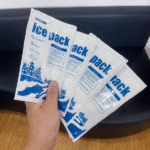
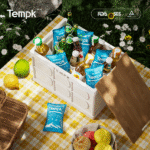
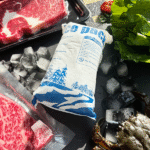
El envío de productos sensibles a la temperatura es un desafío cuando las fugas y el hielo derretido pueden arruinar sus productos.. A paquete de hielo seco a prueba de fugas mantiene los artículos congelados sin daños por agua, actuando como una fuente de frío confiable para productos farmacéuticos, mariscos, muestras de biotecnología y entregas de comidas. En las primeras cincuenta palabras de este artículo, aprenderá qué diferencia a las bolsas de hielo a prueba de fugas del hielo común y corriente., cómo seleccionar el tamaño correcto para su envío, y por qué 2025 Las innovaciones hacen que estos paquetes sean más eficientes y ecológicos..
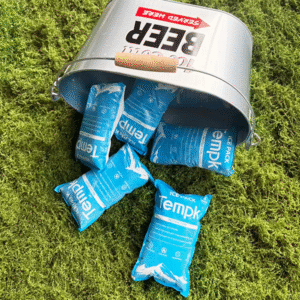
Por qué son esenciales las bolsas de hielo seco a prueba de fugas en la logística moderna de la cadena de frío y cómo su estructura previene fugas.
Cómo elegir y utilizar de forma segura bolsas de hielo seco a prueba de fugas siguiendo los límites de peso reglamentarios, capas y ventilación adecuadas.
Los beneficios de las bolsas de hielo seco reutilizables y los materiales de cambio de fase (PCM) en comparación con los paquetes de gel tradicionales.
Emergente 2025 tendencias e innovaciones, incluidos sensores de IoT y materiales sostenibles.
Consejos prácticos y preguntas frecuentes para optimizar tus envíos y reducir costes.
¿Qué hace que una bolsa de hielo seco a prueba de fugas sea esencial para los envíos de cadena de frío??
Las bolsas de hielo seco a prueba de fugas protegen los productos delicados al proporcionar un frío duradero sin producir agua.. A diferencia del hielo húmedo que se derrite formando charcos., El hielo seco se sublima directamente en gas dióxido de carbono a aproximadamente –78,5 °C.. Cuando está encerrado en una bolsa a prueba de fugas, este CO₂ sólido permanece contenido incluso cuando se sublima, evitando la contaminación cruzada y el daño por humedad. Porque no hay agua que se filtre, Estos paquetes son ideales para productos farmacéuticos., muestras médicas y alimentos congelados que deben permanecer secos durante el tránsito.
Comprensión de la estructura de las bolsas de hielo seco a prueba de fugas
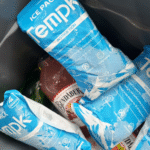
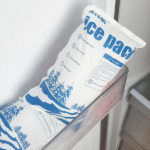
Los paquetes a prueba de fugas están diseñados con múltiples capas. El capa exterior suele ser un polietileno (educación física) película o tela no tejida transpirable que agrega resistencia y evita pinchazos. Adentro, a polímero súper absorbente (SAVIA) capa Absorbe y retiene el agua durante la prehidratación.. Finalmente, a capa de película compuesta Actúa como una barrera a prueba de fugas.. Cuando se remoja en agua, el SAP se hincha hasta formar un gel que se congela cuando se coloca en un congelador, formando una manada estable. Este diseño multicapa evita fugas y mantiene la flexibilidad para que el paquete pueda adaptarse a la forma de su producto..
Beneficios clave: Mantener los productos secos y fríos
| Beneficio | Cómo funciona | Lo que significa para ti |
| Sin fugas de agua | El hielo seco se sublima en gas CO₂ en lugar de fundirse en líquido. | Tus productos permanecen secos; Las etiquetas y el embalaje no se dañan por la condensación o las fugas de agua.. |
| Temperatura ultrafría constante | El hielo seco permanece alrededor de –78,5°C, mucho más frío que los paquetes de gel o el hielo de agua. | Ideal para conservar vacunas., productos biológicos y mariscos que requieren condiciones de congelación profunda. |
| Alta resistencia y resistencia a pinchazos. | Múltiples capas de PE y película compuesta protegen el paquete contra roturas. | La reducción del riesgo de pinchazos durante el envío significa menos pérdidas de productos y una mejor satisfacción del cliente.. |
| Seguridad ambiental | Los materiales no son tóxicos y las fugas no causan contaminación.. | Eliminación más segura y menor huella ambiental en comparación con los paquetes de gel que contienen productos químicos nocivos. |
Consejos prácticos para un uso eficaz
Prehidrátate adecuadamente: Remoje las bolsas de hielo seco nuevas en agua durante al menos 15 minutos para garantizar que la capa de SAP absorba completamente el agua antes de congelarse.
congelar completamente: Congele los paquetes hidratados hasta que estén sólidos antes de cargarlos en los envíos.. Esto garantiza la máxima capacidad de refrigeración..
Posiciónese sabiamente: Organizar paquetes alrededor del producto. (o colóquelo en la parte superior si necesita aire frío para descender) para distribuir el frío uniformemente. Deje espacio para que escape el gas CO₂, evitando la acumulación de presión dentro del contenedor.
Utilice contenedores aislados: Las cajas aisladas o paneles de vacío de alta calidad prolongan la vida útil del hielo seco al ralentizar la sublimación..
Use equipo de protección: Manipule el hielo seco con guantes para evitar la congelación y garantizar una ventilación adecuada durante el embalaje..
Estudio de caso: Un distribuidor farmacéutico cambió las bolsas de gel por bolsas de hielo seco a prueba de fugas para los envíos de vacunas e informó de un 20 % reducción de las variaciones de temperatura y 15 % menos quejas de los clientes sobre embalajes dañados. La capacidad del hielo seco para mantener los productos congelados sin crear etiquetas protegidas contra la condensación y mantener el cumplimiento normativo..
¿Cómo se eligen y utilizan de forma segura bolsas de hielo seco a prueba de fugas? 2025?
Seleccionar la bolsa de hielo seco adecuada implica hacer coincidir el tamaño y el peso de la bolsa con el volumen del envío., requisitos de duración y temperatura. Debes calcular aproximadamente entre 1 y 2 libras (0.5–1 kilogramo) de hielo seco por cada período de envío de 24 horas. Para envíos ultrafríos (–20 °C a –70 °C) como productos farmacéuticos o muestras biotecnológicas, elija paquetes más grandes o varios paquetes más pequeños para mantener la temperatura. Para entregas de alimentos que requieren temperaturas justo por debajo del punto de congelación (–10 °C a –18 °C), paquetes más pequeños son suficientes.
Directrices reglamentarias y de seguridad para envíos con hielo seco
El cumplimiento garantiza no solo una entrega segura sino también evitar multas y envíos rechazados.. Según las instrucciones de embalaje de USPS y las regulaciones internacionales., El hielo seco nunca debe sellarse en un recipiente rígido., recipiente hermético. El gas dióxido de carbono debe poder escapar para evitar el aumento de presión.. Cada paquete para transporte aéreo está limitado a aproximadamente 5 libras (2.5 kilos) de hielo seco; El transporte terrestre puede permitir cantidades mayores.. Los paquetes deben estar marcados como "Hielo seco" o "Dióxido de carbono sólido"., UN1845” y muestra el peso neto junto con una Clase 9 etiqueta de peligro. Evite colocar hielo seco en bolsas de plástico selladas o bidones de metal.; en su lugar utilice tableros de fibra resistentes, Recipientes de plástico o madera que permitan la ventilación..
| Tipo de envío | Cantidad de hielo seco recomendada (por 24 h) | Rango de temperatura | Notas regulatorias | Importancia en el mundo real |
| Productos farmacéuticos/vacunas | 5–10 libras (2.3–4.5 kg) | –20 °C a –70 °C | Debe cumplir con las normas de materiales peligrosos de IATA y DOT.; declaraciones requeridas para el transporte aéreo | Garantiza condiciones ultrafrías para productos biológicos sin comprometer la legibilidad o potencia de la etiqueta.. |
| Mariscos/Comida Congelada | 1–2 libras (0.5–1 kilogramo) | –18 °C a –20 °C | Marcar paquetes como “Alimentos, Congelado” y “Hielo seco, ONU1845”; permitir la ventilación del gas | Mantiene los mariscos frescos y evita fugas de hielo derretido.. |
| Muestras de biotecnología | 5 libras (2.3 kilos) | –20 °C a –50 °C | Cadena de custodia de documentos y cumplimiento de temperatura. | Mantiene la integridad de la muestra para uso en investigación y diagnóstico.. |
| Entregas de comidas | 2–3 libras (0.9–1,4 kilogramos) | –10 °C a –18 °C | Etiquetar según las directrices de seguridad alimentaria.; Evite congelar artículos refrigerados. | Evita que los alimentos se descongelen y garantiza que no se congelen ni se degraden.. |
Lista de verificación de uso seguro
calcular peso: Determine cuánto hielo seco necesita su envío según el volumen y la duración.
Prepara el recipiente: Elija un recipiente a prueba de fugas con aislamiento; Coloque hielo seco en el fondo o alrededor de los productos y deje espacio para que se ventile el gas..
Etiqueta y documento: Marque el paquete con la etiqueta de peligro requerida y el peso neto de hielo seco.; adjunte los nombres del remitente y del destinatario.
Monitorear en tránsito: Utilice sensores de IoT para rastrear la temperatura y la ubicación en tiempo real.
Tratar con cuidado: Use guantes aislados; Nunca coloque hielo seco directamente sobre la piel o en espacios confinados sin ventilación..
Ejemplo del mundo real: Una empresa de biotecnología que envía muestras genéticas a nivel internacional sigue un protocolo estricto: empacan muestras en bolsas de hielo seco a prueba de fugas dentro de una caja de fibra ventilada, marcar el peso neto y ONU 1845 etiqueta, Insertar un registrador de temperatura e informar al transportista.. Este cumplimiento de la normativa evita multas y garantiza la viabilidad de las muestras a su llegada..
¿Por qué las bolsas de hielo seco reutilizables y los PCM son mejores que las bolsas de gel tradicionales??
Bolsas de hielo seco reutilizables y materiales de cambio de fase. (PCM) Ofrecen temperaturas controladas al tiempo que reducen los residuos y los costos.. A diferencia de los paquetes de gel de un solo uso que gotean y pierden efectividad después de unas horas., Los PCM mantienen temperaturas entre –20 °C y 5 °C hasta 72 horas. Contienen una alta capacidad de calor latente que les permite absorber y liberar calor de manera eficiente., Funcionan como "termostatos inteligentes" para mantener los envíos dentro de rangos de temperatura ajustados.. Los paquetes reutilizables modernos están diseñados con materiales biodegradables y se pueden volver a congelar cientos de veces., Reducir los residuos hasta en 60 % y reducir los costos generales de envío.
Características comparativas: Paquetes de gel vs.. Hielo seco vs. Paquetes de PCM
| Tipo de refrigerante | Rango de temperatura | Riesgo de fuga | Impacto ambiental | Reutilizabilidad | Implicación práctica |
| Paquetes de gel tradicionales | 0 °C a 10 °C | Moderado; El gel puede filtrarse si se perfora. | A menudo contienen polímeros que son difíciles de eliminar. | De un solo uso; baja reutilización | Adecuado para envíos refrigerados; no es ideal para condiciones de congelación. |
| Hielo seco (Paquete a prueba de fugas) | –78,5 ºC; ultra frio | Mínimo cuando está sellado; se sublima en gas | Las emisiones de CO₂ requieren ventilación; daño ambiental limitado | De un solo uso pero el embalaje se puede reutilizar. | Lo mejor para envíos congelados como vacunas y mariscos. |
| Materiales de cambio de fase (PCM) | –20 ºC a 5 °C | Despreciable; Los materiales no gotean cuando están sellados. | Los PCM biodegradables reducen los residuos y la huella de carbono | Altamente reutilizable; se puede volver a congelar cientos de veces | Ideal para rangos de 2 a 8 °C o –20 °C; Evite etiquetas peligrosas y reduzca la carga regulatoria.. |
Consejos para seleccionar PCM y bolsas de hielo seco reutilizables
Cumplir con los requisitos de temperatura: Elija PCM formulados para el rango objetivo de su producto (p.ej., –20 °C para vacunas congeladas, 2–8 °C para productos biológicos refrigerados).
Busque PCM de alta densidad: Las mochilas con una alta capacidad de calor latente mantienen el frío por más tiempo y minimizan las variaciones de temperatura..
Comprobar durabilidad: Los materiales exteriores duraderos y la película resistente a perforaciones evitan fugas..
Buscar certificaciones: Los productos certificados por agencias como la FDA o el MDR de la UE demuestran seguridad y cumplimiento.; La integración del sensor reduce las desviaciones de temperatura en 25 %.
Capacitar al personal sobre la reutilización: Los procedimientos adecuados de limpieza y recongelación pueden prolongar la vida útil más allá 500 ciclos y ahorre miles por instalación.
Historia del cliente: Una empresa de kits de comida reemplazó los paquetes de gel desechables con láminas de PCM biodegradables y redujo el desperdicio de envases en 60 %. Combinado con sensores de IoT, la empresa redujo las variaciones de temperatura 25 % y ahorró más de $5000 por instalación de distribución.
¿Cuáles son las últimas innovaciones y tendencias en bolsas de hielo seco a prueba de fugas? 2025?
La industria de la cadena de frío está evolucionando rápidamente. El embalaje inteligente y la sostenibilidad lideran 2025 innovación. Los sensores de IoT integrados en bolsas de hielo seco proporcionan datos de temperatura en tiempo real, humedad y lugar de envío. Estos sensores alertan a los transportistas sobre desviaciones de temperatura, Permitir acciones correctivas antes de que los productos se echen a perder.. Los materiales de embalaje sostenibles, como los PCM biodegradables y las películas exteriores reciclables, abordan las preocupaciones medioambientales y reducen las emisiones de carbono.. Se prevé que el mercado mundial de logística de la cadena de frío alcance $500 mil millones por 2025, impulsado por la demanda de productos biológicos y alimentos perecederos y las innovaciones en los envases.
Los últimos avances de un vistazo
Monitoreo habilitado para IoT: Los sensores integrados en las mochilas proporcionan alertas en tiempo real sobre temperatura y ubicación. Esto mejora la visibilidad y reduce el deterioro..
Materiales sostenibles: Los PCM biodegradables y las películas reciclables reducen los residuos y la huella de carbono. Las empresas que adoptan estos materiales reducen las emisiones hasta en 25 %.
Análisis impulsado por IA: Los algoritmos de aprendizaje automático analizan los datos de los sensores para predecir las variaciones de temperatura y optimizar el diseño del embalaje.. Algunas empresas utilizan modelos predictivos para ajustar la cantidad de hielo en tiempo real.
Soluciones personalizadas: Los fabricantes ofrecen tamaños de envases personalizados y formulaciones de PCM adaptadas a rangos de temperatura específicos., asegurando un control preciso de la temperatura.
Crecimiento del mercado e inversión: Se prevé que el mercado de refrigerantes de cadena de frío crezca desde USD 2.01 mil millones en 2025 a USD 4.28 mil millones por 2034, una CAGR de 7.7 %.
Ideas del mercado
La demanda de bolsas de hielo seco a prueba de fugas se ve impulsada por el creciente consumo mundial de productos farmacéuticos, biológicos y alimentos frescos. Los servicios de comestibles en línea y los kits de comida requieren soluciones confiables de cadena de frío. Al mismo tiempo, Los reguladores y los consumidores presionan por envases ecológicos., Fomentar la adopción de PCM reutilizables y materiales reciclables.. Estas tendencias sugieren una inversión continua en envases inteligentes, integración de sensores y materiales sostenibles a través de 2030.
Preguntas frecuentes
Q1: ¿Cuánto tiempo mantendrá una bolsa de hielo seco a prueba de fugas los artículos congelados??
Una bolsa de hielo seco adecuadamente hidratada y congelada generalmente mantiene los artículos congelados durante 24 a 72 horas, según el aislamiento y la temperatura ambiente.. Los envíos más grandes o los requisitos extremadamente fríos pueden necesitar paquetes adicionales.
Q2: ¿Puedo reutilizar bolsas de hielo seco a prueba de fugas??
El hielo seco se sublima y no se puede reutilizar, pero la bolsa a prueba de fugas a menudo se puede rellenar con agua y volver a congelar.. Para uso repetitivo y menores costos operativos, Considere los paquetes PCM que se pueden volver a congelar cientos de veces..
Q3: ¿Las bolsas de hielo seco a prueba de fugas son seguras para viajar en avión??
Sí, siempre que siga las regulaciones de la aerolínea y de la IATA. La mochila debe permitir la liberación de gas y el peso neto no debe exceder el límite de hielo seco de la aerolínea. (comúnmente 2.5 kilos). Etiquetado adecuado con ONU 1845 y los símbolos de peligro son obligatorios..
Q4: ¿Cómo desecho las bolsas de hielo seco usadas??
Deje que el hielo seco restante se sublime en un área bien ventilada, lejos de personas y mascotas.. Recicle o deseche los materiales exteriores de acuerdo con las regulaciones locales.; Muchos paquetes utilizan plásticos reciclables o materiales biodegradables..
Q5: ¿Por qué a veces se prefieren los PCM al hielo seco??
Los PCM ofrecen rangos de temperatura controlados (p.ej., 2–8 °C para productos refrigerados) sin etiquetas peligrosas ni liberación de CO₂, haciéndolos más fáciles de enviar internacionalmente y más sostenibles.
Q6: ¿Las bolsas de hielo seco a prueba de fugas dañan el medio ambiente??
Cuando se manipula y elimina correctamente, El hielo seco libera CO₂ que ya formaba parte del ciclo industrial., y las bolsas a prueba de fugas suelen ser reciclables. Los paquetes PCM más nuevos utilizan materiales biodegradables y reducen los residuos hasta en 60 %.
Resumen y recomendaciones
Las bolsas de hielo seco a prueba de fugas son herramientas invaluables en la logística moderna de la cadena de frío. Su diseño multicapa evita fugas, mantiene los artículos secos, y proporciona temperaturas ultrafrías para productos farmacéuticos, muestras de mariscos y biotecnología. El cumplimiento de la normativa de embalaje y etiquetado garantiza un transporte seguro y evita multas. Para envíos que requieren temperaturas moderadas o sostenibilidad, Los PCM ofrecen reutilización, Alternativas ecológicas con excelente control de temperatura.. Mantenerse informado sobre 2025 Innovaciones como sensores de IoT y materiales biodegradables ayudarán a que su empresa siga siendo competitiva..
Consejos prácticos
Evalúe las necesidades de temperatura de su producto. Utilice hielo seco para requisitos de congelación profunda y PCM para condiciones de refrigeración..
Calcular la cantidad correcta de paquetes de hielo seco o PCM usando tablas como las anteriores. Sea precavido para evitar la descongelación.
Invierta en envases inteligentes con sensores integrados para monitorear la temperatura y la ubicación. Estos dispositivos reducen el deterioro y el riesgo regulatorio..
Adoptar materiales sostenibles. Opte por paquetes de PCM reutilizables y películas reciclables para reducir el impacto ambiental y los costos de residuos..
Mantente cumpliendo. Siga las pautas del transportista para conocer los límites de peso del hielo seco., etiquetado y ventilación. Capacitar al personal sobre procedimientos de manipulación segura..
Explora nuestros recursos internos. Visite nuestras páginas sobre hojas PCM reutilizables, Regulaciones de envío de hielo seco y cajas de envío aisladas para profundizar su conocimiento y tomar las mejores decisiones de compra..
Acerca de Tempk
En Templ, Desarrollamos soluciones avanzadas de cadena de frío que mantienen sus productos seguros y frescos.. Nuestras bolsas de hielo seco a prueba de fugas, Las láminas de PCM reutilizables y los contenedores aislados combinan materiales de alto rendimiento con tecnología inteligente para mantener temperaturas precisas.. Estamos orgullosos de la sostenibilidad, ofreciendo PCM biodegradables y envases reciclables que reducen los residuos y las emisiones de carbono. Asóciese con nosotros para aprovechar nuestra experiencia en control de temperatura y cumplimiento normativo, y asegúrese de que sus envíos lleguen exactamente según lo previsto.
Listo para optimizar su cadena fría? Póngase en contacto con nuestros especialistas para obtener una solución personalizada o solicite una consulta gratuita hoy.