Cómo optimizar su estrategia de precios de revestimiento de cajas aisladas para 2026?
Introducción
Comprensión revestimiento de caja aislado pricing is essential for businesses involved in cadena de frío logistics. En 2026, el precio de revestimientos aislados está influenciado por múltiples factores, incluyendo opciones materiales, personalización, especificaciones de rendimiento, y costos de flete. Esta guía completa desglosa los componentes de precios y ofrece estrategias prácticas para optimizar la logística de su cadena de frío y al mismo tiempo reducir los costos..
En esta guía, Responderemos:
¿Cuáles son los principales factores que afectan el precio del revestimiento de cajas aisladas en 2026?
¿Cómo puede optimizar su estrategia de precios para pedidos al por mayor de revestimientos de cajas aisladas?
¿Cuáles son las últimas tendencias en precios de revestimientos aislados para cajas y cómo impactan sus operaciones??
Cómo calcular el costo real de los revestimientos aislados para cajas por envío?
¿Qué determina el precio del revestimiento de cajas aisladas??
El precio del revestimiento de cajas aisladas no se trata solo del precio unitario del revestimiento, sino que incluye varios elementos que influyen en el costo total.. Los factores de precio más importantes son los materiales utilizados., rendimiento de aislamiento, y niveles de personalización. Además, Los costos de envío y los costos de instalación del proveedor también pueden tener un impacto significativo en el precio final..
Selección de materiales
El material utilizado para los revestimientos de cajas aisladas afecta directamente tanto al rendimiento como al coste.. Aquí está como:
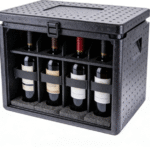
lámina y Revestimientos de burbujas: Son livianos y rentables., adecuado para tiempos de tránsito cortos donde no se necesita un alto rendimiento de aislamiento.
Poliestireno expandido (EPS): Común para envíos de media duración, El EPS proporciona un equilibrio entre asequibilidad y aislamiento térmico.
Espuma de poliuretano (PUF): Ofrece mayor resistencia térmica y se utiliza para rutas o envíos más largos que requieren una mayor eficiencia de aislamiento..
Paneles aislados de vacío (personaje): Revestimientos premium que ofrecen una resistencia térmica superior., A menudo se utiliza para envíos de larga duración o mercancías sensibles a la temperatura..
| Tipo de revestimiento | Material | Resistencia Térmica | Rango de costos | Mejor caso de uso |
|---|---|---|---|---|
| Frustrar & Burbuja | Aluminio + Película de burbujas | Moderado | Bajo | De corta duración, envíos locales |
| EPS | Poliestireno expandido | Moderado a alto | Medio | Envíos estándar, artículos fríos |
| Espuma de poliuretano | Poliuretano | Alto | Alto | Rutas más largas, bienes congelados |
| personaje | Panel aislado al vacío | Muy alto | Muy alto | Larga duración, productos sensibles |
Personalización y especificaciones
La personalización es un factor clave en el precio., cuanto más específicas sean sus necesidades, cuanto mayor sea el costo. Por ejemplo:
Tamaños personalizados: Los revestimientos personalizados que se ajustan perfectamente a las dimensiones de su producto aumentan la complejidad y el costo de fabricación..
Características especiales: Agregar resistencia a la humedad, marca personalizada, o cierres reforzados subirán el precio.
Cómo influyen los costos de transporte y embalaje en los precios
Si bien el costo unitario de un revestimiento de caja aislado es importante, Los costos de envío y manipulación también deben tenerse en cuenta en el costo total por envío.. Los transportistas de carga a menudo cobran según el peso dimensional. (OSCURO), que está determinado por el volumen de la caja., no solo su peso físico.
Tamaño de embalaje: Cuanto más grande sea la caja, cuanto mayor sea el costo de envío. Esto se puede mitigar optimizando las dimensiones del embalaje y reduciendo los espacios vacíos innecesarios dentro del revestimiento..
Método de envío: El transporte aéreo es más rápido pero más caro en comparación con el transporte marítimo, que es más lento pero más barato para pedidos al por mayor.
Eligiendo el tamaño y el material adecuados, las empresas pueden minimizar las sanciones DIM y reducir los costos de envío, Garantizar una logística de cadena de frío rentable..
Componentes clave del precio más allá del precio unitario
Para obtener una comprensión real de los costos del revestimiento de cajas aisladas, considere los siguientes elementos adicionales:
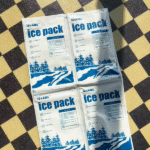
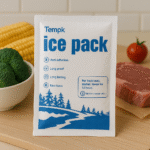
Costos de refrigerante: Si su envío requiere refrigerante (p.ej., paquetes de gel o hielo seco), Esto se sumará al costo total por envío..
Herramientas útiles para tomar decisiones
Comprueba los detalles antes de elegir el embalaje.
Estas herramientas rápidas pueden ayudarle a comparar el riesgo de la ruta, necesidades de dimensionamiento, opciones de refrigerante, y detalles del embalaje antes de solicitar una cotización.
Comprobador de riesgos de ruta
Revise las condiciones del carril antes de seleccionar el embalaje para requisitos operativos reales..
Comprobar riesgo de rutaCalculadora de bolsa de hielo
Estimación de la cantidad de bolsas de hielo en gel para envíos refrigerados y planificación práctica de rutas.
Estimar las bolsas de hieloSelector de embalaje
Compare las opciones de embalaje aislado por producto, ruta, y necesidad de temperatura.
encontrar embalajeCostos laborales: El tiempo de embalaje y la complejidad del mismo también afectan los gastos generales.. Las estrategias de embalaje eficientes pueden reducir los costos laborales.
Costos de falla: El deterioro o la pérdida de productos debido a variaciones de temperatura pueden generar gastos importantes.. Invertir en transatlánticos de mejor rendimiento reduce estos riesgos.
Logística inversa: Si planeas reutilizar los revestimientos, Tener en cuenta los costos de limpieza y mantenimiento de los revestimientos., especialmente para materiales que pueden reciclarse o reutilizarse.
Cómo optimizar su estrategia de precios de revestimiento de cajas aisladas
1. Ordene al por mayor para obtener descuentos por volumen
Una de las formas más efectivas de reducir el costo unitario es realizar pedidos al por mayor.. Muchos proveedores ofrecen descuentos para pedidos más grandes., lo que le ayuda a ahorrar dinero en cada línea. Sin embargo, asegúrese de que su empresa tenga espacio de almacenamiento y flujo de efectivo adecuados para manejar cantidades más grandes sin afectar otras operaciones.
2. Estandarizar tamaños de revestimiento
Usar menos tamaños estandarizados en sus envíos puede ayudar a reducir costos al simplificar el proceso de fabricación y reducir la necesidad de múltiples tipos de revestimiento.. La estandarización conduce a mejores economías de escala, reduciendo el costo total por línea.
3. Negociar con Proveedores
Los proveedores suelen ofrecer precios escalonados según el volumen de pedidos.. Negociando con proveedores y comprometiéndose a realizar pedidos más grandes., es posible que pueda obtener mejores precios o condiciones favorables, como plazos de pago ampliados o descuentos en compras futuras.
4. Haga coincidir el aislamiento con las necesidades reales
Evite especificar demasiado el aislamiento. Por ejemplo, si tus productos solo requieren protección las 24 horas, no hay necesidad de invertir en materiales de alto rendimiento diseñados para un tránsito de 72 horas o más. Haga coincidir su selección de revestimiento con los requisitos de tiempo y temperatura de espera para evitar costos innecesarios..
5. Utilice opciones ecológicas para ahorrar a largo plazo
Embalaje sostenible Los materiales como el EPS reciclable o los revestimientos de papel biodegradables pueden ser más costosos inicialmente, pero pueden reducir los costos de eliminación a largo plazo y alinearse con los objetivos ambientales..
Últimas tendencias en precios de revestimientos de cajas aisladas para 2026
A medida que avanzamos hacia 2026, Varias tendencias están dando forma al panorama de precios de los revestimientos de cajas aislantes.:
1. La sostenibilidad impulsa la elección de materiales
Los revestimientos de cajas aislados ecológicos fabricados con materiales reciclables son cada vez más comunes. Estos revestimientos suelen tener un costo inicial más alto, pero pueden reducir los costos de eliminación a largo plazo..
2. Tecnología inteligente y precios basados en el rendimiento
Los envases inteligentes van en aumento, con sistemas de control de temperatura integrados en los revestimientos. Si bien estos revestimientos tienen un precio elevado, Ofrecen seguimiento en tiempo real y pueden reducir el deterioro del producto., en última instancia, ahorrando costos.
3. Personalización e innovación de materiales
La personalización se está volviendo cada vez más popular a medida que las empresas buscan adaptar los revestimientos a las especificaciones exactas de sus productos.. Esta tendencia está impulsando un aumento en los requisitos de MOQ y los precios., A medida que los proveedores invierten en métodos de producción más especializados..
Preguntas frecuentes (Preguntas frecuentes)
Q1: ¿Por qué los revestimientos de cajas aislados varían de precio??
El precio de los revestimientos de cajas aislantes varía según el material., requisitos de desempeño, y nivel de personalización. Forros premium con mayor resistencia térmica., como vip, Cuesta más que el papel de aluminio estándar o los revestimientos de burbujas..
Q2: ¿Puedo negociar el precio de los revestimientos de cajas aisladas??
Sí, Muchos proveedores están abiertos a la negociación., especialmente para pedidos al por mayor o asociaciones a largo plazo. Siempre vale la pena discutir los términos de precios para asegurar mejores ofertas..
Q3: ¿Cómo puedo reducir el costo total de los revestimientos de cajas aisladas??
Para reducir costos, considere realizar pedidos al por mayor, optimización del tamaño del embalaje, y seleccionar materiales que satisfagan sus necesidades específicas sin diseñar demasiado el producto. Negociar mejores condiciones con los proveedores también ayuda.
Conclusión: Maximización de la rentabilidad en los precios del revestimiento de cajas aisladas
En conclusión, optimizar su estrategia de precios de revestimiento de cajas aisladas en 2026 Requiere un enfoque integral que considere la selección de materiales., volumen de pedido, y negociaciones con proveedores. Alineando su estrategia de compras con sus necesidades logísticas de la cadena de frío y centrándose en soluciones rentables, Puede lograr el mejor valor manteniendo la calidad del producto..
Paso de acción: Póngase en contacto con un proveedor confiable hoy para analizar sus necesidades de precios de revestimiento de cajas aisladas y cómo optimizar sus operaciones de cadena de frío para lograr la máxima eficiencia..
Acerca de Tempk
Tempk se especializa en embalaje de cadena de frío Soluciones que se centran en optimizar el precio del revestimiento de cajas aisladas.. Ayudamos a las empresas a reducir costes, mejorar la eficiencia logística, y cumplir con los objetivos de sostenibilidad a través de soluciones personalizadas y asociaciones con proveedores.
Ponte en contacto: Contáctenos hoy para obtener asesoramiento experto sobre cómo optimizar su estrategia de precios de revestimiento de cajas aisladas y optimizar la logística de su cadena de frío..