Cómo dominar el transporte aéreo de la cadena de frío de verduras (2025)
Vegetables cold chain air freight protects freshness when you control temperatura, humedad, y traspasos. You can lose quality in one warm airport wait, even after perfect farming. Most failures come from small gaps: late pre-cooling, respiraderos bloqueados, or ramp exposure. If you run vegetables cold chain air freight with simple rules and proof, you cut shrink and complaints fast.
Este artículo te ayudará:
-
construir un vegetables cold chain air freight plan that fits your crop and route risk
-
Elegir fresh vegetable air cargo packaging that balances airflow and humidity
-
Set crop-safe targets for fresh vegetables air cargo temperature control
-
Usar pre-cooling for vegetables air freight to remove field heat on time
-
Aplicar humidity control in vegetables air freight to reduce wilting and condensation
-
Configuración temperature monitoring for vegetables cold chain that supports claims and improvement
-
Control airport dwell time management with “max minutes” owners and a delay playbook
Why does vegetables cold chain air freight fail at airports?
Vegetables cold chain air freight is fast, but it has more handoffs and more spikes. Each touch adds risk: puesta en escena, screening, build-up, ramp transfer, and release. Airports also contain warm zones near doors and busy docks. If you treat air freight like “faster trucking,” surprises show up at arrival.
Think of it like carrying ice cream through a crowded mall. You move quickly, but one long stop melts your work. Vegetables cold chain air freight succeeds when your exposure minutes stay short and controlled.
Fast diagnosis: what you see vs what to fix
| Punto de falla | What you see on arrival | causa más probable | Lo que significa para ti |
|---|---|---|---|
| Temperature spike | textura suave, dull color | Ramp delay or warm staging | Shorter shelf life at retail |
| Deshidración | Limp leaves, pérdida de peso | Dry air + over-venting | Lower grade and more trimming |
| Condensación | Cajas mojadas, limo, olor | Warm-cold-warm cycling | Claims and rejected pallets |
| Handling shock | moretones, esquinas aplastadas | Weak cartons, poor pallet build | Repack costs and returns |
Consejos prácticos que puede aplicar hoy
-
If quality fails randomly: track ramp minutes before you change packaging.
-
If greens arrive limp: fix humidity retention, not just temperature setpoint.
-
If cartons collapse: upgrade pallet bracing before adding more coolant.
Ejemplo práctico: A herb lane reduced wilting by tightening wrap without blocking vents and enforcing pre-cool gates.
What temperature targets work for vegetables cold chain air freight?
Vegetables cold chain air freight needs crop-specific temperature bands, not one universal setpoint. Many premium vegetables ship near near-freezing ranges, but some are chilling-sensitive. “Too cold” can create invisible damage that appears later in the store. Your safest approach is a simple temperature map by commodity group.
regla central: pre-cool to target pulp temperature before you pack y before you deliver.
A simple temperature map you can teach in 5 minutos
| Grupo de verduras | Ejemplos | Typical target band | Riesgo clave | Lo que significa para ti |
|---|---|---|---|---|
| Near-freezing group | verduras de hoja verde, hierbas, Brassicas | very cold band | dehydration + moretones | protect humidity and leaves |
| Cool-not-cold group | pepinos, some squash | warmer band | lesión por frío | do not force into cold lanes |
| Moderate group | pimientos, some tomatoes | mid band | uneven ripening | set maturity and handling rules |
| Mixed boxes | SKU mixtos | depends on mix | one item fails first | split SKUs or set conservative plan |
“No-mix” rules that prevent expensive damage
Mixed loads are where vegetables cold chain air freight breaks quietly.
-
Do not mix two temperature bands in one pallet unless you have proven controls.
-
Separate ethylene-sensitive items from ethylene-producing items when possible.
-
Avoid forcing cucumbers into near-freezing workflows built for leafy greens.
Consejos y consejos prácticos
-
Si debes mezclar: group by temperature first, then by ethylene sensitivity.
-
If you do multi-leg flights: write one target temperature per pallet, not per shipment.
-
If you see late failures: treat them as cumulative stress, not a single event.
Ejemplo práctico: A mixed exporter cut claims after splitting cucumbers into a dedicated warmer band lane.
How do you pre-cool for vegetables cold chain air freight?
Pre-cooling is the highest ROI step in vegetables cold chain air freight. Field heat is like a hot stone inside your pallet. If you do not remove it, everything else fights uphill. Warm product also drives later condensation inside packaging.
Tu objetivo: hit target pulp temperature, then keep it stable through handoffs.
Pre-cooling method picker (interactivo)
Responde estas tres preguntas:
-
Does it dehydrate fast (leafy, hierbas)?
-
Is water contact acceptable (firm crops)?
-
Do you need fast pull-down before airport cut-off?
Use the simplest match:
-
Si boxed and you need speed → forced-air cooling
-
Si water-tolerant and you need maximum speed → hydro-cooling
-
Si leafy and you need very fast cooling → vacuum cooling
-
Si low-risk short lane → controlled room cooling (with tight timing)
Pre-cooling comparison table
| Método | Mejor para | Velocidad | Riesgo oculto | Lo que significa para ti |
|---|---|---|---|---|
| Forced-air cooling | cartoned vegetables | rápido | poor vent design slows pull-down | align vents and airflow paths |
| Hydro-cooling | robusto, water-tolerant crops | very fast | sanitation and drying control | strong SOPs prevent contamination |
| Vacuum cooling | leafy vegetables | very fast | process discipline and cost | great for tight cut-offs |
| Refrigeración de la habitación | low urgency lanes | lento | misses cut-offs in hot seasons | higher risk of warm starts |
Consejos y consejos prácticos
-
Measure pulp temperature, not room temperature, for every outbound batch.
-
Set a “max minutes out of cold room” rule from pack-out to acceptance.
-
Ban “waiting pallets” near loading doors on warm days.
Ejemplo práctico: A packhouse reduced rejections by using a pulp-temperature gate: if it is not on target, it does not ship.
How do you pack for humidity in vegetables cold chain air freight?
Humidity control in vegetables cold chain air freight is a make-or-break factor for appearance. Many vegetables need high humidity to avoid dehydration, but excess moisture can cause condensation. You are aiming for high humidity without “rain inside the box.”
Think of humidity like skincare. Too dry and the product looks tired. Too wet and it “sweats,” inviting spoilage.
The three humidity tools that work in real lanes
| Herramienta | Que hace | Cuando usar | Lo que significa para ti |
|---|---|---|---|
| Perforated liners | slows moisture loss | leafy greens and herbs | better appearance at arrival |
| Moisture pads | absorbs excess water | condensation-prone lanes | fewer wet cartons and label loss |
| Vent design | balances airflow and humidity | mixed loads and long dwell | more stable quality across SKUs |
Prevent “rain inside the box”
Condensation often comes from warm-cold-warm cycles. It can happen after a ramp delay, then a cold hold, then warm release. That cycle is common in vegetables cold chain air freight.
-
Reduce sudden temperature transitions when possible.
-
Keep product cold before using thermal covers or insulation.
-
Avoid sealing vents with wrap, etiquetas, or tape.
Consejos y consejos prácticos
-
Si las cajas llegan mojadas: focus on transition control and liner SOPs first.
-
If greens arrive dry: add humidity retention before adding more coolant.
-
If mold appears later: treat it as cumulative moisture and warmth stress.
Ejemplo práctico: A mixed lane improved carton strength by adding pads and keeping airflow gaps consistent.
How do you design fresh vegetable air cargo packaging for vegetables cold chain air freight?
Fresh vegetable air cargo packaging must do two opposite jobs. It must allow ventilation to prevent heat buildup, but it must limit moisture loss. It also must survive stacking, vibración, and rapid transfers.
In vegetables cold chain air freight, packaging is not a box. es un sistema.
Packaging layers that matter most
-
Primary layer: bag or liner around product
-
Secondary layer: caja de cartón, respiraderos, almohadilla, inserciones
-
Tertiary layer: patrón de paleta, envoltura, corner boards
-
Thermal layer: insulation or covers when lane risk demands it
Vent design: a simple pass/fail check
Your vents should:
-
Align across cartons on the pallet to form an airflow path.
-
Stay unblocked by wrap, etiquetas, or corner boards.
-
Match your cooling method and lane dwell time risk.
Packaging choices that solve specific problems
| Elección de embalaje | Mejor para | Compensación | Lo que significa para ti |
|---|---|---|---|
| Vented cartons | fast cooling and short lanes | faster dehydration | add liners or humidity pads |
| Inner liners | leafy greens and herbs | condensation if misused | write liner SOPs and checks |
| Cargadores aislados | connection flights, hot seasons | cost and weight | reserve for premium SKUs |
| Protección de esquinas | fragile cartons | small added cost | fewer crush claims |
Consejos y consejos prácticos
-
If cartons collapse: strengthen corners and pallet pattern before changing coolant.
-
If you over-vent: you will dry out, even at correct temperature.
-
If you over-seal: you trap moisture and create condensation risk.
Ejemplo práctico: A shipper improved arrivals by adding corner boards and redesigning pallet compression, without changing coolants.
What is the best palletization plan for vegetables cold chain air freight?
Vegetables cold chain air freight needs pallets that are estable, ventilado, and fast to handle. A perfect carton is useless if the terminal reworks your pallet. Rework adds time, exposición al calor, y aplastando.
Palletization rules that prevent common failures
-
Keep vents aligned across cartons for airflow.
-
Use corner boards to protect edges and maintain stacking strength.
-
Envoltura para mayor estabilidad without sealing vents (leave vent windows).
-
Avoid over-height builds that trigger terminal re-palletizing.
Pallet pattern trade-offs
| Pallet choice | Beneficio | Riesgo | Lo que significa para ti |
|---|---|---|---|
| Tight interlock pattern | strong builds | can block vents | plan vent alignment intentionally |
| Column stack | better ventilation | less strong | add corner boards and anti-slip |
| Extra wrap layers | estabilidad | traps heat and moisture | use wrap windows and consistent tension |
Consejos y consejos prácticos
-
If pallets tip: add anti-slip sheets and wrap training.
-
If product warms in the center: check airflow paths, not just coolant quantity.
-
If you face rework: redesign height and labeling for faster acceptance.
Ejemplo práctico: A shipper cut handling damage by using anti-slip sheets and corner boards, reducing carton slide events.
Which cooling options fit vegetables cold chain air freight?
Para la mayoría de los envíos, the best cooling option is still proper pre-cooling and cold staging. Coolants become valuable when dwell risk is high. But a wrong coolant plan can create condensation or freeze damage.
Cooling options you can explain to any team
| Opción | Mejor para | Riesgo | Lo que significa para ti |
|---|---|---|---|
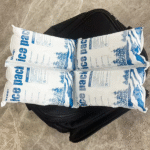
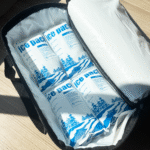
| paquetes de gel | medium risk lanes | condensación | use barriers and placement SOPs |
| Materiales de cambio de fase | tight temperature band needs | complejidad | strict conditioning and training |
| Insulated liners/panels | hot ambient and long dwell | peso y costo | apply only where risk demands |
| Cobertores térmicos para palets | short ramp exposure | traps heat if loaded warm | only after full pre-cooling |
| Contenedores activos | alto valor, carriles de alto riesgo | cost and planning | highest control, limited flexibility |
Consejos y consejos prácticos
-
If you see wet cartons: review coolant placement and vapor barriers.
-
If you see freeze marks: your plan is too aggressive for that vegetable group.
-
If costs are rising: apply cooling upgrades only to high-risk lanes.
Ejemplo práctico: A program reduced cost by reserving insulation for connection flights, while direct lanes used tighter handoffs.
How do you control airport dwell time in vegetables cold chain air freight?
Airport dwell time is the hidden killer in vegetables cold chain air freight. Even “cold airports” have warm doors, staging bottlenecks, and busy build-up zones. You cannot remove dwell time. You can make it visible and controlled.
A “Max Minutes” SOP that teams actually follow
Set maximum minutes for each handoff, then enforce with timestamps.
| Punto de transferencia | Max minutes target | Dueño | Lo que significa para ti |
|---|---|---|---|
| Post-pack staging | short fixed window | warehouse lead | prevents warm starts and condensation |
| Acceptance window | defined cut-off plan | forwarder team | reduces idle time and missed flights |
| Ramp exposure | mínimo | ground handling | prevents spikes and softening |
| Destination release | recogida rápida | consignee/driver | protects shelf life after landing |
What to negotiate with partners (simple pero poderoso)
-
A target maximum dwell time at origin and destination terminals.
-
Confirm access to cold rooms that match your temperature band.
-
Define who owns risk at each stage, with escalation triggers.
The delay playbook (when time slips)
When a delay hits:
-
Confirm where the pallet is and whether it is in a controlled zone.
-
Escalate storage to the correct temperature band immediately.
-
Rebook with protected staging, not with ambient waiting.
-
Document timestamps and conditions for traceability.
-
Decide disposition using crop tolerance and exposure minutes.
Consejos y consejos prácticos
-
Deliver close to cut-off, but not late, to reduce warm staging hours.
-
Fix paperwork early, because paperwork delays create warm minutes.
-
Separate “ready-to-load” and “waiting” areas at warehouses.
Ejemplo práctico: A shipper improved arrivals by shifting delivery timing closer to cut-off, reducing warm staging by hours.
What monitoring proves vegetables cold chain air freight performance?
Monitoring in vegetables cold chain air freight is not about reports. It is about finding the exact break point so you can fix it. If you do not measure, every complaint becomes an argument. If you do measure, it becomes a process change.
The simple monitoring stack that pays for itself
-
Marcas de tiempo de transferencia: aceptación, build-up, ramp, llegada, liberar.
-
Inside-pallet temperature loggers: not only ambient air.
-
Arrival checks: carton wetness, crush points, weight loss for humidity proxy.
A 3-point logger approach (easy and powerful)
Place loggers:
-
Near the pallet edge for fast ambient swings.
-
In the pallet center for hidden warming.
-
In your most sensitive SKU carton for real risk visibility.
| Colocación | lo que atrapa | Por que importa | Lo que significa para ti |
|---|---|---|---|
| Pallet edge | ramp exposure | quick spikes | fix staging and transfers |
| Pallet center | cooling failure | hidden warmth | fix pre-cool and airflow |
| Risk SKU | SKU-specific issues | most complaints | fix mix strategy and packaging |
Consejos y consejos prácticos
-
If you log only one point: you may miss the real peak.
-
If data looks fine but quality fails: measure humidity proxies and handling damage.
-
Usar alertas de excepción: focus on “out of range,” not endless charts.
Ejemplo práctico: A shipper found their biggest spike happened during a short ramp wait, then changed handoff timing.
What documents and compliance steps reduce delays in vegetables cold chain air freight?
Vegetables cold chain air freight often fails in paperwork, not in the sky. Documentation gaps create holds, and holds create dwell time. Your paperwork should be designed to move the shipment quickly and predictably.
A “document completeness gate” (use before acceptance)
-
Air waybill details match weights, marcas, and counts.
-
Packing list is clear and consistent with carton labels.
-
Any required plant-health documents are complete for the destination.
-
Temperature instructions are specific and readable at a glance.
-
Monitoring devices are activated and recorded in the shipment notes.
Common documents (lane dependent)
| Documento | Por que importa | Common error | Lo que significa para ti |
|---|---|---|---|
| Air waybill details | moves the shipment | mismatched weights or marks | terminal holds and delays |
| Packing list | verifies contents | unclear carton counts | slow release at destination |
| Plant-health documents | cumplimiento | missing stamps or originals | clearance can stop entirely |
| Temperature instruction card | handling clarity | vague temperature band | increases mishandling risk |
| Monitoring summary | proof and improvement | logger not activated | weakens claims and audits |
Consejos y consejos prácticos
-
Use one standard instruction card format for every lane.
-
Print clear marks so terminal teams can spot perishables fast.
-
Pre-clear when possible to avoid surprises after landing.
Ejemplo práctico: An importer reduced terminal waits by standardizing paperwork packets and matching carton marks.
herramienta de decisión: Is vegetables cold chain air freight right for your SKU and lane?
Use this tool to avoid overthinking. You will get a clear “pilot, escala, or fix basics” answer.
Paso 1: Product sensitivity score (0–10)
Sumar puntos:
-
Leafy greens or herbs: +4
-
High value per kg: +2
-
Required shelf life at destination is 7+ días: +2
-
History of wilting or softening claims: +2
Interpretación
-
7–10: vegetables cold chain air freight is usually justified for quality.
-
4–6: it depends on lane reliability and packaging discipline.
-
0–3: consider other modes with strong cold control.
Paso 2: Lane risk score (0–10)
Sumar puntos:
-
Two or more flight legs: +3
-
Hot origin or hot transit season: +3
-
Typical airport dwell over 6 horas: +2
-
Known terminal handling issues: +2
Interpretación
-
7–10: plan insulation + escucha + strict dwell control.
-
4–6: focus on pre-cool + estabilidad del palet + marcas de tiempo.
-
0–3: simplify packaging and reduce cost.
Paso 3: Readiness checklist (0–20)
Puntuación de cada elemento 0, 1, o 2.
-
You have a crop-safe temperature target per group.
-
You can pre-cool consistently before pack-out.
-
You manage humidity without heavy condensation.
-
You enforce max minutes out of cold storage.
-
Your forwarder meets a clear acceptance cut-off.
-
You have a ramp exposure plan.
-
Destination pickup is fast after release.
-
Packaging is validated for worst-day dwell.
-
You capture chain-of-custody timestamps.
-
You run monitoring on the lane.
Interpretación
-
16–20: scale with confidence.
-
10–15: run a monitored pilot and fix the weakest handoff first.
-
0–9: fix fundamentals before you expand, or loss will be expensive.
2025 latest developments and trends in vegetables cold chain air freight
Vegetables cold chain air freight in 2025 is becoming more process-driven. Los compradores quieren pruebas, no promesas. Teams also feel pressure to reduce packaging waste and control costs. The winners are not the teams who spend the most. They are the teams who control risk with fewer moving parts.
Latest progress you can use right away
-
Cultura de prueba: more receivers expect temperature records and handoff timestamps.
-
Dwell-minute KPIs: “warm exposure minutes” is becoming a core quality metric.
-
Embalaje más inteligente: ventilación + humidity control beats “thicker boxes” alone.
-
Selective premium shipping: air is used strategically for high-value windows.
-
More lane pilots: teams validate new lanes before scaling to full volume.
Insight del mercado (simple y utilizable)
If you can show stable vegetables cold chain air freight outcomes, premium customers complain less. You also get faster root-cause closure when quality disputes happen. That protects margin, not just freshness.
Preguntas frecuentes
Q1: What is the biggest mistake in vegetables cold chain air freight?
Shipping product that is not fully pre-cooled. Warm pulp temperature creates hidden heat. That heat shortens shelf life and drives later condensation.
Q2: What temperature is “safe” for leafy greens in vegetables cold chain air freight?
Leafy greens often need very cold handling. Consistency matters more than one number. Protect humidity and avoid warm staging that triggers condensation later.
Q3: Do I always need insulated shippers for vegetables cold chain air freight?
No. Use insulation when lane risk is high, like connections or long dwell. For stable direct lanes, pre-cool and strict handoffs often win.
Q4: How do I reduce wilting without adding more coolant?
Treat it as a moisture problem first. Improve liners, almohadilla, vent alignment, and time-to-cold. Wilting is often dehydration, not only temperature.
Q5: Why do vegetables look fine on arrival but fail later?
Quality loss can be cumulative. Small temperature spikes and moisture swings add up. The result shows later as decay, reblandecimiento, or odor.
Q6: What should I monitor first in vegetables cold chain air freight?
Start with handoff timestamps and 3-point logging. Edge, centro, and risk SKU placement reveals the true weak stage quickly.
P7: Can I mix cucumbers with leafy greens by air?
It is risky because they often need different temperature bands. Mixed bands create invisible damage that appears later. Split pallets when possible.
P8: What is the fastest way to improve a failing lane?
Elige un carril, correr 10 monitored shipments, and fix the worst handoff first. Avoid changing everything at once.
Resumen y recomendaciones
Vegetables cold chain air freight works best when you treat it as a handoff-controlled system. Pre-cool to crop-safe targets, then ship cold. Pack for humidity and handling, not insulation alone. Build stable ventilated pallets that avoid terminal rework. Control airport dwell minutes with owners and escalation rules. Monitor the right points so every claim becomes one clear fix.
Un plan de acción sencillo (CTA)
-
Esta semana: implement the 10-step gate on one SKU and one lane.
-
Next shipment: agregar 3-point logging and record handoff timestamps.
-
Dentro 30 días: adjust packaging only after you identify the top failure stage.
-
Dentro 90 días: publish lane KPIs (dwell minutes, excursiones, reclamaciones por 1,000).
Acerca de Tempk
Y tempk, we help teams make vegetables cold chain air freight repeatable in real airport conditions. We focus on practical systems: crop-safe temperature mapping, humidity-friendly packaging layouts, estabilidad del palet, and lane-based monitoring. Our goal is operational simplicity with measurable outcomes, like fewer excursions and fewer damaged cartons.
Siguiente paso: Share your vegetable type, ruta (direct or connection), and typical dwell pattern. We can help you build a lane pilot plan with clear pass/fail targets.