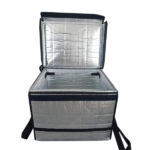
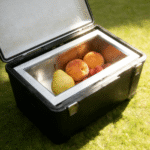
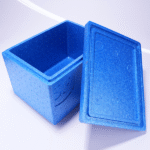
Cajas mojadas, goteando paquetes de gel, etiquetas suavizadas, condensación, y un desembalaje desordenado puede dañar la confianza del cliente incluso cuando el producto todavía se siente frío. para entrega de comida, tienda de comestibles, mariscos, farmacéutico, y envíos de cadena de frío de comercio electrónico, El control de la humedad es parte del diseño del paquete.. No debe ser tratado como una ocurrencia tardía..
Este artículo explica por qué los paquetes de la cadena de frío se mojan y cómo reducir las fallas de humedad utilizando mejores paquetes de gel., revestimiento, materiales absorbentes, diseño de cierre, protección de cartón, y controles de almacén. También conecta el control de la humedad con la seguridad alimentaria., riesgo de ruta, y experiencia del cliente.
¿Por qué se mojan los cartones de la cadena de frío?
Un envío de cadena de frío puede mojarse por varias fuentes. Los paquetes de gel congelados pueden acumular condensación cuando se exponen al aire cálido y húmedo.. La purga del producto puede escapar de la carne., mariscos, o alimentos preparados. El hielo mojado puede derretirse. Un sello de paquete de gel puede fallar. Una caja de cartón puede absorber humedad si falta el revestimiento o si está mal cerrado.. Las etiquetas pueden ablandarse cuando se colocan sobre superficies expuestas a la condensación..
La solución no siempre es “usar menos bolsas de hielo."El mejor enfoque es identificar la fuente de humedad y diseñar una barrera., absorción, o estrategia de separación.
Referencias de control de humedad respaldadas por fuentes
| Referencia respaldada por fuentes | Significado práctico del embalaje. |
|---|---|
| FedEx recomienda utilizar un forro de plástico para envíos perecederos. | Un revestimiento ayuda a proteger la caja de la humedad y las fugas.. |
| FedEx recomienda material absorbente dentro de envíos perecederos. | Los absorbentes pueden capturar la condensación., aguanieve, o fuga de producto. |
| FedEx recomienda colocar hielo húmedo en doble bolsa con bolsas de plástico herméticas de 2 mil como mínimo cuando se utiliza hielo húmedo.. | El hielo húmedo requiere una contención de líquidos más fuerte que los paquetes de gel. |
| La FDA afirma que los alimentos fríos deben mantenerse a 40°F / 4°C o menos. | El control de la humedad no debe comprometer la protección de la temperatura de los alimentos.. |
| La FDA señala que los alimentos perecederos no deben permanecer en la zona de peligro de 40 °F a 140 °F durante más de 2 horas, o 1 hora por encima de 90°F. | Si la reducción de las bolsas de hielo aumenta la temperatura del producto, el paquete no es aceptable. |
Tabla de análisis de fallas por humedad.
| Modo de falla | Causa raíz probable | Arreglo de embalaje | control de calidad |
|---|---|---|---|
| Cartón exterior húmedo | Sin revestimiento de plástico, mal cierre del revestimiento, La condensación se mueve hacia el cartón corrugado.. | Agregar revestimiento sellado, mejorar el cierre del colgajo, proteger el área de la etiqueta. | Verifique la superficie del cartón después de la ruta simulada. |
| Paquete de gel con fugas | Sello débil, punción, borde afilado del producto, espesor de película pobre, estrés por congelación. | Utilice una película más fuerte, prueba de sello, bordes redondeados del paquete, separación de productos. | Comprobación de caída y compresión con paquete completo. |
| Condensación en el producto | Refrigerante congelado en contacto con aire cálido y húmedo o con la superficie del producto. | Agregar búfer, producto de envoltura, mejorar el diseño de la zona fría. | Inspeccione el desembalaje después de una exposición cálida.. |
| Etiqueta de envío húmeda | Etiqueta colocada cerca de la ruta de condensación o de la superficie superior del refrigerante. | Mover ubicación de etiqueta, agregar bolsa de etiquetas, mantener la parte superior seca. | Confirme la legibilidad del código de barras después de la prueba. |
| Fuga de purga de producto | Carne, mariscos, o las bandejas de comida liberan líquido. | Utilice envases primarios sellados y almohadillas absorbentes.. | Comprobación de inclinación y vibración.. |
| El cliente ve gel sucio | Paquete de gel dañado o faltan instrucciones para su eliminación. | Utilice paquetes resistentes a fugas e instrucciones claras sobre el uso de paquetes fríos.. | Revisar los datos de quejas de los clientes.. |
Diseñe el paquete para la humedad antes de escalarlo.
Los problemas de humedad suelen aparecer durante el aumento de escala.. Una muestra empaquetada cuidadosamente por un ingeniero puede parecer limpia, mientras que un paquete de producción ensamblado rápidamente por el personal del almacén puede dejar el revestimiento abierto, colocar los paquetes de gel incorrectamente, o triturar una bandeja de producto. Por esta razón, El control de la humedad debe incluirse en las instrucciones de embalaje..
Una buena instrucción debería mostrar dónde va el revestimiento., donde va la capa absorbente, cómo se colocan los paquetes de gel, qué lado mira hacia el producto, cómo se separan los productos, y dónde se debe aplicar la etiqueta de envío. Si el paquete utiliza productos húmedos como mariscos o carne, Las instrucciones también deben especificar la cantidad de absorbente y la orientación del embalaje primario..
Selección de paquetes de gel para prevención de fugas
Un paquete de gel para envío de cadena fría debe ser seleccionado por más que el precio. Fuerza de la película, calidad del sello, diseño de borde, peso de relleno, comportamiento de congelación, y la ubicación del cartón afectan el riesgo de fugas. Un paquete delgado puede ser más barato pero puede fallar durante la congelación., compresión, o manejo. Un paquete congelado muy grande puede dañar los alimentos blandos si se mueve durante el transporte..
Para paquetes de gel de marca privada o de marca, la impresión no debe debilitar el paquete ni reducir la integridad del sello.. El diseño también debe incluir instrucciones para congelar., manejo, y eliminación. Si el cliente se queja de paquetes con fugas, La reputación de la marca se ve afectada incluso cuando la temperatura de los alimentos es aceptable..
Control de condensación sin perder rendimiento térmico
Reducir la condensación no debería significar eliminar demasiado refrigerante. Para comida refrigerada, La guía de temperatura de la FDA sigue siendo la prioridad. Si el producto se calienta por encima del rango aceptable, el paquete no tiene éxito solo porque está seco.
Herramientas útiles para tomar decisiones
Comprueba los detalles antes de elegir el embalaje.
Estas herramientas rápidas pueden ayudarle a comparar el riesgo de la ruta, necesidades de dimensionamiento, opciones de refrigerante, y detalles del embalaje antes de solicitar una cotización.
Comprobador de riesgos de ruta
Revise las condiciones del carril antes de seleccionar el embalaje para requisitos operativos reales..
Comprobar riesgo de rutaCalculadora de bolsa de hielo
Estimación de la cantidad de bolsas de hielo en gel para envíos refrigerados y planificación práctica de rutas.
Estimar las bolsas de hieloReferencia del material aislante
Compare opciones de materiales aislantes para diferentes necesidades de embalaje de la cadena de frío.
Comparar materialesUn mejor control de la condensación generalmente proviene de un diseño más inteligente: Mantenga los paquetes de gel congelados separados de las superficies de los productos sensibles a la humedad., reducir el espacio de cabeza, use una barrera de vapor o líquido, agregar material absorbente, y haga coincidir la cantidad del paquete de gel con la duración de la ruta. En algunos casos, Los paquetes PCM o los paquetes de gel acondicionado pueden reducir las superficies extremadamente frías y mejorar el rendimiento sin congelación..
Lista de verificación del diseño de control de humedad
| Pregunta de diseño | Por que importa |
|---|---|
| ¿Está la caja exterior protegida de la humedad interna?? | El cartón corrugado pierde resistencia y las etiquetas pueden fallar cuando se mojan. |
| ¿Hay un revestimiento de plástico o una barrera contra la humedad?? | Evita que las fugas lleguen al cartón exterior. |
| ¿Se incluye material absorbente cuando sea necesario?? | Captura la purga del producto, condensación, o agua de deshielo. |
| ¿Están los paquetes de gel separados de los productos punzantes?? | Reduce la tensión de perforación y sellado.. |
| ¿El embalaje del producto es resistente a las fugas?? | El fallo del embalaje primario puede atribuirse al embalaje de la cadena de frío.. |
| ¿La etiqueta está colocada sobre una superficie seca?? | La legibilidad del código de barras afecta la entrega y la recepción. |
| ¿Se probó el paquete completo después de los cambios de orientación?? | Los paquetes no siempre se mantienen en posición vertical. |
| ¿Sabe el cliente qué hacer con el pack de gel?? | Las instrucciones claras reducen las quejas y el mal uso.. |
Controles de procesos de almacén
Incluso el mejor diseño de control de la humedad puede fallar si el proceso del almacén es inconsistente. Los paquetes de gel deben congelarse o acondicionarse según las especificaciones.. Los revestimientos deben abrirse completamente y cerrarse correctamente.. El producto debe envasarse a la temperatura inicial requerida.. Las cajas no deben permanecer abiertas en aire cálido y húmedo durante demasiado tiempo.. Los paquetes de gel mojados o dañados deben rechazarse antes de empacarlos..
Para programas empresariales, incluir controles de humedad en el plan de calidad. Inspeccionar los sellos del paquete de gel, sequedad del cartón, legibilidad de la etiqueta, cierre del forro, e integridad de la bandeja del producto. Seguimiento de las quejas de los clientes por carril, estación, y turno de empacador. Estos datos pueden revelar si el problema es una cuestión material., problema de ruta, o problema de proceso.
Preguntas frecuentes
¿Por qué está mojada la caja de mi cadena de frío si el paquete de gel no tiene fugas??
Se puede formar condensación cuando las superficies frías se encuentran con aire cálido y húmedo.. La purga del producto o la falla del revestimiento también pueden mojar la caja incluso si el paquete de gel está intacto..
¿Debo quitar las bolsas de gel para detener la condensación??
No sin probar. Quitar las bolsas de gel puede reducir la humedad pero también puede provocar un fallo de temperatura. Mejorar barreras, absorbente, colocación, y diseño del paquete primero.
¿Cuál es la mejor manera de proteger las etiquetas de envío??
Coloque etiquetas en superficies exteriores secas., Evite las zonas de contacto con el refrigerante., use bolsas de etiquetas si es necesario, y pruebe la legibilidad del código de barras después de la exposición a una ruta simulada.
¿Son necesarias las almohadillas absorbentes para todos los envíos??
No. Son más útiles para productos húmedos., mariscos, carne, riesgo de deshielo, paquetes propensos a la condensación, y envíos donde la humedad del cartón causaría quejas de los clientes.
Comida final para llevar
Cajas mojadas y con fugas paquetes fríos son problemas de diseño prevenibles. Utilice paquetes de gel resistentes a fugas, revestimientos de plastico, capas absorbentes, colocación correcta del refrigerante, protección de etiquetas, e instrucciones de almacén repetibles. El paquete final debe permanecer frío., mantente limpio, y llegar en unas condiciones en las que los clientes y los equipos receptores confíen.