Seleccionando un Paquete de gel refrigerante Wholesale supplier for Uk cadena de frío Wholesale Purchasing Without Guesswork
Un buen proveedor de paquetes de gel refrigerante debería ayudarle a resolver un problema de ruta, no solo cotizar un precio unitario. For UK cadena de frío wholesale purchasing, Eso significa hacer coincidir el formato del paquete con la exposición a la temperatura., patrón de carga, flujo de trabajo del operador, y el nivel de documentación que su proceso de adquisición realmente requiere.
Muchos compradores empiezan con el instinto correcto y el atajo equivocado. Se centran en el tamaño nominal del paquete., o sobre si una bolsa se siente suave o rígida, antes de comprobar las cosas que normalmente deciden los resultados: practica de acondicionamiento, recuento de paquetes, geometría de la caja, integridad del sello, control de cambios, y encajar con la ruta real.
El mejor enfoque es separar tres preguntas.. Primero, ¿Qué trabajo está haciendo el paquete en el sistema?? Segundo, ¿Qué detalles técnicos controlan ese trabajo?? Tercero, qué proveedor puede reproducir esos detalles de manera consistente a escala comercial? Ese es el marco que utiliza este artículo..
Qué soluciona este producto y qué no
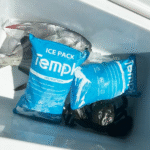
Un gel general a base paquete de refrigerante suministrado en volúmenes mayoristas para sistemas de envío aislados generalmente se elige porque los compradores desean una amplia flexibilidad de rutas y una fácil integración con los mercados comunes. cargadores aislados. en comida, farmacéutico, laboratorio, y comercio electrónico embalaje de cadena de frío en el reino unido, eso puede hacer que el paquete sea más fácil de colocar, más fácil de contar, o más fácil de integrar con un cargador aislado.
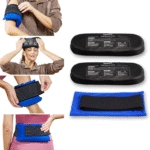
Los formatos generales de paquetes de gel cubren una amplia gama de proporciones de llenado, películas de bolsa, patrones de sello, y formas de paneles. Dos productos pueden parecer similares en papel y comportarse de manera muy diferente en el campo.. Por eso los compradores deberían comparar las especificaciones completas., no solo el nombre del paquete.
El límite importante es este: El paquete es sólo una parte del sistema.. Los compradores del Reino Unido suelen preocuparse por la fiabilidad del stock., documentación, y rendimiento específico de la ruta en lugar de terminología del paquete únicamente. Si la ruta es larga, caliente, muy variable, o regulado, los compradores aún necesitan revisar el aislamiento, carga de producto, acondicionamiento, manejo, y expectativas del receptor.
- Utilice el nombre del paquete como punto de partida, no como prueba de idoneidad de la ruta.
- Haga coincidir el formato con el diseño de la caja y el flujo de trabajo del operador, no sólo a la categoría de producto.
- Pregunte para qué está diseñado el paquete después del acondicionamiento., deshielo parcial, y recibo.
Haga coincidir el formato con la ruta, producto, y patrón de manejo
El ajuste de la ruta importa más que una etiqueta de catálogo. Comience con el trabajo que la manada tiene que hacer a través de las rutas nacionales de paquetería., centros de distribución regionales, y reabastecimiento transfronterizo hacia o desde el Reino Unido: mantener una banda de temperatura objetivo, amortiguador de picos cortos, capas de producto separadas, o mantener la carga estable hasta la recepción.
En Reino Unido, Los compradores suelen comparar no sólo el rendimiento del paquete sino también la calidad de la documentación., apoyo local, y la fluidez con la que el programa de suministro se adapta a diferentes carriles y estaciones.. Los compradores no solo deben mapear el tiempo de recorrido de la línea, sino también almacenamiento preenvasado, tiempo de permanencia del cartón en el muelle, traspasos de portaaviones, ventanas de entrega, y la rapidez con la que el destinatario comprueba el envío. Un paquete puede verse adecuado en la cámara del congelador y aún así tener un rendimiento inferior una vez que se agregan esas exposiciones adicionales..
El mismo paquete puede funcionar bien en un carril y mal en otro.. Una entrega urbana corta con un traspaso rápido puede recompensar la geometría compacta del paquete y un embalaje más rápido. Una ruta más larga con una exposición más caliente puede recompensar una mayor masa térmica, más aislamiento, o una estrategia de refrigerante completamente diferente.
- Rutas nacionales de paquetería con fuerte variación climática regional.
- Reabastecimiento mayorista donde los compradores desean paquetes de cajas estándar y plazos de entrega cortos.
- Operaciones mixtas de refrigerado y congelado que necesitan más de un formato de paquete de gel.
Detalles técnicos que separan a un proveedor de otro
Paquetes fríos que parecen similares a primera vista pueden diferir en aspectos importantes. Espesor de la película, ancho del sello, relación de llenado, forma de bolsa, diseño de esquina, y el sistema de gel interno influyen en cómo se congela el paquete., se derrite, se flexiona, y sobrevive al impacto.
La mayoría de los compradores se benefician al hacer preguntas simples pero reveladoras.. ¿El paquete permanece dimensionalmente estable después del acondicionamiento?? ¿La superficie se vuelve quebradiza a baja temperatura?? ¿Los sellos permanecen intactos después de las caídas?, compresión, y manipulación rutinaria del almacén? ¿Cuánta masa fría hay realmente disponible en el formato elegido??
En esta categoría, la muestra más útil no es la muestra más bonita. Es el que se comporta consistentemente después de los ciclos de congelación-descongelación., embalaje a mano, apilado, e inspección de recibos. Ahí es donde se hacen visibles las diferencias en el control de fabricación..
- Verifique el peso de llenado real, no sólo tamaño nominal.
- Revisión de la calidad de la película y del sello después del acondicionamiento a baja temperatura.
- Confirme cómo debe colocarse el paquete dentro del sistema aislado..
- Pregunte si la especificación de la muestra está bloqueada antes de ampliarla.
Mantenga el lenguaje de cumplimiento preciso
Dependiendo del uso final, Los compradores del Reino Unido pueden necesitar información de contacto con alimentos para aplicaciones de contacto directo, or broader material documentation for regulated cadena de frío shipments. Los requisitos varían según el producto., ruta, y caso de uso. Los compradores deben pedirle al proveedor que sea preciso sobre la finalidad del paquete., ¿Qué documentos de respaldo están disponibles?, y lo que aún queda por demostrar en todo el sistema de transporte. Esa distinción evita que una compresa fría común y corriente se sobrevenda como una solución de envío totalmente calificada.. En adquisiciones del Reino Unido, que también puede incluir la posición accionaria local, declaraciones de producto, y claridad sobre si el paquete está dirigido a alimentos, laboratorio, o uso farmacéutico.
Este es uno de los errores de compra más comunes en envases de cadena de frío: un equipo encuentra una manada que parece mantenerse fría, y luego asume que el paquete en sí contiene toda la historia del cumplimiento.. En realidad, Los envíos regulados o sensibles a la calidad generalmente dependen de la configuración completa del embalaje., instrucción de manejo, y calificación de ruta.
Para adquisiciones, La cuestión práctica no es si el proveedor puede decir las palabras correctas.. Es si el proveedor puede proporcionar información clara sobre el uso previsto., especificaciones estables, y el detalle técnico necesario para su propia revisión interna, pruebas, o flujo de trabajo de aprobación.
- Solicitar un idioma de uso previsto que coincida con el envío real.
- Separe la capacidad de envasado en frío de la calificación completa del transportista.
- Decidir de antemano qué declaraciones o documentos técnicos son obligatorios.
Una lista de verificación práctica para proveedores
La conversación con los proveedores debería volverse más específica tan pronto como el formato parezca prometedor.. La discusión sobre un proveedor mayorista de paquetes de gel refrigerante útil en el Reino Unido pasa de afirmaciones amplias a detalles mensurables, revisión de muestra, manejo de quejas, y control de ampliación.
Una conversación útil con los proveedores debe abarcar más que la cantidad mínima de pedido y el plazo de entrega.. Los compradores deben comparar cómo el proveedor define el paquete., cómo controla la producción, cómo maneja las quejas, y si es probable que una muestra piloto coincida con la ejecución comercial completa.
Herramientas útiles para tomar decisiones
Comprueba los detalles antes de elegir el embalaje.
Estas herramientas rápidas pueden ayudarle a comparar el riesgo de la ruta, necesidades de dimensionamiento, opciones de refrigerante, y detalles del embalaje antes de solicitar una cotización.
Revestimiento de caja & Dimensionamiento de la cubierta de paleta
Lógica de tamaño de revestimiento de cajas y cubiertas de paletas para proyectos de embalaje aislado.
Estimar el tamañoSelector de embalaje
Compare las opciones de embalaje aislado por producto, ruta, y necesidad de temperatura.
encontrar embalajeCalculadora de acumuladores de frío
Estimación de la cantidad de bolsas de hielo en gel para envíos refrigerados y planificación práctica de rutas.
Estimar las bolsas de hieloLa consistencia es especialmente importante cuando los paquetes se repiten diariamente.. Pequeños cambios en el relleno de gel., calibre de película, dimensiones, o el sellado puede cambiar la forma en que el paquete se congela, cómo cabe en la caja, y cómo el receptor experimenta el envío.
- Posición de stock en el Reino Unido o plan de suministro en destino.
- Declaraciones de materiales y declaraciones de composición cuando corresponda.
- Instrucciones de acondicionamiento y rangos de recuento de paquetes recomendados.
- Caja de cartón, transatlántico, o compatibilidad más fresca para formatos de paquetes comunes en el Reino Unido.
- Codificación por lotes, trazabilidad, y proceso de manejo de quejas.
- Estabilidad de los plazos de entrega durante los picos de demanda estacional.
Cómo revisar muestras sin perder riesgos ocultos
Una revisión de muestra debe imitar la operación real lo más fielmente posible.. Acondicione el paquete de la forma recomendada por el proveedor., cargar el producto real o un sustituto realista, y usar el mismo aislamiento, caja de cartón, y orden de embalaje esperado en producción.
Luego observe lo que sucede en los puntos donde suelen aparecer las fallas.: antes del embalaje, después de cargar el último paquete, después de un período de permanencia realista, después del manejo de transporte rutinario, y cuando el receptor abre el envío. Para muchos compradores, Esos controles revelan más que cualquier reclamo de tiempo de espera en los titulares..
La revisión de la muestra también debe cubrir el aspecto comercial.. ¿El proveedor etiqueta los lotes claramente?? ¿Pueden los operadores identificar el paquete rápidamente?? ¿La muestra aprobada se convierte en una especificación bloqueada?? ¿Existe un proceso documentado si el proveedor necesita cambiar la película?, gel, peso, o sitio de fabricación?
- Congele o enfríe la muestra exactamente como se indica.
- Usa la caja real, transatlántico, y recuento de paquetes siempre que sea posible.
- Registre cómo se ve y se siente el paquete al recibirlo., no solo la temperatura de la carga útil.
- Pregunte cómo se traduce la aprobación de muestras en control de producción..
Detalles operativos que deciden si el programa escala
Los pequeños detalles operativos a menudo deciden si un programa masivo se siente eficiente o frustrante.. ¿Cómo se empaquetan los paquetes?? ¿Cuánto espacio en el congelador necesitan?? ¿Los operadores los colocan de la misma manera cada vez?? ¿El receptor ve una imagen limpia?, paquete organizado o una caja desordenada que genera dudas?
Esas preguntas suenan más prácticas que técnicas., pero influyen en el costo total y en las tasas de quejas.. En muchos casos, el paquete ganador no es el que presenta el rendimiento más audaz. Es el que el almacén puede almacenar., condición, lugar, y recibir con menos excepciones.
That is especially relevant for UK cadena de frío wholesale purchasing, donde la decisión de empaque toca más que la temperatura. Afecta la calidad del manejo., percepción al recibir, y si el proceso se puede repetir sin problemas a escala.
- Revisar el espacio del congelador, tiempo de puesta en escena, y flujo de trabajo del operador antes de comprar al por mayor.
- Asegúrese de que el recuento y la ubicación de los paquetes se puedan enseñar de manera consistente..
- Evaluar las condiciones de llegada del paquete como parte de la decisión..
Costo, sostenibilidad, y ajuste operativo
Los compradores mayoristas del Reino Unido comparan cada vez más la disponibilidad local, documentación, y eficiencia total de embalaje en lugar de comprar solo por precio unitario. Esto generalmente hace que la conversación pase del precio nominal del paquete al costo total del paquete.: tiempo de trabajo, utilización del cartón, espacio del congelador, tasa de quejas, envíos de reemplazo, y si el formato elegido simplifica la recepción.
La sostenibilidad también necesita una perspectiva práctica. Un paquete más liviano no es automáticamente más ecológico si aumenta el deterioro o obliga a empacar en exceso.. Un paquete reutilizable no es automáticamente mejor si el circuito de retorno no es realista. La decisión de sostenibilidad más fuerte suele venir de adaptar la mochila a la ruta lo suficientemente bien como para evitar desperdicios., manteniendo los materiales y la logística inversa realistas.
Para equipos que compran al por mayor, El ajuste operativo es a menudo donde se gana o se pierde valor.. Un paquete que se almacena limpiamente, condiciones consistentemente, se carga rápidamente, y crea menos excepciones puede superar a un paquete nominalmente más barato que causa quejas o retraso laboral.
- Revisar el espacio del congelador, densidad de almacenamiento, y tiempo de manipulación del operador.
- Considere el efecto de la geometría del paquete en el llenado de la caja y el espacio de carga útil..
- Tratar la reducción de residuos y el rendimiento de la ruta como parte de la misma decisión..
Errores comunes que hacen que una buena muestra falle en producción
La mayoría de los problemas con el abastecimiento de paquetes de gel refrigerante se deben a desajustes y no a defectos obvios.. El paquete puede estar bien hecho., pero mal para la ruta, incorrecto para el diseño de la caja, o incorrecto para los supuestos de adquisición detrás del proyecto..
Los patrones de falla típicos incluyen comprar según la etiqueta del paquete en lugar de según la ruta, usando una configuración para todas las estaciones, y falta de documentación específica del Reino Unido o necesidades de soporte de almacén. Estos problemas suelen aparecer cuando el equipo aprueba una muestra demasiado rápido., ignora los detalles del condicionamiento, o supone que una categoría de producto predice automáticamente el rendimiento del paquete.
La forma más sencilla de evitar estos problemas es anclar las decisiones al envío real.: banda de temperatura prevista, duración de la ruta, perfil ambiental, flujo de trabajo del operador, condición de recepción, y los documentos de respaldo que su equipo interno realmente necesita.
- No asuma que el mismo número de paquetes funciona en todas las estaciones..
- No apruebe una muestra sin bloquear la especificación comercial.
- No confunda un componente refrigerante útil con un transportista validado completo.
- No ignores cómo verá el receptor el paquete a su llegada..
Comida final para llevar
El mejor proveedor mayorista de paquetes de gel refrigerante es aquel que se adapta al trabajo que el paquete realmente necesita hacer.. For UK cadena de frío wholesale purchasing, eso significa conectar formato, acondicionamiento, diseño de caja, condiciones de la ruta, y coherencia del proveedor en lugar de tratar la compresa fría como un producto genérico.
Una vez que ese marco esté claro, la lista corta generalmente se vuelve más pequeña y más útil. Proveedores que pueden discutir el ajuste de la ruta, documentación, repetibilidad, y el control desde la muestra hasta la producción tienden a ser socios más seguros que aquellos que solo compiten en el lenguaje de la etiqueta o el precio..
Acerca de Tempk
Y Tempk, nos centramos en bolsas de hielo en gel, bolsas de envío aisladas, Enfriadores de PPE, cubiertas de paletas, y embalajes relacionados con la cadena de frío. Basado en nuestra gama de productos públicos, trabajamos a través embalaje con temperatura controlada categorías que incluyen paquetes de gel, cargadores aislados, Soluciones de refrigeración EPP, cubiertas de paletas, y soporte para el control de la temperatura. Intentamos mantener la conversación práctica.: hacer coincidir el embalaje con la ruta, el producto, y las condiciones de manejo, en lugar de tratar el estilo de un solo paquete como la respuesta a todos los problemas de la cadena de frío.
Siguiente paso
Si estás comparando proveedores, comience con su banda de temperatura objetivo, duración de la ruta, y formato de caja. Solicite un plan de muestra y una recomendación basada en ruta antes de realizar un pedido al por mayor.