Cómo dimensionar las cubiertas térmicas para palets: Guía práctica de selección y uso
Cómo dimensionar cubiertas térmicas para palets Tiene sentido cuando el comprador puede definir claramente el problema de exposición.. Están diseñados para retardar la transferencia de calor alrededor de la carga paletizada durante el envío o la preparación., pero deben coincidir con el producto, ruta, objetivo de temperatura, construcción de paletas, y proceso de manipulación. La mejor decisión de compra comienza por el carril, no el catalogo. Esta guía optimizada muestra cómo elegir, prueba, y usar covers sin exagerar lo que pueden hacer.
Esto es importante para los operadores de almacén, ingenieros de embalaje, exportadores, equipos de adquisiciones, y coordinadores de la cadena de frío porque la misma cubierta puede encajar bien en un carril y no encajar bien en otro.. La decisión depende de las cargas de palés con cajas de cartón estándar y no estándar., batería, totalizadores, capas superiores irregulares, envoltura elástica, tableros de esquina, y alturas de pila variables, sensibilidad del producto, requisitos de evidencia, y las personas que aplican la cobertura. Un buen artículo o página de proveedor debería ayudarle a hacer esa distinción en lugar de prometer protección en cada situación..
Defina la ventana de exposición antes de elegir la portada.
Empiece por anotar el punto exacto donde el palet se vuelve vulnerable.: ordenar solo por huella de palet, ignorando la altura de la carga, esquinas demasiado estrechas, huecos en la falda, acceso bloqueado para montacargas, y construcción de paletas inconsistente desde la muestra hasta la producción. Este paso suena básico, pero previene la mayoría de las compras excesivas e insuficientes.. Si la ventana vulnerable es corta y predecible, una cobertura puede ser suficiente para reducir el riesgo. Si la ventana vulnerable es larga, sin control, o vinculado a una gama limitada de productos, la ruta puede requerir equipo activo, embalaje pasivo cualificado, refrigerante, o un plan logístico diferente.
Un buen mapa de exposición incluye la ubicación., tiempo esperado, peor retraso creíble, estación, luz del sol, movimiento de aire, humedad, y quien controla el palet en ese punto. También debe mostrar el primer punto protegido después de la exposición.. La cubierta debe usarse para cerrar esa brecha.. Si nadie puede identificar la brecha, el equipo aún no está listo para seleccionar una estructura de cobertura.
Relacionar estructura con producto, ruta, y manejo
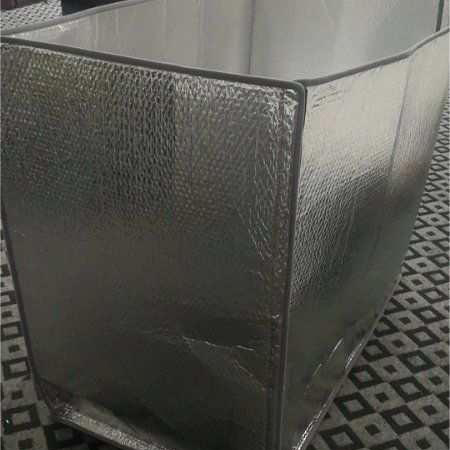
La estructura de la cubierta debe coincidir con la forma en que el calor llega al palet.. Profundidad del refuerzo, tamaño del panel superior, altura de la pared lateral, longitud de la falda, colocación del cierre, y el refuerzo en las esquinas de carga pueden ser importantes, pero no igualmente. La luz solar directa y las superficies calientes apuntan hacia una protección radiante y una cobertura superior.. La exposición al viento o al muelle frío apunta hacia la disciplina de cierre y el ajuste del faldón inferior.. La reutilización aproximada apunta hacia costuras reforzadas y resistencia a la limpieza.. Un comprador debería preguntar qué característica resuelve el problema de la ruta principal..
Los requisitos del producto son lo primero. Una cubierta de buen tamaño reduce los espacios y los daños por manipulación.. No repara una estructura de paleta inestable ni crea un rendimiento de temperatura sin realizar pruebas.. No elija una funda con una etiqueta de temperatura genérica a menos que su equipo de calidad o de operaciones haya confirmado que la etiqueta coincide con el envío.. Una cubierta utilizada para un producto de amplia tolerancia puede no ser aceptable para una carga farmacéutica de alto riesgo o una plataforma de alimentos congelados que se enfrenta a una larga estancia en el ambiente..
| Medición | Que hacer | Problema común evitado |
|---|---|---|
| Ancho y profundidad cargados | Mida la carga envuelta real, no solo la plataforma de paletas. | Las cajas y los esquineros pueden extenderse más allá del palé.. |
| Altura de carga | Mida desde la base del pallet hasta el punto más alto de cargas de producción reales. | Una parte superior ajustada tira de las costuras y crea espacios laterales.. |
| Longitud de la falda | Decida hasta qué punto debe caer la cubierta sobre el palé y las cajas inferiores.. | Los bordes de las cajas de cartón son demasiado cortos y quedan expuestos.; demasiado tiempo puede interferir con el manejo. |
| Estilo de apertura | Confirme si la cubierta cae por encima, se envuelve desde el costado, o utiliza cierres. | El mejor tamaño es inútil si el personal no puede aplicarlo rápidamente. |
| Variación | Verifique los cambios de altura estacionales y específicos de SKU antes de realizar pedidos al por mayor. | Una muestra que se ajuste a una construcción de paleta puede fallar en el siguiente lote de producción.. |
Utilice la tabla como filtro de compras y no como una formalidad. Si no puede responder uno de los ítems, la respuesta que falta es un riesgo. Ese riesgo puede ser pequeño., pero debe entenderse antes de pedir la cubierta al por mayor o escribirla en una instrucción de trabajo estándar.
El tamaño y la aplicación son parte del rendimiento.
Incluso una estructura de material resistente puede funcionar mal si no se adapta a la carga real.. Medir el palet cargado, incluyendo cajas que sobresalen, tableros de esquina, envoltura elástica, irregularidad superior, y cambios de SKU estacionales. Decida si la funda debe quedar ajustada, dejar espacio para una colocación rápida, o baje para cubrir las cajas de borde. Si el equipo utiliza varios patrones de paletas, revise cada uno antes de estandarizar en un solo tamaño de portada.
El momento de la aplicación también importa. Por lo general, se debe aplicar una cubierta antes de que comience la exposición., no después de que el pallet ya haya esperado en el muelle o rampa. El personal debe saber dónde se guardan las fundas., como se identifican, qué lado mira hacia afuera, cómo se deben asegurar los cierres, y cuando se deben quitar las cubiertas. Si el proceso no está escrito, el resultado puede cambiar de un turno a otro.
La calificación y el seguimiento mantienen las reclamaciones honestas
La calificación no se trata de demostrar que una cobertura es buena en todos los entornos posibles.. Se trata de mostrar si una determinada cobertura, en una carga específica, bajo condiciones definidas, soporta un requisito definido. La prueba debería utilizar cargas útiles realistas., construcciones de paletas representativas, ubicaciones de sonda significativas, y criterios de aceptación que se acuerdan antes de la ejecución.. Para la atención sanitaria, alimento, o transporte controlado por el cliente, Es posible que sea necesaria una revisión de calidad antes de utilizar el resultado..
La monitorización debe tratarse por separado del aislamiento.. Un registrador de datos registra lo sucedido; no protege el palet. Una cubierta ralentiza la transferencia de calor.; no registra prueba. Muchos procedimientos confiables de cadena de frío utilizan ambos, pero resuelven diferentes problemas. Si un envío no recibe revisión, el registro del registrador ayuda a la investigación, mientras que la condición de la cubierta y los eventos de la ruta ayudan a explicar la causa..
Preguntas sobre proveedores y operaciones antes del uso masivo
Una revisión de adquisiciones debería ir más allá del precio por cobertura. Los compradores deben confirmar las dimensiones de la cubierta interna., dimensiones exteriores, margen de costura, liquidación superior, longitud de la falda, estilo de apertura, aprobación de muestra, y tolerancia de medición. La razón es simple: Las cubiertas para palets son elementos operativos.. Son manejados por equipos de almacén., transportistas, y receptores, no solo revisado por el personal de compras. Una funda que parece ideal en una foto puede fallar si tarda demasiado en instalarse, oculta etiquetas, lágrimas en las esquinas, o no se puede devolver limpiamente para su reutilización.
| Tema de proveedor | Pregunta para hacer | Por que importa |
|---|---|---|
| Estructura de capas | ¿Qué capas se utilizan en la profundidad del refuerzo?, tamaño del panel superior, altura de la pared lateral, longitud de la falda, colocación del cierre, y refuerzo en las esquinas de carga? | El nombre del material por sí solo no explica el comportamiento de transferencia de calor ni la durabilidad.. |
| Base del tamaño | ¿Las dimensiones se basan en la huella del palet?, palet cargado, o medida personalizada? | El tamaño incorrecto es una de las formas más rápidas de perder protección en los bordes y la base.. |
| Base de prueba | ¿Qué carga útil?, perfil ambiental, dirección de exposición, y se utilizaron ubicaciones de sondas? | Una prueba desde un carril diferente puede ser un contexto útil., calificación no directa. |
| Control de reutilización | ¿Cómo se deben limpiar las fundas?, seco, doblado, inspeccionado, y jubilado? | El valor reutilizable depende de la disciplina del proceso, no sólo la dureza del material. |
| Consistencia de producción | ¿Las unidades de producción coincidirán con la muestra aprobada en la pila de capas?, diseño de costura, y cierre? | La consistencia entre la muestra y el volumen es importante cuando se utilizan cubiertas en muchas paletas. |
Esta tabla no pretende ralentizar el proceso de compra.. Le ayuda a evitar el error común de aprobar una muestra basándose únicamente en la apariencia del material.. El proveedor debe poder explicar para qué está diseñada la cubierta., para qué no está diseñado, y qué información debe proporcionar un comprador antes de poder hacer una recomendación confiable.
Herramientas útiles para tomar decisiones
Comprueba los detalles antes de elegir el embalaje.
Estas herramientas rápidas pueden ayudarle a comparar el riesgo de la ruta, necesidades de dimensionamiento, opciones de refrigerante, y detalles del embalaje antes de solicitar una cotización.
Selector de embalaje
Compare las opciones de embalaje aislado por producto, ruta, y necesidad de temperatura.
encontrar embalajerefrigerante & Referencia PCM
Compare las opciones de refrigerante y PCM cuando una ruta necesite soporte de temperatura adicional.
Comparar opcionesCalculadora de bolsa de hielo
Estimación de la cantidad de bolsas de hielo en gel para envíos refrigerados y planificación práctica de rutas.
Estimar las bolsas de hieloEjemplo práctico
Por ejemplo, un comprador utiliza una huella estándar pero tiene alturas de caja estacionales, por lo que la cubierta debe dejar suficiente espacio libre sin dejar un faldón muy abierto en la parte inferior. Un comprador razonable no preguntaría si una funda puede resolver todos los problemas de temperatura en la ruta.. La mejor pregunta es si la cubierta reduce la exposición conocida lo suficiente como para respaldar el procedimiento operativo.. Eso requiere medir el palet., entender cuánto tiempo espera el palet, y confirmar quién aplica y retira la cobertura.
Una misma situación puede llevar a decisiones diferentes. Un producto de bajo riesgo con una amplia tolerancia puede necesitar una cubierta reutilizable simple y un control de recepción.. Un producto de mayor riesgo puede necesitar pruebas de cobertura, registradores de datos, transporte activo, o aprobación de calidad. La elección de la cubierta debe coincidir con el producto y la línea., no es una declaración general sobre envío en cadena de frío.
Cuándo elegir una solución diferente
Elija una solución diferente o adicional cuando la forma de la carga cambie con frecuencia y no se planifique un enfoque ajustable o personalizado.. Esto no significa que la portada no tenga valor.. Significa que la cobertura no debe asumir responsabilidad por un riesgo que no puede controlar.. Vehículos frigoríficos, contenedores frigoríficos, unidades de carga aérea activas, calificado transportistas pasivos, sistemas de refrigerante, y el monitoreo a nivel de producto tienen roles. El diseño correcto puede combinar varias herramientas en lugar de obligar a un producto a resolver todo el carril..
Una decisión cautelosa protege tanto al comprador como a la carga.. Exagerar el rendimiento de la cobertura puede provocar envíos rechazados, confianza del cliente dañada, y difíciles investigaciones de desvíos. Subestimarlo puede causar gastos innecesarios en soluciones activas por breve tiempo., exposiciones manejables. El objetivo es un juicio equilibrado basado en la evidencia de la ruta..
Preguntas frecuentes
¿El tamaño de la cubierta debe basarse en la huella del palet o el tamaño de la carga??
Utilice el tamaño de carga completo. La huella del palet es sólo el punto de partida. También necesitas el ancho real cargado., profundidad, altura, forma superior, espesor de la envoltura elástica, tableros de esquina, y hasta donde debe caer la falda. Una huella estándar con una carga más alta o irregular puede requerir una cubierta diferente.
¿Puede una funda térmica para pallets sustituir el transporte frigorífico??
No por sí solo. Una cubierta es una capa pasiva que retarda la transferencia de calor.; camiones frigoríficos, Reefers, y los contenedores activos controlan el entorno circundante.. Una cubierta puede soportar una ventana corta de carga o preparación., o agregar un buffer cuando se abren las puertas del equipo activo, pero no debe usarse como sustituto directo cuando la calidad del producto depende del manejo activo de la temperatura..
¿Dónde debería colocar el comprador los registradores de datos al probar una cubierta de palet??
La ubicación del registrador debe reflejar el riesgo que está tratando de comprender. Muchos equipos buscan posiciones de ventaja, exposición superior, temperatura central del producto, y cualquier lado que enfrente el calor más fuerte, frío, o sol. El mapa correcto depende del producto., diseño de portada, construcción de paletas, y criterios de aceptación. No confíes sólo en la ubicación más protegida.
¿Las fundas reutilizables necesitan un proceso de inspección??
Sí. La reutilización solo funciona cuando se revisa que las cubiertas no estén rotas., cierres desgastados, aislamiento triturado, contaminación, y etiquetas faltantes antes de cada uso. Una cubierta dañada puede parecer aceptable desde la distancia, pero deja espacios o crea puntos débiles durante el manejo.. Para productos regulados o con calidad gestionada, El enfoque de inspección y limpieza debe coincidir con el procedimiento del sitio..
Qué información se debe solicitar a un proveedor?
Preguntar por estructura de materiales., dimensiones internas, diseño de cierre, condiciones de uso recomendadas, guía de limpieza, disponibilidad de muestra, y la condición de prueba detrás de cualquier afirmación de desempeño. Si un proveedor indica un resultado de tiempo de espera o temperatura, preguntar qué carga útil, perfil ambiental, ubicaciones de las sondas, y se utilizaron criterios de aceptación.
Conclusión
La mejor decisión sobre cómo dimensionar las cubiertas térmicas para palets pasa por adaptar la cubierta al riesgo de la ruta., no por asumir que cualquier cubierta aislante protegerá cada palet. Comience con los requisitos del producto., mapear la ventana de exposición, medir la construcción real de la plataforma, y comprobar si la cobertura puede ser aplicada correctamente por las personas que manipulan la carga. Luego revise la evidencia cuidadosamente y evite tratar una barrera pasiva como un control activo de la temperatura..
Si el recorrido es corto y el punto débil está claro, una cubierta puede ser un control práctico y repetible. Si el producto es muy sensible, el carril es largo, o el rango de aceptación es estrecho, La cubierta aún puede tener una función, pero debe combinarse con un embalaje calificado., equipo activo, escucha, o revisión de calidad según sea necesario. Un comprador cuidadoso trata la funda como parte de un proceso disciplinado de cadena de frío..
Notas de campo adicionales para compradores
Para saber cómo dimensionar las cubiertas térmicas para palets, La disciplina de campo es a menudo la diferencia entre una cobertura útil y una compra decepcionante.. Anota quién aplica la cobertura., donde se almacenan las fundas no utilizadas, cuando se debe quitar una cubierta, y cómo los equipos receptores informan sobre daños o humedad. Estos detalles suenan pequeños, pero determinan si la cobertura se usa consistentemente cuando la ruta está ocupada, el muelle está lleno de gente, o un transportista llega antes de lo esperado.
Los compradores también deben comparar la muestra aprobada con las unidades de producción.. Verifique la pila de capas, ancho de costura, colocación del cierre, área de etiqueta, refuerzo de esquina, y encajar sobre la carga más alta esperada. Si la ruta involucra múltiples almacenes o socios 3PL, comparta las mismas fotos de la aplicación e instrucciones de trabajo con cada sitio. El objetivo no es complicar el procedimiento.; es para evitar que cada local invente una forma diferente de utilizar la misma portada.
Acerca de Tempk
Tempk trabaja con compradores que necesitan prácticas embalaje de cadena de frío y opciones de aislamiento a nivel de pallet para condiciones reales de envío y preparación. Para proyectos de cobertura térmica de palets, La conversación útil no se trata sólo de nombres de materiales.. Se trata del tamaño de la paleta., altura de carga, exposición de ruta, reutilizar expectativas, y cómo aplicarán la cobertura los equipos de almacén o logística. Podemos ayudarle a comparar estructuras de cobertura., discutir el tamaño personalizado, y prepare las preguntas correctas antes de pasar de la revisión de muestras al uso masivo.