Hinchazón del hombro por un esguince, La lesión del manguito rotador o la tendinitis pueden parecer un obstáculo en la vida cotidiana.. Usando un hielo en gel empacar correctamente puede aliviar el dolor y frenar la inflamación, pero malinterpretando el momento, La temperatura o las medidas de protección pueden causar más daño que bien.. Esta guía explica cómo utilizar un bolsa de hielo en gel para el hombro hinchazón con pasos detallados, recomendaciones respaldadas por evidencia y una mirada a 2025 Tendencias en terapia de frío.. Recibirás consejos prácticos, herramientas de autoevaluación y una lista de verificación para ayudar usted maneja su lesión en el hombro de manera segura. Las referencias médicas confirman que los cortos, Las sesiones cronometradas (normalmente de 15 a 20 minutos) seguidas de descanso son esenciales.. Exploraremos por qué es importante la duración, cómo proteger tu piel y cuándo pasar del hielo al calor.
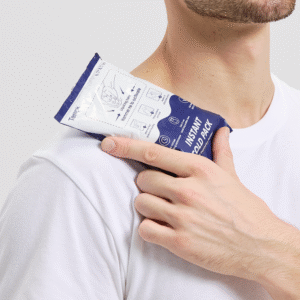
Por qué el hielo es vital para las lesiones agudas del hombro: aprenda cómo el frío contrae los vasos sanguíneos para reducir la hinchazón y el dolor entumecido.
¿Cuánto tiempo y con qué frecuencia aplicar los paquetes de gel?: descubre el 10 a regla de 20 minutos e intervalos seguros.
Aplicación paso a paso para la hinchazón de hombros.: desde la preparación y el posicionamiento hasta la protección y elevación de la piel.
Señales de que debes detenerte y cambiar a la terapia de calor: cuando la hinchazón disminuye y el calor ayuda a mejorar la flexibilidad.
2025 Innovaciones en el diseño de envases de gel y logística de la cadena de frío.: Obtenga más información sobre los paquetes habilitados para IoT, Materiales ecológicos y cambios regulatorios..
Preguntas frecuentes y respuestas de expertos sobre la terapia de frio, calor, seguridad y rehabilitación del hombro.
Comprender la hinchazón de hombros y la terapia con frío
La hinchazón del hombro ocurre cuando los tejidos alrededor de la articulación se inflaman., a menudo después lesiones agudas como desgarros del manguito rotador, tendinitis o pinzamiento del hombro. Los traumatismos y los esfuerzos repetitivos hacen que los vasos sanguíneos se dilaten y pierdan líquidos hacia los tejidos circundantes., lo que lleva a una hinchazón visible, calidez y malestar. Terapia de frío – también llamada crioterapia – contrae los vasos sanguíneos (vasoconstricción), Reduce la actividad metabólica y ralentiza la conducción nerviosa., que disminuye la hinchazón y alivia el dolor. Paquetes de hielo de gel Son una forma conveniente de crioterapia porque permanecen flexibles cuando se congelan y se adaptan a las curvas del hombro., brindando un enfriamiento uniforme sin el desorden del hielo triturado.
Cómo funciona la terapia de frío
Reducir la hinchazón: El frío contrae los vasos sanguíneos y limita la entrada de líquido inflamatorio..
Señales de dolor sordas: Las temperaturas más bajas ralentizan los impulsos nerviosos, de modo que disminuyen las señales de dolor al cerebro..
Proteger los tejidos: La desaceleración del metabolismo celular reduce las lesiones secundarias, Preservar el tejido sano alrededor de la lesión..
Controlando tempranamente la respuesta inflamatoria, La terapia de frío ayuda a preparar el escenario para una curación más rápida y menos cicatrices.. Sin embargo, El uso de hielo durante demasiado tiempo o sin protección puede causar daños en la piel o retrasar la curación., por lo que es necesario seguir reglas de seguridad y sincronización basadas en evidencia.
¿Cuándo debería utilizar una bolsa de hielo en gel??
Las bolsas de hielo en gel son las más efectivas durante las primeras 48 a 72 horas después de una lesión aguda en el hombro, cuando la hinchazón y el dolor son mayores. También son útiles después de la cirugía., Entrenamientos intensos o sesiones de fisioterapia para controlar la inflamación.. Para afecciones crónicas como artritis o irritación prolongada de los tendones., La terapia con frío puede aliviar los brotes, pero debe equilibrarse con calor y movimiento.. Consulte siempre a un profesional de la salud si su dolor persiste o empeora..
¿Cuánto tiempo y con qué frecuencia aplicar hielo en el hombro?
La evidencia de fuentes médicas converge en el mismo principio: limite cada aplicación de hielo a aproximadamente 10 a 20 minutos y permita que su piel vuelva a la temperatura normal entre sesiones. Las recomendaciones específicas incluyen:
15–20 minutos por sesión: La mayoría de los fisioterapeutas y recursos ortopédicos recomiendan aplicar una bolsa de hielo en gel durante 15 a 20 minutos seguidos para evitar la congelación.. Harvard Health toma nota de 15 a 20 minutos cada cuatro a seis horas durante los primeros días de tendinitis del manguito rotador.
Descanso mínimo de una hora entre sesiones.: Después de cada sesión, Dale a tu piel al menos una hora para calentarse antes de volver a aplicar.. UnityPoint Health enfatiza tomar un descanso de una hora entre sesiones de 20 minutos.
Repetir varias veces al día.: Dependiendo de la gravedad, Puedes repetir el ciclo varias veces, por ejemplo., cada dos o tres horas durante las primeras 48 a 72 horas. MedlinePlus sugiere de tres a cuatro sesiones por día para el autocuidado del manguito rotador.
Estas pautas garantizan que el frío penetre eficazmente en los tejidos y al mismo tiempo previenen daños en la piel o vasoconstricción excesiva.. No aplique hielo por más de 20 minutos ya que la exposición prolongada no ofrece ningún beneficio adicional y puede causar congelación o lesión nerviosa. si entumecimiento, se produce hormigueo o ardor, retire el paquete inmediatamente.
Guía paso a paso: Aplicar una bolsa de hielo en gel para la hinchazón de hombros
Preparación
Elige el paquete de gel adecuado: Seleccione una bolsa de gel reutilizable del tamaño adecuado para su hombro. Las mochilas envolventes con correas ayudan a mantener el contacto y proporcionan una compresión suave.. Los envases de alta calidad deben mantener una temperatura terapéutica de 0 a 10 °C. (32–50 °F) durante al menos 20 a 30 minutos.
Congele el paquete durante varias horas.: La mayoría de los paquetes de gel necesitan entre 2 y 4 horas en el congelador para alcanzar la temperatura ideal.. Guarde el paquete en posición horizontal para mantener el gel distribuido uniformemente..
Preparar una barrera protectora.: Usa una toalla fina, funda de tela o la tela incorporada en la mochila para proteger su piel del contacto directo. Esta barrera previene la congelación y al mismo tiempo permite un enfriamiento efectivo..
Solicitud
Colócate cómodamente: Siéntese o acuéstese con el hombro lesionado ligeramente elevado por encima del nivel del corazón para reducir la hinchazón..
Envuelve la mochila alrededor de tu hombro.: Coloque el paquete de gel sobre el área hinchada.. Use correas o una venda elástica para asegurarlo cómodamente pero no apretado., asegurando un contacto uniforme sin restringir la circulación.
iniciar el cronómetro: Aplicar el paquete para 15–20 minutos. Utilice un cronómetro de cocina o un teléfono inteligente para evitar un exceso de hielo accidental. Considere herramientas interactivas como un gráfico de autoevaluación o una aplicación móvil para realizar un seguimiento de su nivel de dolor antes y después de cada sesión..
Vigila tu piel: Revisa la zona periódicamente. Si tu piel se vuelve demasiado pálida, entumecido o con manchas, retire el paquete inmediatamente. La terapia de frío debe resultar fría y ligeramente incómoda, pero nunca dolorosa..
Después de la sesión
Retire el paquete y seque la piel.: Quítate el pack de gel y la toalla.; Seque suavemente el área con palmaditas. Tu piel debería recalentarse naturalmente; no use calor inmediatamente después.
Espere al menos una hora: Permitir que los tejidos del hombro vuelvan a su temperatura normal.. Utilice movimientos suaves o ejercicios pendulares durante este intervalo para prevenir la rigidez..
Repita según sea necesario: Continúe el ciclo durante las primeras 48 a 72 horas., o hasta que la hinchazón haya disminuido. Si todavía sientes un dolor significativo, consultar a un proveedor de atención médica.
Errores comunes y cómo evitarlos
Formación de hielo demasiado tiempo: Más no es mejor; más largo que 20 minutos pueden causar daños en la piel o lesiones nerviosas.
Saltarse la barrera protectora: Utilice siempre un paño; el contacto directo causa congelación.
Usar calor demasiado pronto: No aplique calor mientras haya hinchazón presente.; El calor aumenta el flujo sanguíneo y puede empeorar la inflamación..
Ignorar las condiciones subyacentes: Personas con alteración de la sensación., Los problemas de circulación o la intolerancia al frío deben consultar a un médico antes de usar hielo..
Recuperación del hombro a largo plazo: Cuándo hacer la transición del frío al calor
La terapia de frío aborda la hinchazón inmediata, pero a medida que la fase inflamatoria se resuelve, Tendrás que concentrarte en restaurar la movilidad y la flexibilidad.. Terapia de calor aumenta el flujo sanguíneo, relaja los músculos tensos y mejora el rango de movimiento. Las pautas sugieren esperar 2–3 días o hasta que la hinchazón desaparezca antes de usar calor. Aquí se explica cómo hacer la transición:
evaluar la hinchazón: Una vez que la hinchazón del hombro haya disminuido y el área se sienta menos sensible, introducir calor suave.
Utilice compresas tibias (no calientes): Aplique una compresa de gel tibio o una almohadilla térmica para 15–20 minutos a la vez. La temperatura debe ser relajante., no escaldar.
Combina calor con estiramientos: Utilice calor antes de los ejercicios de rehabilitación para mejorar la flexibilidad. Continúe con la terapia de frío después de los entrenamientos si la inflamación regresa..
Alternar según sea necesario: En tendinitis crónica o pinzamiento del hombro., alternar frío y calor puede ayudar a controlar los brotes y al mismo tiempo promover la recuperación del tejido.
Herramientas útiles para tomar decisiones
Comprueba los detalles antes de elegir el embalaje.
Estas herramientas rápidas pueden ayudarle a comparar el riesgo de la ruta, necesidades de dimensionamiento, opciones de refrigerante, y detalles del embalaje antes de solicitar una cotización.
Resistencia a la caída del material aislante
Revise la resistencia a caídas y los factores de manipulación antes de elegir materiales aislantes..
Comprobar resistenciaSelector de embalaje
Compare las opciones de embalaje aislado por producto, ruta, y necesidad de temperatura.
encontrar embalajeReferencia del material aislante
Compare opciones de materiales aislantes para diferentes necesidades de embalaje de la cadena de frío.
Comparar materialesElegir la mejor bolsa de hielo en gel 2025
Factores clave
| Característica | Por que importa | Impacto en ti |
| Duración del enfriamiento & Temperatura | Los paquetes de gel de calidad mantienen entre 0 y 10 °C (32–50 °F) durante 20 a 30 minutos, permitiendo sesiones completas sin intercambiar paquetes. | Un enfriamiento más prolongado significa un alivio constante y menos interrupciones. |
| Flexibilidad & Comodidad | Las mochilas que permanecen suaves cuando se congelan se ajustan al hombro y brindan una presión uniforme. | Un mejor contacto garantiza un enfriamiento efectivo y le permite moverse suavemente sin desalojar la mochila.. |
| Durabilidad & Seguridad | Busque grado médico, Materiales libres de BPA y costuras reforzadas para evitar fugas.. | Las mochilas duraderas duran más y reducen el desorden; Los materiales no tóxicos lo mantienen seguro si el paquete se perfora.. |
| Forma & Tamaño | Las mochilas específicas para los hombros con correas o mangas brindan una cobertura específica; paquetes más pequeños se adaptan a codos o muñecas. | Una mochila bien ajustada maximiza el contacto y la comodidad.. |
| Versatilidad (Caliente/Frío) | Los paquetes de doble uso ofrecen crioterapia y terapia de calor., ahorro de dinero y almacenamiento. | Un paquete puede soportar todas las etapas de la recuperación.. |
| Características inteligentes & IoT | 2025 Las innovaciones incluyen paquetes de gel con sensores integrados que monitorean la temperatura y envían datos a su teléfono.. | La retroalimentación en tiempo real ayuda a garantizar temperaturas seguras y realizar un seguimiento del progreso de la terapia. |
2025 Tendencias del mercado
El sector de las bolsas de hielo en gel está evolucionando junto con innovaciones más amplias en la cadena de frío. Por 2025, paquetes de gel reutilizables representan más de la mitad del mercado, en 55.6%, con diseños no tóxicos que conducen a 56.8%. El crecimiento está impulsado por la demanda de materiales más seguros y productos ecológicos.. Paquetes habilitados para IoT utilizar sensores para controlar la temperatura, humedad y ubicación, enviar alertas a proveedores de atención médica o socios logísticos. Blockchain y trazabilidad digital, exigido por regulaciones como las de EE. UU.. Ley de modernización de la seguridad alimentaria (FSMA 204), Requerir registros electrónicos antes de tiempo. 2025. Estas tecnologías también benefician a los usuarios médicos.: puede realizar un seguimiento de sus sesiones personales de terapia de frío y asegurarse de que su paquete de gel permanezca a temperaturas terapéuticas.
Innovación destacada: Paquetes de hielo con perlas de gel
Los paquetes de perlas de gel incorporan pequeñas perlas en una bolsa flexible que permanece flexible cuando se congela y se adapta al hombro mejor que los paquetes de gel sólido.. La orientación clínica sugiere el uso 10–Sesiones de 20 minutos con un descanso de 60 minutos.. Algunos paquetes de cuentas pueden perder frío más rápido que los paquetes de gel sólido, pero su comodidad y facilidad de uso los han hecho populares en fisioterapia y entornos posquirúrgicos.. Al elegir entre gel bead y paquetes tradicionales, considere su necesidad de flexibilidad frente a una retención de frío más prolongada.
Consejos prácticos y consejos para los usuarios
Escenarios específicos & Recomendaciones
Tendinitis del manguito rotador: Aplicar bolsas de hielo para 15–20 minutos cada cuatro a seis horas durante los primeros días. Después de 48 a 72 horas, incorporar calor y comenzar ejercicios de rango de movimiento bajo guía profesional.
Recuperación postoperatoria: Muchos cirujanos recomiendan la terapia de frío para controlar el dolor y la hinchazón después de procedimientos como la reparación del manguito rotador.. Utilice una compresa envolvente con compresión durante 15 a 20 minutos a la vez.. Compruebe si hay fugas o roturas antes de cada uso..
Lesiones deportivas & Entrenamiento atlético: Para esguinces o torceduras agudas, aplique hielo inmediatamente a través del RICE (Descansar, Hielo, Compresión, Elevación) protocolo. Repita las sesiones cada dos o tres horas durante las primeras 24 a 48 horas..
Dolor crónico & Artritis: Use hielo para reducir los ataques inflamatorios, luego cambie a calor para mayor rigidez. Un paquete de gel de doble propósito simplifica el proceso.
Niños y Adultos Mayores: Muchas bolsas de gel utilizan materiales no tóxicos y siguen siendo flexibles., hacerlos seguros para los niños; sin embargo, Siempre supervise y use una barrera de tela.. Las personas con diabetes o problemas circulatorios deben consultar a un médico antes de utilizar la terapia de frío..
Herramientas interactivas para mejorar la participación
Báscula de autocomprobación: Califique su dolor e hinchazón en una escala del 1 al 10 antes de aplicar hielo, luego otra vez después 15 minutos. Esto le ayuda a controlar la mejora y ajustar el tratamiento si el dolor persiste..
Cuadro de decisiones: Lista tus actividades (p.ej., levantamiento de pesas, jardinería, mecanografía) y observe si desencadenan dolor agudo o crónico. Utilice este cuadro para planificar sesiones de formación de hielo profilácticas..
Seguimiento de sesiones: Utilice un temporizador o una aplicación de teléfono inteligente para registrar sesiones de glaseado, duraciones y niveles de dolor. Con el tiempo, los datos le ayudarán a ver patrones y garantizar que no se exceda.
Caso del mundo real: Durante la distribución de vacunas en 2021-22, Los proveedores de logística utilizaron paquetes de gel habilitados para IoT para monitorear las temperaturas en tiempo real.. Cuando los sensores detectaron un aumento de temperatura, Los conductores fueron alertados y pudieron ajustar el enfriamiento para evitar daños.. Similarmente, El seguimiento de sus sesiones de terapia con hielo le permite responder rápidamente si su piel comienza a sentirse demasiado fría o entumecida..
Orientación avanzada: Combinando frío con compresión y elevación
La terapia de frío combina bien con compresión para limitar la hinchazón. Los estudios demuestran que comprimir el área mientras se enfría reduce el edema y el dolor.. Utilice una venda elástica para asegurar el paquete de gel., pero evita envolverlo demasiado apretado: deberías poder insertar dos dedos debajo del envoltorio.. Además, elevando tu brazo por encima del nivel del corazón durante las sesiones de formación de hielo ayuda a drenar el exceso de líquido.
Después de los primeros días, incorporar suave ejercicios de péndulo (Inclínese hacia adelante y mueva el brazo afectado en pequeños círculos.) para mantener la movilidad. A medida que el dolor disminuye, Progresar a estiramientos cruzados y por encima de la cabeza.. Siempre caliente la articulación con calor o una ducha tibia antes de estirar y vuelva a aplicar hielo después si la hinchazón regresa..
Señales de advertencia para detenerse y buscar atención médica
Dolor intenso o creciente a pesar del tratamiento.
Entumecimiento, hormigueo o piel azulada alrededor del hombro
Incapacidad para mover el brazo o el hombro.
Signos de infección después de la cirugía. (enrojecimiento, calor, fiebre)
Si alguno de estos ocurre, comuníquese con un proveedor de atención médica de inmediato. El uso inadecuado de la terapia de frío puede empeorar las condiciones subyacentes, por lo que la evaluación profesional es crucial cuando los síntomas persisten.
2025 Avances en la tecnología de paquetes de hielo en gel y la cadena de frío
La industria de la cadena de frío continúa innovando más allá del cuidado de lesiones personales. Paquetes de gel inteligentes ahora integra sensores de IoT y Optimización de rutas impulsada por IA para mantener la estabilidad de la temperatura durante los envíos de productos farmacéuticos y vacunas. Trazabilidad basada en blockchain Garantiza la autenticidad del producto y el cumplimiento de normativas como FSMA. 204, que exige el seguimiento electrónico de los envíos de alimentos y médicos a más tardar 2025. En paralelo, materiales ecologicos como los geles de origen vegetal y las bolsas reciclables están reduciendo el impacto ambiental. Los consumidores también se benefician: algunos paquetes inteligentes tienen aplicaciones complementarias que monitorean la temperatura de la terapia, proporcionar recordatorios de sesiones y almacenar datos para fisioterapeutas. Automatización y robótica. en los almacenes mantienen temperaturas constantes y reducen los errores de manipulación, Garantizar aún más la calidad de los productos fríos..
El mercado de las bolsas de hielo está prosperando; los ingresos globales crecieron $1.1 mil millones en 2022 y se prevé que alcance $1.8 mil millones por 2030. Los cirujanos y fisioterapeutas confían cada vez más en paquetes de gel reutilizables para el cuidado postoperatorio y la rehabilitación temprana.. Mientras tanto, Innovaciones cruzadas de la logística de la cadena de frío. (p.ej., embalaje con sensor incorporado) están migrando hacia productos de consumo, ofreciendo un control de temperatura y seguimiento de uso más precisos.
Preguntas frecuentes
Q1: ¿Puedo aplicar una bolsa de hielo en gel directamente sobre mi piel??
No. Utilice siempre un paño fino o una toalla entre su piel y la mochila.. El contacto directo puede provocar congelación o daños en la piel..
Q2: ¿Cuánto tiempo debo ponerme hielo en el hombro a la vez??
Los expertos recomiendan entre 10 y 20 minutos por sesión.. El exceso de hielo no ofrece ningún beneficio adicional y aumenta el riesgo de daño tisular..
Q3: ¿Con qué frecuencia puedo repetir la terapia con hielo??
Puedes repetir sesiones cada hora o dos., especialmente durante las primeras 48 a 72 horas después de la lesión. Espera siempre al menos una hora para que tu piel se recaliente..
Q4: ¿Cuándo debo cambiar del hielo al calor??
Cambiar cuando la hinchazón disminuya, generalmente después de 2 a 3 días. El calor ayuda a relajar los músculos y mejorar la flexibilidad., pero usarlo demasiado pronto puede empeorar la inflamación.
Q5: ¿Son los paquetes de perlas de gel diferentes de los paquetes de gel normales??
Los paquetes de perlas de gel contienen microperlas que permanecen flexibles cuando se congelan, mejorando la comodidad y el contorno. Se recomiendan sesiones de 10 a 20 minutos con descansos.. Las bolsas de gel tradicionales pueden mantener el frío por más tiempo pero son menos flexibles. Elija según sus necesidades de comodidad y terapia.
Conclusión y recomendaciones
Control de llave
Las bolsas de hielo en gel proporcionan una terapia de frío dirigida, reducir la hinchazón del hombro, dolor entumecedor y prevención del daño tisular secundario.
El momento adecuado es crucial: limitar las solicitudes a 10–20 minutos con al menos una hora de descanso entre sesiones.
Utilice una barrera protectora para evitar la congelación; Nunca coloque el paquete de gel directamente sobre la piel..
Transición a la terapia de calor. sólo después de que la hinchazón disminuye, generalmente después de 48 a 72 horas.
Elija paquetes de alta calidad que permanecen fríos durante 20 a 30 minutos, permanezca flexible cuando esté congelado y use de manera segura, materiales duraderos.
Aprovechar 2025 innovación como sensores de IoT y materiales ecológicos para una mayor inteligencia, terapia sostenible.
Próximos pasos viables
Seleccione un paquete de gel apropiado: Elige uno con correas y capacidad de doble uso (frio y calor). Considere paquetes con sensores de temperatura si desea funciones de monitoreo.
Prepara tu paquete: Congelar durante al menos tres horas.. Mantenga una toalla lista como barrera..
Sigue la regla de los 20 minutos: Establecer un cronómetro para cada sesión. Realice un seguimiento de su dolor antes y después de cada aplicación.
Combinar con compresión y elevación.: Use una envoltura para mantener la mochila en su lugar y levante el brazo para reducir la hinchazón..
Monitorear y ajustar: Después de 48 a 72 horas, si la hinchazón ha desaparecido, comenzar con calor suave y estiramiento. Continúe consultando con un fisioterapeuta para un plan de rehabilitación personalizado..
Acerca de Tempk
Tempk es un proveedor líder de Soluciones de cadena de frío y bolsas de hielo en gel Diseñado para aplicaciones tanto logísticas como terapéuticas.. Nuestra R&El equipo D se centra en materiales sostenibles, formulaciones de gel no tóxicas y monitoreo de temperatura inteligente, Garantizar que cada producto cumpla con los más altos estándares de seguridad.. Innovamos continuamente con diseños ecológicos y paquetes de gel habilitados para IoT para respaldar los envíos farmacéuticos y la salud personal..
Llamado a la acción
Listo para encontrar la bolsa de hielo en gel perfecta? Explore la gama de paquetes de gel reutilizables de Tempk diseñados para lesiones de hombro y más. Para asesoramiento personalizado sobre embalaje de cadena de frío o manejo de lesiones, contacte a nuestros expertos hoy.