Hidratar la bolsa de hielo seco: Una guía práctica para la selección y el uso
A hidratar la bolsa de hielo seco Vale la pena considerarlo cuando desee una compresa fría que se almacene seca., se congela en un práctico refrigerante, y se adapta mejor a los productos que muchas alternativas rígidas. Puede ser rentable y operativamente conveniente, pero solo cuando defines el objetivo de temperatura, exposición de carril, y flujo de trabajo de activación claramente. Por eso la mejor decisión de compra comienza con el diseño del sistema., no con un reclamo de catálogo.
Primero, Definir el producto correctamente
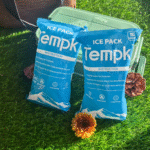
Antes de comparar proveedores o precios, Asegúrate de que todos se refieren al mismo producto.. En muchos listados industriales, una bolsa de hielo seco es una bolsa o lámina de forma seca que se hidrata con agua, congelado, y luego utilizado como refrigerante dentro de un contenedor aislado. Puede llegar como una pequeña hoja celular., una manta más grande, una bolsa estilo ladrillo, u otro formato a base de gel. Eso no es lo mismo que el hielo seco con dióxido de carbono., que alcanza temperaturas mucho más bajas, ventila el gas mientras se sublima, y está sujeto a normas específicas de transporte y seguridad.. Confundir los dos términos puede crear errores de especificación., sorpresas de costos, e incluso problemas de cumplimiento en envíos aéreos.
La mayoría de los productos de esta categoría utilizan una película sellada o una estructura de película más no tejida que contiene un medio absorbente de agua.. En muchos diseños comerciales ese medio es un polímero superabsorbente., a veces se combina con un gel o una formulación de cambio de fase. Después de que el agua ingresa al paquete, El material interno se hincha y atrapa el líquido dentro de celdas separadas.. Una vez congelado, esas células absorben el calor de la carga útil y ayudan a frenar el aumento de temperatura. Los formatos de láminas pueden envolver las esquinas y distribuir el enfriamiento de manera más uniforme que los ladrillos rígidos., mientras que los formatos de ladrillo o de bolsa son más fáciles de apilar en capas repetibles.
Compare las principales opciones de refrigerantes antes de comprar
Una hoja en estado seco es atractiva cuando se desea una cobertura flexible y un volumen de almacenamiento entrante bajo.. Un paquete de gel precargado resulta atractivo cuando se desea una preparación sencilla y un manejo repetible.. Un ladrillo rígido o un ladrillo PCM es útil cuando apilar cuestiones de disciplina. El hielo seco con dióxido de carbono pertenece a una clase diferente: es la opción para aplicaciones mucho más frías, pero trae ventilación, manejo, y obligaciones de transporte que no corresponden a las bolsas de gel hidratadas ordinarias.
| Formato | Rutas adecuadas | vigilancia principal |
|---|---|---|
| Hidratar la bolsa de hielo seco | Bajo volumen de almacenamiento antes de su uso y embalaje flexible | Requiere hidratación controlada y congelación total. |
| Paquete de gel precargado | Implementación más sencilla y menos mano de obra de preparación | Más voluminoso para almacenar y transportar |
| Ladrillo de hielo rígido o ladrillo PCM | Capas estructuradas y apilamiento más fuerte. | Menos adaptable a cargas irregulares. |
| Hielo seco de dióxido de carbono | Requisitos de transporte de congelados mucho más fríos | Perfil diferente de peligros y cumplimiento |
Dónde encajan mejor estos paquetes en la práctica
Los paquetes de estado seco y los refrigerantes en láminas se utilizan comúnmente cuando los equipos necesitan una fuente de frío liviana para envíos unidireccionales o repetidos de productos del mar., carne, lácteos, rellenos de panadería, kits de comida, productos frescos, y artículos de laboratorio o diagnóstico.. También se utilizan en envases farmacéuticos secundarios cuando el transportista completo se ha adaptado a una banda de temperatura y duración de ruta conocidas.. Los formatos de láminas flexibles son especialmente útiles cuando la carga útil tiene una forma irregular o cuando la cobertura alrededor de la parte superior y los lados es más importante que construir una pared rígida de ladrillos fríos..
Son menos adecuados cuando se necesita un verdadero transporte a temperatura ultrabaja., cuando no controlas el flujo de trabajo de hidratación y congelación, o cuando la ruta es tan dura que se requiere un transportista aislado de mayor rendimiento y una estrategia de refrigerante mejor definida. En muchos casos, la respuesta correcta no es "más paquetes." Es una mejor combinación de preacondicionamiento., colocación del paquete, aislamiento, y tiempo de envío.
El acondicionamiento del flujo de trabajo es más importante de lo que muchos compradores esperan
Los paquetes de estado seco introducen un paso operativo adicional en comparación con los paquetes de gel precargados: activación. Ese paso suena simple, sin embargo, puede determinar si el programa funciona sin problemas. Los equipos necesitan un método repetible para remojar o hidratar la mochila., eliminar el exceso de agua superficial, y congelar el paquete durante el tiempo suficiente para alcanzar la condición deseada. Si la hidratación es inconsistente, algunas celdas pueden permanecer insuficientemente llenas. Si los paquetes están demasiado densos en el congelador, la congelación puede ser desigual. Si el exceso de agua superficial queda en el exterior, el paquete puede congelarse junto con los paquetes vecinos o crear escarcha innecesaria.
Para programas de bajo volumen, esos problemas son manejables. Para programas mayoristas o a granel, se convierten en preguntas de proceso. Los compradores deben preguntarse si su propia operación puede respaldar la rutina recomendada por el proveedor a escala.. Una hoja seca muy compacta puede parecer ideal durante la adquisición, pero resultar incómoda si el almacén tiene una capacidad de congelación limitada o si los operadores necesitan una respuesta rápida.. Eso no hace que el producto sea pobre.. Simplemente significa que el producto y el proceso deben diseñarse juntos..
El rendimiento térmico es siempre una cuestión de sistema, no es una pregunta solo para el paquete. Un mismo pack puede comportarse de forma muy diferente dependiendo de la temperatura inicial de la mercancía., el tipo de aislamiento, qué tan apretadamente está cargada la carga útil, ¿Cuánto aire vacío queda en la caja?, y si el envío se encuentra en una furgoneta, en una pista, o en una jaula de depósito. Es por eso que los compradores experimentados pasan por alto el reclamo de tiempo de espera de los titulares y solicitan una lógica de paquete de ruta específica., no solo una declaración de marketing.
Cómo se ve la buena evidencia
La evidencia de la cadena de frío no tiene por qué ser complicada, pero tiene que ser relevante. Evidencia útil explica el método de condicionamiento., el tipo de remitente, la cantidad de carga útil, la colocación del refrigerante, y la exposición ambiental utilizada durante la prueba.. Una mejor evidencia también distingue entre vías fáciles y difíciles en lugar de presentar una afirmación amplia para cada caso de uso..
Para compradores, El paso práctico es pedir dos niveles de prueba.. La primera es la prueba a nivel de proveedor.: hojas de especificaciones, información material, y cualquier prueba o guía de manejo que el proveedor ya tenga. El segundo es la prueba a nivel de programa.: un envío piloto o control térmico utilizando su propia lógica de embalaje y ruta. Ese segundo nivel es donde las decisiones de compra se vuelven confiables., porque muestra si el formato sobrevive al manejo real y soporta la banda objetivo en condiciones realistas.
Qué preguntar a los proveedores antes de realizar pedidos al por mayor
Incluso cuando estás investigando el producto en sí en lugar de una región, La calidad del proveedor sigue siendo importante.. Preguntar por dimensiones secas e hidratadas., peso total hidratado, recuento de células, temperatura de uso recomendada, construcción del sello, y cómo se debe colocar el paquete dentro de una caja o revestimiento aislado. Esa es la información que te permite comparar un formato con otro de forma práctica.
También debe preguntar si el reclamo se basa únicamente en el paquete o en un sistema de envío calificado.. Un buen proveedor le explicará la diferencia entre un componente refrigerante y una solución aislada completa.. Si su caso de uso es la comida, Pregunte sobre la documentación de contacto con alimentos o de contacto indirecto cuando sea relevante.. Si es uso farmacéutico o de laboratorio, Solicite una lógica de prueba específica de la ruta., trazabilidad, e instrucciones de manejo claras.
Herramientas útiles para tomar decisiones
Comprueba los detalles antes de elegir el embalaje.
Estas herramientas rápidas pueden ayudarle a comparar el riesgo de la ruta, necesidades de dimensionamiento, opciones de refrigerante, y detalles del embalaje antes de solicitar una cotización.
refrigerante & Referencia PCM
Compare las opciones de refrigerante y PCM cuando una ruta necesite soporte de temperatura adicional.
Comparar opcionesGenerador de lista de cumplimiento
Cree una lista de verificación práctica para la revisión del embalaje, envío, y documentación.
Crear lista de verificaciónRevestimiento de caja & Dimensionamiento de la cubierta de paleta
Lógica de tamaño de revestimiento de cajas y cubiertas de paletas para proyectos de embalaje aislado.
Estimar el tamañoAntes de un pedido al por mayor, confirma estos puntos:
- Tamaño seco versus tamaño hidratado.
- Expectativa de uso único versus expectativa reutilizable.
- Tiempo de hidratación, calidad del agua, y congelar el tiempo.
- Fuerza de la película, resistencia a fugas, y guía de corte a medida.
- Recuentos de cajas, protección contra la humedad, y codificación de lotes.
Una lista de verificación práctica para proveedores
Antes de pasar de la etapa de muestra a la producción o repetir la compra, asegúrese de que la revisión cubra la mayoría de estos puntos:
- Ajuste interno y externo: tamaño seco, tamaño hidratado, y cómo se coloca el paquete dentro del cargador real.
- Masa fría utilizable: peso hidratado, temperatura condicionada, y cuánto del volumen de la caja consume el refrigerante.
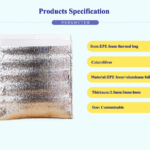
- Materiales de construcción: tipo de película o laminado, refuerzo no tejido, y cualquier resina o sistema absorbente indicado.
- Cierre e integridad: patrón de sello, resistencia a fugas, control de ráfaga, y tolerancia a las células débiles.
- Eficiencia de manejo: apilabilidad, guía de corte a medida, idoneidad envolvente, y si el paquete descongelado permanece limpio para manipularlo.
- Higiene y trazabilidad: SDS, codificación de lotes, etiquetas de cartón, y cualquier declaración de material o contacto con alimentos que necesite.
- Términos comerciales: Cantidad mínima de pedido, stock versus plazo de entrega personalizado, condiciones de configuración de impresión, y cantidades de cajas o palés.
- Consistencia: cómo se relacionan las muestras de aprobación con la producción y cómo se comunican los cambios.
- Idoneidad de la ruta: si el paquete fue seleccionado para su banda de temperatura real, duración del tránsito, y entorno de manipulación.
Cumplimiento, Calificación, y documentación
Paquetes fríos son componentes, no atajos de cumplimiento. Para uso farmacéutico o sanitario., La pregunta crítica es si la configuración de envío completa puede mantener el rango de temperatura previsto en la ruta prevista.. La orientación pública de Health Canada y el material regulatorio orientado al PIB enfatizan el transporte de acuerdo con las condiciones de almacenamiento etiquetadas o las condiciones de transporte respaldadas por datos.. Ese principio se aplica ya sea que esté usando un paquete de gel simple, una sábana hidratada, un ladrillo PCM, o verdadero hielo seco de dióxido de carbono.
Por lo tanto, la documentación debe coincidir con la solicitud.. Para distribución relacionada con alimentos, Los compradores pueden necesitar declaraciones de materiales., Información SDS, y declaraciones relevantes sobre contacto con alimentos o contacto indirecto. Para programas de laboratorio y farmacéuticos., trazabilidad, instrucciones de embalaje, evidencia térmica, y la disciplina de control de cambios son más importantes que los certificados de marketing genéricos. Si el envío utiliza hielo seco de dióxido de carbono real, Se aplican obligaciones de transporte adicionales porque el paquete debe ventilar el gas y seguir requisitos de manipulación y marcado específicos para hielo seco.. Los paquetes de gel hidratado evitan ese perfil de peligro particular del hielo seco, pero aún necesitan evidencia adecuada para su propósito.
Una revisión práctica del cumplimiento también distingue entre un contenedor de manipulación reutilizable y un sistema de control de temperatura calificado.. Una caja reutilizable limpia puede mejorar el manejo y la higiene, pero todavía no ofrecen una protección térmica significativa. Una sábana seca flexible puede proporcionar un enfriamiento útil, aún así sería inadecuado sin la caja aislada adecuada y la validación de ruta. Los compradores de sectores regulados deberían tratar esas distinciones como básicas, No es opcional.
Preguntas frecuentes
¿Son las bolsas de hielo seco lo mismo que el hielo seco con dióxido de carbono??
No. En muchos catálogos de embalaje., Una bolsa de hielo seco es un gel o paquete refrigerante en estado seco que se hidrata y congela antes de su uso.. El hielo seco con dióxido de carbono es un refrigerante completamente diferente. Sublima, requiere ventilación, y tiene normas de transporte y seguridad que no se aplican de la misma manera a las bolsas de gel hidratado.
¿Se pueden utilizar estos paquetes para envíos farmacéuticos??
Pueden ser adecuados como parte de un transportista aislado calificado., pero la idoneidad depende del producto, rango de temperatura, duración de la ruta, y diseño de embalaje. Para productos farmacéuticos, Los compradores deben trabajar a partir de las condiciones de almacenamiento etiquetadas o de las condiciones de transporte respaldadas por datos en lugar de asumir que cualquier paquete frío es automáticamente aceptable..
¿Qué debo probar antes de aprobar un pedido al por mayor??
Pruebe el embalaje real en la caja o revestimiento aislante previsto. Incluir la temperatura inicial del producto., método de acondicionamiento, exposición estacional al frío y al calor, manejo de paquetes si es relevante, y recibir cheques. También compare las muestras de aprobación con las muestras de producción para que el tamaño, masa hidratada, y la calidad del sello no se desvía más tarde.
¿Cuál es el error de compra más común??
El error más común es comparar paquetes solo por el tiempo de espera cotizado o el precio por pieza.. Un comprador obtiene mejores resultados al comparar las dimensiones secas e hidratadas., construcción de película, flujo de trabajo de hidratar y congelar, y evidencia de que el proveedor puede reproducir el mismo paquete de manera consistente.
Conclusión
Una decisión de compra sólida en esta categoría rara vez se trata de encontrar el paquete más frío o más barato.. Se trata de combinar el formato de refrigerante adecuado con el sistema aislado adecuado, Luego, elegir un proveedor que pueda reproducir esa especificación de manera consistente.. Una vez que definas el carril, la banda de temperatura objetivo, y el flujo de trabajo de embalaje claramente, la comparación se vuelve mucho más objetiva.
Acerca de Tempk
Y Tempk, trabajamos en embalaje con temperatura controlada para la comida, farmacéutico, y otros envíos sensibles. Nuestra gama de productos públicos incluye bolsas de hielo en gel, hidratación paquetes de hielo seco, bolsas aisladas, cajas más frescas, cubiertas térmicas para palets, y soluciones de embalaje personalizadas más amplias en múltiples zonas de temperatura. Nos centramos en hacer coincidir el formato del refrigerante y la estructura del transportista con las condiciones reales de transporte para que los compradores puedan comparar opciones prácticas antes de ampliar un programa..
Siguiente paso
Si está comparando formatos de envases o proveedores, Solicite una recomendación basada en su temperatura objetivo., tiempo de tránsito, y condiciones de manejo. Eso hace que las decisiones de personalización y compras al por mayor sean mucho más fáciles de acertar.