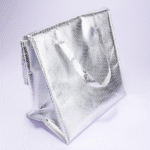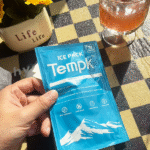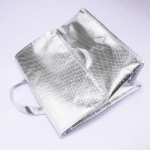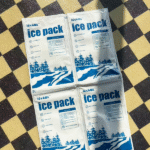
Ice cream shipping design should begin with the condition that the product must retain at receipt, not with a generic claim that a carton stays cold. A gel refrigerant can be part of an effective frozen-dessert packout, but the outcome depends on product starting condition, aislamiento, disposición del refrigerante, perfil de tránsito, retrasos, and the standard used to judge the delivery. The most useful packaging plan turns those variables into a repeatable route test.
Define the Product Acceptance Condition
The product owner should identify the condition that defines an acceptable delivery. This may include product temperature, physical appearance, textura, evidence of thawing or refreezing, integridad del paquete, and applicable food-safety controls. The packaging supplier or designer should not invent these limits from a coolant product sheet. Una vez que la condición de aceptación sea clara, the packout can be designed to challenge it.
USDA guidance lists frozen paquetes de gel y hielo seco as possible cold sources for mail-order perishable foods. That is useful context, but it is not a qualification method for an ice cream carton. A selected coolant must still be tested within the intended shipper, carga útil, carril, and handling scenario.
Referencia: USDA FSIS mail order food safety guidance.
Herramientas útiles para tomar decisiones
Comprueba los detalles antes de elegir el embalaje.
Estas herramientas rápidas pueden ayudarle a comparar el riesgo de la ruta, necesidades de dimensionamiento, opciones de refrigerante, y detalles del embalaje antes de solicitar una cotización.
Selector de embalaje
Compare las opciones de embalaje aislado por producto, ruta, y necesidad de temperatura.
encontrar embalajeGenerador de lista de cumplimiento
Cree una lista de verificación práctica para la revisión del embalaje, envío, y documentación.
Crear lista de verificaciónReferencia del material aislante
Compare opciones de materiales aislantes para diferentes necesidades de embalaje de la cadena de frío.
Comparar materialesChoose a Gel Refrigerant Layout
| Decisión de diseño | Por que importa | Test observation |
|---|---|---|
| Formato de refrigerante | Bolsas, almohadilla, and blocks occupy space and contact the payload differently. | Does the format fit without crushing product or creating large voids? |
| Colocación de refrigerante | Arriba, lado, base, and distributed arrangements change the heat path. | Are there warmer zones or direct-contact risks inside the carton? |
| Aislamiento | The liner or shipper changes both thermal behavior and usable interior volume. | Does the insulation fit the stated payload without reducing the intended load? |
| Acondicionamiento | Un congelado, enfriado, or partly conditioned coolant changes the starting heat balance. | Can the packing team consistently achieve the specified condition? |
| Delay allowance | A realistic contingency defines whether the packout is resilient enough. | How does the product condition change after the agreed delay profile? |
Why a Stand Alone Hold Time Is Not Enough
A stated number of hours is meaningful only when the test setup is known. Dimensiones del cartón, aislamiento, masa del producto, cantidad de refrigerante, temperaturas iniciales, exposición ambiental, flujo de aire, orientación, manejo, and sensor placement can all change the result. A low-payload test in a controlled chamber cannot be assumed to represent a full carton moving through a parcel network.
Run a Route Relevant Trial
A useful pilot uses the proposed shipment configuration rather than an idealized version of it. Pack the intended product or a justified simulator in the intended carton. Condition the coolant according to the proposed work instruction. Place sensors where they answer the real question, not only where temperature appears most favorable. Challenge the packout with a representative transit scenario and a pre-agreed delay condition if it is part of the design requirement.
Inspect More Than Temperature
The test result should record physical observations as well as temperature data. Check container damage, migración de humedad, deformación del paquete, condición del sello, apariencia del producto, and the signs that the product-quality team has defined as unacceptable. A carton can produce a reasonable logger trace while still creating a handling or product-quality problem.
Plan for Seasonal Change
A packout that works in a mild test window may require a different coolant configuration during hot weather or on a more demanding lane. Keep the original test assumptions visible, then define when the configuration will be rechecked. A seasonal review is more useful than updating a page with an unqualified universal claim.
Practical Checklist
- Define delivery acceptance before selecting coolant size or quantity.
- Test the full carton, carga útil, aislamiento, and coolant layout together.
- Record conditioning and sensor placement so the trial can be repeated.
- Separate food-handling guidance from route-specific packaging evidence.
- Review the configuration when the product, caja de cartón, carril, or seasonal risk changes.