If you are comparing suppliers for industrial plastic bin solutions for chemical packaging, the first job is to define what problem the container must solve in chemical packaging and handling. Most buyers are trying to protect the product, reducir la fricción de manipulación, and create a packaging format that is easier to reuse and control at scale. Those goals are realistic, but only when the container is matched to the route, la carga útil, and the day-to-day workflow.
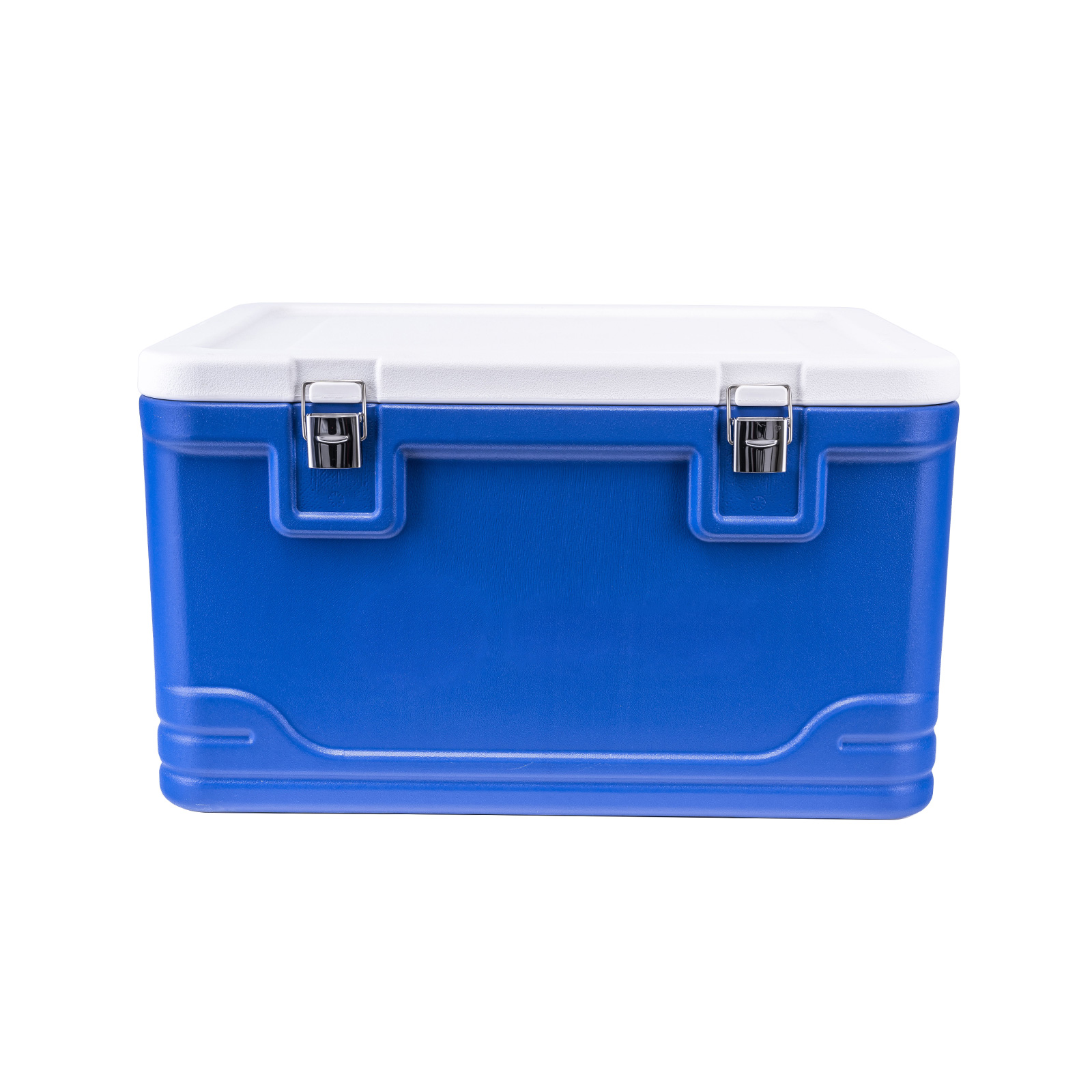
The most useful buying distinction is simple: an industrial plastic bin may be suitable for storage support, contención secundaria, or handling of packaged chemicals, but it is not automatically the correct primary transport package for every chemical product. A reusable plastic container may be the right outer handling format, a useful short-term temperature buffer, or part of a more complete packaging system. It becomes a poor choice only when buyers expect it to do more than the design can actually support. The rest of the decision should flow from that boundary.
What the Container Should Do in Real Operations
A good industrial plastic bin should make daily handling easier before it makes a presentation slide look impressive. It should fit the actual route, support a stable load, and give operators a repeatable way to prepare, mover, recibir, and reuse the package. En muchos programas, the biggest gains come from fewer damaged loads, flujos de trabajo más limpios, and better space use rather than from one dramatic specification.
That is also why buyers should compare full operating fit. Limpieza, el secado, etiquetado, manejo de devolución, and sample-to-production consistency matter just as much as the headline material. When the package works in the whole loop, it starts to reduce cost and risk. When it works only in the catalog, it becomes a source of exceptions.
Set the Performance Boundary Before You Compare Quotes
A lot of wasted procurement time comes from asking one container to do three different jobs. Start by defining whether the package is primarily a reusable handling format, a short-term temperature buffer, or part of a fuller insulated shipping system. That single clarification removes much of the confusion from supplier comparison.
Once the boundary is clear, the rest of the evaluation becomes more practical. You can compare structure, facilidad de limpieza, closure behavior, thermal support, ajuste de ruta, and return logistics without mixing unlike products into the same shortlist.
How to Read the Design Instead of the Sales Sheet
Good container selection starts by reading the design honestly. HDPE and PP are common reference materials in chemical handling because they resist many substances well, but compatibility depends on the exact chemical, concentración, temperatura, tiempo de exposición, and mechanical stress. Buyers should then look at the whole system interface: comportamiento de la tapa, load transfer, limpieza de la realidad, control de etiquetas, and how the package is expected to be used every day.
Tapas, sellos, revestimiento, and gasket systems matter because many chemical problems begin at openings and interfaces, not in the center of a thick wall. Para productos químicos, the key issue is less hygiene in the food sense and more cleanability, residue control, and preventing cross-contact between incompatible contents. Identificación clara, hazard labeling space, and lot control are essential so operators do not treat a generic plastic bin as interchangeable across chemicals. En otras palabras, the right container is rarely the one with the boldest headline claim. It is the one whose details match the actual work.
The Criteria That Usually Decide the Outcome
Most buying decisions become easier once the evaluation moves away from vague quality language and into a few practical variables.
- Compatibility before geometry: Do not select a bin by footprint alone. Start with chemical identity, concentración, temperatura, and exposure duration.
- Primary versus secondary role: Some plastic bins are best used to hold sealed inner packages, support in-plant transfer, or provide containment around a process rather than act as the primary package.
- Permeation and stress cracking: A resin can look compatible on a chart and still fail under temperature, strain, or long dwell conditions.
- Integridad del cierre: The weakest point is often the lid, empaquetadora, válvula, or fit-up rather than the wall material.
- Segregation and containment: Chemical operations need practical ways to separate incompatible materials and manage spills, not just durable bins.
- Regulated transport: Hazardous shipments may require UN-rated packaging or other transport-specific compliance that goes beyond a generic industrial bin.
Keep the Factual Boundary Clear
One of the best ways to avoid bad packaging decisions is to keep the factual boundary honest. A supplier may offer useful data on structure, limpieza, or thermal behavior, but the final decision still has to reflect your route, producto, proceso de recepción, and control requirements. That is why buyers should ask what the data proves, what it does not prove, and what additional trial or qualification work may still be needed.
Think in Terms of Program Cost, Not Unit Cost
An inexpensive container can still be costly if it breaks stacks, complicates cleaning, wastes cube, or creates relabeling work. A more expensive container can still be the better choice if it survives longer, supports a cleaner process, and reduces daily friction across multiple sites.
The practical comparison is therefore program cost: purchase price, vida útil, eficiencia de retorno, esfuerzo de limpieza, piezas de repuesto, and any effect on product loss or handling speed. That wider lens usually leads to a better supplier conversation.
A Practical Supplier Checklist
If you only keep one section from this guide, keep this one. It helps turn a vague sourcing project into a decision with visible criteria.
- Provide the exact chemical profile: Nombre, concentración, rango de temperatura, fill condition, and expected dwell time all matter when evaluating plastic compatibility.
- Ask whether the bin is primary or secondary packaging: A serious supplier should clarify the intended role instead of assuming one bin does everything.
- Review compatibility data cautiously: Charts are a starting point, not the final answer, especially when stress, calor, or long exposure are involved.
- Check all contact points: Gaskets, tapa, revestimiento, fittings, and welded areas should be reviewed alongside the main resin.
- Discuss segregation and spill control: Bins may need to work with trays, palets, or containment measures rather than serve alone.
- Confirm any transport obligations: If the chemical will move under hazardous transport rules, packaging requirements may be much stricter than for internal storage.
- Run a trial with the actual product: Bench testing or controlled pilot use is often more valuable than generic compatibility claims.
- Establish change control: Resin swaps, supplier substitutions, or small design changes can alter performance materially in chemical service.
Where the Right Design Creates Real Value
The best way to test whether a container choice makes sense is to place it inside a real scenario rather than discuss it as a generic packaging type.
- Secondary containment for packaged chemicals: Industrial plastic bins are often useful when sealed bottles, bolsas, or smaller packs need organized transport and spill-managed storage.
- In-plant transfer of solids or additives: Where the chemistry and exposure are well understood, reusable bins may support internal movement efficiently.
- Waste and residue handling: Some operations use dedicated plastic bins for segregated waste streams, but only after compatibility and containment are assessed carefully.
Test the Whole Workflow, Not Just the Container
The strongest way to validate a supplier is to test the whole workflow. Include loading, apilado, recepción, limpieza, manejo de devolución, and any temperature or traceability steps that belong to the package. This reveals whether the product works in your operation instead of only in a catalog environment.
It also helps buyers separate a strong sample from a strong long-term supply program. A good supplier should be able to discuss pilot scope, repetibilidad de producción, control de cambios, and how the packaging will be supported after the first order ships.
What Usually Goes Wrong
Most buying mistakes sound small at the start and become expensive only after the first rollout.
- Treating a compatibility chart as a full engineering approval.
- Ignoring temperature and mechanical stress while focusing only on chemical name.
- Using one generic plastic bin across incompatible materials.
- Assuming an industrial bin is automatically suitable for regulated transport packaging.
Sustainability Only Counts When the Program Works
Reusable packaging is attractive for good reason, but the real test is operational. Chemical packaging buyers are putting more emphasis on documented compatibility, trazabilidad, and practical containment rather than generic resin claims. Reusable plastic solutions remain attractive in controlled in-plant loops where exposure is understood and return logistics are manageable. Risk reduction increasingly comes from clearer role definition: primary pack, contención secundaria, or internal handling support. A container that comes back reliably, stays in specification, and prevents product loss can create meaningful value. A package that is reusable in theory but awkward to wash, devolver, or redeploy usually does not.
A Final Integration Check
Antes de realizar un pedido grande, compare the candidate container against the real workflow one more time: cargando, transporte, recibo, inspección, limpieza, devolver, and any temperature or traceability requirements. That quick integration check often catches issues that would otherwise appear only after rollout.
It also forces suppliers to show whether they understand the application beyond the sales stage. The better they can translate the design into day-to-day use, the more dependable the program is likely to be.
Preguntas frecuentes
Are HDPE and PP always safe for chemical packaging? No. They are widely used and often perform well, but actual suitability depends on the specific chemical conditions and the container design.
Can an industrial plastic bin be used as primary chemical packaging? A veces, but not by assumption. The intended role and any transport rules must be reviewed first.
What should buyers test before rollout? Compatibility under the real temperature, tiempo de exposición, stress, and closure conditions of the intended application.
A Practical Bottom Line
The most useful way to buy in this category is to define the operating role, compare the few variables that really change performance, and shortlist suppliers who can answer practical questions clearly. That approach helps you choose a container that supports the whole workflow rather than creating new exceptions.
Acerca de Tempk
We focus on temperature-controlled packaging for pharmaceutical and food cold chains. Public information on Tempk highlights products such as insulated boxes, cubiertas de paletas, and coolant packs, together with packaging support that helps buyers match solutions to route duration and product sensitivity. Tempk’s public portfolio is centered on temperature-controlled packaging rather than mainstream chemical bins, but the broader lesson still applies: packaging must be matched to route, sensibilidad del producto, and operating reality instead of broad claims. When the job requires more than a standard reusable container, that system view matters.
Siguiente paso
Si estás comparando opciones ahora, comienza con tu ruta real, producto, y método de manipulación. Then ask suppliers to propose a container around those conditions rather than around a generic size or marketing claim.