Embalaje de mochila aislante para alimentos congelados: Especificar el sistema, No sólo la bolsa
Un pedido congelado puede salir del congelador de despacho en perfectas condiciones y aun así llegar suavizado porque la decisión del empaque comenzó con el tamaño de la bolsa en lugar de con la ruta.. Eficaz mochila aislada El envasado de alimentos congelados es un sistema definido.: producto, paquetes primarios, aislamiento, refrigerante, patrón de carga, manejo, escucha, y criterios de aceptación. La mochila frena la entrada de calor a la carga.. No crea un ambiente congelado ilimitado., y no puede reparar un producto de arranque caliente. Los compradores que definen el sistema completo pueden probar una promesa significativa, entrenar a los pasajeros para reproducirlo, y saber cuándo se requiere un contenedor o ruta diferente.
El trabajo comienza reemplazando "¿Cuánto tiempo permanece fría esta bolsa??" con un mejor conjunto de decisiones.
Defina cuál debe ser la comida en el momento de la entrega
"todavia frio" no es una especificación. Tampoco lo es "parece congelado." El propietario del producto y el equipo de calidad deben establecer una condición de llegada que tenga en cuenta la seguridad., calidad, duración, y la promesa al cliente. El helado puede perder textura antes de acercarse a un umbral general de seguridad alimentaria. La masa congelada puede funcionar de manera diferente después de una descongelación parcial. glaseado de mariscos, piezas congeladas individualmente, y los componentes de la comida sellados muestran diferentes signos de abuso de temperatura.
La guía federal para el consumidor de EE. UU. identifica 0°F, o alrededor de -18°C, como referencia para el almacenamiento en congeladores. Ese es un punto de orientación útil., pero no elimina la necesidad de un límite de entrega específico del producto.. Un programa comercial debe indicar la condición inicial., condición máxima aceptable en el momento de la entrega, tiempo máximo de ruta, y acción después de una desviación. La decisión puede considerar la temperatura del producto., condición del paquete, historia del tiempo, y procedimientos de calidad aprobados.
Separar tres conceptos en la especificación.:
- Objetivo de almacenamiento congelado: la condición normal en almacenamiento controlado antes y después de la entrega
- Límite de aceptación de entrega: La condición medible que el producto debe cumplir en el momento de la entrega.
- Límite de disposición de seguridad: El punto y el historial de exposición que desencadenan la evaluación o el rechazo según el plan de inocuidad de los alimentos.
Estos valores pueden no ser idénticos.. Tratarlos como un solo número puede conducir a una eliminación innecesaria o a una promesa de entrega congelada demasiado permisiva.. Las normas locales y los requisitos del cliente también varían.. El Código Alimentario de la FDA es un modelo que se ofrece para su adopción por las jurisdicciones, por lo que se deberá confirmar el código adoptado y el plan propio del establecimiento..
La declaración de aceptación debe cubrir también la condición física.. Un producto congelado puede quedar demasiado triturado, húmedo, goteando, o contaminado para su aceptación incluso cuando su lectura de temperatura esté dentro del rango. En cambio, Ningún empleado debe probar un artículo cuestionable para decidir si es seguro..
Utilice cinco puertas de decisión antes de aprobar una mochila
Una revisión basada en puertas evita que las características atractivas pasen por alto la idoneidad básica. Cada puerta pide una decisión y una prueba..
| Puerta | decisión a tomar | Evidencia que cierra la puerta | Razón típica para parar |
|---|---|---|---|
| Producto | ¿Qué condición de llegada protege esta comida y la promesa al cliente?? | Inicio aprobado, aceptación, y criterios de desviación | "Congelado" no ha sido definido para el producto |
| Ruta | Que tiempo creíble, exposición ambiental, aberturas, retrasos, y los traspasos deben estar cubiertos? | Ruta mapeada con mínimo, normal, y casos graves pero creíbles | El tiempo de permanencia o ruta sin supervisión permanece sin control |
| Empaquetado | que bolsa, refrigerante, rango de carga útil, y el patrón de carga pueden enfrentar el desafío? | Configuración de intención de producción con SOP ilustrado | Fuente de frío, capacidad, o el cierre sigue siendo genérico |
| Verificación | ¿Funciona el sistema completo con variaciones realistas?? | Estudio térmico controlado más piloto de campo representativo. | La evidencia utiliza una carga útil diferente o una bolsa sin abrir |
| Control | ¿Pueden las personas reproducirse?, inspeccionar, limpio, monitor, y cambiar el sistema de forma segura? | Capacitación, cheques entrantes, límites de operación, y control de cambios | El éxito depende de un empacador experto o de condiciones perfectas |
Fallar en una puerta es información útil. Puede indicar una ruta más corta., promesa de servicio diferente, zona de orden más pequeña, más robusto remitente pasivo, vehículo refrigerado, o contenedor activo. El objetivo no es forzar que todos los carriles adopten un formato de mochila..
Traducir la ruta en un desafío termal
Mida el tiempo de ruta desde la retirada del almacenamiento congelado controlado hasta su colocación en un almacenamiento adecuado o la entrega final aceptada.. Incluir montaje de pedido, colas de despacho, cargando jinete, tráfico, aparcamiento, acceso de seguridad, ascensores, intentos fallidos de entrega, y retrasos en la recepción. Un paseo de quince minutos puede convertirse en una exposición de cuarenta minutos antes de que la comida llegue al congelador..
La temperatura ambiente es sólo una parte del desafío. Luz solar directa, una caja de motocicleta encima de un motor caliente, un auto cerrado, pavimento oscuro, y un estante al aire libre puede exponer la mochila al calor localizado. Registre dónde descansa la bolsa y cómo se sujeta. Si se usa la misma bolsa en invierno, incluir la flexibilidad a baja temperatura y la condensación en la evaluación en lugar de asumir que el clima frío elimina todos los riesgos.
Contar aperturas. Una mochila compartida utilizada para seis entregas experimenta un proceso diferente al de seis módulos cerrados retirados uno a la vez.. La última orden está expuesta a cada apertura y búsqueda anterior.. Secuencia de ruta, visibilidad de la etiqueta, y el diseño del compartimento por lo tanto afectan el rendimiento térmico.
Definir rango de carga útil. La carga mínima a menudo tiene menos frío almacenado y más aire vacío.. La carga máxima puede comprimir el aislamiento., bloque de mangas de refrigerante, doblar divisores, o evitar que el cierre selle. Utilice las dimensiones internas después de instalar el revestimiento y los paneles., luego restar el espacio ocupado por los refrigerantes, estantes, y divisores. El volumen bruto del catálogo no es volumen de alimentos utilizable.
Documentar casos normales y de excepción.. Un desafío grave pero creíble podría incluir un envío tardío, una entrega ampliada del edificio, y alta exposición solar. No debe combinar todos los fallos imaginables a menos que esa combinación pueda ocurrir.. Un protocolo de prueba es más valioso cuando representa una decisión operativa en lugar de una demostración teatral de estrés..
Cree un paquete en torno al flujo de calor y el acceso
La pared de la mochila ralentiza la conducción., convección, y radiación. El calor también entra por los cierres, costuras, componentes estructurales, y abrir las tapas. El conjunto terminado importa más que la conductividad anunciada de una capa de espuma..
Pregunta por la construcción completa: exterior, tipo de aislamiento y espesor nominal, cobertura del panel, transatlántico, base, superposición de la tapa, cierre, costuras, reforzamiento, y hardware. Compruebe si hay esquinas comprimidas y espacios. Una base rígida puede proteger las comidas y estabilizar el transportador., pero también puede formar un puente térmico si está mal aislado. Un revestimiento reflectante puede ayudar a gestionar el intercambio radiante en un conjunto adecuado, sin embargo, su brillo no demuestra el rendimiento de toda la bolsa..
El cierre es una característica tanto térmica como de comportamiento.. Los ciclistas deben abrir rápidamente la zona correcta, recuperar un pedido, y cerrarlo completamente. Largos caminos de cremallera, compartimentos demasiado llenos, y las etiquetas ocultas alargan la exposición. Una tapa que se sella cuando la muestra está vacía puede doblarse cuando un pedido real presiona contra ella.. Evalúelo completamente cargado y mientras está usado o montado según lo previsto..
El liner debe resistir el proceso de limpieza definido y permanecer flexible a temperaturas de servicio.. Las costuras deben ser lo suficientemente visibles para inspeccionarlas y tener forma para evitar atrapar líquido.. Los paquetes de alimentos primarios sellados deberían proporcionar la primera barrera contra las fugas.; la mochila es contención secundaria, no reemplaza el embalaje correcto de los alimentos. Si un revestimiento u otro componente está destinado al contacto directo con alimentos, verificar su estatus regulatorio para el alimento real y las condiciones de uso en el mercado de destino.
Seleccione el refrigerante según los requisitos del producto.. Un paquete de gel congelado a base de agua puede agregar masa térmica útil para una ruta corta, pero su comportamiento de fase cerca del punto de congelación del agua puede no ser compatible con un producto que debe permanecer profundamente congelado en un carril difícil.. Se pueden seleccionar otros materiales de cambio de fase alrededor de diferentes regiones de transición.. Cualquiera que sea el formato, solicitar datos termicos, instrucciones de acondicionamiento, información sobre la durabilidad del paquete, y pruebas de pruebas específicas del paquete.
hielo seco, dióxido de carbono sólido a aproximadamente -78,5°C, puede servir aplicaciones congeladas exigentes. También genera riesgos que cambian el embalaje y el funcionamiento.. El contacto puede dañar la piel o dañar algunos paquetes., mientras que el gas sublimado puede acumularse en espacios mal ventilados. El paquete no debe ser estanco al gas.. Los trabajadores necesitan procedimientos de manipulación adecuados, y los envíos aéreos requieren una revisión actual de mercancías peligrosas., marcas, documentación, y aceptación del transportista. Nunca se debe asumir que una mochila de restaurante estándar es compatible con hielo seco sin una evaluación completa de seguridad y transporte..
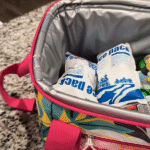
Coloque las fuentes frías donde se produce la carga térmica y asegúrelas para que no se muevan.. Las fundas dedicadas pueden mejorar la repetibilidad. Utilice barreras donde el contacto directo pueda dañar los paquetes de alimentos.. Gestione los huecos sin aplastar el producto ni forzar la apertura de la tapa.. El diagrama de carga aprobado debe mostrar el orden del producto., ubicaciones de refrigerante, posiciones del divisor, y control de cierre.
Condicione cada componente según lo especificado. Una bolsa caliente y un divisor absorben el frío durante la carga.. Los refrigerantes necesitan un método de preparación verificado, no simplemente "dejar toda la noche." El producto debe ingresar en las condiciones de envío aprobadas.. Un paquete pasivo está diseñado para mantener un estado inicial para un desafío limitado.; No sustituye a la congelación rápida ni al almacenamiento controlado..
Genere evidencia que se asemeje a la entrega real
Un informe de proveedor es útil sólo cuando sus condiciones son visibles. Solicita la revisión de la mochila, carga útil, temperaturas iniciales, tipo de refrigerante y acondicionamiento, perfil ambiental, posiciones de los sensores, calendario de apertura, duración de la prueba, criterio de aceptación, datos sin procesar, y desviaciones. Confirmar que la unidad probada representa una construcción de producción..
Herramientas útiles para tomar decisiones
Comprueba los detalles antes de elegir el embalaje.
Estas herramientas rápidas pueden ayudarle a comparar el riesgo de la ruta, necesidades de dimensionamiento, opciones de refrigerante, y detalles del embalaje antes de solicitar una cotización.
Referencia del material aislante
Compare opciones de materiales aislantes para diferentes necesidades de embalaje de la cadena de frío.
Comparar materialesrefrigerante & Referencia PCM
Compare las opciones de refrigerante y PCM cuando una ruta necesite soporte de temperatura adicional.
Comparar opcionesRevestimiento de caja & Dimensionamiento de la cubierta de paleta
Lógica de tamaño de revestimiento de cajas y cubiertas de paletas para proyectos de embalaje aislado.
Estimar el tamañoLas pruebas controladas pueden utilizar una cámara ambiental u otra configuración justificada.. Los enfoques estandarizados como ISTA 7E pueden informar embalaje termico desarrollo para distribucion de paqueteria. Un jinete operado, La mochila abierta repetidamente tiene comportamientos adicionales., por lo que siguen siendo necesarias pruebas de rutas específicas. Un perfil estándar es una referencia, no es una garantía para cada carril.
Utilice el producto real cuando sea práctico o un sustituto térmico justificado que represente su masa y comportamiento.. La prueba mínima, normal, y cargas útiles máximas. Incluya múltiples bolsas con intención de producción porque los materiales y el ensamblaje varían. Si se planea reutilizar, evaluar unidades antiguas o con problemas mecánicos, así como muestras nuevas.
La ubicación del sensor debe revelar el riesgo. Una sonda en el centro protegido no mostrará una esquina superior cálida. Coloque sensores calibrados cerca de la tapa., cierre, paredes exteriores, abajo, y productos vulnerables, con un punto central representativo para comparar. Registre la exposición ambiental por separado. Distinguir el aire, superficie, y lecturas que simulan productos porque responden de manera diferente.
La serie temporal completa es más útil que una lectura final.. Un paso después de cada apertura de tapa apunta al control de acceso.. Un borde ascendente continuo con un núcleo estable sugiere una cobertura insuficiente o un puente térmico. Un aumento rápido desde el despacho puede indicar componentes calientes o acondicionamiento incorrecto del refrigerante.. Una única ubicación inusualmente fría puede mostrar contacto directo con el refrigerante en lugar de un control superior..
Seguir el trabajo de laboratorio con un piloto de campo.. Observe la velocidad de embalaje, visibilidad de la etiqueta, comodidad del ciclista, orientación de la bolsa, disciplina de cierre, movimiento del refrigerante, retrasos en la entrega, y limpieza. Incluir diferentes empleados capacitados; un sistema que funciona sólo cuando el diseñador lo empaqueta y no está listo para escalar.
Imagine un servicio de alimentación con cinco pedidos congelados en un solo transportista.. La prueba de cámara pasa con la bolsa cerrada.. durante el piloto, el último pedido se calienta más rápido porque los pasajeros abren toda la tapa y mueven los paquetes en cada parada. Agregar más refrigerante puede aumentar el peso y dejar intacto el problema de acceso. Ordenar módulos, identificación externa visible, secuencia de entrega revisada, o menos gotas abordan la causa real. Las pruebas deberían ayudar a elegir entre esos controles..
Operar la cadena desde el congelador hasta el receptor
Cree una breve verificación de envío que se pueda completar con una carga de trabajo real.. Confirmar producto lanzado, condición inicial, Fuentes de frío correctamente acondicionadas, mochila limpia y seca, revestimiento intacto, aislamiento completo, cierre laboral, divisores instalados, identidad legible, y carga útil aprobada. Cargue según el diagrama y cierre inmediatamente..
Durante el transporte, Mantenga la bolsa alejada del calor evitable y asegúrela en la orientación aprobada.. No combine comidas calientes con alimentos congelados en un compartimento no controlado.. Los pasajeros deben abrir solo la zona requerida para la entrega actual y nunca deben retirar el refrigerante para crear espacio para un pedido adicional.. El despacho necesita una ruta de escalada para los desbordes de ruta, problemas del vehiculo, clientes perdidos, bolsas dañadas, y monitorear alarmas.
En la entrega, el receptor o pasajero sigue el proceso de aceptación definido. Eso podría incluir sellos de confirmación., condición visible del producto, evidencia de temperatura, y transferir al almacenamiento congelado. Si se pasa un límite, Segregar el producto y seguir el proceso de disposición aprobado.. Volver a congelar no es una acción correctiva universal; El historial del producto y el plan de seguridad alimentaria determinan lo que está permitido..
Para operaciones motorizadas o ferroviarias cubiertas en EE. UU., La regla de transporte sanitario de la FDA asigna responsabilidades de prácticas sanitarias entre partes como los transportistas., cargadores, transportistas, y receptores. Los acuerdos escritos pueden afectar quién controla tareas particulares y cómo se demuestran las condiciones de temperatura.. Las empresas deben confirmar la cobertura., exenciones, y roles en lugar de imprimir "Cumple con FSMA" en una bolsa. Estado del equipo, prevención de la contaminación, capacitación, archivos, y la comunicación operativa siguen siendo fundamentales.
Después de su uso, separar las devoluciones sucias del stock liberado. Siga la química y el método de limpieza aprobados., enjuagar cuando sea necesario, y secar la mochila completamente abierta. Inspeccionar revestimientos, costuras, paneles, cierres, correas, y bases antes del lanzamiento. Retire las unidades con contaminación., humedad atrapada, olor, revestimientos agrietados, aislamiento comprimido, cremalleras fallidas, o daño estructural hasta que sea reparado o retirado.
Seguimiento de las causas de las desviaciones. Categorías como envío cálido., refrigerante faltante, embalaje incorrecto, ruta tardía, aberturas excesivas, cierre fallido, aislamiento dañado, error del monitor, y la limpieza lleva a la acción. un solo "falla de temperatura" categoría oculta si la inversión debería destinarse a congeladores, equipo, enrutamiento, capacitación, o dotación de personal.
Compre para lograr consistencia en la producción y propiedad total
El departamento de adquisiciones debe comparar a los proveedores en función de las pruebas y los controles detrás de la mochila., no solo precio unitario. Emitir un resumen que contenga la condición del producto, ruta, rango de carga útil, refrigerante, patrón de acceso, necesidades de higiene, ergonomía, modelo de reutilización esperado, expectativas de prueba, y mercados de destino. Solicitar a los proveedores que identifiquen supuestos y exclusiones..
Revise una muestra de intención de producción con todos los insertos y fuentes de frío instalados.. Confirmar dimensiones internas y externas., carga útil utilizable, peso cargado, alineación de cierre, pila de capas, cobertura del panel, costuras del forro, estabilidad de la base, ajuste del arnés, ubicaciones de etiquetas, y sujeción del vehículo. tener empacadores, jinetes, personal de limpieza, calidad, y los representantes receptores lo utilizan.
La especificación de compra debe identificar los materiales y la construcción críticos., tolerancias, métodos de inspección, muestra aprobada, trazabilidad del lote, y notificación antes de cambios. Una espuma sustituta, revestimiento más delgado, adhesivo revisado, cremallera diferente, ancla de correa reubicada, o una nueva película de fuente fría puede afectar el rendimiento térmico o higiénico incluso si el nombre del producto sigue siendo el mismo. Definir qué cambios requieren revisión y nueva prueba..
Calcular la propiedad más allá del precio de compra. Incluir inventario de fuentes frías, Espacio en el congelador y energía para acondicionamiento., mano de obra para empacar, escucha, limpieza, zona de secado, refacción, componentes de repuesto, logística inversa, pérdida, pruebas térmicas, desperdicio de producto, y manipulación al final de su vida útil. Una bolsa de bajo costo que tarda demasiado en limpiarse o falla antes de tiempo puede resultar costosa en el servicio diario. Un diseño duradero también pierde valor si la red no puede recuperarlo..
Embalaje reutilizable debe evaluarse a lo largo de su ciclo de vida. La reutilización puede reducir las compras repetidas cuando las maletas completan viajes suficientemente seguros, pero lavando, transporte de regreso, y las piezas de repuesto soportan impactos. Tamaño correcto del portabebés., minimizar materiales innecesarios, diseño para reparación, y verificar que existan rutas de reciclaje reclamadas donde se retirarán las unidades. Las estructuras multicapa pueden ser difíciles de separar incluso cuando cada material parece reciclable.
Las empresas que comercializan envases en el mercado de la Unión Europea deberían incluir un Reglamento (UE) 2025/40 en su revisión de embalaje. El reglamento se aplica generalmente a partir de agosto. 2026 e introduce requisitos y medidas relativas a la composición del embalaje, Reciclabalidad, reutilizar, y prevención de residuos. Las obligaciones específicas dependen del embalaje y del papel de la empresa., por lo que es necesaria una revisión legal o de cumplimiento calificada. La reutilización por sí sola no es prueba de conformidad.
Sepa cuándo la mochila es la respuesta incorrecta
Una mochila aislada es muy adecuada para trabajos controlados de última milla donde el acceso a pie, escaleras, bicicletas, o motocicletas hacen que la movilidad sea importante y donde las condiciones de la ruta se ajustan a un paquete verificado. Puede que sea el formato incorrecto para entregas prolongadas sin supervisión, cargas muy pesadas, tiempos de regreso impredecibles, exposición ambiental severa, altas cantidades de hielo seco, acceso frecuente a temperaturas mixtas, o rutas que no pueden tolerar la variabilidad del sistema pasivo..
No resuelva todas las excepciones agregando refrigerante. Más fuente de frío reduce el espacio en los alimentos y aumenta el peso; También puede crear puntos fríos o nuevos peligros de manipulación.. Las alternativas incluyen un radio de servicio más pequeño., límites de ruta, módulos de pedido separados, almacenamiento intermedio congelado, un cargador pasivo rígido, vehículo refrigerado, contenedor motorizado, o promesa de cliente revisada.
La decisión clave de gestión es la envolvente operativa.. Indique lo que puede llevar la mochila homologada., como esta empacado, qué ruta y exposición cubre, como se monitorea, y qué desencadena la escalada. Cuando el negocio cambia el menú, carga útil, fuente fría, proveedor, construcción de bolsas, ruta, vehículo, producto químico de limpieza, o promesa de entrega, revisar si la evidencia aún se aplica.
La mejor mochila para congelados no es la que tiene la lista de materiales más impresionante. Es el sistema que tu equipo puede definir, prueba, reproducir, inspeccionar, y mejorar. Comience con la condición de llegada del producto., mapear todo el camino de entrega, Diseñar la bolsa y la fuente de frío como un solo paquete., y desafiarlo bajo una variación creíble. Preservar el resultado a través de controles de proveedores y SOP diarios.. Si la ruta cae fuera de ese sobre, cambiar el sistema en lugar de estirar el reclamo.
Acerca de Tempk
Tempk fabrica embalaje de cadena de frío productos, incluyendo mochilas aislantes para llevar, bolsas térmicas, paquetes de gel, ladrillos de hielo, y materiales relacionados para la distribución de alimentos. Nuestro papel en un proyecto de entrega congelada puede comenzar con el informe operativo.: condición del producto, geometría de carga útil, exposición de ruta, aberturas, limpieza, y reutilizar. De eso, podemos discutir la construcción, compartimiento, cierre, y opciones de fuente fría para una muestra con intención de producción. Su equipo debe verificar la configuración final a través de un protocolo y un piloto de campo que refleje sus condiciones de entrega reales..
Comparta el requisito de alimentos congelados, mapa de ruta, carga mínima y máxima, fuente de frio planificada, y recibiendo criterios con Tempk. Solicite una configuración que su adquisición, operaciones, y los equipos de calidad pueden evaluar juntos antes de ampliar.