Bolsa aislante para leche materna: ¿Cómo se mantiene seguro??
If you use an insulated bag breast milk rutina, tu objetivo es simple: mantener la leche fría, mantenlo limpio, y mantener el tiempo bajo control. A practical anchor many parents use is that breast milk can stay in an insulated cooler bag with frozen ice packs up to 24 horas durante el viaje, entonces debería usarse, refrigerado, o congelado en su destino.
Esta guía convierte las reglas de estilo oficial en una rutina repetible que puedes seguir en los días laborables., entregas de guardería, mandados, y vuelos.
Este artículo te ayudará a responder.:
- Cuánto tiempo insulated bag breast milk storage stays safe in real life (y cuando ser más conservador)
- How to pack a breast milk cooler bag with ice packs to avoid warm spots and leaks
- How to handle daycare labeling and handoff steps that prevent mix-ups
- How to pump at work without a reliable fridge (y aún así mantener la leche protegida)
- How to travel by air with fewer security surprises and fewer wasted ounces
Quick note: Most published storage charts are written for healthy, full-term babies. Si su bebé es prematuro o médicamente frágil, follow your clinician’s advice first.
How long can insulated bag breast milk stay safe?
Start with one “memory rule” so you don’t have to re-google everything at 2 soy. Many parents remember the “Rule of 4s” and then add the cooler-bag travel limit on top.
Here’s a simple reference chart you can print and tape near your pump parts.
| Storage situation | Temperatura objetivo | Practical time window | Lo que significa para ti |
|---|---|---|---|
| Countertop | ≤77°F / 25°C | Arriba a 4 horas | OK for short stretches; shorten if the room is warm |
| Refrigerador | ~40°F / 4°C | Arriba a 4 días | Best for daily rotation and “tomorrow’s bottles” |
| Congelador | 0°F / -18°C o más frío | ~6 months best; 12 meses aceptables | Freeze in small portions to reduce waste |
| Bolsa más fresca + bolsas de hielo congeladas | mantenlo frio | Arriba a 24 horas (viajar) | Strong option for commutes and travel days |
| Thawed (in fridge) | Frío | Use within 24 horas | Plan next-day bottles; don’t “push it” |
| Leftover after feeding | temperatura ambiente | Use within 2 horas | Don’t save it “for later” |
What about “8 hours vs 24 hours” in a cooler bag?
You may see different advice in different materials. One approach commonly references arriba a 24 horas with frozen ice packs during travel, while some materials mention 8 horas in a cooler with an ice pack.
If you want a rule that stays simple and feels safe:
- Aim for same-day use when you can
- Use more ice packs and open the bag less
- Choose the more conservative timeline for higher-risk situations
What temperature should insulated bag breast milk feel like?
Your insulated bag is not a magic fridge. es un botón de pausa that slows warming until you reach a real refrigerator or freezer.
Un objetivo práctico es “refrigerator-cold” (about 40°F / 4°C) as quickly as possible.
The two-touch test you can use anywhere
- If milk feels like it just came from the fridge, you’re on track.
- If the inside of the bag feels warm, treat it as a warning and move milk to a fridge/freezer ASAP.
How do you pack an insulated bag breast milk setup fast?
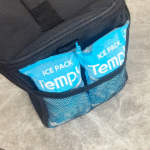
The simplest method is: pre-freeze ice packs, pre-chill milk, empacar fuerte, y mantén la bolsa cerrada.
The reliable 6-step pack-out
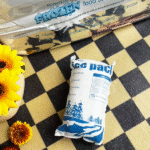
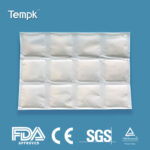
- Freeze ice packs solid overnight.
- Chill milk first (avoid packing warm milk when possible).
- Use clean, sealed containers made for milk storage.
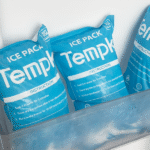
- Pack ice packs alrededor the milk (lados + top beats bottom only).
- Fill empty space with a small towel/spacer to reduce air gaps.
- Close the bag and keep it closed until you truly need it.

A “busy morning” packing table (reduces decision fatigue)
| Elemento de embalaje | Mejor práctica | Error común | Lo que significa para ti |
|---|---|---|---|
| bolsas de hielo | Completamente congelado | “Kind of cold” packs | Shorter safe window |
| Recipiente | Sealed + etiquetado | Unlabeled bottles | Confusión + desperdiciar |
| Disposición | Ice around milk | Ice only under milk | Enfriamiento desigual |
| Space | Packed snug | Lots of empty air | Calentamiento más rápido |
| Acceso | Abrir una vez, cerrar rápido | Repeated peeking | Deriva de temperatura |
How do you prevent contamination and leaks with insulated bag breast milk?
Cold helps, but cleanliness matters too. A simple routine includes washing hands, keeping pump parts clean, avoiding unclean contact, and wiping spills promptly.
The “two-zone” habit that stops most mess
- Clean zone: sealed milk containers
- Dirty zone: used parts, toallitas, anything that touched a counter
- Use a small separate pouch for dirty-zone items so the milk compartment stays clean.
Bottles or storage bags: which is safer on the go?
Pick the option you can seal, etiqueta, and keep cold consistently. Bottles are sturdy; bags save space but can leak if crushed.
| Opción | Fortaleza | Weak point | El mejor uso para ti |
|---|---|---|---|
| Bottles/containers | Strong seal, easy pouring | Takes more space | Workdays with a stable routine |
| Storage bags | Compacto, freezer-friendly | Leak risk when crushed | Freezing and high-volume storage |
| Híbrido | Flexible | Extra handling step | When you need both space + estructura |
Practical leak-proofing tips:
- Put milk bags inside a second zip pouch for “double protection.”
- Keep containers upright with a divider so they don’t tip.
How do you use insulated bag breast milk at work (even without a fridge)?
For an 8–12 hour day, the bag is your bridge, not your home base. Reduce openings and plan one mid-day transfer if a fridge is available.
A realistic workday routine
- Morning: pack milk + bolsas de hielo congeladas
- Midday: move milk to a refrigerator if available
- Afternoon: return milk to the insulated bag for the commute
If your workplace doesn’t provide a refrigerator
Workplace guidance can still support using a personal cooler. It may require employers to allow a nursing employee to bring an insulated container/personal cooler and provide a place to store it while working.
| Work situation | La mejor elección | Por que funciona | Your key habit |
|---|---|---|---|
| No office fridge | Personal cooler bag | Ambiente controlado | Bring enough ice packs |
| Shared fridge | Enfriador + fridge backup | Menos confusiones | Use a labeled container |
| Frequent meetings | Enfriador + sincronización estricta | Prevents warming | Schedule pump windows |
How do you handle daycare labeling for insulated bag breast milk?
Daycare success is mostly labeling and fast handoff. Labeling can include the date/time expressed y el child’s name when delivering to childcare.
Daycare-ready checklist
- Label each container with date/time expressed
- Add your child’s name if required
- Pack the oldest milk first (FIFO)
- Hand off quickly (don’t chat with the bag open)
Some childcare guidance also references storing expressed breast milk in a refrigerator kept at 40°F (4°C) o debajo.

Can you fly with insulated bag breast milk and ice packs?
Yes—plan for extra screening and keep items easy to access. Guidance can allow breast milk in quantities above typical liquid limits, and it can permit cooling accessories like ice packs/freezer packs/frozen gel packs used to cool breast milk.
Simple airport strategy that reduces stress
- Tell the officer you’re carrying breast milk
- Keep milk accessible so you don’t unpack the whole bag
- Bring backup zip bags or absorbent pads for leaks
- Plan para retrasos: your insulated bag is your buffer
Power outage or hotel-freezer “thaw panic”: que hacer
| Situación | lo que revisas | Que haces | Lo que significa para ti |
|---|---|---|---|
| Ice crystals present | Partially thawed | Can refreeze | Menos desperdicio |
| Fully thawed but cold | No crystals | Use within 24 hours or discard | Safer choice |
| Warmed milk | Warm to touch | Use within 2 horas | Don’t stretch it |
If you must warm milk, use warm water—not a microwave.
herramienta de decisión: Which insulated bag breast milk setup fits your day?
This quick tool helps you match insulation + ice packs to your real schedule (not your ideal schedule).
Paso 1: Score your exposure (0–10)
Sumar puntos:
- Tiempo lejos de la nevera: menos de 2h (+1), 2-6h (+2), 6–10h (+3), 10+h (+4)
- Outdoor heat risk: principalmente en el interior (+0), some walking (+1), hot commute/car time (+2)
- How often you’ll open the bag: 1–2 (+0), 3–5 (+1), 6+ (+2)
Paso 2: Match your setup
- 0–3 puntos: compact insulated bag + 1–2 solid ice packs
- 4–6 puntos: aislamiento más fuerte + 2–3 ice packs + embalaje apretado
- 7–10 puntos: highest insulation you can carry + paquetes extra + backup plan (fridge at destination)
Paso 3: Pick one rule you will follow all day
- “Bag stays closed except pump times.”
- “Never leave it in a parked car.”
- “Ice packs always touch the milk containers.”
cuestionario de autoevaluación: Did your insulated bag breast milk stay cold enough?
Answer yes/no:
- Did you start with fully frozen ice packs?
- Did you keep the bag closed most of the time?
- Did you keep the bag out of sun and hot cars?
- Did you label containers clearly?
- Did you transfer milk to a fridge/freezer at the end of the day?
If you answered “no” to 2+ elementos, tighten your plan next time: add one more ice pack, reducir las aberturas, pick a cooler spot at work, and set an end-of-day reminder.
Common mistakes that break insulated bag breast milk safety
Most failures come from predictable problems, not “bad effort”:
- Leaving the bag in a warm car
- Using ice packs that aren’t fully frozen
- Opening the bag repeatedly
- Packing warm milk without enough cooling buffer
- Letting bottles tip and leak (wet insulation loses performance)
Fast fixes you can actually do:
- Keep the bag in the cabin, no el baúl.
- Keep one “emergency” ice pack at work.
- Pre-group bottles so you open once and grab fast.
2025 updates and trends for insulated bag breast milk routines
En 2025, the biggest improvement is not “more gadgets.” It’s clearer alignment across official-style guidance and more repeatable routines. One summary notes breast milk handling/storage guidance updated in Puede 2025, and it highlights simple limits for room temperature, refrigerador, congelador, and cooler-bag travel.
What’s most useful right now (2025)
- Better alignment on time windows across major guidance summaries
- Clearer travel language: arriba a 24 horas in an insulated cooler bag with frozen ice packs
- More workplace acceptance of personal coolers when fridges aren’t available
Preguntas frecuentes
Q1: How long can insulated bag breast milk stay safe with ice packs?
A common travel anchor is arriba a 24 horas in an insulated cooler bag with frozen ice packs, entonces usa, refrigerar, or freeze at your destination.
Q2: What is the “4 hours / 4 días / 6 months” rule?
A simple way to remember storage is 4 horas a temperatura ambiente, 4 días in the fridge, y ~6 months best en el congelador (with longer sometimes listed as acceptable).
Q3: Can daycare refuse milk without labels?
Many programs require clear labeling. A practical checklist includes labeling containers and adding the child’s name when required for childcare delivery.
Q4: Is breast milk allowed through airport security with ice packs?
Guidance can allow breast milk and permit cooling accessories like ice packs/freezer packs/frozen gel packs used to cool it, with screening steps.
Q5: What should I do with leftover milk after a feeding?
A commonly stated rule is to use leftover milk within 2 horas and avoid saving it for later.
Resumen y recomendaciones
un fuerte insulated bag breast milk routine comes down to three levers: frío, limpio, and clock. Use fully frozen ice packs, pack tightly with ice around the containers, and keep the bag closed as much as possible.
For travel days, a practical anchor is arriba a 24 horas in an insulated cooler bag with frozen ice packs, then refrigerate/freeze at your destination.
Tu próximo paso (plan sencillo de 7 días)
- Freeze ice packs every night.
- Use the same pack-out layout every morning (sin improvisar).
- Set one daily reminder: “Transfer milk to fridge/freezer.”
Acerca de Tempk
Y tempk, we apply cold-chain style temperature-control principles to real life—so you can protect temperature-sensitive items with less stress. We focus on repeatable pack-outs, stable insulation performance, and easy-to-clean designs that reduce temperature swings and prevent avoidable waste.
Llamado a la acción: Share your typical time away from a fridge, recuento de botellas, and commute type. We’ll suggest a clear insulated bag breast milk setup (ice layout + tamaño de la bolsa + simple monitoring habits) you can standardize immediately.