Staying competitive as an insulated bag enterprise requires more than just making a sturdy tote. You need to understand how these bags work, pick the right materials, comply with evolving regulations and anticipate market trends. In this guide you’ll learn how an insulated bag enterprise can grow in 2026. The global insulated packaging market is projected to expand from about US$17.86 billion in 2026 to nearly US$29.74 billion by 2034. Nearly half of U.S. consumers say the environmental impact of packaging influences their purchases. We’ll break down what that means for your business.
What Is an Insulated Bag Enterprise and Why Does It Matter?
An insulated bag enterprise designs, manufactures or supplies bags that maintain temperature for perishable or temperature-sensitive goods. These businesses are vital to modern cold-chain logistics. Insulated bags create a thermal barrier using a durable shell, foam insulation and a reflective film. Premium models incorporate vacuum-insulated panels (VIP) o materiales de cambio de fase (PCM) that hold frozen foods below 0 °C or pharmaceuticals between 2–8 °C for days. Such bags protect shipments during grocery runs, meal-kit deliveries, pharmacy orders and biotech transport.
Explicación expandida
From a customer’s perspective, an insulated bag enterprise solves two problems: maintaining quality and simplifying logistics. Modern insulated bags reduce heat transfer via conduction, convection and radiation using layered materials. Por ejemplo, a sturdy outer fabric resists tears while foam creates air pockets that slow conduction. Metalised films reflect radiant heat and VIPs deliver high performance in thin profiles. PCMs absorb or release heat during phase transitions, keeping pharmaceuticals within the required 2–8 °C window for up to 72 horas. These technical features translate into reliability for consumers—whether you’re bringing home ice cream or shipping a vaccine. Con 25 % of vaccines arriving with reduced efficacy due to cold-chain failures, high-quality insulated bags play a critical role in global health.
How Do Insulated Bag Technologies Work?
The performance of an insulated bag comes from its multi-layer construction and supporting technologies. The following table summarises the key components and their benefits to you:
| Componente | Función | Material típico | Lo que significa para ti |
|---|---|---|---|
| Caparazón exterior | Protects inner layers, resists abrasions and moisture | Poliéster, nylon or canvas | Durable exterior withstands daily use and keeps the bag looking professional |
| Aislamiento de espuma | Creates air pockets to slow heat conduction | Closed-cell polyethylene or polyurethane foam | Maintains steady internal temperatures without adding excessive weight |
| Metalized Film | Reflects radiant heat away from contents | Aluminum-coated PET or mylar | Helps keep hot items warm and cold items cool by reducing radiation |
| Paneles aislados al vacío (VIP) | Low-pressure panels provide high R-value in thin designs | Rigid panels with gas evacuated core | Offers high-performance insulation in compact packages for medical shipments |
| Materiales de cambio de fase (PCM) | Absorber o liberar calor a temperaturas específicas. | Parafina, salt hydrates or bio-based PCMs | Maintains temperature windows (2–8 °C or frozen) por períodos prolongados, ideal para productos farmacéuticos |
Consejos prácticos y sugerencias
Short errands: For grocery runs lasting under two hours, a soft-sided bag with foam insulation suffices. Pre-chill the bag and place frozen items at the bottom to maximise cold retention.
Kits de comida & last-mile deliveries: Opt for bags with VIPs or multi-layer foam that can hold temperatures for 24 horas. Ready-to-use kits streamline packing, reduce human error and speed up distribution.
Productos farmacéuticos: Use validated medical-grade bags incorporating PCMs and IoT sensors that provide real-time temperature monitoring. Choose designs that meet Good Distribution Practice (PIB) y Ley de Modernización de la Seguridad Alimentaria (FSMA) Regla 204 requisitos.
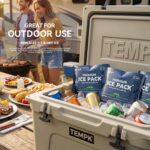
Outdoor adventures: Select rotomolded coolers with thick insulation and comfortable straps. Some smart coolers include USB power, Iluminación LED y altavoces Bluetooth., turning them into multifunctional devices.
Caso del mundo real: A Trader Joe’s reusable insulated tote measuring about 1.5 ft × 1 ft holds roughly eight gallons of groceries. A test showed that after a 45-minute drive, the bag kept items below 40 °F, illustrating how multi-layer insulation protects perishable goods.
How to Choose the Right Insulated Bag for Your Needs?
Selecting the right insulated bag depends on what you’re transporting, how long it must stay within a temperature range and any regulatory requirements. Grocery shoppers may prioritise portability and ease of cleaning, whereas pharmaceutical shippers need certified hold times and data tracking. Understanding these variables will help you choose the appropriate product.
Explicación expandida
The first step is to define your use case:
Grocery and Farmers’ Markets: Reusable totes keep meats, postres lácteos y helados fríos durante el viaje a casa. Many models have padded walls and zippered lids for easy carrying and storage. Simple foam-insulated bags can maintain temperatures for 2–4 hours, ideal for local shopping.
Meal Kits and Last-Mile Deliveries: Meal kit companies rely on thermal bags that maintain temperature for up to 24 horas. Construcción de múltiples capas, VIPs and gel packs support extended hold times. Ready-to-use kits standardise packing dimensions and improve throughput.
Farmacéuticos y biológicos: Medicines often require the 2–8 °C range. Bags equipped with PCMs and data loggers can maintain this window for more than 72 horas. FSMA 204 and GDP guidelines demand digital traceability and records for at least two years.
Industrial and Scientific Samples: Diagnostic samples or chemicals may need even lower temperatures (down to −80 °C). Rigid insulated bags with reinforced structures and multiple closure options meet these demands.
Consumer Recreation: Camping or road trips call for durable coolers with long ice-retention times. Many integrate extra features like power modules for precision cooling or entertainment.
Consumer vs Professional Applications
Different sectors value different features. The consumer market emphasises convenience, style and affordability, while professional applications demand precision, compliance and longevity. An August 2025 industry review compared top insulated bag brands and found that Weierken, Yeti, RTIC and Hydro Flask offered strong insulation, leakproof linings and eco-friendly fabrics. The same report noted that 53 % of consumers seek eco-friendly options when buying insulated bags. On the professional side, companies such as Cold Chain Technologies, Mondi and Peli BioThermal dominate, focusing on medical-grade insulation and compliance.
Below is a quick comparison of bag types and their suitability:
| Tipo de bolsa | Tiempo de mantenimiento de temperatura | Typical Capacity | Ideal para | Beneficio práctico |
|---|---|---|---|---|
| Soft-sided grocery tote | 2–4 hours with pre-chilling | 8 galones (aprox) | Everyday grocery shopping, farmers’ markets | Ligero, plegable, fácil de limpiar |
| Meal-kit/last-mile bag | Arriba a 24 horas con packs de gel | 15–30 litres | Meal-kit services, e-commerce deliveries | Standardised dimensions simplify packing, asegurando un rendimiento consistente |
| Medical-grade bag | 72+ hours with PCMs and VIPs | Varía (6–50 litres) | Vacunas, biológicos, muestras de sangre | Meets regulatory requirements; integrated data loggers support traceability |
| Refrigerador rígido | 3–5 days depending on ice capacity | 30–80 litres | Cámping, recreación al aire libre | Durable, offers multi-day ice retention; some feature USB power or LED lighting |
| Industrial/ultra-cold bag | Maintains temperatures down to –80 °C | 10–40 litres | Lab reagents, químicos especializados | Reinforced structure, customizable sizes and insulation materials |
User-Focused Tips
Match bag capacity to contents: Overfilling reduces airflow and insulation efficiency; under-filling wastes space and reduces hold time.
Pre-condition the bag: Chill or warm the bag before packing to reduce initial temperature shock. For PCMs, freeze or charge them according to manufacturer guidelines.
Place cooling agents strategically: Put gel packs or dry ice on top of contents for cold shipments (Fregaderos de aire frío), and use separators to avoid direct contact with sensitive items.
Considere la ergonomía: Look for padded straps or wheeled options for heavy loads. Accessibility features like side pockets or removable liners make cleaning easier.
Read reviews and test samples: Industry assessments found that the Yeti Daytrip performed well in insulation, leakproofing and durability tests over nine weeks. Trial runs help you evaluate insulation performance versus price.
Caso del mundo real: TechGearLab testers noted that the Yeti Daytrip and Weierken insulated bags kept ice intact for eight hours and resisted leaks. Meanwhile the AO Coolers Canvas Series provided multi-day ice retention at a lower price point.
Materiales sostenibles, Innovation and Regulation Shaping the Industry
Sustainability and technology are redefining what it means to run an insulated bag enterprise. Consumers increasingly demand eco-friendly materials; 79 % of shoppers change purchasing decisions based on environmental impact. Traditional expanded-polystyrene (EPS) foam generates significant waste—80,000 tons were produced in 2018 con menos de 1 % reciclado. To respond, manufacturers are switching to curbside-recyclable paper insulation, repulpable liners, polímeros reciclados y espumas biodegradables. Products such as IPC’s CelluLiner protect shipments for up to 72 hours while remaining fully recyclable. Natural materials like feathers, seaweed and hemp offer comparable thermal performance with lower carbon footprints.
Explicación expandida
Más allá de los materiales, regulation and digitalisation are driving change. La Ley de Modernización de la Seguridad Alimentaria (FSMA) Regla 204, Análisis de riesgos y puntos de control críticos (HACCP) y Buenas Prácticas de Distribución (PIB) standards require companies handling high-risk foods to track critical events (cosecha, embalaje, envío, recepción), mantener registros digitales durante al menos dos años y proporcionarlos a los reguladores dentro 24 horas. Compliance fosters transparency and reduces liability. The rule’s compliance deadline was originally January 2026 but has been extended by 30 months to allow industry to adopt digital systems.
Al mismo tiempo, technological innovations are transforming bag performance and logistics:
Ready-to-use kits: Preassembled liners and one-piece systems simplify packing and reduce training time.
IoT sensors and Bluetooth loggers: Affordable sensors provide real-time temperature alerts and integrate with cloud platforms. Predictive analytics models optimise routes based on weather and traffic.
AI & cadena de bloques: AI analyses traffic patterns and forecasts demand, while blockchain offers immutable records for each tracking event. These tools accelerate recalls and build trust with regulators and customers.
Embalaje de marca: Bags now double as marketing assets, with custom colours, logos and educational content enhancing the unboxing experience. Direct-to-consumer models demand lightweight, compact packages for residential deliveries.
Consolidación de la industria: Paper-packaging giants Smurfit Kappa and WestRock merged in July 2025 to form Smurfit WestRock, aiming to deliver sustainable thermal solutions. Sonoco vendió su división ThermoSafe a Arsenal Capital Partners en septiembre 2025. Such mergers create larger portfolios and support research into sustainable packaging.
Sustainable Technology & Regulation Table
| Innovación / Regulación | Descripción | Por qué te importa |
|---|---|---|
| Curbside-recyclable insulation | Paper-based liners such as CelluLiner protect shipments for up to 72 hours and can be recycled with household paper waste | Reduces environmental footprint and appeals to eco-conscious consumers while meeting performance needs |
| Natural fibre insulation | Feathers, seaweed and hemp offer comparable thermal performance and are biodegradable | Diversifies material sourcing and positions your brand as sustainable |
| FSMA 204 & HACCP compliance | Requires digital records of harvest, embalaje, eventos de envío y recepción; códigos de trazabilidad únicos; capacitación del personal | Garantiza el cumplimiento normativo, qualifies you for contracts and builds consumer trust |
| IoT & análisis predictivo | Sensores, RFID, GPS and BLE devices send real-time temperature data; analytics optimise routes and prevent excursions | Minimises spoilage, supports rapid interventions and reduces costs |
| cadena de bloques & plataformas en la nube | Immutable records of each shipment allow fast recalls and secure data sharing | Improves transparency across the supply chain and differentiates your services |
| Crecimiento de envases reutilizables | The reusable cold-chain packaging market is projected to grow from US$4.97 billion in 2025 a 9.130 millones de dólares EE.UU. 2034 | Investing in reusable bags provides long-term cost savings and meets sustainability goals |
Practical Tips for Sustainable Operations
Source eco-friendly materials: Replace EPS foam with recyclable or compostable insulation. Highlight sustainability credentials on your packaging and marketing.
Implementar la trazabilidad digital: Adopt software and sensors to meet FSMA 204 requisitos. Digital records not only comply with regulations but also streamline audits and recall processes.
Educar a los clientes: Use printed instructions or QR codes on bags to teach customers how to dispose of or recycle components. Educated users reinforce your brand’s commitment to sustainability.
Colaborar con proveedores: Work with material scientists and suppliers to test new insulation materials such as aerogels or recycled fibres.
Entrena a tu equipo: Staff training on temperature control, documentation and emergency procedures is essential for compliance and quality.
Caso del mundo real: Ranpak’s RecyCold climaliner, launched in August 2023, usos 98.5 % paper and provides insulated thermal protection for up to 48 horas. Cold Chain Technologies’ acquisition of Packaging Technology Group in March 2023 expanded its portfolio of sustainable thermal solutions.
Market Trends and Business Opportunities in 2026
The insulated bag enterprise market is buoyed by rapid growth in e-commerce, meal kits and biopharmaceutical shipments. According to The Business Research Company, the insulated shipping packaging market will rise from US$8.18 billion in 2025 to US$8.78 billion in 2026 (Tocón 7.3 %). It is projected to reach US$11.75 billion by 2030, driven by biopharmaceutical growth, comercio electrónico, smart packaging and cold-chain modernisation. The broader insulated packaging market was valued at US$16.90 billion in 2025 and is expected to grow from US$17.86 billion in 2026 to US$29.74 billion by 2034, con una CAGR de 6.58 % during 2026–2034. Asia Pacific accounted for US$6.06 billion in 2025 and leads the regional market.
E-commerce is a primary driver. In the United States the estimate for e-commerce sales in Q2 2023 climbed by 7.5 % comparado con 2022, while overall retail sales rose by just 0.6 %. The shift to online shopping boosts demand for insulated bags that maintain freshness during delivery. Además, growth in vaccines and biologics, Requiriendo un estricto control de temperatura., fuels demand for high-performance bags. The pharmaceutical and biotechnology segment is projected to grow at 8.43 % CAGR a 2030.
Explicación expandida
Market dynamics vary across segments:
Alimento & Bebida: Kits de comida, grocery deliveries and prepared meals drive volume. The insulated food delivery bag market was valued at US$16.5 billion in 2025 and is forecast to reach US$31.8 billion by 2035. Urbanisation and changing lifestyles increase demand for ready-to-eat food and preserved items, boosting the need for insulated bags.
Insulated coolers: Soft and hard coolers (a subsegment) were valued at US$1.2 billion in 2025 and are expected to reach US$1.9 billion by 2034, with growth fueled by e-commerce and biologics.
Reusable cold-chain packaging: The market is projected to grow from US$4.97 billion in 2025 a 9.130 millones de dólares EE.UU. 2034 as businesses adopt pallets, totes and collapsible crates to reduce waste.
Insulated bags overall: Maximize Market Research estimates that the global insulated bags market was US$15.31 billion in 2024 and will reach US$25.81 billion by 2032, reflejando un 6.74 % Tocón.
Monitoreo de la cadena de frío: The market for real-time monitoring technologies is forecast to grow from US$6.8 billion in 2025 a 13.400 millones de dólares 2032. Encima 25 % of temperature excursions occur during last-mile delivery, highlighting the need for active monitoring.
Perspectivas regionales: North America currently captures about 40.1 % de los ingresos por envases isotérmicos, but Asia Pacific is the fastest-growing region driven by industrial expansion and e-commerce.
Positioning Your Enterprise for Growth
To capitalise on these trends, insulated bag enterprises should consider several strategies:
Diversify product lines: Offer segmented products for grocery, kit de comida, pharma and industrial applications. Each requires different hold times and features.
Invertir en R&D: Experiment with new insulation materials (p.ej., aerogeles, recycled fibres) and integrate smart features such as temperature sensors and QR codes.
Expand regional presence: Asia Pacific’s rapid growth offers opportunities. Form partnerships with local distributors or set up manufacturing hubs to reduce shipping times and tariffs.
Emphasise sustainability: Promote reusable bags and recyclable insulation. Align with ESG goals and pursue certifications to attract eco-conscious consumers and corporate clients.
Pursue strategic partnerships: Mergers like Smurfit WestRock or acquisitions like Cold Chain Technologies and Packaging Technology Group demonstrate how combining expertise can produce integrated solutions.
Adopt digital platforms: Integrate blockchain and IoT solutions to offer end-to-end visibility. This can become a value-added service for clients requiring regulatory compliance and real-time monitoring.
Market Segment Table
| Segmento | 2025 Tamaño del mercado | Projected Growth | Opportunity for Your Business |
|---|---|---|---|
| Insulated shipping packaging | US$8.18 billion | 7.3 % CAGR a 2026 | High demand in e-commerce, Productos farmacéuticos y comercio mundial.; emphasise smart packaging and sustainability |
| Insulated packaging overall | US$16.90 billion | US$29.74 billion by 2034 | Integrate innovations across materials and digital monitoring; capitalise on Asia-Pacific growth |
| Bolsas aisladas | US$15.31 billion | US$25.81 billion by 2032 | Diversify into soft, rigid and ultra-cold bags; emphasise consumer convenience and professional compliance |
| Insulated coolers subsegment | US$1.2 billion | 1.900 millones de dólares por 2034 | Develop premium portable coolers with multi-day ice retention and smart features |
| Meal-kit & bolsas de entrega de alimentos | 16.500 millones de dólares | 31.800 millones de dólares por 2035 | Offer ready-to-use kits and robust insulation to capture last-mile opportunities |
| Reusable cold-chain packaging | 4.970 millones de dólares | 9.130 millones de dólares por 2034 | Invierta en duradero, returnable designs; partner with logistics firms to establish reuse networks |
Consejos prácticos
Monitor competitors and mergers: Track M&A activity to anticipate shifts in supply and technology. Consolidation may impact material costs and distribution networks.
Assess regulatory changes: FSMA 204 compliance may be extended further, but early adoption of digital traceability can become a competitive advantage.
Consider energy costs: Cold-chain logistics consume approximately 15 % de energía global. Designing energy-efficient bags and partnering with green logistics providers can reduce carbon footprints and operating costs.
Optimize packaging for –15 °C storage: The industry push to raise freezer temperatures from –18 °C to –15 °C could lower energy usage by ~10 % but might shorten shelf life by 30 %. Evaluate the trade-offs with clients and adjust insulation thickness accordingly.
Caso del mundo real: E-commerce growth spurred the introduction of RecyCold climaliner, a paper-based thermal liner that keeps goods insulated for up to 48 horas. Mientras tanto, Cold Chain Technologies’ acquisition of Packaging Technology Group expanded its sustainable offerings and improved market reach.
Real-World Applications Across Industries
Insulated bag enterprises serve diverse sectors—from everyday grocery shoppers to pharmaceutical companies and research labs. Tailoring your products to each application increases user satisfaction and reduces waste.
Explicación expandida
Tienda de comestibles & Farmers’ Markets: Lightweight reusable totes keep perishables cold during short trips. The popular Trader Joe’s bag example shows how proper insulation can maintain temperatures below 40 °F for at least 45 minutos. Customers appreciate foldable designs and wipeable interiors.
Kits de comida & Last-Mile Deliveries: Services like Blue Apron and HelloFresh depend on bags that keep ingredients chilled for 24 horas. Prequalified kits reduce packing errors, while branded bags boost customer loyalty and provide marketing space.
Productos farmacéuticos & Biológicos: Temperature excursions can ruin vaccines or biologics; más que 25 % of temperature excursions happen during last-mile delivery. Medical-grade insulated bags with PCMs, VIPs and IoT sensors maintain 2–8 °C for 72 horas. Integrated data loggers support compliance and simplify audits.
Biotecnología & Muestras de laboratorio: Ultra-cold bags use advanced insulation and multiple seals to maintain temperatures down to –80 °C. Customisable sizes accommodate diagnostic samples and hazardous materials. Chinese manufacturers such as Wenzhou Baixiangju and Shenzhen Coolmax supply eco-friendly and custom designs.
Recreación al aire libre & Viajar: Rotomolded coolers and soft coolers keep food and beverages cold for 3–5 days. Some models integrate USB ports, LED lights and speakers, transforming them into multi-purpose tools.
Industrial & Chemical Transport: Samples of chemicals or temperature-sensitive materials often require reinforced bags with adjustable partitions. Data loggers and shock sensors ensure integrity during transit.
Optimizing Cold-Chain Performance
Success across these sectors depends on mastering three elements:
| Performance Element | Descripción | Beneficio |
|---|---|---|
| Mantenimiento de la temperatura | Use multi-layer insulation, VIPs and PCMs to hold specific ranges for the required duration | Previene el deterioro, garantiza el cumplimiento normativo |
| Physical Protection | Reinforced walls, rigid frames and shock-absorbing materials protect delicate goods | Reduces breakage and contamination during transport |
| Data Visibility | Integrar sensores de IoT, RFID and cloud platforms to monitor temperature, humedad y ubicación en tiempo real | Permite intervenciones proactivas, supports audits and builds customer trust |
Consejos prácticos
Tienda de comestibles & meal kit deliveries: Enfriar previamente la bolsa, pack frozen items at the bottom and minimise opening time to maintain temperatures.
Envíos farmacéuticos: Validate packaging against GDP and FSMA 204 pautas; use tamper-evident seals and unique lot codes for traceability.
Outdoor adventures: Choose coolers with features like rugged zippers and comfortable straps. For multi-day trips, consider adding dry ice or block ice in combination with PCMs.
Laboratorio & industrial uses: Specify the required temperature range and duration when ordering; customisation ensures appropriate insulation and compliance.
Caso del mundo real: A reusable cold-chain packaging market study found that durable pallet shippers and totes are projected to double from US$4.97 billion in 2025 a 9.130 millones de dólares EE.UU. 2034. This reflects growing demand for reusable systems across multiple industries.
2026 Últimos desarrollos y tendencias
Staying current with 2026 developments keeps your insulated bag enterprise competitive. Here are the most notable trends:
Últimos desarrollos
Cold chain market expansion: The global cold chain market is forecast to reach US$252.89 billion in 2025, with the food and beverage segment expected to grow from about US$90.81 billion to US$219.44 billion by 2034. This expansion underscores the need for reliable insulated packaging.
Pérdida de alimentos & desperdiciar: Apenas 14 % of the world’s food is lost between harvest and retail due to poor temperature control, y sobre 1 billion tons of food waste contribute 8–10 % de las emisiones globales de gases de efecto invernadero. Insulated bags and improved logistics help reduce waste.
Energía & sostenibilidad: Cold-chain operations use about 15 % of global energy and account for around 2 % de emisiones de CO₂. Innovations include green refrigerants, renewable energy and the proposed shift from −18 °C to −15 °C storage to cut energy use by ~10 %.
Regulatory timeline: FSMA 204 el cumplimiento se ha ampliado en 30 meses, giving businesses until mid-2028 to implement digital traceability systems.
Consolidación del mercado: Mergers and acquisitions like Smurfit WestRock and CCT–PTG continue, creating integrated packaging giants with greater resources.
Ideas del mercado
Preferencias del consumidor: 53 % of buyers prioritise eco-friendly insulated bags. Highlighting sustainable materials can attract this segment.
Embalaje inteligente: Adoption of IoT sensors and predictive analytics is accelerating. The cold-chain monitoring market will nearly double by 2032.
Soluciones reutilizables: Reusable cold-chain packaging is growing quickly. Offering return-able bags and implementing deposit schemes can differentiate your business.
Cambios regionales: Asia Pacific leads growth thanks to expanding e-commerce and pharma industries. Establishing partnerships in China, India and Southeast Asia is crucial.
Preguntas frecuentes
Q1: How long can an insulated bag keep items cold?
Standard grocery totes keep items cold for 2–4 hours, but performance varies by insulation thickness and the use of gel packs. Multi-layer thermal bags with VIPs and PCMs can preserve 2–8 °C for 72 horas o más.
Q2: Can an insulated bag also keep hot items warm?
Sí. Insulated bags slow heat transfer in both directions. Placing hot foods inside will maintain warmth for a few hours. Separate hot and cold items to avoid cross-temperature issues.
Q3: Are insulated bags environmentally friendly?
It depends on materials. EPS foam is difficult to recycle—only about 1 % is recycled in the U.S. Opt for bags made from recyclable paper, polímeros reciclados o espumas biodegradables.
Q4: What regulations apply to insulated bags in food logistics?
La FSMA 204 regla de trazabilidad, HACCP, GDP and ISO quality standards require digital record keeping, análisis de peligros y capacitación del personal. Compliance ensures food safety and simplifies recalls.
Q5: How do I clean and maintain my insulated bag?
Limpia el interior con un paño húmedo después de cada uso y déjalo secar al aire.. Evite el lavado a máquina a menos que lo especifique el fabricante.; frequent washing can degrade insulation. Inspect zippers and seams and repair or replace the bag if insulation is compromised.
Sugerencia
To succeed as an insulated bag enterprise in 2026 you need to master product performance, sustainability and digitalisation. The market will grow sharply over the next decade, with insulated packaging revenues rising from US$17.86 billion in 2026 to almost US$29.74 billion by 2034. Customers are demanding eco-friendly materials, y 79 % change their purchasing decisions based on sustainability. Marcos regulatorios como FSMA 204 require digital traceability, mientras que los sensores inteligentes, AI and blockchain enable real-time monitoring and predictive analytics.
Pasos procesables:
Evalúe su cartera de productos: Identify gaps across grocery, kit de comida, pharmaceutical and industrial segments and develop targeted solutions.
Invest in sustainable materials and reusable designs: Replace EPS with recyclable or compostable insulation and introduce return-able systems.
Adoptar tecnologías digitales: Implementar sensores de IoT, predictive analytics and blockchain to provide real-time visibility and meet FSMA 204 requisitos.
Expand internationally: Explore partnerships or manufacturing in Asia Pacific to capitalise on the region’s rapid growth.
Educate and engage customers: Provide clear instructions on bag use, maintenance and recycling. Encourage feedback to refine your products and strengthen brand loyalty.
Acerca de Tempk
Tempk is a leading player in the cold-chain packaging industry. We specialise in insulated bags, cajas, pallet covers and gel packs designed to maintain temperature integrity during transport. Nuestra R&D centre focuses on eco-friendly materials and multi-layer insulation technologies that meet strict regulatory standards. En 2025 the global insulated packaging market reached US$16.71 billion, and Tempk’s commitment to innovation positions us to serve this growing market. We emphasise quality control through ISO-certified facilities and offer customised solutions for food, Clientes farmacéuticos e industriales..
Llamado a la acción:
Ready to elevate your cold-chain operations? Contact Tempk’s specialists for a personalised consultation. We’ll help you select the right insulated bags, implement digital monitoring and design sustainable packaging systems tailored to your business. Let’s build a resilient and eco-friendly future together.