Ensayos clínicos de OEM con caja aislada: Cómo elegir una solución confiable
Los ensayos clínicos OEM con caja aislada adecuados son los que se ajustan al riesgo del producto, no simplemente el que se adapta al producto. Una decisión de compra segura conecta las condiciones de temperatura requeridas, tamaño de carga útil, plan de refrigerante, exposición de ruta, método de manipulación y evidencia del proveedor antes de realizar un pedido al por mayor.
Para suministro de ensayos clínicos, movimiento de muestras del sitio al laboratorio, y logística de productos en investigación, Esto significa que debe evaluar la caja como un componente pasivo del sistema de cadena de frío.. El aislamiento, refrigerante, embalaje interior, cierre, etiquetas, La posición del registrador de datos y las instrucciones de embalaje deben trabajar juntas.. El objetivo no es una afirmación dramática.; Es una protección repetible que sus equipos de operaciones y calidad pueden comprender..
Una definición práctica para compradores
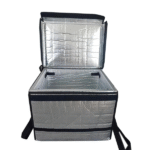
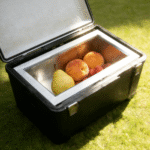
Una definición útil de caja aislada para ensayos clínicos OEM no es solo un contenedor aislado. Es un componente de embalaje pasivo que se utiliza para respaldar la condición requerida de un producto específico a través de una ruta específica.. El aislamiento ralentiza la transferencia de calor.. La masa refrigerante o térmica ayuda a mantener la condición deseada.. El paquete controla cómo esos elementos tocan la carga útil.. El procedimiento operativo hace que el diseño sea repetible..
Esta definición protege a los compradores de dos errores comunes.. La primera es comprar solo por dimensión exterior.. El segundo es tratar la declaración general de un proveedor como aprobación de ruta.. Una caja puede ser apropiada para una carga útil y débil para otra.. Puede que sea adecuado para una ruta local corta, pero necesita una caja de cartón o un plan de refrigerante diferente para el envío de carga.. Puede caber en un producto pero no dejar espacio para etiquetas., absorbentes o monitoreo.
Traduzca el riesgo del producto en una arquitectura de caja
El producto debe impulsar la arquitectura.. Condiciones definidas por protocolo para productos en investigación., muestras biológicas, equipos, reactivos, o devoluciones, con rangos confirmados por el patrocinador y el equipo de calidad deben confirmarse antes de las dimensiones, Se comparan el material y el precio.. Luego considere la vulnerabilidad física del producto.: ¿Está mojado?, frágil, estéril, biológico, peligroso, congelado, sensible al frío, que produce olor, etiqueta crítica o de alto valor? Cada respuesta cambia el embalaje interior..
Variabilidad del embalaje del sitio, documentación faltante, investigación de excursión de temperatura, consistencia del kit del paciente, requisitos de etiquetado ciego, y los retrasos en el servicio de mensajería son el tipo de problemas que convierten una simple cotización en un problema de calidad. Es posible que la caja necesite una barrera contra la humedad., material absorbente, una caja exterior rígida, divisores, un panel de etiquetas, una característica a prueba de manipulaciones o un método específico de separación del refrigerante. También puede necesitar un registrador de datos de temperatura., pero el registrador registra las condiciones; no protege el producto. La protección proviene del embalaje y del proceso..
Para adquisiciones, El paso práctico es elaborar un pequeño resumen de decisiones antes de enviar los dibujos.. Incluir dimensiones de carga útil, masa del producto, unidades por caja, duración de la ruta, exposición ambiental esperada, criterios de aceptación de temperatura, etiquetas especiales, necesidades de limpieza, y si el envío es unidireccional o reutilizable. Este informe ayuda a la fábrica a recomendar una caja que refleje el uso real en lugar de un artículo genérico del catálogo..
Qué verificar antes de realizar el pedido
| Que verificar | Por qué es importante para este envío | Mejor pregunta del comprador |
|---|---|---|
| Que verificar | Por qué es importante para este envío | Mejor pregunta del comprador |
| Requisito de producto y ruta. | condiciones definidas por protocolo para productos en investigación, muestras biológicas, equipos, reactivos, o devoluciones, con gamas confirmadas por el patrocinador y el equipo de calidad | ¿Qué condiciones debe cumplir el producto al recibirlo?, y quien aprueba ese limite? |
| Disposición de embalaje | El aislamiento y el refrigerante solo funcionan cuando el diseño interno es repetible | ¿Puede el proveedor proporcionar un dibujo o una secuencia de embalaje para la muestra?? |
| Control de materiales y dimensiones. | Las unidades a granel deben coincidir con la muestra aprobada. | como son los materiales, dimensiones, Inserciones y cierre controlados durante la producción.? |
| Documentación y etiquetas. | requisitos del protocolo de prueba, clasificación de muestras, cadena de custodia, integridad de los datos, materiales de capacitación, y revisión de calidad en lugar de afirmaciones genéricas del producto | Que etiquetas, archivos, Se debe planificar la colocación del registrador de datos o comprobaciones del soporte.? |
| Evidencia detrás de las afirmaciones | Las afirmaciones sobre el tiempo de retención o la temperatura dependen de las condiciones de la prueba. | ¿Qué carga útil?, El perfil ambiental y los criterios de aceptación respaldan el rendimiento indicado.? |
| Ajuste operativo | Los equipos de almacén y mensajería deben utilizar el diseño correctamente. | ¿Puede el personal empacarlo rápidamente sin improvisar bajo presión rutinaria?? |
Esta tabla de verificación es deliberadamente práctica.. No pide al proveedor que prometa un rendimiento universal.. Le pregunta si la caja propuesta se puede conectar a su producto., ruta y proceso operativo. Esa es la diferencia entre comprar embalajes aislados y aprobar un embalaje repetible con cadena de frío..
Fábrica, OEM, Las funciones de mayorista y fabricante no son las mismas
Términos de búsqueda como fábrica, OEM, la venta al por mayor y el fabricante a menudo se parecen, pero señalan diferentes necesidades del comprador. Un comprador orientado a la fábrica puede preocuparse por la coherencia de la producción., Resistencia del cartón y precio a granel.. Un comprador OEM puede necesitar un tamaño personalizado, etiquetado privado, insertos o componentes de embalaje especiales. A un comprador mayorista le puede interesar el stock estándar, Repetir suministro y especificaciones claras.. Un comprador orientado al fabricante puede hacer preguntas más profundas sobre el control de materiales y los registros de calidad..
Para la palabra clave Ensayos clínicos OEM con caja aislada, La ruta de abastecimiento más segura es ser explícito sobre el puesto que necesita.. Si quieres cajas estándar, Pregunte por tamaños disponibles y listas de componentes.. Si necesita una solución OEM, preguntar sobre dibujos, estampación, etiquetado, aprobación de muestras y control de cambios. Si califica a un fabricante para productos sensibles, Pregunte cómo la versión de producción seguirá siendo consistente con la muestra aprobada.. Si estas exportando, agregue restricciones de transportista y destino con anticipación.
El proveedor no debe ser evaluado únicamente por su disposición a personalizar. Una buena personalización protege el envío y el proceso de compra.. Una mala personalización crea una caja que parece única pero carece de espacio utilizable, claridad del embalaje, capacidad de prueba o estabilidad de la producción.
Escenario típico: Del requisito al embalaje
Una CRO prepara kits de muestras para múltiples sitios de estudio. El paquete debe ser lo suficientemente simple para que el personal del sitio lo siga., pero lo suficientemente controlado como para que el laboratorio central pueda interpretar el estado de cada muestra recibida. Un proceso de abastecimiento sólido comenzaría confirmando la condición requerida del producto y los criterios de recepción.. Luego, el comprador enumeraría la carga útil., ruta esperada, puntos de traspaso y restricciones de manejo. El proveedor propondría una estructura de caja y un plan de refrigerante., y ambas partes revisarían si las etiquetas, absorbente, inserciones, Los pasos para colocar y cerrar el registrador de datos son viables..
El siguiente paso sería una revisión del paquete de muestra.. El comprador debe empaquetar físicamente la caja con productos realistas., refrigerante y accesorios, no solo inspeccionar el contenedor vacío. Si la caja es difícil de cerrar, deja etiquetas ocultas, crea contacto directo con el refrigerante, o el personal tarda demasiado en empacar, El problema debe resolverse antes de la producción a granel.. Si un reclamo térmico es importante, preguntar qué evidencia lo respalda y si se necesita una ruta adicional o una evaluación de laboratorio.
Controles operativos posteriores a la orden de compra
Una orden de compra no finaliza la decisión de la cadena de frío. Inicia la fase operativa. Los equipos de almacén necesitan recibir una inspección para detectar los embalajes entrantes, una forma de identificar lotes de componentes, condiciones claras de almacenamiento para refrigerantes, y un control de liberación antes de que salgan los envíos. Si la caja es reutilizable, El personal también necesita limpieza., el secado, procedimientos de inspección de daños y seguimiento de devoluciones.
Herramientas útiles para tomar decisiones
Comprueba los detalles antes de elegir el embalaje.
Estas herramientas rápidas pueden ayudarle a comparar el riesgo de la ruta, necesidades de dimensionamiento, opciones de refrigerante, y detalles del embalaje antes de solicitar una cotización.
Referencia del material aislante
Compare opciones de materiales aislantes para diferentes necesidades de embalaje de la cadena de frío.
Comparar materialesRevestimiento de caja & Dimensionamiento de la cubierta de paleta
Lógica de tamaño de revestimiento de cajas y cubiertas de paletas para proyectos de embalaje aislado.
Estimar el tamañoCalculadora de bolsa de hielo
Estimación de la cantidad de bolsas de hielo en gel para envíos refrigerados y planificación práctica de rutas.
Estimar las bolsas de hieloEl manejo de excepciones debe definirse antes de que ocurra el primer problema.. ¿Qué sucede si el refrigerante no se acondicionó completamente?? ¿Quién aprueba la liberación del envío si una caja está dañada?? ¿Cómo informarán los receptores las alarmas de temperatura?, cartones mojados, etiquetas faltantes o cierres rotos? Para bienes regulados o de alto valor, la falta de un proceso de excepción puede convertirse en un problema mayor que el defecto de la caja en sí.
El control de cambios es igualmente importante. Es posible que un proveedor desee ajustar el material, estilo de cartón, ajuste de la tapa, espesor del revestimiento o diseño del inserto. Algunos cambios pueden ser inofensivos.; otros pueden alterar el rendimiento térmico u operativo. Los compradores deben solicitar notificación y revisión de cambios que afecten las dimensiones., empacar, materiales, cierre o evidencia. Esto protege el estado aprobado..
Cuando una caja aislada no es suficiente
Una caja aislada no puede resolver todos los riesgos de la cadena de frío. Una caja que protege la temperatura en una prueba de laboratorio aún puede fallar operativamente si el personal del sitio no puede empacarla de manera consistente. Tampoco puede reemplazar la clasificación del producto., calificación de laboratorio o ruta, personal de embalaje capacitado, Monitoreo de temperatura calibrado cuando sea necesario., o procedimientos de recepción. Cuando el producto es muy sensible, regulado, alto valor o encaminado a través de condiciones inciertas, Tratar la caja como parte de un plan de control más amplio..
La advertencia no pretende desalentar el embalaje pasivo.. Los sistemas pasivos son muy útiles porque son flexibles., escalable y a menudo más fácil de implementar que los contenedores activos. La cuestión es evitar exagerar. La pregunta correcta no es si la caja impresiona por sí sola, pero si todo el paquete puede proteger este producto a través de esta ruta con evidencia y manejo repetible.
De la cotización a la producción aprobada
El mejor momento para controlar el riesgo es antes de la primera orden de compra importante.. Una cotización debe describir más que el tamaño y el precio.; debe dejar claro qué componentes están incluidos, lo que el comprador debe suministrar, ¿Qué supuestos se esconden detrás de cualquier declaración de desempeño?, ¿Y qué pasará si es necesario cambiar un componente?.
Para suministro de ensayos clínicos, movimiento de muestras del sitio al laboratorio, y logística de productos en investigación, el registro de aprobación debe conectar la caja elegida a una carga útil específica, ruta y proceso de embalaje. Si un envío futuro utiliza un producto diferente, ruta más larga, refrigerante diferente, caja modificada o nuevo método de manipulación, la antigua aprobación no debe aplicarse a ciegas. El equipo debe revisar qué cambió y decidir si se debe tomar una nueva muestra., Se necesita prueba o aprobación de calidad..
Este enfoque ayuda a ambas partes. El proveedor recibe requisitos más claros y menos quejas ambiguas. El comprador recibe un paquete que es más fácil de reordenar, entrenar e investigar si algo sale mal. En lugar de confiar en un reclamo de venta, la decisión de compra se convierte en un proceso de embalaje controlado.
Acerca de Tempk
Tempk es el embalaje de cadena de frío contexto de marca utilizado para este artículo. La información pública de Tempk describe productos de embalaje de cadena de frío como bolsas de hielo en gel, bolsas de hielo llenas de agua, hidratar bolsas de hielo seco, ladrillos de hielo del congelador, bolsas de almuerzo aisladas, mochilas aislantes para llevar, Cajas aisladas de EPP, Refrigeradores médicos VPU, revestimientos de cajas aisladas, cubiertas de paletas aisladas, y materiales de embalaje relacionados con control de temperatura. Para compradores que evalúan ensayos clínicos OEM de cajas aisladas, Tempk puede respaldar debates sobre el formato de caja, revestimiento, paquetes de gel, ladrillos de hielo, cubiertas de paletas y detalles de embalaje OEM. El punto de partida práctico es compartir el tipo de producto., carga útil, condición objetivo, restricciones de ruta y embalaje, para que la recomendación de embalaje pueda vincularse al envío en lugar de presentarse como una respuesta única para todos.
Conclusión
Se elige una caja aislada confiable para ensayos clínicos OEM a través de la evidencia, ajuste y repetibilidad. Definir la condición del producto., trazar la ruta, comprobar el espacio de carga útil utilizable, revisar el paquete, verificar los controles de los proveedores y mantener un lenguaje de cumplimiento específico para el producto y la ruta. Si el envío es sensible, Solicite documentación y planifique una evaluación adicional antes de escalar.. Comparte tu ruta, requisitos de carga útil y temperatura con Tempk para analizar una opción de embalaje práctica para su próximo envío.
Preguntas frecuentes
¿Pueden los ensayos clínicos OEM de una caja aislada garantizar un rango de temperatura fijo??
No. La caja ralentiza la transferencia de calor., pero el resultado de la temperatura real depende del refrigerante, carga útil, acondicionamiento, ruta, exposición ambiental, cierre y manipulación. Trate cualquier reclamo de rango fijo o tiempo de espera como algo que debe verificarse con su producto y ruta., no como una característica universal de la caja vacía.
¿Qué información debo enviar antes de solicitar una cotización??
Enviar tipo de producto, condición requerida, tamaño de carga útil, número de unidades por caja, tiempo de tránsito, modo de envío, exposición ambiental esperada, necesidades de etiquetas, Necesidades de documentación y cualquier restricción de su equipo de calidad o seguridad.. Para suministro de ensayos clínicos, movimiento de muestras del sitio al laboratorio, y logística de productos en investigación, Incluya el punto de traspaso más riesgoso que ya conoce..
¿Debo elegir EPS?, EPP o un revestimiento aislado?
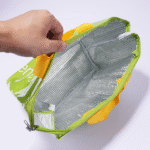
El material adecuado depende de la ruta., manejo, espacio de almacenamiento, plan de reutilización, Sensibilidad del producto y requisitos de eliminación.. El EPS se utiliza a menudo para aislamiento moldeado ligero., El EPP puede satisfacer necesidades de manipulación reutilizables o más resistentes, y los revestimientos pueden reducir el espacio de almacenamiento. La elección final debe confirmarse con las necesidades de embalaje y ruta..
¿Necesito un registrador de datos de temperatura dentro de la caja??
Un registrador es útil cuando necesita evidencia de las condiciones del envío., pero no protege el producto. Si se requiere monitoreo, definir la ubicación del sensor, intervalo de registro, umbrales de alarma, proceso de recuperación y quién revisa las excepciones. Coloque el registrador donde represente el riesgo de carga útil., no directamente contra un paquete de refrigerante.
¿Cómo debo comparar dos proveedores??
Comparar el espacio de carga útil, control de materiales, dibujos de embalaje, consistencia de muestra a producción, notificación de cambio, evidencia detrás de las afirmaciones, fuerza del cartón, soporte de etiquetado y calidad de comunicación. Un precio más bajo no significa mejor valor si el paquete es más difícil de empacar, más débil en la ruta o no respaldado por documentación clara.
¿Es suficiente una caja aislada estándar para uso farmacéutico o clínico??
No por sí solo. Los envíos farmacéuticos y clínicos a menudo necesitan requisitos de temperatura específicos del producto., instrucciones de embalaje aprobadas, documentación, Revisión de calidad y, a veces, evaluación de ruta o de laboratorio.. Una caja estándar puede ser un punto de partida, pero el sistema homologado depende del producto y carril.