Nombre del artículo: Artículo 4: Optimizado para profesionales
Insulated Box OEM Life Sciences: Selección de proveedores sin conjeturas
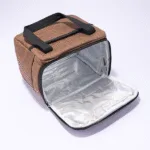
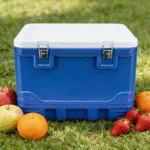
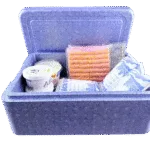
The best insulated box OEM life sciences is the one that matches your product, carril, carga útil, y requisitos de evidencia antes de realizar el primer pedido al por mayor. Para las ciencias de la vida embalaje de cadena de frío, Los equipos de adquisiciones a menudo comparan el precio primero., luego descubre más tarde que la caja no se ajusta al paquete, transportador, refrigerante, o proceso de recepción. Un mejor enfoque es definir qué se debe proteger, lo que debe ser verificado, y lo que debe acreditar el proveedor. Esta guía final reúne esas decisiones en un marco práctico de selección de proveedores..
La respuesta breve sobre adquisiciones
Choose the insulated box OEM life sciences only after you know the product condition, ruta, carga útil, plan de refrigerante, Requisito de recepción, y evidencia necesaria después del parto. Una caja de bajo precio puede ser aceptable para un envío de bajo riesgo., pero es una base pobre para los reactivos, kits de diagnóstico, biológicos, materiales de prueba, muestras de laboratorio, y productos de investigación sensibles cuando la ruta es incierta o el comprador necesita documentación. El mejor proveedor no siempre es el que tiene el reclamo más amplio; es el que explica claramente los límites.
El lector objetivo no suele buscar una definición académica de aislamiento.. Quieren saber si un proveedor puede respaldar los reactivos., kits de diagnóstico, biológicos, materiales de prueba, muestras de laboratorio, y productos de investigación sensibles con un precio asequible, repetible, y paquete inspeccionable. Eso significa que la caja debe ser juzgada con el refrigerante., la carga útil, el cierre, el cartón, el método de embalaje, y la documentación juntos. Una pared aislada por sí sola no demuestra un resultado de cadena de frío.
Una conversación útil con el proveedor comienza con el riesgo que dificulta esta aplicación.: límites de estabilidad, documentación de datos, integridad de la muestra, entregas de mensajería, y expectativas de control de cambios. Si ese riesgo no se menciona en la solicitud, La cotización puede parecer atractiva pero aún así estar incompleta.. Por ejemplo, una caja destinada a un traslado controlado a un almacén no sufre los mismos abusos que un envío de paquetes entre las rutas de verano e invierno. Una buena especificación hace visibles esas diferencias antes de que comience la comparación de precios..
Los envíos de ciencias biológicas pueden incluir reactivos, kits de diagnóstico, biológicos, muestras de laboratorio, o materiales de investigación, y cada producto puede tener diferentes límites de estabilidad.
Ajustar por producto, Ruta, Temperatura, y Manejo
Una caja aislada ralentiza la transferencia de calor; no crea control de temperatura por sí solo. El resultado de la temperatura proviene de todo el sistema térmico.: aislamiento, refrigerante, masa de carga útil, orden de embalaje, espacio para la cabeza, perfil ambiental, y tiempo transcurrido. En el envasado de cadena de frío en ciencias de la vida, la misma caja puede comportarse de manera diferente cuando la carga útil es más densa, más cálido al empacar, más cerca de la tapa, o enviado a través de un carril más caliente. Esta es la razón por la que los compradores deben evitar tratar el tiempo de espera establecido como una promesa universal a menos que la condición de prueba coincida con su ruta y producto..
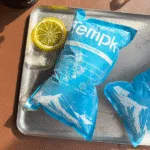
La selección del refrigerante debe seguir los requisitos del producto.. Para reactivos, kits de diagnóstico, biológicos, materiales de prueba, muestras de laboratorio, y productos de investigación sensibles, El proveedor debe explicar por qué los paquetes de gel., PCM, hielo seco, o el almacenamiento en una sala controlada según la sensibilidad del producto y las necesidades de evidencia es adecuado y qué preparación se requiere antes del empaque. El refrigerante acondicionado colocado en la posición incorrecta puede congelar un producto que solo necesitaba protección fría.. El hielo seco puede mantener un ambiente congelado, pero introduce la sublimación, ventilación, y problemas de aceptación del transportista. PCM puede ser útil cuando se necesita un rango más estrecho, pero se debe confirmar su punto de cambio de fase y proceso de acondicionamiento..
La envasadora forma parte del sistema de envasado.. En el envasado de cadena de frío en ciencias de la vida, una caja que funciona en un laboratorio puede fallar cuando un equipo de almacén ocupado improvisa el embalaje. Las instrucciones deben mostrar el orden del paquete., acondicionamiento del refrigerante, colocación de carga útil, protección superior e inferior, relleno de vacíos, cierre, posición de la etiqueta, y cualquier nota de recepción. Corto, Las instrucciones visuales a menudo funcionan mejor que las largas notas técnicas que nadie lee durante el flujo pico de pedidos..
La inspección de recepción debe planificarse antes de que comience el envío.. Algunos compradores sólo comprueban si la caja exterior está intacta, pero productos sensibles a la temperatura puede requerir una lectura del registrador de datos, un indicador de tiempo-temperatura, una comprobación visual del derretimiento, o un paso de aceptación documentado. Si el destinatario no sabe qué comprobar, una caja que parezca conforme aún puede dar lugar a disputas después de la entrega.
Evaluación de proveedores más allá del precio unitario
La contratación no debe preguntar sólo, '¿Cuál es el precio por caja??' Una mejor primera pregunta es: ¿Qué problema se espera que resuelva esta caja para los reactivos?, kits de diagnóstico, biológicos, materiales de prueba, muestras de laboratorio, y productos de investigación sensibles? Si la respuesta incluye rango de temperatura, tiempo de tránsito, carga útil, manejo, tipo de transportista, y recibiendo aceptación, el proveedor puede recomendar una estructura más realista. Si la respuesta es solo el nombre del producto y el tamaño aproximado, Las cotizaciones serán fáciles de recopilar pero difíciles de confiar..
En un rol de OEM y de marca privada donde la estructura de la caja, herrada, instrucciones de embalaje, y materia de control de la muestra a la producción, La revisión de muestra es el punto donde aparecen muchos problemas ocultos.. La muestra debe ser empacada por el mismo tipo de personal que empacará la orden de producción., usando el mismo tipo de refrigerante, transatlántico, relleno de vacíos, área de etiqueta, y método de cierre. El revisor debe observar si la tapa se cierra sin fuerza., si el producto se mueve, si los paquetes entran en contacto con el producto en áreas de riesgo, y si la caja exterior permanece limpia y escaneable después de su manipulación.
Antes de pasar a producción, preguntar cómo el proveedor controla los cambios. Un pequeño cambio en el espesor del aislamiento., película de revestimiento, grado de cartón, formato de refrigerante, o el ajuste de la tapa puede alterar el resultado térmico y de manipulación. Para envíos regulados o de alto valor, ese cambio puede requerir una revisión de calidad o una nueva prueba. La orden de compra debe identificar qué detalles se aprueban y qué cambios requieren confirmación por escrito antes del envío..
Un proveedor con una buena comunicación puede ahorrar más tiempo que un proveedor con solo un precio unitario bajo.. Las buenas respuestas son específicas.: que material se utiliza, ¿Qué dimensiones son internas versus externas?, ¿Qué diseños de refrigerante se recomiendan?, ¿Qué prueba o evidencia de muestra está disponible?, ¿Qué ilustraciones de embalaje se pueden personalizar?, y lo que el comprador debe verificar. Las respuestas vagas como "se mantiene frío durante mucho tiempo" deben tratarse como lenguaje de marketing hasta que se conozca la condición de la prueba..
| Punto de prueba del proveedor | buena respuesta | señal de advertencia |
|---|---|---|
| Control de muestra a producción | Materiales aprobados, dimensiones, cierre, y el embalaje están controlados. | La muestra se ve bien pero los detalles de producción no están definidos.. |
| Recomendación térmica | El proveedor establece claramente los supuestos y los límites de las pruebas.. | El proveedor promete un tiempo de espera universal. |
| Personalización | Obra de arte, tamaño, transatlántico, y los cambios en el paquete tienen pasos de revisión. | Los cambios se ofrecen sin volver a probar la discusión.. |
| Soporte de documentación | Ficha de datos, instrucción de embalaje, y puntos de inspección están disponibles. | Sólo se proporcionan fotos y precio unitario.. |
Utilice estos puntos de prueba para separar a un proveedor que entiende el uso de la cadena de frío de un proveedor que solo vende una caja.. La mesa no reemplaza las pruebas., pero hace que la conversación sobre abastecimiento sea más concreta.
Herramientas útiles para tomar decisiones
Comprueba los detalles antes de elegir el embalaje.
Estas herramientas rápidas pueden ayudarle a comparar el riesgo de la ruta, necesidades de dimensionamiento, opciones de refrigerante, y detalles del embalaje antes de solicitar una cotización.
Generador de listas de verificación de cumplimiento
Cree una lista de verificación práctica para la revisión del embalaje, envío, y documentación.
Crear lista de verificaciónResistencia a la caída del material aislante
Revise la resistencia a caídas y los factores de manipulación antes de elegir materiales aislantes..
Comprobar resistenciaCalculadora de hielo seco
Calcule las necesidades de hielo seco para envíos congelados o ultrafríos antes de empacar.
Estimar hielo secoControles de riesgo antes de ampliar
El error más común es comparar cajas por tamaño visible y precio unitario ignorando el embalaje requerido.. Esto crea falsos ahorros.. Una caja barata puede resultar cara si necesita más refrigerante, más relleno de vacíos, más mano de obra, un servicio de operador premium, o más trabajos de atención al cliente después de la entrega. Para reactivos, kits de diagnóstico, biológicos, materiales de prueba, muestras de laboratorio, y productos de investigación sensibles, El costo total del embalaje en destino debe incluir el riesgo de daños., mano de obra, espacio de almacenamiento, peso dimensional, envíos rechazados, y manejo de eliminación.
Otro error es tratar la duración térmica indicada por el proveedor como una promesa para cada envío.. El tiempo de espera depende del perfil ambiental., masa de carga útil, temperatura inicial, acondicionamiento del refrigerante, secuencia de embalaje, y límite de aceptación. Preguntar si la figura proviene de una prueba controlada., una hoja de datos del proveedor, un carril de cliente, o una estimación general. Si el envío es crítico, planificar un piloto o una calificación antes de escalar.
El lenguaje de cumplimiento debe ser preciso. Una caja aislada no cumple automáticamente con el PIB, aficionado a la comida, vacuna aprobada, Listo para IATA, o adecuado para cada ruta. Puede respaldar un proceso que cumpla con las normas cuando se utiliza con los materiales adecuados., procedimientos, escucha, documentación, y revisión de calidad. El comprador debe preguntar qué parte del proceso admite el paquete y qué responsabilidades quedan en manos del transportista..
Los estándares y la orientación pueden proporcionar límites útiles. Las pruebas de transporte térmico de ISTA pueden ayudar a evaluar contenedores de transporte aislados para las condiciones del paquete. Los programas de vacunas pueden consultar la guía de los CDC, Categorías PQS de la OMS, y requisitos de manipulación específicos del producto. Los transportistas de alimentos pueden hacer referencia al código de alimentos., requisitos del comprador, y HACCP interno o procedimientos de calidad. Los envíos de hielo seco pueden necesitar mercancías peligrosas y una revisión del transportista. Estas referencias son puntos de partida., aprobaciones no universales.
Ejemplo práctico: De la muestra al pedido repetido
Un escenario típico: Una empresa de kits de diagnóstico debe enviar kits pequeños pero de alto valor a los laboratorios sin perder la evidencia de temperatura en el momento de la entrega.. El comprador pide primero una caja aislante económica, pero la verdadera decisión tiene más capas. El equipo tiene que decidir si es necesario refrigerar el envío., congelado, o protección de sala controlada; si el producto puede tocar el refrigerante; si el destino acepta el formato del paquete; y si la ruta tiene fin de semana, aduanas, o riesgo de retraso en la última milla.
En la primera ronda de muestra, El equipo debe empaquetar el producto exactamente como lo haría a escala.. Si un operador de almacén necesita cinta adicional, espaciadores improvisados, o criterio especial para que el paquete funcione, el diseño no está listo para la producción. Si se utiliza un registrador de datos, su posición debe documentarse porque un registrador colocado contra el refrigerante puede no representar la experiencia de carga útil.
después del juicio, Revisar tanto la condición del producto como el esfuerzo operativo.. ¿La caja encajaba en el estante?, paleta, o flujo de paquetes? ¿Las etiquetas se mantuvieron legibles?? ¿Sabía el destinatario cómo desembalar el producto de forma segura?? ¿Se mantuvo limpia la caja exterior?? ¿Los residuos de embalaje coincidieron con las expectativas del cliente?? Estas preguntas a menudo revelan si la caja es una solución comercial real o sólo una muestra técnicamente posible..
Preguntas frecuentes
Is a insulated box OEM life sciences enough to protect temperature-sensitive products?
No. La caja es sólo una parte del sistema térmico.. Aún necesitas la carga útil adecuada, tipo de refrigerante, acondicionamiento del refrigerante, orden de embalaje, cierre, ruta, y procedimiento de recepción. Para reactivos, kits de diagnóstico, biológicos, materiales de prueba, muestras de laboratorio, y productos de investigación sensibles, El comprador debe definir el requisito de temperatura del producto y preguntar al proveedor qué evidencia respalda el embalaje recomendado..
¿Qué debo preguntar antes de aprobar una muestra??
Preguntar por dimensiones internas, espacio de carga útil utilizable, materiales de construcción, disposición del refrigerante recomendada, método de cierre, resistencia del cartón exterior, área de etiquetado, y cualquier prueba o datos de referencia.. Luego empaquete la muestra como lo haría el personal de producción.. Una muestra bonita no es suficiente si no se puede repetir a escala.
¿Cómo debo comparar cotizaciones de diferentes proveedores??
Compare el sistema completo en lugar del precio de la caja únicamente. Una cotización puede excluir el revestimiento., refrigerante, almohadillas absorbentes, cartón impreso, datos termicos, o herramientas. Otro puede incluir más soporte pero parecer más caro. Cree una comparación en torno al rendimiento entregado, mano de obra, desperdiciar, documentación, y riesgo de control de cambios.
¿Cuándo se deben considerar las pruebas o la calificación en ruta??
Considere realizar pruebas cuando el producto tenga un alto valor., regulado, sensible a la congelación o al calentamiento, enviados a través de rutas largas o inciertas, o es probable que enfrente retrasos en aduanas y fines de semana. El resultado de la prueba general de un proveedor puede ser útil, pero el comprador debe decidir si el producto, carga útil, refrigerante, y el perfil ambiental coinciden con la ruta real.
¿Se puede utilizar la misma caja en todas las estaciones??
No automáticamente. Calor de verano, heladas de invierno, humedad, retrasos del transportista, y los cambios de ruta pueden alterar el rendimiento. Una caja utilizada exitosamente en un carril puede necesitar una carga de refrigerante diferente, elección de PCM, estructura de aislamiento, o nivel de servicio en otra temporada. La revisión estacional es un paso práctico antes de ampliar un programa de envasado.
¿Necesito un registrador de datos de temperatura??
Es posible que se necesite un registrador de datos cuando el envío requiera evidencia después de la entrega o cuando el equipo de calidad desee revisar registros de temperatura.. Un registrador registra las condiciones; no protege el producto. Su exactitud, colocación, configuración de alarma, y el proceso de recuperación debe coincidir con el riesgo del envío.
Conclusión
A strong insulated box OEM life sciences decision is built from specific information: sensibilidad del producto, rango de temperatura, carga útil, ruta, refrigerante, manejo, documentación, y control de proveedores. La caja debe evaluarse como parte de un paquete., no como una mercancía aislada. Antes de escalar, confirmar lo que se prueba, lo que se supone, qué cambios requieren revisión, y cómo el destinatario juzgará las condiciones de entrega.
Acerca de Tempk
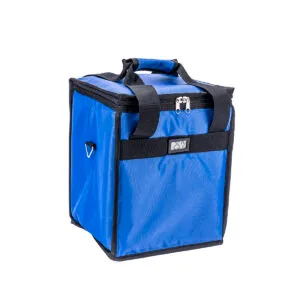
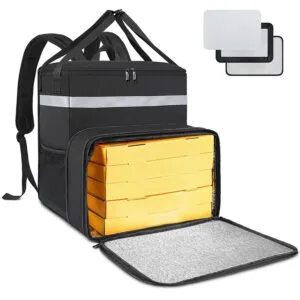
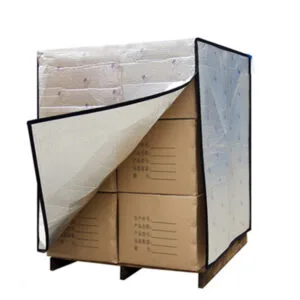
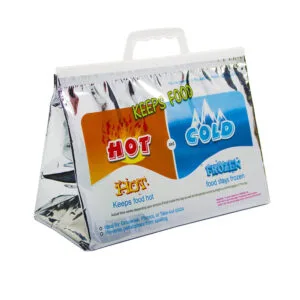
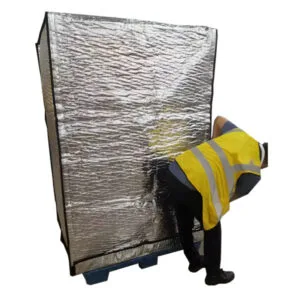
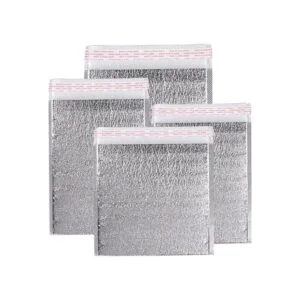
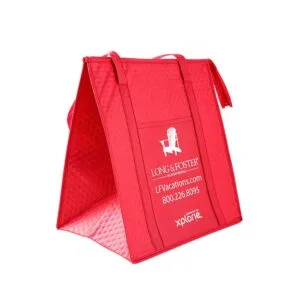
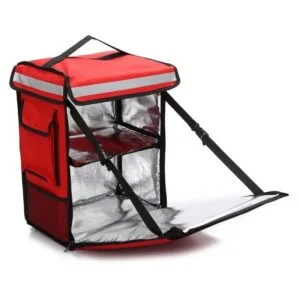
Acerca de Tempk: Tempk respalda las decisiones de envasado de la cadena de frío B2B con productos como bolsas de hielo en gel, Paquetes de PCM, forros y bolsas aislantes, cajas aisladas, cubiertas térmicas para palets, refrigeradores médicos, registradores de datos, y soporte de paquete de validación. Para embalajes de cadena de frío de ciencias biológicas, Nuestra función es ayudar a los compradores a traducir la ruta., carga útil, rango de temperatura, y restricciones operativas en una discusión práctica sobre embalaje. Evitamos tratar una caja como universal porque el éxito del envasado en cadena de frío depende del producto., refrigerante, manejo, y plan de verificación.
Siguiente paso
Comparte tu tipo de producto, ruta, tamaño de carga útil, and required temperature condition with Tempk if you want a practical recommendation for insulated box OEM life sciences sourcing or sample evaluation.