El insulated EPP storage container is transforming how you protect temperature sensitive goods in 2025. Within the first few sentences of this guide, you’ll learn why these containers offer 72–96 hour hold times and withstand more than 500 reuse cycles while keeping your costs and environmental impact low. From selecting the right box for your shipment to understanding emerging trends, this comprehensive article gives you practical, easy to follow advice.
What makes insulated EPP storage containers superior to traditional EPS boxes? We’ll compare insulation times, durability and recyclability with data from industry studies.
How can you choose the right insulated EPP storage container for different shipments? Learn to match wall thickness and inserts to route length and product sensitivity.
Where are insulated EPP storage containers used today? Discover applications in pharmaceuticals, kits de comida, e commerce and manufacturing.
Why do insulated EPP storage containers drive sustainability and cost savings? Understand recyclability, energy efficiency and per trip cost advantages.
cuales son las ultimas 2025 trends shaping insulated EPP storage containers? Explorar el crecimiento del mercado, smart tracking technologies and regulatory shifts.
Why are insulated EPP storage containers better than EPS boxes?
Insulated EPP storage containers deliver longer hold times and greater durability than conventional EPS boxes. Polipropileno expandido (PPE) foam has a closed cell structure that traps air, blocking heat transfer about 30 % more effectively than expanded polystyrene (EPS). That superior insulation helps keep vaccines at 2–8 °C or frozen seafood at −18 °C for up to 72 horas, and hold times extend to 96 hours when paired with vacuum insulated panels or phase change materials. Because EPP foam reform after impacts, these containers survive hundreds of trips without cracking, whereas EPS coolers are often single use. EPP is also 100 % reciclable, offering an eco friendly alternative to petroleum derived EPS.
Explicación expandida:
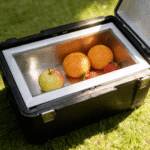
Think of an insulated EPP storage container as a reusable mini fridge: its thick, closed cell foam walls trap millions of tiny air pockets, which slow down heat flow much like the down filling in a winter coat. Because heat can’t easily escape or enter, your products remain within safe temperature ranges longer than they would in an EPS cooler, reducing the need for extra gel packs and allowing more routing flexibility. EPP foam is resilient; if you drop the box, it bounces back instead of cracking, so a single container can withstand more than 500 ciclos de reutilización. Tests show that EPP boxes can extend temperature control for 72–96 hours, whereas EPS coolers typically last only 24–48 hours. This combination of performance and durability means fewer spoiled products and less packaging waste, directly benefiting your bottom line and sustainability goals.
PPE frente a. EPS: understanding the differences
EPP and EPS are both foam materials, pero sus propiedades difieren significativamente. The table below summarizes key metrics and shows why insulated EPP storage containers outperform EPS coolers:
| Aspecto | EPP insulated container | Enfriador de espuma EPS | Lo que significa para ti |
| Tiempo de mantenimiento de la temperatura | 72–96 h when combined with VIP inserts | ~24–48 h | Longer hold times give you flexibility in routing and reduce the number of gel packs or dry ice needed. |
| Reutilizabilidad | 500+ cycles with routine cleaning | Normalmente de un solo uso | Fewer replacements lower your per shipment cost and reduce landfill waste. |
| Peso | Acerca de 50 % más ligero que EPS | mas pesado | Lower weight cuts freight costs and reduces courier fatigue. |
| Absorción de impacto | Reforms after impact | Fragile and prone to cracking | Better protection for delicate products reduces spoilage and returns. |
| Reciclabilidad | 100 % reciclable | Difícil de reciclar | Supports sustainability initiatives and helps meet environmental regulations. |
| Costo inicial | ≈$80 per box but pays back through reuse | ≈$25 per box | Higher initial investment but lower long term cost. |
Consejos y consejos prácticos
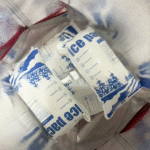
Para entregas locales (<24 h): You might be tempted to use a cheap foam cooler, but an insulated EPP storage container offers peace of mind when delays occur. Pre cool your products and include gel packs to extend hold time. The extra insulation can prevent last mile surprises.
For regional shipments (24–72 h): Choose an EPP container with at least 1.5 en. thick walls and consider adding vacuum insulated panels or dry ice to maintain 2–8 °C or –18 °C. This setup works well for vaccines, seafood and meal kits traveling across a few states.
Para sistemas de circuito cerrado: Invest in foldable EPP containers that nest or collapse after use. Track each box’s trips and clean them between cycles to maximize lifespan.
Caso real: A pharmaceutical distributor switched to Tempk’s EPP boxes and virtually eliminated vaccine spoilage. Encima 18 months they reduced losses from $1.2 million per year to zero, because the containers maintained temperature and survived repeated handling. Another seafood exporter saw rejected shipments drop from 15 % a 0.3 % after adopting durable EPP containers.
How to select an insulated EPP storage container for your shipment?
Matching an insulated EPP storage container to your route and product ensures safety and efficiency. Start by determining your required hold time: standard EPP boxes with 1 en. walls suit trips under 24 horas, while thicker (1.5 en.) walls and VIP inserts handle 24–72 hour regional shipments. For international routes lasting more than 72 horas, elegir 2 en. foam walls combined with phase change materials to extend hold times beyond 96 horas. Assess product fragility—fragile vials and seafood benefit from EPP’s impact absorption— and consider payload weight, reuse requirements and sustainability goals. While EPP costs more initially, the high reuse rate delivers lower cost per trip.
Explicación expandida:
Selecting the right insulated EPP storage container isn’t just about size. Primero, identify how long your goods must stay within the required temperature range. If you’re shipping vaccine doses to a local clinic, a compact EPP box with a 1 en. wall may suffice; for cross country meal kits or frozen reagents, thicker walls and vacuum panels are essential. Evaluate your product’s fragility: vials or delicate seafood need more cushioning, so choose containers with extra foam layers. Weight matters too—an oversize container may add unnecessary freight charges and undercut energy efficiency. Think about reuse: in a closed loop system you may want foldable boxes that stack neatly, whereas long haul deliveries might justify rigid crates. Finalmente, factor in sustainability by selecting boxes made from recycled EPP and ensuring they can be recycled at end of life.
Selecting thickness and inserts based on shipping duration
The following table helps you decide which insulated EPP storage container configuration suits your shipping scenario:
| Escenario de envío | Recommended EPP wall thickness | Inserciones opcionales | Beneficio práctico |
| Entregas locales (0–24 H) | 1 en. paredes de espuma | paquetes de gel | Adecuado para viajes cortos; ligero y fácil de manejar. |
| Envíos regionales (24–72 h) | 1.5 en. paredes de espuma | VIP o hielo seco | Mantiene entre 2 y 8 °C o –18 °C para vacunas y productos congelados. |
| Envío internacional (>72 h) | 2 en. paredes de espuma | personaje + Materiales de cambio de fase | Extiende el tiempo de espera más allá 96 h; ideal for long routes and potential delays. |
| Logística de circuito cerrado | 1–1.5 en. foam with foldable design | Ninguno | Fácil de apilar y devolver; Adecuado para uso repetido. |
Further considerations
Cumplimiento regulatorio: Si envía productos farmacéuticos, ensure that your insulated EPP storage container has been tested under WHO and IATA standards. Look for evidence of Good Distribution Practice (PIB) and current Good Manufacturing Practice (cGMP) cumplimiento.
Tecnología de seguimiento: Integrate Bluetooth or RFID sensors to monitor temperature and location in real time. Smart containers alert you to deviations, allowing rapid intervention and supporting audit requirements.
Capacitación: Teach staff to pre condition containers by pre cooling them and the gel packs, and to load products so that cold air circulates effectively. Proper handling ensures that your insulated EPP storage container performs as intended.
Where do insulated EPP storage containers fit in real world supply chains?
Insulated EPP storage containers support multiple industries, from vaccines to meal kits and even automotive parts. In pharmaceuticals and biotechnology, precise temperature ranges mean life or death for vaccines, terapias biológicas y genéticas. Compact EPP boxes keep contents at 2–8 °C or, when combined with appropriate phase change materials, at –70 °C to –80 °C. Food and meal kit services use EPP containers to maintain freshness during last mile delivery; the lightweight walls reduce courier fatigue and foldable designs streamline returns. E commerce companies rely on EPP containers to integrate with automated micro fulfilment centres, while automotive manufacturers deploy EPP crates to protect components like mirrors and brake calipers, cutting down packaging waste.
Explicación expandida:
Cold chain logistics isn’t limited to medicine. Meal kit companies need to deliver fresh ingredients to your doorstep, even during a heatwave. An insulated EPP storage container can maintain a safe temperature for more than 72 horas, meaning your locally sourced produce arrives crisp. Online grocers use these boxes because they integrate with robotic storage systems and can be stacked on conveyors; their lightweight design makes handling easy for couriers. In the industrial sector, EPP containers—often branded as Neopolen®—transport delicate car parts. Each box can handle at least 100 cycles without losing cushioning performance. Even in household applications like compost bins and bee hives, EPP’s moisture resistance and insulation prove valuable.
Más allá de la cadena de frío: EPP’s versatility
The table below summarizes how insulated EPP storage containers serve different sectors:
| Sector | Temperature/needs | EPP benefits | Ejemplo |
| Productos farmacéuticos & biotecnología | 2–8 °C para vacunas; –70 °C to –80 °C for mRNA therapies | Validated packaging with IoT tracking supports cGMP/GDP compliance | Compact EPP shipper maintains gene therapy payloads over long flights. |
| Kits de comida & comida fresca | Keep produce fresh for 48–72 h; protect delicate items | Ligero, foldable boxes reduce courier fatigue and support multiple reuse cycles | Meal kit company uses EPP to deliver produce across a three day route. |
| comercio electrónico & minorista | Same day grocery delivery; micro fulfilment integration | Durable containers fit automated conveyors and robots | Online grocery retailer uses EPP boxes that roll smoothly through robotic warehouses. |
| Industrial & automotor | Transport parts, tools and dunnage | High resilience and chemical resistance allow 100+ ciclos | Automaker ships brake calipers in Neopolen® crates, reducir los residuos de envases. |
| climatización & consumer products | Insulation for boilers, radiators and tool pods | Acoustic and thermal insulation; resistencia a la humedad | EPP foam panels insulate a radiant heating system while keeping weight low. |
Tips for specific sectors
Envíos farmacéuticos: Choose insulated EPP storage containers validated for 2–8 °C hold times and ensure they integrate sensors for regulatory compliance. Always include a temperature data logger so you can provide a clear audit trail.
Kits de comida: Opt for foldable boxes with smooth interiors that are easy to clean and reuse. Offer customers a simple return process to keep your closed loop logistics efficient.
comercio electrónico: Use containers with modular inserts that accommodate varying payloads and fit your automated storage system. Their lightweight design will minimize shipping costs.
Logística industrial: Select robust EPP crates with reinforced corners. Train staff to stack them properly to prevent damage and maximize reuse cycles.
Caso real: An online grocery service replaced single use foam coolers with foldable EPP boxes supplied by a specialist distributor. The collapsible design cut empty return volume by 40 %, while sturdier walls allowed more boxes per truckload, lowering fuel use.
How insulated EPP storage containers drive sustainability and cost savings
Insulated EPP storage containers help you meet environmental mandates and reduce per trip costs. Unlike EPS and polyurethane foams, La espuma EPP es 100 % recyclable and can be repurposed without significant material loss. Manufacturing EPP also consumes less energy and emits fewer greenhouse gases than many alternatives. Because an insulated EPP storage container can be reused hundreds of times, it spreads the initial investment across many shipments, lowering your long term packaging costs and carbon footprint. Some companies report payback within 18 months and have virtually eliminated spoilage losses by switching to EPP.
Explicación expandida:
Traditional cold chain packaging often ends up as waste after a single trip. Petroleum derived EPS cannot be recycled easily and contributes to overflowing landfills. PPE, por el contrario, is made of polypropylene beads that fuse together into a closed cell foam; the material can be ground down and remolded into new products again and again. Its closed cell structure not only insulates but also resists moisture and chemicals, so a box can carry a variety of goods without degrading. EPP’s lighter weight means less fuel burned during transport, and the ability to fold or nest containers reduces the number of return trips. Con el tiempo, the savings in freight, waste disposal and product spoilage outweigh the higher purchase price, delivering a compelling return on investment.
Environmental benefits of EPP foam
This table summarizes how insulated EPP storage containers support sustainability and cost efficiency:
| Métrico | EPP container result | Por que importa |
| Reciclabilidad | 100 % recyclable foam can be remolded into new products | Reduces waste and supports circular economy programs. |
| Energy used to manufacture | Lower energy requirement than many plastics | Cuts carbon emissions and helps meet corporate sustainability targets. |
| Reutilizabilidad | 500–300 cycles depending on usage | Distributes cost and environmental impact over hundreds of trips. |
| Average cost per use | Aproximadamente $0.30 per trip when a $90 box lasts 300 ciclos | Cheaper than repeatedly buying single use foam coolers. |
| Huella de carbono | Lower due to lighter weight and fewer gel packs needed | Less fuel consumed during shipping and reduced refrigerant usage. |
Tips for building a sustainable program
Join a take back program: Many manufacturers now operate circular recycling schemes. Return your worn out insulated EPP storage containers to be remolded into new ones rather than sending them to landfill.
Track life cycles: Use a simple tracking system to monitor how many trips each container completes. Retire boxes that show signs of wear and replace them with new, recycled models.
Bundle shipments: Because EPP boxes hold temperature longer and weigh less, you can consolidate shipments and reduce the number of trips, further cutting emissions.
Caso real: A comparison of packaging costs showed that a $90 EPP container used for 300 shipments costs about $0.30 por uso, whereas buying 300 disposable foam boxes at $5 each would cost $1,500. The reusable option therefore saves 80 % in packaging spend and eliminates hundreds of throwaway boxes.
cuales son las ultimas 2025 trends for insulated EPP storage containers?
Technological and market trends are accelerating the adoption of insulated EPP storage containers. The global cold chain packaging industry is projected to grow from USD 34.28 mil millones en 2024 a USD 89.84 mil millones por 2034, representando una CAGR de 11.3 %. Embalajes reutilizables para la cadena de frío, incluyendo contenedores EPP, se expandirá desde USD 4.97 mil millones en 2025 a USD 9.13 mil millones por 2034. The expanded polypropylene packaging market itself is expected to grow from about $1.2 mil millones en 2024 a $2.5 mil millones por 2033 (8.5 % Tocón). Mientras tanto, Future Market Insights estimates the broader EPP foam market at USD 2.2 mil millones en 2025 y lo proyecta alcanzar USD 5.1 mil millones por 2035 con un 8.6 % Tocón. These numbers signal rising demand for durable, recyclable containers across food and pharma supply chains.
Último progreso de un vistazo
Reusable packaging goes mainstream: Companies across pharmaceuticals and food are replacing single use foam coolers with insulated EPP storage containers. This shift is driven by cost savings, waste regulations and consumer preferences.
Smart and connected containers: IoT sensors and data loggers are now standard features. They provide real time temperature and location data, sending alerts if conditions drift outside set ranges.
Sistemas de aislamiento híbridos: Designers combine EPP foam with vacuum insulated panels and phase change materials to extend hold times beyond 96 horas.
Diseños plegables y modulares.: Many new insulated EPP storage containers collapse flat for return shipping or come with modular inserts for different payloads.
Programas de reciclaje circulares: Manufacturers run take back schemes that recycle old EPP boxes into new products, reinforcing circular economy principles.
Software de logística predictiva: AI driven tools integrate weather forecasts, traffic patterns and demand data to optimize routes, further reducing delays and spoilage.
Ideas del mercado:
Consumer behaviour is also shifting. Meal kit subscriptions and online grocery deliveries have surged, requiring robust cold chain packaging. Plant based food producers—predicted to propel a market worth $162 billion by 2030—depend on reliable cold chain solutions to deliver fresh proteins. On the pharma side, the cold chain market stands at $28.9 mil millones en 2025 y se prevé que alcance $75 mil millones por 2032. Plastic materials like EPP account for roughly 74 % of pharmaceutical cold chain packaging, reflecting the material’s dominance in this space.
Preguntas frecuentes
Pregunta 1: How long can an insulated EPP storage container maintain temperature?
EPP containers typically keep contents cold or refrigerated for about 72 hours under normal conditions and up to 96 hours when combined with vacuum insulated panels and phase change inserts. This performance surpasses EPS coolers and gives you flexibility to route shipments over longer distances.
Pregunta 2: Are insulated EPP storage containers environmentally friendly?
Sí. EPP es 100 % recyclable and can be reprocessed into new products. Each container can be reused hundreds of times, reducing waste and carbon emissions compared with single use foam coolers.
Pregunta 3: How should I clean and maintain an insulated EPP storage container?
Rinse the box with warm, soapy water and let it air dry. Avoid abrasive brushes that could damage the foam. Inspect seals and hinges regularly and replace them if worn.
Pregunta 4: How many reuse cycles can I expect from an insulated EPP storage container?
Con un manejo y limpieza adecuados, an insulated EPP storage container can endure more than 500 round trips. En entornos industriales, some Neopolen® crates are rated for 100+ ciclos.
Sugerencia
Control de llave: Insulated EPP storage containers provide superior insulation, maintaining 2–8 °C or –18 °C for 72–96 hours and sometimes longer. Their closed cell foam structure absorbs impacts and allows boxes to be reused hundreds of times, Reducir los costos a largo plazo.. EPP is fully recyclable and requires less energy to produce, supporting corporate sustainability goals. These containers serve diverse industries—from vaccines and meal kits to automotive parts—and the market is growing quickly with smart features and circular programs.
Recomendaciones prácticas: Assess your shipping routes and product sensitivity, and choose insulated EPP storage containers with appropriate wall thickness and inserts. Integrate real time monitoring to catch temperature excursions early. Train your team on proper pre conditioning and cleaning procedures. Join take back programs to recycle end of life containers, and leverage predictive logistics tools to optimize routes. Contact a specialized EPP box distributor to explore models that suit your operations and start saving through reuse.
Acerca de Templ
Descripción general de la empresa: Tempk is a leader in reusable cold chain packaging solutions. We design and manufacture insulated EPP storage containers that maintain 2–8 °C for up to 96 hours when paired with advanced inserts. Our containers are lightweight yet durable, surviving more than 500 trips without losing performance. Because they are 100 % recyclable and made with energy efficient processes, our products help customers meet sustainability targets while reducing packaging spend.
Llamado a la acción: If you’re ready to improve your cold chain logistics, contact Tempk for a customized consultation. Our experts will help you select the right insulated EPP storage container for your shipments and provide guidance on best practices for packing, monitoring and recycling. Let’s make your cold chain more reliable, cost effective and sustainable.