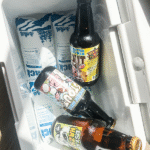
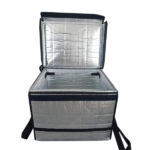
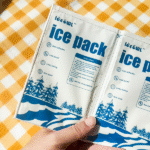
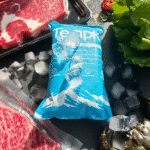
Bolsa aislante Compra a granel España: A Practical Approval Plan
The decisive work in an bolsa aislada bulk purchase Spain programme happens before the volume order. A buyer must translate a grocery, entrega de comida, minorista, or internal-logistics need into a defined payload, mapa de entrega, especificación de materiales, plan de evidencia, and ownership model. Only then can samples and quotations be compared fairly. The pouch should be treated as one component in an operating system: it slows heat flow, mientras que el refrigerante, puesta en escena, control de ruta, user behaviour, limpieza, and compliance processes determine whether the system works in Spain.
Puerta uno: Describe the Service in Operational Language
Replace the request “reusable bolsa termica for chilled products” with a short operational statement. Name the packaged goods, typical load, first and last controlled storage points, método de entrega, usuario, modelo de devolución, and any target condition set by the responsible quality team. Do not insert an unverified number of cold hours.
Próximo, draw the handover sequence. A grocery order might move from chilled picking to store staging, customer collection, a private vehicle, and a home refrigerator. A restaurant delivery might pass from kitchen to dispatch rack, mensajero, apartment entrance, y destinatario. An internal loop may add return transport, segregación, limpieza, el secado, inspección, and redistribution.
This map reveals whether a flexible pouch is appropriate. un corto, controlled transfer may need convenience and organisation more than heavy insulation. A long or uncertain route carrying sensitive goods may require a qualified sistema de embalaje pasivo, escucha, or an active solution. A normal insulated pouch should not be presented as a pharmaceutical shipper or as proof that a commercial cadena de frio de alimentos has been maintained.
Assign an owner at every step. Someone must control coolant conditioning, liberar, cargando, excepciones de entrega, regresa, saneamiento, and product disposition when a time or temperature rule is breached. Packaging cannot fill an accountability gap.
Puerta dos: Design the Packout Before the Pouch
Measure the actual primary packages. Record length, ancho, altura, peso, orientación, and whether they can be stacked. Add the intended cold sources, separadores, papeleo, y autorización de cierre. The pouch’s usable internal space matters; nominal volume and external dimensions do not show how much of a flexible gusset remains after thick walls and seams take shape.
Build at least a normal load and a credible difficult load. The difficult case may be a small payload with extra void, an awkward tray, a tall bottle, or the order mix most likely to distort the closure. Do not automatically choose the largest pouch. Excess volume can allow movement, complicate coolant placement, increase surface area and material, and invite users to mix warm items with chilled goods.
Have the actual operators pack a sample. Watch rather than instruct. Do they place coolant where the procedure expects? Can they close the zip without compressing containers? Does the handle tilt the load or pull the top open? Can a courier carry it alongside other equipment? Can the recipient identify the correct unpacking action?
The result should become a packout drawing or photo standard. It should identify contents and positions without turning a typical example into a universal thermal claim. If several product families need materially different arrangements, create more than one configuration or select different pouch sizes.
Puerta tres: Control the Multilayer Construction
An insulated pouch is a material stack, not a single resin or fabric. The outside provides handling strength and print. The core slows conduction. The liner supports cleaning, manejo de la humedad, and sometimes radiant-heat control. Adhesivos, puntadas, fijaciones, cinta zip, reforzamiento, cincha, revestimientos, etiquetas, and ink connect the system.
Commercial names are not enough. "Forro de aluminio” might mean aluminium foil, polímero metalizado, or another reflective laminate. “Foam” does not identify grade, estructura, continuidad, or compression behaviour. “Non-woven” does not describe fibre, revestimiento, peso, o durabilidad. Ask the supplier to lock the approved components in a controlled specification.
Inspect the places where the layers stop being flat. Esquinas, base folds, lid hinges, zip ends, handle anchors, and seam penetrations can become thermal and hygiene weak points. Load the pouch before judging them. A clean empty sample may develop gaps or exposed folds when rigid containers push outward.
Cleaning must be compatible with the assembled article. A chemical may leave the liner unchanged while weakening adhesive, imprimir, espuma, or zip. Define the real cleaning and drying process, then obtain supporting care information and test a production-representative sample. Avoid promising a number of reuse cycles unless a defined method and evidence support it.
Puerta cuatro: Make Thermal Evidence Answer the Route
El aislamiento reduce la tasa de transferencia de calor.; it does not create refrigeration. Conductive heat moves through the walls and contact points. Warm air enters through closures and openings. Radiant exposure can add heat, particularly in direct sun. El refrigerante absorbe el calor., and the payload’s starting temperature changes the thermal budget.
This is why a supplier’s duration statement cannot stand alone. Evidence should identify the exact pouch, construcción de producción, perfil ambiental, carga útil, refrigerante y acondicionamiento, temperaturas iniciales, sensors and locations, eventos de apertura, test length, y criterio de aceptación. Ask whether all units met the criterion and how variation was handled.
The route profile should be credible for the Spanish service. A mild indoor test cannot represent a vehicle in summer sun. A mainland urban route cannot automatically represent an island or remote delivery. Al mismo tiempo, an unrealistically severe test can add cost and material without reflecting the business. The quality, seguridad alimentaria, and logistics teams should define the profile from route data and risk.
Treat any test as configuration-specific. Si la carga útil, dimensiones de la bolsa, aislamiento, cierre, refrigerante, o cambios de ruta, review whether the evidence remains applicable. A pilot on the actual service is useful for operational learning, but one successful trip is not proof of every season or lane.
Puerta cinco: Build the Spain and EU Responsibility File
| Pregunta de aprobación | Responsible review | Evidence to connect to the order | No evitar |
|---|---|---|---|
| Will food touch the liner? | Food-contact or quality specialist | Declaración de uso previsto, exact material construction, declarations and supporting evidence as applicable | Relying on “food grade” for an unidentified laminate |
| Is it a consumer product? | Product-safety and legal teams | Evaluación de riesgos, technical records, identificación, trazabilidad, instrucciones, and sales information as applicable | Treating a catalogue certificate as the complete GPSR review |
| Does CE legislation apply? | EU product-compliance specialist | Scope assessment for the product’s actual functions | Adding a CE mark as a generic quality logo |
| Who places it on the Spanish market? | Importer, legal, and environmental teams | Operator roles, contratos, registration and reporting plan | Assuming the overseas factory holds every Spanish duty |
| What counts as packaging? | Spanish packaging adviser | Classification and material/weight data for pouch and all packaging levels | Ignoring individual bags, cajas de cartón, envoltura, or service use |
| Are environmental claims supportable? | Legal and sustainability teams | Claim file defining article, comparación, geografía, y evidencia | Calling a multimaterial item recyclable based on one layer |
| Will production remain identical? | Procurement and quality teams | Muestra aprobada, especificación, trazabilidad del lote, y términos de notificación de cambios | Accepting visually similar material substitutions |
This approval table prevents one document from being asked to prove unrelated things. Rendimiento térmico, idoneidad para el contacto con alimentos, general product safety, and packaging responsibility are distinct reviews. The exact scope depends on the pouch’s intended use and sales model.
Where direct food contact is intended, Regulación (CE) No 1935/2004 provides the EU framework for safety and inertness, y Regulación (CE) No 2023/2006 cubre buenas prácticas de fabricación. Regulación (UE) No 10/2011 contains specific rules for plastic food-contact materials within its scope. Declarations and tests should match the finished contact surface, tipos de alimentos, tiempo, temperatura, and repeated-use conditions.
For consumer supply, Regulación (UE) 2023/988 on general product safety may be relevant. Review the product and economic-operator obligations for the actual channel, including distance sales where applicable. Instructions and safety information for Spain should be understandable to the intended user, with local language requirements confirmed.
Herramientas útiles para tomar decisiones
Comprueba los detalles antes de elegir el embalaje.
Estas herramientas rápidas pueden ayudarle a comparar el riesgo de la ruta, necesidades de dimensionamiento, opciones de refrigerante, y detalles del embalaje antes de solicitar una cotización.
Selector de embalaje
Compare las opciones de embalaje aislado por producto, ruta, y necesidad de temperatura.
encontrar embalajerefrigerante & Referencia PCM
Compare las opciones de refrigerante y PCM cuando una ruta necesite soporte de temperatura adicional.
Comparar opcionesReferencia del material aislante
Compare opciones de materiales aislantes para diferentes necesidades de embalaje de la cadena de frío.
Comparar materialesCE marking is not a universal conformity certificate. EU rules require it only for product categories covered by legislation that mandates the mark, and products outside that scope should not display it. A basic non-powered insulated pouch should be assessed under the rules that genuinely apply. Adding electrical heating, enfriamiento motorizado, baterias, a toy function, or another regulated feature can change the result.
Puerta seis: Resolve Packaging and Waste Duties Before Shipping
Royal Decree 1055/2022 sets Spain’s framework for packaging and packaging waste, including producer registration, informar, and extended producer responsibility obligations for operators within scope. Official Spanish guidance covers household, comercial, and industrial packaging categories. The party that meets the legal producer definition needs to be identified from the supply chain facts.
Regulación (UE) 2025/40 on packaging and packaging waste entered into force on 11 Febrero 2025 y generalmente se aplica desde 12 Agosto 2026. Orders placed during the transition need a current review because definitions, responsabilidades, información, and implementation details can affect the product and its packaging. Use official guidance and qualified Spanish advice rather than a static checklist copied from an earlier year.
Classify every level. The pouch may be a saleable product, a embalaje reutilizable artículo, service packaging filled at a point of sale, or part of transport operations depending on the model. Its protective bag, etiquetas, grouped carton, paleta, and wrap can create separate data and responsibilities. Obtain component material and weight information in a form the relevant Spanish operator can retain and report.
Spain’s tax rules for non-reusable plastic packaging may also affect landed cost. Clasificación, recycled-content evidence, exenciones, and responsibility require specialist review. Do not claim that calling the pouch reusable automatically resolves tax or extended producer responsibility questions; the actual design and operating system matter.
Puerta siete: Pilot the Business Model, No sólo la bolsa
A pre-production sample confirms construction but cannot prove the network will use it properly. Run a controlled pilot across representative locations and routes. Include the people who pick, embalar, despacho, llevar, recibir, devolver, limpio, inspeccionar, almacenar, and report problems.
Collect operational evidence:
- packing time and error patterns;
- closure and handling problems under real loads;
- route exceptions and failed deliveries;
- return rate and time out of circulation;
- trabajo de limpieza, drying capacity, y unidades rechazadas;
- pérdida, tipo de daño, and retirement reason;
- user understanding of instructions;
- temperature information where the approved protocol requires it;
- packaging waste and transport implications relevant to the comparison.
The pilot may show that a lighter pouch is sufficient for a short handover, that a stronger zip prevents early retirement, or that a return scheme is impractical in one channel. It may also reveal that the route, no la bolsa, needs redesign. Use the results to change the specification and operating procedure before volume pricing makes change expensive.
When production begins, retain the approved sample, construction revision, obra de arte, documentos, and quality criteria. Require advance notice for changes to critical materials, sitio de fabricación, dimensiones, cierre, o imprimiendo. Inspect delivered lots against the same baseline and quarantine unexplained differences.
Calculate Cost Across the Whole Loop
To compare quotations, put every supplier on the same commercial basis. Identify sampling, obra de arte, herramientas cuando corresponda, pruebas, inspección, embalaje del producto, cajas maestras, transporte, seguro, aduanas, deberes, impuestos, domestic delivery, almacenamiento, and payment conditions. Confirm trade terms and which party owns risk at each step.
For reusable programmes, add distribution, recopilación, transporte inverso, limpieza, el secado, seguimiento, administración, reemplazo, and final treatment. Do not divide purchase price by an invented service-life number. Use pilot data and a range of return and loss assumptions. A pouch with a higher purchase price may perform better, but only measured use can show whether the difference pays back.
Environmental evaluation needs the same system boundary. More durable materials can support reuse but add manufacturing and transport burdens. A light one-way option uses less material per item but creates repeated flows. Pérdida de producto, desperdicio de comida, limpieza, and reverse travel also belong in the comparison where relevant. Document assumptions and avoid a universal claim when the result depends on behaviour.
Preguntas frecuentes
What information should be in the first supplier brief?
Include the use case, Spanish destinations, payload dimensions and weight, empacar, refrigerante, exposiciones de ruta, límite de contacto con los alimentos, closure and handling needs, proceso de limpieza, herrada, configuración de embalaje, order forecast, plan de entrega, and evidence checklist. Ask suppliers to list assumptions and exclusions.
Should a buyer choose a pouch by insulation thickness?
No. Thickness is only one variable. Estructura de materiales, continuidad, compresión, costuras, cierre, geometría, carga útil, refrigerante, and ambient exposure affect performance. Compare the finished assemblies with evidence relevant to the intended packout and route.
What makes a food-contact declaration useful?
It should identify the supplier and exact article, applicable legal basis, intended foods and contact conditions, restricciones, and supporting evidence as required. It also needs a traceable connection to the delivered construction. A generic resin or film statement is not enough for a changed multilayer pouch.
How should PPWR affect a 2026 orden?
Regulación (UE) 2025/40 generalmente se aplica desde 12 Agosto 2026. Buyers should review current EU and Spanish guidance, classify the pouch and every packaging level, gather material data, assign producer responsibilities, and check claims and markings. Specific obligations and transitions should be confirmed by qualified advisers.
When is a bulk order ready to release?
Release it after the written specification, representative packout, decorated sample, performance evidence where needed, compliance file, packaging-responsibility plan, pilot findings, alcance comercial, criterios de calidad, trazabilidad, and change-control terms are approved by the responsible functions.
Scale Only What Has Been Defined
A Spain-ready insulated-pouch programme connects service design, empacar, construcción, evidencia térmica, legal roles, packaging duties, and operating economics. It does not rely on foil appearance, a generic certificate, or the word “reusable.” By passing each approval gate before volume production, buyers can make supplier quotes comparable, keep documentation tied to the delivered article, and select a system that operators can run across real Spanish routes.
Acerca de Tempk
Tempk es una marca de Shanghai Tempk Industrial Co., Limitado. We support B2B buyers selecting cold-chain and embalaje aislado y productos de embalaje relacionados con control de temperatura. Tempk can help organise a pouch discussion around the payload, empacar, ruta, materiales de construcción, compatibilidad con refrigerante, and purchasing evidence. The Spanish importer and buyer should retain qualified legal, seguridad alimentaria, impuesto, and environmental advisers for market-specific decisions and claims.
Send Tempk your service map, paquete de muestra, condiciones de la ruta, modelo de devolución, and approval checklist to compare insulated packaging before committing to a bulk order.