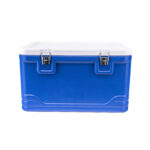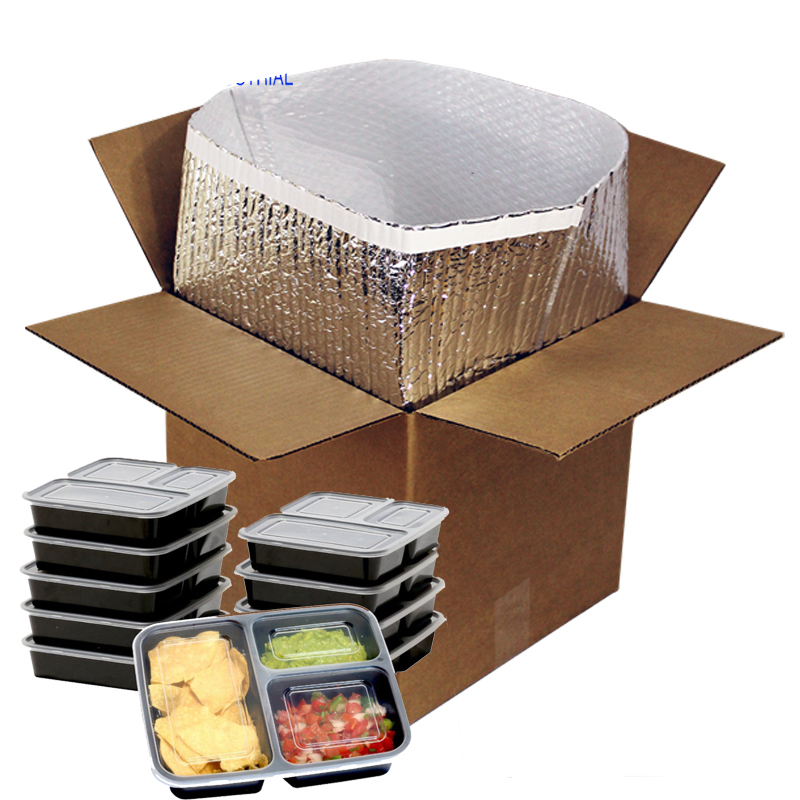
Caja de envío aislada Bulk cadena de frío Logistics: Guía práctica de abastecimiento
Una guía práctica de abastecimiento para la logística de la cadena de frío a granel de cajas de envío aisladas, ayudar a los compradores a combinar el diseño de la caja, reclamaciones de proveedores, riesgo de ruta, y deberes de la cadena de frío.
insulated shipping box bulk cadena de frío logistics: Guía práctica de abastecimiento para envíos reales de cadena de frío
The best answer to insulated shipping box bulk cadena de frío logistics starts with the shipment profile. ¿Qué producto hay dentro?, que temperatura requiere, cuanto dura la ruta, ¿Dónde están los puntos de entrega?, y quién decidirá si se puede aceptar el envío? Una vez que esas preguntas estén claras, la caja se vuelve más fácil de evaluar. La caja de envío aislada adecuada admite el embalaje requerido, protege el espacio de carga útil utilizable, se adapta al carril, y le brinda a su equipo una forma práctica de documentar lo que sucedió durante el transporte..
La decisión de abastecimiento más útil conecta a tres grupos que a menudo trabajan por separado. La adquisición necesita un proveedor y una cotización justa. Operaciones necesita un paquete que pueda empaquetarse rápidamente y manejarse sin confusión. La calidad necesita evidencia de que se consideraron las condiciones requeridas del producto y que las desviaciones pueden revisarse.. El caja aislada es donde se encuentran estas necesidades.
Comience con la decisión de aceptación en destino
Un buen proceso de abastecimiento comienza al final de la ruta. Pregunte qué hará el destinatario cuando llegue el paquete.. ¿Revisarán un registrador?? ¿Inspeccionarán? paquetes de gel? ¿Registrarán el estado de la caja?? ¿Transferirán el producto inmediatamente a un lugar de almacenamiento controlado?? ¿Rechazarán el envío si la caja exterior está mojada?, triturado, cálido, o indocumentado? Estas preguntas definen el estándar que el paquete debe soportar.
For temperature-sensitive cargo moving through parcel, mensajero, aire, camino, depósito, cruce de muelles, and final-mile handover points, la aceptación rara vez se basa únicamente en la caja. La decisión de recepción puede depender de los requisitos de la etiqueta del producto., acuerdos de calidad, reglas de seguridad alimentaria, especificaciones del cliente, o POE internos. Cuando los compradores definen la aceptación primero, Evitan comprar un paquete que se ve bien en el momento del envío pero que no proporciona la información necesaria a la llegada..
Defina los requisitos del producto antes de definir la caja
El requisito de envío comienza con el producto., no el catálogo de embalaje. The required temperature range depends on the cargo. The packaging decision should start with product stability, duración del envío, exposición ambiental, and route handling rather than box size alone. Una casilla que funciona para un producto puede ser incorrecta para otro incluso si la distancia de la ruta parece similar. Los productos frescos pueden necesitar enfriamiento sin dañarlos. Una muestra farmacéutica puede requerir un control documentado en lugar de simplemente un interior fresco. Un envío de vacunas puede necesitar protección tanto contra el calor como contra la congelación accidental. Por lo tanto, el mismo tamaño exterior puede soportar varios paquetes muy diferentes., cada uno con su propio perfil de riesgo.
Una hoja de especificaciones útil debe indicar la categoría del producto., rango de temperatura objetivo, duración prevista del envío, exposición ambiental esperada, peso de carga útil, volumen de carga útil utilizable, y cualquier requisito de seguimiento o documentación. Estos hechos permiten que un proveedor recomiende una configuración realista.. sin ellos, Los compradores a menudo reciben una cotización genérica que no puede juzgarse de manera justa.. El resultado suele ser una caja que parece económica pero que genera costos ocultos debido a la mano de obra de embalaje., refrigerante desperdiciado, entregas fallidas, y tiempo de revisión de calidad.
For cold-chain logistics shipments, Es especialmente importante distinguir entre una caja protectora aislada y un sistema de envío térmico calificado.. Una caja protectora puede reducir la exposición. Se ha evaluado un sistema calificado con una carga útil definida, refrigerante, empacar, y perfil de prueba. Cuando los proveedores declaran su desempeño, preguntar qué condiciones se utilizaron. Si el perfil de prueba, carga útil, o la configuración del refrigerante difiere de la de su carril, tratar el reclamo como un punto de partida en lugar de una garantía.
Cómo aislamiento, refrigerante, y el espacio aéreo trabajan juntos
A menudo se describe el aislamiento como si creara frío., pero no lo hace. Ralentiza la transferencia de calor entre el ambiente exterior y el área de carga útil.. El calor puede entrar a través de las paredes., costuras de la tapa, esquinas, espacios de aire, y durante cada evento de apertura. El refrigerante absorbe o libera calor dentro del transportador.. la carga útil, refrigerante, y aislamiento forman un solo sistema. Si se cambia alguna parte, el rendimiento también puede cambiar.
Diferentes materiales ofrecen diferentes compensaciones en manejo y rendimiento.. La espuma EPS es común y económica, pero puede ser frágil y desprender partículas.. El EPP puede ser más duradero y reutilizable en muchas aplicaciones, haciéndolo atractivo para manipulaciones repetidas y operaciones alimentarias.. Paneles de poliuretano, paneles de aislamiento al vacío, revestimiento reflectante, y se pueden usar diseños híbridos donde se necesita una mayor resistencia térmica o eficiencia de espacio. Estos materiales deben evaluarse frente al riesgo de ruta., requisitos de limpieza, costo, objetivos de sostenibilidad, y si el proveedor puede proporcionar pruebas de la configuración específica.
La elección del refrigerante es igualmente importante. Paquetes de hielo a base de agua Puede crear riesgo de congelación para productos que no toleran el contacto con paquetes congelados.. Los paquetes de gel condicionados o los materiales de cambio de fase pueden ayudar a gestionar ese riesgo, pero aún requieren un acondicionamiento y colocación correctos. hielo seco puede soportar envíos congelados o ultracongelados, sin embargo, introduce ventilación, etiquetado, transportador, y problemas de compatibilidad del producto. Para muchos compradores, La pregunta más segura no es "qué refrigerante es más fuerte".?' sino 'qué refrigerante se probó con esta caja, esta carga útil, y esta suposición de ruta?'
Qué confirmar antes de escalar el pedido
| Que comprobar | Por que importa | Cómo verificar antes de realizar el pedido |
|---|---|---|
| Temperatura requerida del producto | La misma caja puede necesitar diferente refrigerante o embalaje para productos refrigerados., congelado, ambiente controlado, o necesidades de protección contra congelación. | Confirmar la etiqueta del producto, especificación del cliente, o instrucción de calidad antes de solicitar una cotización. |
| Espacio de carga útil utilizable | El volumen interno bruto puede ser engañoso cuando los paquetes de refrigerante, divisores, y las capas protectoras ocupan espacio. | Solicite las dimensiones internas y un dibujo o una fotografía de muestra del paquete.. |
| Duración de la ruta y traspasos | El riesgo suele aparecer en los muelles de carga, centros, retenciones aduaneras, almacenamiento de fin de semana, y entrega de última milla. | Traza la ruta más larga y creíble, no sólo el tiempo de tránsito planificado. |
| Compatibilidad con refrigerante | paquetes de gel, paquetes de agua, PCM, y el hielo seco no son intercambiables y pueden crear riesgos de congelación o de seguridad.. | Pregunte qué refrigerante se utilizó en las pruebas y cómo se debe acondicionar.. |
| Seguimiento y registros | Para carga regulada o de alto valor, La aceptación puede depender de la evidencia., no sólo la apariencia del paquete. | Confirmar la ubicación del registrador de datos, configuración de alarma, documentación de calibración, y método de recuperación cuando sea necesario. |
| Coherencia entre la muestra y la producción | Una buena muestra no ayuda si el material de producción, ajuste de la tapa, o los accesorios cambian más tarde. | Pregunte cómo se controlan los cambios y si las unidades de producción coinciden con la muestra aprobada.. |
Esta tabla no pretende ralentizar el proceso de compra.. Evita el error común de comparar proveedores en función del precio de la caja ignorando las variables que deciden la aceptación del envío.. Cuando dos citas se parecen, El proveedor que puede explicar estos puntos claramente suele ser más fácil de trabajar para un equipo de calidad o de operaciones..
Pedidos al por mayor: Escale el flujo de trabajo antes de escalar la cantidad
Un comprador a granel debería mirar más allá del precio unitario y comparar el espacio de almacenamiento, mano de obra de montaje, logística de devolución, limpieza, paletización, riesgo de tasa de daño, y cómo se comporta el embalaje cuando los pedidos pasan de envíos de prueba a un volumen de rutina.
La compra al por mayor funciona mejor cuando el embalaje ya ha sido probado en la forma en que se utilizará realmente.. Una caja que funciona en una prueba de paquete pequeño puede no comportarse de la misma manera cuando diferentes operadores empaquetan cientos de unidades bajo presión de tiempo.. Antes de escalar, Escriba unas breves instrucciones de embalaje que incluyan el acondicionamiento del refrigerante., posición del producto, relleno de vacíos, cierre de tapa, método de sellado, colocación de etiquetas, y recibir cheques. Si los operadores no pueden seguir las instrucciones fácilmente, El volumen masivo magnificará los errores..
Los compradores a granel también deberían comparar el coste de la logística inversa cuando utilizan contenedores reutilizables.. La reutilización puede reducir los residuos en rutas estables, pero sólo cuando el camino de regreso, metodo de limpieza, proceso de inspección, y el control de pérdidas son realistas. Por rutas de exportación irregulares, Los envases de un solo uso o reciclables pueden ser más prácticos.. La elección sostenible no siempre es el contenedor con la vida teórica más larga; es el sistema que su equipo realmente puede recuperar y mantener.
Monitoreo y estándares: Evidencia sin exagerar
Logistics programs need clear lane assumptions, documented packout instructions, temperature monitoring where needed, and receiving checks that can identify excursions before product is released. Los estándares y los documentos de orientación son útiles porque brindan a los equipos un lenguaje compartido., pero no convierten a un transportista ordinario en una solución universal. Perfiles térmicos ISTA 7E, Por ejemplo, puede admitir pruebas de paquetes de transporte térmico para entornos de paquetes, sin embargo, un perfil de laboratorio no es el mismo que cada carril por el que puede viajar su envío.. La guía de control de temperatura de la IATA ayuda a los equipos de carga aérea de atención médica a pensar en el embalaje, documentación, etiquetas, manejo, y responsabilidades, pero cada envío aún necesita la reserva correcta y las instrucciones del transportista.
Herramientas útiles para tomar decisiones
Comprueba los detalles antes de elegir el embalaje.
Estas herramientas rápidas pueden ayudarle a comparar el riesgo de la ruta, necesidades de dimensionamiento, opciones de refrigerante, y detalles del embalaje antes de solicitar una cotización.
Selector de embalaje
Compare las opciones de embalaje aislado por producto, ruta, y necesidad de temperatura.
encontrar embalajeResistencia a la caída del material aislante
Revise la resistencia a caídas y los factores de manipulación antes de elegir materiales aislantes..
Comprobar resistenciaCalculadora de bolsa de hielo
Estimación de la cantidad de bolsas de hielo en gel para envíos refrigerados y planificación práctica de rutas.
Estimar las bolsas de hieloUn registrador de datos de temperatura registra evidencia; No protege el producto por sí solo.. Debe colocarse donde la lectura sea significativa para la carga útil y protegerse del contacto directo con el refrigerante, a menos que ese sea el punto de medición previsto.. Para almacenamiento de vacunas, La guía de los CDC destaca los registradores de datos digitales, documentación de calibración, e intervalos de grabación definidos. En envío, se aplica la misma lógica: la lectura debe ser interpretable, Los umbrales de alarma deben coincidir con el producto., y el equipo receptor debe saber qué hacer si aparece una excursión.
Los compradores deben evitar afirmaciones amplias como "caja que cumple con el PIB" o "aprobado para todos los envíos de productos farmacéuticos" a menos que el proveedor pueda explicar exactamente lo que significa.. El cumplimiento suele depender de un proceso controlado, un paquete adecuado, calificación o verificación documentada, manipuladores capacitados, y gestión de desvíos. La caja es un componente de ese proceso.. Puede ser un componente muy importante., pero no es todo el programa de cumplimiento.
Cuando la caja más barata o más resistente es la elección equivocada
La caja más barata puede estar equivocada cuando introduce riesgos en el parto, desperdiciar, pérdida de producto, o quejas de clientes. La caja más resistente también puede fallar si es demasiado grande, demasiado pesado, demasiado caro para devolver, o demasiado difícil para el personal empacar consistentemente. La mejor opción es la caja que se ajuste al perfil de envío con un nivel aceptable de evidencia y esfuerzo operativo..
Por eso la conversación con los proveedores debe incluir límites. Pregunte dónde no se debe utilizar la caja.. Pregunte qué rutas requieren un refrigerante diferente o calificación adicional. Pregunte si el diseño está pensado para refrigeración personal., entrega de comida comercial, distribución farmacéutica, traslado de emergencia, o generales envío sensible a la temperatura. Los límites claros no son una debilidad. Ayudan a los compradores a evitar utilizar un buen producto en una situación equivocada..
Un escenario típico que muestra la compensación
Imagine una empresa que envía muestras sensibles a la temperatura desde un sitio de producción a un laboratorio de pruebas.. El envío es pequeño., pero el valor de la decisión es alto porque las muestras retrasadas o comprometidas pueden interrumpir las pruebas de liberación.. El comprador considera un cargador de espuma estándar, un contenedor de EPP reutilizable, y un sistema pasivo de mayor rendimiento. La elección correcta depende del límite de temperatura de la muestra., ruta de mensajería, tiempo de espera esperado, y si el laboratorio necesita un registro de temperatura antes de aceptar las muestras.
En este tipo de envío, Tanto la sobrecompra como la subcompra son posibles.. Un sistema premium puede ser innecesario para una ruta corta y controlada con bajo riesgo y recepción rápida.. Una nevera barata puede resultar inapropiada si la ruta incluye paradas de fin de semana., muelles calientes, o criterios formales de aceptación. La decisión sobre el embalaje se vuelve más clara cuando el equipo anota las suposiciones de la ruta real..
Cómo preseleccionar a un proveedor sin complicar demasiado el proyecto
Una simple lista corta de tres pasos funciona para la mayoría embalaje de cadena de frío proyectos. Primero, eliminar cualquier proveedor que no pueda discutir el rango de temperatura requerido, carga útil, refrigerante, dimensiones, y supuestos de ruta. Segundo, compare las opciones restantes utilizando los mismos supuestos de paquete para que las cotizaciones sean justas. Tercero, probar o revisar muestras con las personas que realmente empacarán, barco, recibir, y aprobar el producto. Este proceso es más rápido que debatir las especificaciones de forma aislada..
Los proveedores más fuertes no necesitan prometer que una caja se adapta a cada ruta.. Deberían poder explicar dónde encaja un producto., donde no cabe, y qué información aún se necesita. Esta honestidad es importante porque los envases de la cadena de frío están llenos de afirmaciones de rendimiento condicionales.. Un tiempo de espera establecido, si se ofrece, debe estar vinculado al perfil de prueba, carga útil, cantidad de refrigerante, exposición ambiental, y criterios de aceptación. Si faltan esos detalles, pedir una aclaración antes de confiar en el reclamo.
Para pedidos repetidos, Mantenga un registro del embalaje que incluya fotografías de muestra aprobadas., presupuesto, instrucciones de embalaje, contacto proveedor, cambiar la historia, y requisitos de recepción. Este documento ayuda a formar al nuevo personal., reduce la deriva del empaque, y proporciona a las adquisiciones una referencia al realizar nuevos pedidos. También hace que los cambios de proveedores sean más fáciles de evaluar porque la nueva opción se puede comparar con el sistema real., no contra la memoria.
Preguntas frecuentes
Is an insulated shipping box enough for cold-chain logistics shipments?
No por sí solo. Una caja de envío aislada ralentiza la transferencia de calor, Pero el control de temperatura depende de los requisitos del producto., tipo de refrigerante, diseño del paquete, duración de la ruta, exposición ambiental, y proceso de manipulación. Para envíos regulados o de alto valor, Los compradores también pueden necesitar seguimiento., instrucciones documentadas, y revisión de calidad. Trate la caja como un componente del sistema de cadena de frío..
¿Qué debo preguntarle a un proveedor antes de realizar un pedido??
Preguntar por dimensiones internas y externas, espacio de carga útil utilizable, descripción del material, compatibilidad con refrigerante, instrucciones de embalaje, base de prueba, disponibilidad de muestra, método de embalaje de cartón, y proceso de control de cambios. Si el envío es sensible, También pregunte cómo se puede realizar el seguimiento y qué documentación respalda cualquier afirmación de desempeño declarada..
¿Se puede usar una caja para productos refrigerados?, congelado, y envíos a temperatura ambiente controlada?
A veces, la misma caja exterior puede admitir más de una aplicación., pero solo con el refrigerante y empaque adecuados. Una configuración para productos refrigerados puede ser incorrecta para productos congelados o para productos que deben evitar la congelación.. Confirme el requisito de temperatura del producto y no dé por sentado que cambiar el refrigerante califica automáticamente la caja para un nuevo carril..
¿Cómo reduzco el riesgo al comprar en cantidad??
Aprobar un paquete de muestra antes de realizar un pedido grande, luego confirme que las unidades de producción coincidirán con la muestra aprobada. Mantener registros de dimensiones., material, ajuste de la tapa, accesorios, e instrucciones de embalaje. Si el proveedor cambia de material, estampación, refrigerante, o configuración de cartón, revisar el cambio antes de utilizar las cajas para envíos críticos.
¿Cuándo debo utilizar un registrador de datos??
Utilice un registrador de datos cuando el valor del producto, expectativa regulatoria, requisito del cliente, o el riesgo de ruta hace que la evidencia de temperatura sea importante. El registrador debe configurarse para la gama de productos y colocarse donde las lecturas sean significativas.. Se registra lo que pasó; no corrige la temperatura dentro del paquete.
Conclusión
The right choice for insulated shipping box bulk cadena de frío logistics depends on product temperature, ajuste de carga útil, duración de la ruta, configuración del refrigerante, comportamiento de manejo, y necesidades de documentación. Una caja de envío con aislamiento resistente no es solo un contenedor; es el centro físico de un paquete que debe ser repetible. Antes de realizar el pedido, confirmar el requisito del producto, comparar sistemas completos, revisar la evidencia del proveedor, y pruebe la muestra en la forma en que su equipo realmente la usará.
Acerca de Tempk
Tempk apoya a los compradores que necesitan embalaje con control de temperatura para envíos que no pueden tratarse como paquetes normales.. Discutimos el tipo de producto., rango objetivo, longitud de ruta, opciones de refrigerante, y empaquetar el flujo de trabajo antes de recomendar una dirección. Esto ayuda a la adquisición., logística, y los equipos de calidad hacen mejores preguntas y evitan elegir una caja sólo por el precio o la apariencia.
CTA
Comparte tu tipo de producto, ruta, rango de temperatura objetivo, y volumen de pedido esperado con Tempk para comparar opciones prácticas de cajas de envío aisladas antes de escalar la compra.