Fabricante de bolsas de hielo seco para transporte de dulces.: Un marco de abastecimiento listo para la ruta
El derecho Fabricante de bolsas de hielo seco para transporte de dulces. no es la hoja con el reclamo de duración más audaz. Es el componente que se adapta a una carga útil definida., paquete aislado, ruta, proceso operativo, y decisión de aceptación, con evidencia que sigue siendo válida a escala de producción. Los compradores deben separar las láminas de hidratación del dióxido de carbono sólido., proteger contra el calentamiento y el sobreenfriamiento, y aprobar el sistema completo en lugar del refrigerante de forma aislada.
Este marco está diseñado para una marca de confitería., empacador por contrato, distribuidor, o equipo de adquisiciones que necesita pasar del término de búsqueda a la compra controlada. Combina ajuste del producto, diseño térmico, calidad de los materiales, gobernanza de proveedores, calificación, operaciones, y costo total de entrega. El resultado es una especificación y un paquete que se pueden defender., enseñó, repetido, y mejorado.
Defina el límite del producto antes de solicitar una muestra
Una buena decisión de abastecimiento separa tres cuestiones que a menudo se mezclan: ¿Qué condición requiere la carga útil?, ¿Qué medio de enfriamiento puede soportar esa condición?, y ¿qué evidencia demuestra que el paquete ensamblado se encuentra en la ruta prevista?. Comenzar con el nombre de un producto invierte esa lógica. Comenzar con la carga útil y los criterios de decisión hace que la comparación de proveedores sea útil.
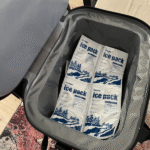
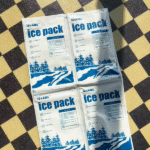
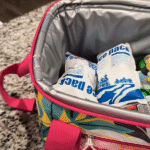
Una bolsa de hielo seco de hidratación es una lámina de células activadas por agua que se congela antes de su uso.. Puede proporcionar una amplia, enfriamiento flexible alrededor de los dulces, pero sigue siendo un componente del sistema de envío. No debe tratarse como dióxido de carbono sólido., como un remitente calificado por sí mismo, o como evidencia de una duración universal. El objetivo es proteger la textura., forma, revestimientos, y presentación sin crear puntos fríos dañinos o condensación.
La selección final debe conectar la composición., comportamiento térmico, integridad material, aislamiento, geometría de carga útil, acondicionamiento, exposición de ruta, escucha, y control operativo. Cuando se propone dióxido de carbono sólido real, sus requisitos separados de seguridad y transporte entran en el plan. Cuando se propone una lámina a base de agua, clasificar y aprobar ese producto a partir de su propia documentación.
Un pedido de dulces mixtos puede contener caramelos duros., gomitas, piezas panorámicas, dulces rellenos, y artículos recubiertos de chocolate en el mismo paquete. Su sensibilidad al calor no es idéntica.. Un embalaje que proteja una pieza recubierta en un muelle de carga caliente puede ser innecesario para un caramelo duro estable y puede crear condensación cuando el paquete ingresa a una sala de recepción con aire acondicionado.. Por lo tanto, la pregunta de diseño útil no es si el refrigerante se siente frío o no.. Se trata de si todo el paquete mantiene cada SKU dentro de sus propios límites de calidad en cada entrega..
Escriba un requisito de envío de una página antes de contactar a los proveedores.. Incluir la identidad y condición del producto., paquete primario, dimensiones y masa de la carga útil, temperatura de despacho, límites de aceptación superior e inferior, ruta y entregas, exposición estacional, aislamiento, proceso de recepción, decisión de seguimiento, volumen planificado, y requisitos de calidad o de mercado aplicables. Marca incógnitas para el piloto.
Separar los límites de seguridad del producto de las preferencias de calidad y los límites de daños al embalaje.. Pueden conducir a diferentes posiciones y acciones de los sensores.. El receptor debe saber qué observación o conjunto de datos desencadena la aceptación., sostener, investigación, o disposición. Un diseño térmico no se puede optimizar hasta que la regla de decisión sea clara..
Elija la arquitectura del refrigerante por modo de falla
Comparar tecnologías con el requisito.. Las sábanas de hidratación ofrecen almacenamiento plano antes de la activación., amplia cobertura de superficie, y geometría celular flexible. paquetes de gel Puede ser más fácil de implementar en algunos paquetes refrigerados.. PCM se puede seleccionar en torno a una condición de cambio de fase más estrecha. El dióxido de carbono sólido admite usos apropiados en ultracongelación, pero tiene controles distintos de manipulación y transporte.. El equipamiento activo puede estar justificado en carriles complejos de alto riesgo.
dentro de dulces, Los casos de productos y rutas aún necesitan segmentación.. La tabla muestra por qué no se puede suponer que un único SKU de catálogo sirva para todos los casos..
| Caso de producto o ruta | Exposición principal o falla | Respuesta de diseño útil | Supuesto a evitar |
|---|---|---|---|
| Caramelos duros y pastillas | Calor, humedad, pega, y paquetes triturados | Utilice refrigeración sólo cuando las especificaciones del producto o la ruta de exposición lo justifiquen. | El control de la humedad y la resistencia del cartón pueden ser más importantes que el enfriamiento profundo |
| Gomitas y masticables suaves | Reblandecimiento, deformación, adherencia superficial, y migración de sabores | Utilice una refrigeración amplia pero amortiguada con una geometría de cartón estable | Evite el contacto directo con el paquete que puede mojar o endurecer localmente el producto. |
| Caramelo recubierto de chocolate | Ablandamiento del revestimiento, riesgo de floración, raspando, y pérdida de presentación | Controlar la ganancia de calor y los cambios de temperatura., no simplemente la temperatura más baja posible | Planifique la aclimatación para que las compresas frías no creen condensación al abrirse. |
| Dulces rellenos o en capas | grasa diferente, azúcar, y las fases de humedad responden de manera diferente | Confirme el límite del producto terminado con el personal de calidad antes de seleccionar el refrigerante. | Es posible que un punto de ajuste de caramelo genérico no proteja todas las capas |
Elija la tecnología más simple que cree una adecuada, margen demostrado sin introducir un lado frío más grande, humedad, manejo, o riesgo de cumplimiento. Si dos opciones parecen viables, compararlos a través de la misma carga útil, perfil, regla de aceptación, y límite de costo total.
Traduzca la exposición a la ruta en la ubicación del paquete
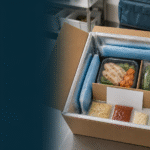
Construye la arquitectura desde fuera hacia dentro.: Caja exterior o contenedor reutilizable., aislamiento, revestimiento o control de vapor cuando sea necesario, ubicación del refrigerante, buffer, soporte de carga útil, paquetes de productos, gestión del espacio de cabeza, posiciones de los sensores, cierre, y etiquetas. Cada capa debe tener un trabajo.. Quitar o mover una capa después de la calificación es un cambio de diseño, no es una preferencia de embalaje inofensiva.
El análisis de ruta debería cuestionar explícitamente el sobreenfriamiento local cuando una hoja congelada toca una delgada caja de venta al por menor., aire caliente que ingresa a través del espacio de cabeza y vence el enfriamiento de los bordes, Se forma condensación en los envoltorios cuando se abre un paquete frío en aire húmedo., Rayado mecánico cuando una lámina mojada o mal drenada se desplaza durante el transporte., y paquetes estacionales que permanecen en uso después de que las condiciones del carril hayan cambiado. Utilice alternativas como sin refrigerante con aislamiento mejorado para carriles suaves, Paquetes de gel acondicionados para exposición moderada al calor., Material de cambio de fase seleccionado alrededor de una gama específica del producto., y dióxido de carbono sólido solo para un requisito genuinamente congelado y un embalaje que cumpla con las normas apropiadas donde resuelven la exposición de manera más directa. Por ejemplo, un mejor control del vehículo puede ser más efectivo en una ruta densa, mientras que una red de paquetes puede necesitar una protección pasiva más fuerte en las paredes y en los traspasos.
Las consideraciones técnicas específicas de la aplicación incluyen Azúcar, gordo, actividad del agua, tipo de recubrimiento, geometría de la pieza, y la envoltura primaria influyen en cómo responde un artículo de confitería al calor y al enfriamiento., Una lámina de células presenta más superficie que un bloque rígido., lo que puede mejorar la interceptación del calor pero también aumenta la necesidad de una capa amortiguadora., El agua congelada contenida en una estructura absorbente almacena refrigeración a través del calor sensible y el cambio de fase.; no reproduce la temperatura del dióxido de carbono sólido., Brechas de aire, revestimiento reflectante, cartón corrugado, espesor de aislamiento, y la masa térmica de la carga útil determinan la rapidez con la que el calor llega al producto., y El punto de rocío al desembalar es importante porque una superficie fría expuesta al aire húmedo puede acumular humedad incluso cuando el producto nunca excedió su límite superior.. Convierta cada consideración de material en una característica de dibujo, control de proveedores, paso operativo, inspección, o variable de protocolo. De lo contrario, sigue siendo una observación que no puede proteger los envíos de rutina..
Califique al fabricante según la evidencia y el control
Utilice puertas de decisión para comparar fabricantes. Esto evita que las adquisiciones se adjudiquen según el precio unitario antes de la composición., evidencia, control de producción, y la escala han sido revisadas.
| Puerta de decisión | Condición de pase | señal de advertencia |
|---|---|---|
| Ajuste de la aplicación | El proveedor pregunta por los dulces., carga útil, ruta, aislamiento, y límites de aceptación | Se ofrece un recuento de paquetes basándose únicamente en la palabra clave o el tamaño de la caja. |
| Especificación | Dimensiones, materiales, activación, tolerancias, y el uso previsto están escritos | La muestra se trata como la especificación completa. |
| Evidencia | Se revelan las condiciones de prueba y los límites del sistema. | Las reclamaciones de los componentes se presentan como rendimiento del paquete universal. |
| Control de calidad | Trazabilidad del lote, inspección, no conformidad, y la notificación de cambio están definidas | Se permite la sustitución sin revisión del comprador. |
| Escala | Capacidad, embalaje de cartón, supuestos de tiempo de entrega, y se discute la planificación máxima | Sólo se analiza la producción mensual nominal. |
| Apoyo | Se encuentran disponibles muestras representativas de la producción y un plan de prueba de ruta. | Se insta al comprador a saltarse el piloto. |
Después de la pantalla inicial, Solicite muestras representativas de producción y una especificación escrita.. Revisar las tolerancias propuestas por el fabricante., métodos de prueba, identificación del lote, manejo de no conformidades, muestras retenidas, respuesta a la queja, y plazo de notificación para cambios. Definir quién es el propietario de las herramientas, obra de arte, y aprobación de patrones de celdas o empaques personalizados.
Los términos comerciales deben hacer visibles las suposiciones. Confirmar unidad de cotización, condición seca o activada, cantidad de caja, paletización, pedido mínimo, base de tiempo de entrega, estado de la muestra, plazo de carga, documentación, y capacidad máxima sin convertir ninguna cifra no verificada en una promesa de rendimiento. Compare los costos de aterrizaje y operación bajo el mismo alcance.
Calificar todo el paquete, Luego congele la especificación
La calificación comienza con un protocolo aprobado y finaliza con un informe controlado, dibujo, especificación, e instruccion de trabajo. Pruebe la carga útil prevista o un sustituto justificado, aislamiento y refrigerante reales, condicionamiento definido, variación de montaje, un perfil ambiental representativo o basado en riesgos, duración apropiada, y criterios de aceptación previamente acordados. Incluir inspección física y comportamiento de recepción..
Herramientas útiles para tomar decisiones
Comprueba los detalles antes de elegir el embalaje.
Estas herramientas rápidas pueden ayudarle a comparar el riesgo de la ruta, necesidades de dimensionamiento, opciones de refrigerante, y detalles del embalaje antes de solicitar una cotización.
refrigerante & Referencia PCM
Compare las opciones de refrigerante y PCM cuando una ruta necesite soporte de temperatura adicional.
Comparar opcionesSelector de embalaje
Compare las opciones de embalaje aislado por producto, ruta, y necesidad de temperatura.
encontrar embalajeRevestimiento de caja & Dimensionamiento de la cubierta de paleta
Lógica de tamaño de revestimiento de cajas y cubiertas de paletas para proyectos de embalaje aislado.
Estimar el tamañoColoque los registradores en lugares de riesgo esperados de calor y frío.. Un mapa centrado únicamente puede pasar por alto el calor de las paredes y el contacto congelado. Definir precisión, estado de calibración, intervalo, sincronización, iniciar y detener la lógica, propiedad de los datos, y tratamiento de anomalías. Repita la prueba lo suficiente para comprender la variación del sistema en lugar de seleccionar una ejecución favorable..
Poner en práctica estos controles: Verano separado, temporada media, e instrucciones para clima templado en lugar de depender de un paquete para todo el año., Hidratarse con un método controlado, permitir que el exceso de agua superficial se escurra, y congelar hojas en una orientación repetible., Usa un espaciador, manga, o bandeja del producto cuando el contacto directo con el congelado podría marcar los envoltorios o crear puntos fríos., Recuento de paquetes récord, estado de acondicionamiento, tiempo de montaje, y condiciones de despacho para envíos piloto., y Dar a los receptores instrucciones de apertura y aclimatación cuando la condensación pueda afectar la presentación.. La formación debe incluir la prevención de componentes incorrectos., comprobaciones de estado de congelación, rechazo de hojas dañadas, selección de variante de ruta, y escalada de desviaciones. Observe a los operadores reales durante el lanzamiento.; La ambigüedad a menudo aparece sólo a la velocidad de producción..
Aplicar también los límites de reclamación pertinentes. el dulce es comida, entonces saneamiento, materiales adecuados, y la protección contra la contaminación siguen siendo relevantes incluso cuando el enfriamiento es principalmente por motivos de calidad., La condición requerida del producto debe provenir de las especificaciones del producto de confitería y de las reglas de mercado aplicables., no de un reclamo genérico de refrigerante., y Si la hoja elegida no contiene dióxido de carbono sólido, un nombre comercial que incluye hielo seco no establece por sí solo la clasificación UN1845; Los compradores deben confirmar la composición y el tratamiento del portador.. cuando producto, carga útil, refrigerante, aislamiento, acondicionamiento, ruta, transportador, estación, sitio, maderero, o cambios de material del proveedor, Deje que el equipo de calidad determine si la revisión del documento, prueba de confirmación, o se necesita recalificación.
Administre los costos sin sacrificar la presentación del producto
Calcular el costo por envío exitoso, no precio por hoja seca. Incluir carga entrante y cubo, almacenamiento, agua de hidratación, mano de obra, drenaje, energía y capacidad del congelador, bastidores, buffers, aislamiento, tiempo de montaje, escucha, rechaza, fuga, daño del producto, servicio al cliente, desecho, regresa, y el costo de una entrega fallida o retrasada. Indique qué elementos se miden y cuáles son supuestos..
El almacenamiento plano y seco puede reducir la entrada de cubos antes de la activación, pero el trabajo de hidratación, energía del congelador, uso del agua, recuperación de película, y los residuos de productos pertenecen a la misma evaluación.
Un paquete más liviano no es automáticamente la opción de menor impacto si causa más dulces dañados o reenvíos de emergencia..
La reutilización debe considerarse sólo cuando la higiene, inspección, el secado, transporte de regreso, y se controla el rendimiento después de ciclos anteriores.
Optimice en pasos controlados. Eliminar el exceso de espacio libre, mejorar el ajuste del aislamiento, ajustar la colocación del refrigerante, crear variantes estacionales calificadas, simplificar los movimientos del operador, o mejorar el tiempo de recepción antes de reducir el margen térmico sin evidencia. Seguimiento de la aceptación del producto, excursiones, daño, quejas, pérdida de paquete, mano de obra, y energía por familia de rutas.
Un programa estable no significa un diseño congelado. Significa que los cambios se proponen con una razón., evaluado contra el límite del sistema, probado cuando sea necesario, aprobado, documentado, entrenado, y rastreado. Esa disciplina permite mejorar los costos y la sostenibilidad sin convertir la red de distribución en vivo en un experimento incontrolado..
Preguntas frecuentes
¿Cada envío de dulces necesita un paquete congelado??
No. Algunos caramelos duros toleran mejor las condiciones normales del paquete que los recubiertos., completado, o productos gomosos. Comience con la especificación del producto terminado., exposición esperada de la ruta, y riesgo de presentación. El enfriamiento innecesario puede agregar condensación., peso, mano de obra, y costo sin mejorar la calidad de entrega.
¿Puede una bolsa de hielo seco hidratar tocar cajas de dulces directamente??
El contacto directo puede crear puntos fríos locales, transferencia de humedad, o raspando, especialmente alrededor de cajas de venta minorista delgadas. un espaciador, manga, bandeja, o revestimiento a menudo vale la pena probarlo. La disposición aprobada debe basarse en una prueba del producto envasado y no solo en la hoja de refrigerante..
¿Una bolsa de hielo seco activada por agua está regulada como hielo seco sólido??
No automáticamente. El dióxido de carbono sólido es un material específico con requisitos de transporte.. Una lámina congelada activada por agua puede usar una composición diferente. Solicite la descripción del producto y la documentación de seguridad., luego confirme la clasificación con el transportista para el modo y carril planificados.
¿Cómo debería una marca de dulces comparar las muestras de los fabricantes??
Acondicione cada muestra con el mismo proceso de hidratación y congelación., use la misma carga de dulces y caja, exponer los paquetes al mismo perfil, y coloque sensores de temperatura consistentemente. Compare también las fugas, dimensiones, tiempo de manipulación, olor, imprimir, y consistencia del lote de producción.
Qué información se debe enviar antes de solicitar un presupuesto?
Proporcionar tipo de caramelo, embalaje primario y secundario, dimensiones de carga útil, tamaño del paquete, duración de la ruta, exposición estacional, condiciones de envío y recepción, personalización deseada, volumen estimado, y la evidencia requerida por su equipo de calidad. Esa información produce una propuesta más significativa que el tamaño del paquete por sí solo..
Aprobar un sistema controlado, No es un reclamo aislado
El mejor resultado de abastecimiento vincula seis decisiones: el requisito de carga útil, tecnología de enfriamiento, arquitectura del paquete, controles del fabricante, evidencia de calificación, y proceso operativo. Si falta algún enlace, el comprador confía en una suposición que puede fallar a escala o en una ruta diferente.
para dulces, El siguiente paso práctico es documentar el producto., ruta, carga útil, aislamiento, condiciones de envío y recepción, exposición estacional, y necesidades de evidencia. Utilice ese informe para comparar muestras de producción y diseñar una prueba.. Sólo entonces congelará la especificación comercial y el plan de implementación..
Acerca de Tempk
Tempk proporciona láminas de células activadas por agua y productos relacionados. embalaje de cadena de frío apoyo para la comida, mariscos, muestras medicas, y otros envíos sensibles a la temperatura. para dulces, Tempk puede revisar la carga útil y las entradas de ruta, proponer formatos de hoja y celda, discutir el material y las opciones de impresión, y preparar muestras para pruebas de embalaje. La configuración de envío final debe aprobarse a partir de los requisitos del producto del cliente y la evidencia del sistema aislado completo., con controles de producción y cambios alineados antes de la ampliación.
Envíe a Tempk su resumen de envío de dulces y la escala de pedido esperado para analizar las opciones de láminas refrigerantes., geometría de celda personalizada, muestras de producción, y una revisión del paquete basada en rutas.