Actualizado el: Junio 8, 2026
Fabricante de bolsas de hielo seco para envasado de leche: Una guía práctica de proveedores para compradores B2B
Una bolsa de hielo seco del fabricante para el envasado de leche puede ayudar a proteger los productos sensibles a la temperatura, pero no debe tratarse como un atajo en torno a las especificaciones del producto., prueba de embalaje, o verificación de proveedores. Para envasado de leche, la mejor decisión suele ser un equilibrio controlado: suficiente refrigeración para proteger la carga útil, suficiente amortiguación para evitar el sobreenfriamiento, y suficiente documentación para que los pedidos repetidos sean confiables.
Qué significa esto para el comprador
No sólo estás eligiendo una fuente fría. Estás eligiendo un tipo de paquete, un método de aislamiento, un mapa de carga, un proceso de proveedor, y un nivel de documentación que debe ajustarse a la leche., bebidas lácteas, ingredientes lácteos refrigerados, cajas de muestra, y envíos minoristas de productos lácteos. La bolsa de hielo seco del fabricante adecuada para el envasado de leche es aquella que controla el riesgo de la ruta sin dañar la carga útil ni crear una brecha de cumplimiento..
Aclarar el refrigerante antes de aprobar la cotización
la frase "bolsa de hielo seco" se utiliza en más de una forma en el abastecimiento B2B. Algunos compradores se refieren a hielo seco real, que es dióxido de carbono sólido. Otros se refieren a una bolsa reutilizable estilo hielo seco., un paquete hidratado, o un paquete de PCM de baja temperatura que se congela antes de su uso. Esos productos no son automáticamente los mismos desde un transporte., seguridad, o perspectiva de documentación. El verdadero hielo seco es extremadamente frío., Libera gas dióxido de carbono mientras se sublima., y requiere controles de ventilación y transporte.. Un paquete reutilizable puede evitar la sublimación del dióxido de carbono, pero todavía tiene que coincidir con el producto, aislamiento, y ruta.
para leche, bebidas lácteas, ingredientes lácteos refrigerados, cajas de muestra, y envíos minoristas de productos lácteos, La distinción es importante porque el modo de falla del envío no siempre es simple calentamiento.. El riesgo puede ser el calentamiento., congelación accidental, hinchazón del cartón, condensación, daño en la etiqueta, fuga, y recibir disputas. Un paquete que esté más frío de lo necesario puede crear condensación o daños sensibles al congelamiento.. Un paquete demasiado débil puede proteger la caja en la primera entrega, pero fallar durante la entrega del último kilómetro.. Un proveedor debe poder explicar claramente los límites del producto., no solo decir que el pack es "frío" o "de larga duración."
El lenguaje de compra más seguro es específico. Pregunte si el producto es dióxido de carbono sólido real., una bolsa hidratada estilo hielo seco, un paquete de gel, o un paquete PCM. Pregunta cómo se congela o acondiciona.. Pregunte si el proveedor recomienda el paquete solo o un paquete completo con un transportista., separador, transatlántico, caja de cartón, cargando mapa, y plan de seguimiento. Esto evita un error de compra común.: comparar dos nombres de paquetes mientras se ignora el sistema que los rodea.
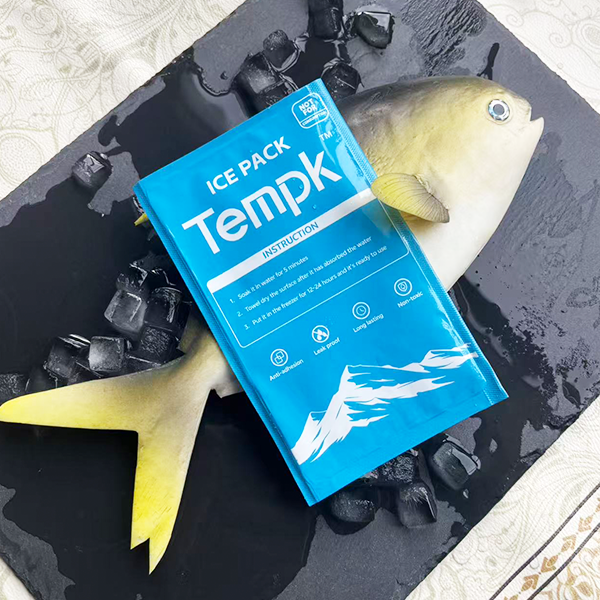
en este tema, Posiciones de información pública de productos de Tempk hidratar bolsas de hielo seco como reutilizable paquetes de enfriamiento para envíos de cadena de frío y los describe como paquetes basados en PCM que absorben agua y se congelan antes de su uso.. Ese límite de producto es útil para los compradores que desean una fuente fría que sea más limpia de manejar que el hielo suelto., pero no elimina la necesidad de verificar la temperatura objetivo, diseño de carga útil, perfil de ruta, y criterios de aceptación.
Comience con la condición del producto., no es el nombre del paquete
La decisión clave para el envasado de leche es la condición del producto que debe protegerse a su llegada.. Si el producto está congelado, el paquete debe limitar la descongelación. Si esta refrigerado, El embalaje debe evitar tanto el calentamiento como la congelación.. Si es estable en almacenamiento pero sensible al calor, el objetivo puede ser la protección de la calidad en lugar del cumplimiento estricto de la cadena de frío. Esas distinciones cambian la elección correcta del paquete.
La guía de almacenamiento de alimentos de la FDA hace referencia a la refrigeración a 40 °F o menos. Las marcas lácteas aún deberían definir sus propias especificaciones de transporte y criterios de recepción..
Esta es la razón por la que un comprador debe describir la carga útil antes de preguntar el precio.. Incluir el tipo de producto, tamaño del paquete, condición aceptable en el momento de la entrega, duración del envío, estación, ruta, y proceso de recepción. Un buen proveedor puede entonces discutir la fuente de frío., aislamiento, separador, caja de cartón, y evidencia. Un proveedor débil cotizará el paquete solo y le dejará el riesgo a usted.
Puntos de revisión del fabricante para una producción repetible
Una revisión del fabricante debe cubrir el material., caza de focas, método de hidratación o acondicionamiento, embalaje de cartón, consistencia del lote, límites de personalización, y comunicación de control de cambios.
Comience con la muestra. Una muestra es útil sólo si representa la oferta de producción.. Confirmar el material del paquete., estructura de relleno o hidratación, método de sellado, instrucción de congelación, caja de embalaje, y cualquier personalización antes de aprobar la muestra. Si la versión de producción utiliza una película diferente., geometría celular diferente, diferente material absorbente, O diferente cantidad de cartón exterior, Es posible que el resultado de su prueba no represente envíos posteriores..
Luego revisa el manejo. El equipo del almacén debe saber cuánto tiempo congelar o acondicionar el paquete., cómo identificar un paquete completamente preparado, dónde colocarlo en la caja, si puede tocar la carga útil, y cómo manejar devoluciones o eliminación. Un proveedor que sólo da un precio unitario deja que el comprador resuelva solo estos detalles operativos..
Finalmente, revisar la evidencia. Para rutas de alimentos o dulces de bajo riesgo, Es posible que necesite una prueba de muestra simple y una lista de verificación de recepción.. Para rutas médicas o farmacéuticas, es posible que necesite una cualificación controlada, datos del registrador de temperatura, disciplina de control de cambios, y aprobación del equipo de calidad. El proveedor del pack no reemplaza tu proceso de calidad, pero un proveedor capaz hace que ese proceso sea más fácil de ejecutar..
| pregunta del comprador | Por que importa | Buena respuesta del proveedor. |
|---|---|---|
| ¿Cuál es exactamente el tipo de paquete?? | Evita confundir hielo seco sólido con hidratado, gel, o paquetes de PCM. | Límites claros del producto e instrucciones de manipulación.. |
| ¿Cómo se debe acondicionar el paquete?? | El rendimiento térmico depende de la congelación o del preacondicionamiento.. | Instrucciones escritas para la preparación., almacenamiento, y cargando. |
| ¿Puede el paquete tocar la carga útil?? | El contacto directo puede enfriar demasiado o dañar productos sensibles.. | Recomendación de diseño o separador específico. |
| ¿Qué cambia de muestra a pedido al por mayor?? | Pequeños cambios pueden invalidar una prueba de muestra. | Controles de consistencia de materiales y producción.. |
| ¿Qué documentación puede respaldar el reclamo?? | Se necesitan pruebas antes de que se amplíen los carriles de mayor riesgo. | Ficha de datos, datos de prueba de muestra, o soporte de calificación según corresponda. |
Separe las reglas reales del hielo seco de la selección de paquetes estilo hielo seco
El hielo seco real es dióxido de carbono sólido.. Hace mucho frío y cambia directamente de sólido a gas.. Por eso un paquete con verdadero hielo seco no debe ser hermético, y por qué el transporte aéreo requiere pasos de documentación y marcado con hielo seco. Una mochila estilo hielo seco hidratada o una mochila estilo PCM no se comportan de la misma manera, pero aún necesita evaluación térmica.
Esta distinción puede prevenir tanto errores de cumplimiento como de desempeño.. Si usas hielo seco real, comprobar la aceptación del transportista, ventilación del paquete, marcado de peso neto, y clase 9 requisitos para el aire. Si usa una bolsa reutilizable estilo hielo seco, consulte las instrucciones de congelación, colocación del paquete, riesgo de contacto de carga útil, y si la mochila es lo suficientemente fuerte para la ruta. El trabajo del comprador es aclarar el tipo de producto antes de aprobar cualquiera de las soluciones..
Herramientas útiles para tomar decisiones
Comprueba los detalles antes de elegir el embalaje.
Estas herramientas rápidas pueden ayudarle a comparar el riesgo de la ruta, necesidades de dimensionamiento, opciones de refrigerante, y detalles del embalaje antes de solicitar una cotización.
Revestimiento de caja & Dimensionamiento de la cubierta de paleta
Lógica de tamaño de revestimiento de cajas y cubiertas de paletas para proyectos de embalaje aislado.
Estimar el tamañoCalculadora de hielo seco
Calcule las necesidades de hielo seco para envíos congelados o ultrafríos antes de empacar.
Estimar hielo secoEvaluador de riesgo de ruta
Revise las condiciones del carril antes de seleccionar el embalaje para requisitos operativos reales..
Comprobar riesgo de rutaNo permita que los nombres atajen la revisión. Un producto comercializado como bolsa de hielo seco puede no ser apropiado para todos los envíos congelados., y puede que haga demasiado frío para muchos productos refrigerados o sensibles a la calidad.. La base de aprobación debe ser la ruta., carga útil, evidencia, y proceso de manipulación.
Un problema típico de ruta a solucionar antes de realizar el pedido
Un comprador de productos lácteos puede solicitar una compresa más fría después de varias quejas sobre entregas en verano. Es posible que el problema no sea solo la temperatura de la mochila. Puede ser apilamiento de cajas de cartón., largo tiempo de permanencia en el muelle, aislamiento insuficiente, o ninguna separación entre paquetes congelados y productos líquidos.
en esa situación, El comprador debe construir el paquete alrededor del punto de entrega más vulnerable.. Puede ser un muelle de almacén cálido, una espera en el aeropuerto, una furgoneta de mensajería, o el retraso en la recepción después de la entrega. Para un carril de lácteos, El envase debe proteger el producto durante la peor exposición realista., no solo durante el tiempo de tránsito promedio que se muestra en el sitio web de un transportista.
Una prueba de muestra práctica debe registrar cómo se preparó el paquete., cómo se cargó la caja, donde se colocó el registrador, cuáles eran las condiciones ambientales, y cómo se inspeccionó el envío a su llegada. Si la prueba se repite más tarde, los mismos detalles deben ser repetibles. Ésta es la diferencia entre una prueba útil para el comprador y una demostración única que no puede respaldar las decisiones de compra..
Cuando el resultado de la muestra se mezcla, no agregue inmediatamente más enfriamiento. Primero verifique si el problema fue el aislamiento., espacio vacío, preenfriamiento del producto, ubicación del paquete, disciplina de carga, o retraso en la recepción. Más fuentes de frío pueden resolver el calentamiento pero también pueden generar un enfriamiento excesivo. Para muchos productos, un mejor almacenamiento en búfer y un mapa de carga más claro hacen más que simplemente aumentar la cantidad del paquete.
Lista de verificación de aprobación antes de la compra por volumen
| Artículo de aprobación | Que confirmar | Por que importa |
|---|---|---|
| Identidad del paquete | Hielo seco realmente seco, paquete hidratado, paquete de gel, o paquete estilo PCM. | Determina el manejo, reglas de transporte, y comportamiento térmico. |
| Ajuste del producto | Rango de temperatura o calidad aceptable según el propietario del producto. | Evita el sobreenfriamiento y las afirmaciones sin fundamento. |
| Mapa de embalaje | Ubicación exacta del paquete, separador, transatlántico, y disposición de la carga útil. | Hace que la carga del almacén sea repetible. |
| Evidencia | prueba de muestra, ficha de datos, o datos de calificación coincidentes con el riesgo de ruta. | Admite compras y revisión de calidad.. |
| Control de escala | Coherencia entre la muestra y la producción y comunicación de cambios. | Protege los pedidos repetidos de cambios de construcción ocultos. |
Errores comunes que aumentan el costo después del lanzamiento
El primer error es comprar por número de paquetes en lugar de por rendimiento del paquete.. Dos proveedores pueden recomendar la misma cantidad de paquetes., pero un diseño puede usar un mejor aislamiento, menos espacio vacío, y una separación más clara. El resultado de llegada puede ser diferente incluso cuando la orden de compra parece similar.
El segundo error es probar una muestra perfecta pero iniciar un proceso de almacén desordenado.. Si el personal no puede identificar la condición correcta del paquete o cargar la caja de manera consistente, la ruta se vuelve inestable. Instrucciones escritas, fotos del mapa de carga, y una breve lista de verificación de recepción son controles simples que a menudo evitan disputas.
El tercer error es ignorar las diferencias de productos dentro de una categoría.. No todos los dulces se comportan como el chocolate. No todas las vacunas están refrigeradas. No todos los productos lácteos toleran la misma exposición al frío. No todos los envíos farmacéuticos requieren o permiten el mismo refrigerante. Un proveedor debería ayudarle a limitar la recomendación en lugar de tratar la categoría como un problema genérico de la cadena de frío..
Preguntas frecuentes
¿Es la bolsa de hielo seco del fabricante para envasar leche lo mismo que el hielo seco real??
No siempre. Algunos proveedores utilizan la frase para verdadero dióxido de carbono sólido., mientras que otros lo usan para hidratarse, gel, o paquetes estilo PCM que se congelan antes de su uso. La diferencia afecta el manejo., etiquetado, aceptación del transportista, y seguridad. Pídale al proveedor que defina claramente el tipo de paquete antes de aprobar una muestra o comparar precios..
¿Puede el paquete tocar el producto directamente??
No se debe asumir que el contacto directo es seguro. para leche, bebidas lácteas, ingredientes lácteos refrigerados, cajas de muestra, y envíos minoristas de productos lácteos, El contacto puede crear un sobreenfriamiento local., condensación, daño superficial, o marcas de embalaje. Usa un separador, transatlántico, buffer, o cargar el mapa cuando el producto es sensible. El proveedor debe explicar la ubicación prevista., no solo proporcione el tamaño del paquete.
¿Cómo debo comparar las afirmaciones de los proveedores sobre el tiempo de espera??
Compare las condiciones de prueba detrás del reclamo. Preguntar por el tamaño del envío, carga útil, cantidad del paquete, perfil ambiental, ubicación del registrador, criterios de aceptación, y si el resultado fue una prueba de laboratorio o una verificación de envío real. El tiempo de espera sin contexto no es un parámetro de compra confiable.
¿Necesito un registrador de datos de temperatura??
Se recomienda un registrador de datos cuando el valor del envío, sensibilidad del producto, requisito del cliente, o el procedimiento de calidad requiere evidencia. El registrador no controla la temperatura.; registra lo que paso. Para carriles de alimentos o dulces de menor riesgo, una prueba de muestra y una lista de verificación de recepción pueden ser suficientes. Para rutas médicas y farmacéuticas, Las expectativas de documentación suelen ser mayores..
Siempre hace más frío mejor para envíos de comida o repostería?
No. Más enfriamiento puede reducir la exposición al calor, pero también puede crear congelación, condensación, pérdida de textura, o daños en el paquete minorista. El mejor embalaje mantiene el producto dentro de su rango de calidad aceptable para la ruta real., no simplemente a la temperatura más baja posible.
Conclusión
Una bolsa de hielo seco del fabricante para el envasado de leche es útil cuando se selecciona como parte de un paquete completo en lugar de como una solución independiente.. Las decisiones más importantes son la gama de productos., exposición de ruta, diseño de carga útil, aislamiento, acondicionamiento del paquete, evidencia del proveedor, y recibir inspección. Si alguno de esos falta, a compresa fría puede crear una falsa sensación de protección.
Para envasado de leche, Comience con la condición aceptable del producto., luego trabaje hacia atrás hasta el paquete. Confirme si está usando hielo seco verdadero o un paquete reutilizable estilo hielo seco. Definir el mapa de embalaje. Probar la muestra de una manera que pueda repetirse.. Antes de comprar volumen, Asegúrese de que el proveedor pueda soportar la misma construcción., documentación, e instrucciones de manejo que su equipo aprobó.
Acerca de Tempk
Tempk es el embalaje de cadena de frío Marca de Shanghai Tempk Industrial Co., Limitado. Para envasado de leche, Ayudamos a los compradores a comparar opciones de fuentes de frío., embalaje aislado, y diseño del paquete según el tipo de producto, condición objetivo, exposición de ruta, y etapa de compra. Nuestra gama de productos públicos incluye bolsas de hielo en gel, bolsas de hielo llenas de agua, hidratar bolsas de hielo seco, ladrillos de hielo, revestimientos aislados, bolsas aisladas, PPE y palco vip opción, y materiales de embalaje relacionados con la cadena de frío. El punto de partida útil es simple.: compartir la carga útil, ruta, rango objetivo, y restricciones de manejo para que la recomendación pueda coincidir con el envío en lugar de solo con la palabra clave.
Comparte tu tipo de producto, rango de temperatura objetivo, carga útil, ruta, y tiempo de tránsito con Tempk para comparar opciones adecuadas antes de pedir una bolsa de hielo seco del fabricante para envasar leche en volumen.