Embalaje de envío de carne: Cómo elegir un paquete de cadena de frío confiable
El embalaje para el envío de carne debe elegirse desde la ruta hacia atrás., no desde una página del catálogo en adelante. Comience con la condición del producto requerida en el momento de la recepción., la duración del envío, los puntos de entrega, y el proceso de recepción. Luego decide qué aislamiento, refrigerante, caja de cartón, y las instrucciones pueden respaldar de manera realista ese perfil. Para carne congelada, carne refrigerada, filetes envasados al vacío, carne molida, salchichas, y porciones de carne preparada, ésta es la diferencia entre un paquete de apariencia fría y uno controlado, embalaje repetible.
Este artículo se centra en decisiones prácticas de compra.. Separa los componentes del embalaje del rendimiento calificado., muestra qué preguntar a los proveedores, y explica dónde está la seguridad alimentaria., manipulación de hielo seco, control de humedad, y la sostenibilidad influyen en la elección final.
Defina primero el estándar de llegada de la carne
El primer paso más útil es describir lo que significa una llegada aceptable.. Para carne congelada, carne refrigerada, filetes envasados al vacío, carne molida, salchichas, y porciones de carne preparada, La aceptación puede implicar temperatura., apariencia, humedad, textura del producto, integridad del cartón, instrucciones de seguridad, o recibir cheques documentados. Si el equipo no puede definir la aceptación, Estará tentado a comprar envases por el nombre del material o por la afirmación del proveedor.. Esto normalmente genera una protección insuficiente o un costo innecesario..
La carne congelada debe permanecer congelada o parcialmente congelada al recibirla., mientras que la carne refrigerada debe controlarse según el rango de conservación en frío requerido para ese producto y mercado.. Esta frase debe convertirse en un requisito operativo práctico para cada grupo de SKU.. un artículo congelado, un artículo frío, y un artículo sensible al calor puede viajar en cajas de cartón similares, pero no comparten el mismo modo de falla. Defina primero el fallo: descongelación, reblandecimiento, condensación, moretones, goteando, excursión de temperatura, paquete al por menor triturado, o falta información sobre hielo seco.
Una vez que la condición de aceptación sea clara, comparar materiales con esa condición. La pregunta ya no es si un transatlántico es generalmente mejor que otro.. La pregunta es si la combinación seleccionada de aislamiento, refrigerante, colocación de producto, fuerza del cartón, y recibir instrucciones respalda el perfil de envío exacto.
Trace la ruta antes de elegir cajas de envío de carne congelada
Un perfil de ruta es una breve descripción operativa de cómo se mueve el envío.. Debe incluir la condición inicial del producto., ubicación de embalaje, tiempo de puesta en escena, servicio de transportista, puntos de permanencia esperados, estación, tipo de receptor, ¿Y qué pasa si la entrega se retrasa?. Este perfil no tiene por qué ser complicado., pero debe ser honesto. Un paquete que funciona en una prueba controlada puede fallar si la ruta real incluye un muelle cálido o una larga exposición al porche..
La lista de componentes debe elaborarse a partir de los alimentos.. Los elementos típicos incluyen envoltura interior del producto., bolsa o forro resistente a fugas, almohadilla absorbente cuando sea apropiado, transportador aislado o revestimiento de caja, fuente fría, cartón exterior corrugado, marcas de manejo claras. Cada elemento debe tener una razón.. La envoltura interior protege el producto.. El control de humedad protege el cartón y la presentación.. El aislamiento ralentiza la ganancia de calor. El refrigerante gestiona la carga térmica. La caja exterior soporta la compresión., etiquetado, y clasificación de transportistas. Si un elemento no tiene una función clara, puede estar agregando costos sin reducir el riesgo.
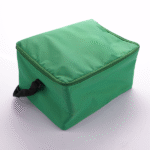
La coincidencia de rutas también evita sustituciones excesivas. A bolsa termica utilizado para la entrega por conductor puede no funcionar como un transportista de paquetes aislado. Es posible que un revestimiento de caja que funcione para alimentos refrigerados no proteja un postre helado. Un paquete de hielo seco puede no ser adecuado para un producto que puede dañarse por el frío extremo o para una ruta donde el transportista no está preparado para las marcas de hielo seco..
| Pregunta de embalaje | Qué respuesta tan fuerte incluye | Que evitar |
|---|---|---|
| ¿Qué condición debe llegar?? | Estado claro del producto, requisito visual, y recibiendo acción | Lenguaje vago como mantenerlo frío.. |
| ¿Qué ruta se está protegiendo?? | Transportador, duración, traspaso, estación, y tipo de receptor | Usar un paquete para cada carril sin revisión. |
| ¿Cómo se gestiona el refrigerante?? | Acondicionamiento, colocación, separación, y reglas de hielo seco si se usan | Agregar más refrigerante sin verificar los daños o las etiquetas del producto. |
| ¿Es repetible el paquete?? | Pedido de paquetes sencillo y prueba similar a la producción | Una muestra ensamblada diferente a la realidad del almacén. |
| ¿Qué evidencia lo respalda?? | Contexto de prueba, especificación del proveedor, y recibir cheques | Reclamaciones de tiempo de espera no calificadas o promesas amplias de cumplimiento. |
Controlar fugas, Movimiento, y comunicación con hielo seco
La temperatura es sólo una de las formas en que un envío de alimentos puede fallar. La humedad puede ablandar los cartones, etiquetas de manchas, embalaje de regalo dañado, y hacer que un paquete se sienta inseguro. El movimiento puede aplastar las cajas de venta minorista o desviar el refrigerante del área que debía proteger.. Los fallos de comunicación pueden provocar que los receptores toquen hielo seco, dejar productos fuera, o juzgar mal qué condición es aceptable. Un buen embalaje para el envío de carne aborda deliberadamente estos riesgos no relacionados con la temperatura.
El control de la humedad puede implicar envases primarios sellados., capas absorbentes, bolsas resistentes a fugas, o materiales que toleren la condensación. El control de movimiento puede implicar cajas de cartón del tamaño adecuado, divisores, relleno firme de huecos, o un forro que se ajuste sin colapsar. La comunicación puede incluir un lenguaje de manejo sencillo., Precaución con hielo seco cuando corresponda., y recibir instrucciones que coincidan con la categoría de alimento. Estos detalles son pequeños en comparación con la elección del aislamiento., pero a menudo son ellos los que deciden si el envío se siente manejado profesionalmente..
El comprador también debe considerar la resistencia del cartón en condiciones reales.. Una caja que es fuerte cuando está seca puede debilitarse si se expone a condensación o fugas de producto.. Un revestimiento que se ve limpio cuando está vacío puede deformarse bajo el peso del producto.. A paquete de refrigerante que se asienta de forma segura en una muestra puede deslizarse durante la clasificación del paquete. Las pruebas de producción deben buscar estos puntos de falla prácticos..
Lea las reclamaciones de proveedores en contexto
Los datos de los proveedores son valiosos cuando son específicos. Preguntar qué se probó, cómo estaba empacado, ¿Qué perfil ambiental se utilizó?, donde se colocaron las sondas, y lo que cuenta como un pase. Una afirmación de que un paquete admite una determinada duración puede ser útil para comparar., pero no debe ser tratado como una garantía de ruta universal. Carga útil, refrigerante, estación, y la exposición al portador puede cambiar el resultado.
El lenguaje de cumplimiento necesita la misma precaución. El embalaje puede respaldar la seguridad alimentaria o la aceptación del transportista, pero no hace que un envío cumpla automáticamente con todos los mercados. El hielo seco puede requerir marcas en el paquete y ventilación segura. Algunos alimentos pueden requerir control de temperatura o documentación específicos.. Los envíos de exportación pueden requerir una revisión adicional. El enfoque más seguro es confirmar los requisitos con el equipo de calidad., transportador, y reglas locales aplicables antes del lanzamiento.
Una discusión madura con proveedores incluye límites. Pregunte dónde no se debe utilizar el paquete propuesto.. Pregunte qué cambio provocaría una nueva prueba o revisión.. Pregunte si la muestra y los materiales de producción son idénticos.. Pregunte cómo se comunican los cambios materiales.. Estas preguntas protegen a los compradores de confiar en afirmaciones atractivas pero incompletas..
Un escenario de embalaje para envío de bistecs
Una marca de carne por suscripción envía cortes mixtos desde un congelador regional a direcciones residenciales. Algunos paquetes llegan a un porche soleado antes de que el cliente abra la caja.. El equipo necesita un embalaje que pueda tolerar retrasos en la entrega sin aplastar el producto ni empapar la caja.. Una revisión basada en rutas no comenzaría con un catálogo. Comenzaría con el grupo de productos., condición de llegada deseada, tiempo de permanencia esperado, presentación en cartón, y acción del receptor. De eso, el comprador puede decidir si probar un revestimiento de caja aislado, un cargador con aislamiento rígido, una bolsa térmica para entrega local, o un diseño de refrigerante estacional.
Herramientas útiles para tomar decisiones
Comprueba los detalles antes de elegir el embalaje.
Estas herramientas rápidas pueden ayudarle a comparar el riesgo de la ruta, necesidades de dimensionamiento, opciones de refrigerante, y detalles del embalaje antes de solicitar una cotización.
Generador de listas de verificación de cumplimiento
Cree una lista de verificación práctica para la revisión del embalaje, envío, y documentación.
Crear lista de verificaciónCalculadora de hielo seco
Calcule las necesidades de hielo seco para envíos congelados o ultrafríos antes de empacar.
Estimar hielo secoCalculadora de bolsa de hielo
Estimación de la cantidad de bolsas de hielo en gel para envíos refrigerados y planificación práctica de rutas.
Estimar las bolsas de hieloLa primera muestra debe empaquetarse como producción.. Si el personal del almacén empaca rápidamente, el juicio no debe depender de un acuerdo único y cuidadoso. Si el refrigerante se acondicionará en un congelador existente, el juicio debería utilizar ese mismo proceso. Si los envíos al consumidor incluyen una tarjeta de instrucciones, el ensayo debe incluirlo. El objetivo no es crear una demostración perfecta.; es para descubrir si el paquete funciona en las condiciones operativas que la empresa realmente utilizará.
después del juicio, Revisar los puntos de falla en términos específicos.. ¿Cambió la condición del producto?? ¿Estaba la caja mojada?? ¿Se movió el refrigerante?? ¿El receptor entendió las instrucciones?? ¿Se ajusta el embalaje al banco de embalaje?? Este tipo de revisión produce mejores mejoras que simplemente pedir un revestimiento más grueso o más refrigerante..
Costo y sostenibilidad de las rutas repetidas de la carne
El costo y la sostenibilidad a menudo se discuten por separado, pero comparten la misma raíz: adaptar. Un paquete del tamaño adecuado reduce el desperdicio de transporte, espacio de almacenamiento, demanda de refrigerante, y disposición de materiales. Un envío fallido desperdicia todo lo que hay en la caja. Un componente reutilizable puede ser una buena opción en una ruta de retorno controlada, mientras que un revestimiento reciclable o fácilmente desechable puede adaptarse mejor al envío unidireccional al consumidor.
aislamiento reciclable, cajas de tamaño adecuado, paquetes de gel reutilizables en rutas controladas, y menos entregas fallidas son opciones prácticas sólo cuando coinciden con la ruta. No fuerce la reutilización cuando la logística de devolución sea débil. No elegir un material ligero si aumenta la pérdida de producto.. No elija un sistema de alto rendimiento para un carril local de bajo riesgo sin comprobar el coste total. La mejor decisión equilibra la protección del producto, mano de obra, almacenamiento, transporte, desperdiciar, y aceptación del cliente.
Los equipos de adquisiciones deben comparar el impacto operativo total en lugar del precio unitario únicamente.. Revisar costo de material, tiempo de embalaje, necesidades de almacenamiento o congelador, cubo de cartón, tasa de daño o rechazo, carga de servicio al cliente, e instrucciones de eliminación o devolución. Esto brinda a los compradores una mejor visión del valor que simplemente seleccionar el componente aislado de menor costo..
Lista de verificación final de compra para envasado de carne
Antes de aprobar el embalaje para el envío de carne, Confirma cinco cosas. Primero, La condición del producto requerida a la llegada está escrita claramente.. Segundo, el perfil de la ruta es realista, incluido el comportamiento de permanencia y receptor. Tercero, La elección del refrigerante es compatible con las normas del producto y del transportista.. Cuatro, El paquete ha sido probado con embalaje similar al de producción.. Quinto, El proveedor ha proporcionado especificaciones y cualquier contexto de prueba disponible sin promesas amplias..
Confirme también lo que se revisará después del lanzamiento.. Embalaje de cadena de frío no debería ser una decisión única. Estación, servicio de transportista, mezcla de productos, tamaño del pedido, y las expectativas del cliente pueden cambiar. Un paquete que funciona en primavera puede necesitar ajustes en verano. Un pequeño cambio de SKU puede requerir un llenado de huecos o un diseño de refrigerante diferente. Un nuevo transportista puede introducir diferentes puntos de permanencia.
Cuando la lista de verificación se trata como parte de las operaciones, El embalaje se vuelve más fácil de gestionar.. Los equipos pueden explicar por qué se utiliza un componente., ¿Qué riesgo controla?, y cuando se debe revisar. Esa claridad es más útil que confiar en una afirmación genérica de que una caja está aislada o que un refrigerante es duradero..
Preguntas frecuentes
¿Cómo sé qué opción de embalaje para envío de carne es la adecuada para mi producto??
Comience con las condiciones del producto requeridas a su llegada., no con el nombre del material. Confirmar si el producto debe permanecer congelado, enfriado, protegido del calor, protegido de la humedad, o protegido para su presentación. Luego haga coincidir el aislamiento, refrigerante, caja de cartón, e instrucciones de embalaje para la ruta. Si el proveedor no puede explicar cómo se adapta el paquete a su carga útil y carril, Pregunte por más contexto antes de realizar el pedido..
¿Debo usar hielo seco?, paquetes de gel, o paquetes de PCM?
La respuesta depende de la sensibilidad del producto., condición requerida, ruta, aceptación del transportista, y capacidad de manejo. El hielo seco puede ser útil para algunos envíos congelados, pero puede requerir un embalaje con ventilación., marcas, y revisión del operador. Los paquetes de gel y los paquetes PCM pueden ser más fáciles para productos refrigerados o sensibles al calor, pero aún necesitan un correcto acondicionamiento y colocación.. No cambie los refrigerantes sin revisar el paquete completo.
¿Es suficiente una caja aislada para el envío de alimentos perecederos??
El aislamiento por sí solo ralentiza la transferencia de calor; no crea un envío controlado. Un embalaje viable también necesita las condiciones iniciales adecuadas del producto., refrigerante o refrigerante cuando sea necesario, control de fugas o humedad, fuerza del cartón, cierre, y recibiendo instrucciones. Una caja de cartón corrugado normal con algunas bolsas de hielo sueltas no es un sistema de cadena de frío.; Es sólo una caja exterior con objetos fríos dentro.. Trate la caja como un componente de un sistema..
¿Qué debo preguntarle a un proveedor antes de comprar al por mayor??
Preguntar por dimensiones interiores y útiles., especificaciones de materiales, compatibilidad con refrigerante, consistencia de muestra a producción, y cualquier contexto de prueba detrás de las afirmaciones de rendimiento. Pregunte también para qué condiciones no está diseñado el paquete.. Un proveedor que puede describir los límites suele ser más útil que uno que ofrece una afirmación amplia sin explicar la carga útil., perfil ambiental, o supuestos de ruta.
¿Cuándo se debe revisar nuevamente un paquete??
Revise el paquete cada vez que el producto, estación, ruta, servicio de transportista, tamaño del pedido, tipo de refrigerante, o cambios de proveedor de embalaje. Revíselo también después de quejas., entregas rechazadas, cartones mojados, llegadas tarde, o registros de temperatura inusuales. El embalaje de la cadena de frío debe mantenerse como un proceso operativo, no aprobado una vez y olvidado.
Conclusión
La decisión más sólida sobre el embalaje del envío de carne se basa en la ruta y se basa en la evidencia. Definir llegada aceptable, construir el paquete hacia afuera del producto, controlar la humedad y el movimiento, y verificar las afirmaciones de los proveedores en contexto. una bolsa, transatlántico, refrigerante, o cartón es sólo una parte de la respuesta. El sistema final debe coincidir con la categoría de alimentos., duración de la ruta, puntos de entrega, expectativas del receptor, y flujo de trabajo del almacén. Cuando esos factores están escritos, El embalaje se vuelve más fácil de probar., mejorar, y escala.
Acerca de Tempk
Y Tempk, Ayudamos a los transportistas de alimentos a comparar componentes prácticos de embalaje de la cadena de frío, como bolsas aislantes., revestimientos de cajas aisladas, bolsas de hielo, hidratar bolsas de hielo seco, ladrillos de hielo, y cajas de cartón aislantes. Para envíos de carne, Nuestro papel es ayudar a los compradores a pensar en el estado del producto., ruta, elección de refrigerante, y flujo de trabajo de embalaje antes de pasar de muestras a cumplimiento regular.
CTA
Envía a Tempk tu categoría de producto, ruta de envío, carga útil, y requisitos de temperatura para discutir una recomendación práctica de embalaje.