


Mayorista de bolsas de compras aisladas: Guía completa 2026
Mayorista de bolsas de compras aisladas: Guía completa 2026
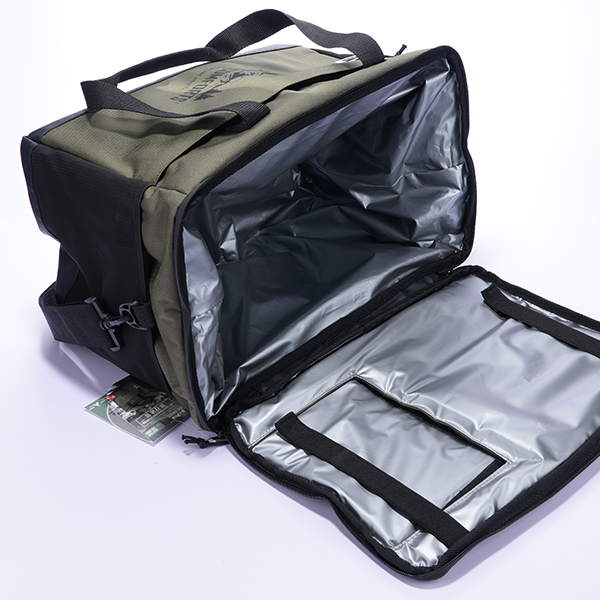
The best insulated shopping bag wholesaler strategy in 2026 combina tres cosas: diseño correcto del producto, cumplimiento documentado, y un modelo de abastecimiento que puede escalar sin desvío de calidad. Necesita la lógica práctica del comprador de una guía comercial, la evidencia de una revisión técnica, y el conocimiento del mercado de un informe de tendencias. Este artículo optimizado fusiona esas fortalezas para que pueda abastecerse más rápido y con menos riesgo..
Lo que este artículo te ayudará a responder.
- How to choose the right insulated shopping bag configuration for your payload, ruta, y presupuesto.
- ¿Qué materiales, documentos de cumplimiento, y las pruebas de validación separan las bolsas seguras de las peligrosas.
- Cómo reducir el desperdicio, controlar el costo, and future-proof your insulated shopping bag wholesaler program for 2026.
- ¿Cuál es el último mercado?, regulación, y señales de sostenibilidad significan para su próximo pedido.
Mayorista de bolsas de compras aisladas: ¿Cuál es la mejor estrategia de compra en 2026?
The best insulated shopping bag wholesaler decision starts with route truth. Necesitas saber lo que llevas, cuanto tiempo lo llevas, con qué frecuencia se abre la bolsa, y que condición se debe proteger cuando finaliza la ruta. Only then can you choose the right insulated shopping bag size, clase de aislamiento, transatlántico, y modelo de proveedor. eso suena simple, pero es el paso que muchos compradores se saltan cuando se apresuran a cotizar.
En 2026, Equipos de abastecimiento sólidos tratan la bolsa como parte de un sistema operativo.. Conectan la bolsa a la disciplina de carga útil, elección de refrigerante, recibiendo inspección, limpieza, y reordenar la planificación. That system view creates better performance and better buyer confidence because it answers the real question: ¿Cómo me ayudará este producto a tener éxito??
Why does route-first thinking improve insulated shopping bag sourcing?
For insulated shopping bag wholesaler, the right target is a design that protects product condition, sigue siendo práctico para los usuarios, y sigue siendo comercialmente repetible. Si una bolsa es técnicamente impresionante pero difícil de limpiar, incómodo de llevar, o inestable en la producción en masa, no es una buena solución. Asimismo, si es barato y atractivo pero falla durante el manejo real, se vuelve caro muy rápidamente.
Marco de decisión de ruta primero
| Situación | mejor movimiento | Por que funciona | Value to you |
| Need shelf speed | Use one hero size with a small support range | Keep the assortment tight | Improves sell-through |
| Gift or loyalty program | Protect visual consistency and handle comfort | Think about repeated public use | Builds brand value |
| Margin pressure | Optimize cartons and standard trims | Cut hidden cost first | Improves landed margin |
| Consumer complaints hurt channel trust | Upgrade leak resistance and reinforcement | Protect the basics | Reduces returns |
Consejos prácticos para compradores
- Write a one-page route brief before requesting quotations for insulated shopping bag wholesaler.
- Elige primero la bolsa que circula por el carril más importante., luego adáptese hacia afuera solo si los datos lo respaldan.
- Mantenga visibles sus criterios de compra: ajuste de ruta, cumplimiento, vida útil, y el costo de entrega se deben calificar.
Ejemplo de enfoque optimizado: un comprador redujo la confusión al definir una ruta principal, una carga útil, Y un estándar de aceptación antes de hablar de decoración.. Una vez que el equipo se alineó con esos conceptos básicos, La comparación de proveedores se volvió más rápida y objetiva..
Mayorista de bolsas de compras aisladas: ¿Qué especificaciones separan las bolsas seguras de las peligrosas??
Una vez que la ruta esté despejada, el siguiente trabajo es separar las especificaciones significativas del ruido decorativo. For insulated shopping bag wholesaler, the critical layers are the outer shell, núcleo de aislamiento, revestimiento interior, sistema de cierre, y estructura portante. Esas cinco áreas deciden si la bolsa se siente resistente., se limpia fácilmente, y mantiene la temperatura bajo control el tiempo suficiente para realizar el trabajo. Todo lo demás debería servir a esos fundamentos., no distraerse de ellos.
En términos prácticos, retail-friendly outer shell, aislamiento práctico, leak-aware liner, stable handles, and shapes that nest or fold efficiently in wholesale cartons remain popular because they let buyers balance cost and performance. Pero ningún nombre de material garantiza el éxito.. Una mejor espuma se puede desperdiciar con una cremallera débil.. Una carcasa duradera puede verse socavada por un revestimiento deficiente. Por eso los compradores inteligentes piden a los proveedores que les expliquen la función de cada capa en un lenguaje sencillo..
How do you inspect the real build quality of a insulated shopping bag?
Focus on the common failure zones: thin liners tear in low-cost builds, shape collapse can reduce perceived value, odor control depends on liner quality, and stitching around handles can fail in heavy use. Si esas áreas parecen débiles en la muestra, la báscula no los arreglará más tarde. En contraste, cuando la muestra muestra un refuerzo bien pensado y una construcción interior limpia, Por lo general, verá un mejor rendimiento en la ruta y menos quejas después del lanzamiento..
Lista de verificación de especificaciones que importa
| Área | Risky sign | Better sign | Por qué les importa a los compradores |
| Size and volume | Too much empty air | Payload-matched cavity | Better thermal efficiency |
| Insulation support | Compressed or inconsistent wall | Stable wall and opening design | Tiempo de espera más predecible |
| Calidad del revestimiento | Delgado, noisy, or easy to tear | Liso, limpieza, better-supported liner | Lower leak and odor complaints |
| Stress zones | Weak handles or zipper ends | Reinforced anchors and neat finishing | Vida útil más larga |
Consejos prácticos para compradores
- Inspect inside corners and zipper ends before you inspect the print, because hidden quality drives the route result.
- Ask suppliers to state what is optional and what is performance-critical in the approved build.
- Reject vague material language; good suppliers explain the layer function clearly.
Ejemplo de especificación: two samples looked nearly identical from the outside, but one had better reinforcement and a better-supported liner. That difference barely changed the quotation and greatly changed the expected service life.
Mayorista de bolsas de compras aisladas: which materials, pasos de validación, and standards matter most?
A winning insulated shopping bag wholesaler program uses technical evidence without overwhelming the buyer. The right validation file should state payload, temperatura inicial, rango ambiental, duración de la ruta, patrón de apertura, and refrigerant setup. It should also say what the liner is intended to do, how the approved sample is controlled, and what happens if a material changes later.
That is where standards and authority signals become useful. They do not replace route testing, but they improve the quality of the conversation. With packaging and waste policy tightening, retail buyers are asking harder questions about reuse, stock muerto, and product-life value. OECD's plastics data reinforces why: packaging is still the biggest source of plastic waste. For insulated shopping bag wholesalers, that means the best commercial pitch is now a durable, fast-moving bag with a clear consumer use case, not a complicated product that only looks good in a catalog. When buyers see that kind of grounded explanation, confidence rises because the language sounds real instead of borrowed from marketing copy.
What should the approval file contain before mass production starts?
Keep it simple and complete: dimensiones aprobadas, layer description, sample photo set, thermal summary, método de embalaje, marcas de cartón, and a change-management rule. If quality, obtención, and warehouse teams can all read the same file and reach the same understanding, the file is strong enough.
Validation and compliance stack
| Control | Que incluir | Por que importa | Beneficio del comprador |
| Validación térmica | Carga útil, temperatura inicial, rango ambiental, y duración | Tells you whether the bag works on the real lane | Ask for route-based assumptions |
| Material suitability | Transatlántico, revestimiento, and contact-surface declarations | Reduces risk in food and healthcare-adjacent use | Keep wording precise |
| Production control | Approved sample, AQL, y gestión del cambio | Supports repeatability after first order | Good factories document changes |
| Logistics and labeling | Marcas de cartón, SKU logic, and receiving information | Cuts warehouse confusion and receiving delays | Useful in scale or trade programs |
Consejos prácticos para compradores
- Use one approval file that covers technical, comercial, and warehouse questions together.
- Do not rely on a generic hold-time statement when route conditions are important.
- Treat undocumented material substitutions as a real risk, even when the bag still looks similar.
Validation example: a buyer reduced launch friction by replacing a long technical deck with one clear approval sheet and one route-based test summary. The documents were shorter, but the project became easier for every team to review.
Mayorista de bolsas de compras aisladas: how do sustainability and cost control work together?
En 2026, sustainability and cost control are no longer separate conversations. Buyers want to know whether the bag reduces waste, whether the materials are documented honestly, and whether the design avoids unnecessary freight, dead space, and premature replacement. Those questions are commercial because every avoidable failure, reenvío, or early replacement costs money.
The best answer is usually practical rather than dramatic. Standardized sizes, better service life, cleaner material declarations, and a right-sized pack-out often improve both sustainability and total cost. That is also why some high-performing programs look simpler than people expect. The design is carrying less waste and less confusion at the same time.
How do you make sustainability believable to a buyer?
Use service life, ajuste de ruta, and documentation as the proof. A sustainability claim becomes stronger when you can show that the bag survives enough trips, avoids wasteful overpacking, and is supported by clean records. That is more persuasive than an abstract eco slogan because it speaks to both operating reality and future reporting needs.
Sustainability and cost levers
| Palanca | Weak move | Stronger move | que cambia |
| Service life | Chase low entry price only | Upgrade the stress zones that control reuse | Reduce la tasa de reemplazo |
| Material story | Use vague green claims | Document recycled content or simpler materials honestly | Mejora la confianza |
| Empacado | Oversized cavity and excess refrigerant | Right-size the bag for the lane | Cuts waste and freight |
| Assortment | Too many tiny variants | Build around a clear core range | Reduces dead stock |
Consejos prácticos para compradores
- Ask whether the proposed sustainability feature improves service life or only improves storytelling.
- Model waste reduction through fewer failures and fewer emergency replacements, not only through material content.
- Keep your first version simple enough that it can be repeated at scale.
Sustainability example: a buyer got a better long-term result by standardizing size, improving durability, and simplifying the material story, rather than by loading the bag with multiple unproven green features.
Mayorista de bolsas de compras aisladas: how should you choose a supplier and scale orders?
The supplier question becomes more important after the sample looks good. You need a partner that can repeat the approved build, protect documentation, handle exceptions well, and support the next order without losing control. Para muchos compradores, that is where the real value of a professional supplier appears.
A good scaling plan starts with a core SKU or core route, one written approval file, and a receiving checklist that feeds real feedback back to the supplier. Once those elements are working, you can add variants or volume with far less risk. This is the operational side of SEO-style authority too: clear process signals make every future decision easier.
What does a scalable supplier relationship look like?
It looks boring in a good way. Quotations stay comparable, sample files stay stable, corrective actions are documented, and reorders feel predictable. When that happens, you spend less time fighting preventable variation and more time improving the bag where it truly matters.
Supplier scaling scorecard
| Área | signo débil | Signo fuerte | Long-run effect |
| Ajuste comercial | Price-only discussion | Price plus service and route logic | Protects margins after the first order |
| Control de calidad | Generic promise | Documented checkpoints and approval trail | Reduces batch surprises |
| Documentación | Minimal spec file | Clear materials, empacar, y control de cambios | Speeds internal approvals |
| Reorder behavior | Reactive answers | Predictable lead times and exception handling | Supports scaling without noise |
Consejos prácticos para compradores
- Pilot the hardest lane or the highest-volume branch before you scale variants.
- Review complaint feedback with the supplier against the approved file, not against memory.
- Choose repeatability over theater. A calm supplier process usually beats a dramatic sales pitch.
Scaling example: a team launched one proven version first, then expanded only after receiving data from the first cycle. That choice reduced inventory noise and gave the supplier time to protect the approved specification.
2026 latest developments and trends for Insulated Shopping Bag Wholesaler
lo último 2026 direction for insulated shopping bag wholesaler is integration. Buyers want route fit, prueba técnica, sustainability readiness, and cost control in one coherent answer. That is the real standard behind high-performing pages and high-performing purchases this year.
Últimos desarrollos de un vistazo
- retail wholesalers want proven dimensions that fit typical grocery payloads
- channel buyers now look at waste and reuse claims more critically
- bag programs with a clean value story move faster than feature-heavy designs
Insight del mercado: the optimized winner is not the bag with the longest claim list. It is the bag with the clearest route logic, the strongest approval file, and the most honest service-life story. Those qualities improve search relevance, confianza del comprador, and operational performance at the same time.
Preguntas frecuentes
What is the fastest way to improve a insulated shopping bag wholesaler buying decision?
Write a route brief first. Definir la carga útil, duración de la ruta, frecuencia de apertura, banda de temperatura objetivo, and cleaning expectation before you compare any samples or prices.
Which feature should I protect first when budgets get tight?
Protect the thermal core, calidad del revestimiento, and stress zones such as handles and closures. Decorative extras are easier to simplify than the parts that actually keep temperature and prevent complaints.
How much do documents really matter for insulated shopping bag sourcing?
A lot. Good documents stop misunderstandings between buyer, proveedor, depósito, and quality team. They also make reorders faster and reduce risk when something changes.
How do I combine sustainability with performance?
Start with route fit and service life. A durable, right-sized bag with honest material records usually beats a fashionable claim that fails in real use.
What should a strong pilot test include?
Use the real payload, the real refrigerant plan, the expected ambient range, and the real opening pattern. Si es posible, stress the hardest lane first so the pilot reveals practical risk early.
When should I change suppliers?
When documentation stays vague, corrective actions are slow, or batch consistency keeps drifting. A slightly cheaper source is rarely worth repeated operational noise.
What sells better in wholesale channels: many choices or a clear core range?
Usually a clear core range. Buyers and retail staff often prefer a simple, proven bag that fits normal shopping behavior and is easy to explain to end customers.
Resumen y recomendaciones
The complete lesson from this optimized insulated shopping bag wholesaler guide is that success comes from alignment. Align the route, the material stack, the validation file, the supplier process, and the sustainability story. When those pieces support each other, you get a bag that is easier to approve, más fácil de explicar, y más fácil de escalar.
Start with one route brief, one approval file, and one scorecard for supplier comparison. Then move to a controlled pilot before you scale. That simple sequence is still the most reliable way to make a stronger insulated shopping bag decision in 2026.
Acerca de Tempk
Y tempk, Nos centramos en el embalaje de la cadena de frío con una lógica de ruta práctica detrás de cada recomendación.. Trabajamos en bolsas isotérmicas, refrigerantes, y soluciones de envío que ayudan a los compradores a comparar el rendimiento, preguntas de cumplimiento, y costos operativos con mayor claridad. Nuestra fortaleza es convertir las opciones de empaque técnico en decisiones en lenguaje sencillo en las que los equipos puedan actuar..
If you are evaluating a insulated shopping bag wholesaler project, el siguiente paso útil es una discusión basada en rutas: carga útil, banda de temperatura objetivo, duración, patrón de apertura, cleaning plan, and reuse target. con esos detalles, it becomes much easier to recommend a insulated shopping bag specification that fits the job.
Empresa de bolsas de compras aisladas: Guía completa 2026

The best insulated shopping bag enterprise strategy in 2026 combina tres cosas: diseño correcto del producto, cumplimiento documentado, y un modelo de abastecimiento que puede escalar sin desvío de calidad. Necesita la lógica práctica del comprador de una guía comercial, la evidencia de una revisión técnica, y el conocimiento del mercado de un informe de tendencias. Este artículo optimizado fusiona esas fortalezas para que pueda abastecerse más rápido y con menos riesgo..
Lo que este artículo te ayudará a responder.
- How to choose the right insulated shopping bag configuration for your payload, ruta, y presupuesto.
- ¿Qué materiales, documentos de cumplimiento, y las pruebas de validación separan las bolsas seguras de las peligrosas.
- Cómo reducir el desperdicio, controlar el costo, and future-proof your insulated shopping bag enterprise program for 2026.
- ¿Cuál es el último mercado?, regulación, y señales de sostenibilidad significan para su próximo pedido.
Empresa de bolsas de compras aisladas: ¿Cuál es la mejor estrategia de compra en 2026?
The best insulated shopping bag enterprise decision starts with route truth. Necesitas saber lo que llevas, cuanto tiempo lo llevas, con qué frecuencia se abre la bolsa, y que condición se debe proteger cuando finaliza la ruta. Only then can you choose the right insulated shopping bag size, clase de aislamiento, transatlántico, y modelo de proveedor. eso suena simple, pero es el paso que muchos compradores se saltan cuando se apresuran a cotizar.
En 2026, Equipos de abastecimiento sólidos tratan la bolsa como parte de un sistema operativo.. Conectan la bolsa a la disciplina de carga útil, elección de refrigerante, recibiendo inspección, limpieza, y reordenar la planificación. That system view creates better performance and better buyer confidence because it answers the real question: ¿Cómo me ayudará este producto a tener éxito??
Why does route-first thinking improve insulated shopping bag sourcing?
For insulated shopping bag enterprise, the right target is a design that protects product condition, sigue siendo práctico para los usuarios, y sigue siendo comercialmente repetible. Si una bolsa es técnicamente impresionante pero difícil de limpiar, incómodo de llevar, o inestable en la producción en masa, no es una buena solución. Asimismo, si es barato y atractivo pero falla durante el manejo real, se vuelve caro muy rápidamente.
Marco de decisión de ruta primero
| Situación | mejor movimiento | Por que funciona | Value to you |
| Many branches | Standardize one or two approved sizes | Limit custom exceptions | Improves stock control and training |
| ESG reporting matters | Collect recycled-content and durability records | Keep claims simple and auditable | Supports internal reporting |
| High public use | Reinforce handles and liner | Focus on the stress zones | Extends service life |
| Tight rollout window | Choose supplier with strong approval process | Prioritize repeatability over novelty | Reduces launch delays |
Consejos prácticos para compradores
- Write a one-page route brief before requesting quotations for insulated shopping bag enterprise.
- Elige primero la bolsa que circula por el carril más importante., luego adáptese hacia afuera solo si los datos lo respaldan.
- Mantenga visibles sus criterios de compra: ajuste de ruta, cumplimiento, vida útil, y el costo de entrega se deben calificar.
Ejemplo de enfoque optimizado: un comprador redujo la confusión al definir una ruta principal, una carga útil, Y un estándar de aceptación antes de hablar de decoración.. Una vez que el equipo se alineó con esos conceptos básicos, La comparación de proveedores se volvió más rápida y objetiva..
Empresa de bolsas de compras aisladas: ¿Qué especificaciones separan las bolsas seguras de las peligrosas??
Una vez que la ruta esté despejada, el siguiente trabajo es separar las especificaciones significativas del ruido decorativo. For insulated shopping bag enterprise, the critical layers are the outer shell, núcleo de aislamiento, revestimiento interior, sistema de cierre, y estructura portante. Esas cinco áreas deciden si la bolsa se siente resistente., se limpia fácilmente, y mantiene la temperatura bajo control el tiempo suficiente para realizar el trabajo. Todo lo demás debería servir a esos fundamentos., no distraerse de ellos.
En términos prácticos, durable reusable outer shell, stable insulation package, revestimiento resistente a fugas, barcode or ID features if needed, and hardware chosen for frequent public handling remain popular because they let buyers balance cost and performance. Pero ningún nombre de material garantiza el éxito.. Una mejor espuma se puede desperdiciar con una cremallera débil.. Una carcasa duradera puede verse socavada por un revestimiento deficiente. Por eso los compradores inteligentes piden a los proveedores que les expliquen la función de cada capa en un lenguaje sencillo..
How do you inspect the real build quality of a insulated shopping bag?
Focus on the common failure zones: thin liners tear in low-cost builds, shape collapse can reduce perceived value, odor control depends on liner quality, and stitching around handles can fail in heavy use. Si esas áreas parecen débiles en la muestra, la báscula no los arreglará más tarde. En contraste, cuando la muestra muestra un refuerzo bien pensado y una construcción interior limpia, Por lo general, verá un mejor rendimiento en la ruta y menos quejas después del lanzamiento..
Lista de verificación de especificaciones que importa
| Área | Risky sign | Better sign | Por qué les importa a los compradores |
| Size and volume | Too much empty air | Payload-matched cavity | Better thermal efficiency |
| Insulation support | Compressed or inconsistent wall | Stable wall and opening design | Tiempo de espera más predecible |
| Calidad del revestimiento | Delgado, noisy, or easy to tear | Liso, limpieza, better-supported liner | Lower leak and odor complaints |
| Stress zones | Weak handles or zipper ends | Reinforced anchors and neat finishing | Vida útil más larga |
Consejos prácticos para compradores
- Inspect inside corners and zipper ends before you inspect the print, because hidden quality drives the route result.
- Ask suppliers to state what is optional and what is performance-critical in the approved build.
- Reject vague material language; good suppliers explain the layer function clearly.
Ejemplo de especificación: two samples looked nearly identical from the outside, but one had better reinforcement and a better-supported liner. That difference barely changed the quotation and greatly changed the expected service life.
Empresa de bolsas de compras aisladas: which materials, pasos de validación, and standards matter most?
A winning insulated shopping bag enterprise program uses technical evidence without overwhelming the buyer. The right validation file should state payload, temperatura inicial, rango ambiental, duración de la ruta, patrón de apertura, and refrigerant setup. It should also say what the liner is intended to do, how the approved sample is controlled, and what happens if a material changes later.
That is where standards and authority signals become useful. They do not replace route testing, but they improve the quality of the conversation. Enterprise buyers are watching two things at once: regulatory pressure on packaging waste and internal pressure to document carbon and waste reduction. The European Commission says PPWR generally applies from 12 Agosto 2026, while EPA's ReCon tool now gives procurement teams a clearer way to estimate the embodied-carbon effect of using more recycled content. That means an enterprise insulated shopping bag program is increasingly reviewed as a procurement system, not just a branded giveaway. When buyers see that kind of grounded explanation, confidence rises because the language sounds real instead of borrowed from marketing copy.
What should the approval file contain before mass production starts?
Keep it simple and complete: dimensiones aprobadas, layer description, sample photo set, thermal summary, método de embalaje, marcas de cartón, and a change-management rule. If quality, obtención, and warehouse teams can all read the same file and reach the same understanding, the file is strong enough.
Validation and compliance stack
| Control | Que incluir | Por que importa | Beneficio del comprador |
| Validación térmica | Carga útil, temperatura inicial, rango ambiental, y duración | Tells you whether the bag works on the real lane | Ask for route-based assumptions |
| Material suitability | Transatlántico, revestimiento, and contact-surface declarations | Reduces risk in food and healthcare-adjacent use | Keep wording precise |
| Production control | Approved sample, AQL, y gestión del cambio | Supports repeatability after first order | Good factories document changes |
| Logistics and labeling | Marcas de cartón, SKU logic, and receiving information | Cuts warehouse confusion and receiving delays | Useful in scale or trade programs |
Consejos prácticos para compradores
- Use one approval file that covers technical, comercial, and warehouse questions together.
- Do not rely on a generic hold-time statement when route conditions are important.
- Treat undocumented material substitutions as a real risk, even when the bag still looks similar.
Validation example: a buyer reduced launch friction by replacing a long technical deck with one clear approval sheet and one route-based test summary. The documents were shorter, but the project became easier for every team to review.
Empresa de bolsas de compras aisladas: how do sustainability and cost control work together?
En 2026, sustainability and cost control are no longer separate conversations. Buyers want to know whether the bag reduces waste, whether the materials are documented honestly, and whether the design avoids unnecessary freight, dead space, and premature replacement. Those questions are commercial because every avoidable failure, reenvío, or early replacement costs money.
The best answer is usually practical rather than dramatic. Standardized sizes, better service life, cleaner material declarations, and a right-sized pack-out often improve both sustainability and total cost. That is also why some high-performing programs look simpler than people expect. The design is carrying less waste and less confusion at the same time.
How do you make sustainability believable to a buyer?
Use service life, ajuste de ruta, and documentation as the proof. A sustainability claim becomes stronger when you can show that the bag survives enough trips, avoids wasteful overpacking, and is supported by clean records. That is more persuasive than an abstract eco slogan because it speaks to both operating reality and future reporting needs.
Sustainability and cost levers
| Palanca | Weak move | Stronger move | que cambia |
| Service life | Chase low entry price only | Upgrade the stress zones that control reuse | Reduce la tasa de reemplazo |
| Material story | Use vague green claims | Document recycled content or simpler materials honestly | Mejora la confianza |
| Empacado | Oversized cavity and excess refrigerant | Right-size the bag for the lane | Cuts waste and freight |
| Assortment | Too many tiny variants | Build around a clear core range | Reduces dead stock |
Consejos prácticos para compradores
- Ask whether the proposed sustainability feature improves service life or only improves storytelling.
- Model waste reduction through fewer failures and fewer emergency replacements, not only through material content.
- Keep your first version simple enough that it can be repeated at scale.
Sustainability example: a buyer got a better long-term result by standardizing size, improving durability, and simplifying the material story, rather than by loading the bag with multiple unproven green features.
Empresa de bolsas de compras aisladas: how should you choose a supplier and scale orders?
The supplier question becomes more important after the sample looks good. You need a partner that can repeat the approved build, protect documentation, handle exceptions well, and support the next order without losing control. Para muchos compradores, that is where the real value of a professional supplier appears.
A good scaling plan starts with a core SKU or core route, one written approval file, and a receiving checklist that feeds real feedback back to the supplier. Once those elements are working, you can add variants or volume with far less risk. This is the operational side of SEO-style authority too: clear process signals make every future decision easier.
What does a scalable supplier relationship look like?
It looks boring in a good way. Quotations stay comparable, sample files stay stable, corrective actions are documented, and reorders feel predictable. When that happens, you spend less time fighting preventable variation and more time improving the bag where it truly matters.
Supplier scaling scorecard
| Área | signo débil | Signo fuerte | Long-run effect |
| Ajuste comercial | Price-only discussion | Price plus service and route logic | Protects margins after the first order |
| Control de calidad | Generic promise | Documented checkpoints and approval trail | Reduces batch surprises |
| Documentación | Minimal spec file | Clear materials, empacar, y control de cambios | Speeds internal approvals |
| Reorder behavior | Reactive answers | Predictable lead times and exception handling | Supports scaling without noise |
Consejos prácticos para compradores
- Pilot the hardest lane or the highest-volume branch before you scale variants.
- Review complaint feedback with the supplier against the approved file, not against memory.
- Choose repeatability over theater. A calm supplier process usually beats a dramatic sales pitch.
Scaling example: a team launched one proven version first, then expanded only after receiving data from the first cycle. That choice reduced inventory noise and gave the supplier time to protect the approved specification.
2026 latest developments and trends for Insulated Shopping Bag Enterprise
lo último 2026 direction for insulated shopping bag enterprise is integration. Buyers want route fit, prueba técnica, sustainability readiness, and cost control in one coherent answer. That is the real standard behind high-performing pages and high-performing purchases this year.
Últimos desarrollos de un vistazo
- enterprises increasingly connect bag buying to ESG reporting and waste reduction goals
- retail and workplace food programs want standardized reusable formats
- buyers prefer bags that can be explained simply to branch teams and end users
Insight del mercado: the optimized winner is not the bag with the longest claim list. It is the bag with the clearest route logic, the strongest approval file, and the most honest service-life story. Those qualities improve search relevance, confianza del comprador, and operational performance at the same time.
Preguntas frecuentes
What is the fastest way to improve a insulated shopping bag enterprise buying decision?
Write a route brief first. Definir la carga útil, duración de la ruta, frecuencia de apertura, banda de temperatura objetivo, and cleaning expectation before you compare any samples or prices.
Which feature should I protect first when budgets get tight?
Protect the thermal core, calidad del revestimiento, and stress zones such as handles and closures. Decorative extras are easier to simplify than the parts that actually keep temperature and prevent complaints.
How much do documents really matter for insulated shopping bag sourcing?
A lot. Good documents stop misunderstandings between buyer, proveedor, depósito, and quality team. They also make reorders faster and reduce risk when something changes.
How do I combine sustainability with performance?
Start with route fit and service life. A durable, right-sized bag with honest material records usually beats a fashionable claim that fails in real use.
What should a strong pilot test include?
Use the real payload, the real refrigerant plan, the expected ambient range, and the real opening pattern. Si es posible, stress the hardest lane first so the pilot reveals practical risk early.
When should I change suppliers?
When documentation stays vague, corrective actions are slow, or batch consistency keeps drifting. A slightly cheaper source is rarely worth repeated operational noise.
Why do enterprise programs often reject attractive samples?
Because the sample is only the beginning. Enterprise teams worry about branch training, estabilidad de reorden, reglas de limpieza, and internal approvals. A pretty sample is not enough if the operating model is weak.
Resumen y recomendaciones
The complete lesson from this optimized insulated shopping bag enterprise guide is that success comes from alignment. Align the route, the material stack, the validation file, the supplier process, and the sustainability story. When those pieces support each other, you get a bag that is easier to approve, más fácil de explicar, y más fácil de escalar.
Start with one route brief, one approval file, and one scorecard for supplier comparison. Then move to a controlled pilot before you scale. That simple sequence is still the most reliable way to make a stronger insulated shopping bag decision in 2026.
Acerca de Tempk
Y tempk, Nos centramos en el embalaje de la cadena de frío con una lógica de ruta práctica detrás de cada recomendación.. Trabajamos en bolsas isotérmicas, refrigerantes, y soluciones de envío que ayudan a los compradores a comparar el rendimiento, preguntas de cumplimiento, y costos operativos con mayor claridad. Nuestra fortaleza es convertir las opciones de empaque técnico en decisiones en lenguaje sencillo en las que los equipos puedan actuar..
If you are evaluating a insulated shopping bag enterprise project, el siguiente paso útil es una discusión basada en rutas: carga útil, banda de temperatura objetivo, duración, patrón de apertura, cleaning plan, and reuse target. con esos detalles, it becomes much easier to recommend a insulated shopping bag specification that fits the job.
Comercio de bolsas de envío aisladas: Guía completa 2026
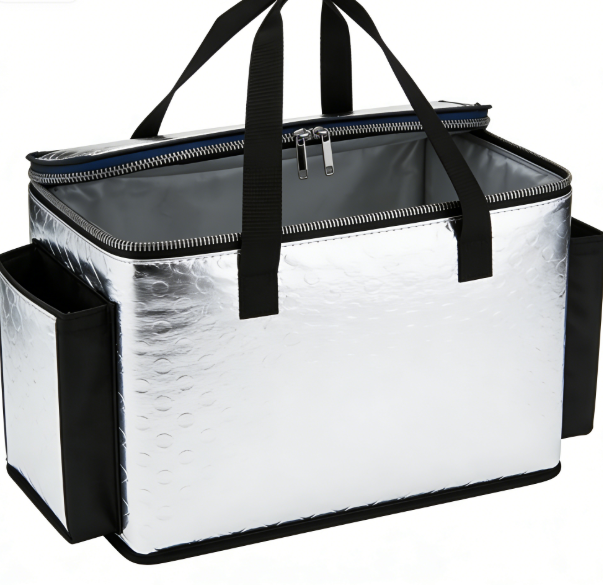
The best insulated shipping bag trade strategy in 2026 combina tres cosas: diseño correcto del producto, cumplimiento documentado, y un modelo de abastecimiento que puede escalar sin desvío de calidad. Necesita la lógica práctica del comprador de una guía comercial, la evidencia de una revisión técnica, y el conocimiento del mercado de un informe de tendencias. Este artículo optimizado fusiona esas fortalezas para que pueda abastecerse más rápido y con menos riesgo..
Lo que este artículo te ayudará a responder.
- Cómo elegir la configuración de bolsa de envío aislada adecuada para su carga útil, ruta, y presupuesto.
- ¿Qué materiales, documentos de cumplimiento, y las pruebas de validación separan las bolsas seguras de las peligrosas.
- Cómo reducir el desperdicio, controlar el costo, and future-proof your insulated shipping bag trade program for 2026.
- ¿Cuál es el último mercado?, regulación, y señales de sostenibilidad significan para su próximo pedido.
Comercio de bolsas de envío aisladas: ¿Cuál es la mejor estrategia de compra en 2026?
The best insulated shipping bag trade decision starts with route truth. Necesitas saber lo que llevas, cuanto tiempo lo llevas, con qué frecuencia se abre la bolsa, y que condición se debe proteger cuando finaliza la ruta. Solo entonces podrás elegir el tamaño correcto de bolsa de envío con aislamiento., clase de aislamiento, transatlántico, y modelo de proveedor. eso suena simple, pero es el paso que muchos compradores se saltan cuando se apresuran a cotizar.
En 2026, Equipos de abastecimiento sólidos tratan la bolsa como parte de un sistema operativo.. Conectan la bolsa a la disciplina de carga útil, elección de refrigerante, recibiendo inspección, limpieza, y reordenar la planificación. That system view creates better performance and better buyer confidence because it answers the real question: ¿Cómo me ayudará este producto a tener éxito??
¿Por qué pensar primero en la ruta mejora el abastecimiento de bolsas de envío aisladas??
For insulated shipping bag trade, the right target is a design that protects product condition, sigue siendo práctico para los usuarios, y sigue siendo comercialmente repetible. Si una bolsa es técnicamente impresionante pero difícil de limpiar, incómodo de llevar, o inestable en la producción en masa, no es una buena solución. Asimismo, si es barato y atractivo pero falla durante el manejo real, se vuelve caro muy rápidamente.
Marco de decisión de ruta primero
| Situación | mejor movimiento | Por que funciona | Value to you |
| Multiple stakeholders | Use one master specification and approval sheet | Prevent version drift | Reduces trade friction |
| Export to strict buyers | Prepare validation summary and material note | Answer questions before they are asked | Acelera la aprobación |
| volatilidad de costos | Focus on freight-efficient pack-out | Reduce empty space and overpacking | Protects margin |
| Uncertain lane | Pilot the harshest expected condition | Choose evidence over assumptions | Improves confidence |
Consejos prácticos para compradores
- Write a one-page route brief before requesting quotations for insulated shipping bag trade.
- Elige primero la bolsa que circula por el carril más importante., luego adáptese hacia afuera solo si los datos lo respaldan.
- Mantenga visibles sus criterios de compra: ajuste de ruta, cumplimiento, vida útil, y el costo de entrega se deben calificar.
Ejemplo de enfoque optimizado: un comprador redujo la confusión al definir una ruta principal, una carga útil, Y un estándar de aceptación antes de hablar de decoración.. Una vez que el equipo se alineó con esos conceptos básicos, La comparación de proveedores se volvió más rápida y objetiva..
Comercio de bolsas de envío aisladas: ¿Qué especificaciones separan las bolsas seguras de las peligrosas??
Una vez que la ruta esté despejada, el siguiente trabajo es separar las especificaciones significativas del ruido decorativo. For insulated shipping bag trade, the critical layers are the outer shell, núcleo de aislamiento, revestimiento interior, sistema de cierre, y estructura portante. Esas cinco áreas deciden si la bolsa se siente resistente., se limpia fácilmente, y mantiene la temperatura bajo control el tiempo suficiente para realizar el trabajo. Todo lo demás debería servir a esos fundamentos., no distraerse de ellos.
En términos prácticos, shipping-grade soft structure, route-fit insulation, liner suited to handling conditions, clear pack-out compatibility, and packaging marks that reduce receiving confusion remain popular because they let buyers balance cost and performance. Pero ningún nombre de material garantiza el éxito.. Una mejor espuma se puede desperdiciar con una cremallera débil.. Una carcasa duradera puede verse socavada por un revestimiento deficiente. Por eso los compradores inteligentes piden a los proveedores que les expliquen la función de cada capa en un lenguaje sencillo..
¿Cómo se inspecciona la calidad real de construcción de una bolsa de envío aislada??
Focus on the common failure zones: thin liners tear in low-cost builds, shape collapse can reduce perceived value, odor control depends on liner quality, and stitching around handles can fail in heavy use. Si esas áreas parecen débiles en la muestra, la báscula no los arreglará más tarde. En contraste, cuando la muestra muestra un refuerzo bien pensado y una construcción interior limpia, Por lo general, verá un mejor rendimiento en la ruta y menos quejas después del lanzamiento..
Lista de verificación de especificaciones que importa
| Área | Risky sign | Better sign | Por qué les importa a los compradores |
| Size and volume | Too much empty air | Payload-matched cavity | Better thermal efficiency |
| Insulation support | Compressed or inconsistent wall | Stable wall and opening design | Tiempo de espera más predecible |
| Calidad del revestimiento | Delgado, noisy, or easy to tear | Liso, limpieza, better-supported liner | Lower leak and odor complaints |
| Stress zones | Weak handles or zipper ends | Reinforced anchors and neat finishing | Vida útil más larga |
Consejos prácticos para compradores
- Inspect inside corners and zipper ends before you inspect the print, because hidden quality drives the route result.
- Ask suppliers to state what is optional and what is performance-critical in the approved build.
- Reject vague material language; good suppliers explain the layer function clearly.
Ejemplo de especificación: two samples looked nearly identical from the outside, but one had better reinforcement and a better-supported liner. That difference barely changed the quotation and greatly changed the expected service life.
Comercio de bolsas de envío aisladas: which materials, pasos de validación, and standards matter most?
A winning insulated shipping bag trade program uses technical evidence without overwhelming the buyer. The right validation file should state payload, temperatura inicial, rango ambiental, duración de la ruta, patrón de apertura, and refrigerant setup. It should also say what the liner is intended to do, how the approved sample is controlled, and what happens if a material changes later.
That is where standards and authority signals become useful. They do not replace route testing, but they improve the quality of the conversation. Trade-focused insulated shipping bag projects are being shaped by two outside forces. Primero, PPWR is pushing clearer packaging information for EU-facing business. Segundo, CUALQUIER's thermal standards keep normalizing lane-based testing language for shipping systems. That combination means traders and sourcing agents now win more often when they translate the bag into a clean technical-commercial file rather than a loose sample discussion. When buyers see that kind of grounded explanation, confidence rises because the language sounds real instead of borrowed from marketing copy.
What should the approval file contain before mass production starts?
Keep it simple and complete: dimensiones aprobadas, layer description, sample photo set, thermal summary, método de embalaje, marcas de cartón, and a change-management rule. If quality, obtención, and warehouse teams can all read the same file and reach the same understanding, the file is strong enough.
Validation and compliance stack
| Control | Que incluir | Por que importa | Beneficio del comprador |
| Validación térmica | Carga útil, temperatura inicial, rango ambiental, y duración | Tells you whether the bag works on the real lane | Ask for route-based assumptions |
| Material suitability | Transatlántico, revestimiento, and contact-surface declarations | Reduces risk in food and healthcare-adjacent use | Keep wording precise |
| Production control | Approved sample, AQL, y gestión del cambio | Supports repeatability after first order | Good factories document changes |
| Logistics and labeling | Marcas de cartón, SKU logic, and receiving information | Cuts warehouse confusion and receiving delays | Useful in scale or trade programs |
Consejos prácticos para compradores
- Use one approval file that covers technical, comercial, and warehouse questions together.
- Do not rely on a generic hold-time statement when route conditions are important.
- Treat undocumented material substitutions as a real risk, even when the bag still looks similar.
Validation example: a buyer reduced launch friction by replacing a long technical deck with one clear approval sheet and one route-based test summary. The documents were shorter, but the project became easier for every team to review.
Comercio de bolsas de envío aisladas: how do sustainability and cost control work together?
En 2026, sustainability and cost control are no longer separate conversations. Buyers want to know whether the bag reduces waste, whether the materials are documented honestly, and whether the design avoids unnecessary freight, dead space, and premature replacement. Those questions are commercial because every avoidable failure, reenvío, or early replacement costs money.
The best answer is usually practical rather than dramatic. Standardized sizes, better service life, cleaner material declarations, and a right-sized pack-out often improve both sustainability and total cost. That is also why some high-performing programs look simpler than people expect. The design is carrying less waste and less confusion at the same time.
How do you make sustainability believable to a buyer?
Use service life, ajuste de ruta, and documentation as the proof. A sustainability claim becomes stronger when you can show that the bag survives enough trips, avoids wasteful overpacking, and is supported by clean records. That is more persuasive than an abstract eco slogan because it speaks to both operating reality and future reporting needs.
Sustainability and cost levers
| Palanca | Weak move | Stronger move | que cambia |
| Service life | Chase low entry price only | Upgrade the stress zones that control reuse | Reduce la tasa de reemplazo |
| Material story | Use vague green claims | Document recycled content or simpler materials honestly | Mejora la confianza |
| Empacado | Oversized cavity and excess refrigerant | Right-size the bag for the lane | Cuts waste and freight |
| Assortment | Too many tiny variants | Build around a clear core range | Reduces dead stock |
Consejos prácticos para compradores
- Ask whether the proposed sustainability feature improves service life or only improves storytelling.
- Model waste reduction through fewer failures and fewer emergency replacements, not only through material content.
- Keep your first version simple enough that it can be repeated at scale.
Sustainability example: a buyer got a better long-term result by standardizing size, improving durability, and simplifying the material story, rather than by loading the bag with multiple unproven green features.
Comercio de bolsas de envío aisladas: how should you choose a supplier and scale orders?
The supplier question becomes more important after the sample looks good. You need a partner that can repeat the approved build, protect documentation, handle exceptions well, and support the next order without losing control. Para muchos compradores, that is where the real value of a professional supplier appears.
A good scaling plan starts with a core SKU or core route, one written approval file, and a receiving checklist that feeds real feedback back to the supplier. Once those elements are working, you can add variants or volume with far less risk. This is the operational side of SEO-style authority too: clear process signals make every future decision easier.
What does a scalable supplier relationship look like?
It looks boring in a good way. Quotations stay comparable, sample files stay stable, corrective actions are documented, and reorders feel predictable. When that happens, you spend less time fighting preventable variation and more time improving the bag where it truly matters.
Supplier scaling scorecard
| Área | signo débil | Signo fuerte | Long-run effect |
| Ajuste comercial | Price-only discussion | Price plus service and route logic | Protects margins after the first order |
| Control de calidad | Generic promise | Documented checkpoints and approval trail | Reduces batch surprises |
| Documentación | Minimal spec file | Clear materials, empacar, y control de cambios | Speeds internal approvals |
| Reorder behavior | Reactive answers | Predictable lead times and exception handling | Supports scaling without noise |
Consejos prácticos para compradores
- Pilot the hardest lane or the highest-volume branch before you scale variants.
- Review complaint feedback with the supplier against the approved file, not against memory.
- Choose repeatability over theater. A calm supplier process usually beats a dramatic sales pitch.
Scaling example: a team launched one proven version first, then expanded only after receiving data from the first cycle. That choice reduced inventory noise and gave the supplier time to protect the approved specification.
2026 latest developments and trends for Insulated Shipping Bag Trade
lo último 2026 direction for insulated shipping bag trade is integration. Buyers want route fit, prueba técnica, sustainability readiness, and cost control in one coherent answer. That is the real standard behind high-performing pages and high-performing purchases this year.
Últimos desarrollos de un vistazo
- trade buyers want better documentation because multiple parties review the bag
- validation and handling assumptions are becoming part of commercial negotiations
- buyers favor suppliers who can make export communication simpler
Insight del mercado: the optimized winner is not the bag with the longest claim list. It is the bag with the clearest route logic, the strongest approval file, and the most honest service-life story. Those qualities improve search relevance, confianza del comprador, and operational performance at the same time.
Preguntas frecuentes
What is the fastest way to improve a insulated shipping bag trade buying decision?
Write a route brief first. Definir la carga útil, duración de la ruta, frecuencia de apertura, banda de temperatura objetivo, and cleaning expectation before you compare any samples or prices.
Which feature should I protect first when budgets get tight?
Protect the thermal core, calidad del revestimiento, and stress zones such as handles and closures. Decorative extras are easier to simplify than the parts that actually keep temperature and prevent complaints.
How much do documents really matter for insulated shipping bag sourcing?
A lot. Good documents stop misunderstandings between buyer, proveedor, depósito, and quality team. They also make reorders faster and reduce risk when something changes.
How do I combine sustainability with performance?
Start with route fit and service life. A durable, right-sized bag with honest material records usually beats a fashionable claim that fails in real use.
What should a strong pilot test include?
Use the real payload, the real refrigerant plan, the expected ambient range, and the real opening pattern. Si es posible, stress the hardest lane first so the pilot reveals practical risk early.
When should I change suppliers?
When documentation stays vague, corrective actions are slow, or batch consistency keeps drifting. A slightly cheaper source is rarely worth repeated operational noise.
Why do trade deals often stall after the sample stage?
Because the sample looked acceptable, but the written specification, testing assumptions, or packaging plan were incomplete. International business usually needs more written clarity than local buying.
Resumen y recomendaciones
The complete lesson from this optimized insulated shipping bag trade guide is that success comes from alignment. Align the route, the material stack, the validation file, the supplier process, and the sustainability story. When those pieces support each other, you get a bag that is easier to approve, más fácil de explicar, y más fácil de escalar.
Start with one route brief, one approval file, and one scorecard for supplier comparison. Then move to a controlled pilot before you scale. That simple sequence is still the most reliable way to make a stronger insulated shipping bag decision in 2026.
Acerca de Tempk
Y tempk, Nos centramos en el embalaje de la cadena de frío con una lógica de ruta práctica detrás de cada recomendación.. Trabajamos en bolsas isotérmicas, refrigerantes, y soluciones de envío que ayudan a los compradores a comparar el rendimiento, preguntas de cumplimiento, y costos operativos con mayor claridad. Nuestra fortaleza es convertir las opciones de empaque técnico en decisiones en lenguaje sencillo en las que los equipos puedan actuar..
If you are evaluating a insulated shipping bag trade project, el siguiente paso útil es una discusión basada en rutas: carga útil, banda de temperatura objetivo, duración, patrón de apertura, cleaning plan, and reuse target. con esos detalles, resulta mucho más fácil recomendar una especificación de bolsa de envío aislada que se ajuste al trabajo.
Adquisición de bolsas térmicas aisladas: Guía completa 2026
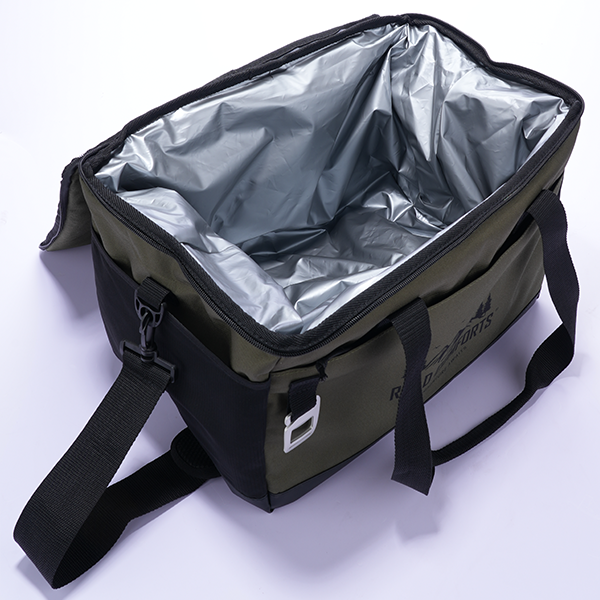
The best insulated cooler bag procurement strategy in 2026 combina tres cosas: diseño correcto del producto, cumplimiento documentado, y un modelo de abastecimiento que puede escalar sin desvío de calidad. Necesita la lógica práctica del comprador de una guía comercial, la evidencia de una revisión técnica, y el conocimiento del mercado de un informe de tendencias. Este artículo optimizado fusiona esas fortalezas para que pueda abastecerse más rápido y con menos riesgo..
Lo que este artículo te ayudará a responder.
- How to choose the right insulated cooler bag configuration for your payload, ruta, y presupuesto.
- ¿Qué materiales, documentos de cumplimiento, y las pruebas de validación separan las bolsas seguras de las peligrosas.
- Cómo reducir el desperdicio, controlar el costo, and future-proof your insulated cooler bag procurement program for 2026.
- ¿Cuál es el último mercado?, regulación, y señales de sostenibilidad significan para su próximo pedido.
Adquisición de bolsas térmicas aisladas: ¿Cuál es la mejor estrategia de compra en 2026?
The best insulated cooler bag procurement decision starts with route truth. Necesitas saber lo que llevas, cuanto tiempo lo llevas, con qué frecuencia se abre la bolsa, y que condición se debe proteger cuando finaliza la ruta. Only then can you choose the right insulated cooler bag size, clase de aislamiento, transatlántico, y modelo de proveedor. eso suena simple, pero es el paso que muchos compradores se saltan cuando se apresuran a cotizar.
En 2026, Equipos de abastecimiento sólidos tratan la bolsa como parte de un sistema operativo.. Conectan la bolsa a la disciplina de carga útil, elección de refrigerante, recibiendo inspección, limpieza, y reordenar la planificación. That system view creates better performance and better buyer confidence because it answers the real question: ¿Cómo me ayudará este producto a tener éxito??
Why does route-first thinking improve insulated cooler bag sourcing?
For insulated cooler bag procurement, the right target is a design that protects product condition, sigue siendo práctico para los usuarios, y sigue siendo comercialmente repetible. Si una bolsa es técnicamente impresionante pero difícil de limpiar, incómodo de llevar, o inestable en la producción en masa, no es una buena solución. Asimismo, si es barato y atractivo pero falla durante el manejo real, se vuelve caro muy rápidamente.
Marco de decisión de ruta primero
| Situación | mejor movimiento | Por que funciona | Value to you |
| First sourcing cycle | Issue a route-based RFQ with fixed acceptance criteria | Do not leave key assumptions open | Makes quotes comparable |
| Seasonal demand | Build in replenishment lead-time review | Treat timing as a risk variable | Protects service levels |
| Large tender | Use scorecard with price, documentación, y validación | Weight more than unit cost | Improves award quality |
| Cost pressure | Simplify decoration before cutting insulation | Protect the thermal core | Lowers complaint risk |
Consejos prácticos para compradores
- Write a one-page route brief before requesting quotations for insulated cooler bag procurement.
- Elige primero la bolsa que circula por el carril más importante., luego adáptese hacia afuera solo si los datos lo respaldan.
- Mantenga visibles sus criterios de compra: ajuste de ruta, cumplimiento, vida útil, y el costo de entrega se deben calificar.
Ejemplo de enfoque optimizado: un comprador redujo la confusión al definir una ruta principal, una carga útil, Y un estándar de aceptación antes de hablar de decoración.. Una vez que el equipo se alineó con esos conceptos básicos, La comparación de proveedores se volvió más rápida y objetiva..
Adquisición de bolsas térmicas aisladas: ¿Qué especificaciones separan las bolsas seguras de las peligrosas??
Una vez que la ruta esté despejada, el siguiente trabajo es separar las especificaciones significativas del ruido decorativo. For insulated cooler bag procurement, the critical layers are the outer shell, núcleo de aislamiento, revestimiento interior, sistema de cierre, y estructura portante. Esas cinco áreas deciden si la bolsa se siente resistente., se limpia fácilmente, y mantiene la temperatura bajo control el tiempo suficiente para realizar el trabajo. Todo lo demás debería servir a esos fundamentos., no distraerse de ellos.
En términos prácticos, commercial fabric outer layer, closed-cell or hybrid insulation, forro fácil de limpiar, robust closure, and pack-out design sized for real payloads remain popular because they let buyers balance cost and performance. Pero ningún nombre de material garantiza el éxito.. Una mejor espuma se puede desperdiciar con una cremallera débil.. Una carcasa duradera puede verse socavada por un revestimiento deficiente. Por eso los compradores inteligentes piden a los proveedores que les expliquen la función de cada capa en un lenguaje sencillo..
How do you inspect the real build quality of a insulated cooler bag?
Focus on the common failure zones: thin liners tear in low-cost builds, shape collapse can reduce perceived value, odor control depends on liner quality, and stitching around handles can fail in heavy use. Si esas áreas parecen débiles en la muestra, la báscula no los arreglará más tarde. En contraste, cuando la muestra muestra un refuerzo bien pensado y una construcción interior limpia, Por lo general, verá un mejor rendimiento en la ruta y menos quejas después del lanzamiento..
Lista de verificación de especificaciones que importa
| Área | Risky sign | Better sign | Por qué les importa a los compradores |
| Size and volume | Too much empty air | Payload-matched cavity | Better thermal efficiency |
| Insulation support | Compressed or inconsistent wall | Stable wall and opening design | Tiempo de espera más predecible |
| Calidad del revestimiento | Delgado, noisy, or easy to tear | Liso, limpieza, better-supported liner | Lower leak and odor complaints |
| Stress zones | Weak handles or zipper ends | Reinforced anchors and neat finishing | Vida útil más larga |
Consejos prácticos para compradores
- Inspect inside corners and zipper ends before you inspect the print, because hidden quality drives the route result.
- Ask suppliers to state what is optional and what is performance-critical in the approved build.
- Reject vague material language; good suppliers explain the layer function clearly.
Ejemplo de especificación: two samples looked nearly identical from the outside, but one had better reinforcement and a better-supported liner. That difference barely changed the quotation and greatly changed the expected service life.
Adquisición de bolsas térmicas aisladas: which materials, pasos de validación, and standards matter most?
A winning insulated cooler bag procurement program uses technical evidence without overwhelming the buyer. The right validation file should state payload, temperatura inicial, rango ambiental, duración de la ruta, patrón de apertura, and refrigerant setup. It should also say what the liner is intended to do, how the approved sample is controlled, and what happens if a material changes later.
That is where standards and authority signals become useful. They do not replace route testing, but they improve the quality of the conversation. Para equipos de adquisiciones, 2026 is about evidence. PPWR is pushing material declarations and packaging efficiency discussions. EPA's ReCon tool gives buyers another way to compare the embodied-carbon effect of recycled content decisions. Juntos, those signals are changing the best RFQ from a simple quote request into a control document that covers route logic, materiales, supplier change management, and sustainability claims. When buyers see that kind of grounded explanation, confidence rises because the language sounds real instead of borrowed from marketing copy.
What should the approval file contain before mass production starts?
Keep it simple and complete: dimensiones aprobadas, layer description, sample photo set, thermal summary, método de embalaje, marcas de cartón, and a change-management rule. If quality, obtención, and warehouse teams can all read the same file and reach the same understanding, the file is strong enough.
Validation and compliance stack
| Control | Que incluir | Por que importa | Beneficio del comprador |
| Validación térmica | Carga útil, temperatura inicial, rango ambiental, y duración | Tells you whether the bag works on the real lane | Ask for route-based assumptions |
| Material suitability | Transatlántico, revestimiento, and contact-surface declarations | Reduces risk in food and healthcare-adjacent use | Keep wording precise |
| Production control | Approved sample, AQL, y gestión del cambio | Supports repeatability after first order | Good factories document changes |
| Logistics and labeling | Marcas de cartón, SKU logic, and receiving information | Cuts warehouse confusion and receiving delays | Useful in scale or trade programs |
Consejos prácticos para compradores
- Use one approval file that covers technical, comercial, and warehouse questions together.
- Do not rely on a generic hold-time statement when route conditions are important.
- Treat undocumented material substitutions as a real risk, even when the bag still looks similar.
Validation example: a buyer reduced launch friction by replacing a long technical deck with one clear approval sheet and one route-based test summary. The documents were shorter, but the project became easier for every team to review.
Adquisición de bolsas térmicas aisladas: how do sustainability and cost control work together?
En 2026, sustainability and cost control are no longer separate conversations. Buyers want to know whether the bag reduces waste, whether the materials are documented honestly, and whether the design avoids unnecessary freight, dead space, and premature replacement. Those questions are commercial because every avoidable failure, reenvío, or early replacement costs money.
The best answer is usually practical rather than dramatic. Standardized sizes, better service life, cleaner material declarations, and a right-sized pack-out often improve both sustainability and total cost. That is also why some high-performing programs look simpler than people expect. The design is carrying less waste and less confusion at the same time.
How do you make sustainability believable to a buyer?
Use service life, ajuste de ruta, and documentation as the proof. A sustainability claim becomes stronger when you can show that the bag survives enough trips, avoids wasteful overpacking, and is supported by clean records. That is more persuasive than an abstract eco slogan because it speaks to both operating reality and future reporting needs.
Sustainability and cost levers
| Palanca | Weak move | Stronger move | que cambia |
| Service life | Chase low entry price only | Upgrade the stress zones that control reuse | Reduce la tasa de reemplazo |
| Material story | Use vague green claims | Document recycled content or simpler materials honestly | Mejora la confianza |
| Empacado | Oversized cavity and excess refrigerant | Right-size the bag for the lane | Cuts waste and freight |
| Assortment | Too many tiny variants | Build around a clear core range | Reduces dead stock |
Consejos prácticos para compradores
- Ask whether the proposed sustainability feature improves service life or only improves storytelling.
- Model waste reduction through fewer failures and fewer emergency replacements, not only through material content.
- Keep your first version simple enough that it can be repeated at scale.
Sustainability example: a buyer got a better long-term result by standardizing size, improving durability, and simplifying the material story, rather than by loading the bag with multiple unproven green features.
Adquisición de bolsas térmicas aisladas: how should you choose a supplier and scale orders?
The supplier question becomes more important after the sample looks good. You need a partner that can repeat the approved build, protect documentation, handle exceptions well, and support the next order without losing control. Para muchos compradores, that is where the real value of a professional supplier appears.
A good scaling plan starts with a core SKU or core route, one written approval file, and a receiving checklist that feeds real feedback back to the supplier. Once those elements are working, you can add variants or volume with far less risk. This is the operational side of SEO-style authority too: clear process signals make every future decision easier.
What does a scalable supplier relationship look like?
It looks boring in a good way. Quotations stay comparable, sample files stay stable, corrective actions are documented, and reorders feel predictable. When that happens, you spend less time fighting preventable variation and more time improving the bag where it truly matters.
Supplier scaling scorecard
| Área | signo débil | Signo fuerte | Long-run effect |
| Ajuste comercial | Price-only discussion | Price plus service and route logic | Protects margins after the first order |
| Control de calidad | Generic promise | Documented checkpoints and approval trail | Reduces batch surprises |
| Documentación | Minimal spec file | Clear materials, empacar, y control de cambios | Speeds internal approvals |
| Reorder behavior | Reactive answers | Predictable lead times and exception handling | Supports scaling without noise |
Consejos prácticos para compradores
- Pilot the hardest lane or the highest-volume branch before you scale variants.
- Review complaint feedback with the supplier against the approved file, not against memory.
- Choose repeatability over theater. A calm supplier process usually beats a dramatic sales pitch.
Scaling example: a team launched one proven version first, then expanded only after receiving data from the first cycle. That choice reduced inventory noise and gave the supplier time to protect the approved specification.
2026 latest developments and trends for Insulated Cooler Bag Procurement
lo último 2026 direction for insulated cooler bag procurement is integration. Buyers want route fit, prueba técnica, sustainability readiness, and cost control in one coherent answer. That is the real standard behind high-performing pages and high-performing purchases this year.
Últimos desarrollos de un vistazo
- RFQ discipline is becoming a differentiator in cold-chain soft goods
- buyers want fewer surprises after sample approval
- supplier scorecards increasingly include sustainability and documentation readiness
Insight del mercado: the optimized winner is not the bag with the longest claim list. It is the bag with the clearest route logic, the strongest approval file, and the most honest service-life story. Those qualities improve search relevance, confianza del comprador, and operational performance at the same time.
Preguntas frecuentes
What is the fastest way to improve a insulated cooler bag procurement buying decision?
Write a route brief first. Definir la carga útil, duración de la ruta, frecuencia de apertura, banda de temperatura objetivo, and cleaning expectation before you compare any samples or prices.
Which feature should I protect first when budgets get tight?
Protect the thermal core, calidad del revestimiento, and stress zones such as handles and closures. Decorative extras are easier to simplify than the parts that actually keep temperature and prevent complaints.
How much do documents really matter for insulated cooler bag sourcing?
A lot. Good documents stop misunderstandings between buyer, proveedor, depósito, and quality team. They also make reorders faster and reduce risk when something changes.
How do I combine sustainability with performance?
Start with route fit and service life. A durable, right-sized bag with honest material records usually beats a fashionable claim that fails in real use.
What should a strong pilot test include?
Use the real payload, the real refrigerant plan, the expected ambient range, and the real opening pattern. Si es posible, stress the hardest lane first so the pilot reveals practical risk early.
When should I change suppliers?
When documentation stays vague, corrective actions are slow, or batch consistency keeps drifting. A slightly cheaper source is rarely worth repeated operational noise.
What is the most common procurement mistake with insulated cooler bags?
Comparing quotations that are based on different assumptions. If payload, refrigerante, temperatura ambiente, or cleaning requirement are unclear, the cheapest quote often wins for the wrong reason.
Resumen y recomendaciones
The complete lesson from this optimized insulated cooler bag procurement guide is that success comes from alignment. Align the route, the material stack, the validation file, the supplier process, and the sustainability story. When those pieces support each other, you get a bag that is easier to approve, más fácil de explicar, y más fácil de escalar.
Start with one route brief, one approval file, and one scorecard for supplier comparison. Then move to a controlled pilot before you scale. That simple sequence is still the most reliable way to make a stronger insulated cooler bag decision in 2026.
Acerca de Tempk
Y tempk, Nos centramos en el embalaje de la cadena de frío con una lógica de ruta práctica detrás de cada recomendación.. Trabajamos en bolsas isotérmicas, refrigerantes, y soluciones de envío que ayudan a los compradores a comparar el rendimiento, preguntas de cumplimiento, y costos operativos con mayor claridad. Nuestra fortaleza es convertir las opciones de empaque técnico en decisiones en lenguaje sencillo en las que los equipos puedan actuar..
If you are evaluating a insulated cooler bag procurement project, el siguiente paso útil es una discusión basada en rutas: carga útil, banda de temperatura objetivo, duración, patrón de apertura, cleaning plan, and reuse target. con esos detalles, it becomes much easier to recommend a insulated cooler bag specification that fits the job.
Mayorista de bolsas aislantes India: Guía completa 2026
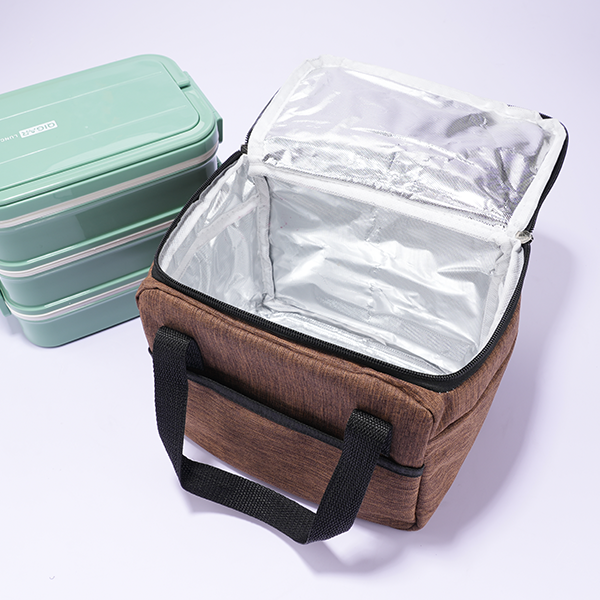
The best insulated bag wholesaler india strategy in 2026 combina tres cosas: diseño correcto del producto, cumplimiento documentado, y un modelo de abastecimiento que puede escalar sin desvío de calidad. Necesita la lógica práctica del comprador de una guía comercial, la evidencia de una revisión técnica, y el conocimiento del mercado de un informe de tendencias. Este artículo optimizado fusiona esas fortalezas para que pueda abastecerse más rápido y con menos riesgo..
Lo que este artículo te ayudará a responder.
- How to choose the right insulated bag configuration for your payload, ruta, y presupuesto.
- ¿Qué materiales, documentos de cumplimiento, y las pruebas de validación separan las bolsas seguras de las peligrosas.
- Cómo reducir el desperdicio, controlar el costo, and future-proof your insulated bag wholesaler india program for 2026.
- ¿Cuál es el último mercado?, regulación, y señales de sostenibilidad significan para su próximo pedido.
Mayorista de bolsas aislantes India: ¿Cuál es la mejor estrategia de compra en 2026?
The best insulated bag wholesaler india decision starts with route truth. Necesitas saber lo que llevas, cuanto tiempo lo llevas, con qué frecuencia se abre la bolsa, y que condición se debe proteger cuando finaliza la ruta. Only then can you choose the right insulated bag size, clase de aislamiento, transatlántico, y modelo de proveedor. eso suena simple, pero es el paso que muchos compradores se saltan cuando se apresuran a cotizar.
En 2026, Equipos de abastecimiento sólidos tratan la bolsa como parte de un sistema operativo.. Conectan la bolsa a la disciplina de carga útil, elección de refrigerante, recibiendo inspección, limpieza, y reordenar la planificación. That system view creates better performance and better buyer confidence because it answers the real question: ¿Cómo me ayudará este producto a tener éxito??
Why does route-first thinking improve insulated bag sourcing?
For insulated bag wholesaler india, the right target is a design that protects product condition, sigue siendo práctico para los usuarios, y sigue siendo comercialmente repetible. Si una bolsa es técnicamente impresionante pero difícil de limpiar, incómodo de llevar, o inestable en la producción en masa, no es una buena solución. Asimismo, si es barato y atractivo pero falla durante el manejo real, se vuelve caro muy rápidamente.
Marco de decisión de ruta primero
| Situación | mejor movimiento | Por que funciona | Value to you |
| Need faster channel movement | Keep a core range of proven sizes | Avoid niche SKUs at launch | Improves wholesaler turns |
| High ambient heat | Prioritize liner integrity and opening control | Test in realistic conditions | Protects cold hold |
| Price pressure | Simplify trim and decoration first | Preserve the thermal build | Improves value |
| Distribución regional | Use stronger cartons and clearer labels | Support warehouse handling | Reduces damage |
Consejos prácticos para compradores
- Write a one-page route brief before requesting quotations for insulated bag wholesaler india.
- Elige primero la bolsa que circula por el carril más importante., luego adáptese hacia afuera solo si los datos lo respaldan.
- Mantenga visibles sus criterios de compra: ajuste de ruta, cumplimiento, vida útil, y el costo de entrega se deben calificar.
Ejemplo de enfoque optimizado: un comprador redujo la confusión al definir una ruta principal, una carga útil, Y un estándar de aceptación antes de hablar de decoración.. Una vez que el equipo se alineó con esos conceptos básicos, La comparación de proveedores se volvió más rápida y objetiva..
Mayorista de bolsas aislantes India: ¿Qué especificaciones separan las bolsas seguras de las peligrosas??
Una vez que la ruta esté despejada, el siguiente trabajo es separar las especificaciones significativas del ruido decorativo. For insulated bag wholesaler india, the critical layers are the outer shell, núcleo de aislamiento, revestimiento interior, sistema de cierre, y estructura portante. Esas cinco áreas deciden si la bolsa se siente resistente., se limpia fácilmente, y mantiene la temperatura bajo control el tiempo suficiente para realizar el trabajo. Todo lo demás debería servir a esos fundamentos., no distraerse de ellos.
En términos prácticos, commercial outer shell, heat-aware insulation choice, forro que se limpia con un paño, durable handles, and supplier packing that survives regional transport and wholesale handling remain popular because they let buyers balance cost and performance. Pero ningún nombre de material garantiza el éxito.. Una mejor espuma se puede desperdiciar con una cremallera débil.. Una carcasa duradera puede verse socavada por un revestimiento deficiente. Por eso los compradores inteligentes piden a los proveedores que les expliquen la función de cada capa en un lenguaje sencillo..
How do you inspect the real build quality of a insulated bag?
Focus on the common failure zones: thin liners tear in low-cost builds, shape collapse can reduce perceived value, odor control depends on liner quality, and stitching around handles can fail in heavy use. Si esas áreas parecen débiles en la muestra, la báscula no los arreglará más tarde. En contraste, cuando la muestra muestra un refuerzo bien pensado y una construcción interior limpia, Por lo general, verá un mejor rendimiento en la ruta y menos quejas después del lanzamiento..
Lista de verificación de especificaciones que importa
| Área | Risky sign | Better sign | Por qué les importa a los compradores |
| Size and volume | Too much empty air | Payload-matched cavity | Better thermal efficiency |
| Insulation support | Compressed or inconsistent wall | Stable wall and opening design | Tiempo de espera más predecible |
| Calidad del revestimiento | Delgado, noisy, or easy to tear | Liso, limpieza, better-supported liner | Lower leak and odor complaints |
| Stress zones | Weak handles or zipper ends | Reinforced anchors and neat finishing | Vida útil más larga |
Consejos prácticos para compradores
- Inspect inside corners and zipper ends before you inspect the print, because hidden quality drives the route result.
- Ask suppliers to state what is optional and what is performance-critical in the approved build.
- Reject vague material language; good suppliers explain the layer function clearly.
Ejemplo de especificación: two samples looked nearly identical from the outside, but one had better reinforcement and a better-supported liner. That difference barely changed the quotation and greatly changed the expected service life.
Mayorista de bolsas aislantes India: which materials, pasos de validación, and standards matter most?
A winning insulated bag wholesaler india program uses technical evidence without overwhelming the buyer. The right validation file should state payload, temperatura inicial, rango ambiental, duración de la ruta, patrón de apertura, and refrigerant setup. It should also say what the liner is intended to do, how the approved sample is controlled, and what happens if a material changes later.
That is where standards and authority signals become useful. They do not replace route testing, but they improve the quality of the conversation. India's 2024 amendment to the Plastic Waste Management Rules raises minimum recycling levels under EPR targets through 2026-27 y más allá. Por ejemplo, Category I plastic packaging moves from 50% en 2024-25 a 70% en 2026-27, while Category II and III move from 30% a 50%. That does not tell a wholesaler which bag to buy, but it does tell you the market is moving toward stronger material records, more recycling conversations, and more scrutiny of packaging choices. When buyers see that kind of grounded explanation, confidence rises because the language sounds real instead of borrowed from marketing copy.
What should the approval file contain before mass production starts?
Keep it simple and complete: dimensiones aprobadas, layer description, sample photo set, thermal summary, método de embalaje, marcas de cartón, and a change-management rule. If quality, obtención, and warehouse teams can all read the same file and reach the same understanding, the file is strong enough.
Validation and compliance stack
| Control | Que incluir | Por que importa | Beneficio del comprador |
| Validación térmica | Carga útil, temperatura inicial, rango ambiental, y duración | Tells you whether the bag works on the real lane | Ask for route-based assumptions |
| Material suitability | Transatlántico, revestimiento, and contact-surface declarations | Reduces risk in food and healthcare-adjacent use | Keep wording precise |
| Production control | Approved sample, AQL, y gestión del cambio | Supports repeatability after first order | Good factories document changes |
| Logistics and labeling | Marcas de cartón, SKU logic, and receiving information | Cuts warehouse confusion and receiving delays | Useful in scale or trade programs |
Consejos prácticos para compradores
- Use one approval file that covers technical, comercial, and warehouse questions together.
- Do not rely on a generic hold-time statement when route conditions are important.
- Treat undocumented material substitutions as a real risk, even when the bag still looks similar.
Validation example: a buyer reduced launch friction by replacing a long technical deck with one clear approval sheet and one route-based test summary. The documents were shorter, but the project became easier for every team to review.
Mayorista de bolsas aislantes India: how do sustainability and cost control work together?
En 2026, sustainability and cost control are no longer separate conversations. Buyers want to know whether the bag reduces waste, whether the materials are documented honestly, and whether the design avoids unnecessary freight, dead space, and premature replacement. Those questions are commercial because every avoidable failure, reenvío, or early replacement costs money.
The best answer is usually practical rather than dramatic. Standardized sizes, better service life, cleaner material declarations, and a right-sized pack-out often improve both sustainability and total cost. That is also why some high-performing programs look simpler than people expect. The design is carrying less waste and less confusion at the same time.
How do you make sustainability believable to a buyer?
Use service life, ajuste de ruta, and documentation as the proof. A sustainability claim becomes stronger when you can show that the bag survives enough trips, avoids wasteful overpacking, and is supported by clean records. That is more persuasive than an abstract eco slogan because it speaks to both operating reality and future reporting needs.
Sustainability and cost levers
| Palanca | Weak move | Stronger move | que cambia |
| Service life | Chase low entry price only | Upgrade the stress zones that control reuse | Reduce la tasa de reemplazo |
| Material story | Use vague green claims | Document recycled content or simpler materials honestly | Mejora la confianza |
| Empacado | Oversized cavity and excess refrigerant | Right-size the bag for the lane | Cuts waste and freight |
| Assortment | Too many tiny variants | Build around a clear core range | Reduces dead stock |
Consejos prácticos para compradores
- Ask whether the proposed sustainability feature improves service life or only improves storytelling.
- Model waste reduction through fewer failures and fewer emergency replacements, not only through material content.
- Keep your first version simple enough that it can be repeated at scale.
Sustainability example: a buyer got a better long-term result by standardizing size, improving durability, and simplifying the material story, rather than by loading the bag with multiple unproven green features.
Mayorista de bolsas aislantes India: how should you choose a supplier and scale orders?
The supplier question becomes more important after the sample looks good. You need a partner that can repeat the approved build, protect documentation, handle exceptions well, and support the next order without losing control. Para muchos compradores, that is where the real value of a professional supplier appears.
A good scaling plan starts with a core SKU or core route, one written approval file, and a receiving checklist that feeds real feedback back to the supplier. Once those elements are working, you can add variants or volume with far less risk. This is the operational side of SEO-style authority too: clear process signals make every future decision easier.
What does a scalable supplier relationship look like?
It looks boring in a good way. Quotations stay comparable, sample files stay stable, corrective actions are documented, and reorders feel predictable. When that happens, you spend less time fighting preventable variation and more time improving the bag where it truly matters.
Supplier scaling scorecard
| Área | signo débil | Signo fuerte | Long-run effect |
| Ajuste comercial | Price-only discussion | Price plus service and route logic | Protects margins after the first order |
| Control de calidad | Generic promise | Documented checkpoints and approval trail | Reduces batch surprises |
| Documentación | Minimal spec file | Clear materials, empacar, y control de cambios | Speeds internal approvals |
| Reorder behavior | Reactive answers | Predictable lead times and exception handling | Supports scaling without noise |
Consejos prácticos para compradores
- Pilot the hardest lane or the highest-volume branch before you scale variants.
- Review complaint feedback with the supplier against the approved file, not against memory.
- Choose repeatability over theater. A calm supplier process usually beats a dramatic sales pitch.
Scaling example: a team launched one proven version first, then expanded only after receiving data from the first cycle. That choice reduced inventory noise and gave the supplier time to protect the approved specification.
2026 latest developments and trends for Insulated Bag Wholesaler India
lo último 2026 direction for insulated bag wholesaler india is integration. Buyers want route fit, prueba técnica, sustainability readiness, and cost control in one coherent answer. That is the real standard behind high-performing pages and high-performing purchases this year.
Últimos desarrollos de un vistazo
- Indian buyers remain price-sensitive but increasingly documentation-aware
- hot-climate performance is a stronger selling point than abstract insulation language
- wholesalers want core assortments they can reorder with confidence
Insight del mercado: the optimized winner is not the bag with the longest claim list. It is the bag with the clearest route logic, the strongest approval file, and the most honest service-life story. Those qualities improve search relevance, confianza del comprador, and operational performance at the same time.
Preguntas frecuentes
What is the fastest way to improve a insulated bag wholesaler india buying decision?
Write a route brief first. Definir la carga útil, duración de la ruta, frecuencia de apertura, banda de temperatura objetivo, and cleaning expectation before you compare any samples or prices.
Which feature should I protect first when budgets get tight?
Protect the thermal core, calidad del revestimiento, and stress zones such as handles and closures. Decorative extras are easier to simplify than the parts that actually keep temperature and prevent complaints.
How much do documents really matter for insulated bag sourcing?
A lot. Good documents stop misunderstandings between buyer, proveedor, depósito, and quality team. They also make reorders faster and reduce risk when something changes.
How do I combine sustainability with performance?
Start with route fit and service life. A durable, right-sized bag with honest material records usually beats a fashionable claim that fails in real use.
What should a strong pilot test include?
Use the real payload, the real refrigerant plan, the expected ambient range, and the real opening pattern. Si es posible, stress the hardest lane first so the pilot reveals practical risk early.
When should I change suppliers?
When documentation stays vague, corrective actions are slow, or batch consistency keeps drifting. A slightly cheaper source is rarely worth repeated operational noise.
What matters most for Indian wholesale buyers?
Usually heat resistance, price discipline, and stock speed. The bag must work in real hot routes and be easy for channel partners to understand and reorder.
Resumen y recomendaciones
The complete lesson from this optimized insulated bag wholesaler india guide is that success comes from alignment. Align the route, the material stack, the validation file, the supplier process, and the sustainability story. When those pieces support each other, you get a bag that is easier to approve, más fácil de explicar, y más fácil de escalar.
Start with one route brief, one approval file, and one scorecard for supplier comparison. Then move to a controlled pilot before you scale. That simple sequence is still the most reliable way to make a stronger insulated bag decision in 2026.
Acerca de Tempk
Y tempk, Nos centramos en el embalaje de la cadena de frío con una lógica de ruta práctica detrás de cada recomendación.. Trabajamos en bolsas isotérmicas, refrigerantes, y soluciones de envío que ayudan a los compradores a comparar el rendimiento, preguntas de cumplimiento, y costos operativos con mayor claridad. Nuestra fortaleza es convertir las opciones de empaque técnico en decisiones en lenguaje sencillo en las que los equipos puedan actuar..
If you are evaluating a insulated bag wholesaler india project, el siguiente paso útil es una discusión basada en rutas: carga útil, banda de temperatura objetivo, duración, patrón de apertura, cleaning plan, and reuse target. con esos detalles, it becomes much easier to recommend a insulated bag specification that fits the job.
Guía de compra para el mejor exportador de bolsas térmicas térmicas

thermal cooler bag exporter should be chosen with a simple rule: buy for the real route, the real product, and the real buyer expectation. The best results come when you combine buyer-guide discipline, ciencia material, y 2026 market context in one decision process. This optimized article brings those pieces together so you can choose a better bag and a better partner with less guesswork.
Este artículo le ayudará a responder
- Why route-based buying improves thermal cooler bag exporter outcomes
- ¿Qué materiales, características, and packout choices create reliable hold time
- What tests and compliance records prove the bag is ready
- Cómo 2026 market and sustainability changes should affect your sourcing plan
- What questions help you choose the right long-term partner
Why Should You Buy Thermal Cooler Bag Exporter From Route Truth?
The best thermal cooler bag exporter choice starts with route truth. You do not buy a bag to own a bag. You buy it to protect a product through a specific trip, in a specific climate, with a specific handling rhythm. When buyers skip that definition, they often pay for the wrong features twice: first in the quote and then again in complaints, desperdiciar, or emergency replacements.
That is why the first sourcing question should not be 'What is your cheapest option?' It should be 'What exactly must this bag do by the end of the route?' If you can define payload, target condition, duración de la ruta, and load behavior in plain language, you immediately make supplier comparison more meaningful. You also make it easier to build one program that operations, obtención, and QA can all understand.
Start With One Clear Definition of Success
Para muchos compradores, success can be written in one short paragraph. It says what product is carried, how long the route lasts, what outside conditions matter, how often the bag is opened, and what condition is acceptable at delivery. That short paragraph becomes the foundation for material choice, pruebas, and supplier discussion.
| Buying Level | Route Reality | Recommended Focus | Lo que ganas |
| Basic export SKU | Short grocery trips | Price-sensitive markets | Easy container loading |
| Mid-tier thermal bag | Daily retail and foodservice use | Broad import programs | Best all-around option |
| Premium validated thermal bag | Harsh climate or premium loads | Higher-value product lines | Better brand protection |
- Write the route first, then review the bag.
- Keep performance promises tied to a defined use case.
- Segment low-risk, centro, and premium routes before ordering samples.
What Material Stack Works Best for Your Real Use Case?
A reliable cooler backpack is a layer system. The outer layer manages appearance and wear. The insulation core slows heat flow. The liner manages cleaning, humedad, and user confidence. If you want better performance, ask how those layers work together instead of asking for more insulation as a default answer.
Matching material to use case is the key. Daily supermarket use, industrial transport, corporate gifting, and export distribution do not ask for the same balance of price, durabilidad, and finish. The right stack is the one that protects the product without creating unnecessary weight, cleaning trouble, or cost. That is why simple, honest material selection usually beats impressive but poorly matched complexity.
Choose Materials for Behavior, Not for Brochure Language
If the bag will be reused often, prioritize stronger outer fabric, reforzamiento, and a cleanable liner. If branding matters most, print quality and appearance still need to be checked after moisture and handling exposure. If the project is sustainability-led, verify how the claim is supported and whether the material story stays credible in the real use case.
| Material Stack | Mejor para | Watch-Out | Practical Value |
| PP no tejido + EPE + HOY | Cost-sensitive retail and promotion | Moderate abrasion resistance | Good balance of price, printability, and short-route insulation |
| tejido RPET + XPE foam + PE lining | Premium reusable programs | Mayor costo unitario | Stronger feel, cleaner branding, and better sustainability messaging |
| Poliéster + lámina de aluminio + Hambriento | Meal delivery and grocery | Foil can crease over time | Reflective inner layer and dependable daily use |
| Kraft paper outer + insulated inner liner | Paper-forward branding | Paper needs moisture control | Natural look that fits low-plastic or premium gifting programs |
- Ask for exact layer names and nominal thickness ranges.
- Review liner choice together with cleaning method and food-contact expectations.
- Test paper-forward or recycled-content concepts under the same conditions users will see.
What Tests and Documents Prove the Bag Is Ready?
Testing proves whether the design story holds together. A serious thermal claim should always come with route conditions: carga útil, temperatura inicial, refrigerante, rango ambiental, and opening pattern. If those details are missing, you are not looking at a decision tool. You are looking at marketing language.
Compliance logic matters too. The FDA position is straightforward: food-contact substances used through packaging, almacenamiento, or handling must be authorized for the intended use. En términos simples, your liner is not food-safe just because a seller says so; la materia, its migration behavior, and the actual use condition all matter. In plain language, a liner is not 'food safe' because a seller says so; la materia, its migration behavior, and the intended use condition all matter. If your program touches the EU market, food-contact materials also need to align with EU safety and GMP expectations, plus traceability and compliance documentation. En ambos casos, the simpler rule is that production version should match the exact version you intend to buy.
Use Recognized Validation Logic to Ask Better Questions
For higher-risk shipping programs, buyers often lean on the logic behind ISTA Standard 20 and 7E to structure package qualification, while ASTM D3103 remains a practical reference for evaluating thermal insulation performance. Air transport rules also push buyers toward documented packaging procurement. The point is not to sound technical. The point is to make your buying evidence stronger.
| Proof Item | What It Should Show | What Weak Evidence Looks Like | Por qué lo necesitas |
| Thermal retention under destination climate assumptions | Real hold-time behavior | Test without route detail is weak | Lets you compare claims with evidence |
| Carton drop and stack test | Transit toughness | Retail-perfect samples may still fail in shipping | Protects landed quality |
| Colorfastness and print adhesion review | Consistencia del proceso | Method and acceptance criteria should be clear | Creates confidence before scale-up |
| Destination-market food-contact paperwork where relevant | Documented suitability or traceability | Generic statements are not enough | Helps procurement and QA sign off faster |
| Data or parcel-handling considerations for air and courier | Documented suitability or traceability | Generic statements are not enough | Helps procurement and QA sign off faster |
- Ask for the method behind every number that affects the PO.
- Link compliance paperwork to the exact liner or coating version.
- Treat approved samples, documentos, and change-control rules as one package.
Que 2026 Market and Sustainability Shifts Mean for Buying?
2026 buying decisions are shaped by both demand growth and sustainability pressure. Industry forecasts published in late 2025 estimated the global cold chain packaging market at about USD 35.3 mil millones en 2025 and projected it to reach roughly USD 52.2 mil millones por 2030. Even if exact forecasts differ by analyst, the direction is clear: more temperature-sensitive trade is creating more pressure on soft-sided packaging performance. Even if exact forecasts differ by analyst, the direction is clear: more temperature-sensitive trade is creating more pressure on soft-sided packaging performance. Al mismo tiempo, buyers are being asked to explain reuse, claridad material, documentación, y reducción de residuos.
La Comisión Europea dice que el Reglamento sobre envases y residuos de envases entró en vigor el 11 Febrero 2025 and will generally apply from 12 Agosto 2026. Para compradores, that means packaging design, eficiencia de materiales, lógica de reutilización, and documentation are moving from a nice-to-have topic to a buying criterion. Para ti, that means packaging design, eficiencia de materiales, lógica de reutilización, and documentation are moving from nice to have to buying criteria. The practical takeaway is that a credible packaging story now needs to cover performance and sustainability together. A bag that looks green but performs poorly is weak. A bag that performs well but comes with vague material claims also creates risk.
The Strongest Programs Make Performance and Sustainability Work Together
Export buyers increasingly prefer designs that reduce cube waste and extend useful life instead of chasing a low opening price alone. That usually means simpler segmentation, elecciones de materiales más claras, documentación más sólida, and honest communication about expected service life. You do not need a perfect bag for every possible future route. You need a well-defined bag range that fits your actual business and can evolve without losing control of quality.
| 2026 Shift | What Buyers Are Asking | What Good Suppliers Provide | Por que importa |
| Growth in delivery and cold chain | Can this bag fit real service levels? | Route-based recommendations | Reduces mismatch |
| Presión de sostenibilidad | What is the material story and proof? | Clear declarations and honest trade-offs | Supports procurement approval |
| Higher documentation expectations | Can QA trust this version? | Traceable specs and change control | Protege pedidos repetidos |
| Cost pressure | Where can we save without weakening the bag? | Cube-efficient and tiered designs | Improves total cost |
- Pair every sustainability claim with a performance check.
- Usar 2026 market growth to simplify your bag range, not to multiply SKUs.
- Keep documentation aligned with the exact version being quoted.
How Do You Choose the Right Partner and Next Step?
The right partner helps you make fewer decisions twice. A capable supplier explains route fit clearly, shows the material stack openly, documents tests honestly, and manages change before it becomes a problem. That kind of partner saves time because your team spends less energy rechecking the same basics on every order.
Before you move ahead, align on the approved sample, the bill of materials, the test logic, the lead-time plan, and the claim-handling process. If any of those points feel vague, slow down and fix the gap early. In sourcing, clarity is almost always cheaper before the PO than after the complaint.
Your Next-Step Checklist
If you want a stronger thermal cooler bag exporter result, ask for a sample that matches your real route, request the supporting documents behind the quote, and score the supplier on repeatability as well as price. That simple process gives you a better bag, a safer order, and a more stable long-term sourcing model.
| Decision Checkpoint | Qué confirmar | Por qué te protege | Best Action |
| Route definition | Carga útil, duración, perfil ambiental, and opening pattern | Stops generic quoting | Write it before final RFQ |
| Material lock | Approved layer stack and tolerances | Prevents hidden changes | Store with the sample |
| Evidence pack | Thermal method, documentos, plan de inspección | Strengthens sign-off | Review before PO |
| Commercial control | Tiempo de entrega, reclamos, aviso de cambio | Improves long-term supply | Put it in writing |
- Choose the partner who gives the clearest evidence, not only the lowest first quote.
- Pilot high-risk applications before large-scale rollout.
- Protect repeatability with written change-control rules.
2026 Trends Shaping the Cooler Bag Market
2026 is pushing buyers toward more specific, more documented, and more sustainable thermal cooler bag programs. Industry forecasts published in late 2025 estimated the global cold chain packaging market at about USD 35.3 mil millones en 2025 and projected it to reach roughly USD 52.2 mil millones por 2030. Even if exact forecasts differ by analyst, the direction is clear: more temperature-sensitive trade is creating more pressure on soft-sided packaging performance. Thermal cooler bag exporters now compete on documentation strength, destination compliance awareness, and consistent pre-shipment execution.
Últimos desarrollos de un vistazo
- Cold-chain growth: Industry forecasts published in late 2025 estimated the global cold chain packaging market at about USD 35.3 mil millones en 2025 and projected it to reach roughly USD 52.2 mil millones por 2030. Even if exact forecasts differ by analyst, the direction is clear: more temperature-sensitive trade is creating more pressure on soft-sided packaging performance.
- Validation mindset: For higher-risk shipping programs, buyers often lean on the logic behind ISTA Standard 20 and 7E to structure package qualification. The lesson is simple: validate the actual pack, not a marketing sketch. ASTM D3103 remains a practical reference for evaluating thermal insulation performance. You do not need to be a lab expert to use the lesson behind it: insulation should be described with method, condiciones, and comparable results.
- Rule pressure on packaging: La Comisión Europea dice que el Reglamento sobre envases y residuos de envases entró en vigor el 11 Febrero 2025 and will generally apply from 12 Agosto 2026. Para compradores, that means packaging design, eficiencia de materiales, lógica de reutilización, and documentation are moving from a nice-to-have topic to a buying criterion.
- Transport discipline: WHO guidance for temperature-sensitive distribution still frames the core rule well: safe transport depends on a controlled process, not only on a single bag. A good bag is important, but route design, payload condition, and monitoring complete the system. Air and courier programs increasingly expect more disciplined packaging procurement. In plain language, buyers are asking for evidence that the bag, refrigerante, and shipping method work together instead of treating packaging as an afterthought.
From a market point of view, this means buyers are narrowing their preferred partners to those who can combine clear material explanations, pruebas realistas, and practical commercial support. En otras palabras, the future belongs less to the supplier with the biggest promise and more to the partner with the clearest evidence.
Preguntas frecuentes
What is the smartest first step in buying thermal cooler bag exporter?
Define the real route and the target condition at the end of that route. That one step improves material selection, testing requests, and supplier comparison immediately.
Which part of the bag most often causes failure?
Cierres, costuras, stress points, and poor packout often cause failure before the body panel does. These details deserve more attention than they usually get.
How do you balance performance and sustainability in 2026?
Choose the simplest design that still meets the route, then support any sustainability claim with clear material and compliance information. Honest trade-offs beat vague promises.
What makes a supplier the right long-term partner?
Clear route-based recommendations, stable repeat quality, honest documentation, y control de cambios escrito. El precio importa, but repeatability matters more.
When should you pilot before full rollout?
Pilot whenever the application is new, the climate is harsh, the product is high value, or the performance promise is tied closely to brand or compliance risk.
Resumen y recomendaciones
The strongest thermal cooler bag exporter programs are built on five clear ideas. Primero, define the real route. Segundo, match the material stack to actual use instead of generic claims. Tercero, protect critical details such as closures, bases, costuras, and liners. Cuatro, ask for testing and documentation that match the production version. Fifth, choose a partner who can repeat quality as reliably as they can win a first order.
If you are planning your next project, start with a route description, a sample request tied to that route, and a short supplier scorecard. That gives you a practical next step without overcomplicating the process. For high-risk or high-visibility programs, add a pilot run before full rollout so your team can confirm the bag under real operating conditions.
Acerca de Tempk
Y tempk, we focus on cold-chain packaging solutions designed around real routes and real operating pressure. We work on practical thermal cooler bag programs that balance insulation, durabilidad, facilidad de limpieza, herrada, y producción escalable. Our team pays close attention to material selection, lógica de validación, and repeat-order consistency so buyers can make decisions with more confidence and less guesswork.
El siguiente paso es sencillo: share your route details, tiempo de espera objetivo, carga útil, and order goals. We can then help you narrow the right structure, testing approach, and commercial path for a stronger project.
Guía de compra de OEM de las mejores bolsas de envío aisladas
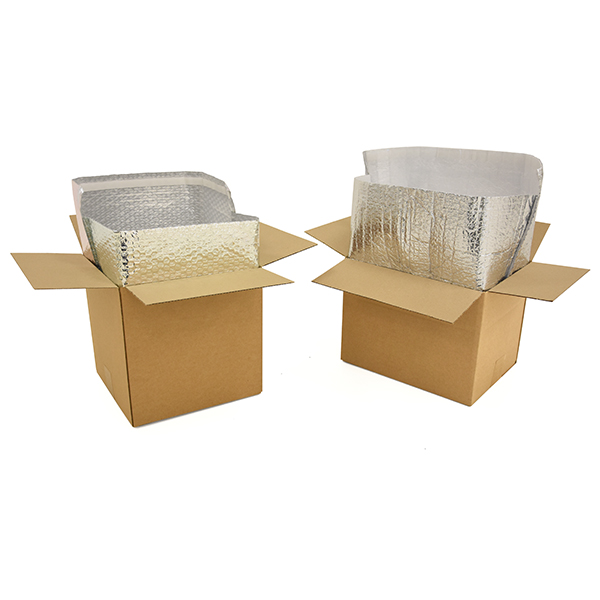
insulated shipping bag oem should be chosen with a simple rule: buy for the real route, the real product, and the real buyer expectation. The best results come when you combine buyer-guide discipline, ciencia material, y 2026 market context in one decision process. This optimized article brings those pieces together so you can choose a better bag and a better partner with less guesswork.
Este artículo le ayudará a responder
- Why route-based buying improves insulated shipping bag oem outcomes
- ¿Qué materiales, características, and packout choices create reliable hold time
- What tests and compliance records prove the bag is ready
- Cómo 2026 market and sustainability changes should affect your sourcing plan
- What questions help you choose the right long-term partner
Why Should You Buy Insulated Shipping Bag Oem From Route Truth?
The best insulated shipping bag oem choice starts with route truth. You do not buy a bag to own a bag. You buy it to protect a product through a specific trip, in a specific climate, with a specific handling rhythm. When buyers skip that definition, they often pay for the wrong features twice: first in the quote and then again in complaints, desperdiciar, or emergency replacements.
That is why the first sourcing question should not be 'What is your cheapest option?' It should be 'What exactly must this bag do by the end of the route?' If you can define payload, target condition, duración de la ruta, and load behavior in plain language, you immediately make supplier comparison more meaningful. You also make it easier to build one program that operations, obtención, and QA can all understand.
Start With One Clear Definition of Success
Para muchos compradores, success can be written in one short paragraph. It says what product is carried, how long the route lasts, what outside conditions matter, how often the bag is opened, and what condition is acceptable at delivery. That short paragraph becomes the foundation for material choice, pruebas, and supplier discussion.
| Buying Level | Route Reality | Recommended Focus | Lo que ganas |
| Basic parcel shipper bag | Short transit and low risk | Fresh food and samples | Lower development cost |
| Validated mid-route shipper | Moderate transit variation | Meal kits and temperature-sensitive goods | Better route confidence |
| Regulated-use oriented shipper | High consequence loads | Pharma and diagnostics | Best documentation and control |
- Write the route first, then review the bag.
- Keep performance promises tied to a defined use case.
- Segment low-risk, centro, and premium routes before ordering samples.
What Material Stack Works Best for Your Real Use Case?
A reliable cooler backpack is a layer system. The outer layer manages appearance and wear. The insulation core slows heat flow. The liner manages cleaning, humedad, and user confidence. If you want better performance, ask how those layers work together instead of asking for more insulation as a default answer.
Matching material to use case is the key. Daily supermarket use, industrial transport, corporate gifting, and export distribution do not ask for the same balance of price, durabilidad, and finish. The right stack is the one that protects the product without creating unnecessary weight, cleaning trouble, or cost. That is why simple, honest material selection usually beats impressive but poorly matched complexity.
Choose Materials for Behavior, Not for Brochure Language
If the bag will be reused often, prioritize stronger outer fabric, reforzamiento, and a cleanable liner. If branding matters most, print quality and appearance still need to be checked after moisture and handling exposure. If the project is sustainability-led, verify how the claim is supported and whether the material story stays credible in the real use case.
| Material Stack | Mejor para | Watch-Out | Practical Value |
| Foil laminate + Hambriento | Short parcel routes | Limited against extreme duration | Light and cost-efficient |
| Espuma de alta densidad + forro reflectante | Mid-duration parcel delivery | Bulkier carton size | Stronger hold-time margin |
| Espuma + corrugated insert system | Kits de comida de comercio electrónico | More components to assemble | Better product protection and cube control |
| Advanced insulated bag with validated coolant layout | Pharma and high-risk loads | Development cost is higher | Better control when paired with real testing |
- Ask for exact layer names and nominal thickness ranges.
- Review liner choice together with cleaning method and food-contact expectations.
- Test paper-forward or recycled-content concepts under the same conditions users will see.
What Tests and Documents Prove the Bag Is Ready?
Testing proves whether the design story holds together. A serious thermal claim should always come with route conditions: carga útil, temperatura inicial, refrigerante, rango ambiental, and opening pattern. If those details are missing, you are not looking at a decision tool. You are looking at marketing language.
Compliance logic matters too. The FDA position is straightforward: food-contact substances used through packaging, almacenamiento, or handling must be authorized for the intended use. En términos simples, your liner is not food-safe just because a seller says so; la materia, its migration behavior, and the actual use condition all matter. In plain language, a liner is not 'food safe' because a seller says so; la materia, its migration behavior, and the intended use condition all matter. If your program touches the EU market, food-contact materials also need to align with EU safety and GMP expectations, plus traceability and compliance documentation. En ambos casos, the simpler rule is that production version should match the exact version you intend to buy.
Use Recognized Validation Logic to Ask Better Questions
For higher-risk shipping programs, buyers often lean on the logic behind ISTA Standard 20 and 7E to structure package qualification, while ASTM D3103 remains a practical reference for evaluating thermal insulation performance. Air transport rules also push buyers toward documented packaging procurement. The point is not to sound technical. The point is to make your buying evidence stronger.
| Proof Item | What It Should Show | What Weak Evidence Looks Like | Por qué lo necesitas |
| ISTA parcel simulation or equivalent handling approach | Real hold-time behavior | Test without route detail is weak | Lets you compare claims with evidence |
| ASTM D3103 thermal performance evaluation | Real hold-time behavior | Test without route detail is weak | Lets you compare claims with evidence |
| Actual-route packout trials | Consistencia del proceso | Method and acceptance criteria should be clear | Creates confidence before scale-up |
| WHO or GDP-oriented documentation mindset for temperature control | Documented suitability or traceability | Generic statements are not enough | Helps procurement and QA sign off faster |
| FDA or EU food-contact suitability for food shipment liner | Documented suitability or traceability | Generic statements are not enough | Helps procurement and QA sign off faster |
- Ask for the method behind every number that affects the PO.
- Link compliance paperwork to the exact liner or coating version.
- Treat approved samples, documentos, and change-control rules as one package.
Que 2026 Market and Sustainability Shifts Mean for Buying?
2026 buying decisions are shaped by both demand growth and sustainability pressure. Industry forecasts published in late 2025 estimated the global cold chain packaging market at about USD 35.3 mil millones en 2025 and projected it to reach roughly USD 52.2 mil millones por 2030. Even if exact forecasts differ by analyst, the direction is clear: more temperature-sensitive trade is creating more pressure on soft-sided packaging performance. Even if exact forecasts differ by analyst, the direction is clear: more temperature-sensitive trade is creating more pressure on soft-sided packaging performance. Al mismo tiempo, buyers are being asked to explain reuse, claridad material, documentación, y reducción de residuos.
La Comisión Europea dice que el Reglamento sobre envases y residuos de envases entró en vigor el 11 Febrero 2025 and will generally apply from 12 Agosto 2026. Para compradores, that means packaging design, eficiencia de materiales, lógica de reutilización, and documentation are moving from a nice-to-have topic to a buying criterion. Para ti, that means packaging design, eficiencia de materiales, lógica de reutilización, and documentation are moving from nice to have to buying criteria. The practical takeaway is that a credible packaging story now needs to cover performance and sustainability together. A bag that looks green but performs poorly is weak. A bag that performs well but comes with vague material claims also creates risk.
The Strongest Programs Make Performance and Sustainability Work Together
The smartest OEM programs reduce overspec, empty air, and avoidable freight while still protecting the shipment. That usually means simpler segmentation, elecciones de materiales más claras, documentación más sólida, and honest communication about expected service life. You do not need a perfect bag for every possible future route. You need a well-defined bag range that fits your actual business and can evolve without losing control of quality.
| 2026 Shift | What Buyers Are Asking | What Good Suppliers Provide | Por que importa |
| Growth in delivery and cold chain | Can this bag fit real service levels? | Route-based recommendations | Reduces mismatch |
| Presión de sostenibilidad | What is the material story and proof? | Clear declarations and honest trade-offs | Supports procurement approval |
| Higher documentation expectations | Can QA trust this version? | Traceable specs and change control | Protege pedidos repetidos |
| Cost pressure | Where can we save without weakening the bag? | Cube-efficient and tiered designs | Improves total cost |
- Pair every sustainability claim with a performance check.
- Usar 2026 market growth to simplify your bag range, not to multiply SKUs.
- Keep documentation aligned with the exact version being quoted.
How Do You Choose the Right Partner and Next Step?
The right partner helps you make fewer decisions twice. A capable supplier explains route fit clearly, shows the material stack openly, documents tests honestly, and manages change before it becomes a problem. That kind of partner saves time because your team spends less energy rechecking the same basics on every order.
Before you move ahead, align on the approved sample, the bill of materials, the test logic, the lead-time plan, and the claim-handling process. If any of those points feel vague, slow down and fix the gap early. In sourcing, clarity is almost always cheaper before the PO than after the complaint.
Your Next-Step Checklist
If you want a stronger insulated shipping bag oem result, ask for a sample that matches your real route, request the supporting documents behind the quote, and score the supplier on repeatability as well as price. That simple process gives you a better bag, a safer order, and a more stable long-term sourcing model.
| Decision Checkpoint | Qué confirmar | Por qué te protege | Best Action |
| Route definition | Carga útil, duración, perfil ambiental, and opening pattern | Stops generic quoting | Write it before final RFQ |
| Material lock | Approved layer stack and tolerances | Prevents hidden changes | Store with the sample |
| Evidence pack | Thermal method, documentos, plan de inspección | Strengthens sign-off | Review before PO |
| Commercial control | Tiempo de entrega, reclamos, aviso de cambio | Improves long-term supply | Put it in writing |
- Choose the partner who gives the clearest evidence, not only the lowest first quote.
- Pilot high-risk applications before large-scale rollout.
- Protect repeatability with written change-control rules.
2026 Trends Shaping the Shipping Bag Market
2026 is pushing buyers toward more specific, more documented, and more sustainable insulated shipping bag programs. Industry forecasts published in late 2025 estimated the global cold chain packaging market at about USD 35.3 mil millones en 2025 and projected it to reach roughly USD 52.2 mil millones por 2030. Even if exact forecasts differ by analyst, the direction is clear: more temperature-sensitive trade is creating more pressure on soft-sided packaging performance. OEM buyers increasingly ask for route-specific validation, disciplina de empaque, and clean change control before approving scale-up.
Últimos desarrollos de un vistazo
- Cold-chain growth: Industry forecasts published in late 2025 estimated the global cold chain packaging market at about USD 35.3 mil millones en 2025 and projected it to reach roughly USD 52.2 mil millones por 2030. Even if exact forecasts differ by analyst, the direction is clear: more temperature-sensitive trade is creating more pressure on soft-sided packaging performance.
- Validation mindset: For higher-risk shipping programs, buyers often lean on the logic behind ISTA Standard 20 and 7E to structure package qualification. The lesson is simple: validate the actual pack, not a marketing sketch. ASTM D3103 remains a practical reference for evaluating thermal insulation performance. You do not need to be a lab expert to use the lesson behind it: insulation should be described with method, condiciones, and comparable results.
- Rule pressure on packaging: La Comisión Europea dice que el Reglamento sobre envases y residuos de envases entró en vigor el 11 Febrero 2025 and will generally apply from 12 Agosto 2026. Para compradores, that means packaging design, eficiencia de materiales, lógica de reutilización, and documentation are moving from a nice-to-have topic to a buying criterion.
- Transport discipline: WHO guidance for temperature-sensitive distribution still frames the core rule well: safe transport depends on a controlled process, not only on a single bag. A good bag is important, but route design, payload condition, and monitoring complete the system. Air and courier programs increasingly expect more disciplined packaging procurement. In plain language, buyers are asking for evidence that the bag, refrigerante, and shipping method work together instead of treating packaging as an afterthought.
From a market point of view, this means buyers are narrowing their preferred partners to those who can combine clear material explanations, pruebas realistas, and practical commercial support. En otras palabras, the future belongs less to the supplier with the biggest promise and more to the partner with the clearest evidence.
Preguntas frecuentes
What is the smartest first step in buying insulated shipping bag oem?
Define the real route and the target condition at the end of that route. That one step improves material selection, testing requests, and supplier comparison immediately.
Which part of the bag most often causes failure?
Cierres, costuras, stress points, and poor packout often cause failure before the body panel does. These details deserve more attention than they usually get.
How do you balance performance and sustainability in 2026?
Choose the simplest design that still meets the route, then support any sustainability claim with clear material and compliance information. Honest trade-offs beat vague promises.
What makes a supplier the right long-term partner?
Clear route-based recommendations, stable repeat quality, honest documentation, y control de cambios escrito. El precio importa, but repeatability matters more.
When should you pilot before full rollout?
Pilot whenever the application is new, the climate is harsh, the product is high value, or the performance promise is tied closely to brand or compliance risk.
Resumen y recomendaciones
The strongest insulated shipping bag oem programs are built on five clear ideas. Primero, define the real route. Segundo, match the material stack to actual use instead of generic claims. Tercero, protect critical details such as closures, bases, costuras, and liners. Cuatro, ask for testing and documentation that match the production version. Fifth, choose a partner who can repeat quality as reliably as they can win a first order.
If you are planning your next project, start with a route description, a sample request tied to that route, and a short supplier scorecard. That gives you a practical next step without overcomplicating the process. For high-risk or high-visibility programs, add a pilot run before full rollout so your team can confirm the bag under real operating conditions.
Acerca de Tempk
Y tempk, we focus on cold-chain packaging solutions designed around real routes and real operating pressure. We work on practical insulated shipping bag programs that balance insulation, durabilidad, facilidad de limpieza, herrada, y producción escalable. Our team pays close attention to material selection, lógica de validación, and repeat-order consistency so buyers can make decisions with more confidence and less guesswork.
El siguiente paso es sencillo: share your route details, tiempo de espera objetivo, carga útil, and order goals. We can then help you narrow the right structure, testing approach, and commercial path for a stronger project.
Best Insulated Delivery Bag Industrial Buying Guide
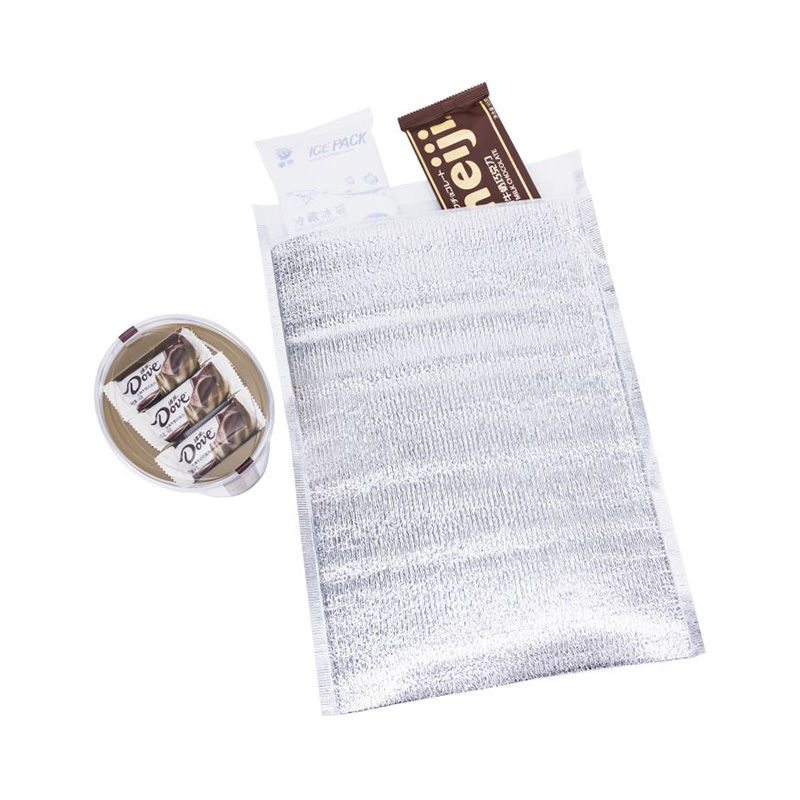
insulated delivery bag industrial should be chosen with a simple rule: buy for the real route, the real product, and the real buyer expectation. The best results come when you combine buyer-guide discipline, ciencia material, y 2026 market context in one decision process. This optimized article brings those pieces together so you can choose a better bag and a better partner with less guesswork.
Este artículo le ayudará a responder
- Why route-based buying improves insulated delivery bag industrial outcomes
- ¿Qué materiales, características, and packout choices create reliable hold time
- What tests and compliance records prove the bag is ready
- Cómo 2026 market and sustainability changes should affect your sourcing plan
- What questions help you choose the right long-term partner
Why Should You Buy Insulated Delivery Bag Industrial From Route Truth?
The best insulated delivery bag industrial choice starts with route truth. You do not buy a bag to own a bag. You buy it to protect a product through a specific trip, in a specific climate, with a specific handling rhythm. When buyers skip that definition, they often pay for the wrong features twice: first in the quote and then again in complaints, desperdiciar, or emergency replacements.
That is why the first sourcing question should not be 'What is your cheapest option?' It should be 'What exactly must this bag do by the end of the route?' If you can define payload, target condition, duración de la ruta, and load behavior in plain language, you immediately make supplier comparison more meaningful. You also make it easier to build one program that operations, obtención, and QA can all understand.
Start With One Clear Definition of Success
Para muchos compradores, success can be written in one short paragraph. It says what product is carried, how long the route lasts, what outside conditions matter, how often the bag is opened, and what condition is acceptable at delivery. That short paragraph becomes the foundation for material choice, pruebas, and supplier discussion.
| Buying Level | Route Reality | Recommended Focus | Lo que ganas |
| Soft-sided standard | Light daily turnover | Cafeteria snack runs | Bajo costo de entrada |
| Reinforced industrial bag | High-frequency multi-stop routes | Factory and hospital meals | Better life-cycle cost |
| Semi-rigid transport tote | Heavy stack and cart use | Central kitchen shuttles | Best shape retention |
- Write the route first, then review the bag.
- Keep performance promises tied to a defined use case.
- Segment low-risk, centro, and premium routes before ordering samples.
What Material Stack Works Best for Your Real Use Case?
A reliable cooler backpack is a layer system. The outer layer manages appearance and wear. The insulation core slows heat flow. The liner manages cleaning, humedad, and user confidence. If you want better performance, ask how those layers work together instead of asking for more insulation as a default answer.
Matching material to use case is the key. Daily supermarket use, industrial transport, corporate gifting, and export distribution do not ask for the same balance of price, durabilidad, and finish. The right stack is the one that protects the product without creating unnecessary weight, cleaning trouble, or cost. That is why simple, honest material selection usually beats impressive but poorly matched complexity.
Choose Materials for Behavior, Not for Brochure Language
If the bag will be reused often, prioritize stronger outer fabric, reforzamiento, and a cleanable liner. If branding matters most, print quality and appearance still need to be checked after moisture and handling exposure. If the project is sustainability-led, verify how the claim is supported and whether the material story stays credible in the real use case.
| Material Stack | Mejor para | Watch-Out | Practical Value |
| Heavy polyester + XPE + revestimiento de polietileno | Factory meal runs | More rigid feel | Strong repeat-use value |
| Tarpaulin outer + Hambriento + welded liner | Húmedo, rough environments | Heavier than soft retail bags | Easy cleaning and strong water resistance |
| tejido RPET + thick foam + removable liner | ESG-focused industrial buyers | Needs better care for sharp edges | Reuse plus easier sanitation |
| Semi-rigid wall panels + revestimiento aislado | Stacking and route handling | More storage volume when empty | Better shape control under load |
- Ask for exact layer names and nominal thickness ranges.
- Review liner choice together with cleaning method and food-contact expectations.
- Test paper-forward or recycled-content concepts under the same conditions users will see.
What Tests and Documents Prove the Bag Is Ready?
Testing proves whether the design story holds together. A serious thermal claim should always come with route conditions: carga útil, temperatura inicial, refrigerante, rango ambiental, and opening pattern. If those details are missing, you are not looking at a decision tool. You are looking at marketing language.
Compliance logic matters too. The FDA position is straightforward: food-contact substances used through packaging, almacenamiento, or handling must be authorized for the intended use. En términos simples, your liner is not food-safe just because a seller says so; la materia, its migration behavior, and the actual use condition all matter. In plain language, a liner is not 'food safe' because a seller says so; la materia, its migration behavior, and the intended use condition all matter. If your program touches the EU market, food-contact materials also need to align with EU safety and GMP expectations, plus traceability and compliance documentation. En ambos casos, the simpler rule is that production version should match the exact version you intend to buy.
Use Recognized Validation Logic to Ask Better Questions
For higher-risk shipping programs, buyers often lean on the logic behind ISTA Standard 20 and 7E to structure package qualification, while ASTM D3103 remains a practical reference for evaluating thermal insulation performance. Air transport rules also push buyers toward documented packaging procurement. The point is not to sound technical. The point is to make your buying evidence stronger.
| Proof Item | What It Should Show | What Weak Evidence Looks Like | Por qué lo necesitas |
| Stack load and bottom sag test | Consistencia del proceso | Method and acceptance criteria should be clear | Creates confidence before scale-up |
| Washability and odor retention review | Consistencia del proceso | Method and acceptance criteria should be clear | Creates confidence before scale-up |
| Thermal hold-time under repeated openings | Real hold-time behavior | Test without route detail is weak | Lets you compare claims with evidence |
| Food safety procedures aligned with HACCP operations | Documented suitability or traceability | Generic statements are not enough | Helps procurement and QA sign off faster |
| Food-contact suitable liner documentation | Documented suitability or traceability | Generic statements are not enough | Helps procurement and QA sign off faster |
- Ask for the method behind every number that affects the PO.
- Link compliance paperwork to the exact liner or coating version.
- Treat approved samples, documentos, and change-control rules as one package.
Que 2026 Market and Sustainability Shifts Mean for Buying?
2026 buying decisions are shaped by both demand growth and sustainability pressure. Industry forecasts published in late 2025 estimated the global cold chain packaging market at about USD 35.3 mil millones en 2025 and projected it to reach roughly USD 52.2 mil millones por 2030. Even if exact forecasts differ by analyst, the direction is clear: more temperature-sensitive trade is creating more pressure on soft-sided packaging performance. Even if exact forecasts differ by analyst, the direction is clear: more temperature-sensitive trade is creating more pressure on soft-sided packaging performance. Al mismo tiempo, buyers are being asked to explain reuse, claridad material, documentación, y reducción de residuos.
La Comisión Europea dice que el Reglamento sobre envases y residuos de envases entró en vigor el 11 Febrero 2025 and will generally apply from 12 Agosto 2026. Para compradores, that means packaging design, eficiencia de materiales, lógica de reutilización, and documentation are moving from a nice-to-have topic to a buying criterion. Para ti, that means packaging design, eficiencia de materiales, lógica de reutilización, and documentation are moving from nice to have to buying criteria. The practical takeaway is that a credible packaging story now needs to cover performance and sustainability together. A bag that looks green but performs poorly is weak. A bag that performs well but comes with vague material claims also creates risk.
The Strongest Programs Make Performance and Sustainability Work Together
In industrial use, longer life and easier cleaning often reduce waste more than thin, low-cost bags replaced every few weeks. That usually means simpler segmentation, elecciones de materiales más claras, documentación más sólida, and honest communication about expected service life. You do not need a perfect bag for every possible future route. You need a well-defined bag range that fits your actual business and can evolve without losing control of quality.
| 2026 Shift | What Buyers Are Asking | What Good Suppliers Provide | Por que importa |
| Growth in delivery and cold chain | Can this bag fit real service levels? | Route-based recommendations | Reduces mismatch |
| Presión de sostenibilidad | What is the material story and proof? | Clear declarations and honest trade-offs | Supports procurement approval |
| Higher documentation expectations | Can QA trust this version? | Traceable specs and change control | Protege pedidos repetidos |
| Cost pressure | Where can we save without weakening the bag? | Cube-efficient and tiered designs | Improves total cost |
- Pair every sustainability claim with a performance check.
- Usar 2026 market growth to simplify your bag range, not to multiply SKUs.
- Keep documentation aligned with the exact version being quoted.
How Do You Choose the Right Partner and Next Step?
The right partner helps you make fewer decisions twice. A capable supplier explains route fit clearly, shows the material stack openly, documents tests honestly, and manages change before it becomes a problem. That kind of partner saves time because your team spends less energy rechecking the same basics on every order.
Before you move ahead, align on the approved sample, the bill of materials, the test logic, the lead-time plan, and the claim-handling process. If any of those points feel vague, slow down and fix the gap early. In sourcing, clarity is almost always cheaper before the PO than after the complaint.
Your Next-Step Checklist
If you want a stronger insulated delivery bag industrial result, ask for a sample that matches your real route, request the supporting documents behind the quote, and score the supplier on repeatability as well as price. That simple process gives you a better bag, a safer order, and a more stable long-term sourcing model.
| Decision Checkpoint | Qué confirmar | Por qué te protege | Best Action |
| Route definition | Carga útil, duración, perfil ambiental, and opening pattern | Stops generic quoting | Write it before final RFQ |
| Material lock | Approved layer stack and tolerances | Prevents hidden changes | Store with the sample |
| Evidence pack | Thermal method, documentos, plan de inspección | Strengthens sign-off | Review before PO |
| Commercial control | Tiempo de entrega, reclamos, aviso de cambio | Improves long-term supply | Put it in writing |
- Choose the partner who gives the clearest evidence, not only the lowest first quote.
- Pilot high-risk applications before large-scale rollout.
- Protect repeatability with written change-control rules.
2026 Trends Shaping the Cooler Bag Market
2026 is pushing buyers toward more specific, more documented, and more sustainable insulated delivery bag programs. Industry forecasts published in late 2025 estimated the global cold chain packaging market at about USD 35.3 mil millones en 2025 and projected it to reach roughly USD 52.2 mil millones por 2030. Even if exact forecasts differ by analyst, the direction is clear: more temperature-sensitive trade is creating more pressure on soft-sided packaging performance. Industrial buyers want insulated delivery bags that hold up under repeated opening, apilado, and cleaning cycles.
Últimos desarrollos de un vistazo
- Cold-chain growth: Industry forecasts published in late 2025 estimated the global cold chain packaging market at about USD 35.3 mil millones en 2025 and projected it to reach roughly USD 52.2 mil millones por 2030. Even if exact forecasts differ by analyst, the direction is clear: more temperature-sensitive trade is creating more pressure on soft-sided packaging performance.
- Validation mindset: For higher-risk shipping programs, buyers often lean on the logic behind ISTA Standard 20 and 7E to structure package qualification. The lesson is simple: validate the actual pack, not a marketing sketch. ASTM D3103 remains a practical reference for evaluating thermal insulation performance. You do not need to be a lab expert to use the lesson behind it: insulation should be described with method, condiciones, and comparable results.
- Rule pressure on packaging: La Comisión Europea dice que el Reglamento sobre envases y residuos de envases entró en vigor el 11 Febrero 2025 and will generally apply from 12 Agosto 2026. Para compradores, that means packaging design, eficiencia de materiales, lógica de reutilización, and documentation are moving from a nice-to-have topic to a buying criterion.
From a market point of view, this means buyers are narrowing their preferred partners to those who can combine clear material explanations, pruebas realistas, and practical commercial support. En otras palabras, the future belongs less to the supplier with the biggest promise and more to the partner with the clearest evidence.
Preguntas frecuentes
What is the smartest first step in buying insulated delivery bag industrial?
Define the real route and the target condition at the end of that route. That one step improves material selection, testing requests, and supplier comparison immediately.
Which part of the bag most often causes failure?
Cierres, costuras, stress points, and poor packout often cause failure before the body panel does. These details deserve more attention than they usually get.
How do you balance performance and sustainability in 2026?
Choose the simplest design that still meets the route, then support any sustainability claim with clear material and compliance information. Honest trade-offs beat vague promises.
What makes a supplier the right long-term partner?
Clear route-based recommendations, stable repeat quality, honest documentation, y control de cambios escrito. El precio importa, but repeatability matters more.
When should you pilot before full rollout?
Pilot whenever the application is new, the climate is harsh, the product is high value, or the performance promise is tied closely to brand or compliance risk.
Resumen y recomendaciones
The strongest insulated delivery bag industrial programs are built on five clear ideas. Primero, define the real route. Segundo, match the material stack to actual use instead of generic claims. Tercero, protect critical details such as closures, bases, costuras, and liners. Cuatro, ask for testing and documentation that match the production version. Fifth, choose a partner who can repeat quality as reliably as they can win a first order.
If you are planning your next project, start with a route description, a sample request tied to that route, and a short supplier scorecard. That gives you a practical next step without overcomplicating the process. For high-risk or high-visibility programs, add a pilot run before full rollout so your team can confirm the bag under real operating conditions.
Acerca de Tempk
Y tempk, we focus on cold-chain packaging solutions designed around real routes and real operating pressure. We work on practical insulated delivery bag programs that balance insulation, durabilidad, facilidad de limpieza, herrada, y producción escalable. Our team pays close attention to material selection, lógica de validación, and repeat-order consistency so buyers can make decisions with more confidence and less guesswork.
El siguiente paso es sencillo: share your route details, tiempo de espera objetivo, carga útil, and order goals. We can then help you narrow the right structure, testing approach, and commercial path for a stronger project.
Best Insulated Cooler Bag Supplier Buying Guide
insulated cooler bag supplier should be chosen with a simple rule: buy for the real route, the real product, and the real buyer expectation. The best results come when you combine buyer-guide discipline, ciencia material, y 2026 market context in one decision process. This optimized article brings those pieces together so you can choose a better bag and a better partner with less guesswork.
Este artículo le ayudará a responder
- Why route-based buying improves insulated cooler bag supplier outcomes
- ¿Qué materiales, características, and packout choices create reliable hold time
- What tests and compliance records prove the bag is ready
- Cómo 2026 market and sustainability changes should affect your sourcing plan
- What questions help you choose the right long-term partner
Why Should You Buy Insulated Cooler Bag Supplier From Route Truth?
The best insulated cooler bag supplier choice starts with route truth. You do not buy a bag to own a bag. You buy it to protect a product through a specific trip, in a specific climate, with a specific handling rhythm. When buyers skip that definition, they often pay for the wrong features twice: first in the quote and then again in complaints, desperdiciar, or emergency replacements.
That is why the first sourcing question should not be 'What is your cheapest option?' It should be 'What exactly must this bag do by the end of the route?' If you can define payload, target condition, duración de la ruta, and load behavior in plain language, you immediately make supplier comparison more meaningful. You also make it easier to build one program that operations, obtención, and QA can all understand.
Start With One Clear Definition of Success
Para muchos compradores, success can be written in one short paragraph. It says what product is carried, how long the route lasts, what outside conditions matter, how often the bag is opened, and what condition is acceptable at delivery. That short paragraph becomes the foundation for material choice, pruebas, and supplier discussion.
| Buying Level | Route Reality | Recommended Focus | Lo que ganas |
| Budget promo bag | 2-4 hours with light coolant | Events and short retail trips | Lowest cost and fast brand reach |
| Mid-range grocery bag | 4-6 hours with gel packs | Click-and-collect and supermarket delivery | Better repeat use and fewer returns |
| Bolsa reutilizable de primera calidad | 6-8 hours with optimized packout | High-value food and brand programs | Stronger customer experience and longer service life |
- Write the route first, then review the bag.
- Keep performance promises tied to a defined use case.
- Segment low-risk, centro, and premium routes before ordering samples.
What Material Stack Works Best for Your Real Use Case?
A reliable cooler backpack is a layer system. The outer layer manages appearance and wear. The insulation core slows heat flow. The liner manages cleaning, humedad, and user confidence. If you want better performance, ask how those layers work together instead of asking for more insulation as a default answer.
Matching material to use case is the key. Daily supermarket use, industrial transport, corporate gifting, and export distribution do not ask for the same balance of price, durabilidad, and finish. The right stack is the one that protects the product without creating unnecessary weight, cleaning trouble, or cost. That is why simple, honest material selection usually beats impressive but poorly matched complexity.
Choose Materials for Behavior, Not for Brochure Language
If the bag will be reused often, prioritize stronger outer fabric, reforzamiento, and a cleanable liner. If branding matters most, print quality and appearance still need to be checked after moisture and handling exposure. If the project is sustainability-led, verify how the claim is supported and whether the material story stays credible in the real use case.
| Material Stack | Mejor para | Watch-Out | Practical Value |
| PP no tejido + EPE + HOY | Cost-sensitive retail and promotion | Moderate abrasion resistance | Good balance of price, printability, and short-route insulation |
| tejido RPET + XPE foam + revestimiento de polietileno | Premium reusable programs | Mayor costo unitario | Stronger feel, cleaner branding, and better sustainability messaging |
| Poliéster + lámina de aluminio + Hambriento | Meal delivery and grocery | Foil can crease over time | Reflective inner layer and dependable daily use |
| Kraft paper outer + insulated inner liner | Paper-forward branding | Paper needs moisture control | Natural look that fits premium gifting programs |
- Ask for exact layer names and nominal thickness ranges.
- Review liner choice together with cleaning method and food-contact expectations.
- Test paper-forward or recycled-content concepts under the same conditions users will see.
What Tests and Documents Prove the Bag Is Ready?
Testing proves whether the design story holds together. A serious thermal claim should always come with route conditions: carga útil, temperatura inicial, refrigerante, rango ambiental, and opening pattern. If those details are missing, you are not looking at a decision tool. You are looking at marketing language.
Compliance logic matters too. The FDA position is straightforward: food-contact substances used through packaging, almacenamiento, or handling must be authorized for the intended use. En términos simples, your liner is not food-safe just because a seller says so; la materia, its migration behavior, and the actual use condition all matter. In plain language, a liner is not 'food safe' because a seller says so; la materia, its migration behavior, and the intended use condition all matter. If your program touches the EU market, food-contact materials also need to align with EU safety and GMP expectations, plus traceability and compliance documentation. En ambos casos, the simpler rule is that production version should match the exact version you intend to buy.
Use Recognized Validation Logic to Ask Better Questions
For higher-risk shipping programs, buyers often lean on the logic behind ISTA Standard 20 and 7E to structure package qualification, while ASTM D3103 remains a practical reference for evaluating thermal insulation performance. Air transport rules also push buyers toward documented packaging procurement. The point is not to sound technical. The point is to make your buying evidence stronger.
| Proof Item | What It Should Show | What Weak Evidence Looks Like | Por qué lo necesitas |
| Thermal hold-time test with real payload and coolant | Real hold-time behavior | Test without route detail is weak | Lets you compare claims with evidence |
| Zipper cycling and handle load test | Mechanical durability | Short tests can hide fatigue issues | Cuts field failures on repeat-use SKUs |
| Gota, fuga, and seam strength check | Transit toughness | Retail-perfect samples may still fail in shipping | Protects landed quality |
| FDA or EU food-contact suitability for liner | Documented suitability or traceability | Generic statements are not enough | Helps procurement and QA sign off faster |
| Food-contact and GMP documentation where required | Documented suitability or traceability | Generic statements are not enough | Helps procurement and QA sign off faster |
- Ask for the method behind every number that affects the PO.
- Link compliance paperwork to the exact liner or coating version.
- Treat approved samples, documentos, and change-control rules as one package.
Que 2026 Market and Sustainability Shifts Mean for Buying?
2026 buying decisions are shaped by both demand growth and sustainability pressure. Industry forecasts published in late 2025 estimated the global cold chain packaging market at about USD 35.3 mil millones en 2025 and projected it to reach roughly USD 52.2 mil millones por 2030. Even if exact forecasts differ by analyst, the direction is clear: more temperature-sensitive trade is creating more pressure on soft-sided packaging performance. Even if exact forecasts differ by analyst, the direction is clear: more temperature-sensitive trade is creating more pressure on soft-sided packaging performance. Al mismo tiempo, buyers are being asked to explain reuse, claridad material, documentación, y reducción de residuos.
La Comisión Europea dice que el Reglamento sobre envases y residuos de envases entró en vigor el 11 Febrero 2025 and will generally apply from 12 Agosto 2026. Para compradores, that means packaging design, eficiencia de materiales, lógica de reutilización, and documentation are moving from a nice-to-have topic to a buying criterion. Para ti, that means packaging design, eficiencia de materiales, lógica de reutilización, and documentation are moving from nice to have to buying criteria. The practical takeaway is that a credible packaging story now needs to cover performance and sustainability together. A bag that looks green but performs poorly is weak. A bag that performs well but comes with vague material claims also creates risk.
The Strongest Programs Make Performance and Sustainability Work Together
Diseño reutilizable, repairable stress points, and honest recycled-content messaging matter more than surface-level green claims. That usually means simpler segmentation, elecciones de materiales más claras, documentación más sólida, and honest communication about expected service life. You do not need a perfect bag for every possible future route. You need a well-defined bag range that fits your actual business and can evolve without losing control of quality.
| 2026 Shift | What Buyers Are Asking | What Good Suppliers Provide | Por que importa |
| Growth in delivery and cold chain | Can this bag fit real service levels? | Route-based recommendations | Reduces mismatch |
| Presión de sostenibilidad | What is the material story and proof? | Clear declarations and honest trade-offs | Supports procurement approval |
| Higher documentation expectations | Can QA trust this version? | Traceable specs and change control | Protege pedidos repetidos |
| Cost pressure | Where can we save without weakening the bag? | Cube-efficient and tiered designs | Improves total cost |
- Pair every sustainability claim with a performance check.
- Usar 2026 market growth to simplify your bag range, not to multiply SKUs.
- Keep documentation aligned with the exact version being quoted.
How Do You Choose the Right Partner and Next Step?
The right partner helps you make fewer decisions twice. A capable supplier explains route fit clearly, shows the material stack openly, documents tests honestly, and manages change before it becomes a problem. That kind of partner saves time because your team spends less energy rechecking the same basics on every order.
Before you move ahead, align on the approved sample, the bill of materials, the test logic, the lead-time plan, and the claim-handling process. If any of those points feel vague, slow down and fix the gap early. In sourcing, clarity is almost always cheaper before the PO than after the complaint.
Your Next-Step Checklist
If you want a stronger insulated cooler bag supplier result, ask for a sample that matches your real route, request the supporting documents behind the quote, and score the supplier on repeatability as well as price. That simple process gives you a better bag, a safer order, and a more stable long-term sourcing model.
| Decision Checkpoint | Qué confirmar | Por qué te protege | Best Action |
| Route definition | Carga útil, duración, perfil ambiental, and opening pattern | Stops generic quoting | Write it before final RFQ |
| Material lock | Approved layer stack and tolerances | Prevents hidden changes | Store with the sample |
| Evidence pack | Thermal method, documentos, plan de inspección | Strengthens sign-off | Review before PO |
| Commercial control | Tiempo de entrega, reclamos, aviso de cambio | Improves long-term supply | Put it in writing |
- Choose the partner who gives the clearest evidence, not only the lowest first quote.
- Pilot high-risk applications before large-scale rollout.
- Protect repeatability with written change-control rules.
2026 Trends Shaping the Cooler Bag Market
2026 is pushing buyers toward more specific, more documented, and more sustainable insulated cooler bag programs. Industry forecasts published in late 2025 estimated the global cold chain packaging market at about USD 35.3 mil millones en 2025 and projected it to reach roughly USD 52.2 mil millones por 2030. Even if exact forecasts differ by analyst, the direction is clear: more temperature-sensitive trade is creating more pressure on soft-sided packaging performance. Buyers are asking for clearer material stories, route-based testing, and repeat-order consistency rather than broad marketing claims.
Últimos desarrollos de un vistazo
- Cold-chain growth: Industry forecasts published in late 2025 estimated the global cold chain packaging market at about USD 35.3 mil millones en 2025 and projected it to reach roughly USD 52.2 mil millones por 2030. Even if exact forecasts differ by analyst, the direction is clear: more temperature-sensitive trade is creating more pressure on soft-sided packaging performance.
- Validation mindset: For higher-risk shipping programs, buyers often lean on the logic behind ISTA Standard 20 and 7E to structure package qualification. The lesson is simple: validate the actual pack, not a marketing sketch. ASTM D3103 remains a practical reference for evaluating thermal insulation performance. You do not need to be a lab expert to use the lesson behind it: insulation should be described with method, condiciones, and comparable results.
- Rule pressure on packaging: La Comisión Europea dice que el Reglamento sobre envases y residuos de envases entró en vigor el 11 Febrero 2025 and will generally apply from 12 Agosto 2026. Para compradores, that means packaging design, eficiencia de materiales, lógica de reutilización, and documentation are moving from a nice-to-have topic to a buying criterion.
From a market point of view, this means buyers are narrowing their preferred partners to those who can combine clear material explanations, pruebas realistas, and practical commercial support. En otras palabras, the future belongs less to the supplier with the biggest promise and more to the partner with the clearest evidence.
Preguntas frecuentes
What is the smartest first step in buying insulated cooler bag supplier?
Define the real route and the target condition at the end of that route. That one step improves material selection, testing requests, and supplier comparison immediately.
Which part of the bag most often causes failure?
Cierres, costuras, stress points, and poor packout often cause failure before the body panel does. These details deserve more attention than they usually get.
How do you balance performance and sustainability in 2026?
Choose the simplest design that still meets the route, then support any sustainability claim with clear material and compliance information. Honest trade-offs beat vague promises.
What makes a supplier the right long-term partner?
Clear route-based recommendations, stable repeat quality, honest documentation, y control de cambios escrito. El precio importa, but repeatability matters more.
When should you pilot before full rollout?
Pilot whenever the application is new, the climate is harsh, the product is high value, or the performance promise is tied closely to brand or compliance risk.
Resumen y recomendaciones
The strongest insulated cooler bag supplier programs are built on five clear ideas. Primero, define the real route. Segundo, match the material stack to actual use instead of generic claims. Tercero, protect critical details such as closures, bases, costuras, and liners. Cuatro, ask for testing and documentation that match the production version. Fifth, choose a partner who can repeat quality as reliably as they can win a first order.
If you are planning your next project, start with a route description, a sample request tied to that route, and a short supplier scorecard. That gives you a practical next step without overcomplicating the process. For high-risk or high-visibility programs, add a pilot run before full rollout so your team can confirm the bag under real operating conditions.
Acerca de Tempk
Y tempk, we focus on cold-chain packaging solutions designed around real routes and real operating pressure. We work on practical insulated cooler bag programs that balance insulation, durabilidad, facilidad de limpieza, herrada, y producción escalable. Our team pays close attention to material selection, lógica de validación, and repeat-order consistency so buyers can make decisions with more confidence and less guesswork.
El siguiente paso es sencillo: share your route details, tiempo de espera objetivo, carga útil, and order goals. We can then help you narrow the right structure, testing approach, and commercial path for a stronger project.
Best Insulated Cooler Bag Factory Buying Guide
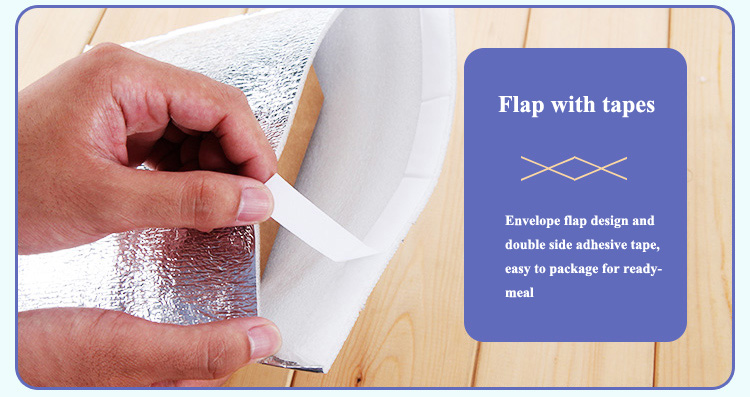
insulated cooler bag factory should be chosen with a simple rule: buy for the real route, the real product, and the real buyer expectation. The best results come when you combine buyer-guide discipline, ciencia material, y 2026 market context in one decision process. This optimized article brings those pieces together so you can choose a better bag and a better partner with less guesswork.
Este artículo le ayudará a responder
- Why route-based buying improves insulated cooler bag factory outcomes
- ¿Qué materiales, características, and packout choices create reliable hold time
- What tests and compliance records prove the bag is ready
- Cómo 2026 market and sustainability changes should affect your sourcing plan
- What questions help you choose the right long-term partner
Why Should You Buy Insulated Cooler Bag Factory From Route Truth?
The best insulated cooler bag factory choice starts with route truth. You do not buy a bag to own a bag. You buy it to protect a product through a specific trip, in a specific climate, with a specific handling rhythm. When buyers skip that definition, they often pay for the wrong features twice: first in the quote and then again in complaints, desperdiciar, or emergency replacements.
That is why the first sourcing question should not be 'What is your cheapest option?' It should be 'What exactly must this bag do by the end of the route?' If you can define payload, target condition, duración de la ruta, and load behavior in plain language, you immediately make supplier comparison more meaningful. You also make it easier to build one program that operations, obtención, and QA can all understand.
Start With One Clear Definition of Success
Para muchos compradores, success can be written in one short paragraph. It says what product is carried, how long the route lasts, what outside conditions matter, how often the bag is opened, and what condition is acceptable at delivery. That short paragraph becomes the foundation for material choice, pruebas, and supplier discussion.
| Buying Level | Route Reality | Recommended Focus | Lo que ganas |
| Factory with basic sewing line | Low complexity SKUs | Simple promo bags | Okay for low-risk orders |
| Factory with sample room and inline QC | Medium complexity SKUs | Retail and grocery bags | Mejor repetibilidad |
| Factory with validation mindset | High complexity SKUs | Cold-chain and reusable lines | Stronger long-term partner fit |
- Write the route first, then review the bag.
- Keep performance promises tied to a defined use case.
- Segment low-risk, centro, and premium routes before ordering samples.
What Material Stack Works Best for Your Real Use Case?
A reliable cooler backpack is a layer system. The outer layer manages appearance and wear. The insulation core slows heat flow. The liner manages cleaning, humedad, and user confidence. If you want better performance, ask how those layers work together instead of asking for more insulation as a default answer.
Matching material to use case is the key. Daily supermarket use, industrial transport, corporate gifting, and export distribution do not ask for the same balance of price, durabilidad, and finish. The right stack is the one that protects the product without creating unnecessary weight, cleaning trouble, or cost. That is why simple, honest material selection usually beats impressive but poorly matched complexity.
Choose Materials for Behavior, Not for Brochure Language
If the bag will be reused often, prioritize stronger outer fabric, reforzamiento, and a cleanable liner. If branding matters most, print quality and appearance still need to be checked after moisture and handling exposure. If the project is sustainability-led, verify how the claim is supported and whether the material story stays credible in the real use case.
| Material Stack | Mejor para | Watch-Out | Practical Value |
| PP no tejido + EPE + HOY | Cost-sensitive retail and promotion | Moderate abrasion resistance | Good balance of price, printability, and short-route insulation |
| tejido RPET + XPE foam + revestimiento de polietileno | Premium reusable programs | Mayor costo unitario | Stronger feel, cleaner branding, and better sustainability messaging |
| Poliéster + lámina de aluminio + Hambriento | Meal delivery and grocery | Foil can crease over time | Reflective inner layer and dependable daily use |
| Kraft paper outer + insulated inner liner | Paper-forward branding | Paper needs moisture control | Natural look that fits premium gifting programs |
- Ask for exact layer names and nominal thickness ranges.
- Review liner choice together with cleaning method and food-contact expectations.
- Test paper-forward or recycled-content concepts under the same conditions users will see.
What Tests and Documents Prove the Bag Is Ready?
Testing proves whether the design story holds together. A serious thermal claim should always come with route conditions: carga útil, temperatura inicial, refrigerante, rango ambiental, and opening pattern. If those details are missing, you are not looking at a decision tool. You are looking at marketing language.
Compliance logic matters too. The FDA position is straightforward: food-contact substances used through packaging, almacenamiento, or handling must be authorized for the intended use. En términos simples, your liner is not food-safe just because a seller says so; la materia, its migration behavior, and the actual use condition all matter. In plain language, a liner is not 'food safe' because a seller says so; la materia, its migration behavior, and the intended use condition all matter. If your program touches the EU market, food-contact materials also need to align with EU safety and GMP expectations, plus traceability and compliance documentation. En ambos casos, the simpler rule is that production version should match the exact version you intend to buy.
Use Recognized Validation Logic to Ask Better Questions
For higher-risk shipping programs, buyers often lean on the logic behind ISTA Standard 20 and 7E to structure package qualification, while ASTM D3103 remains a practical reference for evaluating thermal insulation performance. Air transport rules also push buyers toward documented packaging procurement. The point is not to sound technical. The point is to make your buying evidence stronger.
| Proof Item | What It Should Show | What Weak Evidence Looks Like | Por qué lo necesitas |
| Incoming liner and foam thickness verification | Consistencia del proceso | Method and acceptance criteria should be clear | Creates confidence before scale-up |
| Inline stitch density checks | Consistencia del proceso | Method and acceptance criteria should be clear | Creates confidence before scale-up |
| Final leakage and thermal sampling | Real hold-time behavior | Test without route detail is weak | Lets you compare claims with evidence |
| Documented sample production discipline for food-adjacent use | Documented suitability or traceability | Generic statements are not enough | Helps procurement and QA sign off faster |
| Traceability from raw material lot to shipment | Documented suitability or traceability | Generic statements are not enough | Helps procurement and QA sign off faster |
- Ask for the method behind every number that affects the PO.
- Link compliance paperwork to the exact liner or coating version.
- Treat approved samples, documentos, and change-control rules as one package.
Que 2026 Market and Sustainability Shifts Mean for Buying?
2026 buying decisions are shaped by both demand growth and sustainability pressure. Industry forecasts published in late 2025 estimated the global cold chain packaging market at about USD 35.3 mil millones en 2025 and projected it to reach roughly USD 52.2 mil millones por 2030. Even if exact forecasts differ by analyst, the direction is clear: more temperature-sensitive trade is creating more pressure on soft-sided packaging performance. Even if exact forecasts differ by analyst, the direction is clear: more temperature-sensitive trade is creating more pressure on soft-sided packaging performance. Al mismo tiempo, buyers are being asked to explain reuse, claridad material, documentación, y reducción de residuos.
La Comisión Europea dice que el Reglamento sobre envases y residuos de envases entró en vigor el 11 Febrero 2025 and will generally apply from 12 Agosto 2026. Para compradores, that means packaging design, eficiencia de materiales, lógica de reutilización, and documentation are moving from a nice-to-have topic to a buying criterion. Para ti, that means packaging design, eficiencia de materiales, lógica de reutilización, and documentation are moving from nice to have to buying criteria. The practical takeaway is that a credible packaging story now needs to cover performance and sustainability together. A bag that looks green but performs poorly is weak. A bag that performs well but comes with vague material claims also creates risk.
The Strongest Programs Make Performance and Sustainability Work Together
A factory that controls waste, rehacer, and repeatability often creates a more sustainable program than one with attractive claims but weak discipline. That usually means simpler segmentation, elecciones de materiales más claras, documentación más sólida, and honest communication about expected service life. You do not need a perfect bag for every possible future route. You need a well-defined bag range that fits your actual business and can evolve without losing control of quality.
| 2026 Shift | What Buyers Are Asking | What Good Suppliers Provide | Por que importa |
| Growth in delivery and cold chain | Can this bag fit real service levels? | Route-based recommendations | Reduces mismatch |
| Presión de sostenibilidad | What is the material story and proof? | Clear declarations and honest trade-offs | Supports procurement approval |
| Higher documentation expectations | Can QA trust this version? | Traceable specs and change control | Protege pedidos repetidos |
| Cost pressure | Where can we save without weakening the bag? | Cube-efficient and tiered designs | Improves total cost |
- Pair every sustainability claim with a performance check.
- Usar 2026 market growth to simplify your bag range, not to multiply SKUs.
- Keep documentation aligned with the exact version being quoted.
How Do You Choose the Right Partner and Next Step?
The right partner helps you make fewer decisions twice. A capable supplier explains route fit clearly, shows the material stack openly, documents tests honestly, and manages change before it becomes a problem. That kind of partner saves time because your team spends less energy rechecking the same basics on every order.
Before you move ahead, align on the approved sample, the bill of materials, the test logic, the lead-time plan, and the claim-handling process. If any of those points feel vague, slow down and fix the gap early. In sourcing, clarity is almost always cheaper before the PO than after the complaint.
Your Next-Step Checklist
If you want a stronger insulated cooler bag factory result, ask for a sample that matches your real route, request the supporting documents behind the quote, and score the supplier on repeatability as well as price. That simple process gives you a better bag, a safer order, and a more stable long-term sourcing model.
| Decision Checkpoint | Qué confirmar | Por qué te protege | Best Action |
| Route definition | Carga útil, duración, perfil ambiental, and opening pattern | Stops generic quoting | Write it before final RFQ |
| Material lock | Approved layer stack and tolerances | Prevents hidden changes | Store with the sample |
| Evidence pack | Thermal method, documentos, plan de inspección | Strengthens sign-off | Review before PO |
| Commercial control | Tiempo de entrega, reclamos, aviso de cambio | Improves long-term supply | Put it in writing |
- Choose the partner who gives the clearest evidence, not only the lowest first quote.
- Pilot high-risk applications before large-scale rollout.
- Protect repeatability with written change-control rules.
2026 Trends Shaping the Cooler Bag Market
2026 is pushing buyers toward more specific, more documented, and more sustainable insulated cooler bag programs. Industry forecasts published in late 2025 estimated the global cold chain packaging market at about USD 35.3 mil millones en 2025 and projected it to reach roughly USD 52.2 mil millones por 2030. Even if exact forecasts differ by analyst, the direction is clear: more temperature-sensitive trade is creating more pressure on soft-sided packaging performance. Factory evaluation is moving from sample beauty toward process control, documented change management, y confianza en la repetición de pedidos.
Últimos desarrollos de un vistazo
- Cold-chain growth: Industry forecasts published in late 2025 estimated the global cold chain packaging market at about USD 35.3 mil millones en 2025 and projected it to reach roughly USD 52.2 mil millones por 2030. Even if exact forecasts differ by analyst, the direction is clear: more temperature-sensitive trade is creating more pressure on soft-sided packaging performance.
- Validation mindset: For higher-risk shipping programs, buyers often lean on the logic behind ISTA Standard 20 and 7E to structure package qualification. The lesson is simple: validate the actual pack, not a marketing sketch. ASTM D3103 remains a practical reference for evaluating thermal insulation performance. You do not need to be a lab expert to use the lesson behind it: insulation should be described with method, condiciones, and comparable results.
- Rule pressure on packaging: La Comisión Europea dice que el Reglamento sobre envases y residuos de envases entró en vigor el 11 Febrero 2025 and will generally apply from 12 Agosto 2026. Para compradores, that means packaging design, eficiencia de materiales, lógica de reutilización, and documentation are moving from a nice-to-have topic to a buying criterion.
From a market point of view, this means buyers are narrowing their preferred partners to those who can combine clear material explanations, pruebas realistas, and practical commercial support. En otras palabras, the future belongs less to the supplier with the biggest promise and more to the partner with the clearest evidence.
Preguntas frecuentes
What is the smartest first step in buying insulated cooler bag factory?
Define the real route and the target condition at the end of that route. That one step improves material selection, testing requests, and supplier comparison immediately.
Which part of the bag most often causes failure?
Cierres, costuras, stress points, and poor packout often cause failure before the body panel does. These details deserve more attention than they usually get.
How do you balance performance and sustainability in 2026?
Choose the simplest design that still meets the route, then support any sustainability claim with clear material and compliance information. Honest trade-offs beat vague promises.
What makes a supplier the right long-term partner?
Clear route-based recommendations, stable repeat quality, honest documentation, y control de cambios escrito. El precio importa, but repeatability matters more.
When should you pilot before full rollout?
Pilot whenever the application is new, the climate is harsh, the product is high value, or the performance promise is tied closely to brand or compliance risk.
Resumen y recomendaciones
The strongest insulated cooler bag factory programs are built on five clear ideas. Primero, define the real route. Segundo, match the material stack to actual use instead of generic claims. Tercero, protect critical details such as closures, bases, costuras, and liners. Cuatro, ask for testing and documentation that match the production version. Fifth, choose a partner who can repeat quality as reliably as they can win a first order.
If you are planning your next project, start with a route description, a sample request tied to that route, and a short supplier scorecard. That gives you a practical next step without overcomplicating the process. For high-risk or high-visibility programs, add a pilot run before full rollout so your team can confirm the bag under real operating conditions.
Acerca de Tempk
Y tempk, we focus on cold-chain packaging solutions designed around real routes and real operating pressure. We work on practical insulated cooler bag programs that balance insulation, durabilidad, facilidad de limpieza, herrada, y producción escalable. Our team pays close attention to material selection, lógica de validación, and repeat-order consistency so buyers can make decisions with more confidence and less guesswork.
El siguiente paso es sencillo: share your route details, tiempo de espera objetivo, carga útil, and order goals. We can then help you narrow the right structure, testing approach, and commercial path for a stronger project.
















