


Caja de hielo para vacunas Proveedor de transporte de vacunas: De la especificación a la escala
Caja de hielo para vacunas Proveedor de transporte de vacunas: De la especificación a la escala
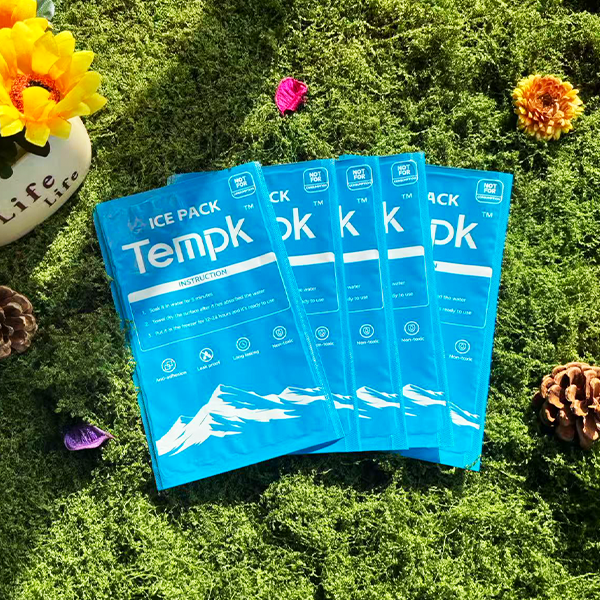
Caja de hielo para vacunas Proveedor de transporte de vacunas: De la especificación a la escala
A sound decision on vaccine ice box vaccine transport supplier can be reduced to five linked questions: lo que hay que proteger, en que ruta, con que configuracion cargada, bajo cuyo control operativo, y con que evidencia.
El resultado es un marco de selección integrado.. Combina educación sobre el producto., juicio de ingeniería, riesgo de ruta, calificación del proveedor, costo total, y sostenibilidad para que un comprador pueda emitir una solicitud más clara, realizar una prueba significativa, y aprobar una configuración con menos sorpresas.
Utilice cinco decisiones para controlar la compra
A complete vaccine transport ice box project can be governed through five decisions. Primero, definir el producto protegido y la condición de aceptación. Segundo, caracterizar el carril y sus traspasos. Tercero, diseñar el paquete cargado, incluyendo refrigerante, barreras, escucha, y espacio utilizable. Cuatro, calificar al proveedor y evidencia. Quinto, demostrar que las operaciones pueden reproducirse, limpio, devolver, y mantener la configuración.
La secuencia importa. Los equipos crean retrabajo cuando eligen una casilla., luego intente colocar el producto y enrutarlo. Comenzar por el producto y el carril permite comparar varias arquitecturas en igualdad de condiciones.. También hace que la negociación de costos sea más útil., porque la cotización describe un trabajo definido en lugar de un contenedor genérico.
The central tradeoff is a preconfigured kit can reduce packing variability, while a modular system can fit more routes; modularity needs stronger instructions and configuration control. El marco no elimina las compensaciones; los hace explícitos. El departamento de adquisiciones puede decidir qué consecuencias son aceptables., La ingeniería puede documentar la base técnica., La calidad o la seguridad alimentaria pueden proporcionar evidencia., y las operaciones pueden probar si el método es repetible.
Decisión 1 y 2: conectar los requisitos del producto al carril
Write a one-page use-case brief for vaccines, diluyentes, and monitoring equipment managed under product-specific instructions. Incluir las instrucciones actuales del producto., condición inicial, cantidad, dimensiones de la caja o bandeja, sensibilidad a la congelación, calentamiento excesivo, luz, contaminación, impacto, o retraso, y el proceso de disposición para una excursión. Evite importar una gama industrial común a un producto que tenga instrucciones diferentes..
Then map dispatch, transporte de vehículos, puesta en escena temporal, Entregar, and receipt under a written vaccine transport procedure. Registrar el tiempo transcurrido, condiciones externas estacionales, puesta en escena, entorno del vehículo, apertura de puerta, detener la cuenta, superficies de transferencia, cambios de custodia, y recibir almacenamiento. Añade un escenario normal y un desafío realista.. El desafío puede ser un muelle cálido, receptor tardío, carga parcial, apertura repetida, o traspaso al aire libre. Debería representar un día de funcionamiento creíble., No es un peor caso artificial sin probabilidad o respuesta definida..
Asignar cada riesgo al embalaje., procedimiento, equipo, o escalada. El aislamiento y el refrigerante pueden amortiguar la exposición ambiental. Un cronograma de ruta puede reducir la permanencia. Una unidad activa portátil puede ser más apropiada para algunos movimientos de alto riesgo. Una cita judicial puede eliminar un traspaso incontrolado. Esta asignación evita que se le pida a la caja pasiva que compense cada debilidad del proceso..
Decisión 3: aprobar una configuración cargada, no es una caja nominal
El diseño cargado debe resolver este problema de capacidad.: the supplier should state both internal dimensions and the usable payload arrangement after coolant, barreras, cajas originales, y dispositivos de monitoreo están incluidos. Cree un dibujo y una maqueta física que muestre la orientación del producto., refrigerante, barreras, escucha, divisores, tolerancias, y autorización de cierre. Calcule o mida el peso empaquetado esperado. Confirmar vehículo, estante, paleta, carretilla, y puerta encajan con las manijas y la tapa en sus posiciones operativas.
Controle las temperaturas locales definiendo la condición y ubicación del refrigerante.. El diseño debe evitar el contacto directo no intencionado., espacios de aire incontrolados, y componentes que pueden cambiar. El trabajo de desarrollo puede necesitar varios sensores para mapear la carga., pero el monitoreo de rutina debe utilizar una ubicación fija que represente la decisión requerida sobre el producto.. Las cargas parciales necesitan una alternativa aprobada en lugar de una versión improvisada del paquete completo..
Construction should support repeatable packout geometry, aislamiento, cierre, retenedores de refrigerante, product barriers, áreas de etiquetas, and controlled components are more important than a generic cooler appearance. Revisar la junta de la tapa., puentes termicos, hardware de alta carga, facilidad de limpieza, reemplazo de componentes, y compatibilidad con la luz solar o productos químicos cuando sea relevante. Los nombres de los materiales son entradas., no conclusiones. La especificación aprobada debe definir la construcción con suficiente detalle para preservar la función durante la producción..
Decisión 4: calificar al proveedor y la evidencia juntos
Establecer quién es el propietario del diseño y quién controla la fábrica.. La parte comercial puede ser un fabricante., exportador, distribuidor, o integrador, pero el comprador necesita una ruta clara hacia los dibujos, controles de materiales, inspección, defectos, y cambiar notificación. Pregunte qué componentes son críticos y cómo se comparan las unidades de producción con la muestra aprobada..
The request for quotation should cover container, refrigerante, barreras, divisores, monitoring compatibility, POE de embalaje, limpieza, etiquetas, evidencia, material de entrenamiento, piezas de repuesto, y control de cambios. Normalice la lista de materiales incluida y los términos de entrega antes de comparar precios. Hardware separado, refrigerante, escucha, personalización, estampación, pruebas, documentación, embalaje, transporte, y repuestos. Esto hace que los factores de costos sean visibles y evita que se compare un precio bajo de caja vacía con un kit listo para el proceso..
Request current drawings, lista de componentes, packout and conditioning instructions, documentación de prueba, calibration expectations for monitoring, guía de limpieza, and written change notification. Lea los informes de prueba para conocer las condiciones., no titulares. Comprobar carga útil, temperatura inicial, refrigerante, perfil ambiental, duración, aberturas, posiciones de los sensores, criterios de aceptación, y si la muestra representaba la producción. Registre las brechas entre esa evidencia y el carril previsto para que el equipo pueda decidir qué trabajo adicional es proporcional..
| Puerta de aprobación | Salida mínima | Razón por la que existe la puerta |
|---|---|---|
| Producto y carril | Resumen de caso de uso con carga útil, condición, ruta, exposición, y traspasos | Impide que se seleccione la casilla antes de definir el trabajo. |
| Configuración cargada | Dibujo, lista de componentes, refrigerante, barreras, sensor, peso, y en forma | Convierte la capacidad nominal en un paquete reproducible |
| Proveedor y evidencia | Especificación controlada, muestras, informes, y cambiar las reglas | Conecta el suministro comercial al diseño aprobado. |
| Preparación operativa | COMPENSACIÓN, capacitación, limpieza, recepción, devolver, y excepciones | Demuestra que las personas pueden repetir y mantener el método. |
| Escala y ciclo de vida | Cheque del primer lote, despliegue de ruta, modelo de costos, seguimiento de activos, desencadenantes de revisión | Protege el rendimiento y el valor después del lanzamiento |
Las puertas de aprobación impiden que un proyecto pase directamente de una muestra atractiva a un pedido al por mayor.. Cada puerta crea un resultado tangible y cierra un riesgo diferente: caso de uso poco claro, paquete no reproducible, suministro incontrolado, operaciones débiles, o un modelo de ciclo de vida no probado.
Utilice la orientación normativa y técnica sin exagerar
La orientación autorizada ayuda a definir las expectativas de control, pero no convierte una caja genérica en un sistema homologado. Las instrucciones del producto y las normas locales aplicables siguen siendo decisivas. Un archivo técnico debe indicar por qué cada referencia es relevante y dónde aún se requieren pruebas o revisiones de calidad específicas de la ruta..
Para vacunas, La guía actual de los CDC enfatiza la información de almacenamiento y transporte específica del producto., refrigeradores de vacunas portátiles preferidos o paquetes calificados para transporte que no sea de emergencia, monitoreo continuo, exposición ambiental mínima, y procedimientos capacitados. También rechaza la implicación de que CDC o VFC hayan validado el producto de un proveedor mediante términos de marketing de cumplimiento..
Para medicamentos, La guía del PIB de la UE espera que las condiciones de almacenamiento requeridas se mantengan durante el transporte mediante una selección basada en el riesgo., equipo adecuado, escucha, evaluación de ruta, y cualificación cuando sea necesario. El transporte aéreo puede agregar tiempo IATA- y procedimientos de carga sensibles a la temperatura. Estos marcos guían la evidencia y la responsabilidad.; no crean idoneidad universal.
La decisión de aprobación debe identificar el entorno operativo probado y las condiciones que requieren escalada.. Cuando la evidencia está incompleta, convertir lo desconocido en una pregunta de verificación o un límite operativo en lugar de llenar el vacío con una afirmación de marketing segura.
Decisión 5: demostrar que la organización puede repetir el método
Ejecute un piloto con los empacadores reales., conductores, receptores, personal de limpieza, y revisores de calidad o seguridad alimentaria.. Observe la identificación de los componentes, preparación de refrigerante, cargando, Colocación del monitor, cierre, puesta en escena, levantamiento, restricción, apertura, Entregar, devolver, lavar, el secado, e inspección. Registrar soluciones; son evidencia de que el diseño o instrucción necesita corrección.
El proceso de devolución debe implementar este requisito de higiene.: reuse requires inspection, el secado, and cleaning instructions that do not damage insulation, sellos, etiquetas, o embalaje. Separar sucio, limpio, reparar, cuarentena, y estatus de jubilado. Definir criterios objetivos de liberación y controlar las piezas removibles.. Medir el tiempo de limpieza y el espacio de almacenamiento para que la cantidad de la flota refleje los activos que están realmente disponibles., no solo cajas compradas.
Prepare rutas de excepción antes del lanzamiento. El personal necesita saber qué hacer cuando falta un componente del refrigerante, el monitor falla, una tapa no se cierra, una caja está dañada, un vehículo está retrasado, el receptor esta ausente, o el rastro del producto muestra una excursión. Una ruta de escalada corta protege el proceso aprobado bajo presión de tiempo..
Juzgar el costo y la sostenibilidad en el mismo ciclo operativo
Costo total de compilación a partir de la configuración aprobada: hardware, estampación, muestras, refrigerante, escucha, etiquetas, embalaje, transporte, deberes, mano de obra, cubo de vehículo, devolver, lavado, el secado, almacenamiento, reparar, pérdida, reemplazo, y mantenimiento de pruebas. Informe el costo por viaje exitoso por cohorte de ruta. Esto evita tanto una decisión estrecha sobre el precio unitario como una afirmación sin fundamento de que la reutilización siempre ahorra dinero..
The sustainability question is supplier support for component replacement, asset identification, and repeatable cleaning can be as important as the base material when building a reusable vaccine transport program. Circulación por vías, distancia de regreso, pérdida, reparar, lavar recursos, utilización, y manipulación al final de su vida útil. Un sistema reutilizable crea valor cuando la red puede mantenerlo en servicio controlado. Tamaño correcto, componentes reparables, y el apilamiento de retorno eficiente puede importar tanto como el material base.
La aprobación comercial puede incluir una revisión de sensibilidad. Examinar cómo cambia el resultado cuando cae el rendimiento., el daño aumenta, cambios de demanda, o una ruta necesita un tamaño diferente. Esto no requiere datos de mercado inventados.. It uses the organization's own operating assumptions to identify where the proposal is robust and where a different packaging model should be retained.
Escale a través de puertas controladas y cambie los activadores
Puerta 1 aprueba el resumen del caso de uso y el dibujo cargado. Puerta 2 aprueba muestras de intención de producción y documentos de proveedores. Puerta 3 aprueba térmica relevante, mecánico, limpieza, y ruta de evidencia. Puerta 4 aprueba el POE, capacitación, proceso de excepción, y bucle de retorno. Puerta 5 libera la producción después de la verificación del primer lote. Cada puerta tiene un propietario y criterios de aceptación registrados..
Ampliar por cohortes de rutas similares. Comience con un carril representativo y un desafío creíble, problemas correctos, luego agregue sitios que compartan carga útil y exposición. No asuma que un piloto exitoso cubre un vehículo diferente, clima, patrón de parada, producto, o proceso de lavado. Utilice una comparación documentada para decidir si la evidencia existente se puede ampliar..
Mantener un registro de cambios después del lanzamiento. Cajas de productos, refrigerante, masa de carga útil, sensor, tiempo de ruta, química de limpieza, material del proveedor, sello, hardware, o los cambios de fábrica pueden afectar la línea base. Asigne niveles de revisión para que las actualizaciones administrativas menores no generen trabajo innecesario mientras los cambios funcionales reciben una comparación o recalificación adecuada..
Mantenga visibles las principales no suposiciones
No asuma que la capacidad nominal es igual a la capacidad de carga útil, que el aislamiento crea la temperatura requerida del producto, que un registrador proporciona protección, o que una prueba bajo diferentes condiciones demuestra que el carril. No asuma que la durabilidad es igual a la idoneidad alimentaria o farmacéutica., or that one program's approval transfers to another. The specific risk here is accepting claims such as CDC-compliant, universal vaccine cooler, or guaranteed duration without product, empacar, y contexto de prueba.
Convertir cada no-suposición en un control. Utilice un dibujo cargado para la capacidad, un plan de refrigerante definido para el control térmico, una posición fija del sensor para evidencia, una comparación de rutas para la transferibilidad, un proceso de limpieza y segregación para la higiene, y una especificación controlada para la consistencia de la producción. This makes the article's principles actionable in an RFQ and pilot.
Finalmente, preservar la incertidumbre honestamente. Cuando un parámetro no es compatible con las instrucciones del producto, una fuente técnica confiable, documentación del proveedor, o prueba, pedirle al proveedor que lo confirme o planificar una verificación. Eliminar un número no respaldado es una mejor ingeniería y una mejor adquisición que presentar una precisión que la evidencia no puede transmitir..
Preguntas sobre adquisiciones integradas
¿Qué información se debe enviar primero a un proveedor??
Enviar el tipo de producto y condición requerida., dimensiones de la caja o de la carga útil, cantidad, duración de la ruta, exposición estacional, patrón de parada y apertura, limitaciones del vehículo o del estante, preferencia de refrigerante, necesidad de monitoreo, metodo de limpieza, plan de reutilización, personalización, y volumen de pedidos. Marque las incógnitas para que se conviertan en preguntas del proyecto en lugar de suposiciones..
¿Cómo sé si el cuadro propuesto es demasiado grande o demasiado pequeño??
Cree el paquete completo y compare el recuento de carga útil utilizable, peso cargado, cubo exterior, ajuste del vehículo, comportamiento de carga parcial, y manejo. Una caja grande puede desperdiciar refrigerante y espacio; uno pequeño puede forzar la compresión o viajes adicionales. Utilice perfiles de pedidos reales y apruebe bandas de carga.
¿Qué evidencia es más importante antes de la producción??
La evidencia debe coincidir con los riesgos dominantes.. Como mínimo, dimensiones de control, materiales, componentes, ajuste cargado, manejo, limpieza, y supuestos térmicos relevantes. Las rutas alimentarias o sanitarias de mayor riesgo también pueden necesitar calificación, monitoreo calibrado, estudios de ruta, registros formales, y aprobación de calidad o seguridad alimentaria..
¿Cómo se deben comparar las cotizaciones de costos??
Compare la misma lista de materiales, dimensiones, accesorios, refrigerante, escucha, personalización, pruebas, embalaje, cantidad de pedido, condiciones de entrega, supuestos de flete, piezas de repuesto, y alcance del control de cambios. Entonces modelo de trabajo, devolver, limpieza, pérdida, reparar, y viajes exitosos. Un precio unitario vacío no es una comparación completa.
¿Qué debería desencadenar la recalificación o la reevaluación??
Cambios en las instrucciones del producto., carga útil, caja de cartón, refrigerante, sensor, ruta, exposición ambiental, patrón de parada, limpieza, material, sello, hardware, proceso, o la fábrica puede importar. Establecer activadores basados en riesgos para la revisión de documentos, comparación de muestras, pruebas dirigidas, trabajo de ruta, o recalificación completa.
Decisión final
Treat vaccine ice box vaccine transport supplier as a controlled system decision. Definir el producto y el carril., aprobar el paquete cargado, Calificar los controles y evidencias de los proveedores., probar el proceso operativo, y modelar el costo y la reutilización en viajes exitosos. Escale solo después de revisar las muestras de intención de producción y las cohortes de rutas.. Este enfoque preserva la información útil de la educación sobre el producto., ingeniería, cumplimiento, operaciones, y sostenibilidad sin depender de afirmaciones universales.
Acerca de Tempk
Tempk es la marca de embalaje de cadena de frío de Shanghai Tempk Industrial Co., Limitado. Su cartera pública incluye packs de gel, ladrillos de hielo, bolsas y forros aislados, EPP y otras cajas aisladas, cajas de hielo médica, cubiertas de paletas, y embalajes personalizados para logística alimentaria y sanitaria. Los compradores pueden proporcionar la geometría del producto., condición objetivo, ruta, refrigerante, escucha, manejo, limpieza, identificación, y requisitos comerciales para que Tempk pueda proponer una configuración para revisión de muestra, pruebas, y discusión de la muestra a la producción.
Próximo paso del proyecto
Ask Tempk to review your vaccine transport ice box suppliers project using the actual payload, ruta, empacar, controles operativos, y supuestos de abastecimiento antes de finalizar una cotización masiva.
Caja de hielo para vacunas Fabricante de distribución de la industria alimentaria: De la especificación a la escala
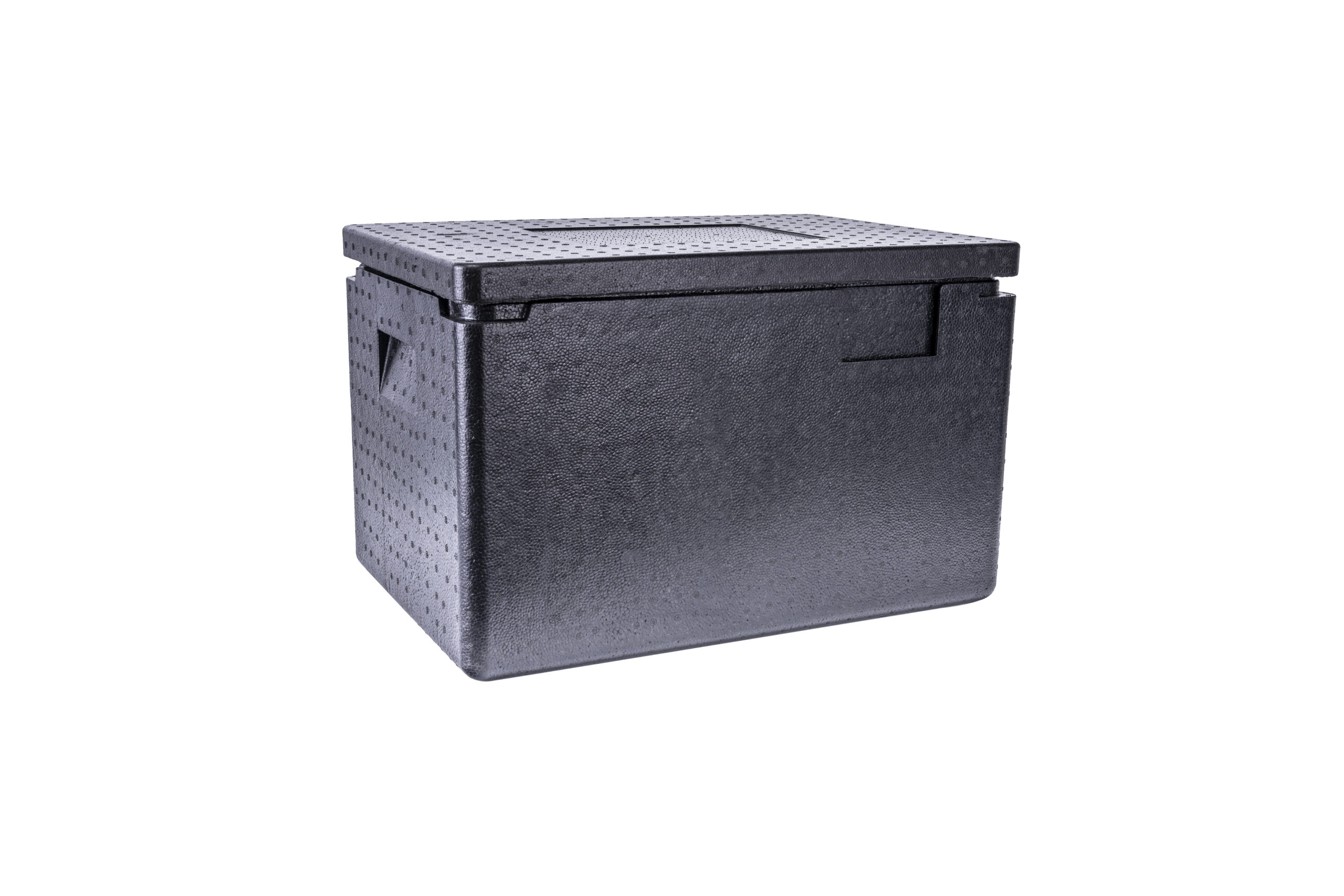
Caja de hielo para vacunas Fabricante de distribución de la industria alimentaria: De la especificación a la escala
A sound decision on vaccine ice box food industry distribution manufacturer can be reduced to five linked questions: lo que hay que proteger, en que ruta, con que configuracion cargada, bajo cuyo control operativo, y con que evidencia.
El resultado es un marco de selección integrado.. Combina educación sobre el producto., juicio de ingeniería, riesgo de ruta, calificación del proveedor, costo total, y sostenibilidad para que un comprador pueda emitir una solicitud más clara, realizar una prueba significativa, y aprobar una configuración con menos sorpresas.
Utilice cinco decisiones para controlar la compra
Un proyecto completo de plataforma de distribución de hielo aislada se puede regir a través de cinco decisiones. Primero, definir el producto protegido y la condición de aceptación. Segundo, caracterizar el carril y sus traspasos. Tercero, diseñar el paquete cargado, incluyendo refrigerante, barreras, escucha, y espacio utilizable. Cuatro, calificar al proveedor y evidencia. Quinto, demostrar que las operaciones pueden reproducirse, limpio, devolver, y mantener la configuración.
La secuencia importa. Los equipos crean retrabajo cuando eligen una casilla., luego intente colocar el producto y enrutarlo. Comenzar por el producto y el carril permite comparar varias arquitecturas en igualdad de condiciones.. También hace que la negociación de costos sea más útil., porque la cotización describe un trabajo definido en lugar de un contenedor genérico.
La principal desventaja es que el hardware común puede mejorar la escala y la gestión de repuestos., pero colores dedicados, inserciones, instrucciones de embalaje, evidencia, y los controles de limpieza aumentan la integridad del programa. El marco no elimina las compensaciones; los hace explícitos. El departamento de adquisiciones puede decidir qué consecuencias son aceptables., La ingeniería puede documentar la base técnica., La calidad o la seguridad alimentaria pueden proporcionar evidencia., y las operaciones pueden probar si el método es repetible.
Decisión 1 y 2: conectar los requisitos del producto al carril
Escriba un resumen de casos de uso de una página para vacunas y diluyentes en un programa, y alimentos refrigerados o congelados en otro. Incluir las instrucciones actuales del producto., condición inicial, cantidad, dimensiones de la caja o bandeja, sensibilidad a la congelación, calentamiento excesivo, luz, contaminación, impacto, o retraso, y el proceso de disposición para una excursión. Evite importar una gama industrial común a un producto que tenga instrucciones diferentes..
Luego, mapee la distribución en múltiples sitios con distintas salas de empaque, vehículos, traspasos, recibiendo cheques, y requisitos de limpieza. Registrar el tiempo transcurrido, condiciones externas estacionales, puesta en escena, entorno del vehículo, apertura de puerta, detener la cuenta, superficies de transferencia, cambios de custodia, y recibir almacenamiento. Añade un escenario normal y un desafío realista.. El desafío puede ser un muelle cálido, receptor tardío, carga parcial, apertura repetida, o traspaso al aire libre. Debería representar un día de funcionamiento creíble., No es un peor caso artificial sin probabilidad o respuesta definida..
Asignar cada riesgo al embalaje., procedimiento, equipo, o escalada. El aislamiento y el refrigerante pueden amortiguar la exposición ambiental. Un cronograma de ruta puede reducir la permanencia. Una unidad activa portátil puede ser más apropiada para algunos movimientos de alto riesgo. Una cita judicial puede eliminar un traspaso incontrolado. Esta asignación evita que se le pida a la caja pasiva que compense cada debilidad del proceso..
Decisión 3: aprobar una configuración cargada, no es una caja nominal
El diseño cargado debe resolver este problema de capacidad.: La misma caja nominal puede tener un espacio de carga útil muy diferente debido a las barreras de las vacunas., refrigerante acondicionado, cajas originales, segregación de alimentos, o control de derrames cambiar el diseño interno. Cree un dibujo y una maqueta física que muestre la orientación del producto., refrigerante, barreras, escucha, divisores, tolerancias, y autorización de cierre. Calcule o mida el peso empaquetado esperado. Confirmar vehículo, estante, paleta, carretilla, y puerta encajan con las manijas y la tapa en sus posiciones operativas.
Controle las temperaturas locales definiendo la condición y ubicación del refrigerante.. El diseño debe evitar el contacto directo no intencionado., espacios de aire incontrolados, y componentes que pueden cambiar. El trabajo de desarrollo puede necesitar varios sensores para mapear la carga., pero el monitoreo de rutina debe utilizar una ubicación fija que represente la decisión requerida sobre el producto.. Las cargas parciales necesitan una alternativa aprobada en lugar de una versión improvisada del paquete completo..
La construcción debe soportar una carcasa modular y una plataforma aislante puede soportar múltiples programas si se insertan., etiquetas, sellos, retenedores de refrigerante, y las listas de materiales controladas están claramente separadas. Revisar la junta de la tapa., puentes termicos, hardware de alta carga, facilidad de limpieza, reemplazo de componentes, y compatibilidad con la luz solar o productos químicos cuando sea relevante. Los nombres de los materiales son entradas., no conclusiones. La especificación aprobada debe definir la construcción con suficiente detalle para preservar la función durante la producción..
Decisión 4: calificar al proveedor y la evidencia juntos
Establecer quién es el propietario del diseño y quién controla la fábrica.. La parte comercial puede ser un fabricante., exportador, distribuidor, o integrador, pero el comprador necesita una ruta clara hacia los dibujos, controles de materiales, inspección, defectos, y cambiar notificación. Pregunte qué componentes son críticos y cómo se comparan las unidades de producción con la muestra aprobada..
La solicitud de cotización debe cubrir la plataforma base., inserciones y etiquetas específicas del programa, refrigerante, limpieza, muestras, dibujos, alcance de la prueba, controles de segregación, reglas de cambio de producción, y registros de aprobación separados. Normalice la lista de materiales incluida y los términos de entrega antes de comparar precios. Hardware separado, refrigerante, escucha, personalización, estampación, pruebas, documentación, embalaje, transporte, y repuestos. Esto hace que los factores de costos sean visibles y evita que se compare un precio bajo de caja vacía con un kit listo para el proceso..
Solicite especificaciones controladas por separado, segregación de componentes, controles de color y etiqueta, guía de limpieza, instrucciones de embalaje, evidencia por programa, y comunicación de cambios documentada. Lea los informes de prueba para conocer las condiciones., no titulares. Comprobar carga útil, temperatura inicial, refrigerante, perfil ambiental, duración, aberturas, posiciones de los sensores, criterios de aceptación, y si la muestra representaba la producción. Registre las brechas entre esa evidencia y el carril previsto para que el equipo pueda decidir qué trabajo adicional es proporcional..
| Puerta de aprobación | Salida mínima | Razón por la que existe la puerta |
|---|---|---|
| Producto y carril | Resumen de caso de uso con carga útil, condición, ruta, exposición, y traspasos | Impide que se seleccione la casilla antes de definir el trabajo. |
| Configuración cargada | Dibujo, lista de componentes, refrigerante, barreras, sensor, peso, y en forma | Convierte la capacidad nominal en un paquete reproducible |
| Proveedor y evidencia | Especificación controlada, muestras, informes, y cambiar las reglas | Conecta el suministro comercial al diseño aprobado. |
| Preparación operativa | COMPENSACIÓN, capacitación, limpieza, recepción, devolver, y excepciones | Demuestra que las personas pueden repetir y mantener el método. |
| Escala y ciclo de vida | Cheque del primer lote, despliegue de ruta, modelo de costos, seguimiento de activos, desencadenantes de revisión | Protege el rendimiento y el valor después del lanzamiento |
Las puertas de aprobación impiden que un proyecto pase directamente de una muestra atractiva a un pedido al por mayor.. Cada puerta crea un resultado tangible y cierra un riesgo diferente: caso de uso poco claro, paquete no reproducible, suministro incontrolado, operaciones débiles, o un modelo de ciclo de vida no probado.
Utilice la orientación normativa y técnica sin exagerar
La orientación autorizada ayuda a definir las expectativas de control, pero no convierte una caja genérica en un sistema homologado. Las instrucciones del producto y las normas locales aplicables siguen siendo decisivas. Un archivo técnico debe indicar por qué cada referencia es relevante y dónde aún se requieren pruebas o revisiones de calidad específicas de la ruta..
Para vacunas, La guía actual de los CDC enfatiza la información de almacenamiento y transporte específica del producto., refrigeradores de vacunas portátiles preferidos o paquetes calificados para transporte que no sea de emergencia, monitoreo continuo, exposición ambiental mínima, y procedimientos capacitados. También rechaza la implicación de que CDC o VFC hayan validado el producto de un proveedor mediante términos de marketing de cumplimiento..
Para la distribución de alimentos, Los principios de transporte sanitario de la FDA conectan el diseño del equipo con el control de temperatura necesario, facilidad de limpieza, y prevención de la contaminación. Por lo tanto, la casilla debe revisarse dentro de la operación completa de seguridad alimentaria., incluyendo la separación de productos, cargando, condiciones del vehículo, recepción, limpieza, y registros.
Para medicamentos, La guía del PIB de la UE espera que las condiciones de almacenamiento requeridas se mantengan durante el transporte mediante una selección basada en el riesgo., equipo adecuado, escucha, evaluación de ruta, y cualificación cuando sea necesario. El transporte aéreo puede agregar tiempo IATA- y procedimientos de carga sensibles a la temperatura. Estos marcos guían la evidencia y la responsabilidad.; no crean idoneidad universal.
La decisión de aprobación debe identificar el entorno operativo probado y las condiciones que requieren escalada.. Cuando la evidencia está incompleta, convertir lo desconocido en una pregunta de verificación o un límite operativo en lugar de llenar el vacío con una afirmación de marketing segura.
Decisión 5: demostrar que la organización puede repetir el método
Ejecute un piloto con los empacadores reales., conductores, receptores, personal de limpieza, y revisores de calidad o seguridad alimentaria.. Observe la identificación de los componentes, preparación de refrigerante, cargando, Colocación del monitor, cierre, puesta en escena, levantamiento, restricción, apertura, Entregar, devolver, lavar, el secado, e inspección. Registrar soluciones; son evidencia de que el diseño o instrucción necesita corrección.
El proceso de devolución debe implementar este requisito de higiene.: La fabricación compartida no justifica el uso compartido de flotas.; codificación de colores, ID de activos, validación de limpieza, y puede ser necesaria una propiedad exclusiva del programa para evitar confusiones y contaminación.. Separar sucio, limpio, reparar, cuarentena, y estatus de jubilado. Definir criterios objetivos de liberación y controlar las piezas removibles.. Medir el tiempo de limpieza y el espacio de almacenamiento para que la cantidad de la flota refleje los activos que están realmente disponibles., no solo cajas compradas.
Prepare rutas de excepción antes del lanzamiento. El personal necesita saber qué hacer cuando falta un componente del refrigerante, el monitor falla, una tapa no se cierra, una caja está dañada, un vehículo está retrasado, el receptor esta ausente, o el rastro del producto muestra una excursión. Una ruta de escalada corta protege el proceso aprobado bajo presión de tiempo..
Juzgar el costo y la sostenibilidad en el mismo ciclo operativo
Costo total de compilación a partir de la configuración aprobada: hardware, estampación, muestras, refrigerante, escucha, etiquetas, embalaje, transporte, deberes, mano de obra, cubo de vehículo, devolver, lavado, el secado, almacenamiento, reparar, pérdida, reemplazo, y mantenimiento de pruebas. Informe el costo por viaje exitoso por cohorte de ruta. Esto evita tanto una decisión estrecha sobre el precio unitario como una afirmación sin fundamento de que la reutilización siempre ahorra dinero..
La cuestión de la sostenibilidad es que la plataforma común puede simplificar el mantenimiento y la clasificación al final de su vida útil., mientras que los identificadores dedicados y la reutilización controlada evitan que el objetivo medioambiental cree riesgos para la calidad.. Circulación por vías, distancia de regreso, pérdida, reparar, lavar recursos, utilización, y manipulación al final de su vida útil. Un sistema reutilizable crea valor cuando la red puede mantenerlo en servicio controlado. Tamaño correcto, componentes reparables, y el apilamiento de retorno eficiente puede importar tanto como el material base.
La aprobación comercial puede incluir una revisión de sensibilidad. Examinar cómo cambia el resultado cuando cae el rendimiento., el daño aumenta, cambios de demanda, o una ruta necesita un tamaño diferente. Esto no requiere datos de mercado inventados.. It uses the organization's own operating assumptions to identify where the proposal is robust and where a different packaging model should be retained.
Escale a través de puertas controladas y cambie los activadores
Puerta 1 aprueba el resumen del caso de uso y el dibujo cargado. Puerta 2 aprueba muestras de intención de producción y documentos de proveedores. Puerta 3 aprueba térmica relevante, mecánico, limpieza, y ruta de evidencia. Puerta 4 aprueba el POE, capacitación, proceso de excepción, y bucle de retorno. Puerta 5 libera la producción después de la verificación del primer lote. Cada puerta tiene un propietario y criterios de aceptación registrados..
Ampliar por cohortes de rutas similares. Comience con un carril representativo y un desafío creíble, problemas correctos, luego agregue sitios que compartan carga útil y exposición. No asuma que un piloto exitoso cubre un vehículo diferente, clima, patrón de parada, producto, o proceso de lavado. Utilice una comparación documentada para decidir si la evidencia existente se puede ampliar..
Mantener un registro de cambios después del lanzamiento. Cajas de productos, refrigerante, masa de carga útil, sensor, tiempo de ruta, química de limpieza, material del proveedor, sello, hardware, o los cambios de fábrica pueden afectar la línea base. Asigne niveles de revisión para que las actualizaciones administrativas menores no generen trabajo innecesario mientras los cambios funcionales reciben una comparación o recalificación adecuada..
Mantenga visibles las principales no suposiciones
No asuma que la capacidad nominal es igual a la capacidad de carga útil, que el aislamiento crea la temperatura requerida del producto, que un registrador proporciona protección, o que una prueba bajo diferentes condiciones demuestra que el carril. No asuma que la durabilidad es igual a la idoneidad alimentaria o farmacéutica., or that one program's approval transfers to another. El riesgo específico aquí es utilizar una especificación universal para reducir los SKU y debilitar accidentalmente el control de las vacunas o la higiene de los alimentos..
Convertir cada no-suposición en un control. Utilice un dibujo cargado para la capacidad, un plan de refrigerante definido para el control térmico, una posición fija del sensor para evidencia, una comparación de rutas para la transferibilidad, un proceso de limpieza y segregación para la higiene, y una especificación controlada para la consistencia de la producción. This makes the article's principles actionable in an RFQ and pilot.
Finalmente, preservar la incertidumbre honestamente. Cuando un parámetro no es compatible con las instrucciones del producto, una fuente técnica confiable, documentación del proveedor, o prueba, pedirle al proveedor que lo confirme o planificar una verificación. Eliminar un número no respaldado es una mejor ingeniería y una mejor adquisición que presentar una precisión que la evidencia no puede transmitir..
Preguntas sobre adquisiciones integradas
¿Qué información se debe enviar primero a un proveedor??
Enviar el tipo de producto y condición requerida., dimensiones de la caja o de la carga útil, cantidad, duración de la ruta, exposición estacional, patrón de parada y apertura, limitaciones del vehículo o del estante, preferencia de refrigerante, necesidad de monitoreo, metodo de limpieza, plan de reutilización, personalización, y volumen de pedidos. Marque las incógnitas para que se conviertan en preguntas del proyecto en lugar de suposiciones..
¿Cómo sé si el cuadro propuesto es demasiado grande o demasiado pequeño??
Cree el paquete completo y compare el recuento de carga útil utilizable, peso cargado, cubo exterior, ajuste del vehículo, comportamiento de carga parcial, y manejo. Una caja grande puede desperdiciar refrigerante y espacio; uno pequeño puede forzar la compresión o viajes adicionales. Utilice perfiles de pedidos reales y apruebe bandas de carga.
¿Qué evidencia es más importante antes de la producción??
La evidencia debe coincidir con los riesgos dominantes.. Como mínimo, dimensiones de control, materiales, componentes, ajuste cargado, manejo, limpieza, y supuestos térmicos relevantes. Las rutas alimentarias o sanitarias de mayor riesgo también pueden necesitar calificación, monitoreo calibrado, estudios de ruta, registros formales, y aprobación de calidad o seguridad alimentaria..
¿Cómo se deben comparar las cotizaciones de costos??
Compare la misma lista de materiales, dimensiones, accesorios, refrigerante, escucha, personalización, pruebas, embalaje, cantidad de pedido, condiciones de entrega, supuestos de flete, piezas de repuesto, y alcance del control de cambios. Entonces modelo de trabajo, devolver, limpieza, pérdida, reparar, y viajes exitosos. Un precio unitario vacío no es una comparación completa.
¿Qué debería desencadenar la recalificación o la reevaluación??
Cambios en las instrucciones del producto., carga útil, caja de cartón, refrigerante, sensor, ruta, exposición ambiental, patrón de parada, limpieza, material, sello, hardware, proceso, o la fábrica puede importar. Establecer activadores basados en riesgos para la revisión de documentos, comparación de muestras, pruebas dirigidas, trabajo de ruta, o recalificación completa.
Decisión final
Trate al fabricante de distribución de la industria alimentaria de cajas de hielo para vacunas como una decisión controlada del sistema.. Definir el producto y el carril., aprobar el paquete cargado, Calificar los controles y evidencias de los proveedores., probar el proceso operativo, y modelar el costo y la reutilización en viajes exitosos. Escale solo después de revisar las muestras de intención de producción y las cohortes de rutas.. Este enfoque preserva la información útil de la educación sobre el producto., ingeniería, cumplimiento, operaciones, y sostenibilidad sin depender de afirmaciones universales.
Acerca de Tempk
Tempk es la marca de embalaje de cadena de frío de Shanghai Tempk Industrial Co., Limitado. Su cartera pública incluye packs de gel, ladrillos de hielo, bolsas y forros aislados, EPP y otras cajas aisladas, cajas de hielo médica, cubiertas de paletas, y embalajes personalizados para logística alimentaria y sanitaria. Los compradores pueden proporcionar la geometría del producto., condición objetivo, ruta, refrigerante, escucha, manejo, limpieza, identificación, y requisitos comerciales para que Tempk pueda proponer una configuración para revisión de muestra, pruebas, y discusión de la muestra a la producción.
Próximo paso del proyecto
Pídale a Tempk que revise su proyecto de fabricación de cajas de hielo para distribución de alimentos y vacunas utilizando la carga útil real, ruta, empacar, controles operativos, y supuestos de abastecimiento antes de finalizar una cotización masiva.
Logística de la cadena de frío de la caja de hielo para vacunas: Un marco basado en rutas
Logística de la cadena de frío de la caja de hielo para vacunas: Un marco basado en rutas
The best vaccine ice box cold chain logistics decision is rarely the box with the highest claimed performance or the lowest price. Es el sistema que se adapta a la carga útil., ruta, operadores, necesidades de documentación, y modelo de retorno con la menor cantidad de supuestos no controlados.
El resultado es un marco de selección integrado.. Combina educación sobre el producto., juicio de ingeniería, riesgo de ruta, calificación del proveedor, costo total, y sostenibilidad para que un comprador pueda emitir una solicitud más clara, realizar una prueba significativa, y aprobar una configuración con menos sorpresas.
Utilice cinco decisiones para controlar la compra
Un proyecto completo de nevera para vacunas se puede gestionar mediante cinco decisiones. Primero, definir el producto protegido y la condición de aceptación. Segundo, caracterizar el carril y sus traspasos. Tercero, diseñar el paquete cargado, incluyendo refrigerante, barreras, escucha, y espacio utilizable. Cuatro, calificar al proveedor y evidencia. Quinto, demostrar que las operaciones pueden reproducirse, limpio, devolver, y mantener la configuración.
La secuencia importa. Los equipos crean retrabajo cuando eligen una casilla., luego intente colocar el producto y enrutarlo. Comenzar por el producto y el carril permite comparar varias arquitecturas en igualdad de condiciones.. También hace que la negociación de costos sea más útil., porque la cotización describe un trabajo definido en lugar de un contenedor genérico.
La desventaja central es que un paquete compacto puede ser más fácil de manejar., pero un espacio insuficiente o un refrigerante mal colocado pueden crear zonas locales frías o calientes.; Más refrigerante no es automáticamente más seguro. El marco no elimina las compensaciones; los hace explícitos. El departamento de adquisiciones puede decidir qué consecuencias son aceptables., La ingeniería puede documentar la base técnica., La calidad o la seguridad alimentaria pueden proporcionar evidencia., y las operaciones pueden probar si el método es repetible.
Decisión 1 y 2: conectar los requisitos del producto al carril
Escriba un resumen de casos de uso de una página para vacunas y diluyentes asociados con instrucciones de almacenamiento y transporte específicas del producto.. Incluir las instrucciones actuales del producto., condición inicial, cantidad, dimensiones de la caja o bandeja, sensibilidad a la congelación, calentamiento excesivo, luz, contaminación, impacto, o retraso, y el proceso de disposición para una excursión. Evite importar una gama industrial común a un producto que tenga instrucciones diferentes..
Luego, traza una ruta controlada que incluya empacar, despacho, exposición al vehículo, traspasos, recibo, y retorno inmediato al almacenamiento apropiado. Registrar el tiempo transcurrido, condiciones externas estacionales, puesta en escena, entorno del vehículo, apertura de puerta, detener la cuenta, superficies de transferencia, cambios de custodia, y recibir almacenamiento. Añade un escenario normal y un desafío realista.. El desafío puede ser un muelle cálido, receptor tardío, carga parcial, apertura repetida, o traspaso al aire libre. Debería representar un día de funcionamiento creíble., No es un peor caso artificial sin probabilidad o respuesta definida..
Asignar cada riesgo al embalaje., procedimiento, equipo, o escalada. El aislamiento y el refrigerante pueden amortiguar la exposición ambiental. Un cronograma de ruta puede reducir la permanencia. Una unidad activa portátil puede ser más apropiada para algunos movimientos de alto riesgo. Una cita judicial puede eliminar un traspaso incontrolado. Esta asignación evita que se le pida a la caja pasiva que compense cada debilidad del proceso..
Decisión 3: aprobar una configuración cargada, no es una caja nominal
El diseño cargado debe resolver este problema de capacidad.: El espacio utilizable debe calcularse después de acondicionar el refrigerante., barreras, equipo de monitoreo de temperatura, y embalaje están instalados, con vacunas mantenidas en su embalaje original cuando sea necesario. Cree un dibujo y una maqueta física que muestre la orientación del producto., refrigerante, barreras, escucha, divisores, tolerancias, y autorización de cierre. Calcule o mida el peso empaquetado esperado. Confirmar vehículo, estante, paleta, carretilla, y puerta encajan con las manijas y la tapa en sus posiciones operativas.
Controle las temperaturas locales definiendo la condición y ubicación del refrigerante.. El diseño debe evitar el contacto directo no intencionado., espacios de aire incontrolados, y componentes que pueden cambiar. El trabajo de desarrollo puede necesitar varios sensores para mapear la carga., pero el monitoreo de rutina debe utilizar una ubicación fija que represente la decisión requerida sobre el producto.. Las cargas parciales necesitan una alternativa aprobada en lugar de una versión improvisada del paquete completo..
La construcción debe soportar la continuidad del aislamiento., cierre seguro, posiciones de refrigerante repetibles, Barreras que evitan el contacto directo dañino., y un diseño que mantiene la sonda de seguimiento con la carga útil de la vacuna.. Revisar la junta de la tapa., puentes termicos, hardware de alta carga, facilidad de limpieza, reemplazo de componentes, y compatibilidad con la luz solar o productos químicos cuando sea relevante. Los nombres de los materiales son entradas., no conclusiones. La especificación aprobada debe definir la construcción con suficiente detalle para preservar la función durante la producción..
Decisión 4: calificar al proveedor y la evidencia juntos
Establecer quién es el propietario del diseño y quién controla la fábrica.. La parte comercial puede ser un fabricante., exportador, distribuidor, o integrador, pero el comprador necesita una ruta clara hacia los dibujos, controles de materiales, inspección, defectos, y cambiar notificación. Pregunte qué componentes son críticos y cómo se comparan las unidades de producción con la muestra aprobada..
La solicitud de cotización debe cubrir el tipo de contenedor aprobado., diseño interno, especificación del refrigerante, barreras, compatibilidad del registrador, instrucciones de embalaje, limpieza, identificación, paquete de evidencia, y materiales de capacitación del personal. Normalice la lista de materiales incluida y los términos de entrega antes de comparar precios. Hardware separado, refrigerante, escucha, personalización, estampación, pruebas, documentación, embalaje, transporte, y repuestos. Esto hace que los factores de costos sean visibles y evita que se compare un precio bajo de caja vacía con un kit listo para el proceso..
Solicitar instrucciones de embalaje, lista de componentes, dibujos, guía de acondicionamiento del refrigerante, instrucciones de limpieza, colocación del registrador, documentación de prueba o calificación, y especificaciones de producción controladas. Lea los informes de prueba para conocer las condiciones., no titulares. Comprobar carga útil, temperatura inicial, refrigerante, perfil ambiental, duración, aberturas, posiciones de los sensores, criterios de aceptación, y si la muestra representaba la producción. Registre las brechas entre esa evidencia y el carril previsto para que el equipo pueda decidir qué trabajo adicional es proporcional..
| Puerta de aprobación | Salida mínima | Razón por la que existe la puerta |
|---|---|---|
| Producto y carril | Resumen de caso de uso con carga útil, condición, ruta, exposición, y traspasos | Impide que se seleccione la casilla antes de definir el trabajo. |
| Configuración cargada | Dibujo, lista de componentes, refrigerante, barreras, sensor, peso, y en forma | Convierte la capacidad nominal en un paquete reproducible |
| Proveedor y evidencia | Especificación controlada, muestras, informes, y cambiar las reglas | Conecta el suministro comercial al diseño aprobado. |
| Preparación operativa | COMPENSACIÓN, capacitación, limpieza, recepción, devolver, y excepciones | Demuestra que las personas pueden repetir y mantener el método. |
| Escala y ciclo de vida | Cheque del primer lote, despliegue de ruta, modelo de costos, seguimiento de activos, desencadenantes de revisión | Protege el rendimiento y el valor después del lanzamiento |
Las puertas de aprobación impiden que un proyecto pase directamente de una muestra atractiva a un pedido al por mayor.. Cada puerta crea un resultado tangible y cierra un riesgo diferente: caso de uso poco claro, paquete no reproducible, suministro incontrolado, operaciones débiles, o un modelo de ciclo de vida no probado.
Utilice la orientación normativa y técnica sin exagerar
La orientación autorizada ayuda a definir las expectativas de control, pero no convierte una caja genérica en un sistema homologado. Las instrucciones del producto y las normas locales aplicables siguen siendo decisivas. Un archivo técnico debe indicar por qué cada referencia es relevante y dónde aún se requieren pruebas o revisiones de calidad específicas de la ruta..
Para vacunas, La guía actual de los CDC enfatiza la información de almacenamiento y transporte específica del producto., refrigeradores de vacunas portátiles preferidos o paquetes calificados para transporte que no sea de emergencia, monitoreo continuo, exposición ambiental mínima, y procedimientos capacitados. También rechaza la implicación de que CDC o VFC hayan validado el producto de un proveedor mediante términos de marketing de cumplimiento..
Para medicamentos, La guía del PIB de la UE espera que las condiciones de almacenamiento requeridas se mantengan durante el transporte mediante una selección basada en el riesgo., equipo adecuado, escucha, evaluación de ruta, y cualificación cuando sea necesario. El transporte aéreo puede agregar tiempo IATA- y procedimientos de carga sensibles a la temperatura. Estos marcos guían la evidencia y la responsabilidad.; no crean idoneidad universal.
La decisión de aprobación debe identificar el entorno operativo probado y las condiciones que requieren escalada.. Cuando la evidencia está incompleta, convertir lo desconocido en una pregunta de verificación o un límite operativo en lugar de llenar el vacío con una afirmación de marketing segura.
Decisión 5: demostrar que la organización puede repetir el método
Ejecute un piloto con los empacadores reales., conductores, receptores, personal de limpieza, y revisores de calidad o seguridad alimentaria.. Observe la identificación de los componentes, preparación de refrigerante, cargando, Colocación del monitor, cierre, puesta en escena, levantamiento, restricción, apertura, Entregar, devolver, lavar, el secado, e inspección. Registrar soluciones; son evidencia de que el diseño o instrucción necesita corrección.
El proceso de devolución debe implementar este requisito de higiene.: Los procedimientos de limpieza e inspección deben proteger la integridad del embalaje sin dejar residuos o humedad que puedan afectar las etiquetas., cajas de cartón, o uso futuro. Separar sucio, limpio, reparar, cuarentena, y estatus de jubilado. Definir criterios objetivos de liberación y controlar las piezas removibles.. Medir el tiempo de limpieza y el espacio de almacenamiento para que la cantidad de la flota refleje los activos que están realmente disponibles., no solo cajas compradas.
Prepare rutas de excepción antes del lanzamiento. El personal necesita saber qué hacer cuando falta un componente del refrigerante, el monitor falla, una tapa no se cierra, una caja está dañada, un vehículo está retrasado, el receptor esta ausente, o el rastro del producto muestra una excursión. Una ruta de escalada corta protege el proceso aprobado bajo presión de tiempo..
Juzgar el costo y la sostenibilidad en el mismo ciclo operativo
Costo total de compilación a partir de la configuración aprobada: hardware, estampación, muestras, refrigerante, escucha, etiquetas, embalaje, transporte, deberes, mano de obra, cubo de vehículo, devolver, lavado, el secado, almacenamiento, reparar, pérdida, reemplazo, y mantenimiento de pruebas. Informe el costo por viaje exitoso por cohorte de ruta. Esto evita tanto una decisión estrecha sobre el precio unitario como una afirmación sin fundamento de que la reutilización siempre ahorra dinero..
La cuestión de la sostenibilidad es que los contenedores de vacunas reutilizables pueden reducir el desperdicio de materiales en los circuitos gestionados., pero sólo cuando la inspección, limpieza, control de empaquetado, retorno de activos, y la eliminación de unidades dañadas son confiables. Circulación por vías, distancia de regreso, pérdida, reparar, lavar recursos, utilización, y manipulación al final de su vida útil. Un sistema reutilizable crea valor cuando la red puede mantenerlo en servicio controlado. Tamaño correcto, componentes reparables, y el apilamiento de retorno eficiente puede importar tanto como el material base.
La aprobación comercial puede incluir una revisión de sensibilidad. Examinar cómo cambia el resultado cuando cae el rendimiento., el daño aumenta, cambios de demanda, o una ruta necesita un tamaño diferente. Esto no requiere datos de mercado inventados.. It uses the organization's own operating assumptions to identify where the proposal is robust and where a different packaging model should be retained.
Escale a través de puertas controladas y cambie los activadores
Puerta 1 aprueba el resumen del caso de uso y el dibujo cargado. Puerta 2 aprueba muestras de intención de producción y documentos de proveedores. Puerta 3 aprueba térmica relevante, mecánico, limpieza, y ruta de evidencia. Puerta 4 aprueba el POE, capacitación, proceso de excepción, y bucle de retorno. Puerta 5 libera la producción después de la verificación del primer lote. Cada puerta tiene un propietario y criterios de aceptación registrados..
Ampliar por cohortes de rutas similares. Comience con un carril representativo y un desafío creíble, problemas correctos, luego agregue sitios que compartan carga útil y exposición. No asuma que un piloto exitoso cubre un vehículo diferente, clima, patrón de parada, producto, o proceso de lavado. Utilice una comparación documentada para decidir si la evidencia existente se puede ampliar..
Mantener un registro de cambios después del lanzamiento. Cajas de productos, refrigerante, masa de carga útil, sensor, tiempo de ruta, química de limpieza, material del proveedor, sello, hardware, o los cambios de fábrica pueden afectar la línea base. Asigne niveles de revisión para que las actualizaciones administrativas menores no generen trabajo innecesario mientras los cambios funcionales reciben una comparación o recalificación adecuada..
Mantenga visibles las principales no suposiciones
No asuma que la capacidad nominal es igual a la capacidad de carga útil, que el aislamiento crea la temperatura requerida del producto, que un registrador proporciona protección, o que una prueba bajo diferentes condiciones demuestra que el carril. No asuma que la durabilidad es igual a la idoneidad alimentaria o farmacéutica., or that one program's approval transfers to another. El riesgo específico aquí es el uso de un refrigerador común para alimentos o bebidas., paquetes congelados sin control, o una declaración genérica de tiempo de espera para una ruta de vacuna sensible al producto.
Convertir cada no-suposición en un control. Utilice un dibujo cargado para la capacidad, un plan de refrigerante definido para el control térmico, una posición fija del sensor para evidencia, una comparación de rutas para la transferibilidad, un proceso de limpieza y segregación para la higiene, y una especificación controlada para la consistencia de la producción. This makes the article's principles actionable in an RFQ and pilot.
Finalmente, preservar la incertidumbre honestamente. Cuando un parámetro no es compatible con las instrucciones del producto, una fuente técnica confiable, documentación del proveedor, o prueba, pedirle al proveedor que lo confirme o planificar una verificación. Eliminar un número no respaldado es una mejor ingeniería y una mejor adquisición que presentar una precisión que la evidencia no puede transmitir..
Preguntas sobre adquisiciones integradas
¿Qué información se debe enviar primero a un proveedor??
Enviar el tipo de producto y condición requerida., dimensiones de la caja o de la carga útil, cantidad, duración de la ruta, exposición estacional, patrón de parada y apertura, limitaciones del vehículo o del estante, preferencia de refrigerante, necesidad de monitoreo, metodo de limpieza, plan de reutilización, personalización, y volumen de pedidos. Marque las incógnitas para que se conviertan en preguntas del proyecto en lugar de suposiciones..
¿Cómo sé si el cuadro propuesto es demasiado grande o demasiado pequeño??
Cree el paquete completo y compare el recuento de carga útil utilizable, peso cargado, cubo exterior, ajuste del vehículo, comportamiento de carga parcial, y manejo. Una caja grande puede desperdiciar refrigerante y espacio; uno pequeño puede forzar la compresión o viajes adicionales. Utilice perfiles de pedidos reales y apruebe bandas de carga.
¿Qué evidencia es más importante antes de la producción??
La evidencia debe coincidir con los riesgos dominantes.. Como mínimo, dimensiones de control, materiales, componentes, ajuste cargado, manejo, limpieza, y supuestos térmicos relevantes. Las rutas alimentarias o sanitarias de mayor riesgo también pueden necesitar calificación, monitoreo calibrado, estudios de ruta, registros formales, y aprobación de calidad o seguridad alimentaria..
¿Cómo se deben comparar las cotizaciones de costos??
Compare la misma lista de materiales, dimensiones, accesorios, refrigerante, escucha, personalización, pruebas, embalaje, cantidad de pedido, condiciones de entrega, supuestos de flete, piezas de repuesto, y alcance del control de cambios. Entonces modelo de trabajo, devolver, limpieza, pérdida, reparar, y viajes exitosos. Un precio unitario vacío no es una comparación completa.
¿Qué debería desencadenar la recalificación o la reevaluación??
Cambios en las instrucciones del producto., carga útil, caja de cartón, refrigerante, sensor, ruta, exposición ambiental, patrón de parada, limpieza, material, sello, hardware, proceso, o la fábrica puede importar. Establecer activadores basados en riesgos para la revisión de documentos, comparación de muestras, pruebas dirigidas, trabajo de ruta, o recalificación completa.
Decisión final
Trate la logística de la cadena de frío de las cajas de hielo para vacunas como una decisión controlada del sistema.. Definir el producto y el carril., aprobar el paquete cargado, Calificar los controles y evidencias de los proveedores., probar el proceso operativo, y modelar el costo y la reutilización en viajes exitosos. Escale solo después de revisar las muestras de intención de producción y las cohortes de rutas.. Este enfoque preserva la información útil de la educación sobre el producto., ingeniería, cumplimiento, operaciones, y sostenibilidad sin depender de afirmaciones universales.
Acerca de Tempk
Tempk es la marca de embalaje de cadena de frío de Shanghai Tempk Industrial Co., Limitado. Su cartera pública incluye packs de gel, ladrillos de hielo, bolsas y forros aislados, EPP y otras cajas aisladas, cajas de hielo médica, cubiertas de paletas, y embalajes personalizados para logística alimentaria y sanitaria. Los compradores pueden proporcionar la geometría del producto., condición objetivo, ruta, refrigerante, escucha, manejo, limpieza, identificación, y requisitos comerciales para que Tempk pueda proponer una configuración para revisión de muestra, pruebas, y discusión de la muestra a la producción.
Próximo paso del proyecto
Ask Tempk to review your vaccine ice boxes in cold-chain logistics project using the actual payload, ruta, empacar, controles operativos, y supuestos de abastecimiento antes de finalizar una cotización masiva.
Proveedor de cajas de hielo farmacéuticas resistentes a los rayos UV: De la especificación a la escala

Proveedor de cajas de hielo farmacéuticas resistentes a los rayos UV: De la especificación a la escala
The best UV resistant pharmaceutical ice box supplier decision is rarely the box with the highest claimed performance or the lowest price. Es el sistema que se adapta a la carga útil., ruta, operadores, necesidades de documentación, y modelo de retorno con la menor cantidad de supuestos no controlados.
El resultado es un marco de selección integrado.. Combina educación sobre el producto., juicio de ingeniería, riesgo de ruta, calificación del proveedor, costo total, y sostenibilidad para que un comprador pueda emitir una solicitud más clara, realizar una prueba significativa, y aprobar una configuración con menos sorpresas.
Utilice cinco decisiones para controlar la compra
Un proyecto completo de nevera farmacéutica resistente a los rayos UV se puede gestionar mediante cinco decisiones. Primero, definir el producto protegido y la condición de aceptación. Segundo, caracterizar el carril y sus traspasos. Tercero, diseñar el paquete cargado, incluyendo refrigerante, barreras, escucha, y espacio utilizable. Cuatro, calificar al proveedor y evidencia. Quinto, demostrar que las operaciones pueden reproducirse, limpio, devolver, y mantener la configuración.
La secuencia importa. Los equipos crean retrabajo cuando eligen una casilla., luego intente colocar el producto y enrutarlo. Comenzar por el producto y el carril permite comparar varias arquitecturas en igualdad de condiciones.. También hace que la negociación de costos sea más útil., porque la cotización describe un trabajo definido en lugar de un contenedor genérico.
La desventaja central son los estabilizadores UV y los pigmentos más oscuros pueden mejorar la resistencia a la intemperie., pero color, absorción térmica, Reciclabalidad, apariencia, y la compatibilidad del material debe ser equilibrada. El marco no elimina las compensaciones; los hace explícitos. El departamento de adquisiciones puede decidir qué consecuencias son aceptables., La ingeniería puede documentar la base técnica., La calidad o la seguridad alimentaria pueden proporcionar evidencia., y las operaciones pueden probar si el método es repetible.
Decisión 1 y 2: conectar los requisitos del producto al carril
Escriba un resumen de un caso de uso de una página para medicamentos, diagnóstico, materiales clínicos, u otros productos con requisitos definidos de temperatura y protección contra la luz. Incluir las instrucciones actuales del producto., condición inicial, cantidad, dimensiones de la caja o bandeja, sensibilidad a la congelación, calentamiento excesivo, luz, contaminación, impacto, o retraso, y el proceso de disposición para una excursión. Evite importar una gama industrial común a un producto que tenga instrucciones diferentes..
Luego mapee el almacenamiento interior, traspaso al aire libre, transporte de vehículos, recepción, limpieza, inspección, y reutilización controlada. Registrar el tiempo transcurrido, condiciones externas estacionales, puesta en escena, entorno del vehículo, apertura de puerta, detener la cuenta, superficies de transferencia, cambios de custodia, y recibir almacenamiento. Añade un escenario normal y un desafío realista.. El desafío puede ser un muelle cálido, receptor tardío, carga parcial, apertura repetida, o traspaso al aire libre. Debería representar un día de funcionamiento creíble., No es un peor caso artificial sin probabilidad o respuesta definida..
Asignar cada riesgo al embalaje., procedimiento, equipo, o escalada. El aislamiento y el refrigerante pueden amortiguar la exposición ambiental. Un cronograma de ruta puede reducir la permanencia. Una unidad activa portátil puede ser más apropiada para algunos movimientos de alto riesgo. Una cita judicial puede eliminar un traspaso incontrolado. Esta asignación evita que se le pida a la caja pasiva que compense cada debilidad del proceso..
Decisión 3: aprobar una configuración cargada, no es una caja nominal
El diseño cargado debe resolver este problema de capacidad.: Los litros brutos y las dimensiones exteriores deben revisarse con el aislante., refrigerante, embalaje de carga útil, y cualquier capa secundaria protectora de la luz.. Cree un dibujo y una maqueta física que muestre la orientación del producto., refrigerante, barreras, escucha, divisores, tolerancias, y autorización de cierre. Calcule o mida el peso empaquetado esperado. Confirmar vehículo, estante, paleta, carretilla, y puerta encajan con las manijas y la tapa en sus posiciones operativas.
Controle las temperaturas locales definiendo la condición y ubicación del refrigerante.. El diseño debe evitar el contacto directo no intencionado., espacios de aire incontrolados, y componentes que pueden cambiar. El trabajo de desarrollo puede necesitar varios sensores para mapear la carga., pero el monitoreo de rutina debe utilizar una ubicación fija que represente la decisión requerida sobre el producto.. Las cargas parciales necesitan una alternativa aprobada en lugar de una versión improvisada del paquete completo..
La construcción debe soportar resina o revestimiento estabilizado contra los rayos UV., sistema de pigmentos, antioxidantes, espesor de la cáscara, materiales de sellado y pestillo, protección de aislamiento, y compatibilidad de componentes bajo la intemperie. Revisar la junta de la tapa., puentes termicos, hardware de alta carga, facilidad de limpieza, reemplazo de componentes, y compatibilidad con la luz solar o productos químicos cuando sea relevante. Los nombres de los materiales son entradas., no conclusiones. La especificación aprobada debe definir la construcción con suficiente detalle para preservar la función durante la producción..
Decisión 4: calificar al proveedor y la evidencia juntos
Establecer quién es el propietario del diseño y quién controla la fábrica.. La parte comercial puede ser un fabricante., exportador, distribuidor, o integrador, pero el comprador necesita una ruta clara hacia los dibujos, controles de materiales, inspección, defectos, y cambiar notificación. Pregunte qué componentes son críticos y cómo se comparan las unidades de producción con la muestra aprobada..
La solicitud de cotización debe cubrir las especificaciones de resina o recubrimiento., método de prueba de intemperismo, criterios de color y brillo, retención de propiedades mecánicas, materiales componentes, edad de la muestra, compatibilidad de limpieza, y control de cambios. Normalice la lista de materiales incluida y los términos de entrega antes de comparar precios. Hardware separado, refrigerante, escucha, personalización, estampación, pruebas, documentación, embalaje, transporte, y repuestos. Esto hace que los factores de costos sean visibles y evita que se compare un precio bajo de caja vacía con un kit listo para el proceso..
Solicitar declaraciones de materiales, Informes de pruebas de intemperismo reconocidos., Criterios de retención de color y propiedades mecánicas., revisión a nivel de componente, compatibilidad de limpieza, y cambios controlados de resina o aditivos.. Lea los informes de prueba para conocer las condiciones., no titulares. Comprobar carga útil, temperatura inicial, refrigerante, perfil ambiental, duración, aberturas, posiciones de los sensores, criterios de aceptación, y si la muestra representaba la producción. Registre las brechas entre esa evidencia y el carril previsto para que el equipo pueda decidir qué trabajo adicional es proporcional..
| Puerta de aprobación | Salida mínima | Razón por la que existe la puerta |
|---|---|---|
| Producto y carril | Resumen de caso de uso con carga útil, condición, ruta, exposición, y traspasos | Impide que se seleccione la casilla antes de definir el trabajo. |
| Configuración cargada | Dibujo, lista de componentes, refrigerante, barreras, sensor, peso, y en forma | Convierte la capacidad nominal en un paquete reproducible |
| Proveedor y evidencia | Especificación controlada, muestras, informes, y cambiar las reglas | Conecta el suministro comercial al diseño aprobado. |
| Preparación operativa | COMPENSACIÓN, capacitación, limpieza, recepción, devolver, y excepciones | Demuestra que las personas pueden repetir y mantener el método. |
| Escala y ciclo de vida | Cheque del primer lote, despliegue de ruta, modelo de costos, seguimiento de activos, desencadenantes de revisión | Protege el rendimiento y el valor después del lanzamiento |
Las puertas de aprobación impiden que un proyecto pase directamente de una muestra atractiva a un pedido al por mayor.. Cada puerta crea un resultado tangible y cierra un riesgo diferente: caso de uso poco claro, paquete no reproducible, suministro incontrolado, operaciones débiles, o un modelo de ciclo de vida no probado.
Utilice la orientación normativa y técnica sin exagerar
La orientación autorizada ayuda a definir las expectativas de control, pero no convierte una caja genérica en un sistema homologado. Las instrucciones del producto y las normas locales aplicables siguen siendo decisivas. Un archivo técnico debe indicar por qué cada referencia es relevante y dónde aún se requieren pruebas o revisiones de calidad específicas de la ruta..
Para medicamentos, La guía del PIB de la UE espera que las condiciones de almacenamiento requeridas se mantengan durante el transporte mediante una selección basada en el riesgo., equipo adecuado, escucha, evaluación de ruta, y cualificación cuando sea necesario. El transporte aéreo puede agregar tiempo IATA- y procedimientos de carga sensibles a la temperatura. Estos marcos guían la evidencia y la responsabilidad.; no crean idoneidad universal.
La decisión de aprobación debe identificar el entorno operativo probado y las condiciones que requieren escalada.. Cuando la evidencia está incompleta, convertir lo desconocido en una pregunta de verificación o un límite operativo en lugar de llenar el vacío con una afirmación de marketing segura.
Decisión 5: demostrar que la organización puede repetir el método
Ejecute un piloto con los empacadores reales., conductores, receptores, personal de limpieza, y revisores de calidad o seguridad alimentaria.. Observe la identificación de los componentes, preparación de refrigerante, cargando, Colocación del monitor, cierre, puesta en escena, levantamiento, restricción, apertura, Entregar, devolver, lavar, el secado, e inspección. Registrar soluciones; son evidencia de que el diseño o instrucción necesita corrección.
El proceso de devolución debe implementar este requisito de higiene.: Los aditivos UV no determinan la capacidad de limpieza; el proceso de lavado, compatibilidad desinfectante, daño superficial, y los criterios de inspección siguen siendo requisitos separados. Separar sucio, limpio, reparar, cuarentena, y estatus de jubilado. Definir criterios objetivos de liberación y controlar las piezas removibles.. Medir el tiempo de limpieza y el espacio de almacenamiento para que la cantidad de la flota refleje los activos que están realmente disponibles., no solo cajas compradas.
Prepare rutas de excepción antes del lanzamiento. El personal necesita saber qué hacer cuando falta un componente del refrigerante, el monitor falla, una tapa no se cierra, una caja está dañada, un vehículo está retrasado, el receptor esta ausente, o el rastro del producto muestra una excursión. Una ruta de escalada corta protege el proceso aprobado bajo presión de tiempo..
Juzgar el costo y la sostenibilidad en el mismo ciclo operativo
Costo total de compilación a partir de la configuración aprobada: hardware, estampación, muestras, refrigerante, escucha, etiquetas, embalaje, transporte, deberes, mano de obra, cubo de vehículo, devolver, lavado, el secado, almacenamiento, reparar, pérdida, reemplazo, y mantenimiento de pruebas. Informe el costo por viaje exitoso por cohorte de ruta. Esto evita tanto una decisión estrecha sobre el precio unitario como una afirmación sin fundamento de que la reutilización siempre ahorra dinero..
La cuestión de la sostenibilidad es que los componentes resistentes a la intemperie pueden prolongar la vida útil, pero el valor ambiental depende de la reparabilidad, tasa de retorno, limpieza, y si los criterios de antigüedad eliminan las cajas antes de que el desempeño se vuelva incierto. Circulación por vías, distancia de regreso, pérdida, reparar, lavar recursos, utilización, y manipulación al final de su vida útil. Un sistema reutilizable crea valor cuando la red puede mantenerlo en servicio controlado. Tamaño correcto, componentes reparables, y el apilamiento de retorno eficiente puede importar tanto como el material base.
La aprobación comercial puede incluir una revisión de sensibilidad. Examinar cómo cambia el resultado cuando cae el rendimiento., el daño aumenta, cambios de demanda, o una ruta necesita un tamaño diferente. Esto no requiere datos de mercado inventados.. It uses the organization's own operating assumptions to identify where the proposal is robust and where a different packaging model should be retained.
Escale a través de puertas controladas y cambie los activadores
Puerta 1 aprueba el resumen del caso de uso y el dibujo cargado. Puerta 2 aprueba muestras de intención de producción y documentos de proveedores. Puerta 3 aprueba térmica relevante, mecánico, limpieza, y ruta de evidencia. Puerta 4 aprueba el POE, capacitación, proceso de excepción, y bucle de retorno. Puerta 5 libera la producción después de la verificación del primer lote. Cada puerta tiene un propietario y criterios de aceptación registrados..
Ampliar por cohortes de rutas similares. Comience con un carril representativo y un desafío creíble, problemas correctos, luego agregue sitios que compartan carga útil y exposición. No asuma que un piloto exitoso cubre un vehículo diferente, clima, patrón de parada, producto, o proceso de lavado. Utilice una comparación documentada para decidir si la evidencia existente se puede ampliar..
Mantener un registro de cambios después del lanzamiento. Cajas de productos, refrigerante, masa de carga útil, sensor, tiempo de ruta, química de limpieza, material del proveedor, sello, hardware, o los cambios de fábrica pueden afectar la línea base. Asigne niveles de revisión para que las actualizaciones administrativas menores no generen trabajo innecesario mientras los cambios funcionales reciben una comparación o recalificación adecuada..
Mantenga visibles las principales no suposiciones
No asuma que la capacidad nominal es igual a la capacidad de carga útil, que el aislamiento crea la temperatura requerida del producto, que un registrador proporciona protección, o que una prueba bajo diferentes condiciones demuestra que el carril. No asuma que la durabilidad es igual a la idoneidad alimentaria o farmacéutica., or that one program's approval transfers to another. El riesgo específico aquí es tratar la resistencia a los rayos UV como una afirmación universal de por vida o asumir que una cubierta opaca satisface automáticamente el requisito de protección contra la luz de un medicamento..
Convertir cada no-suposición en un control. Utilice un dibujo cargado para la capacidad, un plan de refrigerante definido para el control térmico, una posición fija del sensor para evidencia, una comparación de rutas para la transferibilidad, un proceso de limpieza y segregación para la higiene, y una especificación controlada para la consistencia de la producción. This makes the article's principles actionable in an RFQ and pilot.
Finalmente, preservar la incertidumbre honestamente. Cuando un parámetro no es compatible con las instrucciones del producto, una fuente técnica confiable, documentación del proveedor, o prueba, pedirle al proveedor que lo confirme o planificar una verificación. Eliminar un número no respaldado es una mejor ingeniería y una mejor adquisición que presentar una precisión que la evidencia no puede transmitir..
Preguntas sobre adquisiciones integradas
¿Qué información se debe enviar primero a un proveedor??
Enviar el tipo de producto y condición requerida., dimensiones de la caja o de la carga útil, cantidad, duración de la ruta, exposición estacional, patrón de parada y apertura, limitaciones del vehículo o del estante, preferencia de refrigerante, necesidad de monitoreo, metodo de limpieza, plan de reutilización, personalización, y volumen de pedidos. Marque las incógnitas para que se conviertan en preguntas del proyecto en lugar de suposiciones..
¿Cómo sé si el cuadro propuesto es demasiado grande o demasiado pequeño??
Cree el paquete completo y compare el recuento de carga útil utilizable, peso cargado, cubo exterior, ajuste del vehículo, comportamiento de carga parcial, y manejo. Una caja grande puede desperdiciar refrigerante y espacio; uno pequeño puede forzar la compresión o viajes adicionales. Utilice perfiles de pedidos reales y apruebe bandas de carga.
¿Qué evidencia es más importante antes de la producción??
La evidencia debe coincidir con los riesgos dominantes.. Como mínimo, dimensiones de control, materiales, componentes, ajuste cargado, manejo, limpieza, y supuestos térmicos relevantes. Las rutas alimentarias o sanitarias de mayor riesgo también pueden necesitar calificación, monitoreo calibrado, estudios de ruta, registros formales, y aprobación de calidad o seguridad alimentaria..
¿Cómo se deben comparar las cotizaciones de costos??
Compare la misma lista de materiales, dimensiones, accesorios, refrigerante, escucha, personalización, pruebas, embalaje, cantidad de pedido, condiciones de entrega, supuestos de flete, piezas de repuesto, y alcance del control de cambios. Entonces modelo de trabajo, devolver, limpieza, pérdida, reparar, y viajes exitosos. Un precio unitario vacío no es una comparación completa.
¿Qué debería desencadenar la recalificación o la reevaluación??
Cambios en las instrucciones del producto., carga útil, caja de cartón, refrigerante, sensor, ruta, exposición ambiental, patrón de parada, limpieza, material, sello, hardware, proceso, o la fábrica puede importar. Establecer activadores basados en riesgos para la revisión de documentos, comparación de muestras, pruebas dirigidas, trabajo de ruta, o recalificación completa.
Decisión final
Trate al proveedor de cajas de hielo para productos farmacéuticos resistentes a los rayos UV como una decisión de sistema controlada. Definir el producto y el carril., aprobar el paquete cargado, Calificar los controles y evidencias de los proveedores., probar el proceso operativo, y modelar el costo y la reutilización en viajes exitosos. Escale solo después de revisar las muestras de intención de producción y las cohortes de rutas.. Este enfoque preserva la información útil de la educación sobre el producto., ingeniería, cumplimiento, operaciones, y sostenibilidad sin depender de afirmaciones universales.
Acerca de Tempk
Tempk es la marca de embalaje de cadena de frío de Shanghai Tempk Industrial Co., Limitado. Su cartera pública incluye packs de gel, ladrillos de hielo, bolsas y forros aislados, EPP y otras cajas aisladas, cajas de hielo médica, cubiertas de paletas, y embalajes personalizados para logística alimentaria y sanitaria. Los compradores pueden proporcionar la geometría del producto., condición objetivo, ruta, refrigerante, escucha, manejo, limpieza, identificación, y requisitos comerciales para que Tempk pueda proponer una configuración para revisión de muestra, pruebas, y discusión de la muestra a la producción.
Próximo paso del proyecto
Ask Tempk to review your UV-resistant pharmaceutical ice boxes project using the actual payload, ruta, empacar, controles operativos, y supuestos de abastecimiento antes de finalizar una cotización masiva.
Fabricante de distribución de la industria alimentaria de la caja de hielo médica: Un marco basado en rutas
Fabricante de distribución de la industria alimentaria de la caja de hielo médica: Un marco basado en rutas
The best medical ice box food industry distribution manufacturer decision is rarely the box with the highest claimed performance or the lowest price. Es el sistema que se adapta a la carga útil., ruta, operadores, necesidades de documentación, y modelo de retorno con la menor cantidad de supuestos no controlados.
El resultado es un marco de selección integrado.. Combina educación sobre el producto., juicio de ingeniería, riesgo de ruta, calificación del proveedor, costo total, y sostenibilidad para que un comprador pueda emitir una solicitud más clara, realizar una prueba significativa, y aprobar una configuración con menos sorpresas.
Utilice cinco decisiones para controlar la compra
A complete medical-style insulated ice box project can be governed through five decisions. Primero, definir el producto protegido y la condición de aceptación. Segundo, caracterizar el carril y sus traspasos. Tercero, diseñar el paquete cargado, incluyendo refrigerante, barreras, escucha, y espacio utilizable. Cuatro, calificar al proveedor y evidencia. Quinto, demostrar que las operaciones pueden reproducirse, limpio, devolver, y mantener la configuración.
La secuencia importa. Los equipos crean retrabajo cuando eligen una casilla., luego intente colocar el producto y enrutarlo. Comenzar por el producto y el carril permite comparar varias arquitecturas en igualdad de condiciones.. También hace que la negociación de costos sea más útil., porque la cotización describe un trabajo definido en lugar de un contenedor genérico.
The central tradeoff is platform standardization can simplify purchasing, but over-standardization can hide important differences in hygiene, refrigerante, etiquetado, y documentación. El marco no elimina las compensaciones; los hace explícitos. El departamento de adquisiciones puede decidir qué consecuencias son aceptables., La ingeniería puede documentar la base técnica., La calidad o la seguridad alimentaria pueden proporcionar evidencia., y las operaciones pueden probar si el método es repetible.
Decisión 1 y 2: conectar los requisitos del producto al carril
Write a one-page use-case brief for medical kits, Materiales de diagnóstico, ingredientes refrigerados, comida preparada, or other route-specific payloads. Incluir las instrucciones actuales del producto., condición inicial, cantidad, dimensiones de la caja o bandeja, sensibilidad a la congelación, calentamiento excesivo, luz, contaminación, impacto, o retraso, y el proceso de disposición para una excursión. Evite importar una gama industrial común a un producto que tenga instrucciones diferentes..
Then map multi-stop distribution from a packing site to clinics, cocinas, retail points, or local depots. Registrar el tiempo transcurrido, condiciones externas estacionales, puesta en escena, entorno del vehículo, apertura de puerta, detener la cuenta, superficies de transferencia, cambios de custodia, y recibir almacenamiento. Añade un escenario normal y un desafío realista.. El desafío puede ser un muelle cálido, receptor tardío, carga parcial, apertura repetida, o traspaso al aire libre. Debería representar un día de funcionamiento creíble., No es un peor caso artificial sin probabilidad o respuesta definida..
Asignar cada riesgo al embalaje., procedimiento, equipo, o escalada. El aislamiento y el refrigerante pueden amortiguar la exposición ambiental. Un cronograma de ruta puede reducir la permanencia. Una unidad activa portátil puede ser más apropiada para algunos movimientos de alto riesgo. Una cita judicial puede eliminar un traspaso incontrolado. Esta asignación evita que se le pida a la caja pasiva que compense cada debilidad del proceso..
Decisión 3: aprobar una configuración cargada, no es una caja nominal
El diseño cargado debe resolver este problema de capacidad.: the stated box volume must be separated from the usable payload space left after coolant, divisores, dispositivos de monitoreo, and protective dunnage are installed. Cree un dibujo y una maqueta física que muestre la orientación del producto., refrigerante, barreras, escucha, divisores, tolerancias, y autorización de cierre. Calcule o mida el peso empaquetado esperado. Confirmar vehículo, estante, paleta, carretilla, y puerta encajan con las manijas y la tapa en sus posiciones operativas.
Controle las temperaturas locales definiendo la condición y ubicación del refrigerante.. El diseño debe evitar el contacto directo no intencionado., espacios de aire incontrolados, y componentes que pueden cambiar. El trabajo de desarrollo puede necesitar varios sensores para mapear la carga., pero el monitoreo de rutina debe utilizar una ubicación fija que represente la decisión requerida sobre el producto.. Las cargas parciales necesitan una alternativa aprobada en lugar de una versión improvisada del paquete completo..
Construction should support a cleanable hard shell, an insulation system matched to the route, cierres seguros, replaceable high-wear parts where practical, and geometry that supports repeatable loading. Revisar la junta de la tapa., puentes termicos, hardware de alta carga, facilidad de limpieza, reemplazo de componentes, y compatibilidad con la luz solar o productos químicos cuando sea relevante. Los nombres de los materiales son entradas., no conclusiones. La especificación aprobada debe definir la construcción con suficiente detalle para preservar la función durante la producción..
Decisión 4: calificar al proveedor y la evidencia juntos
Establecer quién es el propietario del diseño y quién controla la fábrica.. La parte comercial puede ser un fabricante., exportador, distribuidor, o integrador, pero el comprador necesita una ruta clara hacia los dibujos, controles de materiales, inspección, defectos, y cambiar notificación. Pregunte qué componentes son críticos y cómo se comparan las unidades de producción con la muestra aprobada..
The request for quotation should cover separate configurations, codificación de colores, dimensiones internas, estructura de aislamiento, tipo de cierre, accesorios, plan de refrigerante, metodo de limpieza, sample quantities, y control de cambios de producción. Normalice la lista de materiales incluida y los términos de entrega antes de comparar precios. Hardware separado, refrigerante, escucha, personalización, estampación, pruebas, documentación, embalaje, transporte, y repuestos. Esto hace que los factores de costos sean visibles y evita que se compare un precio bajo de caja vacía con un kit listo para el proceso..
Solicitar dibujos, material declarations where relevant, controles de muestra a producción, guía de limpieza, instrucciones de montaje, and test information for the proposed loaded configuration. Lea los informes de prueba para conocer las condiciones., no titulares. Comprobar carga útil, temperatura inicial, refrigerante, perfil ambiental, duración, aberturas, posiciones de los sensores, criterios de aceptación, y si la muestra representaba la producción. Registre las brechas entre esa evidencia y el carril previsto para que el equipo pueda decidir qué trabajo adicional es proporcional..
| Puerta de aprobación | Salida mínima | Razón por la que existe la puerta |
|---|---|---|
| Producto y carril | Resumen de caso de uso con carga útil, condición, ruta, exposición, y traspasos | Impide que se seleccione la casilla antes de definir el trabajo. |
| Configuración cargada | Dibujo, lista de componentes, refrigerante, barreras, sensor, peso, y en forma | Convierte la capacidad nominal en un paquete reproducible |
| Proveedor y evidencia | Especificación controlada, muestras, informes, y cambiar las reglas | Conecta el suministro comercial al diseño aprobado. |
| Preparación operativa | COMPENSACIÓN, capacitación, limpieza, recepción, devolver, y excepciones | Demuestra que las personas pueden repetir y mantener el método. |
| Escala y ciclo de vida | Cheque del primer lote, despliegue de ruta, modelo de costos, seguimiento de activos, desencadenantes de revisión | Protege el rendimiento y el valor después del lanzamiento |
Las puertas de aprobación impiden que un proyecto pase directamente de una muestra atractiva a un pedido al por mayor.. Cada puerta crea un resultado tangible y cierra un riesgo diferente: caso de uso poco claro, paquete no reproducible, suministro incontrolado, operaciones débiles, o un modelo de ciclo de vida no probado.
Utilice la orientación normativa y técnica sin exagerar
La orientación autorizada ayuda a definir las expectativas de control, pero no convierte una caja genérica en un sistema homologado. Las instrucciones del producto y las normas locales aplicables siguen siendo decisivas. Un archivo técnico debe indicar por qué cada referencia es relevante y dónde aún se requieren pruebas o revisiones de calidad específicas de la ruta..
Para la distribución de alimentos, Los principios de transporte sanitario de la FDA conectan el diseño del equipo con el control de temperatura necesario, facilidad de limpieza, y prevención de la contaminación. Por lo tanto, la casilla debe revisarse dentro de la operación completa de seguridad alimentaria., incluyendo la separación de productos, cargando, condiciones del vehículo, recepción, limpieza, y registros.
Para medicamentos, La guía del PIB de la UE espera que las condiciones de almacenamiento requeridas se mantengan durante el transporte mediante una selección basada en el riesgo., equipo adecuado, escucha, evaluación de ruta, y cualificación cuando sea necesario. El transporte aéreo puede agregar tiempo IATA- y procedimientos de carga sensibles a la temperatura. Estos marcos guían la evidencia y la responsabilidad.; no crean idoneidad universal.
La decisión de aprobación debe identificar el entorno operativo probado y las condiciones que requieren escalada.. Cuando la evidencia está incompleta, convertir lo desconocido en una pregunta de verificación o un límite operativo en lugar de llenar el vacío con una afirmación de marketing segura.
Decisión 5: demostrar que la organización puede repetir el método
Ejecute un piloto con los empacadores reales., conductores, receptores, personal de limpieza, y revisores de calidad o seguridad alimentaria.. Observe la identificación de los componentes, preparación de refrigerante, cargando, Colocación del monitor, cierre, puesta en escena, levantamiento, restricción, apertura, Entregar, devolver, lavar, el secado, e inspección. Registrar soluciones; son evidencia de que el diseño o instrucción necesita corrección.
El proceso de devolución debe implementar este requisito de higiene.: medical and food programs should have separate cleaning rules, etiquetado, instrucciones de embalaje, and contamination controls even when the same basic container platform is considered. Separar sucio, limpio, reparar, cuarentena, y estatus de jubilado. Definir criterios objetivos de liberación y controlar las piezas removibles.. Medir el tiempo de limpieza y el espacio de almacenamiento para que la cantidad de la flota refleje los activos que están realmente disponibles., no solo cajas compradas.
Prepare rutas de excepción antes del lanzamiento. El personal necesita saber qué hacer cuando falta un componente del refrigerante, el monitor falla, una tapa no se cierra, una caja está dañada, un vehículo está retrasado, el receptor esta ausente, o el rastro del producto muestra una excursión. Una ruta de escalada corta protege el proceso aprobado bajo presión de tiempo..
Juzgar el costo y la sostenibilidad en el mismo ciclo operativo
Costo total de compilación a partir de la configuración aprobada: hardware, estampación, muestras, refrigerante, escucha, etiquetas, embalaje, transporte, deberes, mano de obra, cubo de vehículo, devolver, lavado, el secado, almacenamiento, reparar, pérdida, reemplazo, y mantenimiento de pruebas. Informe el costo por viaje exitoso por cohorte de ruta. Esto evita tanto una decisión estrecha sobre el precio unitario como una afirmación sin fundamento de que la reutilización siempre ahorra dinero..
The sustainability question is a shared container platform may reduce part variety, but only if the business keeps medical and food processes appropriately separated and can recover, inspeccionar, limpio, and redeploy units. Circulación por vías, distancia de regreso, pérdida, reparar, lavar recursos, utilización, y manipulación al final de su vida útil. Un sistema reutilizable crea valor cuando la red puede mantenerlo en servicio controlado. Tamaño correcto, componentes reparables, y el apilamiento de retorno eficiente puede importar tanto como el material base.
La aprobación comercial puede incluir una revisión de sensibilidad. Examinar cómo cambia el resultado cuando cae el rendimiento., el daño aumenta, cambios de demanda, o una ruta necesita un tamaño diferente. Esto no requiere datos de mercado inventados.. It uses the organization's own operating assumptions to identify where the proposal is robust and where a different packaging model should be retained.
Escale a través de puertas controladas y cambie los activadores
Puerta 1 aprueba el resumen del caso de uso y el dibujo cargado. Puerta 2 aprueba muestras de intención de producción y documentos de proveedores. Puerta 3 aprueba térmica relevante, mecánico, limpieza, y ruta de evidencia. Puerta 4 aprueba el POE, capacitación, proceso de excepción, y bucle de retorno. Puerta 5 libera la producción después de la verificación del primer lote. Cada puerta tiene un propietario y criterios de aceptación registrados..
Ampliar por cohortes de rutas similares. Comience con un carril representativo y un desafío creíble, problemas correctos, luego agregue sitios que compartan carga útil y exposición. No asuma que un piloto exitoso cubre un vehículo diferente, clima, patrón de parada, producto, o proceso de lavado. Utilice una comparación documentada para decidir si la evidencia existente se puede ampliar..
Mantener un registro de cambios después del lanzamiento. Cajas de productos, refrigerante, masa de carga útil, sensor, tiempo de ruta, química de limpieza, material del proveedor, sello, hardware, o los cambios de fábrica pueden afectar la línea base. Asigne niveles de revisión para que las actualizaciones administrativas menores no generen trabajo innecesario mientras los cambios funcionales reciben una comparación o recalificación adecuada..
Mantenga visibles las principales no suposiciones
No asuma que la capacidad nominal es igual a la capacidad de carga útil, que el aislamiento crea la temperatura requerida del producto, que un registrador proporciona protección, o que una prueba bajo diferentes condiciones demuestra que el carril. No asuma que la durabilidad es igual a la idoneidad alimentaria o farmacéutica., or that one program's approval transfers to another. The specific risk here is assuming that a box accepted for one industry is automatically suitable for the other.
Convertir cada no-suposición en un control. Utilice un dibujo cargado para la capacidad, un plan de refrigerante definido para el control térmico, una posición fija del sensor para evidencia, una comparación de rutas para la transferibilidad, un proceso de limpieza y segregación para la higiene, y una especificación controlada para la consistencia de la producción. This makes the article's principles actionable in an RFQ and pilot.
Finalmente, preservar la incertidumbre honestamente. Cuando un parámetro no es compatible con las instrucciones del producto, una fuente técnica confiable, documentación del proveedor, o prueba, pedirle al proveedor que lo confirme o planificar una verificación. Eliminar un número no respaldado es una mejor ingeniería y una mejor adquisición que presentar una precisión que la evidencia no puede transmitir..
Preguntas sobre adquisiciones integradas
¿Qué información se debe enviar primero a un proveedor??
Enviar el tipo de producto y condición requerida., dimensiones de la caja o de la carga útil, cantidad, duración de la ruta, exposición estacional, patrón de parada y apertura, limitaciones del vehículo o del estante, preferencia de refrigerante, necesidad de monitoreo, metodo de limpieza, plan de reutilización, personalización, y volumen de pedidos. Marque las incógnitas para que se conviertan en preguntas del proyecto en lugar de suposiciones..
¿Cómo sé si el cuadro propuesto es demasiado grande o demasiado pequeño??
Cree el paquete completo y compare el recuento de carga útil utilizable, peso cargado, cubo exterior, ajuste del vehículo, comportamiento de carga parcial, y manejo. Una caja grande puede desperdiciar refrigerante y espacio; uno pequeño puede forzar la compresión o viajes adicionales. Utilice perfiles de pedidos reales y apruebe bandas de carga.
¿Qué evidencia es más importante antes de la producción??
La evidencia debe coincidir con los riesgos dominantes.. Como mínimo, dimensiones de control, materiales, componentes, ajuste cargado, manejo, limpieza, y supuestos térmicos relevantes. Las rutas alimentarias o sanitarias de mayor riesgo también pueden necesitar calificación, monitoreo calibrado, estudios de ruta, registros formales, y aprobación de calidad o seguridad alimentaria..
¿Cómo se deben comparar las cotizaciones de costos??
Compare la misma lista de materiales, dimensiones, accesorios, refrigerante, escucha, personalización, pruebas, embalaje, cantidad de pedido, condiciones de entrega, supuestos de flete, piezas de repuesto, y alcance del control de cambios. Entonces modelo de trabajo, devolver, limpieza, pérdida, reparar, y viajes exitosos. Un precio unitario vacío no es una comparación completa.
¿Qué debería desencadenar la recalificación o la reevaluación??
Cambios en las instrucciones del producto., carga útil, caja de cartón, refrigerante, sensor, ruta, exposición ambiental, patrón de parada, limpieza, material, sello, hardware, proceso, o la fábrica puede importar. Establecer activadores basados en riesgos para la revisión de documentos, comparación de muestras, pruebas dirigidas, trabajo de ruta, o recalificación completa.
Decisión final
Treat medical ice box food industry distribution manufacturer as a controlled system decision. Definir el producto y el carril., aprobar el paquete cargado, Calificar los controles y evidencias de los proveedores., probar el proceso operativo, y modelar el costo y la reutilización en viajes exitosos. Escale solo después de revisar las muestras de intención de producción y las cohortes de rutas.. Este enfoque preserva la información útil de la educación sobre el producto., ingeniería, cumplimiento, operaciones, y sostenibilidad sin depender de afirmaciones universales.
Acerca de Tempk
Tempk es la marca de embalaje de cadena de frío de Shanghai Tempk Industrial Co., Limitado. Su cartera pública incluye packs de gel, ladrillos de hielo, bolsas y forros aislados, EPP y otras cajas aisladas, cajas de hielo médica, cubiertas de paletas, y embalajes personalizados para logística alimentaria y sanitaria. Los compradores pueden proporcionar la geometría del producto., condición objetivo, ruta, refrigerante, escucha, manejo, limpieza, identificación, y requisitos comerciales para que Tempk pueda proponer una configuración para revisión de muestra, pruebas, y discusión de la muestra a la producción.
Próximo paso del proyecto
Ask Tempk to review your cross-sector medical and food distribution ice boxes project using the actual payload, ruta, empacar, controles operativos, y supuestos de abastecimiento antes de finalizar una cotización masiva.
Entrega de última milla en hieleras: Estrategia de adquisiciones y empaque
Entrega de última milla en hieleras: Estrategia de adquisiciones y empaque
Una decisión acertada sobre la entrega de última milla de hieleras se puede reducir a cinco preguntas vinculadas: lo que hay que proteger, en que ruta, con que configuracion cargada, bajo cuyo control operativo, y con que evidencia.
El resultado es un marco de selección integrado.. Combina educación sobre el producto., juicio de ingeniería, riesgo de ruta, calificación del proveedor, costo total, y sostenibilidad para que un comprador pueda emitir una solicitud más clara, realizar una prueba significativa, y aprobar una configuración con menos sorpresas.
Utilice cinco decisiones para controlar la compra
Un proyecto completo de hielera de última milla se puede regir a través de cinco decisiones. Primero, definir el producto protegido y la condición de aceptación. Segundo, caracterizar el carril y sus traspasos. Tercero, diseñar el paquete cargado, incluyendo refrigerante, barreras, escucha, y espacio utilizable. Cuatro, calificar al proveedor y evidencia. Quinto, demostrar que las operaciones pueden reproducirse, limpio, devolver, y mantener la configuración.
La secuencia importa. Los equipos crean retrabajo cuando eligen una casilla., luego intente colocar el producto y enrutarlo. Comenzar por el producto y el carril permite comparar varias arquitecturas en igualdad de condiciones.. También hace que la negociación de costos sea más útil., porque la cotización describe un trabajo definido en lugar de un contenedor genérico.
La desventaja central es que el acceso rápido mejora la velocidad de entrega pero aumenta el intercambio térmico.; una compartimentación más fuerte puede controlar la exposición pero agrega piezas y trabajo de limpieza. El marco no elimina las compensaciones; los hace explícitos. El departamento de adquisiciones puede decidir qué consecuencias son aceptables., La ingeniería puede documentar la base técnica., La calidad o la seguridad alimentaria pueden proporcionar evidencia., y las operaciones pueden probar si el método es repetible.
Decisión 1 y 2: conectar los requisitos del producto al carril
Escriba un resumen de caso de uso de una página para productos refrigerados, congelado, o pedidos sensibles a la temperatura empaquetados para destinos individuales. Incluir las instrucciones actuales del producto., condición inicial, cantidad, dimensiones de la caja o bandeja, sensibilidad a la congelación, calentamiento excesivo, luz, contaminación, impacto, o retraso, y el proceso de disposición para una excursión. Evite importar una gama industrial común a un producto que tenga instrucciones diferentes..
Luego, mapee el despacho a través de una ruta de vehículos con múltiples paradas., llevar en mano al destinatario, prueba de entrega, devolver, y limpieza. Registrar el tiempo transcurrido, condiciones externas estacionales, puesta en escena, entorno del vehículo, apertura de puerta, detener la cuenta, superficies de transferencia, cambios de custodia, y recibir almacenamiento. Añade un escenario normal y un desafío realista.. El desafío puede ser un muelle cálido, receptor tardío, carga parcial, apertura repetida, o traspaso al aire libre. Debería representar un día de funcionamiento creíble., No es un peor caso artificial sin probabilidad o respuesta definida..
Asignar cada riesgo al embalaje., procedimiento, equipo, o escalada. El aislamiento y el refrigerante pueden amortiguar la exposición ambiental. Un cronograma de ruta puede reducir la permanencia. Una unidad activa portátil puede ser más apropiada para algunos movimientos de alto riesgo. Una cita judicial puede eliminar un traspaso incontrolado. Esta asignación evita que se le pida a la caja pasiva que compense cada debilidad del proceso..
Decisión 3: aprobar una configuración cargada, no es una caja nominal
El diseño cargado debe resolver este problema de capacidad.: el tamaño correcto depende del perfil del pedido y de la secuencia de parada; Los cofres de gran tamaño crean aire vacío y problemas de manipulación., mientras que las unidades de tamaño insuficiente obligan a empacar en exceso o realizar pedidos mixtos. Cree un dibujo y una maqueta física que muestre la orientación del producto., refrigerante, barreras, escucha, divisores, tolerancias, y autorización de cierre. Calcule o mida el peso empaquetado esperado. Confirmar vehículo, estante, paleta, carretilla, y puerta encajan con las manijas y la tapa en sus posiciones operativas.
Controle las temperaturas locales definiendo la condición y ubicación del refrigerante.. El diseño debe evitar el contacto directo no intencionado., espacios de aire incontrolados, y componentes que pueden cambiar. El trabajo de desarrollo puede necesitar varios sensores para mapear la carga., pero el monitoreo de rutina debe utilizar una ubicación fija que represente la decisión requerida sobre el producto.. Las cargas parciales necesitan una alternativa aprobada en lugar de una versión improvisada del paquete completo..
La construcción debe soportar el aislamiento., cierre, organización de acceso rápido, ordenar divisores, manijas, Ajuste con ruedas o carro., apilado, etiquetas, y las superficies interiores deben soportar el patrón de parada.. Revisar la junta de la tapa., puentes termicos, hardware de alta carga, facilidad de limpieza, reemplazo de componentes, y compatibilidad con la luz solar o productos químicos cuando sea relevante. Los nombres de los materiales son entradas., no conclusiones. La especificación aprobada debe definir la construcción con suficiente detalle para preservar la función durante la producción..
Decisión 4: calificar al proveedor y la evidencia juntos
Establecer quién es el propietario del diseño y quién controla la fábrica.. La parte comercial puede ser un fabricante., exportador, distribuidor, o integrador, pero el comprador necesita una ruta clara hacia los dibujos, controles de materiales, inspección, defectos, y cambiar notificación. Pregunte qué componentes son críticos y cómo se comparan las unidades de producción con la muestra aprobada..
La solicitud de cotización debe cubrir la capacidad del pedido., sistema divisor, método de apertura, manijas o ruedas, sellos, etiquetas, ubicación del registrador, limpieza, apilamiento de retorno, piezas de repuesto, y supuestos de prueba de ruta. Normalice la lista de materiales incluida y los términos de entrega antes de comparar precios. Hardware separado, refrigerante, escucha, personalización, estampación, pruebas, documentación, embalaje, transporte, y repuestos. Esto hace que los factores de costos sean visibles y evita que se compare un precio bajo de caja vacía con un kit listo para el proceso..
Solicitar supuestos de prueba de ruta cargada, Planos de acceso y divisorias., detalles de manija y rueda, guía de limpieza, opciones de identificación, apilamiento de retorno, y controles de muestra a producción. Lea los informes de prueba para conocer las condiciones., no titulares. Comprobar carga útil, temperatura inicial, refrigerante, perfil ambiental, duración, aberturas, posiciones de los sensores, criterios de aceptación, y si la muestra representaba la producción. Registre las brechas entre esa evidencia y el carril previsto para que el equipo pueda decidir qué trabajo adicional es proporcional..
| Puerta de aprobación | Salida mínima | Razón por la que existe la puerta |
|---|---|---|
| Producto y carril | Resumen de caso de uso con carga útil, condición, ruta, exposición, y traspasos | Impide que se seleccione la casilla antes de definir el trabajo. |
| Configuración cargada | Dibujo, lista de componentes, refrigerante, barreras, sensor, peso, y en forma | Convierte la capacidad nominal en un paquete reproducible |
| Proveedor y evidencia | Especificación controlada, muestras, informes, y cambiar las reglas | Conecta el suministro comercial al diseño aprobado. |
| Preparación operativa | COMPENSACIÓN, capacitación, limpieza, recepción, devolver, y excepciones | Demuestra que las personas pueden repetir y mantener el método. |
| Escala y ciclo de vida | Cheque del primer lote, despliegue de ruta, modelo de costos, seguimiento de activos, desencadenantes de revisión | Protege el rendimiento y el valor después del lanzamiento |
Las puertas de aprobación impiden que un proyecto pase directamente de una muestra atractiva a un pedido al por mayor.. Cada puerta crea un resultado tangible y cierra un riesgo diferente: caso de uso poco claro, paquete no reproducible, suministro incontrolado, operaciones débiles, o un modelo de ciclo de vida no probado.
Utilice la orientación normativa y técnica sin exagerar
La orientación autorizada ayuda a definir las expectativas de control, pero no convierte una caja genérica en un sistema homologado. Las instrucciones del producto y las normas locales aplicables siguen siendo decisivas. Un archivo técnico debe indicar por qué cada referencia es relevante y dónde aún se requieren pruebas o revisiones de calidad específicas de la ruta..
Para la distribución de alimentos, Los principios de transporte sanitario de la FDA conectan el diseño del equipo con el control de temperatura necesario, facilidad de limpieza, y prevención de la contaminación. Por lo tanto, la casilla debe revisarse dentro de la operación completa de seguridad alimentaria., incluyendo la separación de productos, cargando, condiciones del vehículo, recepción, limpieza, y registros.
La decisión de aprobación debe identificar el entorno operativo probado y las condiciones que requieren escalada.. Cuando la evidencia está incompleta, convertir lo desconocido en una pregunta de verificación o un límite operativo en lugar de llenar el vacío con una afirmación de marketing segura.
Decisión 5: demostrar que la organización puede repetir el método
Ejecute un piloto con los empacadores reales., conductores, receptores, personal de limpieza, y revisores de calidad o seguridad alimentaria.. Observe la identificación de los componentes, preparación de refrigerante, cargando, Colocación del monitor, cierre, puesta en escena, levantamiento, restricción, apertura, Entregar, devolver, lavar, el secado, e inspección. Registrar soluciones; son evidencia de que el diseño o instrucción necesita corrección.
El proceso de devolución debe implementar este requisito de higiene.: Los contenedores devueltos necesitan una inspección definida., limpieza, el secado, y proceso de cuarentena antes de reingresar a la ruta. Separar sucio, limpio, reparar, cuarentena, y estatus de jubilado. Definir criterios objetivos de liberación y controlar las piezas removibles.. Medir el tiempo de limpieza y el espacio de almacenamiento para que la cantidad de la flota refleje los activos que están realmente disponibles., no solo cajas compradas.
Prepare rutas de excepción antes del lanzamiento. El personal necesita saber qué hacer cuando falta un componente del refrigerante, el monitor falla, una tapa no se cierra, una caja está dañada, un vehículo está retrasado, el receptor esta ausente, o el rastro del producto muestra una excursión. Una ruta de escalada corta protege el proceso aprobado bajo presión de tiempo..
Juzgar el costo y la sostenibilidad en el mismo ciclo operativo
Costo total de compilación a partir de la configuración aprobada: hardware, estampación, muestras, refrigerante, escucha, etiquetas, embalaje, transporte, deberes, mano de obra, cubo de vehículo, devolver, lavado, el secado, almacenamiento, reparar, pérdida, reemplazo, y mantenimiento de pruebas. Informe el costo por viaje exitoso por cohorte de ruta. Esto evita tanto una decisión estrecha sobre el precio unitario como una afirmación sin fundamento de que la reutilización siempre ahorra dinero..
La cuestión de la sostenibilidad es que los cofres reutilizables de última milla pueden reducir los residuos de un solo uso., pero pérdidas, devoluciones fallidas, emisiones de milla inversa, lavado, y el almacenamiento debe controlarse para obtener el beneficio.. Circulación por vías, distancia de regreso, pérdida, reparar, lavar recursos, utilización, y manipulación al final de su vida útil. Un sistema reutilizable crea valor cuando la red puede mantenerlo en servicio controlado. Tamaño correcto, componentes reparables, y el apilamiento de retorno eficiente puede importar tanto como el material base.
La aprobación comercial puede incluir una revisión de sensibilidad. Examinar cómo cambia el resultado cuando cae el rendimiento., el daño aumenta, cambios de demanda, o una ruta necesita un tamaño diferente. Esto no requiere datos de mercado inventados.. It uses the organization's own operating assumptions to identify where the proposal is robust and where a different packaging model should be retained.
Escale a través de puertas controladas y cambie los activadores
Puerta 1 aprueba el resumen del caso de uso y el dibujo cargado. Puerta 2 aprueba muestras de intención de producción y documentos de proveedores. Puerta 3 aprueba térmica relevante, mecánico, limpieza, y ruta de evidencia. Puerta 4 aprueba el POE, capacitación, proceso de excepción, y bucle de retorno. Puerta 5 libera la producción después de la verificación del primer lote. Cada puerta tiene un propietario y criterios de aceptación registrados..
Ampliar por cohortes de rutas similares. Comience con un carril representativo y un desafío creíble, problemas correctos, luego agregue sitios que compartan carga útil y exposición. No asuma que un piloto exitoso cubre un vehículo diferente, clima, patrón de parada, producto, o proceso de lavado. Utilice una comparación documentada para decidir si la evidencia existente se puede ampliar..
Mantener un registro de cambios después del lanzamiento. Cajas de productos, refrigerante, masa de carga útil, sensor, tiempo de ruta, química de limpieza, material del proveedor, sello, hardware, o los cambios de fábrica pueden afectar la línea base. Asigne niveles de revisión para que las actualizaciones administrativas menores no generen trabajo innecesario mientras los cambios funcionales reciben una comparación o recalificación adecuada..
Mantenga visibles las principales no suposiciones
No asuma que la capacidad nominal es igual a la capacidad de carga útil, que el aislamiento crea la temperatura requerida del producto, que un registrador proporciona protección, o que una prueba bajo diferentes condiciones demuestra que el carril. No asuma que la durabilidad es igual a la idoneidad alimentaria o farmacéutica., or that one program's approval transfers to another. El riesgo específico aquí es calificar un cerrado, cofre completamente cargado en una recámara y asumiendo el mismo rendimiento en una ruta de parada y apertura.
Convertir cada no-suposición en un control. Utilice un dibujo cargado para la capacidad, un plan de refrigerante definido para el control térmico, una posición fija del sensor para evidencia, una comparación de rutas para la transferibilidad, un proceso de limpieza y segregación para la higiene, y una especificación controlada para la consistencia de la producción. This makes the article's principles actionable in an RFQ and pilot.
Finalmente, preservar la incertidumbre honestamente. Cuando un parámetro no es compatible con las instrucciones del producto, una fuente técnica confiable, documentación del proveedor, o prueba, pedirle al proveedor que lo confirme o planificar una verificación. Eliminar un número no respaldado es una mejor ingeniería y una mejor adquisición que presentar una precisión que la evidencia no puede transmitir..
Preguntas sobre adquisiciones integradas
¿Qué información se debe enviar primero a un proveedor??
Enviar el tipo de producto y condición requerida., dimensiones de la caja o de la carga útil, cantidad, duración de la ruta, exposición estacional, patrón de parada y apertura, limitaciones del vehículo o del estante, preferencia de refrigerante, necesidad de monitoreo, metodo de limpieza, plan de reutilización, personalización, y volumen de pedidos. Marque las incógnitas para que se conviertan en preguntas del proyecto en lugar de suposiciones..
¿Cómo sé si el cuadro propuesto es demasiado grande o demasiado pequeño??
Cree el paquete completo y compare el recuento de carga útil utilizable, peso cargado, cubo exterior, ajuste del vehículo, comportamiento de carga parcial, y manejo. Una caja grande puede desperdiciar refrigerante y espacio; uno pequeño puede forzar la compresión o viajes adicionales. Utilice perfiles de pedidos reales y apruebe bandas de carga.
¿Qué evidencia es más importante antes de la producción??
La evidencia debe coincidir con los riesgos dominantes.. Como mínimo, dimensiones de control, materiales, componentes, ajuste cargado, manejo, limpieza, y supuestos térmicos relevantes. Las rutas alimentarias o sanitarias de mayor riesgo también pueden necesitar calificación, monitoreo calibrado, estudios de ruta, registros formales, y aprobación de calidad o seguridad alimentaria..
¿Cómo se deben comparar las cotizaciones de costos??
Compare la misma lista de materiales, dimensiones, accesorios, refrigerante, escucha, personalización, pruebas, embalaje, cantidad de pedido, condiciones de entrega, supuestos de flete, piezas de repuesto, y alcance del control de cambios. Entonces modelo de trabajo, devolver, limpieza, pérdida, reparar, y viajes exitosos. Un precio unitario vacío no es una comparación completa.
¿Qué debería desencadenar la recalificación o la reevaluación??
Cambios en las instrucciones del producto., carga útil, caja de cartón, refrigerante, sensor, ruta, exposición ambiental, patrón de parada, limpieza, material, sello, hardware, proceso, o la fábrica puede importar. Establecer activadores basados en riesgos para la revisión de documentos, comparación de muestras, pruebas dirigidas, trabajo de ruta, o recalificación completa.
Decisión final
Trate la entrega de última milla de hieleras como una decisión controlada del sistema. Definir el producto y el carril., aprobar el paquete cargado, Calificar los controles y evidencias de los proveedores., probar el proceso operativo, y modelar el costo y la reutilización en viajes exitosos. Escale solo después de revisar las muestras de intención de producción y las cohortes de rutas.. Este enfoque preserva la información útil de la educación sobre el producto., ingeniería, cumplimiento, operaciones, y sostenibilidad sin depender de afirmaciones universales.
Acerca de Tempk
Tempk es la marca de embalaje de cadena de frío de Shanghai Tempk Industrial Co., Limitado. Su cartera pública incluye packs de gel, ladrillos de hielo, bolsas y forros aislados, EPP y otras cajas aisladas, cajas de hielo médica, cubiertas de paletas, y embalajes personalizados para logística alimentaria y sanitaria. Los compradores pueden proporcionar la geometría del producto., condición objetivo, ruta, refrigerante, escucha, manejo, limpieza, identificación, y requisitos comerciales para que Tempk pueda proponer una configuración para revisión de muestra, pruebas, y discusión de la muestra a la producción.
Próximo paso del proyecto
Ask Tempk to review your ice chests for last-mile delivery project using the actual payload, ruta, empacar, controles operativos, y supuestos de abastecimiento antes de finalizar una cotización masiva.
Fabricante de hieleras de alta resistencia: Estrategia de adquisiciones y empaque

Fabricante de hieleras de alta resistencia: Estrategia de adquisiciones y empaque
Buyers can avoid most cold-chain packaging errors by defining the loaded use case before selecting the container. For heavy duty ice chest manufacturer, eso significa conectar los requisitos del producto, exposición de ruta, diseño de paquete, manejo, escucha, controles de proveedores, y costo.
El resultado es un marco de selección integrado.. Combina educación sobre el producto., juicio de ingeniería, riesgo de ruta, calificación del proveedor, costo total, y sostenibilidad para que un comprador pueda emitir una solicitud más clara, realizar una prueba significativa, y aprobar una configuración con menos sorpresas.
Utilice cinco decisiones para controlar la compra
Un proyecto completo de hielera de alta resistencia se puede gestionar mediante cinco decisiones. Primero, definir el producto protegido y la condición de aceptación. Segundo, caracterizar el carril y sus traspasos. Tercero, diseñar el paquete cargado, incluyendo refrigerante, barreras, escucha, y espacio utilizable. Cuatro, calificar al proveedor y evidencia. Quinto, demostrar que las operaciones pueden reproducirse, limpio, devolver, y mantener la configuración.
La secuencia importa. Los equipos crean retrabajo cuando eligen una casilla., luego intente colocar el producto y enrutarlo. Comenzar por el producto y el carril permite comparar varias arquitecturas en igualdad de condiciones.. También hace que la negociación de costos sea más útil., porque la cotización describe un trabajo definido en lugar de un contenedor genérico.
La contrapartida central es que el refuerzo puede prolongar la vida pero añade masa., cubo de carga, riesgo de levantamiento, y material; el mejor diseño es fuerte donde la ruta realmente aplica fuerza. El marco no elimina las compensaciones; los hace explícitos. El departamento de adquisiciones puede decidir qué consecuencias son aceptables., La ingeniería puede documentar la base técnica., La calidad o la seguridad alimentaria pueden proporcionar evidencia., y las operaciones pueden probar si el método es repetible.
Decisión 1 y 2: conectar los requisitos del producto al carril
Escriba un resumen de un caso de uso de una página para alimentos, bebidas, muestras, herramientas con límites de temperatura, o paquetes de cadena de frío que necesitan protección secundaria duradera. Incluir las instrucciones actuales del producto., condición inicial, cantidad, dimensiones de la caja o bandeja, sensibilidad a la congelación, calentamiento excesivo, luz, contaminación, impacto, o retraso, y el proceso de disposición para una excursión. Evite importar una gama industrial común a un producto que tenga instrucciones diferentes..
Luego mapear el almacén, vehículo, sitio de trabajo, evento, buque, o manipulación en ubicaciones remotas con control limitado sobre las superficies y el apilamiento. Registrar el tiempo transcurrido, condiciones externas estacionales, puesta en escena, entorno del vehículo, apertura de puerta, detener la cuenta, superficies de transferencia, cambios de custodia, y recibir almacenamiento. Añade un escenario normal y un desafío realista.. El desafío puede ser un muelle cálido, receptor tardío, carga parcial, apertura repetida, o traspaso al aire libre. Debería representar un día de funcionamiento creíble., No es un peor caso artificial sin probabilidad o respuesta definida..
Asignar cada riesgo al embalaje., procedimiento, equipo, o escalada. El aislamiento y el refrigerante pueden amortiguar la exposición ambiental. Un cronograma de ruta puede reducir la permanencia. Una unidad activa portátil puede ser más apropiada para algunos movimientos de alto riesgo. Una cita judicial puede eliminar un traspaso incontrolado. Esta asignación evita que se le pida a la caja pasiva que compense cada debilidad del proceso..
Decisión 3: aprobar una configuración cargada, no es una caja nominal
El diseño cargado debe resolver este problema de capacidad.: La capacidad debe evaluarse junto con el peso en vacío., ascensor cargado, huella, espesor de pared, y el espacio perdido por elementos reforzados. Cree un dibujo y una maqueta física que muestre la orientación del producto., refrigerante, barreras, escucha, divisores, tolerancias, y autorización de cierre. Calcule o mida el peso empaquetado esperado. Confirmar vehículo, estante, paleta, carretilla, y puerta encajan con las manijas y la tapa en sus posiciones operativas.
Controle las temperaturas locales definiendo la condición y ubicación del refrigerante.. El diseño debe evitar el contacto directo no intencionado., espacios de aire incontrolados, y componentes que pueden cambiar. El trabajo de desarrollo puede necesitar varios sensores para mapear la carga., pero el monitoreo de rutina debe utilizar una ubicación fija que represente la decisión requerida sobre el producto.. Las cargas parciales necesitan una alternativa aprobada en lugar de una versión improvisada del paquete completo..
La construcción debe soportar el proceso de construcción, radios de esquina, geometría de bisagra, protección de pestillo, manejar rutas de carga, compresión del sello, diseño de drenaje, pies, zonas de derrape, y hardware reemplazable. Revisar la junta de la tapa., puentes termicos, hardware de alta carga, facilidad de limpieza, reemplazo de componentes, y compatibilidad con la luz solar o productos químicos cuando sea relevante. Los nombres de los materiales son entradas., no conclusiones. La especificación aprobada debe definir la construcción con suficiente detalle para preservar la función durante la producción..
Decisión 4: calificar al proveedor y la evidencia juntos
Establecer quién es el propietario del diseño y quién controla la fábrica.. La parte comercial puede ser un fabricante., exportador, distribuidor, o integrador, pero el comprador necesita una ruta clara hacia los dibujos, controles de materiales, inspección, defectos, y cambiar notificación. Pregunte qué componentes son críticos y cómo se comparan las unidades de producción con la muestra aprobada..
La solicitud de cotización debe cubrir el proceso de construcción., resina, aislamiento, hardware, piezas de repuesto, límites de manija y amarre, sello, drenar, diseño de pila, métodos de prueba, alcance de la garantía, e inspección de producción. Normalice la lista de materiales incluida y los términos de entrega antes de comparar precios. Hardware separado, refrigerante, escucha, personalización, estampación, pruebas, documentación, embalaje, transporte, y repuestos. Esto hace que los factores de costos sean visibles y evita que se compare un precio bajo de caja vacía con un kit listo para el proceso..
Solicitar dibujos de componentes, especificaciones de materiales, fuentes de hardware, descripciones de pruebas estructurales, reemplazabilidad, puntos de control de calidad, y exclusiones claras por mal uso. Lea los informes de prueba para conocer las condiciones., no titulares. Comprobar carga útil, temperatura inicial, refrigerante, perfil ambiental, duración, aberturas, posiciones de los sensores, criterios de aceptación, y si la muestra representaba la producción. Registre las brechas entre esa evidencia y el carril previsto para que el equipo pueda decidir qué trabajo adicional es proporcional..
| Puerta de aprobación | Salida mínima | Razón por la que existe la puerta |
|---|---|---|
| Producto y carril | Resumen de caso de uso con carga útil, condición, ruta, exposición, y traspasos | Impide que se seleccione la casilla antes de definir el trabajo. |
| Configuración cargada | Dibujo, lista de componentes, refrigerante, barreras, sensor, peso, y en forma | Convierte la capacidad nominal en un paquete reproducible |
| Proveedor y evidencia | Especificación controlada, muestras, informes, y cambiar las reglas | Conecta el suministro comercial al diseño aprobado. |
| Preparación operativa | COMPENSACIÓN, capacitación, limpieza, recepción, devolver, y excepciones | Demuestra que las personas pueden repetir y mantener el método. |
| Escala y ciclo de vida | Cheque del primer lote, despliegue de ruta, modelo de costos, seguimiento de activos, desencadenantes de revisión | Protege el rendimiento y el valor después del lanzamiento |
Las puertas de aprobación impiden que un proyecto pase directamente de una muestra atractiva a un pedido al por mayor.. Cada puerta crea un resultado tangible y cierra un riesgo diferente: caso de uso poco claro, paquete no reproducible, suministro incontrolado, operaciones débiles, o un modelo de ciclo de vida no probado.
Utilice la orientación normativa y técnica sin exagerar
La orientación autorizada ayuda a definir las expectativas de control, pero no convierte una caja genérica en un sistema homologado. Las instrucciones del producto y las normas locales aplicables siguen siendo decisivas. Un archivo técnico debe indicar por qué cada referencia es relevante y dónde aún se requieren pruebas o revisiones de calidad específicas de la ruta..
Para la distribución de alimentos, Los principios de transporte sanitario de la FDA conectan el diseño del equipo con el control de temperatura necesario, facilidad de limpieza, y prevención de la contaminación. Por lo tanto, la casilla debe revisarse dentro de la operación completa de seguridad alimentaria., incluyendo la separación de productos, cargando, condiciones del vehículo, recepción, limpieza, y registros.
La decisión de aprobación debe identificar el entorno operativo probado y las condiciones que requieren escalada.. Cuando la evidencia está incompleta, convertir lo desconocido en una pregunta de verificación o un límite operativo en lugar de llenar el vacío con una afirmación de marketing segura.
Decisión 5: demostrar que la organización puede repetir el método
Ejecute un piloto con los empacadores reales., conductores, receptores, personal de limpieza, y revisores de calidad o seguridad alimentaria.. Observe la identificación de los componentes, preparación de refrigerante, cargando, Colocación del monitor, cierre, puesta en escena, levantamiento, restricción, apertura, Entregar, devolver, lavar, el secado, e inspección. Registrar soluciones; son evidencia de que el diseño o instrucción necesita corrección.
El proceso de devolución debe implementar este requisito de higiene.: la durabilidad no excusa una limpieza difícil; recovecos profundos, sujetadores expuestos, sellos dañados, y el agua retenida puede crear problemas operativos. Separar sucio, limpio, reparar, cuarentena, y estatus de jubilado. Definir criterios objetivos de liberación y controlar las piezas removibles.. Medir el tiempo de limpieza y el espacio de almacenamiento para que la cantidad de la flota refleje los activos que están realmente disponibles., no solo cajas compradas.
Prepare rutas de excepción antes del lanzamiento. El personal necesita saber qué hacer cuando falta un componente del refrigerante, el monitor falla, una tapa no se cierra, una caja está dañada, un vehículo está retrasado, el receptor esta ausente, o el rastro del producto muestra una excursión. Una ruta de escalada corta protege el proceso aprobado bajo presión de tiempo..
Juzgar el costo y la sostenibilidad en el mismo ciclo operativo
Costo total de compilación a partir de la configuración aprobada: hardware, estampación, muestras, refrigerante, escucha, etiquetas, embalaje, transporte, deberes, mano de obra, cubo de vehículo, devolver, lavado, el secado, almacenamiento, reparar, pérdida, reemplazo, y mantenimiento de pruebas. Informe el costo por viaje exitoso por cohorte de ruta. Esto evita tanto una decisión estrecha sobre el precio unitario como una afirmación sin fundamento de que la reutilización siempre ahorra dinero..
La cuestión de la sostenibilidad es un cofre reparable con pestillos reemplazables, bisagras, manijas, y los sellos pueden permanecer en servicio por más tiempo que una unidad ensamblada permanentemente, siempre que exista el programa de devolución y mantenimiento. Circulación por vías, distancia de regreso, pérdida, reparar, lavar recursos, utilización, y manipulación al final de su vida útil. Un sistema reutilizable crea valor cuando la red puede mantenerlo en servicio controlado. Tamaño correcto, componentes reparables, y el apilamiento de retorno eficiente puede importar tanto como el material base.
La aprobación comercial puede incluir una revisión de sensibilidad. Examinar cómo cambia el resultado cuando cae el rendimiento., el daño aumenta, cambios de demanda, o una ruta necesita un tamaño diferente. Esto no requiere datos de mercado inventados.. It uses the organization's own operating assumptions to identify where the proposal is robust and where a different packaging model should be retained.
Escale a través de puertas controladas y cambie los activadores
Puerta 1 aprueba el resumen del caso de uso y el dibujo cargado. Puerta 2 aprueba muestras de intención de producción y documentos de proveedores. Puerta 3 aprueba térmica relevante, mecánico, limpieza, y ruta de evidencia. Puerta 4 aprueba el POE, capacitación, proceso de excepción, y bucle de retorno. Puerta 5 libera la producción después de la verificación del primer lote. Cada puerta tiene un propietario y criterios de aceptación registrados..
Ampliar por cohortes de rutas similares. Comience con un carril representativo y un desafío creíble, problemas correctos, luego agregue sitios que compartan carga útil y exposición. No asuma que un piloto exitoso cubre un vehículo diferente, clima, patrón de parada, producto, o proceso de lavado. Utilice una comparación documentada para decidir si la evidencia existente se puede ampliar..
Mantener un registro de cambios después del lanzamiento. Cajas de productos, refrigerante, masa de carga útil, sensor, tiempo de ruta, química de limpieza, material del proveedor, sello, hardware, o los cambios de fábrica pueden afectar la línea base. Asigne niveles de revisión para que las actualizaciones administrativas menores no generen trabajo innecesario mientras los cambios funcionales reciben una comparación o recalificación adecuada..
Mantenga visibles las principales no suposiciones
No asuma que la capacidad nominal es igual a la capacidad de carga útil, que el aislamiento crea la temperatura requerida del producto, que un registrador proporciona protección, o que una prueba bajo diferentes condiciones demuestra que el carril. No asuma que la durabilidad es igual a la idoneidad alimentaria o farmacéutica., or that one program's approval transfers to another. El riesgo específico aquí es tratar el grosor., peso, o una apariencia agresiva como prueba de durabilidad sin saber cómo se cargan y prueban las piezas críticas.
Convertir cada no-suposición en un control. Utilice un dibujo cargado para la capacidad, un plan de refrigerante definido para el control térmico, una posición fija del sensor para evidencia, una comparación de rutas para la transferibilidad, un proceso de limpieza y segregación para la higiene, y una especificación controlada para la consistencia de la producción. This makes the article's principles actionable in an RFQ and pilot.
Finalmente, preservar la incertidumbre honestamente. Cuando un parámetro no es compatible con las instrucciones del producto, una fuente técnica confiable, documentación del proveedor, o prueba, pedirle al proveedor que lo confirme o planificar una verificación. Eliminar un número no respaldado es una mejor ingeniería y una mejor adquisición que presentar una precisión que la evidencia no puede transmitir..
Preguntas sobre adquisiciones integradas
¿Qué información se debe enviar primero a un proveedor??
Enviar el tipo de producto y condición requerida., dimensiones de la caja o de la carga útil, cantidad, duración de la ruta, exposición estacional, patrón de parada y apertura, limitaciones del vehículo o del estante, preferencia de refrigerante, necesidad de monitoreo, metodo de limpieza, plan de reutilización, personalización, y volumen de pedidos. Marque las incógnitas para que se conviertan en preguntas del proyecto en lugar de suposiciones..
¿Cómo sé si el cuadro propuesto es demasiado grande o demasiado pequeño??
Cree el paquete completo y compare el recuento de carga útil utilizable, peso cargado, cubo exterior, ajuste del vehículo, comportamiento de carga parcial, y manejo. Una caja grande puede desperdiciar refrigerante y espacio; uno pequeño puede forzar la compresión o viajes adicionales. Utilice perfiles de pedidos reales y apruebe bandas de carga.
¿Qué evidencia es más importante antes de la producción??
La evidencia debe coincidir con los riesgos dominantes.. Como mínimo, dimensiones de control, materiales, componentes, ajuste cargado, manejo, limpieza, y supuestos térmicos relevantes. Las rutas alimentarias o sanitarias de mayor riesgo también pueden necesitar calificación, monitoreo calibrado, estudios de ruta, registros formales, y aprobación de calidad o seguridad alimentaria..
¿Cómo se deben comparar las cotizaciones de costos??
Compare la misma lista de materiales, dimensiones, accesorios, refrigerante, escucha, personalización, pruebas, embalaje, cantidad de pedido, condiciones de entrega, supuestos de flete, piezas de repuesto, y alcance del control de cambios. Entonces modelo de trabajo, devolver, limpieza, pérdida, reparar, y viajes exitosos. Un precio unitario vacío no es una comparación completa.
¿Qué debería desencadenar la recalificación o la reevaluación??
Cambios en las instrucciones del producto., carga útil, caja de cartón, refrigerante, sensor, ruta, exposición ambiental, patrón de parada, limpieza, material, sello, hardware, proceso, o la fábrica puede importar. Establecer activadores basados en riesgos para la revisión de documentos, comparación de muestras, pruebas dirigidas, trabajo de ruta, o recalificación completa.
Decisión final
Trate al fabricante de hieleras de alta resistencia como una decisión controlada del sistema.. Definir el producto y el carril., aprobar el paquete cargado, Calificar los controles y evidencias de los proveedores., probar el proceso operativo, y modelar el costo y la reutilización en viajes exitosos. Escale solo después de revisar las muestras de intención de producción y las cohortes de rutas.. Este enfoque preserva la información útil de la educación sobre el producto., ingeniería, cumplimiento, operaciones, y sostenibilidad sin depender de afirmaciones universales.
Acerca de Tempk
Tempk es la marca de embalaje de cadena de frío de Shanghai Tempk Industrial Co., Limitado. Su cartera pública incluye packs de gel, ladrillos de hielo, bolsas y forros aislados, EPP y otras cajas aisladas, cajas de hielo médica, cubiertas de paletas, y embalajes personalizados para logística alimentaria y sanitaria. Los compradores pueden proporcionar la geometría del producto., condición objetivo, ruta, refrigerante, escucha, manejo, limpieza, identificación, y requisitos comerciales para que Tempk pueda proponer una configuración para revisión de muestra, pruebas, y discusión de la muestra a la producción.
Próximo paso del proyecto
Ask Tempk to review your heavy-duty ice chests project using the actual payload, ruta, empacar, controles operativos, y supuestos de abastecimiento antes de finalizar una cotización masiva.
Vendedor de cajas frías: Estrategia de adquisiciones y empaque

Vendedor de cajas frías: Estrategia de adquisiciones y empaque
Buyers can avoid most cold-chain packaging errors by defining the loaded use case before selecting the container. For cool box vendor, eso significa conectar los requisitos del producto, exposición de ruta, diseño de paquete, manejo, escucha, controles de proveedores, y costo.
El resultado es un marco de selección integrado.. Combina educación sobre el producto., juicio de ingeniería, riesgo de ruta, calificación del proveedor, costo total, y sostenibilidad para que un comprador pueda emitir una solicitud más clara, realizar una prueba significativa, y aprobar una configuración con menos sorpresas.
Utilice cinco decisiones para controlar la compra
Un proyecto completo de nevera comercial se puede regir a través de cinco decisiones. Primero, definir el producto protegido y la condición de aceptación. Segundo, caracterizar el carril y sus traspasos. Tercero, diseñar el paquete cargado, incluyendo refrigerante, barreras, escucha, y espacio utilizable. Cuatro, calificar al proveedor y evidencia. Quinto, demostrar que las operaciones pueden reproducirse, limpio, devolver, y mantener la configuración.
La secuencia importa. Los equipos crean retrabajo cuando eligen una casilla., luego intente colocar el producto y enrutarlo. Comenzar por el producto y el carril permite comparar varias arquitecturas en igualdad de condiciones.. También hace que la negociación de costos sea más útil., porque la cotización describe un trabajo definido en lugar de un contenedor genérico.
The central tradeoff is a trading vendor may provide broad choice and consolidation, while a manufacturer may offer deeper customization; either model can work if responsibility and evidence are clear. El marco no elimina las compensaciones; los hace explícitos. El departamento de adquisiciones puede decidir qué consecuencias son aceptables., La ingeniería puede documentar la base técnica., La calidad o la seguridad alimentaria pueden proporcionar evidencia., y las operaciones pueden probar si el método es repetible.
Decisión 1 y 2: conectar los requisitos del producto al carril
Write a one-page use-case brief for products whose temperature, protección, higiene, and handling needs are defined by the route. Incluir las instrucciones actuales del producto., condición inicial, cantidad, dimensiones de la caja o bandeja, sensibilidad a la congelación, calentamiento excesivo, luz, contaminación, impacto, o retraso, y el proceso de disposición para una excursión. Evite importar una gama industrial común a un producto que tenga instrucciones diferentes..
Then map domestic or export supply with sampling, aprobación de producción, embalaje, envío, y reposición. Registrar el tiempo transcurrido, condiciones externas estacionales, puesta en escena, entorno del vehículo, apertura de puerta, detener la cuenta, superficies de transferencia, cambios de custodia, y recibir almacenamiento. Añade un escenario normal y un desafío realista.. El desafío puede ser un muelle cálido, receptor tardío, carga parcial, apertura repetida, o traspaso al aire libre. Debería representar un día de funcionamiento creíble., No es un peor caso artificial sin probabilidad o respuesta definida..
Asignar cada riesgo al embalaje., procedimiento, equipo, o escalada. El aislamiento y el refrigerante pueden amortiguar la exposición ambiental. Un cronograma de ruta puede reducir la permanencia. Una unidad activa portátil puede ser más apropiada para algunos movimientos de alto riesgo. Una cita judicial puede eliminar un traspaso incontrolado. Esta asignación evita que se le pida a la caja pasiva que compense cada debilidad del proceso..
Decisión 3: aprobar una configuración cargada, no es una caja nominal
El diseño cargado debe resolver este problema de capacidad.: a vendor should explain internal dimensions and loaded usable space instead of relying only on nominal liters or an outside product photograph. Cree un dibujo y una maqueta física que muestre la orientación del producto., refrigerante, barreras, escucha, divisores, tolerancias, y autorización de cierre. Calcule o mida el peso empaquetado esperado. Confirmar vehículo, estante, paleta, carretilla, y puerta encajan con las manijas y la tapa en sus posiciones operativas.
Controle las temperaturas locales definiendo la condición y ubicación del refrigerante.. El diseño debe evitar el contacto directo no intencionado., espacios de aire incontrolados, y componentes que pueden cambiar. El trabajo de desarrollo puede necesitar varios sensores para mapear la carga., pero el monitoreo de rutina debe utilizar una ubicación fija que represente la decisión requerida sobre el producto.. Las cargas parciales necesitan una alternativa aprobada en lugar de una versión improvisada del paquete completo..
Construction should support shell, aislamiento, interfaz de la tapa, sello, bisagras, pestillos, manijas, pies, características de apilamiento, and optional inserts should be described as a system. Revisar la junta de la tapa., puentes termicos, hardware de alta carga, facilidad de limpieza, reemplazo de componentes, y compatibilidad con la luz solar o productos químicos cuando sea relevante. Los nombres de los materiales son entradas., no conclusiones. La especificación aprobada debe definir la construcción con suficiente detalle para preservar la función durante la producción..
Decisión 4: calificar al proveedor y la evidencia juntos
Establecer quién es el propietario del diseño y quién controla la fábrica.. La parte comercial puede ser un fabricante., exportador, distribuidor, o integrador, pero el comprador necesita una ruta clara hacia los dibujos, controles de materiales, inspección, defectos, y cambiar notificación. Pregunte qué componentes son críticos y cómo se comparan las unidades de producción con la muestra aprobada..
The request for quotation should cover vendor role, factory source, control de especificaciones, Cantidad mínima de pedido, plazo de entrega, términos de muestra, personalización, inspección de calidad, embalaje, proceso de garantía, y cambiar notificación. Normalice la lista de materiales incluida y los términos de entrega antes de comparar precios. Hardware separado, refrigerante, escucha, personalización, estampación, pruebas, documentación, embalaje, transporte, y repuestos. Esto hace que los factores de costos sean visibles y evita que se compare un precio bajo de caja vacía con un kit listo para el proceso..
Request factory identity, dibujos controlados, incoming and final inspection points, registros de aprobación de muestra, material traceability where needed, and written change-notification procedures. Lea los informes de prueba para conocer las condiciones., no titulares. Comprobar carga útil, temperatura inicial, refrigerante, perfil ambiental, duración, aberturas, posiciones de los sensores, criterios de aceptación, y si la muestra representaba la producción. Registre las brechas entre esa evidencia y el carril previsto para que el equipo pueda decidir qué trabajo adicional es proporcional..
| Puerta de aprobación | Salida mínima | Razón por la que existe la puerta |
|---|---|---|
| Producto y carril | Resumen de caso de uso con carga útil, condición, ruta, exposición, y traspasos | Impide que se seleccione la casilla antes de definir el trabajo. |
| Configuración cargada | Dibujo, lista de componentes, refrigerante, barreras, sensor, peso, y en forma | Convierte la capacidad nominal en un paquete reproducible |
| Proveedor y evidencia | Especificación controlada, muestras, informes, y cambiar las reglas | Conecta el suministro comercial al diseño aprobado. |
| Preparación operativa | COMPENSACIÓN, capacitación, limpieza, recepción, devolver, y excepciones | Demuestra que las personas pueden repetir y mantener el método. |
| Escala y ciclo de vida | Cheque del primer lote, despliegue de ruta, modelo de costos, seguimiento de activos, desencadenantes de revisión | Protege el rendimiento y el valor después del lanzamiento |
Las puertas de aprobación impiden que un proyecto pase directamente de una muestra atractiva a un pedido al por mayor.. Cada puerta crea un resultado tangible y cierra un riesgo diferente: caso de uso poco claro, paquete no reproducible, suministro incontrolado, operaciones débiles, o un modelo de ciclo de vida no probado.
Utilice la orientación normativa y técnica sin exagerar
La orientación autorizada ayuda a definir las expectativas de control, pero no convierte una caja genérica en un sistema homologado. Las instrucciones del producto y las normas locales aplicables siguen siendo decisivas. Un archivo técnico debe indicar por qué cada referencia es relevante y dónde aún se requieren pruebas o revisiones de calidad específicas de la ruta..
La decisión de aprobación debe identificar el entorno operativo probado y las condiciones que requieren escalada.. Cuando la evidencia está incompleta, convertir lo desconocido en una pregunta de verificación o un límite operativo en lugar de llenar el vacío con una afirmación de marketing segura.
Decisión 5: demostrar que la organización puede repetir el método
Ejecute un piloto con los empacadores reales., conductores, receptores, personal de limpieza, y revisores de calidad o seguridad alimentaria.. Observe la identificación de los componentes, preparación de refrigerante, cargando, Colocación del monitor, cierre, puesta en escena, levantamiento, restricción, apertura, Entregar, devolver, lavar, el secado, e inspección. Registrar soluciones; son evidencia de que el diseño o instrucción necesita corrección.
El proceso de devolución debe implementar este requisito de higiene.: buyers should ask how surfaces, sellos, desagües, removable parts, and labels respond to the intended wash and disinfection process. Separar sucio, limpio, reparar, cuarentena, y estatus de jubilado. Definir criterios objetivos de liberación y controlar las piezas removibles.. Medir el tiempo de limpieza y el espacio de almacenamiento para que la cantidad de la flota refleje los activos que están realmente disponibles., no solo cajas compradas.
Prepare rutas de excepción antes del lanzamiento. El personal necesita saber qué hacer cuando falta un componente del refrigerante, el monitor falla, una tapa no se cierra, una caja está dañada, un vehículo está retrasado, el receptor esta ausente, o el rastro del producto muestra una excursión. Una ruta de escalada corta protege el proceso aprobado bajo presión de tiempo..
Juzgar el costo y la sostenibilidad en el mismo ciclo operativo
Costo total de compilación a partir de la configuración aprobada: hardware, estampación, muestras, refrigerante, escucha, etiquetas, embalaje, transporte, deberes, mano de obra, cubo de vehículo, devolver, lavado, el secado, almacenamiento, reparar, pérdida, reemplazo, y mantenimiento de pruebas. Informe el costo por viaje exitoso por cohorte de ruta. Esto evita tanto una decisión estrecha sobre el precio unitario como una afirmación sin fundamento de que la reutilización siempre ahorra dinero..
The sustainability question is vendor sustainability claims should be translated into material choices, opciones de reparación, reducción de embalaje, expected reuse workflow, and end-of-life handling rather than vague labels. Circulación por vías, distancia de regreso, pérdida, reparar, lavar recursos, utilización, y manipulación al final de su vida útil. Un sistema reutilizable crea valor cuando la red puede mantenerlo en servicio controlado. Tamaño correcto, componentes reparables, y el apilamiento de retorno eficiente puede importar tanto como el material base.
La aprobación comercial puede incluir una revisión de sensibilidad. Examinar cómo cambia el resultado cuando cae el rendimiento., el daño aumenta, cambios de demanda, o una ruta necesita un tamaño diferente. Esto no requiere datos de mercado inventados.. It uses the organization's own operating assumptions to identify where the proposal is robust and where a different packaging model should be retained.
Escale a través de puertas controladas y cambie los activadores
Puerta 1 aprueba el resumen del caso de uso y el dibujo cargado. Puerta 2 aprueba muestras de intención de producción y documentos de proveedores. Puerta 3 aprueba térmica relevante, mecánico, limpieza, y ruta de evidencia. Puerta 4 aprueba el POE, capacitación, proceso de excepción, y bucle de retorno. Puerta 5 libera la producción después de la verificación del primer lote. Cada puerta tiene un propietario y criterios de aceptación registrados..
Ampliar por cohortes de rutas similares. Comience con un carril representativo y un desafío creíble, problemas correctos, luego agregue sitios que compartan carga útil y exposición. No asuma que un piloto exitoso cubre un vehículo diferente, clima, patrón de parada, producto, o proceso de lavado. Utilice una comparación documentada para decidir si la evidencia existente se puede ampliar..
Mantener un registro de cambios después del lanzamiento. Cajas de productos, refrigerante, masa de carga útil, sensor, tiempo de ruta, química de limpieza, material del proveedor, sello, hardware, o los cambios de fábrica pueden afectar la línea base. Asigne niveles de revisión para que las actualizaciones administrativas menores no generen trabajo innecesario mientras los cambios funcionales reciben una comparación o recalificación adecuada..
Mantenga visibles las principales no suposiciones
No asuma que la capacidad nominal es igual a la capacidad de carga útil, que el aislamiento crea la temperatura requerida del producto, que un registrador proporciona protección, o que una prueba bajo diferentes condiciones demuestra que el carril. No asuma que la durabilidad es igual a la idoneidad alimentaria o farmacéutica., or that one program's approval transfers to another. The specific risk here is selecting a vendor from photos and price while leaving drawings, materiales, tolerancias, aprobación de muestra, and change control undefined.
Convertir cada no-suposición en un control. Utilice un dibujo cargado para la capacidad, un plan de refrigerante definido para el control térmico, una posición fija del sensor para evidencia, una comparación de rutas para la transferibilidad, un proceso de limpieza y segregación para la higiene, y una especificación controlada para la consistencia de la producción. This makes the article's principles actionable in an RFQ and pilot.
Finalmente, preservar la incertidumbre honestamente. Cuando un parámetro no es compatible con las instrucciones del producto, una fuente técnica confiable, documentación del proveedor, o prueba, pedirle al proveedor que lo confirme o planificar una verificación. Eliminar un número no respaldado es una mejor ingeniería y una mejor adquisición que presentar una precisión que la evidencia no puede transmitir..
Preguntas sobre adquisiciones integradas
¿Qué información se debe enviar primero a un proveedor??
Enviar el tipo de producto y condición requerida., dimensiones de la caja o de la carga útil, cantidad, duración de la ruta, exposición estacional, patrón de parada y apertura, limitaciones del vehículo o del estante, preferencia de refrigerante, necesidad de monitoreo, metodo de limpieza, plan de reutilización, personalización, y volumen de pedidos. Marque las incógnitas para que se conviertan en preguntas del proyecto en lugar de suposiciones..
¿Cómo sé si el cuadro propuesto es demasiado grande o demasiado pequeño??
Cree el paquete completo y compare el recuento de carga útil utilizable, peso cargado, cubo exterior, ajuste del vehículo, comportamiento de carga parcial, y manejo. Una caja grande puede desperdiciar refrigerante y espacio; uno pequeño puede forzar la compresión o viajes adicionales. Utilice perfiles de pedidos reales y apruebe bandas de carga.
¿Qué evidencia es más importante antes de la producción??
La evidencia debe coincidir con los riesgos dominantes.. Como mínimo, dimensiones de control, materiales, componentes, ajuste cargado, manejo, limpieza, y supuestos térmicos relevantes. Las rutas alimentarias o sanitarias de mayor riesgo también pueden necesitar calificación, monitoreo calibrado, estudios de ruta, registros formales, y aprobación de calidad o seguridad alimentaria..
¿Cómo se deben comparar las cotizaciones de costos??
Compare la misma lista de materiales, dimensiones, accesorios, refrigerante, escucha, personalización, pruebas, embalaje, cantidad de pedido, condiciones de entrega, supuestos de flete, piezas de repuesto, y alcance del control de cambios. Entonces modelo de trabajo, devolver, limpieza, pérdida, reparar, y viajes exitosos. Un precio unitario vacío no es una comparación completa.
¿Qué debería desencadenar la recalificación o la reevaluación??
Cambios en las instrucciones del producto., carga útil, caja de cartón, refrigerante, sensor, ruta, exposición ambiental, patrón de parada, limpieza, material, sello, hardware, proceso, o la fábrica puede importar. Establecer activadores basados en riesgos para la revisión de documentos, comparación de muestras, pruebas dirigidas, trabajo de ruta, o recalificación completa.
Decisión final
Treat cool box vendor as a controlled system decision. Definir el producto y el carril., aprobar el paquete cargado, Calificar los controles y evidencias de los proveedores., probar el proceso operativo, y modelar el costo y la reutilización en viajes exitosos. Escale solo después de revisar las muestras de intención de producción y las cohortes de rutas.. Este enfoque preserva la información útil de la educación sobre el producto., ingeniería, cumplimiento, operaciones, y sostenibilidad sin depender de afirmaciones universales.
Acerca de Tempk
Tempk es la marca de embalaje de cadena de frío de Shanghai Tempk Industrial Co., Limitado. Su cartera pública incluye packs de gel, ladrillos de hielo, bolsas y forros aislados, EPP y otras cajas aisladas, cajas de hielo médica, cubiertas de paletas, y embalajes personalizados para logística alimentaria y sanitaria. Los compradores pueden proporcionar la geometría del producto., condición objetivo, ruta, refrigerante, escucha, manejo, limpieza, identificación, y requisitos comerciales para que Tempk pueda proponer una configuración para revisión de muestra, pruebas, y discusión de la muestra a la producción.
Próximo paso del proyecto
Ask Tempk to review your commercial cool box vendors project using the actual payload, ruta, empacar, controles operativos, y supuestos de abastecimiento antes de finalizar una cotización masiva.
Costo de la caja fría: De la especificación a la escala
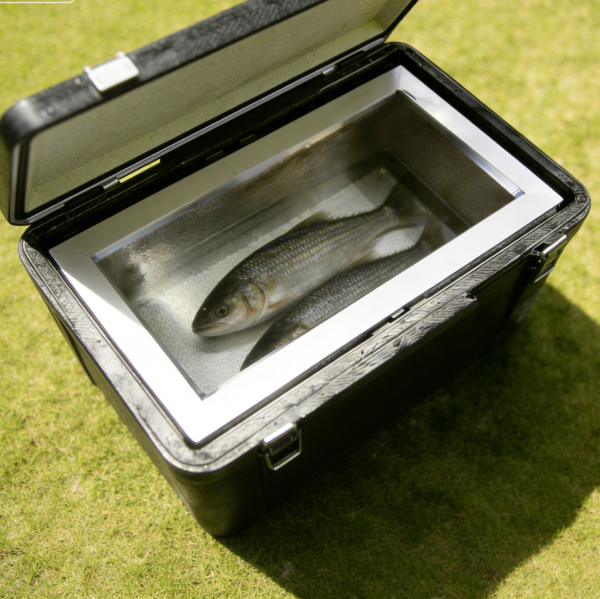
Costo de la caja fría: De la especificación a la escala
A sound decision on cool box cost can be reduced to five linked questions: lo que hay que proteger, en que ruta, con que configuracion cargada, bajo cuyo control operativo, y con que evidencia.
El resultado es un marco de selección integrado.. Combina educación sobre el producto., juicio de ingeniería, riesgo de ruta, calificación del proveedor, costo total, y sostenibilidad para que un comprador pueda emitir una solicitud más clara, realizar una prueba significativa, y aprobar una configuración con menos sorpresas.
Utilice cinco decisiones para controlar la compra
Un proyecto completo de nevera comercial se puede regir a través de cinco decisiones. Primero, definir el producto protegido y la condición de aceptación. Segundo, caracterizar el carril y sus traspasos. Tercero, diseñar el paquete cargado, incluyendo refrigerante, barreras, escucha, y espacio utilizable. Cuatro, calificar al proveedor y evidencia. Quinto, demostrar que las operaciones pueden reproducirse, limpio, devolver, y mantener la configuración.
La secuencia importa. Los equipos crean retrabajo cuando eligen una casilla., luego intente colocar el producto y enrutarlo. Comenzar por el producto y el carril permite comparar varias arquitecturas en igualdad de condiciones.. También hace que la negociación de costos sea más útil., porque la cotización describe un trabajo definido en lugar de un contenedor genérico.
La desventaja central es que una opción desechable de bajo costo o una opción básica reutilizable puede ser correcta para rutas abiertas de un solo sentido., mientras que un sistema premium duradero necesita suficientes ciclos de reutilización exitosos para justificarse. El marco no elimina las compensaciones; los hace explícitos. El departamento de adquisiciones puede decidir qué consecuencias son aceptables., La ingeniería puede documentar la base técnica., La calidad o la seguridad alimentaria pueden proporcionar evidencia., y las operaciones pueden probar si el método es repetible.
Decisión 1 y 2: conectar los requisitos del producto al carril
Escriba un resumen de caso de uso de una página para mercancías sensibles a la temperatura y el refrigerante para rutas específicas, divisores, escucha, y etiquetas necesarias para moverlos. Incluir las instrucciones actuales del producto., condición inicial, cantidad, dimensiones de la caja o bandeja, sensibilidad a la congelación, calentamiento excesivo, luz, contaminación, impacto, o retraso, y el proceso de disposición para una excursión. Evite importar una gama industrial común a un producto que tenga instrucciones diferentes..
Luego mapee el muestreo inicial, compra de producción, distribución saliente, devolver, limpieza, almacenamiento, reparar, y reemplazo. Registrar el tiempo transcurrido, condiciones externas estacionales, puesta en escena, entorno del vehículo, apertura de puerta, detener la cuenta, superficies de transferencia, cambios de custodia, y recibir almacenamiento. Añade un escenario normal y un desafío realista.. El desafío puede ser un muelle cálido, receptor tardío, carga parcial, apertura repetida, o traspaso al aire libre. Debería representar un día de funcionamiento creíble., No es un peor caso artificial sin probabilidad o respuesta definida..
Asignar cada riesgo al embalaje., procedimiento, equipo, o escalada. El aislamiento y el refrigerante pueden amortiguar la exposición ambiental. Un cronograma de ruta puede reducir la permanencia. Una unidad activa portátil puede ser más apropiada para algunos movimientos de alto riesgo. Una cita judicial puede eliminar un traspaso incontrolado. Esta asignación evita que se le pida a la caja pasiva que compense cada debilidad del proceso..
Decisión 3: aprobar una configuración cargada, no es una caja nominal
El diseño cargado debe resolver este problema de capacidad.: El costo por litro es engañoso a menos que la capacidad nominal, carga útil utilizable, cubo exterior, peso cargado, y la eficiencia del envío se normalizan. Cree un dibujo y una maqueta física que muestre la orientación del producto., refrigerante, barreras, escucha, divisores, tolerancias, y autorización de cierre. Calcule o mida el peso empaquetado esperado. Confirmar vehículo, estante, paleta, carretilla, y puerta encajan con las manijas y la tapa en sus posiciones operativas.
Controle las temperaturas locales definiendo la condición y ubicación del refrigerante.. El diseño debe evitar el contacto directo no intencionado., espacios de aire incontrolados, y componentes que pueden cambiar. El trabajo de desarrollo puede necesitar varios sensores para mapear la carga., pero el monitoreo de rutina debe utilizar una ubicación fija que represente la decisión requerida sobre el producto.. Las cargas parciales necesitan una alternativa aprobada en lugar de una versión improvisada del paquete completo..
La construcción debe soportar el material., proceso de moldeo, aislamiento, hardware, sellos, inserciones, finalizar, personalización, estampación, y los requisitos de control de calidad determinan el costo de fabricación.. Revisar la junta de la tapa., puentes termicos, hardware de alta carga, facilidad de limpieza, reemplazo de componentes, y compatibilidad con la luz solar o productos químicos cuando sea relevante. Los nombres de los materiales son entradas., no conclusiones. La especificación aprobada debe definir la construcción con suficiente detalle para preservar la función durante la producción..
Decisión 4: calificar al proveedor y la evidencia juntos
Establecer quién es el propietario del diseño y quién controla la fábrica.. La parte comercial puede ser un fabricante., exportador, distribuidor, o integrador, pero el comprador necesita una ruta clara hacia los dibujos, controles de materiales, inspección, defectos, y cambiar notificación. Pregunte qué componentes son críticos y cómo se comparan las unidades de producción con la muestra aprobada..
La solicitud de cotización debe cubrir el precio unitario., estampación, muestras, accesorios, refrigerante, impresión personalizada, embalaje, transporte, deberes, pruebas, documentación, piezas de repuesto, garantía, y condiciones de pago. Normalice la lista de materiales incluida y los términos de entrega antes de comparar precios. Hardware separado, refrigerante, escucha, personalización, estampación, pruebas, documentación, embalaje, transporte, y repuestos. Esto hace que los factores de costos sean visibles y evita que se compare un precio bajo de caja vacía con un kit listo para el proceso..
Solicite una cotización comercial completa, especificación, lista de componentes incluidos, método de embalaje, plan de muestra, supuestos de evidencia de desempeño, y términos de control de cambios. Lea los informes de prueba para conocer las condiciones., no titulares. Comprobar carga útil, temperatura inicial, refrigerante, perfil ambiental, duración, aberturas, posiciones de los sensores, criterios de aceptación, y si la muestra representaba la producción. Registre las brechas entre esa evidencia y el carril previsto para que el equipo pueda decidir qué trabajo adicional es proporcional..
| Puerta de aprobación | Salida mínima | Razón por la que existe la puerta |
|---|---|---|
| Producto y carril | Resumen de caso de uso con carga útil, condición, ruta, exposición, y traspasos | Impide que se seleccione la casilla antes de definir el trabajo. |
| Configuración cargada | Dibujo, lista de componentes, refrigerante, barreras, sensor, peso, y en forma | Convierte la capacidad nominal en un paquete reproducible |
| Proveedor y evidencia | Especificación controlada, muestras, informes, y cambiar las reglas | Conecta el suministro comercial al diseño aprobado. |
| Preparación operativa | COMPENSACIÓN, capacitación, limpieza, recepción, devolver, y excepciones | Demuestra que las personas pueden repetir y mantener el método. |
| Escala y ciclo de vida | Cheque del primer lote, despliegue de ruta, modelo de costos, seguimiento de activos, desencadenantes de revisión | Protege el rendimiento y el valor después del lanzamiento |
Las puertas de aprobación impiden que un proyecto pase directamente de una muestra atractiva a un pedido al por mayor.. Cada puerta crea un resultado tangible y cierra un riesgo diferente: caso de uso poco claro, paquete no reproducible, suministro incontrolado, operaciones débiles, o un modelo de ciclo de vida no probado.
Utilice la orientación normativa y técnica sin exagerar
La orientación autorizada ayuda a definir las expectativas de control, pero no convierte una caja genérica en un sistema homologado. Las instrucciones del producto y las normas locales aplicables siguen siendo decisivas. Un archivo técnico debe indicar por qué cada referencia es relevante y dónde aún se requieren pruebas o revisiones de calidad específicas de la ruta..
La decisión de aprobación debe identificar el entorno operativo probado y las condiciones que requieren escalada.. Cuando la evidencia está incompleta, convertir lo desconocido en una pregunta de verificación o un límite operativo en lugar de llenar el vacío con una afirmación de marketing segura.
Decisión 5: demostrar que la organización puede repetir el método
Ejecute un piloto con los empacadores reales., conductores, receptores, personal de limpieza, y revisores de calidad o seguridad alimentaria.. Observe la identificación de los componentes, preparación de refrigerante, cargando, Colocación del monitor, cierre, puesta en escena, levantamiento, restricción, apertura, Entregar, devolver, lavar, el secado, e inspección. Registrar soluciones; son evidencia de que el diseño o instrucción necesita corrección.
El proceso de devolución debe implementar este requisito de higiene.: productos quimicos de limpieza, tiempo de lavado, espacio de secado, reemplazo del sello, y el tratamiento de unidades dañadas pertenece al presupuesto. Separar sucio, limpio, reparar, cuarentena, y estatus de jubilado. Definir criterios objetivos de liberación y controlar las piezas removibles.. Medir el tiempo de limpieza y el espacio de almacenamiento para que la cantidad de la flota refleje los activos que están realmente disponibles., no solo cajas compradas.
Prepare rutas de excepción antes del lanzamiento. El personal necesita saber qué hacer cuando falta un componente del refrigerante, el monitor falla, una tapa no se cierra, una caja está dañada, un vehículo está retrasado, el receptor esta ausente, o el rastro del producto muestra una excursión. Una ruta de escalada corta protege el proceso aprobado bajo presión de tiempo..
Juzgar el costo y la sostenibilidad en el mismo ciclo operativo
Costo total de compilación a partir de la configuración aprobada: hardware, estampación, muestras, refrigerante, escucha, etiquetas, embalaje, transporte, deberes, mano de obra, cubo de vehículo, devolver, lavado, el secado, almacenamiento, reparar, pérdida, reemplazo, y mantenimiento de pruebas. Informe el costo por viaje exitoso por cohorte de ruta. Esto evita tanto una decisión estrecha sobre el precio unitario como una afirmación sin fundamento de que la reutilización siempre ahorra dinero..
La cuestión de la sostenibilidad es que el coste y la sostenibilidad se encuentran en el momento de la utilización.: a reusable box that circulates reliably can spread its material and purchase cost across trips, mientras que un activo perdido o inactivo no puede. Circulación por vías, distancia de regreso, pérdida, reparar, lavar recursos, utilización, y manipulación al final de su vida útil. Un sistema reutilizable crea valor cuando la red puede mantenerlo en servicio controlado. Tamaño correcto, componentes reparables, y el apilamiento de retorno eficiente puede importar tanto como el material base.
La aprobación comercial puede incluir una revisión de sensibilidad. Examinar cómo cambia el resultado cuando cae el rendimiento., el daño aumenta, cambios de demanda, o una ruta necesita un tamaño diferente. Esto no requiere datos de mercado inventados.. It uses the organization's own operating assumptions to identify where the proposal is robust and where a different packaging model should be retained.
Escale a través de puertas controladas y cambie los activadores
Puerta 1 aprueba el resumen del caso de uso y el dibujo cargado. Puerta 2 aprueba muestras de intención de producción y documentos de proveedores. Puerta 3 aprueba térmica relevante, mecánico, limpieza, y ruta de evidencia. Puerta 4 aprueba el POE, capacitación, proceso de excepción, y bucle de retorno. Puerta 5 libera la producción después de la verificación del primer lote. Cada puerta tiene un propietario y criterios de aceptación registrados..
Ampliar por cohortes de rutas similares. Comience con un carril representativo y un desafío creíble, problemas correctos, luego agregue sitios que compartan carga útil y exposición. No asuma que un piloto exitoso cubre un vehículo diferente, clima, patrón de parada, producto, o proceso de lavado. Utilice una comparación documentada para decidir si la evidencia existente se puede ampliar..
Mantener un registro de cambios después del lanzamiento. Cajas de productos, refrigerante, masa de carga útil, sensor, tiempo de ruta, química de limpieza, material del proveedor, sello, hardware, o los cambios de fábrica pueden afectar la línea base. Asigne niveles de revisión para que las actualizaciones administrativas menores no generen trabajo innecesario mientras los cambios funcionales reciben una comparación o recalificación adecuada..
Mantenga visibles las principales no suposiciones
No asuma que la capacidad nominal es igual a la capacidad de carga útil, que el aislamiento crea la temperatura requerida del producto, que un registrador proporciona protección, o que una prueba bajo diferentes condiciones demuestra que el carril. No asuma que la durabilidad es igual a la idoneidad alimentaria o farmacéutica., or that one program's approval transfers to another. El riesgo específico aquí es pedir la caja más barata antes de definir qué debe hacer la caja y con qué frecuencia se reutilizará..
Convertir cada no-suposición en un control. Utilice un dibujo cargado para la capacidad, un plan de refrigerante definido para el control térmico, una posición fija del sensor para evidencia, una comparación de rutas para la transferibilidad, un proceso de limpieza y segregación para la higiene, y una especificación controlada para la consistencia de la producción. This makes the article's principles actionable in an RFQ and pilot.
Finalmente, preservar la incertidumbre honestamente. Cuando un parámetro no es compatible con las instrucciones del producto, una fuente técnica confiable, documentación del proveedor, o prueba, pedirle al proveedor que lo confirme o planificar una verificación. Eliminar un número no respaldado es una mejor ingeniería y una mejor adquisición que presentar una precisión que la evidencia no puede transmitir..
Preguntas sobre adquisiciones integradas
¿Qué información se debe enviar primero a un proveedor??
Enviar el tipo de producto y condición requerida., dimensiones de la caja o de la carga útil, cantidad, duración de la ruta, exposición estacional, patrón de parada y apertura, limitaciones del vehículo o del estante, preferencia de refrigerante, necesidad de monitoreo, metodo de limpieza, plan de reutilización, personalización, y volumen de pedidos. Marque las incógnitas para que se conviertan en preguntas del proyecto en lugar de suposiciones..
¿Cómo sé si el cuadro propuesto es demasiado grande o demasiado pequeño??
Cree el paquete completo y compare el recuento de carga útil utilizable, peso cargado, cubo exterior, ajuste del vehículo, comportamiento de carga parcial, y manejo. Una caja grande puede desperdiciar refrigerante y espacio; uno pequeño puede forzar la compresión o viajes adicionales. Utilice perfiles de pedidos reales y apruebe bandas de carga.
¿Qué evidencia es más importante antes de la producción??
La evidencia debe coincidir con los riesgos dominantes.. Como mínimo, dimensiones de control, materiales, componentes, ajuste cargado, manejo, limpieza, y supuestos térmicos relevantes. Las rutas alimentarias o sanitarias de mayor riesgo también pueden necesitar calificación, monitoreo calibrado, estudios de ruta, registros formales, y aprobación de calidad o seguridad alimentaria..
¿Cómo se deben comparar las cotizaciones de costos??
Compare la misma lista de materiales, dimensiones, accesorios, refrigerante, escucha, personalización, pruebas, embalaje, cantidad de pedido, condiciones de entrega, supuestos de flete, piezas de repuesto, y alcance del control de cambios. Entonces modelo de trabajo, devolver, limpieza, pérdida, reparar, y viajes exitosos. Un precio unitario vacío no es una comparación completa.
¿Qué debería desencadenar la recalificación o la reevaluación??
Cambios en las instrucciones del producto., carga útil, caja de cartón, refrigerante, sensor, ruta, exposición ambiental, patrón de parada, limpieza, material, sello, hardware, proceso, o la fábrica puede importar. Establecer activadores basados en riesgos para la revisión de documentos, comparación de muestras, pruebas dirigidas, trabajo de ruta, o recalificación completa.
Decisión final
Trate el costo de la nevera portátil como una decisión controlada del sistema. Definir el producto y el carril., aprobar el paquete cargado, Calificar los controles y evidencias de los proveedores., probar el proceso operativo, y modelar el costo y la reutilización en viajes exitosos. Escale solo después de revisar las muestras de intención de producción y las cohortes de rutas.. Este enfoque preserva la información útil de la educación sobre el producto., ingeniería, cumplimiento, operaciones, y sostenibilidad sin depender de afirmaciones universales.
Acerca de Tempk
Tempk es la marca de embalaje de cadena de frío de Shanghai Tempk Industrial Co., Limitado. Su cartera pública incluye packs de gel, ladrillos de hielo, bolsas y forros aislados, EPP y otras cajas aisladas, cajas de hielo médica, cubiertas de paletas, y embalajes personalizados para logística alimentaria y sanitaria. Los compradores pueden proporcionar la geometría del producto., condición objetivo, ruta, refrigerante, escucha, manejo, limpieza, identificación, y requisitos comerciales para que Tempk pueda proponer una configuración para revisión de muestra, pruebas, y discusión de la muestra a la producción.
Próximo paso del proyecto
Pídale a Tempk que revise el proyecto de costos de su refrigerador comercial utilizando la carga útil real, ruta, empacar, controles operativos, y supuestos de abastecimiento antes de finalizar una cotización masiva.
Proveedor comercial de entrega de carne en cajas de hielo: Un marco basado en rutas
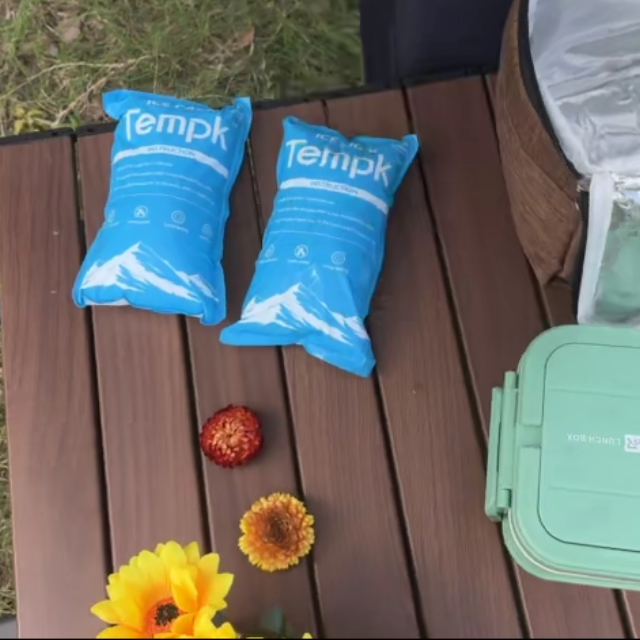
Proveedor comercial de entrega de carne en cajas de hielo: Un marco basado en rutas
La mejor decisión como proveedor de entrega de carne en cajas de hielo comerciales rara vez es la caja con el rendimiento más alto o el precio más bajo.. Es el sistema que se adapta a la carga útil., ruta, operadores, necesidades de documentación, y modelo de retorno con la menor cantidad de supuestos no controlados.
El resultado es un marco de selección integrado.. Combina educación sobre el producto., juicio de ingeniería, riesgo de ruta, calificación del proveedor, costo total, y sostenibilidad para que un comprador pueda emitir una solicitud más clara, realizar una prueba significativa, y aprobar una configuración con menos sorpresas.
Utilice cinco decisiones para controlar la compra
Un proyecto completo de caja de hielo para entrega comercial de carne se puede gestionar mediante cinco decisiones. Primero, definir el producto protegido y la condición de aceptación. Segundo, caracterizar el carril y sus traspasos. Tercero, diseñar el paquete cargado, incluyendo refrigerante, barreras, escucha, y espacio utilizable. Cuatro, calificar al proveedor y evidencia. Quinto, demostrar que las operaciones pueden reproducirse, limpio, devolver, y mantener la configuración.
La secuencia importa. Los equipos crean retrabajo cuando eligen una casilla., luego intente colocar el producto y enrutarlo. Comenzar por el producto y el carril permite comparar varias arquitecturas en igualdad de condiciones.. También hace que la negociación de costos sea más útil., porque la cotización describe un trabajo definido en lugar de un contenedor genérico.
La desventaja central es que un sello más hermético y un aislamiento más grueso pueden ayudar a controlar la temperatura., mientras que un diseño que es demasiado pesado, lento para limpiar, o difícil de abrir puede socavar las operaciones en ruta. El marco no elimina las compensaciones; los hace explícitos. El departamento de adquisiciones puede decidir qué consecuencias son aceptables., La ingeniería puede documentar la base técnica., La calidad o la seguridad alimentaria pueden proporcionar evidencia., y las operaciones pueden probar si el método es repetible.
Decisión 1 y 2: conectar los requisitos del producto al carril
Escriba un resumen de caso de uso de una página para cortes sellados, bandejas, paquetes de vacío, cajas de cartón, productos cárnicos preparados, o productos congelados bajo un plan de seguridad alimentaria definido. Incluir las instrucciones actuales del producto., condición inicial, cantidad, dimensiones de la caja o bandeja, sensibilidad a la congelación, calentamiento excesivo, luz, contaminación, impacto, o retraso, y el proceso de disposición para una excursión. Evite importar una gama industrial común a un producto que tenga instrucciones diferentes..
Luego mapee el despacho de la cámara frigorífica a través de la carga., viaje en vehículo, múltiples paradas, recepción, devolver, limpieza, y secado. Registrar el tiempo transcurrido, condiciones externas estacionales, puesta en escena, entorno del vehículo, apertura de puerta, detener la cuenta, superficies de transferencia, cambios de custodia, y recibir almacenamiento. Añade un escenario normal y un desafío realista.. El desafío puede ser un muelle cálido, receptor tardío, carga parcial, apertura repetida, o traspaso al aire libre. Debería representar un día de funcionamiento creíble., No es un peor caso artificial sin probabilidad o respuesta definida..
Asignar cada riesgo al embalaje., procedimiento, equipo, o escalada. El aislamiento y el refrigerante pueden amortiguar la exposición ambiental. Un cronograma de ruta puede reducir la permanencia. Una unidad activa portátil puede ser más apropiada para algunos movimientos de alto riesgo. Una cita judicial puede eliminar un traspaso incontrolado. Esta asignación evita que se le pida a la caja pasiva que compense cada debilidad del proceso..
Decisión 3: aprobar una configuración cargada, no es una caja nominal
El diseño cargado debe resolver este problema de capacidad.: La capacidad utilizable depende de las dimensiones de la caja del producto., refrigerante, materiales absorbentes o de separación, y la necesidad de mantener los productos crudos alejados de los productos listos para el consumo. Cree un dibujo y una maqueta física que muestre la orientación del producto., refrigerante, barreras, escucha, divisores, tolerancias, y autorización de cierre. Calcule o mida el peso empaquetado esperado. Confirmar vehículo, estante, paleta, carretilla, y puerta encajan con las manijas y la tapa en sus posiciones operativas.
Controle las temperaturas locales definiendo la condición y ubicación del refrigerante.. El diseño debe evitar el contacto directo no intencionado., espacios de aire incontrolados, y componentes que pueden cambiar. El trabajo de desarrollo puede necesitar varios sensores para mapear la carga., pero el monitoreo de rutina debe utilizar una ubicación fija que represente la decisión requerida sobre el producto.. Las cargas parciales necesitan una alternativa aprobada en lugar de una versión improvisada del paquete completo..
La construcción debe soportar superficies interiores limpiables., sellado de tapa, contención de derrames, asas robustas, estabilidad de la pila, decisiones de drenaje, y aislamiento que permanece intacto después del lavado y el impacto.. Revisar la junta de la tapa., puentes termicos, hardware de alta carga, facilidad de limpieza, reemplazo de componentes, y compatibilidad con la luz solar o productos químicos cuando sea relevante. Los nombres de los materiales son entradas., no conclusiones. La especificación aprobada debe definir la construcción con suficiente detalle para preservar la función durante la producción..
Decisión 4: calificar al proveedor y la evidencia juntos
Establecer quién es el propietario del diseño y quién controla la fábrica.. La parte comercial puede ser un fabricante., exportador, distribuidor, o integrador, pero el comprador necesita una ruta clara hacia los dibujos, controles de materiales, inspección, defectos, y cambiar notificación. Pregunte qué componentes son críticos y cómo se comparan las unidades de producción con la muestra aprobada..
La solicitud de cotización debe cubrir información sobre el material y el contacto con los alimentos cuando sea relevante., dimensiones, peso cargado, metodo de limpieza, diseño de drenaje y sello, patrón de pila, refrigerante, etiquetas, codificación de colores, y componentes de repuesto. Normalice la lista de materiales incluida y los términos de entrega antes de comparar precios. Hardware separado, refrigerante, escucha, personalización, estampación, pruebas, documentación, embalaje, transporte, y repuestos. Esto hace que los factores de costos sean visibles y evita que se compare un precio bajo de caja vacía con un kit listo para el proceso..
Solicitar instrucciones de limpieza, información material, detalles de sello y drenaje, guía de manejo cargado, consistencia de la muestra, condiciones de prueba de embalaje, y disponibilidad de piezas de repuesto. Lea los informes de prueba para conocer las condiciones., no titulares. Comprobar carga útil, temperatura inicial, refrigerante, perfil ambiental, duración, aberturas, posiciones de los sensores, criterios de aceptación, y si la muestra representaba la producción. Registre las brechas entre esa evidencia y el carril previsto para que el equipo pueda decidir qué trabajo adicional es proporcional..
| Puerta de aprobación | Salida mínima | Razón por la que existe la puerta |
|---|---|---|
| Producto y carril | Resumen de caso de uso con carga útil, condición, ruta, exposición, y traspasos | Impide que se seleccione la casilla antes de definir el trabajo. |
| Configuración cargada | Dibujo, lista de componentes, refrigerante, barreras, sensor, peso, y en forma | Convierte la capacidad nominal en un paquete reproducible |
| Proveedor y evidencia | Especificación controlada, muestras, informes, y cambiar las reglas | Conecta el suministro comercial al diseño aprobado. |
| Preparación operativa | COMPENSACIÓN, capacitación, limpieza, recepción, devolver, y excepciones | Demuestra que las personas pueden repetir y mantener el método. |
| Escala y ciclo de vida | Cheque del primer lote, despliegue de ruta, modelo de costos, seguimiento de activos, desencadenantes de revisión | Protege el rendimiento y el valor después del lanzamiento |
Las puertas de aprobación impiden que un proyecto pase directamente de una muestra atractiva a un pedido al por mayor.. Cada puerta crea un resultado tangible y cierra un riesgo diferente: caso de uso poco claro, paquete no reproducible, suministro incontrolado, operaciones débiles, o un modelo de ciclo de vida no probado.
Utilice la orientación normativa y técnica sin exagerar
La orientación autorizada ayuda a definir las expectativas de control, pero no convierte una caja genérica en un sistema homologado. Las instrucciones del producto y las normas locales aplicables siguen siendo decisivas. Un archivo técnico debe indicar por qué cada referencia es relevante y dónde aún se requieren pruebas o revisiones de calidad específicas de la ruta..
Para la distribución de alimentos, Los principios de transporte sanitario de la FDA conectan el diseño del equipo con el control de temperatura necesario, facilidad de limpieza, y prevención de la contaminación. Por lo tanto, la casilla debe revisarse dentro de la operación completa de seguridad alimentaria., incluyendo la separación de productos, cargando, condiciones del vehículo, recepción, limpieza, y registros.
La decisión de aprobación debe identificar el entorno operativo probado y las condiciones que requieren escalada.. Cuando la evidencia está incompleta, convertir lo desconocido en una pregunta de verificación o un límite operativo en lugar de llenar el vacío con una afirmación de marketing segura.
Decisión 5: demostrar que la organización puede repetir el método
Ejecute un piloto con los empacadores reales., conductores, receptores, personal de limpieza, y revisores de calidad o seguridad alimentaria.. Observe la identificación de los componentes, preparación de refrigerante, cargando, Colocación del monitor, cierre, puesta en escena, levantamiento, restricción, apertura, Entregar, devolver, lavar, el secado, e inspección. Registrar soluciones; son evidencia de que el diseño o instrucción necesita corrección.
El proceso de devolución debe implementar este requisito de higiene.: facilidad de limpieza, separación, el secado, control de olores, inspección visible, y los procedimientos entre cargas son criterios centrales de compra., no detalles posventa. Separar sucio, limpio, reparar, cuarentena, y estatus de jubilado. Definir criterios objetivos de liberación y controlar las piezas removibles.. Medir el tiempo de limpieza y el espacio de almacenamiento para que la cantidad de la flota refleje los activos que están realmente disponibles., no solo cajas compradas.
Prepare rutas de excepción antes del lanzamiento. El personal necesita saber qué hacer cuando falta un componente del refrigerante, el monitor falla, una tapa no se cierra, una caja está dañada, un vehículo está retrasado, el receptor esta ausente, o el rastro del producto muestra una excursión. Una ruta de escalada corta protege el proceso aprobado bajo presión de tiempo..
Juzgar el costo y la sostenibilidad en el mismo ciclo operativo
Costo total de compilación a partir de la configuración aprobada: hardware, estampación, muestras, refrigerante, escucha, etiquetas, embalaje, transporte, deberes, mano de obra, cubo de vehículo, devolver, lavado, el secado, almacenamiento, reparar, pérdida, reemplazo, y mantenimiento de pruebas. Informe el costo por viaje exitoso por cohorte de ruta. Esto evita tanto una decisión estrecha sobre el precio unitario como una afirmación sin fundamento de que la reutilización siempre ahorra dinero..
La cuestión de la sostenibilidad es que las cajas de carne reutilizables pueden reducir los envases desechables en rutas cerradas, pero el proceso de lavado, uso de agua y energía, transporte de regreso, daño, y la pérdida debe incluirse en la evaluación. Circulación por vías, distancia de regreso, pérdida, reparar, lavar recursos, utilización, y manipulación al final de su vida útil. Un sistema reutilizable crea valor cuando la red puede mantenerlo en servicio controlado. Tamaño correcto, componentes reparables, y el apilamiento de retorno eficiente puede importar tanto como el material base.
La aprobación comercial puede incluir una revisión de sensibilidad. Examinar cómo cambia el resultado cuando cae el rendimiento., el daño aumenta, cambios de demanda, o una ruta necesita un tamaño diferente. Esto no requiere datos de mercado inventados.. It uses the organization's own operating assumptions to identify where the proposal is robust and where a different packaging model should be retained.
Escale a través de puertas controladas y cambie los activadores
Puerta 1 aprueba el resumen del caso de uso y el dibujo cargado. Puerta 2 aprueba muestras de intención de producción y documentos de proveedores. Puerta 3 aprueba térmica relevante, mecánico, limpieza, y ruta de evidencia. Puerta 4 aprueba el POE, capacitación, proceso de excepción, y bucle de retorno. Puerta 5 libera la producción después de la verificación del primer lote. Cada puerta tiene un propietario y criterios de aceptación registrados..
Ampliar por cohortes de rutas similares. Comience con un carril representativo y un desafío creíble, problemas correctos, luego agregue sitios que compartan carga útil y exposición. No asuma que un piloto exitoso cubre un vehículo diferente, clima, patrón de parada, producto, o proceso de lavado. Utilice una comparación documentada para decidir si la evidencia existente se puede ampliar..
Mantener un registro de cambios después del lanzamiento. Cajas de productos, refrigerante, masa de carga útil, sensor, tiempo de ruta, química de limpieza, material del proveedor, sello, hardware, o los cambios de fábrica pueden afectar la línea base. Asigne niveles de revisión para que las actualizaciones administrativas menores no generen trabajo innecesario mientras los cambios funcionales reciben una comparación o recalificación adecuada..
Mantenga visibles las principales no suposiciones
No asuma que la capacidad nominal es igual a la capacidad de carga útil, que el aislamiento crea la temperatura requerida del producto, que un registrador proporciona protección, o que una prueba bajo diferentes condiciones demuestra que el carril. No asuma que la durabilidad es igual a la idoneidad alimentaria o farmacéutica., or that one program's approval transfers to another. El riesgo específico aquí es usar una caja que contenga aire frío pero que no se pueda limpiar., agotado, aislado, o manipulado de forma segura en condiciones reales de entrega de carne.
Convertir cada no-suposición en un control. Utilice un dibujo cargado para la capacidad, un plan de refrigerante definido para el control térmico, una posición fija del sensor para evidencia, una comparación de rutas para la transferibilidad, un proceso de limpieza y segregación para la higiene, y una especificación controlada para la consistencia de la producción. This makes the article's principles actionable in an RFQ and pilot.
Finalmente, preservar la incertidumbre honestamente. Cuando un parámetro no es compatible con las instrucciones del producto, una fuente técnica confiable, documentación del proveedor, o prueba, pedirle al proveedor que lo confirme o planificar una verificación. Eliminar un número no respaldado es una mejor ingeniería y una mejor adquisición que presentar una precisión que la evidencia no puede transmitir..
Preguntas sobre adquisiciones integradas
¿Qué información se debe enviar primero a un proveedor??
Enviar el tipo de producto y condición requerida., dimensiones de la caja o de la carga útil, cantidad, duración de la ruta, exposición estacional, patrón de parada y apertura, limitaciones del vehículo o del estante, preferencia de refrigerante, necesidad de monitoreo, metodo de limpieza, plan de reutilización, personalización, y volumen de pedidos. Marque las incógnitas para que se conviertan en preguntas del proyecto en lugar de suposiciones..
¿Cómo sé si el cuadro propuesto es demasiado grande o demasiado pequeño??
Cree el paquete completo y compare el recuento de carga útil utilizable, peso cargado, cubo exterior, ajuste del vehículo, comportamiento de carga parcial, y manejo. Una caja grande puede desperdiciar refrigerante y espacio; uno pequeño puede forzar la compresión o viajes adicionales. Utilice perfiles de pedidos reales y apruebe bandas de carga.
¿Qué evidencia es más importante antes de la producción??
La evidencia debe coincidir con los riesgos dominantes.. Como mínimo, dimensiones de control, materiales, componentes, ajuste cargado, manejo, limpieza, y supuestos térmicos relevantes. Las rutas alimentarias o sanitarias de mayor riesgo también pueden necesitar calificación, monitoreo calibrado, estudios de ruta, registros formales, y aprobación de calidad o seguridad alimentaria..
¿Cómo se deben comparar las cotizaciones de costos??
Compare la misma lista de materiales, dimensiones, accesorios, refrigerante, escucha, personalización, pruebas, embalaje, cantidad de pedido, condiciones de entrega, supuestos de flete, piezas de repuesto, y alcance del control de cambios. Entonces modelo de trabajo, devolver, limpieza, pérdida, reparar, y viajes exitosos. Un precio unitario vacío no es una comparación completa.
¿Qué debería desencadenar la recalificación o la reevaluación??
Cambios en las instrucciones del producto., carga útil, caja de cartón, refrigerante, sensor, ruta, exposición ambiental, patrón de parada, limpieza, material, sello, hardware, proceso, o la fábrica puede importar. Establecer activadores basados en riesgos para la revisión de documentos, comparación de muestras, pruebas dirigidas, trabajo de ruta, o recalificación completa.
Decisión final
Trate al proveedor comercial de entrega de carne en cajas de hielo como una decisión controlada del sistema.. Definir el producto y el carril., aprobar el paquete cargado, Calificar los controles y evidencias de los proveedores., probar el proceso operativo, y modelar el costo y la reutilización en viajes exitosos. Escale solo después de revisar las muestras de intención de producción y las cohortes de rutas.. Este enfoque preserva la información útil de la educación sobre el producto., ingeniería, cumplimiento, operaciones, y sostenibilidad sin depender de afirmaciones universales.
Acerca de Tempk
Tempk es la marca de embalaje de cadena de frío de Shanghai Tempk Industrial Co., Limitado. Su cartera pública incluye packs de gel, ladrillos de hielo, bolsas y forros aislados, EPP y otras cajas aisladas, cajas de hielo médica, cubiertas de paletas, y embalajes personalizados para logística alimentaria y sanitaria. Los compradores pueden proporcionar la geometría del producto., condición objetivo, ruta, refrigerante, escucha, manejo, limpieza, identificación, y requisitos comerciales para que Tempk pueda proponer una configuración para revisión de muestra, pruebas, y discusión de la muestra a la producción.
Próximo paso del proyecto
Ask Tempk to review your commercial ice boxes for meat delivery project using the actual payload, ruta, empacar, controles operativos, y supuestos de abastecimiento antes de finalizar una cotización masiva.