


40 Fabricante de hieleras de un litro: Guía de especificaciones
40 Fabricante de hieleras de un litro: Guía de especificaciones

Seleccionando un 40 Fabricante de hieleras de un litro: Una guía desde el requisito hasta la evidencia
La forma más útil de seleccionar un 40 liter ice chest manufacturer is to move through a requirement-to-evidence sequence. Primero defina el producto y la temperatura necesaria.. Luego modele la carga útil y el espacio de refrigerante., mapear la ruta y manejar los riesgos, seleccione construcción, y decidir qué pruebas o documentación deben respaldar la aprobación. Esta secuencia mantiene las discusiones comerciales ancladas a la aplicación en lugar de a afirmaciones amplias sobre los litros., aislamiento, duración, o precio.
para servicio de comida, operaciones de campo, catering móvil, y manipulación general de la cadena de frío., obtención, operaciones, ingeniería, y los equipos de calidad deben trabajar desde el mismo informe controlado. El cofre es un componente aislado.. Su resultado depende del refrigerante., empacar, carga útil, exposición ambiental, patrón de apertura, y ruta. Las secciones siguientes combinan comprador, ingeniería, operacional, y perspectivas de control de proveedores en una sola ruta de decisión, finalizando con controles de implementación que ayudan a que la muestra aprobada siga siendo representativa de la producción y el uso real..
| respuesta de decisión: Seleccione la hielera comercial solo después de confirmar la carga útil, geometría utilizable, requisito de temperatura, ruta, refrigerante, manejo, evidencia, y controles de producción. El cofre es un componente aislado.. Su resultado depende del refrigerante., empacar, carga útil, exposición ambiental, patrón de apertura, y ruta. |
|---|
Utilice una ruta de decisión desde el requisito hasta la evidencia
Una decisión controlada se puede organizar en cuatro puertas.. La puerta uno define el producto y la condición requerida.. La puerta dos confirma que la carga útil, refrigerante, geometría interna, manejo, y la ruta se ajusta al cuadro propuesto. La puerta tres evalúa la evidencia, incluyendo dibujos, datos materiales, informes de prueba, controles de fabricación, y límites de aplicación. La puerta cuatro aprueba la implementación, incluyendo instrucciones, escucha, recepción, control de cambios, y responsabilidades del proveedor. Un proyecto no debe avanzar simplemente porque una puerta parece fuerte mientras que otra permanece indefinida..
Las puertas también crean una propiedad útil. Las operaciones pueden definir la ruta y el método de trabajo.; La ingeniería puede repasar la geometría., materiales, y modos de falla; La calidad puede establecer reglas de evidencia y desviación.; La adquisición puede comparar el alcance y los términos comerciales.. Para gerentes de adquisiciones, distribuidores, operadores de servicios de alimentos, y compradores de marcas privadas, Esta estructura compartida reduce las aclaraciones repetidas y hace que las citas sean comparables.. También expone cuándo una solicitud sigue siendo un concepto en lugar de una especificación lista para comprar.. El registro de aprobación final debe mostrar lo que se confirmó., por quien, utilizando qué evidencia, y para qué límite de aplicación.
- Puerta 1 – Producto, condición de temperatura, sensibilidad, y consecuencia del fracaso
- Puerta 2 – Payload envelope, refrigerante, ruta, manejo, higiene, y ajuste del usuario
- Puerta 3 – Materiales, dibujos, pruebas, controles de calidad, y limitaciones declaradas
- Puerta 4 – Piloto, instrucciones, escucha, recepción, control de cambios, y aprobación de lanzamiento
Escriba el requisito en lenguaje operativo
Escriba un requisito de usuario que otro equipo pueda aplicar sin escuchar la discusión de ventas original.. Identificar la carga útil, embalaje, condición inicial, condición de temperatura requerida, tiempo máximo, subsidio de demora, exposición ambiental, aberturas, vehículo o transportista, manejo, limpieza, y recibir decisión. para servicio de comida, operaciones de campo, catering móvil, y manipulación general de la cadena de frío., También indique las consecuencias de una falla y si el envío puede ser reemplazado., en cuarentena, o investigado sin mayores perturbaciones.
Turn the primary objective – provide a manageable mid-size insulated container that protects chilled payloads through the actual handling route – into measurable acceptance points. Separar las funciones proporcionadas por el contenedor físico de las proporcionadas por el refrigerante, escucha, instrucciones de trabajo, el transportista, y recibiendo. Luego asigne propietarios para los supuestos no resueltos.. Un requisito de usuario controlado evita que la aprobación final dependa de frases vagas como durable, médico, grado alimenticio, a prueba de fugas, de larga duración, o apto para cadena de frío.
- Carga útil definida, embalaje, cantidad, masa, y condiciones de temperatura
- Carril normal más retraso, estacional, apertura, y supuestos de traspaso
- Componentes de embalaje, acondicionamiento, colocación, y configuración cargada
- Manejo, restricción, higiene, etiquetas, escucha, y recibir decisiones
- Dibujos requeridos, evidencia de prueba, controles de producción, y cambiar de dueño
Convierta los riesgos únicos en criterios de aprobación
El registro de aprobación debe resolver los riesgos específicos del proyecto antes del lanzamiento comercial.: Confundir el volumen bruto con el espacio de carga útil utilizable., pasar por alto la fuga de la tapa, y aceptar un tiempo de espera cotizado sin sus condiciones de prueba. También debe indicar cómo la configuración propuesta proporcionará un contenedor aislado de tamaño mediano manejable que proteja las cargas útiles refrigeradas a lo largo de la ruta de manipulación real.. Estos no son comentarios de fondo.; son requisitos que necesitan un dueño, evidencia, y una decisión de aceptación. Cuando una condición aún no se puede probar, el registro debe identificar la prueba restante, piloto, o acción de calidad.
Utilice una matriz de aplicación que conecte la dureza de la capa exterior, continuidad del aislamiento, rigidez del párpado, durabilidad de la bisagra, y resistencia a los agentes de limpieza comunes con la ruta, manejo, higiene, escucha, y controles de proveedores. Incluye los tres puntos decisivos.: Modele el espacio utilizable después de instalar el refrigerante y los divisores en lugar de confiar en la etiqueta nominal de cuarenta litros.. Confirme que la masa cargada, posición del mango, y el centro de gravedad son aceptables para las personas que moverán el cofre. Compruebe si la tapa, sello, bisagras, y los puntos de sujeción siguen funcionando después de repetidas manipulaciones comerciales. La elección final debe ser explicable a la contratación., calidad, operaciones, y el proveedor sin depender de una presentación de ventas o memoria personal.
La capacidad debe demostrarse con un embalaje
Convierta la descripción del catálogo en un sobre de carga útil controlado. Solicitar longitud interna clara, ancho, y altura en los puntos donde realmente se asienta la carga útil, luego coloque el refrigerante previsto, separadores, bastidores, monitor, y producto en un dibujo o prueba física. Una clasificación de 40 litros describe el espacio nominal; no indica cuantas unidades vendibles, cajas de vacunas, especímenes, o paquetes de lácteos se pueden cargar sin alterar la disposición aprobada.
La aprobación debe cubrir la huella externa y la masa cargada, así como el ajuste interno.. El contenedor propuesto debe entrar en el vehículo., pasar por puertas, sentarse de forma segura, permitir que la tapa se cierre sin comprimir, y permanecer manejable en el momento del parto. Donde difieren los paquetes de verano e invierno, documentar ambos. La especificación aceptada debe indicar la carga útil utilizable para la configuración definida e identificar cualquier tolerancia dimensional que pueda cambiar el embalaje., restricción, o rendimiento térmico.
| Puerta de decisión | Confirmación específica del proyecto | Evidencia aceptable | Dueño |
|---|---|---|---|
| Requisito del producto | Proporcionar un contenedor aislado de tamaño mediano y manejable que proteja las cargas útiles refrigeradas durante la ruta de manipulación real. | Requisitos de usuario aprobados e información del producto. | Equipos de producto y calidad. |
| Aptitud física y operativa. | 40-litro; elevación por dos o una sola persona según el peso cargado, sujeción del vehículo, apilado, y operación repetida de la tapa | Dibujo de embalaje, prueba de muestra, observación de ruta, y revisión de limpieza | Ingeniería y operaciones |
| Límite de desempeño | El cofre es un componente aislado.. Su resultado depende del refrigerante., empacar, carga útil, exposición ambiental, patrón de apertura, y ruta. | Térmica trazable, mecánico, escucha, y evidencia de solicitud | Ingeniería y calidad |
| Control de proveedores | Dibujos acotados, declaraciones de materiales, registros de inspección de muestras, condiciones de prueba térmica, y controles de calidad de producción | plan de control, archivos, evidencia de auditoría, y cambiar de acuerdo | Adquisiciones y calidad |
| Implementación | Confirme que la masa cargada, posición del mango, y el centro de gravedad son aceptables para las personas que moverán el cofre. | Piloto aprobado, instrucciones, capacitación, recepción, y plan de escalada | Operaciones y calidad |
| Decisión del ciclo de vida | precio unitario, cubo de carga, tasa de daño, piezas de repuesto, trabajo de limpieza, y el costo del espacio interno inutilizable; larga vida útil, reparabilidad, paquetes del tamaño adecuado, logística de devolución eficiente, y reducción de daños en lugar de afirmaciones ecológicas sin fundamento | Caso de negocio comparable y revisión periódica del desempeño | Adquisiciones y operaciones |
Hacer funcionar cuarenta litros en la ruta real
El registro de aprobación debe cerrar tres brechas específicas de la aplicación antes de que el proyecto pase a producción o lanzamiento..
- Requisito de aprobación: Modele el espacio utilizable después de instalar el refrigerante y los divisores en lugar de confiar en la etiqueta nominal de cuarenta litros..
- Requisito de aprobación: Confirme que la masa cargada, posición del mango, y el centro de gravedad son aceptables para las personas que moverán el cofre.
- Requisito de aprobación: Compruebe si la tapa, sello, bisagras, y los puntos de sujeción siguen funcionando después de repetidas manipulaciones comerciales.
Asignar un propietario y evidencia de respaldo a cada requisito.. Si uno permanece incierto, mantenerlo como un elemento de aprobación abierto en lugar de ocultar la incertidumbre dentro de un reclamo amplio del proveedor.
Definir el rendimiento de temperatura con las condiciones adjuntas
Convierta los reclamos térmicos en declaraciones de aprobación con condiciones adjuntas. La especificación debe identificar la gama de productos requerida., revisión del paquete, rango de carga útil, refrigerante y acondicionamiento, perfil ambiental, duración y margen de retraso, aberturas, plan de sensores, y criterio de aceptación. Donde diferentes estaciones usan diferentes paquetes, aprobar cada configuración explícitamente en lugar de tratarlas como ajustes informales del operador.
Crear una escalera de evidencia. Comience con cálculos de diseño o comparación de desarrollo., pasar a pruebas de laboratorio representativas, agregar calificación de carril cuando el riesgo lo requiera, y utilizar el monitoreo operativo para verificar el uso controlado. Cada paso responde a una pregunta diferente.. La aprobación debe basarse en el nivel que coincida con el valor del producto., sensibilidad, contexto regulatorio, recuperabilidad, y variabilidad de rutas, no en el nombre del certificado más impresionante en una propuesta.
Las adquisiciones deben probar el proceso del proveedor
Evaluar el fabricante propuesto frente al requisito aprobado., no contra un cuestionario genérico para proveedores. Confirme si la oferta cubre solo la caja o un alcance más amplio que incluye refrigerante, inserciones, dibujos de embalaje, pruebas, apoyo a la calificación, escucha, etiquetas, piezas de repuesto, capacitación, y asistencia de desvío. Solicitar planos acotados, declaraciones de materiales, registros de inspección de muestras, condiciones de prueba térmica, y controles de calidad de producción. Cada reclamo importante debe apuntar a un documento controlado., muestra, condición de prueba, o control de producción.
Completar juntos la due diligence comercial y de calidad. Revisar las fuentes de materiales aprobadas, procesos críticos, registros de inspección, calibración, mantenimiento de herramientas, no conformidad, acción correctiva, componentes subcontratados, y notificación de cambios de ingeniería. Acordar quién es el propietario de los dibujos, moldes, revisiones de productos, archivos, y volver a probar las decisiones. Un proveedor está listo para su aprobación cuando puede recrear la configuración aceptada y explicar cómo se evaluarán los cambios antes de que lleguen al envío..
- Alcance del suministro, documentación, pruebas, calificación, y apoyo
- Especificación controlada, muestra aprobada, lista de materiales, y enlace de revisión
- Procesos críticos, inspecciones, archivos, calibración, y acción correctiva
- Control de subcontratistas, mantenimiento de herramientas, sustituciones, y cambiar notificación
- Responsabilidad comercial por defectos, rehacer, piezas de repuesto, y pedidos futuros
Cree una escalera de evidencia para la decisión
Organizar las pruebas de aprobación según la decisión que respalda.. Los planos y registros de materiales establecen cuál es el producto.. Las pruebas mecánicas abordan el manejo y la sujeción.. Las pruebas de desarrollo térmico comparan diseños.. La calificación prueba un paquete definido frente a un requisito aprobado. El monitoreo de ruta muestra cómo se comporta el método controlado bajo variabilidad operativa. El registro de aprobación debe identificar qué nivel se requiere y por qué., en lugar de aceptar una colección de informes no relacionados.
Antes de confiar en cualquier informe, comparar la versión probada, carga útil, refrigerante, acondicionamiento, temperaturas iniciales, perfil ambiental, duración, aberturas, orientación, sensores, criterios de aceptación, y desviaciones con el uso previsto. Registre las lagunas y decida si son aceptables., requieren análisis, o requerir pruebas adicionales. Un nombre de informe o una declaración de aprobación no es suficiente. La conclusión respaldada debe seguir siendo rastreable hasta la configuración que la adquisición y la producción realmente comprarán..
Piloto, Aprobar, Lanzamiento, y revisión
La implementación debe pasar de una muestra representativa a un piloto controlado antes de la producción total o el lanzamiento de la ruta.. Confirmar la lista exacta de materiales., dibujos, bandera, marcas, accesorios, embalaje, e instrucciones. Utilice el piloto para probar el tiempo de embalaje, errores de usuario, ergonomía cargada, ajuste del vehículo, restricción, limpieza, escucha, y recibiendo. Para una aplicación con temperatura controlada, verificar que el piloto siga la configuración prevista de refrigerante y carga útil en lugar de una configuración de demostración más sencilla.
Después de la aprobación, congelar la especificación crítica y definir el control de cambios. Empacadores de trenes, conductores, correos, limpiadores, y receptores sobre las partes del proceso que poseen. Establecer una revisión de la primera producción y monitorear los primeros envíos para detectar problemas recurrentes.. Un lanzamiento debe incluir contactos de escalada y un método para segregar cajas o componentes sospechosos.. La revisión periódica puede generar daños, desviación, devolver, limpieza, y datos de temperatura para refinar el sistema sin debilitar el límite calificado o aprobado.
Construya un modelo de costos en torno al riesgo y la utilización
Cree un caso de negocio ajustado al riesgo con una sola vez, periódico, y costos de falla separados. Los artículos únicos pueden incluir diseño., estampación, muestras, validación, y lanzar. Los elementos recurrentes pueden incluir unidades., refrigerante, escucha, mano de obra, limpieza, transporte, inspección, almacenamiento, y reemplazo. Los costos por fallas pueden incluir la retención del producto., reenvío, investigación de desviación, interrupción del cliente, y pérdida de capacidad de ruta. Utilice datos del proyecto o suposiciones claramente identificadas en lugar de un porcentaje de ahorro genérico..
Comparar alternativas en el mismo alcance aprobado. Un precio unitario más bajo no significa un costo más bajo si el espacio utilizable es deficiente, el cubo de carga es alto, el trabajo de embalaje es lento, o fugas de calidad son frecuentes. Un diseño técnicamente más sólido no es automáticamente mejor si agrega costos sin abordar un riesgo de ruta. El equipo de aprobación debe documentar la compensación que está aceptando y la medida operativa que mostrará si se logra el valor esperado..
Aplicar la ruta de decisión a un proyecto típico
Aplicar la ruta de decisión completa a un proyecto típico. Un distribuidor regional de servicios alimentarios necesita un tamaño para la entrega por vehículo y la retención corta, pero el cofre cargado aún debe ajustarse a la ruta, reglas de levantamiento, y proceso de limpieza. El equipo multifuncional primero aprueba el requisito del usuario., luego confirma la carga útil y el ajuste del refrigerante con una muestra física. Registra manipulación cargada, exposición de ruta, higiene, escucha, y recepción de necesidades antes de seleccionar el nivel de evidencia y el alcance comercial.
El fabricante elegido suministra dibujos controlados., materiales, informes de prueba, y un lote piloto. Adquisiciones compara la cotización con el alcance aprobado; controles de calidad control de cambios y criterios de aceptación; Las operaciones ejecutan el piloto con usuarios normales.. El lanzamiento se produce sólo después de que las lagunas no resueltas tengan propietarios y fechas.. El acta final vincula el requisito, configuración, evidencia, instrucciones, y versión de producción para que los cambios futuros puedan evaluarse de forma coherente.
Preguntas finales sobre adquisiciones
Qué se debe aprobar antes de que se publique la orden de compra?
Aprobar el requisito del usuario, revisión del producto, dimensiones internas y externas, materiales, componentes de embalaje, base de prueba o calificación, criterios críticos de inspección, etiquetas, embalaje, documentación, alcance comercial, y responsabilidades de control de cambios. Para uso sensible a la temperatura, también aprobar la carga útil, acondicionamiento del refrigerante, supuestos ambientales y de duración, plan de sensores, instrucciones de funcionamiento, criterios de recepción, y limitaciones no resueltas.
¿Cómo se mantiene una muestra aprobada coherente con la producción??
Vincular la muestra a dibujos controlados, lista de materiales, fuentes de materiales aprobadas, configuración del proceso, dimensiones críticas, métodos de inspección, y un lote piloto. Conserve una muestra de referencia cuando sea útil, pero no confíes sólo en la apariencia. El proveedor debe notificar al comprador antes de realizar cambios en las herramientas., resina, aislamiento, hardware, sello, insertar, refrigerante, subcontratista, proceso, o embalaje que pueda afectar el funcionamiento.
¿A quién pertenecen las decisiones de calificación y cumplimiento??
La responsabilidad debe asignarse en el acuerdo de proyecto.. El proveedor puede proporcionar datos precisos del producto., muestras, informes, y soporte técnico; El comprador normalmente define los límites del producto., carril, criterios de aceptación, sistema de calidad, y obligaciones de mercado aplicables. Un fabricante contratado o un laboratorio de pruebas pueden realizar trabajos, pero eso no elimina la necesidad de que el propietario del producto y el equipo de calidad aprueben la idoneidad..
¿Cuándo se justifica un diseño personalizado??
La personalización se justifica cuando un producto estándar no puede cumplir con la geometría de carga útil crítica., capacidad utilizable, restricción, limpieza, herrada, ruta, accesorio, o necesidades operativas. Compare el valor con las herramientas, tiempo de desarrollo, Cantidad mínima de pedido, riesgo de cambio, requisitos de prueba, piezas de repuesto, y futuras revisiones. Una forma personalizada debe resolver un requisito documentado en lugar de agregar complejidad que se puede manejar con una inserción o un cambio de proceso..
¿Cuál es la limitación más importante de una hielera comercial??
El cofre es un componente aislado.. Su resultado depende del refrigerante., empacar, carga útil, exposición ambiental, patrón de apertura, y ruta. Por lo tanto, el comprador debería evitar tratar una etiqueta de capacidad, nombre del material, o duración genérica como una declaración de desempeño completa. Confirmar la carga útil, refrigerante, ruta, aberturas, exposición ambiental, manejo, escucha, condiciones de prueba, y recibir la decisión que define el uso previsto.
Conclusión: Apruebe un sistema que pueda explicar y repetir
Un adecuado 40 El fabricante de hieleras de un litro es el resultado de una especificación disciplinada en lugar de una sola característica.. La decisión más confiable conecta la carga útil., condición de temperatura, ruta, espacio utilizable, construcción, refrigerante, manejo, higiene, evidencia, control de producción, y propiedad operativa. Cuando esos elementos son explícitos, Las adquisiciones pueden comparar ofertas de manera justa y las operaciones pueden repetir el método aprobado sin depender de la memoria o de un lenguaje de ventas amplio..
- Comience con el producto y el carril., luego confirme el estado físico y el embalaje.
- Haga coincidir la evidencia requerida con el riesgo y el límite de aplicación.
- Aprobar controles de proveedores, implementación, escucha, y gestión del cambio juntos.
- Mantenga un vínculo rastreable desde el requisito hasta la evidencia y las instrucciones operativas..
Acerca de Tempk
Tempk is a Shanghai-based cold-chain packaging company established in 2011. Its publicly presented range includes gel and water-based ice packs, EPP and plastic insulated boxes, soluciones aisladas al vacío, bolsas y forros aislados, cubiertas de paletas, y productos de control de temperatura. para un proyecto, Tempk puede revisar el tipo de producto., condición de temperatura requerida, carga útil, ruta, estación, manejo, y proceso de recepción antes de discutir una configuración estándar o personalizada. La idoneidad final aún depende de la revisión de la solicitud del comprador., pruebas, calificación, y controles operativos.
Discusión del proyecto
Para una cotización más útil, proporcione a Tempk las dimensiones del paquete, carril de operación, condiciones de manejo, necesidades de documentación, y prioridades de personalización.
30 Proveedor de cajas de hielo para vacunas de un litro: Guía de especificaciones
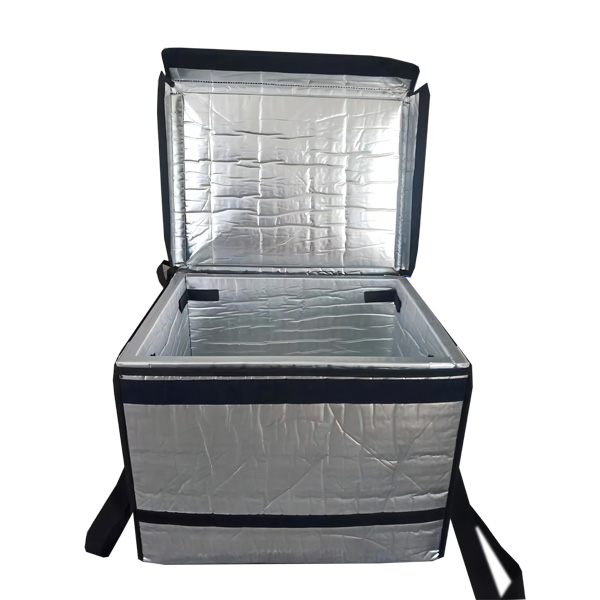
Seleccionando un 30 Proveedor de cajas de hielo para vacunas de un litro: Una guía desde el requisito hasta la evidencia
La forma más útil de seleccionar un 30 liter vaccine ice box supplier is to move through a requirement-to-evidence sequence. Primero defina el producto y la temperatura necesaria.. Luego modele la carga útil y el espacio de refrigerante., mapear la ruta y manejar los riesgos, seleccione construcción, y decidir qué pruebas o documentación deben respaldar la aprobación. Esta secuencia mantiene las discusiones comerciales ancladas a la aplicación en lugar de a afirmaciones amplias sobre los litros., aislamiento, duración, o precio.
Para el transporte rutinario de vacunas, sesiones de extensión, transferencias de depósito, and controlled last-mile distribution, obtención, operaciones, ingeniería, y los equipos de calidad deben trabajar desde el mismo informe controlado. A vaccine ice box is not automatically suitable for every vaccine. The approved storage or transport condition, información de estabilidad del producto, orientación del programa, ruta, and packout must be confirmed. Las secciones siguientes combinan comprador, ingeniería, operacional, y perspectivas de control de proveedores en una sola ruta de decisión, finalizando con controles de implementación que ayudan a que la muestra aprobada siga siendo representativa de la producción y el uso real..
| respuesta de decisión: Select the vaccine ice box only after confirming the payload, geometría utilizable, requisito de temperatura, ruta, refrigerante, manejo, evidencia, y controles de producción. A vaccine ice box is not automatically suitable for every vaccine. The approved storage or transport condition, información de estabilidad del producto, orientación del programa, ruta, and packout must be confirmed. |
|---|
Pasar de la necesidad a la evidencia en una secuencia controlada
Una decisión controlada se puede organizar en cuatro puertas.. La puerta uno define el producto y la condición requerida.. La puerta dos confirma que la carga útil, refrigerante, geometría interna, manejo, y la ruta se ajusta al cuadro propuesto. La puerta tres evalúa la evidencia, incluyendo dibujos, datos materiales, informes de prueba, controles de fabricación, y límites de aplicación. La puerta cuatro aprueba la implementación, incluyendo instrucciones, escucha, recepción, control de cambios, y responsabilidades del proveedor. Un proyecto no debe avanzar simplemente porque una puerta parece fuerte mientras que otra permanece indefinida..
Las puertas también crean una propiedad útil. Las operaciones pueden definir la ruta y el método de trabajo.; La ingeniería puede repasar la geometría., materiales, y modos de falla; La calidad puede establecer reglas de evidencia y desviación.; La adquisición puede comparar el alcance y los términos comerciales.. For immunization program teams, healthcare procurement, personal de calidad, and medical logistics buyers, Esta estructura compartida reduce las aclaraciones repetidas y hace que las citas sean comparables.. También expone cuándo una solicitud sigue siendo un concepto en lugar de una especificación lista para comprar.. El registro de aprobación final debe mostrar lo que se confirmó., por quien, utilizando qué evidencia, y para qué límite de aplicación.
- Puerta 1 – Producto, condición de temperatura, sensibilidad, y consecuencia del fracaso
- Puerta 2 – Payload envelope, refrigerante, ruta, manejo, higiene, y ajuste del usuario
- Puerta 3 – Materiales, dibujos, pruebas, controles de calidad, y limitaciones declaradas
- Puerta 4 – Piloto, instrucciones, escucha, recepción, control de cambios, y aprobación de lanzamiento
Una especificación útil comienza con el trabajo
Escriba un requisito de usuario que otro equipo pueda aplicar sin escuchar la discusión de ventas original.. Identificar la carga útil, embalaje, condición inicial, condición de temperatura requerida, tiempo máximo, subsidio de demora, exposición ambiental, aberturas, vehículo o transportista, manejo, limpieza, y recibir decisión. Para el transporte rutinario de vacunas, sesiones de extensión, transferencias de depósito, and controlled last-mile distribution, También indique las consecuencias de una falla y si el envío puede ser reemplazado., en cuarentena, o investigado sin mayores perturbaciones.
Turn the primary objective – support the required vaccine temperature condition without exposing freeze-sensitive products to uncontrolled contact with frozen coolant – into measurable acceptance points. Separar las funciones proporcionadas por el contenedor físico de las proporcionadas por el refrigerante, escucha, instrucciones de trabajo, el transportista, y recibiendo. Luego asigne propietarios para los supuestos no resueltos.. Un requisito de usuario controlado evita que la aprobación final dependa de frases vagas como durable, médico, grado alimenticio, a prueba de fugas, de larga duración, o apto para cadena de frío.
- Carga útil definida, embalaje, cantidad, masa, y condiciones de temperatura
- Carril normal más retraso, estacional, apertura, y supuestos de traspaso
- Componentes de embalaje, acondicionamiento, colocación, y configuración cargada
- Manejo, restricción, higiene, etiquetas, escucha, y recibir decisiones
- Dibujos requeridos, evidencia de prueba, controles de producción, y cambiar de dueño
Cerrar las brechas de aprobación de aplicaciones específicas
El registro de aprobación debe resolver los riesgos específicos del proyecto antes del lanzamiento comercial.: using an ordinary food cooler, treating thirty liters as usable vaccine volume, direct contact with frozen packs, and omitting monitoring or transport records. It should also state how the proposed configuration will support the required vaccine temperature condition without exposing freeze-sensitive products to uncontrolled contact with frozen coolant. Estos no son comentarios de fondo.; son requisitos que necesitan un dueño, evidencia, y una decisión de aceptación. Cuando una condición aún no se puede probar, el registro debe identificar la prueba restante, piloto, o acción de calidad.
Use an application matrix that connects insulation continuity, separación de refrigerante, sellado de tapa, geometría interna, superficies limpiables, and durability under outreach handling with the route, manejo, higiene, escucha, y controles de proveedores. Incluye los tres puntos decisivos.: Muchas vacunas refrigeradas se manejan entre 2 °C y 8 °C., but the correct condition must be confirmed for each product and program. Use the qualified packing method and keep frozen coolant from uncontrolled direct contact with freeze-sensitive vaccine containers. Provide a digital data logger or other monitoring approach required by the program, and retain the transport record. La elección final debe ser explicable a la contratación., calidad, operaciones, y el proveedor sin depender de una presentación de ventas o memoria personal.
Freeze Protection Matters as Much as Cooling
El registro de aprobación debe cerrar tres brechas específicas de la aplicación antes de que el proyecto pase a producción o lanzamiento..
- Requisito de aprobación: Muchas vacunas refrigeradas se manejan entre 2 °C y 8 °C., but the correct condition must be confirmed for each product and program.
- Requisito de aprobación: Use the qualified packing method and keep frozen coolant from uncontrolled direct contact with freeze-sensitive vaccine containers.
- Requisito de aprobación: Provide a digital data logger or other monitoring approach required by the program, and retain the transport record.
Asignar un propietario y evidencia de respaldo a cada requisito.. Si uno permanece incierto, mantenerlo como un elemento de aprobación abierto en lugar de ocultar la incertidumbre dentro de un reclamo amplio del proveedor.
| Puerta de decisión | Confirmación específica del proyecto | Evidencia aceptable | Dueño |
|---|---|---|---|
| Requisito del producto | Support the required vaccine temperature condition without exposing freeze-sensitive products to uncontrolled contact with frozen coolant | Requisitos de usuario aprobados e información del producto. | Equipos de producto y calidad. |
| Aptitud física y operativa. | 30-litro; cierre seguro, upright transport where required, etiquetado claro, stable packout, protected monitoring device, and controlled opening | Dibujo de embalaje, prueba de muestra, observación de ruta, y revisión de limpieza | Ingeniería y operaciones |
| Límite de desempeño | A vaccine ice box is not automatically suitable for every vaccine. The approved storage or transport condition, información de estabilidad del producto, orientación del programa, ruta, and packout must be confirmed. | Térmica trazable, mecánico, escucha, y evidencia de solicitud | Ingeniería y calidad |
| Control de proveedores | Qualified container or packout information, condiciones de prueba térmica, diagramas de carga, instrucciones, monitoring provisions, and change-control documentation | plan de control, archivos, evidencia de auditoría, y cambiar de acuerdo | Adquisiciones y calidad |
| Implementación | Use the qualified packing method and keep frozen coolant from uncontrolled direct contact with freeze-sensitive vaccine containers. | Piloto aprobado, instrucciones, capacitación, recepción, y plan de escalada | Operaciones y calidad |
| Decisión del ciclo de vida | usable vaccine capacity, coolant preparation labor, escucha, capacitación, riesgo de reemplazo, confiabilidad de la ruta, and documentation effort; reusable containers and coolant only when cleaning, inspección, reacondicionamiento, and return control are dependable | Caso de negocio comparable y revisión periódica del desempeño | Adquisiciones y operaciones |
Definir el rendimiento de temperatura con las condiciones adjuntas
Convierta los reclamos térmicos en declaraciones de aprobación con condiciones adjuntas. La especificación debe identificar la gama de productos requerida., revisión del paquete, rango de carga útil, refrigerante y acondicionamiento, perfil ambiental, duración y margen de retraso, aberturas, plan de sensores, y criterio de aceptación. Donde diferentes estaciones usan diferentes paquetes, aprobar cada configuración explícitamente en lugar de tratarlas como ajustes informales del operador.
Crear una escalera de evidencia. Comience con cálculos de diseño o comparación de desarrollo., pasar a pruebas de laboratorio representativas, agregar calificación de carril cuando el riesgo lo requiera, y utilizar el monitoreo operativo para verificar el uso controlado. Cada paso responde a una pregunta diferente.. La aprobación debe basarse en el nivel que coincida con el valor del producto., sensibilidad, contexto regulatorio, recuperabilidad, y variabilidad de rutas, no en el nombre del certificado más impresionante en una propuesta.
Confirm the Real Payload Envelope
Convierta la descripción del catálogo en un sobre de carga útil controlado. Solicitar longitud interna clara, ancho, y altura en los puntos donde realmente se asienta la carga útil, luego coloque el refrigerante previsto, separadores, bastidores, monitor, y producto en un dibujo o prueba física. Una clasificación de 30 litros describe el espacio nominal; no indica cuantas unidades vendibles, cajas de vacunas, especímenes, o paquetes de lácteos se pueden cargar sin alterar la disposición aprobada.
La aprobación debe cubrir la huella externa y la masa cargada, así como el ajuste interno.. El contenedor propuesto debe entrar en el vehículo., pasar por puertas, sentarse de forma segura, permitir que la tapa se cierre sin comprimir, y permanecer manejable en el momento del parto. Donde difieren los paquetes de verano e invierno, documentar ambos. La especificación aceptada debe indicar la carga útil utilizable para la configuración definida e identificar cualquier tolerancia dimensional que pueda cambiar el embalaje., restricción, o rendimiento térmico.
Cree una escalera de evidencia para la decisión
Organizar las pruebas de aprobación según la decisión que respalda.. Los planos y registros de materiales establecen cuál es el producto.. Las pruebas mecánicas abordan el manejo y la sujeción.. Las pruebas de desarrollo térmico comparan diseños.. La calificación prueba un paquete definido frente a un requisito aprobado. El monitoreo de ruta muestra cómo se comporta el método controlado bajo variabilidad operativa. El registro de aprobación debe identificar qué nivel se requiere y por qué., en lugar de aceptar una colección de informes no relacionados.
Antes de confiar en cualquier informe, comparar la versión probada, carga útil, refrigerante, acondicionamiento, temperaturas iniciales, perfil ambiental, duración, aberturas, orientación, sensores, criterios de aceptación, y desviaciones con el uso previsto. Registre las lagunas y decida si son aceptables., requieren análisis, o requerir pruebas adicionales. Un nombre de informe o una declaración de aprobación no es suficiente. La conclusión respaldada debe seguir siendo rastreable hasta la configuración que la adquisición y la producción realmente comprarán..
Seleccione el proveedor y el sistema de control juntos
Evaluar el fabricante propuesto frente al requisito aprobado., no contra un cuestionario genérico para proveedores. Confirme si la oferta cubre solo la caja o un alcance más amplio que incluye refrigerante, inserciones, dibujos de embalaje, pruebas, apoyo a la calificación, escucha, etiquetas, piezas de repuesto, capacitación, y asistencia de desvío. Request qualified container or packout information, condiciones de prueba térmica, diagramas de carga, instrucciones, monitoring provisions, and change-control documentation. Cada reclamo importante debe apuntar a un documento controlado., muestra, condición de prueba, o control de producción.
Completar juntos la due diligence comercial y de calidad. Revisar las fuentes de materiales aprobadas, procesos críticos, registros de inspección, calibración, mantenimiento de herramientas, no conformidad, acción correctiva, componentes subcontratados, y notificación de cambios de ingeniería. Acordar quién es el propietario de los dibujos, moldes, revisiones de productos, archivos, y volver a probar las decisiones. Un proveedor está listo para su aprobación cuando puede recrear la configuración aceptada y explicar cómo se evaluarán los cambios antes de que lleguen al envío..
- Alcance del suministro, documentación, pruebas, calificación, y apoyo
- Especificación controlada, muestra aprobada, lista de materiales, y enlace de revisión
- Procesos críticos, inspecciones, archivos, calibración, y acción correctiva
- Control de subcontratistas, mantenimiento de herramientas, sustituciones, y cambiar notificación
- Responsabilidad comercial por defectos, rehacer, piezas de repuesto, y pedidos futuros
Piloto, Aprobar, Lanzamiento, y revisión
La implementación debe pasar de una muestra representativa a un piloto controlado antes de la producción total o el lanzamiento de la ruta.. Confirmar la lista exacta de materiales., dibujos, bandera, marcas, accesorios, embalaje, e instrucciones. Utilice el piloto para probar el tiempo de embalaje, errores de usuario, ergonomía cargada, ajuste del vehículo, restricción, limpieza, escucha, y recibiendo. Para una aplicación con temperatura controlada, verificar que el piloto siga la configuración prevista de refrigerante y carga útil en lugar de una configuración de demostración más sencilla.
Después de la aprobación, congelar la especificación crítica y definir el control de cambios. Empacadores de trenes, conductores, correos, limpiadores, y receptores sobre las partes del proceso que poseen. Establecer una revisión de la primera producción y monitorear los primeros envíos para detectar problemas recurrentes.. Un lanzamiento debe incluir contactos de escalada y un método para segregar cajas o componentes sospechosos.. La revisión periódica puede generar daños, desviación, devolver, limpieza, y datos de temperatura para refinar el sistema sin debilitar el límite calificado o aprobado.
Construya un modelo de costos en torno al riesgo y la utilización
Cree un caso de negocio ajustado al riesgo con una sola vez, periódico, y costos de falla separados. Los artículos únicos pueden incluir diseño., estampación, muestras, validación, y lanzar. Los elementos recurrentes pueden incluir unidades., refrigerante, escucha, mano de obra, limpieza, transporte, inspección, almacenamiento, y reemplazo. Los costos por fallas pueden incluir la retención del producto., reenvío, investigación de desviación, interrupción del cliente, y pérdida de capacidad de ruta. Utilice datos del proyecto o suposiciones claramente identificadas en lugar de un porcentaje de ahorro genérico..
Comparar alternativas en el mismo alcance aprobado. Un precio unitario más bajo no significa un costo más bajo si el espacio utilizable es deficiente, el cubo de carga es alto, el trabajo de embalaje es lento, o fugas de calidad son frecuentes. Un diseño técnicamente más sólido no es automáticamente mejor si agrega costos sin abordar un riesgo de ruta. El equipo de aprobación debe documentar la compensación que está aceptando y la medida operativa que mostrará si se logra el valor esperado..
Aplicar la ruta de decisión a un proyecto típico
Aplicar la ruta de decisión completa a un proyecto típico. An outreach team plans a same-day route with several handovers. The nominal box volume appears sufficient, pero refrigerante, espaciadores, Colocación del monitor, and access discipline reduce the usable vaccine space. El equipo multifuncional primero aprueba el requisito del usuario., luego confirma la carga útil y el ajuste del refrigerante con una muestra física. Registra manipulación cargada, exposición de ruta, higiene, escucha, y recepción de necesidades antes de seleccionar el nivel de evidencia y el alcance comercial.
El fabricante elegido suministra dibujos controlados., materiales, informes de prueba, y un lote piloto. Adquisiciones compara la cotización con el alcance aprobado; controles de calidad control de cambios y criterios de aceptación; Las operaciones ejecutan el piloto con usuarios normales.. El lanzamiento se produce sólo después de que las lagunas no resueltas tengan propietarios y fechas.. El acta final vincula el requisito, configuración, evidencia, instrucciones, y versión de producción para que los cambios futuros puedan evaluarse de forma coherente.
Preguntas finales sobre adquisiciones
Qué se debe aprobar antes de que se publique la orden de compra?
Aprobar el requisito del usuario, revisión del producto, dimensiones internas y externas, materiales, componentes de embalaje, base de prueba o calificación, criterios críticos de inspección, etiquetas, embalaje, documentación, alcance comercial, y responsabilidades de control de cambios. Para uso sensible a la temperatura, también aprobar la carga útil, acondicionamiento del refrigerante, supuestos ambientales y de duración, plan de sensores, instrucciones de funcionamiento, criterios de recepción, y limitaciones no resueltas.
¿Cómo se mantiene una muestra aprobada coherente con la producción??
Vincular la muestra a dibujos controlados, lista de materiales, fuentes de materiales aprobadas, configuración del proceso, dimensiones críticas, métodos de inspección, y un lote piloto. Conserve una muestra de referencia cuando sea útil, pero no confíes sólo en la apariencia. El proveedor debe notificar al comprador antes de realizar cambios en las herramientas., resina, aislamiento, hardware, sello, insertar, refrigerante, subcontratista, proceso, o embalaje que pueda afectar el funcionamiento.
¿A quién pertenecen las decisiones de calificación y cumplimiento??
La responsabilidad debe asignarse en el acuerdo de proyecto.. El proveedor puede proporcionar datos precisos del producto., muestras, informes, y soporte técnico; El comprador normalmente define los límites del producto., carril, criterios de aceptación, sistema de calidad, y obligaciones de mercado aplicables. Un fabricante contratado o un laboratorio de pruebas pueden realizar trabajos, pero eso no elimina la necesidad de que el propietario del producto y el equipo de calidad aprueben la idoneidad..
¿Cuándo se justifica un diseño personalizado??
La personalización se justifica cuando un producto estándar no puede cumplir con la geometría de carga útil crítica., capacidad utilizable, restricción, limpieza, herrada, ruta, accesorio, o necesidades operativas. Compare el valor con las herramientas, tiempo de desarrollo, Cantidad mínima de pedido, riesgo de cambio, requisitos de prueba, piezas de repuesto, y futuras revisiones. Una forma personalizada debe resolver un requisito documentado en lugar de agregar complejidad que se puede manejar con una inserción o un cambio de proceso..
Why can frozen coolant be risky for vaccine transport?
Some refrigerated vaccines are freeze-sensitive. Direct or poorly controlled contact with frozen packs can expose local cartons or vials to temperatures below the approved condition even while the rest of the box appears cold. Follow the vaccine product information and immunization-program packing method, use the required barriers or conditioned coolant, position the monitor correctly, and retain the transport record.
Conclusión: Apruebe un sistema que pueda explicar y repetir
Un adecuado 30 liter vaccine ice box supplier is the result of disciplined specification rather than a single feature. La decisión más confiable conecta la carga útil., condición de temperatura, ruta, espacio utilizable, construcción, refrigerante, manejo, higiene, evidencia, control de producción, y propiedad operativa. Cuando esos elementos son explícitos, Las adquisiciones pueden comparar ofertas de manera justa y las operaciones pueden repetir el método aprobado sin depender de la memoria o de un lenguaje de ventas amplio..
- Comience con el producto y el carril., luego confirme el estado físico y el embalaje.
- Haga coincidir la evidencia requerida con el riesgo y el límite de aplicación.
- Aprobar controles de proveedores, implementación, escucha, y gestión del cambio juntos.
- Mantenga un vínculo rastreable desde el requisito hasta la evidencia y las instrucciones operativas..
Acerca de Tempk
Tempk is a Shanghai-based cold-chain packaging company established in 2011. Its publicly presented range includes gel and water-based ice packs, EPP and plastic insulated boxes, soluciones aisladas al vacío, bolsas y forros aislados, cubiertas de paletas, y productos de control de temperatura. para un proyecto, Tempk puede revisar el tipo de producto., condición de temperatura requerida, carga útil, ruta, estación, manejo, y proceso de recepción antes de discutir una configuración estándar o personalizada. La idoneidad final aún depende de la revisión de la solicitud del comprador., pruebas, calificación, y controles operativos.
Discusión del proyecto
Para una cotización más útil, proporcione a Tempk las dimensiones del paquete, carril de operación, condiciones de manejo, necesidades de documentación, y prioridades de personalización.
30 Fabricante de cajas de hielo industriales de litro: Guía de especificaciones
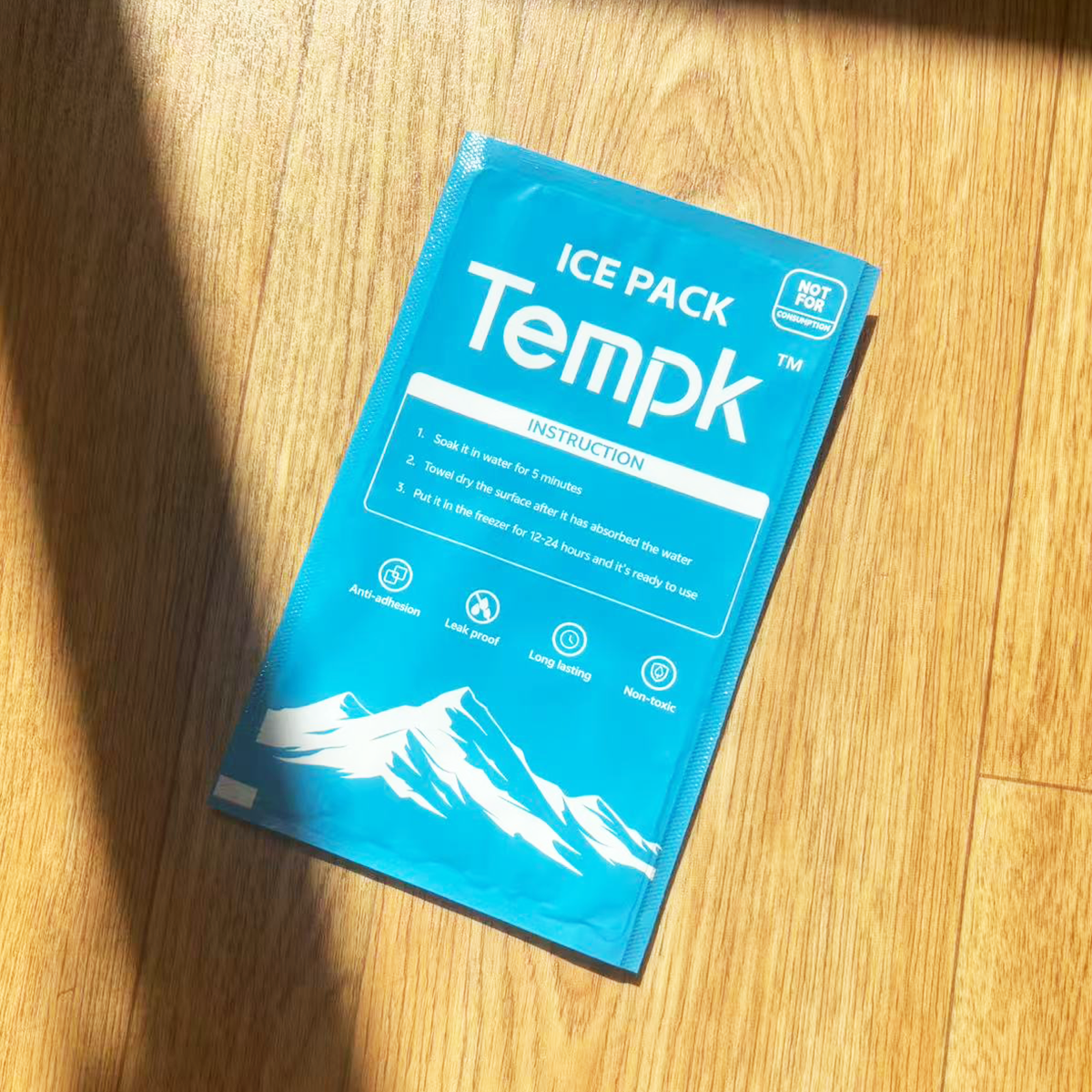
Seleccionando un 30 Fabricante de cajas de hielo industriales de litro: Una guía desde el requisito hasta la evidencia
La forma más útil de seleccionar un 30 liter industrial ice box manufacturer is to move through a requirement-to-evidence sequence. Primero defina el producto y la temperatura necesaria.. Luego modele la carga útil y el espacio de refrigerante., mapear la ruta y manejar los riesgos, seleccione construcción, y decidir qué pruebas o documentación deben respaldar la aprobación. Esta secuencia mantiene las discusiones comerciales ancladas a la aplicación en lugar de a afirmaciones amplias sobre los litros., aislamiento, duración, o precio.
Para servicio industrial, muestras, apoyo alimentario, logística de laboratorio, trabajo de campo, y entrega regional, obtención, operaciones, ingeniería, y los equipos de calidad deben trabajar desde el mismo informe controlado. Una caja industrial de treinta litros es una plataforma.. El paquete requerido, rango de temperatura, escucha, y la calificación dependen de la carga útil y la ruta. Las secciones siguientes combinan comprador, ingeniería, operacional, y perspectivas de control de proveedores en una sola ruta de decisión, finalizando con controles de implementación que ayudan a que la muestra aprobada siga siendo representativa de la producción y el uso real..
| respuesta de decisión: Seleccione la nevera industrial solo después de confirmar la carga útil, geometría utilizable, requisito de temperatura, ruta, refrigerante, manejo, evidencia, y controles de producción. Una caja industrial de treinta litros es una plataforma.. El paquete requerido, rango de temperatura, escucha, y la calificación dependen de la carga útil y la ruta. |
|---|
Pasar de la necesidad a la evidencia en una secuencia controlada
Una decisión controlada se puede organizar en cuatro puertas.. La puerta uno define el producto y la condición requerida.. La puerta dos confirma que la carga útil, refrigerante, geometría interna, manejo, y la ruta se ajusta al cuadro propuesto. La puerta tres evalúa la evidencia, incluyendo dibujos, datos materiales, informes de prueba, controles de fabricación, y límites de aplicación. La puerta cuatro aprueba la implementación, incluyendo instrucciones, escucha, recepción, control de cambios, y responsabilidades del proveedor. Un proyecto no debe avanzar simplemente porque una puerta parece fuerte mientras que otra permanece indefinida..
Las puertas también crean una propiedad útil. Las operaciones pueden definir la ruta y el método de trabajo.; La ingeniería puede repasar la geometría., materiales, y modos de falla; La calidad puede establecer reglas de evidencia y desviación.; La adquisición puede comparar el alcance y los términos comerciales.. Para equipos de operaciones, distribuidores industriales, gerentes de adquisiciones, y compradores OEM, Esta estructura compartida reduce las aclaraciones repetidas y hace que las citas sean comparables.. También expone cuándo una solicitud sigue siendo un concepto en lugar de una especificación lista para comprar.. El registro de aprobación final debe mostrar lo que se confirmó., por quien, utilizando qué evidencia, y para qué límite de aplicación.
- Puerta 1 – Producto, condición de temperatura, sensibilidad, y consecuencia del fracaso
- Puerta 2 – Payload envelope, refrigerante, ruta, manejo, higiene, y ajuste del usuario
- Puerta 3 – Materiales, dibujos, pruebas, controles de calidad, y limitaciones declaradas
- Puerta 4 – Piloto, instrucciones, escucha, recepción, control de cambios, y aprobación de lanzamiento
Una especificación útil comienza con el trabajo
Escriba un requisito de usuario que otro equipo pueda aplicar sin escuchar la discusión de ventas original.. Identificar la carga útil, embalaje, condición inicial, condición de temperatura requerida, tiempo máximo, subsidio de demora, exposición ambiental, aberturas, vehículo o transportista, manejo, limpieza, y recibir decisión. Para servicio industrial, muestras, apoyo alimentario, logística de laboratorio, trabajo de campo, y entrega regional, También indique las consecuencias de una falla y si el envío puede ser reemplazado., en cuarentena, o investigado sin mayores perturbaciones.
Turn the primary objective – provide a versatile mid-size insulated box that remains consistent under repeated industrial handling – into measurable acceptance points. Separar las funciones proporcionadas por el contenedor físico de las proporcionadas por el refrigerante, escucha, instrucciones de trabajo, el transportista, y recibiendo. Luego asigne propietarios para los supuestos no resueltos.. Un requisito de usuario controlado evita que la aprobación final dependa de frases vagas como durable, médico, grado alimenticio, a prueba de fugas, de larga duración, o apto para cadena de frío.
- Carga útil definida, embalaje, cantidad, masa, y condiciones de temperatura
- Carril normal más retraso, estacional, apertura, y supuestos de traspaso
- Componentes de embalaje, acondicionamiento, colocación, y configuración cargada
- Manejo, restricción, higiene, etiquetas, escucha, y recibir decisiones
- Dibujos requeridos, evidencia de prueba, controles de producción, y cambiar de dueño
Cerrar las brechas de aprobación de aplicaciones específicas
El registro de aprobación debe resolver los riesgos específicos del proyecto antes del lanzamiento comercial.: seleccionar un tamaño de catálogo sin modelado de carga útil, diseño de manija o bisagra débil, aislamiento inconsistente, y límites de aplicación poco claros. También debe indicar cómo la configuración propuesta proporcionará una caja aislada versátil de tamaño mediano que se mantenga consistente bajo manipulación industrial repetida.. Estos no son comentarios de fondo.; son requisitos que necesitan un dueño, evidencia, y una decisión de aceptación. Cuando una condición aún no se puede probar, el registro debe identificar la prueba restante, piloto, o acción de calidad.
Utilice una matriz de aplicación que conecte la resistencia al impacto., consistencia del aislamiento, ajuste de tapa y sello, accesorio de bisagra, manejar la ruta de carga, y durabilidad de las curvas con la ruta, manejo, higiene, escucha, y controles de proveedores. Incluye los tres puntos decisivos.: Defina las familias de carga útil aprobadas y no asuma que un paquete se adapta a cada producto.. Mida la envoltura interna después del aislamiento., refrigerante, bastidores, y divisores están incluidos. Inspeccionar el mango, bisagra, tapa, y superficies de apilamiento porque el daño industrial a menudo comienza en las interfaces. La elección final debe ser explicable a la contratación., calidad, operaciones, y el proveedor sin depender de una presentación de ventas o memoria personal.
La capacidad debe demostrarse con un embalaje
Convierta la descripción del catálogo en un sobre de carga útil controlado. Solicitar longitud interna clara, ancho, y altura en los puntos donde realmente se asienta la carga útil, luego coloque el refrigerante previsto, separadores, bastidores, monitor, y producto en un dibujo o prueba física. Una clasificación de 30 litros describe el espacio nominal; no indica cuantas unidades vendibles, cajas de vacunas, especímenes, o paquetes de lácteos se pueden cargar sin alterar la disposición aprobada.
La aprobación debe cubrir la huella externa y la masa cargada, así como el ajuste interno.. El contenedor propuesto debe entrar en el vehículo., pasar por puertas, sentarse de forma segura, permitir que la tapa se cierre sin comprimir, y permanecer manejable en el momento del parto. Donde difieren los paquetes de verano e invierno, documentar ambos. La especificación aceptada debe indicar la carga útil utilizable para la configuración definida e identificar cualquier tolerancia dimensional que pueda cambiar el embalaje., restricción, o rendimiento térmico.
| Puerta de decisión | Confirmación específica del proyecto | Evidencia aceptable | Dueño |
|---|---|---|---|
| Requisito del producto | Proporcionar una caja aislada versátil de tamaño mediano que se mantiene consistente bajo manipulación industrial repetida. | Requisitos de usuario aprobados e información del producto. | Equipos de producto y calidad. |
| Aptitud física y operativa. | 30-litro; elevación equilibrada, apilamiento estable, seguridad de cierre, resistencia a la abrasión, restricción, y carga accesible | Dibujo de embalaje, prueba de muestra, observación de ruta, y revisión de limpieza | Ingeniería y operaciones |
| Límite de desempeño | Una caja industrial de treinta litros es una plataforma.. El paquete requerido, rango de temperatura, escucha, y la calificación dependen de la carga útil y la ruta. | Térmica trazable, mecánico, escucha, y evidencia de solicitud | Ingeniería y calidad |
| Control de proveedores | Dibujos, materiales, controles de fabricación, métodos de prueba funcionales, condiciones termicas, y registros de producción | plan de control, archivos, evidencia de auditoría, y cambiar de acuerdo | Adquisiciones y calidad |
| Implementación | Mida la envoltura interna después del aislamiento., refrigerante, bastidores, y divisores están incluidos. | Piloto aprobado, instrucciones, capacitación, recepción, y plan de escalada | Operaciones y calidad |
| Decisión del ciclo de vida | utilización de capacidad, manipulación de mano de obra, accesorios, transporte, control de defectos, reemplazo, y soporte de prueba; uso repetido duradero, accesorios reemplazables comunes, cubo de transporte eficiente, y limpieza controlada | Caso de negocio comparable y revisión periódica del desempeño | Adquisiciones y operaciones |
La versatilidad requiere límites de aplicación claros
El registro de aprobación debe cerrar tres brechas específicas de la aplicación antes de que el proyecto pase a producción o lanzamiento..
- Requisito de aprobación: Defina las familias de carga útil aprobadas y no asuma que un paquete se adapta a cada producto..
- Requisito de aprobación: Mida la envoltura interna después del aislamiento., refrigerante, bastidores, y divisores están incluidos.
- Requisito de aprobación: Inspeccionar el mango, bisagra, tapa, y superficies de apilamiento porque el daño industrial a menudo comienza en las interfaces.
Asignar un propietario y evidencia de respaldo a cada requisito.. Si uno permanece incierto, mantenerlo como un elemento de aprobación abierto en lugar de ocultar la incertidumbre dentro de un reclamo amplio del proveedor.
Definir el rendimiento de temperatura con las condiciones adjuntas
Convierta los reclamos térmicos en declaraciones de aprobación con condiciones adjuntas. La especificación debe identificar la gama de productos requerida., revisión del paquete, rango de carga útil, refrigerante y acondicionamiento, perfil ambiental, duración y margen de retraso, aberturas, plan de sensores, y criterio de aceptación. Donde diferentes estaciones usan diferentes paquetes, aprobar cada configuración explícitamente en lugar de tratarlas como ajustes informales del operador.
Crear una escalera de evidencia. Comience con cálculos de diseño o comparación de desarrollo., pasar a pruebas de laboratorio representativas, agregar calificación de carril cuando el riesgo lo requiera, y utilizar el monitoreo operativo para verificar el uso controlado. Cada paso responde a una pregunta diferente.. La aprobación debe basarse en el nivel que coincida con el valor del producto., sensibilidad, contexto regulatorio, recuperabilidad, y variabilidad de rutas, no en el nombre del certificado más impresionante en una propuesta.
Las adquisiciones deben probar el proceso del proveedor
Evaluar el fabricante propuesto frente al requisito aprobado., no contra un cuestionario genérico para proveedores. Confirme si la oferta cubre solo la caja o un alcance más amplio que incluye refrigerante, inserciones, dibujos de embalaje, pruebas, apoyo a la calificación, escucha, etiquetas, piezas de repuesto, capacitación, y asistencia de desvío. Solicitar dibujos, materiales, controles de fabricación, métodos de prueba funcionales, condiciones termicas, y registros de producción. Cada reclamo importante debe apuntar a un documento controlado., muestra, condición de prueba, o control de producción.
Completar juntos la due diligence comercial y de calidad. Revisar las fuentes de materiales aprobadas, procesos críticos, registros de inspección, calibración, mantenimiento de herramientas, no conformidad, acción correctiva, componentes subcontratados, y notificación de cambios de ingeniería. Acordar quién es el propietario de los dibujos, moldes, revisiones de productos, archivos, y volver a probar las decisiones. Un proveedor está listo para su aprobación cuando puede recrear la configuración aceptada y explicar cómo se evaluarán los cambios antes de que lleguen al envío..
- Alcance del suministro, documentación, pruebas, calificación, y apoyo
- Especificación controlada, muestra aprobada, lista de materiales, y enlace de revisión
- Procesos críticos, inspecciones, archivos, calibración, y acción correctiva
- Control de subcontratistas, mantenimiento de herramientas, sustituciones, y cambiar notificación
- Responsabilidad comercial por defectos, rehacer, piezas de repuesto, y pedidos futuros
Cree una escalera de evidencia para la decisión
Organizar las pruebas de aprobación según la decisión que respalda.. Los planos y registros de materiales establecen cuál es el producto.. Las pruebas mecánicas abordan el manejo y la sujeción.. Las pruebas de desarrollo térmico comparan diseños.. La calificación prueba un paquete definido frente a un requisito aprobado. El monitoreo de ruta muestra cómo se comporta el método controlado bajo variabilidad operativa. El registro de aprobación debe identificar qué nivel se requiere y por qué., en lugar de aceptar una colección de informes no relacionados.
Antes de confiar en cualquier informe, comparar la versión probada, carga útil, refrigerante, acondicionamiento, temperaturas iniciales, perfil ambiental, duración, aberturas, orientación, sensores, criterios de aceptación, y desviaciones con el uso previsto. Registre las lagunas y decida si son aceptables., requieren análisis, o requerir pruebas adicionales. Un nombre de informe o una declaración de aprobación no es suficiente. La conclusión respaldada debe seguir siendo rastreable hasta la configuración que la adquisición y la producción realmente comprarán..
Piloto, Aprobar, Lanzamiento, y revisión
La implementación debe pasar de una muestra representativa a un piloto controlado antes de la producción total o el lanzamiento de la ruta.. Confirmar la lista exacta de materiales., dibujos, bandera, marcas, accesorios, embalaje, e instrucciones. Utilice el piloto para probar el tiempo de embalaje, errores de usuario, ergonomía cargada, ajuste del vehículo, restricción, limpieza, escucha, y recibiendo. Para una aplicación con temperatura controlada, verificar que el piloto siga la configuración prevista de refrigerante y carga útil en lugar de una configuración de demostración más sencilla.
Después de la aprobación, congelar la especificación crítica y definir el control de cambios. Empacadores de trenes, conductores, correos, limpiadores, y receptores sobre las partes del proceso que poseen. Establecer una revisión de la primera producción y monitorear los primeros envíos para detectar problemas recurrentes.. Un lanzamiento debe incluir contactos de escalada y un método para segregar cajas o componentes sospechosos.. La revisión periódica puede generar daños, desviación, devolver, limpieza, y datos de temperatura para refinar el sistema sin debilitar el límite calificado o aprobado.
Construya un modelo de costos en torno al riesgo y la utilización
Cree un caso de negocio ajustado al riesgo con una sola vez, periódico, y costos de falla separados. Los artículos únicos pueden incluir diseño., estampación, muestras, validación, y lanzar. Los elementos recurrentes pueden incluir unidades., refrigerante, escucha, mano de obra, limpieza, transporte, inspección, almacenamiento, y reemplazo. Los costos por fallas pueden incluir la retención del producto., reenvío, investigación de desviación, interrupción del cliente, y pérdida de capacidad de ruta. Utilice datos del proyecto o suposiciones claramente identificadas en lugar de un porcentaje de ahorro genérico..
Comparar alternativas en el mismo alcance aprobado. Un precio unitario más bajo no significa un costo más bajo si el espacio utilizable es deficiente, el cubo de carga es alto, el trabajo de embalaje es lento, o fugas de calidad son frecuentes. Un diseño técnicamente más sólido no es automáticamente mejor si agrega costos sin abordar un riesgo de ruta. El equipo de aprobación debe documentar la compensación que está aceptando y la medida operativa que mostrará si se logra el valor esperado..
Aplicar la ruta de decisión a un proyecto típico
Aplicar la ruta de decisión completa a un proyecto típico. Un comprador de servicios de campo quiere una caja para consumibles refrigerados y muestras técnicas.. El formato exterior compartido es posible., pero los accesorios internos y las instrucciones de funcionamiento deben seguir siendo específicos de la aplicación.. El equipo multifuncional primero aprueba el requisito del usuario., luego confirma la carga útil y el ajuste del refrigerante con una muestra física. Registra manipulación cargada, exposición de ruta, higiene, escucha, y recepción de necesidades antes de seleccionar el nivel de evidencia y el alcance comercial.
El fabricante elegido suministra dibujos controlados., materiales, informes de prueba, y un lote piloto. Adquisiciones compara la cotización con el alcance aprobado; controles de calidad control de cambios y criterios de aceptación; Las operaciones ejecutan el piloto con usuarios normales.. El lanzamiento se produce sólo después de que las lagunas no resueltas tengan propietarios y fechas.. El acta final vincula el requisito, configuración, evidencia, instrucciones, y versión de producción para que los cambios futuros puedan evaluarse de forma coherente.
Preguntas finales sobre adquisiciones
Qué se debe aprobar antes de que se publique la orden de compra?
Aprobar el requisito del usuario, revisión del producto, dimensiones internas y externas, materiales, componentes de embalaje, base de prueba o calificación, criterios críticos de inspección, etiquetas, embalaje, documentación, alcance comercial, y responsabilidades de control de cambios. Para uso sensible a la temperatura, también aprobar la carga útil, acondicionamiento del refrigerante, supuestos ambientales y de duración, plan de sensores, instrucciones de funcionamiento, criterios de recepción, y limitaciones no resueltas.
¿Cómo se mantiene una muestra aprobada coherente con la producción??
Vincular la muestra a dibujos controlados, lista de materiales, fuentes de materiales aprobadas, configuración del proceso, dimensiones críticas, métodos de inspección, y un lote piloto. Conserve una muestra de referencia cuando sea útil, pero no confíes sólo en la apariencia. El proveedor debe notificar al comprador antes de realizar cambios en las herramientas., resina, aislamiento, hardware, sello, insertar, refrigerante, subcontratista, proceso, o embalaje que pueda afectar el funcionamiento.
¿A quién pertenecen las decisiones de calificación y cumplimiento??
La responsabilidad debe asignarse en el acuerdo de proyecto.. El proveedor puede proporcionar datos precisos del producto., muestras, informes, y soporte técnico; El comprador normalmente define los límites del producto., carril, criterios de aceptación, sistema de calidad, y obligaciones de mercado aplicables. Un fabricante contratado o un laboratorio de pruebas pueden realizar trabajos, pero eso no elimina la necesidad de que el propietario del producto y el equipo de calidad aprueben la idoneidad..
¿Cuándo se justifica un diseño personalizado??
La personalización se justifica cuando un producto estándar no puede cumplir con la geometría de carga útil crítica., capacidad utilizable, restricción, limpieza, herrada, ruta, accesorio, o necesidades operativas. Compare el valor con las herramientas, tiempo de desarrollo, Cantidad mínima de pedido, riesgo de cambio, requisitos de prueba, piezas de repuesto, y futuras revisiones. Una forma personalizada debe resolver un requisito documentado en lugar de agregar complejidad que se puede manejar con una inserción o un cambio de proceso..
¿Cuál es la limitación más importante de una nevera industrial??
Una caja industrial de treinta litros es una plataforma.. El paquete requerido, rango de temperatura, escucha, y la calificación dependen de la carga útil y la ruta. Por lo tanto, el comprador debería evitar tratar una etiqueta de capacidad, nombre del material, o duración genérica como una declaración de desempeño completa. Confirmar la carga útil, refrigerante, ruta, aberturas, exposición ambiental, manejo, escucha, condiciones de prueba, y recibir la decisión que define el uso previsto.
Conclusión: Apruebe un sistema que pueda explicar y repetir
Un adecuado 30 El fabricante de cajas de hielo industriales de un litro es el resultado de una especificación disciplinada en lugar de una sola característica.. La decisión más confiable conecta la carga útil., condición de temperatura, ruta, espacio utilizable, construcción, refrigerante, manejo, higiene, evidencia, control de producción, y propiedad operativa. Cuando esos elementos son explícitos, Las adquisiciones pueden comparar ofertas de manera justa y las operaciones pueden repetir el método aprobado sin depender de la memoria o de un lenguaje de ventas amplio..
- Comience con el producto y el carril., luego confirme el estado físico y el embalaje.
- Haga coincidir la evidencia requerida con el riesgo y el límite de aplicación.
- Aprobar controles de proveedores, implementación, escucha, y gestión del cambio juntos.
- Mantenga un vínculo rastreable desde el requisito hasta la evidencia y las instrucciones operativas..
Acerca de Tempk
Tempk is a Shanghai-based cold-chain packaging company established in 2011. Its publicly presented range includes gel and water-based ice packs, EPP and plastic insulated boxes, soluciones aisladas al vacío, bolsas y forros aislados, cubiertas de paletas, y productos de control de temperatura. para un proyecto, Tempk puede revisar el tipo de producto., condición de temperatura requerida, carga útil, ruta, estación, manejo, y proceso de recepción antes de discutir una configuración estándar o personalizada. La idoneidad final aún depende de la revisión de la solicitud del comprador., pruebas, calificación, y controles operativos.
Siguiente paso
Para una cotización más útil, proporcione a Tempk las dimensiones del paquete, carril de operación, condiciones de manejo, necesidades de documentación, y prioridades de personalización.
25 Fabricante de cajas de hielo industriales de litro: Guía de especificaciones
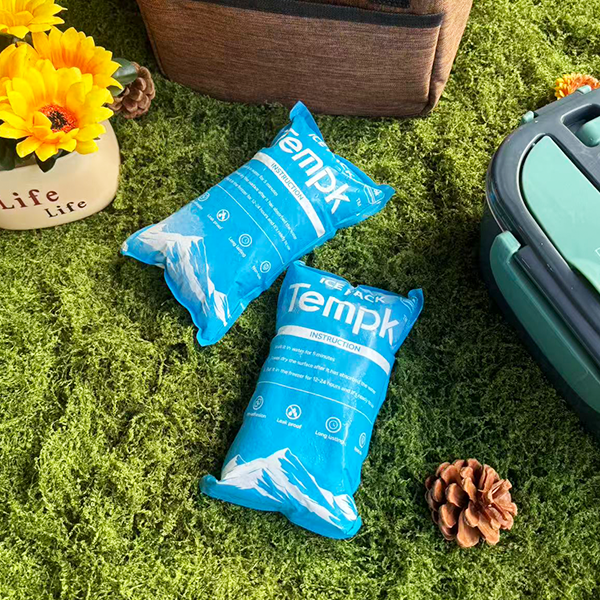
Seleccionando un 25 Fabricante de cajas de hielo industriales de litro: Una guía desde el requisito hasta la evidencia
La forma más útil de seleccionar un 25 liter industrial ice box manufacturer is to move through a requirement-to-evidence sequence. Primero defina el producto y la temperatura necesaria.. Luego modele la carga útil y el espacio de refrigerante., mapear la ruta y manejar los riesgos, seleccione construcción, y decidir qué pruebas o documentación deben respaldar la aprobación. Esta secuencia mantiene las discusiones comerciales ancladas a la aplicación en lugar de a afirmaciones amplias sobre los litros., aislamiento, duración, o precio.
For technical service, muestras industriales, mantenimiento movil, operaciones alimentarias, and controlled short-route logistics, obtención, operaciones, ingeniería, y los equipos de calidad deben trabajar desde el mismo informe controlado. An industrial ice box protects against heat transfer; it does not establish a validated temperature condition without a defined coolant and packing system. Las secciones siguientes combinan comprador, ingeniería, operacional, y perspectivas de control de proveedores en una sola ruta de decisión, finalizando con controles de implementación que ayudan a que la muestra aprobada siga siendo representativa de la producción y el uso real..
| respuesta de decisión: Seleccione la nevera industrial solo después de confirmar la carga útil, geometría utilizable, requisito de temperatura, ruta, refrigerante, manejo, evidencia, y controles de producción. An industrial ice box protects against heat transfer; it does not establish a validated temperature condition without a defined coolant and packing system. |
|---|
Pasar de la necesidad a la evidencia en una secuencia controlada
Una decisión controlada se puede organizar en cuatro puertas.. La puerta uno define el producto y la condición requerida.. La puerta dos confirma que la carga útil, refrigerante, geometría interna, manejo, y la ruta se ajusta al cuadro propuesto. La puerta tres evalúa la evidencia, incluyendo dibujos, datos materiales, informes de prueba, controles de fabricación, y límites de aplicación. La puerta cuatro aprueba la implementación, incluyendo instrucciones, escucha, recepción, control de cambios, y responsabilidades del proveedor. Un proyecto no debe avanzar simplemente porque una puerta parece fuerte mientras que otra permanece indefinida..
Las puertas también crean una propiedad útil. Las operaciones pueden definir la ruta y el método de trabajo.; La ingeniería puede repasar la geometría., materiales, y modos de falla; La calidad puede establecer reglas de evidencia y desviación.; La adquisición puede comparar el alcance y los términos comerciales.. Para compradores industriales, distribuidores, gerentes de operaciones, y equipos de abastecimiento de OEM, Esta estructura compartida reduce las aclaraciones repetidas y hace que las citas sean comparables.. También expone cuándo una solicitud sigue siendo un concepto en lugar de una especificación lista para comprar.. El registro de aprobación final debe mostrar lo que se confirmó., por quien, utilizando qué evidencia, y para qué límite de aplicación.
- Puerta 1 – Producto, condición de temperatura, sensibilidad, y consecuencia del fracaso
- Puerta 2 – Payload envelope, refrigerante, ruta, manejo, higiene, y ajuste del usuario
- Puerta 3 – Materiales, dibujos, pruebas, controles de calidad, y limitaciones declaradas
- Puerta 4 – Piloto, instrucciones, escucha, recepción, control de cambios, y aprobación de lanzamiento
Comience con un requisito de usuario claro
Escriba un requisito de usuario que otro equipo pueda aplicar sin escuchar la discusión de ventas original.. Identificar la carga útil, embalaje, condición inicial, condición de temperatura requerida, tiempo máximo, subsidio de demora, exposición ambiental, aberturas, vehículo o transportista, manejo, limpieza, y recibir decisión. For technical service, muestras industriales, mantenimiento movil, operaciones alimentarias, and controlled short-route logistics, También indique las consecuencias de una falla y si el envío puede ser reemplazado., en cuarentena, o investigado sin mayores perturbaciones.
Turn the primary objective – deliver a compact but robust insulated container with predictable geometry and repeatable production quality – into measurable acceptance points. Separar las funciones proporcionadas por el contenedor físico de las proporcionadas por el refrigerante, escucha, instrucciones de trabajo, el transportista, y recibiendo. Luego asigne propietarios para los supuestos no resueltos.. Un requisito de usuario controlado evita que la aprobación final dependa de frases vagas como durable, médico, grado alimenticio, a prueba de fugas, de larga duración, o apto para cadena de frío.
- Carga útil definida, embalaje, cantidad, masa, y condiciones de temperatura
- Carril normal más retraso, estacional, apertura, y supuestos de traspaso
- Componentes de embalaje, acondicionamiento, colocación, y configuración cargada
- Manejo, restricción, higiene, etiquetas, escucha, y recibir decisiones
- Dibujos requeridos, evidencia de prueba, controles de producción, y cambiar de dueño
Cerrar las brechas de aprobación de aplicaciones específicas
El registro de aprobación debe resolver los riesgos específicos del proyecto antes del lanzamiento comercial.: buying by nominal liters, underestimating loaded weight, selecting brittle construction, and accepting inconsistent production walls or seals. It should also state how the proposed configuration will deliver a compact but robust insulated container with predictable geometry and repeatable production quality. Estos no son comentarios de fondo.; son requisitos que necesitan un dueño, evidencia, y una decisión de aceptación. Cuando una condición aún no se puede probar, el registro debe identificar la prueba restante, piloto, o acción de calidad.
Use an application matrix that connects impact behavior, foam density control, molded-wall consistency, ajuste de la tapa, diseño de bisagra, and thermal bridge management with the route, manejo, higiene, escucha, y controles de proveedores. Incluye los tres puntos decisivos.: Check the loaded lifting posture and handle clearance in the actual vehicle and workplace. Inspect corner thickness, accesorio de bisagra, alineación de la tapa, and seal compression on production samples. Define whether the box is for general chilled handling or a documented temperature-controlled application. La elección final debe ser explicable a la contratación., calidad, operaciones, y el proveedor sin depender de una presentación de ventas o memoria personal.
Convertir el volumen nominal en espacio utilizable
Convierta la descripción del catálogo en un sobre de carga útil controlado. Solicitar longitud interna clara, ancho, y altura en los puntos donde realmente se asienta la carga útil, luego coloque el refrigerante previsto, separadores, bastidores, monitor, y producto en un dibujo o prueba física. A 25-liter rating describes nominal space; no indica cuantas unidades vendibles, cajas de vacunas, especímenes, o paquetes de lácteos se pueden cargar sin alterar la disposición aprobada.
La aprobación debe cubrir la huella externa y la masa cargada, así como el ajuste interno.. El contenedor propuesto debe entrar en el vehículo., pasar por puertas, sentarse de forma segura, permitir que la tapa se cierre sin comprimir, y permanecer manejable en el momento del parto. Donde difieren los paquetes de verano e invierno, documentar ambos. La especificación aceptada debe indicar la carga útil utilizable para la configuración definida e identificar cualquier tolerancia dimensional que pueda cambiar el embalaje., restricción, o rendimiento térmico.
| Puerta de decisión | Confirmación específica del proyecto | Evidencia aceptable | Dueño |
|---|---|---|---|
| Requisito del producto | Deliver a compact but robust insulated container with predictable geometry and repeatable production quality | Requisitos de usuario aprobados e información del producto. | Equipos de producto y calidad. |
| Aptitud física y operativa. | 25-litro; ergonomic carrying, stable footprint, seguridad de cierre, resistencia a la abrasión, and optional vehicle restraint | Dibujo de embalaje, prueba de muestra, observación de ruta, y revisión de limpieza | Ingeniería y operaciones |
| Límite de desempeño | An industrial ice box protects against heat transfer; it does not establish a validated temperature condition without a defined coolant and packing system. | Térmica trazable, mecánico, escucha, y evidencia de solicitud | Ingeniería y calidad |
| Control de proveedores | Dibujos, resin and insulation specifications, dimensional samples, drop or handling test methods, and lot inspection records | plan de control, archivos, evidencia de auditoría, y cambiar de acuerdo | Adquisiciones y calidad |
| Implementación | Inspect corner thickness, accesorio de bisagra, alineación de la tapa, and seal compression on production samples. | Piloto aprobado, instrucciones, capacitación, recepción, y plan de escalada | Operaciones y calidad |
| Decisión del ciclo de vida | tooling allocation, materiales, cantidad de pedido, eficiencia de carga, reemplazo de daños, y ajuste operativo; construcción duradera, replaceable hardware, efficient nesting or stacking, and avoiding oversized coolant loads | Caso de negocio comparable y revisión periódica del desempeño | Adquisiciones y operaciones |
Compact Size Does Not Remove Industrial Demands
El registro de aprobación debe cerrar tres brechas específicas de la aplicación antes de que el proyecto pase a producción o lanzamiento..
- Requisito de aprobación: Check the loaded lifting posture and handle clearance in the actual vehicle and workplace.
- Requisito de aprobación: Inspect corner thickness, accesorio de bisagra, alineación de la tapa, and seal compression on production samples.
- Requisito de aprobación: Define whether the box is for general chilled handling or a documented temperature-controlled application.
Asignar un propietario y evidencia de respaldo a cada requisito.. Si uno permanece incierto, mantenerlo como un elemento de aprobación abierto en lugar de ocultar la incertidumbre dentro de un reclamo amplio del proveedor.
Definir el rendimiento de temperatura con las condiciones adjuntas
Convierta los reclamos térmicos en declaraciones de aprobación con condiciones adjuntas. La especificación debe identificar la gama de productos requerida., revisión del paquete, rango de carga útil, refrigerante y acondicionamiento, perfil ambiental, duración y margen de retraso, aberturas, plan de sensores, y criterio de aceptación. Donde diferentes estaciones usan diferentes paquetes, aprobar cada configuración explícitamente en lugar de tratarlas como ajustes informales del operador.
Crear una escalera de evidencia. Comience con cálculos de diseño o comparación de desarrollo., pasar a pruebas de laboratorio representativas, agregar calificación de carril cuando el riesgo lo requiera, y utilizar el monitoreo operativo para verificar el uso controlado. Cada paso responde a una pregunta diferente.. La aprobación debe basarse en el nivel que coincida con el valor del producto., sensibilidad, contexto regulatorio, recuperabilidad, y variabilidad de rutas, no en el nombre del certificado más impresionante en una propuesta.
Las adquisiciones deben probar el proceso del proveedor
Evaluar el fabricante propuesto frente al requisito aprobado., no contra un cuestionario genérico para proveedores. Confirme si la oferta cubre solo la caja o un alcance más amplio que incluye refrigerante, inserciones, dibujos de embalaje, pruebas, apoyo a la calificación, escucha, etiquetas, piezas de repuesto, capacitación, y asistencia de desvío. Solicitar dibujos, resin and insulation specifications, dimensional samples, drop or handling test methods, and lot inspection records. Cada reclamo importante debe apuntar a un documento controlado., muestra, condición de prueba, o control de producción.
Completar juntos la due diligence comercial y de calidad. Revisar las fuentes de materiales aprobadas, procesos críticos, registros de inspección, calibración, mantenimiento de herramientas, no conformidad, acción correctiva, componentes subcontratados, y notificación de cambios de ingeniería. Acordar quién es el propietario de los dibujos, moldes, revisiones de productos, archivos, y volver a probar las decisiones. Un proveedor está listo para su aprobación cuando puede recrear la configuración aceptada y explicar cómo se evaluarán los cambios antes de que lleguen al envío..
- Alcance del suministro, documentación, pruebas, calificación, y apoyo
- Especificación controlada, muestra aprobada, lista de materiales, y enlace de revisión
- Procesos críticos, inspecciones, archivos, calibración, y acción correctiva
- Control de subcontratistas, mantenimiento de herramientas, sustituciones, y cambiar notificación
- Responsabilidad comercial por defectos, rehacer, piezas de repuesto, y pedidos futuros
Cree una escalera de evidencia para la decisión
Organizar las pruebas de aprobación según la decisión que respalda.. Los planos y registros de materiales establecen cuál es el producto.. Las pruebas mecánicas abordan el manejo y la sujeción.. Las pruebas de desarrollo térmico comparan diseños.. La calificación prueba un paquete definido frente a un requisito aprobado. El monitoreo de ruta muestra cómo se comporta el método controlado bajo variabilidad operativa. El registro de aprobación debe identificar qué nivel se requiere y por qué., en lugar de aceptar una colección de informes no relacionados.
Antes de confiar en cualquier informe, comparar la versión probada, carga útil, refrigerante, acondicionamiento, temperaturas iniciales, perfil ambiental, duración, aberturas, orientación, sensores, criterios de aceptación, y desviaciones con el uso previsto. Registre las lagunas y decida si son aceptables., requieren análisis, o requerir pruebas adicionales. Un nombre de informe o una declaración de aprobación no es suficiente. La conclusión respaldada debe seguir siendo rastreable hasta la configuración que la adquisición y la producción realmente comprarán..
Piloto, Aprobar, Lanzamiento, y revisión
La implementación debe pasar de una muestra representativa a un piloto controlado antes de la producción total o el lanzamiento de la ruta.. Confirmar la lista exacta de materiales., dibujos, bandera, marcas, accesorios, embalaje, e instrucciones. Utilice el piloto para probar el tiempo de embalaje, errores de usuario, ergonomía cargada, ajuste del vehículo, restricción, limpieza, escucha, y recibiendo. Para una aplicación con temperatura controlada, verificar que el piloto siga la configuración prevista de refrigerante y carga útil en lugar de una configuración de demostración más sencilla.
Después de la aprobación, congelar la especificación crítica y definir el control de cambios. Empacadores de trenes, conductores, correos, limpiadores, y receptores sobre las partes del proceso que poseen. Establecer una revisión de la primera producción y monitorear los primeros envíos para detectar problemas recurrentes.. Un lanzamiento debe incluir contactos de escalada y un método para segregar cajas o componentes sospechosos.. La revisión periódica puede generar daños, desviación, devolver, limpieza, y datos de temperatura para refinar el sistema sin debilitar el límite calificado o aprobado.
Construya un modelo de costos en torno al riesgo y la utilización
Cree un caso de negocio ajustado al riesgo con una sola vez, periódico, y costos de falla separados. Los artículos únicos pueden incluir diseño., estampación, muestras, validación, y lanzar. Los elementos recurrentes pueden incluir unidades., refrigerante, escucha, mano de obra, limpieza, transporte, inspección, almacenamiento, y reemplazo. Los costos por fallas pueden incluir la retención del producto., reenvío, investigación de desviación, interrupción del cliente, y pérdida de capacidad de ruta. Utilice datos del proyecto o suposiciones claramente identificadas en lugar de un porcentaje de ahorro genérico..
Comparar alternativas en el mismo alcance aprobado. Un precio unitario más bajo no significa un costo más bajo si el espacio utilizable es deficiente, el cubo de carga es alto, el trabajo de embalaje es lento, o fugas de calidad son frecuentes. Un diseño técnicamente más sólido no es automáticamente mejor si agrega costos sin abordar un riesgo de ruta. El equipo de aprobación debe documentar la compensación que está aceptando y la medida operativa que mostrará si se logra el valor esperado..
Aplicar la ruta de decisión a un proyecto típico
Aplicar la ruta de decisión completa a un proyecto típico. A service organization wants a twenty-five-liter box that fits behind a vehicle seat and can be carried through a plant, yet the payload shape and ice-pack arrangement leave less usable room than expected. El equipo multifuncional primero aprueba el requisito del usuario., luego confirma la carga útil y el ajuste del refrigerante con una muestra física. Registra manipulación cargada, exposición de ruta, higiene, escucha, y recepción de necesidades antes de seleccionar el nivel de evidencia y el alcance comercial.
El fabricante elegido suministra dibujos controlados., materiales, informes de prueba, y un lote piloto. Adquisiciones compara la cotización con el alcance aprobado; controles de calidad control de cambios y criterios de aceptación; Las operaciones ejecutan el piloto con usuarios normales.. El lanzamiento se produce sólo después de que las lagunas no resueltas tengan propietarios y fechas.. El acta final vincula el requisito, configuración, evidencia, instrucciones, y versión de producción para que los cambios futuros puedan evaluarse de forma coherente.
Preguntas finales sobre adquisiciones
Qué se debe aprobar antes de que se publique la orden de compra?
Aprobar el requisito del usuario, revisión del producto, dimensiones internas y externas, materiales, componentes de embalaje, base de prueba o calificación, criterios críticos de inspección, etiquetas, embalaje, documentación, alcance comercial, y responsabilidades de control de cambios. Para uso sensible a la temperatura, también aprobar la carga útil, acondicionamiento del refrigerante, supuestos ambientales y de duración, plan de sensores, instrucciones de funcionamiento, criterios de recepción, y limitaciones no resueltas.
¿Cómo se mantiene una muestra aprobada coherente con la producción??
Vincular la muestra a dibujos controlados, lista de materiales, fuentes de materiales aprobadas, configuración del proceso, dimensiones críticas, métodos de inspección, y un lote piloto. Conserve una muestra de referencia cuando sea útil, pero no confíes sólo en la apariencia. El proveedor debe notificar al comprador antes de realizar cambios en las herramientas., resina, aislamiento, hardware, sello, insertar, refrigerante, subcontratista, proceso, o embalaje que pueda afectar el funcionamiento.
¿A quién pertenecen las decisiones de calificación y cumplimiento??
La responsabilidad debe asignarse en el acuerdo de proyecto.. El proveedor puede proporcionar datos precisos del producto., muestras, informes, y soporte técnico; El comprador normalmente define los límites del producto., carril, criterios de aceptación, sistema de calidad, y obligaciones de mercado aplicables. Un fabricante contratado o un laboratorio de pruebas pueden realizar trabajos, pero eso no elimina la necesidad de que el propietario del producto y el equipo de calidad aprueben la idoneidad..
¿Cuándo se justifica un diseño personalizado??
La personalización se justifica cuando un producto estándar no puede cumplir con la geometría de carga útil crítica., capacidad utilizable, restricción, limpieza, herrada, ruta, accesorio, o necesidades operativas. Compare el valor con las herramientas, tiempo de desarrollo, Cantidad mínima de pedido, riesgo de cambio, requisitos de prueba, piezas de repuesto, y futuras revisiones. Una forma personalizada debe resolver un requisito documentado en lugar de agregar complejidad que se puede manejar con una inserción o un cambio de proceso..
¿Cuál es la limitación más importante de una nevera industrial??
An industrial ice box protects against heat transfer; it does not establish a validated temperature condition without a defined coolant and packing system. Por lo tanto, el comprador debería evitar tratar una etiqueta de capacidad, nombre del material, o duración genérica como una declaración de desempeño completa. Confirmar la carga útil, refrigerante, ruta, aberturas, exposición ambiental, manejo, escucha, condiciones de prueba, y recibir la decisión que define el uso previsto.
Conclusión: Apruebe un sistema que pueda explicar y repetir
Un adecuado 25 El fabricante de cajas de hielo industriales de un litro es el resultado de una especificación disciplinada en lugar de una sola característica.. La decisión más confiable conecta la carga útil., condición de temperatura, ruta, espacio utilizable, construcción, refrigerante, manejo, higiene, evidencia, control de producción, y propiedad operativa. Cuando esos elementos son explícitos, Las adquisiciones pueden comparar ofertas de manera justa y las operaciones pueden repetir el método aprobado sin depender de la memoria o de un lenguaje de ventas amplio..
- Comience con el producto y el carril., luego confirme el estado físico y el embalaje.
- Haga coincidir la evidencia requerida con el riesgo y el límite de aplicación.
- Aprobar controles de proveedores, implementación, escucha, y gestión del cambio juntos.
- Mantenga un vínculo rastreable desde el requisito hasta la evidencia y las instrucciones operativas..
Acerca de Tempk
Tempk is a Shanghai-based cold-chain packaging company established in 2011. Its publicly presented range includes gel and water-based ice packs, EPP and plastic insulated boxes, soluciones aisladas al vacío, bolsas y forros aislados, cubiertas de paletas, y productos de control de temperatura. para un proyecto, Tempk puede revisar el tipo de producto., condición de temperatura requerida, carga útil, ruta, estación, manejo, y proceso de recepción antes de discutir una configuración estándar o personalizada. La idoneidad final aún depende de la revisión de la solicitud del comprador., pruebas, calificación, y controles operativos.
Preparar una consulta útil
Discutir el producto planificado., refrigerante, ruta, estación, escucha, y proceso de recepción con Tempk antes de pasar de la muestra a la producción.
20 Proveedor de cajas de hielo comerciales de un litro: Guía de especificaciones

Seleccionando un 20 Proveedor de cajas de hielo comerciales de un litro: Una guía desde el requisito hasta la evidencia
La forma más útil de seleccionar un 20 liter commercial ice box supplier is to move through a requirement-to-evidence sequence. Primero defina el producto y la temperatura necesaria.. Luego modele la carga útil y el espacio de refrigerante., mapear la ruta y manejar los riesgos, seleccione construcción, y decidir qué pruebas o documentación deben respaldar la aprobación. Esta secuencia mantiene las discusiones comerciales ancladas a la aplicación en lugar de a afirmaciones amplias sobre los litros., aislamiento, duración, o precio.
Para entrega de última milla, soporte de farmacia, pequeñas carreras de catering, muestreo, ventas de ruta, y operaciones de campo, obtención, operaciones, ingeniería, y los equipos de calidad deben trabajar desde el mismo informe controlado. El tamaño compacto mejora la movilidad pero no elimina la necesidad de definir la temperatura, duración, refrigerante, comportamiento de apertura, y monitoreo. Las secciones siguientes combinan comprador, ingeniería, operacional, y perspectivas de control de proveedores en una sola ruta de decisión, finalizando con controles de implementación que ayudan a que la muestra aprobada siga siendo representativa de la producción y el uso real..
| respuesta de decisión: Seleccione la nevera comercial compacta solo después de confirmar la carga útil, geometría utilizable, requisito de temperatura, ruta, refrigerante, manejo, evidencia, y controles de producción. El tamaño compacto mejora la movilidad pero no elimina la necesidad de definir la temperatura, duración, refrigerante, comportamiento de apertura, y monitoreo. |
|---|
Utilice una ruta de decisión desde el requisito hasta la evidencia
Una decisión controlada se puede organizar en cuatro puertas.. La puerta uno define el producto y la condición requerida.. La puerta dos confirma que la carga útil, refrigerante, geometría interna, manejo, y la ruta se ajusta al cuadro propuesto. La puerta tres evalúa la evidencia, incluyendo dibujos, datos materiales, informes de prueba, controles de fabricación, y límites de aplicación. La puerta cuatro aprueba la implementación, incluyendo instrucciones, escucha, recepción, control de cambios, y responsabilidades del proveedor. Un proyecto no debe avanzar simplemente porque una puerta parece fuerte mientras que otra permanece indefinida..
Las puertas también crean una propiedad útil. Las operaciones pueden definir la ruta y el método de trabajo.; La ingeniería puede repasar la geometría., materiales, y modos de falla; La calidad puede establecer reglas de evidencia y desviación.; La adquisición puede comparar el alcance y los términos comerciales.. Para operadores de rutas pequeñas, compradores comerciales, distribuidores, y equipos de adquisiciones, Esta estructura compartida reduce las aclaraciones repetidas y hace que las citas sean comparables.. También expone cuándo una solicitud sigue siendo un concepto en lugar de una especificación lista para comprar.. El registro de aprobación final debe mostrar lo que se confirmó., por quien, utilizando qué evidencia, y para qué límite de aplicación.
- Puerta 1 – Producto, condición de temperatura, sensibilidad, y consecuencia del fracaso
- Puerta 2 – Payload envelope, refrigerante, ruta, manejo, higiene, y ajuste del usuario
- Puerta 3 – Materiales, dibujos, pruebas, controles de calidad, y limitaciones declaradas
- Puerta 4 – Piloto, instrucciones, escucha, recepción, control de cambios, y aprobación de lanzamiento
Comience con un requisito de usuario claro
Escriba un requisito de usuario que otro equipo pueda aplicar sin escuchar la discusión de ventas original.. Identificar la carga útil, embalaje, condición inicial, condición de temperatura requerida, tiempo máximo, subsidio de demora, exposición ambiental, aberturas, vehículo o transportista, manejo, limpieza, y recibir decisión. Para entrega de última milla, soporte de farmacia, pequeñas carreras de catering, muestreo, ventas de ruta, y operaciones de campo, También indique las consecuencias de una falla y si el envío puede ser reemplazado., en cuarentena, o investigado sin mayores perturbaciones.
Turn the primary objective – provide a compact insulated container that is easy to carry and fits constrained vehicles while preserving enough usable payload space – into measurable acceptance points. Separar las funciones proporcionadas por el contenedor físico de las proporcionadas por el refrigerante, escucha, instrucciones de trabajo, el transportista, y recibiendo. Luego asigne propietarios para los supuestos no resueltos.. Un requisito de usuario controlado evita que la aprobación final dependa de frases vagas como durable, médico, grado alimenticio, a prueba de fugas, de larga duración, o apto para cadena de frío.
- Carga útil definida, embalaje, cantidad, masa, y condiciones de temperatura
- Carril normal más retraso, estacional, apertura, y supuestos de traspaso
- Componentes de embalaje, acondicionamiento, colocación, y configuración cargada
- Manejo, restricción, higiene, etiquetas, escucha, y recibir decisiones
- Dibujos requeridos, evidencia de prueba, controles de producción, y cambiar de dueño
Convierta los riesgos únicos en criterios de aprobación
El registro de aprobación debe resolver los riesgos específicos del proyecto antes del lanzamiento comercial.: suponiendo que veinte litros equivalen a veinte litros de carga útil vendible, sobrecargar el mango, elegir una forma alta inestable, y despreciando el desplazamiento del refrigerante. También debe indicar cómo la configuración propuesta proporcionará un contenedor aislado compacto que sea fácil de transportar y que se adapte a vehículos restringidos, preservando al mismo tiempo suficiente espacio de carga útil.. Estos no son comentarios de fondo.; son requisitos que necesitan un dueño, evidencia, y una decisión de aceptación. Cuando una condición aún no se puede probar, el registro debe identificar la prueba restante, piloto, o acción de calidad.
Utilice una matriz de aplicación que conecte una carcasa de baja masa pero duradera, continuidad del aislamiento, accesorio de mango, alineación de la tapa, y resistencia al desgaste con la ruta, manejo, higiene, escucha, y controles de proveedores. Incluye los tres puntos decisivos.: Mida la carga útil y el refrigerante juntos, incluyendo el espacio necesario para evitar aplastar los productos o bloquear la tapa. Pruebe el transporte cargado en el vehículo real., puerta, escalera, y proceso de entrega. Equilibre el espesor del aislamiento con el espacio interno en lugar de maximizar cualquiera de ellos de forma aislada. La elección final debe ser explicable a la contratación., calidad, operaciones, y el proveedor sin depender de una presentación de ventas o memoria personal.
La capacidad debe demostrarse con un embalaje
Convierta la descripción del catálogo en un sobre de carga útil controlado. Solicitar longitud interna clara, ancho, y altura en los puntos donde realmente se asienta la carga útil, luego coloque el refrigerante previsto, separadores, bastidores, monitor, y producto en un dibujo o prueba física. Una clasificación de 20 litros describe el espacio nominal; no indica cuantas unidades vendibles, cajas de vacunas, especímenes, o paquetes de lácteos se pueden cargar sin alterar la disposición aprobada.
La aprobación debe cubrir la huella externa y la masa cargada, así como el ajuste interno.. El contenedor propuesto debe entrar en el vehículo., pasar por puertas, sentarse de forma segura, permitir que la tapa se cierre sin comprimir, y permanecer manejable en el momento del parto. Donde difieren los paquetes de verano e invierno, documentar ambos. La especificación aceptada debe indicar la carga útil utilizable para la configuración definida e identificar cualquier tolerancia dimensional que pueda cambiar el embalaje., restricción, o rendimiento térmico.
| Puerta de decisión | Confirmación específica del proyecto | Evidencia aceptable | Dueño |
|---|---|---|---|
| Requisito del producto | Proporcionar un contenedor aislado compacto que sea fácil de transportar y que se ajuste a vehículos con restricciones, al mismo tiempo que conserva suficiente espacio de carga útil. | Requisitos de usuario aprobados e información del producto. | Equipos de producto y calidad. |
| Aptitud física y operativa. | 20-litro; ascensor para una sola persona, agarre cómodo, tapa segura, base estable, fácil acceso, y compatibilidad opcional con amarre o transporte al hombro | Dibujo de embalaje, prueba de muestra, observación de ruta, y revisión de limpieza | Ingeniería y operaciones |
| Límite de desempeño | El tamaño compacto mejora la movilidad pero no elimina la necesidad de definir la temperatura, duración, refrigerante, comportamiento de apertura, y monitoreo. | Térmica trazable, mecánico, escucha, y evidencia de solicitud | Ingeniería y calidad |
| Control de proveedores | Dimensiones internas, guía de peso cargado, pruebas de mango y cierre, medidas de muestra, y condiciones de prueba térmica | plan de control, archivos, evidencia de auditoría, y cambiar de acuerdo | Adquisiciones y calidad |
| Implementación | Pruebe el transporte cargado en el vehículo real., puerta, escalera, y proceso de entrega. | Piloto aprobado, instrucciones, capacitación, recepción, y plan de escalada | Operaciones y calidad |
| Decisión del ciclo de vida | tiempo del conductor, carga útil utilizable por viaje, transporte, daño, manejar la vida, limpieza, y frecuencia de reemplazo; rutas del tamaño adecuado, cubo vacío reducido, construcción duradera de alto uso, y retorno eficiente al punto de embalaje | Caso de negocio comparable y revisión periódica del desempeño | Adquisiciones y operaciones |
La movilidad es la principal limitación del diseño
El registro de aprobación debe cerrar tres brechas específicas de la aplicación antes de que el proyecto pase a producción o lanzamiento..
- Requisito de aprobación: Mida la carga útil y el refrigerante juntos, incluyendo el espacio necesario para evitar aplastar los productos o bloquear la tapa.
- Requisito de aprobación: Pruebe el transporte cargado en el vehículo real., puerta, escalera, y proceso de entrega.
- Requisito de aprobación: Equilibre el espesor del aislamiento con el espacio interno en lugar de maximizar cualquiera de ellos de forma aislada.
Asignar un propietario y evidencia de respaldo a cada requisito.. Si uno permanece incierto, mantenerlo como un elemento de aprobación abierto en lugar de ocultar la incertidumbre dentro de un reclamo amplio del proveedor.
Definir el rendimiento de temperatura con las condiciones adjuntas
Convierta los reclamos térmicos en declaraciones de aprobación con condiciones adjuntas. La especificación debe identificar la gama de productos requerida., revisión del paquete, rango de carga útil, refrigerante y acondicionamiento, perfil ambiental, duración y margen de retraso, aberturas, plan de sensores, y criterio de aceptación. Donde diferentes estaciones usan diferentes paquetes, aprobar cada configuración explícitamente en lugar de tratarlas como ajustes informales del operador.
Crear una escalera de evidencia. Comience con cálculos de diseño o comparación de desarrollo., pasar a pruebas de laboratorio representativas, agregar calificación de carril cuando el riesgo lo requiera, y utilizar el monitoreo operativo para verificar el uso controlado. Cada paso responde a una pregunta diferente.. La aprobación debe basarse en el nivel que coincida con el valor del producto., sensibilidad, contexto regulatorio, recuperabilidad, y variabilidad de rutas, no en el nombre del certificado más impresionante en una propuesta.
Seleccione el proveedor y el sistema de control juntos
Evaluar el fabricante propuesto frente al requisito aprobado., no contra un cuestionario genérico para proveedores. Confirme si la oferta cubre solo la caja o un alcance más amplio que incluye refrigerante, inserciones, dibujos de embalaje, pruebas, apoyo a la calificación, escucha, etiquetas, piezas de repuesto, capacitación, y asistencia de desvío. Solicitar dimensiones internas, guía de peso cargado, pruebas de mango y cierre, medidas de muestra, y condiciones de prueba térmica. Cada reclamo importante debe apuntar a un documento controlado., muestra, condición de prueba, o control de producción.
Completar juntos la due diligence comercial y de calidad. Revisar las fuentes de materiales aprobadas, procesos críticos, registros de inspección, calibración, mantenimiento de herramientas, no conformidad, acción correctiva, componentes subcontratados, y notificación de cambios de ingeniería. Acordar quién es el propietario de los dibujos, moldes, revisiones de productos, archivos, y volver a probar las decisiones. Un proveedor está listo para su aprobación cuando puede recrear la configuración aceptada y explicar cómo se evaluarán los cambios antes de que lleguen al envío..
- Alcance del suministro, documentación, pruebas, calificación, y apoyo
- Especificación controlada, muestra aprobada, lista de materiales, y enlace de revisión
- Procesos críticos, inspecciones, archivos, calibración, y acción correctiva
- Control de subcontratistas, mantenimiento de herramientas, sustituciones, y cambiar notificación
- Responsabilidad comercial por defectos, rehacer, piezas de repuesto, y pedidos futuros
Cree una escalera de evidencia para la decisión
Organizar las pruebas de aprobación según la decisión que respalda.. Los planos y registros de materiales establecen cuál es el producto.. Las pruebas mecánicas abordan el manejo y la sujeción.. Las pruebas de desarrollo térmico comparan diseños.. La calificación prueba un paquete definido frente a un requisito aprobado. El monitoreo de ruta muestra cómo se comporta el método controlado bajo variabilidad operativa. El registro de aprobación debe identificar qué nivel se requiere y por qué., en lugar de aceptar una colección de informes no relacionados.
Antes de confiar en cualquier informe, comparar la versión probada, carga útil, refrigerante, acondicionamiento, temperaturas iniciales, perfil ambiental, duración, aberturas, orientación, sensores, criterios de aceptación, y desviaciones con el uso previsto. Registre las lagunas y decida si son aceptables., requieren análisis, o requerir pruebas adicionales. Un nombre de informe o una declaración de aprobación no es suficiente. La conclusión respaldada debe seguir siendo rastreable hasta la configuración que la adquisición y la producción realmente comprarán..
Una implementación controlada evita sorpresas costosas
La implementación debe pasar de una muestra representativa a un piloto controlado antes de la producción total o el lanzamiento de la ruta.. Confirmar la lista exacta de materiales., dibujos, bandera, marcas, accesorios, embalaje, e instrucciones. Utilice el piloto para probar el tiempo de embalaje, errores de usuario, ergonomía cargada, ajuste del vehículo, restricción, limpieza, escucha, y recibiendo. Para una aplicación con temperatura controlada, verificar que el piloto siga la configuración prevista de refrigerante y carga útil en lugar de una configuración de demostración más sencilla.
Después de la aprobación, congelar la especificación crítica y definir el control de cambios. Empacadores de trenes, conductores, correos, limpiadores, y receptores sobre las partes del proceso que poseen. Establecer una revisión de la primera producción y monitorear los primeros envíos para detectar problemas recurrentes.. Un lanzamiento debe incluir contactos de escalada y un método para segregar cajas o componentes sospechosos.. La revisión periódica puede generar daños, desviación, devolver, limpieza, y datos de temperatura para refinar el sistema sin debilitar el límite calificado o aprobado.
Construya un modelo de costos en torno al riesgo y la utilización
Cree un caso de negocio ajustado al riesgo con una sola vez, periódico, y costos de falla separados. Los artículos únicos pueden incluir diseño., estampación, muestras, validación, y lanzar. Los elementos recurrentes pueden incluir unidades., refrigerante, escucha, mano de obra, limpieza, transporte, inspección, almacenamiento, y reemplazo. Los costos por fallas pueden incluir la retención del producto., reenvío, investigación de desviación, interrupción del cliente, y pérdida de capacidad de ruta. Utilice datos del proyecto o suposiciones claramente identificadas en lugar de un porcentaje de ahorro genérico..
Comparar alternativas en el mismo alcance aprobado. Un precio unitario más bajo no significa un costo más bajo si el espacio utilizable es deficiente, el cubo de carga es alto, el trabajo de embalaje es lento, o fugas de calidad son frecuentes. Un diseño técnicamente más sólido no es automáticamente mejor si agrega costos sin abordar un riesgo de ruta. El equipo de aprobación debe documentar la compensación que está aceptando y la medida operativa que mostrará si se logra el valor esperado..
Aplicar la ruta de decisión a un proyecto típico
Aplicar la ruta de decisión completa a un proyecto típico. Un operador de última milla elige una caja de veinte litros para mejorar la movilidad del conductor, Luego descubre que el refrigerante y el divisor reducen la capacidad de carga útil más de lo que sugiere la imagen del catálogo.. El equipo multifuncional primero aprueba el requisito del usuario., luego confirma la carga útil y el ajuste del refrigerante con una muestra física. Registra manipulación cargada, exposición de ruta, higiene, escucha, y recepción de necesidades antes de seleccionar el nivel de evidencia y el alcance comercial.
El fabricante elegido suministra dibujos controlados., materiales, informes de prueba, y un lote piloto. Adquisiciones compara la cotización con el alcance aprobado; controles de calidad control de cambios y criterios de aceptación; Las operaciones ejecutan el piloto con usuarios normales.. El lanzamiento se produce sólo después de que las lagunas no resueltas tengan propietarios y fechas.. El acta final vincula el requisito, configuración, evidencia, instrucciones, y versión de producción para que los cambios futuros puedan evaluarse de forma coherente.
Preguntas finales sobre adquisiciones
Qué se debe aprobar antes de que se publique la orden de compra?
Aprobar el requisito del usuario, revisión del producto, dimensiones internas y externas, materiales, componentes de embalaje, base de prueba o calificación, criterios críticos de inspección, etiquetas, embalaje, documentación, alcance comercial, y responsabilidades de control de cambios. Para uso sensible a la temperatura, también aprobar la carga útil, acondicionamiento del refrigerante, supuestos ambientales y de duración, plan de sensores, instrucciones de funcionamiento, criterios de recepción, y limitaciones no resueltas.
¿Cómo se mantiene una muestra aprobada coherente con la producción??
Vincular la muestra a dibujos controlados, lista de materiales, fuentes de materiales aprobadas, configuración del proceso, dimensiones críticas, métodos de inspección, y un lote piloto. Conserve una muestra de referencia cuando sea útil, pero no confíes sólo en la apariencia. El proveedor debe notificar al comprador antes de realizar cambios en las herramientas., resina, aislamiento, hardware, sello, insertar, refrigerante, subcontratista, proceso, o embalaje que pueda afectar el funcionamiento.
¿A quién pertenecen las decisiones de calificación y cumplimiento??
La responsabilidad debe asignarse en el acuerdo de proyecto.. El proveedor puede proporcionar datos precisos del producto., muestras, informes, y soporte técnico; El comprador normalmente define los límites del producto., carril, criterios de aceptación, sistema de calidad, y obligaciones de mercado aplicables. Un fabricante contratado o un laboratorio de pruebas pueden realizar trabajos, pero eso no elimina la necesidad de que el propietario del producto y el equipo de calidad aprueben la idoneidad..
¿Cuándo se justifica un diseño personalizado??
La personalización se justifica cuando un producto estándar no puede cumplir con la geometría de carga útil crítica., capacidad utilizable, restricción, limpieza, herrada, ruta, accesorio, o necesidades operativas. Compare el valor con las herramientas, tiempo de desarrollo, Cantidad mínima de pedido, riesgo de cambio, requisitos de prueba, piezas de repuesto, y futuras revisiones. Una forma personalizada debe resolver un requisito documentado en lugar de agregar complejidad que se puede manejar con una inserción o un cambio de proceso..
¿Cuál es la limitación más importante de una nevera comercial compacta??
El tamaño compacto mejora la movilidad pero no elimina la necesidad de definir la temperatura, duración, refrigerante, comportamiento de apertura, y monitoreo. Por lo tanto, el comprador debería evitar tratar una etiqueta de capacidad, nombre del material, o duración genérica como una declaración de desempeño completa. Confirmar la carga útil, refrigerante, ruta, aberturas, exposición ambiental, manejo, escucha, condiciones de prueba, y recibir la decisión que define el uso previsto.
Conclusión: Apruebe un sistema que pueda explicar y repetir
Un adecuado 20 liter commercial ice box supplier is the result of disciplined specification rather than a single feature. La decisión más confiable conecta la carga útil., condición de temperatura, ruta, espacio utilizable, construcción, refrigerante, manejo, higiene, evidencia, control de producción, y propiedad operativa. Cuando esos elementos son explícitos, Las adquisiciones pueden comparar ofertas de manera justa y las operaciones pueden repetir el método aprobado sin depender de la memoria o de un lenguaje de ventas amplio..
- Comience con el producto y el carril., luego confirme el estado físico y el embalaje.
- Haga coincidir la evidencia requerida con el riesgo y el límite de aplicación.
- Aprobar controles de proveedores, implementación, escucha, y gestión del cambio juntos.
- Mantenga un vínculo rastreable desde el requisito hasta la evidencia y las instrucciones operativas..
Acerca de Tempk
Tempk is a Shanghai-based cold-chain packaging company established in 2011. Its publicly presented range includes gel and water-based ice packs, EPP and plastic insulated boxes, soluciones aisladas al vacío, bolsas y forros aislados, cubiertas de paletas, y productos de control de temperatura. para un proyecto, Tempk puede revisar el tipo de producto., condición de temperatura requerida, carga útil, ruta, estación, manejo, y proceso de recepción antes de discutir una configuración estándar o personalizada. La idoneidad final aún depende de la revisión de la solicitud del comprador., pruebas, calificación, y controles operativos.
Siguiente paso
Para una cotización más útil, proporcione a Tempk las dimensiones del paquete, carril de operación, condiciones de manejo, necesidades de documentación, y prioridades de personalización.
Marco de selección del fabricante de envíos farmacéuticos de cajas de hielo médicas

Selecting a Medical Ice Box Pharmaceutical Shipping Manufacturer
Una decisión confiable comienza con un caso de uso controlado, no es una capacidad de catálogo. La búsqueda de un fabricante de envíos farmacéuticos en cajas de hielo médicas suele combinar varias preguntas: ¿Cabrá la carga completa?, ¿Puede la configuración protegerlo en la ruta?, ¿Puede la producción reproducir la construcción probada?, y ¿puede el personal utilizar el sistema de manera consistente?? El dimensionamiento debe utilizar el paquete completo calificado porque el espacio interno bruto no es lo mismo que la capacidad de carga útil neta..
Para la revisión final de un transportista médico de productos mixtos, el siguiente marco convierte esas preguntas en puertas de decisión. Mantiene evidencia técnica., términos de adquisición, y ejecución en campo conectada sin tratar la caja como la única fuente de control de temperatura.
Puerta uno: Congelar el producto y el resumen del carril
Before controlled scale-up of a mixed-product medical shipper, nombrar el contenido, presentación, cantidad, origen y destino del envío, exposición estacional, cambios de custodia, aperturas planificadas, retrasos creíbles, y proceso de recepción. La etiqueta del producto aprobada y la unidad de calidad responsable deben definir el rango de temperatura permitido y cualquier política de excursión.. Un plan de 2°C a 8°C es común para muchos productos refrigerados., pero no es una regla universal. Los productos sensibles a la congelación requieren una protección explícita de límite inferior.
At release of a mixed-product medical shipper, convertir el informe en criterios de aceptación que puedan ser inspeccionados o probados. Los ejemplos incluyen geometría interna., peso empaquetado, cierre, área de etiqueta, compatibilidad de limpieza, evidencia de temperatura, documentación, y aviso de cambio. Asignar un propietario a cada criterio. La adquisición puede poseer términos comerciales., pero el personal técnico o de calidad debe poseer los requisitos que afectan la protección del producto..
Para la revisión final de un transportista médico de productos mixtos, si el carril es nuevo, marcar los supuestos abiertamente. Un tiempo de viaje máximo declarado es diferente de un perfil de distribución observado. La planificación para la incertidumbre es útil; ocultarlo dentro de un “margen de seguridad” inexplicable dificulta la revisión futura.
Puerta dos: Convierta la etiqueta de capacidad en un paquete
At release of a mixed-product medical shipper, Comience con un dibujo dimensional de la carga útil real.. Agregue cada unidad de refrigerante, divisor, barrera, monitor, espaciador, y componente protector. Mostrar puntos estrechos, cono de pared, esquinas redondeadas, manejar intrusiones, y hueco de la tapa. Calcule la cavidad bruta y la carga útil neta por separado, luego pese la carga ensamblada.
Before controlled scale-up of a mixed-product medical shipper, un arreglo eficiente no es simplemente el que tiene el menor espacio vacío. Los operadores necesitan espacio para cargar los componentes en el orden correcto y recuperar el contenido sin dañar las cajas.. El registrador necesita una posición definida, y el refrigerante no debe moverse durante el manejo. Revisar si el contenedor embalado sigue siendo práctico para una o dos personas según las normas de seguridad del comprador..
Before controlled scale-up of a mixed-product medical shipper, crear un código de configuración para el paquete. Si el recuento de carga útil, refrigerante, o cambios de estación, Dar a la alternativa una identidad separada hasta que la evidencia respalde su combinación con una configuración existente..
Un registro de decisión único
| Puerta de revisión | Pruebas depositadas en el expediente. | Dueño de la decisión |
|---|---|---|
| Producto y carril | Límites aprobados, carga útil, mapa de ruta, retrasar los supuestos | Calidad y logística |
| Capacidad y manejo | dibujo interno, cargar mapa, peso empaquetado, ejecución en seco | Embalaje y operaciones |
| Actuación | Protocolo, datos termicos, controles físicos, desviaciones | Técnico o de calidad |
| Producción | Especificación publicada, plan de inspección, estado de revisión | Calidad y adquisiciones de proveedores. |
| Despliegue | Embalar, monitor, recibir, limpio, e instrucciones de excepción | Operaciones y calidad |
| Ciencias económicas | Costo de destino, mano de obra, devolver, pérdida, reparar, y supuestos de jubilación | Propietario de adquisiciones y programas |
Para la revisión final de un transportista médico de productos mixtos, Un registro no significa que una persona tome todas las decisiones.. Proporciona un índice común para que una cotización, muestra, prueba, especificación, y las instrucciones de trabajo no pueden derivar en versiones separadas.
Haga que la lista corta de proveedores sea comparable
Before controlled scale-up of a mixed-product medical shipper, utilizar preguntas que produzcan evidencia. En lugar de preguntar si una caja es duradera, Solicite la definición de construcción y el método de prueba correspondientes.. En lugar de preguntar si la fábrica tiene buena calidad, pregunte qué dimensiones críticas, aislamiento oculto, ajuste de cierre, y las unidades no conformes son controladas. Una respuesta condicional con límites claros es más útil que una promesa amplia.
Before controlled scale-up of a mixed-product medical shipper, calificar los elementos no resueltos por separado de las debilidades confirmadas. Es posible que se pueda obtener un informe faltante, mientras que una geometría que no se ajusta al paquete es un problema de diseño. Esta distinción evita que la incertidumbre temprana sea tratada como prueba y evita que los precios atractivos oculten el trabajo que todavía pertenece al comprador..
Puerta tres: Prototipo de la secuencia operativa
Before controlled scale-up of a mixed-product medical shipper, Utilice componentes representativos y haga que los operadores previstos realicen el embalaje.. Tiempo de preparación del refrigerante, cargando, activación del registrador, cierre, etiquetado, transferir, apertura, y descargar. Observar la ambigüedad: Un componente que se puede instalar de dos maneras eventualmente se instalará de ambas maneras a menos que el diseño o las instrucciones lo impidan..
In cross-functional review of a mixed-product medical shipper, Incluye acondicionamiento de refrigerante aprobado., medidas de prevención de heladas, orientación de la carga útil, una posición de registrador justificada, e instrucciones para una excursión. Un monitor proporciona pruebas; no enfría el producto ni hace aceptable un embalaje inadecuado.
Para la revisión final de un transportista médico de productos mixtos, fotografiar la secuencia aprobada y definir las sustituciones permitidas. Una carga útil más pequeña, cartón alternativo, o un tamaño diferente de refrigerante puede alterar la masa térmica y la distribución de temperatura.. No confíe en "equivalente" a menos que la equivalencia tenga una base técnica documentada.
Puerta cuatro: Construya evidencia en capas
Para la revisión final de un transportista médico de productos mixtos, Las pruebas de desarrollo ayudan a seleccionar la geometría y el refrigerante.. La calificación formal desafía la configuración final frente a un protocolo preaprobado. Las pruebas físicas examinan los choques., vibración, compresión, cierre, e integridad del paquete. La verificación de campo verifica los supuestos durante el movimiento real.. El monitoreo continuo ayuda a detectar variaciones después del lanzamiento.
Before controlled scale-up of a mixed-product medical shipper, Los perfiles térmicos reconocidos pueden respaldar el trabajo de laboratorio., sin embargo, la organización responsable debe compararlos con el carril y el producto reales.. Calificación del paquete, escucha, procedimientos, capacitación, recibiendo revisión, y manejo de desviaciones apoyan colectivamente el control; la casilla vacía no puede declararse universalmente conforme.
At release of a mixed-product medical shipper, leer informes más allá de la duración del título. Confirmar revisión de caja, carga útil, refrigerante y acondicionamiento, temperaturas iniciales, perfil ambiental, mapa de sensores, estado del equipo, recuento de muestras, desviaciones, datos sin procesar, y pasar criterios. Los resultados se aplican a las condiciones indicadas.. Si el informe no puede reproducirse a partir de su descripción, es un débil apoyo a una instrucción de trabajo controlada.
Puerta cinco: Haga que la producción coincida con la evidencia
At release of a mixed-product medical shipper, publicar una especificación que identifique el shell, aislamiento, hardware, empaquetadora, dimensiones críticas, peso ensamblado, finalizar, etiquetas, y embalaje. Vincúlelo a la lista de materiales probada y a la revisión del modelo.. Acordar cómo los materiales entrantes, moldeado o montaje, características de aislamiento ocultas, ajuste de cierre, y el funcionamiento final son inspeccionados.
At release of a mixed-product medical shipper, aprobar la producción piloto en lugar de asumir que la muestra de ingeniería representa una producción estable. Verifique las unidades de las cavidades de herramientas relevantes, observar el montaje, y comparar mediciones críticas. Definir cómo se segrega el producto no conforme y cómo se comunica la acción correctiva..
At release of a mixed-product medical shipper, El control de cambios protege esta cadena.. Una nueva fuente de resina, formulación de espuma, pestillo, empaquetadora, moho, o subcontratista puede ser legítimo, pero requiere notificación y revisión de riesgos.. Lo mismo se aplica cuando el comprador cambia de carga útil., refrigerante, posición del registrador, ruta, o instrucción laboral.
Puerta seis: Liberar el destino, No solo la caja
Before controlled scale-up of a mixed-product medical shipper, preparar el receptor con la identificación del envío, espacio de almacenamiento o descarga, un método de lectura de monitor cuando se utilice, y un contacto de escalada designado. Definir controles de daños, sellos, cierre, demora, y registros. Al recibir, vincular el registro del registrador al envío, verificar condición, y siga la ruta de escalada aprobada. Una alarma normalmente exige cuarentena y evaluación autorizada utilizando la información del producto.; No lo es, por sí mismo, una decisión de disposición final.
At release of a mixed-product medical shipper, el destino también comienza el siguiente ciclo. inspeccionar el caparazón, tapa, empaquetadora, hardware, límites de aislamiento, olor, etiquetas, y entrada de agua. Asignar un estado como en espera de inspección, limpio, liberado, en cuarentena, o jubilado. Mantenga los contenedores dañados o sucios alejados del stock liberado.
In cross-functional review of a mixed-product medical shipper, La retroalimentación de la ruta debe distinguir el diseño., embalaje, manejo, demora, y recibir causas. Los problemas repetidos en un centro pueden necesitar una solución de programación o preparación en lugar de más aislamiento..
Excepciones de impugnación antes de la aprobación
Para la revisión final de un transportista médico de productos mixtos, El éxito de la rutina no muestra cómo se comporta el sistema cuando las operaciones se desvían.. Durante la revisión del diseño, pasar por una recogida tardía, conexión perdida, exposición al invierno, apertura de la tapa, caja parcialmente cargada, pestillo dañado, falla del registrador, receptor ausente, o almacenamiento controlado no disponible. Seleccionar escenarios que sean creíbles para la ruta en lugar de inventar eventos dramáticos que el programa nunca enfrentará..
Para la revisión final de un transportista médico de productos mixtos, para cada excepción, definir detección, contención inmediata, comunicación, autoridad, documentación, y recuperación. Algunos riesgos se reducen mejor mediante el margen de embalaje; otros necesitan instrucciones del transportista, almacenamiento de respaldo, control de citas, monitores de repuesto, o un proceso de cuarentena. Este ejercicio evita que la caja térmica se convierta en la respuesta predeterminada a problemas operativos que no puede controlar..
At release of a mixed-product medical shipper, Las excepciones también revelan qué información debe viajar con el envío.. Un destino puede necesitar una identidad de producto, tiempo de empacar, instrucciones del monitor, un contacto de escalada, condiciones de almacenamiento, y una decisión sobre si se puede abrir la tapa. Mantenga breves las instrucciones visibles, con procedimientos detallados mantenidos en el sistema controlado.
Puerta siete: Comparar el valor del ciclo de vida
Before controlled scale-up of a mixed-product medical shipper, combinar el precio unitario con el flete entrante, carga de salida, preparación de refrigerante, mano de obra de embalaje, escucha, limpieza, almacenamiento, devolver, reparar, pérdida, documentación, y jubilación. Utilice suposiciones específicas de ruta y muestre varias tasas de recuperación para un programa reutilizable. No convertir un escenario optimista en una reivindicación de ahorro universal.
Para la revisión final de un transportista médico de productos mixtos, un circuito cerrado puede justificar una caja resistente y reparable, mientras que una red abierta puede priorizar la disponibilidad, cubo de caja vacía, y opciones locales al final de su vida útil. El análisis de la sostenibilidad sigue la misma lógica. Viajes completados, distancia de recuperación, proceso de lavado, daño, y la ruta de eliminación son medibles; La palabra “reutilizable” por sí sola no es un resultado ambiental..
Mantenga el control después del lanzamiento
Para la revisión final de un transportista médico de productos mixtos, establecer un ritmo de revisión de los datos de envío, tiempo de ruta, daño, errores de embalaje, retrasos en la recepción, regresa, rechazos de limpieza, y desviaciones de proveedores. Información de tendencias por configuración y carril para que un problema en una temporada o centro no produzca un cambio global innecesario. Definir umbrales que desencadenan la investigación, reentrenamiento, acción del proveedor, revisión del protocolo, o recalificación.
Before controlled scale-up of a mixed-product medical shipper, la trazabilidad debe ser proporcional al riesgo y utilizable en la práctica. Revisión del modelo, lote o fecha de producción, identidad del refrigerante, identificador del registrador, envasador, referencia de envío, y el receptor pueden ser todos relevantes. Elija los campos necesarios para reconstruir un evento y facilite su captura. Un registro complicado con frecuentes espacios en blanco es más débil que un registro enfocado que los equipos completan de manera confiable.
Para la revisión final de un transportista médico de productos mixtos, programar una revisión multifuncional posterior al lanzamiento. Confirma que la casilla seleccionada está disponible, el paquete es repetible, los registros son recuperables, se manejan excepciones, y los supuestos sobre el ciclo de vida siguen siendo creíbles. Un diseño publicado es un punto de partida controlado., no es el fin de la mayordomía.
Ejemplo práctico: cerrando las puertas
Preguntas frecuentes
¿Qué información se debe enviar primero al fabricante??
Para la revisión final de un transportista médico de productos mixtos, Proporcionar las dimensiones del producto y del cartón., condiciones de temperatura aprobadas, cantidad de carga útil, duración de la ruta y temporadas, traspasos, retrasos esperados, necesidades de seguimiento, plan de reutilización, volumen de pedido, y registros requeridos. Indique también lo que queda por decidir.. Este resumen permite al proveedor recomendar una configuración sin pretender que un número de modelo por sí solo responda preguntas específicas del producto..
¿Por qué se debe separar el volumen bruto y utilizable??
Para la revisión final de un transportista médico de productos mixtos, El volumen bruto describe una cavidad vacía.. El volumen utilizable refleja el espacio restante para la carga útil vendible después del refrigerante., barreras, monitores, material a cargar, esquinas redondeadas, e intrusión de la tapa. La adquisición necesita ambos, más un plano de carga y peso embalado. La categoría nominal es útil para buscar., pero no es un cálculo confiable de la capacidad de envío.
¿Puede un envío de muestra exitoso reemplazar la calificación??
No. Una prueba exitosa puede proporcionar información de campo útil, pero puede que no cuestione los extremos estacionales ni muestre repetibilidad. Un protocolo de calificación basado en riesgos define la configuración, perfil, sensores, duración, y criterios de aceptación por adelantado. La verificación de campo y el monitoreo continuo pueden luego confirmar si los supuestos operativos siguen siendo sólidos.. This boundary is especially important for final review of a mixed-product medical shipper.
¿Qué debería pasar cuando los materiales de producción cambian??
Para la revisión final de un transportista médico de productos mixtos, El proveedor debe notificar al comprador de acuerdo con una matriz acordada.. Los propietarios técnicos y de calidad evalúan el efecto sobre el ajuste, comportamiento térmico, durabilidad, archivos, y titulación previa. La respuesta puede variar desde la revisión de documentos hasta pruebas de comparación o recalificación.. Se deben evaluar los cambios, no rechazado automáticamente ni aceptado silenciosamente.
Conclusión
Before controlled scale-up of a mixed-product medical shipper, seleccionar el sistema en un orden controlado: definir el producto y el carril, demostrar ajuste utilizable, prototipo del proceso, construir evidencia apropiada, controlar la producción, preparar recibiendo, y comparar el valor del ciclo de vida. Mantener la categoría nominal, volumen bruto, y carga útil utilizable distinta. Lo más importante, Vincular cada declaración de rendimiento con la configuración y condiciones exactas que la respaldan..
Acerca de Tempk
At release of a mixed-product medical shipper, Tempk, asociado con Shanghai Tempk, supplies medical cooler boxes, Cajas EPP, Boxes aislados VIP, plastic cold-chain boxes, y opciones de refrigerante a juego. Una revisión puede comenzar con la geometría de la carga útil., condiciones requeridas, ruta, empacar, manejo, y plan de pedido. Los compradores siguen siendo responsables de evaluar y calificar la configuración final para su producto específico., procedimientos operativos, y entorno de distribución.
Siguiente paso: Envía a Tempk tu dibujo de carga, límites de operación, supuestos de carril, y cantidad esperada para comparar configuraciones prácticas de caja y refrigerante. Apply this request for final review of a mixed-product medical shipper.
Marco de selección del fabricante del transporte de vacunas en cajas de hielo industriales
Cómo evaluar un fabricante de transporte de vacunas en cajas de hielo industriales
Una decisión confiable comienza con un caso de uso controlado, no es una capacidad de catálogo. A search for an industrial ice box vaccine transport manufacturer usually combines several questions: ¿Cabrá la carga completa?, ¿Puede la configuración protegerlo en la ruta?, ¿Puede la producción reproducir la construcción probada?, y ¿puede el personal utilizar el sistema de manera consistente?? La capacidad debe seguir la carga útil propuesta y la disposición del refrigerante en lugar de una etiqueta de tamaño exterior..
Para la revisión final de un programa de cajas de vacunas industriales, el siguiente marco convierte esas preguntas en puertas de decisión. Mantiene evidencia técnica., términos de adquisición, y ejecución en campo conectada sin tratar la caja como la única fuente de control de temperatura.
Puerta uno: Congelar el producto y el resumen del carril
Antes de la ampliación controlada de un programa industrial de cajas de vacunas, nombrar el contenido, presentación, cantidad, origen y destino del envío, exposición estacional, cambios de custodia, aperturas planificadas, retrasos creíbles, y proceso de recepción. La etiqueta del producto aprobada y la unidad de calidad responsable deben definir el rango de temperatura permitido y cualquier política de excursión.. Un plan de 2°C a 8°C es común para muchos productos refrigerados., pero no es una regla universal. Los productos sensibles a la congelación requieren una protección explícita de límite inferior.
En el momento del lanzamiento de un programa de cajas de vacunas industriales, convertir el informe en criterios de aceptación que puedan ser inspeccionados o probados. Los ejemplos incluyen geometría interna., peso empaquetado, cierre, área de etiqueta, compatibilidad de limpieza, evidencia de temperatura, documentación, y aviso de cambio. Asignar un propietario a cada criterio. La adquisición puede poseer términos comerciales., pero el personal técnico o de calidad debe poseer los requisitos que afectan la protección del producto..
Para la revisión final de un programa de cajas de vacunas industriales, si el carril es nuevo, marcar los supuestos abiertamente. Un tiempo de viaje máximo declarado es diferente de un perfil de distribución observado. La planificación para la incertidumbre es útil; ocultarlo dentro de un “margen de seguridad” inexplicable dificulta la revisión futura.
Puerta dos: Convierta la etiqueta de capacidad en un paquete
En el momento del lanzamiento de un programa de cajas de vacunas industriales, Comience con un dibujo dimensional de la carga útil real.. Agregue cada unidad de refrigerante, divisor, barrera, monitor, espaciador, y componente protector. Mostrar puntos estrechos, cono de pared, esquinas redondeadas, manejar intrusiones, y hueco de la tapa. Calcule la cavidad bruta y la carga útil neta por separado, luego pese la carga ensamblada.
Antes de la ampliación controlada de un programa industrial de cajas de vacunas, un arreglo eficiente no es simplemente el que tiene el menor espacio vacío. Los operadores necesitan espacio para cargar los componentes en el orden correcto y recuperar el contenido sin dañar las cajas.. El registrador necesita una posición definida, y el refrigerante no debe moverse durante el manejo. Revisar si el contenedor embalado sigue siendo práctico para una o dos personas según las normas de seguridad del comprador..
Antes de la ampliación controlada de un programa industrial de cajas de vacunas, crear un código de configuración para el paquete. Si el recuento de carga útil, refrigerante, o cambios de estación, Dar a la alternativa una identidad separada hasta que la evidencia respalde su combinación con una configuración existente..
Un registro de decisión único
| Puerta de revisión | Pruebas depositadas en el expediente. | Dueño de la decisión |
|---|---|---|
| Producto y carril | Límites aprobados, carga útil, mapa de ruta, retrasar los supuestos | Calidad y logística |
| Capacidad y manejo | dibujo interno, cargar mapa, peso empaquetado, ejecución en seco | Embalaje y operaciones |
| Actuación | Protocolo, datos termicos, controles físicos, desviaciones | Técnico o de calidad |
| Producción | Especificación publicada, plan de inspección, estado de revisión | Calidad y adquisiciones de proveedores. |
| Despliegue | Embalar, monitor, recibir, limpio, e instrucciones de excepción | Operaciones y calidad |
| Ciencias económicas | Costo de destino, mano de obra, devolver, pérdida, reparar, y supuestos de jubilación | Propietario de adquisiciones y programas |
Para la revisión final de un programa de cajas de vacunas industriales, Un registro no significa que una persona tome todas las decisiones.. Proporciona un índice común para que una cotización, muestra, prueba, especificación, y las instrucciones de trabajo no pueden derivar en versiones separadas.
Haga que la lista corta de proveedores sea comparable
Antes de la ampliación controlada de un programa industrial de cajas de vacunas, utilizar preguntas que produzcan evidencia. En lugar de preguntar si una caja es duradera, Solicite la definición de construcción y el método de prueba correspondientes.. En lugar de preguntar si la fábrica tiene buena calidad, pregunte qué dimensiones críticas, aislamiento oculto, ajuste de cierre, y las unidades no conformes son controladas. Una respuesta condicional con límites claros es más útil que una promesa amplia.
Antes de la ampliación controlada de un programa industrial de cajas de vacunas, calificar los elementos no resueltos por separado de las debilidades confirmadas. Es posible que se pueda obtener un informe faltante, mientras que una geometría que no se ajusta al paquete es un problema de diseño. Esta distinción evita que la incertidumbre temprana sea tratada como prueba y evita que los precios atractivos oculten el trabajo que todavía pertenece al comprador..
Puerta tres: Prototipo de la secuencia operativa
Antes de la ampliación controlada de un programa industrial de cajas de vacunas, Utilice componentes representativos y haga que los operadores previstos realicen el embalaje.. Tiempo de preparación del refrigerante, cargando, activación del registrador, cierre, etiquetado, transferir, apertura, y descargar. Observar la ambigüedad: Un componente que se puede instalar de dos maneras eventualmente se instalará de ambas maneras a menos que el diseño o las instrucciones lo impidan..
En revisión multifuncional de un programa de cajas de vacunas industriales, Incluye acondicionamiento de refrigerante aprobado., medidas de prevención de heladas, orientación de la carga útil, una posición de registrador justificada, e instrucciones para una excursión. Un monitor proporciona pruebas; no enfría el producto ni hace aceptable un embalaje inadecuado.
Para la revisión final de un programa de cajas de vacunas industriales, fotografiar la secuencia aprobada y definir las sustituciones permitidas. Una carga útil más pequeña, cartón alternativo, o un tamaño diferente de refrigerante puede alterar la masa térmica y la distribución de temperatura.. No confíe en "equivalente" a menos que la equivalencia tenga una base técnica documentada.
Puerta cuatro: Construya evidencia en capas
Para la revisión final de un programa de cajas de vacunas industriales, Las pruebas de desarrollo ayudan a seleccionar la geometría y el refrigerante.. La calificación formal desafía la configuración final frente a un protocolo preaprobado. Las pruebas físicas examinan los choques., vibración, compresión, cierre, e integridad del paquete. La verificación de campo verifica los supuestos durante el movimiento real.. El monitoreo continuo ayuda a detectar variaciones después del lanzamiento.
Antes de la ampliación controlada de un programa industrial de cajas de vacunas, Los perfiles térmicos reconocidos pueden respaldar el trabajo de laboratorio., sin embargo, la organización responsable debe compararlos con el carril y el producto reales.. Calificación del paquete, escucha, procedimientos, capacitación, recibiendo revisión, y manejo de desviaciones apoyan colectivamente el control; la casilla vacía no puede declararse universalmente conforme.
En el momento del lanzamiento de un programa de cajas de vacunas industriales, leer informes más allá de la duración del título. Confirmar revisión de caja, carga útil, refrigerante y acondicionamiento, temperaturas iniciales, perfil ambiental, mapa de sensores, estado del equipo, recuento de muestras, desviaciones, datos sin procesar, y pasar criterios. Los resultados se aplican a las condiciones indicadas.. Si el informe no puede reproducirse a partir de su descripción, es un débil apoyo a una instrucción de trabajo controlada.
Puerta cinco: Haga que la producción coincida con la evidencia
En el momento del lanzamiento de un programa de cajas de vacunas industriales, publicar una especificación que identifique el shell, aislamiento, hardware, empaquetadora, dimensiones críticas, peso ensamblado, finalizar, etiquetas, y embalaje. Vincúlelo a la lista de materiales probada y a la revisión del modelo.. Acordar cómo los materiales entrantes, moldeado o montaje, características de aislamiento ocultas, ajuste de cierre, y el funcionamiento final son inspeccionados.
En el momento del lanzamiento de un programa de cajas de vacunas industriales, aprobar la producción piloto en lugar de asumir que la muestra de ingeniería representa una producción estable. Verifique las unidades de las cavidades de herramientas relevantes, observar el montaje, y comparar mediciones críticas. Definir cómo se segrega el producto no conforme y cómo se comunica la acción correctiva..
En el momento del lanzamiento de un programa de cajas de vacunas industriales, El control de cambios protege esta cadena.. Una nueva fuente de resina, formulación de espuma, pestillo, empaquetadora, moho, o subcontratista puede ser legítimo, pero requiere notificación y revisión de riesgos.. Lo mismo se aplica cuando el comprador cambia de carga útil., refrigerante, posición del registrador, ruta, o instrucción laboral.
Puerta seis: Liberar el destino, No solo la caja
Antes de la ampliación controlada de un programa industrial de cajas de vacunas, preparar el receptor con la identificación del envío, espacio de almacenamiento o descarga, un método de lectura de monitor cuando se utilice, y un contacto de escalada designado. Definir controles de daños, sellos, cierre, demora, y registros. Al recibir, vincular el registro del registrador al envío, verificar condición, y siga la ruta de escalada aprobada. Una alarma normalmente exige cuarentena y evaluación autorizada utilizando la información del producto.; No lo es, por sí mismo, una decisión de disposición final.
En el momento del lanzamiento de un programa de cajas de vacunas industriales, el destino también comienza el siguiente ciclo. inspeccionar el caparazón, tapa, empaquetadora, hardware, límites de aislamiento, olor, etiquetas, y entrada de agua. Asignar un estado como en espera de inspección, limpio, liberado, en cuarentena, o jubilado. Mantenga los contenedores dañados o sucios alejados del stock liberado.
En revisión multifuncional de un programa de cajas de vacunas industriales, La retroalimentación de la ruta debe distinguir el diseño., embalaje, manejo, demora, y recibir causas. Los problemas repetidos en un centro pueden necesitar una solución de programación o preparación en lugar de más aislamiento..
Excepciones de impugnación antes de la aprobación
Para la revisión final de un programa de cajas de vacunas industriales, El éxito de la rutina no muestra cómo se comporta el sistema cuando las operaciones se desvían.. Durante la revisión del diseño, pasar por una recogida tardía, conexión perdida, exposición al invierno, apertura de la tapa, caja parcialmente cargada, pestillo dañado, falla del registrador, receptor ausente, o almacenamiento controlado no disponible. Seleccionar escenarios que sean creíbles para la ruta en lugar de inventar eventos dramáticos que el programa nunca enfrentará..
Para la revisión final de un programa de cajas de vacunas industriales, para cada excepción, definir detección, contención inmediata, comunicación, autoridad, documentación, y recuperación. Algunos riesgos se reducen mejor mediante el margen de embalaje; otros necesitan instrucciones del transportista, almacenamiento de respaldo, control de citas, monitores de repuesto, o un proceso de cuarentena. Este ejercicio evita que la caja térmica se convierta en la respuesta predeterminada a problemas operativos que no puede controlar..
En el momento del lanzamiento de un programa de cajas de vacunas industriales, Las excepciones también revelan qué información debe viajar con el envío.. Un destino puede necesitar una identidad de producto, tiempo de empacar, instrucciones del monitor, un contacto de escalada, condiciones de almacenamiento, y una decisión sobre si se puede abrir la tapa. Mantenga breves las instrucciones visibles, con procedimientos detallados mantenidos en el sistema controlado.
Puerta siete: Comparar el valor del ciclo de vida
Antes de la ampliación controlada de un programa industrial de cajas de vacunas, combinar el precio unitario con el flete entrante, carga de salida, preparación de refrigerante, mano de obra de embalaje, escucha, limpieza, almacenamiento, devolver, reparar, pérdida, documentación, y jubilación. Utilice suposiciones específicas de ruta y muestre varias tasas de recuperación para un programa reutilizable. No convertir un escenario optimista en una reivindicación de ahorro universal.
Para la revisión final de un programa de cajas de vacunas industriales, un circuito cerrado puede justificar una caja resistente y reparable, mientras que una red abierta puede priorizar la disponibilidad, cubo de caja vacía, y opciones locales al final de su vida útil. El análisis de la sostenibilidad sigue la misma lógica. Viajes completados, distancia de recuperación, proceso de lavado, daño, y la ruta de eliminación son medibles; La palabra “reutilizable” por sí sola no es un resultado ambiental..
Mantenga el control después del lanzamiento
Para la revisión final de un programa de cajas de vacunas industriales, establecer un ritmo de revisión de los datos de envío, tiempo de ruta, daño, errores de embalaje, retrasos en la recepción, regresa, rechazos de limpieza, y desviaciones de proveedores. Información de tendencias por configuración y carril para que un problema en una temporada o centro no produzca un cambio global innecesario. Definir umbrales que desencadenan la investigación, reentrenamiento, acción del proveedor, revisión del protocolo, o recalificación.
Antes de la ampliación controlada de un programa industrial de cajas de vacunas, la trazabilidad debe ser proporcional al riesgo y utilizable en la práctica. Revisión del modelo, lote o fecha de producción, identidad del refrigerante, identificador del registrador, envasador, referencia de envío, y el receptor pueden ser todos relevantes. Elija los campos necesarios para reconstruir un evento y facilite su captura. Un registro complicado con frecuentes espacios en blanco es más débil que un registro enfocado que los equipos completan de manera confiable.
Para la revisión final de un programa de cajas de vacunas industriales, programar una revisión multifuncional posterior al lanzamiento. Confirma que la casilla seleccionada está disponible, el paquete es repetible, los registros son recuperables, se manejan excepciones, y los supuestos sobre el ciclo de vida siguen siendo creíbles. Un diseño publicado es un punto de partida controlado., no es el fin de la mayordomía.
Ejemplo práctico: cerrando las puertas
Preguntas frecuentes
¿Qué información se debe enviar primero al fabricante??
Para la revisión final de un programa de cajas de vacunas industriales, Proporcionar las dimensiones del producto y del cartón., condiciones de temperatura aprobadas, cantidad de carga útil, duración de la ruta y temporadas, traspasos, retrasos esperados, necesidades de seguimiento, plan de reutilización, volumen de pedido, y registros requeridos. Indique también lo que queda por decidir.. Este resumen permite al proveedor recomendar una configuración sin pretender que un número de modelo por sí solo responda preguntas específicas del producto..
¿Por qué se debe separar el volumen bruto y utilizable??
Para la revisión final de un programa de cajas de vacunas industriales, El volumen bruto describe una cavidad vacía.. El volumen utilizable refleja el espacio restante para la carga útil vendible después del refrigerante., barreras, monitores, material a cargar, esquinas redondeadas, e intrusión de la tapa. La adquisición necesita ambos, más un plano de carga y peso embalado. La categoría nominal es útil para buscar., pero no es un cálculo confiable de la capacidad de envío.
¿Puede un envío de muestra exitoso reemplazar la calificación??
No. Una prueba exitosa puede proporcionar información de campo útil, pero puede que no cuestione los extremos estacionales ni muestre repetibilidad. Un protocolo de calificación basado en riesgos define la configuración, perfil, sensores, duración, y criterios de aceptación por adelantado. La verificación de campo y el monitoreo continuo pueden luego confirmar si los supuestos operativos siguen siendo sólidos.. Este límite es especialmente importante para la revisión final de un programa de caja de vacunas industriales..
¿Qué debería pasar cuando los materiales de producción cambian??
Para la revisión final de un programa de cajas de vacunas industriales, El proveedor debe notificar al comprador de acuerdo con una matriz acordada.. Los propietarios técnicos y de calidad evalúan el efecto sobre el ajuste, comportamiento térmico, durabilidad, archivos, y titulación previa. La respuesta puede variar desde la revisión de documentos hasta pruebas de comparación o recalificación.. Se deben evaluar los cambios, no rechazado automáticamente ni aceptado silenciosamente.
Conclusión
Antes de la ampliación controlada de un programa industrial de cajas de vacunas, seleccionar el sistema en un orden controlado: definir el producto y el carril, demostrar ajuste utilizable, prototipo del proceso, construir evidencia apropiada, controlar la producción, preparar recibiendo, y comparar el valor del ciclo de vida. Mantener la categoría nominal, volumen bruto, y carga útil utilizable distinta. Lo más importante, Vincular cada declaración de rendimiento con la configuración y condiciones exactas que la respaldan..
Acerca de Tempk
En el momento del lanzamiento de un programa de cajas de vacunas industriales, Tempk, asociado con Shanghai Tempk, supplies medical cooler boxes, Cajas EPP, Boxes aislados VIP, plastic cold-chain boxes, y opciones de refrigerante a juego. Una revisión puede comenzar con la geometría de la carga útil., condiciones requeridas, ruta, empacar, manejo, y plan de pedido. Los compradores siguen siendo responsables de evaluar y calificar la configuración final para su producto específico., procedimientos operativos, y entorno de distribución.
Siguiente paso: Envía a Tempk tu dibujo de carga, límites de operación, supuestos de carril, y cantidad esperada para comparar configuraciones prácticas de caja y refrigerante. Solicitar esta solicitud de revisión final de un programa de caja de vacunas industriales.
Precio del proveedor de hieleras: Cree una cotización auditable
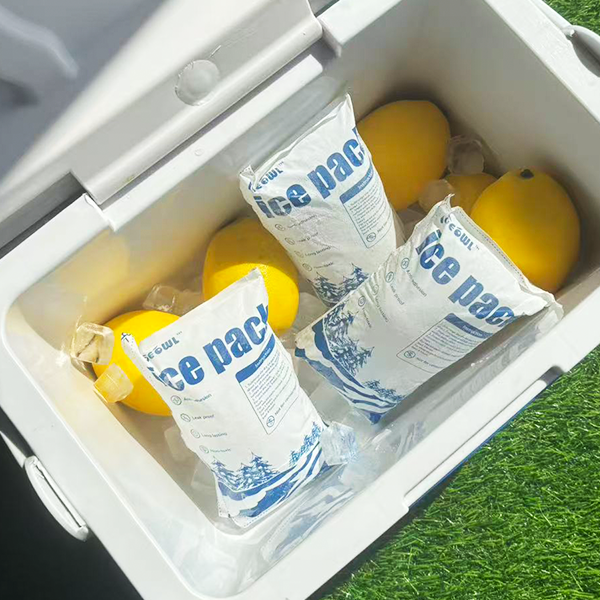
Precio del proveedor de hieleras: Un método de cinco puertas para una compra auditable
The safest way to evaluate an ice chest supplier price is to make the quotation pass five gates: ajuste de la aplicación, definición de producto, evidencia, economía entregada, y control de producción. La comparación de precios comienza solo después de que una oferta supera los requisitos que protegen la carga útil y el flujo de trabajo operativo.. Este método funciona para refrigeradores al por mayor., flotas de reparto, productos de marca privada, and passive cold-chain packaging because it exposes assumptions instead of hiding them in a unit figure. También ofrece adquisiciones., operaciones, ingeniería, calidad, y logística un registro compartido de lo que el proveedor realmente ha ofrecido.
Puerta 1: Defina el trabajo antes de nombrar el producto.
Comience con una declaración operativa de un párrafo. Describe la carga útil, ruta de manejo, usuario, metodo de limpieza, modo de envío, destino, patrón de orden esperado, y si el cofre es de un solo uso, reutilizado casualmente, o gestionado como un activo retornable. Si el contenido es sensible a la temperatura, agregar el requisito de temperatura específico del producto, duración de la ruta, probable exposición ambiental, fuente fría, enfoque de seguimiento, y consecuencia de una excursión.
Este paso evita la confusión de categorías.. "Cofre de hielo" podría describir un refrigerador para bebidas, una caja de transporte robusta, un recipiente de espuma moldeada, or part of a qualified thermal shipper. Un refrigerador para el consumidor puede estar bien fabricado sin ser adecuado para el sector farmacéutico.. A durable plastic box can protect against impact without controlling temperature. Una pared aislada ralentiza el flujo de calor pero no enfría una carga útil caliente. La declaración de trabajo decide qué reclamos importan.
Separar los requisitos obligatorios de las preferencias. Los artículos obligatorios pueden incluir dimensiones mínimas utilizables., método de transporte cargado, huella del vehículo o bastidor, compatibilidad de limpieza, función de cierre, y un nivel de evidencia aceptable. Las preferencias pueden incluir un tono particular., superficie decorativa, o accesorio opcional. Cuando cada solicitud se trata como obligatoria, Los proveedores sobrevaloran el producto o asumen en silencio qué artículos pueden ignorarse..
Para un tamaño nominal, verificar las dimensiones externas e internas. Luego dibuja o modela la carga útil con refrigerante., particiones, cestas, y autorización. Volumen interno bruto, litros indicados, y el espacio de carga útil utilizable no son intercambiables. Una caja que cumple con la etiqueta de volumen pero no cumple con el paquete no debe proceder a la comparación de precios..
Puerta 2: Congelar una definición de producto cotizable
La segunda puerta convierte la declaración operativa en un producto controlado.. La definición mínima normalmente incluye un dibujo., descripción de la construcción, materiales de carcasa y revestimiento, tipo de aislamiento, disposición de tapa y sellado, manijas, bisagras, pestillos, drenaje o penetraciones, color, herrada, accesorios, y embalaje.
El lenguaje material debe ser lo suficientemente específico para respaldar el riesgo.. "Plástico,” “PEAD,” o “espuma de alta densidad” pueden ser etiquetas de categoría útiles, pero no definen la unidad terminada. Grado de resina, familia de espuma, densidad o propiedad controlada cuando sea relevante, espesor, proceso de moldeo, y el ensamblaje afectan el comportamiento. Más material no siempre es mejor. Una pared más gruesa puede aumentar el volumen de carga y reducir el espacio de carga útil, mientras que una tapa mal controlada puede socavar una pared que de otro modo sería fuerte.
Solicitar al proveedor que identifique qué elementos son estándar y cuáles son personalizados. Las herramientas estándar pueden reducir los costos y el tiempo de entrega. La geometría personalizada puede mejorar la eficiencia de la carga útil, identidad de marca, o manejo, pero puede agregar herramientas, prototipos, pasos de aprobación, y volver a probar. Un cambio de color o logotipo puede ser cosmético.; una dimensión interna, empaquetadora, aislamiento, o el cambio de pared puede afectar la función.
La cotización debe hacer referencia a un dibujo y revisión.. Las fotos del producto son útiles como orientación pero no son una especificación.. Si la oferta cambia después de la negociación, actualice la revisión en lugar de depender de fragmentos de correo electrónico. Esta sencilla práctica evita que el precio final quede vinculado a un precio anterior., construcción más cara.
Hacer visibles las inclusiones
Enumere todos los componentes de la oferta.. ¿El precio incluye la tapa?, empaquetadora, tapón de drenaje, cesta, divisor, refrigerante, correas, etiquetas, embalaje individual, caja maestra, y palet? ¿Hay pestillos de repuesto disponibles?? ¿Se incluye la configuración del arte?? ¿La muestra utiliza materiales de producción?? Cuando los componentes no están listados, Pueden aparecer diferentes proveedores cotizando el mismo producto ofreciendo diferentes montajes..
Puerta 3: Relacionar la evidencia con la consecuencia del fracaso
La evidencia debe ser proporcional.. Es posible que una hielera promocional necesite aprobación de muestra, controles dimensionales, y pruebas funcionales básicas. Una flota de entrega diaria puede agregar manejo de carga, facilidad de limpieza, ciclismo de hardware, y ensayos de reparación. Un programa de distribución sensible a la temperatura puede necesitar un protocolo térmico definido, escucha, instrucciones de embalaje, revisión de calificación, y control de cambios.
La evidencia térmica requiere cuidado especial.. Una duración reivindicada tiene significado sólo con sus condiciones.: versión en caja, carga útil, cantidad y ubicación del refrigerante, temperaturas iniciales, acondicionamiento, perfil ambiental, sensores, aberturas de la tapa, duración, y límites de aceptación. Resultados de una caja vacía, otro tamaño, o una condición ambiental constante favorable no puede transferirse automáticamente a la ruta del comprador. Los perfiles estándar pueden soportar trabajos comparativos o de cualificación, pero el equipo de calidad responsable debe decidir si es necesario realizar trabajos adicionales específicos del carril..
La evidencia mecánica también necesita un método definido. La “prueba de caída” está incompleta sin la masa cargada, orientación, altura, acondicionamiento, número de muestras, y criterios de aceptación. El mismo principio se aplica al apilamiento., fuga, manejar la carga, y ciclos de cierre. El objetivo no es exigir todas las pruebas posibles.. Es para evitar pagar por un reclamo sin fundamento..
| Nivel de evidencia | Punto de partida apropiado | Limitación importante |
|---|---|---|
| Muestra aprobada | Apariencia, adaptar, hardware, embalaje, manejo básico | Una muestra no demuestra la coherencia de la producción. |
| Registros de inspección de proveedores | Dimensiones, peso, hechura, función del componente | Los registros son útiles sólo cuando se definen los criterios y el muestreo. |
| Informe de prueba específico del producto | Evaluación mecánica o térmica definida | Se aplica a la configuración y condiciones probadas. |
| Calificación de ruta o programa | Distribución sensible a la temperatura de alto riesgo | Requiere control de embalaje., instrucciones, escucha, y cambios |
La mesa es una escalera., No es una afirmación de que cada compra necesite el nivel superior.. Los compradores deben subir sólo hasta la altura que requiera la aplicación.. Sin embargo, Un proveedor no debe cobrar por el idioma de un nivel superior mientras proporciona evidencia de uno inferior..
Puerta 4: Normalizar la oferta comercial completa
Una vez que el producto y la evidencia están alineados, convertir cada cotización al mismo alcance. Mantener el costo recurrente, costo único, logística, y costo de operación por separado.
El costo recurrente incluye el cofre., hardware, accesorios incluidos, impresión de rutina, y embalaje estándar. El costo único incluye herramientas, prototipos, placas de arte, ingeniería, y calificación. La logística incluye el transporte de origen., transporte, seguro, manejo de destino, deberes, corretaje, almacenamiento, y entrega final según el Incoterm seleccionado. El costo operativo puede incluir la inspección entrante., acondicionamiento, limpieza, seguimiento, logística inversa, reparar, pérdida, y eliminación.
Solicite dimensiones y peso confirmados de la caja maestra. Los cofres aislados pueden consumir mucho volumen, por lo que el diseño del embalaje puede cambiar la economía del desembarco más que una pequeña diferencia de precio unitario. Compruebe si las tapas o los componentes encajan de forma segura, si las cajas necesitan inserciones protectoras, cuantas cajas caben en un pallet, y si el embalaje cotizado ha sido probado físicamente. No utilice un cálculo optimista de contenedores como promesa del proveedor.
Para descansos de cantidad, registrar las suposiciones. No es lo mismo el precio de un color en una producción completa que la misma cantidad anual dividida entre varios colores y lanzamientos mensuales.. Un contenedor de modelo mixto puede crear trabajo de embalaje e inventario. Una previsión no es un compromiso de compra a menos que el acuerdo así lo diga.
Compara la unidad de valor correcta
Utilice el costo en destino por unidad vendible para venta al por mayor. Costo de uso por ruta exitosa o reutilización completa para una flota. Utilice el costo total de embalaje por envío protegido para operaciones de cadena de frío. Costo de uso por venta minorista, incluidas devoluciones y empaques para productos de consumo. El número de unidad de fábrica permanece visible., pero ya no controla una decisión para la cual es incompleta.
Si se reclama la reutilización, crear un modelo separado. incluir recuperación, limpieza, inspección, el secado, almacenamiento, seguimiento, reparar, y unidades perdidas. Pruebe varios supuestos realistas de rentabilidad y pérdida.. No asuma un recuento de reutilización únicamente del material.. Proceso de campo, comportamiento del usuario, y los criterios de retiro determinan el uso real.
Puerta 5: Conecte la muestra aprobada a la producción en masa.
La puerta final pregunta si el proveedor puede reproducir el producto que obtuvo la aprobación.. Crear un registro de referencia con el dibujo firmado., fotografías de muestra, dimensiones, peso, descripciones de materiales o componentes, color, posición del logotipo, función de hardware, criterios de mano de obra, embalaje, y estado de la prueba.
Traducir las expectativas subjetivas a un lenguaje inspeccionable. En lugar de “mango fuerte,"defina la evaluación de uso cargado requerida. En lugar de “buen sello,"definir la alineación del párpado, compromiso de cierre, condición de la junta, y cualquier fuga relevante o control térmico. En lugar de “superficie perfecta,"Define qué imperfecciones son inaceptables en áreas visibles y no visibles..
Acordar un plan de inspección para los materiales entrantes., moldura, asamblea, y embalaje final. La profundidad puede variar según el riesgo de la orden., pero el comprador debe saber quién verifica las características críticas y cómo se manejan las unidades no conformes.. Para una ejecución inicial, considerar una inspección mejorada hasta que el proceso sea estable.
La notificación de cambios es esencial. Un nuevo grado de resina, formulación de espuma, espesor de pared, empaquetadora, fuente de hardware, adhesivo, parámetro de moldeo, o el método de embalaje puede afectar la calidad, adaptar, o comportamiento térmico. El proveedor debe identificar los cambios propuestos antes del envío para que el comprador pueda decidir si se debe repetir la aprobación de la muestra o las pruebas.. En un programa de cadena de frío controlado, La evaluación de cambios pertenece a los propietarios técnicos y de calidad adecuados..
Realizar un piloto que mida el cuello de botella real
Un piloto es más valioso cuando prueba operaciones., no solo la apariencia del cofre. Seleccione un lote pequeño representativo de la producción. Empaquétalo con la carga útil real y los accesorios.. Muévelo por el vehículo., estante, red de paquetería, o secuencia de entrega. Observar el tiempo de carga., levantamiento, adhesión de etiquetas, cierre de tapa, fuga, limpieza, el secado, apilado, y regreso vacío.
Para contenidos sensibles a la temperatura, seguir un protocolo aprobado y utilizar un seguimiento adecuado. No improvise la aceptación de la temperatura del producto a partir de una observación general de la retención de hielo.. Confirmar los requisitos específicos del producto e involucrar al equipo de calidad en las desviaciones..
Registrar fallos y cuasi accidentes. Una tapa que se cierra solo cuando se presiona en una esquina., un asa que interfiere con el apilamiento, o una caja que colapsa bajo la carga de una plataforma se puede corregir antes de escalar. Actualizar la especificación y cotización después del piloto.. Esto mantiene la transparencia comercial.: el precio de producción corresponde al producto que realmente funciona.
Imagine un distribuidor comparando dos ofertas. El primero es más barato pero consume más volumen de carga y utiliza pestillos que no se pueden reparar.. El segundo cuesta más en fábrica., empaca más eficientemente, y admite hardware de repuesto. Un piloto demuestra que ambos protegen la carga útil, pero el primero genera mayor almacenamiento y tiempo de inactividad. La cotización unitaria más alta se puede elegir por razones operativas documentadas en lugar de preferencia.. En otro programa con venta unidireccional, el resultado podría revertirse.
Utilice declaraciones de sostenibilidad con la misma disciplina de auditoría
Las decisiones ambientales se benefician de límites claros. Un material reciclable no necesariamente se recicla en el destino. Un cofre reutilizable no necesariamente se devuelve. Un diseño liviano puede ahorrar carga de salida pero fracasar antes. Un diseño duradero puede admitir muchos usos, pero requiere energía y transporte para su recuperación y limpieza..
Pregunte qué cubre el reclamo: contenido de resina, fabricación de productos, embalaje, usar, recuperación, o fin de vida. Solicitar documentación de respaldo donde aparecerá un reclamo en los informes de marketing o adquisiciones.. Evite términos amplios que no se puedan verificar. La mejora práctica puede ser específica., como reducir el volumen de retorno vacío, reemplazar un pestillo dañado en lugar de desechar el cofre, eliminando una caja interior innecesaria, o consolidar envíos mediante un mejor embalaje.
La sostenibilidad no debería debilitar la protección de la carga útil. La pérdida de producto puede tener consecuencias económicas y medioambientales mucho mayores que el propio embalaje., especialmente para alimentos o productos sanitarios. Evaluar la reducción del embalaje sólo después de que se cumplan los requisitos funcionales..
Preguntas frecuentes
¿Cuál es la información mínima necesaria para una cotización de hielera??
Proporcionar caso de uso, dimensiones internas objetivo o dibujo de carga útil, límites externos, preferencia de construcción, hardware, color, herrada, embalaje, cantidad, destino, y plazo de entrega. Para uso sensible a la temperatura, agregue el rango requerido, duración, condiciones ambientales, refrigerante, carga útil, escucha, y expectativas de evidencia.
¿Cómo sé si dos cofres cotizados son equivalentes??
Consulta el dibujo referenciado., dimensiones internas y externas, materiales, aislamiento, tapa, hardware, accesorios incluidos, peso, embalaje, alcance de la prueba, e Incoterm. Si algún artículo difiere, documentar la diferencia y decidir si afecta el ajuste, riesgo, o costo antes de comparar precios unitarios.
¿Deben amortizarse las herramientas en el precio unitario??
Puedes calcular una vista amortizada para la planificación empresarial., pero mantenga las herramientas visibles como una línea única en la comparación de proveedores. De lo contrario, Una oferta personalizada puede parecer artificialmente cara con un volumen bajo o engañosamente barata cuando el volumen proyectado es incierto.. Confirmar los términos de propiedad y mantenimiento..
¿Qué hace que una afirmación térmica sea creíble??
Una afirmación creíble identifica la configuración exacta y las condiciones de prueba., incluyendo carga útil, refrigerante, temperaturas iniciales, perfil ambiental, sensores, duración, y criterios de aceptación. El comprador aún debe juzgar si esas condiciones representan el producto y la ruta previstos..
¿Con qué frecuencia se deben revisar los precios de los proveedores??
El tiempo de revisión depende del contrato., mercado, y programa. Establecer un período de validez de cotización y un proceso transparente para cambios de materiales., embalaje, transporte, divisa, o especificación. No compare una oferta actual con una cotización vencida basada en una revisión diferente.
El registro de decisión es tan importante como el precio seleccionado
Una compra auditable vincula la necesidad empresarial con la especificación, evidencia, modelo comercial, y controles de producción. Las cinco puertas evitan que un número bajo eluda un requisito técnico y evitan que se compren funciones premium sin un caso de uso.. También hacen que las negociaciones posteriores sean más limpias porque ambas partes pueden ver qué cambio de alcance creó el cambio de precio..
Aprobar el cofre solo cuando haya espacio utilizable., manejo, construcción, evidencia, economía entregada, y el control de cambios se entienden. El precio del proveedor de hieleras preferido es entonces el costo mejor respaldado para un resultado operativo definido., ni la cifra más pequeña y no calificada.
Acerca de Tempk
Tempk es la marca de embalaje de cadena de frío de Shanghai Tempk Industrial Co., Limitado. Available categories include medical cooler boxes, Cajas de espuma EPP, Formatos aislados VIP, plastic cold-chain boxes, y opciones de refrigerante compatibles. Apoyamos las discusiones de los compradores sobre el ajuste de la carga útil, empacar, suministro a granel, personalización, manejo, y el nivel de verificación adecuado a una ruta. Se debe confirmar el rendimiento específico para la configuración y las condiciones seleccionadas..
Envíe a Tempk una declaración de uso definida, dibujo de carga útil, plan de cantidad, destino, y la evidencia necesita construir una cita que pueda compararse puerta por puerta.
Cómo comparar cotizaciones de precios de fábrica de hieleras
How to Compare an Ice Chest Factory Price Quote
The best way to compare an ice chest factory price is to remove every undefined assumption. Give bidders one product brief, require a configuration-level response, and calculate landed cost for a saleable or operationally usable unit. The recurring price should be separated from tooling, desarrollo, pruebas, personalización, inspección, y flete. Only then can procurement distinguish genuine manufacturing efficiency from a lighter specification, componente faltante, optimistic load plan, or quality risk that will appear after the order.
Paso 1: Name the Product You Need
Begin with use, no apariencia. Is the chest a recreational consumer product, a promotional container, a foodservice handling box, or part of a temperature-controlled shipping system? State what goes inside, quien lo maneja, where it travels, como se limpia, si regresa, and what failure would matter.
Define target external dimensions and the usable internal envelope. Capacity labels vary, and rounded or tapered interiors may not fit rectangular loads efficiently. Specify expected loaded mass, acceso a la tapa, drenar, manijas, ruedas, pestillos, empaquetadora, divisores, y repuestos. Separar funciones esenciales de preferencias.
If unpackaged food can contact the interior, identify the destination markets and intended conditions. Ask for documentation on the exact resin, aditivos, colorantes, contenido reciclado, and manufacturing use. A general HDPE or PP description is insufficient. If products remain in sealed packaging, describe that accurately so requirements stay relevant.
A three-level specification
Use three categories to keep the project economical:
- Crítico: seguridad, adaptar, cierre, carga, required material status, and essential performance
- Comercial: apariencia, herrada, presentación del empaque, and channel features
- Opcional: enhancements that can be priced separately or introduced later
This hierarchy helps the factory suggest savings without weakening critical functions.
Paso 2: Force the Quotation Into the Same Shape
Provide a response table so every supplier states the same items. Require model or drawing revision, construcción, especificación de materiales, peso del producto, método de aislamiento, hardware, accesorios incluidos, logo process, color, embalaje unitario, tamaño del cartón, quantity tiers, plazo de entrega, commercial term, and quote validity.
| Artículo de cotización | Why it must be explicit | Common comparison error |
|---|---|---|
| Revisión del producto | Connects price to an approved design | Comparing a stock model with a custom proposal |
| Material and part weight | Reveals construction basis | Treating all HDPE or PP products as equal |
| Sistema de aislamiento | Determines process and thermal role | Comparing an empty shell with an insulated chest |
| Included hardware | Affects assembly and service | Discovering latches or drains are optional later |
| Quantity basis | Governs setup and purchasing | Using a high-volume tier for a small first order |
| Packing and load plan | Drives damage and freight | Comparing unit price before packed cube |
| Término comercial | Defines included logistics cost | Mixing ex-factory and delivered numbers |
Ask suppliers to flag deviations rather than burying them in notes. A deliberate alternative can be valuable, but it should be priced alongside the requested base so the buyer understands the trade-off.
Paso 3: Separate Tooling From Production
Tooling economics depend on process. Injection molds, rotational molds, blow molds, EPP tools, accesorios, and printing equipment carry different costs and capabilities. The quotation should state scope, propiedad, almacenamiento, mantenimiento, ensayos, textura, inserciones, engineering changes, and transfer conditions.
Model tooling over conservative volume cases. A custom mold may deliver lower recurring cost or unique features, yet a standard mold with custom graphics may be preferable for market validation. Include the cost of tool corrections and design changes in the development plan rather than assuming first-pass perfection.
Use approval gates: revisión de diseño, prototype or engineering sample, prueba de herramienta, corrective loop, and preproduction sample. Each gate should have deliverables and authorization. Mass production should not start from an informal photo approval.
Paso 4: Understand the Recurring Cost Drivers
Material consumption is visible, but cycle time and complexity can be equally important. Thick walls extend cooling in injection molding and use more resin. Rotomolding uses long heating and cooling cycles. Foam filling adds material, accesorios, y control de procesos. EPP molding depends on bead processing, densidad, fusión, y secado. VIP assembly adds high-value components and careful placement.
Hardware creates both purchased-part cost and assembly labor. A chest with replaceable hinges, pestillos, manijas, desagües, juntas, and wheels may cost more to build but offer service benefits. Decide which interfaces need replacement and which can be integral.
Tolerances and cosmetic standards affect inspection and yield. Apply tight tolerance to functional interfaces, not every dimension. Define acceptable appearance by zone and viewing condition. A vague request for “perfect finish” either creates disputes or encourages a supplier to add risk cost.
Color and branding also recur. Special resin colors may carry batch minimums and purge losses. Printing needs setup and may require surface treatment. Retail cartons create printing plates, mínimos, handwork, and larger freight cube. Price these as distinct choices.
Paso 5: Tie Quality Control to Intended Use
Create a control plan around failure modes. For a retail cooler, ajuste de la tapa, función de pestillo, manejar la carga, drain leakage, cosmetic finish, embalaje, and label accuracy may dominate. For a cold-chain box, conjunto de aislamiento, ajuste del refrigerante, cierre, empacar, and configuration-specific thermal evidence also matter.
Testing must define sample condition, método, carga, duración, ambiente, y aceptación. Statements such as heavy duty, a prueba de fugas, grado alimenticio, or long ice retention are not precise enough for production approval. Translate only necessary claims into measurable criteria.
Approve a golden sample, lista de materiales, dibujos, obra de arte, and packing specification. Agree on defect classification, muestreo, registros de inspección, and nonconformance response. If a third-party inspection is planned, share the checklist early so the factory can prepare the same evidence.
Change control preserves the bargain. A lower-cost resin, reduced wall weight, different foam, substitute latch, new colorant, thinner carton, transferred tool, or alternate factory can change the product. Require notification and appropriate sample or technical review before implementation.
Paso 6: Convert Factory Price to Landed Cost
Ask for verified packed dimensions, peso bruto, unidades por caja, plano de paleta, and container-loading assumptions. Ice chests ship significant air, so nestability and protruding hardware can dominate cost. Validate load plans with a packing trial where volume matters.
Add costs using one logistics basis: embalaje de exportación, inland origin movement, aduanas, international freight, seguro, deber, manejo de destino, inspección, y entrega final. State currency and exchange-rate assumption. Include financing and warehouse cost if they materially affect the decision.
Transit damage belongs in landed cost but should not be disguised as an invented defect percentage. Use pilot data, supplier history that you can verify, or scenario ranges. Improve carton protection, component position, and stacking when damage risk is observed.
Un ejemplo práctico: Supplier A is cheaper at the factory but ships non-nested retail cartons. Supplier B costs more per unit yet loads substantially more units in the same freight volume. Depending on the destination and channel, Supplier B can produce the lower landed cost. The answer should come from verified packed data, not a general rule.
Paso 7: Choose an Order Strategy
Quantity discounts arise from setup allocation, material buying, color batching, hardware minimums, and production scheduling. They are not free money. Balance them against demand uncertainty, almacenamiento, dinero, artwork changes, y obsolescencia.
Use a pilot to validate product, embalaje, and user response. Then establish quantity breaks tied to forecasts and call-off schedules. A framework order may improve planning while limiting destination inventory, but responsibilities for storage, pago, and material commitments must be explicit.
Review lead time by component. A chest may mold quickly while a custom gasket, rueda, color masterbatch, or printed carton controls the schedule. During peak production periods, reserve capacity with a realistic forecast rather than relying on an average lead-time statement.
Paso 8: Evaluate Lifecycle and End-of-Life Cost
For reusable business use, unit price should be translated into cost per successful cycle. Count return freight, limpieza, inspección, almacenamiento, seguimiento, missing units, refacción, y reemplazo. Establish retirement criteria and collect real fleet data before making a specific reuse claim.
For consumer sales, consider warranty, piezas de repuesto, regresa, desecho, y el impacto de la marca. A replaceable drain plug or latch can reduce replacement of the entire chest. En cambio, excessive component complexity can create service inventory.
Environmental decisions need defined boundaries. A lower resin weight, contenido reciclado, construcción reutilizable, reduced carton, or improved loading density may each offer benefits. Verify material and regulatory context, measure what can be measured, and avoid broad terms such as sustainable or fully recyclable without evidence about the full product and actual recovery system.
Use a costed change process after launch
Once sales or operations begin, requests accumulate: a stronger handle, revised graphic, different carton, added drain, nuevo color, or lighter wall. Treat each request as a small business case. The factory should quote tooling, recurring cost, lead-time effect, remaining inventory, test impact, and the date when the new revision can enter production. The buyer should state the reason and success measure.
Do not mix old and new revisions without an identification plan. Retail images, piezas de repuesto, instrucciones, cajas de cartón, and replacement policies may need updating. Para flotas operativas, mixed latches or drains can complicate repair. For cold-chain configurations, a construction change may affect the evidence supporting the packout.
A disciplined change log often produces better savings than repeated price pressure. It shows which features users value, which packaging changes reduce damage, and which cosmetic operations can be removed safely. It also preserves the original baseline, making it possible to reverse an unsuccessful change rather than arguing from memory.
A Final Bid-Comparison Scorecard
Score suppliers on more than price:
Specification match and transparent deviations
Sample quality and production-representative construction
Tooling and engineering capability
Material and component traceability
Quality plan and test relevance
Packed-cube and delivery economics
Schedule and capacity credibility
Disciplina de control de cambios
Communication and corrective-action process
Total landed and lifecycle cost
Weight the factors according to channel risk. A promotional item with a fixed event date may prioritize schedule and color consistency; a reusable operational chest may prioritize durability, piezas de servicio, and lifecycle controls.
Preguntas frecuentes
What information produces the fastest accurate factory quote?
Provide intended use, dimensiones, capacidad utilizable, construcción, hardware, color, herrada, embalaje, quantity tiers, destino, término comercial, expectativas de calidad, and a reference drawing or sample. Identify open decisions. A clear brief reduces the factory’s need to assume and shortens the correction cycle.
How much should tooling add to each unit?
There is no fixed answer. Divide total development and tooling cost across conservative expected production, while considering maintenance, cambios, and the possibility that demand differs from forecast. Keep tooling visible as capital or amortization instead of hiding it inside a unit price that becomes difficult to audit.
Can price be reduced by lowering wall weight?
Probablemente, but only after checking stiffness, comportamiento de impacto, alabeo, cierre, soporte de hardware, and the insulation architecture. Geometry improvements may reduce material more safely than uniform thinning. Approve revised samples and repeat relevant tests before accepting the saving.
What is the biggest hidden cost in imported ice chests?
There is no single answer, but freight volume, inventario, daños de tránsito, and missing accessories are common candidates. Obtain verified packing data, model realistic order quantities, specify included components, and use a pilot to identify the dominant cost for your channel.
Should the cheapest supplier remain as a backup?
Only if that supplier can meet the approved specification, controles de calidad, and delivery requirements. A backup source needs sample and document approval before an emergency. An unqualified low quote is not real supply continuity because switching during disruption introduces new product and quality risk.
Conclusión
Comparing ice chest factory price quotes is a sequence: define use, normalize scope, separate tooling, understand recurring cost, controlar la calidad, calcular el costo de destino, choose an order strategy, and assess lifecycle economics. Make deviations visible and connect every quote to a product revision. This approach supports productive negotiation while preventing price reductions from quietly changing the chest you approved.
Keep the comparison sheet with the purchase record so future reorders use the same baseline, suposiciones, and approved commercial boundaries.
Acerca de Tempk
Tempk, asociado con Shanghai Tempk, supplies plastic boxes and other cold-chain packaging categories, incluidos los formatos EPP, refrigeradores médicos, VIP-related insulated options, y opciones de refrigerante. Different constructions create different tooling, material, embalaje, and performance considerations. A quotation can be developed around the buyer’s intended use, dimensiones, componentes, herrada, order plan, y destino, with claims limited to the evidence available for the chosen configuration.
Send Tempk one standardized RFQ package to compare construction options, recurring price, personalización, embalaje, and development costs on the same basis.
Compare correctamente el precio de exportación de hieleras
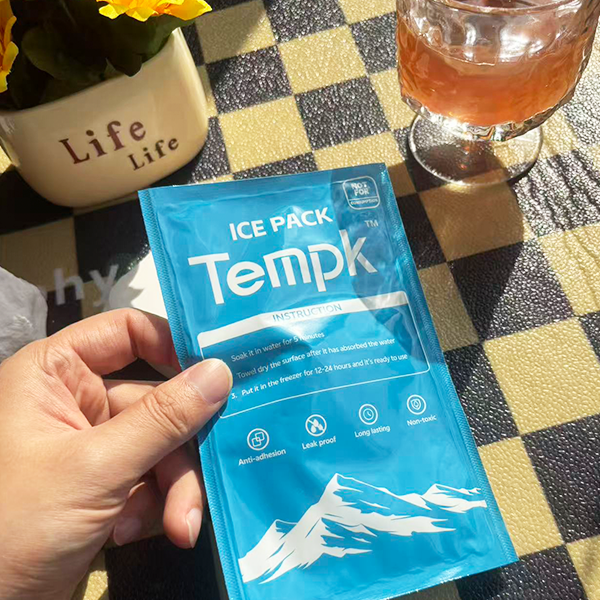
Compare correctamente el precio de exportación de hieleras
The correct ice chest exporter price has an origin, destino, término comercial, plan de envío, and product revision. Without those references, an importer cannot tell whether the offer includes export cartons, palets, inspección, documentos, refrigerante, or delivery responsibility. Comparing only the unit line shifts uncertainty into freight, aduanas, recepción, and field support.
A sound exporter comparison uses one RFQ, a landed-cost sheet, evidence appropriate to the end use, a pre-shipment quality plan, y controles de repetición de pedidos. It avoids made-up market averages and makes each commercial assumption visible.
Define one export comparison unit
Defina la unidad de comparación como “un sistema entregado utilizable,” no “una caja”. Enumera el cuerpo exacto, tapa, empaquetadora, manijas, drenar, divisores, paquetes de refrigerante, cestas, etiquetas, instrucciones, y embalaje de envío. Indique si se incluye un registrador de temperatura o se compra por separado.
Luego define el uso. Proporcionar dimensiones y masa de carga útil., cantidad, condición requerida, estado inicial, ruta, tiempo creíble más largo, exposiciones ambientales, aberturas, vehículo, manejo, limpieza, y regresar. Para medicamentos y vacunas., Los requisitos deben provenir de la documentación del producto y del programa.. No se debe imponer un rango general porque sea familiar..
Pregunte por dimensiones internas y planos de embalaje.. Es posible que una capacidad indicada de 25 litros no proporcione 25 litros de carga útil útil después del refrigerante y las barreras. La masa cargada y el centro de gravedad influyen en el mango y la ergonomía.. Las dimensiones exteriores influyen en el cubo de mercancías y vehículos.
Cada proveedor debe completar la misma matriz.:
| Campo de cotización | Respuesta requerida |
|---|---|
| Modelo y revisión | Identificador exacto y referencia del dibujo. |
| Componentes incluidos | Cantidad y especificación de cada pieza. |
| Niveles de precios | Cantidad, alcance de la unidad, divisa, validez |
| Cargos únicos | Estampación, obra de arte, desarrollo, pruebas |
| Controladores de cantidad mínima de pedido | Caja, pigmento, imprimir, refrigerante, embalaje |
| Evidencia incluida | Informar la identidad y la relevancia de la configuración |
| Embalaje | Caja de cartón, paleta, anidando, dimensiones, peso |
| Base de entrega | Término comercial, destino, exclusiones |
| Soporte repetido | Tiempo de entrega, salvado, proceso de garantía |
| control de cambios | Proceso de notificación y revisión del comprador. |
Esto convierte una solicitud de precio en una oferta comparable.. Las entradas faltantes se convierten en preguntas en lugar de sorpresas.
Utilice una escalera de evidencia
No todos los proyectos necesitan la misma evidencia. Crea niveles que coincidan con las consecuencias..
Nivel 1: identidad del producto. Dibujos, materiales, dimensiones, componentes, hechura, y las muestras establecen lo que se está comprando.
Nivel 2: evidencia funcional. Cierre, levantamiento, fuga bajo un método definido, compatibilidad de limpieza, apilado, y los controles del paquete de transporte respaldan el funcionamiento normal.
Nivel 3: evidencia de solicitud. Documentación de contacto con alimentos, pruebas térmicas, compatibilidad con refrigerante, y los métodos de seguimiento abordan el uso previsto.
Nivel 4: calificación controlada. Protocolos aprobados, instrumentos calibrados, muestras representativas, repetir carreras, criterios de aceptación definidos, informes rastreables, y control de cambios soportan distribución sensible a la temperatura de altas consecuencias.
El costo de los proveedores aumenta a medida que aumenta la evidencia específica del proyecto. Eso no es automáticamente un desperdicio.. Se convierte en desperdicio cuando un certificado no responde a una decisión, o cuando el comprador exija una prueba ajena a la ruta.
ISTA 7E proporciona perfiles térmicos para embalajes de transporte utilizados en la entrega de paquetes. La guía de la OMS describe conceptos de calificación y seguimiento del tiempo- y medicamentos sensibles a la temperatura. IATA's Temperature Control Regulations address relevant air-cargo practices. Utilice los marcos aplicables con personal calificado., manteniendo el producto, ruta, y jurisdicción en vista.
Una declaración de duración debe identificar el perfil ambiental., carga útil, refrigerante, acondicionamiento, posiciones de los sensores, criterios de aceptación, y configuración exacta. “Mantiene el frío durante días” no respalda un cálculo de coste-beneficio.
Convert the export offer into landed cost
Comience con la oferta detallada. Añadir accesorios, estampación, inspección, embalaje de exportación, transporte, seguro, deberes, corretaje, cargos portuarios o terminales cuando corresponda, transporte nacional, y recibiendo. Utilice cotizaciones actuales de proveedores adecuados en lugar de un porcentaje genérico.
Mantenga separados los insumos físicos y financieros. Las entradas físicas incluyen dimensiones empaquetadas., recuento de paletas, anidando, y peso bruto. Los insumos financieros incluyen la tarifa de flete., divisa, deber, y cargos por manejo. Esto facilita las actualizaciones cuando cambian las tarifas..
Comparar el mismo término comercial o ajustar la responsabilidad explícitamente. Confirmar si los palés, documentación de origen, y las citas de entrega están incluidas. Validez de cotización récord y supuestos de tipo de cambio. Una oferta entregada no es necesariamente más cara; simplemente coloca la coordinación de manera diferente.
Revise la cantidad mínima de pedido junto con el costo de entrega. Una cantidad alta puede reducir el producto y el flete por unidad al mismo tiempo que aumenta el inventario., almacenamiento, dinero, y obsolescencia. Un piloto más pequeño puede tener un costo unitario más alto pero comprar información valiosa.. Mostrar ambos efectos en la nota de aprobación..
Si se propone un nuevo molde, separarlo del precio unitario. Definir propiedad, mantenimiento, etapas de muestra, almacenamiento, y derechos de salida. Amortizarlo en un escenario de volumen conservador. La herramienta no debe desaparecer en la cotización donde no se puede revisar su riesgo..
Agregue costos operativos sin falsas certezas
Para una ruta de un solo uso, Incluye paquete de ensamblaje, preparación de refrigerante, escucha, carga dimensional, manejo de destino, y eliminación. Para un bucle reutilizable, agregar identificación de activo, logística inversa, lavado, el secado, inspección, reparar, pérdida, reposicionamiento, y stock de seguridad.
Calcular el costo por viaje entregado exitosamente. Una caja enviada pero no recuperada se ha entregado una vez, no completó un ciclo de reutilización. Una caja devuelta en espera de secado no está disponible en el inventario. Una unidad dañada puede requerir inspección y reparación antes de su próximo uso..
Utilice escenarios en lugar de una cifra optimista:
- Conservador: menor recuperación, vida útil más corta, mayor costo de reparación y devolución.
- Esperado: Supuestos respaldados por resultados piloto..
- Mejorado: mejor recuperación después de que se demuestren los controles.
Identificar las variables que cambian la decisión.. Si domina el cubo de retorno vacío, comparar anidamiento o agrupación regional. Si la pérdida domina, mejorar los controles de propiedad y escaneo. Si predomina la mano de obra de acondicionamiento del refrigerante, revisar el flujo de trabajo y las opciones de refrigerante compatibles. Si domina el transporte de mercancías de salida, reconsiderar el tamaño externo y la relación de carga útil.
Evite asignar ahorros o beneficios ambientales no respaldados. Reutilizar, contenido reciclado, aligeramiento, y la reciclabilidad son atributos separados. Viajes reales, transporte, lavado, reparar, y las rutas locales al final de su vida útil determinan el resultado del programa..
Pilotar tanto el producto como los supuestos.
Las muestras deben representar la construcción de producción.. Pruebe el ajuste de la carga útil real, tiempo de carga, cierre, levantamiento cargado, apilado de vehículos, aberturas, descarga, lavado, el secado, etiquetas, y regreso vacío. Incluir operadores de diferentes turnos..
Para control de temperatura crítica, ejecutar un protocolo aprobado con un seguimiento adecuado y condiciones realistas. Revisión de la caja de control., carga útil, refrigerante, acondicionamiento, acuerdo, sensores, y aceptación. Evaluar el riesgo de congelación y calor cuando sea relevante.. La caja por sí sola no es el sistema calificado..
El piloto también valida costes. Contar los pasos del parto, espacio, daño, y regresa. Registrar si faltan accesorios. Verifique las dimensiones del paquete de envío e inspeccione la compresión de la paleta. Reemplazar estimaciones con valores observados.
Imagine un diseño que ahorre costos de fábrica mediante el uso de un pestillo no reemplazable.. durante el piloto, los pestillos muestran desgaste mientras el cuerpo permanece en servicio. El precio unitario más bajo podría provocar jubilaciones anticipadas. Un componente reemplazable puede mejorar la economía del ciclo de vida, pero sólo si partes, herramientas, capacitación, y la inspección son prácticas.
Utilice los resultados del piloto para revisar la oferta., especificación, y modelo interno. Si la configuración cambia materialmente, repetir la evaluación necesaria antes de escalar.
Proteger la economía aprobada a través del control de calidad.
La deriva de la producción puede borrar las suposiciones de costos. Definir materiales críticos, dimensiones, ajuste de la tapa, aislamiento, refrigerante, hardware, olor, color, etiquetas, y embalaje. Establecer clases de defectos y métodos de inspección.. Requerir identificación del lote y una respuesta para el producto no conforme.
La notificación de cambio de proveedor debe cubrir el grado de resina, contenido reciclado, pigmento, espuma, personaje, empaquetadora, adhesivo, hardware, refrigerante, moldura, asamblea, fuente del componente, y sitio. Luego el comprador determina el impacto. Una actualización del documento puede ser suficiente para un cambio menor; Es posible que se requiera una verificación funcional o recalificación térmica para otro.
La garantía debe traducirse en proceso.. ¿Qué defectos están cubiertos?? ¿Qué evidencia se necesita?? quien paga el flete? ¿Se suministran repuestos?? ¿Qué tan rápido se revisan las reclamaciones?? Una declaración de garantía larga con exclusiones difíciles tiene un valor económico limitado.
La planificación de la continuidad cubre el tiempo de entrega de pedidos repetidos., disponibilidad de componentes, mantenimiento de herramientas, alternativas aprobadas, y comunicación. Los programas de alto riesgo pueden necesitar un stock de seguridad o una segunda configuración. El control elegido debe reflejar las consecuencias., no es una regla genérica.
Revisar el desempeño del proveedor con defecto., entrega, respuesta, y cambiar métricas. No reduzca el cuadro de mando a la variación de precios. Un proveedor estable que evite desviaciones puede soportar un costo total más bajo.
Ponga a prueba los supuestos comerciales
Antes del premio, Realizar una revisión interfuncional en la que cada función cuestione parte del modelo de costos.. Logística verifica las dimensiones de cajas y palés. Carga de cheques de operaciones, preparación de refrigerante, lavado, y dotación de personal. Revisión de calidad, evidencia y control de cambios.. Moneda de pruebas financieras, volumen, y supuestos de pago. La adquisición confirma que el alcance y los términos son comparables.
Ejecute sensibilidades en lugar de confiar en un total. aumentar el flete, reducir el retorno, acortar la vida útil, o agregar una carrera de calificación. Identificar la variable que puede revertir el ranking de proveedores, luego negociarlo o pilotarlo. Si el cubo de carga es decisivo, sea testigo del paquete de exportación. Si el regreso es decisivo, retrasar la escala de la flota hasta que se mida la recuperación. Si una reclamación térmica es decisiva, revisar el protocolo y los datos.
Exclusiones de documentos en la aprobación.. Un precio puede omitir impuestos de destino., almacenamiento local, calificación después de un cambio de carril, refrigerante de repuesto, o etiquetas específicas del cliente. Las exclusiones no son automáticamente desfavorables, pero la empresa debe poseerlos. La decisión sigue siendo auditable cuando los supuestos, lagunas de evidencia, y la contingencia son visibles.
Establecer una fecha de revisión posterior al lanzamiento. Comparar el costo real en destino, defectos, mano de obra, recuperación, y desviaciones con el modelo homologado. Utilice las diferencias para mejorar las cantidades de reorden, controles de ruta, y la próxima negociación con proveedores.
Record export packing performance and destination handling feedback during that review as well.
Compare offers under one delivery responsibility
Two quotes should not be ranked until the buyer maps which party controls origin pickup, despacho de exportación, main carriage, seguro, destination clearance, deberes, terminal charges, y entrega final. Use the named trade term and named place shown in the offer, and obtain current logistics input for any segment the buyer must add.
Do not treat a term as a complete cost guarantee. Recargos, sobrestadía, almacenamiento, inspección, citas de entrega, and tax treatment can depend on events and local rules. Record the rate date and assumptions. When a supplier offers several delivery bases, compare transparency, control, and risk as well as the total.
Currency and payment schedule also affect the importer. Deposit timing, balance trigger, bank fees, exchange exposure, and remedies for a failed inspection belong in the commercial comparison. These items do not change thermal performance, but they can materially change cash requirement and recourse. A decision memo should present the product price and delivery-risk allocation together.
Nota de decisión: lo que la gerencia debería ver
La recomendación final debe mostrar más de tres precios unitarios.. Presente:
aplicación y configuración controlada;
proveedores y diferencias de alcance;
nivel de evidencia y lagunas restantes;
costo de descarga en la cantidad y términos establecidos;
escenarios operativos y supuestos sensibles;
Resultados piloto y riesgos no resueltos;
estampación, personalización, y exposición de inventario;
compromisos de calidad y control de cambios;
Siguiente paso recomendado y condiciones de aprobación..
Este formato hace visible la incertidumbre. La gerencia puede ver si la decisión depende de la tasa de recuperación., transporte, calificación, o volumen. El departamento de adquisiciones puede negociar el verdadero impulsor en lugar de presionar a cada proveedor por el mismo porcentaje arbitrario..
Una decisión de “no otorgar aún” puede ser apropiada cuando el alcance o las pruebas están incompletos. Solicitar una ejecución de muestra adicional o una cotización de logística puede ser más económico que comprometerse con un pedido grande con una precisión falsa..
Preguntas frecuentes
What should be included in an export ice chest unit quote?
Como mínimo, identificar el cuerpo, tapa, aislamiento, empaquetadora, hardware, y embalaje. Agregar refrigerante, inserciones, etiquetas, documentos, y otros accesorios requeridos como líneas explícitas. Revisión del modelo estatal, cantidad, divisa, término comercial, destino, validez, y exclusiones para que los proveedores puedan compararse de manera justa.
¿Puede un informe térmico existente reducir el costo del proyecto??
Sí, si aplica para el modelo ofertado, materiales, carga útil, refrigerante, acondicionamiento, perfil ambiental, mapa de sensores, y criterios de aceptación. Cuando existen diferencias, utilizar una evaluación de impacto para decidir si el informe es informativo o si se requieren pruebas adicionales.
¿Por qué el tamaño externo es tan importante como la capacidad??
El tamaño externo impulsa el flete de exportación, huella del almacén, cubo de vehículo, y retornos vacíos. La capacidad interna debe ser lo suficientemente grande para el embalaje controlado., pero el exceso de pared o la geometría no utilizada pueden encarecer la logística. Compare la carga útil utilizable por cubo embalado y transportado.
¿Cómo pueden los compradores evitar pagar de más por reclamaciones de cumplimiento??
Preguntar qué requisito aplica, ¿Qué documento exacto lo respalda?, y qué componente solicitado cubre. Evite afirmaciones amplias como "cumple globalmente". Pagar por evidencias y controles que respondan al producto., mercado, ruta, y necesidades del sistema de calidad.
¿Cuándo debería un comprador elegir la personalización??
Elíjalo cuando los modelos existentes no puedan cumplir con la carga útil, manejo, control, o necesidades esenciales de la marca y cuando el volumen esperado respalda el desarrollo. Separar los cambios cosméticos de los funcionales.. Incluir herramientas, muestras, pruebas, aprobación, plazo de entrega, y riesgo de obsolescencia en la decisión.
Conclusión
Una comparación defendible de costes entre proveedores comienza con una configuración controlada. Establecer el nivel de evidencia, calcular los costos de aterrizaje y operación bajo supuestos visibles, probar el producto y el modelo de negocio, y proteger el resultado aprobado mediante control de calidad y cambios. Este enfoque reemplaza un precio de mercado poco confiable con una decisión que requiere financiamiento., operaciones, y la calidad todos pueden examinar.
Acerca de Tempk
Tempk, asociado con Shanghai Tempk, supplies cold-chain packaging categories that include medical cooler boxes, plastic and EPP insulated boxes, Opciones de aislamiento relacionadas con VIP, y opciones de refrigerante. Esas categorías se pueden cotizar como configuraciones estándar o centradas en aplicaciones según la solicitud.. Los compradores deben proporcionar carga útil., ruta, cantidad, destino, y necesidades de evidencia para que el alcance comercial refleje el uso previsto.
CTA: Request a Tempk export proposal that separates the box, refrigerante, personalización, evidencia, master-carton packing, paletización, and stated delivery basis.