


Cooler Box Vendor Price: Un marco de abastecimiento seguro
Cooler Box Vendor Price: Un marco de abastecimiento seguro

Cooler Box Vendor Price: Un marco de abastecimiento seguro
Cooler Box Vendor Price: Un marco de abastecimiento seguro
The most defensible purchase is the one that can be traced from product requirement to receiving evidence. For cooler box vendor price, the practical issue is how to turn several non-equivalent prices into a like-for-like purchasing decision. That requires a view of the whole system: the insulated body, refrigerante, separadores, disposición de carga útil, cierre, proceso de manipulación, and any temperature-monitoring device. This article is written for wholesale and project buyers requesting vendor bids. It explains how to make a decision for commercial cooler procurement without relying on vague hold-time claims, capacidad nominal, or a headline price that omits important costs.
Define Success at the Receiving Point
Write a one-page user requirement before selecting cooler box. It should identify the product and its required condition, dimensiones y masa de la carga útil, pasos de ruta, expected duration plus delay policy, warm and cold exposure, transport modes, manejo de eventos, patrón de apertura, necesidades de seguimiento, proceso de limpieza o devolución, y recibir decisión. For commercial cooler procurement, give particular attention to RFQ completeness, bid normalization, sample acceptance, payment milestones, and landed-cost visibility.
Separate mandatory acceptance criteria from preferences. A maximum external dimension may be mandatory because the box must fit a rack. A color may be preferred. A product temperature range may be mandatory, while a particular insulation material may be open to supplier proposal. This separation allows suppliers to improve the design without weakening the outcome. It also prevents a feature-rich quotation from appearing compliant when it misses the main requirement.
- Document and confirm configuration code.
- Document and confirm dimensional drawing.
- Document and confirm accessory list.
- Document and confirm quality acceptance criteria.
- Document and confirm landed-cost assumptions.
Match Insulation, refrigerante, and Payload
Seleccionar aislamiento, refrigerante, separadores, transatlántico, disposición de carga útil, monitor, cierre, and instructions as one system. Material labels alone do not predict the assembled result. EPS may suit a controlled one-way route; EPP may support repeated handling and cleaning; VIP-based systems may provide higher insulation in limited wall thickness but require panel protection. The choice should follow route risk, payload value, manejo, modelo de reutilización, y necesidades de evidencia.
Coolant has to be conditioned and positioned for the product. Frozen packs can create local freeze risk; too little stored cooling capacity can reduce the delay margin; excessive coolant takes payload space and adds mass. Use justified separators and packout geometry. Write instructions in the order operators work, with images or color coding if that reduces mistakes. Observe real staff packing the trial system rather than assuming a diagram is self-explanatory.
Usable payload deserves its own sign-off. Load the actual primary cartons or accurate dummies with the complete coolant and insert set. Cierre de cheques, compresión, recuperación, etiquetas, levantamiento, and vehicle fit. For a nominal 40-liter product, Por ejemplo, the number does not tell you how much payload remains. para restauración, mariscos, o carne, examine liners, liquid control, acceso de limpieza, and separation. para medicina, review freeze protection and monitor placement.
What a Serious Quotation Shows
| Quotation field | Que solicitar | Why it changes the decision |
|---|---|---|
| Configuración | Material, calificación, dimensiones, tapa, inserciones, refrigerante, y accesorios | Prevents unlike products from being compared as if they were identical |
| Commercial basis | Cantidad de pedido, estampación, embalaje, término comercial, divisa, and validity | Shows which costs sit inside or outside the unit price |
| Evidencia de desempeño | Perfil de prueba, carga útil, empacar, rango de aceptación, and report status | Reveals whether a claim resembles the intended route |
| Control de calidad | Muestra aprobada, criterios de inspección, notificación de cambio, y retención de registros | Protects consistency after the first order |
| Logística | Master-carton dimensions, unidades por caja, pesas, and loading plan | Supports a realistic landed-cost calculation |
Normalize bids to one currency, cantidad de pedido, configuración, and delivery point. Add tooling, obra de arte, muestras, pruebas, cajas de exportación, transporte, deber, and destination charges. Then build an operating view that includes packing labor, preparación de refrigerante, almacenamiento, limpieza, transporte de regreso, pérdidas, daño, y repuestos. The lowest unit price and the lowest program cost may be different offers.
Cost should be proportionate to failure consequence. The likely failure modes here are nominal-size comparisons, unclear included parts, unsupported performance, and surprise logistics charges. un corto, controlled delivery may not need the most elaborate construction or qualification package. A high-value medical shipment or unpredictable export route may justify stronger evidence and reserve. The goal is not maximum packaging; it is adequate, repeatable protection with a visible rationale.
A Bid-Normalization Worksheet for Cooler Boxes
Apply the sourcing framework to the actual use case. Give each vendor the same configuration table and require a response of comply, deviate, or not included. Capture internal dimensions, intrusión en la tapa, material, accesorios, embalaje, cantidad, obra de arte, and destination in fixed fields.
Turn that risk into a controlled process, currency movement, short price-validity periods, unconfirmed carton measurements, and last-minute artwork can change the landed result. Unknowns should be modeled as risks rather than treated as zero. Score commercial clarity as well as price. A vendor that identifies assumptions and deviations is easier to manage than one that confirms everything verbally but leaves the quotation vague.
Then connect evidence to money, require a quoted configuration code, dibujo, lista de accesorios, carton data, production lead-time basis, plan de inspección, and sample status. Verify factory and payment identities through normal procurement controls before commitment. Compare unit price at the same quantity and trade term, then add tooling, muestras, inspección, master-carton cube, transporte, deber, entrega local, payment cost, and likely replacement parts. Keep optional upgrades in separate rows.
At the decision gate, award on the normalized cost and risk picture, with reasons documented. This preserves negotiation leverage and gives operations a clear explanation of what has actually been purchased.
Evidence that Connects the Claim to the Lane
Ask exactly what a performance statement means. A duration should be tied to an ambient profile, carga útil, condición inicial, disposición del refrigerante, posiciones de los sensores, y rango de aceptación. A capacity should state whether it is gross internal volume or usable payload. A reusable claim should identify the inspection and cleaning process. A sustainability claim should explain system boundaries and end-of-life assumptions. Without conditions, a number is advertising language rather than decision evidence.
For temperature-sensitive medicinal products, WHO guidance frames qualification as controlled documented evidence and links container performance to transport profiles and acceptance criteria. ISTA thermal standards can support structured parcel-shipping evaluation. EU GDP and IATA practices add expectations around suitable equipment, manipulación controlada, documentación, and current air-cargo requirements. Food operations should align the packaging and transport procedure with applicable sanitary-transportation, HACCP, y controles específicos del producto. The responsible quality or food-safety team determines applicability and disposition.
The monitoring plan should define device accuracy over the relevant range, estado de calibración, recording interval, start and stop method, time synchronization, colocación, acceso a datos, alarmas, retención de registros, y respuesta. A logger is evidence, no protección. Put it where it represents a risk-informed payload condition, and make sure the receiver knows what to do with the record.
De-Risk the Production Decision
Approve the configuration and the process that makes it. Keep controlled drawings, especificaciones de materiales, listas de componentes, obra de arte, instrucciones de embalaje, master-carton details, y criterios de aceptación. Identify characteristics that affect fit, cierre, higiene, durabilidad, o comportamiento térmico. Ask how these characteristics are inspected and recorded during production.
Use a staged path: muestra funcional, engineering or packout trial, thermal or route evaluation as needed, pilot or pre-production run, then bulk approval. Each sample needs a revision and purpose. Retain an approved reference when useful. If the project is custom, settle tooling ownership, mantenimiento, modification rights, and end-of-project treatment in writing before the tool becomes leverage in a commercial dispute.
Require notification before changes to material, geometría, refrigerante, inserciones, manufacturing site or process, obra de arte, and performance-critical packaging. Decide which changes need document review, aprobación de muestra, o recalificación. This is central for pharmaceutical systems and still valuable for food and wholesale programs because small substitutions can affect fit and field performance.
Pilot the Whole Workflow
Use this typical scenario: a buyer compares two cooler boxes with the same listed liters but different wall geometry, espacio de carga útil, cantidad de caja, and lid hardware. Pack under realistic time pressure, stage the box as the route does, expose it to representative conditions, and complete the receiving process. Record thermal outcome where applicable, tiempo de empacar, ajuste de carga útil, manejo del refrigerante, levantamiento, cierre, leakage or condensation, daño, legibilidad de la etiqueta, limpieza, and return steps. The trial should reveal process weaknesses as well as product weaknesses.
Set a review meeting with procurement, operaciones, quality or food safety, y el proveedor. Classify findings as safety or product risk, performance gap, usability problem, cost opportunity, or preference. Revise the user requirement and configuration once, then repeat only the checks affected by the change under a justified plan. Controlled iteration is faster than accepting a weak design and correcting it through complaints.
A 2026 View of Reuse and Packaging Responsibility
Reusable packaging should be assessed as a loop: asunto, usar, devolver, inspeccionar, limpio, seco, almacenar, reparar, and reissue. Track availability, pérdida, daño, turnaround, and completed cycles. For one-way systems, evaluate material use, cubo de envío, disposal options, y protección del producto. El Reglamento de la UE sobre envases y residuos de envases se aplica generalmente a partir de agosto 2026 and reinforces the need for current review of packaging composition, reutilizar, Reciclabalidad, etiquetado, and market-specific obligations. Do not rely on a supplier slogan as legal or environmental proof.
Design decisions can preserve options. Replaceable lids or liners, material identification, controlled composition data, insertos modulares, and durable asset labels may extend useful life or simplify future review. Sin embargo, added complexity also creates more parts to manage. Select features because they support the operating model, not because they sound future-facing.
Frequently Asked Procurement Questions
What information should I send when requesting cooler box vendor price?
Send the product requirement, dimensiones y masa de la carga útil, pasos de ruta, duration and delay allowance, warm and cold exposures, handling and opening pattern, coolant preference if justified, necesidades de seguimiento, cantidad, destino, término comercial, cleaning or return model, y evidencia requerida.
How can I compare supplier test reports?
Compare configuration, carga útil, perfil ambiental, condiciones iniciales, acondicionamiento del refrigerante, posiciones de los sensores, criterios de aceptación, método de prueba, desviaciones, and report approval. A longer duration is not automatically better if the conditions do not represent your route.
Should I buy a standard box or develop a custom one?
Use a standard box when it meets payload, ruta, manejo, and evidence needs with acceptable landed cost. Consider custom development when fit, payload utilization, embalaje repetible, limpieza, herrada, or vehicle integration creates enough operational value to justify engineering and tooling.
What should be locked before mass production?
Lock the drawing revision, material, bandera, inserciones, refrigerante, etiquetas, instrucciones de embalaje, caja maestra, criterios de inspección, approved sample status, and change-notification process. Confirm the commercial scope and delivery basis at the same time.
The Sourcing Decision in One View
| Puerta de decisión | Pregunta para responder | Evidence or output |
|---|---|---|
| Requisito | What must be protected, through which route? | Approved user requirement and acceptance criteria |
| Diseño del sistema | Can the complete packout be loaded and repeated? | Configuration list, dibujo, e instrucciones de embalaje |
| Actuación | Does evidence match the intended challenge? | Reviewed protocol, test or pilot record, and deviations |
| Proveedor | Can production remain equivalent to the approved sample? | Quality controls, plan de inspección, y proceso de cambio |
| Commercial | What is the landed and operating cost? | Normalized bid and cost model |
| Ampliar | Can the workflow run reliably? | Pilot review, capacitación, liberar, and performance feedback |
A confident decision for cooler box vendor price is not a search for the thickest box or lowest number. It is a documented match between product, ruta, empacar, evidencia, control de proveedores, y costo. When those six gates are clear, procurement can compare alternatives fairly and operations can use the chosen system as intended.
A Controlled First 90 Días
The first production order for cooler box should be treated as the beginning of operational verification, not the end of development. Train packers and receivers on the approved configuration, identify each component, and record issues by revision and lot where practical. Keep enough approved reference material to investigate fit, cierre, etiquetado, or performance complaints without guessing which version was shipped.
During the first weeks, review pack time, disponibilidad de componentes, ajuste de carga útil, temperature data where applicable, daños por manipulación, limpieza, delivery exceptions, and receiving questions. Do not wait for a rejected load to learn that instructions are ambiguous. A short daily review during launch can become weekly and then monthly as the process stabilizes. Assign an owner for actions and close them through controlled document or design updates.
Compare actual landed and operating cost with the assumptions used for approval. cubo de carga, coolant labor, tasa de retorno, espacio de almacén, replacement lids, daño, and supplier response time may change the business case. If the program is reusable, reconcile issued, regresó, en cuarentena, limpieza, and ready-to-use boxes. If it is one-way, review disposal feedback and packaging damage at the destination.
At the 90-day review, decide whether the system is ready for wider deployment, needs a controlled improvement, or should remain limited to the original lane. Capture what was learned in the specification, capacitación, and supplier file. Scaling a documented process is safer than scaling the memory of the project team.
Acerca de Tempk
Tempk es la marca de embalaje de cadena de frío de Shanghai Tempk Industrial Co., Limitado., establecido en 2011. The company develops, produces, sells, and services cold-chain products, including insulated packaging formats and cooling components. Tempk can support early discussions about cooler box selection, geometría de carga útil, coolant arrangements, reusable or one-way formats, and custom or bulk sourcing. Any final configuration should be reviewed and, donde sea necesario, tested or qualified for the buyer's product, ruta, procedimientos, and market obligations.
Provide Tempk with your route map, detalles de carga útil, condición requerida del producto, cantidad, and evidence needs to start a focused packaging comparison.
Cooler Box Supplier Cost: Un marco de abastecimiento seguro
Cooler Box Supplier Cost: Un marco de abastecimiento seguro
Cooler Box Supplier Cost: Un marco de abastecimiento seguro
The most defensible purchase is the one that can be traced from product requirement to receiving evidence. For cooler box supplier cost, the practical issue is which cost drivers create useful performance and which merely make quotations difficult to compare. That requires a view of the whole system: the insulated body, refrigerante, separadores, disposición de carga útil, cierre, proceso de manipulación, and any temperature-monitoring device. This article is written for sourcing managers and cost engineers. It explains how to make a decision for bulk insulated packaging procurement without relying on vague hold-time claims, capacidad nominal, or a headline price that omits important costs.
Define Success at the Receiving Point
Write a one-page user requirement before selecting insulated cooler box. It should identify the product and its required condition, dimensiones y masa de la carga útil, pasos de ruta, expected duration plus delay policy, warm and cold exposure, transport modes, manejo de eventos, patrón de apertura, necesidades de seguimiento, proceso de limpieza o devolución, y recibir decisión. For bulk insulated packaging procurement, give particular attention to bill-of-material choices, método de fabricación, cantidad de pedido, embalaje secundario, and quality evidence.
Separate mandatory acceptance criteria from preferences. A maximum external dimension may be mandatory because the box must fit a rack. A color may be preferred. A product temperature range may be mandatory, while a particular insulation material may be open to supplier proposal. This separation allows suppliers to improve the design without weakening the outcome. It also prevents a feature-rich quotation from appearing compliant when it misses the main requirement.
- Document and confirm costed configuration.
- Document and confirm tooling ownership.
- Document and confirm packaging quantity per carton.
- Document and confirm quality inspection method.
- Document and confirm freight-ready dimensions.
Understanding the Supplier Cost Stack
Apply the sourcing framework to the actual use case. Decide whether the program needs a disposable shipper, a durable reusable body, a high-insulation assembly, o un híbrido. Each cost structure allocates money differently among resin or foam, estampación, mano de obra, protective parts, y control de calidad.
Turn that risk into a controlled process, a reusable quotation can be misleading if the buyer has no return and cleaning loop. En cambio, judging a durable container by single-use unit price ignores the possible value of repeated controlled cycles. Use a value-engineering review after the functional requirement is stable. Remove features that do not support payload, manejo, higiene, durabilidad, or brand use, but do not thin walls or simplify closures without reassessing performance.
Then connect evidence to money, ask the supplier to identify cost changes caused by quantity, material, estampación, color, impresión, inspección, y embalaje. Transparent option pricing is more useful than one blended number that cannot be redesigned. Model the supplier's cost drivers without demanding confidential margins: material volume, part complexity, molding cycle, insert assembly, decoración, inspección, inner packing, cajas maestras, and order pattern. Irregular small runs usually carry different economics from a stable forecast.
At the decision gate, choose the cost structure that matches the operating model. A lower cost per unit is valuable only when the box protects the product, fits the freight plan, y se puede suministrar de forma consistente.
Match Insulation, refrigerante, and Payload
Seleccionar aislamiento, refrigerante, separadores, transatlántico, disposición de carga útil, monitor, cierre, and instructions as one system. Material labels alone do not predict the assembled result. EPS may suit a controlled one-way route; EPP may support repeated handling and cleaning; VIP-based systems may provide higher insulation in limited wall thickness but require panel protection. The choice should follow route risk, payload value, manejo, modelo de reutilización, y necesidades de evidencia.
Coolant has to be conditioned and positioned for the product. Frozen packs can create local freeze risk; too little stored cooling capacity can reduce the delay margin; excessive coolant takes payload space and adds mass. Use justified separators and packout geometry. Write instructions in the order operators work, with images or color coding if that reduces mistakes. Observe real staff packing the trial system rather than assuming a diagram is self-explanatory.
Usable payload deserves its own sign-off. Load the actual primary cartons or accurate dummies with the complete coolant and insert set. Cierre de cheques, compresión, recuperación, etiquetas, levantamiento, and vehicle fit. For a nominal 40-liter product, Por ejemplo, the number does not tell you how much payload remains. para restauración, mariscos, o carne, examine liners, liquid control, acceso de limpieza, and separation. para medicina, review freeze protection and monitor placement.
What a Serious Quotation Shows
| Quotation field | Que solicitar | Why it changes the decision |
|---|---|---|
| Configuración | Material, calificación, dimensiones, tapa, inserciones, refrigerante, y accesorios | Prevents unlike products from being compared as if they were identical |
| Commercial basis | Cantidad de pedido, estampación, embalaje, término comercial, divisa, and validity | Shows which costs sit inside or outside the unit price |
| Evidencia de desempeño | Perfil de prueba, carga útil, empacar, rango de aceptación, and report status | Reveals whether a claim resembles the intended route |
| Control de calidad | Muestra aprobada, criterios de inspección, notificación de cambio, y retención de registros | Protects consistency after the first order |
| Logística | Master-carton dimensions, unidades por caja, pesas, and loading plan | Supports a realistic landed-cost calculation |
Normalize bids to one currency, cantidad de pedido, configuración, and delivery point. Add tooling, obra de arte, muestras, pruebas, cajas de exportación, transporte, deber, and destination charges. Then build an operating view that includes packing labor, preparación de refrigerante, almacenamiento, limpieza, transporte de regreso, pérdidas, daño, y repuestos. The lowest unit price and the lowest program cost may be different offers.
Cost should be proportionate to failure consequence. The likely failure modes here are paying for unused capacity, choosing the wrong material, overlooking freight volume, and accepting unsupported thermal claims. un corto, controlled delivery may not need the most elaborate construction or qualification package. A high-value medical shipment or unpredictable export route may justify stronger evidence and reserve. The goal is not maximum packaging; it is adequate, repeatable protection with a visible rationale.
Evidence that Connects the Claim to the Lane
Ask exactly what a performance statement means. A duration should be tied to an ambient profile, carga útil, condición inicial, disposición del refrigerante, posiciones de los sensores, y rango de aceptación. A capacity should state whether it is gross internal volume or usable payload. A reusable claim should identify the inspection and cleaning process. A sustainability claim should explain system boundaries and end-of-life assumptions. Without conditions, a number is advertising language rather than decision evidence.
For temperature-sensitive medicinal products, WHO guidance frames qualification as controlled documented evidence and links container performance to transport profiles and acceptance criteria. ISTA thermal standards can support structured parcel-shipping evaluation. EU GDP and IATA practices add expectations around suitable equipment, manipulación controlada, documentación, and current air-cargo requirements. Food operations should align the packaging and transport procedure with applicable sanitary-transportation, HACCP, y controles específicos del producto. The responsible quality or food-safety team determines applicability and disposition.
The monitoring plan should define device accuracy over the relevant range, estado de calibración, recording interval, start and stop method, time synchronization, colocación, acceso a datos, alarmas, retención de registros, y respuesta. A logger is evidence, no protección. Put it where it represents a risk-informed payload condition, and make sure the receiver knows what to do with the record.
De-Risk the Production Decision
Approve the configuration and the process that makes it. Keep controlled drawings, especificaciones de materiales, listas de componentes, obra de arte, instrucciones de embalaje, master-carton details, y criterios de aceptación. Identify characteristics that affect fit, cierre, higiene, durabilidad, o comportamiento térmico. Ask how these characteristics are inspected and recorded during production.
Use a staged path: muestra funcional, engineering or packout trial, thermal or route evaluation as needed, pilot or pre-production run, then bulk approval. Each sample needs a revision and purpose. Retain an approved reference when useful. If the project is custom, settle tooling ownership, mantenimiento, modification rights, and end-of-project treatment in writing before the tool becomes leverage in a commercial dispute.
Require notification before changes to material, geometría, refrigerante, inserciones, manufacturing site or process, obra de arte, and performance-critical packaging. Decide which changes need document review, aprobación de muestra, o recalificación. This is central for pharmaceutical systems and still valuable for food and wholesale programs because small substitutions can affect fit and field performance.
Pilot the Whole Workflow
Use this typical scenario: a buyer requests a reusable box but evaluates it against a single-use quotation without pricing cleaning, regresa, pérdida, or replacement lids. Pack under realistic time pressure, stage the box as the route does, expose it to representative conditions, and complete the receiving process. Record thermal outcome where applicable, tiempo de empacar, ajuste de carga útil, manejo del refrigerante, levantamiento, cierre, leakage or condensation, daño, legibilidad de la etiqueta, limpieza, and return steps. The trial should reveal process weaknesses as well as product weaknesses.
Set a review meeting with procurement, operaciones, quality or food safety, y el proveedor. Classify findings as safety or product risk, performance gap, usability problem, cost opportunity, or preference. Revise the user requirement and configuration once, then repeat only the checks affected by the change under a justified plan. Controlled iteration is faster than accepting a weak design and correcting it through complaints.
A 2026 View of Reuse and Packaging Responsibility
Reusable packaging should be assessed as a loop: asunto, usar, devolver, inspeccionar, limpio, seco, almacenar, reparar, and reissue. Track availability, pérdida, daño, turnaround, and completed cycles. For one-way systems, evaluate material use, cubo de envío, disposal options, y protección del producto. El Reglamento de la UE sobre envases y residuos de envases se aplica generalmente a partir de agosto 2026 and reinforces the need for current review of packaging composition, reutilizar, Reciclabalidad, etiquetado, and market-specific obligations. Do not rely on a supplier slogan as legal or environmental proof.
Design decisions can preserve options. Replaceable lids or liners, material identification, controlled composition data, insertos modulares, and durable asset labels may extend useful life or simplify future review. Sin embargo, added complexity also creates more parts to manage. Select features because they support the operating model, not because they sound future-facing.
Frequently Asked Procurement Questions
What information should I send when requesting cooler box supplier cost?
Send the product requirement, dimensiones y masa de la carga útil, pasos de ruta, duration and delay allowance, warm and cold exposures, handling and opening pattern, coolant preference if justified, necesidades de seguimiento, cantidad, destino, término comercial, cleaning or return model, y evidencia requerida.
How can I compare supplier test reports?
Compare configuration, carga útil, perfil ambiental, condiciones iniciales, acondicionamiento del refrigerante, posiciones de los sensores, criterios de aceptación, método de prueba, desviaciones, and report approval. A longer duration is not automatically better if the conditions do not represent your route.
Should I buy a standard box or develop a custom one?
Use a standard box when it meets payload, ruta, manejo, and evidence needs with acceptable landed cost. Consider custom development when fit, payload utilization, embalaje repetible, limpieza, herrada, or vehicle integration creates enough operational value to justify engineering and tooling.
What should be locked before mass production?
Lock the drawing revision, material, bandera, inserciones, refrigerante, etiquetas, instrucciones de embalaje, caja maestra, criterios de inspección, approved sample status, and change-notification process. Confirm the commercial scope and delivery basis at the same time.
The Sourcing Decision in One View
| Puerta de decisión | Pregunta para responder | Evidence or output |
|---|---|---|
| Requisito | What must be protected, through which route? | Approved user requirement and acceptance criteria |
| Diseño del sistema | Can the complete packout be loaded and repeated? | Configuration list, dibujo, e instrucciones de embalaje |
| Actuación | Does evidence match the intended challenge? | Reviewed protocol, test or pilot record, and deviations |
| Proveedor | Can production remain equivalent to the approved sample? | Quality controls, plan de inspección, y proceso de cambio |
| Commercial | What is the landed and operating cost? | Normalized bid and cost model |
| Ampliar | Can the workflow run reliably? | Pilot review, capacitación, liberar, and performance feedback |
A confident decision for cooler box supplier cost is not a search for the thickest box or lowest number. It is a documented match between product, ruta, empacar, evidencia, control de proveedores, y costo. When those six gates are clear, procurement can compare alternatives fairly and operations can use the chosen system as intended.
A Controlled First 90 Días
The first production order for insulated cooler box should be treated as the beginning of operational verification, not the end of development. Train packers and receivers on the approved configuration, identify each component, and record issues by revision and lot where practical. Keep enough approved reference material to investigate fit, cierre, etiquetado, or performance complaints without guessing which version was shipped.
During the first weeks, review pack time, disponibilidad de componentes, ajuste de carga útil, temperature data where applicable, daños por manipulación, limpieza, delivery exceptions, and receiving questions. Do not wait for a rejected load to learn that instructions are ambiguous. A short daily review during launch can become weekly and then monthly as the process stabilizes. Assign an owner for actions and close them through controlled document or design updates.
Compare actual landed and operating cost with the assumptions used for approval. cubo de carga, coolant labor, tasa de retorno, espacio de almacén, replacement lids, daño, and supplier response time may change the business case. If the program is reusable, reconcile issued, regresó, en cuarentena, limpieza, and ready-to-use boxes. If it is one-way, review disposal feedback and packaging damage at the destination.
At the 90-day review, decide whether the system is ready for wider deployment, needs a controlled improvement, or should remain limited to the original lane. Capture what was learned in the specification, capacitación, and supplier file. Scaling a documented process is safer than scaling the memory of the project team.
Acerca de Tempk
Tempk es la marca de embalaje de cadena de frío de Shanghai Tempk Industrial Co., Limitado., establecido en 2011. The company develops, produces, sells, and services cold-chain products, including insulated packaging formats and cooling components. Tempk can support early discussions about insulated cooler box selection, geometría de carga útil, coolant arrangements, reusable or one-way formats, and custom or bulk sourcing. Any final configuration should be reviewed and, donde sea necesario, tested or qualified for the buyer's product, ruta, procedimientos, and market obligations.
Provide Tempk with your route map, detalles de carga útil, condición requerida del producto, cantidad, and evidence needs to start a focused packaging comparison.
Cool Box Vendor Price: Un marco de abastecimiento seguro

Cool Box Vendor Price: Un marco de abastecimiento seguro
Cool Box Vendor Price: Un marco de abastecimiento seguro
The most defensible purchase is the one that can be traced from product requirement to receiving evidence. For cool box vendor price, the practical issue is whether apparently similar quotations cover the same product, servicio, controles de calidad, y condiciones de entrega. That requires a view of the whole system: the insulated body, refrigerante, separadores, disposición de carga útil, cierre, proceso de manipulación, and any temperature-monitoring device. This article is written for procurement teams comparing vendor quotations. It explains how to make a decision for food, cuidado de la salud, and general cold-chain purchasing without relying on vague hold-time claims, capacidad nominal, or a headline price that omits important costs.
Translate the Route into a Box Requirement
Write a one-page user requirement before selecting commercial cool box. It should identify the product and its required condition, dimensiones y masa de la carga útil, pasos de ruta, expected duration plus delay policy, warm and cold exposure, transport modes, manejo de eventos, patrón de apertura, necesidades de seguimiento, proceso de limpieza o devolución, y recibir decisión. Para la comida, cuidado de la salud, and general cold-chain purchasing, give particular attention to quote normalization, control de especificaciones, revisión de muestra, incoterms, y costo total en destino.
Separate mandatory acceptance criteria from preferences. A maximum external dimension may be mandatory because the box must fit a rack. A color may be preferred. A product temperature range may be mandatory, while a particular insulation material may be open to supplier proposal. This separation allows suppliers to improve the design without weakening the outcome. It also prevents a feature-rich quotation from appearing compliant when it misses the main requirement.
- Document and confirm material and grade.
- Document and confirm internal and external dimensions.
- Document and confirm included accessories.
- Document and confirm trade term and destination.
- Document and confirm sample-to-production consistency.
Select the System Components
Seleccionar aislamiento, refrigerante, separadores, transatlántico, disposición de carga útil, monitor, cierre, and instructions as one system. Material labels alone do not predict the assembled result. EPS may suit a controlled one-way route; EPP may support repeated handling and cleaning; VIP-based systems may provide higher insulation in limited wall thickness but require panel protection. The choice should follow route risk, payload value, manejo, modelo de reutilización, y necesidades de evidencia.
Coolant has to be conditioned and positioned for the product. Frozen packs can create local freeze risk; too little stored cooling capacity can reduce the delay margin; excessive coolant takes payload space and adds mass. Use justified separators and packout geometry. Write instructions in the order operators work, with images or color coding if that reduces mistakes. Observe real staff packing the trial system rather than assuming a diagram is self-explanatory.
Usable payload deserves its own sign-off. Load the actual primary cartons or accurate dummies with the complete coolant and insert set. Cierre de cheques, compresión, recuperación, etiquetas, levantamiento, and vehicle fit. For a nominal 40-liter product, Por ejemplo, the number does not tell you how much payload remains. para restauración, mariscos, o carne, examine liners, liquid control, acceso de limpieza, and separation. para medicina, review freeze protection and monitor placement.
A Cost Model Procurement Can Defend
| Quotation field | Que solicitar | Why it changes the decision |
|---|---|---|
| Configuración | Material, calificación, dimensiones, tapa, inserciones, refrigerante, y accesorios | Prevents unlike products from being compared as if they were identical |
| Commercial basis | Cantidad de pedido, estampación, embalaje, término comercial, divisa, and validity | Shows which costs sit inside or outside the unit price |
| Evidencia de desempeño | Perfil de prueba, carga útil, empacar, rango de aceptación, and report status | Reveals whether a claim resembles the intended route |
| Control de calidad | Muestra aprobada, criterios de inspección, notificación de cambio, y retención de registros | Protects consistency after the first order |
| Logística | Master-carton dimensions, unidades por caja, pesas, and loading plan | Supports a realistic landed-cost calculation |
Normalize bids to one currency, cantidad de pedido, configuración, and delivery point. Add tooling, obra de arte, muestras, pruebas, cajas de exportación, transporte, deber, and destination charges. Then build an operating view that includes packing labor, preparación de refrigerante, almacenamiento, limpieza, transporte de regreso, pérdidas, daño, y repuestos. The lowest unit price and the lowest program cost may be different offers.
Cost should be proportionate to failure consequence. The likely failure modes here are low headline prices hiding tooling, embalaje, transporte, refrigerante, documentación, or replacement costs. un corto, controlled delivery may not need the most elaborate construction or qualification package. A high-value medical shipment or unpredictable export route may justify stronger evidence and reserve. The goal is not maximum packaging; it is adequate, repeatable protection with a visible rationale.
Making Vendor Prices Comparable
Apply the sourcing framework to the actual use case. Issue a bid form that fixes nominal size, dimensiones utilizables, material, tapa, accesorios, obra de arte, cantidad de pedido, destino, y término comercial. Allow alternatives in a separate column so innovation does not destroy the baseline comparison.
Turn that risk into a controlled process, vendors may use the same capacity label for different internal geometry. Esquinas redondeadas, paredes cónicas, intrusión en la tapa, and coolant recesses can change payload fit even when gross liters appear identical. Require a configuration code on the quotation, muestra, pro forma invoice, registro de inspección, and production carton. This small control helps prevent a sales sample and bulk shipment from becoming two subtly different products.
Then connect evidence to money, ask for dimensional drawings, master-carton measurements, tolerancias de producción, declaraciones de materiales, and a clear list of included parts. Thermal claims need the conditions that produced them, not only a duration in bold type. Split recurring unit cost from one-time tooling, artwork plates, muestras, trabajo de laboratorio, y embalaje personalizado. Then add freight cube and duty assumptions; otherwise a low quote may simply move cost outside the vendor's line item.
At the decision gate, rank bids only after exclusions and deviations are visible. The preferred vendor may not have the lowest unit number, but should offer the clearest controlled configuration at a defensible landed cost.
Evidence that Connects the Claim to the Lane
Ask exactly what a performance statement means. A duration should be tied to an ambient profile, carga útil, condición inicial, disposición del refrigerante, posiciones de los sensores, y rango de aceptación. A capacity should state whether it is gross internal volume or usable payload. A reusable claim should identify the inspection and cleaning process. A sustainability claim should explain system boundaries and end-of-life assumptions. Without conditions, a number is advertising language rather than decision evidence.
For temperature-sensitive medicinal products, WHO guidance frames qualification as controlled documented evidence and links container performance to transport profiles and acceptance criteria. ISTA thermal standards can support structured parcel-shipping evaluation. EU GDP and IATA practices add expectations around suitable equipment, manipulación controlada, documentación, and current air-cargo requirements. Food operations should align the packaging and transport procedure with applicable sanitary-transportation, HACCP, y controles específicos del producto. The responsible quality or food-safety team determines applicability and disposition.
The monitoring plan should define device accuracy over the relevant range, estado de calibración, recording interval, start and stop method, time synchronization, colocación, acceso a datos, alarmas, retención de registros, y respuesta. A logger is evidence, no protección. Put it where it represents a risk-informed payload condition, and make sure the receiver knows what to do with the record.
Evidence for Sample-to-Production Control
Approve the configuration and the process that makes it. Keep controlled drawings, especificaciones de materiales, listas de componentes, obra de arte, instrucciones de embalaje, master-carton details, y criterios de aceptación. Identify characteristics that affect fit, cierre, higiene, durabilidad, o comportamiento térmico. Ask how these characteristics are inspected and recorded during production.
Use a staged path: muestra funcional, engineering or packout trial, thermal or route evaluation as needed, pilot or pre-production run, then bulk approval. Each sample needs a revision and purpose. Retain an approved reference when useful. If the project is custom, settle tooling ownership, mantenimiento, modification rights, and end-of-project treatment in writing before the tool becomes leverage in a commercial dispute.
Require notification before changes to material, geometría, refrigerante, inserciones, manufacturing site or process, obra de arte, and performance-critical packaging. Decide which changes need document review, aprobación de muestra, o recalificación. This is central for pharmaceutical systems and still valuable for food and wholesale programs because small substitutions can affect fit and field performance.
Pilot the Whole Workflow
Use this typical scenario: three vendors quote the same nominal size, but one price excludes the lid, one uses a different foam density, and one includes export packaging. Pack under realistic time pressure, stage the box as the route does, expose it to representative conditions, and complete the receiving process. Record thermal outcome where applicable, tiempo de empacar, ajuste de carga útil, manejo del refrigerante, levantamiento, cierre, leakage or condensation, daño, legibilidad de la etiqueta, limpieza, and return steps. The trial should reveal process weaknesses as well as product weaknesses.
Set a review meeting with procurement, operaciones, quality or food safety, y el proveedor. Classify findings as safety or product risk, performance gap, usability problem, cost opportunity, or preference. Revise the user requirement and configuration once, then repeat only the checks affected by the change under a justified plan. Controlled iteration is faster than accepting a weak design and correcting it through complaints.
A 2026 View of Reuse and Packaging Responsibility
Reusable packaging should be assessed as a loop: asunto, usar, devolver, inspeccionar, limpio, seco, almacenar, reparar, and reissue. Track availability, pérdida, daño, turnaround, and completed cycles. For one-way systems, evaluate material use, cubo de envío, disposal options, y protección del producto. El Reglamento de la UE sobre envases y residuos de envases se aplica generalmente a partir de agosto 2026 and reinforces the need for current review of packaging composition, reutilizar, Reciclabalidad, etiquetado, and market-specific obligations. Do not rely on a supplier slogan as legal or environmental proof.
Design decisions can preserve options. Replaceable lids or liners, material identification, controlled composition data, insertos modulares, and durable asset labels may extend useful life or simplify future review. Sin embargo, added complexity also creates more parts to manage. Select features because they support the operating model, not because they sound future-facing.
Frequently Asked Procurement Questions
What information should I send when requesting cool box vendor price?
Send the product requirement, dimensiones y masa de la carga útil, pasos de ruta, duration and delay allowance, warm and cold exposures, handling and opening pattern, coolant preference if justified, necesidades de seguimiento, cantidad, destino, término comercial, cleaning or return model, y evidencia requerida.
How can I compare supplier test reports?
Compare configuration, carga útil, perfil ambiental, condiciones iniciales, acondicionamiento del refrigerante, posiciones de los sensores, criterios de aceptación, método de prueba, desviaciones, and report approval. A longer duration is not automatically better if the conditions do not represent your route.
Should I buy a standard box or develop a custom one?
Use a standard box when it meets payload, ruta, manejo, and evidence needs with acceptable landed cost. Consider custom development when fit, payload utilization, embalaje repetible, limpieza, herrada, or vehicle integration creates enough operational value to justify engineering and tooling.
What should be locked before mass production?
Lock the drawing revision, material, bandera, inserciones, refrigerante, etiquetas, instrucciones de embalaje, caja maestra, criterios de inspección, approved sample status, and change-notification process. Confirm the commercial scope and delivery basis at the same time.
The Sourcing Decision in One View
| Puerta de decisión | Pregunta para responder | Evidence or output |
|---|---|---|
| Requisito | What must be protected, through which route? | Approved user requirement and acceptance criteria |
| Diseño del sistema | Can the complete packout be loaded and repeated? | Configuration list, dibujo, e instrucciones de embalaje |
| Actuación | Does evidence match the intended challenge? | Reviewed protocol, test or pilot record, and deviations |
| Proveedor | Can production remain equivalent to the approved sample? | Quality controls, plan de inspección, y proceso de cambio |
| Commercial | What is the landed and operating cost? | Normalized bid and cost model |
| Ampliar | Can the workflow run reliably? | Pilot review, capacitación, liberar, and performance feedback |
A confident decision for cool box vendor price is not a search for the thickest box or lowest number. It is a documented match between product, ruta, empacar, evidencia, control de proveedores, y costo. When those six gates are clear, procurement can compare alternatives fairly and operations can use the chosen system as intended.
A Controlled First 90 Días
The first production order for commercial cool box should be treated as the beginning of operational verification, not the end of development. Train packers and receivers on the approved configuration, identify each component, and record issues by revision and lot where practical. Keep enough approved reference material to investigate fit, cierre, etiquetado, or performance complaints without guessing which version was shipped.
During the first weeks, review pack time, disponibilidad de componentes, ajuste de carga útil, temperature data where applicable, daños por manipulación, limpieza, delivery exceptions, and receiving questions. Do not wait for a rejected load to learn that instructions are ambiguous. A short daily review during launch can become weekly and then monthly as the process stabilizes. Assign an owner for actions and close them through controlled document or design updates.
Compare actual landed and operating cost with the assumptions used for approval. cubo de carga, coolant labor, tasa de retorno, espacio de almacén, replacement lids, daño, and supplier response time may change the business case. If the program is reusable, reconcile issued, regresó, en cuarentena, limpieza, and ready-to-use boxes. If it is one-way, review disposal feedback and packaging damage at the destination.
At the 90-day review, decide whether the system is ready for wider deployment, needs a controlled improvement, or should remain limited to the original lane. Capture what was learned in the specification, capacitación, and supplier file. Scaling a documented process is safer than scaling the memory of the project team.
Acerca de Tempk
Tempk es la marca de embalaje de cadena de frío de Shanghai Tempk Industrial Co., Limitado., establecido en 2011. The company develops, produces, sells, and services cold-chain products, including insulated packaging formats and cooling components. Tempk can support early discussions about commercial cool box selection, geometría de carga útil, coolant arrangements, reusable or one-way formats, and custom or bulk sourcing. Any final configuration should be reviewed and, donde sea necesario, tested or qualified for the buyer's product, ruta, procedimientos, and market obligations.
Provide Tempk with your route map, detalles de carga útil, condición requerida del producto, cantidad, and evidence needs to start a focused packaging comparison.
Cool Box Provider Price: Un marco de abastecimiento seguro

Cool Box Provider Price: Un marco de abastecimiento seguro
Cool Box Provider Price: Un marco de abastecimiento seguro
The most defensible purchase is the one that can be traced from product requirement to receiving evidence. For cool box provider price, the practical issue is whether the price includes the engineering, documentación, reposición, and support needed after the initial order. That requires a view of the whole system: the insulated body, refrigerante, separadores, disposición de carga útil, cierre, proceso de manipulación, and any temperature-monitoring device. This article is written for B2B buyers evaluating providers rather than a single product. It explains how to make a decision for managed cold-chain packaging supply without relying on vague hold-time claims, capacidad nominal, or a headline price that omits important costs.
Define Success at the Receiving Point
Write a one-page user requirement before selecting cool box solution. It should identify the product and its required condition, dimensiones y masa de la carga útil, pasos de ruta, expected duration plus delay policy, warm and cold exposure, transport modes, manejo de eventos, patrón de apertura, necesidades de seguimiento, proceso de limpieza o devolución, y recibir decisión. For managed cold-chain packaging supply, give particular attention to service scope, design support, sample iterations, suministro de accesorios, notificación de cambio, y confiabilidad en la entrega.
Separate mandatory acceptance criteria from preferences. A maximum external dimension may be mandatory because the box must fit a rack. A color may be preferred. A product temperature range may be mandatory, while a particular insulation material may be open to supplier proposal. This separation allows suppliers to improve the design without weakening the outcome. It also prevents a feature-rich quotation from appearing compliant when it misses the main requirement.
- Document and confirm scope of supply.
- Document and confirm technical support boundary.
- Document and confirm component continuity.
- Document and confirm change-notification process.
- Document and confirm reorder and replacement plan.
Match Insulation, refrigerante, and Payload
Seleccionar aislamiento, refrigerante, separadores, transatlántico, disposición de carga útil, monitor, cierre, and instructions as one system. Material labels alone do not predict the assembled result. EPS may suit a controlled one-way route; EPP may support repeated handling and cleaning; VIP-based systems may provide higher insulation in limited wall thickness but require panel protection. The choice should follow route risk, payload value, manejo, modelo de reutilización, y necesidades de evidencia.
Coolant has to be conditioned and positioned for the product. Frozen packs can create local freeze risk; too little stored cooling capacity can reduce the delay margin; excessive coolant takes payload space and adds mass. Use justified separators and packout geometry. Write instructions in the order operators work, with images or color coding if that reduces mistakes. Observe real staff packing the trial system rather than assuming a diagram is self-explanatory.
Usable payload deserves its own sign-off. Load the actual primary cartons or accurate dummies with the complete coolant and insert set. Cierre de cheques, compresión, recuperación, etiquetas, levantamiento, and vehicle fit. For a nominal 40-liter product, Por ejemplo, the number does not tell you how much payload remains. para restauración, mariscos, o carne, examine liners, liquid control, acceso de limpieza, and separation. para medicina, review freeze protection and monitor placement.
Pricing the Provider's Service Scope
Apply the sourcing framework to the actual use case. Define whether the provider supplies only boxes or also coolant, inserciones, dibujos, packout development, pruebas, instrucciones, reposición, registros de calidad, and post-launch support. Different service boundaries cannot be compared through a unit price alone.
Turn that risk into a controlled process, programs become fragile when the box, refrigerante, insertar, obra de arte, and instructions come from unrelated sources with no compatibility owner. A component shortage can then stop the packout even though containers remain in stock. Assign one configuration owner on each side and set a review cadence. The provider should consolidate component revisions and supply status, while the buyer controls requirements, aprobaciones, previsiones, and route feedback.
Then connect evidence to money, review project records, component continuity, notificación de cambio, complaint response, plan de reemplazo, and the provider's ability to support the requested market and delivery pattern. Service claims should be translated into named deliverables and response responsibilities. Build separate lines for product, ingeniería, estampación, muestras, pruebas, documentación, almacenamiento, call-off deliveries, componentes de repuesto, and expedited support. A bundled price can be convenient, but buyers should know which services disappear if volume changes.
At the decision gate, pay for provider support when coordination and controlled continuity reduce genuine operating risk. If the requirement is a stable standard box, a simpler supply relationship may be more economical and easier to govern.
What a Serious Quotation Shows
| Quotation field | Que solicitar | Why it changes the decision |
|---|---|---|
| Configuración | Material, calificación, dimensiones, tapa, inserciones, refrigerante, y accesorios | Prevents unlike products from being compared as if they were identical |
| Commercial basis | Cantidad de pedido, estampación, embalaje, término comercial, divisa, and validity | Shows which costs sit inside or outside the unit price |
| Evidencia de desempeño | Perfil de prueba, carga útil, empacar, rango de aceptación, and report status | Reveals whether a claim resembles the intended route |
| Control de calidad | Muestra aprobada, criterios de inspección, notificación de cambio, y retención de registros | Protects consistency after the first order |
| Logística | Master-carton dimensions, unidades por caja, pesas, and loading plan | Supports a realistic landed-cost calculation |
Normalize bids to one currency, cantidad de pedido, configuración, and delivery point. Add tooling, obra de arte, muestras, pruebas, cajas de exportación, transporte, deber, and destination charges. Then build an operating view that includes packing labor, preparación de refrigerante, almacenamiento, limpieza, transporte de regreso, pérdidas, daño, y repuestos. The lowest unit price and the lowest program cost may be different offers.
Cost should be proportionate to failure consequence. The likely failure modes here are selecting a box without component availability, soporte de embalaje, registros de calidad, or a stable replacement plan. un corto, controlled delivery may not need the most elaborate construction or qualification package. A high-value medical shipment or unpredictable export route may justify stronger evidence and reserve. The goal is not maximum packaging; it is adequate, repeatable protection with a visible rationale.
Evidence that Connects the Claim to the Lane
Ask exactly what a performance statement means. A duration should be tied to an ambient profile, carga útil, condición inicial, disposición del refrigerante, posiciones de los sensores, y rango de aceptación. A capacity should state whether it is gross internal volume or usable payload. A reusable claim should identify the inspection and cleaning process. A sustainability claim should explain system boundaries and end-of-life assumptions. Without conditions, a number is advertising language rather than decision evidence.
For temperature-sensitive medicinal products, WHO guidance frames qualification as controlled documented evidence and links container performance to transport profiles and acceptance criteria. ISTA thermal standards can support structured parcel-shipping evaluation. EU GDP and IATA practices add expectations around suitable equipment, manipulación controlada, documentación, and current air-cargo requirements. Food operations should align the packaging and transport procedure with applicable sanitary-transportation, HACCP, y controles específicos del producto. The responsible quality or food-safety team determines applicability and disposition.
The monitoring plan should define device accuracy over the relevant range, estado de calibración, recording interval, start and stop method, time synchronization, colocación, acceso a datos, alarmas, retención de registros, y respuesta. A logger is evidence, no protección. Put it where it represents a risk-informed payload condition, and make sure the receiver knows what to do with the record.
De-Risk the Production Decision
Approve the configuration and the process that makes it. Keep controlled drawings, especificaciones de materiales, listas de componentes, obra de arte, instrucciones de embalaje, master-carton details, y criterios de aceptación. Identify characteristics that affect fit, cierre, higiene, durabilidad, o comportamiento térmico. Ask how these characteristics are inspected and recorded during production.
Use a staged path: muestra funcional, engineering or packout trial, thermal or route evaluation as needed, pilot or pre-production run, then bulk approval. Each sample needs a revision and purpose. Retain an approved reference when useful. If the project is custom, settle tooling ownership, mantenimiento, modification rights, and end-of-project treatment in writing before the tool becomes leverage in a commercial dispute.
Require notification before changes to material, geometría, refrigerante, inserciones, manufacturing site or process, obra de arte, and performance-critical packaging. Decide which changes need document review, aprobación de muestra, o recalificación. This is central for pharmaceutical systems and still valuable for food and wholesale programs because small substitutions can affect fit and field performance.
Pilot the Whole Workflow
Use this typical scenario: a regional distributor receives an attractive unit price but later discovers that coolant packs, inserciones, instrucciones impresas, and replacement components require separate vendors. Pack under realistic time pressure, stage the box as the route does, expose it to representative conditions, and complete the receiving process. Record thermal outcome where applicable, tiempo de empacar, ajuste de carga útil, manejo del refrigerante, levantamiento, cierre, leakage or condensation, daño, legibilidad de la etiqueta, limpieza, and return steps. The trial should reveal process weaknesses as well as product weaknesses.
Set a review meeting with procurement, operaciones, quality or food safety, y el proveedor. Classify findings as safety or product risk, performance gap, usability problem, cost opportunity, or preference. Revise the user requirement and configuration once, then repeat only the checks affected by the change under a justified plan. Controlled iteration is faster than accepting a weak design and correcting it through complaints.
A 2026 View of Reuse and Packaging Responsibility
Reusable packaging should be assessed as a loop: asunto, usar, devolver, inspeccionar, limpio, seco, almacenar, reparar, and reissue. Track availability, pérdida, daño, turnaround, and completed cycles. For one-way systems, evaluate material use, cubo de envío, disposal options, y protección del producto. El Reglamento de la UE sobre envases y residuos de envases se aplica generalmente a partir de agosto 2026 and reinforces the need for current review of packaging composition, reutilizar, Reciclabalidad, etiquetado, and market-specific obligations. Do not rely on a supplier slogan as legal or environmental proof.
Design decisions can preserve options. Replaceable lids or liners, material identification, controlled composition data, insertos modulares, and durable asset labels may extend useful life or simplify future review. Sin embargo, added complexity also creates more parts to manage. Select features because they support the operating model, not because they sound future-facing.
Frequently Asked Procurement Questions
What information should I send when requesting cool box provider price?
Send the product requirement, dimensiones y masa de la carga útil, pasos de ruta, duration and delay allowance, warm and cold exposures, handling and opening pattern, coolant preference if justified, necesidades de seguimiento, cantidad, destino, término comercial, cleaning or return model, y evidencia requerida.
How can I compare supplier test reports?
Compare configuration, carga útil, perfil ambiental, condiciones iniciales, acondicionamiento del refrigerante, posiciones de los sensores, criterios de aceptación, método de prueba, desviaciones, and report approval. A longer duration is not automatically better if the conditions do not represent your route.
Should I buy a standard box or develop a custom one?
Use a standard box when it meets payload, ruta, manejo, and evidence needs with acceptable landed cost. Consider custom development when fit, payload utilization, embalaje repetible, limpieza, herrada, or vehicle integration creates enough operational value to justify engineering and tooling.
What should be locked before mass production?
Lock the drawing revision, material, bandera, inserciones, refrigerante, etiquetas, instrucciones de embalaje, caja maestra, criterios de inspección, approved sample status, and change-notification process. Confirm the commercial scope and delivery basis at the same time.
The Sourcing Decision in One View
| Puerta de decisión | Pregunta para responder | Evidence or output |
|---|---|---|
| Requisito | What must be protected, through which route? | Approved user requirement and acceptance criteria |
| Diseño del sistema | Can the complete packout be loaded and repeated? | Configuration list, dibujo, e instrucciones de embalaje |
| Actuación | Does evidence match the intended challenge? | Reviewed protocol, test or pilot record, and deviations |
| Proveedor | Can production remain equivalent to the approved sample? | Quality controls, plan de inspección, y proceso de cambio |
| Commercial | What is the landed and operating cost? | Normalized bid and cost model |
| Ampliar | Can the workflow run reliably? | Pilot review, capacitación, liberar, and performance feedback |
A confident decision for cool box provider price is not a search for the thickest box or lowest number. It is a documented match between product, ruta, empacar, evidencia, control de proveedores, y costo. When those six gates are clear, procurement can compare alternatives fairly and operations can use the chosen system as intended.
A Controlled First 90 Días
The first production order for cool box solution should be treated as the beginning of operational verification, not the end of development. Train packers and receivers on the approved configuration, identify each component, and record issues by revision and lot where practical. Keep enough approved reference material to investigate fit, cierre, etiquetado, or performance complaints without guessing which version was shipped.
During the first weeks, review pack time, disponibilidad de componentes, ajuste de carga útil, temperature data where applicable, daños por manipulación, limpieza, delivery exceptions, and receiving questions. Do not wait for a rejected load to learn that instructions are ambiguous. A short daily review during launch can become weekly and then monthly as the process stabilizes. Assign an owner for actions and close them through controlled document or design updates.
Compare actual landed and operating cost with the assumptions used for approval. cubo de carga, coolant labor, tasa de retorno, espacio de almacén, replacement lids, daño, and supplier response time may change the business case. If the program is reusable, reconcile issued, regresó, en cuarentena, limpieza, and ready-to-use boxes. If it is one-way, review disposal feedback and packaging damage at the destination.
At the 90-day review, decide whether the system is ready for wider deployment, needs a controlled improvement, or should remain limited to the original lane. Capture what was learned in the specification, capacitación, and supplier file. Scaling a documented process is safer than scaling the memory of the project team.
Acerca de Tempk
Tempk es la marca de embalaje de cadena de frío de Shanghai Tempk Industrial Co., Limitado., establecido en 2011. The company develops, produces, sells, and services cold-chain products, including insulated packaging formats and cooling components. Tempk can support early discussions about cool box solution selection, geometría de carga útil, coolant arrangements, reusable or one-way formats, and custom or bulk sourcing. Any final configuration should be reviewed and, donde sea necesario, tested or qualified for the buyer's product, ruta, procedimientos, and market obligations.
Provide Tempk with your route map, detalles de carga útil, condición requerida del producto, cantidad, and evidence needs to start a focused packaging comparison.
Cool Box Manufacturer Cost: Un marco de abastecimiento seguro
Cool Box Manufacturer Cost: Un marco de abastecimiento seguro
Cool Box Manufacturer Cost: Un marco de abastecimiento seguro
The most defensible purchase is the one that can be traced from product requirement to receiving evidence. For cool box manufacturer cost, the practical issue is how design, estampación, selección de materiales, control de procesos, and order structure shape a defensible factory quotation. That requires a view of the whole system: the insulated body, refrigerante, separadores, disposición de carga útil, cierre, proceso de manipulación, and any temperature-monitoring device. This article is written for OEM buyers, gerentes de producto, e ingenieros de abastecimiento. It explains how to make a decision for factory-direct insulated box development without relying on vague hold-time claims, capacidad nominal, or a headline price that omits important costs.
Translate the Route into a Box Requirement
Write a one-page user requirement before selecting manufactured cool box. It should identify the product and its required condition, dimensiones y masa de la carga útil, pasos de ruta, expected duration plus delay policy, warm and cold exposure, transport modes, manejo de eventos, patrón de apertura, necesidades de seguimiento, proceso de limpieza o devolución, y recibir decisión. For factory-direct insulated box development, give particular attention to design for manufacture, mold strategy, material yield, asamblea, inspección, embalaje, and production change control.
Separate mandatory acceptance criteria from preferences. A maximum external dimension may be mandatory because the box must fit a rack. A color may be preferred. A product temperature range may be mandatory, while a particular insulation material may be open to supplier proposal. This separation allows suppliers to improve the design without weakening the outcome. It also prevents a feature-rich quotation from appearing compliant when it misses the main requirement.
- Document and confirm drawing revision and tolerances.
- Document and confirm tooling scope and ownership.
- Document and confirm approved material specification.
- Document and confirm pilot-run inspection.
- Document and confirm production packaging method.
Select the System Components
Seleccionar aislamiento, refrigerante, separadores, transatlántico, disposición de carga útil, monitor, cierre, and instructions as one system. Material labels alone do not predict the assembled result. EPS may suit a controlled one-way route; EPP may support repeated handling and cleaning; VIP-based systems may provide higher insulation in limited wall thickness but require panel protection. The choice should follow route risk, payload value, manejo, modelo de reutilización, y necesidades de evidencia.
Coolant has to be conditioned and positioned for the product. Frozen packs can create local freeze risk; too little stored cooling capacity can reduce the delay margin; excessive coolant takes payload space and adds mass. Use justified separators and packout geometry. Write instructions in the order operators work, with images or color coding if that reduces mistakes. Observe real staff packing the trial system rather than assuming a diagram is self-explanatory.
Usable payload deserves its own sign-off. Load the actual primary cartons or accurate dummies with the complete coolant and insert set. Cierre de cheques, compresión, recuperación, etiquetas, levantamiento, and vehicle fit. For a nominal 40-liter product, Por ejemplo, the number does not tell you how much payload remains. para restauración, mariscos, o carne, examine liners, liquid control, acceso de limpieza, and separation. para medicina, review freeze protection and monitor placement.
Design-for-Manufacture Cost Decisions
Apply the sourcing framework to the actual use case. Freeze functional geometry before cosmetic detailing: payload cavity, wall and lid interfaces, insert locations, manijas, características de la pila, drain or liner needs, and external constraints. Late changes after tooling are expensive and can introduce untested thermal bridges.
Turn that risk into a controlled process, hand-finished prototypes can hide production draft, contracción, alabeo, gate marks, lid mismatch, insert variation, or assembly difficulty. A beautiful prototype is not evidence that the manufacturing process is capable. Use design reviews, prototype reviews, tool trials, first-article inspection, and a pilot run with controlled drawings. Close dimensional and functional issues before accepting the tool or authorizing mass production.
Then connect evidence to money, request a tolerance plan, especificación de materiales, tool-trial data, critical dimension report, functional checks, approved color or artwork standard, and production inspection method. Link later changes to the affected tests and approvals. Discuss tooling cavities, mold actions, tiempo de ciclo, material yield, inserciones, secondary assembly, decoración, inspección, chatarra, embalaje, and production volume. A design with fewer parts is not always cheaper if it requires a complex tool or creates long cycle time.
At the decision gate, the best factory-cost result comes from a stable, manufacturable design with clear acceptance criteria. Repeated engineering changes and ambiguous tooling responsibility usually cost more than disciplined development.
A Cost Model Procurement Can Defend
| Quotation field | Que solicitar | Why it changes the decision |
|---|---|---|
| Configuración | Material, calificación, dimensiones, tapa, inserciones, refrigerante, y accesorios | Prevents unlike products from being compared as if they were identical |
| Commercial basis | Cantidad de pedido, estampación, embalaje, término comercial, divisa, and validity | Shows which costs sit inside or outside the unit price |
| Evidencia de desempeño | Perfil de prueba, carga útil, empacar, rango de aceptación, and report status | Reveals whether a claim resembles the intended route |
| Control de calidad | Muestra aprobada, criterios de inspección, notificación de cambio, y retención de registros | Protects consistency after the first order |
| Logística | Master-carton dimensions, unidades por caja, pesas, and loading plan | Supports a realistic landed-cost calculation |
Normalize bids to one currency, cantidad de pedido, configuración, and delivery point. Add tooling, obra de arte, muestras, pruebas, cajas de exportación, transporte, deber, and destination charges. Then build an operating view that includes packing labor, preparación de refrigerante, almacenamiento, limpieza, transporte de regreso, pérdidas, daño, y repuestos. The lowest unit price and the lowest program cost may be different offers.
Cost should be proportionate to failure consequence. The likely failure modes here are optimizing unit price while creating fragile lids, inconsistent molding, excessive freight volume, or expensive late design changes. un corto, controlled delivery may not need the most elaborate construction or qualification package. A high-value medical shipment or unpredictable export route may justify stronger evidence and reserve. The goal is not maximum packaging; it is adequate, repeatable protection with a visible rationale.
Evidence that Connects the Claim to the Lane
Ask exactly what a performance statement means. A duration should be tied to an ambient profile, carga útil, condición inicial, disposición del refrigerante, posiciones de los sensores, y rango de aceptación. A capacity should state whether it is gross internal volume or usable payload. A reusable claim should identify the inspection and cleaning process. A sustainability claim should explain system boundaries and end-of-life assumptions. Without conditions, a number is advertising language rather than decision evidence.
For temperature-sensitive medicinal products, WHO guidance frames qualification as controlled documented evidence and links container performance to transport profiles and acceptance criteria. ISTA thermal standards can support structured parcel-shipping evaluation. EU GDP and IATA practices add expectations around suitable equipment, manipulación controlada, documentación, and current air-cargo requirements. Food operations should align the packaging and transport procedure with applicable sanitary-transportation, HACCP, y controles específicos del producto. The responsible quality or food-safety team determines applicability and disposition.
The monitoring plan should define device accuracy over the relevant range, estado de calibración, recording interval, start and stop method, time synchronization, colocación, acceso a datos, alarmas, retención de registros, y respuesta. A logger is evidence, no protección. Put it where it represents a risk-informed payload condition, and make sure the receiver knows what to do with the record.
Evidence for Sample-to-Production Control
Approve the configuration and the process that makes it. Keep controlled drawings, especificaciones de materiales, listas de componentes, obra de arte, instrucciones de embalaje, master-carton details, y criterios de aceptación. Identify characteristics that affect fit, cierre, higiene, durabilidad, o comportamiento térmico. Ask how these characteristics are inspected and recorded during production.
Use a staged path: muestra funcional, engineering or packout trial, thermal or route evaluation as needed, pilot or pre-production run, then bulk approval. Each sample needs a revision and purpose. Retain an approved reference when useful. If the project is custom, settle tooling ownership, mantenimiento, modification rights, and end-of-project treatment in writing before the tool becomes leverage in a commercial dispute.
Require notification before changes to material, geometría, refrigerante, inserciones, manufacturing site or process, obra de arte, and performance-critical packaging. Decide which changes need document review, aprobación de muestra, o recalificación. This is central for pharmaceutical systems and still valuable for food and wholesale programs because small substitutions can affect fit and field performance.
Pilot the Whole Workflow
Use this typical scenario: an OEM approves a low-cost sample made with hand-finished inserts, then finds the mass-production method changes dimensions and fit. Pack under realistic time pressure, stage the box as the route does, expose it to representative conditions, and complete the receiving process. Record thermal outcome where applicable, tiempo de empacar, ajuste de carga útil, manejo del refrigerante, levantamiento, cierre, leakage or condensation, daño, legibilidad de la etiqueta, limpieza, and return steps. The trial should reveal process weaknesses as well as product weaknesses.
Set a review meeting with procurement, operaciones, quality or food safety, y el proveedor. Classify findings as safety or product risk, performance gap, usability problem, cost opportunity, or preference. Revise the user requirement and configuration once, then repeat only the checks affected by the change under a justified plan. Controlled iteration is faster than accepting a weak design and correcting it through complaints.
A 2026 View of Reuse and Packaging Responsibility
Reusable packaging should be assessed as a loop: asunto, usar, devolver, inspeccionar, limpio, seco, almacenar, reparar, and reissue. Track availability, pérdida, daño, turnaround, and completed cycles. For one-way systems, evaluate material use, cubo de envío, disposal options, y protección del producto. El Reglamento de la UE sobre envases y residuos de envases se aplica generalmente a partir de agosto 2026 and reinforces the need for current review of packaging composition, reutilizar, Reciclabalidad, etiquetado, and market-specific obligations. Do not rely on a supplier slogan as legal or environmental proof.
Design decisions can preserve options. Replaceable lids or liners, material identification, controlled composition data, insertos modulares, and durable asset labels may extend useful life or simplify future review. Sin embargo, added complexity also creates more parts to manage. Select features because they support the operating model, not because they sound future-facing.
Frequently Asked Procurement Questions
What information should I send when requesting cool box manufacturer cost?
Send the product requirement, dimensiones y masa de la carga útil, pasos de ruta, duration and delay allowance, warm and cold exposures, handling and opening pattern, coolant preference if justified, necesidades de seguimiento, cantidad, destino, término comercial, cleaning or return model, y evidencia requerida.
How can I compare supplier test reports?
Compare configuration, carga útil, perfil ambiental, condiciones iniciales, acondicionamiento del refrigerante, posiciones de los sensores, criterios de aceptación, método de prueba, desviaciones, and report approval. A longer duration is not automatically better if the conditions do not represent your route.
Should I buy a standard box or develop a custom one?
Use a standard box when it meets payload, ruta, manejo, and evidence needs with acceptable landed cost. Consider custom development when fit, payload utilization, embalaje repetible, limpieza, herrada, or vehicle integration creates enough operational value to justify engineering and tooling.
What should be locked before mass production?
Lock the drawing revision, material, bandera, inserciones, refrigerante, etiquetas, instrucciones de embalaje, caja maestra, criterios de inspección, approved sample status, and change-notification process. Confirm the commercial scope and delivery basis at the same time.
The Sourcing Decision in One View
| Puerta de decisión | Pregunta para responder | Evidence or output |
|---|---|---|
| Requisito | What must be protected, through which route? | Approved user requirement and acceptance criteria |
| Diseño del sistema | Can the complete packout be loaded and repeated? | Configuration list, dibujo, e instrucciones de embalaje |
| Actuación | Does evidence match the intended challenge? | Reviewed protocol, test or pilot record, and deviations |
| Proveedor | Can production remain equivalent to the approved sample? | Quality controls, plan de inspección, y proceso de cambio |
| Commercial | What is the landed and operating cost? | Normalized bid and cost model |
| Ampliar | Can the workflow run reliably? | Pilot review, capacitación, liberar, and performance feedback |
A confident decision for cool box manufacturer cost is not a search for the thickest box or lowest number. It is a documented match between product, ruta, empacar, evidencia, control de proveedores, y costo. When those six gates are clear, procurement can compare alternatives fairly and operations can use the chosen system as intended.
A Controlled First 90 Días
The first production order for manufactured cool box should be treated as the beginning of operational verification, not the end of development. Train packers and receivers on the approved configuration, identify each component, and record issues by revision and lot where practical. Keep enough approved reference material to investigate fit, cierre, etiquetado, or performance complaints without guessing which version was shipped.
During the first weeks, review pack time, disponibilidad de componentes, ajuste de carga útil, temperature data where applicable, daños por manipulación, limpieza, delivery exceptions, and receiving questions. Do not wait for a rejected load to learn that instructions are ambiguous. A short daily review during launch can become weekly and then monthly as the process stabilizes. Assign an owner for actions and close them through controlled document or design updates.
Compare actual landed and operating cost with the assumptions used for approval. cubo de carga, coolant labor, tasa de retorno, espacio de almacén, replacement lids, daño, and supplier response time may change the business case. If the program is reusable, reconcile issued, regresó, en cuarentena, limpieza, and ready-to-use boxes. If it is one-way, review disposal feedback and packaging damage at the destination.
At the 90-day review, decide whether the system is ready for wider deployment, needs a controlled improvement, or should remain limited to the original lane. Capture what was learned in the specification, capacitación, and supplier file. Scaling a documented process is safer than scaling the memory of the project team.
Acerca de Tempk
Tempk es la marca de embalaje de cadena de frío de Shanghai Tempk Industrial Co., Limitado., establecido en 2011. The company develops, produces, sells, and services cold-chain products, including insulated packaging formats and cooling components. Tempk can support early discussions about manufactured cool box selection, geometría de carga útil, coolant arrangements, reusable or one-way formats, and custom or bulk sourcing. Any final configuration should be reviewed and, donde sea necesario, tested or qualified for the buyer's product, ruta, procedimientos, and market obligations.
Provide Tempk with your route map, detalles de carga útil, condición requerida del producto, cantidad, and evidence needs to start a focused packaging comparison.
Cool Box Factory Price: Un marco de abastecimiento seguro
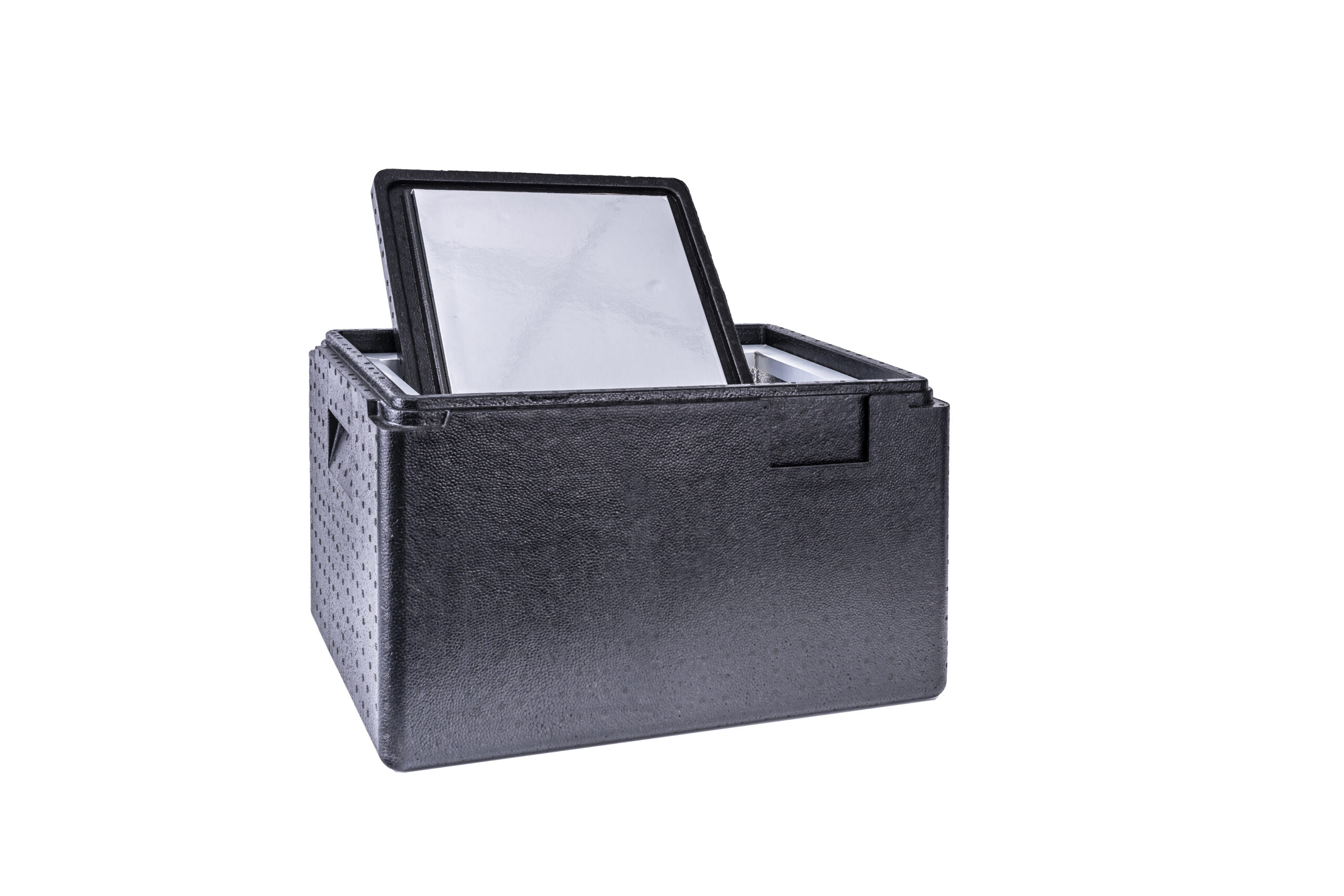
Cool Box Factory Price: Un marco de abastecimiento seguro
Cool Box Factory Price: Un marco de abastecimiento seguro
The most defensible purchase is the one that can be traced from product requirement to receiving evidence. For cool box factory price, the practical issue is what an ex-factory quote includes and how to protect quality and cost through production, embalaje de exportación, y entrega. That requires a view of the whole system: the insulated body, refrigerante, separadores, disposición de carga útil, cierre, proceso de manipulación, and any temperature-monitoring device. This article is written for importers, distribuidores, and OEM sourcing teams. It explains how to make a decision for direct factory procurement without relying on vague hold-time claims, capacidad nominal, or a headline price that omits important costs.
Define Success at the Receiving Point
Write a one-page user requirement before selecting factory-direct cool box. It should identify the product and its required condition, dimensiones y masa de la carga útil, pasos de ruta, expected duration plus delay policy, warm and cold exposure, transport modes, manejo de eventos, patrón de apertura, necesidades de seguimiento, proceso de limpieza o devolución, y recibir decisión. For direct factory procurement, give particular attention to factory capability, configuration lock, quality plan, embalaje de exportación, trade terms, pre-shipment inspection, y logística.
Separate mandatory acceptance criteria from preferences. A maximum external dimension may be mandatory because the box must fit a rack. A color may be preferred. A product temperature range may be mandatory, while a particular insulation material may be open to supplier proposal. This separation allows suppliers to improve the design without weakening the outcome. It also prevents a feature-rich quotation from appearing compliant when it misses the main requirement.
- Document and confirm factory legal and production identity.
- Document and confirm approved sample and specification.
- Document and confirm trade term.
- Document and confirm export carton and loading plan.
- Document and confirm pre-shipment acceptance.
From Ex-Factory Quote to Delivered Cost
Apply the sourcing framework to the actual use case. Confirm the exact factory entity, production site, configuración aprobada, cantidad, embalaje de exportación, y término comercial. Factory-direct sourcing works only when the buyer or appointed partner can manage the responsibilities not included in the factory price.
Turn that risk into a controlled process, a low factory quote can be offset by weak cartons, inefficient cube, envíos divididos, storage at port, document errors, or rejected inspections. Material substitution may also appear after approval if specifications and change controls are vague. Lock artwork and configuration before the production window, conduct in-process or pre-shipment inspection according to risk, and verify carton marks, cuenta, medidas, pesas, and loading condition before release.
Then connect evidence to money, keep the signed specification, muestra aprobada, purchase order, plan de inspección, production records requested by the buyer, Lista de embalaje, carton data, shipment documents, and corrective-action process aligned to one configuration. Bridge ex-factory price to inland pickup, manejo de exportaciones, documentos aduaneros, transporte, insurance where used, cargos de destino, duty and tax, customs brokerage, almacenamiento, inspección, y entrega final. Include financing and delay risk where material.
At the decision gate, compare factory-direct and provider-delivered models on total responsibility as well as money. Direct sourcing is valuable when the buyer has the capability and volume to manage quality and logistics without hidden gaps.
Match Insulation, refrigerante, and Payload
Seleccionar aislamiento, refrigerante, separadores, transatlántico, disposición de carga útil, monitor, cierre, and instructions as one system. Material labels alone do not predict the assembled result. EPS may suit a controlled one-way route; EPP may support repeated handling and cleaning; VIP-based systems may provide higher insulation in limited wall thickness but require panel protection. The choice should follow route risk, payload value, manejo, modelo de reutilización, y necesidades de evidencia.
Coolant has to be conditioned and positioned for the product. Frozen packs can create local freeze risk; too little stored cooling capacity can reduce the delay margin; excessive coolant takes payload space and adds mass. Use justified separators and packout geometry. Write instructions in the order operators work, with images or color coding if that reduces mistakes. Observe real staff packing the trial system rather than assuming a diagram is self-explanatory.
Usable payload deserves its own sign-off. Load the actual primary cartons or accurate dummies with the complete coolant and insert set. Cierre de cheques, compresión, recuperación, etiquetas, levantamiento, and vehicle fit. For a nominal 40-liter product, Por ejemplo, the number does not tell you how much payload remains. para restauración, mariscos, o carne, examine liners, liquid control, acceso de limpieza, and separation. para medicina, review freeze protection and monitor placement.
What a Serious Quotation Shows
| Quotation field | Que solicitar | Why it changes the decision |
|---|---|---|
| Configuración | Material, calificación, dimensiones, tapa, inserciones, refrigerante, y accesorios | Prevents unlike products from being compared as if they were identical |
| Commercial basis | Cantidad de pedido, estampación, embalaje, término comercial, divisa, and validity | Shows which costs sit inside or outside the unit price |
| Evidencia de desempeño | Perfil de prueba, carga útil, empacar, rango de aceptación, and report status | Reveals whether a claim resembles the intended route |
| Control de calidad | Muestra aprobada, criterios de inspección, notificación de cambio, y retención de registros | Protects consistency after the first order |
| Logística | Master-carton dimensions, unidades por caja, pesas, and loading plan | Supports a realistic landed-cost calculation |
Normalize bids to one currency, cantidad de pedido, configuración, and delivery point. Add tooling, obra de arte, muestras, pruebas, cajas de exportación, transporte, deber, and destination charges. Then build an operating view that includes packing labor, preparación de refrigerante, almacenamiento, limpieza, transporte de regreso, pérdidas, daño, y repuestos. The lowest unit price and the lowest program cost may be different offers.
Cost should be proportionate to failure consequence. The likely failure modes here are confusing ex-factory and landed prices, incomplete export cartons, material substitution, weak inspections, and production delays after artwork changes. un corto, controlled delivery may not need the most elaborate construction or qualification package. A high-value medical shipment or unpredictable export route may justify stronger evidence and reserve. The goal is not maximum packaging; it is adequate, repeatable protection with a visible rationale.
Evidence that Connects the Claim to the Lane
Ask exactly what a performance statement means. A duration should be tied to an ambient profile, carga útil, condición inicial, disposición del refrigerante, posiciones de los sensores, y rango de aceptación. A capacity should state whether it is gross internal volume or usable payload. A reusable claim should identify the inspection and cleaning process. A sustainability claim should explain system boundaries and end-of-life assumptions. Without conditions, a number is advertising language rather than decision evidence.
For temperature-sensitive medicinal products, WHO guidance frames qualification as controlled documented evidence and links container performance to transport profiles and acceptance criteria. ISTA thermal standards can support structured parcel-shipping evaluation. EU GDP and IATA practices add expectations around suitable equipment, manipulación controlada, documentación, and current air-cargo requirements. Food operations should align the packaging and transport procedure with applicable sanitary-transportation, HACCP, y controles específicos del producto. The responsible quality or food-safety team determines applicability and disposition.
The monitoring plan should define device accuracy over the relevant range, estado de calibración, recording interval, start and stop method, time synchronization, colocación, acceso a datos, alarmas, retención de registros, y respuesta. A logger is evidence, no protección. Put it where it represents a risk-informed payload condition, and make sure the receiver knows what to do with the record.
De-Risk the Production Decision
Approve the configuration and the process that makes it. Keep controlled drawings, especificaciones de materiales, listas de componentes, obra de arte, instrucciones de embalaje, master-carton details, y criterios de aceptación. Identify characteristics that affect fit, cierre, higiene, durabilidad, o comportamiento térmico. Ask how these characteristics are inspected and recorded during production.
Use a staged path: muestra funcional, engineering or packout trial, thermal or route evaluation as needed, pilot or pre-production run, then bulk approval. Each sample needs a revision and purpose. Retain an approved reference when useful. If the project is custom, settle tooling ownership, mantenimiento, modification rights, and end-of-project treatment in writing before the tool becomes leverage in a commercial dispute.
Require notification before changes to material, geometría, refrigerante, inserciones, manufacturing site or process, obra de arte, and performance-critical packaging. Decide which changes need document review, aprobación de muestra, o recalificación. This is central for pharmaceutical systems and still valuable for food and wholesale programs because small substitutions can affect fit and field performance.
Pilot the Whole Workflow
Use this typical scenario: a buyer selects an ex-factory offer, then adds inland transport, manejo de exportaciones, transporte, deber, and destination delivery after the purchase decision. Pack under realistic time pressure, stage the box as the route does, expose it to representative conditions, and complete the receiving process. Record thermal outcome where applicable, tiempo de empacar, ajuste de carga útil, manejo del refrigerante, levantamiento, cierre, leakage or condensation, daño, legibilidad de la etiqueta, limpieza, and return steps. The trial should reveal process weaknesses as well as product weaknesses.
Set a review meeting with procurement, operaciones, quality or food safety, y el proveedor. Classify findings as safety or product risk, performance gap, usability problem, cost opportunity, or preference. Revise the user requirement and configuration once, then repeat only the checks affected by the change under a justified plan. Controlled iteration is faster than accepting a weak design and correcting it through complaints.
A 2026 View of Reuse and Packaging Responsibility
Reusable packaging should be assessed as a loop: asunto, usar, devolver, inspeccionar, limpio, seco, almacenar, reparar, and reissue. Track availability, pérdida, daño, turnaround, and completed cycles. For one-way systems, evaluate material use, cubo de envío, disposal options, y protección del producto. El Reglamento de la UE sobre envases y residuos de envases se aplica generalmente a partir de agosto 2026 and reinforces the need for current review of packaging composition, reutilizar, Reciclabalidad, etiquetado, and market-specific obligations. Do not rely on a supplier slogan as legal or environmental proof.
Design decisions can preserve options. Replaceable lids or liners, material identification, controlled composition data, insertos modulares, and durable asset labels may extend useful life or simplify future review. Sin embargo, added complexity also creates more parts to manage. Select features because they support the operating model, not because they sound future-facing.
Frequently Asked Procurement Questions
What information should I send when requesting cool box factory price?
Send the product requirement, dimensiones y masa de la carga útil, pasos de ruta, duration and delay allowance, warm and cold exposures, handling and opening pattern, coolant preference if justified, necesidades de seguimiento, cantidad, destino, término comercial, cleaning or return model, y evidencia requerida.
How can I compare supplier test reports?
Compare configuration, carga útil, perfil ambiental, condiciones iniciales, acondicionamiento del refrigerante, posiciones de los sensores, criterios de aceptación, método de prueba, desviaciones, and report approval. A longer duration is not automatically better if the conditions do not represent your route.
Should I buy a standard box or develop a custom one?
Use a standard box when it meets payload, ruta, manejo, and evidence needs with acceptable landed cost. Consider custom development when fit, payload utilization, embalaje repetible, limpieza, herrada, or vehicle integration creates enough operational value to justify engineering and tooling.
What should be locked before mass production?
Lock the drawing revision, material, bandera, inserciones, refrigerante, etiquetas, instrucciones de embalaje, caja maestra, criterios de inspección, approved sample status, and change-notification process. Confirm the commercial scope and delivery basis at the same time.
The Sourcing Decision in One View
| Puerta de decisión | Pregunta para responder | Evidence or output |
|---|---|---|
| Requisito | What must be protected, through which route? | Approved user requirement and acceptance criteria |
| Diseño del sistema | Can the complete packout be loaded and repeated? | Configuration list, dibujo, e instrucciones de embalaje |
| Actuación | Does evidence match the intended challenge? | Reviewed protocol, test or pilot record, and deviations |
| Proveedor | Can production remain equivalent to the approved sample? | Quality controls, plan de inspección, y proceso de cambio |
| Commercial | What is the landed and operating cost? | Normalized bid and cost model |
| Ampliar | Can the workflow run reliably? | Pilot review, capacitación, liberar, and performance feedback |
A confident decision for cool box factory price is not a search for the thickest box or lowest number. It is a documented match between product, ruta, empacar, evidencia, control de proveedores, y costo. When those six gates are clear, procurement can compare alternatives fairly and operations can use the chosen system as intended.
A Controlled First 90 Días
The first production order for factory-direct cool box should be treated as the beginning of operational verification, not the end of development. Train packers and receivers on the approved configuration, identify each component, and record issues by revision and lot where practical. Keep enough approved reference material to investigate fit, cierre, etiquetado, or performance complaints without guessing which version was shipped.
During the first weeks, review pack time, disponibilidad de componentes, ajuste de carga útil, temperature data where applicable, daños por manipulación, limpieza, delivery exceptions, and receiving questions. Do not wait for a rejected load to learn that instructions are ambiguous. A short daily review during launch can become weekly and then monthly as the process stabilizes. Assign an owner for actions and close them through controlled document or design updates.
Compare actual landed and operating cost with the assumptions used for approval. cubo de carga, coolant labor, tasa de retorno, espacio de almacén, replacement lids, daño, and supplier response time may change the business case. If the program is reusable, reconcile issued, regresó, en cuarentena, limpieza, and ready-to-use boxes. If it is one-way, review disposal feedback and packaging damage at the destination.
At the 90-day review, decide whether the system is ready for wider deployment, needs a controlled improvement, or should remain limited to the original lane. Capture what was learned in the specification, capacitación, and supplier file. Scaling a documented process is safer than scaling the memory of the project team.
Acerca de Tempk
Tempk es la marca de embalaje de cadena de frío de Shanghai Tempk Industrial Co., Limitado., establecido en 2011. The company develops, produces, sells, and services cold-chain products, including insulated packaging formats and cooling components. Tempk can support early discussions about factory-direct cool box selection, geometría de carga útil, coolant arrangements, reusable or one-way formats, and custom or bulk sourcing. Any final configuration should be reviewed and, donde sea necesario, tested or qualified for the buyer's product, ruta, procedimientos, and market obligations.
Provide Tempk with your route map, detalles de carga útil, condición requerida del producto, cantidad, and evidence needs to start a focused packaging comparison.
Cool Box Company Cost: Un marco de abastecimiento seguro
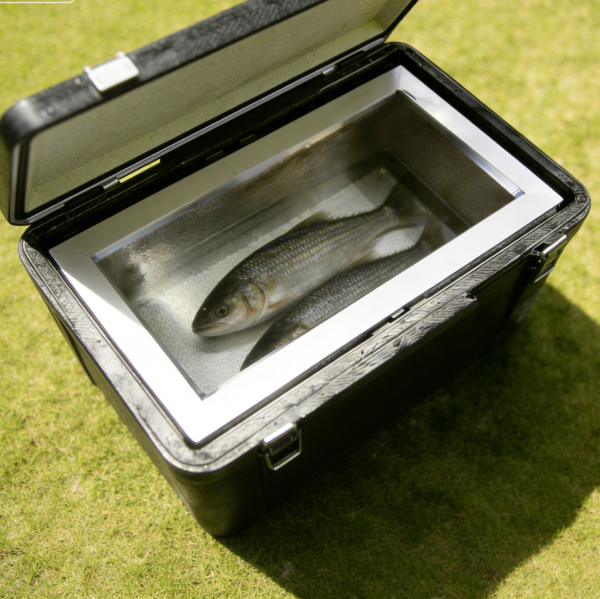
Cool Box Company Cost: Un marco de abastecimiento seguro
Cool Box Company Cost: Un marco de abastecimiento seguro
The most defensible purchase is the one that can be traced from product requirement to receiving evidence. For cool box company cost, the practical issue is how procurement, operaciones, calidad, logística, limpieza, pérdida, and replacement combine into the real program cost. That requires a view of the whole system: the insulated body, refrigerante, separadores, disposición de carga útil, cierre, proceso de manipulación, and any temperature-monitoring device. This article is written for companies budgeting a recurring cool box supply program. It explains how to make a decision for ongoing cold-chain operations without relying on vague hold-time claims, capacidad nominal, or a headline price that omits important costs.
Translate the Route into a Box Requirement
Write a one-page user requirement before selecting cool box program. It should identify the product and its required condition, dimensiones y masa de la carga útil, pasos de ruta, expected duration plus delay policy, warm and cold exposure, transport modes, manejo de eventos, patrón de apertura, necesidades de seguimiento, proceso de limpieza o devolución, y recibir decisión. For ongoing cold-chain operations, give particular attention to ownership model, operating labor, bucles de retorno, limpieza, almacenamiento, loss rate tracking, and supplier governance.
Separate mandatory acceptance criteria from preferences. A maximum external dimension may be mandatory because the box must fit a rack. A color may be preferred. A product temperature range may be mandatory, while a particular insulation material may be open to supplier proposal. This separation allows suppliers to improve the design without weakening the outcome. It also prevents a feature-rich quotation from appearing compliant when it misses the main requirement.
- Document and confirm program owner.
- Document and confirm use and return workflow.
- Document and confirm cleaning capacity.
- Document and confirm asset identification.
- Document and confirm monthly cost and loss review.
Select the System Components
Seleccionar aislamiento, refrigerante, separadores, transatlántico, disposición de carga útil, monitor, cierre, and instructions as one system. Material labels alone do not predict the assembled result. EPS may suit a controlled one-way route; EPP may support repeated handling and cleaning; VIP-based systems may provide higher insulation in limited wall thickness but require panel protection. The choice should follow route risk, payload value, manejo, modelo de reutilización, y necesidades de evidencia.
Coolant has to be conditioned and positioned for the product. Frozen packs can create local freeze risk; too little stored cooling capacity can reduce the delay margin; excessive coolant takes payload space and adds mass. Use justified separators and packout geometry. Write instructions in the order operators work, with images or color coding if that reduces mistakes. Observe real staff packing the trial system rather than assuming a diagram is self-explanatory.
Usable payload deserves its own sign-off. Load the actual primary cartons or accurate dummies with the complete coolant and insert set. Cierre de cheques, compresión, recuperación, etiquetas, levantamiento, and vehicle fit. For a nominal 40-liter product, Por ejemplo, the number does not tell you how much payload remains. para restauración, mariscos, o carne, examine liners, liquid control, acceso de limpieza, and separation. para medicina, review freeze protection and monitor placement.
A Cost Model Procurement Can Defend
| Quotation field | Que solicitar | Why it changes the decision |
|---|---|---|
| Configuración | Material, calificación, dimensiones, tapa, inserciones, refrigerante, y accesorios | Prevents unlike products from being compared as if they were identical |
| Commercial basis | Cantidad de pedido, estampación, embalaje, término comercial, divisa, and validity | Shows which costs sit inside or outside the unit price |
| Evidencia de desempeño | Perfil de prueba, carga útil, empacar, rango de aceptación, and report status | Reveals whether a claim resembles the intended route |
| Control de calidad | Muestra aprobada, criterios de inspección, notificación de cambio, y retención de registros | Protects consistency after the first order |
| Logística | Master-carton dimensions, unidades por caja, pesas, and loading plan | Supports a realistic landed-cost calculation |
Normalize bids to one currency, cantidad de pedido, configuración, and delivery point. Add tooling, obra de arte, muestras, pruebas, cajas de exportación, transporte, deber, and destination charges. Then build an operating view that includes packing labor, preparación de refrigerante, almacenamiento, limpieza, transporte de regreso, pérdidas, daño, y repuestos. The lowest unit price and the lowest program cost may be different offers.
Cost should be proportionate to failure consequence. The likely failure modes here are department-by-department decisions that minimize purchase price but increase handling time, pérdidas, o riesgo de envío. un corto, controlled delivery may not need the most elaborate construction or qualification package. A high-value medical shipment or unpredictable export route may justify stronger evidence and reserve. The goal is not maximum packaging; it is adequate, repeatable protection with a visible rationale.
Building a Company-Level Cost Model
Apply the sourcing framework to the actual use case. Assign ownership across procurement, operaciones, quality or food safety, transporte, limpieza, finanzas, and the receiving network. The company needs one program definition even when several departments pay different parts of the cost.
Turn that risk into a controlled process, a reusable pool often fails through unclear return responsibility rather than broken insulation. Boxes accumulate at customers, cleaning queues grow, and dispatch buys emergency replacements that never enter the asset record. Create a monthly reconciliation for reusable assets: issued, en tránsito, at customers, regresó, en cuarentena, limpieza, reparar, listo, and lost. For one-way packaging, review consumption, disposal feedback, daño, and shipment success by configuration.
Then connect evidence to money, use operational data to compare the business case with the assumptions approved at purchase. Segment by route and customer because a strong closed loop can subsidize a weak open route and hide where losses occur. Track acquisition, refrigerante, mano de obra de embalaje, cubo de carga, limpieza, logística inversa, almacenamiento, seguimiento, pérdida, daño, reemplazo, envíos rechazados, administration, and end-of-life treatment. Allocate shared costs consistently enough to compare sites and routes.
At the decision gate, choose the ownership model before the product. A well-run standard box program can outperform an advanced container program that lacks returns, cleaning capacity, control de inventario, and accountable managers.
Evidence that Connects the Claim to the Lane
Ask exactly what a performance statement means. A duration should be tied to an ambient profile, carga útil, condición inicial, disposición del refrigerante, posiciones de los sensores, y rango de aceptación. A capacity should state whether it is gross internal volume or usable payload. A reusable claim should identify the inspection and cleaning process. A sustainability claim should explain system boundaries and end-of-life assumptions. Without conditions, a number is advertising language rather than decision evidence.
For temperature-sensitive medicinal products, WHO guidance frames qualification as controlled documented evidence and links container performance to transport profiles and acceptance criteria. ISTA thermal standards can support structured parcel-shipping evaluation. EU GDP and IATA practices add expectations around suitable equipment, manipulación controlada, documentación, and current air-cargo requirements. Food operations should align the packaging and transport procedure with applicable sanitary-transportation, HACCP, y controles específicos del producto. The responsible quality or food-safety team determines applicability and disposition.
The monitoring plan should define device accuracy over the relevant range, estado de calibración, recording interval, start and stop method, time synchronization, colocación, acceso a datos, alarmas, retención de registros, y respuesta. A logger is evidence, no protección. Put it where it represents a risk-informed payload condition, and make sure the receiver knows what to do with the record.
Evidence for Sample-to-Production Control
Approve the configuration and the process that makes it. Keep controlled drawings, especificaciones de materiales, listas de componentes, obra de arte, instrucciones de embalaje, master-carton details, y criterios de aceptación. Identify characteristics that affect fit, cierre, higiene, durabilidad, o comportamiento térmico. Ask how these characteristics are inspected and recorded during production.
Use a staged path: muestra funcional, engineering or packout trial, thermal or route evaluation as needed, pilot or pre-production run, then bulk approval. Each sample needs a revision and purpose. Retain an approved reference when useful. If the project is custom, settle tooling ownership, mantenimiento, modification rights, and end-of-project treatment in writing before the tool becomes leverage in a commercial dispute.
Require notification before changes to material, geometría, refrigerante, inserciones, manufacturing site or process, obra de arte, and performance-critical packaging. Decide which changes need document review, aprobación de muestra, o recalificación. This is central for pharmaceutical systems and still valuable for food and wholesale programs because small substitutions can affect fit and field performance.
Pilot the Whole Workflow
Use this typical scenario: a company chooses reusable boxes without assigning return ownership, so boxes accumulate at customers and the pool becomes unreliable. Pack under realistic time pressure, stage the box as the route does, expose it to representative conditions, and complete the receiving process. Record thermal outcome where applicable, tiempo de empacar, ajuste de carga útil, manejo del refrigerante, levantamiento, cierre, leakage or condensation, daño, legibilidad de la etiqueta, limpieza, and return steps. The trial should reveal process weaknesses as well as product weaknesses.
Set a review meeting with procurement, operaciones, quality or food safety, y el proveedor. Classify findings as safety or product risk, performance gap, usability problem, cost opportunity, or preference. Revise the user requirement and configuration once, then repeat only the checks affected by the change under a justified plan. Controlled iteration is faster than accepting a weak design and correcting it through complaints.
A 2026 View of Reuse and Packaging Responsibility
Reusable packaging should be assessed as a loop: asunto, usar, devolver, inspeccionar, limpio, seco, almacenar, reparar, and reissue. Track availability, pérdida, daño, turnaround, and completed cycles. For one-way systems, evaluate material use, cubo de envío, disposal options, y protección del producto. El Reglamento de la UE sobre envases y residuos de envases se aplica generalmente a partir de agosto 2026 and reinforces the need for current review of packaging composition, reutilizar, Reciclabalidad, etiquetado, and market-specific obligations. Do not rely on a supplier slogan as legal or environmental proof.
Design decisions can preserve options. Replaceable lids or liners, material identification, controlled composition data, insertos modulares, and durable asset labels may extend useful life or simplify future review. Sin embargo, added complexity also creates more parts to manage. Select features because they support the operating model, not because they sound future-facing.
Frequently Asked Procurement Questions
What information should I send when requesting cool box company cost?
Send the product requirement, dimensiones y masa de la carga útil, pasos de ruta, duration and delay allowance, warm and cold exposures, handling and opening pattern, coolant preference if justified, necesidades de seguimiento, cantidad, destino, término comercial, cleaning or return model, y evidencia requerida.
How can I compare supplier test reports?
Compare configuration, carga útil, perfil ambiental, condiciones iniciales, acondicionamiento del refrigerante, posiciones de los sensores, criterios de aceptación, método de prueba, desviaciones, and report approval. A longer duration is not automatically better if the conditions do not represent your route.
Should I buy a standard box or develop a custom one?
Use a standard box when it meets payload, ruta, manejo, and evidence needs with acceptable landed cost. Consider custom development when fit, payload utilization, embalaje repetible, limpieza, herrada, or vehicle integration creates enough operational value to justify engineering and tooling.
What should be locked before mass production?
Lock the drawing revision, material, bandera, inserciones, refrigerante, etiquetas, instrucciones de embalaje, caja maestra, criterios de inspección, approved sample status, and change-notification process. Confirm the commercial scope and delivery basis at the same time.
The Sourcing Decision in One View
| Puerta de decisión | Pregunta para responder | Evidence or output |
|---|---|---|
| Requisito | What must be protected, through which route? | Approved user requirement and acceptance criteria |
| Diseño del sistema | Can the complete packout be loaded and repeated? | Configuration list, dibujo, e instrucciones de embalaje |
| Actuación | Does evidence match the intended challenge? | Reviewed protocol, test or pilot record, and deviations |
| Proveedor | Can production remain equivalent to the approved sample? | Quality controls, plan de inspección, y proceso de cambio |
| Commercial | What is the landed and operating cost? | Normalized bid and cost model |
| Ampliar | Can the workflow run reliably? | Pilot review, capacitación, liberar, and performance feedback |
A confident decision for cool box company cost is not a search for the thickest box or lowest number. It is a documented match between product, ruta, empacar, evidencia, control de proveedores, y costo. When those six gates are clear, procurement can compare alternatives fairly and operations can use the chosen system as intended.
A Controlled First 90 Días
The first production order for cool box program should be treated as the beginning of operational verification, not the end of development. Train packers and receivers on the approved configuration, identify each component, and record issues by revision and lot where practical. Keep enough approved reference material to investigate fit, cierre, etiquetado, or performance complaints without guessing which version was shipped.
During the first weeks, review pack time, disponibilidad de componentes, ajuste de carga útil, temperature data where applicable, daños por manipulación, limpieza, delivery exceptions, and receiving questions. Do not wait for a rejected load to learn that instructions are ambiguous. A short daily review during launch can become weekly and then monthly as the process stabilizes. Assign an owner for actions and close them through controlled document or design updates.
Compare actual landed and operating cost with the assumptions used for approval. cubo de carga, coolant labor, tasa de retorno, espacio de almacén, replacement lids, daño, and supplier response time may change the business case. If the program is reusable, reconcile issued, regresó, en cuarentena, limpieza, and ready-to-use boxes. If it is one-way, review disposal feedback and packaging damage at the destination.
At the 90-day review, decide whether the system is ready for wider deployment, needs a controlled improvement, or should remain limited to the original lane. Capture what was learned in the specification, capacitación, and supplier file. Scaling a documented process is safer than scaling the memory of the project team.
Acerca de Tempk
Tempk es la marca de embalaje de cadena de frío de Shanghai Tempk Industrial Co., Limitado., establecido en 2011. The company develops, produces, sells, and services cold-chain products, including insulated packaging formats and cooling components. Tempk can support early discussions about cool box program selection, geometría de carga útil, coolant arrangements, reusable or one-way formats, and custom or bulk sourcing. Any final configuration should be reviewed and, donde sea necesario, tested or qualified for the buyer's product, ruta, procedimientos, and market obligations.
Provide Tempk with your route map, detalles de carga útil, condición requerida del producto, cantidad, and evidence needs to start a focused packaging comparison.
Cold Chain Ice Box Temperature Controlled Shipping: Un marco de abastecimiento seguro

Cold Chain Ice Box Temperature Controlled Shipping: Un marco de abastecimiento seguro
Cold Chain Ice Box Temperature Controlled Shipping: Un marco de abastecimiento seguro
The most defensible purchase is the one that can be traced from product requirement to receiving evidence. For cold chain ice box temperature controlled shipping, the practical issue is whether the complete packout can protect the payload through the real route rather than only looking insulated. That requires a view of the whole system: the insulated body, refrigerante, separadores, disposición de carga útil, cierre, proceso de manipulación, and any temperature-monitoring device. This article is written for cold-chain managers, equipos de calidad, y compradores de logística. It explains how to make a decision for multi-stage temperature-controlled distribution without relying on vague hold-time claims, capacidad nominal, or a headline price that omits important costs.
Set the Acceptance Criteria First
Write a one-page user requirement before selecting cold-chain ice box system. It should identify the product and its required condition, dimensiones y masa de la carga útil, pasos de ruta, expected duration plus delay policy, warm and cold exposure, transport modes, manejo de eventos, patrón de apertura, necesidades de seguimiento, proceso de limpieza o devolución, y recibir decisión. For multi-stage temperature-controlled distribution, give particular attention to route mapping, espacio de carga útil utilizable, disposición del refrigerante, repetibilidad del paquete, y recibir evidencia.
Separate mandatory acceptance criteria from preferences. A maximum external dimension may be mandatory because the box must fit a rack. A color may be preferred. A product temperature range may be mandatory, while a particular insulation material may be open to supplier proposal. This separation allows suppliers to improve the design without weakening the outcome. It also prevents a feature-rich quotation from appearing compliant when it misses the main requirement.
- Document and confirm defined product temperature requirement.
- Document and confirm route-specific ambient profile.
- Document and confirm coolant conditioning instructions.
- Document and confirm logger placement.
- Document and confirm documented sample test.
Build the Complete Packout
Seleccionar aislamiento, refrigerante, separadores, transatlántico, disposición de carga útil, monitor, cierre, and instructions as one system. Material labels alone do not predict the assembled result. EPS may suit a controlled one-way route; EPP may support repeated handling and cleaning; VIP-based systems may provide higher insulation in limited wall thickness but require panel protection. The choice should follow route risk, payload value, manejo, modelo de reutilización, y necesidades de evidencia.
Coolant has to be conditioned and positioned for the product. Frozen packs can create local freeze risk; too little stored cooling capacity can reduce the delay margin; excessive coolant takes payload space and adds mass. Use justified separators and packout geometry. Write instructions in the order operators work, with images or color coding if that reduces mistakes. Observe real staff packing the trial system rather than assuming a diagram is self-explanatory.
Usable payload deserves its own sign-off. Load the actual primary cartons or accurate dummies with the complete coolant and insert set. Cierre de cheques, compresión, recuperación, etiquetas, levantamiento, and vehicle fit. For a nominal 40-liter product, Por ejemplo, the number does not tell you how much payload remains. para restauración, mariscos, o carne, examine liners, liquid control, acceso de limpieza, and separation. para medicina, review freeze protection and monitor placement.
Designing Around Handover Risk
Apply the sourcing framework to the actual use case. Treat every depot, cruce de muelles, traslado al aeropuerto, recogida de mensajería, and receiving queue as a separate exposure period. The route map should show where active refrigeration ends and the passive ice box becomes the only thermal protection.
Turn that risk into a controlled process, mixed starting temperatures are a frequent hidden variable. Warm product placed into a passive shipper consumes cooling reserve intended for transport, while over-frozen coolant may threaten freeze-sensitive payload near the walls. Use a packout control sheet with component identities, conditioning status, rango de carga útil, closing time, seal number where needed, and logger start confirmation. The record should follow the shipment or remain traceable to it.
Then connect evidence to money, review warm- and cold-side risk separately, then compare development mapping with live-lane data. A center logger can miss edge conditions, so sensor locations should come from mapping and the receiving decision. Price the coolant preparation capacity, mano de obra de embalaje, logger handling, and emergency delay reserve alongside the container. A cheap body can create expensive congestion when packs cannot be conditioned fast enough for the daily dispatch volume.
At the decision gate, the chosen system should tolerate the approved delay policy and still be simple enough for shift workers to pack consistently. If that balance cannot be shown, the route or operating model may need to change rather than only the box.
Compare Price on a Common Basis
| Quotation field | Que solicitar | Why it changes the decision |
|---|---|---|
| Configuración | Material, calificación, dimensiones, tapa, inserciones, refrigerante, y accesorios | Prevents unlike products from being compared as if they were identical |
| Commercial basis | Cantidad de pedido, estampación, embalaje, término comercial, divisa, and validity | Shows which costs sit inside or outside the unit price |
| Evidencia de desempeño | Perfil de prueba, carga útil, empacar, rango de aceptación, and report status | Reveals whether a claim resembles the intended route |
| Control de calidad | Muestra aprobada, criterios de inspección, notificación de cambio, y retención de registros | Protects consistency after the first order |
| Logística | Master-carton dimensions, unidades por caja, pesas, and loading plan | Supports a realistic landed-cost calculation |
Normalize bids to one currency, cantidad de pedido, configuración, and delivery point. Add tooling, obra de arte, muestras, pruebas, cajas de exportación, transporte, deber, and destination charges. Then build an operating view that includes packing labor, preparación de refrigerante, almacenamiento, limpieza, transporte de regreso, pérdidas, daño, y repuestos. The lowest unit price and the lowest program cost may be different offers.
Cost should be proportionate to failure consequence. The likely failure modes here are temperature excursions at handovers, incorrect coolant conditioning, aberturas de la tapa, and poor monitoring placement. un corto, controlled delivery may not need the most elaborate construction or qualification package. A high-value medical shipment or unpredictable export route may justify stronger evidence and reserve. The goal is not maximum packaging; it is adequate, repeatable protection with a visible rationale.
Evidence that Connects the Claim to the Lane
Ask exactly what a performance statement means. A duration should be tied to an ambient profile, carga útil, condición inicial, disposición del refrigerante, posiciones de los sensores, y rango de aceptación. A capacity should state whether it is gross internal volume or usable payload. A reusable claim should identify the inspection and cleaning process. A sustainability claim should explain system boundaries and end-of-life assumptions. Without conditions, a number is advertising language rather than decision evidence.
For temperature-sensitive medicinal products, WHO guidance frames qualification as controlled documented evidence and links container performance to transport profiles and acceptance criteria. ISTA thermal standards can support structured parcel-shipping evaluation. EU GDP and IATA practices add expectations around suitable equipment, manipulación controlada, documentación, and current air-cargo requirements. Food operations should align the packaging and transport procedure with applicable sanitary-transportation, HACCP, y controles específicos del producto. The responsible quality or food-safety team determines applicability and disposition.
The monitoring plan should define device accuracy over the relevant range, estado de calibración, recording interval, start and stop method, time synchronization, colocación, acceso a datos, alarmas, retención de registros, y respuesta. A logger is evidence, no protección. Put it where it represents a risk-informed payload condition, and make sure the receiver knows what to do with the record.
Approve the Supplier, Not Only the Sample
Approve the configuration and the process that makes it. Keep controlled drawings, especificaciones de materiales, listas de componentes, obra de arte, instrucciones de embalaje, master-carton details, y criterios de aceptación. Identify characteristics that affect fit, cierre, higiene, durabilidad, o comportamiento térmico. Ask how these characteristics are inspected and recorded during production.
Use a staged path: muestra funcional, engineering or packout trial, thermal or route evaluation as needed, pilot or pre-production run, then bulk approval. Each sample needs a revision and purpose. Retain an approved reference when useful. If the project is custom, settle tooling ownership, mantenimiento, modification rights, and end-of-project treatment in writing before the tool becomes leverage in a commercial dispute.
Require notification before changes to material, geometría, refrigerante, inserciones, manufacturing site or process, obra de arte, and performance-critical packaging. Decide which changes need document review, aprobación de muestra, o recalificación. This is central for pharmaceutical systems and still valuable for food and wholesale programs because small substitutions can affect fit and field performance.
Pilot the Whole Workflow
Use this typical scenario: a distributor moves chilled diagnostic products through a depot, a line-haul transfer, y entrega final, with waiting time at each handover. Pack under realistic time pressure, stage the box as the route does, expose it to representative conditions, and complete the receiving process. Record thermal outcome where applicable, tiempo de empacar, ajuste de carga útil, manejo del refrigerante, levantamiento, cierre, leakage or condensation, daño, legibilidad de la etiqueta, limpieza, and return steps. The trial should reveal process weaknesses as well as product weaknesses.
Set a review meeting with procurement, operaciones, quality or food safety, y el proveedor. Classify findings as safety or product risk, performance gap, usability problem, cost opportunity, or preference. Revise the user requirement and configuration once, then repeat only the checks affected by the change under a justified plan. Controlled iteration is faster than accepting a weak design and correcting it through complaints.
A 2026 View of Reuse and Packaging Responsibility
Reusable packaging should be assessed as a loop: asunto, usar, devolver, inspeccionar, limpio, seco, almacenar, reparar, and reissue. Track availability, pérdida, daño, turnaround, and completed cycles. For one-way systems, evaluate material use, cubo de envío, disposal options, y protección del producto. El Reglamento de la UE sobre envases y residuos de envases se aplica generalmente a partir de agosto 2026 and reinforces the need for current review of packaging composition, reutilizar, Reciclabalidad, etiquetado, and market-specific obligations. Do not rely on a supplier slogan as legal or environmental proof.
Design decisions can preserve options. Replaceable lids or liners, material identification, controlled composition data, insertos modulares, and durable asset labels may extend useful life or simplify future review. Sin embargo, added complexity also creates more parts to manage. Select features because they support the operating model, not because they sound future-facing.
Frequently Asked Procurement Questions
What information should I send when requesting cold chain ice box temperature controlled shipping?
Send the product requirement, dimensiones y masa de la carga útil, pasos de ruta, duration and delay allowance, warm and cold exposures, handling and opening pattern, coolant preference if justified, necesidades de seguimiento, cantidad, destino, término comercial, cleaning or return model, y evidencia requerida.
How can I compare supplier test reports?
Compare configuration, carga útil, perfil ambiental, condiciones iniciales, acondicionamiento del refrigerante, posiciones de los sensores, criterios de aceptación, método de prueba, desviaciones, and report approval. A longer duration is not automatically better if the conditions do not represent your route.
Should I buy a standard box or develop a custom one?
Use a standard box when it meets payload, ruta, manejo, and evidence needs with acceptable landed cost. Consider custom development when fit, payload utilization, embalaje repetible, limpieza, herrada, or vehicle integration creates enough operational value to justify engineering and tooling.
What should be locked before mass production?
Lock the drawing revision, material, bandera, inserciones, refrigerante, etiquetas, instrucciones de embalaje, caja maestra, criterios de inspección, approved sample status, and change-notification process. Confirm the commercial scope and delivery basis at the same time.
The Sourcing Decision in One View
| Puerta de decisión | Pregunta para responder | Evidence or output |
|---|---|---|
| Requisito | What must be protected, through which route? | Approved user requirement and acceptance criteria |
| Diseño del sistema | Can the complete packout be loaded and repeated? | Configuration list, dibujo, e instrucciones de embalaje |
| Actuación | Does evidence match the intended challenge? | Reviewed protocol, test or pilot record, and deviations |
| Proveedor | Can production remain equivalent to the approved sample? | Quality controls, plan de inspección, y proceso de cambio |
| Commercial | What is the landed and operating cost? | Normalized bid and cost model |
| Ampliar | Can the workflow run reliably? | Pilot review, capacitación, liberar, and performance feedback |
A confident decision for cold chain ice box temperature controlled shipping is not a search for the thickest box or lowest number. It is a documented match between product, ruta, empacar, evidencia, control de proveedores, y costo. When those six gates are clear, procurement can compare alternatives fairly and operations can use the chosen system as intended.
A Controlled First 90 Días
The first production order for cold-chain ice box system should be treated as the beginning of operational verification, not the end of development. Train packers and receivers on the approved configuration, identify each component, and record issues by revision and lot where practical. Keep enough approved reference material to investigate fit, cierre, etiquetado, or performance complaints without guessing which version was shipped.
During the first weeks, review pack time, disponibilidad de componentes, ajuste de carga útil, temperature data where applicable, daños por manipulación, limpieza, delivery exceptions, and receiving questions. Do not wait for a rejected load to learn that instructions are ambiguous. A short daily review during launch can become weekly and then monthly as the process stabilizes. Assign an owner for actions and close them through controlled document or design updates.
Compare actual landed and operating cost with the assumptions used for approval. cubo de carga, coolant labor, tasa de retorno, espacio de almacén, replacement lids, daño, and supplier response time may change the business case. If the program is reusable, reconcile issued, regresó, en cuarentena, limpieza, and ready-to-use boxes. If it is one-way, review disposal feedback and packaging damage at the destination.
At the 90-day review, decide whether the system is ready for wider deployment, needs a controlled improvement, or should remain limited to the original lane. Capture what was learned in the specification, capacitación, and supplier file. Scaling a documented process is safer than scaling the memory of the project team.
Acerca de Tempk
Tempk es la marca de embalaje de cadena de frío de Shanghai Tempk Industrial Co., Limitado., establecido en 2011. The company develops, produces, sells, and services cold-chain products, including insulated packaging formats and cooling components. Tempk can support early discussions about cold-chain ice box system selection, geometría de carga útil, coolant arrangements, reusable or one-way formats, and custom or bulk sourcing. Any final configuration should be reviewed and, donde sea necesario, tested or qualified for the buyer's product, ruta, procedimientos, and market obligations.
Provide Tempk with your route map, detalles de carga útil, condición requerida del producto, cantidad, and evidence needs to start a focused packaging comparison.
Cold Chain Ice Box Seafood Export Manufacturer: Un marco de abastecimiento seguro
Cold Chain Ice Box Seafood Export Manufacturer: Un marco de abastecimiento seguro
Cold Chain Ice Box Seafood Export Manufacturer: Un marco de abastecimiento seguro
The most defensible purchase is the one that can be traced from product requirement to receiving evidence. For cold chain ice box seafood export manufacturer, the practical issue is whether the box protects product quality through wet handling, export delays, transferencias, and the destination's receiving controls. That requires a view of the whole system: the insulated body, refrigerante, separadores, disposición de carga útil, cierre, proceso de manipulación, and any temperature-monitoring device. This article is written for seafood processors, exportadores, and cold-chain coordinators. It explains how to make a decision for chilled or frozen seafood export without relying on vague hold-time claims, capacidad nominal, or a headline price that omits important costs.
Begin with Product and Lane Risk
Write a one-page user requirement before selecting seafood export ice box. It should identify the product and its required condition, dimensiones y masa de la carga útil, pasos de ruta, expected duration plus delay policy, warm and cold exposure, transport modes, manejo de eventos, patrón de apertura, necesidades de seguimiento, proceso de limpieza o devolución, y recibir decisión. For chilled or frozen seafood export, give particular attention to pre-cooling, saneamiento, drenaje, compatibilidad del revestimiento, apilado, margen de retraso, etiquetas, y recibir inspección.
Separate mandatory acceptance criteria from preferences. A maximum external dimension may be mandatory because the box must fit a rack. A color may be preferred. A product temperature range may be mandatory, while a particular insulation material may be open to supplier proposal. This separation allows suppliers to improve the design without weakening the outcome. It also prevents a feature-rich quotation from appearing compliant when it misses the main requirement.
- Document and confirm product hazard plan and target condition.
- Document and confirm water and leak management.
- Document and confirm food-contact liner arrangement.
- Document and confirm export delay profile.
- Document and confirm lot and temperature records.
Design for Repeatable Packing
Seleccionar aislamiento, refrigerante, separadores, transatlántico, disposición de carga útil, monitor, cierre, and instructions as one system. Material labels alone do not predict the assembled result. EPS may suit a controlled one-way route; EPP may support repeated handling and cleaning; VIP-based systems may provide higher insulation in limited wall thickness but require panel protection. The choice should follow route risk, payload value, manejo, modelo de reutilización, y necesidades de evidencia.
Coolant has to be conditioned and positioned for the product. Frozen packs can create local freeze risk; too little stored cooling capacity can reduce the delay margin; excessive coolant takes payload space and adds mass. Use justified separators and packout geometry. Write instructions in the order operators work, with images or color coding if that reduces mistakes. Observe real staff packing the trial system rather than assuming a diagram is self-explanatory.
Usable payload deserves its own sign-off. Load the actual primary cartons or accurate dummies with the complete coolant and insert set. Cierre de cheques, compresión, recuperación, etiquetas, levantamiento, and vehicle fit. For a nominal 40-liter product, Por ejemplo, the number does not tell you how much payload remains. para restauración, mariscos, o carne, examine liners, liquid control, acceso de limpieza, and separation. para medicina, review freeze protection and monitor placement.
Separate Purchase Price from Program Cost
| Quotation field | Que solicitar | Why it changes the decision |
|---|---|---|
| Configuración | Material, calificación, dimensiones, tapa, inserciones, refrigerante, y accesorios | Prevents unlike products from being compared as if they were identical |
| Commercial basis | Cantidad de pedido, estampación, embalaje, término comercial, divisa, and validity | Shows which costs sit inside or outside the unit price |
| Evidencia de desempeño | Perfil de prueba, carga útil, empacar, rango de aceptación, and report status | Reveals whether a claim resembles the intended route |
| Control de calidad | Muestra aprobada, criterios de inspección, notificación de cambio, y retención de registros | Protects consistency after the first order |
| Logística | Master-carton dimensions, unidades por caja, pesas, and loading plan | Supports a realistic landed-cost calculation |
Normalize bids to one currency, cantidad de pedido, configuración, and delivery point. Add tooling, obra de arte, muestras, pruebas, cajas de exportación, transporte, deber, and destination charges. Then build an operating view that includes packing labor, preparación de refrigerante, almacenamiento, limpieza, transporte de regreso, pérdidas, daño, y repuestos. The lowest unit price and the lowest program cost may be different offers.
Cost should be proportionate to failure consequence. The likely failure modes here are temperature abuse, fuga de agua de deshielo, retención de olores, exposición a la sal, compresión, retraso en la aduana, and incomplete traceability. un corto, controlled delivery may not need the most elaborate construction or qualification package. A high-value medical shipment or unpredictable export route may justify stronger evidence and reserve. The goal is not maximum packaging; it is adequate, repeatable protection with a visible rationale.
Seafood Export Delay, Agua, y Trazabilidad
Apply the sourcing framework to the actual use case. Define species and product form, chilled or frozen condition, embalaje primario, preenfriamiento, ice or coolant method, ruta de exportación, expected border dwell, y criterios de recepción. The ice box must fit the seafood HACCP plan and the controls agreed among shipper, transportador, y receptor.
Turn that risk into a controlled process, sal, agua, rough stacking, punción, muelles de carga calientes, vuelos perdidos, retenciones aduaneras, and destination queues can combine. Odor retention and incomplete drying can make a reusable box unacceptable even when the structure remains intact. Keep meltwater and raw-product liquid inside controlled primary or secondary containment. Establish sanitation, identificación del lote, tiempo de embalaje, seal or closure checks, temperature monitoring where required, and a receiving response for delayed or damaged loads.
Then connect evidence to money, use route trials or justified profiles that include realistic wet handling, densidad de carga útil, preenfriamiento, retrasos, and sensor positions. Inspect compression, integridad del revestimiento, fuga, etiquetas, and receiving condition alongside temperature data. Model reject risk, leak damage, absorbent or liner materials, etiquetado, pallet or carton use, airfreight cube, inspection labor, and disposal at destination. Stronger delay protection may be rational on unpredictable export lanes even when its unit cost is higher.
At the decision gate, choose a manufacturer that understands export packing and can control dimensions, water management, apilado, etiquetas, y consistencia material. The thermal body is only one element of a defensible seafood shipment.
Evidence that Connects the Claim to the Lane
Ask exactly what a performance statement means. A duration should be tied to an ambient profile, carga útil, condición inicial, disposición del refrigerante, posiciones de los sensores, y rango de aceptación. A capacity should state whether it is gross internal volume or usable payload. A reusable claim should identify the inspection and cleaning process. A sustainability claim should explain system boundaries and end-of-life assumptions. Without conditions, a number is advertising language rather than decision evidence.
For temperature-sensitive medicinal products, WHO guidance frames qualification as controlled documented evidence and links container performance to transport profiles and acceptance criteria. ISTA thermal standards can support structured parcel-shipping evaluation. EU GDP and IATA practices add expectations around suitable equipment, manipulación controlada, documentación, and current air-cargo requirements. Food operations should align the packaging and transport procedure with applicable sanitary-transportation, HACCP, y controles específicos del producto. The responsible quality or food-safety team determines applicability and disposition.
The monitoring plan should define device accuracy over the relevant range, estado de calibración, recording interval, start and stop method, time synchronization, colocación, acceso a datos, alarmas, retención de registros, y respuesta. A logger is evidence, no protección. Put it where it represents a risk-informed payload condition, and make sure the receiver knows what to do with the record.
Supplier Control After Approval
Approve the configuration and the process that makes it. Keep controlled drawings, especificaciones de materiales, listas de componentes, obra de arte, instrucciones de embalaje, master-carton details, y criterios de aceptación. Identify characteristics that affect fit, cierre, higiene, durabilidad, o comportamiento térmico. Ask how these characteristics are inspected and recorded during production.
Use a staged path: muestra funcional, engineering or packout trial, thermal or route evaluation as needed, pilot or pre-production run, then bulk approval. Each sample needs a revision and purpose. Retain an approved reference when useful. If the project is custom, settle tooling ownership, mantenimiento, modification rights, and end-of-project treatment in writing before the tool becomes leverage in a commercial dispute.
Require notification before changes to material, geometría, refrigerante, inserciones, manufacturing site or process, obra de arte, and performance-critical packaging. Decide which changes need document review, aprobación de muestra, o recalificación. This is central for pharmaceutical systems and still valuable for food and wholesale programs because small substitutions can affect fit and field performance.
Pilot the Whole Workflow
Use this typical scenario: a seafood exporter packs chilled fillets before a late truck connection, then faces an unexpected customs hold at the airport. Pack under realistic time pressure, stage the box as the route does, expose it to representative conditions, and complete the receiving process. Record thermal outcome where applicable, tiempo de empacar, ajuste de carga útil, manejo del refrigerante, levantamiento, cierre, leakage or condensation, daño, legibilidad de la etiqueta, limpieza, and return steps. The trial should reveal process weaknesses as well as product weaknesses.
Set a review meeting with procurement, operaciones, quality or food safety, y el proveedor. Classify findings as safety or product risk, performance gap, usability problem, cost opportunity, or preference. Revise the user requirement and configuration once, then repeat only the checks affected by the change under a justified plan. Controlled iteration is faster than accepting a weak design and correcting it through complaints.
A 2026 View of Reuse and Packaging Responsibility
Reusable packaging should be assessed as a loop: asunto, usar, devolver, inspeccionar, limpio, seco, almacenar, reparar, and reissue. Track availability, pérdida, daño, turnaround, and completed cycles. For one-way systems, evaluate material use, cubo de envío, disposal options, y protección del producto. El Reglamento de la UE sobre envases y residuos de envases se aplica generalmente a partir de agosto 2026 and reinforces the need for current review of packaging composition, reutilizar, Reciclabalidad, etiquetado, and market-specific obligations. Do not rely on a supplier slogan as legal or environmental proof.
Design decisions can preserve options. Replaceable lids or liners, material identification, controlled composition data, insertos modulares, and durable asset labels may extend useful life or simplify future review. Sin embargo, added complexity also creates more parts to manage. Select features because they support the operating model, not because they sound future-facing.
Frequently Asked Procurement Questions
What information should I send when requesting cold chain ice box seafood export manufacturer?
Send the product requirement, dimensiones y masa de la carga útil, pasos de ruta, duration and delay allowance, warm and cold exposures, handling and opening pattern, coolant preference if justified, necesidades de seguimiento, cantidad, destino, término comercial, cleaning or return model, y evidencia requerida.
How can I compare supplier test reports?
Compare configuration, carga útil, perfil ambiental, condiciones iniciales, acondicionamiento del refrigerante, posiciones de los sensores, criterios de aceptación, método de prueba, desviaciones, and report approval. A longer duration is not automatically better if the conditions do not represent your route.
Should I buy a standard box or develop a custom one?
Use a standard box when it meets payload, ruta, manejo, and evidence needs with acceptable landed cost. Consider custom development when fit, payload utilization, embalaje repetible, limpieza, herrada, or vehicle integration creates enough operational value to justify engineering and tooling.
What should be locked before mass production?
Lock the drawing revision, material, bandera, inserciones, refrigerante, etiquetas, instrucciones de embalaje, caja maestra, criterios de inspección, approved sample status, and change-notification process. Confirm the commercial scope and delivery basis at the same time.
The Sourcing Decision in One View
| Puerta de decisión | Pregunta para responder | Evidence or output |
|---|---|---|
| Requisito | What must be protected, through which route? | Approved user requirement and acceptance criteria |
| Diseño del sistema | Can the complete packout be loaded and repeated? | Configuration list, dibujo, e instrucciones de embalaje |
| Actuación | Does evidence match the intended challenge? | Reviewed protocol, test or pilot record, and deviations |
| Proveedor | Can production remain equivalent to the approved sample? | Quality controls, plan de inspección, y proceso de cambio |
| Commercial | What is the landed and operating cost? | Normalized bid and cost model |
| Ampliar | Can the workflow run reliably? | Pilot review, capacitación, liberar, and performance feedback |
A confident decision for cold chain ice box seafood export manufacturer is not a search for the thickest box or lowest number. It is a documented match between product, ruta, empacar, evidencia, control de proveedores, y costo. When those six gates are clear, procurement can compare alternatives fairly and operations can use the chosen system as intended.
A Controlled First 90 Días
The first production order for seafood export ice box should be treated as the beginning of operational verification, not the end of development. Train packers and receivers on the approved configuration, identify each component, and record issues by revision and lot where practical. Keep enough approved reference material to investigate fit, cierre, etiquetado, or performance complaints without guessing which version was shipped.
During the first weeks, review pack time, disponibilidad de componentes, ajuste de carga útil, temperature data where applicable, daños por manipulación, limpieza, delivery exceptions, and receiving questions. Do not wait for a rejected load to learn that instructions are ambiguous. A short daily review during launch can become weekly and then monthly as the process stabilizes. Assign an owner for actions and close them through controlled document or design updates.
Compare actual landed and operating cost with the assumptions used for approval. cubo de carga, coolant labor, tasa de retorno, espacio de almacén, replacement lids, daño, and supplier response time may change the business case. If the program is reusable, reconcile issued, regresó, en cuarentena, limpieza, and ready-to-use boxes. If it is one-way, review disposal feedback and packaging damage at the destination.
At the 90-day review, decide whether the system is ready for wider deployment, needs a controlled improvement, or should remain limited to the original lane. Capture what was learned in the specification, capacitación, and supplier file. Scaling a documented process is safer than scaling the memory of the project team.
Acerca de Tempk
Tempk es la marca de embalaje de cadena de frío de Shanghai Tempk Industrial Co., Limitado., establecido en 2011. The company develops, produces, sells, and services cold-chain products, including insulated packaging formats and cooling components. Tempk can support early discussions about seafood export ice box selection, geometría de carga útil, coolant arrangements, reusable or one-way formats, and custom or bulk sourcing. Any final configuration should be reviewed and, donde sea necesario, tested or qualified for the buyer's product, ruta, procedimientos, and market obligations.
Provide Tempk with your route map, detalles de carga útil, condición requerida del producto, cantidad, and evidence needs to start a focused packaging comparison.
40 Liter Cold Chain Ice Box Supplier: Un marco de abastecimiento seguro
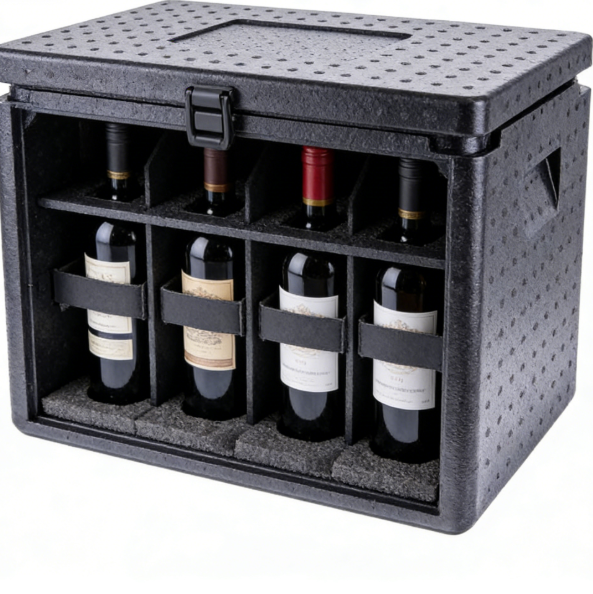
40 Liter Cold Chain Ice Box Supplier: Un marco de abastecimiento seguro
40 Liter Cold Chain Ice Box Supplier: Un marco de abastecimiento seguro
The most defensible purchase is the one that can be traced from product requirement to receiving evidence. Para 40 liter cold chain ice box supplier, the practical issue is whether the stated 40-liter capacity represents gross internal volume or practical payload after coolant and separators are installed. That requires a view of the whole system: the insulated body, refrigerante, separadores, disposición de carga útil, cierre, proceso de manipulación, and any temperature-monitoring device. This article is written for medical, alimento, and route-distribution buyers. It explains how to make a decision for medium-capacity cold-chain transport without relying on vague hold-time claims, capacidad nominal, or a headline price that omits important costs.
Begin with Product and Lane Risk
Write a one-page user requirement before selecting 40-liter cold-chain ice box. It should identify the product and its required condition, dimensiones y masa de la carga útil, pasos de ruta, expected duration plus delay policy, warm and cold exposure, transport modes, manejo de eventos, patrón de apertura, necesidades de seguimiento, proceso de limpieza o devolución, y recibir decisión. For medium-capacity cold-chain transport, give particular attention to usable payload, huella externa, loaded mass, diseño de mango, geometría de embalaje, y apilabilidad.
Separate mandatory acceptance criteria from preferences. A maximum external dimension may be mandatory because the box must fit a rack. A color may be preferred. A product temperature range may be mandatory, while a particular insulation material may be open to supplier proposal. This separation allows suppliers to improve the design without weakening the outcome. It also prevents a feature-rich quotation from appearing compliant when it misses the main requirement.
- Document and confirm gross versus usable volume.
- Document and confirm payload dimensions.
- Document and confirm loaded weight and lifting method.
- Document and confirm lid and gasket design.
- Document and confirm vehicle and rack fit.
Design for Repeatable Packing
Seleccionar aislamiento, refrigerante, separadores, transatlántico, disposición de carga útil, monitor, cierre, and instructions as one system. Material labels alone do not predict the assembled result. EPS may suit a controlled one-way route; EPP may support repeated handling and cleaning; VIP-based systems may provide higher insulation in limited wall thickness but require panel protection. The choice should follow route risk, payload value, manejo, modelo de reutilización, y necesidades de evidencia.
Coolant has to be conditioned and positioned for the product. Frozen packs can create local freeze risk; too little stored cooling capacity can reduce the delay margin; excessive coolant takes payload space and adds mass. Use justified separators and packout geometry. Write instructions in the order operators work, with images or color coding if that reduces mistakes. Observe real staff packing the trial system rather than assuming a diagram is self-explanatory.
Usable payload deserves its own sign-off. Load the actual primary cartons or accurate dummies with the complete coolant and insert set. Cierre de cheques, compresión, recuperación, etiquetas, levantamiento, and vehicle fit. For a nominal 40-liter product, Por ejemplo, the number does not tell you how much payload remains. para restauración, mariscos, o carne, examine liners, liquid control, acceso de limpieza, and separation. para medicina, review freeze protection and monitor placement.
The 40-Liter Capacity Trap
Apply the sourcing framework to the actual use case. Specify the payload cartons by length, ancho, altura, cantidad, and orientation. Ask the supplier to distinguish gross cavity volume, water-fill volume if stated, and usable payload after coolant, espaciadores, and monitoring are installed.
Turn that risk into a controlled process, overfilling can block intended air spaces, distort the lid, move coolant, or force product against a cold boundary. Underfilling can also change thermal behavior because payload mass and internal air distribution differ from the tested setup. Conduct a physical loading trial with the complete packout. Check whether staff can lift the loaded box, grip the handles with gloves, close the lid without compressing product, and remove the first delivery without disturbing the rest.
Then connect evidence to money, request internal and external drawings, empty mass, expected loaded-mass calculation, handle and stack information, packout images, and any performance report for a comparable payload range. Capacity alone is not evidence of route suitability. A larger external box may increase dimensional freight and reduce vehicle or rack utilization. A smaller body may require more delivery runs. Compare payload per external cube and per loaded trip, not only purchase price per nominal 40-liter unit.
At the decision gate, approve the box only when usable payload, levantamiento, ajuste del vehículo, repetibilidad del paquete, and thermal or operational evidence align. If the required payload does not fit, change the size or delivery unit rather than forcing a 40-liter label to work.
Separate Purchase Price from Program Cost
| Quotation field | Que solicitar | Why it changes the decision |
|---|---|---|
| Configuración | Material, calificación, dimensiones, tapa, inserciones, refrigerante, y accesorios | Prevents unlike products from being compared as if they were identical |
| Commercial basis | Cantidad de pedido, estampación, embalaje, término comercial, divisa, and validity | Shows which costs sit inside or outside the unit price |
| Evidencia de desempeño | Perfil de prueba, carga útil, empacar, rango de aceptación, and report status | Reveals whether a claim resembles the intended route |
| Control de calidad | Muestra aprobada, criterios de inspección, notificación de cambio, y retención de registros | Protects consistency after the first order |
| Logística | Master-carton dimensions, unidades por caja, pesas, and loading plan | Supports a realistic landed-cost calculation |
Normalize bids to one currency, cantidad de pedido, configuración, and delivery point. Add tooling, obra de arte, muestras, pruebas, cajas de exportación, transporte, deber, and destination charges. Then build an operating view that includes packing labor, preparación de refrigerante, almacenamiento, limpieza, transporte de regreso, pérdidas, daño, y repuestos. The lowest unit price and the lowest program cost may be different offers.
Cost should be proportionate to failure consequence. The likely failure modes here are payload crowding, blocked air spaces, excessive coolant, poor lifting ergonomics, and dimensions that do not fit vehicles or racks. un corto, controlled delivery may not need the most elaborate construction or qualification package. A high-value medical shipment or unpredictable export route may justify stronger evidence and reserve. The goal is not maximum packaging; it is adequate, repeatable protection with a visible rationale.
Evidence that Connects the Claim to the Lane
Ask exactly what a performance statement means. A duration should be tied to an ambient profile, carga útil, condición inicial, disposición del refrigerante, posiciones de los sensores, y rango de aceptación. A capacity should state whether it is gross internal volume or usable payload. A reusable claim should identify the inspection and cleaning process. A sustainability claim should explain system boundaries and end-of-life assumptions. Without conditions, a number is advertising language rather than decision evidence.
For temperature-sensitive medicinal products, WHO guidance frames qualification as controlled documented evidence and links container performance to transport profiles and acceptance criteria. ISTA thermal standards can support structured parcel-shipping evaluation. EU GDP and IATA practices add expectations around suitable equipment, manipulación controlada, documentación, and current air-cargo requirements. Food operations should align the packaging and transport procedure with applicable sanitary-transportation, HACCP, y controles específicos del producto. The responsible quality or food-safety team determines applicability and disposition.
The monitoring plan should define device accuracy over the relevant range, estado de calibración, recording interval, start and stop method, time synchronization, colocación, acceso a datos, alarmas, retención de registros, y respuesta. A logger is evidence, no protección. Put it where it represents a risk-informed payload condition, and make sure the receiver knows what to do with the record.
Supplier Control After Approval
Approve the configuration and the process that makes it. Keep controlled drawings, especificaciones de materiales, listas de componentes, obra de arte, instrucciones de embalaje, master-carton details, y criterios de aceptación. Identify characteristics that affect fit, cierre, higiene, durabilidad, o comportamiento térmico. Ask how these characteristics are inspected and recorded during production.
Use a staged path: muestra funcional, engineering or packout trial, thermal or route evaluation as needed, pilot or pre-production run, then bulk approval. Each sample needs a revision and purpose. Retain an approved reference when useful. If the project is custom, settle tooling ownership, mantenimiento, modification rights, and end-of-project treatment in writing before the tool becomes leverage in a commercial dispute.
Require notification before changes to material, geometría, refrigerante, inserciones, manufacturing site or process, obra de arte, and performance-critical packaging. Decide which changes need document review, aprobación de muestra, o recalificación. This is central for pharmaceutical systems and still valuable for food and wholesale programs because small substitutions can affect fit and field performance.
Pilot the Whole Workflow
Use this typical scenario: a clinic needs to carry cartons that appear to fit a nominal 40-liter box, but conditioned packs and protective spacers reduce the actual loading space. Pack under realistic time pressure, stage the box as the route does, expose it to representative conditions, and complete the receiving process. Record thermal outcome where applicable, tiempo de empacar, ajuste de carga útil, manejo del refrigerante, levantamiento, cierre, leakage or condensation, daño, legibilidad de la etiqueta, limpieza, and return steps. The trial should reveal process weaknesses as well as product weaknesses.
Set a review meeting with procurement, operaciones, quality or food safety, y el proveedor. Classify findings as safety or product risk, performance gap, usability problem, cost opportunity, or preference. Revise the user requirement and configuration once, then repeat only the checks affected by the change under a justified plan. Controlled iteration is faster than accepting a weak design and correcting it through complaints.
A 2026 View of Reuse and Packaging Responsibility
Reusable packaging should be assessed as a loop: asunto, usar, devolver, inspeccionar, limpio, seco, almacenar, reparar, and reissue. Track availability, pérdida, daño, turnaround, and completed cycles. For one-way systems, evaluate material use, cubo de envío, disposal options, y protección del producto. El Reglamento de la UE sobre envases y residuos de envases se aplica generalmente a partir de agosto 2026 and reinforces the need for current review of packaging composition, reutilizar, Reciclabalidad, etiquetado, and market-specific obligations. Do not rely on a supplier slogan as legal or environmental proof.
Design decisions can preserve options. Replaceable lids or liners, material identification, controlled composition data, insertos modulares, and durable asset labels may extend useful life or simplify future review. Sin embargo, added complexity also creates more parts to manage. Select features because they support the operating model, not because they sound future-facing.
Frequently Asked Procurement Questions
What information should I send when requesting 40 liter cold chain ice box supplier?
Send the product requirement, dimensiones y masa de la carga útil, pasos de ruta, duration and delay allowance, warm and cold exposures, handling and opening pattern, coolant preference if justified, necesidades de seguimiento, cantidad, destino, término comercial, cleaning or return model, y evidencia requerida.
How can I compare supplier test reports?
Compare configuration, carga útil, perfil ambiental, condiciones iniciales, acondicionamiento del refrigerante, posiciones de los sensores, criterios de aceptación, método de prueba, desviaciones, and report approval. A longer duration is not automatically better if the conditions do not represent your route.
Should I buy a standard box or develop a custom one?
Use a standard box when it meets payload, ruta, manejo, and evidence needs with acceptable landed cost. Consider custom development when fit, payload utilization, embalaje repetible, limpieza, herrada, or vehicle integration creates enough operational value to justify engineering and tooling.
What should be locked before mass production?
Lock the drawing revision, material, bandera, inserciones, refrigerante, etiquetas, instrucciones de embalaje, caja maestra, criterios de inspección, approved sample status, and change-notification process. Confirm the commercial scope and delivery basis at the same time.
The Sourcing Decision in One View
| Puerta de decisión | Pregunta para responder | Evidence or output |
|---|---|---|
| Requisito | What must be protected, through which route? | Approved user requirement and acceptance criteria |
| Diseño del sistema | Can the complete packout be loaded and repeated? | Configuration list, dibujo, e instrucciones de embalaje |
| Actuación | Does evidence match the intended challenge? | Reviewed protocol, test or pilot record, and deviations |
| Proveedor | Can production remain equivalent to the approved sample? | Quality controls, plan de inspección, y proceso de cambio |
| Commercial | What is the landed and operating cost? | Normalized bid and cost model |
| Ampliar | Can the workflow run reliably? | Pilot review, capacitación, liberar, and performance feedback |
A confident decision for 40 liter cold chain ice box supplier is not a search for the thickest box or lowest number. It is a documented match between product, ruta, empacar, evidencia, control de proveedores, y costo. When those six gates are clear, procurement can compare alternatives fairly and operations can use the chosen system as intended.
A Controlled First 90 Días
The first production order for 40-liter cold-chain ice box should be treated as the beginning of operational verification, not the end of development. Train packers and receivers on the approved configuration, identify each component, and record issues by revision and lot where practical. Keep enough approved reference material to investigate fit, cierre, etiquetado, or performance complaints without guessing which version was shipped.
During the first weeks, review pack time, disponibilidad de componentes, ajuste de carga útil, temperature data where applicable, daños por manipulación, limpieza, delivery exceptions, and receiving questions. Do not wait for a rejected load to learn that instructions are ambiguous. A short daily review during launch can become weekly and then monthly as the process stabilizes. Assign an owner for actions and close them through controlled document or design updates.
Compare actual landed and operating cost with the assumptions used for approval. cubo de carga, coolant labor, tasa de retorno, espacio de almacén, replacement lids, daño, and supplier response time may change the business case. If the program is reusable, reconcile issued, regresó, en cuarentena, limpieza, and ready-to-use boxes. If it is one-way, review disposal feedback and packaging damage at the destination.
At the 90-day review, decide whether the system is ready for wider deployment, needs a controlled improvement, or should remain limited to the original lane. Capture what was learned in the specification, capacitación, and supplier file. Scaling a documented process is safer than scaling the memory of the project team.
Acerca de Tempk
Tempk es la marca de embalaje de cadena de frío de Shanghai Tempk Industrial Co., Limitado., establecido en 2011. The company develops, produces, sells, and services cold-chain products, including insulated packaging formats and cooling components. Tempk can support early discussions about 40-liter cold-chain ice box selection, geometría de carga útil, coolant arrangements, reusable or one-way formats, and custom or bulk sourcing. Any final configuration should be reviewed and, donde sea necesario, tested or qualified for the buyer's product, ruta, procedimientos, and market obligations.
Provide Tempk with your route map, detalles de carga útil, condición requerida del producto, cantidad, and evidence needs to start a focused packaging comparison.