


Mantas térmicas para palés para hemoderivados, Calificado
Mantas térmicas para palés para hemoderivados, Calificado
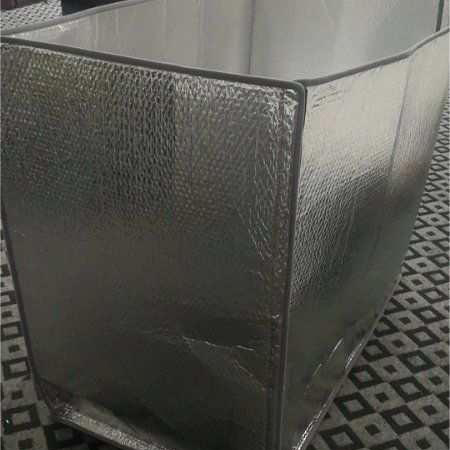
Mantas térmicas para palets para hemoderivados dentro de un sistema logístico cualificado
The safest way to buy thermal pallet blankets for blood products is to stop treating the blanket as the temperature-control system. Es un componente pasivo externo.. Puede retardar la entrada o salida del calor de una plataforma., pero solo el completo, La configuración calificada se puede evaluar frente a los requisitos de un componente sanguíneo.. Refrigeración, paquetes congelados, manejo de plaquetas, escucha, trazabilidad, y la liberación de calidad siguen siendo controles separados.
Un método de selección práctico conecta el estado de un componente con un carril y una envolvente operativa. Luego pasa por siete puertas.: requisito, role, geometría, diseño térmico, evidencia, operación de rutina, y control del ciclo de vida. Si una propuesta no puede pasar una puerta, un pedido más grande debería esperar.
Puerta 1: nombrar el componente y su estado
No comience una especificación con “paleta de sangre”. Escriba el componente completo y el estado.: sangre entera almacenada, glóbulos rojos líquidos, plaquetas bajo su proceso aprobado, plasma congelado, plasma descongelado, u otro componente específicamente etiquetado. Procesamiento o modificación de notas que afecten las condiciones. Indique la etiqueta aplicable, procedimiento de establecimiento de sangre, reglas nacionales, y requisitos de destino.
La guía de la OMS sobre la cadena de frío de la sangre distingue entre sangre entera refrigerada y glóbulos rojos, plaquetas mantenidas en condiciones controladas con agitación durante el almacenamiento, y plasma congelado. A NOSOTROS. Las regulaciones de la FDA también especifican las condiciones producto por producto.; los números y contextos no son idénticos a cada declaración de capacitación de la OMS o las reglas de otro país. eso se espera. Un programa de logística global necesita una matriz de requisitos, no es una temperatura universal copiada en cada protocolo.
La matriz debe incluir el rango permitido o el criterio de estado congelado., tiempo máximo de proceso cuando corresponda, agitación u otras necesidades no relacionadas con la temperatura, restricciones de embalaje y etiquetado, inspección visual, escucha, y autoridad de disposición. También debe indicar si el requisito se aplica al almacenamiento., envío, tratamiento, mantenimiento post-descongelación, o tema para transfusión. Estas etapas no deben combinarse.
Las cargas de componentes mixtos generalmente fallan en esta puerta a menos que los productos compartan componentes compatibles., Condiciones aprobadas y segregación física.. Una cubierta exterior reflectante no puede hacer que los glóbulos rojos refrigerados sean compatibles con las plaquetas a temperatura ambiente controlada o con un paquete de plasma congelado con hielo seco..
Puerta 2: asignar un trabajo estrecho a la manta
Escriba una oración que describa la tarea de la manta sin usar "mantener" o "controlar" a menos que esté respaldado por evidencia del sistema.. Por ejemplo: "Proporcionar una capa aislante exterior evaluada alrededor de cajas de transporte de glóbulos rojos calificadas durante el montaje en muelles interiores y la carga de vehículos". La oración nombra la configuración protegida y la exposición..
Entre las posibles tareas se encuentra la de amortiguar una entrega planificada., agregar una capa exterior evaluada a un embalaje de paleta pasivo, reducir la carga radiante durante una transferencia breve, o apoyar un movimiento de emergencia precalificado. Trabajos inadecuados incluyen la sustitución del frigorífico de un banco de sangre, almacenar plaquetas sin necesidad de agitación, convertir un camión normal en un vehículo frigorífico, mantener el plasma congelado solo con aislamiento, o extender un retraso más allá de la duración calificada.
Defina la acción de falla en el mismo conjunto de oraciones.. Si la puesta en escena llega a su límite, el pallet regresa al equipo aprobado, transferencias a una alternativa validada, o entra en una escalada decidida por el procedimiento de calidad. La manta no puede crear un período de gracia indefinido..
Esta asignación limitada también ayuda con el lenguaje de cumplimiento.. La configuración completa puede calificarse para un uso específico.; la manta en sí no debería llamarse universalmente "cumple con la FDA".,“La OMS aprobó,” o adecuado para todos los productos sanguíneos. Solicite a los proveedores que indiquen con precisión las pruebas de construcción y soporte..
Puerta 3: capturar el palet y el carril reales
Los planos de los palés deben reflejar la carga de producción envuelta.. Registrar dimensiones exteriores, altura mínima y máxima, diseño de caja, sobresalir, tableros de esquina, vacíos, rango total de carga útil, etiquetas, sellos, ubicaciones de refrigerante, y base. Un palet completo y medio palet pueden tener diferentes relaciones superficie-masa y rutas de aire internas., entonces ambos pueden necesitar evaluación.
Mapee el carril minuto a minuto desde el último punto controlado hasta el siguiente punto controlado. Incluir conciliación de despacho, ascensor espera, puesta en escena del muelle, ciclos de puerta, seguridad, cargando, preacondicionamiento del vehículo, aceptación del aeropuerto, transferir, aduanas, recepción, y recuperación de registradores. Marque las superficies debajo del palet y las exposiciones radiantes encima de él.. Identificar el retraso más largo creíble y el camino de recuperación.
La temperatura del aire por sí sola puede no representar el desafío. Sol directo, un techo caliente, una cubierta de metal frío, viento, precipitación, y las cargas congeladas adyacentes pueden crear efectos locales. Si es posible el uso en exteriores, examinar el aseguramiento, comportamiento del agua, y manejo seguro. Una falda suelta o una manta saturada pueden representar un peligro para los trabajadores y la contaminación..
Los factores humanos pertenecen al expediente del carril.. ¿Quién instala la cubierta?? ¿Qué ropa protectora se usa?? ¿Puede una persona llegar a la cima?? ¿Son visibles las etiquetas?? ¿Pueden entrar las carretillas elevadoras sin tocar el faldón?? ¿Existe el riesgo de que la eliminación golpee las frágiles cajas de plasma congelado?? Pruebe estas tareas con el personal y el equipo previstos..
Puerta 4: diseñar todas las rutas de calor y fuentes internas
Conducción, convección, y la radiación ocurren simultáneamente. El núcleo aislante de la manta resiste el calor a través de sus paneles.. Una superficie reflectante puede reducir el intercambio radiante en condiciones relevantes.. Las solapas y faldones pueden limitar el movimiento del aire.. Costuras, brecha, pliegues comprimidos, Y la base descubierta puede omitir estas funciones..
Piense en la plataforma como un límite de seis lados.. Una cubierta de cinco lados deja la parte inferior conectada al palet y al suelo.. Una almohadilla base puede reducir este camino pero puede afectar la estabilidad., higiene, acceso a la bifurcación, y calificación. Haga esa elección antes de que se congele la configuración de prueba..
La manta también interactúa con los refrigerantes internos.. Las compresas frías o los materiales de cambio de fase absorben energía, pero pueden crear puntos fríos si hace demasiado frío., mal acondicionado, o colocado contra cajas de glóbulos rojos. Dry ice supports certain frozen systems but releases carbon dioxide gas and brings dangerous-goods, ventilación, manejo, y problemas de compatibilidad de materiales. El aislamiento puede prolongar la influencia tanto deseada como no deseada de un refrigerante..
Las plaquetas nuevamente requieren una lógica separada. Una manta no puede ofrecer agitación continua durante el almacenamiento.. Tampoco debe obstruir el flujo de aire controlado alrededor del equipo de plaquetas.. Cualquier configuración de transporte debe seguir el proceso de plaquetas aprobado.; adding generic chilled gel packs would be an unsafe assumption.
La humedad es parte del diseño.. Un palé frío que entra en contacto con aire húmedo puede acumular condensación.. El agua puede debilitar las cajas., etiquetas de daños, ocultar fugas, crear pisos resbaladizos, o ingresar al aislamiento a través de costuras dañadas. Definir la ubicación de instalación, consideraciones de vapor y agua, drenaje, el secado, e inspección. “Impermeable” no responde al comportamiento de condensación.
Solicite una descripción completa de la construcción: capa exterior, aislamiento, reforzamiento, revestimiento interior, costuras, cierres, manijas, dimensiones, tolerancias, y orientación. Los valores de los cupones de materiales admiten la comparación, pero no predicen la duración del sistema completo. Pruebe la manta terminada alrededor de la carga propuesta..
Puerta 5: crear evidencia que coincida con el reclamo
El plan de evidencia debe pasar de la prueba de ajuste a la prueba térmica controlada y luego a la confirmación operativa.. Una prueba de ajuste puede eliminar conceptos inseguros o de tamaño deficiente antes de realizar costosos trabajos en cámara. Debería desafiar todas las alturas de paletas aprobadas., etiquetas, liquidación de equipos, alcance de cierre, tiempo de instalación, y eliminación.
El protocolo térmico establece el criterio del componente., justificación sustituta, rango de carga útil, distribución inicial, embalaje y acondicionamiento de refrigerante, configuración de manta y base, perfil ambiental, duración, manejo de eventos, sistema de sensores, colocación, repite, y reglas de aceptación. Debe incluir el riesgo tanto de frío como de calor cuando corresponda..
| evidencia requerida | Lo que debe identificar | Decisión que apoya |
|---|---|---|
| Registro de construcción | Capas terminadas, costuras, cierres, dimensiones, tolerancias, identidad de producción | Si las unidades probadas y suministradas son comparables |
| Perfil de carril o instalación | Tiempo, ambiente, humedad cuando sea relevante, superficies, radiación, traspasos, retrasos | Si el desafío representa el uso previsto |
| Protocolo e informe de calificación. | Carga útil, empacar, sensores, calibración, perfiles, repeticiones, criterios, resultados | Si la configuración completa es compatible con el entorno operativo |
| Evaluación de manejo | Instalación, aseguramiento, etiquetas, alcance del trabajador, interacción del equipo | Si el método es repetible y seguro |
| Acuerdo de control de cambios | Cambios internos y de proveedores que requieren revisión | Si la evidencia sigue siendo aplicable después del cambio |
La ubicación del sensor debe investigar los extremos. Incluir regiones exteriores superiores y de esquina, la interfaz del piso inferior, posiciones cerca de refrigerantes, cierres, y el núcleo de carga según lo justificado. Un registrador ambiental interpreta el desafío; no representa la temperatura del producto. Calibración, rango, respuesta, resolución, intervalo, sincronización de tiempo, y el método de fijación deben documentarse.
Los perfiles térmicos y los procesos de calificación de ISTA pueden informar ciertos estudios de embalaje.. Debe comprobarse su alcance oficial.. Los perfiles de entrega de paquetes no representan automáticamente la sangre paletizada en la plataforma de un aeropuerto o en el hospital.. Una referencia estándar es útil sólo cuando el artículo de prueba, perfil, método, y se revelan las desviaciones.
Un pase bajo un perfil ambiental no prueba todas las estaciones y carriles.. Establecer si las pruebas estacionales separadas o entre corchetes están científicamente justificadas. Si un proveedor ofrece una duración, mantener la carga útil, criterio, condición inicial, perfil, y ubicaciones de sensores adjuntos.
Puerta 6: hacer observable la operación de rutina
La calificación tiene éxito sólo si el envío y la recepción reproducen la configuración crítica.. Convierta el informe en una breve instrucción de embalaje con fotografías., pasos numerados, y límites claros. Controlar el acondicionamiento del refrigerante, arreglo de caja, patrón de paleta, base, orientación general, secuencia de cierre, posición del registrador, bolsa de etiquetas, sello, y marcas de tiempo.
En el envío, El personal verifica el estado de los componentes., familia de carga aprobada, condición inicial, identidad e inspección generales, preparación del registrador, y documentación de envío. En cada entrega, se registra el tiempo y la custodia. La manta permanece cerrada a menos que el SOP defina el acceso.. si un retraso, ubicación, o condición física sale del ámbito operativo, comienza la escalada nombrada.
Al recibir, El personal inspecciona el palet cubierto antes de desmontarlo., registrar daños o humedad, conciliar unidades componentes, recuperar datos, y coloque el producto en el equipo controlado correcto. La revisión de datos sigue el procedimiento del establecimiento de sangre.. Un indicador verde, manta intacta, o refrigerante restante no es una decisión de liberación independiente.
Por una excepción, poner en cuarentena según sea necesario y conservar todos los registros. Revisar la calibración y ubicación del registrador, historia del tiempo, integridad de la manta y del embalaje, estado del refrigerante, etiqueta del producto, observaciones fisicas, y criterios regulatorios aplicables. Sólo el personal autorizado decide la liberación., reedición, evaluación adicional, o descartar.
La capacitación debe incluir ejemplos de uso incorrecto.. El personal debe reconocer una manta seleccionada para el componente incorrecto, un borde inferior abierto, contacto directo con el refrigerante, una etiqueta oculta, un núcleo húmedo, calibración del registrador caducada, y un retraso más allá del sobre. Los simulacros periódicos son especialmente útiles para configuraciones de emergencia que rara vez se utilizan..
Puerta 7: controlar la reutilización, cambiar, y fin de vida
Una manta reutilizable pasa a formar parte del conjunto de activos que respaldan la calidad. Déle una identificación única cuando corresponda y establezca que esté listo para limpiar., emitido, regresó, limpieza, el secado, reparar, cuarentena, y estados de jubilado. Definir agentes y métodos de limpieza compatibles., iluminación de inspección, criterios de costura y cierre, reglas de aislamiento húmedo, reparaciones permitidas, y retención de registros.
Ningún conteo de reutilización universal puede reemplazar la inspección y verificación. La abrasión cambia las superficies reflectantes.; pliegues comprime el aislamiento; los cierres recogen escombros; La limpieza puede afectar las uniones.; Las reparaciones pueden crear puentes térmicos.. Seleccione unidades antiguas para revisión técnica periódica según la gravedad del uso., fracasos, y riesgo. Retirar unidades que no puedan restaurarse a la condición aprobada.
El control de cambios de proveedores es igualmente importante. una nueva película, espuma alternativa, adhesivo diferente, cierre reubicado, puntada cambiada, o la tolerancia dimensional puede afectar el rendimiento o la seguridad. Acordar qué cambios requieren notificación previa y qué evidencia respalda la equivalencia. Internamente, cambios en las cajas, carga de paleta, refrigerantes, loggers, vehículos, o las rutas pueden requerir revisión.
La sostenibilidad debe calcularse por cada proyecto completado con éxito., movimiento de paleta conforme. Contar la fabricación, embalaje, logística inversa, limpieza, el secado, reparar, pérdida, escucha, calificación, y eliminación. Compare esas cargas con un sistema de un solo uso en la misma función. Los circuitos hospitalarios cerrados pueden favorecer la reutilización; Las rutas unidireccionales de emergencia o internacionales pueden no.
Seguimiento de los ciclos reales, tasa de retorno, daño, reparar, recursos de limpieza, pérdida, y causa de jubilación. Verificar si los recicladores locales aceptan los materiales ensamblados.. Un reclamo material teórico no es un programa de fin de vida. Sobre todo, no reducir el monitoreo o el aseguramiento térmico para mejorar una métrica ambiental; La pérdida de un componente sanguíneo donado conlleva sus propias consecuencias clínicas y de recursos..
Conclusión: El paquete de aprobación final
Antes de la ampliación, El expediente técnico debe responder cuatro preguntas sin depender del lenguaje de ventas.:
¿Qué componente, estado, configuración de paleta, carril, y se aprueban las condiciones estacionales?
¿Qué función exacta realiza la manta?, y qué funciones quedan con otros equipos?
¿Qué protocolo y datos soportan el entorno operativo?, incluyendo lugares cálidos y fríos?
¿Cómo inspecciona el personal?, instalar, monitor, recibir, investigar, limpio, reparar, y retirar el sistema?
Si falta alguna respuesta, el siguiente paso de compra puede ser una muestra, ejercicio de mapeo, o ejecución de calificación en lugar de una orden de producción.
Las mantas térmicas para palés para productos sanguíneos pueden resultar útiles en los límites vulnerables de una red sanguínea. Su valor más seguro proviene de la precisión.: un estado de componente definido, un carril representativo, una configuración completa, y un proceso operativo controlado. Esa precisión evita que una capa pasiva se confunda con equipos de almacenamiento de sangre y brinda a los equipos de calidad evidencia que pueden defender..
Acerca de Tempk
Shanghai Tempk Industrial Co., Limitado. opera Tempk, a provider of cold-chain packaging solutions. Its official products include thermal pallet covers, insulated packaging and boxes, refrigerantes, y PCM. El contenido oficial de la solución cubre la revisión del paquete, planificación de la posición del registrador, y soporte del plan de validación, brindándonos una base definida para una discusión sobre el empaque de componente a carril para un uso de logística de sangre establecido. Tempk no aprueba requisitos de sangre, calificación, cumplimiento, procedimientos de seguimiento, estado de reutilización, o disposición del producto; esos controles permanecen en el centro de sangre responsable.
Enviar la matriz de estado del componente, configuración de paleta completa, perfil de ruta, lógica de monitoreo, y reutilizar el límite a Tempk. Podemos discutir qué preguntas sobre embalaje debe responder el plan de evaluación..
Cubiertas térmicas para palés para almacenamiento a granel que se adaptan al trabajo
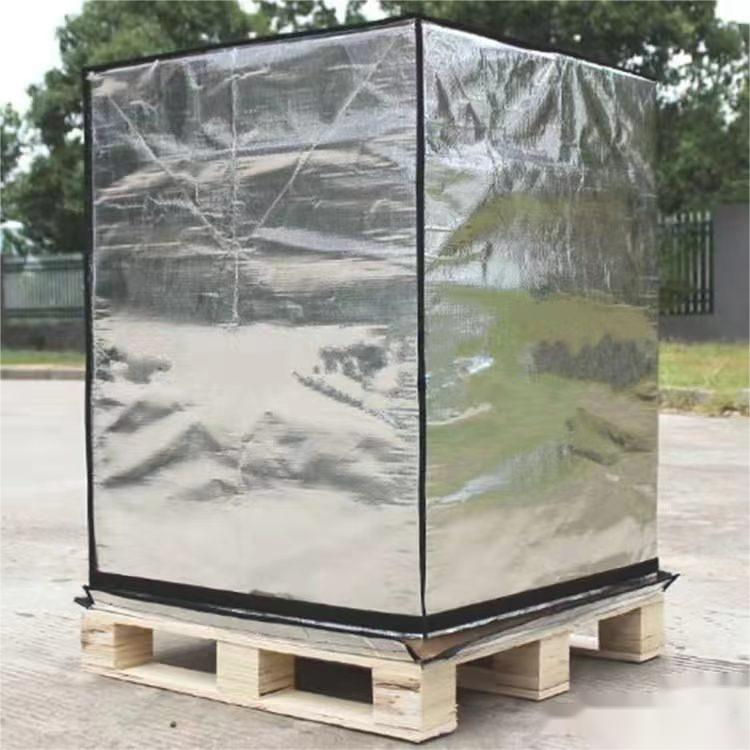
Fundas térmicas para palés para almacenamiento a granel que se ajustan a la carga, Sitio, y proceso
The best pallet thermal covers for bulk storage are not chosen by thickness alone. Se eligen haciendo coincidir un conjunto de cubierta completo con un palet conocido., una exposición conocida, y un proceso de almacén repetible. Luego, la cubierta ralentiza el intercambio de calor no deseado para ese evento definido.. No genera enfriamiento, mantener un punto de ajuste exacto indefinidamente, o reemplazar una cámara fría, vehículo refrigerado, o decisión sobre la calidad del producto.
Ese enfoque de envolvente operativa resuelve muchos errores de compra comunes. En lugar de preguntar qué cubierta está "más aislada,"Usted pregunta qué configuración sigue siendo utilizable y respaldada por evidencia en su muelle, en tu piso, alrededor de tu carga, y a través del retraso realmente necesitas gestionar.
Dibuja el límite antes de nombrar la solución.
Comience con un dibujo de límites simple. Coloque el palet en el centro y etiquete todo lo que pueda intercambiar calor o humedad con él.: aire ambiente, borradores de puerta, techo y luces, cargas adyacentes, hormigón o acero debajo del palet, y cualquier exposición al aire libre. Añade la ruta y el horario. Esta imagen a menudo revela que la solicitud de compra no es realmente "almacenamiento a granel". Puede ser una salida de habitación controlada., un muelle de espera, una transferencia entre edificios, una rejilla desbordante, o una parada de emergencia.
Ahora agregue el límite del producto.. Registre la condición de almacenamiento aprobada., si la congelación o el sobrecalentamiento son especialmente perjudiciales, qué tan uniforme es la carga cuando sale del espacio controlado, y quién decide si una excursión es aceptable. Los requisitos varían entre los alimentos., medicamentos, quimicos, electrónica, y materiales industriales. La temperatura impresa en una orden de trabajo del almacén puede no ser el criterio de calidad completo..
Finalmente, agregar el límite operativo. Tenga en cuenta las dimensiones del palé después del embalaje., caso saliente, frecuencia de carga parcial, equipo de manipulación de materiales, etiquetado, controles de incendio, necesidades de saneamiento, y alcance de los trabajadores. Una cubierta que parece térmicamente capaz pero que no se puede instalar de manera segura o consistente no es un control efectivo.
El resultado es un breve planteamiento del problema.. Por ejemplo: “Guardar en zona intermedia una familia definida de tarimas preacondicionadas durante la preparación de salida interior al lado de la puerta. 4, incluyendo una condición de retraso documentada, sin obstruir las identificaciones o el acceso de transpaletas”. Esto es mucho más útil para un proveedor y un equipo de pruebas que "Necesita una manta térmica para 48 horas". Enuncia una función sin inventar un resultado..
Decida si una cubierta es el control adecuado
Passive pallet covers are attractive because they require no power and can be deployed around existing loads. Esas ventajas no los hacen apropiados para todos los riesgos.. Utilice una jerarquía de control basada en la gravedad y la duración de la exposición..
Si los productos requieren almacenamiento continuo refrigerado o congelado, El control primario normalmente debería ser un equipo diseñado, monitoreado, y mantenido para esa condición. Si una transferencia excede regularmente la capacidad de aislamiento pasivo, mejorar la programación, agregar puesta en escena controlada, o utilice un recinto con temperatura controlada adecuada. Si la exposición es breve, previsible, y lo suficientemente moderado para estudiar, una cubierta puede ser una capa secundaria proporcionada.
Una cobertura también puede respaldar un plan de contingencia., pero solo después de que el plan identifique el punto en el que los bienes se trasladan a refrigeración de respaldo u otra solución calificada.. La resistencia pasiva puede retardar un cambio de temperatura; no puede decirle si el producto sigue siendo liberable. Datos, criterios aprobados, y la revisión de calidad cumplen esa función.
Rechazar la opción de cobertura cuando cree un peligro mayor. Los ejemplos incluyen material suelto cerca de las ruedas del vehículo., interferencia con los aspersores de rejilla, incapacidad para ver etiquetas reguladas, riesgos de contaminación incompatibles, o condiciones exteriores que puedan levantar o empapar el recinto. Rediseñar la obra puede ser más seguro que forzar una funda de tela.
Traducir la portada en zonas funcionales.
Una cubierta terminada puede entenderse como cinco zonas funcionales.. Esta vista hace que las comparaciones de proveedores sean más claras que una lista de nombres comerciales de materiales..
Zona radiante: La cara exterior encuentra luces., superficies del techo, sol, o ambiente frío. Las propiedades reflectantes pueden reducir el intercambio radiante., pero sólo en la orientación y condición relevantes. Suciedad, contacto directo, daños en el revestimiento, y los pliegues pueden cambiar el efecto.
zona resistiva: El núcleo aislante ralentiza el flujo de calor conductivo a través del panel.. Su eficacia depende de la estructura., espesor, compresión, humedad, costuras, y envejecimiento. Los datos nominales del panel no son los mismos que el rendimiento de la cubierta terminada.
Zona de control aéreo: Afueras, se superpone, solapas, y los cierres limitan el movimiento del aire. Un pequeño espacio continuo puede dominar una diferencia menor entre los núcleos de aislamiento., especialmente en caso de viento o flujo de ventilador.
Zona de contacto: el palet, piso, estante, o la plataforma del remolque forma el límite inferior. Una cubierta de cinco lados deja este camino diferenciado.. Cualquier base aislada pasa a formar parte de la estabilidad de la carga., higiene, y calificación.
Zona de interfaz humana: Manijas, etiquetas, cierres, líneas de plegado, y los puntos de agarre determinan si los trabajadores instalan el sistema correctamente. Estos detalles también influyen en el daño y la reutilización..
Las explicaciones sobre transferencia de calor del Departamento de Energía identifican la conducción, convección, y la radiación como modos básicos. Una revisión de la zona funcional conecta esos principios con los detalles del almacén.. También evita que la capa reflectante exterior reciba toda la atención mientras el espacio inferior, aislamiento húmedo, o el cierre fallido controla el resultado.
La humedad atraviesa varias zonas.. Una carga fría que ingresa al aire húmedo puede experimentar condensación incluso bajo una cubierta resistente al agua.. El agua puede debilitar los cartones, etiquetas oscuras, hacer que los pisos sean resbaladizos, o entrar en un laminado dañado. Definir cuándo se instala la cubierta., cómo se manejan las unidades húmedas, donde se secan, y cómo se detecta la entrada oculta de agua.
Construya evidencia en capas
La evidencia de desempeño debe madurar a medida que la compra pasa del concepto a la escala.. Cada etapa responde a una pregunta diferente.
| Etapa de evidencia | pregunta principal | Salida útil |
|---|---|---|
| Revisión de documentos | ¿Es la construcción identificable y adecuada para la detección?? | Descripción de la capa, dimensiones, tolerancias, información sobre materiales y seguridad, límites establecidos |
| Prueba de ajuste y manejo | ¿Pueden los trabajadores utilizarlo de forma segura en cada familia de carga aprobada?? | Observaciones de instalación, mapa de brechas, liquidación de equipos, visibilidad de la etiqueta, notas de daños |
| Estudio térmico controlado | ¿La configuración amortigua el desafío definido?? | Protocolo, datos del sensor calibrado, gradientes, repetir resultados, observaciones de humedad e integridad |
| Piloto del sitio | ¿El proceso funciona bajo entregas y retrasos reales?? | Cumplimiento, datos de permanencia, excepciones, comentarios del operador, resultados de control de activos |
| Verificación de rutina | ¿El desempeño aprobado sigue siendo creíble con el tiempo?? | inspección entrante, revisión de cambios, cheques de cobertura envejecida, registros de tendencias y desviaciones |
Esta secuencia evita dos extremos.. No exige un programa térmico costoso para una cubierta que no pasa la primera prueba de ajuste., y no confunde un ajuste cómodo con resistencia térmica.. La evidencia crece con el riesgo y el compromiso..
ISTA publica estándares oficiales de pruebas térmicas y perfiles de transporte, including Standard 7E for parcel-delivery thermal transport packaging and Standard 20 processes for insulated shipping containers. Esos marcos pueden guiar el pensamiento disciplinado., pero hay que respetar su alcance. Una cubierta de paleta utilizada para la preparación de un almacén estacionario no se valida simplemente porque un informe menciona un perfil ISTA. Determinar si el método representa la aplicación real y qué modificaciones se realizaron..
Para un estudio controlado, especificar la construcción de la plataforma, temperaturas iniciales, configuración de la cubierta, perfil ambiental, límite del piso, movimiento de aire, humedad cuando sea relevante, manejo de eventos, sistema de sensores, duración, y criterios de aceptación. Mapear posibles puntos cálidos y fríos. No coloque todas las sondas en el centro., donde la masa térmica proporciona la mayor amortiguación. Documente las reglas de datos faltantes y repita los fundamentos antes de ver los resultados..
Tenga cuidado con la duración indicada de un proveedor. Preguntar: duración según qué criterio, bajo qué patrón ambiental, con que carga útil, en qué condición inicial, usando qué posiciones del sensor? Una prueba puede ser completamente válida para su configuración y aún así ser irrelevante para la tuya.
Escriba las instrucciones de trabajo en torno a los modos de falla.
Una instrucción debería mostrar más que cómo colocar una cubierta sobre un palé.. Debería evitar las formas predecibles en que falla el control..
Antes de la instalación, El operador comprueba la identidad del palet., familia de carga aprobada, estado de lanzamiento inicial, identificación de portada, sequedad, limpieza, costuras, aislamiento, cierres, y arreglos de etiquetas. La cubierta se instala en la orientación especificada en la ubicación definida. Todas las solapas y faldones están asegurados., con material libre de ruedas y caminos para caminar. El reloj de permanencia comienza según un disparador establecido..
Durante la puesta en escena, el palet permanece sólo en posiciones aprobadas. Se evita la apertura a menos que el procedimiento lo permita.; si se produce el acceso, el personal lo registra o reinicia la regla definida por el equipo de calidad. Un movimiento hacia una puerta no aprobada, delantal al aire libre, lugar iluminado por el sol, o una plataforma de metal desencadena una escalada en lugar de una continuación casual.
al final, El personal retira la cubierta de forma segura., inspeccionar la carga según sea necesario, capturar datos de monitoreo, y dirija la cubierta hacia el retorno limpio., limpieza, reparar, cuarentena, o jubilación. Una cobertura dañada nunca se considera aceptable simplemente duplicándola con otra cobertura no evaluada.. Dos capas pueden cambiar el manejo., humedad, comportamiento del fuego, y cierre sin una base de desempeño conocida.
Las ayudas visuales deben mostrar espacios más bajos aceptables., orden de cierre, visualización correcta de la etiqueta, y daño común. Los supervisores deben observar el desempeño durante el turno más ocupado y durante las estaciones frías o calurosas.. Un proceso diseñado en una prueba silenciosa puede fallar cuando los operadores manipulan varios pallets a la vez.
La información de manipulación de materiales del almacén de OSHA en los Estados Unidos destaca los pasillos despejados y la autorización segura de los equipos. Las leyes locales y las reglas de las instalaciones variarán, pero la lección operativa es amplia: El aislamiento debe encajar en el sistema de movimiento seguro.. Fuego, edificio, asegurador, También pueden ser necesarias revisiones sanitarias dependiendo del producto y la disposición de almacenamiento..
Compra el programa, no solo los paneles
Las adquisiciones masivas magnifican las pequeñas ambigüedades. Un cambio dimensional de un centímetro, un cierre reubicado, o un laminado sustituido pueden convertirse en cientos de instalaciones inconsistentes. La solicitud de cotización debe indicar la geometría y construcción aprobadas., tolerancias críticas, etiquetado, embalaje, inspección entrante, notificación de cambio, y documentar las expectativas.
Pida a los proveedores que separe los hechos en tres grupos.:
Características identificadas: materiales, asamblea, dimensiones, cierres, y controles de mano de obra.
Rendimiento soportado: resultados vinculados a un espécimen con nombre, carga útil, perfil, y criterio de aceptación.
Supuestos de aplicación: Condiciones que el comprador debe confirmar a través de su propia revisión o calificación..
Esta separación premia la franqueza. Un proveedor que establece claramente los límites puede ser un socio más fuerte que uno que ofrece declaraciones de temperatura universales..
Evaluar la coherencia entre la muestra y la producción. Mantenga una muestra aprobada o una especificación detallada, y definir qué verifican los cheques entrantes. Por un programa reutilizable, solicitar limitaciones de limpieza, criterios de inspección, método de reparación permitido, y indicadores de jubilación. Pregunte qué sucede si un componente deja de estar disponible. Una sustitución de material no debe entrar en producción antes de que se revise su impacto..
Evite afirmaciones inventadas sobre el retorno de la inversión. En cambio, construir un modelo de costos específico del sitio que contenga la adquisición, transporte, almacenamiento, mano de obra para instalar y quitar, limpieza, el secado, refacción, logística inversa, pérdida, escucha, calificación, y eliminación. Compárelo con el método actual en el mismo número de eventos de paleta.. Incluir fallas de servicio e inventario atascado en el ciclo de retorno..
Hacer que la reutilización y la sostenibilidad sean mensurables
Las fundas reutilizables pueden reducir la compra de protección desechable en circuitos cerrados estables. También pueden viajar vacíos a largas distancias., requieren una limpieza intensiva en recursos, desaparecer en las entregas, o volverse inutilizable después de la contaminación. El desempeño ambiental es un resultado del sistema., no hay una etiqueta adherida al producto.
Defina una comparación funcional, como un evento de palet correctamente protegido dentro de la exposición aprobada.. Seguimiento de los ciclos reales, tasa de retorno, frecuencia de limpieza, material de reparación, pérdida, y causas de jubilación. Determinar si el conjunto de la cubierta puede ingresar a un flujo de reciclaje local real o si las capas mixtas lo impiden.. Lo “reciclable” sin una ruta de recolección y procesamiento ofrece poco valor operativo.
Las opciones de diseño pueden mejorar el resultado.. La propiedad clara y las identificaciones únicas reducen las pérdidas. Las familias de carga estándar reducen los daños causados por un ajuste deficiente. Los cierres reemplazables y la reparación controlada pueden ampliar el servicio. Un método de plegado y almacenamiento puede proteger la cara reflectante y el aislamiento.. Sin embargo, Cada reparación o condición de envejecimiento debe permanecer dentro del programa de inspección y verificación..
Revisar datos después de un piloto. Si las coberturas son técnicamente efectivas pero rara vez se devuelven, el plan de sostenibilidad necesita trabajo logístico. Si la mayor parte del daño ocurre en una esquina afilada, la construcción de paletas o el refuerzo pueden necesitar ajustes. Si las colas de limpieza provocan escasez, Es necesario rediseñar el inventario de cobertura o los métodos de higiene.. La evidencia debería cambiar el programa..
Conclusión: Un entorno operativo listo para su lanzamiento
Antes del despliegue completo, resumir el uso aprobado en una página. Incluir familias de carga cubiertas, condición inicial, ubicaciones permitidas, permanencia máxima evaluada, condiciones estacionales, configuración básica, fotografías de instalación, monitoreo requerido, criterios de inspección, exposiciones prohibidas, y acciones de escalada. Consulte el estudio de respaldo y la especificación controlada..
Este sobre de una página permite a los operadores tomar decisiones rápidas y al mismo tiempo preservar el archivo técnico más profundo.. También mantiene la amortiguación pasiva distinta del control activo de la temperatura.. cuando un retraso, ubicación, condición de la cubierta, o el producto cae fuera del sobre, la acción correcta es escalar, no optimismo.
Las cubiertas térmicas para paletas para almacenamiento a granel pueden mejorar la resiliencia en los límites de preparación y transferencia cuando su función se limita deliberadamente. Defina la exposición primero, examinar los seis lados de la carga, probar la configuración terminada, y controlar tanto a las personas como a los materiales a través de la ampliación. Así es como una simple cubierta se convierte en una parte creíble de las operaciones del almacén sin que se le solicite realizar el trabajo de refrigeración..
Acerca de Tempk
Operado por Shanghai Tempk Industrial Co., Limitado., Tempk is a cold-chain packaging brand whose product pages include thermal pallet covers, insulated packaging and boxes, refrigerantes, y PCM. En las páginas de soluciones, el soporte indicado abarca la revisión del paquete, planificación de la posición del registrador, y planificación de validación. Para la planificación de la implementación, Podemos relacionar esas actividades con las familias de carga., exposición del sitio, manejo de portadas, escucha, y reutilizar supuestos. El cliente aún debe definir la envolvente operativa del almacén., aprobar los criterios de aceptación, y decidir si la evidencia para la configuración propuesta completa es suficiente.
Utilice su mapa de exposición y matriz de familia de carga para abrir la discusión con Tempk. Agregue límites de manejo y expectativas de evidencia para que la revisión se mantenga centrada en la implementación.
Mantas térmicas para palés para envío de materiales peligrosos: Método de las cinco puertas
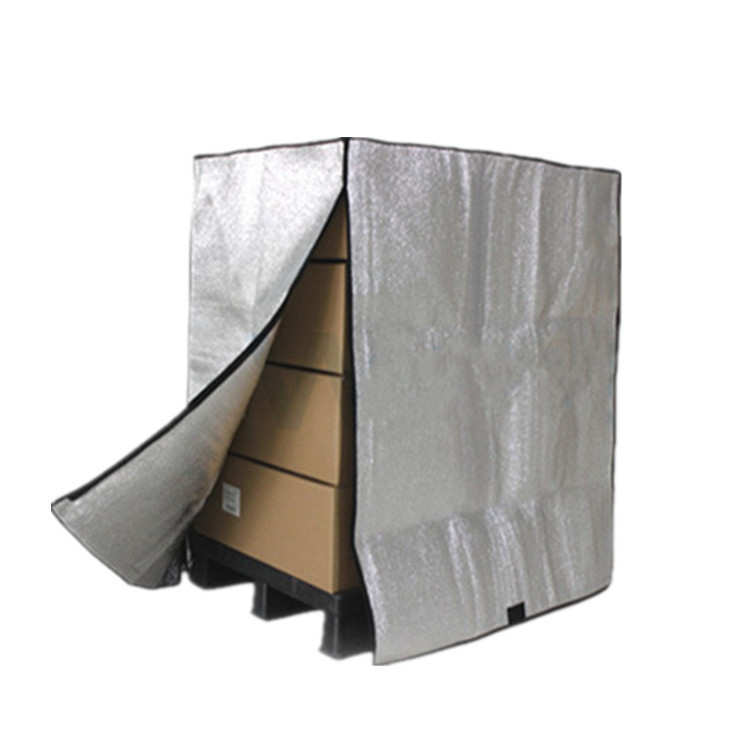
Un método de cinco puertas para mantas térmicas para palés para el envío de materiales peligrosos
Una cubierta térmica nunca debe ser el primer artículo aprobado en una plataforma de materiales peligrosos.. Las primeras aprobaciones se refieren al material., embalaje autorizado, comunicación de peligros, ruta, y transportista. Only then can pallet thermal blankets for hazardous materials shipping be assessed as secondary protection against defined ambient exposure. No pueden reemplazar el embalaje con especificaciones de la ONU cuando sea necesario., clasificación, segregación, marcas, etiquetas, documentación, capacitación, arreglos de emergencia, o aceptación del transportista.
Los equipos de adquisiciones pueden gestionar la decisión a través de cinco puertas: ajuste legal, necesidad térmica, integración física, evidencia, y control operativo. Un candidato avanza sólo cuando supera todas las puertas.. Este método evita que un resultado térmico fuerte oculte un defecto de mercancías peligrosas y evita que un paquete desnudo que cumple con las normas quede envuelto en una cubierta mal diseñada..
Puerta 1: ¿Es la unidad terminada legal y operativamente admisible??
Congelar la discusión general hasta que una persona responsable capacitada haya definido las mercancías peligrosas.. Registre el número ONU o de identificación cuando corresponda., nombre de envío adecuado, clase o división, peligro subsidiario, grupo de embalaje cuando se le asigna, cantidad, estado fisico, concentración, y modo. Confirme las instrucciones de embalaje autorizadas., disposiciones especiales, límites de cantidad, restricciones de ruta, y cualquier variación del transportista u operador.
Según las regulaciones de materiales peligrosos de los Estados Unidos, El oferente es responsable de la clasificación y descripción adecuadas y de determinar que el embalaje está autorizado.. Los requisitos básicos de comunicación aparecen en 49 Parte CFR 172 y requisitos de embalaje del remitente en la Parte 173, con reglas adicionales para el aire, buque, y modos de autopista. Las Regulaciones de Mercancías Peligrosas de la IATA guían los envíos aéreos e incluyen variaciones del transportista y requisitos de aceptación.. El ADR y las normas nacionales pueden aplicarse a la circulación por carreteras europeas. Utilice siempre las disposiciones actuales para el carril real..
Ahora inspeccione el conjunto cubierto propuesto.. Preguntar:
¿Todas las marcas requeridas, etiqueta de peligro, marca de orientación, identificación, y la bolsa para documentos permanecen visibles?
Si la información está oculta, ¿Se han cumplido correctamente los requisitos aplicables de marcado y etiquetado del sobreembalaje??
¿La cubierta interfiere con las rejillas de ventilación?, valvulas, dispositivos de alivio de presión, cierres, puntos de elevación, amarres, o acceso de emergencia?
¿Se permite la consolidación?, y ¿aún se cumplen los requisitos de compatibilidad y segregación??
¿El transportista ha aceptado la cobertura?, método de fijación, acceso de inspección, y presentación completa?
En los Estados Unidos, 49 CFR 173.25 aborda los sobreenvases autorizados y la reproducción de marcas y etiquetas requeridas cuando no sean visibles, incluido el uso de la marca “OVERPACK” en situaciones indicadas. La determinación exacta depende del montaje.. No trate un bolsillo transparente o una etiqueta copiada como una solución universal.
Puerta 1 falla si la cubierta oculta la comunicación, cambia una configuración autorizada sin aprobación, bloquea una característica de seguridad del paquete, o no puede ser aceptado por el operador. Las pruebas térmicas no deben continuar hasta que se corrijan estos problemas..
Puerta 2: ¿Qué exposición exacta se supone que debe moderar la cubierta??
Escribe una declaración de uso de una oración.. Un buen ejemplo es: "La cubierta está destinada a disminuir la ganancia de calor durante la acumulación de carga aérea al aire libre y un retraso por pérdida de conexión después de que una paleta sale de un camión controlado". Un mal ejemplo es: "La cubierta mantiene los productos químicos a la temperatura adecuada". El primero se puede probar.. El segundo no tiene límite de producto definido, condición ambiental, duración, o segmento de ruta.
Cree un registro de exposición ordenado en el tiempo. Incluir pre-puesta en escena, cargando, seguridad, habitacion entre muelles, aduanas, transferencia entre activos controlados, aberturas de puertas, períodos de contenedor sin energía, inspecciones de transportistas, retrasos, y recibiendo. Usar datos de carril, observaciones de las instalaciones, registros meteorológicos, y entrada de portadora cuando esté disponible. Separe la exposición ambiental a la sombra de la carga solar directa y observe el contacto conductor con pisos o equipos..
Definir por qué la temperatura es importante para el material. Calidad del producto, presión del paquete, viscosidad, fragilidad, comportamiento de fase, y la seguridad del transporte son preocupaciones diferentes. Los límites deben provenir de un producto aprobado y una evaluación de mercancías peligrosas.. Un proveedor de coberturas no debería seleccionarlas..
Algunas mercancías peligrosas tienen control especializado o temperaturas de emergencia., puede generar calor, o requieren ventilación. El aislamiento pasivo no es un sistema de enfriamiento activo y puede retener el calor generado internamente.. Estos materiales requieren un enfoque normativo y de seguridad de procesos específico.. Puerta 2 falla si la organización está tratando de utilizar el aislamiento como sustituto del control activo requerido, estabilización aprobada, refrigeración, ventilación, o un plan de emergencia.
Puerta 3: ¿La cubierta se ajusta al palet y sus funciones de seguridad??
Mida la carga unitaria completa. Las dimensiones nominales del palet omiten la altura., sobresalir, cajas abultadas, anillos de tambor, protectores de esquinas, pliegues elásticos, principales irregularidades, ubicaciones de etiquetas, y autorizaciones de acceso. Registre las dimensiones de producción normales y máximas.. Especifique si una almohadilla base o un faldón son parte del diseño..
Cada elemento constructivo debe responder a un riesgo.:
| Característica bajo revisión | Decisión que debe apoyar | No buscar |
|---|---|---|
| Exterior reflectante | Reducir la exposición radiante definida | Suciedad, abrasión, orientación incorrecta, reclamo de desempeño no respaldado |
| capa aislante | Resistir la conducción a través de caras. | Compresión, mojada, espesor inconsistente, derramamiento |
| Costura y cierre | Limite el intercambio de aire y manténgase seguro | Puente termal, brecha, engancharse, apertura no planificada |
| Superficie interior | Proteger los paquetes exteriores durante el uso. | Abrasión, incompatibilidad, contaminación, preocupación estática |
| Tratamiento base | Abordar las fugas de aire en el borde inferior o el recorrido del suelo | Interferencia del montacargas, líquido atrapado, falda inestable |
| Zona de acceso y etiqueta | Preservar la inspección y la comunicación. | Marcas cubiertas, válvulas bloqueadas, documentos inaccesibles |
La revisión del diseño debe incluir fugas previsibles.. Una manta térmica general no es contención de derrames. Determinar si su material podría reaccionar con, absorber, desparramar, u ocultar contenidos escapados y cómo los socorristas los eliminarían o aislarían. Atmósferas inflamables, operaciones sensibles a la estática, fuentes de ignición, y la eliminación de cubiertas contaminadas requieren un sitio- y evaluación específica del material.
La ergonomía es parte del ajuste.. Una cubierta pesada o alta que requiere que el personal trepe, alcanzar los tambores, o pararse en los carriles para montacargas crea un riesgo diferente. Realizar una observación de tareas con trabajadores representativos y equipo de protección personal.. Puerta 3 falla si es seguro, No se puede demostrar una instalación repetible..
Puerta 4: ¿La evidencia coincide con la afirmación??
Traducir la declaración de uso a un protocolo.. Identificar la revisión de la portada., construcción de producción, palet y carga útil, condición inicial, perfil ambiental, componente solar si es relevante, duración, aberturas, mapa de sensores, estado de calibración, intervalo de registro, repeticiones, configuración de control, y criterios de aceptación. Aprobar el protocolo antes de ejecutarlo.
El calor se mueve a través de la radiación., convección, y conducción. Las superficies reflectantes abordan principalmente el intercambio radiante.; Las capas aislantes resisten los caminos conductores y el movimiento interno del aire.; Los cierres y faldones afectan el intercambio de aire.. Esquinas, costuras, sujetadores, y las áreas comprimidas actúan como puentes. La base del palet puede comportarse de forma diferente a los laterales.. Un estudio creíble mide el sistema ensamblado en lugar de extrapolarlo desde una sola capa.
Utilice cargas útiles que representen la masa de la carga prevista., capacidad calorífica, geometría, y embalaje. Una paleta de líquidos densos puede responder lentamente, mientras que una plataforma de poca masa con grandes huecos puede responder más rápido. Si se utiliza una madre sustituta, justificar por qué es conservador o representativo.
Mapee los posibles puntos calientes o fríos, así como una referencia central.. Capture la exposición ambiental y, Cuando el riesgo solar importa, una superficie adecuada o un indicador radiante. Sincronizar sensores. Un registrador es una herramienta de evidencia, no protección térmica. Su lectura representa su ubicación y precisión.; no certifica todos los paquetes.
Los estándares térmicos pueden proporcionar disciplina. ISTA Standard 7E includes profiles for thermal testing of parcel-delivery insulated shipping containers, y estándar 20 Proporciona un proceso de diseño y calificación.. Una cubierta flexible de palet completo puede requerir un protocolo diferente justificado o una cualificación específica de la ruta. Citar un nombre estándar sin demostrar el alcance no es suficiente.
Leer las afirmaciones literalmente. Es posible que se admita una “ganancia de calor reducida en la configuración probada”. "Protege todos los materiales peligrosos durante un número fijo de horas" casi nunca se desprende de un estudio. Puerta 4 falla si el informe omite la carga útil, perfil, sensores, configuración de la cubierta, o criterios de aceptación; se basa únicamente en datos de materiales planos; o convierte una prueba limitada en una garantía universal.
Puerta 5: ¿Pueden las operaciones mantener el estado aprobado??
La aprobación existe en papel.; existe control en el muelle. Redactar un SOP que identifique la cobertura y revisión aprobadas., límites de paleta, orientación, inspección previa al uso, secuencia de instalación, cierres, zonas de etiquetas, puntos de acceso, colocación del sensor, uso del sello, eliminación, y almacenamiento. Incluir condiciones claras para detener las lágrimas., mojada, contaminación, delaminación, etiquetas faltantes, dimensiones incorrectas, comunicación oculta, condiciones de liberación cálidas o frías, o cambios de ruta.
Agregar una verificación de liberación de la unidad completa realizada por personal capacitado en mercancías peligrosas. Inspeccione después de que la manta esté completamente instalada.. Confirmar la condición del embalaje, marcas, etiquetas, orientación, tratamiento de sobreembalaje cuando corresponda, documentos, segregación, respiraderos, valvulas, cierres, correas, y presentación del transportista. Esta orden detecta problemas que una inspección de paleta desnuda pasa por alto.
Definir propiedad de excepción. La logística se encarga de las conexiones perdidas y los eventos de equipos.; Los especialistas en mercancías peligrosas se ocupan de las desviaciones en el embalaje y la comunicación.; La calidad evalúa las excursiones térmicas y el alcance de la calificación.; La seguridad gestiona las fugas o la exposición.; el transportista decide la aceptación según sus reglas. Una lista de teléfonos no es suficiente. Escriba la información que cada función necesita y la autoridad para retener o rechazar un envío..
Al recibir, inspeccionar antes de descartar evidencia. Estado de la portada del registro, aberturas o sellos rotos, daño del paquete, fuga, abultado, legibilidad de la etiqueta, estado del registrador, y temperaturas requeridas por el plan aprobado. Una lectura estable del sensor no autoriza la aceptación de un paquete de materiales peligrosos dañado. Una cubierta dañada no significa automáticamente que el producto haya fallado; seguir la evaluación definida.
Puerta 5 falla cuando el sistema depende de experiencia no escrita, no se puede rastrear la revisión de la portada, no tiene respuesta al daño, o protección de créditos durante los tramos de ruta en los que se retire la cobertura.
La licitación debería definir la reutilización, Detener reglas, y un resultado controlado
Una vez definidas las puertas, la solicitud de cotización se vuelve más útil. Entregar al proveedor el sobre del palet., etiqueta y mapa de acceso, exposición de ruta, restricciones de manejo, usar modelo, expectativas de limpieza, y objetivo de prueba propuesto. No reveles información sensible sobre mercancías peligrosas más allá de lo apropiado., pero proporcione suficiente para una revisión técnica segura.
Requerir una lista de materiales de construcción o una descripción de capa controlada, tolerancias dimensionales, detalles de costura y cierre, puntos de inspección de producción, y proceso de notificación de cambios. Solicite evidencia térmica en contexto completo, ni un solo resultado titular. Solicite información relevante sobre inflamabilidad, estático, compatibilidad química, comportamiento de la humedad, limpieza, y eliminación para que especialistas internos puedan evaluarlo. Estos documentos no confieren aprobación para mercancías peligrosas.; apoyan la opinión del comprador.
Evaluar la coherencia entre la muestra y la producción. Verificar dimensiones terminadas, masa donde sea útil, colocación de costura, fuerza de cierre, condición de la superficie, ventanas de etiquetas, e identificación. Acordar reparaciones y defectos aceptables antes del suministro en volumen.. Un cambio aparentemente menor en el cine, espuma, adhesivo, hilo, o el cierre puede cambiar el comportamiento térmico o la idoneidad de seguridad.
Las comparaciones comerciales deben incluir la mano de obra de instalación., volumen de almacenamiento, manejo del transportista, limpieza, transporte de regreso, pérdida, inspección, reparar, y jubilación. Evite asumir un recuento de reutilización no verificado o una duración térmica fija. Comparar opciones con la misma función aprobada.
La reutilización y la sostenibilidad pasan por las mismas puertas
La reutilización puede reducir el material desechado en un circuito cerrado, pero también puede agregar flete de devolución, limpieza, pérdidas, y laminados complejos. Definir la unidad funcional como una protegida exitosamente, movimiento de paletas compatible. Luego contabiliza la fabricación de la tapa., viajes realmente realizados, red de retorno, limpieza, refacción, piezas de repuesto, y ruta al final de su vida útil.
Cada reutilización comienza con la inspección.. Establecer límites para las lágrimas, aislamiento triturado, manchas, exposición química, reflectividad dañada, fallo de costura, cierres faltantes, e identidad ilegible. Una cubierta contaminada debe ingresar al proceso de respuesta a materiales peligrosos y desechos apropiado para el contaminante., no es un flujo de ropa ordinario.
Seguimiento de coberturas individuales si el riesgo y el valor lo justifican. La identidad ayuda a vincular la inspección, refacción, limpieza, y revisión. No reemplaza el examen físico ni acredita el desempeño.. Una cubierta reutilizada aún debe pasar por Gates 1 a través de 5 para el envío previsto.
Cuatro decisiones de parada automática
Algunas condiciones deberían detener la liberación sin un debate sobre el beneficio térmico.:
Las mercancías peligrosas no están correctamente clasificadas., descrito, empaquetado, marcado, etiquetado, documentado, o aceptado para el modo.
La cubierta bloquea la comunicación requerida., ventilación, alivio de presión, manejo, inspección, o acceso de emergencia.
El material tiene un requisito de control de temperatura crítico para la seguridad que la configuración pasiva propuesta no ha sido aprobada específicamente para cumplir..
El reclamo térmico no se puede rastrear hasta una configuración representativa y un perfil relevante..
Estas paradas mantienen intacta la jerarquía.. El propósito de una cubierta térmica es agregar un margen a un envío sano, nunca hacer que un envío defectuoso parezca completo.
Conclusión: Una decisión de liberación que puede sobrevivir a la auditoría
Las mantas térmicas para palés para envío de materiales peligrosos estarán listas para su uso solo cuando la organización pueda responder cinco preguntas con registros: ¿Es admisible la unidad completa?? ¿Está definida la exposición?? ¿La cubierta se integra de forma segura?? ¿La evidencia respalda la afirmación limitada?? ¿Pueden las operaciones preservar el estado aprobado??
Si la respuesta a alguna pregunta es incierta, Mantenga el proyecto en esa puerta.. El resultado disciplinado es un caso de uso más limitado pero más defendible.: una cubierta especificada, aplicado a una paleta específica, para una condición de ruta específica, bajo un POE que protege todas las obligaciones relativas a mercancías peligrosas.
Acerca de Tempk
Shanghai Tempk Industrial Co., Limitado. operates Tempk as a cold-chain packaging brand. Our official product information includes thermal pallet covers, insulated packaging and boxes, refrigerantes, y PCM, mientras que las páginas de soluciones describen la revisión del paquete, planificación de la posición del registrador, y soporte del plan de validación. Para envío de materiales peligrosos, Este alcance puede informar la evaluación de una capa térmica exterior contra la geometría y la exposición definidas.. No se extiende a la clasificación., embalaje autorizado para mercancías peligrosas, marcas, documentos, enrutamiento, respuesta de emergencia, o aprobación del transportista; las partes de envío calificadas retienen esas decisiones.
Comience con la declaración de uso propuesta., dibujo de palet completo, reglas de acceso, y límite de prueba. Luego, Tempk puede discutir una revisión de embalaje térmico de alcance limitado..
Cubiertas aislantes para palés para distribución farmacéutica: Despliegue
Cubiertas aislantes para palés para distribución farmacéutica: Un marco de implementación
La pregunta útil no es "¿Cuántas horas mantiene esta cubierta la temperatura?"?" sino "¿A qué exposición se enfrentará esta paleta?, y qué evidencia demuestra que el proceso puede manejarlo?” Pallet insulation covers for pharmaceutical distribution can slow thermal change at docks, rampas, cruces, retenciones aduaneras, y entrega final. son pasivos, protección secundaria: refrigeración no activa, un sistema de autocalificación, o un sustituto del seguimiento, calificación de carril, procedimientos, documentación, o revisión de calidad.
Con ese límite claro, la adquisición puede comparar características, Los ingenieros pueden probar la configuración completa., las operaciones pueden aplicarlo consistentemente, y la calidad puede decidir si la evidencia es suficiente.
Dale a la portada un trabajo claro
Comience con una declaración de uso previsto de una oración.. Debe nombrar el grupo de productos., configuración de paleta, segmento de carril, desafío ambiental, controles primarios, y función de cubierta. Por ejemplo:
La cubierta está destinada a reducir la tasa de intercambio térmico alrededor de una configuración de paleta definida durante los traspasos al aire libre y no controlados entre instalaciones controladas aprobadas y vehículos en rutas aéreas seleccionadas..
Esta declaración evita deliberadamente prometer la temperatura o duración de un producto.. Pertenecen a criterios de calificación respaldados por información de producto y ruta.. También deja claro que las instalaciones y el transporte controlados siguen siendo el entorno principal.
Ahora escribe las exclusiones.. La cubierta no está destinada a reemplazar un vehículo con temperatura controlada., agregar refrigerante no aprobado, proteger una carga mixta incompatible, justificar un retraso aduanero indefinido, o liberar producto después de una excursión. Puede que no sea adecuado para la recogida de palés parciales., transporte incontrolado de varios días, o un pallet fuera del sobre dimensional aprobado. Las exclusiones no son una debilidad; previenen la deriva operativa.
Las condiciones farmacéuticas requeridas deben provenir de la información del producto aprobado., instrucciones del fabricante, conocimiento de estabilidad, acuerdo de calidad, y requisitos de mercado aplicables. No existe una gama única para todos los medicamentos. Los límites de almacenamiento y transporte pueden diferir., y la sensibilidad al congelamiento puede ser crítica incluso en un carril que el personal describe casualmente como “frío”. Por lo tanto, el uso previsto debe hacer referencia a una categoría o requisito de producto aprobado., no es una afirmación genérica como "para productos farmacéuticos".
Cree un presupuesto de exposición puerta a puerta
Un mapa de ruta suele mostrar ciudades y tramos de transporte.. Un presupuesto de exposición muestra cada intervalo durante el cual la plataforma puede estar fuera de su entorno controlado primario.. Iniciar el cronómetro en la primera salida del almacenamiento aprobado y detenerlo solo cuando la carga ingrese al almacenamiento aprobado en el destino.. Divida el viaje en la puesta en escena, movimiento del muelle, cargando, transporte local, transferencia de centro, actividad delantal, movimiento de aeronaves o de línea, aduanas, recargando, entrega final, y recibiendo.
Para cada intervalo, registro:
duración planificada y creíble del retraso;
perfil de temperatura ambiente e incertidumbre estacional;
exposición solar, viento, precipitación, y contacto superficial cuando sea relevante;
si el palet está en una posición controlada, temperatura modificada, o espacio incontrolado;
quién tiene la custodia y quién puede abrir o quitar la tapa;
disponibilidad de almacenamiento temporal adecuado;
Monitoreo y datos de hitos que pueden confirmar lo sucedido.;
desencadenante de escalada si la suposición falla.
Este ejercicio a menudo revela que el tramo de transporte más largo no es el factor de diseño.. Un palé puede pasar horas en un compartimiento de avión o en un vehículo controlado, pero enfrentar un desafío mayor durante una breve espera bajo el sol.. En cambio, una transferencia de muelle ligeramente desafiada puede no justificar una cobertura si un tramo de carretera posterior no controlado es demasiado severo para la protección secundaria pasiva. El presupuesto de exposición muestra si una cobertura cierra una brecha real o simplemente crea tranquilidad.
Las buenas prácticas de distribución de la UE respaldan esta visión basada en el riesgo. Requiere que se mantengan las condiciones requeridas del producto., riesgo de ruta para guiar los controles de temperatura, Atención a la descarga y al almacenamiento en tránsito., Equipo adecuado y calificado cuando sea necesario., escucha, y procedimientos para excursiones. Asimismo, la guía modelo de la OMS trata el perfil de temperatura de transporte como una secuencia de condiciones y duraciones ambientales previstas y proporciona orientación técnica sobre el perfil de ruta y la calificación de los contenedores de envío..
No conviertas una previsión meteorológica en un perfil de calificación. Los datos meteorológicos pueden informar un estudio, pero no capta el sol sobre una superficie metálica, fuga impulsada por el viento, un plato de muelle calentito, una cama de rodillos en frío, prácticas operativas de terminales, o transferencia de custodia retrasada. Utilice observaciones de ruta, escucha, información de las instalaciones, casos estacionales, y supuestos conservadores justificados para crear el desafío.
Definir la configuración controlada
El objeto de prueba y el objeto comprado deben tener la misma configuración controlada. Anote cada componente y condición que afecte la respuesta térmica.:
Material y dimensiones de la paleta.;
patrón de caso, altura de carga, rango de masa, vacíos, y envoltura elástica;
Producto o simulante justificado y su condición inicial.;
Construcción y orientación de la cubierta superior y lateral.;
almohadilla base, palet aislado, o ausencia explícita de aislamiento inferior;
cierres, se superpone, correas, paneles de acceso, y sellos;
etiquetas de manipulación y almacenamiento;
tipos de registradores, posiciones, ajustes, y método de activación;
solicitud, apertura, recierre, y procedimiento de eliminación.
La base merece su propia línea.. Una cubierta de cinco lados deja un camino a través del palet y la superficie de soporte.. Si la calificación utiliza una plataforma base, las operaciones deben utilizar la misma base especificada. Si el proceso real no tiene base, las pruebas no deberían agregar silenciosamente uno. La misma lógica se aplica a la envoltura estirable., voladizo de paleta, y lagunas en los casos.
El ajuste es un atributo controlado, no es una preferencia cosmética. Una cubierta corta puede exponer el borde inferior.; una cubierta apretada puede abrirse en las esquinas; uno de gran tamaño puede crear pliegues, interferir con el acceso de montacargas, o arrastrarse por el agua. Defina la envolvente interna utilizable y las tolerancias dimensionales utilizando palets de producción reales., incluyendo variación esperada y protuberancias.
El cierre también es parte del límite térmico.. La configuración debe mostrar qué solapa se superpone a qué, cómo se enganchan las cremalleras o las secciones de velcro, donde se sientan las correas, y cómo se ve un estado cerrado aceptable. A photograph or line drawing in the work instruction can make the difference between a qualified configuration and an operator's approximation.
Haga coincidir las funciones del material con la exposición
La pila de capas debe responder al presupuesto de exposición en lugar de seguir una jerarquía genérica de "más capas, mejor". El calor atraviesa el palet cubierto por radiación., convección, y conducción.
Una superficie metálica de baja emisividad puede reducir el intercambio radiante, que puede ser útil bajo exposición solar o a superficies calientes cercanas. La emisividad es una propiedad de la superficie que describe la capacidad de emitir radiación térmica.. El resultado depende de la superficie acabada., orientación, espacio adyacente, limpieza, y daño. No detiene el calor transportado por el aire o transferido por contacto.. La reflectividad por sí sola no puede respaldar una afirmación de duración.
La capa aislante resiste el flujo de calor a través de las caras anchas.. Las características relevantes pueden incluir la identidad material., espesor, densidad o estructura, conductividad térmica en las condiciones indicadas, comportamiento de compresión, y respuesta a la humedad. Una prueba de material plano ayuda a caracterizar la capa pero no representa las costuras., esquinas, cierres, la base, o un palet completo. Pregunte cómo el proceso de conversión controla el espesor., vinculación, y continuidad.
Las costuras y penetraciones pueden comportarse como puentes térmicos o vías de fuga.. cosido, soldado, grabado, o construcciones adheridas requieren control e inspección del proceso. Las bolsas y aberturas no deben interrumpir la envoltura protectora sin evaluación.. El plegado repetido puede concentrar el daño en lugares predecibles, por lo que los diseños reutilizables necesitan criterios de inspección vinculados a esos modos de falla.
La humedad combina preocupaciones térmicas y de protección del producto.. La resistencia a la lluvia no demuestra control del vapor, y un resultado de material laminar no prueba las costuras terminadas. La condensación puede quedar atrapada contra las cajas., El líquido de limpieza puede permanecer dentro de las capas., y la suciedad puede cambiar una superficie reflectante. Definir el manejo de la exposición húmeda, limpieza, el secado, segregación, y rechazo en lugar de confiar en la palabra "impermeable".
Crear una cadena de evidencia, No es un certificado de prueba
La cadena de evidencia más útil conecta el requisito del producto con la ruta., el camino hacia el perfil del desafío, el perfil a la configuración probada, y la configuración probada para la producción y operaciones de rutina..
| Decisión | evidencia requerida | propietario típico | No evitar |
|---|---|---|---|
| que hay que proteger? | Condiciones del producto aprobado, sensibilidades, y lógica de aceptación | Calidad del producto | Aplicar una gama a cada producto farmacéutico |
| ¿Dónde está el riesgo?? | Perfil de ruta, mapa de entrega, casos estacionales y de retraso | Logística y calidad | Utilizando el tiempo total de tránsito o el clima de la ciudad únicamente |
| cual es el sistema? | Lista de materiales controlada, sobre de palet, detalles de cierre y base | Ingeniería de embalaje | Calificar un prototipo que se diferencia de la producción |
| ¿Funciona?? | Protocolo aprobado, sensores calibrados, datos sin procesar, desviaciones, y reportar | Equipo de clasificación | Tratar un cupón de material o un envío como prueba |
| ¿Puede permanecer en control?? | Notificación de cambio de proveedor, cheques entrantes, capacitación, escucha, revisar | Calidad y operaciones | Ignorar la deriva después del lanzamiento |
Esta tabla es también un mapa de responsabilidades.. Ningún documento del proveedor puede responder a todas las filas porque el transportista posee el conocimiento del producto., la red logística, y decisiones finales de calidad. Un proveedor puede proporcionar diseño., material, producción, e información de prueba, but the customer's quality system must decide applicability.
La orientación técnica de la OMS describe el diseño, operacional, and performance qualification for shipping containers. Esas etapas ofrecen una disciplina útil.. Durante la calificación del diseño, los equipos revisan los requisitos, riesgos, dibujos, materiales, cierres, y evidencia preliminar. Los desafíos de calificación operativa definen configuraciones bajo casos cálidos y fríos aprobados, incluyendo carga útil y límites de condiciones iniciales. La calificación del desempeño demuestra que la producción cubre, operadores capacitados, procedimientos reales, y los carriles representativos trabajan juntos.
Los recursos de ISTA pueden respaldar la planificación de pruebas, pero el alcance importa. Estándar ISTA 20 es un proceso para la calificación de contenedores de envío aislados utilizado con perfiles ISTA 7E, mientras que ISTA identifica 7E con sistemas de entrega de paquetería. Una cubierta de paleta que se mueve a través de carga unificada puede necesitar una prueba diferente o personalizada justificada por su entorno de distribución.. Es posible que también sea necesario combinar las pruebas térmicas con una evaluación mecánica del manejo., vibración, compresión, y estabilidad de carga. No basta con nombrar un estándar; el procedimiento, objeto de prueba, laboratorio, perfil, y el reclamo resultante debe alinearse.
Monitoreo del diseño en torno a las decisiones
El seguimiento debe informar a la organización si los supuestos se cumplieron y qué hacer si no se cumplieron.. No es un accesorio agregado después de la calificación..
Los sensores ambientales pueden caracterizar el desafío alrededor del palet. Los sensores de carga útil pueden mostrar la respuesta térmica en posiciones seleccionadas. Un registrador cerca del exterior puede reaccionar rápidamente; uno en lo profundo de una carga densa puede responder lentamente. La calificación debería utilizar suficientes sensores., colocado a través de una justificación documentada, para identificar ubicaciones vulnerables y de respuesta lenta. El monitoreo de rutina puede utilizar un plan justificado diferente cuando su propósito está claramente definido..
Review the logger's calibrated accuracy, rango de medición, respuesta, intervalo de grabación, control de reloj, configuración de alarma, idoneidad de la batería, integridad de los datos, y flujo de trabajo de recuperación. Evite copiar configuraciones de otro carril sin considerar la duración del viaje y las necesidades de decisión.. La guía de la OMS aborda el monitoreo de contenedores de envío pasivos y activos, revisión de llegada, calibración, archivos, y sistemas de seguimiento del transporte. El PIB de la UE también hace hincapié en el mantenimiento y calibración de los equipos de seguimiento y los procedimientos de excursión..
El sitio receptor necesita una ruta de datos viable. Definir quién detiene o lee el dispositivo, qué software y permisos se requieren, cómo se manejan las zonas horarias, donde se conserva el archivo, y que desencadena la cuarentena. Una alarma de temperatura no destruye automáticamente el producto., y la ausencia de una alarma no soluciona un paquete no válido. La eliminación pertenece al proceso de calidad aprobado utilizando la información relevante del producto..
Para carga aérea, El seguimiento va de la mano con el manejo correcto y la comunicación.. IATA's Temperature Control Regulations address pharmaceutical transport and include the Time and Temperature Sensitive label. Verificar la edición actual, Reglas gubernamentales y del transportista., información de reserva, marcas, y requisitos sobre mercancías peligrosas, según corresponda. La portada no debe ocultar etiquetas esenciales., y las etiquetas no deben confundirse con protección física.
Convierta la muestra aprobada en una implementación controlada
Bloquear la especificación de suministro
La ampliación es un traspaso de alto riesgo. La muestra analizada por ingeniería puede haber sido fabricada con una lámina particular., núcleo aislante, adhesivo, patrón de costura, cierre, y nivel de atención. La compra de producción necesita una especificación que haga que esos atributos sean repetibles..
Crear dibujos aprobados y una lista de materiales.. Definir dimensiones internas y tolerancias., identidades de capa, atributos críticos de construcción, ubicaciones de costura y cierre, marcas de orientación, limpieza, etiquetado, embalaje para la entrega, y cualquier trazabilidad requerida. Acordar cómo materia prima, formulación, revestimiento, adhesivo, proceso, herramienta, subcontratista, o los cambios en el sitio de fabricación se comunicarán y evaluarán antes del suministro..
La inspección entrante debe verificar los atributos vinculados al ajuste., cierre, integridad, y limpieza. Las verificaciones periódicas pueden ser apropiadas para características que no se pueden probar en todas las unidades.. Mantenga una referencia de producción controlada en lugar de depender de una muestra de sala de exposición no medida. Si el proveedor indica un resultado térmico, solicitar el protocolo y reportar contexto: perfil de prueba, carga útil, condición inicial, montaje completo, ubicaciones de sensores, duración, criterios, desviaciones, y revisión de la unidad.
En los Estados Unidos, Las regulaciones actuales sobre buenas prácticas de fabricación requieren condiciones de almacenamiento adecuadas y procedimientos escritos de almacenamiento y distribución.. La orientación de la FDA en contextos de productos específicos refuerza la protección durante el almacenamiento, manejo, y envío según las condiciones etiquetadas. Estos principios respaldan especificaciones y procedimientos controlados.; no crean un estado universal de "aprobado por la FDA" o "cumple con la FDA" para una cubierta de paleta.
Hacer que los traspasos sean reproducibles
La cobertura tendrá éxito o fracasará en manos del personal de almacén y de tierra.. Entrena con un palet real y observa la tarea.. ¿Pueden los operadores identificar la revisión correcta?? ¿Pueden una o dos personas colocarlo de forma segura sin arrastrarlo?? ¿Las esquinas son obvias?? ¿Se puede llegar a todos los cierres?? ¿Las etiquetas permanecen visibles?? ¿Están despejadas las aberturas para montacargas?? ¿Se puede restaurar la cubierta después de la inspección??
Escriba el contrato de entrega en instrucciones de trabajo y acuerdos de calidad.:
quien aplica y verifica la cobertura;
cuando comienza el reloj de exposición o la permanencia controlada;
quién puede abrirlo y bajo qué condiciones;
cómo se mantiene la protección temporal durante la inspección;
cómo se restablece y registra el cierre correcto;
que hacer con mojado, rasgado, desaparecido, o unidades contaminadas;
dónde se puede mover un palet retrasado;
quién revisa los datos de seguimiento y decide su disposición.
Considere un envío que llega a la aduana con una solapa inferior desprendida después de la inspección.. La primera pregunta no es si el material todavía parece reflectante.. El personal necesita saber cuánto tiempo estuvo abierto el palé., las condiciones ambientales, si la base permaneció protegida, lo que muestra el registrador, si había almacenamiento controlado disponible, y qué función de calidad es propietaria de la decisión. Un proceso maduro puede reconstruir esos hechos. Un inmaduro se tapa la solapa y sigue sin constancia.
Elija el modelo de reutilización con datos operativos
Tanto las fundas de un solo uso como las reutilizables pueden ser válidas. La red de rutas determina cuáles se pueden controlar y cuáles pueden tener el mejor perfil medioambiental..
Un programa reutilizable necesita logística inversa, puntos de recogida, identificación de activos cuando esté justificado, limpieza, el secado, inspección, reglas de reparación, almacenamiento, gestión de pérdidas, y jubilación. La calificación debe tener en cuenta la condición en la que se permite que una unidad regrese al servicio.. Evite prometer un número fijo de viajes sin pruebas; Los historiales de daños y manipulación varían..
Un programa de un solo uso evita la devolución y la renovación, pero transfiere la responsabilidad de eliminación al receptor.. Preguntar si la construcción multicapa se puede separar y si realmente existe una recuperación adecuada en los mercados de destino.. “Reciclable” en teoría no garantiza la recuperación en la práctica.
Pruebe cualquiera de los modelos con resultados mensurables. Para reutilizar, seguimiento de devoluciones, Giro de vuelta, distancia de transporte y cubo, limpieza, daño, rechazo, y viajes reales. Para un solo uso, rastrear el consumo de material, daño, recibiendo carga, y rutas de eliminación reales. Incluir el rendimiento de protección del producto en la comparación.. Prevenir una pérdida relacionada con la temperatura es parte de la gestión ambiental, por lo que la reducción de material no debe debilitar el control calificado.
Utilice una puerta Pasa/No pasa antes del lanzamiento
Un carril está listo sólo cuando las siguientes afirmaciones pueden responderse con evidencia controlada:
Se aprueban las condiciones del producto y el proceso de decisión de excursión..
The cover's intended role and exclusions are explicit.
El perfil de ruta incluye entregas., estacionalidad, retrasos, y radiante relevante, aire, humedad, y exposiciones superficiales.
La paleta exacta, base, cubrir, cierre, etiquetas, y se define la configuración de monitoreo.
La calificación respalda el ámbito operativo aprobado y los criterios de aceptación..
Las unidades de producción están vinculadas al diseño probado a través de especificaciones., control entrante, y cambiar notificación.
El personal puede postularse, inspeccionar, abierto, restaurar, y retire la cubierta siguiendo las instrucciones aprobadas..
Los datos de seguimiento se pueden recuperar, retenido, y actuó al recibirlo.
Las contingencias identifican el almacenamiento seguro, contactos de escalada, y acciones de desviación.
El ciclo de vida de un solo uso o reutilizable se puede operar según lo diseñado..
Un “no” no siempre significa abandonar la portada. Puede significar estrechar el carril, mejorar un cierre, agregando una base, revisando el plan de seguimiento, asegurar el espacio central controlado, ejecutando otro caso de calificación, o elegir en su lugar control activo o pasivo basado en refrigerante. La puerta evita que el volumen de adquisiciones supere el conocimiento de calidad.
Conclusión: Coloque la cubierta en su lugar adecuado
Una cubierta térmica para palés es valiosa cuando ralentiza la transferencia de calor a través de una exposición definida que el sistema logístico primario no puede eliminar.. Su rendimiento proviene de la configuración completa.: adaptar, superficie de baja emisividad cuando sea relevante, capa aislante, costuras, cierres, base, condición de humedad, carga útil, temperatura inicial, y acciones del operador. Su credibilidad proviene de los datos de ruta., una prueba aprobada, consistencia de producción, escucha, archivos, y control de cambios.
Utilice un contenedor o vehículo activo cuando se requiera regulación eléctrica. Utilice un sistema pasivo calificado a base de refrigerante cuando el carril exija una reserva térmica cerrada. Mejorar las instalaciones o entregarlas cuando el verdadero problema sea evitable.. Una cobertura debe resolver su riesgo asignado, no ocultar una brecha en la cadena de frío.
Acerca de Tempk
Tempk, Shanghai Tempk Industrial Co., Ltd.’s cold-chain packaging brand, lists thermal pallet covers, insulated packaging and boxes, refrigerantes, y PCM en sus páginas oficiales de productos. Sus páginas de soluciones describen la revisión del paquete., planificación de la posición del registrador, y soporte del plan de validación. Podemos usar ese alcance definido para analizar la implementación de una cubierta de paleta desde el uso previsto hasta la geometría de carga., exposición de ruta, y un esquema de evaluación. Límites de productos farmacéuticos, aprobación del protocolo, procedimientos operativos, controles de proveedores, manejo de desviaciones, y las decisiones de liberación siguen regidas por el sistema de calidad del cliente..
Proporcionar la declaración de uso previsto., sobre de palet, casos de desafío estacional, restricciones de base y cierre, y evidencia requerida. Tempk luego puede discutir una ruta de revisión de muestras enfocada.
Cómo especificar cubiertas de paletas aisladas para cargas de pescado
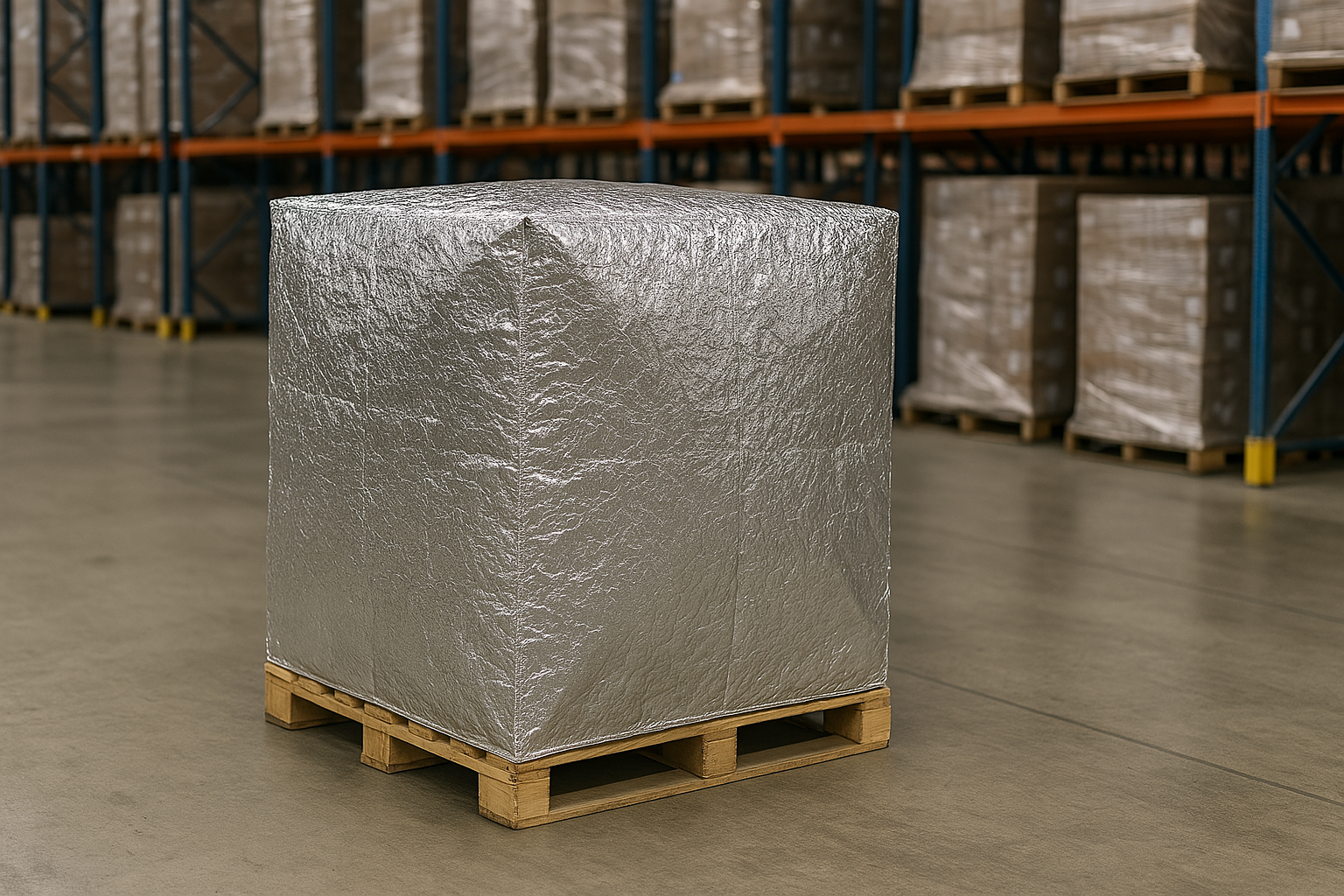
Cómo especificar cubiertas de paletas aisladas para pescado desde el envío hacia atrás
No comience un proyecto de cubierta de paletas de pescado comparando capas de papel de aluminio.. Comience al recibir: ¿En qué condiciones deben estar los mariscos?, ¿Qué evidencia apoyará la aceptación?, y qué eventos de exposición podrían amenazar ese resultado? Insulated pallet covers for fish can then be designed as a secondary barrier that slows heat flow during those events. No refrigeran la carga., pescado frío y caliente, reemplace el hielo o un paquete de refrigerante calificado, crear un control HACCP, o calificar cada ruta.
Trabajar hacia atrás desde la decisión de recepción crea una especificación.. Conecta el análisis de peligros de los productos del mar., estado del producto, paleta, activo refrigerado, datos de ruta, construcción de cubierta, escucha, y procedimiento del operador. Cada conexión debe ser explícita antes de que la cobertura gane un lugar en el envío de rutina..
Decisión 1: Definir el estado de llegada aceptable
Redactar declaraciones de aceptación separadas para la seguridad alimentaria., calidad, y condición física. La declaración de seguridad alimentaria debe provenir del análisis de peligros y del plan HACCP del procesador responsable.. La declaración de calidad puede incluir la temperatura específica del producto., estado congelado, hielo restante, criterios sensoriales o de vida útil, y requisitos del cliente. La aceptación física puede abordar los sellos., integridad del envase al vacío, cajas de cartón, vidriado, fuga, contaminación, y etiquetas.
Esta separación evita un error común: utilizando una lectura de registrador central como respuesta a cada pregunta. Un rastro de temperatura puede respaldar una evaluación de tiempo y temperatura. No puede mostrar si una bolsa de vacío tiene fugas., una caja se derrumbó, o el agua de deshielo contaminó el palet. Las observaciones físicas no pueden reconstruir una historia de temperatura invisible.
Los procesadores de productos pesqueros de los Estados Unidos cubiertos por 21 Parte CFR 123 debe realizar un análisis de peligros e implementar un plan HACCP cuando sea razonablemente probable que ocurran peligros para la seguridad alimentaria.. La Guía de controles y peligros del pescado y los productos pesqueros de la FDA proporciona- e información de control de peligros específicos. Especies formadoras de histamina, productos refrigerados cocidos, mariscos crudos listos para comer, y el pescado envasado con oxígeno reducido puede requerir diferentes estrategias. Un fabricante de cubiertas para pallets nunca debe asignar el límite crítico.
El Código Alimentario de la FDA es un contexto útil para el comercio minorista y el servicio de alimentos, incluyendo el mantenimiento en frío del control de tiempo/temperatura para la seguridad de los alimentos, pero es un código modelo y no una especificación universal internacional para paletas de pescado.. Exportar, al por mayor, tratamiento, y los productos especializados pueden seguir otros controles validados y reglas jurisdiccionales. Documentar qué autoridades y especificaciones del cliente se aplican.
Decisión 2: Identificar la brecha térmica, Minuto a Minuto
Dividir el carril en segmentos controlados y expuestos.. Los segmentos controlados pueden incluir una cámara fría., congelador, camión frigorífico, o contenedor motorizado. Los segmentos expuestos incluyen puesta en escena., cargando, cross-docking, inspección, acumulación de carga aérea, aduanas, conexión de energía, descarga, y recibiendo.
Para cada segmento expuesto, duración de la captura, temperatura ambiente sombreada, radiación directa, flujo de aire del viento o del ventilador, contacto con el suelo, posición de la puerta, y cualquier apertura de la tapa. Utilice datos de rutina y un caso de retraso creíble.. Evite diseñar solo para el viaje promedio. Una conexión perdida o una cola en el muelle pueden dominar el riesgo incluso cuando la mayor parte de la ruta está bien controlada..
Luego, indique el trabajo de la portada en un lenguaje mensurable.. Por ejemplo: “Reduce heat gain at the upper and outer packages of a frozen-fish pallet during transfer from cold storage to a powered export container, incluyendo un retraso de energía definido”. Esta declaración identifica la ubicación, estado del producto, evento, y objetivo. No promete que la cubierta pueda mantener una condición congelada ilimitada..
Si la exposición es causada por una falla del proceso reparable, corregirlo primero. Estancia en el muelle más corta, un vehículo preenfriado, mejor disciplina en la puerta, puesta en escena motorizada, o una cita revisada puede superar el aislamiento adicional. La cubierta debe agregar resiliencia después de que el proceso primario sea sólido..
Decisión 3: Elija la fuente primaria de frío
El aislamiento reduce la tasa de transferencia de calor.; no elimina el calor entrante indefinidamente. Definir la fuente que establece y mantiene la condición del producto..
Para pescado fresco, el enfriamiento aprobado puede depender del hielo, agua de mar refrigerada, refrigeración mecánica, u otro método controlado. Las orientaciones de la FAO insisten sistemáticamente en el enfriamiento rápido y el uso adecuado del hielo en muchos sistemas de pescado fresco. Aplique una cubierta solo después de que el producto alcance su condición aprobada, a menos que el proceso validado incluya explícitamente la cubierta durante el enfriamiento..
Para mariscos envasados refrigerados, El sistema primario suele ser el almacenamiento y transporte refrigerados., potencialmente respaldado por una disposición de refrigerante calificado para segmentos expuestos. Los refrigerantes necesitan una colocación deliberada. Excessively cold packs can create local freezing, mientras que las mochilas insuficientes o mal distribuidas pueden dejar zonas cálidas. La condensación y la compatibilidad del paquete pertenecen al diseño..
Para pescado congelado, El congelador y el vehículo o contenedor refrigerado mantienen la condición de congelación especificada para el producto.. Una cobertura puede moderar la exposición a transferencias cortas. No debe utilizarse para planificar un viaje largo sin alimentación..
Dónde se aplica la norma de transporte sanitario de la FDA, Las partes cubiertas tienen responsabilidades relacionadas con las prácticas sanitarias., equipo de transporte adecuado, y control adecuado de la temperatura de los alimentos que lo necesitan por seguridad. Un palé cubierto dentro de un vehículo inadecuado o mal utilizado sigue siendo un envío inadecuado.
Decisión 4: Diseñar la interfaz física
Mida la plataforma terminada en su configuración aprobada más grande. incluir voladizo, correas, envoltura elástica, tableros de esquina, forma superior, etiquetas, desagües, respiraderos, y entradas de montacargas. Registre las cargas aprobadas más baja y más alta si se espera que una familia de cubiertas se ajuste a varias alturas..
la superficie exterior, aislamiento, cara interior, costuras, cierres, y base cada uno realiza un trabajo diferente. Un exterior reflectante puede reducir el intercambio radiante cuando está expuesto y en condiciones adecuadas.. El núcleo de aislamiento resiste la conducción y el movimiento interno del aire.. Los cierres limitan el intercambio de aire incontrolado. Las costuras y las esquinas comprimidas son puentes térmicos.. La base puede admitir aire., recoger agua, o conducir el calor desde el suelo.
Diseñe deliberadamente el comportamiento frente a la humedad. El pescado fresco helado puede generar agua de deshielo. Los pallets congelados pueden condensarse cuando se exponen al aire húmedo. Una falda larga puede tocar suelos sucios.; una base sellada puede acumular agua; una capa porosa puede retener olores o contaminación. Acordar drenaje, eliminación, limpieza, el secado, y almacenamiento con saneamiento y operaciones..
La funda normalmente se encuentra fuera de los paquetes de envío sellados.. Si pudiera entrar en contacto con peces expuestos, hielo que entra en contacto con el pescado, o una superficie de contacto con alimentos, Revisar el material para el uso previsto.. "Impermeable,” “no tóxico,”o “logística de alimentos” no sustituye a una determinación de contacto con alimentos.
| Interfaz | Pregunta de especificación | Evidencia de aprobación |
|---|---|---|
| Sobre de palet | ¿La cubierta se ajusta a todas las alturas aprobadas sin aplastarse ni dejar grandes espacios?? | Estudio dimensional y tolerancias de producción. |
| Flujo de aire refrigerado | ¿La cubierta impedirá el enfriamiento necesario o bloqueará la circulación del vehículo?? | Prueba de plan de carga con la cubierta instalada |
| Humedad y drenaje. | ¿A dónde irá la condensación o el agua derretida?? | Revisión de saneamiento y observación del manejo húmedo. |
| Etiquetas y recepción de acceso | ¿Puede el personal identificar, inspeccionar, y abrir la carga correctamente? | Fotografías de prueba operativa y SOP. |
| Reutilizar superficie | ¿Se puede limpiar la unidad?, seco, inspeccionado, y almacenado? | Procedimiento aprobado y criterios de jubilación |
La tabla fuerza las decisiones térmicas y sanitarias en la misma revisión del diseño.. Una cubierta no debe pasar porque la curva de su cámara se ve bien mientras el manejo del agua o el flujo de aire siguen sin resolverse..
Decisión 5: Cree pruebas que reflejen el envío
Iniciar el protocolo con la declaración de uso y los criterios de aceptación.. Identificar producto o sustituto justificado, embalaje, tipo de palet, revisión de portada, condición inicial, fuente primaria de frío, perfil ambiental, carga solar si es relevante, flujo de aire, duración, aberturas, y retrasar. Utilice cubiertas representativas de la producción y defina cuántas tiradas se necesitan para el riesgo y la variabilidad..
Coloque los sensores según las rutas de calor.. Un sensor superior puede mostrar la exposición radiante; Los sensores de borde y esquina inferior pueden revelar fugas de aire.; un sensor de base puede revelar la conducción del suelo; el núcleo proporciona una referencia de respuesta lenta. Los sensores ambientales y del vehículo describen el desafío. Los sensores del producto o paquete describen la respuesta.. Ningún punto representa toda la paleta.
Registrar la identidad del sensor, estado de calibración o verificación, exactitud, intervalo de registro, ubicación, método de archivo adjunto, y tiempo sincronizado. Conservar los datos sin procesar y documentar las desviaciones. Informar sólo la precisión que admiten los instrumentos..
Utilice un control cuando responda la pregunta.. Un palé descubierto puede mostrar una protección incremental durante una prueba de desarrollo seguro. La cobertura actualmente aprobada puede servir de referencia para una revisión propuesta.. Para una prueba operativa, aberturas de puertas de registro, eventos de refrigeración, retirada de la cubierta, y ubicación para que el rastro térmico tenga contexto.
La calificación es la conclusión documentada de que la evidencia total respalda un uso definido.. No es una propiedad inherente al aislamiento.. El alcance debe nombrar la familia de productos., gama de paletas, ruta o perfil, temporada cuando sea relevante, construcción de cubierta, instalación, refrigeración primaria, y criterios de aceptación. Los cambios fuera de ese alcance requieren evaluación.
Decisión 6: Conecte la cubierta a HACCP y registros de calidad
Decidir si se están monitoreando los datos relacionados con la cobertura, verificación, soporte de validación, o información general de calidad. Estos términos tienen diferentes roles.. Bajo HACCP para productos del mar, Los registros de seguimiento muestran si un punto de control crítico se mantuvo bajo control.; verificación comprueba que el sistema funciona según lo previsto; La validación o respaldo científico establece que las medidas de control pueden controlar el peligro.. El procesador responsable debe asignar esos roles..
Un registrador de palés puede ser valioso sin ser un registro HACCP. Si el negocio lo hace parte de un control crítico, El plan necesita procedimientos definidos., frecuencia, persona responsable, revisión de registros, comprobaciones de calibración o precisión, desviaciones, y acciones correctivas según corresponda. No agregue un registrador a los materiales de marketing y asuma que cumple con estos elementos..
La recepción debe tener una ruta de escalada. El receptor debe saber interpretar los registros del vehículo., datos de palet, medidas del producto, y observaciones físicas. Una alarma debería activar la evaluación aprobada., no aceptación o rechazo automático a menos que el plan lo indique explícitamente. Preservar la trazabilidad entre el palet., cubrir, maderero, envío, y mucho.
Para mariscos importados en los Estados Unidos, Las obligaciones del importador bajo el marco HACCP de productos del mar pueden agregar registros y consideraciones de pasos afirmativos.. Los carriles globales también involucran requisitos de destino y especificaciones del cliente.. Mantenga el registro de portada conectado a, pero distinto de, el expediente regulatorio más amplio.
Decisión 7: Haga que la repetición sea segura, Comprable, y responsable
Convierta la configuración aprobada en una breve, visual, POE controlado. Muestra el número de pieza y la revisión de la cubierta correctos., orientación, gama de paletas, secuencia de aplicación, cierres, zona de etiqueta, ubicación del sensor, inspección, eliminación, y almacenamiento. Incluir condiciones de parada para liberación en caliente., tamaño incorrecto, lágrimas, costuras abiertas, aislamiento triturado, interior mojado o contaminado, olor, moho, identidad perdida, y reparaciones no aprobadas.
Capacite a las personas que realmente trabajan en el muelle y obsérvelas durante los primeros envíos.. Compruebe si los guantes de cámara frigorífica pueden operar el cierre., la cubierta se engancha en las esquinas, El personal ingresa a los carriles para montacargas., y la unidad terminada se adapta al vehículo y al equipo terminal.. Ajustar el diseño o método de trabajo antes de escalar.
Al recibir, cuatro decisiones separadas: condición del marisco, condición del paquete, condición de la cubierta, y la integridad de los datos. Un producto puede ser aceptable mientras que una funda reutilizable debe retirarse. Una funda sólida no rescata los mariscos dañados. Documentar cada resultado.
El control de cambios debe incluir película exterior., aislamiento, revestimiento interior, adhesivo, puntadas, cinta de costura, cierre, dimensión, sitio de producción, material de reparación, altura del palet, paquete de producto, vehículo, ruta, y fuente primaria de frío. Las adquisiciones deben requerir notificación antes de cambios de proveedor.. La calidad y la seguridad alimentaria deciden si la revisión, pruebas dirigidas, o es necesaria una recalificación.
Preguntas de compra que exponen propuestas débiles
Solicite al proveedor que proporcione las condiciones completas detrás de cualquier reclamo térmico.. cual palet, carga útil, temperatura inicial, perfil ambiental, sensores, duración, aberturas, y se utilizaron criterios de aceptación? ¿Se incluyó la radiación directa?? ¿Estaba seca la funda?? ¿Había una almohadilla base presente?? ¿Se repitieron los resultados??
Pregunte cómo se controlan las unidades de producción con respecto a la unidad probada.. Dimensiones, construcción de capas, espaciado de costura, lugar de cierre, y las sustituciones materiales pueden importar. Solicite una comparación de muestra con producción y un plan de inspección entrante.
Pregunte cómo afectan la humedad y la limpieza a la funda.. ¿Qué química y método están aprobados?? como se seca? ¿Qué daños provocan reparación o jubilación?? ¿Qué sucede después del contacto con mariscos filtrados o agua de deshielo?? Evite un recuento de reutilización fijo no admitido.
Finalmente, Pregunta cómo funciona la propuesta con el activo frigorífico., plan de seguridad alimentaria, método de recepción, y red al final de su vida útil. Un precio unitario bajo puede verse compensado por una aplicación lenta, flujo de aire bloqueado, trabajo de limpieza, flete de regreso, o cubiertas perdidas.
La sostenibilidad es un requisito de diseño, No es una etiqueta
Definir la función que se compara: Una paleta de pescado entregada en las condiciones aprobadas a través de una ruta específica.. Compare opciones desechables y reutilizables con la misma función. Incluye material y fabricación., peso y volumen de la carga, limpieza, el secado, regresa, refacción, pérdidas, vida útil real, y eliminación o reciclaje.
Los carriles de circuito cerrado pueden facilitar la reutilización porque se planifican las devoluciones y se puede centralizar la inspección.. Las rutas de exportación unidireccionales pueden favorecer un diseño más ligero si la recuperación no es realista. Las cubiertas multicapa pueden funcionar bien pero ser difíciles de reciclar; Las estructuras más simples pueden mejorar las opciones al final de su vida útil, pero pueden cambiar la durabilidad o el aislamiento.. Pruebe la compensación en lugar de asumir que gana la característica que suena más ecológica.
El desperdicio de producto pertenece a la evaluación., pero use datos medidos. Si una cubierta reduce las desviaciones de temperatura o el marisco rechazado en una ruta, documentar la línea de base y el resultado. No asigne un porcentaje de ahorro de residuos sin pruebas.
Conclusión: La especificación en una frase
Un programa defendible se puede resumir de esta manera: utilizar una revisión controlada de la cubierta en un producto pesquero y una paleta definidos, después del enfriamiento aprobado, durante eventos expuestos identificados, con refrigeración adecuada, manipulación higiénica, monitoreo mapeado, criterios de aceptación, un operador SOP, y control de cambios documentado.
Las cubiertas aislantes para paletas para pescado son valiosas precisamente porque su función es limitada y comprobable.. Retardan el flujo de calor. El sistema HACCP de la empresa alimentaria, refrigeración, método de enfriamiento aprobado, saneamiento, archivos, y personal calificado protegen la cadena de suministro de productos del mar en su conjunto.
Acerca de Tempk
Tempk es Shanghai Tempk Industrial Co., Ltd.’s cold-chain packaging brand. Product pages include thermal pallet covers, insulated packaging and boxes, refrigerantes, y PCM; Las páginas de soluciones describen la revisión del paquete., planificación de posiciones de registradores, y soporte del plan de validación. Podemos colocar esas capacidades alrededor de una paleta de pescado definida por el cliente., método de enfriamiento primario, y desafío de ruta para apoyar una discusión estructurada sobre embalaje. El procesador u otra empresa alimentaria responsable todavía posee el análisis de peligros., Controles APPCC, saneamiento, criterios del producto, y decisiones de liberación, y no se debe presentar una funda como refrigeración..
Comparte el requisito de llegada., geometría de la paleta, fuente de enfriamiento, reglas de higiene, y peor exposición creíble. Tempk puede analizar qué debería incluir una comparación controlada antes de cualquier implementación más amplia..
Cubiertas térmicas de carga para productos químicos industriales: Plan
Cubiertas térmicas de carga para productos químicos industriales: Construya el control antes de comprar la cubierta
Thermal cargo covers for industrial chemicals are easy to buy and surprisingly easy to misuse. Un reflexivo, La carcasa aislada puede reducir la tasa de ganancia o pérdida de calor alrededor de una plataforma., sin embargo, esa capacidad sólo es útil dentro de un control completo: el producto comienza en las condiciones correctas, la exposición de la ruta está limitada, la cubierta encaja, Los operadores lo aplican correctamente., La información sobre mercancías peligrosas sigue estando disponible., and an exception plan takes over when delays exceed the passive layer's role. Comenzar con esta cadena de control evita que un atajo de compra se convierta en un reclamo de temperatura no respaldado..
Comience con la consecuencia, No el catálogo
Anota qué temperatura puede hacerle al producto específico.. La respuesta puede estar en la viscosidad que perjudica la descarga., Cristales que requieren reacondicionamiento controlado., separación de fases, degradación, cambio de presión, o un mecanismo de seguridad asociado con una clasificación de mercancías peligrosas. No elija entre estas posibilidades del conocimiento general de la industria.. Utilice la ficha de datos de seguridad actual, especificaciones del fabricante, Estabilidad o información del proceso., y el juicio del propietario del producto.
Próximo, definir la consecuencia de que se acerque o supere un límite. ¿Se podría evaluar y liberar el envío mediante un proceso de calidad aprobado?? ¿Requeriría muestreo?, rehacer, cuarentena, o eliminación? ¿Podría la condición afectar el manejo seguro?? ¿Existe un control regulatorio de temperatura u otra disposición sobre mercancías peligrosas?? La consecuencia fija el nivel de evidencia., escucha, contingencia, y atención de la gerencia.
La SDS es indispensable pero no toda la decisión de transporte. OSHA exige información sobre manipulación y almacenamiento, incluyendo incompatibilidades, en el marco de la ficha de datos de seguridad para productos químicos peligrosos. La clasificación del transporte y las normas específicas del modo requieren una revisión competente por separado. En EE.UU.. comercio, PHMSA administra las Regulaciones de Materiales Peligrosos. ADR, Procesos de mercancías peligrosas de las aerolíneas basados en las normas de la IATA., and the IMO's IMDG Code may govern other movements. No se le debe pedir a un proveedor de cobertura que tome esa determinación legal basándose únicamente en el nombre del producto..
Finalmente, Describir el margen térmico sin inventar certeza.. el producto's required condition, condición inicial, sensibilidad a la duración, distribución de carga, y los eventos ambientales creíbles forman una envoltura de riesgo. Si esas entradas son desconocidas, el proyecto no está listo para una promesa de desempeño. El departamento de adquisiciones aún puede explorar muestras., pero la aprobación debe esperar las cuestiones técnicas..
La cadena de control mínima tiene siete eslabones
Primero es el precondicionamiento. El producto y el embalaje deben alcanzar el estado inicial previsto mediante un proceso controlado.. Una cubierta ralentiza el movimiento para alejarse de ese estado.; no tira de manera confiable una paleta fría o caliente hacia la condición deseada.
En segundo lugar está la integridad del embalaje.. Cierres, receptáculos primarios, amortiguación, embalaje combinado, sujeción de paletas, y cualquier función de sobreembalaje regulada ya debe ser correcta. La capa térmica no puede compensar un tambor con fugas, contenedor intermedio para graneles dañado, cierre suelto, o carga inestable.
El tercero está en forma.. La cubierta aprobada debe coincidir con la geometría cargada., incluyendo tapa superior, protuberancias, protección de esquinas, y base. La tela de gran tamaño puede dejar vías de aire y riesgos de manipulación.. Una cubierta de tamaño insuficiente puede forzar las costuras o exponer la carga inferior..
El cuarto es el control de la exposición.. El propietario de la ruta mapea los muelles., yardas, equipo, transferencias, demora, sol, aire frio, y recibiendo. Siempre que sea posible, Los cambios operativos deben reducir la exposición antes de que se solicite al aislamiento que la absorba..
Quinto es la verificación.. La evidencia de la cubierta terminada debe representar la plataforma., estado inicial, secuencia de exposición, método de aplicación, y objetivo de medición. Una muestra del material o una demostración de marketing en escena no es suficiente.
El sexto es la ejecución.. Operadores capacitados inspeccionan los paquetes y la cubierta., aplicar la configuración documentada, conservar las marcas y etiquetas requeridas, traspasos de registros, y responder al daño.
El séptimo es la gestión de excepciones.. El equipo define el punto en el que la explotación protegida, control activo de temperatura, revisión técnica, o la parada del envío reemplaza el trabajo normal. sin ese enlace, la cobertura puede simplemente retrasar el reconocimiento de un evento incontrolado.
La debilidad en cualquier vínculo puede dominar el resultado.. Una cubierta de alto rendimiento colocada sobre una carga mal acondicionada no puede recuperar el estado inicial. Excelentes datos de laboratorio no compensan un cierre abierto en la terminal. El control debe ser revisado punta a punta..
Elija la solución más pequeña que cubra el riesgo creíble
La cobertura pasiva de palés es una opción en una jerarquía, no es la respuesta predeterminada. A veces el mejor control es el procesal.: mover el carril de preparación al interior, carga en un muelle protegido, reservar una ventana de salida, o crear una escalada de retraso con el transportista. Estos cambios eliminan la exposición en lugar de ralentizar su efecto..
Una cubierta térmica es apropiada cuando la exposición restante está limitada, el producto tiene suficiente margen, y la configuración se puede verificar. Es particularmente plausible para transferencias y rutas donde un buffer a nivel de palet se adapta a la operación.. Se vuelve menos persuasivo a medida que aumentan la duración de la exposición y la incertidumbre., el margen del producto se reduce, o los requisitos de acceso abren repetidamente el límite.
Un sistema de envío pasivo calificado ofrece un paquete más integrado, a menudo combinando aislamiento, disposición de carga útil definida, y almacenamiento de energía térmica cuando corresponda. Todavía depende del precondicionamiento., asamblea, y las condiciones calificadas. It should not be confused with a loose pallet cover.
El transporte activo con control de temperatura utiliza un control motorizado y puede ser adecuado cuando se debe mantener un entorno estable durante un movimiento más largo o menos predecible.. El equipo activo también requiere una configuración correcta, mantenimiento, flujo de aire, cargando, escucha, Gestión de energía o combustible., y contingencia. "Active" no significa libre de riesgos.
Algunos envíos requieren equipos o procedimientos específicos debido a su clasificación de mercancías peligrosas.. Ciertas sustancias que reaccionan espontáneamente y peróxidos orgánicos pueden estar sujetos a disposiciones de control y temperatura de emergencia.. en esos casos, no utilice una comparación genérica de cobertura pasiva para decidir el cumplimiento. El equipo responsable de mercancías peligrosas debe aplicar las normas vigentes para el modo y la ruta..
El principio de selección es conservador.: utilizar el control menos complejo que tenga suficiente autoridad verificada sobre el evento creíble, pero no ahorra complejidad transfiriendo riesgos desconocidos al producto.
Utilice una escalera de evidencia para probar las afirmaciones de los proveedores
La información del proveedor llega en diferentes formas.. Ordénelo por qué tan fielmente representa su decisión en lugar de por la calidad de la presentación..
| Nivel de evidencia | Lo que razonablemente puede decirte | Lo que no puede lograr por sí solo | Respuesta del comprador |
|---|---|---|---|
| Descripción de la capa | Materiales y funciones previstas. | Rendimiento de cubierta terminada | Confirmar detalles de construcción y compatibilidad. |
| Prueba de propiedades materiales | Comportamiento de una muestra en las condiciones establecidas. | Costura, adaptar, base, y efectos de paleta | método de verificación, condiciones, y enlace de producción |
| Prueba de tapa vacía terminada | Mano de obra y comportamiento térmico limitado. | Respuesta de palet cargado | Solicitar evidencia representativa de la carga útil |
| Demostración genérica cargada | Rendimiento para una configuración | Tu producto, ruta, o criterio de aceptación | Comparar geometría, masa, comenzar, perfil, y sensores |
| Prueba comparativa representativa de ruta | Efecto para una configuración y exposición definidas. | Retrasos ilimitados o cambios de carril | Límites de documentos y controles de implementación. |
| Uso operativo monitoreado | Si las condiciones de campo coinciden con las suposiciones en los puntos medidos. | Cada ubicación de producto o ruta futura. | Excepciones de tendencias y mantener el control de cambios. |
Esta escalera no significa que todos los proyectos necesiten el mismo estudio.. Hace que las reclamaciones sean proporcionales. Una solicitud de muelle breve para un producto sólido puede necesitar un paquete de pruebas diferente al de una ruta de exportación de grandes consecuencias.. El equipo técnico responsable debe documentar por qué el nivel seleccionado responde a la decisión..
Al revisar un informe, mirar más allá del gráfico resumen. Identificar la construcción exacta de la cubierta, dimensiones de la plataforma, masa de carga y propiedades térmicas, condiciones iniciales, programa ambiental, condiciones radiantes y de flujo de aire, arreglo de base, mapa de sensores, estado del dispositivo, número de carreras, desviaciones, y regla de aceptación. Pregunte si el artículo probado proviene de una producción normal.. Si el informe omite una condición de contorno importante, no llenes el vacío con optimismo.
Avoid generic "maintains temperature for" lenguaje a menos que la declaración incluya un rango definido, configuración, perfil, punto de medición, y método de aceptación respaldado por evidencia confiable. Incluso entonces, publicar la limitación. La duración térmica no es una propiedad exclusiva del tejido..
Ponga las adquisiciones a través de las puertas, No es una puntuación de función
Una matriz de características puede clasificar a los proveedores y al mismo tiempo ocultar un desajuste fatal. Utilice puertas de decisión en su lugar. Un candidato avanza solo cuando supera cada puerta relevante para la solicitud..
La puerta uno es seguridad y idoneidad legal. La configuración debe conservar el embalaje autorizado., comunicación de peligros, inspección de paquetes, manejo, y obligaciones específicas del modo. Los materiales de cobertura y los procedimientos de reutilización requieren revisión para detectar residuos químicos., incompatibilidad, encendido, electrostático, protección contra incendios, y reglas de las instalaciones cuando sea relevante. Unsupported labels such as "chemical proof" or "anti-static" no son sustitutos de la evidencia definida.
La puerta dos es la aptitud física. Evaluar el palet cargado, dimensiones no nominales. revisa la parte superior, base, acceso para montacargas, restricción, cierres, protuberancias, y alcance del operador. Confirmar que las calificaciones requeridas, etiquetas, documentos, y los puntos de inspección permanecen accesibles de la manera aprobada.
La puerta tres es de relevancia térmica.. La construcción y la evidencia deben abordar la exposición dominante.. Una superficie exterior reflectante puede ayudar con la ganancia radiante pero no elimina la conducción y la convección.. El aislamiento puede retardar el flujo de calor pero no puede crear una duración ilimitada. Las costuras y aberturas deben incluirse en la evaluación final..
La puerta cuatro es la repetibilidad operativa. Personal representativo aplica, escanear, abierto, repararse, mover, y retire las cubiertas de muestra. Registrar pasos que sean lentos, ambiguo, o es probable que se omita. If the correct result depends on a laboratory technician's careful wrapping, rediseñar el producto o proceso.
La puerta cinco es el control de suministro.. Especificar dimensiones, capas, construcción de costura y cierre, hechura, identidad, documentación, y variación permitida. Pregunte cómo se controlan los materiales de producción y cómo se notifican los cambios.. Decidir qué se comprueba en el momento de la recepción y qué se verifica periódicamente.
La puerta seis es el control de fin de uso.. Para fundas de un solo uso, establecer el manejo de desechos y contaminación. Para fundas reutilizables, definir identificación, devolver, segregación, limpieza, el secado, inspección, límites de reparación, y jubilación. Un artículo reutilizable que no puede ser devuelto de forma segura por un destinatario de productos químicos no es un sistema de reutilización que funcione..
Los términos comerciales vienen después de estas puertas.. Precio, cantidad de pedido, plazo de entrega, personalización, y el inventario sigue siendo importante, pero deberían solicitarse como hechos específicos del proveedor y no como puntos de referencia inventados.. Compare el costo operativo total en todo el volumen y la ruta previstos, incluyendo pruebas, mano de obra, almacenamiento, devolver, limpieza, pérdida, y manejo de excepciones.
Diseñe la respuesta al retraso antes del primer envío
Imagine que se aprueba un palé hipotético de contenedores de productos químicos sellados para un carril regional utilizando una cubierta ajustada.. El estudio de ruta y la prueba comparativa respaldan la exposición normal al muelle y al tránsito., y el seguimiento se incluye durante el lanzamiento. Un vehículo se avería cerca de un punto de transferencia, y la recuperación esperada queda fuera de la ventana de exposición aprobada.
A weak procedure tells the driver to "keep the cover closed" y espera. Que trata la desaceleración del intercambio de calor como una protección indefinida. Un plan más fuerte nombra al coordinador, identifica opciones de tenencia protegidas cercanas, indica qué información de envío y registrador se debe reportar, establece un tiempo para la escalada técnica, y evita la extracción o apertura no autorizada. El propietario del producto decide si continúa, transferencia al equipo gestionado, devolver, o esperar para evaluación.
La cobertura aún proporciona valor durante la respuesta al desacelerar la tasa de cambio.. Su valor es el tiempo de resiliencia., no es una promesa de que el evento ya no importa. El registro de seguimiento, contexto ambiental, información de estabilidad del producto, y el proceso de disposición aprobado luego respaldan la decisión.
Cree respuestas similares para una portada rota, cierre faltante, etiqueta bloqueada, superficie mojada, sospecha de fuga, falla del registrador, retención aduanera no planificada, rechazo de entrega, o cambio de modo de transporte. Algunos eventos son térmicos.; otros son cuestiones de seguridad o cumplimiento que requieren una cadena de mando diferente. Los operadores deben poder identificar la categoría sin diagnosticar el producto químico..
después de un evento, Revisar si las suposiciones originales eran incorrectas o si la ejecución falló.. Actualizar el perfil de ruta, instrucción del transportista, diseño de portada, capacitación, escucha, o selección de control de transporte. No redefina silenciosamente el caso de uso exitoso para incluir la excursión..
Mantenga el palet visible para el sistema de seguridad
El fallo más grave de la cubierta puede no tener nada que ver con la temperatura.. Un palé cubierto puede ocultar una mancha, paquete hinchado, tambor desplazado, etiqueta incorrecta, o combinación no autorizada. Por lo tanto, la inspección previa a la cobertura debe ser explícita, y los procedimientos de entrega deben preservar los controles de condición.
Las marcas y etiquetas requeridas sobre mercancías peligrosas comunican los peligros a las personas que no diseñaron el programa térmico.. No antepongas la conveniencia a esa comunicación.. Si un panel de acceso, ventana, o se propone una marca duplicada, El personal competente debe confirmar que el acuerdo cumple con los requisitos aplicables actuales.. Aerolínea, transportador, puerto, y los procedimientos de las instalaciones pueden agregar limitaciones prácticas.
La propia funda puede contaminarse. Un socorrista necesita saber de qué área química proviene, si se conoce el residuo, y qué procedimiento controla el contacto, limpieza, transporte, o eliminación. Las fundas reutilizables no deben circular de forma anónima. La identificación y la cuarentena son medidas de seguridad aunque no mejoran el aislamiento.
Se siguen aplicando controles de almacén. Condiciones de almacenamiento e incompatibilidades de la SDS, ventilación, controles de encendido, contención secundaria cuando sea necesario, acceso de inspección, protección contra incendios, y la manipulación segura de materiales no se puede sustituir por la amortiguación térmica. Se debe revisar el efecto de una cubierta instalada dentro de una instalación sobre estos controles..
Mantenga las aprobaciones regulatorias y térmicas separadas pero conectadas. Un informe térmico puede respaldar la elección de utilizar una cubierta.; no puede autorizar un paquete o clasificación. Una revisión de mercancías peligrosas puede aprobar un acuerdo; no prueba que el químico se mantenga en su condición de calidad. Ambas decisiones deben apuntar a la misma configuración e instrucción de trabajo..
Aprobar un uso definido, Entonces defiende sus límites
Un programa sólido de cobertura térmica finaliza con una declaración concisa de uso aprobado.: qué producto o familia de productos, embalaje y construcción de palets, artículo de portada, condición inicial, ruta o exposición, método de aplicación, escucha, y plan de excepción están incluidos. También identifica exclusiones. Esa declaración es más valiosa que una afirmación amplia porque las operaciones pueden aplicarla y los auditores pueden probarla..
Revisar el desempeño a través de observaciones de campo., seguimiento cuando esté justificado, calidad del proveedor, registros de daños y contaminación, desvíos de ruta, y excepciones de productos. Reevaluar después de cambios materiales, geometría de paleta alterada, nuevo operador o modo, SDS revisada, nuevo carril, o reglamento actualizado. Si el límite pasivo se excede repetidamente, mejorar la ruta o adoptar un control con mayor autoridad.
Preguntas frecuentes sobre decisiones
¿Cuándo una cubierta térmica de carga claramente no es suficiente??
No es suficiente cuando las normas sobre productos o mercancías peligrosas exigen equipos de control de temperatura activos o específicos., cuando la exposición creíble excede la capacidad pasiva verificada, Cuando la condición inicial no se puede controlar., o cuando la cubierta impide las funciones requeridas de seguridad y manipulación.. La alta incertidumbre y las altas consecuencias también favorecen un control más autoritario..
¿Se puede llamar a una cubierta aislante un sistema de envío calificado??
No automáticamente. Se admite un sistema calificado para una carga útil definida, configuración, criterio de temperatura, perfil ambiental, duración, asamblea, y usar. Una cobertura puede ser un componente de un acuerdo evaluado más amplio., pero la construcción del material o una prueba genérica no califican cada paleta y carril. Preguntar por alcances y limitaciones.
¿Qué se debe incluir en un ensayo de muestra??
Utilice una plataforma representativa completamente construida. Incluir sujeción normal, tapa superior, etiquetas, exploraciones, inspección, movimiento de montacargas, vacantes esperadas, y eliminación. Haga que operadores reales apliquen la cubierta y registren los problemas de ajuste.. Pruebas térmicas, si es necesario, entonces debería utilizar la configuración aprobada en lugar de una muestra especialmente ajustada.
¿Quién debe aprobar el uso de la funda??
La aprobación suele ser multifuncional. El personal de producto o de calidad es dueño del criterio de condición.; ambiente, salud, y el personal de seguridad abordan los riesgos químicos y en el lugar de trabajo; Especialistas en mercancías peligrosas revisan el cumplimiento del transporte.; la logística es dueña de la ruta; Las operaciones confirman el trabajo ejecutable.; y adquisiciones controla las especificaciones del proveedor. Los roles varían según la organización, pero ningún reclamo de marketing debería reemplazarlos.
Acerca de Tempk
The relevant Tempk context is temperature-controlled packaging and cold-chain solutions. Nuestro papel en un proyecto de cobertura química industrial puede ser ayudar a convertir la información sobre rutas y palés en una discusión práctica sobre embalaje pasivo.. Favorecemos condiciones de uso claramente definidas, controles de ajuste representativos, y evidencia que se lee con sus limitaciones. El fabricante de productos químicos., expedidor, y sus equipos calificados de seguridad y cumplimiento siguen siendo responsables de los requisitos del producto., decisiones sobre mercancías peligrosas, aprobación de funcionamiento, y disposición del envío.
Pídale a Tempk que revise la configuración de una plataforma específica y el espacio de exposición. Compartir el dibujo de carga, etapas de la ruta, restricciones de manejo, y los criterios de decisión harán que la discusión sea más útil que solicitar una calificación de cobertura universal.
Cubiertas de paletas con control de temperatura para decisiones de almacenamiento con temperatura controlada
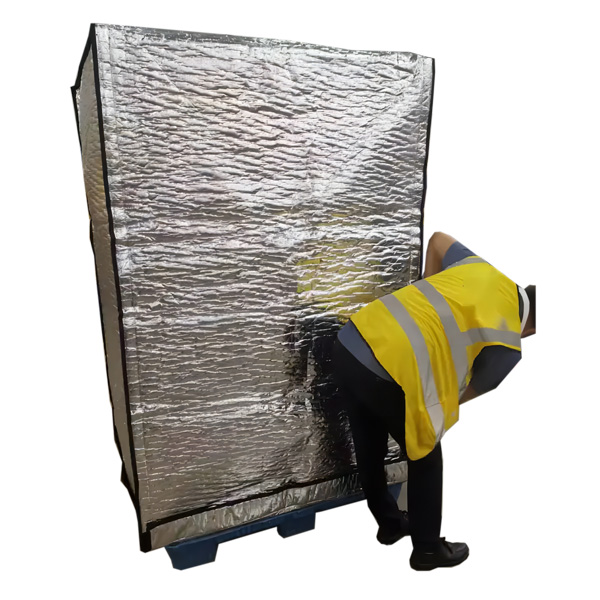
Cubiertas para paletas con control de temperatura para almacenamiento con temperatura controlada: Cerrar la brecha de control adecuada
Una cubierta de palet debería ganarse su lugar en la estrategia de control. Temperature control pallet covers for temperature-controlled warehousing are most credible when they address a named, Exposición de duración determinada que las instalaciones y el flujo de trabajo no pueden eliminar razonablemente.. Son barreras pasivas, por lo que cambian la tasa de transferencia de calor en lugar de controlar una temperatura. Esa distinción convierte una compra vaga en una decisión de ingeniería y operaciones.: definir la brecha, comparar opciones de control, especificar la portada completa, verificarlo en contexto, y regular su uso.
Este método es útil si el palé contiene productos farmacéuticos., alimento, materiales de laboratorio, or another temperature-sensitive product. La condición requerida siempre proviene del producto y del sistema de calidad aplicable., no del catálogo de portada.
Nombra la brecha de control antes de nombrar el producto
Escribe el problema como un evento.. "Warm dock" es solo una ubicación. "Released pallets may wait between the monitored dispatch room and a confirmed vehicle while exterior air enters during door cycles" describe un evento que se puede observar. Identifica el estado de carga., paso del proceso, límite, y retraso que un control debe abordar.
Próximo, identificar por qué existe el evento. Puede resultar de la programación del remolque., tiempo de inspección, puesta en escena protegida insuficiente, un largo traslado entre edificios, funcionamiento intermitente de la puerta, o una contingencia de emergencia. Las causas importan porque la corrección de un proceso o instalación puede superar a un accesorio.. Si los palets se llaman demasiado pronto, una regla de liberación podría evitar la espera. Si la exposición solar llega a una bahía marcada, El blindaje o la reubicación podrían proteger cada carga.. Si se pierde el control porque la capacidad de refrigeración es inadecuada, una cubierta no debe legitimar el almacenamiento continuo.
Definir la consecuencia sin asumirla. La temperatura ambiental fuera del rango requerido no prueba automáticamente que la temperatura del producto excedió su límite; La masa térmica del producto y el embalaje influyen en la respuesta.. Lo contrario también es importante: una lectura de habitación dentro del rango puede no representar una plataforma cerca de una puerta o fuente radiante. Usar mapeo, monitoreo de rutina, información del producto, y evaluación de riesgos para decidir qué medición y respuesta son relevantes.
Luego establece el límite. Indique la duración normal del evento., retraso creíble, configuraciones de productos y paletas, condición inicial, preocupaciones sobre la temporada o el clima, y la acción desencadenada cuando se excede el límite. No convierta el resultado de una prueba en un tiempo de exposición universal permitido. El equipo de calidad debe conservar la autoridad sobre el impacto y las desviaciones del producto..
Elija la capa de control con la menor cantidad de pasos frágiles
Los controles difieren en dependencia de la acción humana.. un protegido, La sala de preparación con temperatura controlada actúa sobre cada palet colocado correctamente.. Una regla de programación puede evitar demoras innecesarias, pero depende de la coordinación.. Una funda ajustada puede viajar con una carga individual pero debe estar disponible, intacto, correctamente orientado, cerrado, remoto, y recuperado. La respuesta más adecuada puede combinar capas., Sin embargo, cada capa debe tener una razón..
Evaluar opciones en un orden práctico.. ¿Se puede eliminar la exposición cambiando el horario o la ruta?? ¿Puede la ingeniería reducirlo mediante un cerramiento?, gestión de puertas, cambio de flujo de aire, o espacio controlado añadido? ¿Pueden los controles administrativos limitar la permanencia y mejorar la escalada?? Si la exposición residual persiste, ¿Podría una cobertura pasiva agregar un amortiguador significativo?? Esta no es una jerarquía regulatoria rígida para cada instalación.; es una forma de evitar el uso de un elemento portátil para compensar un problema del sistema que se puede prevenir.
Considere la visibilidad de las fallas. Una alarma de almacén está diseñada para señalar el estado de una instalación.. Una cubierta rota o parcialmente abierta puede fallar silenciosamente a menos que un operador se dé cuenta.. Una funda reutilizable puede parecer presente aunque sus costuras o cierre ya no encajen.. Inspección, capacitación, y la supervisión debe coincidir con ese modo de falla.
Considere también si la cobertura entra en conflicto con el diseño del almacenamiento primario.. Las cámaras frigoríficas pueden depender del flujo de aire alrededor de las cargas y del espacio definido entre paletas.. Las cubiertas pueden obstruir la inspección visual, escaneo de código de barras, observación de plagas, patrones de aspersores, o estado del stock. Por lo tanto, la cobertura estacionaria a largo plazo debe revisarse por separado del uso de transferencias cortas.. Nunca se debe adoptar simplemente porque la cobertura ya está comprada..
Escriba un requisito que los proveedores puedan responder honestamente
Un requisito de usuario debe describir la función y el contexto antes de solicitar una construcción.. Evite prescribir una pila de capas de moda sin comprender la ruta del calor. Brinde a los proveedores suficiente información para proponer una opción, al mismo tiempo que se protegen los detalles confidenciales del producto a través de un proceso adecuado de intercambio de datos.
| Campo de requisito | Lo que el comprador debe definir | Qué respuesta útil debería mostrar |
|---|---|---|
| Evento previsto | Ruta del almacén, actividad de puesta en escena, uso normal, caso de retraso, y dirección de exposición | Una declaración clara de uso adecuado e inadecuado. |
| Cargar sobre | Huella del palet, rango de altura, sobresalir, tapa superior, envoltura, etiquetas, y necesidades de acceso | Ajuste interno, arreglo de cierre, y una muestra en una carga representativa |
| Propósito térmico | Blindaje radiante, intercambio convectivo reducido, resistencia añadida, o una combinación | Justificación de la construcción y evidencia relevante de cobertura completa. |
| Manejo | Área de aplicación, dotación de personal, equipo, exploración, movimiento, y eliminación | Secuencia de trabajo segura sin material suelto en las vías de desplazamiento |
| Controles de calidad | Identificación, inspección, documentación, limpieza, almacenamiento, y cambiar notificación | Controles definidos de materiales y construcción, además de puntos de revisión del comprador. |
| Verificación | Desafío, carga útil, sensores, repeticiones, regla de aceptación, y reportar expectativas | Condiciones y límites de prueba transparentes, no es una promesa de desempeño incondicional |
| Fin de uso | Eliminación unidireccional o recuperación reutilizable, limpieza, reparar, y jubilación | Instrucciones prácticas e información material para el mercado de destino. |
La tabla crea una solicitud comparable sin obligar a cada proveedor a presentar una reclamación sin fundamento.. Si un campo aún no se puede completar, esa brecha pertenece al plan del proyecto. No debe reemplazarse con una dimensión adivinada., tiempo de espera supuesto, or generic request for "GDP certification."
Los detalles materiales siguen importando. Pregunte qué controla las propiedades radiantes., ¿Qué proporciona aislamiento?, cómo se forman las costuras y las esquinas, y como la falda se cierra alrededor de una carga irregular. Solicitar tolerancias de producción y prácticas de notificación de cambios adecuadas al riesgo.. Si la funda incluye ventana o solapa, Evaluar la construcción del borde y el comportamiento después de repetidos accesos.. Si es reutilizable, confirmar la compatibilidad de limpieza, el secado, identificación, inspección, y reparar los límites.
La evidencia de rendimiento debe describir una configuración completa.. Los cupones de paneles no capturan las costuras., adaptar, compresión, o fuga de aire. Una prueba de proveedor con un palet diferente, carga útil, condición inicial, o el desafío ambiental puede ser un contexto útil pero no una prueba directa. Los perfiles y procesos térmicos de ISTA pueden informar ciertos trabajos de transporte y embalaje., sin embargo, una transferencia de almacén debe estar representada por condiciones relevantes para esa transferencia.. La aplicabilidad es parte de la verificación..
Pilotar el proceso, No solo la portada
Un piloto eficaz comienza antes de que se coloque el primer sensor.. Operaciones, calidad, ingeniería, seguridad, y adquisiciones deben acordar la decisión a tomar. El protocolo identifica cubiertas y cargas representativas de la producción., condición de referencia, justificación del sensor, estado de calibración del instrumento, mediciones ambientales, secuencia de manipulación, desviaciones, repeticiones, y criterios de aceptación. Registre fotografías o diagramas de ajuste cuando esté permitido., porque un gráfico por sí solo no puede mostrar un faldón abierto o una esquina comprimida.
Utilice operadores de los turnos previstos después de la instrucción inicial.. La aplicación programada puede informar al personal, pero la velocidad no es la única medida. Observar alcances incómodos, etiquetas bloqueadas, dobladillos sueltos, lágrimas, errores de cierre, movimiento de carga, y retirada en destino. Comprobar que los trabajadores comprendan el punto de parada.: una cobertura no autoriza una prórroga cuando el vehículo se retrasa, suena una alarma, o el palet está mal encaminado.
Considere una hipotética transferencia de campus. Una sala de almacenamiento mapeada y monitoreada envía pallets de alturas mixtas a otro edificio controlado a través de un pasillo cubierto pero no acondicionado.. El equipo del proyecto espera que la cubierta amortigue la exposición variable al aire.. durante el piloto, Las trazas térmicas son aceptables para las cargas probadas., pero las cubiertas cortas se desplazan por encima de la plataforma de paletas en configuraciones más altas y dejan un espacio. La respuesta correcta no es promediar todas las ejecuciones y aprobar el producto.. El equipo puede reducir el rango de altura aprobado., agregar un tamaño, rediseñar el cierre, o cambiar el proceso de transferencia, luego pruebe la configuración controlada nuevamente.
Leer los datos por ubicación y evento.. Los sensores de borde y superiores pueden responder más rápido que las ubicaciones centrales. Las lecturas ambientales ayudan a explicar el desafío, pero no equivalen a la temperatura del producto.. Los promedios pueden ocultar la peor posición. Investigar valores atípicos, manejo de notas, diferencias iniciales, y movimiento del sensor antes de concluir que el material tuvo éxito o falló. Predeterminar cómo se evaluarán las desviaciones del protocolo..
La aprobación debe indicar exactamente lo que se estableció.: identificador de portada, construcción, rango de carga, paso del proceso, método de aplicación, condiciones relevantes, y limites. También debe nombrar lo que no fue establecido.. This concise boundary is more useful to future operators and auditors than a broad claim that the cover "passed."
Mantenga intacto el estado aprobado
El control rutinario comienza con la disponibilidad. Tiendas cubiertas donde se puede seguir el trámite sin necesidad de buscar, manteniendo los artículos limpios y usados separados cuando sea necesario. Identificar claramente el tamaño y el estado. Inspeccionar cierres, costuras, paneles, ventanas, etiquetas, y contaminación antes de su uso. Definir cuarentena y retiro para que las unidades dañadas no regresen porque el stock de reposición no es conveniente.
Para fundas reutilizables, construir el circuito de retorno en el lanzamiento. Decida quién escanea o cuenta las devoluciones, donde se limpian las cubiertas, ¿Qué método está permitido?, cómo se confirma el secado, si se permiten reparaciones, y cómo se investiga un artículo no devuelto. Las afirmaciones de reutilización deben basarse en datos reales de recuperación y condición., no en un máximo teórico. Los diseños de un solo uso necesitan instrucciones de eliminación e información sobre el material que tengan en cuenta el destino; La reciclabilidad teórica no garantiza la aceptación local..
Monitorear el proceso y el entorno.. Las preguntas de revisión útiles incluyen si se aplicaron coberturas cuando fue necesario, si los cierres permanecieron cerrados, si las etiquetas eran accesibles, ¿Por qué se rechazaron las unidades?, y si se produjeron retrasos no planificados. Estos hallazgos pueden desencadenar un reentrenamiento, cambios de inventario, rediseñar, o una solución de flujo de trabajo más fundamental.
El control de cambios protege la evidencia. Un material diferente, costura, cierre, ventana, sitio del proveedor, altura del palet, patrón de caso, método de envoltura elástica, ruta de transferencia, horario de puerta, o productos químicos de limpieza pueden afectar el estado aprobado. Evaluar la importancia mediante riesgos y pruebas en lugar de asumir que todos los cambios son iguales. Las directrices de la Organización Mundial de la Salud y los principios de buenas prácticas de distribución de la UE refuerzan la necesidad más amplia de almacenamiento cualificado, seguimiento adecuado, áreas mapeadas, equipo mantenido, procedimientos, y control basado en riesgos. La portada sigue siendo una parte documentada de ese sistema..
Set a review trigger for major facility or workflow changes and a sensible periodic review under the site's quality system. El equipo debe confirmar que las cargas aprobadas, cubrir inventario, práctica del operador, y las condiciones del desafío siguen vigentes. La nueva verificación debe estar impulsada por el riesgo; La repetición de una rutina sin tomar decisiones no sustituye la observación de las variables que realmente pueden cambiar el rendimiento..
Preguntas frecuentes sobre decisiones
¿Cuál es la señal más fuerte de que un proyecto de cobertura está mal definido??
Una solicitud de duración garantizada sin producto., carga útil, estado inicial, desafío ambiental, o la regla de aceptación es una señal de advertencia. La duración es el resultado de una configuración completa y una condición de prueba., no es una promesa inherente de la tela. Convierta la solicitud en un evento definido y pregunte qué evidencia lo representa..
¿Puede una cubierta compensar un punto caliente de monitoreo??
No debería ser la respuesta automática.. Un punto de acceso mapeado puede influir en la ubicación del monitoreo, restricciones de almacenamiento, investigación del flujo de aire, mantenimiento, o diseño. Se podría evaluar una cobertura para una transferencia específica o una exposición residual, pero no puede controlar uniformemente el espacio subyacente ni reemplazar las acciones correctivas aprobadas por las instalaciones y los equipos de calidad..
¿Cuándo se debe rechazar una muestra a pesar de tener buenos datos térmicos??
Rechazarlo o rediseñarlo si su uso seguro y consistente no es realista.. Los ejemplos incluyen un faldón que ingresa a las rutas de los equipos., etiquetas de lanzamiento bloqueadas, tensión de ajuste excesiva, acceso deficiente al cierre, limpieza incompatible, o cambios de construcción incontrolados. La respuesta térmica es necesaria sólo cuando el propósito es la protección térmica.; no es suficiente para la idoneidad del almacén.
¿El uso de un registrador de datos permite controlar la temperatura del palet cubierto??
No. Un registrador registra las condiciones en su ubicación de detección; No protege la carga ni regula la temperatura.. El monitoreo puede verificar e investigar, mientras que las instalaciones y el proceso calificado proporcionan control. Selección de sensores, colocación, calibración, intervalo, revisión de datos, y el uso de la alarma debe coincidir con la decisión y los requisitos del producto..
Conclusión: Una reclamación limitada puede respaldar un control estricto
El programa de cobertura de tarimas más defendible hace una afirmación modesta y la respalda bien. Nombra la exposición, comparar capas de control más fuertes, especificar ajuste y función, pilotear el proceso completo, aprobar una configuración limitada, y mantenerlo mediante inspección, capacitación, archivos, y control de cambios.
Las cubiertas de paletas con control de temperatura para almacenamiento con temperatura controlada son pasivas, controles suplementarios. No sustituyen a un edificio controlado., mapeo representativo, monitoreo continuo, Climatización o refrigeración, requisitos de almacenamiento específicos del producto, calificación, planificación de contingencia, o evaluación de calidad. Úselos para cerrar la brecha correcta, para no esconder uno más grande.
Acerca de Tempk
Tempk is a name associated with temperature-controlled packaging for cold-chain applications. Podemos ayudar a los compradores a convertir la exposición del almacén en una discusión más precisa sobre el ajuste de la cobertura., construcción, manejo, reutilizar, y necesidades de verificación. No inferimos rendimiento o cumplimiento universal de una categoría de producto.. The selected approach should be reviewed against the buyer's pallet configuration, instalación, escucha, controles de proceso, y expectativas de calidad.
Envía a Tempk el evento que necesitas gestionar, junto con la envolvente de carga y las restricciones operativas, comparar un camino práctico a seguir. Planifique una verificación independiente o específica del sitio según sea necesario antes de la implementación.
Cubiertas para paletas con control de temperatura para plan de envío de productos químicos a granel
Cubiertas para paletas con control de temperatura para envío de productos químicos a granel: Un sistema de decisión que se mantiene
Temperature control pallet covers for bulk chemical shipping should be approved through a decision system, no comprado como una promesa independiente. El sistema conecta un requisito químico documentado con una exposición mapeada, una cubierta pasiva equipada, evidencia representativa, pasos operativos seguros, y una salida clara hacia un control más estricto. Este enfoque evita dos errores comunes.: esperando que el aislamiento reflectante regule un punto de ajuste, y permitir que una cubierta interfiera con el embalaje de mercancías peligrosas o la comunicación de peligros.. El resultado es un uso definido que la adquisición puede especificar., los operadores pueden repetir, y los equipos de calidad y seguridad pueden revisar.
Prepare dos archivos antes de solicitar muestras
El primer archivo es el resumen del producto y paquete.. Identifica la sustancia química o familia aprobada., ficha de datos de seguridad actual, criterios de condición del producto, Mecanismos conocidos de respuesta a la temperatura., determinación de mercancías peligrosas, contenedores autorizados, construcción de paletas, restricción, y acceso requerido. Debe distinguir los requisitos de calidad de las condiciones de almacenamiento seguras y de los controles reglamentarios de transporte..
OSHA's safety data sheet framework includes precautions for safe handling and conditions for safe storage, incluyendo incompatibilidades. Esa información debe seguir siendo central para el proceso en el lugar de trabajo.. Un especialista en transporte aún debe determinar los requisitos para el envío real.. Las normas de la PHMSA rigen las normas pertinentes de EE. UU.. movimientos de materiales peligrosos; ADR, Procesos de mercancías peligrosas de la IATA, and the IMO's IMDG Code apply in their respective road, aire, y contextos marinos.
The brief should also resolve the word "bulk." Si se trata de un pedido comercial a granel de contenedores más pequeños, afirmar que. Si el envío utiliza un contenedor intermedio para graneles u otra forma considerada embalaje a granel según las normas aplicables, registrar la categoría real. La funda no cambia el estado del embalaje., límites de cantidad, o deberes de comunicación.
El segundo archivo es el resumen de ruta y operaciones.. Mapea el envío desde el acondicionamiento hasta la recepción., incluyendo todos los puntos de permanencia, medios de transporte, condiciones estacionales, sol directo o flujo de aire frío, contacto con el suelo, aberturas, cambios de custodia, y retrasos. Nombra lo que se puede controlar en cada punto y las opciones protegidas disponibles cuando falla el cronograma..
Juntos, Los archivos dan a los proveedores un problema solucionable.. sin ellos, Los proveedores se ven empujados a utilizar descripciones genéricas porque nadie ha definido la carga o la exposición.. También brindan a los revisores internos una base estable.: cuando el producto, paquete, o cambios de ruta, la empresa puede ver qué supuestos de aprobación necesitan revisión.
Dibuja el límite alrededor de lo que posee la portada
La portada debe poseer una exposición particular., no toda la cadena de frío o temperatura. Una declaración de límites podría asignarlo a una puesta en escena de salida y a un tráiler regional ambiental., mientras que el holding protegido posee demora extendida y el almacén posee acondicionamiento del producto. Todo riesgo debe tener un control con suficiente autoridad..
| Pregunta de límites | Respuesta que admite el uso pasivo. | Respuesta que indica una escalada | Propietario para involucrar |
|---|---|---|---|
| ¿El producto comienza en las condiciones aprobadas?? | Proceso de arranque medido o controlado | Condición central desconocida o liberación en un límite | Equipos de producto y calidad. |
| ¿La exposición está limitada y representada por evidencia?? | Etapas definidas con retraso y respaldo creíbles. | Retención incontrolada o variabilidad de ruta no observada | Logística y transportista |
| ¿Es estable la configuración de la plataforma?? | Paquetes aprobados, patrón de carga, restricción, y en forma | Construcciones mixtas o cambiantes sin revisión | Embalaje y operaciones |
| ¿Puede la tapa permanecer correctamente cerrada?? | Las vacantes son limitadas, simulado, y vuelto a comprobar | La inspección o el escaneo frecuentes impiden el cierre | Operaciones y manejadores |
| ¿Se preservan la comunicación y la inspección de peligros?? | El acuerdo exacto cuenta con la aprobación competente. | Marcas, etiquetas, cierres, o los daños están ocultos | Equipos de seguridad y mercancías peligrosas |
| ¿Es suficiente el buffering pasivo para la consecuencia?? | Margen verificado y contingencia viable | Alta consecuencia, margen estrecho, o control activo requerido | Propietarios técnicos y de cumplimiento |
Esta tabla es una pantalla de gobierno.. Evita que una característica material favorable anule una ruta inadecuada.. Una única respuesta de escalada no siempre finaliza el proyecto, pero debe resolverse mediante el control de ruta., cambio de diseño, embalaje más fuerte, o equipo activo.
El límite debe incluir la parte inferior.. Una cubierta que envuelve sólo los lados y la parte superior puede dejar caminos conductores y convectivos en la base del palet.. Si un panel inferior, falda, o se utiliza interfaz de piso, debe seguir siendo compatible con carretillas elevadoras, transpaletas, restricción, drenaje, y manejo seguro. Los arreglos probados y enviados deben coincidir.
El límite también debe incluir el tiempo fuera del movimiento normal.. Cierres de fin de semana, transferencias perdidas, inspección de seguridad, retenciones aduaneras, averías de vehículos, rechazo de entrega, y las fallas de energía o equipos en sitios protegidos pueden desviar la responsabilidad. Dale a cada evento creíble un dueño y una respuesta.
Seleccione una arquitectura, No solo una capa aislante
La arquitectura de la cubierta incluye la cara exterior., núcleo aislante, cara interior, costuras, esquinas, cierre, arriba, base, acceso, identificación, e integración con el palet. Cada parte puede cambiar el flujo de calor o la ejecución.. Los proveedores deben explicar la función prevista sin convertir las propiedades de los componentes en garantías del sistema terminado..
Un exterior reflectante es útil contra la ganancia radiante en condiciones relevantes.. No detiene el calor movido por el aire o el contacto.. El aislamiento ralentiza la conducción, pero puede evitarse mediante espacios y áreas comprimidas.. Un ajuste perfecto puede reducir el intercambio de aire, pero podría obstruir las etiquetas o la inspección.. Una trampilla de acceso facilita las operaciones, pero crea un cierre que debe restaurarse constantemente.
Para uso químico, La arquitectura también incluye el comportamiento de contaminación.. Las superficies lisas pueden ser más fáciles de inspeccionar, Sin embargo, las costuras y los bordes pueden retener residuos.. Algunos materiales pueden ser atacados por productos químicos o agentes de limpieza aprobados.. Solicite información exacta del material y evidencia de compatibilidad con el alcance. Si el comportamiento del fuego, control estático, o la resistencia a los líquidos importa, especificar el escenario y el método de prueba. No te fíes de adjetivos no calificados.
Elija el tamaño del sobre del palet cargado y el método de trabajo. Incluir tolerancias del paquete, bulto, tableros de esquina, tapa superior, correas, y proyecciones. Comprobar el alcance del operador y el manejo mecánico. Un ajuste personalizado puede mejorar la coherencia pero aumenta la complejidad del elemento; un ajuste ajustable puede soportar varias construcciones pero crea variación. El equilibrio correcto depende del portafolio de palets y de las consecuencias del mal uso..
Determinar si la funda es de un solo uso., reutilización limitada, o parte de un circuito cerrado gestionado. La arquitectura de reutilización puede necesitar superficies duraderas, unidades identificables, características reparables, y resistencia a la limpieza definida. Pero la durabilidad por sí sola no crea un bucle seguro. el consignatario, logística inversa, segregación, y el proceso de cuarentena tiene que existir.
Demanda de evidencia en capas
Comience con la documentación de los componentes para comprender la construcción., luego avance hacia la cobertura terminada y la ruta de evidencia. Un cupón de material puede soportar una comparación entre capas.. Una prueba de cubierta terminada revela costuras y geometría.. Una comparación cargada muestra cómo la carga útil cambia la respuesta. Un protocolo representativo de ruta conecta la configuración con la decisión.. El seguimiento operativo comprueba si el uso real se mantiene dentro de los supuestos..
En cada capa, preguntar qué se probó y qué inferencia está justificada. Registrar lote de material o identidad de portada., estado de producción, dimensiones, carga, estado inicial, perfil externo, radiación y flujo de aire cuando sea relevante, piso y base, ubicaciones de sensores, calibración del dispositivo, intervalo de datos, número de carreras, desviaciones, y regla de aceptación. Si el resultado es confidencial, Organizar una revisión técnica controlada en lugar de aceptar sólo un titular..
Pruebe con un comparador apropiado. An uncovered but otherwise equivalent pallet can quantify the cover's incremental effect. Otra cobertura o un control operativo puede apoyar una decisión alternativa.. Garantizar condiciones iniciales y exposición comparables. Una paleta de control más cálida puede hacer que la cubierta propuesta se vea mejor sin que la cubierta sea responsable.
Medir cantidades que respondan a la decisión del producto.. Aire bajo techo, superficie del contenedor, producto, y las temperaturas sustitutas no son intercambiables. Utilice un mapa de sensores documentado y dispositivos calibrados apropiados para el propósito. Preservar datos sin procesar y tiempos de eventos. Establecer cómo la incertidumbre y la variación espacial afectan la aceptación..
No convierta un resultado en una duración incondicional. Una afirmación solo se aplica a la configuración y las condiciones de contorno que representa.. Si la prueba admite una exposición rutinaria pero no un retraso prolongado, registrar ambos hallazgos. El retraso pertenece al plan de excepción., no a la redacción creativa.
Utilice estándares oficiales o reconocidos sólo dentro del alcance.. ISTA publica recursos de prueba de transporte térmico para sistemas de distribución definidos, pero un perfil orientado a paquetes puede no describir el transporte de productos químicos paletizados.. Un método estándar mejora la repetibilidad cuando sea apropiado; no reemplaza el criterio químico, geometría de la paleta, o modelo de ruta.
Incluir el control del proveedor en la aprobación técnica
La calificación del proveedor para una cobertura pasiva debe centrarse en los atributos que sustentan la evidencia.. Crear una especificación de compra de materiales o construcción definida., dimensiones y tolerancias, métodos de costura y cierre, ubicaciones de acceso, base, identificación, hechura, reparaciones permitidas, almacenamiento, y cuidado. Incluir el artículo de producción exacto vinculado a la prueba..
Solicite al proveedor que describa el control del material entrante., controles en proceso, inspección terminada, manejo de no conformidades, trazabilidad adecuada al producto, y cambiar notificación. No invente certificaciones que el proveedor debe poseer a menos que la empresa tenga un requisito verificado.. Una pregunta útil de auditoría es cómo evitaría el proveedor que una película sustituta aparentemente similar, espuma, cierre, o adhesivo entre en producción sin revisión.
Solicitar muestras de producción antes de la liberación del volumen o establecer otra verificación del primer artículo apropiada para el riesgo.. Compárelos con la configuración aprobada para su ajuste., materiales, hechura, cierres, acceso, e identidad. Un hermoso prototipo de un banco de desarrollo no demuestra una producción repetible.
Definir controles de recepción que los operadores pueden realizar. Confirmar artículo y talla, inspeccionar en busca de lágrimas, delaminación, costuras incompletas, cierres dañados, contaminación, humedad, e identificación incorrecta. El muestreo dimensional puede ser apropiado. La verificación térmica puede ocurrir periódicamente o después de cambios según el riesgo en lugar de en cada recibo..
Hacer que el escalado comercial sea condicional. Precio, cantidades mínimas de pedido, plazo de entrega, personalización, salvado, embalaje, y el calendario de entrega son preguntas específicas del proveedor. Sumar los costes internos de la formación., solicitud, almacenamiento, inspección, limpieza, regresa, pérdidas, escucha, y manejo de excepciones. El precio de cobertura más bajo puede generar el costo de proceso más alto si el ajuste es inconsistente.
Pilotar el proceso operativo, Luego libere el producto
Un piloto debe comenzar en el punto de acondicionamiento o parada y terminar después de la recepción., no en la puerta del laboratorio. Operadores representativos construyen e inspeccionan el palet., aplicar la cubierta, escanearlo y moverlo, realizar los traspasos esperados, ábrelo si es necesario, reinstalarlo, y eliminarlo. Los observadores de calidad y seguridad registran las soluciones alternativas, problemas de visibilidad, daño, y la presión del tiempo.
Utilice el seguimiento del lanzamiento cuando esté justificado para comparar la exposición del campo con el modelo de prueba.. El plan define las ubicaciones de los dispositivos., estado de calibración, muestreo, descargar, Criterios de alarma o revisión., manejo de datos faltantes, y autoridad de decisión. El monitoreo no reemplaza la protección y no debe crear problemas eléctricos o de acceso incontrolados alrededor del producto químico..
Capacite a las personas sobre el motivo de cada paso crítico.. "Close the flap fully" Es más fácil de seguir cuando los manejadores entienden que un camino abierto cambia el límite probado.. "Do not cover a stained drum" conecta el proceso térmico con la seguridad del embalaje. Evite pedir a los operadores que decidan la estabilidad del producto.; darles condiciones de parada observables y contactos de escalada.
La documentación de lanzamiento debe incluir el producto y el paquete aprobados., dibujo de paleta, artículo de portada, instrucción de aplicación, acceso requerido, proceso de condición inicial, carriles o tramos aprobados, escucha, y flujo de excepción. También debería indicar las exclusiones, como alturas de palés no aprobadas, productos mixtos, mercancías peligrosas especificadas, rutas de exportación no controladas, o cubiertas contaminadas según corresponda.
Los comentarios de campo deben revisarse temprano. Un problema aparentemente menor, como un cierre que se abre durante un escaneo, puede invalidar las suposiciones térmicas. Diseño o flujo de trabajo correcto antes de ampliar el programa.. Un seguimiento de temperatura exitoso no excusa una etiqueta bloqueada o una inspección insegura.
Una disrupción revela si el sistema es real
Considere un envío de lanzamiento hipotético de tambores paletizados en un carril ambiental aprobado.. La funda encaja, las etiquetas permanecen accesibles, y la evidencia de ruta respalda el movimiento de rutina. en un cruce de caminos, un transportista cambia de equipo y el palet pierde su conexión. La vivienda probable excederá el límite de uso pasivo.
Las instrucciones de envío nombran este evento.. El terminal coloca el palet en una zona protegida revisada sin quitar la funda, registra el tiempo y la condición de la cubierta, y alerta al propietario de la ruta. El equipo técnico revisa la información de exposición y seguimiento.. Si la opción protegida no está disponible, el plan identifica una decisión de retorno o recuperación controlada por temperatura. No se pide al conductor ni al trabajador portuario que adivinen la idoneidad del producto..
Durante la inspección, Un manipulador nota humedad cerca de un tambor.. La respuesta pasa inmediatamente del retardo térmico al procedimiento de incidente químico.. El personal aísla el pallet y sigue la SDS., proceso de emergencia del sitio, y medidas de protección requeridas. La cubierta se trata como potencialmente contaminada.. El rendimiento térmico ya no es la prioridad.
Después del hecho, El equipo confirma si el cambio de operador era previsible., si las instrucciones del terminal eran accesibles, y si el archivo de uso aprobado necesita revisión. It reviews data without claiming that one sensor proves every drum's condition. La disposición del producto permanece con la función autorizada..
Este escenario expone el valor de un sistema en capas.. La cobertura compra margen pasivo., la ubicación protegida controla un retraso, el seguimiento informa la revisión, y los procedimientos de seguridad se hacen cargo de las sospechas de fugas.. No single component is asked to perform another's job.
Rechazar afirmaciones que derrumban distinciones importantes
"Temperature controlled" está incompleto si el producto es pasivo. Pregunte si simplemente ralentiza el intercambio de calor o utiliza una regulación activa.. "Maintains temperature" está incompleto sin un rango, carga, estado inicial, perfil, duración, punto de medición, y regla de aceptación. "Tested" Está incompleto sin el protocolo y el enlace de producción..
"Suitable for chemicals" es demasiado amplio. Pregunte qué superficies se evaluaron frente a qué sustancias., concentraciones, modos de contacto, duraciones, y temperaturas. "Waterproof" no demuestra compatibilidad química, and "reusable" no establece la capacidad de limpieza después de un derrame. "Anti-static" or "fire resistant" necesita un método relevante y una construcción completa.
"Compliant" es especialmente riesgoso. La portada no clasifica el químico., autorizar el receptáculo, crear entrenamiento, preparar los documentos de envío, o satisfacer cada marca, etiqueta, cartel, estiba, segregación, o regla de control de temperatura. El cumplimiento pertenece al envío y operación bajo los requisitos aplicables., no a un accesorio de palet genérico.
"Bulk shipping" También hay que desembalar. Una frase de marketing sobre el volumen no resuelve si los contenedores reales son embalajes a granel reglamentarios.. Ask the shipper's dangerous-goods professional to document the determination.
Finalmente, rechazar reclamos ambientales sin límites. Es posible que el material reciclable no se acepte localmente.. Es posible que el material reutilizable no regrese. Es posible que un menor peso del producto no supere las pérdidas o la limpieza.. Requerir una comparación definida antes de publicar porcentajes o declaraciones absolutas.
Termine con un memorando de aprobación que las operaciones puedan utilizar
La decisión final debe caber en una página de aprobación concisa respaldada por evidencia.. Nombra el producto, paquete, paleta, cubrir, etapas de la ruta, proceso de inicio, aperturas permitidas, referencia de evidencia, escucha, límite operativo, contingencia, ruta de reutilización o eliminación, propietarios, y cambiar los desencadenantes. Este es el control que acompaña al artículo físico..
Aprobar sólo lo que la evidencia respalda. Ampliar más tarde mediante una revisión deliberada. Si un carril nuevo tiene retenciones más largas, una carga diferente, u otro modo de transporte, trátalo como un cambio, no es una extensión administrativa. Si los acontecimientos se acercan repetidamente al límite, mejorar la ruta o pasar a un sistema con mayor autoridad de control.
Preguntas frecuentes sobre aprobación
¿Cuál es la pregunta más importante para una primera reunión con proveedores??
Pídale al proveedor que le explique qué configuración de cubierta terminada y condiciones de prueba respaldan el uso propuesto en su paleta y ruta reales.. Esto abre la discusión sobre los materiales., adaptar, carga útil, perfil, ubicaciones de sensores, y limitaciones. Un proveedor que empieza con esas condiciones te está dando más información útil que uno que empieza con una duración universal.
¿Pueden las cubiertas de palets sustituir el preacondicionamiento??
No. Una cobertura pasiva preserva un estado inicial sólo al desacelerar el cambio.. No se puede confiar en que llevará el producto químico a la condición correcta.. Definir cómo se acondiciona el producto y el embalaje., cómo se establece el tiempo adecuado, y qué medición o control de liberación confirma el estado inicial.
¿Cuándo se debe volver a probar la cubierta??
Es posible que sea necesario volver a realizar pruebas u otras revisiones técnicas después de realizar cambios en los materiales., costuras, dimensiones, cierres, geometría de la paleta, paquete, carga útil, proceso de inicio, limpieza, ruta, transportador, modo, o perfil ambiental. El nivel de trabajo depende del riesgo y de la relación con la evidencia previa.. Definir desencadenantes en el control de cambios antes del lanzamiento.
¿A quién pertenece una decisión de excursión??
El producto autorizado o la función de calidad debe disponer de él mismo utilizando el procedimiento aprobado y el conocimiento relevante del producto.. Eventos de ruta de suministros logísticos, monitoreo de suministros condiciones medidas, y el personal de seguridad o de mercancías peligrosas abordan los peligros y el cumplimiento.. Un proveedor de cobertura o conductor no debe declarar de forma independiente que el producto químico afectado es aceptable..
Acerca de Tempk
Para compradores que construyen este sistema de decisión, Tempk is associated with temperature-controlled packaging and cold-chain solutions and can help explore passive pallet-cover configurations. Podemos trabajar desde un palet definido y una ruta tan adecuada, acceso, construcción de cubierta, y las preguntas de verificación siguen siendo concretas. No posicionamos una funda como sistema automático de envío calificado., un dispositivo de cumplimiento de mercancías peligrosas, o un sustituto de los requisitos de SDS y la aprobación interna del producto..
Comparta su resumen de producto y paquete y su resumen de ruta y operaciones con Tempk para iniciar una discusión de portada enfocada antes de las muestras., pruebas, o compras por volumen.
Selección de mantas aislantes para palés para la entrega de última milla

Selección de mantas aislantes para palés para la entrega de última milla
Insulated pallet blankets for last mile delivery make sense when a team can identify a temporary exposure that needs passive, protección suplementaria. They are poorly suited to vague assignments such as "maintain the cold chain" or "cover any delay." Una manta puede ralentizar el intercambio de calor mientras un palé cruza un muelle, espera una transferencia planificada, o se mueve a través de un breve traspaso. No puede enfriar la carga., reemplazar un vehículo refrigerado o un transportista calificado, probar la condición del producto, anular los requisitos específicos del producto, o calificar un carril. Por lo tanto, la selección debe comenzar con un límite de decisión., no es una muestra de tela.
Decide si el espacio es adecuado para una manta.
La primera decisión es si el problema es realmente una exposición temporal.. Si un pallet pasa la mayor parte del recorrido dentro de un vehículo controlado apropiado y necesita protección adicional durante el movimiento entre ese vehículo y una instalación controlada, una manta puede tener un papel de apoyo lógico. Si la ruta carece de un control primario confiable, Es poco probable que la cobertura pasiva sea el punto de partida correcto..
Describe la brecha como un evento.. "Outbound pallet waits beside an open dock while the controlled vehicle backs into position" es procesable. "Last mile gets warm" no es. La descripción del evento debe nombrar la ubicación., producto, manejador responsable, entorno circundante, proceso esperado, y la razón por la que ocurre la exposición.
Luego pregunte si se puede eliminar la brecha.. Mejor coordinación de citas, puesta en escena interior, una regla lista antes del lanzamiento, papeleo previamente autorizado, o la comunicación directa con el receptor puede evitar la exposición. Una manta todavía puede apoyar el proceso revisado, pero no debería preservar un retraso que las operaciones podrían eliminar.
Si la brecha persiste, confirmar el requisito del producto. Utilice información aprobada sobre productos y calidad., no es una gama genérica de cadena de frío. La sensibilidad del producto determina si el buffering pasivo es apropiado y qué evidencia se necesita.. Una cubierta utilizada alrededor de ingredientes estables no puede considerarse adecuada para medicamentos., biológicos, productos de diagnóstico, o alimentos que requieren control de temperatura por seguridad.
Identifique el control primario a continuación. Vehículos con temperatura controlada, transportistas pasivos calificados, contenedores activos, y los paquetes aprobados realizan diferentes trabajos. Una manta para palés se encuentra fuera de esos sistemas y puede cambiar su exposición o flujo de aire.. El equipo responsable del diseño del transporte debe decidir si la combinación es apropiada..
Finalmente, establecer una regla de parada. ¿Qué pasa si el vehículo llega tarde?, el receptor está cerrado, la manta está dañada, la carga comienza fuera de su condición, o el monitoreo indica una preocupación? La protección pasiva no debe convertir un retraso inesperado en una espera ilimitada. La ruta necesita una contingencia autorizada y un dueño de escalamiento..
Este límite de decisión también es un filtro de compra.. Un proveedor que comprenda el uso debe preguntar sobre la exposición., paleta, y procesar. A promise that the blanket alone will keep every product "at temperature" omite la información necesaria para una recomendación creíble.
Elija el control que coincida con el modo de falla
No todos los problemas de temperatura en el último kilómetro se resuelven añadiendo aislamiento. Diferentes modos de falla requieren diferentes intervenciones, y se pueden combinar varios controles después de una revisión de riesgos. el comprador's task is to match the control to the failure rather than select the easiest item to purchase.
| Modo de falla observado | Dirección de control más relevante | Papel potencial de una manta para palés | Supuesto a evitar |
|---|---|---|---|
| Breve traslado por muelle o plataforma no controlada | Coordinar el traspaso y mantener el sistema de transporte primario aprobado. | Añade cobertura pasiva durante el movimiento definido. | La cobertura hace que el tiempo de transferencia sea irrelevante |
| El compartimiento del vehículo no puede mantener las condiciones requeridas | Reparar, reemplazar, calificar, o rediseñar el vehículo principal o sistema de envío | Ninguno como sustituto; posible uso suplementario posterior después de que se resuelva el problema principal | Más aislamiento corrige la refrigeración fallida |
| La apertura repetida de la puerta afecta a los pallets restantes | Revisar el orden de la ruta, uso del compartimento, flujo de aire, acceso, y monitoreo | Reducir el intercambio ambiental directo si se demuestra acceso y ajuste seguros. | Cubrir el palé demuestra que el producto se mantuvo aceptable |
| Receptor retrasa descarga | Mejore el control de citas y defina un proceso de espera y escalada | Almacenar en buffer el traspaso planeado mientras el receptor está listo | El conductor podrá esperar indefinidamente porque la carga está cubierta. |
| Los casos individuales necesitan un control de temperatura validado | Utilice un transportista calificado o un embalaje apropiado para el producto. | Posible blindaje externo sólo si se evalúa con la configuración completa | Una funda para palet califica cada caja que contiene |
| Se desconoce el estado después del parto. | Utilice un proceso de seguimiento y revisión adecuado | Sin función de monitoreo; se puede utilizar junto con el seguimiento | El aislamiento crea evidencia o decide la liberación del producto. |
El cuadro traza una línea entre la protección, control, y evidencia. Una manta pertenece principalmente a la columna de protección.. Refrigeration or qualified thermal packaging may provide the primary control, mientras que el monitoreo y los registros respaldan la evidencia. Tratar esas funciones como intercambiables crea riesgos.
Esta comparación también evita un error presupuestario común.. Una manta puede parecer menos costosa que rediseñar una ruta, pero es posible que las dos opciones no resuelvan el mismo problema. Si el vehículo no es adecuado o el receptor crea rutinariamente largas esperas incontroladas, comprar cubiertas puede agregar costos sin corregir el modo de falla.
A veces la mejor decisión es un control combinado. Un vehículo controlado adecuado puede soportar la carga térmica principal., una manta ajustada puede proteger el palet durante el traslado, un registrador puede proporcionar los datos requeridos, y un proceso de cita puede limitar la permanencia. La combinación debe evaluarse como un sistema operativo completo., con responsabilidad clara para cada componente.
The same logic applies when the product is already in qualified shippers. Una manta alrededor del palé podría reducir la exposición externa, pero cambia el contexto probado. El equipo de calidad debe decidir si la calificación existente cubre ese acuerdo o si se necesita una evaluación adicional.. El aislamiento añadido no es automáticamente inofensivo; puede influir en el condicionamiento, flujo de aire, manejo, y acceso.
Especificar una manta que los operadores realmente puedan usar
Una vez aprobado el rol previsto, convertirlo en una especificación operativa. Una especificación útil cubre el ajuste, construcción, manejo, cuidado, identificación, evidencia, y control de cambios. No se necesitan números de rendimiento inventados para ser precisos..
Comience con la geometría de la paleta. Proporcionar la huella cargada, rango de altura, forma superior, protuberancias, patrón de envoltura, protección de esquinas, y manejo de aberturas. Confirme si se espera que la misma cubierta se ajuste a palés completos y parciales.. Se debe colocar una muestra sobre la carga real para que el equipo pueda ver los espacios., exceso de material, cierres, y acceso a etiquetas.
El ajuste debe permitir un manejo seguro. La cubierta no debe arrastrarse cerca de las ruedas., block a driver's view, ocultar daño, interferir con el aseguramiento de la carga, o requieren escalada insegura. Si los manipuladores necesitan acceso durante la entrega, el diseño debe permitir ese acceso sin dejar todo el palet expuesto ni fomentar cortes y plegados improvisados..
Revisar la construcción completa.. Pídale al proveedor que le explique la estructura aislante., superficies exteriores e interiores, costuras, cierres, solapas, reforzamiento, y características de identificación. Evite traducir el nombre de un material a una conclusión térmica no respaldada. El rendimiento depende del conjunto y de las condiciones de instalación..
Definir las necesidades ambientales y de higiene.. ¿La cubierta encontrará lluvia?, condensación, muelles sucios, residuos de comida, o limpieza repetida? Resistencia a la humedad, compatibilidad de limpieza, el secado, segregación, y el almacenamiento debe abordarse con la información del proveedor y los procedimientos del sitio.. Do not assume that "reusable" significa fácil de desinfectar o adecuado para cada categoría de producto.
La identificación merece más atención de la que suele recibir. Es posible que las operaciones necesiten distinguir el tamaño, uso previsto, estado limpio, propiedad, o estado de inspección. Las etiquetas o marcas deben permanecer legibles durante el proceso de manipulación previsto.. Si se desea un seguimiento serializado, confirmar cómo se adjuntan los identificadores y si la limpieza o el plegado los afecta.
Los criterios de inspección y retiro necesitan una forma práctica. Lágrimas, puntas, separación de costura, cierres dañados, contaminación, humedad atrapada, pérdida de identificación, o el aislamiento deforme puede requerir segregación. Los límites de aceptación exactos deben basarse en el diseño., orientación del proveedor, and buyer's risk process. Un recuento de reutilización asumido no sustituye la verificación de la condición.
Solicite control de cambios antes de aprobar el suministro a granel. Un cambio posterior de material., espesor, costura, cierre, revestimiento, o las dimensiones pueden alterar la configuración revisada incluso cuando el nombre del producto sigue siendo el mismo. Establecer cómo el proveedor comunica los cambios y cómo la recepción verifica que las unidades de producción coincidan con el artículo aprobado..
Finalmente, indicar la evidencia esperada con el producto. Eso puede incluir especificaciones, instrucciones de cuidado, guía de inspección, declaraciones de materiales relevantes para el uso, y datos térmicos contextuales. La lista de evidencia debe seguir los procedimientos reales de riesgo y de la empresa., no es una demanda genérica para cada certificado que un proveedor puede proporcionar.
Demostrar el caso de uso sin convertir un piloto en una promesa
Un piloto debe responder una pregunta limitada.: ¿Se puede utilizar esta manta específica de forma segura y consistente en este traspaso definido?, and does the complete process meet the product team's acceptance criteria? No debe diseñarse para generar una duración de marketing amplia..
Escribir el uso previsto y los criterios de aceptación antes del piloto.. Incluir el producto o carga representativa, configuración de paleta, instalación de la cubierta, control de transporte primario, paso de ruta, proceso de recepción, propósito de monitoreo, responsabilidades, y camino de desviación. Si las condiciones de la prueba cambian, registrar el cambio en lugar de tratar silenciosamente la ejecución como equivalente.
Utilice una comparación sólo cuando sea ética y operativamente segura.. Una configuración de control no debe poner en riesgo deliberadamente productos sensibles. Dependiendo del sistema de calidad, el equipo puede utilizar simulantes de productos, trabajo ambiental controlado, pruebas operativas supervisadas, u otros métodos aprobados. El diseño del estudio pertenece a personal técnico calificado y de calidad..
Las posiciones de monitoreo deben elegirse para responder las preguntas planteadas.. Un sensor exterior puede caracterizar la exposición cerca de la cubierta., mientras que otra posición puede representar la carga. Idoneidad del dispositivo, estado de calibración, enfoque de muestreo, activación, recuperación, y revisión de datos todo importa. Un seguimiento no debe generalizarse en cada ubicación de palet o producto..
Registrar datos de proceso y datos de temperatura.. Preparación del vehículo, tiempo de despacho, instalación de la cubierta, apertura de puerta, inicio de transferencia, aceptación del receptor, eliminación, eventos ambientales, y las desviaciones ayudan a explicar el registro térmico.. sin esos detalles, un resultado puede mostrar que algo sucedió sin revelar por qué.
Escenario hipotético: Un proveedor de laboratorio utiliza un vehículo controlado para entregar materiales de diagnóstico paletizados a varios sitios urbanos. El traslado final en un edificio pasa por un patio de servicio descubierto.. El equipo valora una manta ajustada sólo para ese traslado. durante el piloto, handlers discover that the receiver's scan label sits beneath a closed flap, Entonces abren la cubierta al aire libre antes de que la puerta del edificio esté lista.. La manta puede tener propiedades materiales aceptables., pero el flujo de trabajo aún no es adecuado. El equipo traslada la información escaneada a una bolsa de documentos accesible., vuelve a entrenar el traspaso, repite la evaluación, y mantiene el vehículo controlado como el control térmico principal durante todo.
Revisar los hallazgos negativos para determinar el valor del proceso.. mal ajuste, cierre difícil, levantamiento inseguro, almacenamiento húmedo, identificación ilegible, o una instalación inconsistente son razones válidas para rechazar o rediseñar la opción incluso cuando una prueba de cámara parece favorable. La confiabilidad operativa es parte del desempeño real.
La aprobación debe definir límites. Listar el formato de palet, manos libres, control primario, instalación, escucha, limpieza, inspección, y los factores desencadenantes del cambio cubiertos por la decisión. Nuevas rutas, productos, vehículos, revisiones de portada, estaciones, o las condiciones de recepción pueden requerir revisión. El objetivo es el uso controlado., not a permanent declaration that the blanket is "qualified" En aislamiento.
Escale las compras sin perder la configuración aprobada
Los pedidos al por mayor introducen riesgos que una muestra exitosa no puede revelar. La organización necesita preservar la identidad del artículo., consistencia de producción, capacitación, mantenimiento, y evidencia a medida que la manta pasa de una herramienta de prueba a un equipo de rutina.
La adquisición debe vincular la especificación de compra a la muestra revisada.. Dimensiones, construcción, cierres, marcas, documentos, embalaje, y las expectativas de notificación de cambios deben ser claras. Si se permiten sustitutos, definir quién los aprueba. Una cubierta visualmente similar no debería aceptarse automáticamente para un uso controlado..
La inspección entrante puede ser proporcionada pero significativa. Confirmar la identidad del artículo, condición, etiquetado, construcción esperada, dimensiones clave, y documentación. Sample-based checks may be appropriate under the buyer's quality system, pero el método debe establecerse en lugar de improvisarse después de que llegue un envío..
Estado del inventario del plan. Nuevo, liberado, en uso, esperando limpieza, dañado, y las mantas retiradas no deberían convertirse en una pila indistinguible. El almacenamiento debe proteger las cubiertas limpias de la suciedad., humedad, aplastante, bordes afilados, y tráfico. Las instrucciones de plegado pueden ayudar a preservar un ajuste consistente si son compatibles con el diseño..
La capacitación debe utilizar la configuración aprobada y el entorno de manejo real.. incluir despacho, depósito, conductores, receptores cuando sea posible, personal de limpieza, y cualquiera que revise las desviaciones. La gente necesita entender qué hace y qué no hace la manta.. Ese conocimiento les ayuda a escalar en lugar de depender de una falsa sensación de seguridad..
La logística inversa puede determinar si la reutilización funciona económicamente. Decide quién recoge la portada, donde regresa, cómo se marca su estado, y quién presta atención cuando se pierde un artículo. Es posible que una manta duradera que rara vez se devuelve no proporcione el valor esperado. Un proceso de devolución que mezcla artículos limpios y contaminados puede crear un problema operativo mayor.
Supervisar el proceso después del lanzamiento.. Revisar errores de instalación, cubiertas dañadas, retrasos en el receptor, devoluciones perdidas, fallos de limpieza, eventos registradores, y desviaciones. Las tendencias pueden indicar un problema con los proveedores, brecha de formación, debilidad de la ruta, o uso previsto poco realista. Corrija la fuente en lugar de tratar cada problema como una razón para agregar otra cobertura..
La comparación de costos debe incluir todo el ciclo de vida.: compra, manejo, almacenamiento, limpieza, inspección, devolver, pérdida, reparar donde esté permitido, y jubilación. Evite una reclamación de ahorros sin fundamento. Use the organization's own route volume, proceso laboral, experiencia de pérdida, y costos de calidad para determinar si la opción vale la pena.
La gestión de proveedores continúa después de la compra.. Confirmar periódicamente que las especificaciones y el estado de fabricación permanecen controlados., especialmente después de notificaciones o diferencias observadas. Si un cambio podría afectar el ajuste, manejo, higiene, o comportamiento térmico, evaluarlo antes del uso rutinario.
Preguntas frecuentes
¿Cómo sé si mi ruta necesita una manta aislante para palés??
Mapee cada transición entre espacios controlados e identifique la exposición ambiental temporal. Si el sistema de transporte primario es adecuado y un traspaso específico sigue siendo vulnerable, Puede que valga la pena evaluar una manta.. Si la ruta carece de un control de temperatura confiable, tiene permanencia abierta, o tiene requisitos de producto inciertos, corregir esos problemas primero en lugar de esperar que la cobertura pasiva los resuelva.
¿Qué documentación debe solicitar un comprador al proveedor??
Solicitar documentos relevantes para el uso previsto., como una especificación de artículo, detalles constructivos y dimensionados, instrucciones de instalación y cuidado, guía de inspección, información de control de cambios, y soporte contextual para cualquier reclamo térmico. Pregunte qué configuración y condiciones se probaron.. Un título de certificado o una declaración de rendimiento aislada no es suficiente para establecer la idoneidad para su palet y ruta..
¿Puede una manta extender el tiempo de entrega permitido??
No automáticamente. Cualquier duración de ruta permitida o límite de transferencia debe provenir del diseño de transporte aprobado y la evidencia de respaldo.. Una manta puede reducir la exposición en condiciones definidas., pero no debe usarse para extender el tiempo de espera por suposición. Si el proceso operativo cambia, El equipo responsable de calidad o seguridad alimentaria debe revisar el efecto y decidir si se requiere una evaluación adicional..
¿Todavía necesito control de temperatura??
Monitoreo de uso según el producto., ruta, acuerdo de calidad, y requisitos aplicables. Una manta no tiene función de registro y no puede demostrar el estado del producto.. El monitoreo tampoco proporciona protección térmica., entonces las dos herramientas no son sustitutas. Definir la idoneidad del dispositivo, colocación, recuperación, revisar, y respuesta de excursión dentro del plan de transporte.
¿Cuándo se debe retirar una manta reutilizable??
El retiro debe seguir los criterios de condición aprobados según el diseño del producto., orientación del proveedor, necesidades de higiene, and buyer's risk assessment. Daño al aislamiento, costuras, cierres, superficies, o identificación; contaminación persistente; humedad atrapada; o la pérdida de aptitud puede requerir segregación. No confíe únicamente en la apariencia o en un supuesto recuento de reutilización.
Conclusión
Seleccionar una manta aislante para palés es una decisión del sistema disfrazada de compra de producto. La cobertura puede resultar valiosa cuando reduce una exposición temporal específica y se adapta de forma segura a un plan de transporte que ya es sólido.. no es refrigeracion, un transportista calificado, escucha, aprobación del producto, o calificación de carril.
Definir la brecha, eliminar retrasos evitables, preservar el control primario, y establecer una regla de parada. Luego especifique el ajuste, manejo, construcción, higiene, identificación, inspección, evidencia, y control de cambios. Utilice una prueba piloto limitada para confirmar que las personas puedan repetir el proceso previsto y que la configuración completa cumpla con los criterios aprobados..
Al comprar básculas, mantener intacta la configuración revisada a través del control del proveedor, inspección entrante, capacitación, gestión de estado, devolver, y revisión continua. Una manta gana su lugar apoyando un traspaso controlado, no al presentar reclamos que el producto pasivo no puede respaldar.
Acerca de Tempk
Tempk's connection to temperature-controlled packaging and cold-chain solutions shapes a system-level view of pallet blankets. Consideramos cada manta como una posible capa suplementaria alrededor de un envío definido.. Requisitos del producto, control de transporte primario, ajuste de paleta, exposición temporal, escucha, manejo, y la evidencia del carril aún gobierna la decisión. Tempk no posiciona manta como sustituto de la refrigeración, embalaje térmico calificado, instrucciones específicas del producto, o calificación de carril; the proposed use should be assessed within the customer's actual process.
Comparte tu punto de exposición, construcción de paletas, y método de transporte primario con Tempk para formular las preguntas correctas sobre la muestra y el proveedor.
Cubiertas de paletas de cadena de frío para planes de almacenamiento con temperatura controlada

Cubiertas de paletas de cadena de frío para almacenamiento con temperatura controlada: Un plan de control desde la liberación hasta la recepción
El momento más seguro para decidir qué significa una cubierta de palet es antes de que un palet cubierto llegue al muelle.. Cold chain pallet covers for temperature-controlled warehousing should sit inside a release-to-receipt control plan with defined readiness gates, propietarios, límites, y evidencia. La cubierta en sí es pasiva.: ralentiza parte de la transferencia de calor pero no detecta ni regula la temperatura. Su presencia no puede autorizar un retraso indefinido ni sustituir un espacio controlado.
Este enfoque de plan de control cambia la conversación de compra.. En lugar de pedir un tiempo de protección universal, el equipo define el traspaso, elige la portada para ese evento, verifica una configuración representativa, e indica exactamente cuándo debe detenerse el flujo normal.
Comience con la promesa del producto, No es el reclamo de cobertura
El requisito del producto es el ancla.. Las condiciones de almacenamiento y traslado pueden venir del etiquetado., información de estabilidad, un acuerdo de calidad con el cliente, controles de seguridad alimentaria, u otra especificación aprobada. Pueden variar según el producto y el mercado.. A warehouse should not adopt a general "cold-chain range" y espere que una cubierta satisfaga cada carga.
Traducir el requisito en obligaciones de proceso.. ¿Qué habitación está aprobada para almacenamiento?? ¿Qué condiciones ambientales se monitorean?? ¿Qué hace que un vehículo o la siguiente zona estén listos?? ¿Cómo se verifica el estado del producto y del pallet?? ¿Qué datos se revisan antes de su publicación?? ¿A quién pertenece una espera inesperada?? Estas preguntas definen el control independientemente de cualquier accesorio..
Luego, exponga el reclamo de cobertura de manera estricta.. Podría tener como objetivo reducir la exposición radiante y convectiva a corto plazo durante el movimiento desde un área de despacho monitoreada a un vehículo listo.. Podría proporcionar un amortiguador pasivo mientras el personal de recepción completa una verificación de identidad planificada en una bahía protegida.. Cada declaración nombra una operación y un propósito térmico sin prometer que la cubierta mantenga una temperatura universal durante un tiempo universal..
Evite fusionar funciones distintas. HVAC o refrigeración controla el almacén. El mapeo de temperatura caracteriza el comportamiento espacial y ayuda a colocar dispositivos de monitoreo. Condiciones de los registros de seguimiento. Un registrador mide en su sensor. Una cubierta resiste el flujo de calor.. El conocimiento de la estabilidad del producto respalda la evaluación de impacto. La calificación muestra que un proceso o sistema definido es apto para el uso previsto.. Ningún elemento realiza todos esos trabajos..
Esta separación también es práctica durante un evento.. No se puede descartar una alarma de habitación porque hay una carga cubierta. Una lectura favorable del registrador no puede demostrar que todos los casos estuvieran protegidos.. Una cubierta dañada no significa automáticamente que el producto haya fallado. Cada señal entra en el proceso de desviación., cuando la evidencia relevante y los requisitos del producto respaldan la decisión.
Utilice cinco puertas de preparación durante el traspaso
La primera puerta es la elegibilidad.. Confirme que el producto, formato de palet, configuración de la cubierta, ruta, y el evento previsto se encuentran dentro del uso aprobado. Las cargas mixtas requieren atención especial porque el requisito aplicable más restrictivo puede determinar el manejo., mientras que diferentes masas térmicas pueden responder de manera diferente.
La segunda puerta es la preparación del destino.. No liberar un palet simplemente porque la funda esté disponible.. la sala de recepción, vehículo, posición de preparación, personal, y la documentación debe estar lista según el procedimiento.. Esta puerta elimina las permanencias evitables en lugar de pedirle al aislamiento que las absorba..
La tercera puerta es la preparación para la cobertura.. Seleccione el tamaño y el estado correctos. Inspeccionar paneles, costuras, falda, cierres, funciones de acceso, identificación, limpieza, y sequedad según sea relevante. Confirme que las etiquetas y cualquier monitor requerido permanezcan accesibles. Coloque la cubierta sin desestabilizar la carga ni crear material en un pasillo o camino del equipo..
La cuarta puerta es el movimiento controlado.. Propiedad de la hora de inicio, seguir la ruta aprobada, limitar paradas innecesarias, mantener los cierres en el estado requerido, y proteger contra condiciones no cubiertas por la cobertura, como precipitaciones o vientos peligrosos. Si el traspaso excede su límite, seguir la escalada en lugar de extenderla silenciosamente.
La quinta puerta es la de recepción y cierre.. El propietario receptor confirma la llegada., registra la información requerida, Quita o retiene la cubierta según el procedimiento., inspecciona la carga, y encamina la cubierta para su eliminación, devolver, limpieza, o cuarentena. La responsabilidad no termina cuando el montacargas cruza el umbral.
Estas puertas pueden ser simples en una operación de bajo riesgo y más formales en una regulada.. Su valor es que hacen visibles las suposiciones.. Una cobertura pasiva es más sólida cuando la preparación del destino y la propiedad del tiempo ya son sólidas..
Verifique la configuración exacta que operará el equipo
La calificación o verificación debe responder a una decisión., no producir un gráfico atractivo. Escriba la declaración de uso previsto., Evaluación de riesgos, protocolo, criterios de aceptación, y cambiar el límite antes de realizar el pedido a escala. El nivel de formalidad debe reflejar el producto., operación, y requisitos de calidad aplicables.
| Pregunta de verificación | Pruebas para recoger | Decisión que apoya |
|---|---|---|
| ¿La cubierta se ajusta a cargas aprobadas?? | Alturas representativas, sobresalir, topes superiores, envoltura elástica, cierres, y observación de acceso | Define el sobre utilizable del palet y el método de ajuste seguro. |
| ¿Aborda la ruta de calor relevante?? | Pruebas de cobertura completa con temperatura ambiente medida, radiante, flujo de aire, y contexto de contacto según corresponda | Respalda una afirmación de propósito térmico limitada |
| ¿El resultado es relevante para el producto?? | Carga útil justificada o simulante, estado inicial, mapa de sensores, instrumentos calibrados, y regla de aceptación | Conecta la respuesta térmica con el producto previsto o la decisión del proceso. |
| ¿Puede el personal previsto aplicarlo consistentemente?? | Prueba de manejo de representantes de turnos, escaneos de etiquetas, momento, seguridad, y controles de cierre | Apoya el modelo de instrucción laboral y dotación de personal. |
| ¿Puede la cubierta permanecer controlada?? | cheques entrantes, identificación, limpieza o eliminación, criterios de daño, y cambiar notificación | Apoya el suministro de rutina, reutilizar, y gobernanza del ciclo de vida |
| ¿Qué sucede fuera del plan?? | Demora, daño, alarma, ruta equivocada, y discusiones o simulacros sobre desafíos de cobertura faltante | Define reglas de parada y respuesta de desviación. |
La mesa combina deliberadamente evidencia térmica y operativa.. Una cubierta que funciona en una cámara pero que no se puede cerrar después del escaneo no se verifica para ese flujo de trabajo. Una cubierta que es fácil de colocar pero que carece de evidencia térmica relevante no puede respaldar la afirmación térmica prevista..
Los artículos de prueba deben representar materiales de producción., costuras, cierres, ventanas, y dimensiones. el palet, carga útil, arreglo del caso, tapa superior, y la envoltura debe representar una variación de rutina aprobada. Mida el desafío local en lugar de depender únicamente del punto de ajuste del almacén. Las posiciones de los sensores deben incluir ubicaciones justificadas por el riesgo., y cada canal debe identificarse como aire, superficie, simulant, o medición relevante para el producto.
Revisar los trazos individuales antes que los promedios. Busque rincones que cambien temprano, asimetría, eventos de solapa, movimiento del sensor, y variabilidad entre ejecuciones. Exclusiones de documentos y desviaciones de protocolo.. Si las condiciones iniciales difieren, No afirme que la cobertura causó la diferencia total en la respuesta..
Los métodos externos pueden informar el plan cuando corresponda.. Los estándares térmicos de ISTA abordan contextos definidos de embalaje y transporte, mientras que los suplementos técnicos de la Organización Mundial de la Salud abordan la calificación, cartografía, escucha, y tiempo- and temperature-sensitive product systems. Las buenas prácticas de distribución de la UE abordan el mapeo representativo del almacenamiento, equipos de seguimiento y control adecuados, y protección en recepción y despacho. Ninguno elimina la necesidad de demostrar que un método se ajusta a esta paleta, entrega de almacén, y decisión.
Haga que las desviaciones sean procesables antes de que sucedan
Escriba reglas de parada en un lenguaje operativo sencillo. Los ejemplos incluyen el tamaño de portada incorrecto, cierre abierto o fallido, lágrima, cubierta mojada o contaminada, etiqueta de estado oculta, carga inestable, vehículo no listo, ruta bloqueada, alarma de instalaciones, límite de tiempo perdido, exposición inesperada al aire libre, problema del sensor, o llegada a la zona equivocada. Vincular cada evento a una acción inmediata segura y a un propietario de escalada.
La acción inmediata protege el producto y a las personas sin decidir más de lo que el operador sabe. Puede significar mantener la carga en un lugar de almacenamiento aprobado., devolverlo a un área controlada, pausar el movimiento, reemplazando una cubierta, asegurando la ruta, o notificando la calidad. El operador no debe decidir la aceptabilidad del producto basándose en la sensación ambiental., apariencia de la portada, o una sola lectura en vivo a menos que un procedimiento aprobado asigne específicamente esa decisión.
Considere un hipotético envío farmacéutico. Una transferencia cubierta calificada comienza solo después de que se informa que el vehículo está listo. A medio camino de la bahía, el vehículo no pasa una verificación de precarga y la ruta retrocede. El operador sigue la regla de parada y devuelve el palet a la sala de despacho supervisada en lugar de estacionarlo bajo la cubierta.. Se registran la hora y las lecturas relevantes., la cubierta es inspeccionada, y la calidad determina si se requiere una evaluación adicional. El control funcionó porque el plan impedía que la cubierta se convirtiera en almacén.
Root-cause review should look beyond "operator error." ¿Era confiable el estado de preparación del vehículo?? ¿Fue difícil cerrar la tapa?? ¿Estaba disponible el tamaño aprobado?? ¿Una etiqueta requirió reapertura?? ¿La variación de la producción excedió el sobre de carga especificado?? ¿La dotación de personal o el flujo máximo hicieron que el procedimiento fuera poco realista?? Corregir el sistema que produjo el error..
La evaluación del producto debe utilizar la evidencia y el proceso definido por el sistema responsable de calidad o seguridad alimentaria.. Condiciones ambientales, datos de producto o superficie cuando estén disponibles, duración, conocimiento de la estabilidad del producto, embalaje, y el historial de eventos puede importar. La cubierta del palet puede influir en la exposición., pero no toma la decisión de disposición.
Controle el suministro y el ciclo de vida después de la aprobación
Una muestra aprobada no garantiza una equivalencia continua. La especificación de compra debe identificar los materiales y la construcción controlados., dimensiones, costuras, cierres, funciones de acceso, marcas, hechura, embalaje entrante, y cambiar la notificación apropiada al riesgo. Definir qué puede inspeccionar la recepción y qué registros de proveedores o evidencia de prueba pueden revisarse..
Escale con cuidado cuando se trata de personalización. Impresión, ventanas, bolsillos para etiquetas, asas reforzadas, cambios de cierre, y los ajustes de tamaño pueden afectar la fuga de aire, puentes termicos, adaptar, limpieza, y manejo. Es posible que un cambio de marca visual aún necesite una evaluación técnica. El sistema de calidad debe decidir si la revisión de la documentación, confirmación de ajuste, o se garantiza el retrabajo térmico.
Las cubiertas reutilizables necesitan un circuito de identidad y condición. Establecer limpio, emitido, usado, limpieza, el secado, cuarentena, reparar, y estados retirados. Definir quién es el propietario de cada transición. No se debe improvisar una reparación con cinta o costuras desconocidas si puede afectar la limpieza., aislamiento, comportamiento del vapor, o encajar. Los criterios de jubilación deben ser lo suficientemente prácticos como para que el personal pueda reconocer una unidad no apta.
Para cubiertas unidireccionales, conocer el destino. Composición de materiales, revestimientos, capas mixtas, contaminación, y la infraestructura local de residuos afecta la eliminación o el reciclaje.. Las afirmaciones de sostenibilidad deben coincidir con los límites verificados. Reutilizar no significa automáticamente un menor impacto cuando el retorno es deficiente, y reciclable no significa que el artículo será reciclado.
Revisar los indicadores del proceso con un propósito.: uso correcto, stock faltante, tipo de daño, error de cierre, devolver, rechazo de limpieza, morada no planificada, y desviaciones. Las tendencias pueden mostrarse cuando un diseño de portada, proveedor, ruta, o la capacitación ya no es compatible con el estado aprobado. También pueden mostrar que una mejora del proceso ha eliminado la necesidad original..
El control de cambios debe cubrir tanto el producto como la operación.. Un nuevo material de portada, proceso de proveedor, altura del palet, configuración del caso, patrón de envoltura elástica, ruta, disposición del muelle, plan de seguimiento, agente de limpieza, o la entrega del vehículo puede cambiar el rendimiento. Evaluar el impacto antes de tratar la evidencia antigua como actual.
Preguntas frecuentes sobre el plan de control
¿Todo palet cubierto debe llevar un registrador de datos??
No automáticamente. La estrategia de seguimiento depende del riesgo del producto, requisitos de calidad, evidencia del proceso, y el propósito de la medición. Monitoreo de almacén, registradores de paletas o envíos, y los sensores de estudio responden a diferentes preguntas. Si se utiliza un registrador, definir su ubicación, estado de calibración, configuración, revisar, y reglas de acción. El registrador registra; no proporciona protección.
¿Puede una prueba de verano exitosa cubrir el uso en invierno??
Sólo si la evidencia aprobada y la evaluación de riesgos justifican ambas direcciones de exposición.. El invierno puede introducir riesgos de enfriamiento o congelación, diferente movimiento de aire, comportamiento de la condensación después de la reentrada, y diferentes manejos de materiales. Las condiciones estacionales representativas pueden requerir un trabajo de desafío separado o evidencia adicional.
¿Qué pasa si el proveedor de la funda cambia una costura o cierre??
Evaluar el cambio con respecto a la configuración aprobada.. Las costuras y cierres pueden afectar las fugas., puentes termicos, adaptar, comportamiento del operador, limpieza, y durabilidad. La respuesta puede variar desde la revisión de la documentación hasta pruebas térmicas y de ajuste., dependiendo del riesgo. No asuma que el cambio es inofensivo porque el material del panel principal no ha cambiado..
¿Es la cobertura parte de la calificación del almacén??
Puede ser parte de la calificación para un proceso de transferencia específico o de control operativo., dependiendo del sistema de calidad. No califica el almacén en sí.. Calificación de la instalación, cartografía, escucha, Climatización o refrigeración, mantenimiento, y los procedimientos operativos conservan sus propios propósitos y evidencia.
Conclusión: Liberar solo en una transferencia lista
Un plan confiable de cobertura de tarimas comienza con los requisitos del producto y la preparación para el destino.. Usar elegibilidad, cobertura, movimiento, y puertas de recibo; verificar la configuración exacta; escribir reglas de parada; y controlar los cambios en el suministro y el ciclo de vida. Esta estructura convierte una cubierta portátil en un elemento de proceso acotado en lugar de un permiso informal para esperar..
Las cubiertas de paletas de cadena de frío para almacenamiento con temperatura controlada son pasivas, controles suplementarios. No pueden sustituir los locales controlados., mapeo representativo, monitoreo de rutina, Climatización o refrigeración, requisitos específicos del producto, transporte adecuado, evaluación de calidad, o calificación. Su función es reducir una exposición definida entre controles más estrictos..
Acerca de Tempk
Tempk works in the area of temperature-controlled packaging and cold-chain solutions. Podemos ayudar a estructurar una discusión sobre la cubierta de paletas en torno a las puertas de preparación., ajuste de carga, cierre y acceso, evidencia de verificación, y control rutinario del ciclo de vida. Evitamos tratar una cubierta como almacenamiento universal o asumir que se aplica una declaración de material general a cada producto y ruta.. el comprador's facility, escucha, procedimientos, revisión de calidad, y los límites operativos siguen siendo decisivos.
Dale a Tempk el traspaso planificado y las condiciones que deberían detenerlo.. Esos detalles respaldan una recomendación de cobertura más útil y un camino más claro hacia la verificación antes del lanzamiento de rutina..