


Coberturas térmicas de envío para el programa de logística de terceros
Coberturas térmicas de envío para el programa de logística de terceros

Coberturas térmicas de envío para logística de terceros: Controla los minutos descontrolados
El punto débil en una ruta sensible a la temperatura es a menudo el tiempo que no pertenece a una habitación controlada: un palet espera una puerta, papeleo, equipo, o el próximo transportista. Thermal shipping covers for third-party logistics can reduce the effect of that exposure by slowing heat transfer and shielding the load, pero sólo dentro de un contexto operativo definido. No son refrigeración portátil y no acreditan la conformidad del producto.. Un programa 3PL sólido trata la cobertura como una barrera en una cadena de controles., lo asigna al palet correcto, y planes para el momento en que un retraso exceda lo que la barrera estaba destinada a manejar.
Comience con un presupuesto de exposición, no es un catálogo de productos
Un presupuesto de exposición es una descripción práctica de dónde y cómo una carga puede abandonar su entorno requerido.. No es permiso para que la temperatura del producto se desvíe., y no debería inventarse como un número universal. Organiza las preguntas que un transportista, equipo de calidad, y 3PL deben responder juntos.
Mapear el viaje desde el punto de almacenamiento acondicionado final en origen hasta el primer punto de almacenamiento adecuado en destino.. Incluir construcción de paletas, instalación de la cubierta, puesta en escena, movimiento del muelle, cargando, transferencia intermedia, controles aduaneros o de seguridad, descarga, recibiendo inspección, y retiro de la cubierta. Para cada paso, identificar el entorno planificado, retraso creíble, sol directo o viento, parte responsable, estado de monitoreo, y lugar de recuperación.
El mapa de proceso normalmente revelará dos cuestiones diferentes.. La primera es la exposición rutinaria que se puede reducir mediante una programación y una capa protectora.. El segundo es la exposición excepcional causada por conexiones perdidas., puertas no disponibles, papeleo rechazado, o falla del equipo. Una cobertura puede respaldar el primero y proporcionar un margen adicional limitado durante el segundo., pero no debería convertirse en el plan de emergencia por defecto.
Establezca el límite del producto antes de seleccionar la cubierta.. La condición aprobada o especificada por el cliente., sensibilidad a la estabilidad, carga útil, y las reglas de disposición controlan la decisión.. Una declaración genérica como "mantener fresco" no es suficiente para los productos regulados.. Alimentos sensibles a la temperatura, materiales sanitarios, quimicos, y los ingredientes industriales pueden tener consecuencias y requisitos de evidencia completamente diferentes incluso cuando viajan en paletas idénticas.
Luego indica el trabajo de la portada en una oración.. Por ejemplo: "Reducir la exposición radiante y convectiva de corta duración mientras una paleta definida se transfiere entre una sala controlada y un vehículo preacondicionado". Esto hace que sea más fácil rechazar afirmaciones irrelevantes y diseñar una prueba que responda a la pregunta real..
Coloque correctamente las cubiertas térmicas de envío en logística de terceros
Un buen control logístico comienza eliminando o reduciendo la exposición cuando sea posible.. Programe el vehículo, utilizar un muelle cerrado, Coloque el palet en un espacio controlado., acortar la ruta a través del patio, y establecer un manejo prioritario. Una cubierta complementa estos controles; no debe excusar la permanencia evitable.
El siguiente nivel es el sistema de transporte o embalaje.. Según producto y carril, que puede ser un vehículo con temperatura controlada, contenedor activo, qualified passive shipper with coolant, u otra solución aprobada. A pallet cover surrounding ordinary cartons is not automatically equivalent to any of them. No tiene fuente de energía, sin bucle de control, y normalmente sin refrigerante.
El seguimiento proporciona evidencia sobre las condiciones.. Puede identificar una desviación y apoyar la investigación., pero no puede proteger el producto. Un 3PL debe mantener las funciones distintas:
Los controles operativos reducen la posibilidad y la duración de la exposición..
Thermal packaging or equipment resists or controls heat movement.
Registros de seguimiento de las condiciones seleccionadas..
Los procedimientos de calidad determinan la aprobación, escalada, investigación, y disposición.
Confundir estas funciones crea una confianza falsa. Un registrador Cover Plus todavía no es un sistema activo de temperatura controlada. Una capa reflectante aún no es calificación de ruta. Una entrega exitosa aún no es prueba de que todos los futuros pallets se comportarán de la misma manera.
Diseño basado en el palet real, incluyendo sus partes incómodas
Las dimensiones nominales del palet son sólo un punto de partida. La carga terminada puede inclinarse, bulto, tener tableros de esquina, correas que sobresalen, una cima desigual, bolsas para documentos, o una etiqueta que debe escanearse sin abrir la cubierta. Mida la envolvente tridimensional máxima y observe la variación en la producción normal..
El ajuste cambia el comportamiento térmico y operativo.. El exceso de tela puede agitarse en el flujo de aire., engancharse en el equipo, o crear un espacio de convección interna. Una cubierta hermética puede pasar por encima de la base del palet., rasgar en las esquinas, presione sobre casos, o desalentar el cierre correcto. Si son comunes varias alturas de carga, Las características ajustables pueden ayudar, pero añaden pasos que deben ser enseñados e inspeccionados..
Revisar el límite inferior. Muchas cubiertas protegen los lados y la parte superior dejando abierta la base del palet.. El calor todavía puede moverse a través del suelo., tablas de terraza, y parte inferior expuesta. Eso puede ser aceptable para una transferencia breve., o puede ser una debilidad dominante en una condición severa de frío o calor. La afirmación y la prueba deben reflejar la configuración real..
Las decisiones de construcción implican compensaciones. Las superficies reflectantes pueden reducir la ganancia de calor solar. Las capas aislantes resisten la conducción.. Los cierres y superposiciones limitan el intercambio de aire.. Los refuerzos resisten los daños por manipulación.. Sin embargo, una superficie reflectante no soluciona una costura abierta., el refuerzo añadido puede crear un puente, y una capa gruesa puede ser difícil de doblar y devolver. Evaluar el conjunto terminado bajo manipulación., características no aisladas en una hoja de ventas.
Una prueba práctica de ajuste
Utilice al menos las configuraciones de carga aprobadas más pequeñas y más grandes.. Pida a los operadores normales que recuperen, identificar, instalar, escanear a través o alrededor, reabrir, volver a cerrar, eliminar, doblar, y guarda la funda. Observar errores sin entrenar el primer intento.. Comprobar el espacio libre para montacargas y transpaletas, visibilidad de la etiqueta, alineación de cierre, bordes afilados, esfuerzo de elevación, y si la funda toca suelos sucios.
El ensayo no establece rendimiento térmico. Responde si el diseño se puede utilizar de manera consistente.. Esta es una condición necesaria para que cualquier resultado de prueba posterior siga siendo significativo en funcionamiento..
Hacer que la evidencia sea proporcional al riesgo
La evidencia debe ser lo suficientemente sólida para la afirmación y las consecuencias del producto.. Un almacén puede utilizar una comparación documentada simple para elegir entre diseños de cobertura para una transferencia no crítica.. Un cliente farmacéutico puede requerir formal, Cualificación aprobada vinculada al producto., empacar, ruta, estación, y sistema de calidad. El 3PL no debería agrupar estos niveles en un solo certificado de prueba..
| Capa de evidencia | Pregunta que puede responder | Lo que no puede lograr por sí solo |
|---|---|---|
| Datos de materiales | Cómo se comporta un componente según un método de prueba establecido | Rendimiento del acabado., cubierta drapeada |
| Prueba de montaje | Cómo se comporta una configuración de cubierta con una carga y un desafío establecidos | Cada carga útil, estación, carril, o condición envejecida |
| Manejo de prueba | Si los operadores pueden desplegar la cubierta de manera consistente | Protección de la temperatura del producto a lo largo de una ruta. |
| Perfil de carril | ¿Qué condiciones ambientales y eventos de permanencia ocurren en una ruta? | Que una determinada cobertura controle esas condiciones |
| Estudio de calificación | Si un sistema definido cumple con los criterios aprobados en condiciones específicas | Configuraciones no revisadas o futuros cambios de ruta |
| Monitoreo operativo | Qué sensores seleccionados registraron durante un envío | Protección de ubicaciones no medidas o disposición automática de productos |
Esta escalera de evidencia evita errores de categoría. Un certificado de material no es inútil; simplemente apoya una decisión más estrecha. Combinar las capas proporciona una base más defendible., mientras que cada cambio debe evaluarse en relación con el alcance del trabajo anterior.
Al revisar un informe térmico, requiere contexto. Identificar la portada exacta, edad y condición, masa de carga útil y disposición, condiciones iniciales, perfil ambiental, flujo de aire o configuración solar, tipo de sensor y ubicación, duración, repeticiones, criterios de aceptación, y desviaciones. Si falta uno de estos, Establecer la limitación en lugar de llenar el vacío con una suposición..
Los marcos oficiales respaldan esta separación basada en el riesgo. ISTA thermal procedures provide standardized profiles for certain thermal transport packaging applications. Los suplementos técnicos de la OMS distinguen las operaciones de transporte, perfil de ruta, escucha, y calificación. La guía europea de buenas prácticas de distribución espera que las condiciones de almacenamiento de los medicamentos se mantengan durante el transporte.. Estas referencias guían un programa.; ninguno hace que una cubierta de paleta genérica sea universalmente calificada.
Construya el sistema operativo alrededor del activo
Un programa de cobertura 3PL necesita control de configuración porque los almacenes están diseñados para brindar velocidad y recursos compartidos.. Asigne a cada diseño de portada un código único. Vincula ese código al cliente aprobado, servicio, envolvente de carga, instrucciones, estándar de inspección, metodo de limpieza, y estado de la evidencia.
En cuestión, verificar el código de cobertura con el envío. En la instalación, capturar la finalización a través del escaneo o lista de verificación apropiados. durante el traspaso, preservar la orientación de la cubierta y la visibilidad de la etiqueta. Al regresar, mover la cubierta a un estado definido: esperando inspección, esperando limpieza, bajo reparación, listo, o jubilado. No permita que las cubiertas devueltas y liberadas compartan una pila incontrolada.
Las instrucciones de trabajo deben indicar cuándo se instala y retira la cubierta., cómo se aseguran los cierres, ¿Qué lagunas son aceptables?, y cómo se manejan las inspecciones. También debe definir las condiciones de parada.. Los ejemplos incluyen una configuración incorrecta, costura abierta, cierre dañado, interior mojado, identidad ilegible, cajas inferiores expuestas, o permanecer más allá del escenario aprobado.
La escalada debe conducir a una acción., no solo una notificación. El palet puede necesitar un almacenamiento controlado, una cubierta de repuesto, contacto con el cliente, revisión de seguimiento, una bodega de calidad, u otra respuesta definida por acuerdo. La disposición del producto pertenece al responsable de calidad autorizado., no al instalador de la cubierta.
Las responsabilidades deben sobrevivir a los traspasos organizacionales. Utilice una matriz de roles o un acuerdo de servicio para definir quién es el propietario de los requisitos del producto., preparación del vehículo, asignación de cobertura, instalación, seguimiento de retraso, configuración del registrador, recuperación de datos, informe de desviación, limpieza, devolver, y disposición final. La logística de terceros se vuelve confiable cuando los terceros saben exactamente dónde cambian la custodia y la autoridad de decisión..
Obtener una configuración controlada, no es un parecido
Dos cubiertas pueden parecer idénticas pero difieren en el material del núcleo., película, adhesivo, cinta de costura, hilo, reforzamiento, cierre, o dimensiones. La adquisición debe preservar la construcción que fue muestreada y evaluada..
Envíe a los proveedores un resumen operativo en lugar de solo un tamaño.. Incluir el sobre de carga, entorno de uso, método de manipulación, acceso requerido, plan de identidad, expectativas de reutilización y limpieza, y el nivel de evidencia necesario. Solicite un dibujo y definición constructiva. Pregunte qué dimensiones son utilizables., ¿Qué tolerancias se aplican?, y cómo el proveedor controla las capas, costuras, cierres, y mano de obra.
Los informes de prueba de los proveedores deben revisarse para determinar su relevancia., no recogido como decoración. Pregunte si la muestra analizada coincide con el artículo cotizado., qué método y desafío ambiental se utilizaron, ¿Qué carga útil estaba presente?, y qué conclusión el proveedor considera justificada. Si el resultado proviene de un cupón de material plano, etiquetarlo como evidencia material.
La especificación de compra debe incluir la aprobación de la muestra., criterios de inspección entrante, identidad del lote cuando corresponda, definiciones de defectos, embalaje para la entrega, y cambiar notificación. Los cambios potencialmente significativos incluyen la fuente de material., composición, espesor, revestimiento, adhesivo, método de costura, cierre, reforzamiento, dimensiones, y lugar de fabricación. Luego, el comprador puede evaluar si es necesaria una nueva prueba o la aprobación del cliente..
La comparación comercial debe incluir más que el precio unitario.. cubo de almacenamiento, mano de obra de instalación, flete de regreso, limpieza, el secado, inspección, refacción, pérdida, administración, y la eliminación afectan el costo. Pregunte por el plazo de entrega actual, cantidad minima, y personalización como citas en lugar de asumir valores genéricos.
La reutilización necesita un circuito cerrado y una contabilidad honesta
La reutilización es una intención de diseño.; La reutilización exitosa es un comportamiento observado del sistema.. La portada debe volver., ser identificable, permanecer limpiable, pasar la inspección, y volver al servicio. Un carril sin mecanismo de retorno puede ser un mal candidato incluso si el producto es duradero..
Pilotar el circuito. Seguimiento del problema saliente, retorno del receptor, tiempo fuera de la piscina, estado de limpieza, daño, reparar, pérdida, y jubilación. Registre por qué un activo dejó el servicio. Estos datos revelan si el principal problema es el pinchazo, cierres faltantes, contaminación, no regresar, o simple mala asignación.
La evaluación ambiental debe incluir insumos materiales., entrega, transporte de regreso, limpieza, reparar, embalaje evitado, y manipulación al final de su vida útil. El actual marco de embalaje de la Unión Europea hace que la prevención de residuos, Reciclabalidad, y sistemas reutilizables cada vez más relevantes, pero la aplicabilidad legal varía según el formato y el flujo.. No reclame cumplimiento o superioridad ambiental de la palabra reutilizable.
Los criterios de jubilación deben ser específicos. Costuras abiertas, aislamiento expuesto, distorsión dimensional, fallo de cierre, humedad persistente, contaminación, o identificación ilegible puede requerir reparación o eliminación. El uso cosmético sólo se puede aceptar si los criterios aprobados dicen que no tiene ningún efecto sobre el uso.. Una cubierta reparada no debe heredar silenciosamente toda la evidencia anterior si la reparación cambia de construcción..
Preguntas frecuentes
¿Cuánto tiempo de protección extra proporciona un cubre palé??
No hay tiempo universal. El resultado depende de la construcción de la cubierta., adaptar, carga masa térmica, condición inicial, perfil ambiental, viento, exposición solar, base de paleta, y criterio de aceptación. Solicite condiciones de prueba y evalúe el uso previsto.. No se debe aplicar a su carril una duración de título de una carga útil o entorno diferente..
¿Debería la cubierta estar apretada o floja??
Debe encajar de forma segura sin comprimir las cajas., exponiendo los bordes inferiores, equipo de enganche, o creando grandes espacios de aire. La tolerancia correcta depende de la variación de la carga y del diseño del cierre.. Una prueba práctica con la envolvente mínima y máxima aprobada para pallets es más informativa que elegir únicamente entre las dimensiones nominales..
¿Es suficiente una cubierta térmica para el transporte de productos farmacéuticos??
No por sí solo. La condición aprobada del producto debe mantenerse a través de un sistema de transporte basado en riesgos que puede involucrar equipos controlados., embalaje calificado, escucha, procedimientos, y supervisión de calidad. Una cobertura puede ser un control complementario si se evalúa para el producto y el carril.. Nunca debe comercializarse como cumplimiento farmacéutico universal..
¿Quién debería decidir dónde va el registrador de temperatura??
El transportista responsable o el plan de monitoreo aprobado por la calidad deben determinar el tipo de dispositivo., configuración, y colocación. La ubicación del sensor cambia lo que se mide, y aire, superficie, y las temperaturas proxy del producto no son idénticas. El 3PL debe ejecutar el plan aprobado y preservar las responsabilidades de calibración y manejo de datos definidas en el acuerdo de servicio..
¿Cuál es la primera señal de que un programa de cubiertas reutilizables está fallando??
La identidad incontrolada es una alerta temprana. Si los equipos no pueden determinar qué cobertura está aprobada para qué servicio, si está limpio, o cuantos activos faltan, Las afirmaciones térmicas y de sostenibilidad se vuelven difíciles de defender.. Establecer códigos de configuración, control de estado, y seguimiento de retorno antes de escalar el grupo.
Conclusión: Proteger el proceso alrededor del palet.
Las cubiertas térmicas se entienden mejor como limitadas., barreras útiles contra la exposición durante transferencias conocidas. Su aportación depende del montaje completo., paleta real, condición inicial, ambiente, y las personas que los instalan y administran. No pueden sustituir la refrigeración, cualificación específica del producto, estrategia de seguimiento, o control de desviación.
Por un programa 3PL defendible, mapear los minutos incontrolados, definir el trabajo estrecho de la cubierta, Prueba de ajuste y evidencia al nivel apropiado., controlar la configuración suministrada, y operar la reutilización como un circuito cerrado. Esa secuencia da adquisición, operaciones, y los equipos de calidad una base compartida para decidir cuándo encaja una cobertura y cuándo se requieren controles más estrictos.
Acerca de Tempk
Tempk is a B2B cold-chain packaging provider offering insulated pallet and thermal covers together with related temperature-controlled packaging. Ayudamos a los compradores a discutir la selección de cubiertas en el contexto de la geometría de la paleta., exposición de ruta, manejo, reutilizar, y el papel de otros controles de la cadena de frío. Porque cada carga y carril es diferente, Las preguntas relevantes sobre desempeño y calificación deben resolverse en función de sus condiciones y requisitos de calidad definidos..
Envía a Tempk las dimensiones de tu palet, condición del producto, pasos de ruta expuestos, restricciones operativas, y evidencia de expectativas para comparar un enfoque de cobertura térmica apropiado.
Guía del programa de envío de mantas térmicas para palés para biotecnología
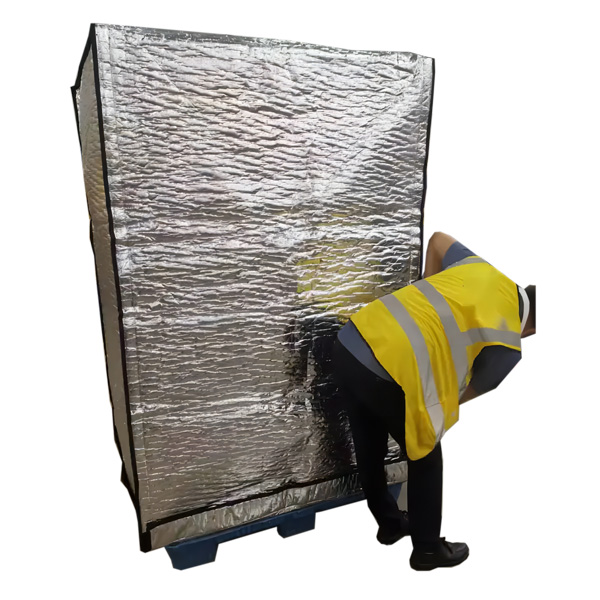
Mantas Térmicas para Pallets para Biotech: Una capa de control, No es un atajo
The safest way to buy a pallet blanket is to assume that its silver surface proves nothing. Pallet thermal blankets for biotech can slow heat movement and reduce direct environmental exposure around a load, especialmente durante la puesta en escena y los traspasos. Su contribución real depende de la construcción., adaptar, carga útil, condición inicial, desafío ambiental, e instalación. No crean refrigeración., reemplazar el embalaje calificado, o decidir si un producto sigue siendo aceptable después de una excursión. Una vez que ese límite esté claro, Un equipo de biotecnología puede utilizar mantas de forma inteligente.: asignar un trabajo limitado, construir evidencia para ello, conservar la configuración aprobada, y operar la reutilización sin perder el control de calidad.
Escriba primero el expediente de producto y carril
El comprador necesita un paquete de insumos controlado antes de solicitar muestras.. Llámelo expediente de producto y carril, resumen de embalaje, o especificación de requisitos del usuario. El nombre importa menos que el contenido y las aprobaciones..
Comience con el requisito del producto.. Registre las condiciones de almacenamiento y transporte autorizadas., Sensibilidades conocidas, como congelación o luz, cuando corresponda., orientación permitida, y qué documento controla esos hechos. No convierta una categoría biotecnológica amplia en un rango de temperatura. Reactivos de investigación, suministros clínicos, productos biológicos terminados, y los materiales celulares pueden requerir sistemas completamente diferentes.
Describe el palet. Incluir huella y altura mínima y máxima, distribución del peso, arreglo de cartón, vacíos, forma superior, envoltura elástica, correas, proyecciones, tipo de palet, etiquetas, características de manipulación, y acceso de inspección. Las fotografías de variación normal son más útiles que un dibujo perfecto por sí solo..
Mapear el carril por custodia y entorno.. Identificar el último punto de almacenamiento adecuado en origen, cada zona de preparación y transferencia, equipo controlado, Manejo de aeropuerto o terminal, riesgo aduanero, descarga, recibiendo inspección, y primer destino de almacenamiento adecuado. Marcar donde el sol directo, viento, lluvia, pisos frios, apertura frecuente de puertas, o puede ocurrir una permanencia impredecible.
Finalmente, definir la gobernanza. ¿A quién pertenece el requisito del producto?? ¿Quién aprueba el embalaje?? ¿Quién instala la manta?? ¿Quién confirma la preparación del vehículo?? ¿Quién controla el seguimiento?? ¿Quién registra los retrasos?? ¿Quién recupera los datos?? ¿Quién puede poner el producto en espera y determinar su disposición?? Una compra general no puede reparar una autoridad de decisión poco clara.
El expediente debe indicar el trabajo previsto en un lenguaje acotado.: protección suplementaria durante una transferencia específica, Mantenimiento no universal de un rango de temperatura.. También debe enumerar los escenarios excluidos., como almacenamiento incondicionado a largo plazo o una conexión perdida sin almacenamiento de recuperación.
Decide si la manta pertenece a la solución.
Utilice una jerarquía en lugar de saltar directamente del riesgo al producto.
Primero, eliminar la exposición cuando sea práctico. Coordinar la llegada del vehículo., use un muelle cerrado o con temperatura controlada, mantener el palet en almacenamiento controlado hasta su liberación, priorizar la carga, y proporcionar un lugar de recuperación aprobado. Estos cambios pueden ser más confiables que agregar aislamiento a un proceso mal controlado.
Segundo, elegir el sistema térmico principal. Dependiendo del producto y carril, que pueden ser equipos de transporte controlados, un contenedor activo, or a qualified passive shipper with a defined packout and thermal buffer. La manta para palets puede complementar este sistema., pero no debe interferir con su flujo de aire., aseguramiento, sensores, etiquetas, o operación.
Tercero, considere la manta para la exposición restante de corta duración. Puede proteger las superficies de la radiación directa., reducir el intercambio de aire, y agregar resistencia térmica. Si el evento creíble es demasiado grave o prolongado para una protección suplementaria pasiva, escalar el sistema en lugar de asignar a la manta una duración no admitida.
Cuatro, establecer seguimiento y contingencia. Un registrador puede registrar condiciones seleccionadas, mientras que los procedimientos definen la respuesta. El seguimiento es evidencia, no protección. Una alarma es información., no es un veredicto automático del producto.
Una decisión típica hace que la jerarquía sea tangible.. Una paleta de producto sale del almacenamiento aprobado para un vehículo preacondicionado a través de un muelle que ocasionalmente experimenta aire exterior.. Las operaciones primero minimizan el tiempo de preparación y verifican el vehículo.. Luego se evalúa una manta ajustada para el traslado corto.. Si el vehículo llega tarde más allá del proceso aprobado, el palet vuelve al almacenamiento controlado. La manta no sirve para justificar una espera indefinida.
Mantas térmicas para paletas de ingeniería para biotecnología en torno a modos de falla
Las cubiertas térmicas combinan superficies, aislamiento, costuras, cierres, reforzamiento, y dar forma. Su material visible es sólo una parte del diseño..
La conducción transfiere calor a través de capas y vías de contacto.. La convección mueve el calor con aire a través de espacios y alrededor de superficies.. La radiación puede calentar una superficie expuesta., particularmente a la luz del sol. La humedad puede cambiar el comportamiento del material e introducir higiene., etiquetado, y problemas de inspección. El conjunto completado debe gestionar la combinación correspondiente..
Un exterior reflectante puede reducir la ganancia radiante, pero no puede detener la conducción a través del piso o el aire caliente que ingresa a un faldón abierto.. Un núcleo aislante puede funcionar bien como muestra plana pero comprimirse en las esquinas.. Un refuerzo fuerte puede evitar desgarros y al mismo tiempo crear un puente térmico más delgado.. Un cierre seguro puede limitar las brechas pero ralentizar la inspección y alentar a los trabajadores a dejarlo parcialmente abierto..
Fit determina si estas funciones funcionan. Una manta debe cubrir las superficies previstas sin acumularse en el suelo., equipo de captura, comprimir casos, ocultar etiquetas esenciales, o montar sobre el palé. Evaluar cargas extremas y palets irregulares., no sólo la configuración promedio.
| Modo de falla contra el cual diseñar | Posibles contribuyentes | Se necesita evidencia o control |
|---|---|---|
| Las cajas exteriores cambian de condición rápidamente | mal ajuste, esquinas expuestas, capas comprimidas, baja masa térmica | Mapeo representativo de paletas y límites de ajuste |
| El producto se sobreenfría accidentalmente | Interacción inadecuada con refrigerantes o exposición severa al frío | Diseño de empaque específico para cada producto y calificación de perfil en frío |
| La manta se deja abierta después de la inspección. | Cierre difícil, etiquetas ocultas, propiedad poco clara | Ensayo de factores humanos, diseño de acceso, e instruccion de trabajo |
| La humedad permanece después del regreso. | Condensación, ingreso de costura, limpieza incompatible, mal secado | Validación o aprobación de limpieza., método de secado, y criterios de liberación |
| La configuración calificada se cambia silenciosamente | Sustitución de proveedores o versiones de activos mixtos | Dibujo controlado, código único, y cambiar notificación |
| La reclamación de reutilización falla operativamente | Pérdida de activos, contaminación, daño, o sin ruta de regreso | Registros piloto de circuito cerrado y ciclo de vida. |
Esta tabla vincula el diseño con el fracaso más que con las características atractivas.. También ayuda a priorizar la evidencia.. Si el sol directo es imposible en la ruta., La reflectancia solar puede ser menos importante que el ajuste en un muelle frío.. Si el acceso de inspección ocurre dos veces por transferencia, La usabilidad del cierre merece atención formal..
Crear una cadena de evidencia que la calidad pueda defender
Comience con el reclamo y trabaje hacia atrás. Se puede evaluar una afirmación como “agrega protección pasiva durante la transferencia de origen aprobada”. “Mantiene las temperaturas biotecnológicas” es demasiado amplio e implica una capacidad que la manta no puede poseer de forma independiente..
Selección de componentes de soporte de datos de materiales. Deberían incluir la propiedad., unidad, método, condición de la muestra, y limitaciones relevantes. Las pruebas de ensamblaje terminado muestran cómo se comporta una manta específica con una carga útil y un desafío ambiental determinados.. Las pruebas de manejo muestran si los operadores pueden reproducir la configuración. El perfilado de carriles caracteriza las condiciones ambientales y de permanencia reales. La calificación formal evalúa un sistema definido frente a criterios de aceptación aprobados.. El monitoreo operativo observa condiciones seleccionadas durante el uso..
Cada capa responde a una pregunta diferente. Un resultado de reflectancia no puede reemplazar una prueba de ensamblaje.. Una prueba de cámara no puede revelar todos los errores de transferencia. Un envío exitoso por vía no puede establecer solidez sin un protocolo. La evidencia de calidad se vuelve creíble cuando las conclusiones permanecen dentro del alcance.
El protocolo térmico debe identificar la construcción y condición exacta de la manta., carga útil representativa o sustituto justificado, disposición de paletas, estado inicial, perfil ambiental, flujo de aire y condiciones radiantes cuando sea relevante, disposición del piso o base, sensores, contexto de calibración, ubicación, intervalo de registro, duración, repeticiones, criterios de aceptación, y desviaciones. Pruebe desafíos de calor y frío cuando el carril y el producto lo justifiquen.
La guía oficial proporciona una estructura útil. WHO materials distinguish temperature-controlled transport operations, perfil de ruta, escucha, y calificación de contenedor de envío. Las buenas prácticas de distribución europeas exigen las condiciones de almacenamiento necesarias para los medicamentos durante el transporte. Las normas y programas de carga sanitaria de la IATA conectan el embalaje con la reserva, etiquetado, manejo, y documentación. ISO 21973 aborda el transporte de células para uso terapéutico. Los perfiles térmicos de ISTA admiten contextos de prueba de paquetes definidos. Ninguna de estas fuentes convierte una manta para palés no evaluada en una solución biotecnológica universal.
Preservar el significado de un pase
Un estudio pasa solo por los criterios de aceptación aprobados bajo la configuración y el desafío definidos.. No prueba que cada unidad, carga útil, ruta, estación, o la manta envejecida pasará. Registre los límites en las especificaciones y los materiales de capacitación para que el lenguaje comercial no vaya más allá de la evidencia..
Cuando ocurre un cambio, compararlo con esos límites. Producto, paleta, refrigerante, capa de manta, costura, cierre, ruta, equipo, transportador, ventana de proceso, y los cambios de sensores pueden requerir evaluación. El sistema de calidad debe determinar la acción en lugar de depender de las garantías de equivalencia del proveedor..
Traducir la calificación en un procedimiento de muelle
Incluso las evidencias térmicas fuertes se pueden contrarrestar instalando una cubierta al revés o dejándola abierta.. El procedimiento de muelle debe hacer evidente el estado aprobado..
Asignar un código de configuración que vincule la manta física al producto o servicio. En cuestión, escanea o verifica ese código. Inspeccionar si hay costuras abiertas, puntas, delaminación, fallo de cierre, humedad, contaminación, distorsión dimensional, y una identidad legible. Los activos liberados y devueltos deben estar físicamente separados.
Instalar la manta mientras el pallet permanece en el ambiente requerido siempre que el proceso aprobado lo requiera. Mostrar orientación, posición de la falda, superposición de cierre, acceso a la etiqueta, y autorización aceptable en fotografías.. Definir cuándo se puede abrir la manta y quién debe volver a cerrarla. Si la carga está restringida después de cubrirla., Confirmar que las correas no aplastan el aislamiento ni comprometen la seguridad del vehículo..
Establecer activadores de tiempo y eventos. Si la recogida se retrasa, la preparación del vehículo falla, la manta está dañada, o no se puede iniciar la monitorización, el trabajador necesita un siguiente paso claro. Eso puede ser devolver la carga al almacenamiento controlado., reemplazando el activo, contactando con la torre de control, o poner el envío en espera. No pedir a los manipuladores que deduzcan el margen térmico.
Al recibir, conservar la manta hasta el punto de retirada aprobado. Condición de registro y cualquier exposición inusual.. Recuperar datos de seguimiento según el plan.. Una decisión de calidad debe utilizar el registro completo en lugar del estado visual de la portada únicamente..
Se debe observar el entrenamiento., no sólo reconoció. Solicite a los operadores que instalen en las cargas aprobadas más altas e incómodas., utilizar etiquetas y escáneres, simular una inspección, y segregar una devolución defectuosa. Los errores revelan dónde es necesario mejorar el diseño o las instrucciones antes de la implementación comercial.
Comprar control de proveedores junto con el producto.
Un paquete de adquisiciones de biotecnología debe incluir los requisitos del usuario., dibujo terminado, construcción, tolerancias, costuras, cierre, reforzamiento, etiquetas, hechura, embalaje de entrega, documentación, y muestra de referencia aprobada. Debe identificar qué atributos son críticos para adaptarse, función térmica, limpieza, y trazabilidad.
Preguntar al proveedor cómo se controlan las materias primas y los lotes de producción., cómo se inspeccionan las dimensiones y costuras terminadas, y cómo se manejan las unidades no conformes. Solicite el contexto para los informes de prueba y confirme que el artículo cotizado coincide con la muestra analizada.. Si se requiere trazabilidad de lotes o declaraciones de materiales, especifique el nivel en lugar de pedir “cumplimiento total”.
La notificación anticipada de cambios debe cubrir características térmicas u operativas significativas.. Los ejemplos incluyen composición o fuente del material., espesor, revestimiento, adhesivo, espuma o estructura celular, método de costura, cierre, reforzamiento, dimensiones, etiquetado, y sitio de fabricación. Luego, el comprador decide si el cambio necesita revisión., comparación, o recalificación.
Los hechos comerciales deben permanecer en la cotización.. Pedido mínimo, plazo de entrega, estampación, marcado personalizado, disponibilidad de reemplazo, y el precio puede cambiar. Evalúe también el costo operativo total: cubo de almacenamiento, mano de obra de instalación, flete de regreso, limpieza, el secado, inspección, reparar, pérdida, administración, y jubilación.
Haga que la reutilización pase la misma prueba de calidad que la protección saliente
Las mantas reutilizables pueden contribuir a la eficiencia del material en circuitos cerrados adecuados, pero el bucle debe preservar la identidad y la condición.. Comience con un piloto en una ruta donde el receptor acepta devolver los activos y donde se puede controlar la limpieza y la inspección..
Seguimiento del problema, devolver, tiempo de ciclo, limpieza, motivo del fracaso, reparar, pérdida, y jubilación. Evite asignar un recuento de reutilización universal. La vida útil real depende de la construcción., manejo, contaminación, plegable, almacenamiento, limpieza, y comportamiento de ruta.
Defina el método de limpieza y confirme la compatibilidad con cada capa.. Un exterior que se pueda limpiar no demuestra que la costura o el aislamiento puedan tolerar la inmersión., calor, o productos químicos agresivos. El secado y la liberación son pasos separados.. Una manta que parece seca por fuera puede retener humedad internamente.
Las restricciones de uso cruzado deben seguir la evaluación de riesgos.. Los grupos de clientes o productos dedicados reducen el riesgo de confusión y contaminación, pero requieren más activos. Los grupos compartidos pueden mejorar la utilización pero necesitan una identidad más sólida, limpieza, y controles de asignación.
Los reclamos ambientales necesitan límites. Incluye materiales de fabricación., transporte ida y vuelta, limpieza, reparar, embalaje evitado, pérdida, y ruta al final de su vida útil. La actual regulación de envases de la Unión Europea aumenta la atención a la prevención de residuos, Reciclabalidad, y reutilizar, pero la aplicabilidad depende del formato y el flujo.. La revisión legal y los datos operativos reales son más confiables que una etiqueta verde en una hoja de datos.
Preguntas frecuentes
¿Cuánto tiempo puede permanecer un palet biotecnológico bajo una manta térmica??
Ninguna duración universal es responsable.. La respuesta depende de los criterios de aceptación del producto., condición inicial, masa térmica de carga útil, construcción de mantas, geometría de la paleta, perfil ambiental, viento, radiación, y ubicación del sensor. Utilice evidencia de prueba que coincida con el uso definido y mantenga una regla de escalamiento para retrasos más allá del proceso aprobado..
¿Puede una manta sustituir un camión frigorífico para un viaje corto??
No por suposición. Una manta pasiva no controla la temperatura ni agrega enfriamiento. Incluso un viaje corto puede incluir una exposición ambiental severa., tráfico, retrasos en la carga, y una condición inicial inadecuada. La evaluación del producto y del carril debe determinar si el equipo controlado, embalaje calificado, o ambos son necesarios.
¿Cuál es el documento de proveedor más importante??
Ningún documento es suficiente. El conjunto más útil vincula el dibujo y la construcción controlados con pruebas de prueba relevantes., controles de producción, información material, y cambiar notificación. Un certificado con una afirmación amplia pero sin muestra o contexto de prueba es menos útil que un certificado completo., expediente técnico acotado.
¿Deberían incluirse las mantas reutilizadas en las pruebas térmicas??
Si el programa aprobado se basa en activos antiguos, El condicionamiento representativo o la reevaluación pueden ser apropiados.. Plegable, abrasión, limpieza, refacción, y el desgaste del cierre puede alterar el conjunto. El protocolo debe definir qué representa la condición de envejecimiento y cómo se relaciona con las reglas de inspección y retiro en lugar de asumir que los resultados de la nueva cubierta se aplican indefinidamente..
¿Quién decide si una excursión es aceptable??
La función de calidad autorizada u otra parte designada por el propietario del producto debe tomar decisiones de disposición utilizando información de estabilidad y el proceso aprobado.. Un proveedor de logística proporciona registros y ejecuta retenciones o notificaciones.. El fabricante de la manta no debe declarar la aceptabilidad del producto basándose únicamente en el estado de la cubierta..
Conclusión: mantener cada reclamo adjunto a sus condiciones
Las mantas térmicas para palés pueden reforzar las transferencias biotecnológicas cuando la carga abandona brevemente un entorno adecuado. Su utilidad proviene de ralentizar la transferencia de calor y proteger el palet., no de crear una temperatura controlada. Requisitos del producto, equipo de transporte principal, embalaje calificado, escucha, y las decisiones de calidad siguen siendo controles distintos.
Construir el expediente, eliminar la exposición evitable, diseñar el ensamblaje completo, probar una afirmación falsificable, y traducir la configuración aprobada en un procedimiento ejecutable. Preservarlo mediante el control de cambios de proveedores y gestionar la reutilización como un circuito cerrado medido. Esa es la diferencia entre añadir una manta y añadir un control defendible..
Acerca de Tempk
Tempk is a B2B cold-chain packaging provider offering insulated pallet and thermal covers together with related temperature-controlled packaging. Ayudamos a los compradores de biotecnología a entablar debates sobre el ajuste de palés, traspasos expuestos, opciones de construcción, y manipulación reutilizable. Se deben determinar los requisitos finales de idoneidad y evidencia para el producto específico., ruta, empacar, y sistema de calidad.
Comparta sus requisitos de producto controlado, sobre de palet, mapa de carriles, restricciones operativas, y evidencia esperada con Tempk para preparar una comparación de cobertura enfocada o una revisión de muestra.
Cubiertas aislantes de tarimas para centros de distribución: Control

Cubiertas aislantes de tarimas para centros de distribución: Construya el plan de control antes de la orden de compra
Si una especificación de compra comienza con "cubierta aislante plateada,"empieza demasiado tarde. Pallet insulation covers for distribution centers should be selected only after the team defines what happens to the load between controlled locations, Qué importa el riesgo relacionado con la temperatura, y qué operadores pueden ejecutar repetidamente. La cubierta se convierte entonces en un amortiguador térmico específico., no es un vago sustituto de la refrigeración. Un programa sólido reúne seis decisiones: límite de caso de uso, ajuste de paleta, evidencia térmica, procedimiento de piso, control de proveedores, y propiedad del ciclo de vida. Dejar cualquiera de ellos sin definir puede hacer que un accesorio aparentemente simple no sea confiable en el momento exacto en que se necesita..
Dale a la portada un papel claro
El primer control es una frase que dice lo que se espera que haga la cobertura y lo que no se espera que haga.. Por ejemplo: "Esta cobertura se utiliza durante el traslado desde la sala de preparación controlada a un vehículo de salida aprobado y durante las esperas definidas en el muelle". La redacción puede variar., pero debe identificar la familia de productos, paso del proceso, condición inicial, exposición, y punto final.
Ese límite evita tres errores comunes.
Primero, El aislamiento no es refrigeración.. Una cubierta pasiva ralentiza el intercambio de calor.; no elimina calor continuamente ni recupera una paleta que comenzó fuera de su condición requerida. Segundo, el aislamiento no está monitoreando. Un registrador registra las condiciones seleccionadas, mientras que una cubierta cambia la tasa de flujo de calor. Tercero, Un componente no es un sistema térmico calificado.. Para un producto sensible, la solución completa también puede incluir un vehículo, base aislada, refrigerante, patrón de carga definido, procedimientos, escucha, evidencia de prueba, y revisión de calidad.
El límite también debe nombrar las exclusiones.. Es posible que la funda no esté homologada para espera al aire libre., almacenamiento nocturno, un movimiento de transporte de línea no refrigerado, una altura de palet diferente, o un producto con otro requisito de temperatura. Las exclusiones explícitas son útiles porque las mejoras en los almacenes a menudo se difunden de manera informal.. Una cubierta que resolvió un problema de muelle puede tomarse prestada para otro carril sin que nadie se dé cuenta de que la evidencia ya no aplica..
Utilice un lenguaje que los operadores puedan entender. "Reducir la tasa de variación de temperatura durante la transferencia aprobada" es más preciso que "mantener la temperatura". "Mantener la cubierta cerrada excepto durante el paso de escaneo indicado" es más práctico que "minimizar la exposición". El significado técnico pertenece a los documentos justificativos., pero la instrucción del piso debe guiar el comportamiento.
Encuentre la exposición que oculta el promedio del edificio
La temperatura promedio reportada para un centro de distribución rara vez describe el peor momento del pallet. Las cargas se mueven a través de microambientes.: la puerta de una cámara frigorífica, un pasillo estrecho con aire en movimiento, un carril de preparación junto a la puerta de un muelle para ciclistas, un delantal iluminado por el sol, un remolque con techo cálido, o un área de control de calidad cuyo propósito no sea el control de temperatura.
Mapear la secuencia con las personas que la realizan. Registra dónde se detiene el palet, ¿Cuánto tiempo pueden durar las excepciones?, ¿Qué lado da a la puerta?, si la carga reposa sobre un suelo cálido o frío, y cuando se abre el embalaje. Incluir rechazo de remolque, recogida tardía, falla del escáner, corrección de papeleo, inspección de seguridad, y cambio de turno. El flujo normal puede ser rápido; Las excepciones determinan si la cobertura se convierte en un amortiguador útil o en una confianza falsa..
La variación estacional importa. El desafío del calor del verano es obvio, pero un producto que no debe congelarse puede enfrentar el mismo riesgo en un muelle frío. El flujo de aire puede amplificar el intercambio de calor en la superficie incluso cuando el aire ambiente medido no parece extremo. La exposición radiante directa de la luz solar o de una superficie caliente puede afectar a un rostro más que al resto. Por lo tanto, una evaluación representativa debería examinar la dirección, duración, y secuencia, no sólo un número máximo de ambiente.
Las propiedades del producto y de la carga alteran la respuesta.. el denso, Un palet completamente cargado tiene una inercia térmica diferente a la de un palet ligero., palet parcialmente lleno. El espaciamiento de las cajas y el voladizo cambian las rutas de aire y el área de superficie. La condición inicial del producto suministra o elimina el margen.. Ninguno de estos hechos crea un cálculo universal., pero muestran qué configuraciones deben representarse cuando se genera evidencia.
El resultado del ejercicio de mapeo es un pequeño conjunto de desafíos de diseño.. Algunos ejemplos son una transferencia de rutina., una espera máxima plausible aprobada, una condición de estación fría, y un evento de apertura para la inspección requerida. Luego, un equipo puede diseñar un programa de cobertura y prueba frente a desafíos reales en lugar de un "entorno de almacén" indefinido.
Escriba un requisito de usuario que un proveedor pueda responder
El requisito debe combinar aptitud física., propósito térmico, manejo, higiene, identificación, y documentación. Evite especificar un material favorito antes de que la función esté clara.. Un proveedor puede proponer diferentes construcciones., pero cada propuesta debe responder a las mismas preguntas operativas.
Geometría y acceso
Medir palets de producción cargados, plataformas de palets no vacías. Capturar huella, altura máxima, sobresalir, tableros de esquina, envoltura elástica, perfil superior, protuberancias, y variación normal. Defina si la cubierta va sobre una tapa superior separada o una base aislada. Indique qué etiquetas, registradores de datos, códigos de casos, o los documentos deben permanecer accesibles.
Un buen ajuste no es ni ajustado ni casualmente demasiado grande.. Las cubiertas ajustadas son difíciles de aplicar y pueden rasgarse o subirse. El exceso de material puede crear huecos., arrastrar, engancharse, ocultar etiquetas, o interferir con el equipo de manipulación de materiales. Las dimensiones internas terminadas y la tolerancia de fabricación son más útiles que un nombre genérico del tamaño de la paleta..
El diseño del acceso debe reflejar hechos reales.. Si el escaneo requiere abrir un panel, el cierre debe ser repetible y la instrucción de trabajo debe definir cómo se restablece. Si se debe quitar toda la cubierta para cada inspección, El personal eventualmente improvisará. Bolsillos para documentos, ventanas claras, y los colgajos pueden ayudar, pero deben ser revisados para su limpieza, durabilidad, y continuidad del aislamiento.
Construcción térmica
Pregunta por el arreglo de capas completo, frente a, aislamiento, costuras, refuerzos, cierre, y tratamiento base. Las propiedades de los materiales son útiles cuando sus condiciones de prueba son visibles., sin embargo, no pueden reemplazar la información de rendimiento de la portada terminada..
El calor entra o sale por conducción., movimiento de aire, y radiación. El aislamiento fibroso o celular puede retardar las rutas conductoras. Los cierres y las esquinas comprimidas pueden evitarlos.. Las superficies reflectantes pueden reducir la transferencia radiante cuando se usan en una geometría que incluye un espacio de aire apropiado; una superficie brillante por sí sola no es un reclamo de tiempo de espera. Los fondos y aberturas sueltos pueden permitir el intercambio de aire.. La especificación debe hacer que los proveedores aborden todos estos caminos..
Compatibilidad del suelo
Indique el método de aplicación esperado., masa máxima de cobertura segura si la organización dispone de una, altura de elevación aceptable, interacción con montacargas, restricciones del transportador, necesidades antiestáticas u otras necesidades específicas del sitio, enfoque de limpieza, y método de almacenamiento. Estos requisitos deben provenir de la seguridad de las instalaciones., ingeniería, higiene, y personal de calidad. No inferirlos de una hoja de material térmico..
Identificación y control de suministro.
Definir marcas visibles de tamaño y orientación., propiedad, señales de estado del producto, y cualquier código de barras o identificador de activo. Luego requiere un dibujo o especificación controlada que vincule esas características con la construcción.. Establecer qué material, dimensión, costura, adhesivo, cierre, y los cambios de proceso requieren notificación o aprobación.
Utilice evidencia de decisión, No es un número de rendimiento genérico
La afirmación de que una cobertura “funciona durante un determinado número de horas” no tiene sentido sin sus condiciones. El resultado relevante está vinculado al estado inicial del producto., contenido del palet, geometría, perfil ambiental, condición básica, solicitud, aberturas, plan de sensores, y criterio de aceptación. Cambie esas entradas y el resultado puede cambiar.
Construya una prueba en torno a una decisión. Si la decisión se refiere a una espera en muelle aprobada, representar ese proceso con una carga y un desafío justificados. Si la decisión se refiere a la equivalencia de proveedores, comparar unidades controladas con intención de producción bajo el mismo protocolo. Si la preocupación es la variación del operador, incluir operadores capacitados que apliquen la cubierta en lugar de crear una instalación de laboratorio perfecta.
| Decisión del programa | Evidencia que lo respalda | Dueño de la decisión | Respuesta cuando faltan pruebas o fallan |
|---|---|---|---|
| La cubierta se adapta a los patrones de paletas aprobados | Cargas medidas, muestra de intención de producción, prueba documentada de ajuste y manejo | Ingeniería de embalaje y operaciones de almacén. | Revisar dimensiones o restringir la lista de carga aprobada. |
| La cubierta proporciona el amortiguador térmico previsto. | Protocolo térmico preaprobado con carga representativa., exposición, solicitud, sensores, y criterios | Propietario del producto o calidad con soporte técnico. | Rediseñar, cambiar el proceso, o utilice un control activo/refrigerado adecuado |
| El personal puede aplicarlo consistentemente | Aplicación observada, instrucción de trabajo, retroalimentación de entrenamiento, revisión de excepción | Operaciones de almacén | Simplifique el diseño o el flujo de trabajo antes del lanzamiento |
| Las unidades reutilizables permanecen aptas para el servicio | Evaluación de limpieza, criterios de defecto, reglas de inspección y reparación | Calidad, higiene, y propietario de activos | Cuarentena, reparar bajo un método aprobado, o retirar la unidad |
| La producción sigue siendo equivalente a las muestras aprobadas. | Especificación controlada, cheques entrantes, acuerdo de cambio de proveedor | Adquisiciones y calidad | Retener el suministro afectado y realizar una revisión de cambios |
Este marco asigna una persona a cada conclusión.. También evita que el informe de la prueba térmica se convierta en la respuesta a preguntas no relacionadas, como la capacidad de limpieza o la recuperación.. La evidencia faltante debería producir una acción definida, no es una interpretación de marketing más amplia.
Las cámaras controladas y las evaluaciones de campo tienen valor. Una cámara puede crear una exposición repetible para comparaciones. Una evaluación de campo captura puertas, movimiento, congestión, y comportamiento real. Ninguno de los dos es universalmente suficiente. El plan de prueba debe explicar por qué el método elegido representa la decisión y dónde no..
ISTA 7E proporciona perfiles térmicos para probar productos empaquetados individuales que se mueven a través de sistemas de entrega de paquetes. Puede informar un estudio cuando ese entorno es relevante., but it is not universal validation for a pallet cover or every freight lane. La distribución farmacéutica también puede utilizar los principios de calificación del sistema de envío y perfiles de ruta descritos en la Organización Mundial de la Salud y en las directrices de la industria.. El equipo técnico debe seleccionar y justificar el método en lugar de poner un nombre estándar a una prueba inigualable..
La colocación del sensor requiere la misma disciplina. Un punto en el centro puede responder lentamente y pasar por alto un borde expuesto.. Un sensor en la superficie de la cubierta puede reflejar la influencia ambiental en lugar de la condición del producto.. Utilice ubicaciones que aborden el riesgo y documenten la identidad del dispositivo., estado de calibración, configuración de registro, y tratamiento de datos. Condiciones de los registros de seguimiento; no aumenta la protección térmica.
Convierta el diseño aprobado en controles de almacén
Un programa de cobertura necesita un flujo de estado, no solo un cartel de solicitud. Definir cómo una unidad pasa del almacenamiento limpio al uso., manos libres, devolver, inspección, limpieza, cuarentena, reparar, y jubilación.
Antes de usar, el operador confirma el tipo de cubierta correcto e inspecciona las características funcionales: continuidad del aislamiento donde sea visible, costuras, cierre, frente a, identificación, limpieza, sequedad, y dar forma. Una lista de defectos debe distinguir las marcas cosméticas de los daños que pueden afectar el rendimiento térmico o higiénico.. "Úselo si se ve bien" no es un criterio repetible.
El producto debe ingresar a la etapa cubierta bajo las condiciones requeridas.. El operador aplica la cubierta en su orientación especificada., cierra la parte inferior y accede a las funciones, confirma las etiquetas requeridas y monitorea, y registra el activo o lote si el proceso lo requiere. El palet cubierto permanece sujeto a los límites de preparación aprobados.. La cobertura nunca debe interpretarse como almacenamiento ambiental ilimitado..
Los traspasos necesitan un propietario designado. Si el transportista retiene la funda sobre el palet, el transportista debe saber si se puede abrir, donde se elimina, y quien protege la carga después. Si se retira la cubierta en el muelle, El equipo debe definir el punto de eliminación seguro más temprano.. El personal de recepción debe saber que una apariencia aislada no prueba que la carga cumpla con las especificaciones..
Las reglas de excepción protegen la calidad de las decisiones. Cuando una espera excede la condición aprobada, un cierre se encuentra abierto, falta seguimiento, o la cubierta está dañada, El personal debe mover la carga al estado seguro especificado., preservar registros, y notificar a la función responsable. La disposición del producto pertenece al proceso aprobado de la organización y a los expertos relevantes.; no debe improvisarse a partir de un reclamo de proveedor.
Para medicamentos, La guía de buenas prácticas de distribución aplicable puede requerir que se mantengan condiciones de almacenamiento definidas durante el transporte y que se documenten controles de apoyo.. Para alimentos dentro del alcance de la norma de Transporte Sanitario de la FDA, Las responsabilidades pueden incluir vehículos y equipos apropiados., saneamiento, Control de temperatura cuando sea necesario por seguridad., comunicación, capacitación, y registros. Estas obligaciones son responsabilidades del sistema.. La cubierta los soporta sólo dentro de su función aprobada..
Compre el proceso de producción y la muestra
La mejor muestra en un evento de abastecimiento tiene poco valor si las unidades de producción varían o los materiales cambian sin revisión.. El departamento de adquisiciones debe preguntar cómo controla el proveedor las dimensiones terminadas., colocación del aislamiento, costuras, cierres, impresión, y defectos visuales. Cualquier evidencia térmica debe ser rastreable hasta la misma revisión de construcción que se cotiza..
Solicitar suficientes unidades de intención de producción para evaluar la variación normal. Una muestra de material plano no puede demostrar el ajuste de las esquinas., calidad de la costura, acceso a la etiqueta, o esfuerzo del operador. Inspeccione también el embalaje entrante. Las cubiertas comprimidas o dobladas incorrectamente para el envío pueden llegar con arrugas, cierres dañados, o aislamiento no recuperado.
Las discusiones con los proveedores deben separar los hechos de las preguntas.. Composición de materiales, dibujo aprobado, y las dimensiones medidas pueden ser hechos documentados. La duración térmica de la ruta del comprador puede seguir siendo una incógnita hasta que se pruebe. La vida de limpieza puede seguir siendo específica del sitio hasta que la instalación evalúe sus productos químicos y su proceso.. Cantidad mínima de pedido, plazo de entrega, impresión personalizada, piezas de repuesto, y los términos comerciales deben confirmarse para el proyecto real en lugar de informarse como valores fijos de la industria..
El control de cambios merece una cláusula, no es una solicitud informal. Una película enfrentada, grado de bateo, densidad de la espuma, adhesivo, superposición de costura, hilo, o el cierre puede afectar el ajuste, manejo, respuesta a la humedad, o rendimiento térmico incluso si la apariencia exterior es similar. Definir el período de notificación y la ruta de revisión apropiados para el sistema de calidad del comprador.. La inspección entrante puede luego verificar características críticas sin intentar recrear el control de fabricación del proveedor..
Haga de la reutilización un bucle administrado
Las cubiertas reutilizables pueden apoyar la eficiencia de los materiales cuando la red de distribución las recupere, los mantiene funcionales, y los usa repetidamente. La durabilidad por sí sola no crea ese resultado. Un sobre enviado a una red abierta sin custodia sólo podrá completar un movimiento.
Elige un modelo de propiedad: piscina local, circuito cerrado de socios, devolución del cliente, o servicio gestionado cuando esté disponible. Definir identificación, contenedor de retorno, transporte, recibiendo inspección, limpieza, el secado, almacenamiento, reparar, y responsabilidad por perdida. Pilota estos pasos junto con la función térmica..
Realice un seguimiento de los usos completados y acondicione los resultados. El lenguaje de diseño-vida es menos útil que el registro de emisiones emitidas por la instalación., regresó, aceptado, reparado, rechazado, y unidades faltantes. Un modelo de costo del ciclo de vida puede entonces incluir la adquisición., mano de obra de aplicación, movimiento inverso, limpieza, inspección, reparar, almacenamiento, pérdida, y fin de la vida. Divida entre usos completos aceptados solo después de que los datos reales estén disponibles.
La comparación medioambiental debería abarcar todo el ciclo de vida.. El marco de gestión de materiales sostenibles de la EPA fomenta el uso productivo de materiales en toda la producción., usar, y fin de la vida. Para una funda de palet, Eso significa examinar la cantidad y composición del material., fabricación y embalaje de entrada, protección térmica del producto, operaciones de reutilización, transporte, limpieza, y eliminación o recuperación. Un solo atributo, como el contenido reciclado o la reciclabilidad, no puede responder toda la pregunta..
Las normas europeas sobre embalaje también prestan mayor atención a la prevención, reutilizar, Reciclabalidad, e información. El Reglamento de la UE sobre envases y residuos de envases comienza a aplicarse de forma escalonada a partir de agosto 12, 2026. Su efecto preciso depende de la clasificación., geografía, role, y detalles de implementación. Los equipos de adquisiciones que prestan servicios en la UE deben verificar las obligaciones actuales para su cobertura y flujo específicos en lugar de copiar una declaración de cumplimiento general en una especificación..
La planificación del final de uso debe ser local. Los artículos multicapa pueden ser difíciles de separar, y es posible que no se acepte un componente teóricamente reciclable cuando se lamina, contaminado, o de gran tamaño. Pregunte al proveedor de residuos o recuperación previsto qué puede procesar realmente. Si no existe ninguna ruta, Dígalo claramente y use esa información en la revisión del diseño..
Revise el programa cuando cambie la red
La aprobación está condicionada a un producto y proceso definidos.. Es necesario revisar las dimensiones de la paleta., mezcla de productos, densidad de carga, condiciones iniciales, disposición del muelle, transportador, carril, vehículo, producto químico de limpieza, construcción de cubierta, o cambios en los requisitos reglamentarios. La revisión puede concluir que la evidencia existente sigue siendo aplicable., pero esa conclusión debe documentarse.
Los datos operativos pueden revelar señales de alerta temprana. Los desgarros repetidos en las esquinas pueden indicar un saliente o un problema con la calidad del pallet. Los cierres abiertos a la llegada pueden indicar una necesidad de acceso o una formación deficiente. El lento retorno puede crear escasez de inventario que empuje al personal hacia alternativas no aprobadas. La humedad encontrada después del almacenamiento puede indicar un secado inadecuado.. Estas señales conectan el diseño físico con el rendimiento del proceso..
No utilice registros de temperatura como un cuadro de mando simplista para la portada.. La temperatura del producto refleja muchos factores., incluyendo refrigeración, exposición, carga, estado inicial, colocación del sensor, y manejo. Investigar tendencias con los límites del sistema intactos. De lo contrario, un movimiento refrigerado exitoso puede ocultar una cubierta mal aplicada, o un evento de equipo no relacionado puede atribuirse a la portada.
Una revisión interfuncional periódica puede cubrir las desviaciones, daño, recuperación, limpieza, cambios de proveedor, observaciones de entrenamiento, y si el caso de uso se ha expandido. El objetivo no es el papeleo por sí solo. Es mantener la afirmación del producto alineada con lo que realmente está haciendo el centro de distribución..
Preguntas frecuentes
¿Qué información se debe enviar primero a un proveedor de cubiertas para palets??
Proporcionar dimensiones y variaciones de paletas cargadas., fotografías o dibujos, sensibilidad del producto, la condición de operación requerida, estado inicial, secuencia de manipulación, exposición probable, necesidades de acceso, plan de limpieza, modelo de reutilización, y expectativas de evidencia. Separe los requisitos confirmados de las preguntas abiertas. Esto le da al proveedor un problema de diseño real en lugar de una invitación a cotizar un tamaño genérico..
¿Cómo puede un comprador comparar dos cubiertas sin un índice de aislamiento universal??
Comparar construcciones controladas bajo un mismo protocolo representativo. Mantener carga útil, condición inicial, exposición ambiental, base, solicitud, aberturas, plan de sensores, y criterios de aceptación consistentes. Comparar también el ajuste, manejo, daño, limpieza, identificación, control de suministro, y costo total de operación. El valor del material por sí solo no puede clasificar de forma fiable dos sistemas de palets terminados.
¿Cuándo no basta con una funda para palé??
Una cobertura no es suficiente cuando la condición requerida no puede protegerse mediante la exposición prevista con pruebas y controles justificados.. Exposición ambiental prolongada o severa, una carga que comienza fuera del requisito, una necesidad de recuperación activa, o el manejo altamente variable puede requerir equipo refrigerado, un contenedor activo, refrigerante, un sistema pasivo cualificado, o una ruta rediseñada.
¿Se puede considerar que una cubierta cumple con los requisitos después de pasar una prueba térmica??
No en un sentido universal. Un resultado térmico respalda una decisión de rendimiento definida en condiciones establecidas. El cumplimiento también puede depender de los requisitos del producto., equipo, saneamiento, procedimientos, escucha, capacitación, archivos, calificación, control de cambios, y reglas locales. Los equipos de calidad y regulatorios deben determinar qué respalda el resultado para la operación específica..
¿Qué hace que valga la pena ampliar un piloto de cubierta reutilizable??
Un piloto útil muestra más que rendimiento térmico. Demuestra una aplicación consistente, identificación intacta, manejo aceptable, recuperación, inspección, limpieza y secado, almacenamiento, decisiones de defecto, y un modelo de propiedad viable. Escale solo después de que la organización comprenda tanto la protección del producto como los recursos necesarios para mantener el circuito funcionando..
Conclusión
Un programa confiable de cubiertas aislantes de pallets para centros de distribución comienza con el plan de control. Definir un uso, mapear la exposición real, especificar el ensamblaje terminado, y generar evidencia en torno a una decisión real. Asignar propiedad para la aplicación, manos libres, excepciones, cambios de proveedor, limpieza, y reutilizar. Mantener protección térmica, escucha, refrigeración, y calificación como conceptos separados que trabajan juntos cuando el riesgo los requiere. Cuando estos límites son claros, una cubierta aislada puede ser un amortiguador práctico para el centro de distribución en lugar de una promesa no probada adjunta a una plataforma.
Acerca de Tempk
Tempk supports B2B cold-chain packaging projects with offerings that include insulated pallet and thermal covers and related temperature-controlled packaging. Podemos utilizar la geometría de su palet., secuencia operativa, exposición esperada, y plan de reutilización para enmarcar una discusión práctica sobre el producto. La elección correcta aún depende del sistema final, evidencia representativa, y los controles requeridos por tus equipos de logística y calidad; No se debe suponer que ninguna construcción de cubierta sea adecuada para cada carril..
Comparta sus requisitos de usuario o una descripción del recorrido del palé con Tempk antes de realizar el pedido a escala. Podemos ayudarle a comparar opciones de cobertura relevantes mientras su equipo conserva las decisiones finales de calificación y cumplimiento..
Cubiertas aislantes para paletas para la gestión de la cadena de suministro: Libro de jugadas
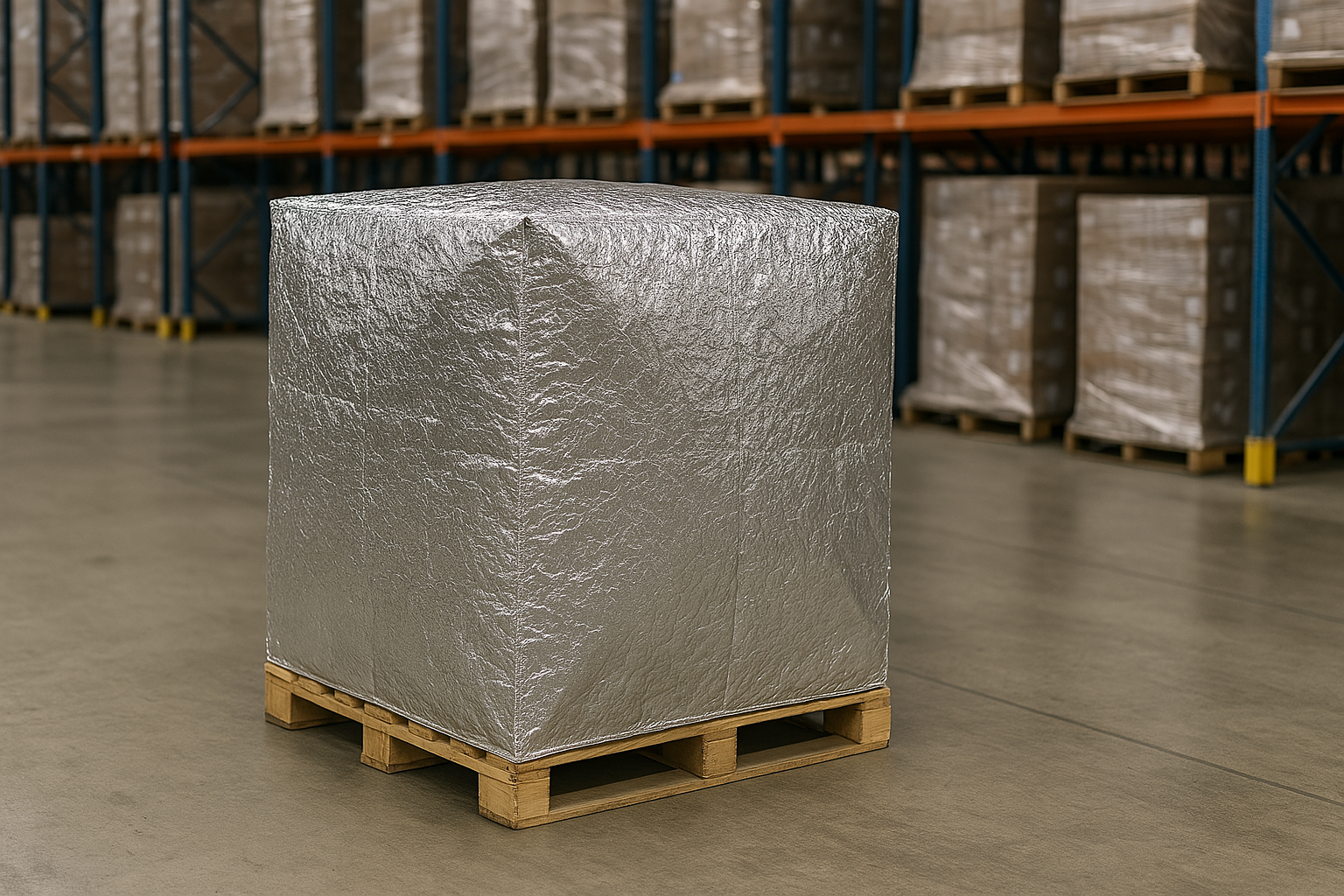
Cubiertas aislantes para paletas para la gestión de la cadena de suministro: Un libro de jugadas de entrada al escenario
Una cubierta aislante para palés es fácil de comprar y sorprendentemente fácil de administrar mal. Puede ser del tamaño equivocado, aplicado después de que la carga ya esté caliente, abierto para cada escaneo, se deja donde se necesita flujo de aire, o abandonado en el destinatario a pesar de ser llamado reutilizable. Insulated pallet covers for supply chain management need a governance model as much as a material specification. El modelo más eficaz hace explícitas cinco decisiones: la exposición está siendo controlada, el límite térmico, la evidencia requerida, el propietario en cada entrega, y la regla para el cambio. Este artículo presenta un método de etapa que conecta esas decisiones desde la definición inicial del problema hasta la implementación escalada..
Puerta uno: Demuestre que el problema es un problema de cobertura
Comience con evidencia de la operación.. Revisar los hitos del envío, habitar en el muelle, registros de temperatura cuando estén disponibles, investigaciones de desviaciones, comentarios del operador, y observaciones de los equipos del almacén. El objetivo es identificar cuando la protección del producto se debilita, no demostrar que un producto solicitado es necesario.
Una cubierta es un control plausible cuando una carga unitaria correctamente acondicionada enfrenta una exposición externa temporal y la cubierta se puede aplicar sin interrumpir otro control.. Los candidatos típicos incluyen la transferencia entre áreas controladas., movimiento corto al aire libre, acceso de inspección, cross-docking en entornos mixtos, y colas de recepción.
Otros problemas exigen acciones diferentes. Si el producto comienza fuera de su condición requerida, El aislamiento conserva la condición incorrecta.. Si un contenedor activo falla, una manta no puede reemplazar su capacidad de enfriamiento. Si los pallets pasan horas en un muelle porque los horarios no están controlados, El rediseño del proceso puede ofrecer más protección.. Si la carga necesita un flujo de aire refrigerado continuo, dejarlo envuelto puede ser contraproducente.
Escribe un enunciado del problema que pueda ser cuestionado.:
“Un palé liberado en las condiciones iniciales requeridas experimenta una exposición incontrolada definida entre dos controles de temperatura nombrados. Estamos evaluando si una cubierta pasiva instalada puede reducir esa exposición sin interferir con el manejo., flujo de aire, acceso, o revisión de calidad”.
La declaración evita la desviación del alcance. También proporciona a finanzas y adquisiciones una razón clara para el proyecto..
Puerta dos: Diseñar el límite y el flujo de trabajo juntos
El límite térmico incluye paneles., costuras, cierres, arriba, lados, y posiblemente la base. El flujo de trabajo incluye a la persona que instala la cubierta., el tiempo disponible, la etiqueta que debe ser escaneada, el equipo que mueve el palet, y el evento que desencadena la eliminación. Diseñar uno sin el otro genera fracaso.
Opciones de límites
Especificar longitud interna utilizable, ancho, y altura en función de las cargas de producción reales. incluir voladizo, correas, tableros de esquina, protuberancias, y variación aceptable. Indique si la parte superior está integrada., separado, o superpuestos. Decida cómo se une el borde inferior con el palet y si se requiere un componente base.
Describir capas funcionales en lugar de aceptar un nombre de material genérico. La cara exterior puede proporcionar resistencia a la abrasión o la humedad y puede gestionar el calor radiante.. El aislamiento ralentiza el flujo de calor conductivo.. El revestimiento protege el núcleo y afecta la fricción y la limpieza.. Costuras y cierres se unen al sistema pero pueden convertirse en vías térmicas o de humedad..
Una cara reflectante no es un enfriamiento activo.. A NOSOTROS. La guía del Departamento de Energía sobre barreras radiantes explica que las superficies reflectantes reducen la transferencia radiante cuando se enfrenta a un espacio aéreo.. en una paleta, Ese principio es relevante para el sol y los entornos calurosos, pero no elimina las fugas de aire caliente o el contacto conductor..
Opciones de flujo de trabajo
Observa cómo se mueve un palet antes de elegir puertas, solapas, ventanas, o cierres. Un bolsillo para documentos puede impedir una apertura completa.. Una solapa de escaneo puede ayudar en un centro, pero se convierte en un punto problemático durante el manejo de una carretilla elevadora.. Una cubierta más pesada puede agregar resistencia térmica pero requiere dos operadores y más espacio de almacenamiento..
Definir la secuencia: liberar, identificar el tamaño correcto, aplicar, cerca, escanear, iniciar la exposición, Entregar, eliminar, inspeccionar, y disposición. Agregar una secuencia de excepción para el retraso, daño, cubierta faltante, cubierta mojada, y cambio de ruta. La secuencia se convierte en un insumo de diseño y luego en una herramienta de capacitación..
Puerta tres: Crear una escalera de evidencia
No todos los envíos necesitan la misma profundidad de estudio. Relacionar la evidencia con el riesgo del producto, exposición, impacto empresarial, y la novedad del uso. Una escalera de evidencia evita pruebas insuficientes y complejidad innecesaria.
Paso A: Evaluación de documentos de proveedores.. Revisar la descripción del producto controlado., dimensiones, materiales, uso previsto, datos de prueba existentes, guía de limpieza, y limites. Separar las propiedades de la materia prima del rendimiento de la cubierta terminada.
Paso B: Evaluación de ajuste operativo. Representante de prueba y paletas aceptables en el peor de los casos. Observar el tiempo de aplicación., cierre, acceso, ergonomía, interacción con montacargas, identificación, eliminación, plegable, y almacenamiento.
Paso C: Evaluación térmica controlada. Utilice una carga útil representativa o un simulador justificado., condición inicial documentada, exposición ambiental relevante, equipo de medición adecuado, y análisis predefinido. Comparar con una línea de base significativa si la decisión lo requiere.
Paso D: Piloto de proceso. Ejecute la portada a través del origen nombrado., transportador, centro, y eventos de destino. Incluir la ruta de retorno para productos reutilizables.. Revisar la ejecución normal y al menos el manejo de excepciones que se puede practicar de forma segura..
Paso E: Calificación dentro del sistema de calidad del propietario.. Cuando el riesgo o la regulación del producto requieren una calificación formal, el propietario del producto determina el protocolo, criterios de aceptación, aprobaciones, y control de cambios. El informe del proveedor de cobertura puede respaldar pero no reemplaza esa responsabilidad..
La evidencia debe mantener sus límites. ISTA 7E is a standardized thermal test for insulated transport packaging in parcel delivery systems. No debe presentarse como validación automática para una cubierta de palet en cada aire., océano, camión lleno, o carril de almacén. Los métodos estándar son valiosos cuando su alcance coincide con el uso.; La información específica del carril aborda diferentes incertidumbres..
El seguimiento también es independiente.. Un registrador de datos registra la temperatura donde se encuentra su sensor. No aísla el palet, y una cubierta aislada no crea un récord de temperatura. Decidir el seguimiento en función del producto y los requisitos de calidad..
Puerta cuatro: Asignar propiedad en cada interfaz
La portada cruza líneas organizativas, mientras que la rendición de cuentas a menudo termina en la puerta del almacén. Un mapa de responsabilidad evita que el control físico quede sin dueño.
| Punto de proceso | Decisión primaria | Prueba o registro | Activador de escalada |
|---|---|---|---|
| Lanzamiento del producto | ¿Está el palet en su estado inicial aprobado?? | Registro de liberación bajo el proceso aplicable | La carga no está lista o el estado no está claro |
| Problema de portada | ¿Está disponible el diseño y la condición correctos?? | Emisión de activos o existencias e inspección visual | Tamaño incorrecto, húmedo, dañado, o cobertura no aprobada |
| Solicitud | ¿La cobertura está completa y el acceso es correcto?? | Evento de escaneo o verificación del operador | El cierre no puede encajar o el palet excede los límites |
| Entrega de transportista | ¿La siguiente parte acepta las instrucciones de uso?? | Instrucción de envío o registro de entrega acordado | El transportista no puede mantener el manejo planificado. |
| Retraso o inspección | ¿Puede continuar la exposición cubierta?? | Registro de tiempo y excepción | Se excede la permanencia o condición revisada |
| Recepción | ¿La información del envío es suficiente para su disposición?? | Temperatura, condición, y revisión de recibos según sea necesario | Daño, datos faltantes, u otra preocupación de aceptación |
| Devolución de la cubierta | ¿El activo está contabilizado y segregado por estado?? | Estado de inspección y escaneo de devolución | Desaparecido, contaminado, húmedo, o artículo irreparable |
La tabla no impone un modelo regulatorio. Hace visibles las decisiones para que cada organización pueda colocarlas en sus propios contratos., instrucciones de trabajo, acuerdos de calidad, o niveles de servicio. La responsabilidad debe confirmarse con proveedores de logística externos antes del lanzamiento., especialmente donde se abrirán, eliminar, almacenar, o fundas de devolución.
Las cadenas de suministro de alimentos y medicamentos pueden tener obligaciones adicionales. Dentro de su alcance, la norma de transporte sanitario de la FDA se refiere a los vehículos, operaciones de transporte, capacitación, archivos, y riesgos como refrigeración inadecuada y contaminación. Las buenas prácticas de distribución europeas abordan los controles de distribución de medicamentos en su jurisdicción. Una cobertura puede respaldar un proceso aprobado, pero la “cobertura conforme” es demasiado amplia a menos que se definan una reclamación precisa y un requisito aplicable..
Puerta cinco: Convierta la muestra aprobada en un suministro controlado
La aprobación de la muestra debe crear una línea base de producción.. Mantenga un dibujo o especificación que cubra la construcción de capas funcionales., dimensiones y tolerancias utilizables, costuras, cierres, superposición, funciones de acceso, etiquetado, peso si es relevante, y embalaje para la entrega. Conserve una muestra aprobada cuando sea práctico..
Definir cheques entrantes según el riesgo. Visual, dimensional, y la inspección funcional puede confirmar la identidad, tamaño, cierre, condición de la costura, defectos superficiales, etiqueta, y en forma. Se pueden realizar pruebas más exhaustivas mediante cambios o revisiones periódicas.. La inspección debe detectar diferencias significativas en lugar de generar papeleo sin una decisión..
El control de cambios de proveedores necesita un umbral definido. Sustitución de una película exterior, aislamiento, hilo, vinculante, adhesivo, cierre, o el método de fabricación puede afectar el comportamiento térmico, rigidez, limpieza, adaptar, o durabilidad. Solicitar notificación de cambios potencialmente significativos y decidir si la respuesta es una revisión de documentos., aprobación de muestra, prueba de ajuste, o reevaluación térmica.
La coherencia en la producción también incluye el etiquetado.. Una cubierta reutilizable necesita un identificador duradero y una revisión del diseño que permanezcan legibles durante la limpieza y manipulación previstas.. Una cubierta unidireccional necesita un tamaño y una orientación claros para que se aplique correctamente. Evite imprimir afirmaciones de cumplimiento o rendimiento no respaldadas en el producto.
Operación de una piscina de cubierta reutilizable
Una piscina de cubierta reutilizable es un pequeño sistema de activos retornables. Necesita reglas de inventario., control de estado, logística inversa, capacidad de limpieza, reparar los límites, y responsabilidad por pérdidas.
Cree áreas físicas distintas para el stock limpio disponible, stock devuelto no inspeccionado, artículos mojados, candidatos a reparación, y cubiertas retiradas. El estado digital debe reflejar esas áreas. Una portada no debería estar disponible simplemente porque fue escaneada en el almacén.; estará disponible después de la inspección requerida, limpieza, y secado.
La identificación de la cubierta permanente debe estar separada de la identidad del envío del pallet.. Los estándares GS1 apoyan la identificación de unidades logísticas como paletas; La funda reutilizable puede tener su propio código de activo que se asocia temporalmente con un envío.. Esto permite que una cubierta sirva para muchos palés sin alterar la trazabilidad del producto..
Planificar el inventario utilizando el tiempo del ciclo observado, no solo la duración del viaje. Una funda puede pasar tiempo esperando en origen, en tránsito, en destino, en transporte de regreso, en limpieza, y en almacenamiento. Agregar reservas realistas para el volumen y el desequilibrio estacional. Si la ruta no puede recuperar activos de manera confiable, Reconsiderar el formato antes de comprar una gran flota reutilizable..
Los criterios de reparación y retiro deben ser visibles. Costuras abiertas, cierres fallidos, aislamiento húmedo, delaminación, Contaminación que no se puede eliminar., ajuste distorsionado, y los parches no aprobados pueden crear riesgos. El proveedor puede recomendar métodos de reparación compatibles para daños limitados.. No asuma un recuento fijo de reutilización a menos que la evidencia cubra las condiciones reales de limpieza y manipulación..
Medición de costos y sostenibilidad sin atajos
El precio unitario responde sólo a una parte del caso de negocio.. Para una cobertura unidireccional, considerar la adquisición, almacenamiento, mano de obra de aplicación, manejo de destino, y disposición de materiales. Por un sistema reutilizable, agregar identificación, transporte de regreso, clasificación, limpieza, el secado, reparar, pérdida de activos, inventario de trabajo, y gestión.
Utilice escenarios en lugar de un único pronóstico optimista. Una ruta cerrada con un backhaul confiable puede respaldar una alta utilización de activos. Es posible que una red internacional fragmentada no. Los datos piloto deberían reemplazar las suposiciones sobre pérdidas, tiempo de ciclo, y mano de obra tan pronto como esté disponible.
La evaluación ambiental necesita la misma disciplina. El enfoque de gestión de materiales sostenibles de la EPA considera el uso productivo de los materiales durante todo el ciclo de vida.. La reutilización puede reducir la fabricación repetida, pero también crea actividad de retorno y limpieza.. Una comparación creíble define la unidad funcional, límite del sistema, giros esperados, pérdida, y tratamiento al final de la vida. La experiencia especializada en el ciclo de vida puede ser apropiada para reclamos públicos.
El Reglamento de Envases y Residuos de Envases de la Unión Europea generalmente comienza a aplicarse a partir de 12 Agosto 2026 y aborda el diseño de envases, composición, Reciclabalidad, reutilizar, y prevención de residuos a través de disposiciones con diferentes alcances y calendarios. Las empresas que operan en la UE deben revisar las directrices oficiales actuales y obtener asesoramiento legal o regulatorio para su función específica y formato de cobertura.. Las especificaciones de adquisiciones deben ser capaces de evolucionar a medida que se desarrollan los detalles de implementación..
Operación de cubiertas de paletas aisladas para la gestión de la cadena de suministro a escala
Después del despliegue, medir lo que el programa puede observar responsablemente. Los indicadores operativos útiles pueden incluir la aplicación correcta., activos faltantes, tipo de daño, cambio de limpieza, selección de tamaño incorrecto, aperturas no planificadas, entregas retrasadas, y respuesta de excepción. La revisión de los eventos de temperatura puede contribuir, pero debe respetar los procedimientos de medición y disposición del producto..
buscar patrones. Los desgarros repetidos en las esquinas pueden indicar un problema de diseño o de voladizo de la plataforma.. Una pérdida elevada en un destinatario puede indicar una propiedad poco clara. Las largas colas de limpieza pueden indicar una capacidad de secado insuficiente. El acceso frecuente a las etiquetas puede justificar el rediseño de una solapa. Estos hallazgos mejoran el sistema sin requerir afirmaciones térmicas exageradas..
Realizar una revisión de cambios cuando el producto, paleta, ruta, sitio, transportador, vehículo, exposición, regulación, material de la cubierta, o el proceso de limpieza cambia materialmente. Decidir si la evidencia original todavía se aplica. Un pequeño cambio administrativo puede no requerir prueba; una nueva carga útil o clima puede requerir más.
Documentar el retiro del diseño anterior cuando se realicen revisiones.. Las versiones mixtas pueden confundir a los trabajadores y dificultar la interpretación de las pruebas.. Las grandes marcas de revisión visibles y las fechas de implementación controladas pueden ayudar.
Preguntas frecuentes
¿Quién debería tener un programa de cobertura de tarimas aisladas??
La propiedad suele ser compartida., pero una función debe coordinar. La logística puede poseer el flujo de trabajo, ingeniería de embalaje el diseño, calidad los requisitos y evidencia del producto, adquisición del proveedor, y ejecución de operaciones de almacén. Los equipos de finanzas y sostenibilidad pueden revisar las reclamaciones de costos y ciclo de vida. Definir derechos de decisión en lugar de asumir que la colaboración se producirá automáticamente.
¿Cuál es la diferencia entre un piloto de cobertura térmica y una calificación??
Un piloto prueba el uso práctico en una ruta o volumen limitado. Puede revelar ajuste, Entregar, seguimiento, y problemas de devolución. La calificación es un plan, Demostración documentada de los requisitos predeterminados del sistema de calidad pertinente.. Un piloto puede proporcionar evidencia de calificación., pero los términos no son intercambiables y el alcance depende del producto y la organización..
¿Puede una cubierta de palet corregir una excursión de temperatura??
No. Una cubierta pasiva ralentiza la transferencia de calor.; no enfría ni calienta activamente el producto para que vuelva a estar en condiciones. Si se sospecha una excursión, Seguir el proceso establecido de disposición del producto y calidad.. No cubra el palet y asuma que el evento se ha revertido..
¿Cómo se debe formar a un proveedor de logística externo??
Proporcionar el uso previsto., tamaño y orientación correctos, pasos de solicitud y cierre, acceso a escaneo, punto de eliminación, retrasar la escalada, manejo de daños, y proceso de devolución. Utilice imágenes y una demostración práctica.. Confirmar la responsabilidad en documentos operativos o acuerdos adecuados a la relación., luego observe la ejecución temprana.
¿Cuándo se debe recalificar o volver a probar el diseño de la portada??
Considere la posibilidad de revisar después de cambios significativos en las capas., costuras, cierres, dimensiones, carga útil, patrón de paleta, ruta, exposición ambiental, vehículo, duración del uso, limpieza, o criterios de aceptación. El equipo de calidad debe decidir el nivel de reevaluación en función del riesgo.. No todos los cambios necesitan un estudio completo, pero no se debe ignorar ningún cambio significativo.
Conclusión
La gestión de cubiertas de palets es una secuencia de puertas.: confirmar el problema, diseñar el límite térmico con el flujo de trabajo, construir evidencia proporcionada, asignar propiedad de la interfaz, y controlar la producción. Los programas reutilizables añaden el estado de los activos, logística inversa, limpieza, y jubilación. El costo y la sostenibilidad necesitan límites del sistema en lugar de etiquetas. Cuando estos elementos están conectados, Una cubierta pasiva puede convertirse en un control confiable para una exposición específica sin que se confunda con refrigeración., escucha, o cumplimiento universal.
Acerca de Tempk
Tempk is a B2B cold-chain packaging provider offering insulated pallet and thermal covers and related temperature-controlled packaging options. Podemos ayudar a convertir un problema de proceso en un resumen de producto enfocado revisando la geometría de la paleta., cobertura prevista, cierres, acceso a la etiqueta, manejo, y reutilizar la intención. Tempk no define los criterios de aceptación del producto por parte del cliente ni las obligaciones reglamentarias.. Quedan dentro del sistema de calidad y logística del propietario de la ruta., respaldado por evidencia adecuada y uso documentado.
Envíe a Tempk el planteamiento del problema, dibujo de paleta, exposición, y mapa de entrega para su carril previsto. Esos aportes respaldan una muestra más relevante y una discusión con los proveedores antes de la implementación completa..
Especificar cubiertas de carga aisladas para agricultura
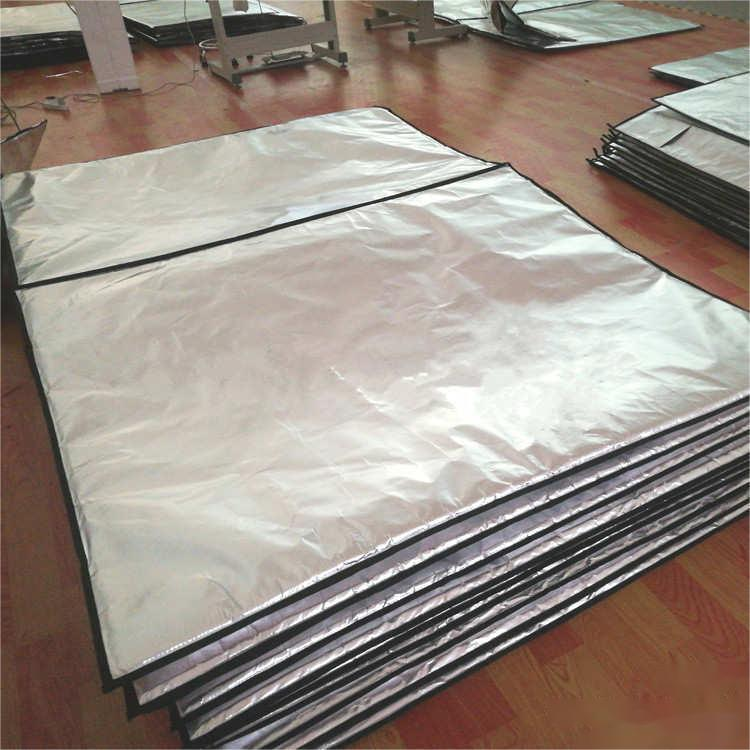
Cómo especificar cubiertas de carga aisladas para agricultura
La pregunta útil no es si una funda para palé “funciona”. La pregunta útil es si controla una exposición nombrada sin crear otro problema.. Insulated cargo covers for agriculture can slow heat gain or heat loss around a unitized load during staging, transferir, inspección, o recibiendo. No pueden eliminar el calor del campo., alimentar una cadena de frío, o demostrar que un producto sigue siendo aceptable. Por lo tanto, una especificación sólida comienza con una brecha en el proceso., no es un material. Conecta el requerimiento del cultivo., condición de la plataforma, ambiente, diseño de portada, regla de funcionamiento, y evidencia en una decisión que los trabajadores pueden repetir y los equipos de calidad pueden revisar.
Defina una brecha térmica antes de definir el producto
Comience con una oración que describa el uso previsto.. Por ejemplo: “Protect pre-cooled palletized produce while it moves from controlled storage across an exposed loading area to refrigerated transport.” This is more valuable than “Provide an insulated cover for export pallets” because it states the starting condition, formato, ubicación, y control de destino.
Ahora prueba la frase con la ruta.. ¿El palet también espera inspección?? ¿Puede detenerse la carga?? ¿Es posible el sol directo?? ¿El viento levanta las aletas sueltas?? ¿Permanecerá la funda en el vehículo frigorífico?? quien lo quita? Si se espera que la cubierta sirva para varios huecos, documentar cada uno por separado. Un diseño puede ser adecuado para más de un uso., pero la aprobación no debe expandirse silenciosamente.
El enfoque de brecha de proceso también expone situaciones en las que una cobertura es una primera inversión incorrecta.. Si el producto no se preenfría adecuadamente, mejorar la eliminación del calor. Si el flujo de aire del frigorífico está bloqueado por un mal apilamiento, configuración de carga correcta. Si los pallets esperan porque falla la programación de citas, reducir la permanencia. Si una base expuesta es la ruta de calor dominante, El aislamiento lateral por sí solo no lo solucionará.. El embalaje debe seguir el modo de fallo diagnosticado..
Hay tres puertas tempranas:
Puerta del producto: ¿Qué condiciones requiere el producto?, y que variaciones de temperatura, humedad, o ventilación puede tolerar?
Puerta de ruta: ¿Qué exposición incontrolada es importante en condiciones de funcionamiento normal y con un retraso creíble??
Puerta de control: ¿Es una cobertura pasiva capaz de soportar ese intervalo?, o es refrigeración activa, movimiento más rápido, sombra, una sala de amortiguamiento controlada, o se necesita un paquete diferente?
No continúe con la comparación de proveedores hasta que las tres puertas hayan sido respondidas lo suficientemente bien como para un resumen de muestra..
Preservar la condición del producto sin bloquear la cadena de frío
La gestión de la temperatura agrícola comienza antes de cubrir un palé. Momento de la cosecha, sombra, preenfriamiento, embalaje, almacenamiento en frío, y transporte refrigerado establecer y mantener la condición del producto. Las orientaciones de la FAO describen la cadena de frío como actividades vinculadas ascendentes y descendentes, mientras que la guía poscosecha enfatiza el flujo de aire a través de los paquetes de productos y las cargas apiladas.. Se debe insertar una cubierta sin contradecir esos controles..
Un error recurrente es aplicar el aislamiento demasiado pronto. El producto caliente puede continuar respirando y liberando calor., mientras que la cubierta ralentiza la eliminación del calor. Otra es dejar la cubierta alrededor de cajas de cartón ventiladas dentro de un frigorífico sin confirmar el efecto del flujo de aire.. En ambos casos, un producto destinado a reducir la exposición externa puede interferir con el proceso planificado.
Escriba los puntos de aplicación y eliminación en la especificación.:
El estado de lanzamiento del producto requerido antes de cubrir
La ubicación donde está instalada la cubierta.
La geometría máxima de palet permitida
El control de cierre
Los lugares aprobados donde puede esperar el pallet cubierto.
El evento que desencadena la eliminación
La acción tomada durante un retraso.
La disposición de recepción o devolución.
La cobertura no debe convertirse en permiso para prolongar una permanencia incontrolada.. Una regla de retraso puede enviar la paleta nuevamente al almacenamiento en frío., en un tampón con temperatura controlada, o mediante otra respuesta aprobada. La acción exacta depende de la operación.. Lo que importa es que los trabajadores no lo inventen junto al muelle.
Convierta la transferencia de calor en opciones de diseño
Cada cubierta gestiona una combinación de tres vías externas de transferencia de calor.. Las capas aislantes ralentizan la conducción a través del conjunto.. Los cierres y superposiciones reducen el intercambio de aire caliente no deseado. Un exterior reflectante puede reducir la carga de calor radiante cuando se enfrenta al espacio aéreo relevante y a la exposición.. la carga útil, pila de cartón, base de paleta, y el aire interno determinan cómo esas cargas externas afectan la temperatura del producto..
Ninguna capa describe el resultado final. Un núcleo grueso con un faldón corto puede dejar expuestas las cajas inferiores.. Una cara altamente reflectante puede hacer poco contra la exposición prolongada al aire caliente si las costuras permanecen abiertas.. Un diseño ajustado puede mejorar la cobertura, pero su instalación lleva demasiado tiempo u obstruye la ventilación necesaria.. La selección de materiales y la geometría deben revisarse juntas..
La descripción mínima del diseño debe incluir:
dimensiones utilizables terminadas y tolerancias dimensionales;
arriba, lado, esquina, y cobertura inferior;
descripción funcional de la cara exterior, aislamiento, y forro interior;
construcción de costuras y bordes;
tipo de cierre, superposición, y ubicación;
acceso a etiquetas o escaneo cuando sea necesario;
peso, tamaño de plegado, y características de manejo;
método de limpieza y secado compatible para productos reutilizables;
identificación y marcado de lotes de producción;
criterios de reparación y retiro aprobados, si está disponible.
Evite el uso de "impermeable" o "grado alimentario" sin una definición precisa y documentación de respaldo para el uso previsto.. Una cara resistente al agua aún puede tener costuras permeables.. Una cubierta que toca únicamente cajas de transporte tiene una situación de contacto diferente a la del material que toca alimentos no envasados.. Los equipos de calidad y regulación deben evaluar la interfaz real..
Especificar cubiertas de carga aisladas para agricultura contra modos de falla
Una revisión del modo de falla es más productiva que una larga lista de características. Pregunta cómo podría fallar el control previsto y convierte la respuesta en un diseño., proceso, o requisito de evidencia.
| Modo de falla | Consecuencia probable | Especificación o respuesta operativa. |
|---|---|---|
| El producto se cubre antes de completar el acondicionamiento. | El calor se retiene y el enfriamiento posterior puede ralentizarse. | Vincular la aplicación a la versión documentada del producto o al estado de preenfriamiento |
| La cubierta es demasiado pequeña para que el palé sobresalga o sobresalga | Los espacios exponen las cajas y los cierres no pueden encajar | Mida los pallets de producción aceptables en el peor de los casos y defina las dimensiones internas utilizables |
| La parte superior o la base se dejan fuera del límite térmico. | La carga de calor desigual pasa por alto la protección lateral | Indique qué superficies deben cubrirse y si una solución base es parte del sistema. |
| La cubierta bloquea la ventilación planificada. | Se reduce el flujo de aire refrigerado a través de cajas o pilas. | Defina el punto de eliminación o demuestre la compatibilidad con el plan de flujo de aire real. |
| La exposición al sol está representada únicamente por una prueba de temperatura del aire. | La evidencia no aborda la carga radiante | Incluir exposición radiante relevante o limitar claramente el reclamo. |
| Los trabajadores levantan la cubierta repetidamente para escanear las etiquetas. | La protección se interrumpe y la cubierta está dañada. | Agregue una función de acceso colocada correctamente o revise la secuencia de escaneo |
| La funda reutilizable regresa mojada o contaminada. | Olor, deterioro, o se desarrolla un riesgo para la higiene | Establecer segregación, limpieza, secado completo, inspección, y soltar pasos |
| El proveedor cambia una capa o cierre sin revisión | Adaptar, durabilidad, facilidad de limpieza, o el comportamiento térmico puede cambiar | Requiere especificaciones controladas, notificación, y reglas de reevaluación |
La respuesta no siempre tiene que ser una cobertura más compleja. A veces, un cambio de ruta o una instrucción de trabajo es el control más eficaz.. La tabla también previene un problema común de adquisiciones.: pedirle a una propiedad material que resuelva fallas causadas por las operaciones.
Construya evidencia en capas
La evidencia debería volverse más representativa a medida que la compra pasa de la idea a la implementación.. Un programa disciplinado puede utilizar cuatro capas.
Capa 1: Revisión de documentos
Revisar la construcción propuesta., dimensiones, uso previsto, instrucciones de manejo, declaraciones materiales, y cualquier informe de prueba existente. Un informe útil identifica el artículo probado, carga útil o simulador, condiciones iniciales, perfil ambiental, duración, configuración de medición, y criterios de aceptación. Los resúmenes de marketing sin esos detalles pueden respaldar la evaluación, pero no una decisión de ruta..
Capa 2: Prueba de ajuste y usabilidad
Aplicar la muestra a una paleta representativa y a la paleta más grande aceptable.. Incluye saliente de cartón, correas, tableros de esquina, y etiquetas. Aplicación y eliminación del tiempo., observar los puntos problemáticos, cierres de prueba, comprobar el acceso del montacargas, y practicar el almacenamiento. Realice la prueba con operadores reales durante un período de trabajo realista.
Capa 3: Comparación térmica controlada
Compare la configuración cubierta propuesta con la línea base relevante bajo condiciones documentadas.. El diseño de la comparación debe reflejar la decisión.. Una transferencia al sol directo requiere una exposición diferente a la de una espera cálida en el interior.. Se debe planificar la ubicación de los sensores y el equipo de medición., pero la interpretación de los datos debe utilizar los criterios del producto del propietario del producto básico..
Capa 4: Confirmación de ruta y revisión de excepciones
Cuando el riesgo lo amerita, revisar el carril completo o un piloto representativo. Incluir traspasos y el proceso de demora., no solo el tiempo normal. Un piloto exitoso en un carril no aprueba todos los climas, cultivos, formatos de palet, o estaciones. Registre los límites para que los equipos posteriores sepan lo que se estableció..
ISTA 7E puede aparecer en la literatura del proveedor, but it is designed for thermal transport packaging in parcel delivery systems. It is not a universal qualification for pallet covers or agricultural lanes. Utilizar estándares cuyo alcance coincida con la decisión., y complementarlos con trabajo específico de ruta cuando sea apropiado.
Haga visible el control en cada entrega
Un programa de cobertura eficaz tiene control físico e informativo.. El control físico es la tapa correctamente colocada. El control informativo le dice a la siguiente persona cuál es el palet., que estatus tiene, cuando estaba cubierto, donde debe ir, y qué hacer si el plan cambia.
Para una funda desechable, La información puede ser parte de una etiqueta de envío e instrucciones de trabajo.. Para una funda reutilizable, el artículo en sí puede llevar un identificador de activo único además de un tamaño visible y una marca de estado. Mantenga la trazabilidad del producto y el seguimiento de los activos de cobertura distintos: el identificador de palet sigue a la mercancía, mientras que el identificador del activo sigue a la portada.
Al recibir, El destinatario no debe utilizar la condición de la cubierta como única señal de aceptación.. Una cubierta desplazada o dañada es evidencia relevante, pero una cubierta intacta no prueba la condición del producto. Revisar registros de temperatura, historial de envíos, estado del embalaje, e inspección del producto según el procedimiento establecido.
Si el envío cumple con los requisitos de transporte de alimentos, Los roles y registros aplicables deben considerarse por separado.. En los Estados Unidos, Los requisitos de transporte sanitario de la FDA abordan los vehículos, operaciones, capacitación, archivos, y protección contra los riesgos de seguridad alimentaria dentro de su alcance. Una funda puede apoyar el procedimiento., no sustituirlo.
Decidir si la reutilización se adapta a la red
La reutilización es atractiva cuando los flujos agrícolas son predecibles, pero la temporada de cosecha hace que el desequilibrio de activos sea especialmente probable. El argumento económico y ambiental depende de los retornos reales, durabilidad no teórica.
Dibuja la ruta inversa. Las cubiertas pueden regresar en el mismo camión., consolidar en un centro de distribución, o moverse a través de un grupo de terceros. Cada opción necesita propiedad, eventos de escaneo, responsabilidad de limpieza, espacio de secado, buffers de inventario, y manejo de pérdidas. Si ninguna de las partes acepta responsabilidad en el destino, Es posible que el ciclo de retorno previsto nunca comience.
El pensamiento del ciclo de vida es más creíble que una simple afirmación de que “lo reutilizable es sostenible”. El marco de gestión de materiales sostenibles de la EPA enfatiza el uso productivo de materiales durante todo el ciclo de vida.. Aplica esa idea a la portada considerando la cantidad de material., fabricación, transporte ida y vuelta, limpieza, reparar, pérdida, utilización, y fin de la vida.
Las reglas de destino también importan. El Reglamento de Envases y Residuos de Envases de la Unión Europea generalmente comienza a aplicarse a partir de 12 Agosto 2026 e introduce requisitos a lo largo del ciclo de vida del embalaje, con aplicación dependiendo del operador y formato de embalaje. Los exportadores agrícolas que abastecen a los mercados de la UE deberían obtener información actualizada, consejos para situaciones específicas. No asuma que una etiqueta reutilizable o una declaración de material establecen el cumplimiento.
Un producto unidireccional puede seguir siendo la mejor opción operativa para una vía de exportación abierta. Un diseño duradero y reutilizable puede ser más resistente en una ruta nacional cerrada. La conclusión correcta proviene de la red., no de una jerarquía universal.
Pasar de la muestra a la producción controlada
Antes de escalar, convertir la muestra aprobada en una especificación controlada. conservar fotografías, dibujos, descripciones de capas, detalles de cierre, etiquetas, y tolerancias. Acordar puntos de inspección y notificación de cambios. Decida si el primer lote de producción necesita una inspección mejorada o una prueba de ajuste repetida..
La formación debe ser breve y visual.. Mostrar la orientación correcta, secuencia de cierre, tratamiento de fondo, acceso a la etiqueta, y método de eliminación. Incluir defectos que requieran segregación.. Los supervisores deben poder observar el uso correcto sin desmontar el palet..
Utilice datos de implementación temprana para mejorar el sistema. Seguimiento de portadas faltantes, tiempo de aplicación, ubicaciones de daños, retornos mojados, errores de tamaño, y excepciones. Estos datos revelan si el diseño o el proceso necesita atención.. No deben convertirse en declaraciones de rendimiento sin un estudio adecuado..
El control de cambios continúa después del lanzamiento. Revisar la decisión cuando haya un nuevo producto básico., caja de cartón, patrón de paleta, ruta, clima, vehículo, metodo de limpieza, material del proveedor, o requerimiento del cliente. El aislamiento es parte de un proceso de distribución viva..
Preguntas frecuentes
¿Cuánto tiempo protegerá una plataforma una cubierta de carga agrícola aislada??
No existe una duración universal responsable. El resultado depende de la condición inicial del producto., masa termal, configuración de paleta, exposición ambiental, sol y viento, construcción de cubierta, adaptar, base, y criterio de aceptación. Pregunte por las condiciones completas detrás de cualquier reclamo de duración, luego decida si se necesitan pruebas adicionales para su ruta.
¿Es siempre necesaria una cobertura total del fondo??
No siempre, pero hay que considerar la base. El calor puede entrar a través del contacto con una superficie caliente o el aire alrededor de un faldón abierto.. Algunos sistemas utilizan una base aislada., hoja de paleta, o superficie de preparación controlada. Defina la condición base e inclúyala en la evaluación en lugar de asumir que la cobertura lateral y superior representa toda la plataforma..
¿Puede la cubierta permanecer puesta durante el transporte refrigerado??
Sólo si el producto, ventilación de cartón, flujo de aire del vehículo, y evaluó el soporte de configuración que utiliza. Muchas cargas de productos frescos dependen del aire que se mueve a través de las rejillas de ventilación de los paquetes y los canales de paletas alineados.. Es posible que sea necesario retirar una cubierta utilizada durante el traslado al aire libre antes de la carga final.. Poner el punto de eliminación en las instrucciones de trabajo..
¿Cuál es el documento de proveedor más importante??
Ningún documento responde a todas las preguntas. La especificación del producto controlado establece lo que se suministrará., mientras que un informe de prueba detallado explica cualquier evidencia térmica. Instrucciones de limpieza, documentación de materiales, términos de control de cambios, y los registros de inspección de producción también pueden ser importantes. Juntos conectan la muestra., afirmar, y lote de producción.
¿Cuándo se debe retirar una funda reutilizable??
Utilice criterios observables respaldados por el proveedor y su proceso de higiene y calidad.. Los ejemplos pueden incluir cierres dañados., costuras abiertas, aislamiento perforado o mojado, delaminación, Contaminación que no se puede eliminar., pérdida de ajuste, o una reparación no aprobada. Evite asumir un número fijo de viajes a menos que sea compatible con las condiciones reales..
Conclusión
Una especificación de cobertura agrícola defendible comienza con una brecha en el proceso y la sigue a través de la condición del producto., flujo de aire, transferencia de calor, geometría, manejo, evidencia, y propiedad. La funda debe conservar una condición establecida por la cadena de frío., no ocultar un control faltante. Prueba en capas, mantener los reclamos vinculados a su configuración, y definir la respuesta de retraso antes de la implementación. Para diseños reutilizables, Pruebe el circuito de retorno con tanto cuidado como el producto físico.. Este método basado en rutas produce un menor, reclamo más claro y una operación más confiable.
Acerca de Tempk
Tempk is a B2B cold-chain packaging provider whose relevant offerings include insulated pallet and thermal covers and related temperature-controlled packaging. Podemos ayudar a los compradores a convertir la descripción de una ruta en una discusión de portada que aborde las dimensiones utilizables., cobertura, cierres, manejo de acceso, y reutilización prevista. La exigencia del producto agrícola, estrategia de calificación, y la aprobación operativa siguen siendo responsabilidad del transportista y su equipo de calidad.. Por lo tanto, el punto de partida más útil de Tempk no es una duración solicitada genérica., pero una paleta representativa y una descripción clara de la exposición que debe soportar la cubierta..
Comparte tu mercancía, geometría de la paleta, secuencia de transferencia, exposición ambiental, y plan de regreso con Tempk. Utilice esa información para solicitar una muestra enfocada y una revisión de evidencia antes de escalar.
Bolsa aislante Libro de estrategias personalizado para la cadena de supermercados
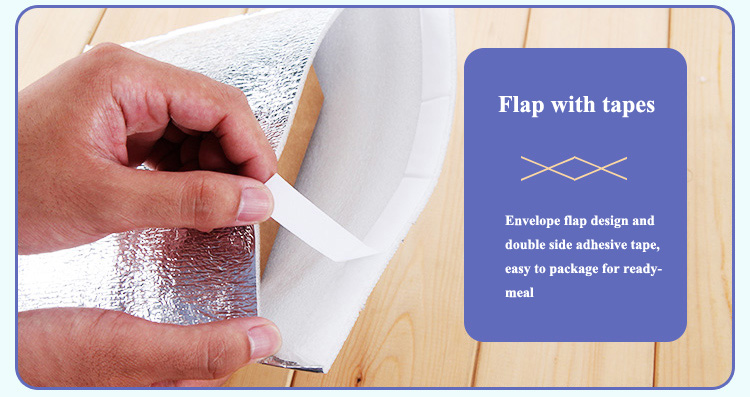
Cadena de comestibles personalizada con bolsa aislada: De la bolsa de marca al sistema controlado
The hard part of an insulated pouch personalized grocery chain project is not selecting a logo position. Es hacer que un diseño funcione en todas las adquisiciones., marca, seguridad alimentaria, operaciones de la tienda, entrega, e inventario. La bolsa puede reducir el intercambio de calor durante una etapa definida., aun así no genera refrigeración, validar una ruta de entrega, o demostrar la idoneidad para el contacto con alimentos por su apariencia. Una promesa sólida y una compra escalable requieren disciplina: definir el límite de uso, especificar la construcción completa, controlar las versiones de las ilustraciones, probar el artículo de producción, y diseñar su vida después del traspaso.
Decisión Cero: Defina qué está comprando realmente la cadena
Teams often use “reusable insulated bag,” “bolsa más fresca,” y “portador térmico” como si describieran el mismo sistema operativo. ellos no. Antes de discutir el tamaño o la obra de arte, colocar el artículo propuesto en una categoría precisa.
Puede ser un transportista propiedad del comprador para alimentos sellados.. Puede ser un activo de la tienda utilizado durante la preparación del pedido.. Puede viajar con conductor y regresar a un centro. Puede ser parte de un grupo gestionado de devolución de clientes.. En un caso menos común, puede estar destinado al contacto directo con alimentos no envasados. Cada definición cambia la documentación material., higiene, seguimiento, capacitación, y costo.
Establezca el límite térmico al mismo tiempo.. El aislamiento pasivo sólo ralentiza el flujo de calor. No ofrece calefacción o refrigeración activa y no puede compensar una temperatura inicial no controlada.. Si se utilizan medios refrigerantes, su selección, acondicionamiento, colocación, y la separación de los productos se convierte en parte del embalaje.. Un registrador de datos de temperatura, si la cadena usa uno, condiciones de registro; no protege la comida. Una bolsa de uso general nunca debe describirse como calificada para todas las rutas simplemente porque contiene aislamiento..
Luego agregue exclusiones explícitas. Estos pueden incluir alimentos sin envasar., puesta en escena ambiental de productos que requieren refrigeración, cargas mixtas calientes y frías, productos químicos de limpieza no aprobados, o utilizar después de que el revestimiento esté dañado. Las exclusiones no son una debilidad en el resumen del producto.. Impiden que una bolsa práctica se utilice como prueba para un propósito para el que nunca fue diseñada..
Una especificación, Cinco propietarios
Una bolsa de cadena de supermercado se encuentra en la intersección de varias funciones.. Si cada equipo aprueba sólo su preocupación visible, el proveedor recibe una instrucción incompleta. El mejor enfoque es un conjunto de puertas de decisión con un propietario responsable y un resultado requerido en cada puerta..
| Puerta de decisión | Se necesitan pruebas o resultados | Función de cadena responsable | Fallo si se omite |
|---|---|---|---|
| Límite de uso y contacto | Carga aprobada, camino de manejo, propiedad, estado de contacto directo, y exclusiones | Seguridad alimentaria con operaciones. | Mal uso, afirmaciones sin fundamento, proceso de limpieza inadecuado |
| Congelación de la construcción | Especificación de componentes, dimensiones críticas, cierre, costuras, transatlántico, y suplentes acordados | Adquisición con calidad | Desvío de la muestra a la producción y decisiones poco claras sobre defectos |
| Lanzamiento de obra de arte | Archivo listo para imprimir, prueba de sustrato, código de revisión, mapeo de mercados y tiendas | Propietario de la marca o del embalaje | lenguaje equivocado, campaña obsoleta, tiendas inconsistentes |
| Prueba de aptitud | Carga representativa, manejo, limpieza, imprimir, y evidencia térmica cuando sea necesario | Calidad con las operaciones | Una muestra de catálogo pasa mientras falla el flujo de trabajo de la tienda |
| Lanzamiento del ciclo de vida | Asignación, flujo de estado, modelo de devolución, reposición, y regla de jubilación | Planificación de suministros con operaciones de tienda. | Escasez de existencias limpias, devoluciones incontroladas, costo oculto |
La tabla convierte un vago proyecto multifuncional en una secuencia auditable. También evita que “aprobación” signifique cosas diferentes para diferentes equipos.. La aprobación de la marca publica gráficos; no aprueba el contacto con alimentos ni el rendimiento térmico. Una inspección de calidad libera mucho según los criterios acordados.; no decide cómo las tiendas presentan los productos refrigerados.
Ingeniero en torno a los momentos más débiles de la bolsa
Un panel plano rara vez representa el momento que crea una falla. Los problemas aparecen cuando se levanta una bolsa llena con un asa, presionado contra la pared de un vehículo, demasiado lleno para que la parte superior permanezca abierta, doblado a través de la obra de arte, limpiado mientras aún está caliente, o almacenado húmedo. Revisar la construcción a través de esos momentos..
La superficie exterior lleva la marca y recibe abrasión.. Se debe evaluar si hay raspaduras., tinción, captación de olores, adhesión de impresión, y compatibilidad con el método de limpieza permitido. El núcleo aislante debe permanecer continuo a través del área útil del panel sin espacios no examinados en pliegues y bordes.. El revestimiento interior debe adaptarse al límite de contacto indicado., resistir pinchazos previsibles de productos empaquetados, y permitir que se inspeccione el estado de las esquinas y uniones.
Los cierres merecen una prueba de embalaje en vivo. Una apertura amplia puede mejorar la velocidad del personal pero aumenta el intercambio de aire mientras está abierta.. Una parte superior ajustada puede ayudar a limitar el intercambio, pero puede fomentar el llenado excesivo o atrapar el revestimiento.. Mida una bolsa en las condiciones en que se utiliza., no sólo cuando se coloca plano. Las cestas representativas deben incluir cajas rígidas., botellas, paquetes flexibles, bandejas con esquinas, y el método de la etiqueta de pedido.
Se debe adjuntar evidencia térmica a un escenario.. El calor se mueve a través de los materiales., brecha, y el intercambio de aire; una superficie reflectante aborda solo una parte de esa física. Masa de carga útil, temperatura inicial, condiciones ambientales, eventos de apertura, configuración del refrigerante, y los puntos de medición dan forma a un resultado. Si una cadena necesita una duración de actuación, debería aprobar un método de prueba para el paquete completo. La hoja de datos de aislamiento de un proveedor o una prueba de bolsa no relacionada no pueden establecer el resultado.
El lenguaje filtrado debe ser igualmente disciplinado. Un revestimiento que se puede limpiar no es necesariamente hermético a los líquidos.. Agujeros de costura, fijaciones, pistas de cremallera, pliegues desgastados, y las esquinas pueden permitir el movimiento del derrame.. Los paquetes de alimentos primarios sellados deben seguir siendo la primera capa de contención.. Si se espera que la bolsa contenga fugas, probar el artículo terminado bajo una orientación definida, líquido, habitar, y método de manipulación y restringir la reclamación a esa evidencia.
Diseñe el acceso de limpieza antes de escribir una instrucción de limpieza.. Las superficies amplias y lisas pueden ocultar canales de costura difíciles. Una bolsa profunda puede ser difícil de invertir o secar. Un cierre puede retener escombros. El proceso aprobado debe distinguir la remoción de tierra de cualquier paso de saneamiento requerido por la cadena., nombrar la química compatible y las condiciones de aplicación, y definir inspección y secado. Olor persistente, delaminación, aislamiento expuesto, revestimiento fracturado, costuras dañadas, o un cierre poco confiable debería desencadenar una disposición documentada.
Personalice la red sin crear deuda por obras de arte
La personalización debería ayudar a las personas a reconocer y operar el sistema.. El logotipo de una cadena genera familiaridad, pero los gráficos de mayor valor pueden ser una categoría de servicio, instrucción de devolución, usar límite, o panel de etiqueta de pedido reservado. Diseñar esos elementos como arquitectura de información., no decoración.
Cree un registro de arte maestro para cada SKU de bolsa. Debe identificar el archivo liberado., revisión, fecha, sustrato, método de impresión, referencia de color, orientación del panel, idioma, revisión legal cuando sea relevante, y grupo de tiendas elegibles. Mantenga los elementos permanentes de la marca separados del contenido que probablemente cambie. Los gráficos estacionales impresos en toda la bolsa pueden convertir el inventario útil en stock obsoleto.; una tarjeta reemplazable, etiqueta, o el panel secundario controlado puede transmitir mensajes de corta duración de manera más eficiente.
No permita que los equipos locales editen archivos fuente. La variación regional debe provenir de campos aprobados en una matriz de versiones.. Si un mercado necesita otro idioma o un banner utiliza una submarca, crear una revisión distinta y asignar su asignación. El proveedor debe fabricar únicamente a partir de la prueba emitida formalmente., y las cajas exteriores deben mostrar suficiente información para que los equipos receptores puedan distinguir versiones similares.
Los identificadores operativos requieren una decisión separada. Un código estático puede identificar el tipo de bolsa.. Una marca de lote puede conectar bolsas con registros de producción. Una identificación de activo única puede respaldar un historial de devoluciones. Ninguno reemplaza a los demás.. Pruebe cualquier código de barras o soporte de datos mediante flexión, condensación, abrasión, y limpieza, y proporcionar un respaldo legible. Un código que no se puede escanear a la distancia normal de la tienda es un desorden visual, no trazabilidad.
Pruebe el artículo de producción antes de comprar la red
El muestreo debería reducir la incertidumbre por etapas. Comience con una muestra de construcción sin imprimir para probar la geometría., cargando, cierre, que lleva, estante o bolso de mano, y limpieza de acceso. Próximo, revisar una pieza de preproducción impresa realizada con el sustrato y proceso previstos. Sólo entonces el programa debería trasladarse a las tiendas representativas..
Ajuste de carga récord, levantamiento, uso de cierre, identidad del pedido, limpieza, el secado, imprimir, legibilidad del código, regresa, y disponibilidad de stock limpio. Agregue pruebas térmicas o revisión de documentos de contacto solo cuando el uso aprobado y el mercado lo requieran.. El control de producción protege entonces lo que el piloto aprobó.. Los controles entrantes verifican los componentes críticos según corresponda.. Corte de direcciones de cheques en proceso, alineación de capas, asamblea, colocación del cierre, proceso de impresión, y obras de arte publicadas. La inspección final utiliza un plan de muestreo acordado para la identidad., dimensiones, hechura, función, apariencia, olor, embalaje, cantidad, y trazabilidad. El proveedor debe notificar al comprador antes de cambios relevantes en materiales o procesos., incluso cuando se espera que el artículo terminado tenga un aspecto similar.
Para diseños de contacto directo con alimentos de la Unión Europea, asignar el artículo al marco general y a las reglas aplicables específicas del material. Las buenas prácticas de fabricación de material impreso abordan la transferencia a través de un sustrato o por compensación.. Para operadores secundarios, documentar los límites y conservar el embalaje primario adecuado; La redacción genérica de “calidad alimentaria” es insuficiente..
Diseñar la vida después del traspaso
La transferencia determina si la bolsa se convierte en un producto del cliente., un suministro operativo consumido, o un activo que regresa. No mezcle estas categorías en los informes financieros o medioambientales..
Si el comprador es dueño de la bolsa, El minorista puede proporcionar orientación sobre el cuidado y el uso, pero normalmente no puede verificar con qué frecuencia se reutiliza.. Si el conductor lo conserva después de la entrega, la custodia puede ser más fácil de controlar, aunque el almacenamiento de vehículos y la clasificación de depósitos se vuelven importantes. Si los compradores lo devuelven a las tiendas, la cadena necesita espacio de recogida, reconocimiento de devolución, incentivos si se ofrecen, transporte a limpieza, registros de estado, y una forma de equilibrar el stock entre ubicaciones.
Una bolsa retornable necesita al menos cuatro estados visibles: regresó, en cuarentena, procesado, y listo. Algunos programas pueden agregar "en tránsito" o "retirado". La separación física importa más que un tablero sofisticado. Un estado escaneado no puede evitar la contaminación si las bolsas sucias y limpias comparten un carro de trastienda.
Evaluar la economía utilizando completado, usos aceptables. Añadir compra y personalización, asignación entrante, flete inverso, limpieza, inspección, administración, pérdida, reemplazo, y manipulación al final de su vida útil. Divida el total por la cantidad de eventos de servicio que realmente cumplieron con los criterios de liberación de la cadena.. Esto expone el costo de los activos que son duraderos pero que nunca regresan., así como el tiempo de permanencia de los artículos en espera de ser limpiados.
Las bolsas vacías siguen ocupando espacio. Especifique cómo se pliegan o encajan para regresar sin dañar el aislamiento., cierres, o superficies impresas. Establezca reglas de recolección basadas en la capacidad de la trastienda y el rendimiento de la limpieza.. Reponer desde el inventario útil, no inventario total; Una tienda con muchas devoluciones sucias aún puede quedarse sin existencias utilizables..
Las declaraciones ambientales deben basarse en los mismos datos operativos.. Seguimiento de problemas, regresa, reutilizaciones exitosas, pérdida, insumos de limpieza, distancia de regreso, causas de jubilación, y la ruta verificada del final de su vida útil, luego compare el sistema con el embalaje que reemplaza. El diseño reutilizable puede crear una oportunidad para prevenir el desperdicio, pero no garantiza un mejor resultado en todos los modelos de recuperación y limpieza..
Las cadenas de alimentación de la Unión Europea también deberían tener en cuenta el Reglamento de envases y residuos de envases, que generalmente se aplica a partir de agosto 2026. Sus requisitos cubren ampliamente el embalaje e incluyen disposiciones relevantes para la composición y el diseño reutilizable o recuperable.. Alcance, deberes, líneas de tiempo, y los detalles de implementación deben evaluarse para el envase y el operador económico específicos.. Una bolsa personalizada no debe comercializarse como conforme automáticamente simplemente porque está destinada a ser reutilizada..
Escriba el manual de la tienda antes del lanzamiento
El manual de la tienda debe mostrar la colección., estado, respuesta al derrame, cuarentena, limpieza, autoridad de liberación, y reposición de existencias listas. Los registros de defectos deben capturar el SKU, ID de lote o activo, condición, almacenar, fecha, y disposición.
Preguntas frecuentes
¿Cuántas referencias en bolsa debería lanzar una cadena de supermercados??
Utilice el conjunto más pequeño que separa de forma segura y práctica distintas misiones. Una cadena puede necesitar diferentes formatos o categorías visuales para hacer clic y recopilar., entrega del conductor, alimentos preparados, o venta al comprador, pero cada variante agrega pronóstico, obra de arte, inspección, almacenamiento, y trabajo de formación. Cestas representativas piloto primero. Agregue un SKU solo cuando una necesidad operativa clara no pueda resolverse mediante instrucciones de carga u otra función controlada.
¿Es suficiente una declaración de la película interior para aprobar la bolsa terminada??
No necesariamente. Una declaración de película cubre el artículo y las condiciones establecidas en ese documento.. La bolsa terminada también puede incluir adhesivos., impresión, costuras, fijaciones, cierres, y condiciones de fabricación o apilamiento.. La cadena debe asignar documentos a la construcción completa y al contacto previsto.. Para uso secundario en paquete sellado, registrar esa limitación en lugar de recopilar reclamaciones de contacto directo que no coincidan con las operaciones.
¿Cuál es el control más importante desde la muestra hasta la producción??
No existe un control único, pero la combinación de una especificación publicada, revisión de arte aprobada, muestra de oro controlada, método de inspección acordado, identificación del lote, y la notificación de cambio de proveedor es poderosa. La muestra de oro por sí sola no puede definir materiales ocultos ni tolerancias de medición.. El archivo escrito por sí solo no puede capturar completamente la sensación y la apariencia.. Juntos ofrecen al comprador y al proveedor una referencia de producción común..
¿Se puede limpiar una bolsa reutilizable en cada tienda??
Puede serlo si el diseño y el proceso de la cadena respaldan la seguridad., limpieza local repetible, secado completo, inspección, separación de estatus, y registros apropiados al uso. El procesamiento central puede ofrecer más coherencia, pero añade transporte y plazos de entrega.. Evaluar las instalaciones reales, química aprobada, tiempo del personal, manipulación de retorno contaminado, y liberar la autoridad antes de seleccionar cualquiera de los modelos. No asuma que una toallita es un programa de limpieza completo.
¿Cómo debería una cadena fundamentar una declaración de sostenibilidad??
Describir el sistema preciso y conservar evidencia para el reclamo.. Medir usos exitosos, regresa, pérdidas, limpieza, transporte inverso, jubilación, y el embalaje desplazado. Verifique las opciones de recuperación local para el elemento multicapa completo. Evite frases amplias como “residuo cero” o reciclabilidad universal. Una declaración limitada respaldada por datos operativos es más creíble y más fácil de mantener a medida que cambia la red..
Conclusión
Una bolsa aislante personalizada se convierte en una herramienta confiable para la cadena de supermercados solo cuando cumple su promesa., construcción, obra de arte, producción, y el ciclo de vida describen el mismo sistema. Definir contacto sellado o directo, indicar los límites térmicos, y diseño alrededor de cierres, costuras, derrames, limpieza, y cestas reales. Dale a cada obra de arte una identidad controlada, probar la construcción final mediante uso representativo, y protegerlo con una muestra de oro y control de cambios. Finalmente, elegir un modelo de propiedad que la cadena pueda recuperar, limpio, reponer, medida, y retirarlo sin confundir la intención reutilizable con la reutilización verificada.
Acerca de Tempk
Tempk es la marca de Shanghai Tempk Industrial Co., Limitado. We support B2B buyers with cold-chain and insulated packaging selection and related temperature-control packaging products. Para un programa de bolsas de cadena de supermercados, Podemos ayudar a estructurar la selección de productos según la carga prevista., secuencia de manipulación, papel aislante, personalización, y requisitos de adquisiciones. Esos aportes permiten una discusión más relevante sobre las construcciones candidatas y al mismo tiempo dejan la aprobación de seguridad alimentaria., criterios de prueba, lanzamiento de obra de arte, y controles operativos de la red con los equipos de compradores responsables.
Comparte tu límite de contacto, perfiles de cesta, flujo de trabajo de la tienda, plan de arte, y modelo de devolución con Tempk para preparar una evaluación específica de la bolsa aislada antes de comprometerse con el volumen de la red.
Bolsa aislante Compra a granel España: Guía de planificación

Bolsa aislante Compra a granel España: A Practical Approval Plan
The decisive work in an insulated pouch bulk purchase Spain programme happens before the volume order. A buyer must translate a grocery, entrega de comida, minorista, or internal-logistics need into a defined payload, mapa de entrega, especificación de materiales, plan de evidencia, and ownership model. Only then can samples and quotations be compared fairly. The pouch should be treated as one component in an operating system: it slows heat flow, while coolant, puesta en escena, control de ruta, user behaviour, limpieza, and compliance processes determine whether the system works in Spain.
Puerta uno: Describe the Service in Operational Language
Replace the request “reusable thermal bag for chilled products” with a short operational statement. Name the packaged goods, typical load, first and last controlled storage points, delivery method, usuario, modelo de devolución, and any target condition set by the responsible quality team. Do not insert an unverified number of cold hours.
Próximo, draw the handover sequence. A grocery order might move from chilled picking to store staging, customer collection, a private vehicle, and a home refrigerator. A restaurant delivery might pass from kitchen to dispatch rack, mensajero, apartment entrance, y destinatario. An internal loop may add return transport, segregación, limpieza, el secado, inspección, and redistribution.
This map reveals whether a flexible pouch is appropriate. un corto, controlled transfer may need convenience and organisation more than heavy insulation. A long or uncertain route carrying sensitive goods may require a qualified passive packaging system, escucha, or an active solution. A normal insulated pouch should not be presented as a pharmaceutical shipper or as proof that a commercial food cold chain has been maintained.
Assign an owner at every step. Someone must control coolant conditioning, liberar, cargando, excepciones de entrega, regresa, saneamiento, and product disposition when a time or temperature rule is breached. Packaging cannot fill an accountability gap.
Puerta dos: Design the Packout Before the Pouch
Measure the actual primary packages. Record length, ancho, altura, peso, orientación, and whether they can be stacked. Add the intended cold sources, separadores, papeleo, y autorización de cierre. The pouch’s usable internal space matters; nominal volume and external dimensions do not show how much of a flexible gusset remains after thick walls and seams take shape.
Build at least a normal load and a credible difficult load. The difficult case may be a small payload with extra void, an awkward tray, a tall bottle, or the order mix most likely to distort the closure. Do not automatically choose the largest pouch. Excess volume can allow movement, complicate coolant placement, increase surface area and material, and invite users to mix warm items with chilled goods.
Have the actual operators pack a sample. Watch rather than instruct. Do they place coolant where the procedure expects? Can they close the zip without compressing containers? Does the handle tilt the load or pull the top open? Can a courier carry it alongside other equipment? Can the recipient identify the correct unpacking action?
The result should become a packout drawing or photo standard. It should identify contents and positions without turning a typical example into a universal thermal claim. If several product families need materially different arrangements, create more than one configuration or select different pouch sizes.
Puerta tres: Control the Multilayer Construction
An insulated pouch is a material stack, not a single resin or fabric. The outside provides handling strength and print. The core slows conduction. The liner supports cleaning, manejo de la humedad, and sometimes radiant-heat control. Adhesivos, puntadas, fijaciones, cinta zip, reforzamiento, cincha, revestimientos, etiquetas, and ink connect the system.
Commercial names are not enough. “Foil liner” might mean aluminium foil, polímero metalizado, or another reflective laminate. “Foam” does not identify grade, estructura, continuidad, or compression behaviour. “Non-woven” does not describe fibre, revestimiento, peso, o durabilidad. Ask the supplier to lock the approved components in a controlled specification.
Inspect the places where the layers stop being flat. Esquinas, base folds, lid hinges, zip ends, handle anchors, and seam penetrations can become thermal and hygiene weak points. Load the pouch before judging them. A clean empty sample may develop gaps or exposed folds when rigid containers push outward.
Cleaning must be compatible with the assembled article. A chemical may leave the liner unchanged while weakening adhesive, imprimir, espuma, or zip. Define the real cleaning and drying process, then obtain supporting care information and test a production-representative sample. Avoid promising a number of reuse cycles unless a defined method and evidence support it.
Puerta cuatro: Make Thermal Evidence Answer the Route
El aislamiento reduce la tasa de transferencia de calor.; it does not create refrigeration. Conductive heat moves through the walls and contact points. Warm air enters through closures and openings. Radiant exposure can add heat, particularly in direct sun. El refrigerante absorbe el calor., and the payload’s starting temperature changes the thermal budget.
This is why a supplier’s duration statement cannot stand alone. Evidence should identify the exact pouch, construcción de producción, perfil ambiental, carga útil, refrigerante y acondicionamiento, temperaturas iniciales, sensors and locations, eventos de apertura, test length, y criterio de aceptación. Ask whether all units met the criterion and how variation was handled.
The route profile should be credible for the Spanish service. A mild indoor test cannot represent a vehicle in summer sun. A mainland urban route cannot automatically represent an island or remote delivery. Al mismo tiempo, an unrealistically severe test can add cost and material without reflecting the business. The quality, seguridad alimentaria, and logistics teams should define the profile from route data and risk.
Treat any test as configuration-specific. Si la carga útil, dimensiones de la bolsa, aislamiento, cierre, refrigerante, o cambios de ruta, review whether the evidence remains applicable. A pilot on the actual service is useful for operational learning, but one successful trip is not proof of every season or lane.
Puerta cinco: Build the Spain and EU Responsibility File
| Pregunta de aprobación | Responsible review | Evidence to connect to the order | No evitar |
|---|---|---|---|
| Will food touch the liner? | Food-contact or quality specialist | Declaración de uso previsto, exact material construction, declarations and supporting evidence as applicable | Relying on “food grade” for an unidentified laminate |
| Is it a consumer product? | Product-safety and legal teams | Evaluación de riesgos, technical records, identificación, trazabilidad, instrucciones, and sales information as applicable | Treating a catalogue certificate as the complete GPSR review |
| Does CE legislation apply? | EU product-compliance specialist | Scope assessment for the product’s actual functions | Adding a CE mark as a generic quality logo |
| Who places it on the Spanish market? | Importer, legal, and environmental teams | Operator roles, contratos, registration and reporting plan | Assuming the overseas factory holds every Spanish duty |
| What counts as packaging? | Spanish packaging adviser | Classification and material/weight data for pouch and all packaging levels | Ignoring individual bags, cajas de cartón, envoltura, or service use |
| Are environmental claims supportable? | Legal and sustainability teams | Claim file defining article, comparación, geografía, y evidencia | Calling a multimaterial item recyclable based on one layer |
| Will production remain identical? | Procurement and quality teams | Muestra aprobada, especificación, trazabilidad del lote, y términos de notificación de cambios | Accepting visually similar material substitutions |
This approval table prevents one document from being asked to prove unrelated things. Rendimiento térmico, idoneidad para el contacto con alimentos, general product safety, and packaging responsibility are distinct reviews. The exact scope depends on the pouch’s intended use and sales model.
Where direct food contact is intended, Regulación (CE) No 1935/2004 provides the EU framework for safety and inertness, y Regulación (CE) No 2023/2006 cubre buenas prácticas de fabricación. Regulación (UE) No 10/2011 contains specific rules for plastic food-contact materials within its scope. Declarations and tests should match the finished contact surface, tipos de alimentos, tiempo, temperatura, and repeated-use conditions.
For consumer supply, Regulación (UE) 2023/988 on general product safety may be relevant. Review the product and economic-operator obligations for the actual channel, including distance sales where applicable. Instructions and safety information for Spain should be understandable to the intended user, with local language requirements confirmed.
CE marking is not a universal conformity certificate. EU rules require it only for product categories covered by legislation that mandates the mark, and products outside that scope should not display it. A basic non-powered insulated pouch should be assessed under the rules that genuinely apply. Adding electrical heating, enfriamiento motorizado, baterias, a toy function, or another regulated feature can change the result.
Puerta seis: Resolve Packaging and Waste Duties Before Shipping
Royal Decree 1055/2022 sets Spain’s framework for packaging and packaging waste, including producer registration, informar, and extended producer responsibility obligations for operators within scope. Official Spanish guidance covers household, comercial, and industrial packaging categories. The party that meets the legal producer definition needs to be identified from the supply chain facts.
Regulación (UE) 2025/40 on packaging and packaging waste entered into force on 11 Febrero 2025 y generalmente se aplica desde 12 Agosto 2026. Orders placed during the transition need a current review because definitions, responsabilidades, información, and implementation details can affect the product and its packaging. Use official guidance and qualified Spanish advice rather than a static checklist copied from an earlier year.
Classify every level. The pouch may be a saleable product, a reusable packaging item, service packaging filled at a point of sale, or part of transport operations depending on the model. Its protective bag, etiquetas, grouped carton, paleta, and wrap can create separate data and responsibilities. Obtain component material and weight information in a form the relevant Spanish operator can retain and report.
Spain’s tax rules for non-reusable plastic packaging may also affect landed cost. Clasificación, recycled-content evidence, exenciones, and responsibility require specialist review. Do not claim that calling the pouch reusable automatically resolves tax or extended producer responsibility questions; the actual design and operating system matter.
Puerta siete: Pilot the Business Model, No sólo la bolsa
A pre-production sample confirms construction but cannot prove the network will use it properly. Run a controlled pilot across representative locations and routes. Include the people who pick, embalar, despacho, llevar, recibir, devolver, limpio, inspeccionar, almacenar, and report problems.
Collect operational evidence:
- packing time and error patterns;
- closure and handling problems under real loads;
- route exceptions and failed deliveries;
- return rate and time out of circulation;
- trabajo de limpieza, drying capacity, y unidades rechazadas;
- pérdida, tipo de daño, and retirement reason;
- user understanding of instructions;
- temperature information where the approved protocol requires it;
- packaging waste and transport implications relevant to the comparison.
The pilot may show that a lighter pouch is sufficient for a short handover, that a stronger zip prevents early retirement, or that a return scheme is impractical in one channel. It may also reveal that the route, no la bolsa, needs redesign. Use the results to change the specification and operating procedure before volume pricing makes change expensive.
When production begins, retain the approved sample, construction revision, obra de arte, documentos, and quality criteria. Require advance notice for changes to critical materials, sitio de fabricación, dimensiones, cierre, o imprimiendo. Inspect delivered lots against the same baseline and quarantine unexplained differences.
Calculate Cost Across the Whole Loop
To compare quotations, put every supplier on the same commercial basis. Identify sampling, obra de arte, tooling where applicable, pruebas, inspección, product packaging, cajas maestras, transporte, seguro, aduanas, deberes, impuestos, domestic delivery, almacenamiento, and payment conditions. Confirm trade terms and which party owns risk at each step.
For reusable programmes, add distribution, recopilación, transporte inverso, limpieza, el secado, seguimiento, administración, reemplazo, and final treatment. Do not divide purchase price by an invented service-life number. Use pilot data and a range of return and loss assumptions. A pouch with a higher purchase price may perform better, but only measured use can show whether the difference pays back.
Environmental evaluation needs the same system boundary. More durable materials can support reuse but add manufacturing and transport burdens. A light one-way option uses less material per item but creates repeated flows. Pérdida de producto, desperdicio de comida, limpieza, and reverse travel also belong in the comparison where relevant. Document assumptions and avoid a universal claim when the result depends on behaviour.
Preguntas frecuentes
What information should be in the first supplier brief?
Include the use case, Spanish destinations, payload dimensions and weight, empacar, refrigerante, exposiciones de ruta, límite de contacto con los alimentos, closure and handling needs, proceso de limpieza, herrada, configuración de embalaje, order forecast, plan de entrega, and evidence checklist. Ask suppliers to list assumptions and exclusions.
Should a buyer choose a pouch by insulation thickness?
No. Thickness is only one variable. Estructura de materiales, continuidad, compresión, costuras, cierre, geometría, carga útil, refrigerante, and ambient exposure affect performance. Compare the finished assemblies with evidence relevant to the intended packout and route.
What makes a food-contact declaration useful?
It should identify the supplier and exact article, applicable legal basis, intended foods and contact conditions, restricciones, and supporting evidence as required. It also needs a traceable connection to the delivered construction. A generic resin or film statement is not enough for a changed multilayer pouch.
How should PPWR affect a 2026 orden?
Regulación (UE) 2025/40 generalmente se aplica desde 12 Agosto 2026. Buyers should review current EU and Spanish guidance, classify the pouch and every packaging level, gather material data, assign producer responsibilities, and check claims and markings. Specific obligations and transitions should be confirmed by qualified advisers.
When is a bulk order ready to release?
Release it after the written specification, representative packout, decorated sample, performance evidence where needed, compliance file, packaging-responsibility plan, pilot findings, alcance comercial, criterios de calidad, trazabilidad, and change-control terms are approved by the responsible functions.
Scale Only What Has Been Defined
A Spain-ready insulated-pouch programme connects service design, empacar, construcción, evidencia térmica, legal roles, packaging duties, and operating economics. It does not rely on foil appearance, a generic certificate, or the word “reusable.” By passing each approval gate before volume production, buyers can make supplier quotes comparable, keep documentation tied to the delivered article, and select a system that operators can run across real Spanish routes.
Acerca de Tempk
Tempk es una marca de Shanghai Tempk Industrial Co., Limitado. We support B2B buyers selecting cold-chain and insulated packaging and related temperature-control packaging products. Tempk can help organise a pouch discussion around the payload, empacar, ruta, materiales de construcción, compatibilidad con refrigerante, and purchasing evidence. The Spanish importer and buyer should retain qualified legal, seguridad alimentaria, impuesto, and environmental advisers for market-specific decisions and claims.
Send Tempk your service map, paquete de muestra, condiciones de la ruta, modelo de devolución, and approval checklist to compare insulated packaging before committing to a bulk order.
Bolsa de almuerzo aislada con forro de aluminio: Una guía de especificaciones

Cómo especificar una bolsa de almuerzo con aislamiento forrada con papel de aluminio
The best way to choose an insulated lunch bag foil lined inside is to write the use case before reading the feature list. Indique lo que debe encajar, donde viaja la comida empaquetada, la exposición más cálida y creíble, qué fuentes de frío se utilizarán, y donde se reanuda la refrigeración. Luego evalúe la bolsa como un conjunto completo.. El forro reflectante puede ayudar con el calor radiante., pero el aislamiento, cierre, costuras, carga útil, y la rutina del usuario deciden si el producto es apto para el trabajo. Este método convierte una compra vaga por catálogo en una especificación que se puede probar, probado, y repetido.
Escriba un resumen de desempeño de una oración
Un resumen práctico debe nombrar los contenidos., ruta, manejo, y punto final. “Lleve una comida fría sellada, una bebida, y dos fuentes de frío acondicionadas desde el hogar hasta el refrigerador de la oficina durante un viaje normal por la mañana” es útil. “Mantener el almuerzo fresco todo el día” no es. La primera afirmación se puede medir y observar.; el segundo no tiene temperatura definida, tiempo, ambiente, o tipo de comida.
Construya el informe con seis entradas:
- Enumere los contenedores exactos y su orientación empaquetada..
- Identificar los productos perecederos y la guía de seguridad alimentaria que se aplica..
- Mapear cada entorno, incluyendo vehículos, casilleros, escritorios, al aire libre, y refrigeradores.
- Definir las fuentes de frío y cómo los usuarios las acondicionarán y colocarán.
- Describir la apertura, limpieza, el secado, y comportamiento de almacenamiento.
- Decidir qué pruebas se requieren antes de que se apruebe una orden.
Este ejercicio a menudo cambia la elección del producto.. Una bolsa destinada únicamente a cubrir un viaje corto puede priorizar el ajuste del refrigerador compacto. Es posible que una bolsa para el equipo de campo deba dar paso a una hielera más grande y a un plan de almacenamiento controlado.. Un programa escolar puede valorar más una cremallera intuitiva y un interior fácil de limpiar que los elementos decorativos..
El informe también establece un límite. An everyday lunch carrier is not automatically a qualified temperature-controlled shipper, un portador de medicina, o un sistema comercial de transporte de alimentos. Las aplicaciones reguladas y específicas del producto pueden requerir un embalaje diferente, escucha, calificación, y revisión profesional.
Lea la bolsa de afuera hacia adentro
La capa exterior resiste la abrasión., suciedad, herrada, y transferencia de carga. Compruebe si está tejido, revestimiento, y las costuras se adaptan al entorno. Una tela promocional suave puede ser apropiada para un obsequio en la oficina, pero dura poco en el piso del lugar de trabajo.. Las manijas deben anclarse en áreas de carga., y la bolsa empacada debe permanecer equilibrada cuando se levanta.
Detrás de la carcasa se encuentra la principal capa aislante.. puede ser espuma, aislamiento fibroso, estructura de aire atrapado, u otro material. Su valor proviene tanto del material como de la continuidad.. Siente alrededor de la base, tapa, esquinas, y tirolesa. Delgado, comprimido, o las regiones faltantes forman caminos más fáciles para el calor. El espesor de la pared por sí solo no puede predecir la duración porque el material, construcción, geometría, y el paquete completo también importa.
La cara interior se describe comúnmente como lámina., pero la palabra es imprecisa. La superficie brillante podría ser papel de aluminio., polímero metalizado, impresion metalica, o un laminado reforzado. Solicite una descripción capa por capa en caso de contacto directo con alimentos., limpieza repetida, Reciclabalidad, o la durabilidad afecta la compra. Una apariencia reflectante no puede revelar el tipo de adhesivo., película de respaldo, resistencia a la punción, o la forma en que se sellan los bordes.
Finalmente, inspeccionar el cierre. Una cremallera completa aún puede dejar espacios en las esquinas o distorsionarse cuando se empaca la bolsa.. Una solapa necesita suficiente superposición. Una tapa enrollable necesita espacio para rodar correctamente. Cerrar la muestra con los contenedores reales y las fuentes frías en su interior., luego mira y siente alrededor del perímetro. La inspección cargada es la que cuenta.
Comprenda lo que el revestimiento reflectante puede y no puede hacer
El calor llega a una comida fría de tres formas principales. Conduce a través de las paredes y puntos de contacto., se mueve con el aire entrando y circulando, y transferencias por radiación entre superficies.. La cara reflectante aborda parte del componente radiante cuando se enfrenta a un espacio de aire.. La guía oficial sobre barreras radiantes señala que es necesario un espacio aéreo adyacente para ese mecanismo.. Cuando el revestimiento se presiona directamente contra un contenedor, las condiciones difieren.
El núcleo aislante ralentiza la conducción.. El cierre limita el intercambio de aire por convección.. Las fuentes frías absorben el calor entrante.. La temperatura inicial de los alimentos establece la carga térmica inicial.. Estos roles son complementarios., es por eso que una característica no puede establecer un tiempo de espera seguro.
Considere un recipiente frío colocado al lado de una bebida a temperatura ambiente.. La bebida añade calor dentro de la bolsa.. A partly thawed cold pack has less available cold capacity than one conditioned as intended. Una cremallera abierta repetidamente permite la entrada de aire caliente.. El sol directo añade carga radiante al exterior.. Por lo tanto, la misma bolsa puede producir diferentes historiales de temperatura a lo largo de dos días normales..
Evite la frase "se mantiene frío durante X horas" a menos que el reclamo esté adjunto a una configuración definida. La evidencia relevante debe indicar la bolsa exacta., perfil ambiental, carga útil, refrigerante, temperaturas iniciales, ubicaciones de sensores, calendario de apertura, límite, y pasar la regla. Sin ese contexto, una duración es una taquigrafía de marketing más que un resultado de desempeño transferible.
Haga que el paquete sea seguro y repetible
Para almuerzos fríos perecederos, Comience con alimentos ya enfriados.. El aislamiento está diseñado para ralentizar el cambio; no se debe esperar que enfríe rápidamente una comida caliente. Utilice recipientes de comida cerrados., que reducen el contacto directo con el liner y facilitan la limpieza. Mantenga la bolsa alejada de fuentes de calor y llévela a un frigorífico en el lugar de destino siempre que haya uno disponible..
Oficial de EE. UU.. La guía de seguridad alimentaria recomienda mantener los productos perecederos fríos a 40 °F, alrededor de 4°C, o debajo y usando al menos dos fuentes frías en una bolsa de almuerzo aislada. Los compradores y usuarios de otros mercados deben seguir a la autoridad local responsable en materia de seguridad alimentaria.. La cantidad de paquetes no es el único problema: las fuentes deben estar acondicionadas según lo previsto, encajar sin forzar el cierre, y colocarse alrededor de los artículos perecederos.
Una secuencia repetible podría ser:
- enfriar la comida y bebida con antelación;
- acondicionar las fuentes de frío según sus instrucciones;
- colocar una fuente debajo o al lado del contenedor de perecederos y otra arriba o en el lado opuesto;
- llenar los vacíos innecesarios con los contenidos planificados en lugar de elementos cálidos no relacionados;
- cerrar la bolsa completamente y minimizar la apertura;
- refrigerar a la llegada cuando sea posible;
- limpio, seco, e inspeccionar la bolsa después de su uso..
Esta rutina es más útil que una promesa genérica porque les dice a los usuarios qué controlar. También expone inmediatamente un problema de tamaño.. Si la bolsa no puede cerrar con los contenedores y fuentes frías en sus posiciones previstas, es demasiado pequeño para ese paquete independientemente del volumen del catálogo.
Utilice un cuadro de mando del comprador que premie la evidencia
| Área de decisión | Pregunta de aprobación | Evidencia contundente | Razón para hacer una pausa |
|---|---|---|---|
| Ajuste funcional | ¿La bolsa cargada se cierra y se transporta cómodamente?? | Prueba con contenedores representativos, beber, utensilios, y fuentes frías | Ajuste juzgado por dimensiones externas o una muestra vacía |
| Construcción | ¿El aislamiento y el revestimiento son continuos en los puntos críticos?? | Inspección de muestra terminada y descripción de material controlado. | Brechas inexplicables, espuma expuesta, o redacción vaga de "lámina térmica" |
| Reclamo térmico | ¿La evidencia coincide con el escenario previsto?? | Artículo de prueba definido, empacar, perfil ambiental, medidas, y regla de aceptación | Duración del título sin condiciones |
| Límite de contacto con alimentos | ¿Está la comida suelta o dentro de recipientes cerrados?? | Declaración de uso previsto y documentos relevantes para la superficie de contacto exacta | Declaración genérica de “calidad alimentaria” sin artículo ni condiciones |
| Higiene | ¿Puede el usuario real limpiar y secar la bolsa?? | Método de cuidado escrito confirmado para el producto ensamblado. | Pliegues profundos e inaccesibles, humedad retenida, o reclamaciones de lavado no respaldadas |
| repetir orden | ¿La producción coincidirá con la muestra aprobada?? | Especificación controlada, identificación del lote, y cambiar notificación | El proveedor puede sustituir el revestimiento, espuma, adhesivo, o zip sin revisión |
| Reclamación ambiental | ¿La redacción es compatible con el producto y el mercado completos?? | Justificación específica e instrucciones realistas al final de su vida útil. | Lenguaje amplio “eco” o “totalmente reciclable” basado en un componente |
El cuadro de mando da más peso a la evidencia que a las señales visuales.. También mantiene diferentes preguntas separadas.: El rendimiento térmico no demuestra la idoneidad para el contacto con alimentos., y la documentación de contacto con alimentos no demuestra la duración. Es posible que un proveedor deba responder a ambas, pero los registros no deben mezclarse en una solicitud de certificado vaga.
Para pequeñas compras personales, No todas las filas necesitan un expediente formal.. para la escuela, lugar de trabajo, servicio de comida, minorista, o programas promocionales, Las especificaciones controladas y las respuestas escritas protegen al comprador cuando el producto se vuelve a pedir o se distribuye a muchos usuarios..
Establezca el límite de contacto con los alimentos antes de revisar los documentos
La opción operativa más sencilla es conservar los alimentos en recipientes sellados.. La bolsa actúa entonces principalmente como contención secundaria., reducir el área de contacto directo prevista. Aún pueden ocurrir derrames, por lo que el revestimiento debe permanecer limpiable y apropiado para el uso indicado, pero la lonchera no es el recipiente de comida.
Si se pretende que los alimentos sueltos entren en contacto con el revestimiento, la revisión de cumplimiento se vuelve más específica. La superficie exacta, Capas de respaldo donde la migración puede ser relevante., adhesivo, alimentos, duración del contacto, temperatura, condición de uso repetido, y el mercado de destino son importantes. La evidencia del proveedor debe cubrir la construcción terminada y las condiciones previstas., no es simplemente una película en bruto vendida con un nombre similar.
Dentro de la Unión Europea, Regulación (CE) No 1935/2004 Establece principios generales de seguridad e inercia para materiales en contacto con alimentos.. Regulación (CE) No 2023/2006 cubre buenas prácticas de fabricación, y medidas específicas como el Reglamento (UE) No 10/2011 puede aplicarse a capas de plástico. Otras jurisdicciones utilizan sus propios marcos. Los equipos de adquisiciones deben tener la función regulatoria o de calidad adecuada para decidir qué documentos se necesitan..
No trate el marcado CE como un certificado general de contacto con alimentos. El marcado CE solo se requiere para categorías de productos cubiertas por normas de la UE que lo exigen específicamente; una bolsa de almuerzo ordinaria no cumple con la normativa simplemente mostrando la marca. La revisión correcta sigue el uso previsto y las reglas aplicables del producto..
Reutilización del diseño en torno al cuidado y la retención
An insulated bag may combine textiles, espuma, películas, lámina o metalización, adhesivo, cinta zip, hilo, tinta, etiquetas, y refuerzos. La construcción multicapa unida puede dificultar la separación de materiales. La reciclabilidad nunca debe inferirse del revestimiento brillante., un símbolo de reciclaje en un componente, o la recuperación teórica de una materia prima..
Un plan de sostenibilidad más creíble comienza con la utilidad. Elige una geometría que la gente lleve, Obras de arte que no quedarán obsoletas después de una breve campaña., y un cierre que sobreviva al manejo previsto. Quitar bolsillos, capas decorativas, y embalajes individuales que no cumplan con el mandato de desempeño. Proporcionar instrucciones de cuidado que ayuden a los usuarios a mantener la bolsa limpia y seca sin dañar el laminado..
Para un programa propiedad de la organización, definir cuándo se inspeccionan y retiran del servicio las bolsas. La reparación de una correa externa puede ser adecuada si se puede realizar de forma segura, mientras que un revestimiento del lado de los alimentos cortado o una contaminación inaccesible pueden requerir retiro. Las instrucciones sobre el final de su vida útil deben reflejar las opciones de recolección locales reales en lugar de una declaración universal.
La reutilización se convierte en un beneficio ambiental sólo cuando sucede. Un bolso más modesto usado regularmente puede ser una mejor opción de programa que un artículo elaborado que los usuarios dejan en casa.. La distribución piloto proporciona evidencia sobre la retención, limpieza, y modos de falla antes de que un pedido grande bloquee material innecesario.
Ejecute una puerta de muestra a producción
Aprobar tres cosas por separado: la construcción, la obra de arte, y el paquete. La muestra de construcción confirma las dimensiones., materiales, hechura, cierre, y cuidado. La muestra de arte confirma el color., colocación, legibilidad, y cualquier reclamo. La prueba de embalaje confirma que las fuentes reales de comida y frío encajan y que los usuarios normales pueden utilizar la bolsa correctamente..
Registre la muestra y la especificación aceptadas.. Identificar componentes críticos que no pueden cambiar sin una revisión., incluyendo forro, aislamiento, adhesivo, caparazón, cierre, y costuras que soportan carga. Definir criterios de defectos visibles para la delaminación, bordes expuestos, olor, contaminación, costura perdida, operación zip, y defectos de impresión. Para reclamos de desempeño, conecte el reclamo a la configuración probada exacta.
Al recibir, inspeccionar una selección razonable de la orden de producción de acuerdo con el plan de calidad del comprador. Compara dimensiones y construcción con la referencia., operar cierres bajo carga representativa, y revise el embalaje y las etiquetas de cuidado. Si un material o proceso ha cambiado, pausar el lanzamiento hasta que se comprenda el efecto sobre el rendimiento y la documentación.
Preguntas frecuentes
¿Cuál es la primera especificación a confirmar??
Confirme el ajuste interno del paquete completo.. Los contenedores de comida, beber, utensilios, y las fuentes de frío previstas deben encajar en su orientación de trabajo mientras el cierre se cierra normalmente. Una vez demostrado el ajuste, comparar la continuidad del aislamiento, construcción del revestimiento, higiene, y evidencia detrás de las afirmaciones.
¿Es el papel de aluminio mejor que la película metalizada??
No como regla universal. La mejor estructura depende del comportamiento radiante., capas de respaldo, resistencia a la punción y a la flexión, limpieza, condiciones de contacto con alimentos, peso, durabilidad, y calidad de fabricación. Obtenga la descripción de la capa y evalúe la bolsa terminada para el uso previsto en lugar de elegir solo por el nombre del material..
¿Puede la bolsa permanecer de forma segura en el coche hasta el almuerzo??
No lo asumas. El interior de los vehículos puede crear una exposición severa al calor., y una prueba realizada en una habitación templada puede no aplicarse. Utilice refrigeración u otro control adecuado cuando sea posible., Siga las pautas locales de seguridad alimentaria., y exigir evidencia relevante para el escenario antes de hacer una afirmación de duración.
¿Cómo verifico una declaración de “revestimiento apto para uso alimentario”??
Pregunte qué superficie terminada y construcción cubre la declaración., los alimentos previstos y las condiciones de contacto, la jurisdicción aplicable, y la declaración de respaldo o registros de prueba.. Es posible que un certificado de materia prima no cubra los adhesivos., impresión, costuras, o un laminado cambiado en la bolsa ensamblada.
¿Qué hace que un pedido sea realmente reutilizable??
El producto debe ser lo suficientemente útil para retener, lo suficientemente resistente para el manejo previsto, y se puede limpiar según un método que los usuarios seguirán. El programa también necesita inspección y orientación al final de su vida útil.. "Reutilizable" en la página de un producto no prueba que se vaya a utilizar repetidamente.
Aprobar el trabajo, No el brillo
Una decisión confiable sobre la bolsa del almuerzo sigue una secuencia clara: definir la comida y la ruta, verificar el ajuste cargado, entender la construcción multicapa, revisar reclamos contra condiciones de prueba, establecer el límite de contacto con los alimentos, y controlar la limpieza y repetición de pedidos. La superficie revestida con papel de aluminio puede ser una parte útil del montaje., pero ni crea frío ni garantiza una duración. Cuando el producto y la rutina se diseñan juntos, la bolsa favorece una manipulación más segura de los alimentos, mejor aceptación del usuario, y una reutilización más creíble.
Acerca de Tempk
Tempk es la marca de Shanghai Tempk Industrial Co., Limitado. We support B2B buyers with the selection of insulated and cold-chain packaging and related temperature-control packaging products. Nuestra contribución a un proyecto de bolsa de almuerzo se centra en las necesidades.: aclarar contenidos, empacar, exposición, preguntas materiales, y el límite operativo entre un transportista de conveniencia y un sistema de embalaje controlado. Los compradores siguen siendo responsables de aplicar las normas de seguridad alimentaria., cumplimiento, pruebas, y procesos de revisión de reclamos apropiados para sus mercados..
Envíe a Tempk su informe de actuación de una frase, dimensiones del contenedor, disposición de fuente fría, expectativas de limpieza, y ordene el contexto para comenzar una comparación práctica.
Fabricante de bolsas de entrega aisladas Selección del Reino Unido

Insulated Delivery Bag Manufacturer UK: A Five-Gate Selection Method
An insulated delivery bag manufacturer UK should be selected through evidence, not through a location phrase or a fabric checklist. First prove that the proposed carrier fits the delivery process. Then establish what the supplier actually manufactures, how performance claims were produced, which UK-market duties apply, and how the approved sample will be repeated. The five-gate method below gives procurement, operaciones, and quality teams a shared path from initial brief to controlled rollout. A supplier advances only when the evidence at each gate is good enough for the risk.
Puerta uno: Define the Outcome and the Meaning of “UK Manufacturer”
Write two short statements before contacting suppliers. The first describes the operating outcome. The second explains why a UK manufacturer is being requested.
An outcome statement might say that the carrier must hold a defined set of sealed meal containers upright, work on a bicycle route with repeated stops, support the operator’s cleaning process, and display durable fleet identification. If temperature limits are relevant, state that they come from the payload and route, and that the complete packout will require suitable evidence. This is more useful than asking for a “heavy-duty thermal bag.”
The manufacturing statement should distinguish among British production, British ownership, UK stock, local customization, and service into the UK. A bidder can be:
- A UK factory performing the main conversion and assembly steps.
- A UK brand owner controlling manufacture at an overseas factory.
- An importer or distributor with stock and local customer support.
- A print or sewing business finishing a bag made elsewhere.
- A project manager coordinating several production partners.
Each model can solve a real business need. The risk begins when the model is unclear. If British origin is a tender condition, define which transformation steps count and request an origin statement supported to the level your policy requires. If continuity and responsive service matter more, score those capabilities directly rather than using “UK manufacturer” as a rough proxy.
Ask every bidder to name the contracting entity, production country, critical manufacturing sites, UK importer when relevant, stock owner, and party responsible for corrective action. The answers should agree with the quotation and product documentation. A local address confirms presence; it does not by itself confirm manufacture.
Gate decision: proceed only when the requirement and the bidder’s supply-chain role are both unambiguous.
Puerta dos: Make the Physical Bag Fit the Work
Observe the process from staging to return. Count neither seconds nor stops unless you have real route data; en cambio, document the range and pattern your operation actually experiences. Note partial loads, peak orders, párpados abiertos, tall containers, steep turns, esperando al aire libre, van racks, rider frames, retrasos en la entrega, fugas, and wet bags awaiting cleaning. These details turn into design requirements.
Capacity should be expressed through usable dimensions and representative payloads. A nominal volume ignores tapered walls, zipper curves, foam intrusion, divisores, and the space consumed by coolant or stabilizing inserts. Ask the supplier to show the smallest and largest common orders in a dimensioned drawing or loaded sample. A bag that works only when perfectly full may encourage poor practice on quiet routes; one designed around a small order may not close during a peak.
Review the carrier as a load system. Handles and straps transmit force into seams. A rigid insert can protect containers but can also stress corners. A motorcycle mount needs a stable interface, while a hand-carry bag needs comfortable lift points and manageable access. Involve the users who load, llevar, limpio, almacenar, and inspect the product. An executive sample review in a meeting room will miss their problems.
Hygiene needs its own workflow. Specify soils, agentes de limpieza, wiping or washing method, drying position, y criterios de inspección. Smooth liners can still fail if bindings hold liquid or inaccessible folds retain debris. Removable components may improve access but need identification, almacenamiento, y control de pérdidas. The cleaning instruction must be compatible with the outer fabric, aislamiento, adhesivos, imprimir, transatlántico, costuras, y cierres.
Branding and traceability should be positioned after the handling study. Keep critical identifiers readable, protect them from high-abrasion folds where possible, and avoid blocking safety or care information. Decide whether a permanent merchant logo makes sense for a shared fleet or whether replaceable identification is operationally safer.
Gate decision: proceed when representative users can load, mover, abierto, cerca, limpio, seco, and identify the sample without workarounds.
Puerta tres: Connect Every Performance Claim to Conditions
An insulated bag reduces the rate of heat transfer. It does not produce refrigeration, restore a warm payload to a safe condition, or guarantee a temperature for every route. The assembled outcome depends on starting temperatures, masa de carga útil y geometría, aire libre, aislamiento, costuras, cierre, coolant when used, exposición ambiental, aberturas, y manejo.
Material science explains why a brochure description is incomplete. Foam primarily resists conduction, but compression and gaps can weaken the barrier. A reflective face can reduce radiant exchange under suitable conditions, yet it is not a substitute for an insulating core. Openings and poorly seated closures allow convective exchange. Stitch lines, rutas de cremallera, handle anchors, and corners can become thermal bridges. The complete design must therefore be assessed, not just a central panel.
Request the protocol behind any thermal result. It should identify the tested product, acondicionamiento, carga útil, configuración del refrigerante, ambient or route profile, ubicaciones de sensores, eventos de apertura, observaciones, criterios de aceptación, and design revision. The result is relevant only to the stated setup. If your operation differs, use the report as background and design an application-specific study with competent quality or technical input.
The same context rule applies to mechanical and cleaning statements. “Load tested” should lead to a load arrangement, método, duration or cycle logic, inspección, y pasar criterios. “Washable” should lead to a named cleaning process and compatibility limits. “Food safe” should lead to a mapped contact surface, condiciones previstas, and relevant declaration, not a factory-wide slogan.
| Claim in a quotation | Minimum clarification | Decision risk if left vague |
|---|---|---|
| Keeps products cold or hot | Complete packout, perfil, aberturas, sensores, y limites | A headline result is applied to a different route |
| Foil insulated | Layer construction and role of reflective surface | Surface appearance is mistaken for system performance |
| Food-grade liner | Exact material, tipo de contacto, condiciones de uso, y documentación | Secondary-carrier and direct-contact duties are confused |
| Heavy duty | Load method, weak points inspected, and failure criteria | Handles or base fail under the real payload |
| Impermeable | Test boundary, costuras, cierres, and intended exposure | Water resistance is mistaken for immersion or thermal control |
| Reutilizable | Limpieza, inspección, reparar, devolver, y proceso de jubilación | Durability claim exists without a functioning reuse loop |
This table is a claim-audit tool. It does not prescribe one test method for every project. Its purpose is to make the bidder translate adjectives into a product, método, condición, and limitation that your team can judge.
Gate decision: proceed only when critical claims have evidence relevant to the intended bag and route, or are explicitly scheduled for verification.
Puerta cuatro: Establish Product, Food-Contact, and Market Responsibilities
Compliance starts with classification. Is the bag placed on the consumer market or used exclusively by trained professionals? Is it a simple passive carrier, or does it contain electrical, calefacción, powered-cooling, or battery functions? Does any component intentionally contact food? Is it supplied in Great Britain, Irlanda del Norte, o ambos? Does it perform a packaging function in the relevant supply model?
For consumer products within scope in Great Britain, the General Product Safety Regulations 2005 establish a baseline that products must be safe under normal or reasonably foreseeable use. Northern Ireland has applied the EU General Product Safety Regulation since 13 Diciembre 2024. The NI regime brings specific considerations for risk documentation, trazabilidad, información de seguridad, and the responsible economic operator. Product-specific rules may take precedence or add duties. Ask the supplier for its analysis, but have your own competent team verify the conclusion.
An ordinary passive bag should not carry CE or UKCA marking merely as a sign of quality. Those marks arise under particular legislation. If one is shown, request the applicable legal basis and technical documentation. Added electronic or powered functions can change the assessment and should never be treated as a minor accessory change.
Food-contact analysis follows the intended boundary. Sealed food in compliant primary containers does not automatically make every panel of the outer delivery bag a direct-contact material. Sin embargo, the carrier still needs a suitable hygiene design and controls for foreseeable leakage. If unwrapped food can touch a liner or insert, request documentation for the exact finished component and conditions of use, including any effect of inks, revestimientos, adhesivos, y limpieza.
Packaging classification also deserves a documented decision. UK extended producer responsibility rules require affected organisations to manage relevant packaging data and may create fees based on their role and circumstances. Whether a reusable delivery carrier is packaging cannot be settled by its product name alone. Include surrounding cartons, protective bags, etiquetas, and other supplied materials in the review.
Traceability should connect the market-facing product to the manufacturer or other responsible business, revisión de diseño, y lote de producción. Decide what information appears on the bag or packaging, what remains in records, and how a complaint will be traced. Care and safety instructions should be understandable to the intended user and durable enough for the expected life.
Gate decision: proceed when the applicable markets and intended uses have been classified, responsible parties are identified, and the required records and product information are defined.
Puerta cinco: Protect the Approved Design Through Production and Reuse
The production order should not be based on an email photograph. Create a controlled approval pack containing the dimensional drawing, descripción de la construcción, critical materials, versión artística, referencia de color, workmanship standard, functional acceptance criteria, instrucciones de cuidado, traceability format, muestra aprobada, and change-notification rule. Identify which attributes can vary cosmetically and which changes require customer review or renewed testing.
Ask how the supplier translates this pack into factory instructions. Critical processes might occur at different locations, including lamination, corte, sewing, impresión, asamblea, e inspección final. Establish who controls subcontractors and whether the site or material can change without notice. The importer or brand owner can provide effective control, but it should be able to demonstrate that control rather than relying on the factory’s reputation.
Antes del envío, agree how conformity will be checked. Al recibir, inspect identity, información del lote, dimensiones, closure operation, liner and seams, reforzamiento, limpieza, imprimir, and packaging condition according to your risk-based plan. Retain records and, where useful, a sample from the lot. Definir contención, investigación, and corrective-action expectations before a defect occurs.
Now extend the control into service. Assign each bag or batch to an owner. Define issue, devolver, limpieza, el secado, routine inspection, reparar, y jubilación. Damage criteria should cover thermal function and hygiene, no solo apariencia. A crushed panel, delaminated liner, cierre fallido, espuma expuesta, or contaminated seam may matter even when the logo still looks good.
Sustainability must be measured through this operating loop. A nominally reusable product can be lost after one trip; a repairable design can still fail if no one stocks parts; a recyclable component may have no practical collection route. Make claims only at the level supported by design and real practice. Record return, pérdida, limpieza, reparar, and retirement information so the next procurement cycle is based on evidence.
Gate decision: release volume production only when the approved design can be reproduced, recibió, traced, mantenido, and retired through documented processes.
Preguntas frecuentes
What is the fastest way to eliminate unsuitable suppliers?
Send a brief that requests usable dimensions, supply-chain role, lugar de fabricación, controlled construction, etapas de muestra, evidence behind critical claims, control de cambios, and UK-market responsibilities. Suppliers that answer only with a catalogue and price have not addressed the risk. A transparent importer may be a stronger candidate than a business making an unverified factory claim.
How many samples should be reviewed before production?
No existe un número universal.. The sequence matters more: functional concept, representative construction, decorated pre-production unit, and any application-specific verification required by risk. Complex designs or failed trials may need further iterations. State which sample becomes the controlled production reference and who has authority to approve it.
Can supplier thermal data replace our route test?
Only when the product, empacar, acondicionamiento, carga útil, perfil, aberturas, posiciones de los sensores, and acceptance criteria are sufficiently representative and your quality process accepts that rationale. A menudo, supplier data is useful screening evidence but not a substitute for application-specific work. Document why the evidence is transferable or why further verification is needed.
What is the difference between a UK supplier and a UK manufacturer?
A UK supplier may import, existencias, sell, personalizar, advise, or manage a contract. A UK manufacturer performs defined manufacturing operations in Britain. Ask which operations occur at which site and how origin is represented. Both models can offer value, but the contract and tender response should use accurate language.
¿Cuándo una bolsa aislante no es suficiente??
It is not enough when the required temperature outcome cannot be supported by the complete packout and route evidence, when payloads need active control, when direct food-contact documentation is missing, or when hygiene and handling cannot be managed. en esas situaciones, redesign the system rather than asking the bag to compensate for an uncontrolled process.
Conclusión: Let Each Gate Remove a Different Risk
Gate one removes ambiguity about the job and the supplier. Gate two removes physical and operational mismatch. Gate three converts marketing claims into evidence. Gate four assigns product, contacto, and market responsibilities. Gate five protects the design through repeat production and use. Juntos, they create a more reliable basis for choosing an insulated delivery bag partner than price, espesor de la espuma, or a UK address alone.
Acerca de Tempk
Tempk es la marca de Shanghai Tempk Industrial Co., Limitado. We support B2B buyers selecting cold-chain and insulated packaging and related temperature-control packaging products. In a delivery-bag project, we can help structure the discussion around payload, ruta, empacar, manejo, and the evidence needed before scale-up. We can also help buyers prepare focused questions for sample comparison and supplier review. The final specification and any compliance or performance conclusion should remain tied to the selected construction and its intended market and use.
Start with the Five-Gate Brief
Comparte tu ruta, carga útil, manufacturing-origin requirement, contact boundary, and verification expectations with Tempk. We can help compare practical insulated-packaging options and prepare the right questions for sample approval.
Logotipo De Bolsa De Entrega Aislada Plan De Proyecto De Italia
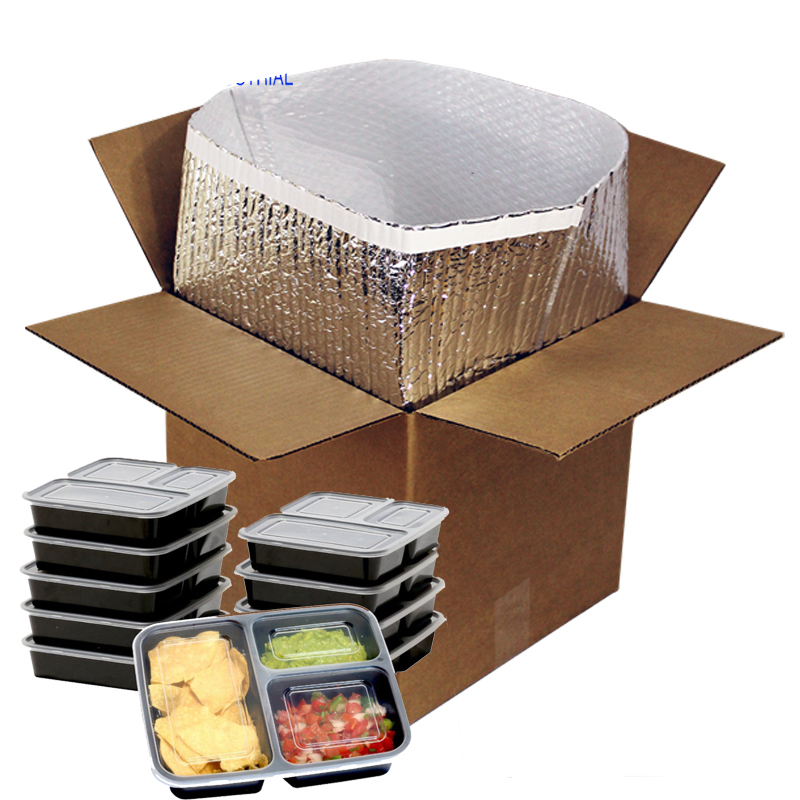
Bolsa De Entrega Aislada Logo Italia: De obras de arte a activos de flota controlados
An insulated delivery bag logo Italy order should pass four approvals before volume production: la bolsa base debe ajustarse a la ruta, la obra de arte debe estar autorizada y reproducible, el producto decorado debe permanecer seguro y funcional, y la flota debe tener un plan creíble de uso y retorno. Tratarlos como una aprobación de impresión apresurada crea una ambigüedad costosa. El siguiente método los conecta sin confundir el permiso de la marca con el cumplimiento del producto o una muestra atractiva con una producción repetible..
Escriba la promesa de servicio antes de diseñar el transportista
La bolsa representa una promesa en la puerta del cliente.. Defina esa promesa en un lenguaje operativo.. Un restaurante puede necesitar recipientes de comida en posición vertical, acceso rápido para pasajeros, separación de elementos incompatibles, y fácil limpieza. Una cadena de supermercados puede priorizar la identidad de los activos, organización de orden mixto, ajuste fuera del estante, y repetidas reasignaciones. Un servicio de farmacia puede necesitar reclamaciones restringidas, entrega rastreable, y alineación con un proceso de distribución específico del producto.
Evite convertir la promesa en una redacción térmica no respaldada. An insulated bag reduces heat flow; no refrigera ni calienta activamente su contenido. El resultado de la temperatura depende de la condición inicial de la carga útil, bolsa y cierre, espacio aéreo disponible, refrigerante u otros componentes cuando se utilizan, exposición, patrón de apertura, y ruta. Si el servicio depende de un límite de temperatura, Definir y evaluar el sistema completo frente a los requisitos reales del producto..
Observa un ciclo realista antes de sacar la bolsa.:
- La carga útil espera en preparación.
- Un recolector carga contenedores y cualquier inserto..
- Un mensajero cierra y monta o transporta la unidad..
- La bolsa encuentra movimiento., clima, parada, y aberturas.
- Se entrega el pedido y se retiene o se devuelve al transportista.
- La unidad está limpia, seco, inspeccionado, almacenado, y reeditado.
en cada paso, espacio de registro, acciones humanas, contaminación, abrasión, flexionando, y necesidades de información. El logo debe permanecer claro., pero no debe desplazar un mango, debilitar un panel térmico, cubrir un código de activo, o hacer la limpieza más difícil.
Definir dimensiones internas utilizables alrededor de contenedores físicos.. La capacidad nominal no muestra conicidad, costuras, intrusión de aislamiento, divisores, espacio de refrigerante, o autorización de cierre. Pruebe una pequeña carga de rutina y la carga esperada más exigente. El llenado excesivo puede impedir el cierre; el relleno insuficiente puede permitir el movimiento y distorsionar los paneles blandos del logotipo.
Congele la bolsa base antes de seleccionar la impresión
La decoración depende de la superficie acabada.. Un nombre de material genérico como poliéster no revela el revestimiento., textura, aditivos, energía superficial, o sensibilidad al calor que determinan la compatibilidad de impresión. Solicite la especificación propuesta para el panel exterior e identifique qué atributos son críticos para el proceso de decoración..
Revisar todo el muro. El tejido exterior protege contra la manipulación y lleva la imagen.. El núcleo aislante influye en la resistencia térmica y la rigidez.. El revestimiento se ocupa de la condensación., derrames, y limpieza. Laminaciones y adhesivos mantienen unida la estructura.. Costuras, rutas de cremallera, esquinas, y los anclajes de los mangos pueden crear puntos débiles mecánicos y térmicos.. Cambiar una capa para mejorar la impresión puede afectar otras funciones.
Elija la geometría final de la bolsa antes de colocar el arte.. En un bolso plegable, Evite el pliegue principal a menos que el gráfico elegido esté destinado a flexionarse allí.. En un portamotos, montar la muestra cargada e identificar los paneles ocultos por el ciclista, marco, reflectores, correas, o cierres. En un diseño para llevar en la mano, observe dónde se frotan las manos y la ropa. Mantenga los detalles finos alejados de las costuras y transiciones texturizadas.
Si la bolsa es parte de un paquete térmico definido, tratar cambios significativos de construcción o decoración a través del proceso de cambio técnico del proyecto. Una gran transferencia, parche bordado, o el nuevo revestimiento del panel puede no ser térmicamente significativo en todos los diseños, pero la conclusión debe revisarse en lugar de asumirse..
La aprobación de la bolsa base debe cubrir el ajuste de la carga útil., estabilidad cargada, apertura, cierre, llevar comodidad, interfaz del vehículo, acceso al transatlántico, limpieza, el secado, identificación, y mano de obra. Sólo entonces una costosa muestra decorada debería convertirse en la referencia de producción..
Convierta el logotipo en datos de fabricación controlados
Recoge un maestro de vectores, versión de marca aprobada, referencias de color, regla de espacio libre, tamaño mínimo legible, fondos permitidos, y modificaciones prohibidas. Incluir fuentes o texto delineado según las necesidades de producción.. Identificar cualquier gradiente, buenas reglas, transparencia, base blanca, efectos especiales, o redacción multilingüe que podría cambiar la selección del método.
Los derechos de obra de arte necesitan la aprobación de un propietario designado. Si la marca pertenece a un grupo de restaurantes, franquicia, detallista, plataforma, patrocinador, o organismo de certificación, obtener una autorización escrita adecuada antes de imprimir. Aclarar producto, territorio, duración, acceso de proveedores, versiones de campaña, y límites de marca compartida con asesoramiento legal adecuado. La propiedad del archivo y el permiso de impresión no son lo mismo.
Asignar una revisión y fecha del arte.. El comprobante del proveedor debe mostrar la revisión de la bolsa., tamaño del logotipo, puntos de referencia, orientación, bandera, método, y cada panel que lleva gráficos. Marca, obtención, operaciones, y los propietarios legales o de derechos pueden aprobar el mismo objeto. Los cambios después del muestreo físico deben regresar al archivo controlado en lugar de estar solo en los comentarios del correo electrónico..
El color debe aprobarse físicamente cuando sea necesario.. Las pantallas varían, y el resultado percibido cambia con el color del sustrato., textura, brillo, opacidad de la tinta, iluminación, y procesar. Acordar una referencia y tolerancia práctica.. Si la identidad visual es perfecta en el papel, pantallas de aplicaciones, pintura de vehiculos, uniformes, y textiles recubiertos es imposible, el propietario de la marca debe decidir cuál es la relación aceptable en lugar de pedirle a la fábrica que adivine.
Seleccione la decoración según su interfaz más débil
Serigrafía, transferencia de calor, impresión digital directa, sublimación, bordado, y los paneles extraíbles crean cada uno diferentes interfaces. La pregunta útil no es qué método es premium, pero qué falla es más probable en la ruta planificada.
Las tintas líquidas necesitan una humectación adecuada, adhesión, secar o curar, y compatibilidad con el recubrimiento. Las transferencias se basan en una película y una unión adhesiva creada bajo calor y presión controlados.. La sublimación requiere un sustrato compatible y un proceso térmico.. El bordado añade puntadas, apoyo, compresión, y pinchazos. Los paneles reemplazables añaden sujetadores, bordes, y un proceso de gestión.
| Condición del proyecto | Decisión de decoración | Pruebas antes de la liberación |
|---|---|---|
| Gran marca en negrita en un panel compatible estable | La pantalla u otra impresión directa pueden ser prácticas | Panel de producción decorado, control de cura, revisión de frotamiento y limpieza |
| Ilustraciones multicolores detalladas. | La transferencia o la ruta digital admitida pueden preservar los detalles | Adhesión de bordes, flexionando, color, efecto calor, y usar prueba |
| Panel de poliéster imprimible adecuado | La sublimación puede integrar el gráfico en el panel. | Confirmación del sustrato, conversión de color, control de distorsión |
| Identidad texturizada premium | El bordado o la insignia pueden ajustarse a la marca. | Punción, compresión, engancharse, higiene, y revisión de la pared |
| Flota multicomercial o estacional | La identidad reemplazable puede reducir las bolsas base obsoletas | Adjunto seguro, control de perdidas, limpieza, proceso de caducidad de derechos |
| Ubicación de alta flexión o alta abrasión | Reubique el arte o rediseñe el panel antes de cambiar la tinta. | Mapa cargado de pliegues., apretones, contacto del vehículo, y zonas de desgaste |
La tabla dirige las pruebas hacia la interfaz más débil.. No se trata de afirmar que un proceso siempre superará a otro.. La química del sustrato y el control de fábrica pueden hacer que dos bolsas visualmente similares se comporten de manera diferente.
Definir durabilidad a través de modos de falla: desvanecimiento, transferencia de color, abrasión, agrietamiento, peladura, levantamiento de borde, virar, tinción, delaminación, distorsión, engancharse, o paneles perdidos. Reproducir flexión relevante., frotamiento, humedad, manipulación cargada, almacenamiento, y el método de limpieza previsto. Acordar criterios de aceptación antes del ensayo y registrar materiales., proceso, observaciones, y aprobadores.
Evite reclamaciones de ciclo fijo no respaldadas. El significado de un ciclo de limpieza depende de la química., concentración, temperatura, mecánica, el secado, y evaluación. Utilice una prueba controlada para la repetibilidad y una prueba representativa de campo para la relevancia operativa..
Cree un archivo de versión con decisiones de cumplimiento independientes
El expediente de liberación debe reunir las decisiones manteniendo separadas sus bases jurídicas.. Como mínimo, debería explicar la autorización de marca, seguridad del producto, límite de contacto con los alimentos, clasificación de embalaje, información ambiental, aprobación de obra de arte, y evidencia de desempeño.
Para productos de consumo dentro del alcance en Italia, Regulación (UE) 2023/988 ha aplicado desde 13 Diciembre 2024. Las empresas relevantes pueden necesitar un análisis de riesgo del producto y documentación técnica., y el producto o embalaje puede necesitar trazabilidad, Datos del fabricante y del operador económico responsable., e información de seguridad. Las ofertas a distancia pueden conllevar requisitos de información adicionales.. El alcance depende del producto y canal., mientras que las normas sectoriales pueden añadir derechos.
El logotipo del comerciante no es necesariamente la identificación legal del fabricante.. Un producto de marca blanca puede mostrar la marca del cliente y al mismo tiempo proporcionar las identidades y la referencia del producto necesarias para la trazabilidad.. Mantenga permanente la información neutral del producto cuando se utilicen campañas removibles o paneles de comerciantes..
El marcado CE no es una insignia de calidad universal. Aplicarlo sólo cuando la legislación que regula el producto real así lo requiera.. Un transportista pasivo puede no estar dentro de un régimen de marcado CE; agregando enfriamiento motorizado, calefacción, baterias, luces, o la electrónica puede cambiar el análisis legal y técnico.
Las reglas de contacto con alimentos siguen el contacto previsto y previsible. Un soporte secundario para contenedores primarios sellados se diferencia de un revestimiento destinado a alimentos sueltos.. El marco MOCA de Italia se basa en las normas de la UE sobre contacto con alimentos, incluyendo Reglamento (CE) 1935/2004 y buenas prácticas de fabricación según el Reglamento (CE) 2023/2006, con medidas específicas y nacionales relevantes para ciertos materiales. Solicite documentación que identifique el componente terminado exacto y las condiciones de uso.. Considere las tintas, revestimientos, adhesivos, activar, rutas migratorias, y limpieza donde pueda ocurrir contacto.
La revisión química y de seguridad también debe considerar la exposición externa.. Residuos no curados, olor fuerte, transferir a las manos o la ropa, insignias sueltas, sujetadores afilados, símbolos de temperatura engañosos, y la degradación de la limpieza pueden convertirse en riesgos para el producto.. La revisión de la marca por sí sola no los detectará.
Reserve espacio para información sobre envases italianos
Clasificar el transportista de marca y sus componentes de envío.. La bolsa puede ser un producto., un artículo de transporte reutilizable, embalaje, o desempeñar diferentes roles en diferentes acuerdos de suministro. el cartón, manga, etiqueta, película protectora, inserciones, y otros materiales relacionados deben revisarse por separado.
Las normas italianas de etiquetado medioambiental para embalajes pueden exigir información sobre la identificación del material y su eliminación según el caso aplicable.. Un ícono de reciclaje o un logotipo de cliente no reemplaza esos requisitos.. Asegúrese de que el diseño gráfico reserve un área de información legible y mantenga los mensajes de eliminación distintos de las afirmaciones de marketing..
Regulación (UE) 2025/40 sobre envases y residuos de envases entró en vigor en 2025 y generalmente se aplica desde 12 Agosto 2026. Cubre los envases comercializados en la UE y los residuos de envases., con requisitos y cronogramas de transición que necesitan una revisión específica del producto. Las especificaciones de diseño y embalaje deben compararse con las normas aplicables cuando los productos se comercializan en el mercado italiano., no sólo cuando se aprobó el diseño.
Trate las declaraciones ambientales como declaraciones controladas. “Reutilizable” requiere un circuito operativo; El “contenido reciclado” debe identificar el componente y la evidencia.; "reciclable" debe tener en cuenta el conjunto compuesto y la ruta real. No permita que un gráfico de hoja implique un beneficio para todo el producto que el archivo admite solo para una capa textil..
Proteger la aprobación mediante la producción y la reutilización
La especificación de producción debe conectar la bolsa aprobada., panel, preparación de la superficie, sistema de decoracion, revisión de arte, referencia de color, posición, hechura, trazabilidad, instrucciones de limpieza, y embalaje. Requerir aviso antes de cambios en fábrica., textil, revestimiento, espuma, transatlántico, tinta, transferir, adhesivo, pretratamiento, curar, costuras, dimensiones, o método de impresión.
Al recibir la inspección, comprobar la función y la apariencia juntos. Verificar la identidad del producto y del lote, dimensiones utilizables, cierre, costuras, reforzamiento, transatlántico, limpieza, versión del logotipo, colocación, orientación, cobertura, defectos de adherencia obvios, y embalaje circundante. Defina la segregación y la escalada para que un defecto de marca no circule mientras los equipos debaten la responsabilidad..
El proceso de flota comienza después de la aceptación.. Asignar cada transportista, registro de emisión y devolución, aplicar el método de limpieza aprobado, secarlo completamente, inspeccionar la impresión y la construcción, reparar sólo dentro de límites definidos, y retirar unidades que ya no protejan la higiene, manejo, o función térmica prevista. Un bolso puede verse presentable aunque las capas ocultas o los cierres hayan fallado.
Los derechos de campaña y de los comerciantes necesitan fechas de finalización. Retire los paneles obsoletos y controle las bolsas de marca retiradas para evitar el uso no autorizado. Planifique la ruta del material para las unidades retiradas y evite llamar reciclable al compuesto completo a menos que exista una ruta basada en evidencia para el mercado previsto..
Medir la operación, no solo el material. Devoluciones, pérdidas, fallos de limpieza, refacción, daño de impresión, y las razones de retiro revelan si el diseño respalda una reutilización creíble. Esa evidencia hace que el próximo pedido sea más sostenible y económico sin depender de afirmaciones genéricas del mercado..
Preguntas frecuentes
¿Cuándo se debe elegir el método del logotipo??
Elígelo después de la bolsa base., material del panel, revestimiento, geometría, limpieza, y se entienden las exposiciones de ruta. Las primeras obras de arte pueden guiar la planificación del panel, pero la aprobación final del método debe utilizar una superficie representativa de la producción y una muestra decorada.. Seleccionar la impresión antes de que el sustrato esté estable crea nuevas pruebas y riesgos de color evitables.
¿Puede una impresora alterar mi logotipo para hacerlo fabricable??
Sólo a través del proceso de aprobación del arte acordado. La simplificación técnica puede ser sensata para las líneas finas, texto pequeño, gradientes, o fondos de bajo contraste, pero el titular de los derechos o el propietario autorizado de la marca debe aprobar la revisión.. Mantener el maestro alterado, prueba, y archivo de producción bajo una nueva revisión.
¿Qué hace que una prueba de durabilidad de la impresión sea relevante??
Debería reproducir posibles fallos según el uso previsto.: flexionando, frotamiento, condensación, derrames, deformación cargada, contacto de almacenamiento, y el proceso de limpieza real. La prueba debe identificar los materiales., preparación, decoración, condiciones, y criterios de aceptación. Combine la evaluación controlada con una prueba de campo representativa cuando el riesgo lo justifique.
¿Se considera la bolsa isotérmica embalaje de alimentos en Italia??
No automáticamente. Su estado depende de la función., modelo de suministro, y si entra en contacto con alimentos o sirve como embalaje. Un transportador para paquetes primarios sellados se diferencia de un revestimiento de contacto directo. Clasificar la bolsa y el embalaje circundante por separado., luego aplique el MOCA correspondiente, embalaje, y normas de información ambiental.
¿Quién es responsable cuando aparece el logo de un cliente en la bolsa??
Las responsabilidades pueden ser compartidas entre el propietario de la marca., fabricante legal, importador, Operador económico responsable de la UE, distribuidor, decorador, y empresas que colocan el producto en el mercado. El logo no reemplaza esos roles.. Definirlos contractualmente, mantener una autorización de arte por escrito, y preservar la trazabilidad requerida en el producto o embalaje..
Conclusión: Cuatro aprobaciones crean un producto confiable
Aprobar el ajuste de ruta, la obra de arte con derechos controlados, el producto decorado, y el circuito operativo como decisiones separadas. Congele el sustrato antes de imprimir la selección, probar modos de falla en una muestra realista, y conectar cada afirmación con la evidencia. Mantener GPSR, contacto con alimentos, Etiquetado medioambiental italiano, y clasificación PPWR visible en el archivo de lanzamiento. Finalmente, proteger la combinación aprobada con control de cambios, recibiendo inspección, y reutilización gestionada. Así es como un logotipo se convierte en parte de un activo creíble de la flota en lugar de un tratamiento superficial frágil..
Acerca de Tempk
Tempk es la marca de Shanghai Tempk Industrial Co., Limitado. We support B2B buyers evaluating cold-chain and insulated packaging and related temperature-control packaging products. Para un proyecto de bolso de marca italiana, Podemos ayudar a convertir la carga útil., ruta, papel térmico, limpieza, reutilizar, obra de arte, y preguntas del mercado en un resumen de muestra enfocado. Comparta su ciclo operativo y el canal italiano previsto con Tempk para comparar opciones prácticas y aclarar las pruebas a solicitar antes de la producción..