Logística de la cadena de frío farmacéutica (PCCL) refer to the end to end system of temperature controlled storage and transport that ensures medicines remain potent and safe from manufacture to patient. As more treatments require refrigeration or deep freezing, you need confidence that your products stay within strict temperature ranges. Logística de la cadena de frío farmacéutica protect sensitive biologics, vaccines and cell therapies worth billions of dollars, yet failures still cost the industry $20 - $35 mil millones anualmente. En esta guía completa, actualizado en Noviembre 2025, you’ll learn how regulations, advanced monitoring, specialized packaging and sustainability efforts work together to secure the modern pharmaceutical cold chain.

Cold chain basics: explanation of key terms and temperature ranges, with data on the market’s size and growth.
Marco regulatorio: overview of Good Distribution Practices (PIB), WHO guidelines and other standards【390547465815584†L1188-L1229】.
Tecnologías de monitoreo en tiempo real: cómo los sensores de IoT, GPS and blockchain enhance traceability and reduce temperature excursions.
Therapies requiring ultra cold storage: vacunas, biológicos, cell and gene therapies and their temperature requirements.
Last mile and sustainability challenges: issues in delivery, reusable packaging and carbon reduction strategies.
What Is Pharmaceutical Cold Chain Logistics?
Pharmaceutical cold chain logistics ensure that temperature sensitive products are stored and transported within specific temperature ranges to maintain efficacy and safety. The cold chain includes manufacturing sites, almacenes, transport carriers, farmacias y hospitales. Products often require: temperatura ambiente controlada (20 °C – 25 °C), refrigeración (2 °C – 8 °C), frozen storage (por debajo de –10 °C), almacenamiento ultrafrío (–60 °C a –80 °C) o almacenamiento criogénico (–150 °C o menos). Keeping products within these ranges prevents degradation or loss of potency.
Why is cold chain management critical?
High failure costs: The pharmaceutical sector loses $20–35 billion annually due to cold chain failures. Even minor temperature deviations of 1–2 °C can degrade biologics, vacunas o insulina.
Vaccine wastage: Cerca de 50 % of vaccines are discarded globally because of improper temperature management. Temperature excursions risk patient safety and public trust.
Growing pipeline: Biologics account for more than one third of new drug approvals, y sobre 85 % de los productos biológicos requieren gestión de la cadena de frío. Terapias celulares y genéticas., peptides and specialty drugs also need precise temperature control.
Temperature ranges and examples
| Condition/therapy | Rango de temperatura típico | Productos de ejemplo | Impacto en el mundo real |
| Temperatura ambiente controlada | 20 °C-25 °C | Oral solid dose drugs | Easier storage; minimal cold chain |
| Refrigerado (2 °C-8 °C) | 2 °C-8 °C | Insulina, anticuerpos monoclonales, muchas vacunas | The majority of cold chain products require this range |
| Congelado | Below –10 °C | Algunas vacunas; hormone therapies | Protects stability during long distance shipment |
| ultra frio | –60 °C a –80 °C | Vacunas de ARNm (BioNTech de Pfizer); algunos vectores virales | Requiere congeladores especializados; strict monitoring |
| criogénico | –150 °C o menos | Terapias celulares y genéticas. (CAR T), tissue engineered products | Requires liquid nitrogen vapor storage; chain of custody systems |
Componentes clave de la cadena de frío
Manufacturing and primary packaging: Temperature parameters are established during process development. Biologics require controlled cooling during harvest, refrigerated storage of intermediates and cryogenic storage of final product.
Storage and warehousing: Validated temperature controlled warehouses with backup power maintain different zones for refrigerated, frozen and cryogenic products.
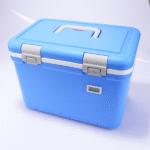
Transporte: Passive and active containers, refrigerated vehicles and real time monitoring devices ensure temperature control during transit.
Distribution to healthcare providers: Farmacias, hospitals and clinics must store products within recommended ranges and document temperature monitoring.
How Do Regulations Safeguard Temperature Sensitive Medicines?
Robust regulations and standards underpin pharmaceutical cold chain logistics. Adhering to these guidelines is not just a legal requirement—it protects product integrity and patient safety.
Buenas prácticas de distribución (PIB)
GDP guidelines established by the European Medicines Agency (EMA), A NOSOTROS. FDA and WHO ensure proper storage, handling and documentation across the supply chain. GDP requires:
Maintaining specified temperature ranges during storage and transport.
Temperature controlled transport under service level agreements (SLA) that make carriers responsible for maintaining load temperatures.
Qualification of temperature controlled vehicles and containers, including calibration of sensors and alarm systems to ±0.5 °C accuracy.
Comprehensive documentation for shipments, including temperature records, to demonstrate compliance.
Directrices de la Organización Mundial de la Salud
The WHO’s Guía modelo para el almacenamiento y transporte de productos farmacéuticos sensibles al tiempo y a la temperatura (Anexo 9) provides detailed technical standards. Los puntos clave incluyen:
Transport route profiling: selecting appropriate shipping equipment based on ambient conditions and product stability profiles.
Vehículos con temperatura controlada: vehicles must maintain temperatures across varying climates and be equipped with calibrated sensors and alarms.
Escucha: control sensors should be accurate to ±0.5 °C and record temperatures at least six times per hour.
Seguridad: high value or controlled substances require tamper proof seals, security cleared drivers and GPS devices to prevent theft.
Other standards and codes
A NOSOTROS. Capítulo de farmacopea <1079>: provides guidance on temperature monitoring and excursion management for storage and transport.
Asociación Internacional de Transporte Aéreo (IATA) Regulaciones de control de temperatura (TCR): set standards for air transport of temperature sensitive pharmaceuticals, incluyendo empaque, procedimientos de seguimiento y manipulación.
Health authority regulations: FDA 21 CFR 211, EMA EudraLex Volume 4 and WHO GDP guidelines require continuous temperature monitoring and qualification of equipment.
Compliance with these standards ensures that you can demonstrate product integrity to regulators and patients alike.
What Technologies Ensure Real Time Monitoring and Traceability?
Breakthrough technologies are transforming pharmaceutical cold chain logistics by providing real time visibility and proactive intervention.
IoT sensors and cloud monitoring
Moderno IoT monitoring solutions allow continuous temperature and humidity tracking during storage and transport. Embedded sensors in crates or pallets record data and transmit it to cloud platforms. Según IoT para todos, IoT cold chain systems provide temperature reports, estimated arrival times and alerts for temperature deviations, enabling companies to handle temperature controlled products more efficiently. The devices deliver real time tracking and analytics, decreasing human error and simplifying monitoring. When used in combination with humidity monitors, they ensure comprehensive environmental control.
GPS and real time location tracking
GPS technology enhances transparency and traceability by continuously locating shipments and optimizing routes. Mercurio 2025 report highlights that real time GPS enables managers to adjust routes to avoid traffic and weather, Reducir el consumo de combustible y las emisiones de carbono.. GPS also improves security by detecting unauthorized access and helps companies meet regulatory requirements for documentation.
Blockchain para registros a prueba de manipulaciones
To combat counterfeiting and improve traceability, blockchain technology creates immutable records of shipment journeys. Mercury notes that blockchain provides tamper proof chain of custody documentation, enabling stakeholders to verify product authenticity and monitor statuses effectively. Cuando se integra con sensores de IoT, blockchain ensures that temperature and location data cannot be altered, thereby improving trust across the supply chain.
Inteligencia artificial y análisis predictivo
AI and machine learning analyze sensor and GPS data to predict potential disruptions and optimize logistics. By examining patterns in temperature excursions and transit times, AI can propose corrective actions before a failure occurs. Predictive analytics also help identify the most efficient routes and suggest preventive maintenance for equipment, reduciendo el tiempo de inactividad.
Smart packaging and phase change materials
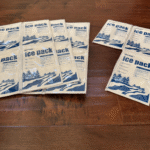
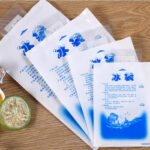
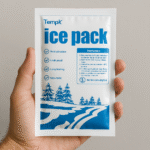
Traditional gel packs can be wasteful, and they often require heavy insulation. Advanced phase change materials (PCM) freeze and melt at or near the target temperature of the product, providing more efficient thermal control and reducing package size, weight and freight costs. These non toxic, reusable refrigerants help maintain stable temperatures and support sustainability goals.
AI driven control towers and autonomous systems
Companies like Sensos combine AI with IoT (AIoT) to create control towers that analyze temperature data and provide immediate alerts. Their sensors track temperature with ±0.5 °C accuracy and monitor location, tamper detection, shock and humidity across 65 países. Automated alerts enable swift intervention, and AI predicts spoilage risk so you can reroute shipments before damage occurs.
Which Therapies Require Ultra Cold Storage?
The pharmaceutical cold chain serves an expanding array of therapies and disease areas. Knowing the temperature requirements for each product helps you design appropriate logistics.
Biológicos y biosimilares
Biologics include monoclonal antibodies, recombinant proteins and antibody drug conjugates (ADC). Encima 85 % de los productos biológicos requieren gestión de la cadena de frío. These products are usually refrigerated (2 °C-8 °C) and must avoid freeze thaw cycles, which can denature proteins. Large molecules have complex structures that degrade rapidly when exposed to heat or repeated temperature fluctuations.
Vacunas
Vaccines are among the most temperature sensitive medicines. Vacunas tradicionales (influenza, hepatitis, VPH) requerir 2 °C–8 °C almacenamiento. Vacunas de ARNm developed during the COVID 19 pandemic highlighted the need for ultra cold logistics: Pfizer BioNTech’s vaccine requires –60 °C a –80 °C, and Moderna’s vaccine is stored at –20 ºC. La OMS estima que casi 50 % of vaccines are wasted each year due to inadequate cold chain management.
Terapias celulares y genéticas.
Personalized cell and gene therapies such as CAR T treatments are highly sensitive. They require cryogenic storage at –150 °C or below using liquid nitrogen vapor phase. Strict chain of custody protocols ensure the therapy prepared for one patient is not mixed with another’s. Digital tracking and tamper proof seals are essential.
Peptides and specialty pharmaceuticals
Peptide drugs like GLP 1 agonists for diabetes and obesity create substantial demand for cold chain infrastructure. Insulina, factores de coagulación sanguínea, immunoglobulins and ophthalmic medicines also need refrigeration. Specialty pharmaceuticals often have narrow therapeutic windows; maintaining potency through proper cold chain logistics ensures patient safety.
Materiales de ensayos clínicos
Investigational products for global clinical trials must be shipped to sites worldwide. Cold chain partners ensure consistent temperature control across different climate zones and provide real time visibility for sponsors. This requires integrated global networks and harmonized documentation.
Mesa: Therapies and storage requirements
| Tipo de terapia | Condición de almacenamiento | Critical considerations | Implicaciones prácticas |
| Vacunas de ARNm | ultra frio (–60 °C a –80 °C) | Dry ice and specialized freezers; limited shelf life once thawed | Schedule deliveries to minimize thaw time and use real time temperature monitoring |
| Terapias con células CAR T | criogénico (–150 °C o menos) | Liquid nitrogen vapor, chain of custody tracking | Use validated cryogenic shippers with GPS and IoT sensors |
| Anticuerpos monoclonales | Refrigerado (2 °C-8 °C) | Avoid freeze–thaw cycles; maintain stable humidity | Employ multi zone refrigerated vehicles and real time humidity monitors |
| Peptide hormones | Refrigerado | Temperature excursions degrade peptides quickly | Use phase change refrigerants and insulated packaging |
| Vacunas tradicionales | Refrigerado | High volume distribution; 50 % wasted due to poor cold chain | Use robust monitoring and training at last mile facilities |
What Challenges Arise in Last Mile Delivery and Sustainability?
The final leg of the journey—from distribution hub to healthcare provider or patient—is often the most vulnerable. Entrega de última milla involves smaller shipments, frequent stops and varying storage conditions. Los desafíos clave incluyen:
Optimización de ruta: Farmacias, clinics and hospitals may be widely dispersed. GPS enabled route planning reduces fuel consumption, carbon emissions and transit times. Real time data allows logistics managers to avoid traffic or weather disruptions.
Seguridad: High value biologics and cell therapies are targets for theft or tampering. Vehicles should have lockable doors, tamper proof seals, intruder alarms and GPS tracking.
Temperature control in small packages: Deliveries may be broken into individual doses. Portable containers must maintain temperatures for extended periods. Monitoring sensors should be accurate to ±0.5 °C and record temperatures frequently.
Training and human factors: The final delivery often involves pharmacy staff or couriers who may not fully understand cold chain requirements. Clear procedures and training prevent unnecessary exposure to ambient conditions.
Sostenibilidad y envases reutilizables
Environmental concerns are reshaping pharmaceutical cold chain logistics. A Clinical Trials Arena analysis notes a growing emphasis on sustainable practices; single use packaging can be wasteful, and companies are exploring reusable and recyclable materials. A 2024 GlobalData poll found that 43 % of respondents ranked environmental issues as the most important ESG concern for pharma. Combining green energy and advanced technologies can cut energy use and emissions. Los vehículos propulsados por gasolina pueden ahorrar más 1,400 toneladas de emisiones de CO₂.
Further sustainable strategies include:
Reusable containers and active packaging systems: Battery powered units provide controlled environments for sensitive medicines while minimizing waste.
Re shoring and localized manufacturing: Producing therapies closer to patients reduces shipping distances and emissions.
Recycling of data loggers and packaging: Some logistics providers re use cold chain transport data loggers to lower environmental impact.
Materiales de cambio de fase: Non toxic PCMs reduce packaging size and weight, lowering freight costs and carbon footprint.
2025 Trends and Innovations in Pharmaceutical Cold Chain Logistics
Descripción general de la tendencia
El sector de la cadena de frío sigue evolucionando rápidamente. Market research estimates the global pharmaceutical cold chain market at about USD 6.4 mil millones en 2024 con una CAGR proyectada de 3.8 % a través de 2035. The growth is driven by biologics expansion, cell and gene therapy pipelines, precision medicine and globalization of clinical trials. Las tendencias clave incluyen:
Digitalization and AI: Integración de la IO, AI and blockchain improves real time visibility and predictive maintenance.
Ultra cold and cryogenic capacity: Increased demand for cell and gene therapies spurs investment in –80 °C freezers and liquid nitrogen storage facilities.
Sostenibilidad: Embalaje reutilizable, green energy and recyclable materials are becoming mainstream.
Outsourcing to specialized CDMOs: Biopharma companies increasingly partner with contract development and manufacturing organizations (CDMO) to access specialized cold chain capabilities.
Últimos avances
Integrated IoT AI platforms: Real time sensors feed data into AI platforms that predict temperature excursions and optimize routes. Sensos’ AI powered control towers are adopted by major players like Bayer and DB Schenker.
Trazabilidad habilitada por blockchain: Startups and logistics providers are piloting blockchain systems to create immutable logs of temperature, cambios de ubicación y custodia, enhancing authenticity and preventing counterfeiting.
Automatización y robótica.: en almacenes, autonomous guided vehicles move pallets within cold rooms, reducing human exposure to extreme temperatures. Automated packaging lines maintain sterility and consistency.
Decentralized manufacturing: Micro factories near major cities reduce shipping distances and facilitate personalized medicine. This trend aligns with sustainability goals and improved responsiveness.
Ideas del mercado
Monitoring components growth: The market for temperature monitoring sensors and devices is projected to grow at a CAGR of 22.5 % a través de 2033, reflecting the increasing need for real time visibility.
Mercado de terapia celular y génica: The cell and gene therapy CDMO market is expected to expand from Dólar estadounidense 6.31 mil millones en 2024 a USD 74.03 mil millones por 2034. These therapies demand stringent cryogenic logistics.
Biologics pipeline: Over half of late stage drug pipelines are biologics, driving ongoing investment in cold chain infrastructure.
Preguntas frecuentes
- What temperatures must vaccines and biologics be stored at?
Most vaccines and biologic medicines require refrigerated storage at 2 °C-8 °C. mRNA vaccines need ultra cold storage at –60 °C a –80 °C, and some gene therapies require cryogenic storage below –150 °C. Siga siempre las pautas del fabricante..
- Why is real time monitoring important in pharmaceutical cold chain logistics?
Real time monitoring using IoT sensors allows companies to detect temperature deviations immediately and take corrective action, reducir la pérdida de productos y garantizar el cumplimiento. Monitoring also provides transparency for regulators and patients.
- How do phase change materials improve packaging efficiency?
Materiales de cambio de fase (PCM) freeze and melt at near target temperatures, siempre que stable thermal control and reducing the size and weight of packages. Son reutilizables y no tóxicos., lowering freight costs and environmental impact.
- What are the main causes of cold chain failures?
Cold chain failures result from excursiones de temperatura, equipment breakdowns, human error, transit delays and insufficient monitoring. Climate change and volatile weather increase risk.
- How can companies make the cold chain more sustainable?
Sustainability improvements include using embalaje reutilizable, cambiando a green energy fuels (p.ej., hydrotreated vegetable oil, biomethane), recycling data loggers and exploring local manufacturing and re shoring.
Resumen y recomendaciones
En 2025 the pharmaceutical cold chain is a vital infrastructure underpinning modern medicine. Robust pharmaceutical cold chain logistics protect sensitive products, prevent billions of dollars in losses and safeguard patient health. Puntos clave para recordar:
Adhere to regulatory guidelines: Siga el PIB, WHO and IATA standards for storage, transporte y documentacion.
Invierta en monitoreo en tiempo real: sensores de iot, GPS and blockchain provide visibility and rapid intervention to prevent temperature excursions.
Plan for ultra cold and cryogenic therapies: mRNA vaccines and cell therapies require specialized storage and chain of custody systems.
Address last mile challenges: Optimizar rutas, secure shipments and train staff to maintain temperature control.
Adopte la sostenibilidad: Embalaje reutilizable, green energy and phase change materials can reduce carbon footprint while maintaining product integrity.
Siguientes pasos
Evalúe la preparación de su cadena de frío. Conduct a gap analysis of temperature controlled facilities, equipment qualification and training. Identify weaknesses in monitoring and last mile delivery.
Implementar monitoreo en tiempo real. Deploy IoT sensors across warehouses and vehicles to achieve continuous visibility and automated alerts.
Fortalecer alianzas. Collaborate with specialized CDMOs and logistics providers to access advanced cold chain capabilities and share best practices.
Develop sustainability plans. Pilot reusable packaging and evaluate green transportation options. Measure carbon savings and seek certifications.
Mantente informado. Monitor regulatory updates and invest in technologies like AI and blockchain that will shape the cold chain in coming years.
Acerca de Tempk
Tempk se especializa en logística de la cadena de frío farmacéutica, delivering innovative packaging solutions, monitoring technology and expertise to ensure product integrity. We provide non toxic phase change materials, reusable insulated containers and cloud connected sensors that maintain the precise temperature ranges required for vaccines, biológicos y terapias celulares. Our team integrates regulatory compliance, sustainability and cutting edge technology to support clients from development through distribution. Con tempk, you gain a partner committed to protecting patient safety and minimizing waste in the cold chain.
Llamado a la acción: Listos para fortalecer tu cadena de frío? Contact our experts for a personalized assessment and explore how Tempk’s solutions can enhance the safety, sustainability and efficiency of your temperature sensitive logistics.