Pharmaceutical Cold Chain Shipping Solutions from Route Profile to Routine Release
un farmaceutico envío de cadena fría solution is the controlled combination of route, packaging or vehicle, instrucciones de manejo, escucha, contingency actions and receiving decisions. Selecting a container is only one design step. The solution must address the exposure points and responsibilities from packing through receipt.
This guide is for logistics, quality and packaging teams designing a new lane or correcting an unreliable one. It uses a route based workflow so that packaging evidence and operating controls remain connected to the shipment that they are meant to protect.
Assign the lane requirement and quality owner
Begin with the approved product requirement and define the door to door scope. Record the applicable transport limits, relevant nonthermal sensitivities, shipment value or criticality, rango de carga útil, origen, destination and receiving capacity. Identify who can approve the lane and who can decide product disposition if monitoring shows an excursion.
Regional rules and company procedures may differ. Por ejemplo, the EU Good Distribution Practice guidelines require a risk based approach to transport planning and maintenance of the manufacturer defined storage conditions. The WHO model guidance provides an international reference while stating that local legislation and regulation take precedence.
Map every exposure point on the route
The planned transit time rarely captures the whole thermal challenge. Include the time before carrier pickup, loading areas, recorrido de línea, aeropuertos, centros de transferencia, aduanas, conexiones perdidas, almacenamiento de fin de semana, last mile delivery and the period before the receiver moves the product into controlled storage. Record whether the package may be opened, x rayed, relabelled or placed in an uncontrolled vehicle or room.
| Route stage | Questions for the lane profile | Posible control |
|---|---|---|
| Pack and dispatch | How long is the packout open? Is conditioned coolant available and verified? | Instrucción de embalaje, component status check, timer and release record. |
| Pickup and origin hold | Can collection be late? Is the staging area controlled or exposed? | Pickup window, protected staging, escalation time and logger start rule. |
| Main transport | What vehicle or aircraft environments and service interruptions are credible? | Pasivo, active or hybrid architecture with qualified operating limits. |
| Hub or customs | Can the shipment dwell, change custody or enter uncontrolled storage? | Handling agreement, priority process, contingency contact and monitoring. |
| Last mile and receipt | Can delivery fail or the site be closed? Who reviews the shipment? | Appointment, after hours plan, receipt instruction and defined data review. |
Choose the transport architecture from the lane
Passive and active systems solve different operating problems. The best choice depends on route duration, carga útil, handling infrastructure, disponibilidad de energía, logística de devolución, tamaño, risk and the evidence required. A hybrid program may use an active container for the long haul and a qualified remitente pasivo for local distribution.
| Arquitectura | Útil cuando | Questions before selection |
|---|---|---|
| Passive shipper | Parcel or pallet routes where a conditioned packout can cover the defined profile without external power. | rango de carga útil, acondicionamiento del refrigerante, assembly repeatability, perfil, duración, disposición o devolución. |
| Contenedor o vehículo activo | Large or high criticality loads where controlled equipment and infrastructure are available. | Power or fuel continuity, set points, cartografía, alarmas, mantenimiento, backup and transfer risk. |
| Carril híbrido | Different route stages need different controls or the final mile cannot use the main active asset. | Interface timing, transfer environment, responsibility and evidence across both systems. |
Build evidence in stages
The evidence plan should connect the lane risk to the selected system. WHO publishes separate technical supplements for transport route profiling qualification and qualification of contenedores de transporte. Use those as technical references, then apply the requirements of the target markets and the company quality system.
- Document the route and risks. Identify handoffs, puntos de permanencia, seasonal changes, operational constraints and failure scenarios.
- Collect or justify the thermal challenge. Use route data where available and record uncertainty when profiles are based on broader standards or assumptions.
- Qualify the defined packaging or transport configuration. Test the exact bill of materials, payload bounds, acondicionamiento, assembly and monitoring locations against approved acceptance criteria.
- Verify the operational lane. Confirm that the carrier, sitio de paquete, handlers and receiver can execute the approved process and that actual transit behavior is consistent with the assumptions.
- Move to routine control. Release shipments under current instructions, review records and monitoring data, investigate deviations and trend recurring weaknesses.
A successful laboratory test and a successful pilot answer different questions. The laboratory test evaluates the configuration under a defined profile. The pilot checks whether the lane and operators can execute the process. Neither should be presented as a guarantee for an unlimited set of routes or changes.
Herramientas útiles para tomar decisiones
Comprueba los detalles antes de elegir el embalaje.
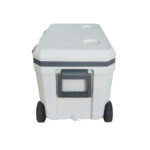
Estas herramientas rápidas pueden ayudarle a comparar el riesgo de la ruta, necesidades de dimensionamiento, opciones de refrigerante, y detalles del embalaje antes de solicitar una cotización.
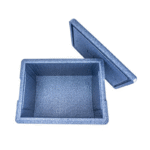
Selector de embalaje
Compare las opciones de embalaje aislado por producto, ruta, y necesidad de temperatura.
encontrar embalajeEvaluador de riesgo de ruta
Revise las condiciones del carril antes de seleccionar el embalaje para requisitos operativos reales..
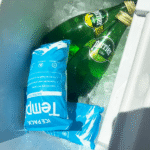
Comprobar riesgo de rutaCalculadora de acumuladores de frío
Estimación de la cantidad de bolsas de hielo en gel para envíos refrigerados y planificación práctica de rutas.
Estimar las bolsas de hieloDesign monitoring to support a decision
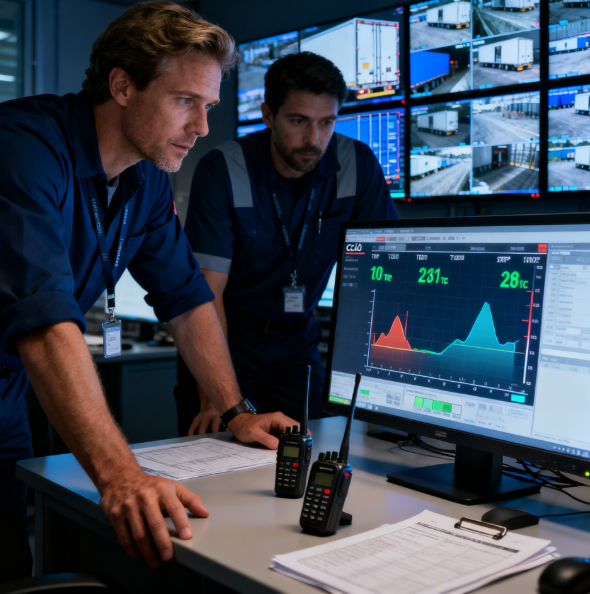
Choose monitoring from the decision it must support. Define the sensor range and accuracy, estado de calibración, intervalo de registro, método de inicio y parada, colocación, data owner, review time and escalation threshold. The logger position should be justified by the qualification or investigation objective. One convenient location may not represent every hot or cold point.
Monitoring documents exposure; no protege la carga útil. An alert is useful only when an authorized person can act before the shipment loses protection or when the receiving team has a clear process for quarantine and assessment. Product disposition should follow stability evidence and the responsible quality procedure, not an automatic rule invented by the packaging supplier.
Control handoffs and air cargo requirements
En cada traspaso, state the required storage condition, maximum transfer time, permitted handling, security controls and escalation contact. The carrier and receiving site should understand whether the shipment can be placed in a general warehouse, opened or delayed. The EU GDP guidelines call for particular attention to monitoring, cleanliness and security when routes include unloading, reloading or transit storage at a hub.
For air cargo booked as time and temperature sensitive healthcare cargo, review the current carrier and IATA pharma handling requirements. IATA describes a time and temperature sensitive label and an acceptance checklist for shipments booked under that service. Confirm the current edition, Reglas del operador, dangerous goods requirements and lane specific documentation instead of assuming that one label satisfies every air shipment.
Prepare deviation and contingency actions
The response should be decided before the shipment departs. A contingency plan cannot recover time if nobody knows who may authorize an action or where the shipment can be moved.
| Guión | Predefined action | Record needed |
|---|---|---|
| Late pickup or missed connection | Hold in approved conditions, notify the control contact and recalculate remaining route time against the qualified boundary. | Tiempo, ubicación, condición de almacenamiento, decision and revised plan. |
| Hub or customs delay | Escalate to the broker or carrier, protect the shipment from uncontrolled exposure and use approved replenishment only if the configuration allows it. | Custody, dwell conditions, intervention and seal or packout status. |
| Damaged shipper | Cuarentena, photograph, check closure and monitoring status, and follow the approved rescue or return instruction. | Damage description, tiempo, temperature data and disposition decision. |
| Logger alarm or excursion | Segregate the product, secure the data and route the event to the authorized quality reviewer. | Complete trace, identidad del dispositivo, calibración, shipment history and assessment. |
| Receptor no disponible | Use the approved after hours location or return path rather than leaving the shipment in an uncontrolled area. | Delivery attempts, custodia, storage and final receipt. |
Review the solution when the lane changes
A lane remains suitable only while its key assumptions remain controlled. Review changes to the product, carga útil, embalaje, ruta, nivel de servicio, transportador, centro, customs pattern, estación, sitio de paquete, horas de recepción, maderero, work instruction or contingency process. Repeated delays or excursions should also trigger risk review. The quality owner can then decide whether documented assessment, focused verification or requalification is needed.
Prepare the shipping solution brief
Before asking a packaging or logistics provider for a solution, prepare one brief that includes:
- Product transport limits, relevant sensitivities and quality decision owner.
- rango de carga útil, dimensiones, masa, condición inicial, shipment frequency and value or criticality.
- Door to door route map, nivel de servicio, traspaso, puntos de permanencia, seasons and credible delays.
- Available packing, acondicionamiento, puesta en escena, transport and receiving infrastructure, including any dry ice, battery or other handling constraints.
- Calificación, verificación de ruta, escucha, documentación, contingencia, change control and data review expectations.