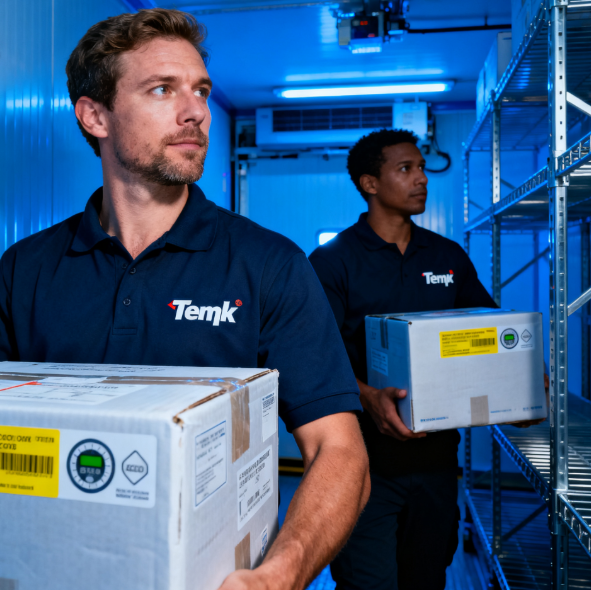
Pharmaceutical Shipping Packaging Built Around Product and Route Requirements
Farmacéutico embalaje de envío should be selected from the product requirement outward. The package must protect a defined payload through a defined route for a defined period, and the evidence must describe the same packout that operators will use. Un caja aislada, paquete de gel or PCM panel is only one component. The working system includes insulation, medios de enfriamiento, separación de carga útil, cierre, escucha, packing instructions and receiving controls.
Passive pharmaceutical shipping packaging can support medicines, biológicos, vacunas, diagnostics and other healthcare payloads. It does not establish the transport condition for any product. The product owner or responsible quality team should confirm the approved storage and transport limits, excursion process and market-specific requirements before a packaging configuration is selected.
Define the shipping specification before comparing boxes
A useful packaging request replaces broad phrases such as keep cold or pharma compliant with controlled inputs. The exact temperature condition is only the first field. Cargas útiles mínimas y máximas, temperatura inicial, tiempo de transporte, ambient exposure and receiving capability can all change the result.
| Aporte | que documentar | ¿Por qué cambia el paquete? |
|---|---|---|
| Condición del producto | Approved range or condition, sensibilidad a la congelación, light or humidity limits, and excursion authority | Defines the acceptance boundary and the hazards the package must control |
| Carga útil | Cantidad mínima y máxima, dimensiones, masa, orientation and thermal mass | Changes usable cavity, relación de refrigerante, void fill and the likely warm and cold locations |
| Ventana de ruta | Embalaje a recibo controlado, including handoffs, aduanas, weekends and a justified delay allowance | Sets the duration and the reserve that the configuration must support |
| Exposición ambiental | Seasonal hot and cold conditions, muelles, vehículos, centros, airside time and delivery dwell | Determines test profiles and whether seasonal configurations are needed |
| Proceso operativo | Preparación de refrigerante, tiempo de embalaje, cierre, etiquetado, logger use and receiving workflow | Determines whether the tested design can be repeated outside the laboratory |
| Evidence need | Screening data, informe de calificación, prueba de carril, monitoring plan and change control | Aligns supplier documentation with the buyer's quality decision |
For a structured overview of producto sensible a la temperatura distribución, review the WHO model guidance for time- y productos farmacéuticos sensibles a la temperatura. Applicable national rules, the approved product information and the organization's quality system still take precedence.
Treat the packout as one controlled system
El recinto aislado ralentiza la transferencia de calor., but it does not create a controlled shipping result on its own. Cooling media absorb or release heat. Separators and payload supports reduce direct contact and keep the load in its intended position. El cartón exterior, closure and labels protect the assembly and communicate handling needs. A monitoring device records conditions at its measurement location; no proporciona protección térmica.
These elements must be specified together. A high-performance enclosure with the wrong coolant state can create a cold spot. A well-tested packout can also fail if a divider is omitted, the payload is lighter than the qualified case, the lid is not secured or the package waits too long before carrier pickup.
Compare passive packaging formats by operating fit
| Formato | Often useful when | Questions to resolve before approval |
|---|---|---|
| Insulated carton or liner | One-way distribution, moderate routes or programs that prioritize low cube and simple disposal | Insulation construction, control de humedad, autorización de carga útil, coolant layout and seasonal test basis |
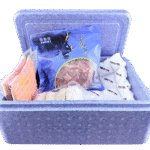
| remitente de EPS | A standardized one-way parcel needs rigid insulation and straightforward assembly | Cavidad utilizable, foam density and geometry, breakage control, coolant contact risk and disposal route |
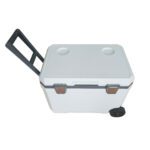
| Reusable EPP or rigid cooler | Closed-loop or repeated lanes can support return, limpieza e inspección | Tasa de retorno, metodo de limpieza, condición de la tapa, criterios de jubilación, asset tracking and requalification |
| VIP and PCM system | Higher-value or longer-duration lanes justify stronger insulation and tightly controlled assembly | Protección de paneles, PCM specification and conditioning, carga útil mínima y máxima, damage inspection and change control |
The right format is the one that fits the approved shipping specification and can be executed at the packing and receiving sites. Purchase price alone does not capture coolant storage, mano de obra de embalaje, peso dimensional, logística de devolución, limpieza, damage inspection or the cost of a failed shipment.
Herramientas útiles para tomar decisiones
Comprueba los detalles antes de elegir el embalaje.
Estas herramientas rápidas pueden ayudarle a comparar el riesgo de la ruta, necesidades de dimensionamiento, opciones de refrigerante, y detalles del embalaje antes de solicitar una cotización.
Revestimiento de caja & Dimensionamiento de la cubierta de paleta
Lógica de tamaño de revestimiento de cajas y cubiertas de paletas para proyectos de embalaje aislado.
Estimar el tamañoCalculadora de acumuladores de frío
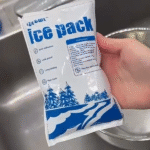
Estimación de la cantidad de bolsas de hielo en gel para envíos refrigerados y planificación práctica de rutas.
Estimar las bolsas de hielorefrigerante & Referencia PCM
Compare las opciones de refrigerante y PCM cuando una ruta necesite soporte de temperatura adicional.
Comparar opcionesAsk what any duration claim actually represents
A statement such as 48 horas o 72 hours is incomplete unless it identifies the configuration and test conditions. Buyers should ask which shipper, carga útil, cantidad de refrigerante, método de acondicionamiento, perfil ambiental, sensor positions and acceptance criteria produced the result. The same box can perform differently when the payload mass, colocación de refrigerante, closure or route exposure changes.
The European Union GDP guidelines direct distributors to select containers and packaging using product requirements, shipment quantity, temperaturas extremas externas, maximum transport time and the validation status of the package. They also address direct contact between cool packs and products, entrenamiento del operador, seasonal configurations and excursion procedures. See the official EU Guidelines on Good Distribution Practice for the full context and jurisdictional scope.
Utilice una escalera de evidencia al comparar proveedores
| Nivel de evidencia | lo que puede mostrar | What it cannot show by itself |
|---|---|---|
| Identidad del componente | Material, dimensiones, coolant fill mass or construction supplied | Complete packout performance |
| Component data | How insulation or coolant behaved under stated test conditions | A route-specific hold time |
| prueba de embalaje | How one defined assembly performed against one protocol | Cada carga útil, ruta, season or operator |
| Qualification package | Traceability from requirements to test protocol, resultados, deviations and approved operating method | Performance after an uncontrolled design or process change |
| Lane and routine records | Whether representative shipments and ongoing operations align with the approved process | Automatic product release after an excursion |
Health Canada's transport guidance provides a practical example of this risk-based approach: it links package selection to product requirements, volumen, route extremes and maximum transport time, and it calls for qualification when the thermal packout is the main environmental control. Buyers in other markets should verify the rules that apply to their own products and distribution licenses.
Build an RFQ that suppliers can answer consistently
- Product category and the approved transport condition, including prohibited exposures.
- Dimensiones mínimas y máximas de carga útil., peso, contar, orientation and starting condition.
- Origen, destino, modo de ruta, servicio de transportista, handoff points and receiving hours.
- Planned duration plus a justified allowance for delay, customs or weekend dwell.
- Seasonal ambient profiles or route data that should be represented in testing.
- Preferred one-way or reusable operating model, disposal or return constraints and available coolant-conditioning equipment.
- Required packout drawing, lista de materiales, loading instruction and logger position.
- Protocolo de prueba, criterios de aceptación, casos de carga útil, report format and deviation handling.
- Required lot traceability, registros de inspección, change notification and sample-to-production controls.
- Pronóstico, delivery cadence, etiquetado, idioma, branding and outer-carton requirements.
Unknown values should remain open questions. A supplier should not invent a universal temperature range, coolant quantity or hold time before the product and route are defined.
Approve the operating process, not only the sample
A physical sample confirms fit, handling and assembly, but routine approval needs more. The buyer should compare the production unit with the tested unit, lock critical materials and dimensions, issue a controlled packing instruction, operadores de trenes, define receiving checks and agree how changes will be reviewed. Reusable systems also need cleaning, damage inspection and retirement criteria.
Routine monitoring and excursion decisions belong to the product owner's quality process. The receiver should know where to find the logger, when to move the payload to controlled storage, what visible damage to record and whom to contact before accepting, rejecting or using affected product.