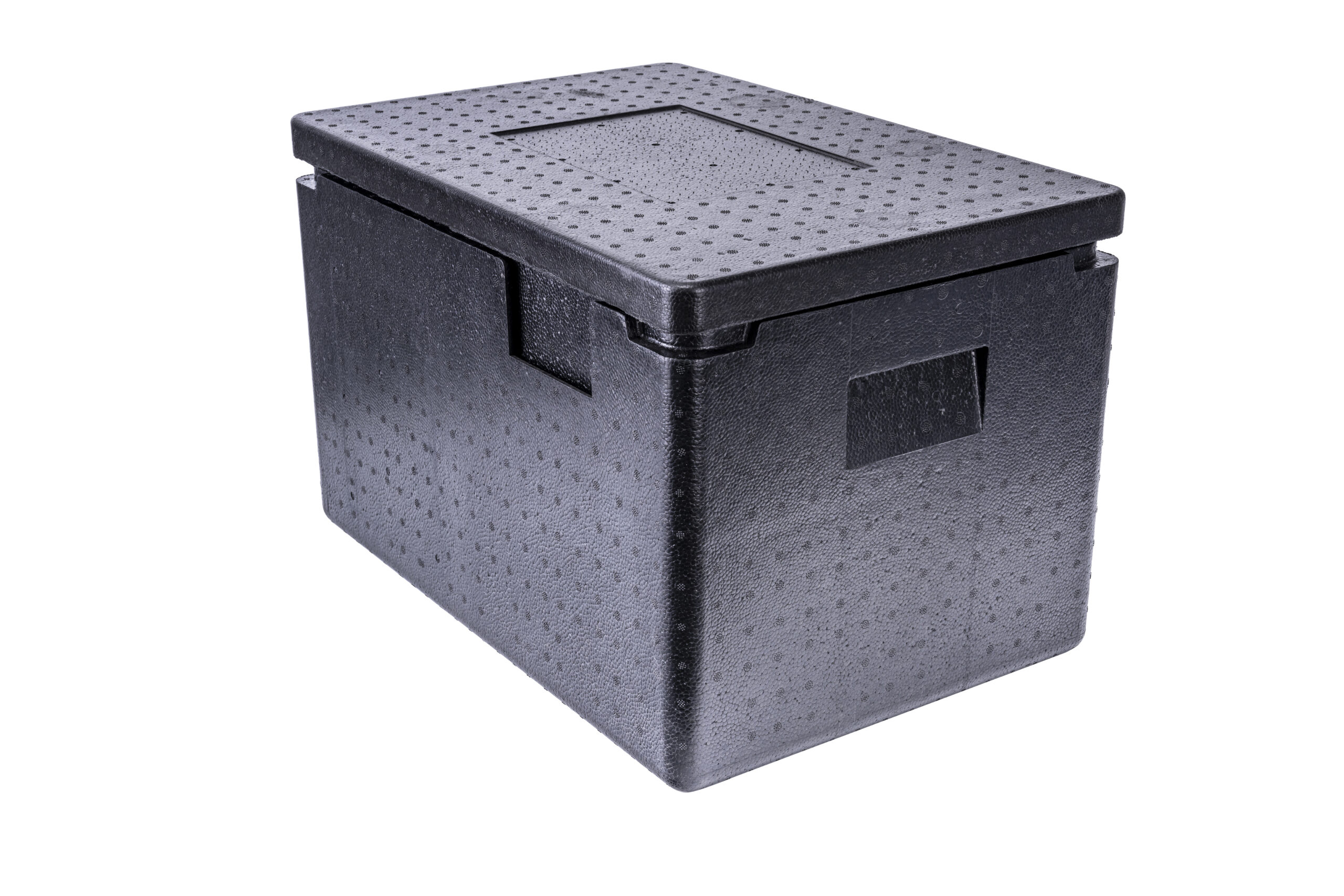
Caja aislante VIP para contenedor térmico reutilizable: Guía práctica de selección
El mejor uso de un Caja aislada VIP Para un contenedor térmico reutilizable es conectar la protección térmica con un plan operativo claro.. Comience con los requisitos del producto., luego define la ruta, carga útil, refrigerante, seguimiento de la evidencia, y recibir decisión. El aislamiento VIP puede ser valioso para envíos de cadena de frío difíciles o de alto valor, pero debe ser seleccionado a través de evidencia, no suposición. Esta guía lista para publicar acerca al comprador, técnico, y cuestiones operativas en un marco práctico.
respuesta rapida: Utilice una caja aislada VIP como contenedor térmico reutilizable cuando el envío necesite un aislamiento pasivo más fuerte., control de embalaje definido, y evidencia práctica para el receptor. No lo utilices como sustituto de la calificación de ruta., acondicionamiento correcto del refrigerante, o revisión de calidad. El contenedor debe considerarse como un componente de un sistema completo de cadena de frío..
Para la mayoría de los compradores, la pregunta práctica es: ¿Qué evidencia necesitamos antes de confiar en este paquete a escala?? Esa evidencia puede ser un resumen de calificación., una hoja de datos del proveedor, una instrucción de embalaje, una revisión de muestra, una recomendación de ubicación del registrador, o una aprobación de calidad interna. El objetivo no es recopilar documentos por sí solos.. El objetivo es reducir la incertidumbre antes de que el producto real se ponga en riesgo..
Un camino de decisión práctico para la solución VIP adecuada
El mejor camino para tomar decisiones no es ni puramente técnico ni puramente comercial. Una caja con aislamiento VIP para contenedor térmico reutilizable debe juzgarse por qué tan bien conecta los requisitos del producto., exposición de carril, repetibilidad del paquete, seguimiento de la evidencia, y soporte de proveedores. Un material de primera calidad aún puede decepcionar si la carga útil no encaja, el refrigerante está acondicionado incorrectamente, o el receptor no puede interpretar el informe del registrador. Un diseño más simple puede funcionar bien si el carril es corto., estable, y documentado.
VIP significa panel aislado al vacío, un componente aislante de alto rendimiento construido alrededor de un núcleo evacuado sellado dentro de una envoltura de barrera. En embalaje de cadena de frío, Los paneles VIP generalmente están protegidos por capas estructurales internas y externas porque el panel en sí no está diseñado para soportar abusos directamente.. El valor práctico no es que el panel sea mágico.; es que una transferencia de calor reducida puede darle al paquete un mayor margen térmico o preservar más espacio de carga útil interno que una pared de espuma convencional más gruesa. Los compradores aún deben confirmar el paquete completo., porque el aislamiento por sí solo no define el rango de temperatura requerido, acondicionamiento del refrigerante, o criterios de recepción.
Reutilizable contenedores termicos necesita un sistema operativo. La caja debe regresar, ser inspeccionado, ser limpiado, almacenarse correctamente, y ser embalado de la misma manera para el próximo envío. Los paneles VIP también necesitan protección contra pinchazos y aplastamientos.. Si el proceso de logística inversa es débil, una caja reutilizable puede resultar costosa o inconsistente. Si el bucle es disciplinado, El embalaje VIP reutilizable puede respaldar una mejor estandarización en rutas repetidas.
Protección de temperatura separada, escucha, y prueba de cumplimiento
Un transportista VIP normalmente es un embalaje pasivo con temperatura controlada componente a menos que esté emparejado con refrigeración motorizada. Pasivo significa que el sistema depende del aislamiento., refrigerante preacondicionado, material de cambio de fase, hielo seco donde sea apropiado, y un método de carga repetible. No se enfría activamente después de la salida.. Esta distinción es importante en las solicitudes de cotización porque algunos compradores usan palabras como refrigerador., elegante, y temperatura controlada en la misma frase. Un proveedor necesita saber si espera protección pasiva, refrigeración activa, monitoreo de temperatura, o un flujo de trabajo logístico híbrido.
El control de la temperatura debe tratarse como prueba., no como protección térmica. Un registrador puede mostrar si un envío se mantuvo dentro del rango requerido y puede ayudar al equipo a investigar una desviación., pero no puede corregir un paquete débil. La ubicación del registrador también importa. Un sensor colocado contra una superficie congelada paquete de refrigerante, cerca de una pared cálida, o en una bolsa de aire puede no representar la condición de carga útil. Para envíos importantes, El plan de seguimiento debe revisarse con el mismo cuidado que el mapa de refrigerante..
Esta separación evita dos errores comunes. La primera es creer que un registrador de datos protege el producto.. El segundo es creer que el aislamiento por sí solo demuestra un envío controlado.. Protección térmica, seguimiento de la evidencia, y la documentación de cumplimiento están conectados, pero cada uno tiene un trabajo diferente. Una fuerte movilización debería hacer visibles estos empleos.
El primer envío reutilizable no suele ser la prueba del programa.. La prueba llega después de múltiples retornos., ciclos de limpieza, traspasos, y reempaqueta. Un equipo de adquisiciones debería preguntar cómo se detectan los daños., cómo se reemplazan los componentes faltantes, y cómo se retira del servicio una caja cuando ya no coincide con la configuración aprobada.
Haga coincidir el contenedor con la carga útil, carril, y recibir decisión
Para productos que se mueven por carriles repetidos, bucles de retorno, o redes de distribución internas, El contenedor debe coincidir con la carga útil y el carril al mismo tiempo.. La revisión de la carga útil incluye dimensiones, masa, sensibilidad, embalaje secundario, y si el producto se daña por congelación, calentamiento, vibración, o contacto con refrigerante. La revisión del carril incluye la duración planificada, traspasos, exposición ambiental, aduana o centro de residencia, y recibiendo preparación. Si alguno de los lados es vago, la recomendación de embalaje será vaga.
Los contenedores térmicos reutilizables necesitan un sistema operativo. La caja debe regresar, ser inspeccionado, ser limpiado, almacenarse correctamente, y ser embalado de la misma manera para el próximo envío. Los paneles VIP también necesitan protección contra pinchazos y aplastamientos.. Si el proceso de logística inversa es débil, una caja reutilizable puede resultar costosa o inconsistente. Si el bucle es disciplinado, El embalaje VIP reutilizable puede respaldar una mejor estandarización en rutas repetidas.
Tabla de evidencia de RFQ
| Artículo de solicitud de cotización | Detalle mínimo útil | Valor de decisión |
|---|---|---|
| Descripción de la carga útil | tipo de producto, masa, dimensiones, y sensibilidad | Ayuda a dimensionar el contenedor y evitar un mal ajuste. |
| Requisito de temperatura | Regla de manejo de excursiones y alcance requerido | Define el objetivo de aceptación. |
| Carril de transporte | Origen, destino, modo, estación, y traspasos | Vincula la elección del paquete con la exposición real |
| Diseño de embalaje | Tipo de refrigerante, acondicionamiento, colocación, divisores, y cierre | Hace que el resultado sea repetible |
| Monitoreo del flujo de trabajo | Posición del registrador, iniciar/detener proceso, formato de informe, y propietario de la reseña | Convierte los datos de temperatura en evidencia utilizable |
| Controles de ampliación | Equivalencia de muestra, consistencia de producción, y cambiar notificación | Reduce sorpresas tras la aprobación |
Esta tabla es útil porque convierte una consulta general sobre un producto en preguntas verificables.. También evita que los compradores traten un contenedor VIP como una única especificación cuando la decisión real depende de la ruta completa., carga útil, refrigerante, escucha, y flujo de trabajo de documentación.
Evidencias a solicitar antes de escalar de muestra a producción
La calificación es el puente entre la reclamación de un producto y una decisión de envío real.. Hace una pregunta simple: bajo un perfil definido, con una carga útil definida y un paquete definido, ¿El sistema mantuvo las condiciones requeridas?? Si una de esas entradas cambia, Es posible que las pruebas ya no sean directamente transferibles.. Por eso los compradores deberían preguntarse si el rendimiento indicado refleja su masa de carga útil., diseño interno, cantidad de refrigerante, duración de la ruta, y condiciones ambientales esperadas.
Antes de escalar, Solicitar evidencia que refleje la configuración aprobada.. La etapa de muestra debe probar más que la apariencia visual.. Confirme que la construcción, cierre, Protección del panel VIP, plan de refrigerante, diseño interno, y las instrucciones se pueden repetir en producción. Si un proveedor cambia un material, estructura de la pared, o componente después de la aprobación, El comprador debe saber cómo se comunica y evalúa ese cambio..
Disciplina operativa después de que la caja sale de sus instalaciones
La caja sale de tus instalaciones., pero el proceso continúa. Preacondicionamiento, puesta en escena del producto, colocación de etiquetas, activación del registrador, cierre de tapa, recogida del transportista, manipulación en tránsito, y recibir la inspección afectan el resultado.. Un contenedor VIP puede retardar la transferencia de calor, sin embargo, no puede corregir una carga útil tibia cargada tarde, una recogida perdida, o un receptor que se olvida de descargar el registrador. La disciplina operativa convierte el diseño del embalaje en control del envío.
Herramientas útiles para tomar decisiones
Comprueba los detalles antes de elegir el embalaje.
Estas herramientas rápidas pueden ayudarle a comparar el riesgo de la ruta, necesidades de dimensionamiento, opciones de refrigerante, y detalles del embalaje antes de solicitar una cotización.
Comprobador de riesgos de ruta
Revise las condiciones del carril antes de seleccionar el embalaje para requisitos operativos reales..
Comprobar riesgo de rutaRevestimiento de caja & Dimensionamiento de la cubierta de paleta
Lógica de tamaño de revestimiento de cajas y cubiertas de paletas para proyectos de embalaje aislado.
Estimar el tamañoReferencia del material aislante
Compare opciones de materiales aislantes para diferentes necesidades de embalaje de la cadena de frío.
Comparar materialesUn buen conjunto de instrucciones debe ser lo suficientemente breve para su uso y lo suficientemente específico para evitar la improvisación.. Debe mostrar el orden de embalaje., colocación de refrigerante, ubicación del registrador, método de cierre, posición de la etiqueta, y recibir cheques. Para unidades reutilizables, También debe mostrar los pasos de inspección y limpieza antes del próximo envío..
Notas finales del comprador para una solicitud de cotización más segura
Una RFQ más segura establece las condiciones en lugar de solicitar una caja premium genérica. Incluir el rango requerido, carga útil, dimensiones, ruta, duración, estación, modo de transporte, necesidades de seguimiento, reutilizar expectativas, y necesidades de documentación. Solicitar a los proveedores que expongan las suposiciones detrás de cualquier afirmación de desempeño.. Si no pueden expresar los supuestos, Tratar el reclamo como un punto de partida en lugar de una base de decisión..
Finalmente, decidir qué haría que la opción fuera inaceptable. Puede que sea muy poco volumen utilizable, Ubicación poco clara del registrador, protección débil del panel, sin instrucciones de embalaje, sin conversación de control de cambios, o mal ajuste con el bucle de retorno. Los criterios de rechazo hacen que la evaluación sea más objetiva y evitan que los equipos aprueben un contenedor simplemente porque el material parece avanzado..
Desde la aprobación de la muestra hasta el envío repetible
La aprobación de muestras de cajas aisladas VIP para contenedores térmicos reutilizables no debe limitarse a la apariencia. El equipo debe confirmar que la muestra puede ser empaquetada por personal normal., que la carga útil encaje después de la colocación del refrigerante y el registrador, ese cierre es repetible, y que el receptor pueda inspeccionar y documentar la llegada sin confusión. Una muestra fuerte que no se puede repetir en producción no es estable. solución de cadena de frío.
Al pasar a envíos repetidos, definir expectativas de control de cambios. Si el proveedor cambia el material del panel, diseño de concha, estructura de la tapa, divisor, o paquete recomendado, Se debe notificar al comprador antes de que el cambio afecte a los envíos reales.. Esto es especialmente importante para el sector farmacéutico., clínico, biológico, y productos de alto valor donde pequeños cambios en el empaque pueden cambiar el perfil de riesgo.
Porque este tema trata sobre contenedores térmicos reutilizables., preguntar cómo se identifica cada contenedor, regresó, inspeccionado, limpiado, almacenado, y retirado del servicio. La reutilización solo funciona cuando el contenedor que usted aprueba es el contenedor que continúa enviando, no es una versión dañada o incompleta del mismo.
Preguntas frecuentes
¿Qué hace que una caja VIP reutilizable sea exitosa??
La caja debe regresar de manera confiable, ser inspeccionado por daños, limpiarse correctamente, y empacarse de la misma manera cada vez. La protección del panel y las condiciones de cierre son importantes. Un sistema reutilizable puede mejorar la estandarización, pero sólo cuando el control de activos y la logística inversa sean prácticos.
¿Qué pruebas debe proporcionar un proveedor??
Solicite pruebas que coincidan con su decisión. Esto puede incluir información material., instrucciones de embalaje, resúmenes de pruebas o calificaciones, guía de colocación del registrador, instrucciones de limpieza y reutilización, y controles de muestra a producción. Si un reclamo afecta la calidad o el cumplimiento, preguntar qué documento lo respalda.
¿El embalaje VIP es suficiente para envíos clínicos o farmacéuticos??
El embalaje VIP puede ser una parte de la respuesta, pero el sistema completo importa. Los equipos de calidad generalmente se preocupan por los límites de temperatura del producto., evidencia de calificación, monitoreo calibrado, riesgo de ruta, Ajuste del POE, y manejo de desviaciones. El embalaje debe seleccionarse para respaldar esos controles., no reemplazarlos.
¿Cómo debo comparar dos opciones de palco VIP??
Comparar el espacio de carga útil, repetibilidad del paquete, compatibilidad con refrigerante, protección de paneles, confiabilidad del cierre, durabilidad de manejo, diseño de monitoreo, soporte de documentación, y costo total de operación. Un precio unitario más bajo puede ser engañoso si la caja genera errores de embalaje., carga adicional, o evidencia de recepción débil.
Conclusión: Haga su elección VIP basada en la evidencia
Una caja con aislamiento VIP para contenedor térmico reutilizable es más valiosa cuando el comprador vincula el contenedor a los límites del producto., exposición de ruta, repetibilidad del paquete, seguimiento de la evidencia, y recibir decisiones. El aislamiento VIP es un componente fuerte, pero no es todo el proceso de la cadena de frío.
Para una solicitud de cotización más segura, Solicite la evidencia detrás de cada reclamo y confirme cómo la muestra se ampliará en envíos repetidos.. La elección final debe ser práctica para las personas que hacen las maletas., transporte, recibir, inspeccionar, y aprobar el producto.
Notas adicionales para revisión interna
Otro punto que vale la pena comprobar para la caja aislante VIP para contenedor térmico reutilizable es el comportamiento de recepción.. Un envío no está completo cuando llega a la dirección; está completo cuando el receptor puede inspeccionarlo, interpretar la evidencia de temperatura, y tomar la decisión de aceptación correcta. Si el diseño del paquete dificulta la recuperación del registrador u oculta la condición de la carga útil, el receptor puede crear una desviación incluso cuando el diseño térmico fue adecuado. Las sencillas instrucciones de recepción reducen este riesgo..
El almacenamiento antes del envío también forma parte del proceso de la cadena de frío.. Acondicionamiento del refrigerante, puesta en escena del producto, almacenamiento de caja vacía, y la temperatura de la sala de embalaje pueden influir en las condiciones iniciales.. Si un sitio empaca en una sala controlada y otro empaca al lado de un muelle de carga, el mismo cuadro podrá iniciar el carril con diferentes condiciones térmicas. Los compradores deben estandarizar los pasos de preparación antes de juzgar el rendimiento del contenedor..
Acerca de Tempk
Tempk ofrece soluciones de embalaje de cadena de frío que incluyen Neveras VIP y conceptos de aislamiento reutilizables para logística sensible a la temperatura. Para compradores que exploran programas reutilizables o de menor desperdicio, el soporte correspondiente es práctico: ajuste de carga útil, manejo de devolución, expectativas de limpieza, protección de paneles, y embalaje repetible. Tempk puede ayudar a enmarcar el debate sobre el embalaje en torno al modelo de ruta y reutilización en lugar de depender de afirmaciones medioambientales amplias..
Pídale a Tempk que revise su ciclo de reutilización, carga útil, y proceso de inspección antes de seleccionar una caja VIP reutilizable.