Cuando manipula productos sensibles a la temperatura, Elegir el contenedor adecuado no es opcional: es una misión crítica. A reciclable caja de EPP aislada mediana ofrece resistencia ligera, Aislamiento duradero y auténticos beneficios medioambientales.. Esta guía actualizada para Diciembre 2025 explica cómo un PPE (polipropileno expandido) caja funciona, por qué supera a los materiales desechables y cómo le ayuda a cumplir con las regulaciones más estrictas. Al final de la primera 50 palabras que ya conoces la estrella del espectáculo: el caja mediana de EPP aislada reciclable—una innovación que mantiene los productos fríos durante 72 a 96 horas y sobrevive más de 500 ciclos de reutilización. Está diseñado para proteger sus productos y el planeta..
Este artículo responde:
¿Qué hace que una caja de EPP con aislamiento reciclable supere al EPS y al EPE?? Comparamos aislamiento, durabilidad y costo total de propiedad.
¿Cómo utilizan las diferentes industrias soluciones medianas de cajas de EPP con aislamiento reciclable?? Descubra aplicaciones desde productos farmacéuticos y kits de comida hasta logística industrial.
¿Qué opciones de diseño maximizan la vida útil de su caja?? Aprenda cómo la densidad, apresto, Los refrigerantes y la ergonomía impactan el rendimiento..
¿Cuáles son los 2025 Tendencias del mercado que dan forma al embalaje de la cadena de frío.? Obtenga información sobre las regulaciones, Expectativas del consumidor e innovaciones tecnológicas..
¿Cómo funciona la responsabilidad ampliada del productor? (EPR) Las leyes y los PPWR de la UE influyen en las opciones de embalaje.? Explore las políticas que impulsan la reciclabilidad.
Preguntas frecuentes sobre seleccionar, Uso y mantenimiento de una caja de EPP aislada y reciclable..
¿Cómo mantiene un medio de caja de EPP con aislamiento reciclable los productos a la temperatura adecuada??
Un medio de caja de EPP con aislamiento reciclable mantiene temperaturas frías por más tiempo que las espumas tradicionales porque atrapa el aire en una estructura de celda cerrada y se combina con placas eutécticas.. Las hojas de datos muestran una conductividad térmica de alrededor de 0,25–0,26 W/m·K (R ≈ 3.9), permitiendo una estabilidad de temperatura de 72 a 96 horas. El material permanece estable desde –40 °C hasta +110 °C, lo que significa que una sola caja puede contener vacunas congeladas, mariscos refrigerados o comidas calientes.
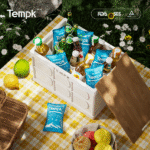
Cuando abres un caja mediana de EPP aislada reciclable Ves un entramado de pequeñas bolsas de aire atrapadas dentro de paredes de plástico rígido.. Estos bolsillos ralentizan la transferencia de calor y absorben los golpes.. Grados de alta densidad (40–60 kg/m³) aumentar la fuerza pero agregar peso. Baja absorción de agua (<5 %) y la resistencia a aceites y productos químicos protegen el contenido de la humedad y el moho.. Porque el EPP no es poroso, se puede limpiar después de cada viaje sin degradarse, una característica clave para los ciclos de reutilización.
Comparando EPP con EPS, EPE y PUR: Aislamiento, Durabilidad y costo
Se construye una caja mediana de EPP con aislamiento reciclable para uso repetido. En comparaciones cara a cara:
| Material | Aislamiento & Rango de temperatura | Durabilidad & Reutilizar | Impacto ambiental |
| PPE | Se mantiene frío durante 72–96 horas con placas eutécticas; opera desde –40 ºC a +110 °C | Resiste caídas de 1.5 m y cargas de compresión de 11 a 15 psi; reutilizable para 500+ viajes | Termoplástico totalmente reciclable; sin agentes de soplado químicos |
| EPS (Poliestireno) | Retención de frío 24–48 horas; rango de temperatura más estrecho | Frágil; se agrieta fácilmente; embalaje de un solo uso | Difícil de reciclar debido a la contaminación.; a menudo enviado al vertedero |
| EPE (Polietileno) | Aislamiento moderado; requiere paredes más gruesas | Flexible pero ofrece menos rigidez estructural.; menos ciclos de reutilización | Se puede reciclar pero la infraestructura es limitada. |
| Puro (Poliuretano) | Excelente aislamiento pero pesado. | No es fácilmente reciclable; Emite vapores tóxicos si se elimina incorrectamente. | Alto impacto ambiental debido a su composición química. |
Conclusión clave: usando un caja mediana de EPP aislada reciclable te da longevidad térmica, resistencia a los golpes y cumplimiento de la normativa de economía circular, mientras que EPS y EPE van a la zaga en durabilidad y sostenibilidad.
La ciencia de los materiales detrás del EPP
La espuma EPP de alta densidad cuenta con bolsillos sellados que atrapan el aire y amortiguan las vibraciones.. Las pruebas mecánicas muestran una resistencia a la compresión de 0,3 a 2,5 MPa y una absorción de energía de 20 a 40 kJ/m².. La absorción de agua permanece por debajo 0.3 %, permitiendo que la caja resista la humedad y los ataques químicos. Estas propiedades permiten la caja mediana de EPP aislada reciclable para esterilizar o esterilizar en autoclave, haciéndolo adecuado para productos farmacéuticos y entregas de comidas calientes..
En breve, la combinación de una estructura de espuma de células cerradas y una densidad personalizable significa que puede personalizar el aislamiento, resistencia y peso para su aplicación específica, algo que no es posible con EPS o cajas corrugadas básicas.
Consejos prácticos y orientación
Seleccione la densidad adecuada: Para cargas útiles pesadas o viajes largos, elegir espuma de alta densidad (40–60 kg/m³). Las cargas más ligeras se benefician de densidades medias para reducir el peso.
El tamaño importa: Utilice una caja que se ajuste perfectamente a su producto; El exceso de espacio vacío aumenta las pérdidas térmicas..
Emparejar con refrigerante adecuado: Paquetes de gel o materiales de cambio de fase. (PCM) mantener entre 2 y 8 °C para productos farmacéuticos; El hielo seco sirve productos congelados.; paneles de vacío o enfriamiento activo manejan productos biológicos ultrafríos.
Garantizar un sellado adecuado: Elija cajas con tapas y juntas al ras para reducir las fugas de aire..
Implementar programas de retorno: Los sistemas de depósito pueden reclamar hasta 80 % de cajas, mejorar la circularidad y reducir los costos de reemplazo.
Caso del mundo real: Un distribuidor farmacéutico adoptó cajas compactas de EPP con sensores IoT y placas eutécticas. Más de un año, la empresa logró 72–Estabilidad de temperatura de 96 horas, reducir el deterioro de las vacunas 1,2 millones de dólares a cero y reducción del rechazo de productos del mar por 15 %. Reutilizar cajas más de 500 veces salvado aproximadamente 60 % en costos de embalaje.
Aplicaciones industriales del medio de caja EPP aislada reciclable
Logística de Alimentos y Bebidas: Frescura Sin Desperdicio
Servicios de entrega de alimentos, Los tenderos y proveedores de kits de comida confían en la caja mediana de EPP aislada reciclable para mantener los artículos perecederos dentro de los rangos de temperatura requeridos. Los minoristas de comestibles que utilizan cajas compactas de EPP y platos eutécticos mantienen la frescura hasta por 96 horas, Garantizar la satisfacción del cliente incluso cuando los plazos de entrega se retrasan.. La durabilidad y la fácil limpieza de la espuma EPP la hacen ideal para uso repetido en mariscos., logística de carnes y lácteos. Los clientes aprecian el diseño liviano y los programas de devolución fluidos., que se alinean con los objetivos de sostenibilidad.
Farmacéutica y Biotecnología: Cumplir con las demandas regulatorias
Vacunas, insulina, Los anticuerpos monoclonales y las terapias génicas deben permanecer dentro de márgenes de temperatura ajustados.. El caja mediana de EPP aislada reciclable Ofrece el aislamiento constante y la resistencia a los golpes necesarios para un transporte seguro.. Las cajas acomodan sensores IoT y rastreadores GPS, permitiendo visibilidad en tiempo real y garantizando el cumplimiento de las directrices de buenas prácticas de distribución de la FDA y la UE. En 2024, productos farmacéuticos representaron 45 % de los ingresos por embalaje de cadena de frío, subrayando la importancia de disponer de contenedores reutilizables fiables.
Comercio electrónico y kits de comidas: Ligero, Envío ecológico
Los servicios de comestibles y kits de comida directos al consumidor necesitan un embalaje que minimice los costos de envío y al mismo tiempo proteja los ingredientes delicados.. El caja mediana de EPP aislada reciclable es liviano, Maximiza la eficiencia del espacio y atrae a los consumidores preocupados por la sostenibilidad.. A medida que el mercado de embalaje de la cadena de frío de Asia Pacífico crece a un ritmo 12 % Tocón, La adopción de contenedores EPP reutilizables diferencia las marcas y reduce el desperdicio de envases..
Logística especializada y usos industriales
Más allá de los alimentos y los productos farmacéuticos, Las industrias utilizan el caja mediana de EPP aislada reciclable para el transporte de productos químicos, muestras de laboratorio, Electrónica de precisión y adhesivos sensibles a la temperatura.. Los diseños personalizables incluyen particiones., Inserciones amortiguadoras y cierres seguros.. Debido a que el EPP tolera temperaturas de hasta +110 °C, Las cajas se pueden esterilizar o esterilizar en autoclave., ampliar su utilidad en entornos industriales.
Asesoramiento orientado al usuario: Maximizar el valor
Proveedores de kits de comida: Utilice cajas EPP plegables para ahorrar hasta 60 % de espacio en logística de retorno. Inserte divisores extraíbles para proteger los productos frágiles y elija espuma de densidad media para reducir el peso del envío..
Responsables de suministro farmacéutico: Integre sensores de IoT y registradores de datos; Las herramientas de autoevaluación ayudan a seleccionar la configuración de caja correcta..
Exportadores de mariscos: Desinfectar las cajas con agua y jabón suave.; la superficie no porosa previene el crecimiento bacteriano. Implementar sistemas de depósito para incentivar las devoluciones de cajas.
Ejemplo: Una startup de kits de comida utilizó una calculadora de tamaño para diseñar cajas de EPP de alta densidad personalizadas. Las cajas mantuvieron los ingredientes seguros para 48 horas y costos de envío reducidos al eliminar los rellenos de espacios vacíos.
Diseñar para la durabilidad: Tamaño de la caja, Opciones de densidad y refrigerante
La vida útil de su caja mediana de EPP aislada reciclable depende de decisiones de diseño inteligentes. Seleccione la densidad y el tamaño correctos según el peso del producto, Duración del viaje y rango de temperatura.. Empareje la caja con refrigerantes adecuados: PCM o paquetes de gel para productos refrigerados., hielo seco para productos congelados, y paneles aislados al vacío para envíos ultrafríos. Garantice un sellado hermético con tapas ajustadas al ras y asas ergonómicas..
Los programas de devolución y los protocolos de limpieza prolongan la vida útil de la caja. Ofrezca incentivos de depósito para reclamar hasta 80 % de cajas y cajas de lavado después de cada viaje para evitar olores y moho. Monitorear el desgaste y retirar las unidades dañadas en flujos de reciclaje.
Herramientas interactivas para mejores decisiones
Las plataformas modernas de cadena de frío proporcionan elementos interactivos que mejoran la participación del usuario y le ayudan a elegir lo mejor. caja mediana de EPP aislada reciclable:
Calculadora de tallas: Ingrese las dimensiones del producto y la duración de la temperatura deseada para recibir las dimensiones de caja recomendadas y la densidad de la espuma..
Lista de verificación de autoevaluación: Responder preguntas sobre la fragilidad del producto., rango de temperatura, duración del viaje y objetivos de sostenibilidad para obtener una recomendación de embalaje personalizada.
Monitoreo de complementos en el selector: Elija sensores de IoT y registradores de datos según los requisitos reglamentarios y el presupuesto.
Estas herramientas no sólo agilizan la toma de decisiones sino que también fomentan la exploración., reducir las tasas de rebote y señalar a los motores de búsqueda que su contenido es atractivo.
El último 2025 Desarrollos y tendencias en embalaje de cadena de frío
Perspectivas y crecimiento del mercado
La investigación de mercado predice la Caja de aislamiento EPP sector valdrá la pena 2 mil millones de dólares en 2025 y crecer en 7 % CAGR a través de 2033. El mercado mundial de embalajes para la cadena de frío se sitúa en 32.290 millones de dólares en 2025 y se prevé que alcance 48,93 mil millones de dólares por 2030, reflejando un 8.67 % Tocón. Los dispositivos de control de temperatura son el segmento de más rápido crecimiento en 12.95 % Tocón. Innovaciones como placas eutécticas avanzadas, Los diseños plegables y los contenedores integrados de IoT están impulsando la ventaja competitiva del EPP..
Se prevé que el mercado de envases circulares de cadena de frío para alimentos frescos y congelados crezca de Dólar estadounidense 820 millones en 2026 a USD 1,959.1 millones por 2036 (Tocón 9.1 %), con el PPE, Predominan el HDPE y las espumas aislantes 50 % del material compartido y cajas aisladas reutilizables que capturan 45 % del segmento de formatos de packaging. Los envases de la cadena de frío farmacéutica se valoran en 28.900 millones de dólares en 2025 y se espera que alcance 75 mil millones de dólares por 2032 (Tocón 14.6 %), con cajas pequeñas y envíos aislados que representan aproximadamente 38 % del mercado.
Innovaciones Tecnológicas
Varios avances están remodelando la logística de la cadena de frío en 2025:
Optimización de rutas impulsada por IA: Los algoritmos analizan el tráfico., ventanas climáticas y de entrega para reducir el uso de combustible y mejorar la confiabilidad de la entrega.
Blockchain para la trazabilidad: Los libros de contabilidad inmutables registran cada paso del recorrido de un producto, mejorar la transparencia y el cumplimiento.
Refrigeración con energía solar: Las soluciones solares de cadena de frío permiten envíos en regiones con electricidad limitada, reducir el desperdicio y ampliar el acceso.
Sensores IoT y embalaje activo: Los contenedores integran sensores para monitorear la temperatura, humedad y ubicación en tiempo real.
Materiales ecológicos: Las empresas adoptan espumas compostables y aditivos de base biológica para el polipropileno, alineándose con la demanda del consumidor.
Estas innovaciones señalan un futuro en el que el embalaje de la cadena de frío será más inteligente, más verde y más resiliente.
Preferencias del consumidor e impulsores regulatorios
La sostenibilidad ya no es negociable. A 2025 encuesta de consumidores encontró que 75 % de los compradores priorizan la higiene y la seguridad alimentaria, 67 % enfatizar la vida útil, 55 % preocuparse por la durabilidad y 51 % Considere el impacto ambiental al elegir el embalaje.. Las regulaciones refuerzan estas expectativas: Reglamento de la UE sobre envases y residuos de envases (Páginas) requiere que todos los envases en el mercado sean reciclable por 2030 y aumenta el uso de plásticos reciclados. Responsabilidad extendida del productor (EPR) Las leyes ahora viven en California., Colorado, Oregón, Maryland y Maine trasladan los costos del reciclaje de los contribuyentes a los productores. Las tarifas se calculan por peso y material.; Los materiales fácilmente reciclables pagan las tarifas más bajas., mientras que los envases difíciles de reciclar pueden costar 3–6× más por tonelada. Estas políticas incentivan a las empresas a adoptar materiales reciclables como el EPP..
En 2025, maryland y washington se convirtió en el sexto y séptimo estadounidense. Los estados aprobarán leyes EPR para embalaje.. La ley de Maryland permite múltiples Organizaciones de Responsabilidad del Productor e incentiva el reciclaje., envases reutilizables o compostables. El programa de Washington se centra en los envases de consumo y ampliará los servicios de recogida a hogares desatendidos, con el cumplimiento del productor a partir de 2028. Los proyectos de ley de evaluación de necesidades en Hawaii y Rhode Island obligan a los estados a estudiar lo que se requiere para implementar programas EPR. Estos desarrollos demuestran que el impulso regulatorio hacia la circularidad se está acelerando..
Dinámica del mercado: Quién lidera y dónde
Plástica, particularmente EPP y EPS, Dominar el mercado de envasado de cadena de frío farmacéutica con 74 % compartir material. Las cajas pequeñas y los envíos aislados representan 38 % de cuota de tipo de producto, estándar para ensayos clínicos y distribución de lotes pequeños. América del Norte lidera con 31 % participación regional debido a la fabricación biofarmacéutica avanzada y la adopción de envases habilitados para IoT. Europa le sigue con 27 % compartir, impulsado por estrictas regulaciones del PIB y la demanda de envases térmicos premium. Asia Oriental, en 19 %, está creciendo rápidamente gracias a la expansión de la distribución de vacunas y al aumento de las exportaciones de China, Corea del Sur y Japón.
Preguntas frecuentes
Q1: ¿Por qué elegir una caja de EPP con aislamiento reciclable en lugar de una hielera de poliestireno??
Espuma de poliestireno (EPS) Los refrigeradores a menudo se rompen después de un viaje y solo ofrecen 24–48 horas retención de frío. A caja mediana de EPP aislada reciclable dura 500+ viajes, mantiene frío durante 72–96 horas y es totalmente reciclable. Ahorrará dinero y reducirá el desperdicio a largo plazo.
Q2: ¿Cómo limpio y reutilizo una caja de EPP??
Utilice agua y jabón suave.; La superficie no porosa del EPP resiste las bacterias y no absorbe la humedad.. Inspeccione si hay grietas y retire las cajas dañadas a canales de reciclaje..
Q3: ¿Puede una caja de EPP manejar envíos ultrafríos como vacunas de ARNm??
Sí. La espuma EPP permanece estable hasta –40 ºC, y cuando se combina con hielo seco o paneles de vacío, se adapta a los requisitos de frío extremo.. Para temperaturas inferiores a –60 °C, complementar con enfriamiento activo.
Q4: ¿Se aceptan cajas de EPP en los sistemas de reciclaje existentes??
Muchos países europeos y EE.UU.. Los estados ahora tienen redes de reciclaje de EPP.. Las piezas de EPP se pueden triturar y utilizar en nuevos productos, a veces contiene 25 % o más contenido reciclado post consumo. Consulte los programas locales y asóciese con productores que ofrecen servicios de devolución..
Q5: ¿Cómo afectarán las leyes EPR a mis costos de embalaje??
Si vende en estados con leyes EPR, Pagarás tarifas según el peso y el material.. Los envases fácilmente reciclados como el EPP pagan las tarifas más bajas, mientras que los materiales difíciles de reciclar pueden costar 3–6× más. Reducir el peso del material y aumentar la reciclabilidad puede minimizar las tarifas.
Resumen y recomendaciones
Elegir un caja mediana de EPP aislada reciclable Ya no es una decisión de nicho, es un movimiento estratégico.. La espuma EPP supera al EPS y al EPE en aislamiento, durabilidad e impacto ambiental. Una sola caja puede mantener los productos fríos durante 72–96 horas, sobrevivir más de 500 viajes, y cumplir con estrictas 2025 regulaciones. Seleccionando la densidad adecuada, tamaño y refrigerante, implementar programas de retorno y utilizar herramientas interactivas, Maximiza la vida útil de la caja y reduce el costo total de propiedad.. Esta historia de sostenibilidad resuena tanto entre los consumidores como entre los reguladores..
Próximos pasos viables
Evalúe su embalaje actual: Realizar una autoevaluación para identificar dónde caja mediana de EPP aislada reciclable puede reemplazar las alternativas desechables.
Elija la densidad y el tamaño adecuados: Utilice una calculadora de tamaño para hacer coincidir las dimensiones de la caja y la densidad de la espuma con sus productos.
Integrar tecnología de monitoreo: Agregue sensores de IoT y registradores de datos para mejorar la trazabilidad y el cumplimiento.
Implementar programas de devolución y limpieza.: Ofrecer incentivos de depósito y establecer protocolos de limpieza para alargar la vida útil de la caja..
Manténgase por delante de las regulaciones: Monitorear las leyes EPR y las actualizaciones de PPWR; Elija materiales reciclables como EPP para minimizar las tarifas y garantizar el cumplimiento..
Siguiendo estos pasos, proteges tus productos, Reducir el desperdicio y mantener una ventaja competitiva en el cambiante panorama de la cadena de frío..
Acerca de Tempk
nosotros en Templ Nos especializamos en el diseño y fabricación de soluciones de cadena de frío reutilizables.. Nuestro caja mediana de EPP aislada reciclable y accesorios complementarios, como placas eutécticas y paquetes de gel, ayudar a los clientes a mantener un control preciso de la temperatura en todos los productos farmacéuticos, alimento, comercio electrónico y logística industrial. Mantenemos rigurosos estándares de calidad e invertimos en R.&D para crear duradero, embalaje reciclable que cumple con las últimas PPWR de la UE y A NOSOTROS. EPR requisitos. Nuestra experiencia garantiza que obtendrá el producto adecuado para sus necesidades., respaldados por un compromiso con la sostenibilidad y el servicio al cliente.
Llamado a la acción: Contáctenos para explorar personalizados caja mediana de EPP aislada reciclable soluciones, programar una consulta o solicitar una muestra. Trabajemos juntos para construir una cadena de frío resiliente y ecológica.