Guía de envasado de la cadena de frío de antibióticos refrigerados
Los antibióticos refrigerados necesitan un paquete de medicamento que proteja el rango de manipulación aprobado., la caja secundaria, la etiqueta de la farmacia, y la decisión de recepción. El rango correcto debe provenir de la etiqueta del producto., instrucciones del fabricante, POE de farmacia, y el acuerdo de calidad del cliente.
Esta guía utiliza una ruta de medicamentos refrigerados como modelo de planificación.. El transportista no debe ser tratado como un simple refrigerador.. Debe probarse con la masa real del producto., recuento de cajas, acondicionamiento del refrigerante, duración de la ruta, tiempo de transferencia, y perfil ambiental estacional.
Datos de planificación de embalaje
| Rango de temperatura | Comúnmente 2-8 C cuando está etiquetado para refrigeración; Los límites finales dependen de la etiqueta del producto., POE de farmacia, y acuerdo de calidad con el cliente. |
|---|---|
| Humedad y condensación | Mantenga las cajas de los viales, etiquetas de infusión, y documentación farmacéutica seca y legible. |
| Preenfriamiento | Preacondicionar al transportista, refrigerante, maderero, y área de preparación antes de cargar paquetes de antibióticos refrigerados. |
| Presión del paquete | Proteger viales, jeringuillas, bolsas de infusión, y paquetes reconstituidos de refrigerante duro, compresión, y punto de impacto. |
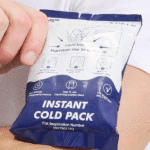
| Posición del refrigerante | Utilice paquetes de gel acondicionados o paquetes de cambio de fase con barrera; No coloque cartones de medicamentos directamente contra paquetes congelados.. |
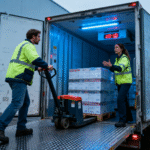
| Duración del transporte | 24-48 hospital, infusión casera, o las líneas de reabastecimiento de farmacias deben incluir la demora del servicio de mensajería y la demora en la recepción. |
| Pérdidas comunes | Congelar la exposición, cálida excursión, etiquetas mojadas, viales rotos, punción bolsa, documentación faltante, y cuarentena retrasada. |
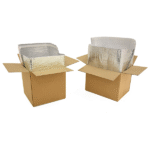
| Ajuste del embalaje Tempk | Tempk 2-8 Transportador aislado C, mapa de refrigerante acondicionado, soporte para vial o bolsa, registrador continuo, y lista de verificación de recepción. |
¿Qué cambios para este producto?
Los antibióticos refrigerados pueden fallar por razones que no son visibles desde el exterior del envase.. Un producto puede llegar aparentemente frío mientras una capa ha tocado un paquete congelado, o las cajas pueden estar lo suficientemente húmedas como para que sea difícil verificar las etiquetas y las instrucciones.. Los paquetes de medicamentos pequeños también se mueven rápidamente con los cambios ambientales., por lo que la posición del registrador y el espacio entre el refrigerante son importantes.
El preacondicionamiento debe realizarse antes de la carga.. Si el remitente, refrigerante, o el área de preparación comienza fuera del perfil objetivo, Las primeras horas de tránsito pueden crear una excursión helada o cálida.. Para medicamentos refrigerados, El contacto duro con el refrigerante es uno de los riesgos evitables más comunes..
Herramientas útiles para tomar decisiones
Comprueba los detalles antes de elegir el embalaje.
Estas herramientas rápidas pueden ayudarle a comparar el riesgo de la ruta, necesidades de dimensionamiento, opciones de refrigerante, y detalles del embalaje antes de solicitar una cotización.
Referencia del material aislante
Compare opciones de materiales aislantes para diferentes necesidades de embalaje de la cadena de frío.
Comparar materialesCalculadora de bolsa de hielo
Estimación de la cantidad de bolsas de hielo en gel para envíos refrigerados y planificación práctica de rutas.
Estimar las bolsas de hieloSelector de embalaje
Compare las opciones de embalaje aislado por producto, ruta, y necesidad de temperatura.
encontrar embalajeEnfoque de embalaje recomendado de Tempk
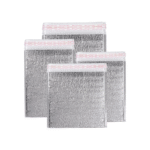
Usa un Tempk 2-8 do cargador aislado o revestimiento aislado con condicionado paquetes de gel, una barrera de producto validada, soporte de cartón o vial, y monitoreo continuo cuando el carril requiere liberación documentada. Los pedidos pequeños deben usar un inserto para que los cartones de medicamentos permanezcan en la zona del producto probado en lugar de deslizarse hacia el refrigerante..
Para envíos de alto valor o críticos para el paciente, agregar una lista de verificación de recepción que cubra el estado del registrador, recuento de productos, sequedad de la etiqueta, daño visible, e instrucciones de cuarentena. Esto ayuda al receptor a tomar una decisión clara sobre la liberación en lugar de tener que adivinar la temperatura al tacto del cartón..
Recibir cheques
Al recibir, El equipo debe revisar el resultado del registrador antes de colocar el stock en el inventario utilizable.. Si la etiqueta del producto, COMPENSACIÓN, o acuerdo de calidad define un proceso de excursión, el envío debe retenerse hasta que el farmacéutico responsable o el equipo de calidad complete esa revisión.
Tempk puede admitir el tamaño del transportista, diseño de mapa de refrigerante, insertar diseño, y validación de ruta. Compartir dimensiones de la caja del producto, cantidad de pedido, rango objetivo, duración de la ruta, perfil ambiental, y procedimiento de liberación para construir un paquete específico de carril.