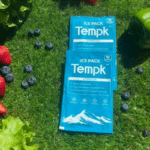
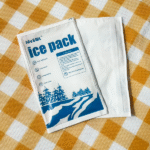
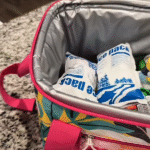
Enviar artículos delicados no se trata sólo de mantenerlos frescos, sino de proteger su calidad y valor.. Refrigerated dry ice packs provide ultra cold temperatures without melting, haciéndolos indispensables para los productos farmacéuticos, biológicos, kits de comida de mariscos y gourmet. These packs sublimate at –78,5 ºC (–109,3 °F), para que puedan mantener los productos congelados por mucho más tiempo que los paquetes de gel o agua. As the cold chain market climbs from Dólar estadounidense 228.3 mil millones en 2024 a USD 372.0 mil millones por 2029 and dry ice consumption grows despite Restricciones de suministro de CO₂, Elegir el refrigerante adecuado es más importante que nunca.
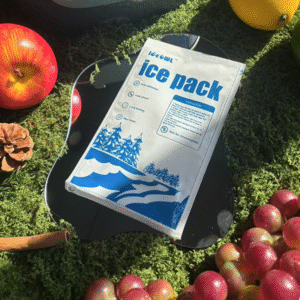
What refrigerated dry ice packs are and why they matter – understanding their composition and the sublimation process.
Cómo elegir entre hielo seco, paquetes de gel, water packs and reusable packs – exploring cost, rendimiento e impactos ambientales.
Best practices for selecting and using refrigerated dry ice packs – considering shipment type, duración, regulaciones y seguridad.
Perspectivas específicas de la industria y tendencias emergentes para 2025, incluyendo embalaje inteligente y sostenibilidad.
Preguntas frecuentes para ayudarle a tomar decisiones informadas.
Let’s explore how you can leverage refrigerated dry ice packs to keep your products safe and your operations efficient.
What Are Refrigerated Dry Ice Packs and Why Are They Essential?
Defining Refrigerated Dry Ice Packs
Refrigerated dry ice packs are moulded blocks or pellets of solid carbon dioxide (Co₂) encased in protective materials. Unlike gel or water packs that melt and release liquid, paquetes de hielo seco sublimar directamente de sólido a gas. This means no puddles or condensation damage – a critical advantage for moisture sensitive items like pharmaceuticals and microelectronics. Because dry ice maintains temperaturas extremadamente bajas (alrededor de –78,5 °C o –109,3 °F), it can keep frozen goods like seafood or biologics at ultra cold conditions for extended periods.
The sublimation process absorbs heat as CO₂ turns into gas, providing steady cooling throughout transit. Placing the packs inside insulated containers slows sublimation and prolongs the cooling duration. Modern dry ice packs are often vacuum sealed or wrapped in polymer films to prevent direct contact and reduce frost bite risk, making them safer for handlers.
Extended Cooling Without Melting
Dry ice’s ability to remain solid at ultra low temperatures makes it ideal for shipments that must stay debajo de la congelación. Gel packs typically maintain 2–8 °C for 24–48 hours, while water packs are better for chilled (no congelado) bienes. Paquetes de hielo seco, sin embargo, poder keep items frozen for days, especially when combined with high quality insulation. This extended cooling power means fewer refrigerants are required for long journeys, reducing both weight and costs.
Sin residuos líquidos
Since dry ice vaporizes without leaving liquid, hay no risk of soggy packaging. Gel and water packs, por otro lado, can leak if punctured, contaminating food or pharmaceuticals. This makes dry ice particularly valuable for shipping items in cardboard or other moisture sensitive packaging.
Market and Industry Importance
El mercado de hielo seco is growing rapidly. Consumption has been increasing about 5 % por año, sin embargo, el suministro de CO₂ sólo ha aumentado 0.5 % anualmente, lo que lleva a escaseces periódicas y volatilidad de precios. A pesar de estos desafíos, demand is projected to push the market from Dólar estadounidense 1.54 mil millones en 2024 a USD 2.73 mil millones por 2032 (7.4 % Tocón). This growth is fueled by biologic therapies, vacunas, frozen foods and industrial applications such as blasting and welding.
Al mismo tiempo, the broader mercado de la cadena fría – encompassing storage, transportation and packaging – is projected to reach Dólar estadounidense 372.0 mil millones por 2029. Europe currently holds 33.7 % del mercado de envases de cadena de frío, thanks to stringent food safety regulations and pharmaceutical expansion. Innovaciones como smart packaging with IoT sensors are further driving demand for reliable refrigerants.
Cómo funciona la sublimación con hielo seco
Dry ice sublimates when its surface absorbs heat from the surrounding environment. For every kilogram of CO₂ that sublimates, absorbe aproximadamente 570 kilojoules of heat, delivering powerful cooling. This process produces CO₂ gas, which needs to be vented to prevent pressure build up. That’s why insulated containers used with dry ice packs include pressure relief vents or perforations.
Sublimation rates depend on several factors:
Calidad del aislamiento – high performance materials such as vacuum insulated panels slow heat transfer and reduce the rate of sublimation.
Temperatura ambiente – warmer conditions accelerate sublimation; planning for extra dry ice in summer months is essential.
Package size and fill – more mass equals a slower sublimation rate, so larger blocks of dry ice last longer than small pellets.
Ventilación – adequate venting prevents pressure build up and ensures safety for handlers.
Understanding these variables helps you estimate how much dry ice is required for your shipment. The table below summarizes typical recommendations.
| Tipo de envío | Cantidad de hielo seco recomendada | Duración estimada | Por qué es importante |
| Muestras farmacéuticas (–20 °C a –70 °C) | 5–10 libras por 24 h | 24–72 h | Ensures vaccines and biologics remain viable at ultra cold temperatures. |
| Seafood and meats (–18 °C a –20 °C) | 1–2 libras por 24 h | 24 h | Maintains frozen state without freezer burn. |
| Biotech or research samples | 5 libras por 24 h | 48 h | Protects DNA or cell samples during transit. |
| Kits de comida & alimentos congelados | 2–3 libras por 24 h | 24 h | Keeps ready to heat meals frozen until delivery. |
Practical Tips and Safety Guidelines
Utilice siempre guantes aislantes y protección para los ojos. al manipular hielo seco. El contacto directo puede provocar congelación..
Store packs in well ventilated areas; CO₂ gas can displace oxygen and cause asphyxiation in enclosed spaces.
Label packages properly. Many carriers require a “Carbon Dioxide, Solid” label and specify limits on dry ice weight per parcel.
Planificar sublimation losses. Dry ice can dissipate within 12–24 hours depending on conditions; factor this into your shipment schedule.
Ejemplo del mundo real: A biotech startup shipped gene therapy vectors from San Francisco to New York using Tempk’s dry ice packs. By packing 7 lbs of dry ice and using a high density insulation liner, they maintained –65 °C for 60 horas. The company avoided temperature excursions and preserved the sample’s potency, illustrating how careful planning ensures product integrity.
Choosing the Right Refrigerated Dry Ice Pack for Your Needs
The right cooling solution depends on what you’re shipping, how long it will be in transit and your operational constraints. Here’s how to choose wisely.
Temperature Requirements and Product Sensitivity
Productos ultrafríos (por debajo de –20 ° C) – Items like vaccines, insulina, gene therapies and frozen meats require extremely low temperatures. Dry ice packs excel here because they maintain –78.5 °C and last longer than other options. Para productos biológicos frágiles, avoid overcooling by using insulation and separating dry ice from the product with cardboard or foam.
Artículos refrigerados (2–8 ° C) – For fresh produce, dairy or ready to eat meals, gel or water packs are often sufficient. Gel packs maintain 2–8 °C for 24–48 hours and are non toxic and safe to handle. Water packs cost less and are simple to dispose of but provide less thermal retention.
Room temperature goods (15–25°C) – Phase change materials (PCM) or reusable cold packs can stabilize ambient products. These solutions can be recharged, making them ideal for subscription services or closed loop logistics.
Shipment Duration and Size
Estimate how long your shipment will be en route. Para transits under 24 horas, a moderate amount of dry ice (2–3 libras por 24 h) puede ser suficiente. Para envíos de varios días, consider adding more dry ice or mixing it with gel packs to maintain both frozen and chilled zones. Larger packages require more dry ice to offset heat gain.
Use the following formula as a starting point:
Peso de hielo seco (libras) = (shipment duration in hours / 24) × required pounds per day
Adjust for seasonal conditions: more dry ice is needed during summer or in hot climates.
Consideraciones regulatorias y de seguridad
Regulaciones de envío – Carriers like FedEx and UPS impose limits on dry ice quantity (usually up to 5.5 libras para envíos aéreos). Check regulations for ground vs air and international shipping.
Clasificación de peligro – Dry ice is classified as a hazardous material because of CO₂ gas release. Proper labeling and documentation are mandatory.
Entrenamiento de manejo – Train your team to use gloves, goggles and proper ventilation to mitigate risks of frostbite and CO₂ accumulation.
Costo e impacto ambiental
Although dry ice is effective, puede ser expensive and energy intensive to produce. Además, CO₂ sublimation contributes to greenhouse gas emissions. Gel packs are reusable and safer but may contain non recyclable materials. Water packs use only frozen water and have the lowest environmental impact, yet they offer less cooling power. Reusable cold packs have higher upfront costs and require a return program.
Assess your priorities: if carbon footprint is a primary concern, considerar reusable or water packs con aislamiento adecuado. For mission critical shipments, the reliability of dry ice may outweigh environmental trade offs. Hybrid solutions – combining gel packs for chilled zones and dry ice for frozen sections – offer flexibility and reduce overall CO₂ usage.
Comparación de soluciones de refrigeración
The following table compares the main refrigerant options across key criteria (adapted from industry sources):
| Método de enfriamiento | El mejor uso | Costo & Impacto ecológico | Facilidad de uso | Potencia de enfriamiento | Lo que significa para ti |
| Paquetes de hielo seco | Bienes congelados (mariscos, vacunas) | Alto costo, moderate eco impact; CO₂ sourced from industrial by products | Requiere guantes y ventilación. | Excelente – can keep items frozen for days | Ideal for ultra cold shipments; plan for regulations and safety. |
| paquetes de gel | Artículos fríos (2–8 ° C) | Medium cost, moderate eco impact; non toxic but difficult to recycle | Seguro y fácil de manejar | Good – maintains temperature for 24–48 h | Great for fresh food and pharma that must not freeze. |
| paquetes de agua | Envíos refrigerados de corta duración | Low cost and low eco impact – just frozen water | Very easy to handle and dispose | Moderate – lower thermal mass than gels | Budget friendly choice for meal kits or groceries; use more packs to increase cooling. |
| compresas frías reutilizables | Logística de circuito cerrado, subscription services | Low cost over time; low waste but requires cleaning | Moderate – infrastructure for return and refreezing required | Variable – can be tailored for chilled or frozen | Best when return logistics are feasible; reduces disposable waste. |
Consejos procesables
Para envíos ultra bajos (p.ej., vacunas): Use dry ice packs and separate them from the product with cardboard spacers. Monitor temperatures with IoT sensors for compliance.
For e commerce meal kits: Combine gel packs with water packs to maintain 2–8 °C and avoid freezing. Use more water packs during summer.
Para servicios de suscripción: Invest in reusable cold packs. Provide customers with a return label and instructions to send them back.
Ejemplo del mundo real: A food delivery service switched from gel packs to a hybrid water pack/dry ice system. The company used water packs for chilled ingredients and a small dry ice compartment for frozen meats. The change reduced packaging costs by 15 % and improved product freshness, mientras se cumplen los objetivos de sostenibilidad.
Comparing Refrigerated Dry Ice Packs With Other Cooling Methods
Paquetes de gel: Flexible and Convenient
Los paquetes de gel son reusable pouches filled with non toxic gel. They maintain refrigerated temperatures (2–8 ° C) durante 24 a 48 horas. Their advantages include reusability, safety and flexibility; they don’t require special handling and can be refrozen after use. Sin embargo, they can leak if punctured and may be more expensive than simple water packs. Los paquetes de gel son ideales para productos farmacéuticos refrigerados, prepared meals and fresh produce.
Paquetes de agua: Low Cost and Eco Friendly
Water packs are essentially frozen pouches of water. They’re extremely affordable, seguro de manejar and easy to dispose of because they simply melt into water. Their lower thermal mass means they may require more units to achieve the same cooling as gel packs. Water packs are perfect for short duration chilled shipments or when budget and sustainability are top priorities.
Compresas frías reutilizables: Sustainable Choice
compresas frías reutilizables, often used in closed loop logistics, are durable gel or water packs designed for multiple cycles. They reduce waste and offer low long term costs. Sin embargo, they require return logistics, cleaning and refreezing infrastructure. They’re excellent for subscription boxes, pharmaceutical delivery or B2B shipments where you can recover the packs. When reused at high return rates, they have a low environmental impact.
Hielo seco vs paquetes de hielo: Diferencias clave
According to CK Supply, dry ice maintains much colder temperatures and lasts longer que las bolsas de hielo estándar, making it indispensable for keeping items frozen. Ice packs are safer to handle and suitable for products that need to stay cool but not frozen. Dry ice requires protective gear and ventilation, while ice packs don’t. Ambientalmente, dry ice sublimates into CO₂, whereas ice packs are reusable and produce no harmful emissions.
Factors to Consider When Choosing Between Cooling Options
tipo de producto: Frozen goods need dry ice; chilled goods are better served by gel or water packs.
Materiales de embalaje: Use waterproof containers if using gel or water packs; ensure venting for dry ice.
Shipping costs: Dry ice shipments can be costly due to weight and hazard surcharges. Gel packs are more cost effective for shorter trips.
Manejo del cliente: Si los clientes no están familiarizados con el hielo seco, gel or water packs offer simpler handling.
Impacto ambiental: Water and reusable packs have lower footprints; dry ice is more sustainable than chemical refrigerants but still releases CO₂.
Industry Specific Applications and Case Studies
Farmacéuticos y biológicos
The pharmaceutical sector relies on precise temperature control to maintain drug efficacy. Tamper evident packaging and temperature sensitive monitoring are mandated by regulators. Dry ice packs combined with smart sensors allow real time monitoring and rapid intervention when temperatures drift. Por ejemplo, gene therapy samples often require –70 °C storage; using a dry ice and vacuum insulated container can maintain this for 72 horas.
A survey on connected packaging found that ~51.9 % of respondents cited sustainability and recycling as drivers for adoption. Tal como, pharma companies are increasingly exploring fuentes de CO₂ de base biológica, such as capturing CO₂ from bioethanol production to reduce carbon footprints. en el reino unido, a single bioethanol plant provides 30–60 % del suministro de CO₂ del país, highlighting both the potential and risks of relying on a few sources.
Food and Meal Kits
E commerce food deliveries have surged, fueled by the convenience of home dining. MarketsandMarkets reports that the cold chain market is growing at 10.3 % anualmente, driven by online grocery sales and demand for preserved, comidas frescas. Para kits de comida, using a combination of gel and water packs ensures ingredients stay cool without freezing. A hybrid design with a separate dry ice compartment can keep frozen items like ice cream intact, mejorar la satisfacción del cliente.
Meal kit companies also care about sustainability. Usando reusable cold packs lowers waste and appeals to eco conscious consumers. To encourage returns, provide pre paid shipping labels and rewards. When return rates exceed 50 %, reusable packs outperform single use options in cost and environmental impact.
Seafood and Meat Exports
Seafood and meat exports need to maintain –18 °C a –20 °C para un transporte seguro. Dry ice packs are standard because they deliver consistent low temperatures and leave no water residue. Sin embargo, because dry ice supply can be tight during peak seasons, shippers are diversifying with materiales de cambio de fase (PCM) and improved insulation to reduce the amount of dry ice needed.
Biotechnology and Clinical Trials
Biotech shipments often involve stem cells, DNA samples or investigational drugs, which are highly sensitive to temperature fluctuations. Usando IoT enabled packaging with dry ice ensures continuous monitoring and alerts if temperatures deviate from the set range. For global trials, hybrid solutions combining dry ice, gel packs and PCMs allow segments of the package to maintain different temperatures – crucial when shipping multiple specimen types in one box.
Subscription Services and Direct to Consumer Brands
Servicios de suscripción (meal plans, comida para mascotas, ready to bake kits) thrive on convenience. Reusable cold packs are ideal here, reducing waste and cost when return logistics are feasible. For customers who value sustainability, offering returnable packaging can be a differentiator. Include instructions on how to handle and return the packs, and consider deposit schemes to incentivize returns.
Ejemplo del mundo real: A pet food subscription service introduced plant based foam coolers and reusable ice packs. Customers received a discount on future orders for returning the packs. Return rates reached 70 %, cutting packaging waste in half and increasing brand loyalty.
Últimos desarrollos y tendencias para 2025
Embalaje inteligente y sensores de IoT
La industria de la cadena de frío está adoptando smart packaging with IoT sensors, which provide real time data on temperature, humedad y ubicación. These sensors enable immediate corrective actions if temperature deviations occur, reducir el deterioro y garantizar el cumplimiento. Smart labels and RFID tags allow seamless tracking and help meet stricter regulatory requirements in North America, Europa y Asia. Sensor costs are falling, making it feasible to embed them in everyday shipments.
AI Powered Route Optimization and Blockchain
Inteligencia artificial (AI) is transforming cold chain logistics. AI algorithms optimize routes based on traffic, ventanas meteorológicas y de entrega, mejorando la eficiencia y reduciendo el consumo de combustible. tecnología de cadena de bloques ofrece registros inmutables de los recorridos del producto, enhancing traceability and building consumer trust. Leading cold chain providers integrate blockchain to verify compliance with food safety regulations and to detect counterfeits.
Sustainable Refrigeration Solutions
La sostenibilidad es una tendencia importante. Companies are shifting toward CO₂ de base biológica y unidades de refrigeración con energía solar. Solar refrigeration is particularly valuable in regions with limited grid access, reducing food waste and supporting food security. Ligero, contenedores de envío inteligentes equipped with IoT sensors are another innovation; they monitor conditions in real time and reduce energy consumption.
Growth of Cold Chain Packaging and Refrigerants
Multiple market reports highlight significant growth in cold chain packaging and refrigerants:
El Mercado de envases de cadena de frío. is forecast to rise from Dólar estadounidense 30.23 mil millones en 2024 a USD 74.38 mil millones por 2033, reflejando un 9.99 % Tocón. Europe leads with a 33.7 % share due to strict regulations and advanced logistics.
El cold chain packaging refrigerants market crecerá de Dólar estadounidense 2.01 mil millones en 2025 a USD 4.28 mil millones por 2034, driven by a 7.7 % Tocón. North America holds a 37 % share and leads innovations in energy efficient and sustainable refrigerants.
El mercado logístico de cadena de frío se espera que se expanda desde Dólar estadounidense 436.30 mil millones en 2025 a USD 1,359.78 mil millones por 2034, en un 13.46 % Tocón. The dry ice segment captured the highest market share (55.16 %) en 2024.
El reusable icepacks market se proyecta alcanzar Dólar estadounidense 374.7 million during 2025–2029, creciendo en 5.5 % Tocón. This underscores the growing appeal of sustainable, soluciones de refrigeración reutilizables.
Regulatory and Consumer Drivers
Governments worldwide are imposing stricter trazabilidad, labeling and anti counterfeiting regulations. En el sector de alimentos y bebidas, active and intelligent packaging extends shelf life by 30–50 % in some categories. Consumers are also demanding transparency and sustainability; influences via social media are expanding demand for international cuisines, driving global trade. A 2025 connected packaging survey found that sustainability and recycling motivated 51.9 % of respondents to adopt smart packaging.
Market Implications
The combination of regulatory pressure, consumer demand and technological innovation is accelerating the adoption of refrigerated dry ice packs and alternative refrigerants. Companies that invest in smart, sustainable and flexible packaging will gain a competitive edge. Supply constraints in CO₂ underline the need for estrategias de enfriamiento híbrido that mix dry ice with gel packs and PCMs. By diversifying refrigerant sources and integrating IoT monitoring, businesses can navigate volatility while reducing waste.
Preguntas frecuentes
Q1: Are refrigerated dry ice packs reusable?
Most dry ice packs are designed for single use because the dry ice sublimates completely. Sin embargo, the outer packaging can sometimes be refilled if returned. Si la sostenibilidad es una prioridad, consider reusable gel or water packs which can be refrozen.
Q2: How long do refrigerated dry ice packs last in transit?
The longevity depends on how much dry ice you use and the insulation quality. De término medio, dry ice sublimates within 12–24 horas. Para viajes más largos, use more dry ice or combine it with gel packs to stretch cooling time.
Q3: Es seguro de hielo seco para manejar?
El hielo seco es seguro si se manipula correctamente. Wear insulated gloves and use it in ventilated areas to avoid frostbite and CO₂ buildup. Always label shipments as “Carbon Dioxide, Solid” to comply with regulations.
Q4: Can I use dry ice to ship refrigerated items (2–8 ° C)?
Dry ice is generally too cold for refrigerated goods and can freeze them. Para envíos de 2 a 8 °C, gel or water packs are better because they maintain chilled temperatures without freezing.
Q5: ¿Cuál es el impacto ambiental del hielo seco??
Dry ice is made from CO₂ captured from industrial processes, so it doesn’t add new carbon to the atmosphere. Sin embargo, productor, transporting and storing dry ice requires energy. Reusable packs and water packs have lower footprints.
Q6: How much dry ice should I use per kilogram of product?
Una regla común es 2–4 lbs of dry ice per 10 lbs of product per day, dependiendo del aislamiento y la temperatura ambiente. Adjust upward for longer trips or warmer conditions.
Resumen y recomendaciones
Refrigerated dry ice packs are a cornerstone of modern cold chain logistics. Their ability to maintain ultra low temperatures, leave no liquid residue and protect sensitive goods makes them indispensable for pharmaceutical, biotech and frozen food shipments. Con el dry ice market poised to grow to USD 2.73 mil millones por 2032 and the cold chain packaging market climbing towards Dólar estadounidense 74.38 mil millones por 2033, demand for reliable refrigerants will only increase.
When selecting a cooling solution:
Evaluar los requisitos del producto. Use dry ice for goods that must stay below –20 °C, but opt for gel or water packs for chilled items.
Calculate proper quantities. Base dry ice amounts on shipment duration, Calidad del aislamiento y temperatura ambiente..
Priorizar la seguridad. Train your team on handling dry ice, and comply with carrier regulations.
Considere soluciones híbridas. Combining dry ice with gel or water packs can optimize performance and reduce CO₂ usage.
Embrace technology and sustainability. Invest in IoT enabled packaging, biodegradable materials and reusable cold packs to meet regulatory demands and consumer expectations.
By understanding the strengths and limitations of each cooling method and staying informed on emerging trends, you can ensure that your temperature sensitive shipments arrive safely, sustainably and on time.
Sugerencias de enlaces internos
Cold chain market growth and opportunities – explore detailed analysis of market drivers, regional trends and investment insights.
Best practices for dry ice shipping – learn step by step guidelines on handling, embalaje y cumplimiento.
Reusable gel packs vs dry ice – compare sustainability, cost and performance across different refrigerants.
Smart packaging and IoT in cold chain – discover how sensors, blockchain and AI are transforming logistics.
Sustainable cold chain solutions – explore eco friendly materials, solar refrigeration and bio based CO₂ sources.
Acerca de Tempk
Tempk es un proveedor líder de soluciones avanzadas para la cadena de frío., ofreciendo una amplia gama de paquetes de hielo seco, paquetes de gel, insulated bags and smart packaging systems. Our products are designed to ensure optimal temperature control, regulatory compliance and sustainability across pharmaceuticals, alimento, biotech and other industries. We invest heavily in Investigación y desarrollo to deliver innovative solutions like Embalaje habilitado para IoT y reusable thermal technologies that help you reduce waste and improve efficiency. Whether you need ultra cold shipping for vaccines or cost effective cooling for meal kits, Tempk’s experts are ready to design a solution tailored to your needs.
Siguientes pasos: Listo para optimizar su cadena fría? Contacta con nuestros especialistas for a consultation and discover how Tempk’s refrigerated dry ice packs and other solutions can keep your products safe, fresh and compliant in 2025 y más allá.