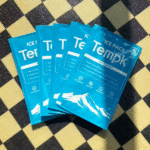
Distribuidor de vino en bolsa de gel refrigerada: Estrategia de adquisiciones y empaque
El mayor riesgo en un programa de distribución de vino en bolsa refrigerada de gel es aprobar el componente antes de definir el envío.. Un envase sellado puede estar bien hecho y aun así ser incorrecto para la distribución de vino., envío directo al consumidor, eventos, muestreo, y última milla con clima cálido. La decisión final debe conectar la condición requerida del producto., exposición de ruta, carga útil, aislamiento, colocación del paquete, acondicionamiento, y evidencia. Ese enfoque convierte una vaga consulta masiva en una especificación que la compra, operaciones, y la calidad todos pueden defender.
| Decisión en un minuto: Comprar el resultado del paquete, no es una promesa de marketing independiente. Definir qué se debe proteger, simular cómo se maneja el envío, probar extremos representativos, y mantener la lista de materiales aprobada y las instrucciones bajo control de cambios.. |
|---|
Enmarque la decisión en cinco preguntas conectadas
La cadena de decisión es la condición del producto., exposición de ruta, sistema de embalaje, proceso operativo, y evidencia. La condición del producto indica qué se debe proteger y qué extremos pueden causar daño.. La exposición de la ruta cubre el tiempo., condiciones ambientales, traspasos, retrasos, y recibo. El embalaje combina aislamiento., refrigerante, carga útil, espacio vacío, y cierre. Operaciones cubren acondicionamiento y ensamblaje de paquetes.. La evidencia muestra si el diseño completo cumple con los criterios de aceptación predefinidos..
Aplicar esa cadena al distribuidor de vino en bolsa de gel refrigerado.. El componente debe describirse como un amortiguador térmico que puede reducir la exposición al calor en un paquete aislado, pero no autoriza el envío de alcohol ni define las condiciones ideales de transporte del vino.. Si la consulta aún no define la condición aceptable del producto, carga útil representativa, aislamiento, ruta, y proceso de despacho, La respuesta del proveedor responsable es un conjunto de preguntas más que una recomendación universal..
Ponga la propiedad al lado de cada enlace. Los equipos de producto o calidad aprueban el rango de aceptación.; la logística describe el carril; ingeniería de embalaje es propietaria del diseño; operaciones posee acondicionamiento y montaje; Adquisiciones gestiona las especificaciones controladas y el proveedor.; Los equipos receptores inspeccionan y escalan.. La brecha entre propietarios es un modo de fracaso.
| Principio de aprobación: Ninguna propiedad del material demuestra el rendimiento del envío. La aprobación debe conectar los datos de los componentes controlados., un paquete repetible, pruebas representativas, y un proceso operativo gestionado. |
|---|
Traduzca cada especificación en un riesgo operativo
| Especificación o evidencia | Pregunta operativa | ¿Qué aprobación debe registrar? |
|---|---|---|
| Dimensiones y tolerancia de peso lleno. | ¿Encajará el paquete?, contacto, alimentar, y contar consistentemente? | Valor nominal, tolerancia, método de inspección, y muestra |
| Comportamiento de formulación o fase. | ¿El acondicionamiento y la respuesta térmica se ajustan al límite del producto?? | Datos específicos del producto, método, lote o revisión, y usar límite |
| Controles de película y sello | ¿Puede la bolsa sobrevivir a los peligros mecánicos reales?? | Construcción, enfoque de prueba, regla de aceptación, y cambiar notificación |
| prueba de embalaje | ¿Funciona el sistema completo para carga útil y exposición representativas?? | Protocolo, configuración, sensores, criterios de aceptación, resultados, y desviaciones |
| Documentos de seguridad y cumplimiento | son materiales, reclamos, contacto, y uso en el mercado apoyado? | Documentos aplicables, propietario de la reseña, alcance, y vencimiento o revisión |
Para esta aplicación, enfatizar la flexibilidad alrededor de botellas curvas, distribución de gel, resistencia a la abrasión de la película, confiabilidad del sello, condensación, y contacto térmico. Cada artículo importa porque cambia de ajuste., transferencia de calor, contención, seguridad, o estabilidad del proceso. No recopile documentos sin un propósito de revisión. Un certificado almacenado en una carpeta no es un control a menos que su alcance coincida con el producto exacto y el uso previsto..
Los valores nominales necesitan tolerancias y métodos.. Dos proveedores pueden enumerar las mismas dimensiones pero medirlas de manera diferente; una mochila puede alcanzar el peso promedio lleno y al mismo tiempo producir extremos inaceptables. Definir cuantas unidades se miden, en que condiciones, con que equipo, y cómo se registran los resultados. Utilice el riesgo para decidir la profundidad del control.
Las especificaciones también deben indicar lo que no se reclama.. Evite el lenguaje universal sobre el cumplimiento, tener tiempo, reutilización, contacto con alimentos, biodegradabilidad, o protección contra congelación. Una limitación clara aumenta la credibilidad y aumenta las ventas., calidad, y clientes el mismo límite.
Escriba un resumen de requisitos utilizables antes de solicitar cotizaciones
El resumen de requisitos debe identificar la aplicación como distribución de vino., envío directo al consumidor, eventos, muestreo, y última milla con clima cálido; el mercado de destino como mercados regulados de bebidas y alcohol con énfasis en EE. UU.. distribución; y los usuarios como distribuidores de vino, bodegas, proveedores de cumplimiento, importadores, y operadores de hostelería. Describir el producto que se está protegiendo., sus condiciones aprobadas de envío y recepción, sensibilidad a la congelación u otros límites, y si el control de la temperatura es una medida de seguridad, calidad, estabilidad, o requisito de comodidad.
Agregar el contexto del paquete: aislamiento y dimensiones internas, rango de carga útil, espacio utilizable, recuento de refrigerante y posición propuesta, ruta prevista y retrasos, modo portador, perfiles estacionales, equipo de acondicionamiento, tasa de embalaje, almacenamiento, y proceso de recepción. Si se desconoce la información, márquelo para una prueba en lugar de llenar el vacío con un número supuesto.
Definir las necesidades de componentes en torno a las dimensiones de la bolsa, muestras de envases de botellas, Comprobaciones de fugas y compresión., limitaciones de impresión, control de lotes, y embalaje de caja compatible. Indique los documentos requeridos., idioma, obra de arte, embalaje, identificación del lote, controles de estantería o almacenamiento si está justificado, y proceso de notificación de cambios. Solicite a los proveedores que identifiquen excepciones y sugieran qué información adicional necesitan..
Separar los requisitos obligatorios de las preferencias. Un elemento obligatorio protege la seguridad, cumplimiento, adaptar, o desempeño aprobado. Una preferencia puede mejorar el parto., apariencia, o costo pero se puede comercializar. Esto hace que la comparación de proveedores sea justa y evita eliminar una opción técnicamente sólida para una característica cosmética..
Utilice una ruta Stage-Gate desde la muestra hasta la producción
La primera etapa es la revisión de documentos y muestras.. Confirmar identidad, construcción, dimensiones, llenar, sellos, información de seguridad, documentación de mercado prevista, almacenamiento, y acondicionamiento. La segunda etapa es el trabajo de banco.: acondicionar el paquete en el equipamiento previsto, comprobar ajuste y manejo, y modos de falla mecánica de la pantalla. Estos pasos eliminan desajustes obvios antes de un costoso programa térmico..
La tercera etapa prueba el paquete completo bajo un protocolo que refleja los extremos de la carga útil y la exposición creíble a la ruta.. Registre la lista exacta de materiales y montaje.. La cuarta etapa es un piloto operativo con personal capacitado, acondicionamiento de la tasa de producción, estadificación normal, manipulación del transportista cuando corresponda, y recibiendo revisión. Un éxito de laboratorio puede fracasar si la línea no puede reproducirlo.
La quinta etapa aprueba la especificación controlada, proveedor, instrucción de embalaje, capacitación, cheques entrantes, archivos, y proceso de escalada. Liberar la producción solo después de que el propietario responsable resuelva o acepte formalmente las desviaciones abiertas.. Mantenga las muestras retenidas y los registros de pruebas vinculados a la revisión aprobada..
La reevaluación es provocada por un cambio significativo: carga útil, caja, aislamiento, refrigerante, película, llenar, sitio del proveedor, equipo de acondicionamiento, transportador, ruta, mercado, afirmar, o proceso operativo. No todos los cambios necesitan una calificación completa, pero cada cambio necesita una decisión de riesgo documentada.
Modos de falla para diseñar antes del lanzamiento
El primer modo de falla es usar el refrigerante para resolver un problema fuera de sus límites.. Los ejemplos incluyen intentar eliminar el calor del campo., compensar la puesta en escena cálida, reemplazar el embalaje requerido para mercancías peligrosas, crear autorización terapéutica, o hacer una caja sin aislamiento con temperatura controlada. en este programa, un mal ajuste conocido son los carriles donde no se permite el envío de alcohol, Paquetes con protección inadecuada contra roturas., o productos cuyo productor no ha definido condiciones de transporte aceptables.
El segundo es la deriva de la configuración.. Los operadores agregan o eliminan paquetes., cambiar de orientación, sustituir una unidad de aspecto similar, dejar espacio vacio, o usar una carga útil diferente. Evite la deriva con imágenes controladas, identificación de piezas, limpieza de línea, verificación de conteo, e instrucciones de excepción. Auditar el paquete real, no sólo el procedimiento escrito.
El tercero es la deriva condicionante.. Carga densa del congelador, ciclos de descongelamiento, condicionamiento corto, o la puesta en escena cálida cambia el estado inicial. Supervisar la capacidad del proceso durante el volumen máximo. Si no se puede verificar la preparación, Mejorar el equipo o procedimiento en lugar de hacer conjeturas..
El cuarto es el cambio silencioso de proveedor.. Película, resina, aditivo, proceso de sellado, sitio de producción, dimensiones, o el embalaje de la caja puede cambiar mientras el nombre de la pieza comercial permanece. Un acuerdo de calidad y una notificación de cambio significativo permiten al comprador decidir si se requiere una inspección o una nueva prueba..
Herramientas útiles para tomar decisiones
Comprueba los detalles antes de elegir el embalaje.
Estas herramientas rápidas pueden ayudarle a comparar el riesgo de la ruta, necesidades de dimensionamiento, opciones de refrigerante, y detalles del embalaje antes de solicitar una cotización.
Calculadora de hielo seco
Calcule las necesidades de hielo seco para envíos congelados o ultrafríos antes de empacar.
Estimar hielo secoReferencia del material aislante
Compare opciones de materiales aislantes para diferentes necesidades de embalaje de la cadena de frío.
Comparar materialesrefrigerante & Referencia PCM
Compare las opciones de refrigerante y PCM cuando una ruta necesite soporte de temperatura adicional.
Comparar opcionesÚnase a la revisión de cumplimiento y control de calidad
El marco de cumplimiento incluye normas de envío y licencias de alcohol., Responsabilidades del etiquetado TTB, políticas del transportista, y requisitos estatales o locales. Utilice la guía de TTB sobre las responsabilidades de bebidas alcohólicas, además de las autoridades estatales aplicables en materia de alcohol y las normas de los transportistas cuando sea pertinente., pero confirme el alcance, estado actual, e implementación local. Una declaración de proveedor puede respaldar una reclamación material; no puede transferir la responsabilidad del transportista por la ruta, producto, etiquetado, o aprobación del paquete terminado.
El control de calidad preserva el diseño aprobado mediante la trazabilidad del lote., controles de fabricación, inspección entrante, manejo de quejas, acción correctiva, control de documentos, y gestión del cambio. La revisión regulatoria controla las reclamaciones, uso previsto, contacto, acceso al mercado, advertencias, y registros. Las dos funciones deben aprobar la misma descripción del producto..
Evite la palabra "obediente" sin nombrar lo que está cubierto. Una bolsa puede cumplir con un requisito de material acordado, pero el envío aún puede no cumplir con un criterio de temperatura.. Un paquete puede pasar un perfil de cámara pero aún carecer de las marcas requeridas para un envío biológico. Las reclamaciones precisas hacen visibles las lagunas antes del envío.
Prepare un archivo de lanzamiento que contenga la especificación aprobada., muestra, evidencia de prueba, empacar, método de acondicionamiento, documentos de seguridad y mercado, aprobación del proveedor, capacitación, plan de recepción, y cambiar los desencadenantes. Este archivo debe ser lo suficientemente práctico como para que un nuevo miembro del equipo pueda entender por qué se seleccionó el componente y qué invalidaría la decisión..
Optimice el valor total sin debilitar el margen de seguridad
La revisión del valor total incluye el precio., carga entrante, almacenamiento, acondicionamiento de energía, mano de obra, velocidad de línea, carga útil utilizable, peso y volumen de salida, pérdida de producto, quejas, investigación, devolver, limpieza, y eliminación. Las prioridades de sostenibilidad son la prevención de daños, protección térmica ligera, viabilidad de regreso para rutas locales, separación de materiales, y evitar reclamaciones de reutilización unidireccionales. No asignar beneficios que el modelo logístico real no pueda ofrecer.
Comparar alternativas después de que cumplan con los mismos criterios de aceptación.. Un pack de menor coste que requiere más unidades, más espacio en el congelador, o más mano de obra puede no ser más barata. Una forma personalizada puede crear valor si reduce el error o mejora la utilización del espacio., pero también puede agregar herramientas, pronóstico de riesgo, y dependencia de una sola fuente.
Para reutilizar, calcular el circuito cerrado en lugar de citar un recuento de ciclos supuesto. Definir inspección y retiro, pérdida, limpieza, distancia de regreso, capacidad de logística inversa, e inventario de respaldo. Si esos controles están ausentes, describir el paquete como físicamente reutilizable sólo con precaución; La reutilización comercial aún no se ha establecido..
Después del lanzamiento, revisar excepciones y consumo de envases. Reducir material mediante ensayos controlados y repetir la evaluación de riesgos. El objetivo no es el paquete teórico más ligero, sino la carga más baja del sistema responsable para lograr un éxito., entregas reproducibles.
Ejemplo de decisión: De la consulta a la aprobación
Un distribuidor agrega bolsas frías a un envío de seis botellas, pero las coloca donde la condensación moja las etiquetas y reduce la resistencia del cartón.. La protección térmica no puede juzgarse separadamente de la presentación y manipulación..
El equipo primero confirma los requisitos del producto y la ruta en lugar de cambiar el refrigerante inmediatamente.. Luego compara el paquete actual con la bolsa de gel delgada y flexible., Refrigerante moldeado del lado de la botella, y Vehículo o servicio con temperatura controlada solo cuando esas opciones encajen. Cada prueba mantiene la carga útil., aislamiento, registro de acondicionamiento, plan de sensores, y criterios de aceptación controlados para que el resultado pueda ser interpretado.
La adquisición registra el costo de los componentes y las condiciones de suministro., registros de operaciones carga de acondicionamiento y embalaje, y revisiones de calidad, evidencia y desviaciones.. La configuración elegida es aquella que cumple con el requisito definido con un proceso reproducible y una carga total aceptable.. No se traslada ninguna duración de la ejecución a menos que la prueba controlada proporcione evidencia de ello..
Antes de escala, El equipo pilotea unidades de producción a partir de un lote rastreable y verifica la configuración final de cajas y palés.. También define lo que sucede después de una recogida perdida., bolsa dañada, interrupción del acondicionamiento, o cambio de proveedor. Esas reglas de excepción convierten una prueba exitosa en un sistema operativo..
Preguntas que hacen los compradores antes de la aprobación
¿Cuál es la primera especificación a definir??
Definir la condición aceptable del producto protegido y las consecuencias de la exposición.. Esa decisión impulsa el comportamiento del refrigerante., colocación del paquete, escucha, criterios de prueba, y elección de ruta. La dimensión del componente es importante, pero no debería ser la primera entrada de diseño..
¿Puede un paquete cubrir cada temporada y carga útil??
A veces una configuración robusta puede cubrir un rango definido, pero eso hay que demostrarlo. La carga útil mínima y máxima y los perfiles fríos y calientes creíbles pueden producir diferentes riesgos. No extienda una configuración aprobada más allá de su evidencia sin revisión.
¿Quién es responsable del envío completado??
Las responsabilidades varían según el contrato y la regulación., pero el comprador, expedidor, propietario de la marca, equipo de calidad, transportador, y el proveedor controla cada uno diferentes elementos. La organización que libera el envío debe garantizar que el sistema y el proceso terminados cumplan con los requisitos aplicables del producto y de la ruta..
¿Qué debería suceder después de encontrar una bolsa con fugas??
Inventario afectado en cuarentena, Proteger el producto y al personal de acuerdo con la información de seguridad., registrar el lote y la condición, e investigar si la causa fue la fabricación, acondicionamiento, embalaje, punción de carga útil, o transporte. No devuelva un paquete dañado al servicio.
Un mejor siguiente paso
Una buena decisión del distribuidor de vino en bolsa de gel refrigerado conecta el producto protegido, ruta, carga útil, aislamiento, acondicionamiento, colocación del paquete, especificación de producción, y evidencia. El proveedor debe controlar el componente y comunicar los cambios.; El comprador debe aprobar el uso completo y el proceso operativo.. Ninguna de las partes debe convertir un paquete genérico en una promesa universal de desempeño o cumplimiento..
Antes de realizar el pedido a escala, confirmar el límite, condiciones representativas de la prueba, pilotear la construcción final, y definir la inspección entrante y el manejo de excepciones. Utilice la guía de TTB sobre las responsabilidades de bebidas alcohólicas, además de las autoridades estatales aplicables en materia de alcohol y las normas de los transportistas, cuando corresponda., mientras se verifican las reglas vigentes para el mercado y producto real.. Optimice los costos y el desperdicio solo después de que el requisito de aceptación permanezca protegido.
Acerca de Tempk
Tempk es el embalaje de cadena de frío Marca de Shanghai Tempk Industrial Co., Limitado. Trabajamos con compradores B2B en paquetes de gel, materiales de cambio de fase, embalaje aislado, y relacionados embalaje con temperatura controlada componentes. Para la distribución de vino., envío directo al consumidor, eventos, muestreo, y última milla con clima cálido, Nuestro papel útil comienza con los detalles del envío.: requisito del producto, carga útil, ruta, aislamiento, acondicionamiento, y manejo. No tratamos un formato de refrigerante como universal. El objetivo es ayudar a los compradores a comparar una configuración práctica., plan de muestreo, y especificaciones de suministro antes de pasar de la evaluación a la producción a granel.
Discutir la solicitud
Compartir el tipo de producto, condición aceptable, ruta, carga útil, contenedor aislado, proceso de embalaje, y volumen de pedidos objetivo con Tempk. Solicite una recomendación práctica para bolsas de gel refrigeradas y los documentos o ensayos necesarios antes de escalar..